
Uganda Eco Tourism: Discover Africa’s Leading Sustainable Safari Destination

Uganda Eco Tourism gives travelers an opportunity to explore one of Africa’s most naturally diverse destinations while supporting the protection of wildlife, forests, wetlands and local communities. Uganda contains tropical rainforests, open savannahs, volcanic mountains, freshwater lakes, powerful rivers and wildlife-rich national parks. These natural environments support mountain gorillas, chimpanzees, elephants, lions, giraffes, hippos and hundreds of bird species. A carefully planned eco-tourism journey allows visitors to enjoy these attractions while following practices that reduce environmental damage. Safari Vacations and Travel Services designs sustainable Uganda safaris that connect travelers with nature and people without treating the destination as a product to be consumed quickly.
Uganda Eco Tourism is based on responsible travel to natural places, protection of biodiversity and the creation of genuine benefits for communities living near tourism destinations. It differs from mass tourism because it considers how every safari activity, accommodation choice, vehicle transfer and visitor decision affects the destination. Travelers are encouraged to respect park regulations, reduce unnecessary waste, avoid disturbing wild animals and support locally operated projects. Following sustainable travel practices helps preserve fragile ecosystems, while choosing community-based tourism ensures that a fairer share of tourism income reaches guides, porters, farmers, craftspeople and conservation groups.
Why Uganda Is Important for Eco Tourism
Uganda sits within a region where East African savannah ecosystems meet the tropical forests of Central Africa. This position contributes to exceptional biodiversity and allows travelers to experience primates, large mammals, waterbirds, forest birds, mountain plants and wetland ecosystems within one country. A visitor can trek through rainforest in the morning, cross cultivated highlands in the afternoon and later enter open savannah. This variety makes Uganda especially suitable for slow, educational and conservation-focused travel.
The compact geography of the main western circuit also allows travelers to combine several ecosystems without flying between every destination. A route linking Kibale, Queen Elizabeth and Bwindi can be completed by road, while Lake Mburo can be added before returning to Entebbe. Longer journeys can connect Murchison Falls and Ziwa Rhino Sanctuary, while specialist travelers may continue toward Kidepo, Mount Elgon or Semuliki. The value of Uganda Eco Tourism lies not only in the number of destinations but in the depth of learning and the quality of local participation.
Biodiversity, Forests and Protected Landscapes
Uganda’s protected landscapes conserve much more than famous safari animals. Forests store carbon, protect rivers, reduce erosion and support pollinators, medicinal plants and complex food webs. Wetlands provide breeding habitats for fish and birds while helping to regulate water flow. Savannah parks maintain large landscapes where wildlife can feed, breed and move. Mountain ecosystems protect watersheds and unique vegetation that cannot survive at lower elevations. Responsible tourism can help finance the continued management of these systems.
Visitors can strengthen conservation by remaining on approved roads and trails, following ranger instructions, using refillable bottles, conserving water and avoiding products made from wildlife. These actions may seem small, but they become important when repeated across thousands of visitors. Safari Vacations and Travel Services encourages guests to study responsible wildlife tourism and select sustainable tourism activities that prioritize learning, patience and respect.
Community Participation and Local Benefits
Local communities are essential to the future of Uganda Eco Tourism because many protected areas are surrounded by villages whose residents depend on nearby land, water and forests. Tourism can provide employment for guides, porters, lodge workers, drivers, cooks, farmers and performers. It can also create markets for food, crafts and local transport. When communities see direct and fair benefits, conservation becomes more practical and more widely supported.
Meaningful community tourism should be locally led, fairly paid and respectful. Visitors should ask permission before taking photographs, avoid turning poverty into entertainment and choose experiences where residents have helped design the program. Community walks, cultural performances, farming visits and craft demonstrations can be valuable when they are presented with dignity and when income reaches the people delivering the experience. This approach makes Uganda Eco Tourism more socially responsible and more educational.
Safari Vacations and Travel Services
Safari Vacations and Travel Services creates itineraries for solo travelers, couples, families, private groups and conservation-minded adventurers. Each journey can combine primate trekking, wildlife viewing, forest walks, birding, cultural encounters and carefully selected accommodation. The company helps visitors choose suitable destinations, secure permits, arrange transportation and understand responsible safari guidelines before travel begins. A well-designed itinerary provides adventure without rushing and comfort without unnecessary waste.
Choosing Uganda Eco Tourism means accepting that travelers share responsibility for the places they visit. Every permit purchased, local guide employed, community experience booked and sustainable lodge selected can contribute to a more positive form of tourism. The goal is not simply to see Uganda but to leave with a greater understanding of its environmental value, cultural diversity and conservation challenges.
What Makes Uganda Eco Tourism Different from Traditional Tourism?

Uganda Eco Tourism places conservation and community participation at the center of travel. Traditional tourism may focus mainly on sightseeing, entertainment and the number of attractions visited. Eco tourism asks additional questions: Was wildlife disturbed? Did the activity support conservation? Were local people involved fairly? Was waste reduced? Did the accommodation use water and energy responsibly? This wider view changes the way an itinerary is designed and the way travelers behave.
Smaller groups, locally guided activities and slower itineraries are common features of responsible travel. They make it easier to interpret wildlife behavior, answer questions and manage visitor impact. Travelers are encouraged to learn before photographing, observe without interfering and spend enough time in each place to understand its ecological and cultural context. These principles are reflected in sustainable wildlife watching and conservation-focused safari experiences.
Conservation Before Convenience
In Uganda Eco Tourism, animal welfare takes priority over a photograph. A guide should not leave an approved track merely to obtain a closer sighting, crowd a predator or block an animal’s movement. During gorilla and chimpanzee encounters, visitors must maintain required distances, remain quiet and follow health rules. These restrictions are not inconveniences; they are the reason sensitive wildlife tourism can continue.
Traditional tourism can create pressure when destinations are judged only by visitor numbers and short-term income. Eco tourism instead considers carrying capacity, seasonal pressure, waste, water use and habitat disturbance. A destination remains valuable only when the ecosystem that supports it remains healthy.
Local Economic Participation
Eco tourism seeks to keep a larger share of travel income within the destination. Using local guides, buying locally produced food, staying at community-connected accommodation and paying fairly for cultural experiences can strengthen household incomes. Traditional tourism may allow much of the revenue to leave the area through imported supplies, outside ownership or rushed itineraries with little local spending.
Community participation must be genuine. A village should not be visited without consultation, and a cultural performance should not be staged without clear payment and local control. Responsible travelers choose experiences that respect privacy, protect dignity and provide clear benefits.
Environmental Impact and Resource Use
Uganda Eco Tourism encourages refillable water bottles, reusable shopping bags, careful energy use and reduced linen changes. Lodges can support the same goals through solar power, rainwater harvesting, responsible sewage systems and local sourcing. These measures do not remove every environmental impact, but they reduce avoidable pressure and make operators accountable for their choices.
Transport also matters. Visiting fewer destinations, avoiding unnecessary backtracking and staying longer in each park can reduce fuel use. A realistic route usually creates a better experience than an overloaded itinerary that spends most of the journey on the road.
Uganda National Parks and Protected Areas Supporting Eco Tourism

Uganda’s national parks, forests, wildlife reserves, mountains and wetlands form the foundation of Uganda Eco Tourism. These protected areas conserve endangered wildlife, maintain water catchments, protect natural vegetation and create employment for communities living nearby. Visitors who explore Uganda through responsible national park tourism contribute through entrance fees, permits, guiding services and accommodation bookings. Following park regulations is essential because conservation depends on what visitors do as much as on what protected-area staff do.
Bwindi Impenetrable National Park
Bwindi Impenetrable National Park protects montane tropical rainforest and supports mountain gorillas, forest birds, butterflies and monkeys. Its importance to Uganda Eco Tourism comes from the way tourism, conservation and local employment are linked. Visitors contribute through regulated entry, guiding and accommodation, while communities benefit through jobs, food supply, transport and cultural activities. Travelers can use the Bwindi Impenetrable National Park guide to understand access, activities and responsible behavior before arrival.
The main eco tourism experiences include gorilla trekking, habituation, birding and forest walks. Visitors should remain on approved routes, avoid loud behavior and follow all instructions given by guides and rangers. Spending several nights in the area allows a deeper experience and spreads tourism income beyond a single activity. It also creates time for birding, nature walks and community visits that are often overlooked in rushed itineraries.
Mgahinga Gorilla National Park
Mgahinga Gorilla National Park protects bamboo forest and volcanic mountain slopes and supports mountain gorillas, golden monkeys and Albertine Rift birds. Its importance to Uganda Eco Tourism comes from the way tourism, conservation and local employment are linked. Visitors contribute through regulated entry, guiding and accommodation, while communities benefit through jobs, food supply, transport and cultural activities. Travelers can use the Mgahinga Gorilla National Park guide to understand access, activities and responsible behavior before arrival.
The main eco tourism experiences include gorilla trekking, golden monkey tracking and volcano hiking. Visitors should remain on approved routes, avoid loud behavior and follow all instructions given by guides and rangers. Spending several nights in the area allows a deeper experience and spreads tourism income beyond a single activity. It also creates time for birding, nature walks and community visits that are often overlooked in rushed itineraries.
Kibale National Park
Kibale National Park protects tropical forest, woodland and wetland and supports chimpanzees, red colobus and other primates. Its importance to Uganda Eco Tourism comes from the way tourism, conservation and local employment are linked. Visitors contribute through regulated entry, guiding and accommodation, while communities benefit through jobs, food supply, transport and cultural activities. Travelers can use the Kibale National Park guide to understand access, activities and responsible behavior before arrival.
The main eco tourism experiences include chimpanzee trekking, habituation, birding and forest walks. Visitors should remain on approved routes, avoid loud behavior and follow all instructions given by guides and rangers. Spending several nights in the area allows a deeper experience and spreads tourism income beyond a single activity. It also creates time for birding, nature walks and community visits that are often overlooked in rushed itineraries.
Queen Elizabeth National Park
Queen Elizabeth National Park protects savannah, wetlands, crater lakes and woodland and supports elephants, lions, buffaloes, hippos and leopards. Its importance to Uganda Eco Tourism comes from the way tourism, conservation and local employment are linked. Visitors contribute through regulated entry, guiding and accommodation, while communities benefit through jobs, food supply, transport and cultural activities. Travelers can use the Queen Elizabeth National Park guide to understand access, activities and responsible behavior before arrival.
The main eco tourism experiences include game drives, boat cruises, birding and cultural tours. Visitors should remain on approved routes, avoid loud behavior and follow all instructions given by guides and rangers. Spending several nights in the area allows a deeper experience and spreads tourism income beyond a single activity. It also creates time for birding, nature walks and community visits that are often overlooked in rushed itineraries.
Murchison Falls National Park
Murchison Falls National Park protects savannah, woodland and the Nile corridor and supports giraffes, elephants, lions, hippos and crocodiles. Its importance to Uganda Eco Tourism comes from the way tourism, conservation and local employment are linked. Visitors contribute through regulated entry, guiding and accommodation, while communities benefit through jobs, food supply, transport and cultural activities. Travelers can use the Murchison Falls National Park guide to understand access, activities and responsible behavior before arrival.
The main eco tourism experiences include game drives, Nile cruises, birding and falls viewing. Visitors should remain on approved routes, avoid loud behavior and follow all instructions given by guides and rangers. Spending several nights in the area allows a deeper experience and spreads tourism income beyond a single activity. It also creates time for birding, nature walks and community visits that are often overlooked in rushed itineraries.
Kidepo Valley National Park
Kidepo Valley National Park protects semi-arid savannah, valleys and mountains and supports lions, cheetahs, elephants, buffaloes and ostriches. Its importance to Uganda Eco Tourism comes from the way tourism, conservation and local employment are linked. Visitors contribute through regulated entry, guiding and accommodation, while communities benefit through jobs, food supply, transport and cultural activities. Travelers can use the Kidepo Valley National Park guide to understand access, activities and responsible behavior before arrival.
The main eco tourism experiences include game drives, birding, photography and cultural encounters. Visitors should remain on approved routes, avoid loud behavior and follow all instructions given by guides and rangers. Spending several nights in the area allows a deeper experience and spreads tourism income beyond a single activity. It also creates time for birding, nature walks and community visits that are often overlooked in rushed itineraries.
Lake Mburo National Park
Lake Mburo National Park protects acacia woodland, lakes, wetlands and grassland and supports zebras, impalas, giraffes, elands and buffaloes. Its importance to Uganda Eco Tourism comes from the way tourism, conservation and local employment are linked. Visitors contribute through regulated entry, guiding and accommodation, while communities benefit through jobs, food supply, transport and cultural activities. Travelers can use the Lake Mburo National Park guide to understand access, activities and responsible behavior before arrival.
The main eco tourism experiences include walking safaris, game drives, boat trips and birding. Visitors should remain on approved routes, avoid loud behavior and follow all instructions given by guides and rangers. Spending several nights in the area allows a deeper experience and spreads tourism income beyond a single activity. It also creates time for birding, nature walks and community visits that are often overlooked in rushed itineraries.
Rwenzori Mountains National Park
Rwenzori Mountains National Park protects montane forest and Afro-alpine vegetation and supports endemic plants, mountain birds and small mammals. Its importance to Uganda Eco Tourism comes from the way tourism, conservation and local employment are linked. Visitors contribute through regulated entry, guiding and accommodation, while communities benefit through jobs, food supply, transport and cultural activities. Travelers can use the Rwenzori Mountains National Park guide to understand access, activities and responsible behavior before arrival.
The main eco tourism experiences include mountain hiking, photography and nature walks. Visitors should remain on approved routes, avoid loud behavior and follow all instructions given by guides and rangers. Spending several nights in the area allows a deeper experience and spreads tourism income beyond a single activity. It also creates time for birding, nature walks and community visits that are often overlooked in rushed itineraries.
Mount Elgon National Park
Mount Elgon National Park protects volcanic highlands and montane forest and supports forest birds, monkeys and small mammals. Its importance to Uganda Eco Tourism comes from the way tourism, conservation and local employment are linked. Visitors contribute through regulated entry, guiding and accommodation, while communities benefit through jobs, food supply, transport and cultural activities. Travelers can use the Mount Elgon National Park guide to understand access, activities and responsible behavior before arrival.
The main eco tourism experiences include hiking, waterfalls, caves and community tourism. Visitors should remain on approved routes, avoid loud behavior and follow all instructions given by guides and rangers. Spending several nights in the area allows a deeper experience and spreads tourism income beyond a single activity. It also creates time for birding, nature walks and community visits that are often overlooked in rushed itineraries.
Semuliki National Park
Semuliki National Park protects lowland tropical forest and wetlands and supports Central African forest birds and primates. Its importance to Uganda Eco Tourism comes from the way tourism, conservation and local employment are linked. Visitors contribute through regulated entry, guiding and accommodation, while communities benefit through jobs, food supply, transport and cultural activities. Travelers can use the Semuliki National Park guide to understand access, activities and responsible behavior before arrival.
The main eco tourism experiences include birding, forest walks and Sempaya hot springs. Visitors should remain on approved routes, avoid loud behavior and follow all instructions given by guides and rangers. Spending several nights in the area allows a deeper experience and spreads tourism income beyond a single activity. It also creates time for birding, nature walks and community visits that are often overlooked in rushed itineraries.
Best Uganda Eco Tourism Activities for Nature and Wildlife Lovers

Uganda Eco Tourism offers responsible ways to experience wildlife, forests, lakes, rivers, mountains and communities. Popular sustainable activities include primate trekking, game drives, boat cruises, birding, walking safaris, hiking and cultural encounters. Safari Vacations and Travel Services combines them through custom Uganda safari packages designed around the interests, fitness and available time of each visitor.
Mountain Gorilla Trekking
Mountain Gorilla Trekking is one of the experiences that can give a Uganda Eco Tourism itinerary depth and variety. It is mainly offered in Bwindi and Mgahinga. The experience involves a controlled forest trek to a habituated gorilla family, supported by trained guides who explain safety, wildlife behavior and conservation rules. Travelers should prepare properly, remain patient and understand that nature cannot be staged or guaranteed.
The conservation value of this activity is that it permit revenue, ranger employment and habitat protection. Visitors improve that value by choosing authorized operators, respecting group limits, reducing waste and avoiding behavior that disturbs wildlife or communities. The activity should be included at a realistic pace, with enough time for rest, interpretation and unexpected changes.
Gorilla Habituation
Gorilla Habituation is one of the experiences that can give a Uganda Eco Tourism itinerary depth and variety. It is mainly offered in Selected parts of Bwindi. The experience involves extended time with trackers and a group undergoing habituation, supported by trained guides who explain safety, wildlife behavior and conservation rules. Travelers should prepare properly, remain patient and understand that nature cannot be staged or guaranteed.
The conservation value of this activity is that it supports research, monitoring and controlled tourism. Visitors improve that value by choosing authorized operators, respecting group limits, reducing waste and avoiding behavior that disturbs wildlife or communities. The activity should be included at a realistic pace, with enough time for rest, interpretation and unexpected changes.
Chimpanzee Trekking
Chimpanzee Trekking is one of the experiences that can give a Uganda Eco Tourism itinerary depth and variety. It is mainly offered in Kibale and other approved sites. The experience involves following habituated chimpanzees with ranger guides, supported by trained guides who explain safety, wildlife behavior and conservation rules. Travelers should prepare properly, remain patient and understand that nature cannot be staged or guaranteed.
The conservation value of this activity is that it supports primate conservation and forest management. Visitors improve that value by choosing authorized operators, respecting group limits, reducing waste and avoiding behavior that disturbs wildlife or communities. The activity should be included at a realistic pace, with enough time for rest, interpretation and unexpected changes.
Golden Monkey Tracking
Golden Monkey Tracking is one of the experiences that can give a Uganda Eco Tourism itinerary depth and variety. It is mainly offered in Mgahinga. The experience involves tracking active golden monkeys in bamboo forest, supported by trained guides who explain safety, wildlife behavior and conservation rules. Travelers should prepare properly, remain patient and understand that nature cannot be staged or guaranteed.
The conservation value of this activity is that it diversifies tourism and supports bamboo habitat protection. Visitors improve that value by choosing authorized operators, respecting group limits, reducing waste and avoiding behavior that disturbs wildlife or communities. The activity should be included at a realistic pace, with enough time for rest, interpretation and unexpected changes.
Game Drives
Game Drives is one of the experiences that can give a Uganda Eco Tourism itinerary depth and variety. It is mainly offered in Queen Elizabeth, Murchison, Kidepo and Lake Mburo. The experience involves vehicle-based wildlife viewing on approved tracks, supported by trained guides who explain safety, wildlife behavior and conservation rules. Travelers should prepare properly, remain patient and understand that nature cannot be staged or guaranteed.
The conservation value of this activity is that it park fees and guiding employment. Visitors improve that value by choosing authorized operators, respecting group limits, reducing waste and avoiding behavior that disturbs wildlife or communities. The activity should be included at a realistic pace, with enough time for rest, interpretation and unexpected changes.
Boat Safaris
Boat Safaris is one of the experiences that can give a Uganda Eco Tourism itinerary depth and variety. It is mainly offered in Kazinga Channel and the River Nile. The experience involves observing aquatic wildlife and waterbirds, supported by trained guides who explain safety, wildlife behavior and conservation rules. Travelers should prepare properly, remain patient and understand that nature cannot be staged or guaranteed.
The conservation value of this activity is that it supports wetland and river conservation. Visitors improve that value by choosing authorized operators, respecting group limits, reducing waste and avoiding behavior that disturbs wildlife or communities. The activity should be included at a realistic pace, with enough time for rest, interpretation and unexpected changes.
Walking Safaris
Walking Safaris is one of the experiences that can give a Uganda Eco Tourism itinerary depth and variety. It is mainly offered in Lake Mburo, Ziwa and selected forest areas. The experience involves wildlife, tracks, plants and landscapes on foot, supported by trained guides who explain safety, wildlife behavior and conservation rules. Travelers should prepare properly, remain patient and understand that nature cannot be staged or guaranteed.
The conservation value of this activity is that it creates local guiding work and reduces vehicle use. Visitors improve that value by choosing authorized operators, respecting group limits, reducing waste and avoiding behavior that disturbs wildlife or communities. The activity should be included at a realistic pace, with enough time for rest, interpretation and unexpected changes.
Bird Watching
Bird Watching is one of the experiences that can give a Uganda Eco Tourism itinerary depth and variety. It is mainly offered in Forests, wetlands, mountains and savannahs. The experience involves specialist observation of resident and migratory birds, supported by trained guides who explain safety, wildlife behavior and conservation rules. Travelers should prepare properly, remain patient and understand that nature cannot be staged or guaranteed.
The conservation value of this activity is that it encourages protection of many habitats. Visitors improve that value by choosing authorized operators, respecting group limits, reducing waste and avoiding behavior that disturbs wildlife or communities. The activity should be included at a realistic pace, with enough time for rest, interpretation and unexpected changes.
Mountain Hiking
Mountain Hiking is one of the experiences that can give a Uganda Eco Tourism itinerary depth and variety. It is mainly offered in Rwenzori, Mount Elgon and Mgahinga. The experience involves guided hiking through highland ecosystems, supported by trained guides who explain safety, wildlife behavior and conservation rules. Travelers should prepare properly, remain patient and understand that nature cannot be staged or guaranteed.
The conservation value of this activity is that it supports guides, porters and mountain conservation. Visitors improve that value by choosing authorized operators, respecting group limits, reducing waste and avoiding behavior that disturbs wildlife or communities. The activity should be included at a realistic pace, with enough time for rest, interpretation and unexpected changes.
Community Tourism
Community Tourism is one of the experiences that can give a Uganda Eco Tourism itinerary depth and variety. It is mainly offered in Communities near protected areas. The experience involves locally led cultural, farming and craft experiences, supported by trained guides who explain safety, wildlife behavior and conservation rules. Travelers should prepare properly, remain patient and understand that nature cannot be staged or guaranteed.
The conservation value of this activity is that it creates direct household income and local ownership. Visitors improve that value by choosing authorized operators, respecting group limits, reducing waste and avoiding behavior that disturbs wildlife or communities. The activity should be included at a realistic pace, with enough time for rest, interpretation and unexpected changes.
Wildlife Conservation and Community-Based Tourism in Uganda

Wildlife conservation and community-based tourism are central to Uganda Eco Tourism. Protecting forests, wetlands and savannahs requires cooperation between government agencies, conservation organizations, tourism companies, visitors and communities. Through conservation-focused safari travel, visitors can help finance rangers, monitoring, habitat management and education. Through community-based tourism, they can also support household income and local enterprise.
The Role of Protected-Area Management
Protected-area authorities manage national parks, wildlife reserves and sensitive tourism activities. Their work includes enforcing regulations, training rangers, monitoring wildlife, managing visitor access and maintaining tourism infrastructure. Permits for gorilla and chimpanzee experiences control daily numbers and support conservation. Visitors participate responsibly by arriving healthy, listening to briefings and accepting that rules cannot be changed for convenience.
Anti-Poaching and Wildlife Law Enforcement
Rangers patrol protected areas, remove snares, monitor wildlife and respond to illegal activity. Travelers should never buy products made from protected wildlife and should report suspicious activity through appropriate channels. Tourism revenue is not the only source of conservation funding, but it is an important contribution that connects visitor demand with wildlife protection.
Habitat Restoration and Wildlife Corridors
Wildlife needs space beyond a single protected boundary. Corridors, restored forests, wetlands and community-managed land can connect feeding and breeding areas. Tree planting is most useful when indigenous species are selected and maintained for the long term. Travelers should support transparent projects rather than activities measured only by the number of seedlings planted.
Revenue Sharing and Community Development
Communities living near protected areas may face crop damage, restricted resource access or conflict with wildlife. Revenue sharing and tourism employment can help create a fairer relationship, but benefits must be transparent and meaningful. Projects work best when local people help select priorities and can see how funds are used.
Employment, Women and Youth
Tourism creates work for guides, porters, cooks, lodge staff, farmers, artisans and cultural performers. Women and young people can participate through craft production, hospitality, guiding, farming partnerships and small enterprises. Visitors support these opportunities by paying fairly, buying directly from producers and avoiding aggressive bargaining over small amounts.
Human-Wildlife Conflict
Communities may experience crop loss, livestock attacks and safety concerns when wildlife moves beyond protected areas. Responsible tourism should acknowledge these realities instead of presenting conservation as a simple success story. Lodges and visitors must secure food waste, avoid feeding animals and support programs that combine conservation with practical livelihood solutions.
Conservation Education
Guides, ranger briefings and community visits help travelers understand animal behavior, habitat threats and the reasons behind rules. Visitors can continue supporting conservation after travel by sharing accurate information and avoiding social media content that promotes touching, feeding or crowding wildlife.
Best Eco Lodges and Sustainable Accommodation in Uganda

Accommodation influences energy use, water consumption, waste management and local employment. A genuine eco lodge should show practical measures rather than relying on a name or marketing label. Solar power, rainwater harvesting, refillable drinking-water stations, responsible sewage systems, waste separation and local sourcing are important signs. Travelers can use sustainable safari principles and responsible travel practices when evaluating properties.
Energy and Water
Remote lodges often use solar systems and may limit electricity to certain hours. Guests should switch off unnecessary lights and charging points. Water should be used carefully, particularly in dry areas such as Kidepo and in communities where households share limited sources. Reusing towels and taking shorter showers are simple but meaningful choices.
Waste and Plastic Reduction
Refillable bottles, bulk bathroom products and reusable containers reduce waste before disposal becomes necessary. Food waste should be stored securely so that it does not attract baboons, monkeys or rodents. Guests should carry non-biodegradable waste until it can be handled properly and should not leave damaged equipment in remote communities.
Local Food and Employment
Lodges can support nearby farmers by purchasing vegetables, fruit, eggs, milk and other supplies locally. They can also employ residents and provide training. Local sourcing should remain safe and sustainable; it should not create pressure on community food supplies or encourage illegal hunting and fishing.
Destination-Based Accommodation Planning
In Bwindi, travelers should stay close to the assigned trekking sector. In Kibale, properties near Kanyanchu reduce transfer time for chimpanzee tracking. In Queen Elizabeth and Murchison, lodge location should match game-drive and boat-cruise plans. In Kidepo, longer stays are more practical because of the distance. In mountain areas, simple community guesthouses and trekking huts may provide the most direct local benefits.
Best Time for Uganda Eco Tourism and Month-by-Month Travel Guide
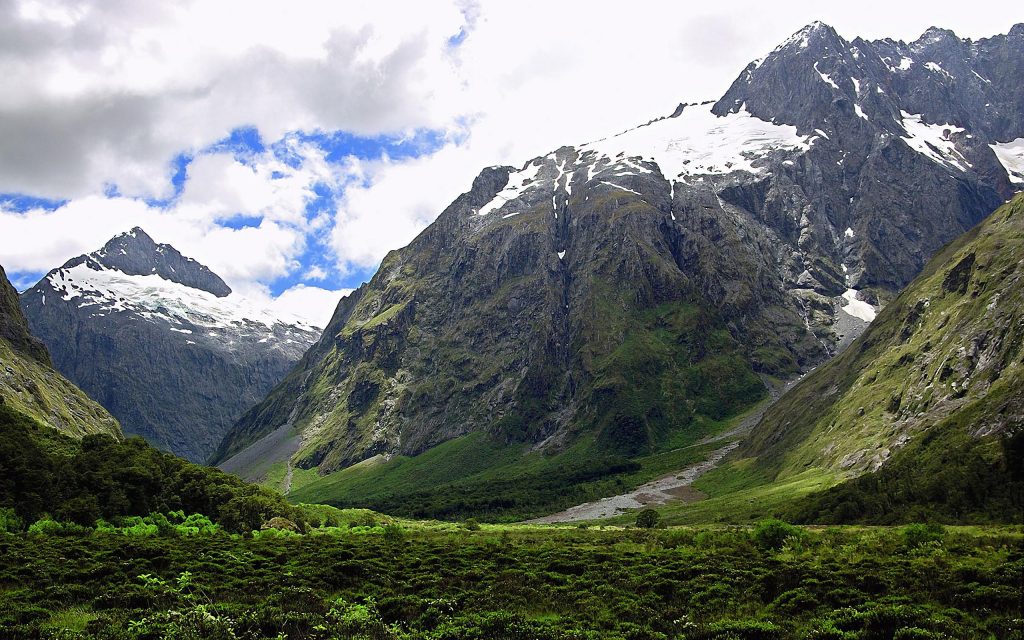
Uganda Eco Tourism can be enjoyed throughout the year, although the best time depends on the activities, preferred crowd level and tolerance for rain. Drier periods generally occur from December to February and June to September, while wetter conditions are common from March to May and October to November. Travelers can use the birding season guide and first safari planning guide to match activities with seasonal expectations.
Dry Seasons
Dry periods are popular for trekking, game drives, walking safaris and mountain hiking because trails and roads may be easier. Wildlife can gather near permanent water sources, improving some sightings. Demand for permits and lodges also rises, so advance booking is important.
Wet and Green Seasons
Wetter months provide green scenery, fewer visitors and attractive conditions for photography and birding. Rain often comes in showers, although patterns vary. Travelers should prepare for mud, changing roads and flexible schedules. The green season also distributes tourism income beyond peak months.
Seasonal Packing
Travelers should carry lightweight clothing, warm layers for highlands, waterproof protection and strong walking shoes throughout the year. Dry-season visitors need sun and dust protection, while wet-season visitors benefit from gaiters, quick-drying clothing and waterproof camera covers. Reusable items reduce waste and are easier to manage in remote areas.
Choosing the Right Season
Travelers who prioritize easier trekking and classic wildlife viewing may prefer the drier months. Visitors interested in green scenery, fewer vehicles and flexible travel may prefer the wetter seasons. Bird watchers and photographers can find rewarding experiences during both. The best decision is based on interests rather than a single claim that one month is perfect for everyone.
How to Plan the Perfect Uganda Eco Tourism Safari

Planning requires attention to entry documents, permits, health, insurance, transport, packing, costs and responsible behavior. Safari Vacations and Travel Services can help through Uganda safari planning and custom itinerary design. Current fees and entry requirements should always be reconfirmed before payment because regulations can change.
Choose Priorities and Trip Length
Start by deciding whether the journey should focus on primates, wildlife, hiking, birding, culture or a combination. A short trip should focus on one or two destinations, while a longer safari can connect several ecosystems. More nights in fewer places usually create a better and more sustainable experience.
Passport, Visa and Health
Travelers should verify passport validity, visa requirements and yellow fever documentation through official sources. A travel clinic can advise on malaria prevention, vaccinations and personal medication. Important medicines should remain in hand luggage, and travelers should carry copies of prescriptions where appropriate.
Travel Insurance
Insurance should cover medical care, evacuation, cancellation, luggage and all planned activities. Ordinary policies may not automatically include gorilla trekking, chimpanzee tracking or mountain hiking. Visitors should read the wording carefully and purchase cover soon after confirming non-refundable services.
Permits
Gorilla, gorilla habituation and chimpanzee permits are date-specific and limited. Their availability should be checked before non-refundable flights are purchased. Travelers should understand payment, cancellation and rescheduling conditions before confirmation.
Transport
A guided four-wheel-drive safari is usually the easiest option for first-time visitors. Domestic flights can reduce travel time but may increase costs and have strict luggage limits. Road routes should avoid repeated backtracking and unrealistic transfer days.
Budget and Inclusions
The total cost depends on permits, accommodation, vehicle, group size, season and activities. A quotation should clearly state inclusions and exclusions. Travelers should avoid choosing only by the lowest headline price when essential services, permits or park fees are missing.
Sustainable Packing
Useful items include quick-drying clothing, strong shoes, a waterproof jacket, warm layers, insect repellent, sunscreen, binoculars and a reusable bottle. Disposable packaging should be removed before departure. Travelers should not leave batteries, electronics or damaged equipment in remote destinations.
Fitness and Accessibility
Primate trekking can involve steep and muddy terrain. Regular walking and hill practice can help. Porters provide support and create direct local employment. Mobility concerns and medical conditions should be discussed before arrival so that routes and accommodation can be adjusted.
Safety and Communication
Visitors should follow their guide, use seat belts and avoid walking alone in wildlife areas. Internet and electricity may be limited in remote lodges, so travelers should carry adapters and power banks. Current local advice should be followed close to the travel date.
Uganda Eco Tourism Route Maps and Sustainable Safari Itineraries

Good routes connect destinations naturally, reduce unnecessary backtracking and allow enough time for each activity. The following itineraries can be adjusted according to permits, accommodation, season and flight arrangements. Only ten internal links are used within this section, as requested.
Complete Uganda Eco Tourism Circuit
This route follows Entebbe to Ziwa to Murchison Falls to Kibale to Queen Elizabeth to Bwindi to Lake Mburo to Entebbe. A recommended duration is Twelve to sixteen days, giving enough time for rhinos, nile wildlife, chimpanzees, gorillas and walking safaris. Travelers can compare custom Uganda safari packages and Uganda wildlife safari options before deciding how many nights to place in each destination. The route should remain flexible because permits, road conditions and seasonal weather may influence the final sequence.
To make the route more sustainable, travelers should avoid one-night stays where long transfers are required, select accommodation near activity starting points and include locally guided walks or community experiences. A slower route usually provides better interpretation, less fatigue and greater local spending.
Kigali to Bwindi, Queen Elizabeth, Kibale and Entebbe
This route follows Kigali to Bwindi to Queen Elizabeth to Kibale to Entebbe. A recommended duration is Seven to ten days, giving enough time for one-way primate and wildlife route. Travelers can compare Uganda gorilla trekking guide and Kibale National Park guide before deciding how many nights to place in each destination. The route should remain flexible because permits, road conditions and seasonal weather may influence the final sequence.
To make the route more sustainable, travelers should avoid one-night stays where long transfers are required, select accommodation near activity starting points and include locally guided walks or community experiences. A slower route usually provides better interpretation, less fatigue and greater local spending.
Southern Primate and Lakes Circuit
This route follows Entebbe to Lake Mburo to Bwindi to Mgahinga to Kigali. A recommended duration is Eight to eleven days, giving enough time for walking, gorillas, golden monkeys, hiking and canoeing. Travelers can compare Lake Mburo destination guide and Bwindi and Mgahinga comparison before deciding how many nights to place in each destination. The route should remain flexible because permits, road conditions and seasonal weather may influence the final sequence.
To make the route more sustainable, travelers should avoid one-night stays where long transfers are required, select accommodation near activity starting points and include locally guided walks or community experiences. A slower route usually provides better interpretation, less fatigue and greater local spending.
Eastern and Northern Eco Tourism Circuit
This route follows Entebbe to Jinja to Sipi Falls to Pian Upe to Kidepo. A recommended duration is Ten to fourteen days, giving enough time for water activities, hiking, birding and remote wildlife. Travelers can compare Kidepo Valley guide and Mount Elgon travel information before deciding how many nights to place in each destination. The route should remain flexible because permits, road conditions and seasonal weather may influence the final sequence.
To make the route more sustainable, travelers should avoid one-night stays where long transfers are required, select accommodation near activity starting points and include locally guided walks or community experiences. A slower route usually provides better interpretation, less fatigue and greater local spending.
Short Gorilla and Wildlife Circuit
This route follows Entebbe or Kigali to Bwindi to Queen Elizabeth. A recommended duration is Five to seven days, giving enough time for gorilla trekking, game drives and boat cruising. Travelers can compare Queen Elizabeth safari packages and Murchison Falls safari guide before deciding how many nights to place in each destination. The route should remain flexible because permits, road conditions and seasonal weather may influence the final sequence.
To make the route more sustainable, travelers should avoid one-night stays where long transfers are required, select accommodation near activity starting points and include locally guided walks or community experiences. A slower route usually provides better interpretation, less fatigue and greater local spending.
Responsible Travel Principles Across the Entire Journey
Travel Slowly and Spend Locally
Slow travel is one of the most practical ways to improve a Uganda Eco Tourism itinerary. Longer stays reduce the number of transfer days and create more opportunities to use local guides, restaurants, craft markets and community activities. They also give visitors time to understand how landscapes change between morning and evening, dry and wet conditions, and tourist areas and nearby villages.
Spending locally does not mean buying unnecessary items. It means choosing services that provide fair value and visible local benefit. A community guide, porter, artisan or small lodge should be treated as a professional service provider. Fair payment and respectful interaction are more sustainable than random gifts.
Respect Wildlife and Accept Uncertainty
Wild animals do not follow fixed schedules. A responsible safari accepts that a sighting may be distant, brief or absent. Guides should not be pressured to break rules. The quality of the experience comes from understanding habitat, behavior and conservation, not only from obtaining a close photograph.
Visitors should remain quiet, avoid feeding animals and keep all waste inside the vehicle or bag. During primate trekking, health rules are especially important because human respiratory illnesses can threaten gorillas and chimpanzees. Anyone who feels unwell should report symptoms honestly.
Protect Water, Energy and Landscapes
Water and electricity may be limited in remote destinations. Guests should switch off lights, avoid unnecessary laundry and keep showers reasonably short. Refillable bottles and reusable containers reduce plastic waste. Travelers should remain on approved trails because trampling can damage vegetation and increase erosion.
Choose Honest Sustainability Claims
No safari is impact-free. Vehicles use fuel, lodges require supplies and visitors consume resources. Responsible tourism is therefore about reducing avoidable harm, being transparent and creating enough conservation and community value to justify the activity. Travelers should be cautious of vague claims and ask specific questions about energy, waste, employment and local sourcing.
Use Local Knowledge
Local guides understand wildlife movement, road conditions, cultural expectations and seasonal changes. Their knowledge improves safety and interpretation. A good guide does not simply locate animals; the guide explains relationships between species, habitats and people. Safari Vacations and Travel Services uses this approach when developing tailor-made Uganda Eco Tourism journeys.
Experience Uganda Eco Tourism Responsibly
Uganda Eco Tourism offers an exceptional combination of mountain gorillas, chimpanzees, savannah wildlife, birds, wetlands, forests, lakes, rivers, mountains and cultural landscapes. The country’s value lies in the connections between these elements. Forest conservation protects primates and water. Community participation creates livelihoods and strengthens local support for protected areas. Responsible accommodation reduces pressure on resources. Carefully designed routes reduce unnecessary travel and give visitors time to learn.
Safari Vacations and Travel Services can combine permits, transportation, accommodation, guiding and community experiences into one practical itinerary. The company’s role is not only to move travelers between attractions but to help them understand how their choices affect wildlife, ecosystems and people. A successful safari should provide comfort and adventure while remaining realistic about the responsibilities of travel.
Visitors can support Uganda Eco Tourism by booking early, selecting ethical wildlife activities, hiring local guides and porters, staying longer, conserving water and energy, reducing waste and treating communities with dignity. These actions help ensure that the forests, savannahs, mountains and wetlands that make Uganda special remain valuable to both residents and future travelers.
Begin planning through Uganda Eco Tourism and responsible safari travel with Safari Vacations and Travel Services. A thoughtful journey can become more than a holiday: it can support conservation, create local income and build a deeper understanding of the Pearl of Africa.
Uganda Eco Tourism Frequently Asked Questions
Is Uganda suitable for eco tourism?
Yes. Uganda combines protected forests, savannah parks, wetlands, mountains and community tourism, making it suitable for conservation-focused travel throughout the year. Travelers should always confirm current rules, fees and availability before payment. Safari Vacations and Travel Services can help match the answer to the visitor’s exact route, season, budget and activity preferences. Responsible planning means choosing realistic transfer times, transparent service providers and experiences that protect wildlife and respect communities.
What is the main eco tourism activity in Uganda?
Mountain gorilla trekking is the best-known activity, but chimpanzee tracking, birding, walking safaris, boat cruises and community tourism are also important. Travelers should always confirm current rules, fees and availability before payment. Safari Vacations and Travel Services can help match the answer to the visitor’s exact route, season, budget and activity preferences. Responsible planning means choosing realistic transfer times, transparent service providers and experiences that protect wildlife and respect communities.
How does tourism support conservation?
Permits, park fees, guiding and accommodation generate revenue and employment linked to protected areas and wildlife. Travelers should always confirm current rules, fees and availability before payment. Safari Vacations and Travel Services can help match the answer to the visitor’s exact route, season, budget and activity preferences. Responsible planning means choosing realistic transfer times, transparent service providers and experiences that protect wildlife and respect communities.
Can eco tourism be luxurious?
Yes. Luxury and sustainability can exist together when a lodge manages resources responsibly, employs locally and avoids unnecessary environmental damage. Travelers should always confirm current rules, fees and availability before payment. Safari Vacations and Travel Services can help match the answer to the visitor’s exact route, season, budget and activity preferences. Responsible planning means choosing realistic transfer times, transparent service providers and experiences that protect wildlife and respect communities.
Is the rainy season suitable for eco tourism?
Yes. The rainy season offers green scenery, fewer visitors and good birding, although travelers must prepare for muddy trails and changing roads. Travelers should always confirm current rules, fees and availability before payment. Safari Vacations and Travel Services can help match the answer to the visitor’s exact route, season, budget and activity preferences. Responsible planning means choosing realistic transfer times, transparent service providers and experiences that protect wildlife and respect communities.
How long should a Uganda eco safari be?
Seven to fourteen days works well for a balanced primate and wildlife itinerary, while shorter trips should focus on fewer destinations. Travelers should always confirm current rules, fees and availability before payment. Safari Vacations and Travel Services can help match the answer to the visitor’s exact route, season, budget and activity preferences. Responsible planning means choosing realistic transfer times, transparent service providers and experiences that protect wildlife and respect communities.
Are community visits ethical?
They can be ethical when locally led, fairly paid and respectful of privacy and culture. Travelers should always confirm current rules, fees and availability before payment. Safari Vacations and Travel Services can help match the answer to the visitor’s exact route, season, budget and activity preferences. Responsible planning means choosing realistic transfer times, transparent service providers and experiences that protect wildlife and respect communities.
How can visitors reduce plastic waste?
Carry refillable bottles, reusable bags and refillable toiletries, and remove unnecessary packaging before departure. Travelers should always confirm current rules, fees and availability before payment. Safari Vacations and Travel Services can help match the answer to the visitor’s exact route, season, budget and activity preferences. Responsible planning means choosing realistic transfer times, transparent service providers and experiences that protect wildlife and respect communities.
Should travelers hire porters?
Porters provide practical support on difficult trails and create direct local employment. Travelers should always confirm current rules, fees and availability before payment. Safari Vacations and Travel Services can help match the answer to the visitor’s exact route, season, budget and activity preferences. Responsible planning means choosing realistic transfer times, transparent service providers and experiences that protect wildlife and respect communities.
What makes a lodge eco-friendly?
Look for specific practices involving solar power, water conservation, waste, sewage, local employment and local sourcing. Travelers should always confirm current rules, fees and availability before payment. Safari Vacations and Travel Services can help match the answer to the visitor’s exact route, season, budget and activity preferences. Responsible planning means choosing realistic transfer times, transparent service providers and experiences that protect wildlife and respect communities.
Can children join Uganda eco tourism activities?
Some activities are family-friendly, while gorilla and chimpanzee permits have age restrictions that should be confirmed before booking. Travelers should always confirm current rules, fees and availability before payment. Safari Vacations and Travel Services can help match the answer to the visitor’s exact route, season, budget and activity preferences. Responsible planning means choosing realistic transfer times, transparent service providers and experiences that protect wildlife and respect communities.
Is self-drive travel recommended?
Experienced travelers can self-drive, but guided safaris are usually easier for navigation, park procedures and wildlife interpretation. Travelers should always confirm current rules, fees and availability before payment. Safari Vacations and Travel Services can help match the answer to the visitor’s exact route, season, budget and activity preferences. Responsible planning means choosing realistic transfer times, transparent service providers and experiences that protect wildlife and respect communities.
Do travelers need insurance?
Comprehensive travel insurance is strongly recommended, especially for trekking, remote travel and emergency evacuation. Travelers should always confirm current rules, fees and availability before payment. Safari Vacations and Travel Services can help match the answer to the visitor’s exact route, season, budget and activity preferences. Responsible planning means choosing realistic transfer times, transparent service providers and experiences that protect wildlife and respect communities.
What should travelers pack?
Strong shoes, waterproof protection, warm layers, sun protection, insect repellent, reusable bottles and activity-specific equipment. Travelers should always confirm current rules, fees and availability before payment. Safari Vacations and Travel Services can help match the answer to the visitor’s exact route, season, budget and activity preferences. Responsible planning means choosing realistic transfer times, transparent service providers and experiences that protect wildlife and respect communities.
How early should permits be booked?
As early as possible for fixed dates, especially during popular dry-season months. Travelers should always confirm current rules, fees and availability before payment. Safari Vacations and Travel Services can help match the answer to the visitor’s exact route, season, budget and activity preferences. Responsible planning means choosing realistic transfer times, transparent service providers and experiences that protect wildlife and respect communities.
Detailed Destination Planning Notes for a Uganda Eco Tourism Guide
Planning a Responsible Visit to Bwindi Impenetrable National Park
Bwindi Impenetrable National Park should be approached as a living conservation landscape rather than a single attraction. Its strongest eco tourism values include gorilla conservation, forest ecology, birding and community tourism. Travelers gain more from the destination when they understand the relationships between wildlife, vegetation, water, tourism staff and nearby communities. A responsible visit begins before arrival by selecting an appropriate season, reserving permits where required and choosing accommodation that is well located for the planned activities. The itinerary should include enough time to listen to guides, observe smaller ecological details and support locally operated services instead of treating the destination as a quick photographic stop.
Important areas connected to the visitor experience include Buhoma, Ruhija, Rushaga and Nkuringo. Each area has different access conditions, accommodation choices and community relationships. Travelers should not assume that every sector offers the same terrain or that wildlife will behave predictably. The most useful planning questions concern steep trails, rainfall and the assigned gorilla sector. Safari Vacations and Travel Services can use these details to decide where the traveler should stay, how many nights are practical and which activities can be combined without creating exhausting transfer days. This destination-based planning also reduces unnecessary driving and gives local businesses a greater opportunity to benefit from the visit.
During the visit, guests should remain on approved routes, follow ranger instructions and avoid leaving waste. Photography should be patient and should not interfere with wildlife movement or community privacy. Water and electricity should be used carefully, especially in remote lodges. Travelers can strengthen local benefits by hiring porters or specialist guides, buying crafts directly from producers and participating in locally led walks. The destination becomes part of Uganda Eco Tourism only when conservation, education and community benefit remain visible in the experience.
After leaving Bwindi Impenetrable National Park, travelers should carry forward what they have learned. The purpose of interpretation is not only to improve the safari but also to change future behavior. Visitors can share accurate information, support transparent conservation projects and avoid promoting irresponsible encounters online. A respectful visit should leave the traveler with a more realistic understanding of the pressures facing protected areas, including habitat fragmentation, human-wildlife conflict, climate variability, waste and the need for stable conservation funding.
Planning a Responsible Visit to Mgahinga Gorilla National Park
Mgahinga Gorilla National Park should be approached as a living conservation landscape rather than a single attraction. Its strongest eco tourism values include mountain gorillas, golden monkeys, volcano hiking and bamboo forests. Travelers gain more from the destination when they understand the relationships between wildlife, vegetation, water, tourism staff and nearby communities. A responsible visit begins before arrival by selecting an appropriate season, reserving permits where required and choosing accommodation that is well located for the planned activities. The itinerary should include enough time to listen to guides, observe smaller ecological details and support locally operated services instead of treating the destination as a quick photographic stop.
Important areas connected to the visitor experience include Ntebeko and the Virunga slopes. Each area has different access conditions, accommodation choices and community relationships. Travelers should not assume that every sector offers the same terrain or that wildlife will behave predictably. The most useful planning questions concern high-altitude weather, fitness and limited daily permits. Safari Vacations and Travel Services can use these details to decide where the traveler should stay, how many nights are practical and which activities can be combined without creating exhausting transfer days. This destination-based planning also reduces unnecessary driving and gives local businesses a greater opportunity to benefit from the visit.
During the visit, guests should remain on approved routes, follow ranger instructions and avoid leaving waste. Photography should be patient and should not interfere with wildlife movement or community privacy. Water and electricity should be used carefully, especially in remote lodges. Travelers can strengthen local benefits by hiring porters or specialist guides, buying crafts directly from producers and participating in locally led walks. The destination becomes part of Uganda Eco Tourism only when conservation, education and community benefit remain visible in the experience.
After leaving Mgahinga Gorilla National Park, travelers should carry forward what they have learned. The purpose of interpretation is not only to improve the safari but also to change future behavior. Visitors can share accurate information, support transparent conservation projects and avoid promoting irresponsible encounters online. A respectful visit should leave the traveler with a more realistic understanding of the pressures facing protected areas, including habitat fragmentation, human-wildlife conflict, climate variability, waste and the need for stable conservation funding.
Planning a Responsible Visit to Kibale National Park
Kibale National Park should be approached as a living conservation landscape rather than a single attraction. Its strongest eco tourism values include chimpanzees, primate diversity, forest walks and wetland tourism. Travelers gain more from the destination when they understand the relationships between wildlife, vegetation, water, tourism staff and nearby communities. A responsible visit begins before arrival by selecting an appropriate season, reserving permits where required and choosing accommodation that is well located for the planned activities. The itinerary should include enough time to listen to guides, observe smaller ecological details and support locally operated services instead of treating the destination as a quick photographic stop.
Important areas connected to the visitor experience include Kanyanchu, Bigodi and the crater-lake region. Each area has different access conditions, accommodation choices and community relationships. Travelers should not assume that every sector offers the same terrain or that wildlife will behave predictably. The most useful planning questions concern forest conditions, permit timing and community-guided activities. Safari Vacations and Travel Services can use these details to decide where the traveler should stay, how many nights are practical and which activities can be combined without creating exhausting transfer days. This destination-based planning also reduces unnecessary driving and gives local businesses a greater opportunity to benefit from the visit.
During the visit, guests should remain on approved routes, follow ranger instructions and avoid leaving waste. Photography should be patient and should not interfere with wildlife movement or community privacy. Water and electricity should be used carefully, especially in remote lodges. Travelers can strengthen local benefits by hiring porters or specialist guides, buying crafts directly from producers and participating in locally led walks. The destination becomes part of Uganda Eco Tourism only when conservation, education and community benefit remain visible in the experience.
After leaving Kibale National Park, travelers should carry forward what they have learned. The purpose of interpretation is not only to improve the safari but also to change future behavior. Visitors can share accurate information, support transparent conservation projects and avoid promoting irresponsible encounters online. A respectful visit should leave the traveler with a more realistic understanding of the pressures facing protected areas, including habitat fragmentation, human-wildlife conflict, climate variability, waste and the need for stable conservation funding.
Planning a Responsible Visit to Queen Elizabeth National Park
Queen Elizabeth National Park should be approached as a living conservation landscape rather than a single attraction. Its strongest eco tourism values include savannah wildlife, the Kazinga Channel, crater landscapes and community tourism. Travelers gain more from the destination when they understand the relationships between wildlife, vegetation, water, tourism staff and nearby communities. A responsible visit begins before arrival by selecting an appropriate season, reserving permits where required and choosing accommodation that is well located for the planned activities. The itinerary should include enough time to listen to guides, observe smaller ecological details and support locally operated services instead of treating the destination as a quick photographic stop.
Important areas connected to the visitor experience include Kasenyi, Mweya, Kyambura and Ishasha. Each area has different access conditions, accommodation choices and community relationships. Travelers should not assume that every sector offers the same terrain or that wildlife will behave predictably. The most useful planning questions concern game-drive distances, boat schedules and wildlife movement. Safari Vacations and Travel Services can use these details to decide where the traveler should stay, how many nights are practical and which activities can be combined without creating exhausting transfer days. This destination-based planning also reduces unnecessary driving and gives local businesses a greater opportunity to benefit from the visit.
During the visit, guests should remain on approved routes, follow ranger instructions and avoid leaving waste. Photography should be patient and should not interfere with wildlife movement or community privacy. Water and electricity should be used carefully, especially in remote lodges. Travelers can strengthen local benefits by hiring porters or specialist guides, buying crafts directly from producers and participating in locally led walks. The destination becomes part of Uganda Eco Tourism only when conservation, education and community benefit remain visible in the experience.
After leaving Queen Elizabeth National Park, travelers should carry forward what they have learned. The purpose of interpretation is not only to improve the safari but also to change future behavior. Visitors can share accurate information, support transparent conservation projects and avoid promoting irresponsible encounters online. A respectful visit should leave the traveler with a more realistic understanding of the pressures facing protected areas, including habitat fragmentation, human-wildlife conflict, climate variability, waste and the need for stable conservation funding.
Planning a Responsible Visit to Murchison Falls National Park
Murchison Falls National Park should be approached as a living conservation landscape rather than a single attraction. Its strongest eco tourism values include Nile ecosystems, large mammals, river wildlife and dramatic scenery. Travelers gain more from the destination when they understand the relationships between wildlife, vegetation, water, tourism staff and nearby communities. A responsible visit begins before arrival by selecting an appropriate season, reserving permits where required and choosing accommodation that is well located for the planned activities. The itinerary should include enough time to listen to guides, observe smaller ecological details and support locally operated services instead of treating the destination as a quick photographic stop.
Important areas connected to the visitor experience include the northern savannah, the Nile and the falls area. Each area has different access conditions, accommodation choices and community relationships. Travelers should not assume that every sector offers the same terrain or that wildlife will behave predictably. The most useful planning questions concern long transfers, ferry or bridge logistics and seasonal roads. Safari Vacations and Travel Services can use these details to decide where the traveler should stay, how many nights are practical and which activities can be combined without creating exhausting transfer days. This destination-based planning also reduces unnecessary driving and gives local businesses a greater opportunity to benefit from the visit.
During the visit, guests should remain on approved routes, follow ranger instructions and avoid leaving waste. Photography should be patient and should not interfere with wildlife movement or community privacy. Water and electricity should be used carefully, especially in remote lodges. Travelers can strengthen local benefits by hiring porters or specialist guides, buying crafts directly from producers and participating in locally led walks. The destination becomes part of Uganda Eco Tourism only when conservation, education and community benefit remain visible in the experience.
After leaving Murchison Falls National Park, travelers should carry forward what they have learned. The purpose of interpretation is not only to improve the safari but also to change future behavior. Visitors can share accurate information, support transparent conservation projects and avoid promoting irresponsible encounters online. A respectful visit should leave the traveler with a more realistic understanding of the pressures facing protected areas, including habitat fragmentation, human-wildlife conflict, climate variability, waste and the need for stable conservation funding.
Planning a Responsible Visit to Kidepo Valley National Park
Kidepo Valley National Park should be approached as a living conservation landscape rather than a single attraction. Its strongest eco tourism values include remote wilderness, dry-country wildlife, birding and Karamoja landscapes. Travelers gain more from the destination when they understand the relationships between wildlife, vegetation, water, tourism staff and nearby communities. A responsible visit begins before arrival by selecting an appropriate season, reserving permits where required and choosing accommodation that is well located for the planned activities. The itinerary should include enough time to listen to guides, observe smaller ecological details and support locally operated services instead of treating the destination as a quick photographic stop.
Important areas connected to the visitor experience include Narus Valley, Kidepo Valley and nearby communities. Each area has different access conditions, accommodation choices and community relationships. Travelers should not assume that every sector offers the same terrain or that wildlife will behave predictably. The most useful planning questions concern distance, water availability and the need for longer stays. Safari Vacations and Travel Services can use these details to decide where the traveler should stay, how many nights are practical and which activities can be combined without creating exhausting transfer days. This destination-based planning also reduces unnecessary driving and gives local businesses a greater opportunity to benefit from the visit.
During the visit, guests should remain on approved routes, follow ranger instructions and avoid leaving waste. Photography should be patient and should not interfere with wildlife movement or community privacy. Water and electricity should be used carefully, especially in remote lodges. Travelers can strengthen local benefits by hiring porters or specialist guides, buying crafts directly from producers and participating in locally led walks. The destination becomes part of Uganda Eco Tourism only when conservation, education and community benefit remain visible in the experience.
After leaving Kidepo Valley National Park, travelers should carry forward what they have learned. The purpose of interpretation is not only to improve the safari but also to change future behavior. Visitors can share accurate information, support transparent conservation projects and avoid promoting irresponsible encounters online. A respectful visit should leave the traveler with a more realistic understanding of the pressures facing protected areas, including habitat fragmentation, human-wildlife conflict, climate variability, waste and the need for stable conservation funding.
Planning a Responsible Visit to Lake Mburo National Park
Lake Mburo National Park should be approached as a living conservation landscape rather than a single attraction. Its strongest eco tourism values include walking safaris, zebras, giraffes, wetlands and birding. Travelers gain more from the destination when they understand the relationships between wildlife, vegetation, water, tourism staff and nearby communities. A responsible visit begins before arrival by selecting an appropriate season, reserving permits where required and choosing accommodation that is well located for the planned activities. The itinerary should include enough time to listen to guides, observe smaller ecological details and support locally operated services instead of treating the destination as a quick photographic stop.
Important areas connected to the visitor experience include the lake, acacia woodland and nearby ranching communities. Each area has different access conditions, accommodation choices and community relationships. Travelers should not assume that every sector offers the same terrain or that wildlife will behave predictably. The most useful planning questions concern short-stay pressure, wildlife-safe walking and lodge location. Safari Vacations and Travel Services can use these details to decide where the traveler should stay, how many nights are practical and which activities can be combined without creating exhausting transfer days. This destination-based planning also reduces unnecessary driving and gives local businesses a greater opportunity to benefit from the visit.
During the visit, guests should remain on approved routes, follow ranger instructions and avoid leaving waste. Photography should be patient and should not interfere with wildlife movement or community privacy. Water and electricity should be used carefully, especially in remote lodges. Travelers can strengthen local benefits by hiring porters or specialist guides, buying crafts directly from producers and participating in locally led walks. The destination becomes part of Uganda Eco Tourism only when conservation, education and community benefit remain visible in the experience.
After leaving Lake Mburo National Park, travelers should carry forward what they have learned. The purpose of interpretation is not only to improve the safari but also to change future behavior. Visitors can share accurate information, support transparent conservation projects and avoid promoting irresponsible encounters online. A respectful visit should leave the traveler with a more realistic understanding of the pressures facing protected areas, including habitat fragmentation, human-wildlife conflict, climate variability, waste and the need for stable conservation funding.
Planning a Responsible Visit to Rwenzori Mountains National Park
Rwenzori Mountains National Park should be approached as a living conservation landscape rather than a single attraction. Its strongest eco tourism values include mountain ecology, glaciers, Afro-alpine plants and trekking culture. Travelers gain more from the destination when they understand the relationships between wildlife, vegetation, water, tourism staff and nearby communities. A responsible visit begins before arrival by selecting an appropriate season, reserving permits where required and choosing accommodation that is well located for the planned activities. The itinerary should include enough time to listen to guides, observe smaller ecological details and support locally operated services instead of treating the destination as a quick photographic stop.
Important areas connected to the visitor experience include foothill trails, central circuits and high-altitude camps. Each area has different access conditions, accommodation choices and community relationships. Travelers should not assume that every sector offers the same terrain or that wildlife will behave predictably. The most useful planning questions concern fitness, weather, porters, waste and multi-day preparation. Safari Vacations and Travel Services can use these details to decide where the traveler should stay, how many nights are practical and which activities can be combined without creating exhausting transfer days. This destination-based planning also reduces unnecessary driving and gives local businesses a greater opportunity to benefit from the visit.
During the visit, guests should remain on approved routes, follow ranger instructions and avoid leaving waste. Photography should be patient and should not interfere with wildlife movement or community privacy. Water and electricity should be used carefully, especially in remote lodges. Travelers can strengthen local benefits by hiring porters or specialist guides, buying crafts directly from producers and participating in locally led walks. The destination becomes part of Uganda Eco Tourism only when conservation, education and community benefit remain visible in the experience.
After leaving Rwenzori Mountains National Park, travelers should carry forward what they have learned. The purpose of interpretation is not only to improve the safari but also to change future behavior. Visitors can share accurate information, support transparent conservation projects and avoid promoting irresponsible encounters online. A respectful visit should leave the traveler with a more realistic understanding of the pressures facing protected areas, including habitat fragmentation, human-wildlife conflict, climate variability, waste and the need for stable conservation funding.
Planning a Responsible Visit to Mount Elgon National Park
Mount Elgon National Park should be approached as a living conservation landscape rather than a single attraction. Its strongest eco tourism values include volcanic landscapes, caves, waterfalls, hiking and coffee communities. Travelers gain more from the destination when they understand the relationships between wildlife, vegetation, water, tourism staff and nearby communities. A responsible visit begins before arrival by selecting an appropriate season, reserving permits where required and choosing accommodation that is well located for the planned activities. The itinerary should include enough time to listen to guides, observe smaller ecological details and support locally operated services instead of treating the destination as a quick photographic stop.
Important areas connected to the visitor experience include Sipi, forest trails and highland villages. Each area has different access conditions, accommodation choices and community relationships. Travelers should not assume that every sector offers the same terrain or that wildlife will behave predictably. The most useful planning questions concern rain, erosion, local guides and route selection. Safari Vacations and Travel Services can use these details to decide where the traveler should stay, how many nights are practical and which activities can be combined without creating exhausting transfer days. This destination-based planning also reduces unnecessary driving and gives local businesses a greater opportunity to benefit from the visit.
During the visit, guests should remain on approved routes, follow ranger instructions and avoid leaving waste. Photography should be patient and should not interfere with wildlife movement or community privacy. Water and electricity should be used carefully, especially in remote lodges. Travelers can strengthen local benefits by hiring porters or specialist guides, buying crafts directly from producers and participating in locally led walks. The destination becomes part of Uganda Eco Tourism only when conservation, education and community benefit remain visible in the experience.
After leaving Mount Elgon National Park, travelers should carry forward what they have learned. The purpose of interpretation is not only to improve the safari but also to change future behavior. Visitors can share accurate information, support transparent conservation projects and avoid promoting irresponsible encounters online. A respectful visit should leave the traveler with a more realistic understanding of the pressures facing protected areas, including habitat fragmentation, human-wildlife conflict, climate variability, waste and the need for stable conservation funding.
Planning a Responsible Visit to Semuliki National Park
Semuliki National Park should be approached as a living conservation landscape rather than a single attraction. Its strongest eco tourism values include lowland forest, Central African bird species, primates and hot springs. Travelers gain more from the destination when they understand the relationships between wildlife, vegetation, water, tourism staff and nearby communities. A responsible visit begins before arrival by selecting an appropriate season, reserving permits where required and choosing accommodation that is well located for the planned activities. The itinerary should include enough time to listen to guides, observe smaller ecological details and support locally operated services instead of treating the destination as a quick photographic stop.
Important areas connected to the visitor experience include Sempaya, forest trails and the Semuliki valley. Each area has different access conditions, accommodation choices and community relationships. Travelers should not assume that every sector offers the same terrain or that wildlife will behave predictably. The most useful planning questions concern rainfall, specialist guiding and slower observation. Safari Vacations and Travel Services can use these details to decide where the traveler should stay, how many nights are practical and which activities can be combined without creating exhausting transfer days. This destination-based planning also reduces unnecessary driving and gives local businesses a greater opportunity to benefit from the visit.
During the visit, guests should remain on approved routes, follow ranger instructions and avoid leaving waste. Photography should be patient and should not interfere with wildlife movement or community privacy. Water and electricity should be used carefully, especially in remote lodges. Travelers can strengthen local benefits by hiring porters or specialist guides, buying crafts directly from producers and participating in locally led walks. The destination becomes part of Uganda Eco Tourism only when conservation, education and community benefit remain visible in the experience.
After leaving Semuliki National Park, travelers should carry forward what they have learned. The purpose of interpretation is not only to improve the safari but also to change future behavior. Visitors can share accurate information, support transparent conservation projects and avoid promoting irresponsible encounters online. A respectful visit should leave the traveler with a more realistic understanding of the pressures facing protected areas, including habitat fragmentation, human-wildlife conflict, climate variability, waste and the need for stable conservation funding.
Detailed Activity Planning and Responsible Visitor Conduct
Responsible Gorilla trekking in Uganda
Gorilla trekking becomes a meaningful Uganda Eco Tourism activity when visitors understand the conservation and community systems behind it. Important themes include health rules, trekking fitness, porter support, permit control and respectful observation. Travelers should arrive prepared, listen to briefings and accept that guides may change a route or shorten an encounter when safety or wildlife welfare requires it. The activity should not be judged only by the number of animals photographed. Interpretation, patience and respect are equally important measures of a successful experience.
Booking through responsible providers helps ensure that fees, staff and logistics are managed professionally. Visitors should ask what is included, whether permits are required, how group size is controlled and what behavior is expected. They should also consider the indirect impact of accommodation, transport and waste. A well-designed activity starts and ends with responsible choices, including realistic transfer times, suitable clothing, refillable drinking water and fair treatment of guides, porters and community hosts.
The wider benefit of gorilla trekking is that it can create employment and conservation value beyond the immediate encounter. Guides develop specialist knowledge, nearby lodges purchase food and services, and communities gain an economic reason to participate in tourism. These benefits are strongest when visitors stay longer, use locally connected services and avoid bargaining that undervalues professional work. Responsible conduct helps maintain trust between tourism operators, protected-area managers and residents.
Responsible Chimpanzee tracking in Uganda
Chimpanzee tracking becomes a meaningful Uganda Eco Tourism activity when visitors understand the conservation and community systems behind it. Important themes include forest movement, vocal behavior, viewing distance, food availability and research. Travelers should arrive prepared, listen to briefings and accept that guides may change a route or shorten an encounter when safety or wildlife welfare requires it. The activity should not be judged only by the number of animals photographed. Interpretation, patience and respect are equally important measures of a successful experience.
Booking through responsible providers helps ensure that fees, staff and logistics are managed professionally. Visitors should ask what is included, whether permits are required, how group size is controlled and what behavior is expected. They should also consider the indirect impact of accommodation, transport and waste. A well-designed activity starts and ends with responsible choices, including realistic transfer times, suitable clothing, refillable drinking water and fair treatment of guides, porters and community hosts.
The wider benefit of chimpanzee tracking is that it can create employment and conservation value beyond the immediate encounter. Guides develop specialist knowledge, nearby lodges purchase food and services, and communities gain an economic reason to participate in tourism. These benefits are strongest when visitors stay longer, use locally connected services and avoid bargaining that undervalues professional work. Responsible conduct helps maintain trust between tourism operators, protected-area managers and residents.
Responsible Bird watching in Uganda
Bird watching becomes a meaningful Uganda Eco Tourism activity when visitors understand the conservation and community systems behind it. Important themes include habitat diversity, specialist guides, responsible call playback and patient identification. Travelers should arrive prepared, listen to briefings and accept that guides may change a route or shorten an encounter when safety or wildlife welfare requires it. The activity should not be judged only by the number of animals photographed. Interpretation, patience and respect are equally important measures of a successful experience.
Booking through responsible providers helps ensure that fees, staff and logistics are managed professionally. Visitors should ask what is included, whether permits are required, how group size is controlled and what behavior is expected. They should also consider the indirect impact of accommodation, transport and waste. A well-designed activity starts and ends with responsible choices, including realistic transfer times, suitable clothing, refillable drinking water and fair treatment of guides, porters and community hosts.
The wider benefit of bird watching is that it can create employment and conservation value beyond the immediate encounter. Guides develop specialist knowledge, nearby lodges purchase food and services, and communities gain an economic reason to participate in tourism. These benefits are strongest when visitors stay longer, use locally connected services and avoid bargaining that undervalues professional work. Responsible conduct helps maintain trust between tourism operators, protected-area managers and residents.
Responsible Walking safaris in Uganda
Walking safaris becomes a meaningful Uganda Eco Tourism activity when visitors understand the conservation and community systems behind it. Important themes include authorized guiding, animal tracks, plant interpretation, safety and reduced vehicle use. Travelers should arrive prepared, listen to briefings and accept that guides may change a route or shorten an encounter when safety or wildlife welfare requires it. The activity should not be judged only by the number of animals photographed. Interpretation, patience and respect are equally important measures of a successful experience.
Booking through responsible providers helps ensure that fees, staff and logistics are managed professionally. Visitors should ask what is included, whether permits are required, how group size is controlled and what behavior is expected. They should also consider the indirect impact of accommodation, transport and waste. A well-designed activity starts and ends with responsible choices, including realistic transfer times, suitable clothing, refillable drinking water and fair treatment of guides, porters and community hosts.
The wider benefit of walking safaris is that it can create employment and conservation value beyond the immediate encounter. Guides develop specialist knowledge, nearby lodges purchase food and services, and communities gain an economic reason to participate in tourism. These benefits are strongest when visitors stay longer, use locally connected services and avoid bargaining that undervalues professional work. Responsible conduct helps maintain trust between tourism operators, protected-area managers and residents.
Responsible Boat safaris in Uganda
Boat safaris becomes a meaningful Uganda Eco Tourism activity when visitors understand the conservation and community systems behind it. Important themes include wetland ecology, navigation rules, waste control, waterbirds and shoreline wildlife. Travelers should arrive prepared, listen to briefings and accept that guides may change a route or shorten an encounter when safety or wildlife welfare requires it. The activity should not be judged only by the number of animals photographed. Interpretation, patience and respect are equally important measures of a successful experience.
Booking through responsible providers helps ensure that fees, staff and logistics are managed professionally. Visitors should ask what is included, whether permits are required, how group size is controlled and what behavior is expected. They should also consider the indirect impact of accommodation, transport and waste. A well-designed activity starts and ends with responsible choices, including realistic transfer times, suitable clothing, refillable drinking water and fair treatment of guides, porters and community hosts.
The wider benefit of boat safaris is that it can create employment and conservation value beyond the immediate encounter. Guides develop specialist knowledge, nearby lodges purchase food and services, and communities gain an economic reason to participate in tourism. These benefits are strongest when visitors stay longer, use locally connected services and avoid bargaining that undervalues professional work. Responsible conduct helps maintain trust between tourism operators, protected-area managers and residents.
Responsible Community tourism in Uganda
Community tourism becomes a meaningful Uganda Eco Tourism activity when visitors understand the conservation and community systems behind it. Important themes include local ownership, fair payment, cultural dignity, photography permission and direct benefits. Travelers should arrive prepared, listen to briefings and accept that guides may change a route or shorten an encounter when safety or wildlife welfare requires it. The activity should not be judged only by the number of animals photographed. Interpretation, patience and respect are equally important measures of a successful experience.
Booking through responsible providers helps ensure that fees, staff and logistics are managed professionally. Visitors should ask what is included, whether permits are required, how group size is controlled and what behavior is expected. They should also consider the indirect impact of accommodation, transport and waste. A well-designed activity starts and ends with responsible choices, including realistic transfer times, suitable clothing, refillable drinking water and fair treatment of guides, porters and community hosts.
The wider benefit of community tourism is that it can create employment and conservation value beyond the immediate encounter. Guides develop specialist knowledge, nearby lodges purchase food and services, and communities gain an economic reason to participate in tourism. These benefits are strongest when visitors stay longer, use locally connected services and avoid bargaining that undervalues professional work. Responsible conduct helps maintain trust between tourism operators, protected-area managers and residents.
Responsible Mountain hiking in Uganda
Mountain hiking becomes a meaningful Uganda Eco Tourism activity when visitors understand the conservation and community systems behind it. Important themes include trail erosion, porter welfare, waste removal, weather changes and high-altitude preparation. Travelers should arrive prepared, listen to briefings and accept that guides may change a route or shorten an encounter when safety or wildlife welfare requires it. The activity should not be judged only by the number of animals photographed. Interpretation, patience and respect are equally important measures of a successful experience.
Booking through responsible providers helps ensure that fees, staff and logistics are managed professionally. Visitors should ask what is included, whether permits are required, how group size is controlled and what behavior is expected. They should also consider the indirect impact of accommodation, transport and waste. A well-designed activity starts and ends with responsible choices, including realistic transfer times, suitable clothing, refillable drinking water and fair treatment of guides, porters and community hosts.
The wider benefit of mountain hiking is that it can create employment and conservation value beyond the immediate encounter. Guides develop specialist knowledge, nearby lodges purchase food and services, and communities gain an economic reason to participate in tourism. These benefits are strongest when visitors stay longer, use locally connected services and avoid bargaining that undervalues professional work. Responsible conduct helps maintain trust between tourism operators, protected-area managers and residents.
Responsible Game drives in Uganda
Game drives becomes a meaningful Uganda Eco Tourism activity when visitors understand the conservation and community systems behind it. Important themes include approved roads, wildlife distance, quiet observation, vehicle numbers and natural behavior. Travelers should arrive prepared, listen to briefings and accept that guides may change a route or shorten an encounter when safety or wildlife welfare requires it. The activity should not be judged only by the number of animals photographed. Interpretation, patience and respect are equally important measures of a successful experience.
Booking through responsible providers helps ensure that fees, staff and logistics are managed professionally. Visitors should ask what is included, whether permits are required, how group size is controlled and what behavior is expected. They should also consider the indirect impact of accommodation, transport and waste. A well-designed activity starts and ends with responsible choices, including realistic transfer times, suitable clothing, refillable drinking water and fair treatment of guides, porters and community hosts.
The wider benefit of game drives is that it can create employment and conservation value beyond the immediate encounter. Guides develop specialist knowledge, nearby lodges purchase food and services, and communities gain an economic reason to participate in tourism. These benefits are strongest when visitors stay longer, use locally connected services and avoid bargaining that undervalues professional work. Responsible conduct helps maintain trust between tourism operators, protected-area managers and residents.
Advanced Uganda Eco Tourism Planning
Creating a Realistic Safari Budget
Creating a Realistic Safari Budget requires attention to permits, park fees, vehicle costs, fuel, guide services, accommodation, meals, optional activities and personal expenses. Travelers should make decisions using complete information rather than relying on a single headline price or marketing claim. Good planning compares the environmental, financial and practical consequences of each choice. It also recognizes that the cheapest or fastest option is not always the most responsible. Safari Vacations and Travel Services can explain how each decision affects the overall route and where adjustments can improve comfort without weakening conservation or community benefits.
Clear communication is important. Travelers should share dietary needs, mobility concerns, health considerations and flight details before the safari begins. Operators should provide written itineraries, payment terms and service inclusions. When both sides understand expectations, there is less pressure to make rushed changes during the trip. This is especially important for permits, domestic flights, remote lodges and activities with fixed schedules.
Responsible planning also includes flexibility. Rain, roadworks, wildlife movement and operational changes can affect a safari. A well-built itinerary contains enough time to respond without compromising safety. Visitors should judge the quality of the journey by the professionalism of the response, not by whether nature follows the original plan exactly. Flexibility is part of ethical and realistic eco tourism.
Selecting a Responsible Tour Operator
Selecting a Responsible Tour Operator requires attention to registration, transparent quotations, current destination knowledge, permit handling, emergency support and conservation values. Travelers should make decisions using complete information rather than relying on a single headline price or marketing claim. Good planning compares the environmental, financial and practical consequences of each choice. It also recognizes that the cheapest or fastest option is not always the most responsible. Safari Vacations and Travel Services can explain how each decision affects the overall route and where adjustments can improve comfort without weakening conservation or community benefits.
Clear communication is important. Travelers should share dietary needs, mobility concerns, health considerations and flight details before the safari begins. Operators should provide written itineraries, payment terms and service inclusions. When both sides understand expectations, there is less pressure to make rushed changes during the trip. This is especially important for permits, domestic flights, remote lodges and activities with fixed schedules.
Responsible planning also includes flexibility. Rain, roadworks, wildlife movement and operational changes can affect a safari. A well-built itinerary contains enough time to respond without compromising safety. Visitors should judge the quality of the journey by the professionalism of the response, not by whether nature follows the original plan exactly. Flexibility is part of ethical and realistic eco tourism.
Choosing an Appropriate Safari Vehicle
Choosing an Appropriate Safari Vehicle requires attention to road conditions, group size, luggage, viewing space, fuel efficiency, maintenance and comfort. Travelers should make decisions using complete information rather than relying on a single headline price or marketing claim. Good planning compares the environmental, financial and practical consequences of each choice. It also recognizes that the cheapest or fastest option is not always the most responsible. Safari Vacations and Travel Services can explain how each decision affects the overall route and where adjustments can improve comfort without weakening conservation or community benefits.
Clear communication is important. Travelers should share dietary needs, mobility concerns, health considerations and flight details before the safari begins. Operators should provide written itineraries, payment terms and service inclusions. When both sides understand expectations, there is less pressure to make rushed changes during the trip. This is especially important for permits, domestic flights, remote lodges and activities with fixed schedules.
Responsible planning also includes flexibility. Rain, roadworks, wildlife movement and operational changes can affect a safari. A well-built itinerary contains enough time to respond without compromising safety. Visitors should judge the quality of the journey by the professionalism of the response, not by whether nature follows the original plan exactly. Flexibility is part of ethical and realistic eco tourism.
Managing Long Road Transfers
Managing Long Road Transfers requires attention to departure timing, rest stops, road conditions, meals, hydration, driver safety and overnight planning. Travelers should make decisions using complete information rather than relying on a single headline price or marketing claim. Good planning compares the environmental, financial and practical consequences of each choice. It also recognizes that the cheapest or fastest option is not always the most responsible. Safari Vacations and Travel Services can explain how each decision affects the overall route and where adjustments can improve comfort without weakening conservation or community benefits.
Clear communication is important. Travelers should share dietary needs, mobility concerns, health considerations and flight details before the safari begins. Operators should provide written itineraries, payment terms and service inclusions. When both sides understand expectations, there is less pressure to make rushed changes during the trip. This is especially important for permits, domestic flights, remote lodges and activities with fixed schedules.
Responsible planning also includes flexibility. Rain, roadworks, wildlife movement and operational changes can affect a safari. A well-built itinerary contains enough time to respond without compromising safety. Visitors should judge the quality of the journey by the professionalism of the response, not by whether nature follows the original plan exactly. Flexibility is part of ethical and realistic eco tourism.
Preparing for Rain and Changing Weather
Preparing for Rain and Changing Weather requires attention to waterproof clothing, quick-drying layers, camera protection, flexible activity timing and realistic expectations. Travelers should make decisions using complete information rather than relying on a single headline price or marketing claim. Good planning compares the environmental, financial and practical consequences of each choice. It also recognizes that the cheapest or fastest option is not always the most responsible. Safari Vacations and Travel Services can explain how each decision affects the overall route and where adjustments can improve comfort without weakening conservation or community benefits.
Clear communication is important. Travelers should share dietary needs, mobility concerns, health considerations and flight details before the safari begins. Operators should provide written itineraries, payment terms and service inclusions. When both sides understand expectations, there is less pressure to make rushed changes during the trip. This is especially important for permits, domestic flights, remote lodges and activities with fixed schedules.
Responsible planning also includes flexibility. Rain, roadworks, wildlife movement and operational changes can affect a safari. A well-built itinerary contains enough time to respond without compromising safety. Visitors should judge the quality of the journey by the professionalism of the response, not by whether nature follows the original plan exactly. Flexibility is part of ethical and realistic eco tourism.
Traveling with Children
Traveling with Children requires attention to age restrictions, shorter transfer days, suitable accommodation, food needs, safety and family-friendly activities. Travelers should make decisions using complete information rather than relying on a single headline price or marketing claim. Good planning compares the environmental, financial and practical consequences of each choice. It also recognizes that the cheapest or fastest option is not always the most responsible. Safari Vacations and Travel Services can explain how each decision affects the overall route and where adjustments can improve comfort without weakening conservation or community benefits.
Clear communication is important. Travelers should share dietary needs, mobility concerns, health considerations and flight details before the safari begins. Operators should provide written itineraries, payment terms and service inclusions. When both sides understand expectations, there is less pressure to make rushed changes during the trip. This is especially important for permits, domestic flights, remote lodges and activities with fixed schedules.
Responsible planning also includes flexibility. Rain, roadworks, wildlife movement and operational changes can affect a safari. A well-built itinerary contains enough time to respond without compromising safety. Visitors should judge the quality of the journey by the professionalism of the response, not by whether nature follows the original plan exactly. Flexibility is part of ethical and realistic eco tourism.
Traveling as an Older Visitor
Traveling as an Older Visitor requires attention to mobility, porter support, medical preparation, lodge access, pace and activity alternatives. Travelers should make decisions using complete information rather than relying on a single headline price or marketing claim. Good planning compares the environmental, financial and practical consequences of each choice. It also recognizes that the cheapest or fastest option is not always the most responsible. Safari Vacations and Travel Services can explain how each decision affects the overall route and where adjustments can improve comfort without weakening conservation or community benefits.
Clear communication is important. Travelers should share dietary needs, mobility concerns, health considerations and flight details before the safari begins. Operators should provide written itineraries, payment terms and service inclusions. When both sides understand expectations, there is less pressure to make rushed changes during the trip. This is especially important for permits, domestic flights, remote lodges and activities with fixed schedules.
Responsible planning also includes flexibility. Rain, roadworks, wildlife movement and operational changes can affect a safari. A well-built itinerary contains enough time to respond without compromising safety. Visitors should judge the quality of the journey by the professionalism of the response, not by whether nature follows the original plan exactly. Flexibility is part of ethical and realistic eco tourism.
Photography and Social Media Ethics
Photography and Social Media Ethics requires attention to wildlife distance, flash restrictions, community consent, geolocation, captions and accurate conservation messages. Travelers should make decisions using complete information rather than relying on a single headline price or marketing claim. Good planning compares the environmental, financial and practical consequences of each choice. It also recognizes that the cheapest or fastest option is not always the most responsible. Safari Vacations and Travel Services can explain how each decision affects the overall route and where adjustments can improve comfort without weakening conservation or community benefits.
Clear communication is important. Travelers should share dietary needs, mobility concerns, health considerations and flight details before the safari begins. Operators should provide written itineraries, payment terms and service inclusions. When both sides understand expectations, there is less pressure to make rushed changes during the trip. This is especially important for permits, domestic flights, remote lodges and activities with fixed schedules.
Responsible planning also includes flexibility. Rain, roadworks, wildlife movement and operational changes can affect a safari. A well-built itinerary contains enough time to respond without compromising safety. Visitors should judge the quality of the journey by the professionalism of the response, not by whether nature follows the original plan exactly. Flexibility is part of ethical and realistic eco tourism.
Supporting Local Enterprises
Supporting Local Enterprises requires attention to crafts, farms, guides, food suppliers, community lodges, cultural groups and fair payment. Travelers should make decisions using complete information rather than relying on a single headline price or marketing claim. Good planning compares the environmental, financial and practical consequences of each choice. It also recognizes that the cheapest or fastest option is not always the most responsible. Safari Vacations and Travel Services can explain how each decision affects the overall route and where adjustments can improve comfort without weakening conservation or community benefits.
Clear communication is important. Travelers should share dietary needs, mobility concerns, health considerations and flight details before the safari begins. Operators should provide written itineraries, payment terms and service inclusions. When both sides understand expectations, there is less pressure to make rushed changes during the trip. This is especially important for permits, domestic flights, remote lodges and activities with fixed schedules.
Responsible planning also includes flexibility. Rain, roadworks, wildlife movement and operational changes can affect a safari. A well-built itinerary contains enough time to respond without compromising safety. Visitors should judge the quality of the journey by the professionalism of the response, not by whether nature follows the original plan exactly. Flexibility is part of ethical and realistic eco tourism.
Reducing the Carbon and Waste Footprint
Reducing the Carbon and Waste Footprint requires attention to route efficiency, reusable items, local sourcing, energy conservation, water use and longer stays. Travelers should make decisions using complete information rather than relying on a single headline price or marketing claim. Good planning compares the environmental, financial and practical consequences of each choice. It also recognizes that the cheapest or fastest option is not always the most responsible. Safari Vacations and Travel Services can explain how each decision affects the overall route and where adjustments can improve comfort without weakening conservation or community benefits.
Clear communication is important. Travelers should share dietary needs, mobility concerns, health considerations and flight details before the safari begins. Operators should provide written itineraries, payment terms and service inclusions. When both sides understand expectations, there is less pressure to make rushed changes during the trip. This is especially important for permits, domestic flights, remote lodges and activities with fixed schedules.
Responsible planning also includes flexibility. Rain, roadworks, wildlife movement and operational changes can affect a safari. A well-built itinerary contains enough time to respond without compromising safety. Visitors should judge the quality of the journey by the professionalism of the response, not by whether nature follows the original plan exactly. Flexibility is part of ethical and realistic eco tourism.
Conclusion: Experience Uganda Eco Tourism Responsibly with Safari Vacations and Travel Services

Uganda Eco Tourism offers far more than unforgettable wildlife encounters. It is an opportunity to explore one of Africa’s richest natural destinations while actively supporting conservation, protecting endangered species and improving the livelihoods of local communities. From tracking mountain gorillas in the forests of Bwindi to enjoying unforgettable wildlife encounters in Queen Elizabeth National Park, every journey can create a positive impact when it is carefully planned and responsibly managed. Safari Vacations and Travel Services is committed to creating sustainable adventures that balance exceptional travel experiences with environmental responsibility. Whether you choose a custom Uganda safari package or combine several destinations into one unforgettable holiday, every itinerary is designed with conservation and community benefits in mind.
Responsible travel means making thoughtful choices throughout your journey. Choosing eco-friendly accommodation, respecting wildlife regulations, reducing plastic waste, supporting local businesses and participating in authentic cultural experiences all contribute to preserving Uganda’s remarkable biodiversity for future generations. Visitors can enrich their safari by combining unforgettable gorilla trekking experiences with exciting chimpanzee trekking adventures, rewarding bird watching safaris and meaningful community-based tourism experiences, creating a journey that is both memorable and beneficial to Uganda’s people and natural heritage.
Every traveler has the power to contribute to conservation simply by choosing responsible tourism. Spending more time in each destination, hiring local guides and porters, supporting conservation initiatives and respecting protected areas all strengthen Uganda Eco Tourism while providing a richer safari experience. Safari Vacations and Travel Services carefully designs itineraries that connect visitors with Uganda’s forests, wetlands, mountains, rivers and wildlife while promoting long-term environmental sustainability. Travelers can also discover more inspiring Uganda wildlife safaris, practice sustainable travel in Uganda, experience unforgettable Ugandan cultural tours and learn more about Uganda Eco Tourism while planning a safari that creates lasting memories and leaves a positive legacy for both nature and local communities.
Safari Vacations and Travel Services Ltd is committed to helping travelers experience Uganda in a responsible, meaningful, and memorable way. By choosing carefully planned eco tourism safaris, visitors can enjoy gorilla trekking, chimpanzee tracking, wildlife viewing, bird watching, cultural encounters, and nature-based adventures while supporting conservation and local communities.
With expert local knowledge, personalized itineraries, responsible travel guidance, and reliable safari planning, Safari Vacations and Travel Services Ltd helps every guest explore Uganda’s national parks, forests, lakes, mountains, and protected areas with confidence while contributing to the long-term protection of the country’s natural and cultural heritage.