What Makes Kidepo Valley Unique From Other Parks?
Uganda Wilderness Safari Guide
What Makes Kidepo Valley Unique From Other Parks?
What makes Kidepo Valley unique from other parks is not one animal or one activity. It is the combination of remoteness, semi-arid scenery, broad valleys, mountain backdrops, northern wildlife species, large buffalo concentrations, wild ostriches and a safari atmosphere that feels very different from Uganda’s western parks.
Kidepo is a destination for travellers who value space, landscape and wilderness as much as they value individual wildlife sightings.
Far from Uganda’s main safari circuit
Golden valleys and mountain horizons
A major Kidepo wildlife distinction
Important dry-season game-viewing area
Strong cultural and landscape identity
The Difference in One Sentence
Kidepo Feels Like a Wilderness Destination, Not Just Another Safari Stop
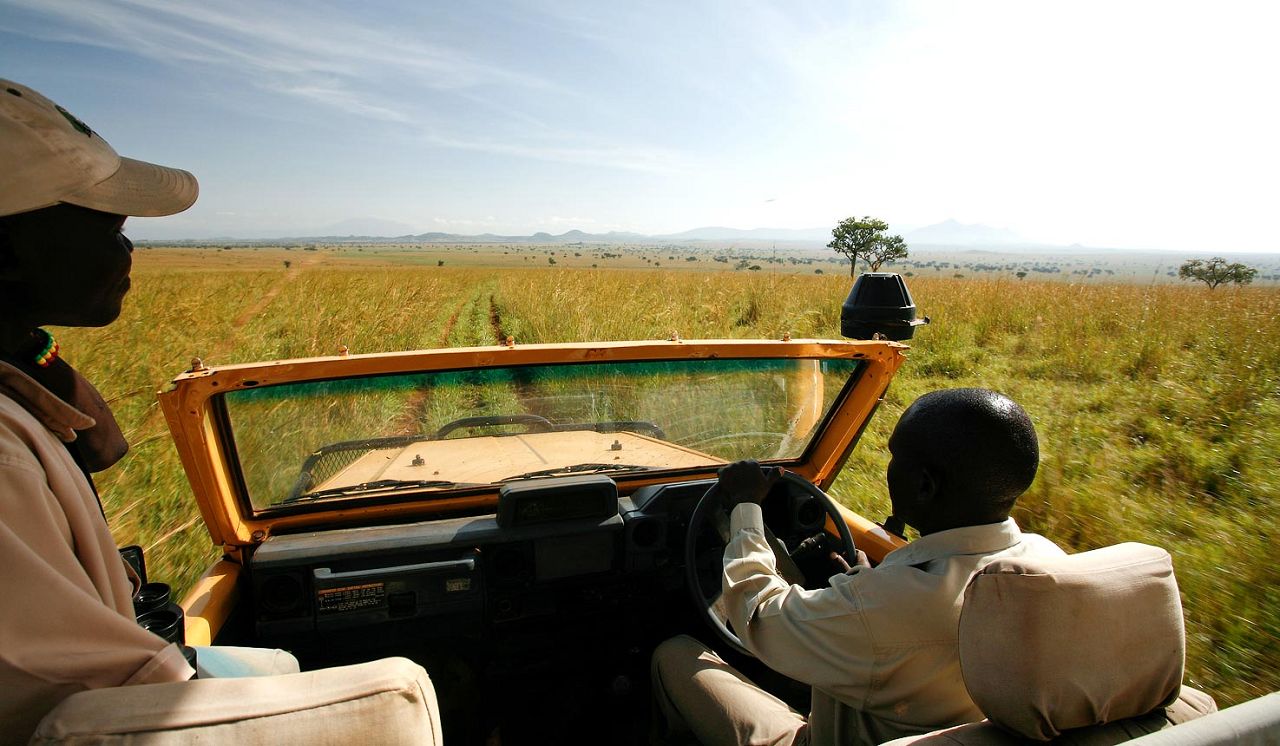
Uganda’s most popular safari routes often connect several parks in sequence. Kidepo is different. Its location in far northeastern Uganda means that travellers usually make a deliberate decision to go there rather than simply passing through on the way to another destination.
That extra travel effort creates part of the park’s appeal. The roads are longer, the landscape is more open, the number of safari vehicles is often lower and the experience feels more focused on wilderness and space.
The result is a safari that feels less like moving between a sequence of famous attractions and more like spending time in one large natural landscape. Travellers often remember not only the animals they saw but also the distances between sightings, the mountain horizons, the changing colour of the grasslands and the quietness of the valleys. That wider sense of place is central to understanding why Kidepo appeals so strongly to photographers, repeat safari travellers and visitors who want a different side of Uganda.
1. Remoteness
The Journey Is Part of What Makes Kidepo Different
Kidepo is separated from Uganda’s main western tourism corridor, which gives it a very different rhythm. Travellers either commit to a long road journey through northern Uganda or choose a fly-in safari.
For some travellers this extra distance is a disadvantage. For others, it is exactly what creates the appeal: fewer routine safari circuits, enormous landscapes and a stronger feeling of having travelled somewhere genuinely remote.
The remoteness also changes how most people plan their time. A Kidepo trip generally benefits from several nights rather than a rushed overnight stop, and travellers often choose to combine it with northern Uganda destinations instead of treating it as part of a conventional southwestern circuit. This planning requirement can make the safari feel more intentional. By the time you reach the park, you have travelled through regions of Uganda that many visitors never see, which strengthens the sense of arrival and makes the destination feel more distinct.
2. Landscape
The Scenery Is Unlike Uganda’s Forest and Lake Parks
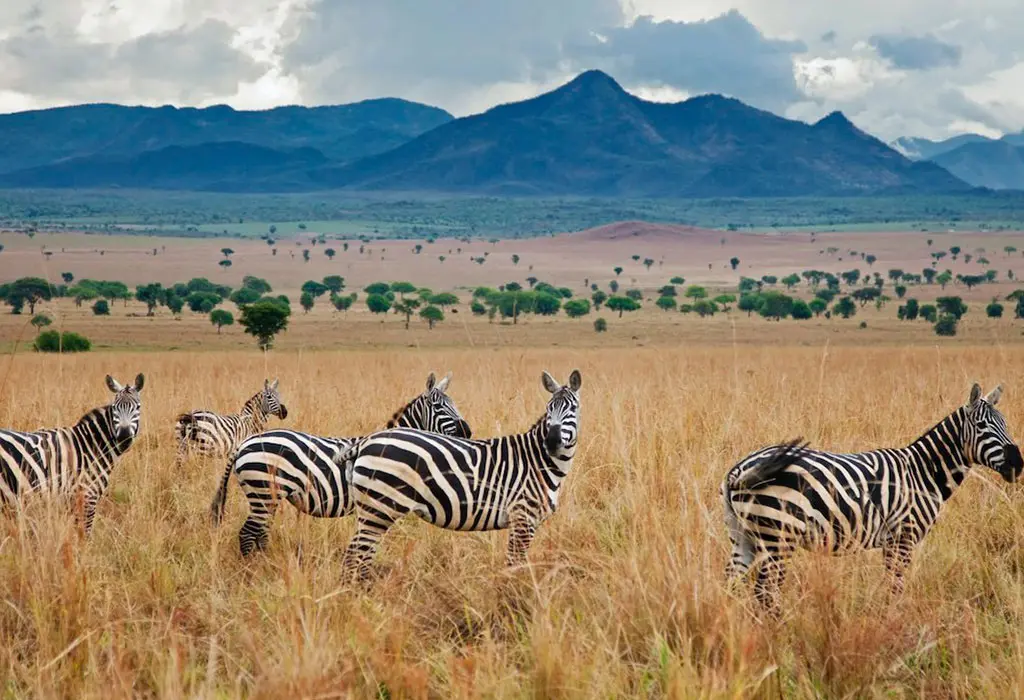
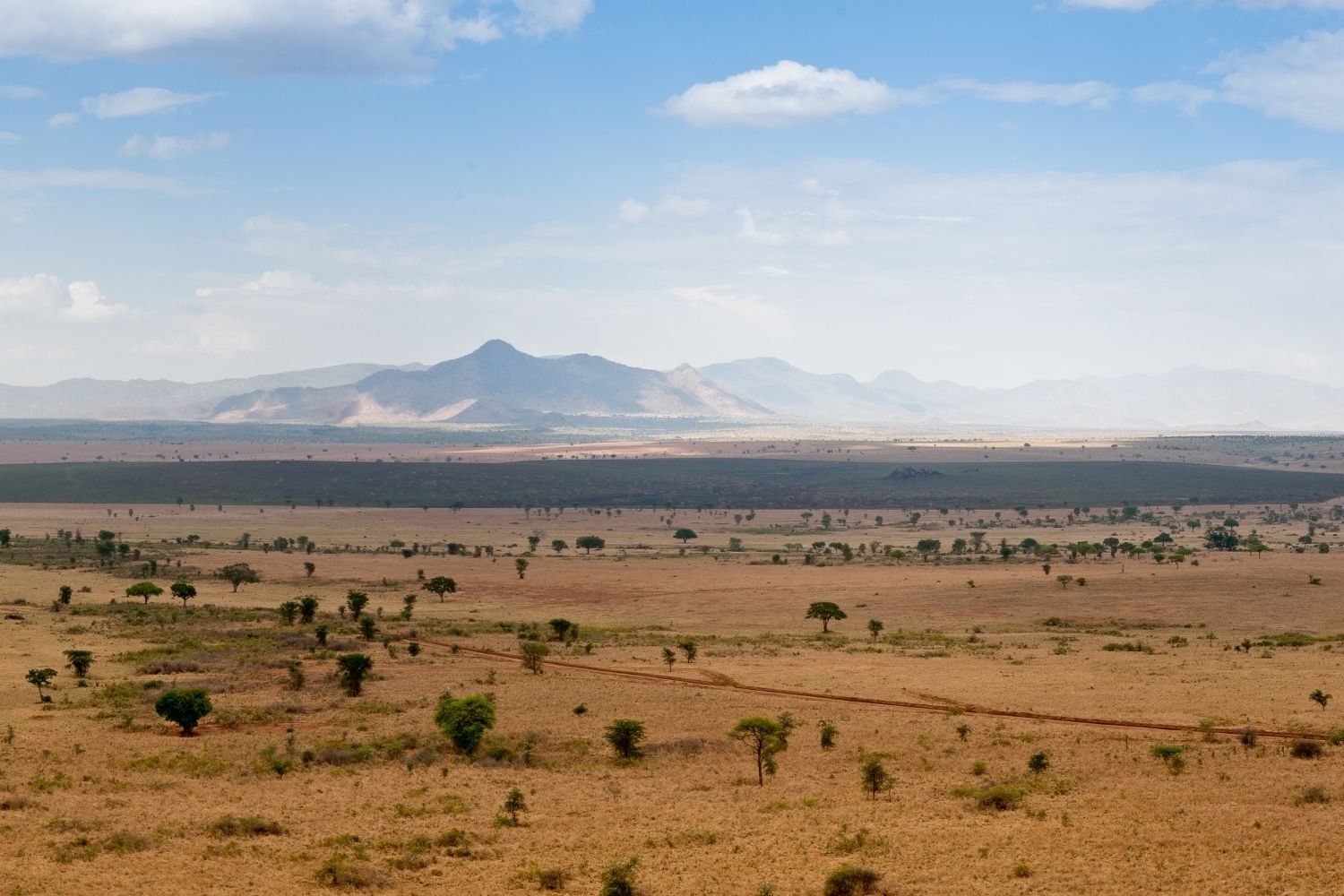
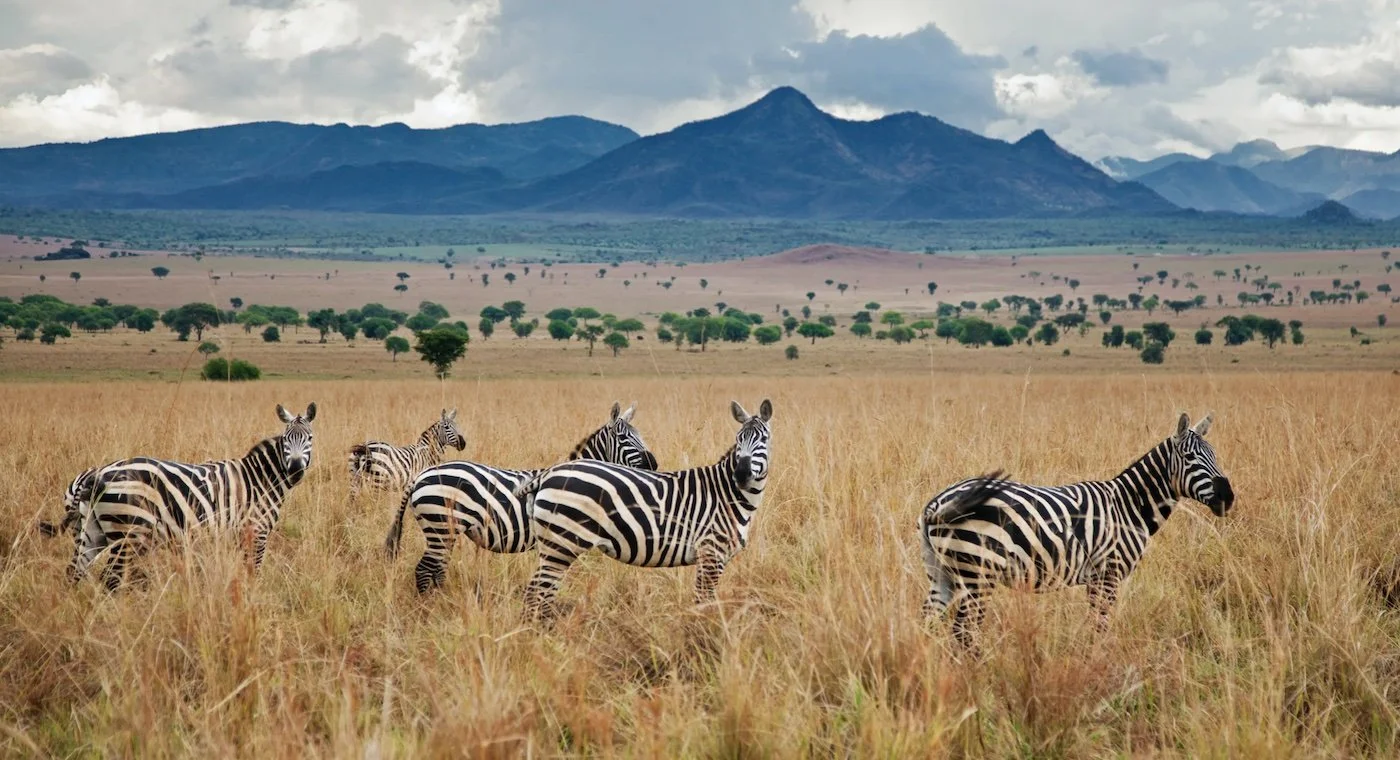
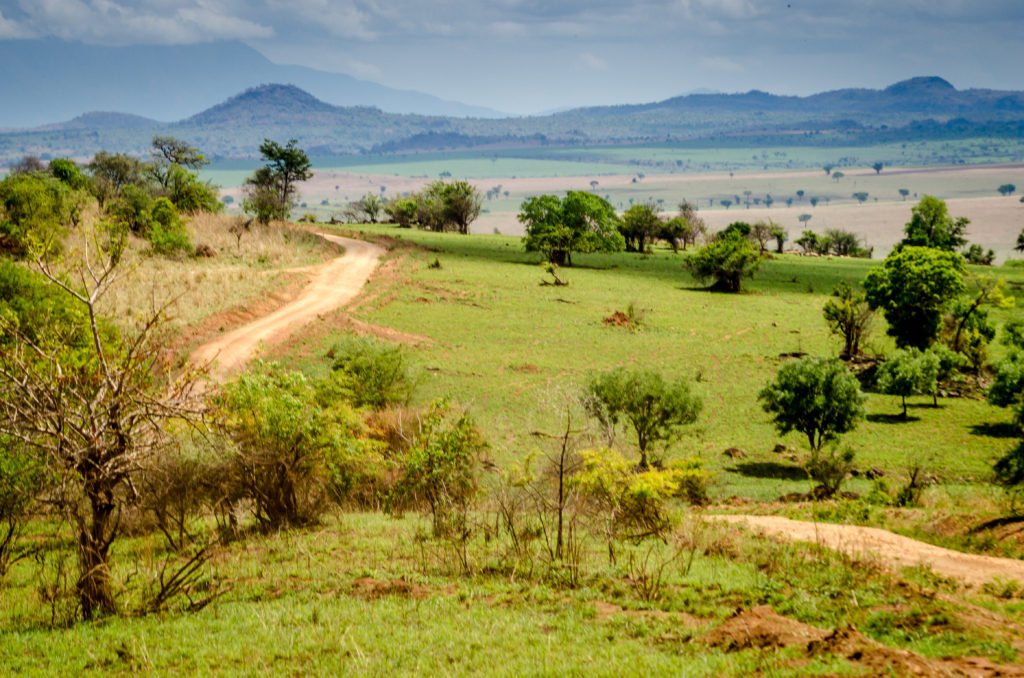
Kidepo’s landscape is dominated by broad grasslands, seasonal river systems, distant ridges and rugged mountains. The scale of the scenery is one of the park’s strongest features.
Instead of dense forest, crater lakes or the Nile, the visual experience is defined by open horizons. This makes Kidepo especially attractive to landscape photographers and travellers who want scenery to be as important as wildlife.
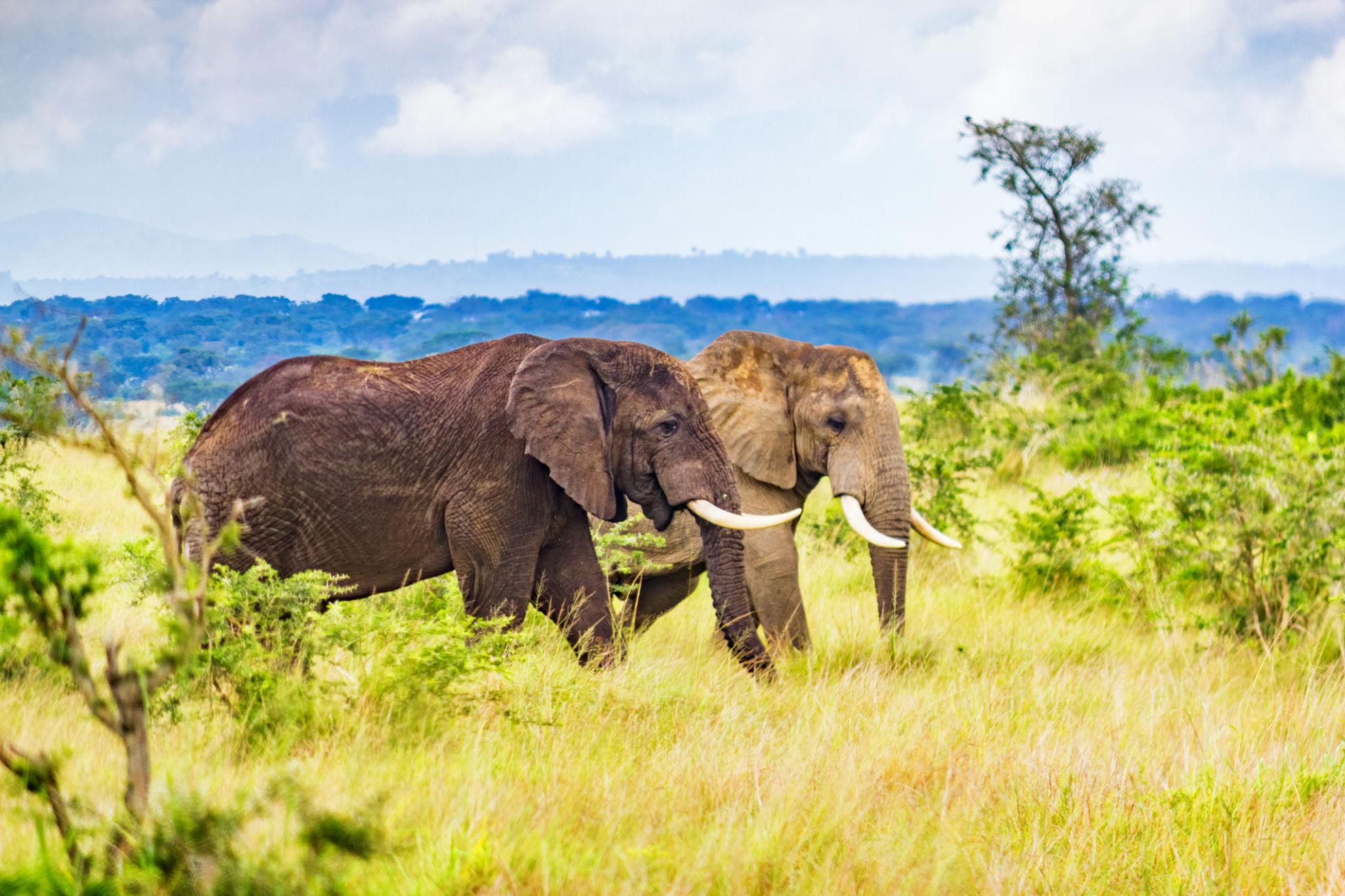
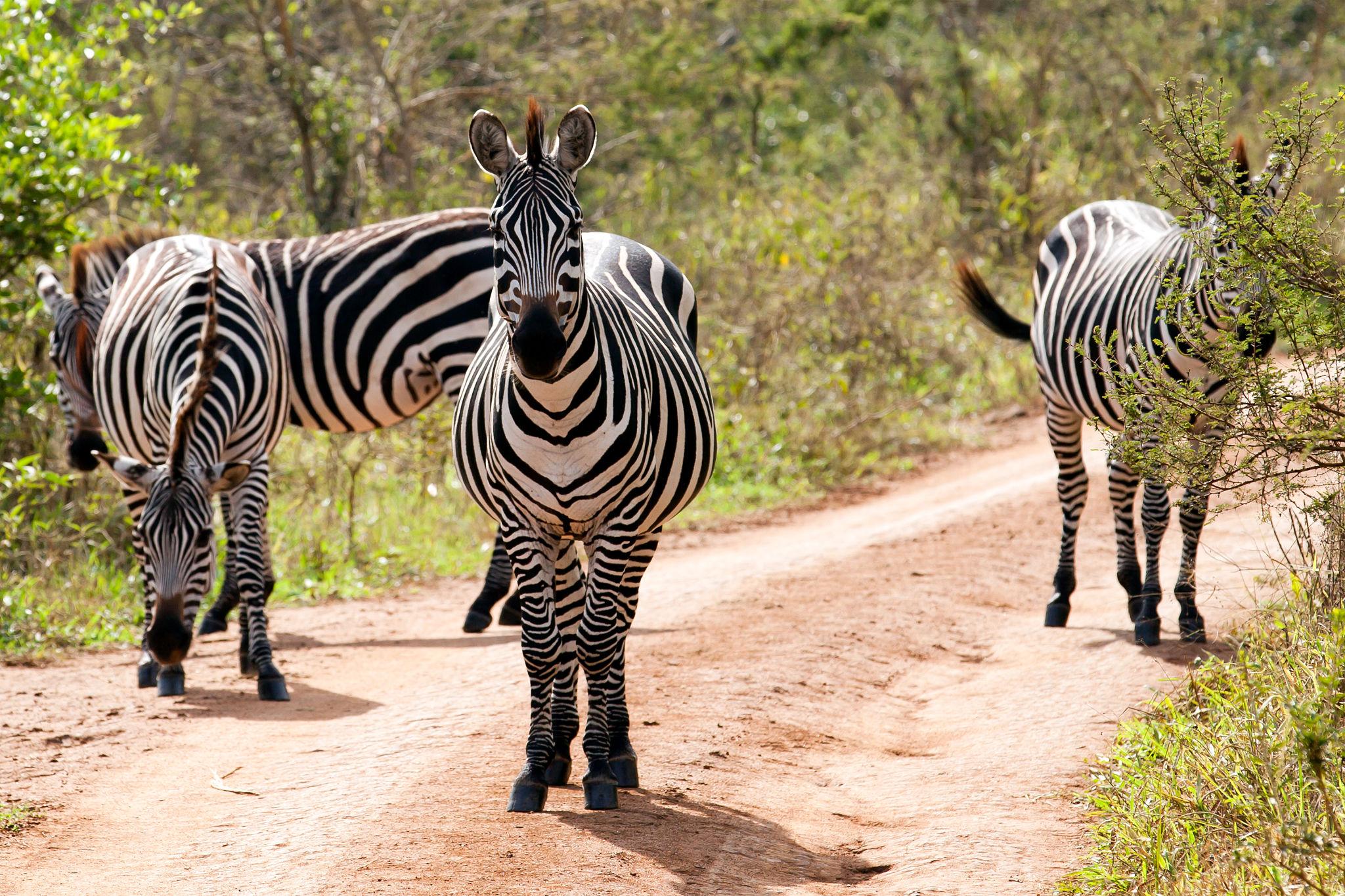
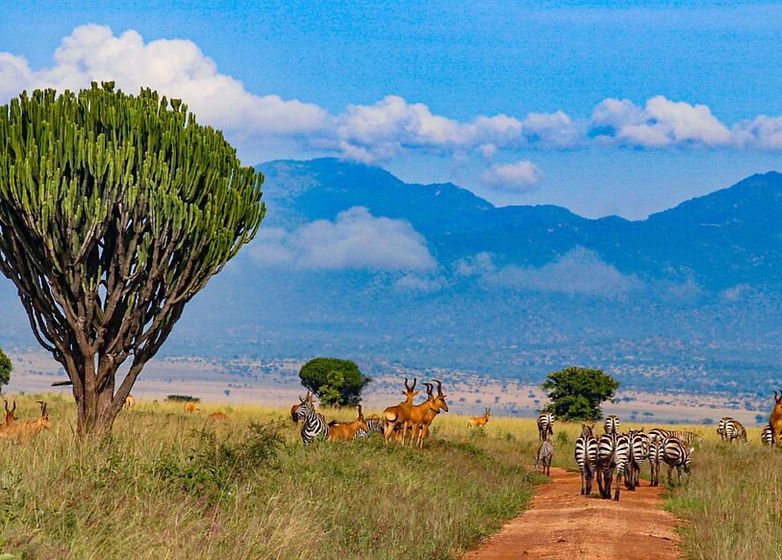
The openness also affects how wildlife is experienced. A herd of giraffes may be visible against a distant ridge, elephants can appear as part of a much wider valley scene, and zebra or buffalo can be photographed with several layers of landscape behind them. In greener western parks, the environment often frames wildlife more closely. In Kidepo, the animals frequently become part of a much larger composition, which helps explain why the park feels visually different even when the species themselves are familiar.
How the Landscapes Compare
Semi-arid valleys, mountains, golden grasslands and enormous open horizons.
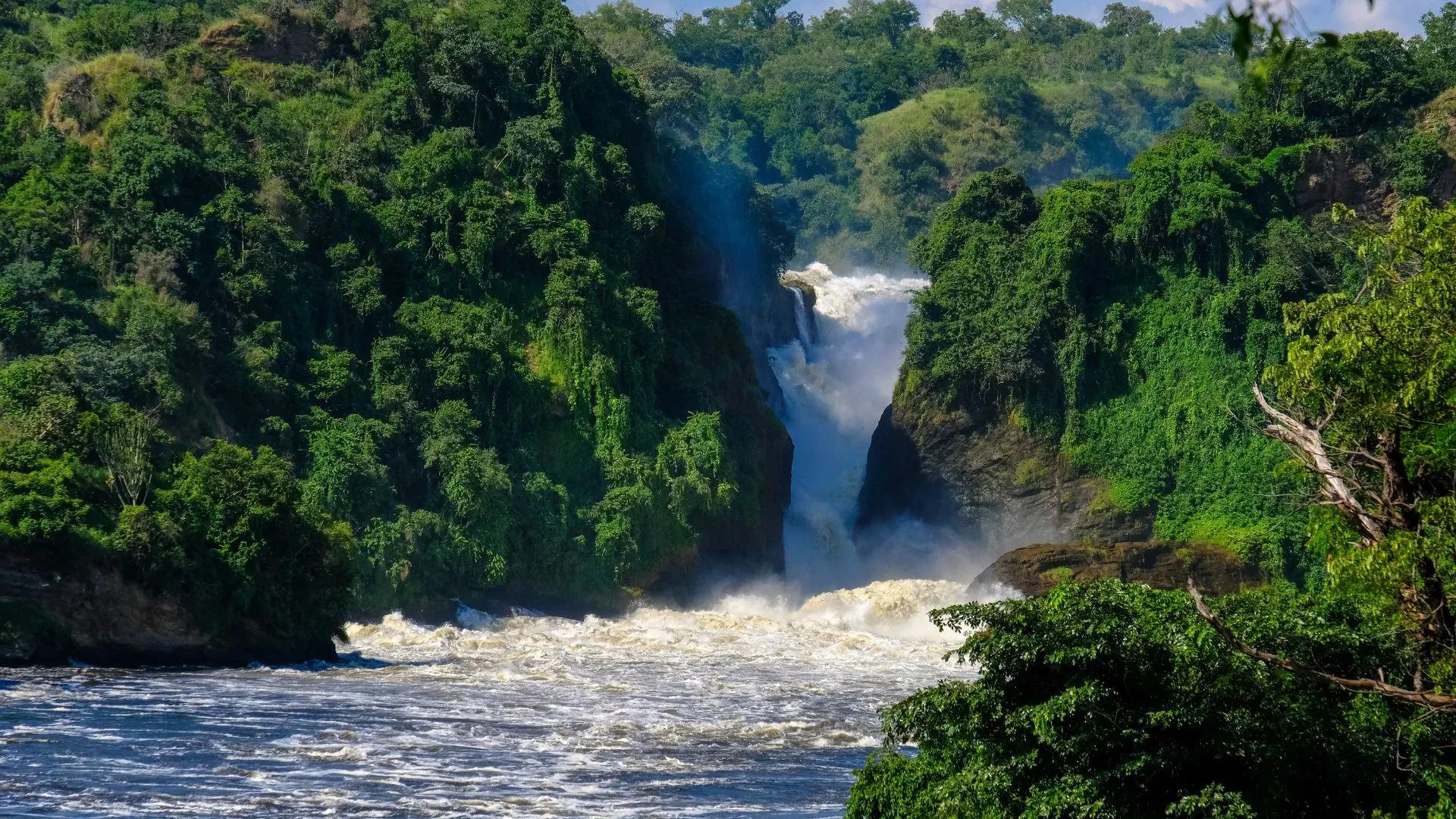
Nile landscapes, savannah, woodland and one of Africa’s most dramatic waterfalls.
Savannah, wetlands, crater lakes, channels and volcanic landscapes.
Rolling hills, woodland, lakes and compact open grasslands.
3. Narus Valley
Wildlife Concentrates Around the Valley’s Water Sources
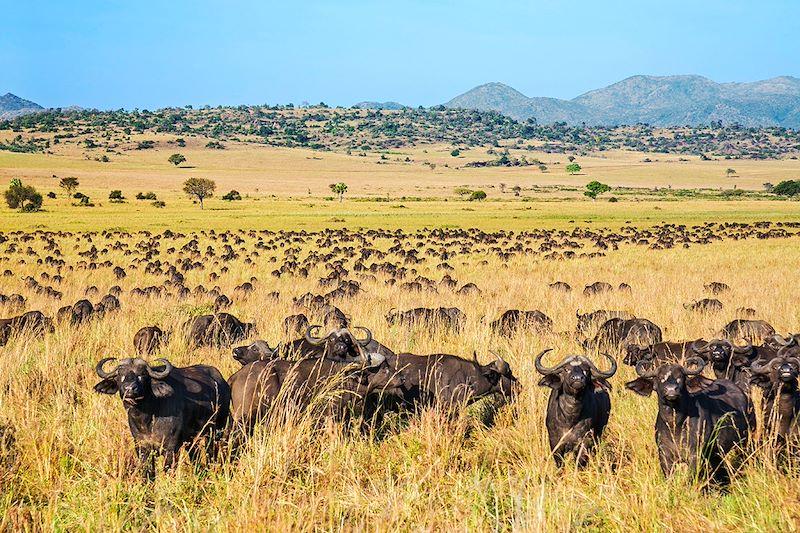
Narus Valley is a particularly important game-viewing area because its water sources attract wildlife, especially as surrounding areas become drier.
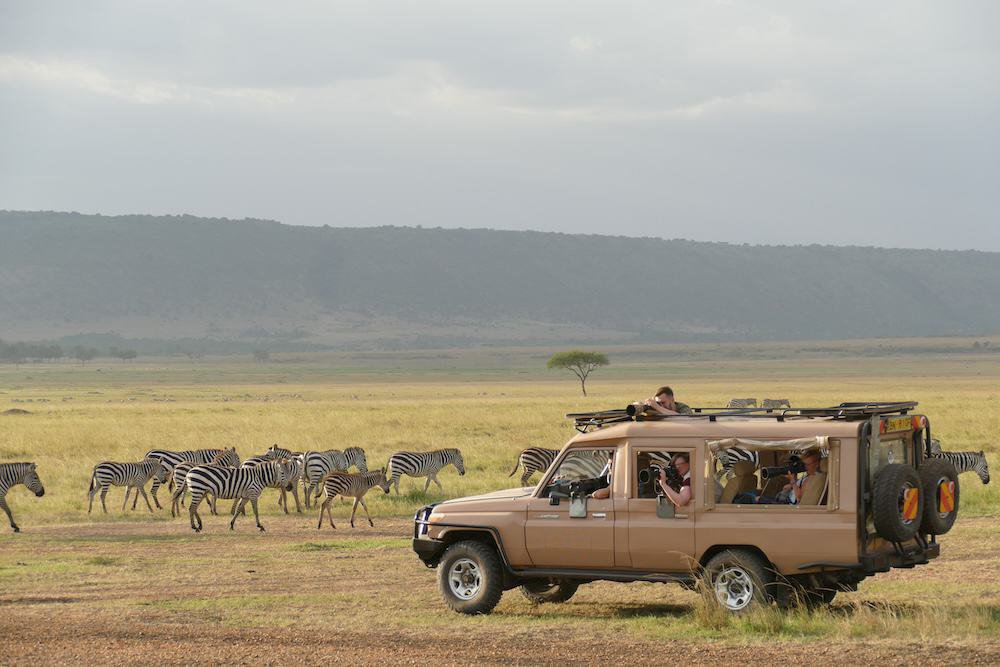
This creates the possibility of watching large groups of buffaloes, elephants, antelopes and other species moving through vast open landscapes rather than seeing wildlife against dense forest or wetland backgrounds.
What makes this especially interesting is the contrast between concentration and space. The wider park may feel extremely open and sparsely occupied, yet particular water sources can bring different species into the same general area. This gives game drives a changing rhythm: long stretches of landscape can suddenly lead to a very active wildlife scene. Returning to Narus Valley at different times of day can therefore produce completely different encounters as animals move in response to heat, water and grazing conditions.
4. Wildlife Differences
Some Wildlife Experiences Are Closely Associated With Kidepo
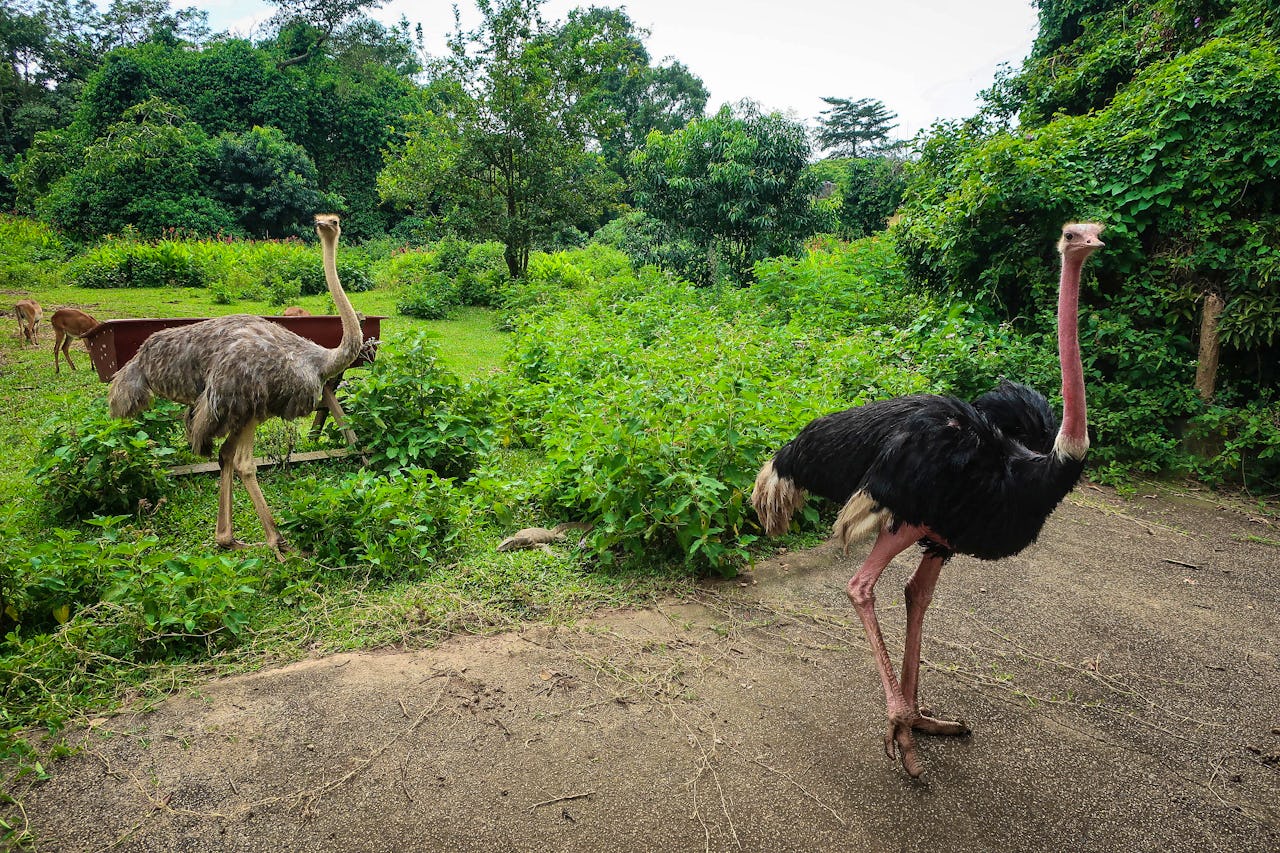
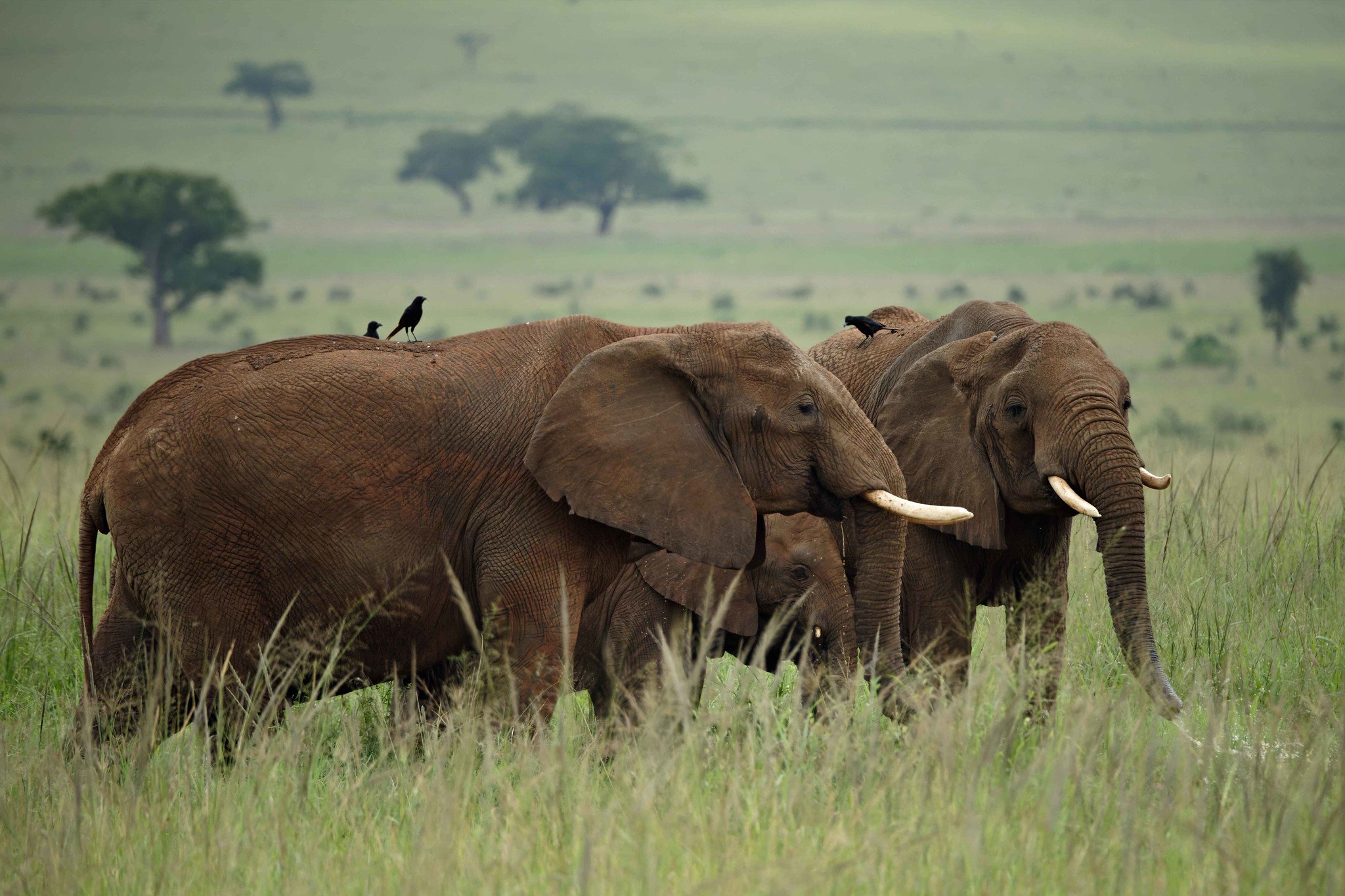
Kidepo is not unique because it has lions, elephants or zebras—those animals occur elsewhere in Uganda. Its distinction comes from the combination of northern dry-country species, wild ostriches, large buffalo concentrations and wildlife seen against unusually open terrain.
That distinction becomes clearer when Kidepo is compared with Uganda’s western circuit. In Queen Elizabeth or Murchison Falls, travellers may focus on river systems, wetlands, channels or mixed savannah habitats. In Kidepo, the dry-country setting influences both the animals people hope to see and the way those animals appear in the landscape. Even familiar species can feel different when they are encountered with mountains and large open plains behind them.
Wildlife Expectations
Kidepo Should Not Be Sold on Lions Alone
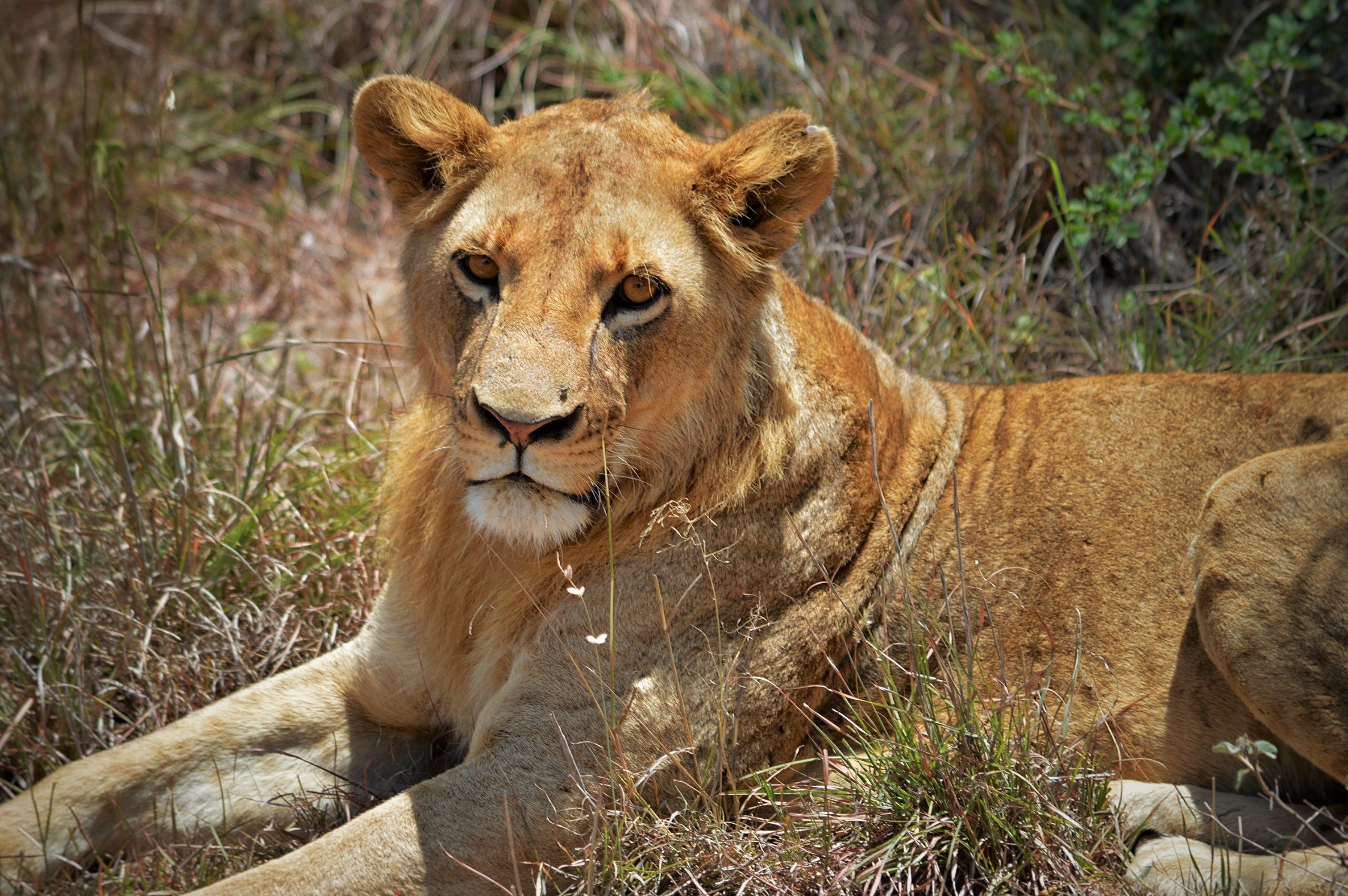
Lions occur in Kidepo, but predator sightings remain dependent on natural movements and should not be treated as the defining reason to visit. The stronger reason is the total combination of landscapes, wildlife concentrations, northern species and wilderness atmosphere.
2026 Conservation Update
Kidepo Is Part of Uganda’s Rhino Restoration Story
Southern white rhinos were reintroduced to Kidepo in 2026 as part of Uganda’s wider rhino conservation programme. This is an important conservation milestone, but visitors should not yet assume rhino sightings are a standard component of ordinary Kidepo game drives.
5. Cultural Setting
Karamoja Is Part of the Destination, Not Just an Add-On
Kidepo sits within the wider Karamoja landscape, and the surrounding culture is an important part of understanding the region. Community-guided experiences can provide insight into pastoral traditions, livestock, settlements and local life.
Travellers with more time may also explore specialised experiences related to Mount Morungole and Ik communities, subject to the itinerary and local arrangements.
This cultural setting helps distinguish a Kidepo safari from a trip focused only on protected wildlife areas. The journey through Karamoja, local architecture, cattle culture and community-guided interpretation can give travellers a stronger sense of the human landscape surrounding the park. These experiences are most meaningful when they are planned respectfully and allow local hosts to explain their own traditions rather than presenting culture simply as entertainment.
6. Sense of Space
Fewer Vehicles Can Change the Character of the Safari
Kidepo’s distance from the main tourism circuit often creates a quieter safari atmosphere. This does not mean you will always have wildlife sightings entirely to yourself, but traffic can feel very different from busier safari areas.
For photographers and travellers who value uninterrupted observation, the combination of space, open views and lower traffic can be one of Kidepo’s strongest advantages.
Lower traffic can also change the pace of a game drive. Instead of feeling pressure to move quickly between popular sightings, there may be more opportunities to remain with a herd, watch behaviour develop or simply stop for the landscape. This quieter rhythm can be particularly appealing to repeat safari travellers who have already experienced busier wildlife destinations and now want more time for observation rather than a rapid checklist of species.
Direct Comparison
Kidepo vs Other Uganda Safari Parks
| Feature | Kidepo | Murchison Falls | Queen Elizabeth | Lake Mburo |
|---|---|---|---|---|
| Signature landscape | Semi-arid valleys & mountains | Nile & waterfall | Savannah, channel & craters | Woodland, lakes & rolling hills |
| Safari character | Remote wilderness | Big game + river safari | Highly varied circuit park | Compact active safari |
| Wild ostriches | Yes | No | No | No |
| Boat safari | Not a core experience | Major attraction | Major attraction | Available on a smaller scale |
| Travel effort | Highest | Moderate-high | Moderate | Low |
| Often suits | Wilderness seekers & photographers | First-time big-game travellers | Mixed Uganda circuits | Short & active safaris |
Kidepo Is Not the Right Park for Every Traveller
Kidepo May Suit You If You:
- Want genuine remote wilderness
- Value landscapes and photography
- Prefer fewer safari vehicles
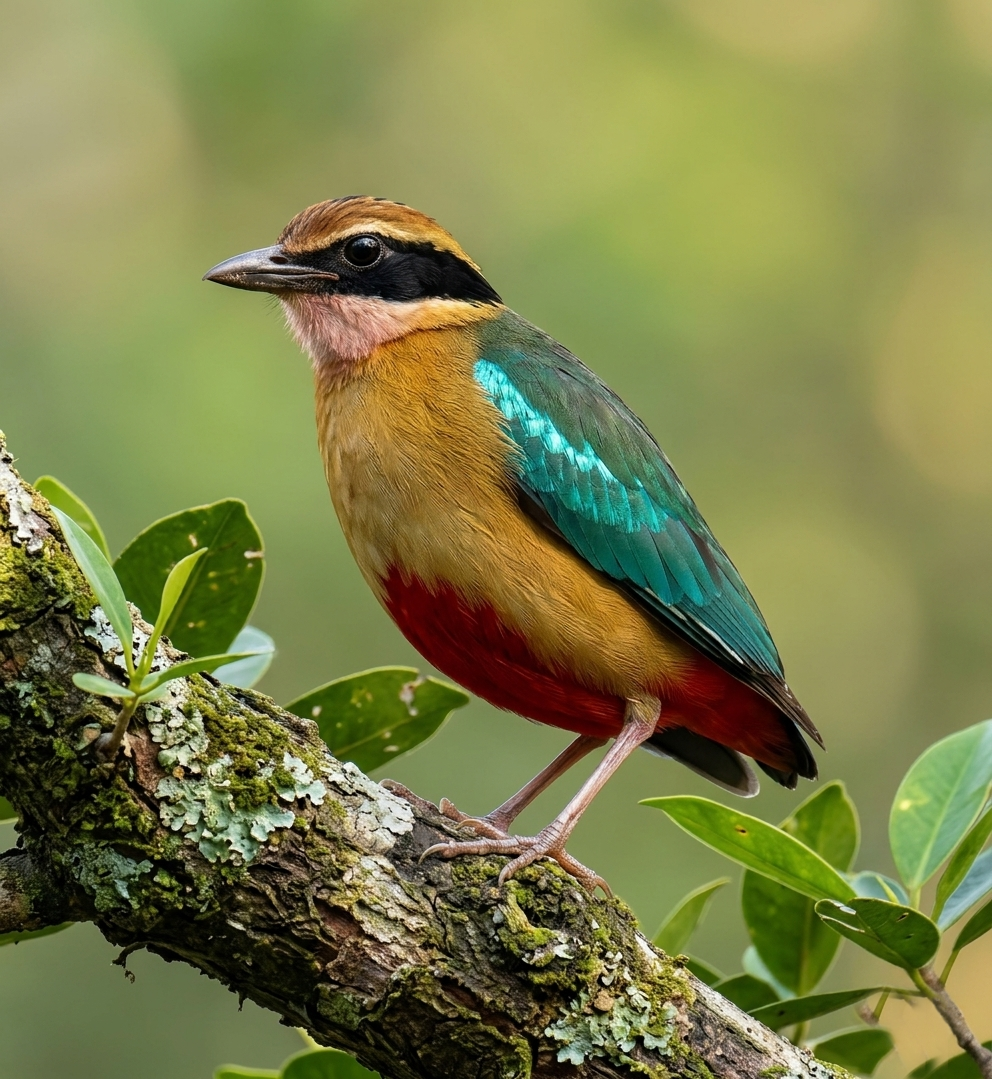
- Enjoy birding and unusual wildlife
- Have enough time for northern Uganda
- Want cultural context beyond wildlife
Another Park May Suit You Better If You:
- Only have two or three safari days
- Want a boat safari
- Want gorilla trekking nearby
- Prefer shorter road transfers
- Want a compact multi-park circuit
The Trade-Off
The Extra Travel Time Is Part of the Decision
Travelling to Kidepo by road requires considerably more time than reaching Lake Mburo or Queen Elizabeth. This is why Kidepo works best when the itinerary is deliberately designed around the park.
Travellers with limited time can consider a fly-in Kidepo safari, while overland travellers can build the route through Murchison Falls, Gulu, Sipi Falls or other northern and eastern Uganda destinations.
For road travellers, the most comfortable approach is usually to treat the journey as part of the safari rather than as wasted transfer time. Overnight stops and logical combinations can reduce fatigue and add variety to the route. Fly-in travellers, on the other hand, exchange higher transport costs for more time inside the park. Neither method is automatically better; the right choice depends on available days, budget and whether Kidepo is the main purpose of the trip or one part of a longer Uganda itinerary.
Photography
Why Photographers Often Find Kidepo Compelling
Open horizons, mountain backdrops, isolated trees, dust, golden grasslands and large buffalo or giraffe scenes allow photographers to create environmental wildlife images rather than only close-up animal portraits.
The changing light can be just as important as the wildlife. Early mornings may bring softer colours across the valley, while late-afternoon light can deepen the gold of the grasslands and create stronger shadows against the mountains. Travellers with several nights can revisit similar locations under different conditions instead of depending on one short drive. This makes Kidepo particularly suitable for photographers who enjoy patience, composition and wider storytelling images.
Clarifying the Choice
What Kidepo Is Not Primarily About
Frequently Asked Questions
What makes Kidepo Valley unique?
Why is Kidepo Valley National Park unique?
Kidepo combines remote semi-arid landscapes, mountain scenery, large buffalo concentrations, northern birdlife, wild ostriches and a strong Karamoja cultural setting.
How is Kidepo different from Murchison Falls?
Murchison is built around the Nile, waterfall and boat safari, while Kidepo is characterised by open valleys, mountain scenery and a more remote wilderness atmosphere.
How is Kidepo different from Queen Elizabeth National Park?
Queen Elizabeth offers crater lakes, the Kazinga Channel and easy combinations with Bwindi and Kibale. Kidepo is more remote and has a distinctly semi-arid northern Uganda landscape.
Are wild ostriches found in Kidepo?
Yes. Kidepo is particularly notable for Uganda’s wild ostrich population.
Why is Narus Valley important?
Narus Valley contains important water sources that can attract large concentrations of wildlife, especially during drier periods.
Are there lions in Kidepo?
Yes, lions occur in the park, although sightings remain dependent on natural movements and should never be guaranteed.
Are there rhinos in Kidepo?
Uganda began reintroducing southern white rhinos to Kidepo in 2026. They are part of an active conservation programme, so ordinary game drives should not be marketed around guaranteed rhino sightings.
Is Kidepo crowded?
Its remote location often results in a quieter safari atmosphere than Uganda’s more frequently visited parks, although visitor levels vary.
Is Kidepo worth the long journey?
It can be very rewarding for travellers who value remote wilderness, landscapes, wildlife photography and a less conventional Uganda safari route.
How many nights should I stay in Kidepo?
Around three nights works well for many travellers, while longer stays are useful for photography, birding and cultural activities.
Can I fly to Kidepo?
Yes. Scheduled or charter flight arrangements can reduce the amount of time spent on long overland transfers.
What is a Karamojong cultural experience?
Community-guided experiences can introduce travellers to pastoral traditions, settlement patterns, livestock culture and life in the wider Karamoja region.
Is Kidepo good for photographers?
Yes. Open landscapes, mountain backdrops, golden light and wildlife shown within large environments are particularly appealing for photography.
Which park combines best with Kidepo?
Murchison Falls is one of the most natural road combinations for a longer northern Uganda safari. Sipi Falls and other eastern destinations can also fit depending on the route.
How do I decide between Kidepo and another Uganda park?
Choose according to your available time and priorities. Kidepo is especially suited to remote wilderness and landscape-focused safaris, while other parks may be better for boat safaris, short trips, primates or easier multi-park combinations.
Choose the Park That Matches Your Safari Style
Want a Uganda Safari That Feels Completely Different?
If remote landscapes, fewer safari vehicles and northern Uganda wildlife appeal to you, Kidepo may be worth the extra journey. Tell Safari Vacations & Travel Services how many days you have and which other parks interest you, and we can build the most practical route.