Sustainable Wildlife Watching in East Africa

Guide to Sustainable Wildlife Watching in East Africa
East Africa has long been a dream destination for wildlife enthusiasts and nature lovers. The region’s sprawling savannas, diverse ecosystems, and iconic animals create a breathtaking tableau of natural beauty. At Safari Vacations and Travel Services, we are committed to ensuring that your wildlife watching experience not only brings you closer to nature but also contributes positively to the preservation of these unique environments. In this comprehensive guide, we delve into the principles of sustainable wildlife watching, share ethical travel tips, and help you navigate the intricate balance between exploration and conservation.
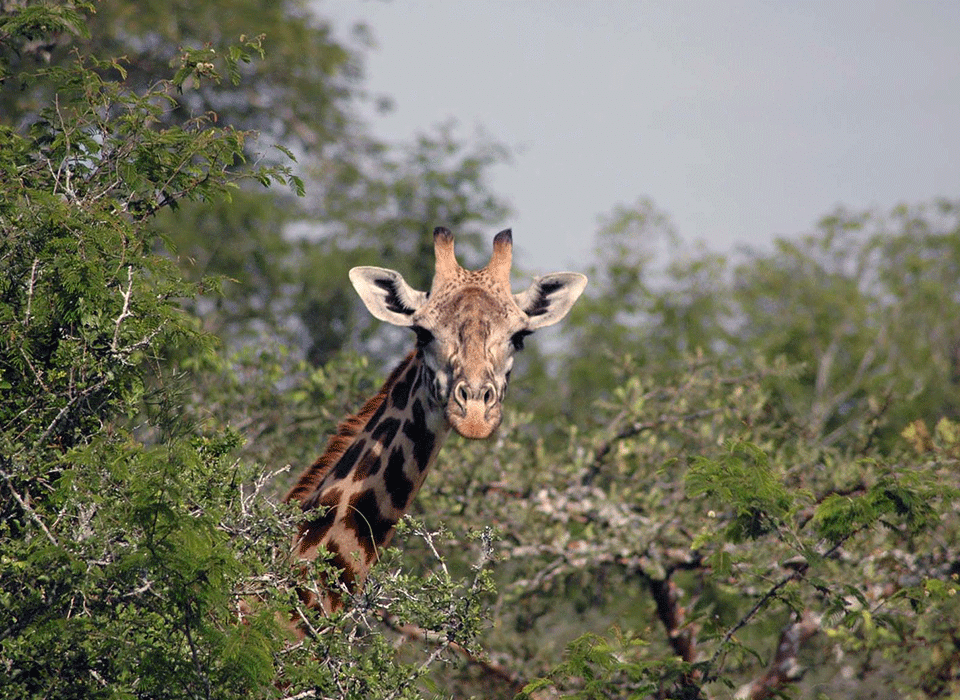
Wildlife watching in East Africa is more than an opportunity to witness the great migration of wildebeest, the stealth of a leopard, or the majesty of a towering giraffe. It is an immersive experience that connects you with the rhythms of nature and the ancient landscapes that have evolved over millennia. However, as tourism grows, so does the need for responsible practices that protect these fragile ecosystems. This guide is designed to help you plan a trip that is both exhilarating and environmentally sustainable. Whether you are a seasoned traveler or embarking on your first safari adventure, our insights will ensure you contribute to a healthier, more balanced relationship between tourism and nature.
Understanding Sustainable Wildlife Watching Principles
Sustainable wildlife watching is based on the idea that tourism can support conservation efforts rather than undermine them. It involves practices that minimize negative impacts on animal behavior, natural habitats, and local communities. The core principles include:
- Respect for wildlife: Maintaining safe distances and minimizing disruptions.
- Environmental stewardship: Using eco-friendly products and reducing waste.
- Cultural sensitivity: Interacting respectfully with local communities and their traditions.
- Economic contribution: Supporting local businesses and conservation projects through responsible spending.
By embracing these principles, tourists can become active participants in the conservation of East Africa’s rich biodiversity.
What Makes Wildlife Watching Sustainable?
At its heart, sustainable wildlife watching is about balance. It requires recognizing that every action taken during a wildlife excursion has an impact, both positive and negative. Sustainable practices include using vehicles that minimize noise pollution, following established trails, and avoiding any behavior that may stress the animals. Educated visitors, guided by expert local operators, can help ensure that the wildlife’s natural behaviors remain undisturbed. Moreover, sustainable practices extend beyond the viewing experience itself to encompass the broader travel experience, including accommodations, transportation, and the purchase of goods and services that adhere to environmental and social responsibility standards.
The Impact of Tourism on East African Wildlife
Tourism, when not managed responsibly, can have adverse effects on wildlife and their habitats. Increased human presence can disrupt natural behaviors, cause stress to animals, and lead to habitat degradation. Overcrowded viewing areas can also cause noise pollution and leave behind waste that endangers both flora and fauna. However, when tourism is well-regulated, it generates revenue that funds conservation projects, creates job opportunities for local communities, and supports national parks and wildlife reserves. The key is to strike a balance where tourism acts as a catalyst for conservation rather than a detriment to the natural environment.
Benefits of Choosing Ethical Wildlife Experiences
Choosing ethical wildlife experiences means committing to protect the natural world while enjoying its wonders. Ethical experiences provide numerous benefits:
- Enhanced wildlife encounters: Ethical tours are designed to minimize human interference, giving you a more authentic glimpse into natural behaviors.
- Support for conservation efforts: A portion of the fees from ethical tours is reinvested in conservation programs that protect endangered species and fragile ecosystems.
- Empowerment of local communities: Ethical tourism promotes community-based initiatives, ensuring that local people benefit economically and socially from tourism.
- Education and awareness: Responsible tours often include educational components, raising awareness about environmental challenges and conservation strategies.
- Sustainable travel practices: Embracing sustainability helps preserve the beauty and biodiversity of East Africa for future generations.
Researching Your East African Wildlife Destination
Before you embark on your adventure, thorough research is essential. Each country in East Africa offers unique wildlife experiences, from the Maasai Mara in Kenya to the Serengeti in Tanzania. Look for up-to-date travel advice, consult conservation reports, and read reviews from other travelers who prioritize sustainable practices. Reliable sources, such as local conservation agencies and reputable travel blogs, can provide insights into the best times to visit, safety considerations, and the impact of tourism on specific regions. This preparatory research ensures that you choose destinations where your presence will be a benefit rather than a burden.
Popular Wildlife Destinations in East Africa
East Africa is dotted with wildlife reserves and national parks that have become synonymous with natural beauty and biodiversity. Some of the most popular destinations include:
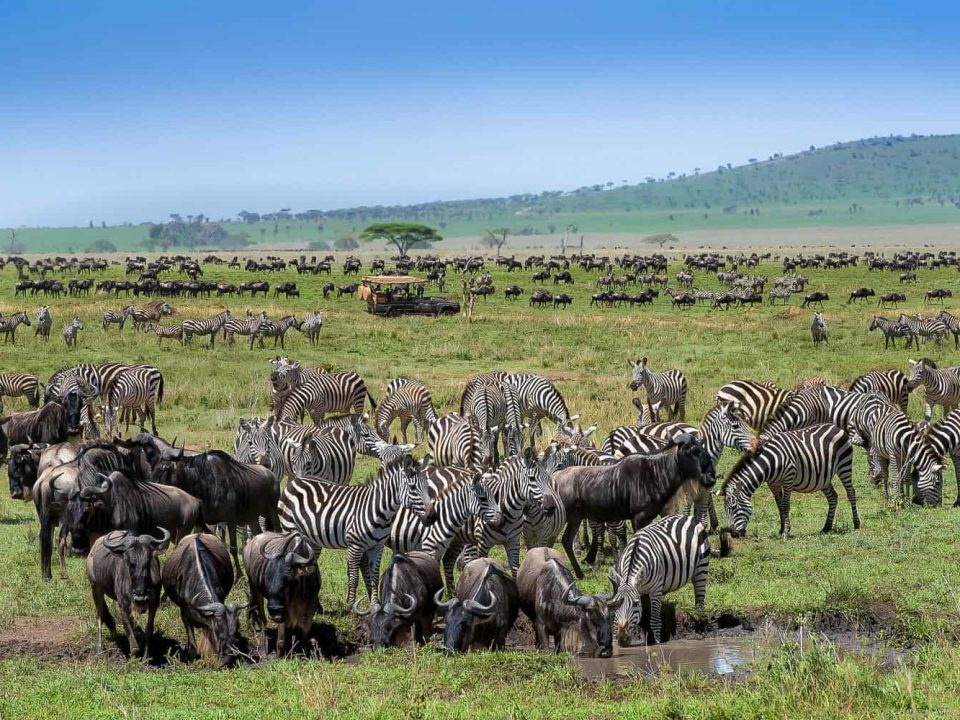
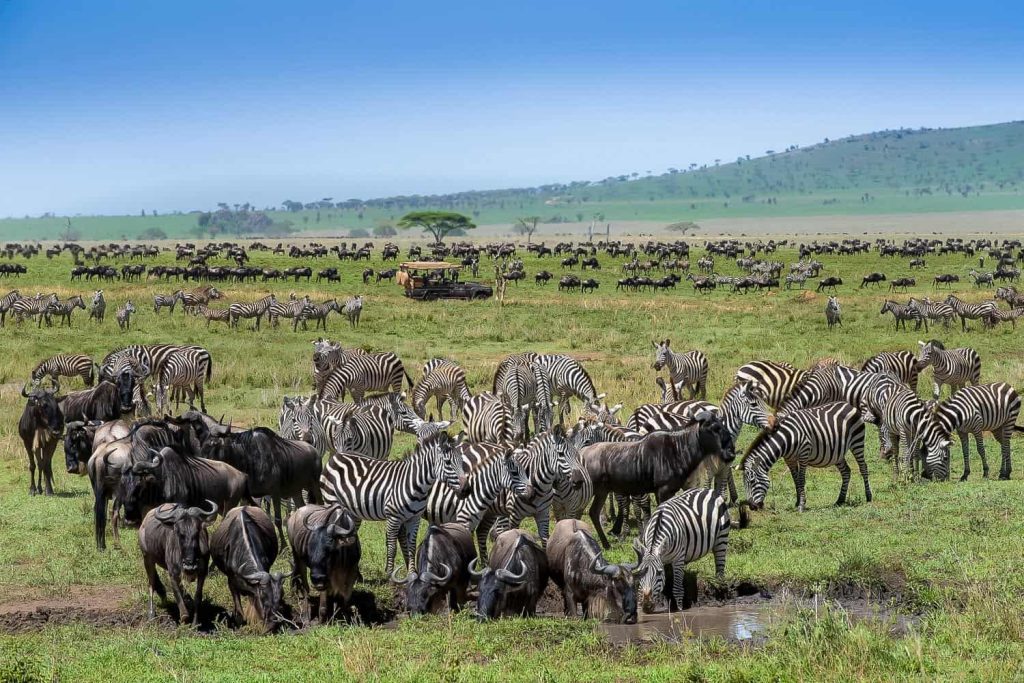
- Maasai Mara National Reserve (Kenya): Famous for the Great Migration, where millions of wildebeest and zebras traverse the plains.
- Serengeti National Park (Tanzania): A vast ecosystem known for its large predator populations and dynamic wildlife interactions.
- Amboseli National Park (Kenya) is renowned for its views of Mount Kilimanjaro and its thriving elephant population.
- Ngorongoro Conservation Area (Tanzania) is a UNESCO World Heritage Site that offers a unique blend of wildlife and cultural heritage.
- Bwindi Impenetrable Forest (Uganda): Home to the endangered mountain gorillas, offering one-of-a-kind primate encounters.
Each destination has its own set of rules and guidelines to ensure that tourism remains sustainable. Learning these details in advance will help you have a respectful and enriching experience.
Seasonal Considerations for Wildlife Viewing
Seasonal changes significantly influence wildlife behavior and the overall viewing experience. The dry season typically offers clearer game viewing opportunities as animals congregate around water sources. In contrast, the wet season may bring lush landscapes and fewer tourists, but can also make tracking wildlife more challenging. Research the weather patterns and understand the seasonal migration and breeding cycles of your target species. This awareness not only enhances your viewing experience but also reduces the likelihood of disturbing natural behaviors during critical periods such as mating or rearing of young.
Understanding Wildlife Migration Patterns
One of the most spectacular natural phenomena in East Africa is the migration of vast herds of animals. Understanding these migration patterns is crucial for planning your visit. The timing of migrations can vary slightly each year due to climatic changes, so staying informed through local news, conservation groups, and your tour operator is essential. Knowing where and when the migration occurs will not only maximize your chances of witnessing this event but also ensure that your visit does not interfere with the animals’ natural routines. The migration is a delicate balance of survival, and even small disruptions can have ripple effects on the ecosystem.
Choosing Ethical Tour Operators and Guides
Your choice of tour operator and guide can make a significant difference in ensuring a responsible wildlife experience. Look for companies that are transparent about their conservation contributions and have strong relationships with local communities. Ethical operators adhere to strict guidelines designed to minimize environmental impact, such as limiting the number of vehicles and guests per tour and using eco-friendly equipment. When selecting a guide, seek those with local knowledge, experience, and a genuine commitment to wildlife conservation. An informed guide can enrich your experience by sharing insights into animal behavior and local conservation challenges, helping you connect more deeply with the natural world.
Certification and Credentials to Look For
When booking your wildlife adventure, certification and credentials are indicators of a company’s commitment to sustainable tourism. Look for operators that have certifications from reputable organizations such as the Global Sustainable Tourism Council (GSTC) or local wildlife conservation authorities. These certifications demonstrate adherence to best practices in environmental management, community engagement, and ethical wildlife interactions. In addition, check for memberships in national or regional tourism boards that promote sustainable practices. These credentials assure that your tour will meet high ethical standards and contribute to the broader conservation effort.
Questions to Ask Before Booking
Before finalizing your tour, ask these critical questions to ensure you are booking a responsible wildlife experience:
- How does your company contribute to local conservation efforts?
- What measures are in place to minimize the environmental impact of your tours?
- Can you provide details on the training and qualifications of your guides?
- How do you work with local communities, and what benefits do they receive from tourism?
- What is your policy regarding close encounters with wildlife?
- Are there any specific certifications or memberships that you hold that support sustainable tourism?
Asking these questions will not only help you make an informed decision but also signal to the operator that you value ethical practices.
Red Flags to Watch Out For
While many operators are committed to sustainable tourism, some red flags should raise concerns:
- Lack of transparency: Avoid companies that do not clearly explain how they contribute to conservation or support local communities.
- Overcrowded tours: Excessive group sizes can lead to disturbance and degradation of natural habitats.
- Untrained guides: Guides without proper training in wildlife behavior or first aid can put you and the animals at risk.
- Non-certified operators: Operators that lack credible certifications may not adhere to recognized sustainable practices.
- Aggressive promotion of close encounters: Any operator who encourages getting too close to the animals should be approached with caution, as it can disrupt natural behaviors and cause stress.
Staying vigilant about these red flags can help you avoid tours that may do more harm than good.
Packing Essentials for Sustainable Wildlife Watching
Packing for your East African safari requires careful consideration. You should be prepared for the climate and terrain and aim to minimize your environmental footprint. Packing light and only what is necessary helps reduce waste and the overall impact on the ecosystem. Think of your packing list as a toolkit for ethical exploration—each item should serve a purpose and contribute to a responsible travel experience.
Eco-Friendly Gear Recommendations
When planning your packing list, choose gear that is both practical and sustainable. Consider items made from recycled materials or those that have been ethically produced. For instance, opt for reusable water bottles, eco-friendly sunscreen, and biodegradable toiletries. Not only do these choices help reduce plastic waste, but they also demonstrate your commitment to preserving the environment.
Wildlife Photography Equipment
Capturing the beauty of East Africa’s wildlife is a memorable part of any safari. When selecting your photography equipment, choose gear that allows you to take great photos without disturbing the animals. A telephoto lens, for instance, enables you to capture close-up images from a distance. Lightweight and versatile cameras can help reduce the physical burden while still offering high-quality imaging. Remember that it is not necessary to have the most expensive equipment; rather, it’s important to have gear that helps you practice ethical wildlife photography.
What to Leave at Home
While it might be tempting to pack extra gadgets or luxury items, it’s best to leave non-essential items at home. Avoid packing items that are not eco-friendly or could potentially harm the environment, such as single-use plastics or heavy equipment that contributes to unnecessary carbon emissions. Additionally, limit the number of souvenirs or personal mementos that might inadvertently contribute to waste during your travels. Embracing a minimalist approach not only lightens your load but also reinforces the ethos of sustainable travel.
Responsible Behavior During Wildlife Encounters
During your wildlife encounters, practicing responsible behavior is paramount. The golden rule is to minimize interference with natural behaviors. Keep a respectful distance from all animals, as this not only protects you but also prevents the animals from feeling threatened. Avoid loud noises or sudden movements, and never feed or attempt to touch the wildlife. Remember that these animals are wild and should be appreciated from afar. Your presence should be as unobtrusive as possible, allowing nature to unfold without human interference.
Safe Viewing Distances for Different Species
Understanding safe viewing distances is critical to protecting both your safety and the well-being of the animals. Different species require different buffer zones. For instance, larger animals like elephants or buffalo may be observed from a distance of 25-30 meters, while more sensitive species such as primates or certain bird species might require a 50-meter distance or more. Always follow the guidelines provided by your guide or park authority, and never attempt to close the gap to get a better shot. Respecting these distances ensures that wildlife continues its natural behavior without undue stress or disruption.
Understanding Animal Behavior Signals
Animals communicate a great deal through body language and vocalizations. Learning to read these signals can greatly enhance your wildlife watching experience. Look for signs of agitation or stress, such as rapid movements, vocal warnings, or changes in posture, which indicate that you should increase your distance. Conversely, calm behaviors like grazing or resting are good indicators that the animal is comfortable with your presence. Knowledge of these subtle signals not only contributes to your safety but also deepens your appreciation for the complex behaviors of wildlife.
How to Minimize Your Presence
To truly experience wildlife in its natural state, it is important to minimize your presence. This can be achieved by adopting a quiet, unobtrusive approach during your excursions. Avoid using flash photography or sudden movements that might startle the animals. Instead, use natural light and patience to capture candid moments. Furthermore, opt for vehicles with quiet engines and make use of designated viewing platforms that have been designed to reduce human impact. By blending into the environment, you allow the animals to behave naturally, providing you with a more authentic and enriching experience.
Sustainable Wildlife Photography Techniques
Photography is a powerful tool to tell the stories of conservation, but it must be practiced responsibly. Sustainable wildlife photography techniques focus on capturing images without altering animal behavior. Consider these tips:
- Use long lenses: These allow you to photograph animals from a safe distance.
- Avoid baiting or luring: Do not use food or any form of attraction that could change natural patterns.
- Be patient: Allow animals to acclimate to your presence before taking photos.
- Stay observant: Constantly monitor the animals for signs of discomfort or stress.
These techniques help ensure that your photographic pursuits do not come at the expense of the animals’ natural behaviors.
Camera Settings for Non-Intrusive Photography
Achieving the perfect shot while remaining non-intrusive is all about camera settings and technique. Use a high shutter speed to capture fast movements without blurring, and adjust your aperture to create clear, sharp images. Additionally, learn to work with available natural light rather than relying on flash photography, which can startle animals. Experiment with different ISO settings to find the right balance between clarity and sensitivity, especially in varying light conditions. By mastering these settings, you can produce stunning images while maintaining a respectful distance from your subjects.
Ethical Considerations When Photographing Wildlife
Photography should never come at the expense of ethical wildlife treatment. Always prioritize the animal’s welfare over the perfect shot. If an animal appears distressed by your presence or if the behavior of your equipment (such as sound from camera shutters) is causing discomfort, take a step back immediately. Moreover, consider the long-term impacts of sharing your images. Ensure that any published photographs promote conservation and respect for wildlife. Ethical photography not only captures beauty but also educates others about the importance of preserving natural habitats and respecting wildlife.
Telling Conservation Stories Through Your Photos
Every photograph you take can serve as a powerful narrative that highlights the importance of wildlife conservation. When sharing your images, consider including context about the animal’s habitat, the challenges it faces, and the conservation efforts underway to protect it. This storytelling approach transforms your photographs into educational tools that can inspire action and raise awareness. Whether shared on social media, in a gallery, or through a personal blog, these visual stories can reach a global audience and motivate others to support ethical wildlife practices.
Supporting Wildlife Conservation Through Your Visit
Your journey into East Africa offers numerous opportunities to support wildlife conservation directly. Many parks and reserves incorporate conservation fees into their entrance charges, which are then funneled back into critical projects such as anti-poaching initiatives, habitat restoration, and community development programs. Additionally, some tour operators partner with local conservation groups to support research and monitoring of endangered species. By choosing tours that allocate a portion of their profits to conservation efforts, you are contributing to a cycle that benefits wildlife, local communities, and the environment alike.
Conservation Fees and Where They Go
Understanding how conservation fees are utilized can further motivate your commitment to sustainable tourism. In many East African countries, these fees go toward protecting endangered species, maintaining national parks, and funding local community projects that enhance sustainable livelihoods. Transparency in how these funds are used is a positive sign of a responsible operation. When booking your safari, inquire about the fee structure and ask for details on how the money is reinvested in conservation projects. This not only builds trust but also ensures that your contributions have a meaningful impact.
Volunteer Opportunities with Wildlife Organizations
For those who wish to go beyond the role of a tourist, volunteer opportunities offer a hands-on way to contribute to conservation efforts. Many organizations in East Africa welcome travelers who are willing to lend their time and skills to projects such as wildlife monitoring, community outreach, and habitat restoration. Volunteering not only provides valuable support to conservation initiatives but also enriches your travel experience by allowing you to connect more deeply with the local environment and its people. Research local organizations, check reviews, and ensure that any volunteer opportunity aligns with ethical guidelines and contributes meaningfully to conservation.
Responsible Souvenir Purchasing
Souvenirs can be a cherished reminder of your wildlife adventure, but it’s important to purchase items that do not harm local ecosystems or perpetuate unethical practices. Avoid products made from endangered species, unsustainable materials, or items that exploit local cultures. Instead, look for handicrafts and goods that are produced sustainably and benefit local artisans. Responsible souvenir purchasing supports community-based enterprises and ensures that your keepsakes have a positive economic impact on the region.
Engaging With Local Communities Respectfully
Local communities are the custodians of the rich cultural heritage that accompanies East Africa’s natural beauty. Engaging with these communities can provide unique insights into traditional practices, folklore, and conservation efforts that have been passed down through generations. Approach every interaction with respect and an open mind. Learn a few phrases in the local language, listen actively, and ask thoughtful questions about local traditions and conservation challenges. Respectful engagement not only enriches your travel experience but also fosters mutual understanding and cooperation between visitors and locals.
Cultural Etiquette When Visiting Wildlife Areas
Cultural etiquette is an essential aspect of sustainable tourism. When visiting wildlife areas and interacting with local communities, it is crucial to be aware of local customs and traditions. Dress modestly, ask permission before taking photographs of people, and adhere to local guidelines regarding behavior and interaction. Many communities value humility and respect, and by aligning your actions with these values, you contribute to a more positive and supportive tourism environment. This mutual respect builds bridges and ensures that cultural heritage is preserved along with natural beauty.
Supporting Community-Based Tourism Initiatives
Community-based tourism initiatives empower residents by allowing them to directly benefit from tourism. These initiatives often provide homestays, local guiding services, and craft workshops that offer authentic experiences while promoting sustainable economic development. By participating in community-based tourism, you support projects that help local communities manage their natural resources responsibly. Look for operators and accommodations that emphasize local involvement, fair trade, and environmental education. Your support not only enriches your own experience but also contributes to the long-term sustainability of the region.
Learning from Local Knowledge
Local communities possess a wealth of knowledge about their natural surroundings, traditional practices, and historical relationships with the land. Engaging with local experts and elders can provide invaluable insights that are not found in guidebooks. This exchange of knowledge enriches your understanding of the ecosystem and highlights the intricate connections between people and nature. Whether it’s learning about traditional tracking methods, the medicinal uses of native plants, or local legends that explain natural phenomena, these interactions deepen your appreciation for East Africa’s cultural and environmental heritage.
Conclusion
Sustainable wildlife watching in East Africa is a journey that goes beyond mere observation—it is an invitation to connect deeply with the natural world and to participate in a collective effort to preserve it for future generations. By understanding the principles of sustainable tourism, choosing ethical operators, and respecting both wildlife and local communities, you ensure that your travels leave a positive footprint on this remarkable region.
Safari Vacations and Travel Services is proud to be a part of this movement, dedicated to offering experiences that enrich your life while safeguarding the wonders of East Africa. We invite you to join us on a journey that is as ethical as it is exhilarating, where every encounter with wildlife is a step toward a brighter, more sustainable future. Embrace the wild responsibly, and let your adventure be a legacy of conservation and respect for the natural world.
This comprehensive guide has been crafted to help you navigate the many aspects of sustainable wildlife watching in East Africa. By choosing responsible travel options, supporting conservation efforts, and engaging respectfully with local communities, you not only enhance your own experience but also contribute to the preservation of one of the world’s most remarkable natural treasures.
Enjoy your journey, and may every encounter with nature leave you with memories that last a lifetime—and a commitment to protecting our planet for future generations.
Let Safari Vacations and Travel Services be your trusted partner on this journey. Together, we can ensure that the wild remains wild and that every expedition is a celebration of nature’s enduring beauty and resilience.
Feel free to share this guide with fellow travelers, and reach out to us with any questions or for personalized travel advice. Your commitment to sustainable wildlife watching is a vital step towards a future where both nature and tourism thrive in harmony. Enjoy every moment of your adventure, and know that your choices make a difference in the global effort to conserve East Africa’s magnificent wildlife.