
Why Choose Uganda for a Safari? The Ultimate Uganda Safari Travel Guide
If you are wondering why choose Uganda for a safari, the answer lies in the country’s extraordinary diversity. It offers world-class wildlife and breathtaking landscapes. Uganda is one of Africa’s most remarkable safari destinations.
For many travellers planning an African adventure, the biggest question is why choose Uganda for a safari instead of Kenya or South Africa. While each country offers incredible wildlife experiences, Uganda provides something truly unique. It is one of the very few places where visitors can combine classic wildlife safaris with unforgettable encounters with endangered mountain gorillas during the same itinerary.
A Uganda safari offers more than traditional game drives. It provides opportunities to visit the source of the River Nile, cruise wildlife-rich waterways, and explore ancient tropical rainforests.
If you are still asking why choose Uganda for a safari, Uganda’s extraordinary biodiversity provides the perfect answer. The country protects a rich collection of flora and fauna across its national parks and reserves. Uganda is home to nearly half of the world’s remaining mountain gorillas, over half of Africa’s bird species, and more than 20 primate species.
Uganda’s geographical diversity offers lush equatorial rainforests, expansive savannah plains, and snow-capped mountains, allowing travellers to explore multiple ecosystems within one itinerary.
Another important reason why choose Uganda for a safari is that it caters to every type of traveller. Luxury travellers can enjoy elegant safari lodges overlooking rivers, forests, and wildlife-filled plains while experiencing world-class hospitality and personalised service. Couples celebrating their honeymoon can escape to romantic lodges surrounded by breathtaking scenery, while families enjoy educational wildlife adventures suitable for different age groups.
Adventure seekers can combine wildlife safaris with hiking and cultural excursions, making Uganda a versatile destination for all types of travellers.
Conservation is another compelling reason to choose Uganda for a safari. Uganda has become one of Africa’s leading conservation success stories, where tourism plays a vital role in protecting endangered wildlife and supporting local communities. Revenue generated from gorilla permits, chimpanzee tracking permits, park entrance fees, and community tourism initiatives contributes directly to wildlife conservation, anti-poaching programmes, habitat protection, scientific research, and community development projects. Every Uganda safari therefore becomes much more than a holiday—it becomes a meaningful contribution to preserving Africa’s extraordinary natural heritage for future generations while helping local communities benefit from sustainable tourism.
If you have decided why choose Uganda for a safari, the next step is choosing an experienced local safari operator that understands the destination inside and out. Planning a safari requires reliable local expertise, detailed logistical knowledge, and personalised recommendations that match every traveller’s interests, schedule, and budget. Safari Vacations and Travel Services has spent many years designing tailor-made Uganda safari holidays for travellers from around the world.
As a locally owned and operated tour company, Safari Vacations and Travel Services combines extensive destination knowledge with carefully crafted itineraries that showcase Uganda’s finest wildlife, spectacular landscapes, authentic cultural experiences, and hidden gems. Whether you are seeking a short wildlife escape, a luxury Uganda safari, a family holiday, or an extended East African adventure, every itinerary is thoughtfully designed to deliver a seamless, enriching, and unforgettable safari experience.
This comprehensive guide explains why you should choose Uganda for a safari, detailing its iconic mountain gorilla trekking, chimpanzee tracking, and expansive wildlife safaris.
Uganda at a Glance
Uganda occupies a unique position in the heart of East Africa, where lush equatorial rainforests meet expansive savannah plains, snow-capped mountains rise above fertile valleys, and powerful rivers flow into some of the continent’s largest freshwater lakes. This remarkable geographical diversity has earned Uganda international recognition as one of Africa’s most rewarding safari destinations. Unlike countries that are known primarily for a single attraction, Uganda offers a rich combination of wildlife, landscapes, culture, adventure, and conservation, making every journey different from the last.
For travellers searching for an authentic African safari that goes beyond traditional game drives, Uganda presents an opportunity to experience the continent in its most natural form. A single itinerary can include mountain gorilla trekking in ancient forests, chimpanzee tracking beneath towering mahogany trees, wildlife viewing across open savannahs, boat cruises along wildlife-rich waterways, and cultural encounters with communities whose traditions have been preserved for generations. This extraordinary variety is one of the strongest reasons why Uganda continues to attract nature lovers, photographers, birdwatchers, honeymooners, families, and adventure seekers from around the world.
The Pearl of Africa
One of the best reasons to choose Uganda for a safari is its well-deserved nickname, “The Pearl of Africa.” This title reflects its extraordinary wildlife, spectacular landscapes, and welcoming people.
This remarkable natural diversity supports an exceptional concentration of biodiversity that very few African countries can rival. Uganda is home to nearly half of the world’s remaining mountain gorillas, one of the largest populations of wild chimpanzees in East Africa, healthy populations of elephants, lions, buffaloes, giraffes, hippos, crocodiles, numerous antelope species, and more than 1,090 recorded bird species. Such incredible ecological richness allows visitors to enjoy a complete Uganda safari without crossing international borders. This unique combination of primates, wildlife, birds, and spectacular scenery explains exactly why choose Uganda for a safari has become one of the most popular searches among travellers planning an African safari holiday.
Strategic Location in East Africa
Another important reason why choose Uganda for a safari is its strategic location in the heart of East Africa. Uganda shares borders with Kenya to the east, South Sudan to the north, the Democratic Republic of the Congo to the west, Rwanda to the southwest, and Tanzania to the south. This central position makes Uganda an ideal gateway for travellers exploring East Africa while creating excellent opportunities for seamless cross-border safaris that combine Uganda with Rwanda, Kenya, or Tanzania in one unforgettable itinerary.
Most international visitors begin their Uganda safari through Entebbe International Airport, located on the beautiful northern shores of Lake Victoria. From here, an excellent network of roads, domestic scheduled flights, and charter flights connects travellers to Uganda’s national parks, wildlife reserves, and conservation areas. Many visitors also begin or end their safari in Kigali, Rwanda, particularly those planning gorilla trekking in the southern sectors of Bwindi Impenetrable National Park. This flexibility in travel routes is another compelling reason why choose Uganda for a safari, as it allows visitors to maximise their safari experience while reducing travel time.
Geography That Shapes Extraordinary Safaris
One of the strongest reasons why choose Uganda for a safari is the country’s extraordinary geography. Rather than offering a single landscape, Uganda presents a remarkable collection of ecosystems, each supporting unique wildlife, different climates, and unforgettable safari experiences. This diversity allows travellers to experience multiple environments during one Uganda safari holiday, making every day completely different from the last.
Western Uganda is known for its tropical rainforests and crater lakes, with Bwindi Impenetrable National Park offering exceptional wildlife experiences.
Central Uganda features fertile agricultural landscapes, extensive wetlands, tropical forests, and the northern shores of Lake Victoria. It is also home to the source of the River Nile, vibrant cultural attractions, thriving local communities, and important birdwatching habitats. This region perfectly combines wildlife, history, culture, and adventure, adding yet another reason why choose Uganda for a safari is an excellent decision.
Northern Uganda gradually opens into vast savannah landscapes where wildlife flourishes across endless plains. National parks such as Murchison Falls National Park offer some of Africa’s finest game-viewing opportunities. Unlike many famous safari destinations, these parks remain uncrowded, allowing visitors to enjoy a more exclusive Uganda wildlife safari.
Eastern Uganda is characterised by dramatic mountain ranges, spectacular waterfalls, fertile valleys, coffee-growing regions, and adventure tourism centred around Jinja, often referred to as the adventure capital of East Africa. White-water rafting on the Nile, hiking Mount Elgon, cultural experiences, and scenic drives further demonstrate why choose Uganda for a safari extends beyond wildlife alone.
This extraordinary geographical diversity ensures that no two days on a Uganda safari feel the same. From mountain forests and wetlands to savannah plains and mighty rivers, every destination introduces new landscapes, new wildlife, and unforgettable memories, making why choose Uganda for a safari an easy question to answer.
Why choose Uganda for a safari also becomes clear when considering the country’s favourable climate. Uganda enjoys a pleasant equatorial climate that allows safaris to take place throughout the year. Although rainfall varies seasonally, temperatures remain comfortable because much of the country lies at relatively high elevations.
Why choose Uganda for a safari also becomes clear when considering the country’s favourable climate. Uganda enjoys a pleasant equatorial climate that allows safaris to take place throughout the year. Although rainfall varies seasonally and influences wildlife movements and vegetation, temperatures remain comfortable because much of the country lies at relatively high elevations above sea level.
The western highlands experience cooler temperatures, particularly around Bwindi Impenetrable National Park, Mgahinga Gorilla National Park, and the Rwenzori Mountains. Early morning gorilla trekking adventures often begin in cool mist before giving way to comfortable daytime temperatures, creating perfect conditions for hiking through ancient rainforests.
Lower-altitude regions like Murchison Falls National Park are warmer, making them ideal habitats for classic African savannah wildlife.
For experienced travellers, this is another compelling answer to why choose Uganda for a safari. The country protects a rich collection of flora and fauna across its national parks. Uganda is home to nearly half of the world’s remaining mountain gorillas and more than 20 primate species.
Uganda occupies less than one percent of Africa’s land, yet it boasts one of the richest concentrations of wildlife and ecosystems.
Its tropical forests shelter endangered mountain gorillas, chimpanzees, golden monkeys, and numerous other primates alongside rare endemic plant species. Wetlands provide breeding grounds for aquatic birds and iconic species such as the prehistoric-looking shoebill stork. Open savannah ecosystems support healthy populations of predators and herbivores, while high-altitude mountain habitats protect unique alpine vegetation found nowhere else in East Africa.
Uganda’s commitment to conservation is evident in its well-managed national parks, wildlife reserves, and community conservation programmes.
Another compelling reason why choose Uganda for a safari is the country’s warm hospitality and extraordinary cultural diversity. While Uganda is internationally celebrated for its mountain gorillas, Big Five wildlife, and spectacular landscapes, many travellers leave with equally unforgettable memories of the people they meet along the way. Visitors consistently describe Ugandans as some of the friendliest and most welcoming people in Africa, making every Uganda safari feel personal, authentic, and memorable. Hospitality is deeply rooted in local culture, and genuine interactions with local communities often become the highlight of a Uganda safari holiday.
Uganda is home to more than fifty distinct ethnic groups, each with its own language, traditions, music, dance, architecture, cuisine, and cultural heritage. This remarkable diversity enriches every Uganda safari by allowing visitors to experience authentic village life, colourful traditional performances, local craft markets, coffee-growing communities, cultural museums, and conservation projects that directly benefit surrounding families. For many travellers researching why choose Uganda for a safari, these authentic cultural encounters provide experiences that go far beyond wildlife viewing.
Unlike destinations where cultural activities are often created specifically for tourists, many cultural experiences in Uganda remain closely connected to everyday life. Visitors have meaningful opportunities to learn about ancient traditions, participate in community activities, taste local cuisine, meet traditional artisans, and understand Uganda’s rich heritage. This authenticity is another important reason why choose Uganda for a safari continues to appeal to travellers seeking genuine African experiences rather than simply ticking wildlife off a checklist.
Conservation at the Heart of Tourism
Conservation is another powerful reason why choose Uganda for a safari. Uganda has become one of Africa’s leading examples of how sustainable tourism can protect wildlife while improving the lives of local communities. Every Uganda safari contributes directly to conservation through park entrance fees, gorilla permits, chimpanzee tracking permits, and responsible community tourism initiatives. These revenues support anti-poaching operations, habitat restoration, wildlife monitoring, ranger training, environmental education, scientific research, and local development projects.
Mountain gorilla conservation is one of Uganda’s greatest success stories, with strict regulations helping populations recover.
The same commitment extends to elephants, lions, rhinos, chimpanzees, endangered bird species, wetlands, tropical forests, and fragile ecosystems found throughout Uganda’s national parks. By choosing a Uganda safari, travellers become active participants in conservation efforts that protect Africa’s extraordinary biodiversity while creating employment opportunities and improving community livelihoods. For environmentally conscious travellers, this is another compelling answer to the question why choose Uganda for a safari.
An Ideal Destination for Every Type of Traveller
One of the greatest reasons why choose Uganda for a safari is its remarkable ability to satisfy every type of traveller. Whether you are planning your first African safari or returning for another wildlife adventure, Uganda offers experiences tailored to every interest, travel style, and budget. Few destinations provide such an impressive combination of wildlife, primates, culture, scenery, and adventure within a single itinerary.
Wildlife enthusiasts can spend days exploring Uganda’s national parks in search of the legendary Big Five alongside giraffes, zebras, hippos, crocodiles, antelopes, and countless other mammals. Primate lovers can enjoy unforgettable encounters with mountain gorillas, chimpanzees, golden monkeys, and several other monkey species living within ancient tropical rainforests. Birdwatchers can search for more than 1,090 recorded bird species across forests, wetlands, savannahs, lakes, and mountain habitats, making Uganda one of Africa’s finest birdwatching destinations.
Photographers appreciate Uganda’s dramatic scenery, changing light, intimate wildlife encounters, and uncrowded national parks that provide outstanding photographic opportunities. Adventure travellers can combine their Uganda safari with white-water rafting on the River Nile, mountain hiking in the Rwenzori Mountains or Mount Elgon, kayaking, cycling, nature walks, and cultural excursions. Couples seeking romantic escapes, families planning educational holidays, solo travellers looking for meaningful adventures, and luxury guests expecting world-class safari lodges all discover experiences perfectly suited to their expectations. This incredible flexibility is another excellent reason why choose Uganda for a safari remains one of the fastest-growing travel searches for African safaris.
Safari Vacations and Travel Services carefully designs personalised Uganda safari itineraries that reflect every traveller’s individual interests, preferred pace, and budget. Our experienced local team combines extensive destination knowledge with carefully selected accommodations, professional driver-guides, reliable transportation, and seamless logistics to ensure every journey exceeds expectations. Whether you are planning luxury Uganda safari holidays, budget Uganda safari packages, gorilla trekking adventures, chimpanzee tracking experiences, family safaris, honeymoon escapes, or multi-country East African tours, we help you discover exactly why choose Uganda for a safari is one of the best travel decisions you will ever make.
Why Uganda Is One of Africa’s Best Safari Destinations
If you are asking why choose Uganda for a safari, the answer becomes clear when comparing Uganda with other African safari destinations. Choosing the right African safari destination is one of the most important decisions any traveller will make. While Kenya is celebrated for the Great Migration, Tanzania for the Serengeti and Ngorongoro Crater, Botswana for exclusive luxury safaris, and South Africa for self-drive wildlife holidays, Uganda offers an extraordinary combination of experiences that no other destination can match within a single itinerary.
One of the biggest reasons why choose Uganda for a safari is that it is among the very few places on Earth where visitors can encounter endangered mountain gorillas, track wild chimpanzees, search for the Big Five, cruise wildlife-rich waterways, hike through ancient rainforests, explore volcanic mountains, and immerse themselves in authentic cultural traditions during the same holiday. This remarkable diversity transforms every Uganda safari into an unforgettable journey through Africa’s most spectacular ecosystems.
What truly distinguishes Uganda is not simply the number of attractions it offers but how naturally these experiences complement one another. Every destination introduces visitors to a different landscape, unique wildlife encounters, and fresh adventures. Rather than focusing on one famous attraction, Uganda rewards travellers with exceptional diversity, making each day completely different from the previous one. This remarkable variety is exactly why choose Uganda for a safari continues to attract photographers, wildlife enthusiasts, birdwatchers, honeymooners, families, and adventure travellers from around the world.
Safari Vacations and Travel Services has spent many years helping visitors discover these exceptional experiences through expertly designed Uganda safari holidays that combine wildlife, landscapes, culture, conservation, and adventure into unforgettable journeys across the Pearl of Africa.
Home to Nearly Half of the World’s Remaining Mountain Gorillas
For many travellers, the chance to stand a few metres away from a family of endangered mountain gorillas is the biggest reason to choose Uganda for a safari.
Uganda is home to nearly half of the world’s remaining mountain gorilla population, protected within the ancient forests of Bwindi Impenetrable National Park and Mgahinga Gorilla National Park. Strict conservation measures allow only a limited number of visitors to track each habituated gorilla family every day, ensuring a highly exclusive and sustainable wildlife experience. This careful management protects these endangered primates while providing visitors with intimate, uncrowded, and unforgettable gorilla trekking adventures. It is one of the strongest reasons why choosing Uganda for a safari has become a leading search phrase among wildlife enthusiasts.
Unlike traditional wildlife viewing from a safari vehicle, gorilla trekking is an active adventure. Guided by experienced Uganda Wildlife Authority rangers and expert trackers, visitors hike through dense rainforest, cross streams, climb mountain slopes, and follow fresh gorilla signs before spending one magical hour with a habituated gorilla family. The anticipation, physical challenge, and emotional reward combine to create one of the world’s greatest wildlife experiences, demonstrating perfectly why choose Uganda for a safari should be at the top of every traveller’s bucket list.

Exceptional Chimpanzee Tracking Experiences
Uganda offers exceptional chimpanzee tracking experiences, allowing visitors to observe these intelligent primates in their natural rainforest habitat.
Unlike mountain gorillas, chimpanzees are energetic, highly social, and constantly moving through the forest canopy. Visitors watch them communicate through loud vocalisations, groom one another, construct nests, forage for food, and display fascinating social behaviour remarkably similar to our own. These unforgettable encounters provide valuable insight into one of humanity’s closest evolutionary relatives and make chimpanzee tracking one of the highlights of any Uganda safari.
Uganda offers several outstanding chimpanzee tracking destinations, including Kibale National Park, Budongo Forest, Kyambura Gorge, and Kalinzu Forest. Each location offers unique scenery and different tracking experiences, allowing travellers to combine chimpanzee tracking with gorilla trekking, classic wildlife safaris, birdwatching, and cultural excursions. This extraordinary diversity further explains why choosing Uganda for a safari remains one of the most compelling decisions for travellers seeking the ultimate African safari experience.

Classic Big Five Wildlife Safaris
Uganda is also known for its outstanding Big Five wildlife viewing, allowing visitors to combine classic game drives with primate experiences.
Large elephant herds roam open plains, buffaloes gather around rivers and wetlands, giraffes browse peacefully across the savannah, while lions and leopards patrol grasslands in search of prey. Every game drive offers different wildlife encounters because animal movements, weather conditions, seasons, and the expertise of experienced guides continually create new opportunities for unforgettable sightings.
Another advantage that explains why choose Uganda for a safari is the country’s relatively low visitor numbers. Unlike many famous safari destinations where dozens of vehicles surround wildlife sightings, Uganda’s national parks remain refreshingly uncrowded. Visitors enjoy peaceful game drives, better photography opportunities, longer wildlife viewing, and a more intimate connection with nature. This exclusive atmosphere makes every Uganda wildlife safari feel authentic, relaxed, and deeply rewarding while reinforcing exactly why choose Uganda for a safari is such an exceptional choice for an African safari holiday.
Among Uganda’s most remarkable wildlife attractions are the famous tree-climbing lions found in the Ishasha sector of Queen Elizabeth National Park. Unlike lions in most other parts of Africa, these predators regularly climb large fig trees and rest on sturdy branches during the heat of the day.
Scientists continue to study this unusual behaviour, and while several theories exist—including avoiding insects, escaping the heat, and improving visibility across the surrounding plains—it remains one of Africa’s most fascinating wildlife spectacles.
Watching a fully grown lion stretched comfortably across a tree branch creates unforgettable photographic opportunities and adds another distinctive experience that sets Uganda apart from many other safari destinations.
 Spectacular Boat Safaris on Africa’s Great Waterways
 Spectacular Boat Safaris on Africa’s Great Waterways
While game drives remain central to every Uganda safari, some of the country’s finest wildlife viewing takes place from the water. Boat safaris provide a completely different perspective, allowing visitors to approach animals quietly while observing behaviour that is often impossible to witness from land.
Cruising along broad rivers, tranquil channels, and scenic lakes reveals concentrations of hippos, crocodiles, elephants, buffaloes, antelopes, and countless bird species gathering along the shoreline. Early morning and late afternoon cruises are particularly rewarding, as many animals become more active during these cooler hours.
These peaceful excursions also create excellent photographic opportunities, with dramatic reflections, changing light, and close wildlife encounters producing memorable images throughout the safari.
One of Africa’s Finest Birdwatching Destinations
 One of Africa’s Finest Birdwatching Destinations
Uganda is internationally recognised as one of Africa’s premier birdwatching destinations. Its extraordinary range of habitats supports more than 1,090 bird species, representing over half of Africa’s recorded birdlife despite the country’s relatively small size.
From colourful forest specialists and elusive wetland birds to impressive raptors and migratory species, Uganda offers year-round birdwatching opportunities for enthusiasts of every experience level. The country’s varied ecosystems mean that birdwatchers constantly encounter new species as they travel between forests, wetlands, lakes, rivers, mountains, and savannahs.
Even travellers whose primary interest is wildlife often find themselves captivated by Uganda’s remarkable bird diversity, with brilliantly coloured kingfishers, hornbills, bee-eaters, turacos, and countless other species enriching every safari.

Incredible Diversity of Landscapes
Few African countries present such dramatic landscape changes within relatively short travel distances. Uganda’s varied geography ensures that every stage of a safari introduces a completely different environment.
Ancient rainforests shelter rare primates beneath towering trees draped in vines and moss. Vast savannah plains stretch towards distant horizons where elephants and antelopes graze peacefully. Mountain ranges rise dramatically above fertile valleys, while crater lakes shimmer beneath rolling hills covered in tea plantations. Powerful waterfalls, winding rivers, papyrus wetlands, and volcanic highlands complete an astonishing collection of natural environments.
This constant change in scenery keeps every journey visually engaging while supporting the exceptional biodiversity that makes Uganda so unique.
Authentic Safari Experiences Away from Large Crowds
One of Uganda’s greatest strengths is the opportunity to enjoy wildlife in a more peaceful and authentic setting. Many visitors are surprised by the sense of exclusivity that comes from exploring national parks where wildlife encounters are rarely shared with large numbers of safari vehicles.
This quieter environment allows travellers to spend more time observing natural animal behaviour without unnecessary distractions. Guides have greater flexibility to position vehicles for photography, while visitors enjoy a stronger connection with nature and the surrounding landscapes.
For travellers seeking a more personal safari rather than crowded wildlife viewing, Uganda offers an experience that feels genuine, relaxed, and immersive.
Outstanding Value for Money
Uganda offers exceptional value compared to many other African safari destinations. Visitors enjoy world-class wildlife encounters, high-quality accommodation, experienced guides, and diverse itineraries while often spending considerably less than they would on comparable safaris elsewhere on the continent.
This excellent value is particularly noticeable for travellers combining multiple experiences such as gorilla trekking, chimpanzee tracking, game drives, boat cruises, cultural visits, and adventure activities within a single itinerary. Rather than choosing between different types of safari, visitors can experience them all without dramatically increasing their travel budget.
As a result, Uganda appeals equally to luxury travellers seeking premium experiences and budget-conscious visitors looking to maximise the value of their safari investment.
Warm Hospitality That Leaves Lasting Memories
Exceptional wildlife creates unforgettable safaris, but it is often the people who leave the deepest impression. Ugandans are widely recognised for their friendliness, hospitality, and genuine enthusiasm for welcoming visitors.
Throughout a safari, travellers interact with professional guides, park rangers, lodge staff, local artisans, farmers, conservation workers, and community members whose warmth and kindness enrich every stage of the journey. These authentic interactions transform a holiday into a meaningful cultural experience, creating memories that extend far beyond wildlife encounters.
Many visitors leave Uganda speaking not only about the animals they saw but also about the friendships they formed and the generosity they experienced along the way.
A Safari That Supports Conservation and Local Communities
Every safari in Uganda contributes directly to protecting wildlife and improving the lives of local communities. Tourism revenue helps fund conservation programmes, supports anti-poaching patrols, strengthens wildlife research, maintains protected areas, and finances education, healthcare, and sustainable livelihood projects in communities neighbouring national parks.
This close relationship between tourism and conservation creates a positive cycle in which wildlife protection generates economic opportunities, encouraging local people to become active partners in preserving Uganda’s extraordinary natural heritage.
When travellers choose Safari Vacations and Travel Services, they also benefit from working with a local tour operator that understands the importance of responsible tourism. Carefully designed itineraries promote environmentally sustainable travel while ensuring that tourism continues to create meaningful benefits for both wildlife conservation and the communities that call Uganda home.
Uganda vs Other African Safari Destinations
Choosing where to go on safari is one of the first decisions every traveller makes. Uganda stands out by combining world-class attractions rarely found together.
For travellers seeking the most complete African safari, Uganda often provides experiences that surpass expectations. Instead of choosing between gorilla trekking, Big Five wildlife viewing, birdwatching, or cultural encounters, visitors can enjoy all of these within one carefully planned itinerary. Safari Vacations and Travel Services specialises in designing journeys that maximise this diversity while ensuring every destination complements the next.
Uganda vs Kenya
Kenya is famous for its sweeping savannahs, the Maasai Mara National Reserve, and the annual Great Migration. It is a destination that has shaped the image of the classic African safari for generations. Vast grasslands filled with lions, elephants, cheetahs, giraffes, and zebras attract visitors from around the world, especially during the migration season.
Uganda offers a different type of safari. While visitors can still enjoy excellent wildlife viewing across several national parks, the country’s greatest advantage lies in combining traditional game drives with rainforest adventures. A traveller can spend one day observing elephants and lions on the savannah before hiking through an ancient rainforest to encounter mountain gorillas or chimpanzees the next. This variety creates a far richer safari experience than destinations focused mainly on open grassland wildlife.
Uganda also offers a more intimate safari atmosphere. National parks generally receive fewer visitors than Kenya’s busiest reserves, allowing travellers to spend longer observing wildlife without feeling surrounded by numerous safari vehicles. For photographers and nature enthusiasts seeking peaceful wildlife encounters, this quieter environment often becomes one of Uganda’s greatest advantages.
Uganda vs Tanzania
Tanzania is internationally recognised for iconic destinations such as Serengeti National Park and the Ngorongoro Conservation Area. It offers some of Africa’s largest protected ecosystems and spectacular predator-prey interactions throughout the year.
Uganda, however, delivers greater ecological diversity within a relatively compact area. Instead of spending several days exploring similar savannah landscapes, travellers experience rainforests, wetlands, crater lakes, mountains, waterfalls, rivers, and grasslands during a single safari. Every destination introduces a new environment and different wildlife, ensuring the journey remains constantly engaging.
For visitors whose dream includes seeing mountain gorillas or tracking wild chimpanzees, Uganda provides experiences that Tanzania cannot offer. This combination of classic safari wildlife with close primate encounters gives Uganda a unique position among African safari destinations.
Uganda vs Rwanda
Rwanda has earned worldwide recognition for its excellent mountain gorilla trekking in Volcanoes National Park. Its modern infrastructure, clean cities, and short travel distances appeal to travellers seeking convenient luxury experiences.
Uganda shares the same Virunga mountain gorilla population while offering additional advantages beyond gorilla trekking. Visitors can combine their gorilla adventure with extensive wildlife safaris, chimpanzee tracking, boat cruises, birdwatching, mountain hiking, and cultural experiences across multiple national parks.
Uganda also provides more flexibility when designing longer itineraries. Instead of focusing primarily on one flagship attraction, travellers can explore a wider range of ecosystems and activities without leaving the country. This diversity often results in a more balanced safari holiday that appeals to couples, families, photographers, and first-time visitors alike.
Uganda vs Botswana
Botswana is renowned for its exclusive safari model, pristine wilderness, and luxury camps located within the Okavango Delta and surrounding conservation areas. Wildlife viewing is exceptional, and visitor numbers are deliberately limited to maintain exclusivity.
Uganda offers a different form of exclusivity. Rather than relying solely on luxury accommodation, it provides intimate wildlife experiences through naturally lower tourist numbers and diverse ecosystems. Visitors enjoy personalised encounters with wildlife, forests, rivers, and local communities while benefiting from a broader range of accommodation options suitable for different travel budgets.
Travellers seeking both luxury and adventure often find Uganda especially appealing because they can combine elegant safari lodges with unforgettable rainforest expeditions and authentic cultural interactions.
Uganda vs South Africa
South Africa is one of Africa’s most accessible safari destinations, particularly for first-time visitors interested in self-drive holidays and well-developed tourism infrastructure. Kruger National Park offers outstanding opportunities to view the Big Five with excellent road networks and accommodation.
Uganda provides a far more immersive wilderness experience. Instead of driving independently through large parks, visitors explore protected areas alongside knowledgeable local guides who interpret wildlife behaviour, explain ecosystems, and share insights into conservation and local culture.
Uganda also introduces experiences unavailable in South Africa, particularly mountain gorilla trekking and chimpanzee tracking. These encounters add a unique dimension to the safari, allowing visitors to engage directly with endangered primates in their natural habitats while supporting internationally recognised conservation programmes.
Uganda vs Namibia
Namibia is famous for its desert landscapes, dramatic sand dunes, and uniquely adapted wildlife. The country’s scenery is among the most striking anywhere in Africa and attracts travellers interested in photography and remote wilderness.
Uganda offers the opposite end of Africa’s ecological spectrum. Lush forests, permanent rivers, fertile valleys, wetlands, volcanic mountains, and expansive lakes dominate the landscape, creating environments that support exceptional biodiversity throughout the year.
Rather than relying primarily on dramatic scenery, Uganda combines spectacular landscapes with extraordinary wildlife density and a wider range of safari activities, making every day of the itinerary distinctly different.
Uganda’s Unique Combination of Experiences
Very few countries allow travellers to enjoy such a broad variety of experiences within one holiday. Uganda seamlessly combines rainforest exploration, classic wildlife safaris, mountain adventures, cultural encounters, birdwatching, boat excursions, and conservation tourism into one carefully connected journey.
A traveller may begin by tracking chimpanzees beneath towering forest canopies, continue with game drives among elephants and lions, enjoy a boat cruise alongside hippos and crocodiles, trek mountain gorillas through mist-covered forests, and conclude the adventure by relaxing beside one of Africa’s most beautiful lakes. This diversity ensures that every day introduces something entirely new rather than repeating similar safari activities.
The ability to experience multiple ecosystems without travelling enormous distances is one of Uganda’s greatest competitive advantages and one of the main reasons visitors consistently describe their safari as richer and more varied than expected.
Better Value Without Compromising Quality
One of Uganda’s strongest advantages is the outstanding value it offers. Travellers enjoy professionally guided safaris, high-quality accommodation, remarkable wildlife encounters, and carefully organised logistics while often spending less than they would in several other leading safari destinations.
This affordability does not come at the expense of quality. Uganda’s safari lodges range from luxurious wilderness retreats to comfortable mid-range properties and excellent budget accommodations, allowing visitors to choose experiences that match both their travel style and financial expectations.
Safari Vacations and Travel Services works closely with carefully selected lodges and trusted partners throughout Uganda to ensure every itinerary delivers exceptional value while maintaining high standards of comfort, service, safety, and professionalism.
Why Many Experienced Safari Travellers Return to Uganda
Many visitors who have previously explored other African safari destinations are surprised by how different Uganda feels. Rather than repeating experiences they have already enjoyed elsewhere, they discover entirely new dimensions of African travel.
The opportunity to encounter endangered primates, explore diverse landscapes, interact with welcoming communities, and enjoy uncrowded wildlife viewing creates memories that remain long after the safari ends. Many travellers return to Uganda because one visit rarely provides enough time to experience everything the country has to offer.
For first-time visitors to Africa, Uganda presents an ideal introduction to the continent’s extraordinary diversity. For seasoned safari enthusiasts, it offers fresh experiences that continue to inspire repeat visits. This remarkable balance of wildlife, adventure, culture, conservation, and authentic hospitality is precisely why Uganda continues to establish itself as one of Africa’s finest safari destinations and why Safari Vacations and Travel Services proudly recommends it to travellers seeking a truly unforgettable African adventure.
Uganda’s reputation as one of Africa’s premier safari destinations is built upon its extraordinary network of protected areas. Despite its relatively small size, the country boasts ten national parks, each offering a completely different environment, unique wildlife, and unforgettable experiences. Unlike many safari destinations where several parks provide similar game-viewing opportunities, Uganda’s national parks complement one another, allowing travellers to explore tropical rainforests, open savannahs, wetlands, mountain ranges, crater lakes, and remote wilderness during a single journey.
Each park contributes something distinctive to the overall Uganda safari experience. Some protect endangered primates, others are famous for large mammals, while several showcase spectacular scenery or rare ecosystems found nowhere else in East Africa. This diversity enables travellers to build itineraries that match their interests, whether they are passionate about wildlife photography, birdwatching, hiking, cultural experiences, or luxury safari holidays.
Safari Vacations and Travel Services carefully designs safari itineraries that combine these remarkable destinations, ensuring travellers experience the very best of Uganda without unnecessary travel or repetition.
Bwindi Impenetrable National Park
Bwindi Impenetrable National Park is Uganda’s most famous protected area and one of the world’s greatest conservation success stories. Recognised as a UNESCO World Heritage Site, the park protects one of Africa’s oldest tropical rainforests, with vegetation that has survived for more than 25,000 years. Towering trees, thick bamboo, tangled vines, and lush undergrowth create an ancient forest ecosystem unlike any other on the continent.
The park is globally celebrated for protecting nearly half of the world’s remaining mountain gorillas. Visitors travel from every corner of the globe to experience the privilege of trekking through the forest in search of habituated gorilla families. Spending one hour in the presence of these magnificent primates is widely regarded as one of the greatest wildlife experiences on Earth.
Beyond gorillas, Bwindi supports an impressive diversity of mammals, butterflies, reptiles, amphibians, and hundreds of bird species, many of which are found only within the Albertine Rift. Scenic forest trails, community walks, cultural encounters, and breathtaking viewpoints further enrich every visit, making Bwindi far more than simply a gorilla trekking destination.
Mgahinga Gorilla National Park
Located in Uganda’s far southwestern corner, Mgahinga Gorilla National Park forms part of the larger Virunga Conservation Area shared by Uganda, Rwanda, and the Democratic Republic of the Congo. Although Uganda’s smallest national park, it offers some of the country’s most spectacular mountain scenery.
The park is dominated by three extinct volcanic peaks that rise dramatically above bamboo forests and alpine vegetation. These mountains create an extraordinary backdrop for wildlife viewing while supporting one habituated mountain gorilla family and Uganda’s only population of habituated golden monkeys.
Mgahinga is particularly attractive to travellers seeking quieter gorilla trekking experiences combined with mountain hiking and cultural exploration. Visitors can also learn about the Batwa people, the forest’s original inhabitants, whose traditions provide valuable insight into the historical relationship between local communities and the natural environment.
Queen Elizabeth National Park
Queen Elizabeth National Park is Uganda’s most diverse wildlife reserve and one of the country’s most visited safari destinations. Stretching from the foothills of the Rwenzori Mountains to the shores of Lake Edward, the park encompasses an extraordinary variety of ecosystems, including savannah grasslands, wetlands, forests, crater lakes, and river channels.
This remarkable diversity supports an impressive concentration of wildlife. Visitors regularly encounter elephants, buffaloes, lions, leopards, hyenas, antelopes, warthogs, and numerous other mammals throughout the park. Birdlife is equally abundant, attracting enthusiasts from around the world.
One of the park’s greatest highlights is the Kazinga Channel, where boat cruises provide close views of hippos, crocodiles, elephants, buffaloes, and countless water birds gathering along the shoreline. The Ishasha sector, located in the southern part of the park, is internationally famous for its tree-climbing lions, creating one of Uganda’s most iconic safari experiences.
Queen Elizabeth National Park also serves as an excellent connection between Kibale National Park and Bwindi Impenetrable National Park, making it a central component of many Uganda safari itineraries.
Murchison Falls National Park
As Uganda’s largest national park, Murchison Falls National Park combines spectacular landscapes with exceptional wildlife viewing. The park is bisected by the mighty River Nile, which dramatically forces its entire volume through a narrow rocky gorge before plunging into a powerful waterfall known as Murchison Falls.
The thunderous falls are among Africa’s most impressive natural landmarks and provide one of the country’s most memorable sightseeing experiences. Boat cruises towards the base of the falls allow visitors to witness the immense power of the Nile while observing hippos, crocodiles, elephants, buffaloes, and numerous bird species along the riverbanks.
The park’s northern savannah supports healthy populations of giraffes, elephants, lions, buffaloes, leopards, hartebeests, Uganda kobs, oribis, and many other mammals. Combined with excellent game drives and breathtaking scenery, Murchison Falls National Park offers one of Uganda’s most complete wildlife safari experiences.
Kibale National Park
Kibale National Park is widely regarded as the primate capital of East Africa. Its extensive tropical rainforest protects an extraordinary concentration of primates, making it one of the world’s finest destinations for chimpanzee tracking.
The forest resonates with the calls of chimpanzees moving through the canopy while numerous monkey species inhabit different levels of the forest ecosystem. Guided tracking excursions allow visitors to observe chimpanzees feeding, communicating, grooming, and interacting naturally within their social groups.
Beyond primates, Kibale protects rich botanical diversity and supports a remarkable variety of birds, butterflies, reptiles, and forest mammals. The nearby Bigodi Wetland Sanctuary complements the forest experience by offering exceptional birdwatching, scenic boardwalks, and community-based tourism initiatives that support local conservation efforts.
Kidepo Valley National Park
Located in Uganda’s remote northeastern corner, Kidepo Valley National Park is often described as one of Africa’s last great wilderness areas. Its isolation has preserved vast landscapes where wildlife flourishes with relatively little human disturbance.
Rolling savannahs stretch towards rugged mountain ranges, creating breathtaking scenery that differs dramatically from Uganda’s western forests. The park supports impressive populations of elephants, buffaloes, lions, cheetahs, giraffes, zebras, ostriches, and numerous antelope species, many of which are uncommon elsewhere in Uganda.
Kidepo’s remote location contributes to its exclusive atmosphere. Visitors frequently enjoy wildlife sightings without encountering other safari vehicles, creating a genuine sense of wilderness rarely experienced in modern safari tourism.
Lake Mburo National Park
Lake Mburo National Park demonstrates that remarkable wildlife experiences can exist within relatively compact protected areas. Conveniently located between Kampala and southwestern Uganda, the park often serves as an ideal introduction or conclusion to longer safari itineraries.
Unlike Uganda’s larger savannah parks, Lake Mburo offers unique safari activities including guided walking safaris, horseback riding, cycling excursions, and peaceful boat cruises. These activities allow visitors to experience wildlife from perspectives that traditional game drives cannot provide.
The park protects thriving populations of zebras, impalas, elands, buffaloes, giraffes, hippos, and numerous antelope species, while its lakes and wetlands attract an impressive variety of water birds throughout the year.
Semuliki National Park
Semuliki National Park introduces visitors to a completely different side of Uganda. Situated within the western branch of the East African Rift Valley, the park protects one of Central Africa’s easternmost tropical lowland forests.
Dense vegetation, winding forest trails, and remarkable biodiversity create an atmosphere more closely associated with the Congo Basin than East Africa. The park is internationally recognised for its exceptional birdlife, attracting serious birdwatchers seeking species found nowhere else in Uganda.
Semuliki is also famous for its geothermal hot springs, where boiling water emerges from deep beneath the Earth’s surface. These fascinating geological features add another dimension to a visit, demonstrating the powerful natural forces that continue to shape Uganda’s landscapes.
Rwenzori Mountains National Park
Rwenzori Mountains National Park protects Africa’s highest mountain range after Kilimanjaro and Mount Kenya. Often called the “Mountains of the Moon,” the Rwenzoris are famous for their permanently snow-capped peaks, glaciers, alpine meadows, giant lobelias, and dramatic valleys.
Unlike many African mountains dominated by volcanic landscapes, the Rwenzoris offer an entirely different hiking experience characterised by lush vegetation, crystal-clear rivers, waterfalls, and unique alpine ecosystems.
The park attracts experienced hikers and mountaineers seeking multi-day expeditions, while shorter nature walks allow less adventurous visitors to appreciate the remarkable beauty of this UNESCO World Heritage Site.
Mount Elgon National Park
On Uganda’s eastern border with Kenya rises Mount Elgon, one of the world’s largest extinct volcanoes. The mountain’s vast caldera, fertile slopes, waterfalls, caves, and montane forests create an ideal environment for hiking, birdwatching, and nature exploration.
The park offers trails suitable for both casual walkers and experienced trekkers, allowing visitors to experience changing vegetation zones as they ascend the mountain. Forests surrounding Mount Elgon provide habitat for elephants, buffaloes, monkeys, and numerous bird species, while local communities preserve traditions closely connected to the mountain’s natural resources.
For travellers interested in combining adventure with scenic beauty, Mount Elgon provides an outstanding alternative to more heavily visited mountain destinations.
Why Visiting Multiple National Parks Creates the Ultimate Uganda Safari
One of Uganda’s greatest strengths is that each national park offers a completely different experience. Rather than repeating similar wildlife encounters, travellers move from ancient rainforests to open savannahs, from volcanic mountains to mighty rivers, and from remote wilderness to peaceful wetlands. Every destination adds another chapter to the journey, creating a safari filled with constant discovery and variety.
Safari Vacations and Travel Services specialises in combining Uganda’s national parks into seamless itineraries that balance wildlife viewing, primate encounters, cultural experiences, scenic landscapes, and relaxation. By carefully selecting parks that complement one another, the company ensures every traveller enjoys a safari that fully showcases the extraordinary diversity that makes Uganda one of Africa’s finest safari destinations.
Wildlife You Can See on a Uganda Safari
Uganda is one of the most biologically diverse countries in Africa, offering an extraordinary variety of wildlife across its forests, savannahs, wetlands, mountains, and freshwater ecosystems. Unlike destinations known primarily for a single group of animals, Uganda provides visitors with opportunities to encounter endangered primates, the iconic Big Five, rare antelope species, aquatic mammals, reptiles, and an astonishing diversity of birds during a single safari.
The country’s protected areas support healthy wildlife populations because of strong conservation efforts, carefully managed tourism, and extensive natural habitats. Every national park has its own unique wildlife communities, meaning travellers experience different species as they move from one destination to another. This variety keeps every game drive, forest walk, boat cruise, and nature excursion exciting, with new discoveries awaiting around every corner.
Safari Vacations and Travel Services carefully plans safari routes that maximise wildlife viewing opportunities while ensuring visitors experience the broadest possible range of Uganda’s remarkable animal life.
Mountain Gorillas
Mountain gorillas are Uganda’s most celebrated wildlife attraction and one of the rarest mammals on Earth. These gentle giants inhabit the mist-covered forests of Bwindi Impenetrable National Park and Mgahinga Gorilla National Park, where they live in closely bonded family groups led by dominant silverbacks.
Encountering mountain gorillas in their natural habitat is unlike any other wildlife experience. After trekking through dense rainforest alongside experienced guides and trackers, visitors are rewarded with one unforgettable hour observing gorillas as they feed, groom, rest, play, and interact naturally. Their expressive faces, remarkably human behaviour, and peaceful nature leave a lasting impression on everyone fortunate enough to witness them.
Uganda’s successful conservation programme has helped mountain gorilla populations recover steadily, demonstrating how responsible tourism can contribute directly to protecting endangered species.
Chimpanzees
Chimpanzees are Uganda’s second flagship primate species and offer an entirely different wildlife experience. Highly intelligent, energetic, and social, these fascinating animals constantly move through the forest searching for fruit, communicating with loud calls, and interacting with other members of their community.
Watching chimpanzees leap effortlessly between towering trees or observing their complex social relationships provides remarkable insight into one of humanity’s closest living relatives. Their behaviour changes continuously throughout the day, making every tracking excursion unique and unpredictable.
Uganda’s tropical forests support thousands of wild chimpanzees, making the country one of Africa’s finest destinations for observing these extraordinary primates in their natural environment.
African Elephants
African elephants are among the largest and most impressive mammals found on a Uganda safari. These intelligent giants roam the country’s savannah national parks in family groups led by experienced females, while mature bulls often travel independently or in smaller bachelor herds.
Observing elephants reveals remarkable social behaviour. Families protect young calves, communicate through low-frequency sounds, and demonstrate strong emotional bonds that can last for decades. Watching them feed peacefully across open grasslands or gather around water sources creates unforgettable safari moments.
Elephants also play a vital ecological role by shaping vegetation, dispersing seeds, and creating pathways that benefit countless other wildlife species.
Lions
Lions remain one of the most sought-after animals during any African safari, and Uganda offers excellent opportunities to observe these magnificent predators in their natural environment. Pride members spend much of the day resting before becoming increasingly active during the cooler hours of morning and evening.
Visitors may witness lions stalking prey, caring for cubs, defending territory, or communicating through powerful roars that echo across the savannah. Every sighting provides a deeper appreciation of the complex social structure that distinguishes lions from other big cats.
Uganda’s diverse ecosystems provide ideal hunting grounds for lions, supporting healthy populations of antelopes, buffaloes, and other prey species that sustain these iconic predators.
Tree-Climbing Lions
Among Uganda’s most distinctive wildlife attractions are the famous tree-climbing lions of the Ishasha sector in Queen Elizabeth National Park. Unlike most lions elsewhere in Africa, these remarkable animals frequently climb large fig trees, where they spend hours resting above the ground.
Seeing a fully grown lion stretched comfortably along a tree branch is an unforgettable sight that surprises even experienced safari travellers. The behaviour remains relatively rare worldwide and has become one of Uganda’s signature wildlife experiences.
For photographers, these unique sightings provide opportunities to capture images that are difficult to obtain anywhere else on the continent.
Leopards
Leopards are among Africa’s most elusive predators, admired for their strength, intelligence, and remarkable adaptability. Solitary by nature, they move silently through forests and grasslands, often remaining hidden despite being surprisingly close to observers.
Although more difficult to locate than lions, Uganda offers rewarding opportunities for patient wildlife enthusiasts. Early morning and evening game drives frequently produce sightings as leopards patrol their territories or rest in trees after successful hunts.
Their beautifully patterned coats provide perfect camouflage, making every successful sighting particularly memorable.
African Buffaloes
African buffaloes are among the most numerous large mammals found across Uganda’s protected savannahs. Often travelling in herds that range from a few individuals to several hundred animals, buffaloes play an essential role within the ecosystem.
Despite their calm appearance while grazing, buffaloes are powerful and highly protective of one another. Herd members cooperate to defend calves and respond collectively when threatened by predators, demonstrating impressive social coordination.
Their presence also supports healthy predator populations, particularly lions, which occasionally target vulnerable members of large herds.
Rhinos
Although rhinos disappeared from Uganda’s national parks during periods of political instability several decades ago, successful conservation initiatives have brought them back to the country’s wildlife heritage. Today, southern white rhinos thrive under careful protection, representing one of Uganda’s greatest conservation achievements.
Tracking rhinos on foot provides visitors with an exciting opportunity to observe these enormous herbivores while learning about ongoing efforts to restore wild populations. Conservation programmes continue working toward the long-term goal of reintroducing rhinos into suitable protected areas across Uganda.
Every visit contributes directly to these important conservation efforts.
Giraffes
Towering gracefully above the savannah, giraffes are among the most elegant animals encountered during a Uganda safari. Their extraordinary height allows them to browse leaves beyond the reach of other herbivores while remaining alert for approaching predators.
Uganda is home to the endangered Rothschild’s giraffe, one of the world’s rarest giraffe subspecies. Intensive conservation programmes have helped increase their numbers, making Uganda an important refuge for their future survival.
Watching giraffes move effortlessly across open landscapes creates one of the most iconic images of the African wilderness.
Hippos
Few animals dominate Uganda’s rivers and lakes as completely as the hippopotamus. During daylight hours, large groups remain partially submerged to stay cool before emerging after sunset to graze across nearby grasslands.
Boat safaris provide exceptional opportunities to observe hippos at close range while appreciating their surprisingly complex social behaviour. Although they appear relaxed in the water, hippos are powerful mammals deserving both respect and careful observation from experienced guides.
Their presence contributes significantly to the ecological health of aquatic ecosystems throughout Uganda.
Nile Crocodiles
The Nile crocodile is Africa’s largest reptile and one of Uganda’s most impressive aquatic predators. These ancient reptiles have remained largely unchanged for millions of years, making every sighting feel like a glimpse into prehistoric times.
Often seen basking along riverbanks or floating almost motionless in the water, crocodiles rely on patience rather than speed to capture prey. Their remarkable stealth, immense strength, and powerful jaws place them among the continent’s most effective hunters.
Boat excursions frequently provide excellent opportunities to observe these fascinating reptiles in complete safety.
Zebras
Plains zebras add striking beauty to Uganda’s grassland ecosystems with their distinctive black-and-white striped coats. Their unique markings allow researchers to identify individual animals while also helping confuse predators during group movements.
Highly social by nature, zebras usually travel in family groups and often graze alongside antelope species, benefiting from increased vigilance against predators.
Their constant interaction with surrounding wildlife contributes to the dynamic atmosphere that characterises Uganda’s open savannahs.
Uganda Kob
The Uganda kob is the country’s national antelope and one of the most frequently observed mammals during wildlife safaris. Males establish territories across open grasslands where they compete for breeding opportunities, creating fascinating displays of strength and agility.
These elegant antelopes are particularly important within Uganda’s ecosystems because they form a major part of the diet of lions and other large predators.
Healthy kob populations indicate well-balanced ecosystems capable of supporting diverse wildlife communities.
Elands, Waterbucks and Other Antelopes
Uganda supports an impressive variety of antelope species, each occupying different habitats and contributing to the complexity of the country’s ecosystems. Massive elands graze peacefully across open plains, while waterbucks remain close to rivers and wetlands where permanent water is available throughout the year.
Bushbucks, reedbucks, topis, oribis, duikers, impalas, and several other species further enrich Uganda’s wildlife diversity. Their different feeding habits help maintain healthy vegetation while providing essential prey for carnivores.
Observing these graceful herbivores allows visitors to appreciate the intricate ecological relationships that sustain African wildlife.
Primates Beyond Gorillas and Chimpanzees
Uganda protects more than twenty species of primates, making it one of Africa’s richest destinations for primate enthusiasts. Forests throughout the country are home to black-and-white colobus monkeys, red-tailed monkeys, blue monkeys, L’Hoest’s monkeys, vervet monkeys, olive baboons, and several other fascinating species.
Each primate occupies a distinct ecological niche, displaying different feeding habits, social structures, and behavioural characteristics. Watching these species alongside gorillas and chimpanzees highlights Uganda’s extraordinary importance for primate conservation.
For wildlife enthusiasts interested in evolutionary biology and rainforest ecosystems, few countries offer comparable opportunities.
Reptiles, Amphibians and Butterflies
Beyond its famous mammals, Uganda supports an extraordinary diversity of reptiles, amphibians, and insects that contribute significantly to the country’s ecological richness. Colourful chameleons, monitor lizards, geckos, frogs, and numerous snake species inhabit forests, wetlands, and grasslands throughout the country.
Uganda is also home to hundreds of butterfly species whose brilliant colours brighten forest trails and flowering clearings. Their presence reflects the health of the country’s ecosystems and adds another dimension to every nature walk.
Although often overlooked by casual visitors, these smaller creatures reveal the remarkable complexity of Uganda’s biodiversity.
Wildlife Encounters That Keep Every Safari Unique
No two Uganda safaris are ever exactly alike. Wildlife moves freely across protected landscapes, seasonal changes influence animal behaviour, and every game drive or forest excursion presents new opportunities for discovery. One morning may begin with elephants crossing the savannah, continue with a leopard resting in a tree, and conclude with a sunset boat cruise surrounded by hippos and crocodiles. The following day could be devoted entirely to tracking mountain gorillas through ancient rainforest or listening to chimpanzees calling from the forest canopy.
This extraordinary diversity is what makes Uganda such a rewarding safari destination. Safari Vacations and Travel Services carefully designs every itinerary to maximise wildlife viewing opportunities while ensuring visitors experience the remarkable variety that has earned Uganda its reputation as one of Africa’s most complete safari destinations.
Why Uganda Is the World’s Best Primate Destination
Few places on Earth can match Uganda when it comes to primate diversity and unforgettable wildlife encounters. While many African countries are famous for lions, elephants, or vast savannah landscapes, Uganda has earned international recognition as the continent’s leading primate destination. The country’s ancient rainforests, volcanic mountains, and protected ecosystems provide sanctuary to more than 20 species of primates, including mountain gorillas, chimpanzees, golden monkeys, baboons, and several species of forest monkeys.
This exceptional diversity makes Uganda unlike any other safari destination. Instead of simply observing wildlife from a vehicle, visitors actively enter pristine forests, accompanied by experienced guides and trackers, to search for some of the world’s rarest and most fascinating mammals. These immersive experiences create a deeper connection with nature while supporting internationally recognised conservation programmes that protect endangered species for future generations.
Safari Vacations and Travel Services specialises in tailor-made primate safaris that combine multiple tracking experiences, allowing travellers to discover Uganda’s extraordinary forests while enjoying comfortable accommodation, knowledgeable guides, and seamless travel between destinations.
Mountain Gorilla Trekking: Uganda’s Ultimate Wildlife Experience
Mountain gorilla trekking is widely regarded as the highlight of any Uganda safari. It is an experience that consistently ranks among the world’s greatest wildlife adventures because it offers something few destinations can provide: the opportunity to spend time with wild mountain gorillas in their natural habitat.
The journey begins early in the morning with a briefing from Uganda Wildlife Authority rangers before visitors set off into the rainforest. Guided by experienced trackers who monitor gorilla movements daily, trekkers follow forest trails that wind through thick vegetation, steep hillsides, bamboo groves, and ancient trees. Every trek is different because gorilla families move freely throughout the forest, making each expedition an exciting adventure.
The moment the gorillas are located is unforgettable. Visitors quietly approach under the guidance of rangers before spending one hour observing the family. During this precious time, travellers witness natural behaviours such as feeding, grooming, resting, caring for young, and playful interactions among juveniles. Silverbacks often display remarkable calmness while carefully watching over their families, creating an atmosphere of quiet respect between humans and wildlife.
This close encounter leaves a lasting emotional impact and frequently becomes the defining memory of a visitor’s journey through Uganda.
Gorilla Habituation: A Deeper Forest Experience
For travellers seeking a more immersive encounter, Uganda offers an experience found in very few places worldwide: the Gorilla Habituation Experience.
Unlike standard gorilla trekking, which allows one hour with a fully habituated gorilla family, gorilla habituation gives visitors up to four hours with a family that is still becoming accustomed to human presence. This unique conservation activity allows participants to accompany researchers, veterinarians, conservationists, and experienced rangers as they observe the gradual process of habituation.
Visitors gain a fascinating understanding of gorilla behaviour, communication, feeding patterns, territorial movements, and family dynamics. Because only a very limited number of participants are permitted each day, the experience feels exceptionally exclusive while contributing directly to long-term conservation and research.
For wildlife photographers, researchers, and travellers seeking a deeper appreciation of mountain gorillas, gorilla habituation offers an extraordinary opportunity rarely available anywhere else in Africa.
Chimpanzee Tracking in Ancient Rainforests
Chimpanzees provide an entirely different primate experience. While gorillas are generally calm and ground-dwelling, chimpanzees are energetic, vocal, and highly active throughout the forest canopy. Their intelligence, curiosity, and complex social behaviour make every tracking excursion dynamic and unpredictable.
Tracking begins by following calls echoing through the forest as experienced guides interpret fresh feeding signs, nests, and vocalisations. Once located, chimpanzees may be observed climbing effortlessly between towering trees, gathering fruit, communicating with one another, or caring for young members of the troop.
Because chimpanzees rarely remain still for long, every observation presents something new. Their constant movement creates exciting opportunities to witness behaviour that reflects remarkable similarities to human social interaction.
Uganda’s healthy chimpanzee populations, combined with well-managed tourism and experienced guides, have established the country as one of Africa’s leading destinations for observing wild chimpanzees.
Chimpanzee Habituation Experience
Travellers wishing to spend more time with chimpanzees can participate in the Chimpanzee Habituation Experience, an extended programme that provides a much deeper understanding of these remarkable primates.
Rather than joining a standard tracking excursion, participants accompany researchers and habituation teams from early morning until later in the day, observing chimpanzees as they leave their nests, search for food, establish territories, interact socially, and prepare new nesting sites before sunset.
This extended experience reveals behaviours that are rarely witnessed during shorter visits and provides valuable insight into ongoing conservation research. Participants learn how scientists identify individuals, monitor population health, record behaviour, and gradually build trust between chimpanzees and researchers.
The experience is ideal for wildlife enthusiasts who appreciate detailed observation rather than brief encounters.
Golden Monkey Tracking
Another compelling reason why choose Uganda for a safari is the opportunity to experience golden monkey tracking in the breathtaking Virunga Mountains. Golden monkeys are among Uganda’s most colourful and charismatic primates, found exclusively within the bamboo forests of Mgahinga Gorilla National Park. These endangered monkeys are instantly recognised by their striking golden-orange fur, expressive faces, and energetic movements, making them one of the highlights of any Uganda safari.
Unlike mountain gorillas or chimpanzees, golden monkeys spend much of their time moving rapidly through dense bamboo vegetation, creating lively and entertaining wildlife encounters. Their playful behaviour, constant interaction, and brilliant colours make them especially popular among wildlife photographers and nature lovers. For visitors seeking more than gorilla trekking, golden monkey tracking provides another unforgettable reason why choose Uganda for a safari.
Tracking golden monkeys also introduces visitors to Uganda’s unique high-altitude bamboo forests, a habitat that differs greatly from the country’s tropical rainforests and open savannahs. Exploring this rare ecosystem adds another dimension to your Uganda safari while showcasing the country’s extraordinary biodiversity and reinforcing why choose Uganda for a safari is an excellent choice for primate enthusiasts.
Discovering Uganda’s Lesser-Known Primates
Why choose Uganda for a safari extends far beyond mountain gorillas and chimpanzees. Uganda protects an extraordinary diversity of lesser-known primates that contribute significantly to the country’s rich biodiversity, making it one of Africa’s premier destinations for primate tourism.
Black-and-white colobus monkeys move gracefully through the forest canopy with their distinctive flowing white tails, while red-tailed monkeys are recognised for their colourful markings and curious personalities. Blue monkeys quietly forage among the dense forest vegetation, adding yet another fascinating species to Uganda’s remarkable primate collection.
L’Hoest’s monkeys, olive baboons, vervet monkeys, patas monkeys, and several nocturnal primates further enrich Uganda’s forests, each displaying unique behaviours and ecological adaptations. Their presence demonstrates the exceptional health of Uganda’s rainforest ecosystems and offers visitors endless wildlife viewing opportunities throughout their journey. For travellers interested in biodiversity and wildlife conservation, these remarkable species provide another important reason why choose Uganda for a safari.
Ancient Forests That Sustain Primate Life
Another reason why choose Uganda for a safari is the country’s ancient forests, which have protected wildlife for thousands of years. Uganda’s exceptional primate diversity exists because these forests provide ideal habitats that supply food, shelter, breeding grounds, and migration corridors for numerous primate species.
Towering hardwood trees create multiple forest layers, allowing different primates to occupy separate ecological niches while reducing competition for food. Dense undergrowth provides protection for ground-dwelling wildlife, while fruit-bearing trees sustain healthy primate populations throughout the year. These ancient forests are among Uganda’s greatest natural treasures and form the foundation of many unforgettable Uganda safari experiences.
Beyond supporting primates, Uganda’s forests regulate water systems, store carbon, protect soil, support thousands of bird species, insects, reptiles, amphibians, and mammals, and contribute significantly to regional climate stability. Conserving these forests therefore protects entire ecosystems that benefit both wildlife and surrounding communities. Their ecological importance is another compelling answer to the question why choose Uganda for a safari.
Responsible Tourism That Protects Endangered Primates
Responsible tourism is one of the strongest reasons why choose Uganda for a safari. Uganda’s international reputation as one of Africa’s leading primate destinations has been built upon sustainable tourism practices, professional wildlife management, and long-term conservation efforts that protect endangered species while supporting local communities.
Strict visitor regulations ensure that wildlife encounters remain sustainable and minimise disturbance to mountain gorillas, chimpanzees, golden monkeys, and other primates. Visitor numbers are carefully controlled, experienced Uganda Wildlife Authority rangers accompany every tracking group, and strict health protocols reduce the risk of disease transmission between humans and primates. These carefully managed conservation measures clearly demonstrate why choose Uganda for a safari is also a responsible choice for environmentally conscious travellers.
Revenue generated from gorilla permits, chimpanzee permits, park entrance fees, and tourism activities contributes directly to habitat protection, scientific research, veterinary care, ranger training, anti-poaching operations, environmental education, and community development. This balanced conservation model has helped mountain gorilla populations recover steadily while protecting chimpanzee habitats and numerous other endangered species across Uganda’s protected areas.
Every traveller who visits Uganda becomes an active participant in wildlife conservation simply by choosing a responsible Uganda safari. Supporting sustainable tourism is yet another meaningful reason why choose Uganda for a safari.
Why Uganda Leads Africa in Primate Tourism
If you are still wondering why choose Uganda for a safari, nowhere is the answer clearer than in the country’s extraordinary primate diversity. Many African destinations offer exceptional wildlife viewing, but very few provide the opportunity to encounter mountain gorillas, wild chimpanzees, golden monkeys, and numerous other forest primates within one carefully planned itinerary. Uganda’s unique combination of ancient rainforests, bamboo forests, volcanic mountains, and protected ecosystems makes it Africa’s leading destination for unforgettable primate adventures.
Equally important is the quality of every wildlife encounter. Experienced guides, highly skilled trackers, carefully managed conservation programmes, and regulated visitor numbers create experiences that are intimate, educational, ethical, and respectful of wildlife. Rather than simply observing animals, visitors gain a genuine understanding of primate behaviour, ecology, conservation challenges, and the importance of protecting these endangered species for future generations. This exceptional standard of wildlife tourism is another important reason why choosing Uganda for a safari continues to attract visitors from around the world.
Safari Vacations and Travel Services combines Uganda’s extraordinary primate diversity into expertly designed safari itineraries that balance gorilla trekking, chimpanzee tracking, golden monkey tracking, scenic landscapes, cultural experiences, birdwatching, and comfortable accommodation. Whether your dream is to stand face-to-face with a mountain gorilla, listen to chimpanzees calling through the rainforest canopy, photograph playful golden monkeys, or explore one of the richest primate habitats on Earth, we will help you discover exactly why choosing Uganda for a safari is one of the most rewarding wildlife adventures in Africa.
Uganda’s Spectacular Landscapes That Make Every Safari Unique
One of the greatest reasons travellers choose Uganda for a safari is the country’s extraordinary diversity of landscapes. Few destinations in Africa offer such a remarkable variety of natural environments within relatively short travel distances. From mist-covered rainforests and snow-capped mountains to vast savannahs, shimmering crater lakes, winding rivers, volcanic highlands, and expansive wetlands, Uganda presents a constantly changing panorama that transforms every stage of a safari into a new adventure.
Unlike countries where the scenery remains largely the same throughout the journey, Uganda rewards travellers with landscapes that evolve from one destination to the next. A morning may begin beneath the dense canopy of an ancient rainforest, continue across rolling tea plantations, and end watching elephants against a golden savannah sunset. This constant change not only creates unforgettable scenery but also supports the incredible biodiversity that makes Uganda one of Africa’s finest safari destinations.
Safari Vacations and Travel Services carefully designs itineraries that showcase these diverse landscapes, ensuring visitors experience the full beauty of Uganda while travelling comfortably between each destination.
Ancient Tropical Rainforests
Uganda’s tropical rainforests are among the oldest surviving forests in Africa. These ancient ecosystems have remained largely unchanged for thousands of years, creating ideal habitats for mountain gorillas, chimpanzees, forest elephants, rare birds, butterflies, and countless plant species.
Walking through these forests is an experience unlike any traditional safari. Sunlight filters gently through towering hardwood trees while vines, mosses, and giant ferns cover the forest floor. The sounds of birds, insects, and distant primate calls create an atmosphere of complete immersion in nature.
These forests are not only important for wildlife but also play a vital role in regulating regional climate, protecting water catchments, and preserving one of Africa’s richest concentrations of biodiversity.
Rolling Savannah Plains
Uganda’s open savannahs provide the classic African safari landscapes that many travellers dream of experiencing. Endless grasslands dotted with acacia trees stretch towards distant horizons where elephants, buffaloes, giraffes, antelopes, and predators roam freely.
Each savannah ecosystem has its own unique character. Some feature scattered woodland, while others open into vast plains that provide excellent visibility for wildlife viewing and photography. During sunrise and sunset, golden light transforms these landscapes into breathtaking scenes that perfectly capture the spirit of an African safari.
The changing seasons bring further variety as fresh vegetation attracts grazing animals, followed by predators that depend upon these healthy ecosystems.
The Albertine Rift Valley
Running along Uganda’s western border, the Albertine Rift Valley is one of Africa’s most important ecological regions. Formed through millions of years of geological activity, the valley contains dramatic escarpments, fertile plains, volcanic landscapes, crater lakes, and some of the continent’s highest levels of biodiversity.
This remarkable landscape supports numerous endemic plants and animals found nowhere else on Earth. The combination of varying altitudes, fertile soils, and abundant rainfall has created ideal conditions for dense forests and exceptional wildlife habitats.
Many of Uganda’s most famous safari destinations are located within this globally significant region, making it an essential part of any journey through the country.
Beautiful Crater Lakes
Scattered across western Uganda are dozens of volcanic crater lakes, each formed thousands of years ago following ancient volcanic eruptions. These peaceful lakes add remarkable beauty to the surrounding landscape while providing important freshwater habitats for birds and other wildlife.
Many crater lakes are surrounded by rolling hills, forests, tea plantations, and local farming communities, creating spectacular viewpoints that are popular with photographers and nature lovers. Calm waters often reflect surrounding mountains and forests, particularly during the early morning hours when conditions are perfectly still.
The crater lake region also offers opportunities for guided walks, canoeing, birdwatching, and cultural experiences that complement traditional wildlife safaris.
Mighty Rivers That Sustain Wildlife
Another important reason why choose Uganda for a safari is the country’s magnificent rivers, which sustain an extraordinary diversity of wildlife and shape many of Uganda’s most spectacular landscapes. These life-giving waterways provide drinking water, breeding habitats, migration corridors, and fertile floodplains that support countless species throughout the year. Every Uganda safari reveals the essential role rivers play in maintaining healthy ecosystems and protecting the country’s remarkable biodiversity.
River ecosystems attract elephants, buffaloes, antelopes, hippos, crocodiles, and hundreds of bird species, particularly during the dry seasons when wildlife gathers around permanent water sources. These natural concentrations create exceptional opportunities for wildlife viewing, photography, and unforgettable safari experiences. Watching animals interact along Uganda’s rivers offers yet another compelling reason why choose Uganda for a safari.
Boat safaris along Uganda’s rivers provide a completely different perspective of the country’s landscapes. Cruising quietly past grazing wildlife, basking crocodiles, playful hippos, and colourful birdlife allows visitors to appreciate the close relationship between water and wildlife while experiencing one of the most relaxing activities included in many Uganda safari holidays.
Lake Victoria: Africa’s Largest Lake
Why choose Uganda for a safari also includes discovering one of Africa’s greatest natural wonders—Lake Victoria. Dominating southern Uganda, Lake Victoria is the largest freshwater lake in Africa and one of the largest tropical lakes in the world. Its vast shoreline influences local climate, supports thriving fishing communities, and provides important habitats for aquatic birds, reptiles, and numerous fish species.
Lake Victoria is also the source of the mighty River Nile, making it one of the world’s most historically and geographically significant lakes. Peaceful beaches, scenic islands, papyrus wetlands, and charming waterfront towns create the perfect place to relax before or after a Uganda safari. For many international visitors arriving through Entebbe, Lake Victoria offers their first unforgettable glimpse of Uganda’s spectacular natural beauty and another reason why choose Uganda for a safari.
The River Nile
Few rivers are as famous as the River Nile, making it another outstanding reason to choose Uganda for a safari. Beginning its remarkable journey north from Uganda, the Nile has shaped civilizations for thousands of years while remaining one of Africa’s most iconic natural landmarks.
Within Uganda, the Nile flows through lush forests, extensive wetlands, and wildlife-rich national parks before dramatically squeezing through a narrow seven-metre gorge at the spectacular Murchison Falls. Along its journey, the river supports enormous populations of elephants, hippos, crocodiles, buffaloes, waterbirds, and countless other wildlife species.
The Nile also offers world-class adventure activities including boat cruises, sport fishing, kayaking, white-water rafting, and nature photography. Combining breathtaking scenery with exceptional wildlife and outdoor adventure, the River Nile clearly demonstrates why choose Uganda for a safari offers far more than traditional game drives alone.
The Rwenzori Mountains
Another spectacular answer to why choose Uganda for a safari is the majestic Rwenzori Mountains. Rising along Uganda’s western frontier, these legendary “Mountains of the Moon” create one of Africa’s most breathtaking alpine landscapes. Their snow-capped peaks, glaciers, waterfalls, rivers, and rare vegetation have earned the Rwenzori Mountains UNESCO World Heritage Site status.
Unlike East Africa’s volcanic mountains, the Rwenzoris consist of ancient uplifted rock formations that support an extraordinary range of ecosystems. Dense tropical forests gradually give way to bamboo zones, giant heather forests, alpine meadows, and rare high-altitude plant species found nowhere else in the region.
Even visitors who choose not to undertake multi-day mountain hikes enjoy the magnificent scenery that the Rwenzori Mountains add to western Uganda. Their dramatic beauty is another unforgettable reason why choose Uganda for a safari.
The Virunga Volcanoes
Why choose Uganda for a safari becomes even more apparent when exploring the magnificent Virunga Volcanoes. Towering above Uganda’s southwestern border, these extinct volcanoes create one of East Africa’s most iconic landscapes while providing vital habitat for mountain gorillas, golden monkeys, and numerous endemic bird species.
The volcanic scenery offers breathtaking views throughout the year, particularly on clear mornings when the peaks rise above mist-covered forests. Visitors can hike through changing vegetation zones ranging from bamboo forests to alpine grasslands while enjoying panoramic views across Uganda, Rwanda, and the Democratic Republic of the Congo.
These spectacular mountains add another geological dimension to Uganda’s already diverse safari landscapes, making them one of the country’s most impressive natural attractions and another reason why choose Uganda for a safari.
Wetlands and Papyrus Swamps
Another reason why choose Uganda for a safari is its extensive wetlands and papyrus swamps, which rank among the country’s most valuable ecosystems. These remarkable habitats support exceptional biodiversity while performing essential environmental functions including flood control, water purification, carbon storage, and climate regulation.
Uganda’s vast papyrus wetlands provide shelter for numerous bird species, amphibians, reptiles, aquatic mammals, and the world-famous shoebill stork. Quiet waterways winding through dense papyrus create peaceful settings where visitors can enjoy birdwatching, canoe excursions, photography, and nature walks in complete tranquillity.
For birdwatchers especially, Uganda’s wetlands are among Africa’s richest habitats, offering outstanding opportunities to observe both resident and migratory bird species throughout the year. These unique ecosystems further demonstrate why choose Uganda for a safari is an excellent decision for nature lovers.
Tea Plantations and Scenic Highlands
One of the lesser-known reasons why choose Uganda for a safari is the beauty of the country’s scenic highlands and tea plantations. Western Uganda’s rolling tea estates create striking landscapes where endless rows of vibrant green tea bushes cover gentle hillsides against a backdrop of forests, crater lakes, and distant mountain ranges.
Driving through these picturesque highlands provides spectacular panoramic views while offering a peaceful contrast between wildlife destinations. The cool climate, fertile soils, and tranquil rural scenery create a relaxing atmosphere that many visitors remember long after their safari ends.
These agricultural landscapes also offer opportunities to visit tea farms, learn about tea cultivation, and support local communities whose livelihoods depend upon sustainable farming. They showcase another side of Uganda’s remarkable diversity and reinforce why choose Uganda for a safari.
Waterfalls That Shape the Landscape
Uganda’s spectacular waterfalls provide yet another reason why choose Uganda for a safari. Across the country, rivers have carved dramatic valleys and rocky escarpments over thousands of years, creating breathtaking waterfalls that enhance Uganda’s already diverse scenery.
Some waterfalls cascade gently through lush tropical forests, while others plunge powerfully over towering cliffs, creating impressive displays of natural beauty and geological history. Many of these waterfalls are accessible through scenic hiking trails that reward visitors with spectacular viewpoints and excellent photography opportunities.
Combined with surrounding forests, rivers, wildlife, and mountain scenery, Uganda’s waterfalls contribute significantly to the country’s extraordinary natural diversity and further explain why choose Uganda for a safari is an unforgettable experience.
A Landscape That Changes Every Day of Your Safari
Perhaps one of the greatest reasons why choose Uganda for a safari is the country’s constantly changing landscapes. Every destination introduces visitors to an entirely different environment, ensuring that no two days of a Uganda safari ever feel the same. Ancient rainforests gradually transform into open savannahs, towering mountain ranges overlook fertile valleys, winding rivers cross expansive grasslands, and peaceful lakes reflect dramatic volcanic peaks.
This remarkable geographical diversity distinguishes Uganda from many other African safari destinations. Rather than offering a single type of wildlife experience, Uganda presents an ever-changing journey through some of Africa’s most spectacular ecosystems, creating endless opportunities for discovery, photography, and adventure. This incredible variety is one of the strongest answers to the question why choose Uganda for a safari.
Safari Vacations and Travel Services carefully combines these landscapes into expertly designed safari itineraries that allow travellers to experience Uganda’s forests, mountains, rivers, lakes, wetlands, waterfalls, and wildlife-rich savannahs within one unforgettable holiday. Every journey reveals another reason why choose Uganda for a safari continues to inspire travellers from around the world.
Rich Cultural Experiences That Complement Every Uganda Safari
Why choose Uganda for a safari goes far beyond wildlife alone. While mountain gorillas, elephants, lions, and chimpanzees attract visitors from around the world, it is often Uganda’s rich cultural heritage that leaves the deepest and most lasting impression. Uganda is home to more than fifty indigenous ethnic groups, each with its own language, traditions, ceremonies, music, dance, architecture, cuisine, and way of life.
This extraordinary cultural diversity adds a meaningful human dimension to every Uganda safari, allowing visitors to understand not only the country’s remarkable wildlife but also the communities that have lived alongside these landscapes for generations. Authentic cultural experiences enrich every journey and provide another compelling reason why choose Uganda for a safari.
Unlike staged tourist performances, many cultural encounters remain deeply rooted in everyday life. Visitors are welcomed into local communities where traditions continue to flourish, creating genuine opportunities to learn, participate, and appreciate the customs that define Ugandan society. These experiences also contribute directly to community livelihoods and sustainable conservation, further demonstrating why choose Uganda for a safari is also a responsible travel choice.
Safari Vacations and Travel Services incorporates authentic cultural experiences into carefully designed Uganda safari itineraries, allowing every traveller to discover Uganda through its welcoming people as well as its spectacular wildlife and breathtaking landscapes.
Discovering Uganda’s Cultural Diversity
Another remarkable reason why choose Uganda for a safari is the country’s extraordinary cultural diversity. Uganda’s rich heritage reflects centuries of history shaped by powerful kingdoms, chiefdoms, migration, agriculture, trade, and close relationships between people and nature. Every region introduces visitors to different customs, traditional clothing, music, dance, cuisine, architecture, and community lifestyles.
As travellers journey across Uganda, they quickly discover how languages, ceremonies, artistic traditions, and local cultures change from one destination to another. This remarkable diversity ensures that every cultural experience remains unique while providing deeper insight into the people who call Uganda home.
Rather than existing separately from wildlife conservation, many communities actively participate in protecting national parks, managing tourism enterprises, and conserving natural resources. This close relationship between cultural heritage and environmental stewardship provides another meaningful reason why choose Uganda for a safari and creates a richer, more authentic African safari experience.
Meeting the Batwa People
Among Uganda’s most fascinating cultural experiences is meeting the Batwa people, one of the country’s oldest indigenous communities. For centuries, the Batwa lived as hunter-gatherers within the forests that today form Bwindi Impenetrable National Park and Mgahinga Gorilla National Park.
Their traditional knowledge of medicinal plants, wildlife behaviour, edible forest resources, and survival techniques reflects a profound understanding of the rainforest environment. Guided cultural experiences introduce visitors to these traditions while explaining the historical relationship between the Batwa and the forests they once called home.
Through storytelling, traditional music, dance, hunting demonstrations, and guided forest walks, visitors gain a deeper appreciation of a culture that has adapted to significant changes while continuing to preserve its unique identity.
Visiting Traditional Rural Communities
 Visiting Traditional Rural Communities
Many Uganda safari itineraries include visits to rural villages where visitors experience everyday life beyond the national parks. These community visits provide opportunities to interact with local families, observe traditional farming practices, and learn about livelihoods that have sustained communities for generations.
Walking through villages reveals colourful homes, small farms, local schools, churches, markets, and workshops where handmade products are created using skills passed down through families. Conversations with community members often become some of the most memorable moments of the journey, offering perspectives that cannot be gained through wildlife viewing alone.
These experiences encourage meaningful cultural exchange while generating income that supports education, healthcare, and local development projects.
Traditional Music and Dance Performances
Music and dance occupy a central place in Ugandan culture. Every region has developed distinctive rhythms, instruments, songs, and dances that celebrate important occasions such as harvests, weddings, births, religious ceremonies, and community festivals.
Visitors often have the opportunity to watch energetic cultural performances featuring traditional drums, xylophones, string instruments, flutes, and beautifully coordinated dances. The performances are more than entertainment; they preserve historical narratives, strengthen community identity, and pass cultural knowledge from one generation to the next.
Many visitors are invited to participate, creating joyful interactions that foster genuine connections with local communities.
Exploring Local Markets
Local markets offer a vibrant glimpse into everyday Ugandan life. Colourful stalls display fresh fruits, vegetables, spices, woven baskets, handmade crafts, fabrics, pottery, and locally produced goods that reflect the country’s agricultural abundance and artistic creativity.
Walking through these markets allows travellers to observe daily commerce while interacting with farmers, artisans, and traders. The atmosphere is lively, friendly, and filled with opportunities to discover regional products that differ from one part of Uganda to another.
Purchasing locally made crafts directly from artisans also supports community businesses while providing meaningful souvenirs that reflect the country’s cultural heritage.
Learning About Traditional Cuisine
Food is an important expression of culture, and sampling Ugandan cuisine introduces visitors to flavours shaped by local agriculture and regional traditions. Fresh ingredients grown in fertile soils form the foundation of meals prepared throughout the country.
Depending on the region visited, travellers may enjoy dishes prepared using bananas, cassava, millet, sweet potatoes, beans, groundnuts, vegetables, freshwater fish, goat, beef, or chicken. Seasonal fruits such as pineapples, mangoes, passion fruits, papayas, and avocados add freshness to many meals.
Some community visits also include cooking demonstrations where visitors learn traditional preparation methods and discover how local ingredients have supported families for generations.
Coffee and Tea Experiences
Uganda is internationally recognised for producing high-quality Arabica and Robusta coffee, while its fertile western highlands also support extensive tea plantations. Visiting coffee farms or tea estates provides valuable insight into two of the country’s most important agricultural industries.
Travellers learn how coffee is cultivated, harvested, processed, roasted, and prepared before enjoying freshly brewed coffee directly from the source. Tea plantation visits reveal the careful harvesting techniques and processing methods that produce some of East Africa’s finest teas.
These experiences highlight the connection between agriculture, rural livelihoods, and sustainable tourism while allowing visitors to appreciate products that are enjoyed around the world.
Community Conservation Initiatives
 Community Conservation Initiatives
Another important reason why choose Uganda for a safari is the country’s strong commitment to community conservation and sustainable tourism. Across Uganda, local communities play an active role in protecting wildlife and preserving natural habitats while directly benefiting from responsible tourism. Revenue generated through Uganda safari holidays supports schools, healthcare facilities, clean water projects, vocational training, conservation education, and community development initiatives, creating lasting benefits for families living near Uganda’s national parks and protected areas. This successful partnership between tourism and local communities is one of the strongest reasons why choose Uganda for a safari has become an increasingly popular search among responsible travellers.
Visitors can explore a wide range of community-owned tourism projects where local guides lead nature walks, birdwatching excursions, traditional craft workshops, coffee tours, cultural performances, and village experiences. These inspiring initiatives demonstrate how conservation and tourism work together to improve livelihoods while reducing pressure on forests, wetlands, and wildlife habitats. For travellers seeking meaningful travel experiences, these projects clearly illustrate why choose Uganda for a safari extends beyond spectacular wildlife encounters.
Meeting community members involved in conservation projects offers valuable insight into the positive impact that responsible tourism has on both people and wildlife. Every Uganda safari contributes to protecting endangered species while supporting local families, making conservation an essential part of every journey and another compelling reason why choose Uganda for a safari.
Traditional Crafts and Local Artisans
Why choose Uganda for a safari is not only about wildlife but also about discovering the country’s remarkable artistic heritage. Uganda has a long tradition of craftsmanship, producing beautiful handmade items using natural materials sourced responsibly from their local environments.
Visitors often have the opportunity to observe local artisans at work, learning how traditional techniques have been preserved and passed down through generations. Every handcrafted basket, carving, or piece of jewellery tells a story of local creativity, cultural identity, and practical skills that have shaped communities for centuries. These authentic experiences provide another excellent reason why choose Uganda for a safari is about much more than wildlife viewing.
Supporting local artisans also helps preserve Uganda’s cultural heritage while providing sustainable income for families, women’s groups, youth organisations, and small community enterprises. Purchasing locally made crafts allows travellers to take home meaningful souvenirs while contributing directly to community development, reinforcing why choose Uganda for a safari is also a responsible travel choice.
Historic Kingdoms and Cultural Heritage
Another fascinating reason why choose Uganda for a safari is the country’s rich historical and cultural heritage. Uganda’s cultural landscape has been shaped by powerful kingdoms whose influence continues to define the country’s identity today. Traditional institutions such as the Buganda Kingdom have preserved royal customs, ceremonial sites, historic architecture, cultural festivals, and leadership traditions that remain deeply respected by millions of Ugandans.
Visitors interested in history can explore royal palaces, cultural centres, museums, historical monuments, and sacred sites that explain the evolution of Uganda’s political, social, and cultural heritage long before the establishment of modern national borders. These remarkable landmarks provide valuable context for understanding how Uganda’s diverse communities developed over centuries.
Exploring Uganda’s historic kingdoms complements wildlife adventures by revealing the country’s deep cultural roots and living traditions. This combination of history, culture, and nature is another compelling answer to the question why choose Uganda for a safari, offering visitors a richer and more complete understanding of the Pearl of Africa.
Genuine Hospitality That Defines Every Journey
 Genuine Hospitality That Defines Every Journey
One of the most unforgettable reasons why choose Uganda for a safari is the genuine warmth and hospitality of its people. Visitors consistently describe Ugandans as some of the friendliest, most welcoming, and most hospitable people in Africa. Hospitality is deeply embedded within Ugandan culture, and travellers are warmly welcomed with kindness, curiosity, respect, and generosity wherever they travel throughout the country.
Whether staying at a luxury safari lodge, visiting a traditional village, shopping in local markets, enjoying a community walk, or meeting experienced safari guides, visitors consistently encounter people who take pride in sharing their culture and ensuring every guest feels at home. These authentic human connections often become just as memorable as mountain gorilla trekking, chimpanzee tracking, or Big Five wildlife sightings.
For many travellers, these meaningful interactions become one of the strongest reasons why choose Uganda for a safari. The friendships formed and cultural exchanges experienced during a Uganda safari create lasting memories that extend far beyond the wildlife encounters themselves.
Why Cultural Experiences Make a Uganda Safari More Meaningful
If you are still wondering why choose Uganda for a safari, the country’s rich cultural experiences provide one of the most meaningful answers. Uganda’s wildlife is undoubtedly extraordinary, but understanding the people who have lived alongside these landscapes for generations creates a deeper and more rewarding travel experience. Cultural encounters provide valuable insight into conservation, reveal traditions that continue to shape modern communities, and demonstrate how responsible tourism improves livelihoods while protecting Uganda’s extraordinary natural heritage.
Safari Vacations and Travel Services believes that the finest Uganda safari holidays successfully balance world-class wildlife adventures with authentic cultural experiences. Our carefully designed itineraries combine visits to local communities, traditional dance performances, cultural centres, coffee farms, craft markets, conservation projects, and historical sites alongside unforgettable wildlife encounters in Uganda’s national parks. This thoughtful combination allows travellers to discover exactly why choose Uganda for a safari is about far more than seeing animals.
The result is not simply a Uganda wildlife safari filled with unforgettable mountain gorilla trekking, chimpanzee tracking, and Big Five game drives. Instead, it is a life-changing journey that celebrates Uganda’s people, traditions, landscapes, wildlife, and conservation achievements. By the end of your adventure, you will fully understand why choose Uganda for a safari remains one of the best decisions for anyone seeking an authentic, diverse, and unforgettable African safari experience.
Adventure Activities Beyond Wildlife
Although Uganda is internationally celebrated for its mountain gorillas, abundant wildlife, and spectacular national parks, the country also offers an impressive collection of adventure activities that transform an ordinary safari into a truly unforgettable holiday. Its mountains, rivers, forests, lakes, waterfalls, and open landscapes provide endless opportunities for travellers seeking excitement alongside wildlife encounters.
Whether you dream of rafting on the world’s longest river, hiking through ancient mountain forests, ziplining above tropical canopies, or kayaking across peaceful crater lakes, Uganda offers adventures suitable for every age and fitness level. These activities also allow visitors to experience different sides of the country while extending their safari beyond traditional game drives.
Safari Vacations and Travel Services designs customised itineraries that combine wildlife viewing with carefully selected adventure experiences, creating well-balanced holidays for couples, families, solo travellers, photographers, and thrill-seekers alike.
White-Water Rafting on the River Nile
Uganda is home to one of the world’s premier white-water rafting destinations. Near Jinja, where the River Nile begins its incredible journey towards the Mediterranean Sea, powerful rapids provide an exhilarating experience for adventure enthusiasts from around the globe.
Professional rafting guides lead visitors through a series of exciting rapids while ensuring the highest safety standards. Depending on individual confidence and experience, travellers can choose between full-day rafting expeditions featuring challenging rapids or gentler family-friendly options that offer plenty of excitement without requiring previous rafting experience.
Between the rapids, calm stretches of the river allow participants to appreciate the beautiful scenery, observe birds along the banks, and relax before the next thrilling stretch of whitewater.

Kayaking and Canoeing
For travellers seeking a slower pace, kayaking and canoeing offer peaceful ways to explore Uganda’s lakes and rivers. Gliding quietly across calm waters allows visitors to appreciate the surrounding scenery while observing birds, aquatic wildlife, and local fishing communities from a unique perspective.
Lake Bunyonyi is particularly popular for canoeing because of its calm waters, scenic islands, and breathtaking mountain backdrop. Paddling between the islands provides opportunities to enjoy the landscape at a relaxed pace while learning about the history and traditions associated with each island.
Kayaking experiences are also available on sections of the Nile, where calm waters create enjoyable excursions suitable for beginners and experienced paddlers alike.
Hiking Through Uganda’s Mountains
Uganda’s mountain ranges offer outstanding hiking opportunities for both casual walkers and experienced trekkers. Trails pass through dense forests, bamboo zones, waterfalls, alpine meadows, and volcanic landscapes, revealing spectacular scenery that changes with every increase in altitude.
Short guided hikes allow visitors to experience mountain environments without requiring extensive physical preparation, while multi-day expeditions challenge experienced hikers seeking more demanding adventures.
Along the way, hikers often encounter colourful birds, monkeys, butterflies, and breathtaking viewpoints overlooking forests, valleys, lakes, and neighbouring countries.
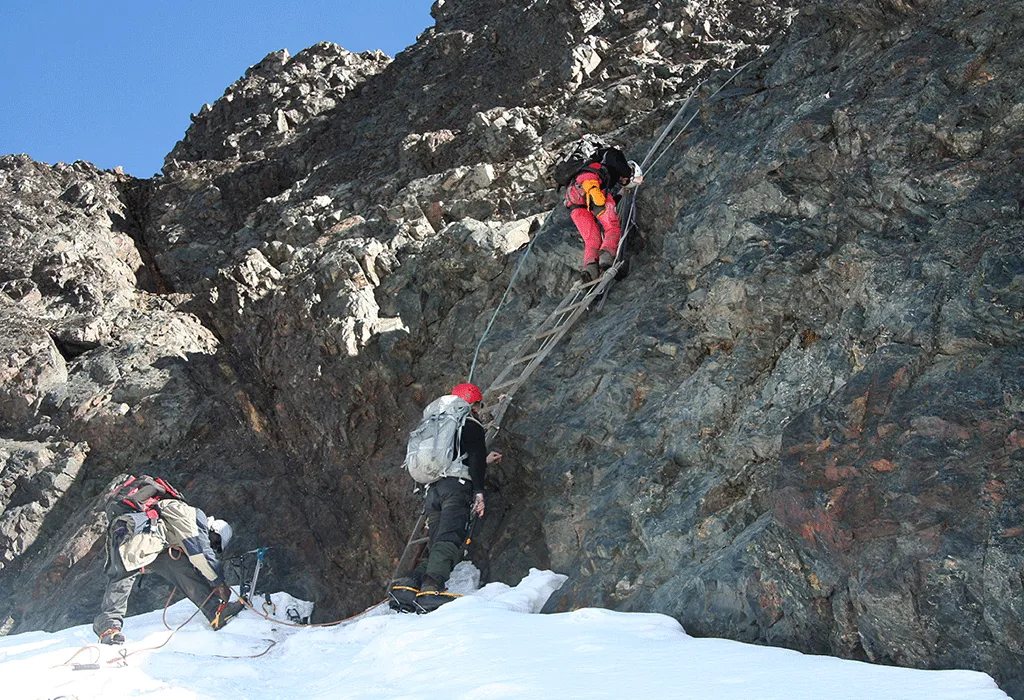
Climbing the Rwenzori Mountains
Rwenzori Mountains Trekking Adventures
Another remarkable reason why choose Uganda for a safari is the opportunity to explore the legendary Rwenzori Mountains, one of Africa’s most spectacular trekking destinations. Often referred to as the “Mountains of the Moon,” the Rwenzori Mountains feature snow-capped peaks, ancient glaciers, crystal-clear rivers, dramatic valleys, waterfalls, and rare alpine vegetation found nowhere else in East Africa. This UNESCO World Heritage Site offers an unforgettable experience for adventurous travellers seeking more than a traditional wildlife safari.
Multi-day trekking expeditions take climbers through an extraordinary sequence of ecological zones, each presenting completely different landscapes and environmental conditions. Dense tropical rainforest gradually gives way to bamboo forests, giant heather, alpine bogs, giant lobelias, and eventually snow-covered peaks that create some of the most breathtaking high-altitude scenery in Africa. This remarkable diversity is another reason why choose Uganda for a safari appeals to travellers looking for both wildlife and adventure.
Although reaching the highest peaks requires determination, proper preparation, and good physical fitness, the rewards are exceptional. Spectacular mountain scenery, pristine wilderness, unique wildlife, and the satisfaction of conquering one of Africa’s greatest trekking challenges make the Rwenzori Mountains an unforgettable addition to any Uganda safari itinerary.
Volcano Hiking in Southwestern Uganda
Why choose Uganda for a safari also includes exploring the magnificent Virunga Volcanoes through some of East Africa’s most rewarding hiking adventures. Uganda’s section of the Virunga Mountains offers well-maintained hiking trails that ascend extinct volcanoes through bamboo forests, montane forests, alpine vegetation, and volcanic landscapes while providing spectacular panoramic views across Uganda, Rwanda, and the Democratic Republic of the Congo.
Each volcano offers a unique hiking experience, with routes varying in length, elevation, and difficulty to suit different fitness levels. Along the trails, hikers may encounter golden monkeys, colourful bird species, unique alpine plants, and breathtaking scenery that changes dramatically with altitude. These unforgettable landscapes provide yet another reason why choose Uganda for a safari extends beyond traditional wildlife viewing.
Volcano hiking perfectly complements gorilla trekking itineraries by allowing visitors to experience another extraordinary aspect of Uganda’s geological and ecological diversity. Combining mountain climbing with primate encounters creates one of the most rewarding adventure holidays in Africa and further demonstrates why choose Uganda for a safari is an outstanding choice for nature lovers.
Ziplining Above Forest Canopies
Another exciting reason why choose Uganda for a safari is the opportunity to experience Uganda’s forests from above through thrilling ziplining adventures. Suspended high above the forest floor, visitors glide through lush rainforest canopies while enjoying spectacular views of towering trees, dense vegetation, and the remarkable wildlife that inhabits the upper layers of the forest.
Ziplining combines excitement with nature appreciation, offering excellent opportunities to observe monkeys, colourful birds, butterflies, and forest ecosystems that are often hidden from ground level. This unique perspective allows visitors to appreciate Uganda’s rainforest biodiversity in an entirely different way, adding another memorable experience to their Uganda safari.
Professional instructors provide comprehensive safety briefings, modern equipment, and expert supervision throughout every activity, ensuring participants of different ages and experience levels enjoy this adventure safely and confidently. For travellers looking to combine wildlife with outdoor adventure, ziplining is another exciting answer to why choose Uganda for a safari.
Nature Walks and Guided Forest Trails
Not every reason why choose Uganda for a safari involves thrilling adventure activities. Guided nature walks offer a peaceful and immersive way to discover the smaller details that are often overlooked during traditional game drives. These experiences allow visitors to slow down, engage their senses, and develop a deeper appreciation for Uganda’s extraordinary natural environment.
Experienced guides introduce visitors to medicinal plants, animal tracks, insects, butterflies, reptiles, birdlife, fungi, and the complex ecological relationships that sustain Uganda’s forests, wetlands, and savannah ecosystems. Walking quietly through ancient forests or open grasslands creates opportunities to observe wildlife behaviour at close range while learning about the interconnected ecosystems that make Uganda one of Africa’s richest biodiversity hotspots.
Nature walks are especially rewarding for photographers, birdwatchers, conservation enthusiasts, and travellers interested in ecology. These guided experiences reveal the hidden wonders of Uganda’s landscapes while providing another meaningful reason why choose Uganda for a safari is about much more than simply viewing wildlife from a vehicle. By combining walking safaris with gorilla trekking, chimpanzee tracking, boat cruises, and game drives, visitors gain a richer and more complete understanding of Uganda’s extraordinary natural heritage.

Nature Walks in Lake Mburo National Park
Horseback Safaris
Horseback riding offers one of the most unique ways to experience Uganda’s wildlife. Exploring open landscapes on horseback allows visitors to approach certain animals quietly while enjoying a more immersive connection with the surrounding environment.
Unlike safari vehicles, horses move naturally through the landscape, often allowing closer observation of grazing wildlife without causing significant disturbance. Riders may encounter zebras, antelopes, giraffes, buffaloes, and numerous bird species while enjoying uninterrupted views across the countryside.
Horseback safaris are suitable for both experienced riders and beginners, with professional guides matching routes to each participant’s level of experience.

Cycling Safaris
Cycling has become increasingly popular as an alternative way to explore Uganda’s scenic countryside. Guided cycling excursions pass through rural villages, tea plantations, forests, and agricultural landscapes where visitors experience daily life at a relaxed pace.
Travelling by bicycle allows frequent interaction with local communities while enjoying beautiful scenery that might otherwise be missed during faster road transfers. Stops along the route provide opportunities to learn about farming practices, local traditions, and community conservation initiatives.
Cycling adventures can easily be incorporated into broader safari itineraries, adding variety to the overall travel experience.

Sport Fishing
Uganda’s rivers and lakes provide outstanding opportunities for sport fishing, particularly along the River Nile and Lake Victoria. Anglers from around the world visit Uganda in search of the legendary Nile perch, one of the largest freshwater fish on Earth.
Guided fishing excursions combine professional local knowledge with beautiful natural surroundings, allowing both experienced anglers and beginners to enjoy the excitement of freshwater fishing.
Even for non-anglers, accompanying family members often appreciate the scenic boat rides and wildlife viewing opportunities available during these excursions.

Birdwatching Walks
For many visitors, birdwatching becomes an unexpected highlight of their Uganda safari. Guided birding excursions take travellers into forests, wetlands, lakeshores, and grasslands where experienced local guides identify species through both appearance and distinctive calls.
Ultimately, if you find yourself wondering why choose Uganda for a safari, the answer lies in the myriad of experiences waiting to be discovered. Don’t miss out on the opportunity to explore this unique African destination.
Uganda’s extraordinary bird diversity ensures that every walk produces new discoveries, whether visitors are experienced birdwatchers or simply developing an appreciation for the country’s remarkable avian life.
These excursions also provide valuable opportunities to learn about habitat conservation and the ecological importance of birds within Uganda’s diverse ecosystems.
Photography Expeditions
Uganda offers exceptional opportunities for wildlife and landscape photography. Early morning light, dramatic mountain scenery, ancient forests, river systems, and abundant wildlife create endless photographic possibilities throughout the country.
Specialised photography excursions allow visitors to spend additional time at key locations while experienced guides position vehicles or walking groups for optimal lighting and viewing conditions. The slower pace allows photographers to wait patiently for unique wildlife behaviour and changing natural light.
Whether using professional equipment or simply photographing with a smartphone, travellers consistently return home with spectacular images that capture the diversity of Uganda’s landscapes and wildlife.

Scenic Boat Excursions
While boat safaris are well known for wildlife viewing, Uganda also offers scenic cruises focused on relaxation and landscape appreciation. Travelling quietly across lakes and rivers provides uninterrupted views of mountains, forests, wetlands, islands, and spectacular sunsets.
These leisurely excursions offer opportunities to unwind between more active safari experiences while appreciating Uganda’s natural beauty from the water. Calm conditions and changing light create ideal moments for photography, birdwatching, or simply enjoying the peaceful surroundings.
Many travellers describe these quiet cruises as some of the most relaxing moments of their entire safari.
Adventure Adds a New Dimension to Every Uganda Safari
Uganda is one of the few African destinations where world-class wildlife encounters can be combined with such a diverse range of outdoor adventures. From rafting the mighty Nile and climbing volcanic mountains to cycling through rural landscapes, paddling across peaceful lakes, hiking ancient forests, or ziplining above tropical canopies, every activity reveals another side of the Pearl of Africa.
These adventures complement traditional safaris by introducing new landscapes, different perspectives, and memorable experiences that extend beyond wildlife viewing. They also allow travellers to tailor their holiday according to their personal interests, fitness levels, and sense of adventure.
Safari Vacations and Travel Services carefully integrates these activities into personalised safari itineraries, ensuring every journey balances wildlife, scenery, culture, relaxation, and adventure. The result is a complete Ugandan experience that appeals not only to nature lovers but also to travellers seeking exploration, excitement, and meaningful outdoor experiences in one of Africa’s most diverse destinations.
Best Time to Visit Uganda for a Safari
One of Uganda’s greatest advantages as a safari destination is that it can be visited throughout the year. Thanks to its equatorial location and varying altitudes, the country enjoys a relatively stable climate without extreme seasonal temperatures. Every month offers rewarding safari opportunities, although weather conditions, wildlife behaviour, trekking difficulty, and visitor numbers vary slightly during different times of the year.
Unlike destinations that have a very short safari season, Uganda allows travellers to enjoy mountain gorilla trekking, chimpanzee tracking, wildlife viewing, birdwatching, cultural experiences, and adventure activities almost every month. Choosing the best time depends on your personal interests, travel budget, preferred weather conditions, and the type of safari experience you want.
Safari Vacations and Travel Services helps travellers select the most suitable travel period based on their priorities, ensuring the best possible safari experience regardless of the season.
Uganda’s Two Dry Seasons
The dry seasons are generally considered the most popular times to visit Uganda for a safari. These periods typically occur from December to February and June to September.
During these months, rainfall is relatively limited, making roads easier to navigate and forest trails less muddy. Wildlife also becomes easier to observe as animals gather around permanent water sources and vegetation is less dense. Clear skies provide excellent conditions for photography, scenic views, and outdoor activities.
Mountain gorilla trekking and chimpanzee tracking are often slightly less physically demanding during the dry months because hiking trails are firmer and less slippery. These favourable conditions attract visitors from around the world, making this the busiest safari season.
Travellers planning to visit during the dry season should book accommodation and permits several months in advance, especially for gorilla trekking.
Uganda’s Rainy Seasons
Uganda’s rainy seasons generally occur between March and May and October and November. Although rainfall is more frequent during these months, it rarely rains continuously throughout the day. Many mornings remain clear before afternoon showers develop.
The rainy season transforms Uganda into an incredibly lush and vibrant landscape. Forests become greener, waterfalls flow more powerfully, flowers bloom across the countryside, and the scenery becomes particularly attractive for nature photographers.
Wildlife viewing remains excellent because Uganda’s national parks support resident animal populations throughout the year. Gorilla trekking and chimpanzee tracking continue daily despite occasional rain, although forest trails can become more challenging due to mud and slippery terrain.
For experienced travellers who appreciate quieter parks, beautiful scenery, and excellent photographic opportunities, the rainy season offers tremendous value.
Gorilla Trekking Throughout the Year
Mountain gorilla trekking operates every day of the year regardless of season. Gorilla families remain within their natural home ranges, and experienced trackers locate them before visitors begin each trek.
During the dry months, hiking conditions are generally easier because forest trails remain firmer and visibility may be slightly improved. During the wetter months, trekking can become more physically demanding, but the rainforest is at its most beautiful, with vibrant vegetation, flowing streams, and dramatic mist creating a magical atmosphere.
Many experienced safari travellers actually prefer gorilla trekking during the rainy seasons because visitor numbers are lower and the forest appears especially pristine.
Regardless of when you visit, every gorilla encounter offers the same unforgettable one-hour experience once the family has been located.
Chimpanzee Tracking in Every Season
Chimpanzee tracking is equally rewarding throughout the year. Seasonal fruit availability influences chimpanzee movements and feeding behaviour, making every tracking excursion unique.
During dry months, forest paths are generally easier to walk, while the rainy season offers cooler temperatures and lush vegetation that enhances the overall rainforest experience.
Chimpanzees remain highly active in every season, and their energetic behaviour ensures exciting encounters regardless of the month of travel.
Experienced guides and trackers continually monitor chimpanzee communities to maximise visitors’ chances of successful sightings.
Wildlife Viewing During the Dry Season
Traditional wildlife safaris are often at their best during Uganda’s dry months. Reduced vegetation improves visibility across the savannah, while many animals spend more time near rivers, lakes, and waterholes.
These predictable wildlife movements often result in excellent game viewing opportunities, especially during morning and evening game drives. Predators also become easier to locate as prey animals concentrate around available water sources.
The dry season remains the preferred choice for travellers whose primary goal is classic African wildlife viewing.
Wildlife Viewing During the Green Season
The rainy season, often referred to as the Green Season, offers a different but equally rewarding safari experience.
Fresh vegetation spreads across the savannah, creating spectacular landscapes filled with vibrant colours. Many herbivores give birth during or shortly after periods of abundant rainfall, increasing opportunities to observe young animals accompanied by protective mothers.
The dramatic green scenery also provides outstanding conditions for landscape photography and creates beautiful natural backdrops for wildlife images.
Visitors frequently enjoy quieter game drives because fewer vehicles are present compared to peak travel periods.
Best Time for Birdwatching
Uganda is one of Africa’s premier birdwatching destinations, and birding can be enjoyed throughout the year. However, many bird enthusiasts prefer the period between November and April, when migratory species from Europe and Asia join Uganda’s resident bird populations.
During these months, bird diversity reaches its highest levels, and breeding plumage makes many species particularly colourful and active. Wetlands, forests, lakes, and savannahs all become exceptionally productive habitats for birdwatching.
Whether you are searching for iconic species or simply enjoying the country’s incredible avian diversity, Uganda offers rewarding birding opportunities in every season.
Best Time for Photography
Photography opportunities vary throughout the year, with each season offering distinct advantages.
The dry season provides clear skies, golden light, and easier wildlife viewing, making it ideal for classic safari photography. Dust in the atmosphere often enhances sunrise and sunset colours, creating dramatic landscapes.
The rainy season offers lush green scenery, mist-covered forests, powerful waterfalls, reflections on lakes, and vibrant vegetation that produce equally spectacular photographic results.
Photographers often find that combining different seasons allows them to capture Uganda’s landscapes in completely different ways.
Peak Season vs Low Season
Uganda’s busiest tourism periods coincide with the dry seasons when international holiday schedules and favourable weather attract the largest number of visitors.
During peak season:
- Gorilla permits often sell out months in advance.
- Popular safari lodges experience high demand.
- Wildlife viewing conditions are generally excellent.
- Travel planning should begin well ahead of departure.
During the low or Green Season:
- Parks are quieter.
- Accommodation availability is greater.
- Some lodges may offer seasonal promotions.
- Landscapes become exceptionally green and scenic.
- Travellers enjoy a more relaxed safari atmosphere.
Both seasons offer excellent experiences, and the best choice depends on individual travel preferences.
Month-by-Month Safari Overview
| Month | Weather Conditions | Safari Highlights |
|---|---|---|
| January | Dry and warm | Excellent wildlife viewing, gorilla trekking, chimpanzee tracking. |
| February | Dry with clear skies | Outstanding game drives, birdwatching, and primate trekking. |
| March | Beginning of the rainy season | Lush green scenery, birdwatching, and fewer tourists. |
| April | Rainy season | Excellent gorilla trekking, beautiful landscapes, and photography opportunities. |
| May | Rainy but scenic | Birdwatching, cultural experiences, and quieter safari parks. |
| June | Dry season begins | Peak wildlife viewing, gorilla trekking, and comfortable hiking conditions. |
| July | Dry and sunny | Prime safari season for wildlife, chimpanzee tracking, and photography. |
| August | Dry season | Excellent game drives, Big Five safaris, and family holidays. |
| September | Mostly dry | Ideal for combining gorilla trekking, wildlife safaris, and cultural tours. |
| October | Short rains begin | Fewer visitors, green scenery, and rewarding wildlife viewing. |
| November | Rainy season | Outstanding birdwatching, lush landscapes, and discounted safari offers. |
| December | Dry season returns | Holiday safaris, gorilla trekking, chimpanzee tracking, and family vacations. |
So, When Is the Best Time to Visit Uganda?
The truth is that there is no single “perfect” month to visit Uganda because the country offers rewarding safari experiences throughout the year. Travellers who prioritise easier trekking, classic game viewing, and sunny weather often prefer the dry seasons. Those seeking fewer crowds, lush landscapes, excellent birdwatching, and outstanding photography frequently choose the Green Season.
Safari Vacations and Travel Services plans customised itineraries for every month of the year, taking into account seasonal wildlife movements, road conditions, permit availability, accommodation options, and your personal travel goals. Whether you dream of trekking mountain gorillas, tracking chimpanzees, photographing the Big Five, exploring Uganda’s breathtaking landscapes, or combining several unforgettable experiences, there is always an ideal time to discover why Uganda truly deserves its reputation as the Pearl of Africa.
One of the biggest advantages of choosing Uganda for a safari is the incredible variety of safari experiences available. Unlike destinations that focus mainly on game drives, Uganda offers travellers the flexibility to combine wildlife viewing, primate tracking, birdwatching, hiking, cultural encounters, photography, adventure activities, luxury holidays, and family vacations into one seamless itinerary.
Whether you have three days or three weeks, Uganda offers safari options to suit every budget, travel style, fitness level, and personal interest. From first-time visitors to experienced African travellers, every itinerary can be customised to create a unique and unforgettable journey.
Safari Vacations and Travel Services specializes in tailor-made Uganda safaris, ensuring a personalized experience designed around individual preferences and budgets.
Gorilla Trekking Safaris
Gorilla trekking safaris remain Uganda’s most sought-after travel experience. These itineraries focus on visiting mountain gorillas in their natural rainforest habitat while combining comfortable accommodation, scenic road transfers, and expert guiding.
Depending on the number of available days, gorilla safaris can range from short three-day trips to extended journeys that include additional wildlife destinations. Many visitors combine gorilla trekking with Lake Bunyonyi, Queen Elizabeth National Park, Kibale National Park, or Kigali in neighbouring Rwanda.
These safaris are ideal for travellers whose primary dream is to encounter endangered mountain gorillas while experiencing Uganda’s spectacular mountain scenery.
Gorilla Habituation Safaris
Travellers looking for a more exclusive primate experience often choose gorilla habituation safaris. These specialised itineraries provide up to four hours with a semi-habituated gorilla family while accompanying researchers and wildlife experts.
Because only a limited number of visitors participate each day, gorilla habituation offers a quieter and more immersive wildlife encounter than standard trekking. The additional observation time allows travellers to appreciate gorilla behaviour, family dynamics, communication, and conservation work in much greater detail.
These safaris are particularly popular with wildlife photographers, conservation enthusiasts, and repeat visitors to Uganda.
Chimpanzee Tracking Safaris
Chimpanzee safaris introduce visitors to Uganda’s vibrant tropical rainforests while offering opportunities to observe one of humanity’s closest relatives.
Unlike gorilla trekking, chimpanzee tracking is faster paced as visitors follow active troops moving through the forest canopy. Every excursion offers different behaviours, from feeding and grooming to vocal communication and social interaction.
Many chimpanzee safaris are combined with gorilla trekking, allowing visitors to experience Uganda’s two most iconic primate encounters during one holiday.
Uganda Wildlife Safaris
Wildlife safaris showcase Uganda’s remarkable diversity of mammals, birds, reptiles, and breathtaking landscapes. These itineraries focus on classic game drives across savannah ecosystems where visitors search for elephants, lions, buffaloes, giraffes, leopards, antelopes, and numerous other wildlife species.
Wildlife safaris showcase Uganda’s remarkable diversity of mammals and breathtaking landscapes. These itineraries focus on classic game drives across savannah ecosystems where visitors search for elephants, lions, and numerous other wildlife species. Wildlife safaris are perfect for travellers seeking the traditional African safari experience combined with fewer crowds than many neighbouring destinations.
Wildlife safaris are perfect for travellers seeking the traditional African safari experience combined with fewer crowds than many neighbouring destinations.
Why Book with Safari Vacations and Travel Services
If you are wondering why choose Uganda for a safari, choosing the right tour operator is just as important as choosing the destination itself. Safari Vacations and Travel Services is a locally owned Ugandan tour company with extensive experience designing exceptional Uganda safari holidays for travellers from around the world. Our expert local knowledge, professional guides, and personalised service allow us to create unforgettable journeys that demonstrate exactly why choose Uganda for a safari is one of the most searched questions by travellers planning an African safari.
We specialise in gorilla trekking, chimpanzee tracking, Big Five wildlife safaris, birdwatching tours, luxury Uganda safaris, family adventures, honeymoon holidays, and tailor-made East African safari packages. From securing gorilla and chimpanzee permits to arranging comfortable 4×4 safari vehicles, experienced driver-guides, domestic flights, and carefully selected accommodation, we handle every aspect of your journey with professionalism and attention to detail.
When you book with Safari Vacations and Travel Services, you enjoy transparent pricing, personalised itineraries, responsible tourism, reliable permit booking, comfortable transportation, carefully chosen safari lodges, and 24/7 customer support from arrival to departure. Whether you are visiting Africa for the first time or returning for another adventure, we are committed to showing you exactly why choose Uganda for a safari is a decision you will never regret. Our goal is to deliver authentic wildlife experiences, meaningful cultural encounters, and seamless travel that exceed your expectations while showcasing the very best of Uganda.
Frequently Asked Questions
Why choose Uganda for a safari?
Why choose Uganda for a safari? Uganda offers one of Africa’s most complete safari experiences by combining mountain gorilla trekking, chimpanzee tracking, Big Five wildlife safaris, spectacular landscapes, rich cultural experiences, adventure activities, and more than 1,090 recorded bird species. Few destinations in Africa offer such remarkable diversity within a single country. This unique combination of wildlife, scenery, and authentic cultural experiences is exactly why choosing Uganda for a safari has become one of the fastest-growing travel searches among international visitors.
When is the best time to visit Uganda for a safari?
If you are wondering why choose Uganda for a safari throughout the year, the answer lies in its favourable climate. Uganda is a year-round safari destination. The dry seasons from December to February and June to September offer excellent wildlife viewing, easier gorilla trekking, and comfortable game drives. Meanwhile, the rainy seasons provide lush green landscapes, fewer tourists, discounted accommodation, outstanding birdwatching opportunities, and exceptional photography conditions. Every season offers unique reasons why choose Uganda for a safari.
How much does a Uganda safari cost?
The cost of a Uganda safari depends on your itinerary, accommodation standard, activities, transport, and group size. Whether you are planning a budget safari, a mid-range holiday, or a luxury Uganda safari, there are packages available to suit every traveller. One of the reasons why choose Uganda for a safari is that it offers outstanding value for money compared to many other African safari destinations while still delivering world-class wildlife experiences.
Is Uganda safe for tourists?
Yes. Uganda is one of East Africa’s leading safari destinations and welcomes thousands of international visitors every year. Travelling with an experienced local operator such as Safari Vacations and Travel Services ensures a safe, comfortable, and well-organised holiday. For travellers asking why choose Uganda for a safari, safety, friendly people, political stability in tourism areas, and experienced professional guides make Uganda an excellent destination for solo travellers, couples, families, and groups.
Can I see the Big Five in Uganda?
Yes. A well-planned Uganda safari offers excellent opportunities to see lions, leopards, elephants, buffaloes, and rhinos. One of the greatest reasons why choose Uganda for a safari is that Uganda is among the few countries where visitors can combine Big Five game viewing with mountain gorilla trekking and chimpanzee tracking during the same holiday, creating one of Africa’s most diverse safari experiences.
Is gorilla trekking worth it?
Absolutely. Gorilla trekking is widely regarded as one of the greatest wildlife experiences on Earth. Spending one unforgettable hour with endangered mountain gorillas in their natural rainforest habitat is often the highlight of any Uganda safari. For many visitors, gorilla trekking is the single biggest reason why choose Uganda for a safari, creating memories that last a lifetime.
How many days do I need for a Uganda safari?
A three- to four-day Uganda safari is ideal for gorilla trekking, while a seven- to ten-day itinerary allows you to combine mountain gorillas, chimpanzee tracking, Big Five wildlife safaris, boat cruises, birdwatching, cultural experiences, and visits to multiple national parks. Longer itineraries provide a more complete understanding of why choose Uganda for a safari and allow visitors to experience the country’s extraordinary diversity at a relaxed pace.
What should I pack for a Uganda safari?
When planning why choose Uganda for a safari, it is important to pack appropriately. Bring lightweight neutral-coloured clothing, comfortable hiking boots, a waterproof jacket, a warm fleece for cool mornings, sunscreen, insect repellent, a wide-brimmed hat, binoculars, a good camera, a reusable water bottle, gardening gloves for gorilla trekking, and any personal medication. Proper preparation ensures you enjoy every moment of your Uganda safari comfortably and safely while making the most of every wildlife encounter.
Conclusion
Choosing Uganda for a safari brings together unforgettable wildlife encounters and breathtaking scenery.
If you have been asking yourself why choose Uganda for a safari, the answer becomes clear upon discovering everything the country has to offer. From mountain gorilla encounters and chimpanzee tracking to Big Five wildlife, breathtaking landscapes, vibrant cultures, and world-class birdwatching, Uganda delivers one of Africa’s most diverse and rewarding safari experiences.
If you have been asking yourself why choose Uganda for a safari, the answer becomes clear upon discovering everything the country has to offer. From mountain gorilla encounters and chimpanzee tracking to Big Five wildlife, Uganda delivers one of Africa’s most diverse and rewarding safari experiences.