Responsible Wildlife Tourism Made Simple

Responsible Wildlife Tourism Made Simple: A First-Timer’s Guide to East Africa. East Africa is a dream destination for many, offering unparalleled wildlife encounters and breathtaking landscapes. From the iconic wildebeest migration in the Serengeti to the majestic mountain gorillas of Uganda and Rwanda, the region promises an unforgettable adventure. However, with such incredible natural beauty and diverse ecosystems comes a great responsibility: to ensure that our visits contribute positively to conservation efforts and local communities. This guide, brought to you by Safari Vacations and Travel Services, will help first-time visitors navigate the world of responsible wildlife tourism in East Africa, making your safari not just an adventure but a force for good.
What is Responsible Wildlife Tourism?
Responsible wildlife tourism is about minimizing your negative impact and maximizing your positive impact on the environment, wildlife, and local communities. It’s about being a conscious traveler who respects the delicate balance of nature and culture. This means choosing ethical tour operators, respecting wildlife, supporting local economies, and being mindful of your environmental footprint.
Why is Responsible Tourism Important in East Africa?
East Africa’s wildlife and natural habitats face numerous threats, including poaching, habitat loss, and human-wildlife conflict. Tourism, when managed responsibly, can be a powerful tool for conservation. It provides economic incentives for local communities to protect wildlife and their habitats, creates jobs, and raises awareness about conservation issues. Conversely, irresponsible tourism can exacerbate these problems, leading to environmental degradation, disturbance of wildlife, and exploitation of local people.
Key Principles of Responsible Wildlife Tourism
Choose Ethical Tour Operators
This is perhaps the most crucial step. An ethical tour operator will prioritize the well-being of wildlife and local communities. Look for operators who:
- Are locally owned and operated: This ensures that the economic benefits of your trip stay within the community.
- Employ and train local guides: Local guides have invaluable knowledge of the area, its wildlife, and its culture. They also directly benefit from your visit.
- Have strong conservation policies: They should actively support conservation projects, have strict rules about wildlife interaction (e.g., maintaining safe distances, no feeding), and minimize their environmental footprint (e.g., waste management, water conservation).
- Are transparent about their practices: They should be able to clearly articulate how they contribute to responsible tourism.
- Are certified by recognized responsible tourism organizations: Look for certifications from organizations like Responsible Tourism Institute, Fair Trade Tourism, or specific national eco-tourism certifications.
Respect Wildlife and Their Habitats
Your safari is a privilege, not a right. Always remember that you are a guest in the animals’ home. Here’s how to show respect:
- Maintain a safe distance: Never approach or disturb animals. Your guide will know the appropriate distance to keep.
- Never feed wild animals: This can alter their natural behavior, make them dependent on humans, and expose them to diseases.
- Stay on designated paths and tracks: Going off-road can damage fragile ecosystems and disturb wildlife.
- Minimize noise: Speak softly and avoid sudden movements that could startle animals.
- Do not use flash photography at night: This can disorient and stress nocturnal animals.
- Do not collect souvenirs from nature: Leave rocks, plants, and other natural items where they belong.
Support Local Communities
Your visit can have a significant positive impact on the lives of local people. Here’s how to ensure your money benefits them directly:
- Buy local crafts and products: This supports local artisans and provides them with a direct income. Bargain respectfully, but remember that these are often their livelihoods.
- Visit local villages and cultural centers: Engage with local communities respectfully and learn about their traditions. Always ask for permission before taking photographs of people.
- Eat at local restaurants: Experience authentic local cuisine and support local businesses.
- Consider staying at community-owned lodges or campsites: These establishments often reinvest profits back into community development projects.
Minimize Your Environmental Footprint
Every action has an impact. Be mindful of your consumption and waste:
- Reduce, reuse, recycle: Minimize plastic use, carry a reusable water bottle, and dispose of waste responsibly. Many lodges have recycling programs.
- Conserve water and energy: Be mindful of your water usage, especially in arid regions. Turn off lights and air conditioning when not in your room.
- Choose eco-friendly accommodations: Look for lodges and camps that have implemented sustainable practices, such as solar power, water harvesting, and responsible waste management.
- Offset your carbon emissions: Consider donating to carbon offset programs to mitigate the environmental impact of your flights.
East African Destinations for Responsible Tourism
East Africa offers a wealth of opportunities for responsible wildlife tourism. Here are some highlights:
Kenya
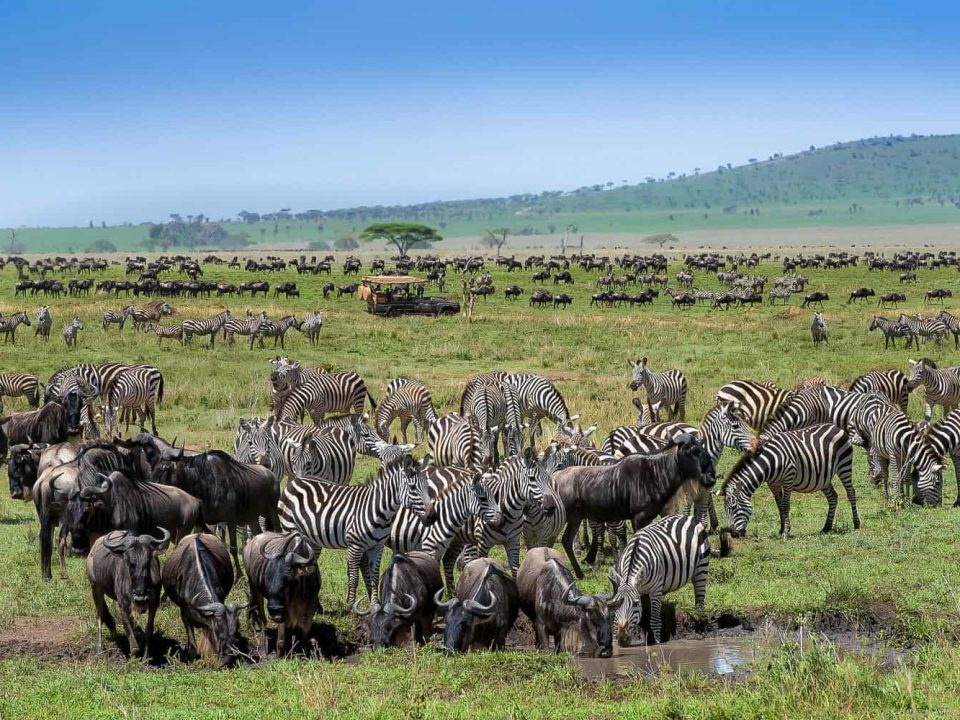
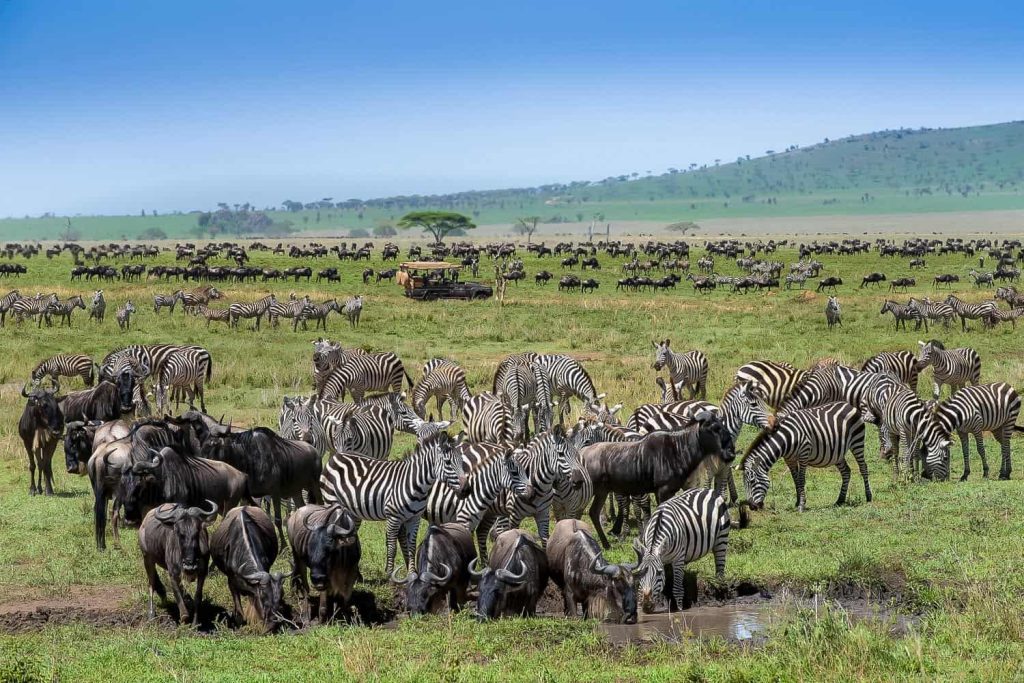
Kenya is a classic safari destination, and many operators are committed to responsible tourism. The Maasai Mara is famous for the Great Migration, and many conservancies bordering the park are community-owned, offering excellent wildlife viewing with fewer crowds and direct benefits to the Maasai people. Amboseli National Park is renowned for its large elephant herds against the backdrop of Mount Kilimanjaro. Look for opportunities to visit local villages and support community-based initiatives.
Tanzania
Tanzania boasts the Serengeti National Park, another prime location for the Great Migration, and the Ngorongoro Crater, a natural wonder teeming with wildlife. Responsible tourism here often involves supporting local Maasai communities and choosing lodges that prioritize sustainability. Consider visiting less-trafficked parks like Ruaha or Selous for a more exclusive and impactful experience.
Uganda
Uganda is the premier destination for gorilla trekking in Bwindi Impenetrable National Park and Mgahinga Gorilla National Park. Gorilla tourism is a prime example of responsible tourism, as the high permit fees directly fund conservation efforts and provide significant economic benefits to local communities, giving them a strong incentive to protect these endangered primates. Beyond gorillas, explore Queen Elizabeth National Park for diverse wildlife and chimpanzee trekking in Kibale National Park.
Rwanda
Rwanda, like Uganda, offers incredible gorilla trekking experiences in Volcanoes National Park. The country has made significant strides in conservation and responsible tourism, with a strong focus on high-value, low-impact tourism. Visiting Rwanda supports these efforts and contributes to the protection of its unique biodiversity.
Practical Tips for Your First Responsible Safari
- Pack light and smart: Choose quick-drying, neutral-colored clothing. A good pair of binoculars is essential. Minimize plastic packaging.
- Research before you go: Learn about the local culture, customs, and responsible tourism initiatives in your chosen destination.
- Listen to your guide: Your guide is your most valuable resource. They know the local environment, wildlife, and cultural norms. Follow their instructions carefully.
- Be patient: Wildlife viewing requires patience. Enjoy the quiet moments and the beauty of the landscape.
- Be open to new experiences: Embrace the local culture, try new foods, and engage with the people you meet.
- Leave no trace: Take everything you bring with you, and leave nothing behind but footprints.
Conclusion
Embarking on a safari in East Africa is an extraordinary journey. By embracing responsible wildlife tourism, you can ensure that your adventure not only creates lasting memories for you but also contributes to the preservation of these incredible ecosystems and the well-being of the communities that call them home. Safari Vacations and Travel Services is committed to providing ethical and unforgettable safari experiences. Join us in making a difference, one responsible safari at a time.
Beyond Certifications: What Else to Look For
While certifications are helpful, they are not the only indicator of a responsible tour operator. Many smaller, community-focused operators may not have the resources to obtain certifications, but are deeply committed to sustainability. Here’s what else to consider:
- Transparent Reporting: Look for operators who openly share data and statistics on their conservation and community impact. This shows a genuine commitment to accountability.
- Active Conservation and Community Projects: Inquire about specific projects the operator is involved in. Are they supporting anti-poaching efforts, local schools, or healthcare initiatives? Do they have clear, measurable goals for these projects?
- Local Sourcing: Do they prioritize sourcing food, beverages, and other supplies from local businesses? This directly benefits the local economy and reduces their carbon footprint.
- Staff Welfare: Ensure the operator treats their staff fairly, providing good working conditions, fair wages, and opportunities for training and advancement.
- Reputation and Reviews: Read reviews from other travelers, but also look for independent articles or reports about the operator’s practices. A consistent positive reputation for ethical conduct is a strong indicator.
- Direct Communication: Don’t hesitate to ask the operator direct questions about their responsible tourism practices. A reputable operator will be happy to provide detailed answers and evidence of their commitment.
Remember, the goal is to choose an operator who aligns with your values and demonstrates a genuine commitment to making a positive difference. By asking the right questions and looking beyond just certifications, you can ensure your safari contributes to a more sustainable future for East Africa’s wildlife and communities.