Why February and March Are the Best Months to Visit Uganda

Why February and March Are the Best Months to Visit Uganda
Uganda, known as the “Pearl of Africa,” offers breathtaking landscapes, incredible wildlife, and unique cultural experiences year-round. However, February and March stand out as two of the best months to visit this East African gem. These months strike the perfect balance between favorable weather, abundant wildlife encounters, and smaller crowds. Here’s a detailed guide to why February and March are ideal for your Ugandan adventure. Why February and March Are the Best Months to Visit Uganda
February and March are considered some of the best months to visit Uganda due to a combination of favorable weather, abundant wildlife viewing opportunities, and unique cultural experiences. Here’s why:
Ideal Weather Conditions
Dry Season: February and early March fall within Uganda’s dry season, making it one of the most comfortable times to travel.
Low Rainfall: These months experience minimal rainfall, which means trails in national parks and reserves are dry and easier to navigate.
Pleasant Temperatures: Daytime temperatures range between 24°C and 30°C (75°F to 86°F), perfect for outdoor activities.
Excellent Wildlife Viewing
Concentrated Wildlife: The dry season forces animals to gather around water sources, making them easier to spot.
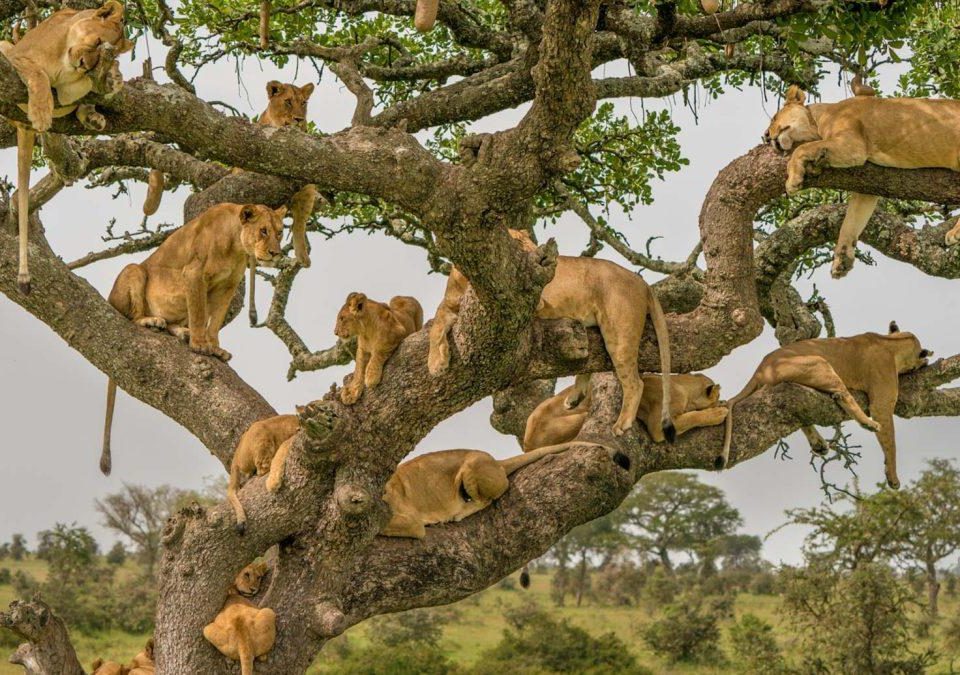
- Popular parks like Queen Elizabeth National Park, Murchison Falls National Park, and Kidepo Valley National Park are prime locations for game drives.
Gorilla Trekking: Bwindi Impenetrable National Park and Mgahinga Gorilla National Park offer ideal conditions for trekking due to the dry trails.
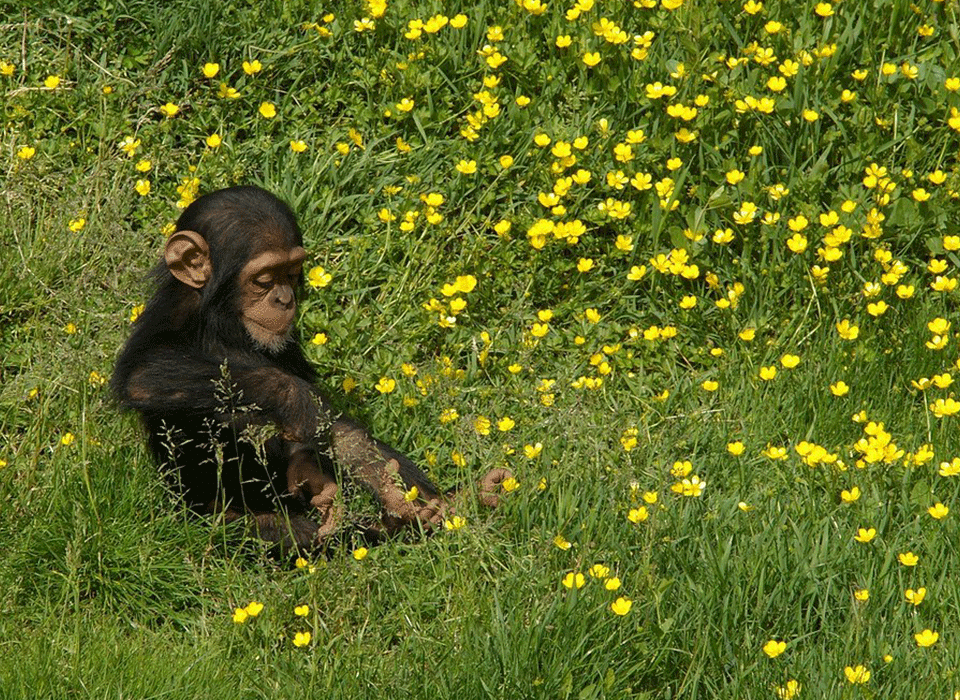
ChimpanzeeTrekking: Kibale Forest National Park is excellent for chimpanzee tracking.
Bird Watching: February and March are peak months for birding enthusiasts, as migratory birds are still present alongside Uganda’s 1,000+ resident bird species.
Unique Seasonal Experiences
February and March provide opportunities to witness specific natural and cultural highlights.
Calving Season in Parks: In areas like Lake Mburo and Queen Elizabeth National Parks, February and March are calving seasons for some antelope and other herbivore species, attracting predators and offering exciting game-viewing opportunities.
Lush Scenery: As March progresses and the rainy season approaches, the landscapes begin to transform into vibrant green, adding an extra layer of beauty to the already stunning surroundings.
Affordable Travel Costs
Traveling to Uganda in February and March is often more budget-friendly compared to peak tourist seasons.
Discounted Accommodation Rates: Many lodges offer lower rates during this off-peak period.
Reduced Airfare: Flights to and within Uganda tend to be more affordable in February and March.
Cost-Effective Packages: Tour operators may offer special deals for safaris, gorilla trekking, and cultural tours.
Proximity to Peak Seasons
February and March are perfect transitional months for travelers looking to experience favorable conditions without the peak season prices and crowds.
Great Weather Before the Rains: The rains typically start in late March or April, so these months offer excellent weather before the wet season begins.
Ideal for Last-Minute Travelers: Because February and March are less crowded, they’re ideal for travelers planning a spontaneous trip without worrying about sold-out permits or accommodations.
Less Crowding
Off-Peak Period: While December and January are busier, February and March see fewer tourists, providing a more serene and intimate experience.
Affordable Travel: Lodges and tour operators may offer discounts or more availability, especially in March, as it transitions into the rainy season.
Cultural Events and Festivals
Uganda’s vibrant culture shines during this time with local events and traditional ceremonies in full swing.
Visitors may witness traditional dances, music, and community celebrations.
Scenic Beauty
Transition Season: By March, Uganda begins transitioning into the rainy season, meaning the landscapes become lush and green without the heavy rains fully setting in.
Photography Opportunities: The clear skies, bright sunshine, and thriving greenery make it an ideal time for capturing Uganda’s stunning landscapes.
Tips for Visiting Uganda in February and March
To make the most of your trip during these months, keep the following tips in mind:
Book Gorilla Permits in Advance: Even in the off-peak season, gorilla trekking permits are limited and should be booked several weeks or months ahead.
Pack for Variable Weather: While February is dry, March can bring occasional showers. Bring waterproof clothing and hiking boots.
Stay Hydrated and Wear Sunscreen: The sun can be intense during the dry season, especially in lowland areas.
Hire a Guide or Tour Operator: Professional guides can help you maximize your experience and navigate Uganda’s diverse landscapes and activities.
Conclusion Why February and March Are the Best Months to Visit Uganda
February and March are excellent months to visit Uganda, offering a combination of favorable weather, abundant wildlife, fewer crowds, and cost-effective travel options. Whether you’re trekking to see mountain gorillas, exploring savannahs on game drives, or soaking in the culture of local communities, these months provide the perfect conditions for an unforgettable adventure.
Plan your Ugandan safari in February or March and discover why this time of year is considered one of the best-kept secrets for exploring the Pearl of Africa!
Would you like help planning a trip or more specific recommendations for activities and destinations in Uganda?