Trekking Permit Requirements in East Africa
Trekking Permit Requirements in East Africa: What You Must Know Before Your Adventure; East Africa, a land of breathtaking landscapes and diverse wildlife, beckons adventurers from across the globe. From the towering peaks of Mount Kilimanjaro to the dense forests inhabited by mountain gorillas, the region offers unparalleled trekking experiences. However, embarking on these adventures requires more than just a sense of wanderlust; it demands careful planning, especially when it comes to understanding and securing the necessary trekking permits. This comprehensive guide, brought to you by Safari Vacations and Travel Services, will walk you through the essential permit requirements for trekking in East Africa, ensuring your adventure is smooth, legal, and unforgettable.
Why Are Trekking Permits Necessary?
Trekking permits are not merely bureaucratic hurdles; they serve several crucial purposes:
- Conservation: A significant portion of permit fees goes directly towards conservation efforts, protecting the fragile ecosystems and endangered species (like mountain gorillas) that make these regions so unique.
- Safety and Regulation: Permits help authorities regulate the number of trekkers in a given area, preventing overcrowding and ensuring the safety of visitors. They also allow park management to track individuals, which is vital in case of emergencies.
- Local Community Support: Many permit systems benefit local communities by providing employment opportunities (guides, porters) and contributing to their economic well-being.
- Access Control: Permits grant you legal access to protected areas, ensuring you are not trespassing and are adhering to the rules and regulations set by national park authorities.
General Requirements for Trekking in East Africa
While specific permit requirements vary by country and the type of trek, some general prerequisites apply across East Africa:
- Valid Passport: Your passport must be valid for at least six months beyond your intended departure date from East Africa.
- Visa: Most foreign nationals require a visa to enter East African countries. These can often be obtained upon arrival, online (e-visa), or in advance from the respective country’s embassy or consulate. It’s crucial to check the specific visa requirements for your nationality well in advance of your trip.
- Yellow Fever Vaccination Certificate: A yellow fever vaccination certificate is often a mandatory entry requirement for many East African countries, especially if you are arriving from or transiting through a country with a risk of yellow fever transmission.
- Travel Insurance: While not always a strict permit requirement, comprehensive travel insurance that covers trekking activities, medical emergencies, and evacuation is highly recommended.
- Booking Through a Licensed Tour Operator: For many popular treks, especially gorilla trekking and Kilimanjaro climbs, it is mandatory to book through a licensed and reputable tour operator. These operators handle the permit application process on your behalf, ensuring all regulations are met.
Country-Specific Trekking Permit Requirements
Let’s delve into the specific requirements for popular trekking destinations in East Africa:
Uganda
Uganda is renowned for its gorilla and chimpanzee trekking experiences. The primary permits you’ll need are:
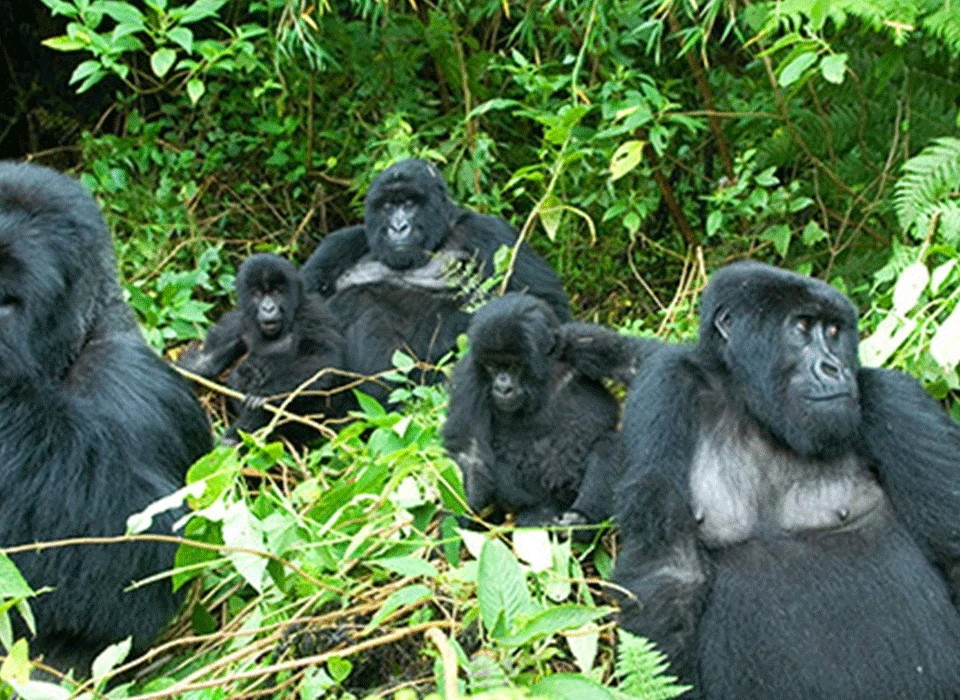
- Gorilla Trekking Permit: This is the most sought-after permit in Uganda, allowing you to spend an hour with a habituated mountain gorilla family in Bwindi Impenetrable National Park or Mgahinga Gorilla National Park. Permits are highly limited and should be booked many months in advance, especially for peak season. The cost varies for foreign non-residents, foreign residents, and East African citizens.
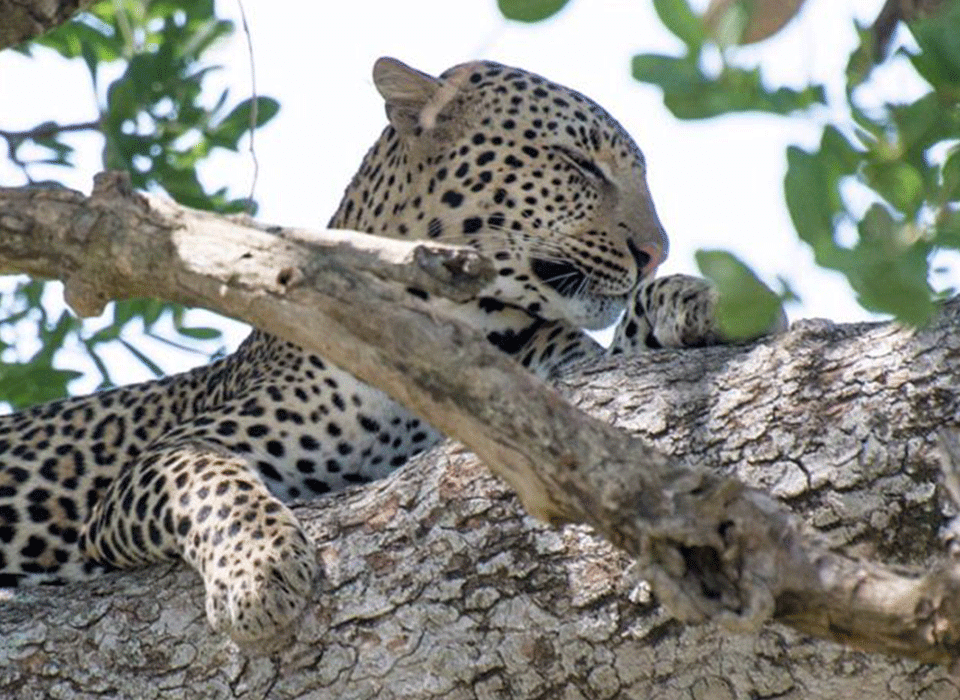
- Chimpanzee Trekking Permit: Similar to gorilla permits, these allow you to track chimpanzees in Kibale Forest National Park or Budongo Forest. These are also limited and require advance booking.
- Park Entry Fees: In addition to trekking permits, you will need to pay national park entry fees for each day you spend within the park.
How to Obtain: Gorilla and chimpanzee permits in Uganda are primarily obtained through the Uganda Wildlife Authority (UWA) or by booking through a licensed tour operator. Many tour operators will include the permit cost in their overall package.
Rwanda
Rwanda offers an exclusive and often more expensive gorilla trekking experience in Volcanoes National Park.
- Gorilla Trekking Permit: Rwanda’s gorilla permits are among the most expensive, reflecting the country’s high-end tourism strategy. Like Uganda, these permits are limited and must be booked well in advance. The permit allows for one hour with the gorillas.
- Golden Monkey Trekking Permit: Volcanoes National Park also offers golden monkey trekking, which requires a separate permit.
- Park Entry Fees: Standard national park entry fees apply.
How to Obtain: Gorilla and golden monkey permits are issued by the Rwanda Development Board (RDB). Most visitors book their permits through a registered tour operator.
Tanzania
Tanzania is home to Africa’s highest peak, Mount Kilimanjaro, and other stunning trekking opportunities.
- Mount Kilimanjaro Climbing Permits: Climbing Kilimanjaro requires a series of permits and fees, all of which are typically handled by your licensed tour operator. These include:
- Park Entry Permit: Required for entering Kilimanjaro National Park.
- Conservation Fees: Daily fees contributing to the park’s conservation efforts.
- Camping/Hut Fees: Depending on your chosen route and accommodation type.
- Rescue Fees: A mandatory fee for emergency rescue services.
- Guide and Porter Fees: It is mandatory to be accompanied by a licensed guide and porters.
How to Obtain: Kilimanjaro permits are obtained through the Kilimanjaro National Park Authority, but only licensed tour operators can apply for them on your behalf. You cannot climb Kilimanjaro independently.
- Other National Park Trekking: For other national parks in Tanzania offering trekking (e.g., Mount Meru in Arusha National Park), you will generally need to pay park entry fees and potentially guide fees, depending on the specific trek and park regulations.
Kenya
Kenya offers diverse trekking experiences, with Mount Kenya being a prominent destination.
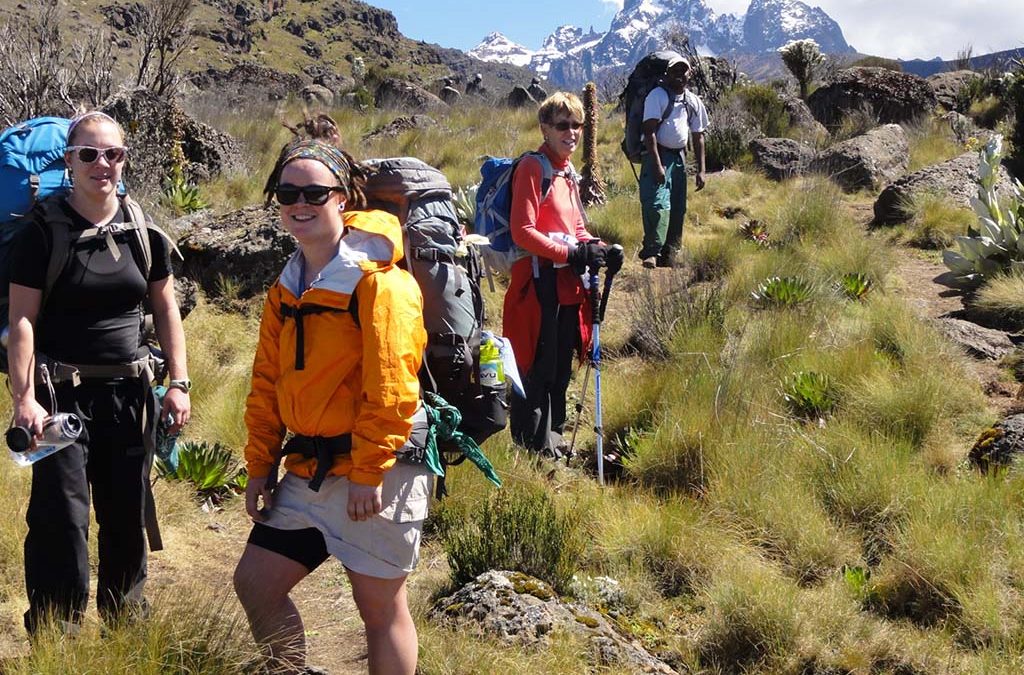
- Mount Kenya Climbing Permits: Similar to Kilimanjaro, climbing Mount Kenya requires permits and fees, which include:
- National Park Entry Permit: For Mount Kenya National Park.
- Conservation Fees: Daily fees.
- Camping/Hut Fees: If staying overnight.
- Guide and Porter Fees: It is generally mandatory to use a licensed guide and porters for safety and regulatory reasons.
How to Obtain: Permits for Mount Kenya are obtained through the Kenya Wildlife Service (KWS) or through licensed tour operators. It’s advisable to book through an operator who can manage the permit process.
- Other National Park Trekking: For other national parks in Kenya, general park entry fees apply. Some parks may have specific regulations or require guides for certain trails.
Important Considerations for All Treks
- Book in Advance: For popular treks like gorilla trekking and Kilimanjaro, permits are limited and sell out quickly. Book many months, or even a year, in advance, especially if you plan to travel during peak season.
- Age Restrictions: Some treks, particularly gorilla trekking, have age restrictions (e.g., minimum 15 years old).
- Physical Fitness: Most treks in East Africa require a good level of physical fitness. Be honest with yourself about your capabilities and choose a trek that matches your fitness level.
- Health and Safety: Consult your doctor about necessary vaccinations and preventative medications (e.g., anti-malarials). Always follow the instructions of your guides and park rangers.
- Respect Wildlife and Environment: Adhere to all park rules and regulations, maintain a safe distance from wildlife, and leave no trace behind.
- Currency: While permit fees are often quoted in USD, it’s advisable to carry some local currency for smaller expenses.
- Flexibility: While planning is crucial, be prepared for unforeseen circumstances like weather changes or permit availability issues. A reputable tour operator can help navigate these challenges.
The Role of Safari Vacations and Travel Services
Navigating the complexities of trekking permit requirements in East Africa can be daunting. This is where Safari Vacations and Travel Services comes in. As a leading expert in East African adventures, we offer:
- Expert Guidance: Our team has in-depth knowledge of all permit requirements, regulations, and booking procedures for every major trekking destination in East Africa.
- Hassle-Free Booking: We handle all aspects of permit acquisition, ensuring your permits are secured well in advance and all necessary paperwork is completed accurately.
- Tailored Itineraries: We design personalized trekking itineraries that align with your interests, fitness level, and budget, incorporating all required permits.
- Experienced Guides and Support Staff: We work with highly trained and licensed guides and support staff who prioritize your safety and ensure a memorable experience.
- Comprehensive Packages: Our packages often include permit fees, park entry fees, accommodation, transportation, and other essential services, providing a seamless travel experience.
An adventure in East Africa promises unforgettable memories, from standing atop Africa’s highest peaks to coming face-to-face with endangered mountain gorillas. By understanding and preparing for the trekking permit requirements, you can ensure your journey is not only thrilling but also responsible and compliant with local regulations. Let Safari Vacations and Travel Services be your trusted partner in planning your East African trekking adventure. With our expertise, you can focus on the excitement of the journey, knowing that all the necessary permits are in place.
Additional Trekking Destinations and Permits
Beyond the iconic gorilla treks and mountain climbs, East Africa offers a plethora of other trekking opportunities, each with its own set of permit requirements. Understanding these can open up a world of diverse adventures.
Democratic Republic of Congo (DRC)
The DRC, particularly Virunga National Park, is another critical destination for gorilla trekking. While often overlooked due to past instability, it offers a unique and often more adventurous experience.
- Gorilla Trekking Permit (Virunga National Park): Permits for gorilla trekking in Virunga are generally less expensive than in Rwanda or Uganda, making it an attractive option for budget-conscious travelers. However, the security situation should always be monitored closely.
- Nyiragongo Volcano Trekking Permit: Virunga is also home to Mount Nyiragongo, one of the world’s most active volcanoes, with a mesmerizing lava lake. Trekking to the summit requires a separate permit.
You can obtain permits for Virunga National Park through the park authority or licensed tour operators. Due to the dynamic security situation, we highly recommend booking through a reputable operator who can provide up-to-date information and ensure your safety.
Other Notable Treks and Considerations
- Mount Meru (Tanzania): Often used as an acclimatization trek for Kilimanjaro, Mount Meru is a challenging and rewarding climb in Arusha National Park. It requires park entry fees, conservation fees, and the accompaniment of an armed ranger due to wildlife in the lower slopes.
- Rwenzori Mountains (Uganda): Known as the “Mountains of the Moon,” the Rwenzoris offer multi-day treks through diverse ecosystems, culminating in snow-capped peaks. Permits are required for entry into Rwenzori Mountains National Park, along with guide and porter fees.
- Mahale Mountains National Park (Tanzania): This remote park on the shores of Lake Tanganyika is famous for its chimpanzee trekking. Access is primarily by boat, and permits are required for chimpanzee tracking and park entry.
- Gishwati-Mukura National Park (Rwanda): Rwanda’s newest national park offers chimpanzee and golden monkey trekking, as well as bird-watching. Permits are required for these activities.
The Importance of Responsible Tourism
When embarking on any trek in East Africa, it’s crucial to practice responsible tourism. This not only ensures the sustainability of these incredible natural environments but also enhances your own experience.
- Support Local Communities: Choose tour operators and accommodations that directly benefit local communities. This helps ensure that the economic benefits of tourism are shared with those who live near these protected areas.
- Respect Wildlife: Maintain a safe and respectful distance from all wildlife. Never feed animals or disturb their natural behavior. Follow all guidelines provided by your guides and park rangers.
- Leave No Trace: Pack out everything you pack in. Do not leave any litter behind. Stick to designated trails to minimize your impact on the environment.
- Cultural Sensitivity: Be respectful of local customs and traditions. Dress modestly, especially when visiting villages or religious sites. Ask for permission before taking photographs of people.
- Health and Safety: Beyond vaccinations and insurance, be aware of potential health risks like malaria, altitude sickness, and dehydration. Carry a well-stocked first-aid kit and know how to use it. Always inform your guide of any health concerns.
- Environmental Impact: Consider your carbon footprint. Choose eco-friendly tour operators and minimize your use of single-use plastics.
Detailed Breakdown of Permit Costs (Approximate and Subject to Change)
It’s essential to note that permit costs are subject to change, and it’s always advisable to verify the latest prices with your tour operator or the relevant national park authority. The following are approximate costs for foreign non-residents:
| Country | Trekking Activity | Approximate Permit Cost (USD) | Notes |
| Uganda | Gorilla Trekking | $800 | Per person, per trek. Excludes Park entry fees. |
| Uganda | Chimpanzee Trekking | $200 | Per person, per trek. Excludes Park entry fees. |
| Rwanda | Gorilla Trekking | $1500 | Per person, per trek. Excludes Park entry fees. |
| Rwanda | Golden Monkey Trekking | $100 | Per person, per trek. Excludes Park entry fees. |
| Tanzania | Kilimanjaro Climbing | Varies, typically 1000−1000-1000−2000+ | Includes Park fees, conservation fees, rescue fees, and sometimes camping/hut fees. Paid daily. |
| Kenya | Mount Kenya Climbing | Varies, typically 50−50-50−100+ per day | Includes Park entry and conservation fees. |
| DRC | Gorilla Trekking (Virunga) | $400 | Per person, per trek. Excludes Park entry fees. |
| DRC | Nyiragongo Volcano Trekking | $300 | Per person, per trek. Excludes Park entry fees. |
Note: These costs do not include visa fees, international flights, accommodation outside of treks, or personal expenses. Always factor in additional costs for guides, porters, and equipment rental where applicable.