All you need to know to Travel to Bwindi Impenetrable Forest National Park

Bwindi Impenetrable Forest, located in southwestern Uganda, holds a rich history rooted in biodiversity and human interaction. Originally established as a Crown Forest Reserve in 1932, the forest gained protection to conserve its unique ecosystem. Later, in 1942, authorities merged it with the Kayonza and Kasatora Crown Forest Reserves, forming a larger conservation area known as the Impenetrable Central Forest Reserve.
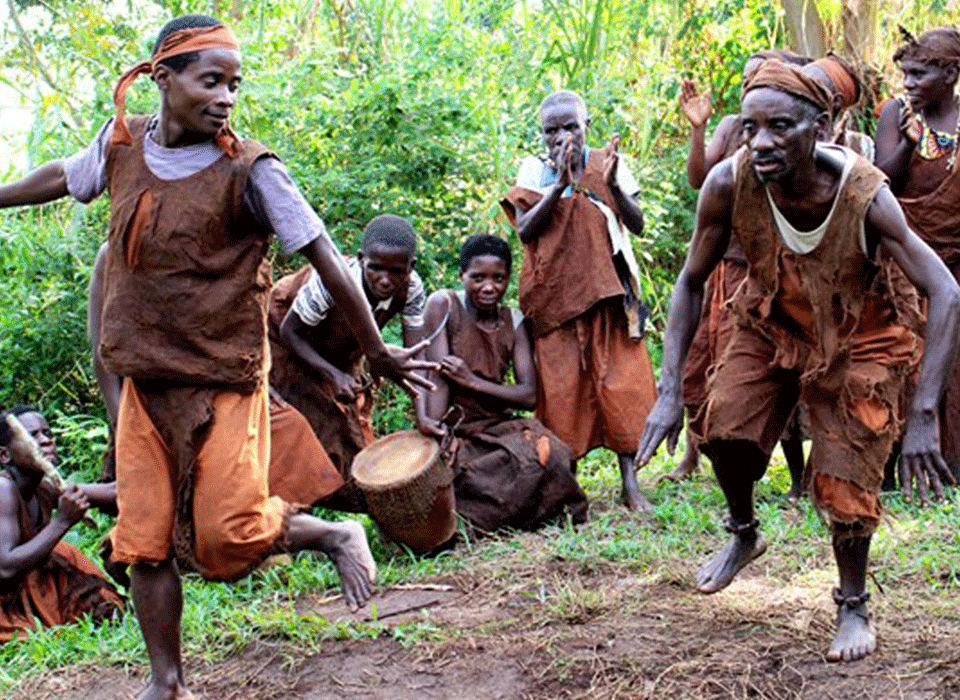
During the early years, human settlement and poaching activities threatened the forest. The local Batwa people, the forest’s original inhabitants, relied on its resources for centuries, living as hunter-gatherers. However, government conservation policies in the mid-20th century displaced them, prioritizing environmental protection over traditional land use. While the forest gained increased protection, this shift created challenges for the Batwa, who faced struggles integrating into settled life outside the forest.
In 1991, Uganda reclassified Bwindi as a national park, renaming it Bwindi Impenetrable National Park. This change aimed to preserve the habitat of its rare mountain gorillas and diverse wildlife. Declaring it a national park also brought stricter conservation measures, enhancing its global significance. In 1994, UNESCO recognized Bwindi as a World Heritage Site for its outstanding ecological value, affirming its global importance.
Today, Bwindi spans approximately 321 square kilometers and remains one of Africa’s most biologically diverse areas. Its dense vegetation hosts over 120 mammal species, 350 bird species, and nearly 1,000 plant species. The forest also shelters almost half of the world’s mountain gorilla population, making it a focal point for global conservation efforts.
Eco-tourism has transformed Bwindi into an essential source of income for surrounding communities. Gorilla tracking, which began in the 1990s, attracts visitors from around the world. Revenue from tourism funds conservation projects and community development, creating a sustainable balance between protecting the forest and supporting local livelihoods.
Bwindi’s history reflects the challenges of conserving biodiversity while respecting human rights. It continues to stand as a symbol of resilience, biodiversity, and the interdependence between nature and communities.
What Makes Bwindi Famous?
Bwindi Impenetrable Forest, located in southwestern Uganda, stands out as one of the most iconic natural attractions in the world. Its reputation centers on its status as a sanctuary for mountain gorillas, drawing adventurers and nature enthusiasts from across the globe. The forest serves as home to nearly half of the world’s remaining mountain gorilla population, making it a premier destination for gorilla tracking.
Visitors flock to Bwindi for the rare opportunity to observe mountain gorillas in their natural habitat. Treks through the dense, misty forest offer an intimate encounter with these gentle giants. Watching a gorilla family interact—mothers tending to their young, juveniles playing, and silverbacks asserting dominance—provides a truly life-changing experience.
Beyond its gorillas, Bwindi boasts incredible biodiversity. Over 120 mammal species, including forest elephants, monkeys, and antelopes, thrive within its boundaries. Birdwatchers also celebrate Bwindi as a paradise, with over 350 bird species, including the Albertine Rift endemics like the African green broadbill and the regal sunbird. The forest also supports a vast array of butterflies and plant species, some found nowhere else on Earth.
The forest’s unique geography and cultural significance add to its fame. Bwindi lies within the Kigezi Highlands, offering stunning views of steep valleys, lush greenery, and rolling hills. The local Batwa people, often called the “Keepers of the Forest,” enrich the experience with insights into their traditional forest-based lifestyle. Visitors can engage with the Batwa during cultural tours, gaining a deeper understanding of their history and customs.
UNESCO recognized Bwindi as a World Heritage Site for its ecological significance. Conservation efforts in the forest emphasize protecting its biodiversity while supporting local communities. Tourism, especially gorilla tracking, plays a vital role in funding these initiatives.
Bwindi’s combination of rare wildlife, breathtaking landscapes, and cultural heritage firmly establishes it as a must-visit destination. Adventurers, conservationists, and wildlife enthusiasts regard it as one of Africa’s treasures.
How Big is Bwindi Impenetrable Forest National Park?
Bwindi Impenetrable National Park in southwestern Uganda spans approximately 321 square kilometers (128 square miles). It lies along the edge of the Albertine Rift and stretches across a landscape of steep ridges, deep valleys, and dense rainforest. This biodiversity hotspot forms part of the Bwindi Impenetrable Forest, one of Africa’s oldest ecosystems, which has thrived for over 25,000 years.
The park covers elevations ranging from 1,160 to 2,607 meters (3,806 to 8,553 feet) above sea level. It provides a home to over 400 plant species, a wide array of mammals, reptiles, and birds, and nearly half of the world’s mountain gorilla population. The forest’s dense canopy and rugged terrain make it a true wilderness.
Bwindi contains four main trailheads—Buhoma, Ruhija, Rushaga, and Nkuringo—each offering access to gorilla tracking adventures and other activities like birdwatching and nature walks. Communities surrounding the park benefit from its eco-tourism activities, which generate income and promote conservation.
Despite its compact size, Bwindi plays a crucial role in global biodiversity preservation. Visitors marvel at its natural beauty and the chance to experience one of the most unique wildlife encounters on the planet.
How To Get to Bwindi impenetrable Forest National Park?
Travelers often begin their journey to Bwindi from Kampala or Entebbe. From Kampala, drive approximately 8-10 hours to the park. The road offers scenic views of Uganda’s countryside, but you should prepare for some rough sections as you approach Bwindi. Hiring a 4×4 vehicle with a driver ensures comfort and reliability.
Alternatively, take a domestic flight. Aero link Uganda operates flights from Entebbe International Airport to Kihihi or Kisoro airstrips, located near Bwindi. From Kihihi, drive for about 1.5 hours to the Buhoma sector of the park. If you land in Kisoro, expect a similar drive to the Rushaga or Nkuringo sectors.
Getting to Bwindi from Rwanda
Many visitors choose to fly into Kigali International Airport in Rwanda due to its proximity to Bwindi. From Kigali, drive approximately 4-5 hours to the park. The most direct route takes you through Cyanika or Katuna border crossings, depending on your destination within Bwindi.
This route is shorter and offers well-maintained roads compared to traveling from Kampala. However, ensure you have the necessary visa or border-crossing permits, especially if your itinerary involves multiple entries into Rwanda or Uganda.
Key Tips for the Journey
- Hire an experienced driver or guide familiar with the region to navigate the roads effectively.
- Use a 4×4 vehicle for off-road sections, especially during the rainy season.
- Check flight schedules in advance if you choose to fly, as they may vary.
- Confirm your border crossing requirements if you’re traveling between Rwanda and Uganda.
By planning your route and mode of transport carefully, you can enjoy a smooth trip to Bwindi Impenetrable National Park.
How many Tracking Locations does Bwindi Have?
Bwindi Impenetrable National Park in Uganda offers four main gorilla tracking locations, each providing a unique experience for visitors. These locations include Buhoma, Ruhija, Rushaga, and Nkuringo. Together, they host multiple habituated gorilla families, allowing tourists to witness these magnificent creatures in their natural habitat.
1. Buhoma Sector
Located in the northern part of the park, Buhoma stands out as the oldest and most popular tracking area. Visitors can access three habituated gorilla families: Mubare, Habinyanja, and Rushegura. Buhoma also offers various accommodations and additional activities like village walks, bird watching, and nature trails.
2. Ruhija Sector
Situated in the eastern part of Bwindi, Ruhija offers a more remote and serene experience. Tourists can track families such as Bitukura, Oruzogo, and Kyaguliro. This sector appeals to adventurers looking for challenging hikes and stunning views. Ruhija also boasts diverse flora and fauna, making it a favorite for bird watchers.
3. Rushaga Sector
In the southern region, Rushaga holds the highest number of habituated gorilla families. These include Nshongi, Mishaya, Kahungye, Bweza, mucunguzi, Kutu,Tindatine, Bikingi, Rwigi and Busingye. Rushaga caters well to visitors seeking a variety of tracking options and offers a gorilla habituation experience. This activity allows visitors to spend more time observing the gorillas as they become accustomed to human presence.
4. Nkuringo Sector
Nkuringo, also located in the southern part of Bwindi, offers challenging treks with steep terrain. Here, visitors can track the Nkuringo, Bushaho, Posho and Christmas families. The sector rewards trekkers with breathtaking views of the Virunga Volcanoes and the surrounding forests.
Each tracking location in Bwindi provides a unique blend of landscapes, challenges, and encounters. Visitors should choose a sector based on their fitness level, interests, and accommodation preferences. Permits for tracking must be booked in advance, as they are limited to a few per day per family to ensure minimal disturbance to the gorillas. By selecting the right location, tourists can enjoy an unforgettable encounter with these endangered primates while supporting conservation efforts.
Other Activities to do in Bwindi besides Gorilla Tracking
Bwindi Impenetrable National Park in Uganda offers much more than gorilla tracking. While the chance to see endangered mountain gorillas is the main draw, the park and its surroundings present diverse experiences that showcase its rich biodiversity, vibrant culture, and stunning landscapes. Here are some other exciting activities to include in your Bwindi itinerary.
1. Bird Watching
Bwindi hosts over 350 bird species, making it a bird-watcher’s paradise. You can spot rare and endemic species, such as the African green broadbill, the regal sunbird, and Shelley’s crimsonwing. Trails like the Mubwindi Swamp Trail or Buhoma Waterfall Trail provide excellent opportunities to observe these feathered wonders. Bring a good pair of binoculars and a bird guidebook to make the most of your birding adventure.
2. Nature Walks and Forest Hikes
Explore Bwindi’s trails to experience the park’s lush beauty up close. Popular hikes include:
- Munyaga River Trail: A short and easy walk for beginners, offering glimpses of forest primates and cascading waterfalls.
- Buhoma-Nkuringo Trail: This challenging trail connects the Buhoma and Nkuringo sectors, passing through ridges, valleys, and stunning vistas.
- Rushura Hill Trail: Hike to the summit of Rushura Hill for breathtaking views of the Virunga Volcanoes and the Rwenzori Mountains.
These hikes immerse you in the rainforest’s diverse ecosystem, with opportunities to spot butterflies, monkeys, and unique plant species.
3. Batwa Cultural Experience
Engage with the Batwa, the indigenous people who lived in Bwindi before it became a protected area. Join a guided cultural tour to learn about their traditions, survival skills, and connection to the forest. The Batwa demonstrate traditional hunting techniques, fire-making, and herbal medicine preparation. Their vibrant songs and dances add a memorable cultural dimension to your visit.
4. Community Walks and Village Tours
Take a guided walk through local villages near Bwindi, such as Buhoma or Nkuringo. You can interact with residents, visit schools, and tour farms to learn about their daily lives and agricultural practices. Many villages also have craft markets where you can buy handmade items like baskets, beads, and carvings. Proceeds often support community development projects, so your visit directly benefits locals.
5. Waterfall Exploration
The park features several picturesque waterfalls accessible via hiking trails. The Buhoma Waterfall Trail leads to a stunning three-tiered waterfall surrounded by dense vegetation. The journey to the falls offers opportunities to encounter primates, colorful birds, and vibrant flora. Pack a picnic to enjoy while soaking in the serene environment.
6. Cycling Adventures
Cycling through Bwindi’s rolling hills and forested landscapes offers an exciting way to explore the area. The Ride 4 a Woman organization in Buhoma provides bicycles for rent and guided tours along scenic trails. Cyclists can enjoy views of tea plantations, farms, and lush valleys, with chances to meet locals along the way.
7. Photography Tours
Photography enthusiasts will find endless inspiration in Bwindi. From mist-covered forests and rugged landscapes to vibrant wildlife and local culture, the park offers dynamic photo opportunities. Hiring a guide familiar with the best spots ensures you capture stunning images while respecting the environment and wildlife.
8. Butterfly Watching
Bwindi’s forests harbor over 200 butterfly species, many of which display vivid colors and patterns. Look for butterflies along forest trails or near clearings where they gather. Your guide can point out the unique species and explain their ecological importance in the rainforest.
9. Volunteering Opportunities
Some local organizations offer opportunities for travelers to contribute to conservation or community development. You can participate in tree-planting projects, assist with educational programs, or support local women’s groups. Volunteering not only enhances your experience but also helps protect Bwindi’s ecosystems and empower its communities.
10. Tea and Coffee Tours
Explore the nearby tea and coffee plantations to learn about Uganda’s agriculture and enjoy fresh, locally grown beverages. Farmers guide you through the entire process, from planting to harvesting and brewing. A tea or coffee tour makes for a relaxing and educational experience.
11. Chameleon Tracking
Take a specialized trek to spot Bwindi’s colorful chameleons. These fascinating reptiles blend seamlessly into their environment, making the search exciting and rewarding. Guides help identify different species while explaining their role in the ecosystem.
12. Visit Lake Bunyonyi
A short drive from Bwindi, Lake Bunyonyi offers a peaceful retreat. You can swim, kayak, or take a boat ride across the lake’s 29 islands. The area’s cool climate and scenic views provide a perfect way to unwind after days of trekking and exploring.
Bwindi provides a wealth of activities beyond gorilla tracking, making it an ideal destination for nature lovers, culture enthusiasts, and adventure seekers. Incorporating these experiences into your trip ensures a well-rounded and unforgettable journey.
Best Time to Visit Bwindi Impenetrable Forest National Park
The best time to visit Bwindi Impenetrable Forest National Park is during Uganda’s dry seasons, from June to August and December to February. These months offer the most favorable trekking conditions, with minimal rainfall and relatively drier trails, making it easier to navigate the dense rainforest. The dry season also reduces the likelihood of slipping on muddy paths, ensuring a safer and more enjoyable experience.
During these months, the weather remains pleasant, with daytime temperatures averaging 20–25°C (68–77°F). The reduced rainfall improves visibility, giving you better chances to spot gorillas and other wildlife in their natural habitat.
The wet seasons, from March to May and September to November, bring heavy rainfall, making the trails slippery and challenging to traverse. However, the forest blooms beautifully during this period, and birdwatching opportunities peak as migratory birds arrive.
To enhance your experience, book permits and accommodations well in advance, as the dry season attracts more visitors. Whether you visit during the dry or wet season, Bwindi’s lush greenery and rich biodiversity promise an unforgettable gorilla trekking adventure.
Pack List for Bwindi Impenetrable forest National Park
Clothing
- Long-Sleeve Shirt & Trousers: Wear lightweight, long-sleeve clothing to protect yourself from both insects and dense vegetation. Choose moisture-wicking fabrics to help you stay dry as you trek through the rainforest.
- Waterproof Jacket: Prepare for sudden rain showers by packing a breathable, waterproof jacket. The forest’s humid environment makes this an essential item for staying dry.
- Hat: A wide-brimmed hat shields you from the sun and offers protection from rain. It will help keep you comfortable during the trek.
- Gloves: Lightweight gloves will protect your hands from sharp thorns, branches, and rough surfaces as you navigate the dense forest.
- Sturdy Hiking Boots: The terrain in Bwindi is muddy, steep, and uneven. Waterproof, ankle-supporting hiking boots are necessary to keep your feet dry and prevent injury.
- Socks: Wear thick, moisture-wicking socks to prevent blisters. Consider bringing a few extra pairs in case they get wet.
Essential Gear
- Daypack: A small, comfortable backpack is essential for carrying water, snacks, a camera, and any extra clothing. Keep the pack light to avoid overloading yourself.
- Waterproof Bags: Protect your electronics, camera, and other important items with waterproof bags. The weather can be unpredictable, and keeping your gear dry is crucial.
- Walking Stick: A walking stick will help you maintain balance as you navigate the rough terrain. While guides often provide sticks, it’s a good idea to bring your own if you prefer.
- Binoculars: While you’ll have the chance to see the gorillas up close, binoculars are useful for spotting other wildlife from a distance. They can also provide a better view of birds and other animals in the forest.
Personal Items
- Water: Carry at least 2 liters of water to stay hydrated throughout your hike. The terrain is strenuous, and staying hydrated is important.
- Snacks: Pack high-energy snacks, such as nuts, energy bars, or dried fruit. These will help you keep your energy levels up during the trek.
- Insect Repellent: The rainforest is home to mosquitoes and other insects. Apply insect repellent regularly to avoid bites and the risk of diseases such as malaria.
- Sunscreen: The sun in Uganda can be intense, even on cloudy days. Apply sunscreen to protect your skin from UV rays, especially during the trek through open areas of the forest.
- Personal Medications: Bring any necessary medications, including a basic first aid kit with items like pain relievers, blister pads, and antiseptic wipes.
Camera Gear
- Camera with Zoom Lens: A camera with a zoom lens allows you to take clear photos of the gorillas without getting too close. Choose a lightweight camera to avoid carrying unnecessary weight.
- Spare Batteries & Memory Cards: The trek could take several hours, so bring extra batteries and memory cards for your camera. The dense forest can drain batteries quickly, and you don’t want to miss a moment.
- Camera Case: Keep your camera protected from rain and scratches with a durable, weather-resistant camera case.
Miscellaneous
- Travel Insurance: Ensure you have travel insurance that covers medical emergencies, trip cancellations, and any unexpected events during your trip.
- Copies of Documents: Carry photocopies of your passport, travel permits, and any important documents. This ensures you have a backup in case the originals get lost or damaged.
- Cash: Bring cash in Ugandan Shillings for tipping guides or buying souvenirs, as credit card facilities may not be available in some remote areas.
By preparing with this detailed packing list, you’ll be well-equipped to fully enjoy your gorilla trekking experience in Bwindi Impenetrable Forest National Park.
Why choose Safari Vacations and Travel Services for Your Gorilla Tracking tour?
Choosing Safari Vacations and Travel Services for your gorilla tracking tour guarantees an exceptional, personalized experience. With years of expertise in organizing safari tours, the company provides in-depth knowledge of Uganda’s gorilla habitats and ensures smooth logistics throughout your adventure. They offer expert guides who are familiar with the terrain and wildlife, ensuring a safe and informative experience.
Safari Vacations and Travel Services prioritizes comfort and safety, providing well-planned itineraries that minimize any hassle. They arrange permits, accommodations, and transportation, allowing you to focus solely on the experience. Their attention to detail ensures that all aspects of the trip are seamless, from the moment you arrive to when you depart.
The company’s commitment to sustainability and responsible tourism ensures that you contribute to conservation efforts while enjoying the breathtaking wildlife. You’ll have the chance to observe gorillas in their natural habitat, guided by experienced professionals who follow ethical practices.
With personalized services tailored to your preferences, Safari Vacations and Travel Services guarantees a stress-free, memorable gorilla tracking tour. Their focus on providing unique experiences, excellent customer service, and expert guidance makes them an ideal choice for your adventure in Uganda.