
Understanding Uganda’s Gorilla Trekking Seasons

Understanding Uganda’s seasons is essential when deciding the best time for gorilla trekking Uganda. Unlike destinations where wildlife viewing depends heavily on a single short season, mountain gorilla trekking can be undertaken throughout the year in Uganda. However, rainfall, humidity, altitude, trail conditions, visitor numbers and accessibility can make the trekking experience noticeably different from one period to another. Uganda’s mountain gorillas occur in Bwindi Impenetrable National Park and Mgahinga Gorilla National Park, two mountainous protected areas in southwestern Uganda.
Travelers planning gorilla trekking should therefore think beyond simply choosing a “dry” or “wet” month. Rain can occur in these highland forests even during generally drier periods, while a rainy-season day can sometimes include several hours of relatively clear weather. The best time for gorilla trekking in Uganda consequently depends on the traveler’s priorities, including easier hiking conditions, fewer visitors, photography opportunities and the ability to cope with potentially muddy rainforest trails.
Uganda’s Climate and Gorilla Trekking
Uganda lies across the Equator, but altitude strongly influences conditions in the mountainous southwest where gorilla trekking takes place. Bwindi and Mgahinga are very different environments from Uganda’s warmer low-lying savannah areas. Gorilla trekking occurs in forested mountain landscapes where moisture, mist and rapidly changing weather are normal features of the environment.
This is why travelers should avoid assuming that the best time for gorilla trekking in Uganda guarantees completely dry conditions. Even when visiting during one of the generally drier periods, trekkers should arrive prepared for rain. Waterproof clothing, reliable footwear, and protection for cameras and other equipment remain useful throughout the year. Travelers who want detailed preparation advice can consult this packing list before traveling.
The seasonal difference is primarily about probability and trekking conditions rather than whether gorilla trekking is available. A relatively dry period may reduce the likelihood of prolonged rainfall and extremely muddy sections of trail, while wetter periods generally increase the possibility of slippery terrain, saturated vegetation and heavier rainfall.
The Main Dry Seasons for Gorilla Trekking Uganda
The periods most commonly treated as Uganda’s relatively drier gorilla trekking seasons fall around December to February and approximately June to August or September. The exact beginning and end of a dry period can vary, and rainfall should never be ruled out in a mountain rainforest. Uganda Wildlife Authority material for the Virunga landscape describes two rainy and two dry seasons, while official Mgahinga management information similarly records alternating rainfall and drier periods.
For many travelers, these relatively drier months are regarded as the best time for gorilla trekking in Uganda because forest trails can be easier to negotiate when they have received less rain. Steep slopes, exposed roots and natural forest paths may still be challenging, but reduced surface water and mud can make walking more manageable than immediately after prolonged rainfall.
June, July and August are particularly attractive to international visitors because they also coincide with a popular East African travel period. December through February offers another generally drier window. Safari Vacations and Travel Services provides additional detail on the seasonal conditions travelers should consider when selecting trekking dates.
However, describing these periods as the best time for gorilla trekking in Uganda does not mean that they are automatically best for every traveler. Greater demand can make advance planning more important, especially when specific trekking regions, accommodation standards, or safari dates are required.
The Main Rainy Seasons for Gorilla Trekking in Uganda
Rainfall generally increases from around March through May, with another wetter period occurring later in the year. Official Uganda Wildlife Authority documentation for the Virunga landscape identifies March to May as the usual long rainy season and September to November as a shorter rainy period. Mgahinga-specific management documentation gives a slightly different local pattern, identifying rainfall seasons around March to April and September to December. These differences demonstrate why exact month-by-month weather should not be presented as guaranteed.
During wetter periods, paths can become muddy and slippery, vegetation may be wet, and trekkers are more likely to encounter rain during their time in the forest. Proper trekking clothing therefore becomes especially important. Waterproof outer layers, sturdy hiking footwear, and clothing that protects the arms and legs are practical throughout the year but become particularly valuable when the forest is wet.
The rainy season should not automatically be dismissed. Gorilla trekking continues during wetter periods, and travelers who are comfortable hiking in damp conditions can still plan successful trips. For visitors whose travel dates are fixed by work schedules, flights, or wider African itineraries, the rainy season can remain a practical option rather than a reason to abandon a gorilla safari.
Why Rain Can Occur at Any Time in Bwindi
Bwindi is a mountainous forest environment, and visitors should prepare for moisture regardless of the month. Seasonal descriptions such as “dry season” are useful for planning, but they describe broader climatic tendencies rather than a promise of rain-free trekking days.
This distinction is especially important when deciding the best time for gorilla trekking in Uganda. A traveler visiting during July, for example, should still carry waterproof protection. Likewise, someone trekking during a wetter month should not assume that heavy rain will continue without interruption for the entire day.
Because gorilla trekking is conducted on natural forest terrain rather than constructed tourist walkways, recent weather can matter as much as the name of the season. Visitors planning a Bwindi gorilla safari should therefore prepare for variable underfoot conditions and changing mountain weather.
How Altitude Influences Gorilla Trekking Weather
Altitude helps explain why southwestern Uganda’s gorilla habitats can feel cooler and wetter than many travelers expect from an equatorial destination. Uganda Wildlife Authority identifies mountain gorillas as animals of high-elevation rainforest environments, and Mgahinga forms part of the mountainous Virunga landscape.
Conditions can change during a trek as visitors move through valleys, slopes and dense vegetation. Mist and cloud can develop around the mountains, while temperatures can feel considerably cooler in shaded forest or after rainfall. This makes layered clothing particularly useful.
Altitude also contributes to the physical demands of a gorilla trek. Travelers should therefore consider both weather and personal fitness when deciding the best time for gorilla trekking in Uganda. Those concerned about the physical demands can read more about trekking fitness before selecting their travel dates.
Trail Conditions During Drier Weather
Drier conditions can make sections of forest trail firmer and reduce the amount of mud encountered during a trek. For first-time visitors, older travelers and anyone concerned about slippery conditions, this can be one of the strongest reasons for choosing a generally drier season.
Nevertheless, gorilla trekking should never be described as an easy walk simply because the weather is dry. The duration and difficulty of an individual trek vary according to terrain and where the gorillas are located. Some treks can involve steep climbs, thick vegetation and uneven ground.
Bwindi also contains several trekking sectors, including Buhoma, Ruhija, Rushaga and Nkuringo. The experience can vary between locations, so choosing an appropriate Bwindi trekking region can be just as important as selecting a particular month.
Trail Conditions After Heavy Rain
After significant rainfall, sections of forest trail may become muddy, soft, and slippery. Steeper stretches can require more careful footing, while wet vegetation can soak clothing as trekkers move through dense forest. The trek may therefore feel more physically demanding even when the distance traveled is similar.
Travelers visiting during wetter periods should prioritize footwear with dependable grip and carry waterproof protection for personal items. A lightweight daypack containing drinking water, rain protection, and essential equipment is generally more practical than carrying unnecessary weight.
Visitors should also recognize that physical support can be arranged. Hiring a porter can reduce the burden of carrying equipment and can provide useful assistance on difficult sections of trail. Travelers concerned about mobility should discuss their circumstances before booking rather than assuming that a particular season alone will determine whether the trek is manageable.
Humidity, Mist and Forest Conditions
Humidity and moisture are integral parts of the gorilla habitat. Mgahinga management information from Uganda Wildlife Authority specifically notes that the Virunga area receives substantial rainfall and that Mgahinga is frequently shrouded in mist, with high humidity.
For travelers, this means that breathable clothing can be valuable even when temperatures feel cool. Trekking uphill can generate considerable body heat, while stopping in shaded forest or encountering rainfall can quickly make conditions feel cooler.
Moisture management is therefore an important part of planning the best time for gorilla trekking in Uganda. Travelers should think about comfort in changing conditions rather than dressing solely for warm or cold weather.
How Weather Affects Gorilla Photography
Weather can influence photography, although there is no single season that guarantees perfect photographic conditions. Rain and heavy cloud can reduce available light inside dense forest, requiring photographers to work carefully with camera settings. Moisture can also affect lenses and electronic equipment if they are not properly protected.
At the same time, softer light under cloud cover can sometimes reduce harsh contrast. The surrounding vegetation can also appear particularly lush during wetter periods. Photographers deciding when to travel should therefore balance trail comfort against the visual character they want from their images.
Regardless of season, camera protection should be considered part of essential gorilla trekking gear. A waterproof cover or securely protected camera compartment can be valuable because rain remains possible throughout the year.
How Weather Changes Gorilla Trekking Difficulty
Weather is only one factor determining trekking difficulty. Rain can make trails slippery and increase the physical effort required, but terrain, altitude, vegetation, trek duration, and the location of the assigned gorilla family can also affect the experience.
This means that selecting the best time for gorilla trekking in Uganda cannot guarantee a short or easy trek. Even during a relatively dry month, gorillas may be located some distance from the starting point. Conversely, traveling during a wetter period does not automatically mean that a visitor will face an exceptionally long trek.
Travelers should therefore choose dates according to their overall priorities while preparing physically for variable conditions. First-time visitors can use these gorilla trekking tips to understand practical preparation before arriving in Bwindi or Mgahinga.
Dry Season or Wet Season: Which Is Better?
For travelers who prioritize potentially firmer trails and generally lower rainfall probability, the relatively drier periods are usually the most practical choice. This is why June through August and the drier period around December through February are frequently recommended when discussing the best time for gorilla trekking in Uganda.
For travelers who do not mind rain, mud and more variable trail conditions, wetter months remain viable because gorilla trekking is not restricted solely to the dry season. Choosing between the seasons should ultimately depend on fitness, comfort with wet forest conditions, wider safari plans and travel-date flexibility.
The most important planning principle is to avoid treating Uganda’s seasons as rigid weather guarantees. Bwindi and Mgahinga are mountain forest ecosystems where rain, mist and changing conditions are part of the trekking environment. A well-prepared traveler can undertake gorilla trekking during different periods of the year, while understanding the seasons makes it easier to select dates that match personal expectations.
For anyone comparing months in greater detail, the next step is to examine the best time for gorilla trekking in Uganda month by month, looking separately at January through December and considering rainfall tendencies, trail conditions, demand, and the type of traveler each period may suit.
Best Time for Gorilla Trekking in Uganda Month by Month
Choosing the best time for gorilla trekking in Uganda becomes much easier when the year is considered month by month. Gorilla trekking is available throughout the year in Uganda, but rainfall patterns, trail conditions, visitor demand and personal tolerance for wet or steep terrain can influence which month is most suitable. Uganda Wildlife Authority confirms that Mgahinga Gorilla National Park can be visited all year, while its published climate information identifies alternating wetter and drier periods rather than one single trekking season.
Uganda Wildlife Authority information for Mgahinga describes December to February and May to August as generally drier periods, with June and July identified as particularly dry months, while March to April and September to November are identified among the wetter periods. Another UWA management document describes January to February and May to August as dry seasons and March to April and September to December as rainfall seasons, demonstrating why exact seasonal boundaries should be treated as general patterns rather than guarantees.
Travelers researching the best time for gorilla trekking in Uganda should therefore consider typical conditions without assuming that a particular date will be rain-free. Mountain forests can experience mist and rainfall at different times of year. Our detailed month-by-month gorilla trekking guide provides additional planning information for travelers comparing Uganda with other gorilla destinations.
Gorilla Trekking in Uganda in January
January falls within one of the generally drier periods in southwestern Uganda and can be an attractive month for travelers whose priority is reducing the likelihood of very wet forest trails. Uganda Wildlife Authority’s Mgahinga climate information identifies January and February as part of a dry season, although rainfall can still occur because this is a humid mountain environment.
For many visitors, January is therefore one of the stronger candidates for the best time for gorilla trekking in Uganda. Forest paths may be comparatively less saturated than during the wetter periods, although trekking difficulty continues to depend on recent rainfall, terrain, altitude and the location of the gorillas on the day of the trek.
January also works well for travelers combining gorilla trekking with a longer Uganda holiday. However, it should not be marketed as a guaranteed dry month. Visitors should still carry waterproof protection, sturdy hiking footwear and layers suitable for changing conditions in Bwindi or Mgahinga.
Gorilla Trekking in Uganda in February
February is another generally drier month and can offer favorable conditions for travelers seeking a balance between rainforest trekking and other safari activities. UWA’s climate documentation places February within a dry period in the Mgahinga area.
Because less persistent rainfall can mean comparatively firmer paths, February can be especially appealing to travelers concerned about slippery trails. However, Bwindi and Mgahinga remain mountainous environments, and even a dry-season trek can include steep climbs, tangled vegetation and wet ground.
First-time visitors who want to understand how seasonality interacts with fitness, equipment and expectations can also review our guide to gorilla trekking for first-time visitors. February can be an excellent choice, but proper physical preparation remains necessary regardless of the month.
Gorilla Trekking in Uganda in March
March normally marks a transition toward wetter conditions. UWA climate information for Mgahinga identifies March and April as among its wettest months, while broader Virunga research describes the longer rainy season as normally extending from March through May.
For trekkers, increased rainfall can mean softer ground, slippery slopes, wet vegetation and a greater need for waterproof equipment. Travelers who are physically comfortable hiking in wet conditions can still trek during March, because gorilla trekking is not limited to the dry season.
March should therefore not automatically be described as a bad time for gorilla trekking in Uganda. It is better described as a month requiring greater preparation for variable and potentially wet conditions. Travelers prioritizing the easiest possible trail conditions may prefer a generally drier month, while travelers with fixed March dates can still plan a gorilla safari.
Gorilla Trekking in Uganda in April
April generally falls within one of the wetter parts of the year in Uganda’s gorilla region. UWA specifically identifies March and April among Mgahinga’s wettest months. During the rains, the park can be covered in mist, and the air remains damp, which reflects the conditions travelers should be prepared to encounter in this high-altitude environment.
April trekking can therefore involve mud, wet vegetation and slippery stretches of trail. Waterproof clothing becomes particularly important, while hiking boots with reliable traction can make a substantial difference to comfort and stability.
Travelers choosing April should study gorilla trekking packing essentials carefully before departure. Rain protection for cameras, phones and documents should also be considered because rainfall may occur during the trek itself.
April can still be the best time for gorilla trekking in Uganda for someone whose schedule only allows travel during this period or who is comfortable with wet rainforest conditions. What should be avoided is promising easier trails or predictable weather.
Gorilla Trekking in Uganda in May
May is a transitional month for the gorilla trekking region. Broader Virunga research describes March through May as the usual long rainy season, while Mgahinga-specific UWA material describes May to August as a drier period. This difference in official sources illustrates why monthly weather should be described carefully and why actual conditions can vary by location and year.
Early May may still experience wet conditions associated with the preceding rains, while conditions can become comparatively drier as the region moves toward the mid-year dry period. Travelers should therefore prepare for both possibilities rather than expecting uniformly dry trails.
May can be a useful option for flexible travelers who are prepared for changing conditions. The rainforest is naturally humid, and trekking equipment should still include waterproof protection even as the probability of prolonged rain begins to change.
Gorilla Trekking in Uganda in June
June is widely considered one of the strongest months when discussing the best time for gorilla trekking in Uganda. UWA’s Mgahinga visitor information states that May through August forms one of the dry seasons and identifies June and July as the driest months there.
Comparatively lower rainfall can improve underfoot conditions, although no trek can be guaranteed to be dry. Visitors should continue to expect uneven mountain terrain, roots, vegetation, and the possibility of localized rain.
June is particularly attractive for travelers who place trail conditions high on their list of priorities. Because it forms part of a popular travel period, travelers should also consider permit and accommodation planning early. Our seasonal gorilla trekking advice explains additional considerations when choosing between Uganda’s drier and wetter travel periods.
Gorilla Trekking in Uganda in July
July is another leading candidate for the best time for gorilla trekking in Uganda. UWA identifies June and July as particularly dry months in Mgahinga, making July attractive for visitors hoping for a lower probability of prolonged rainfall during their trekking period.
Relatively drier conditions may mean firmer sections of trail, but the difficulty of a gorilla trek can never be predicted solely from weather. Gorilla groups move naturally through their habitat, so walking time and terrain vary from one trek to another.
July’s suitability also makes advance organization important. Travelers requiring specific accommodation, trekking sectors or exact dates should avoid assuming that preferred arrangements will always be available at short notice.
Anyone planning a July journey should still bring rain protection. The word “dry” in an equatorial mountain rainforest is relative, and mist or showers remain possible.
Gorilla Trekking in Uganda in August
August remains within the generally drier May-to-August period identified in UWA’s Mgahinga climate information. For visitors primarily interested in potentially more manageable trail conditions, August can therefore be an excellent month to consider.
The month is particularly suitable for travelers combining Bwindi gorilla trekking with wildlife experiences elsewhere in Uganda. However, the same planning principle applies: climate patterns provide guidance rather than certainty.
Rainproof clothing should remain in the daypack, and visitors should prepare physically for walking at altitude. An August trek can still involve steep slopes and several hours of hiking before the assigned gorilla family is located.
For many first-time visitors, June, July and August collectively represent one of the most practical periods for gorilla trekking because of the comparatively drier seasonal pattern.
Gorilla Trekking in Uganda in September
September is a transitional month and requires more nuanced planning. UWA documents identify September as the beginning of one of Mgahinga’s rainfall periods, and its visitor information lists September through November among the wettest months.
Travelers visiting in September should therefore prepare for increasing rainfall and potentially wetter forest conditions. Earlier-season expectations of consistently firm trails should not automatically be carried into September.
That said, September remains a viable month for gorilla trekking. Gorilla trekking continues year-round, and a traveler who is properly equipped can still have a rewarding experience. The key is to arrive with realistic expectations about changing weather rather than treating September as either entirely dry or entirely wet.
Gorilla Trekking in Uganda in October
October falls within one of the wetter periods identified by UWA for the Mgahinga area. The park’s climate guidance includes September through November among its wettest months, while broader Virunga research similarly identifies September through November as the usual shorter rainy season.
For gorilla trekkers, October can therefore involve wet foliage, muddy trails, and reduced traction on steep slopes. Visitors should prepare carefully with waterproof layers and appropriate footwear.
October remains suitable for travelers who accept wetter conditions. The gorillas do not disappear because it rains, and the trekking operation is not confined to the dry months. The more relevant question is whether the individual traveler is comfortable spending several hours walking through potentially wet forest.
Before selecting an October date, visitors can review Uganda gorilla trekking costs alongside weather considerations. Timing decisions should take permits, transport, accommodation and the overall safari itinerary into account rather than focusing on climate alone.
Gorilla Trekking in Uganda in November
November generally remains within the wetter late-year period. UWA’s Mgahinga visitor information identifies September through November among the wettest months, so travelers should plan for a meaningful possibility of rain, mist and damp forest conditions.
Muddy ground can increase the effort needed on steep sections of trail, making appropriate footwear particularly important. Long trousers, a waterproof jacket and protection for electronic equipment are also sensible preparations.
November should not automatically be excluded when deciding the best time for gorilla trekking in Uganda. Travelers who are flexible about weather and comfortable with rainforest trekking can still visit. What matters is preparation and realistic expectations.
Travelers who have fixed November dates should focus on securing permits and selecting accommodation close to the correct trekking area rather than postponing the trip solely because the month falls within a wetter seasonal pattern.
Gorilla Trekking in Uganda in December
December is more complex because official climate descriptions differ slightly. UWA’s Mgahinga visitor information describes December through February as a dry season, while an older Mgahinga management document includes September through December within a rainfall period. These sources reinforce the need to avoid presenting December weather as guaranteed.
For many travelers, particularly later in December, the month is treated as the beginning of another generally drier travel period. This can make it attractive for travelers arranging Christmas and New Year holidays in Uganda.
December’s popularity means that early planning can be particularly important when exact dates matter. Travelers can read our dedicated guide to gorilla trekking in December for more specific planning considerations.
Even during a generally drier December period, visitors should still carry waterproof equipment. Bwindi and Mgahinga remain humid mountain forests, and rain can occur outside the months conventionally identified as rainy seasons.
Which Month Is Best for Gorilla Trekking in Uganda?
If trail conditions are the main priority, January, February, June and July stand out particularly strongly in official Mgahinga climate information because they occur within identified drier periods, while June and July are specifically described by UWA as the driest months in that park. May and August also form part of the May-to-August dry period described in UWA visitor information.
That does not mean these are the only months worth visiting. Gorilla trekking remains possible throughout the year, and the best time for gorilla trekking in Uganda depends partly on how a traveler balances rainfall, physical comfort, itinerary timing and availability.
Travelers who want dates in popular periods should consider how far ahead they need to book a gorilla tour. Permit availability and accommodation can matter just as much as seasonal conditions when planning a successful trip.
Best Months for Drier Gorilla Trekking Conditions
Based on UWA’s published Mgahinga climate information, January to February and May to August represent the clearest generally drier periods, with June and July especially notable. December is also described as part of a December-to-February dry season in UWA’s visitor guide.
These periods are particularly suitable for travelers who want to reduce, rather than eliminate, the probability of heavy rain and very muddy trails. No month should be marketed as guaranteed dry because mountain gorilla habitats are naturally humid and rainfall can occur throughout the year.
Best Months for Travelers Comfortable with Rain

March, April, September, October, and November fall within clearly identified wetter periods in UWA climate information. May and December can function as transition months depending on the source, year, and local weather pattern.
Travel during these wetter periods remains possible, but visitors need greater readiness for muddy ground, mist, wet vegetation, and rainfall during the trek. These months may suit experienced hikers and travelers who are comfortable adapting to rainforest conditions.
Month-by-Month Planning Should Never Replace Weather Preparation
No matter which month is selected, visitors should prepare for changing mountain weather. Uganda Wildlife Authority notes that Mgahinga is frequently shrouded in mist, has high humidity, and receives greater rainfall than surrounding areas.
This is one of the most important facts when choosing the best time for gorilla trekking in Uganda. A traveler visiting in July still needs rain protection, while someone visiting in April should not assume that every hour of every trekking day will involve heavy rain.
The best strategy is therefore to use seasonal patterns to select a preferred travel window while preparing for multiple weather possibilities. A good pair of hiking boots, waterproof outer layer, suitable clothing and protection for cameras should form part of every trek, irrespective of the month.
Final Month-by-Month Recommendation
Travelers seeking the strongest probability of comparatively drier trekking conditions should first consider January, February, June and July, while May and August also fall within a drier period identified by Uganda Wildlife Authority for Mgahinga. December can provide another generally drier travel opportunity according to UWA visitor information.
March, April, September, October and November generally require greater readiness for rain and slippery terrain. These months should not be portrayed as unsuitable for gorilla trekking; they simply involve a higher likelihood of wet conditions according to the official seasonal information currently available.
Ultimately, the best time for gorilla trekking in Uganda is the period that provides the right balance between expected weather, personal fitness, permit availability, and the traveler’s wider safari schedule. Travelers who can tolerate occasional rain have a much broader range of suitable dates than those who place the highest priority on comparatively dry forest paths.
Because weather patterns vary from year to year, visitors should avoid treating historical seasonal averages as precise forecasts for a future trekking day. Choosing a month provides a planning framework, but proper equipment, realistic expectations and advance organization remain essential throughout January, February, March, April, May, June, July, August, September, October, November and December.
Dry Season vs Rainy Season Gorilla Trekking in Uganda
Understanding the difference between dry season and rainy season gorilla trekking is one of the most important steps when deciding the best time for gorilla trekking in Uganda. Mountain gorilla trekking takes place in Bwindi Impenetrable National Park and Mgahinga Gorilla National Park, and travelers can plan the experience at different times of the year. Uganda Wildlife Authority confirms that Uganda’s mountain gorillas occur in these two protected areas. The main difference between seasons is therefore not whether gorilla trekking exists, but the conditions trekkers are likely to experience on forest trails.
Travelers comparing seasons should avoid treating Uganda’s weather calendar as a guarantee. Bwindi and Mgahinga are mountainous rainforest environments, meaning showers, mist and wet vegetation remain possible even during generally drier periods. Similarly, traveling in a rainy month does not mean it will rain continuously throughout every trekking day. The most practical approach is to understand the relative advantages and disadvantages of each season and choose the period that best matches personal fitness, comfort, schedule and wider safari plans.
For a broader overview of seasonal planning, travelers can read our seasonal tips, which examine how different periods can influence a gorilla trekking journey.
Gorilla Trekking During Uganda’s Dry Season
The generally drier periods are among the most popular times for travelers considering the best time for gorilla trekking in Uganda. Safari Vacations and Travel Services identifies December to February and the mid-year period around June to September as commonly favored dry-season trekking windows. However, the precise beginning and end of seasonal conditions can vary, so these periods should be treated as planning guidance rather than fixed weather guarantees.
The most obvious benefit of dry-season gorilla trekking is the likelihood of comparatively firmer trails. Mountain gorilla trekking takes place on natural forest terrain, where steep slopes, exposed roots and vegetation are normal. When there has been less rainfall, certain sections may be less muddy and easier to negotiate than after sustained heavy rain.
This can make the dry season particularly appealing to first-time visitors, photographers carrying equipment, older travelers who remain fit enough to trek, and anyone concerned about slippery ground. Our detailed page about dry-season trekking discusses the practical differences travelers should expect during these periods.
Advantages of Dry-Season Gorilla Trekking
One of the strongest arguments for choosing the dry season is trail accessibility. Less rainfall can reduce the amount of mud on some forest paths, potentially making steep ascents and descents more manageable. This does not make gorilla trekking easy, but it can reduce one of the factors that contribute to trekking difficulty.
The dry season can also make road travel more straightforward. Visitors reaching Bwindi normally travel through hilly southwestern Uganda, and the final approaches to some trekking areas can involve rural roads. Travelers combining gorilla trekking with other destinations may therefore appreciate generally drier conditions across a wider safari itinerary.
Another advantage is convenience when managing trekking equipment. Cameras, phones, backpacks and clothing are easier to protect when rainfall is limited. Nevertheless, waterproof protection should still be carried because rainfall remains possible in rainforest environments regardless of the month.
Travelers evaluating physical demands should also consider trek difficulty rather than choosing a month solely according to weather. The location of the gorillas, elevation changes, individual fitness, and terrain can influence a trek as much as seasonal conditions.
Disadvantages of Dry-Season Gorilla Trekking
The main disadvantage of choosing the most popular dry-season periods is demand. Months regarded as favorable for gorilla trekking overlap with popular East African travel periods, particularly around the middle of the year. Travelers requiring specific dates, accommodation standards, or trekking locations should therefore plan well in advance.
Dry-season conditions also do not guarantee an easy trek. Mountain gorillas move naturally within their habitat, and the distance trekkers travel before finding a habituated family cannot be determined simply by looking at the weather forecast or calendar month.
Another misconception is that dry-season trekking means completely dry forest conditions. Bwindi is a tropical mountain forest, while Mgahinga is part of the high-elevation Virunga landscape. Travelers should therefore continue carrying a waterproof jacket and other appropriate trekking equipment even when visiting during a period normally described as dry.
Gorilla Trekking During Uganda’s Rainy Season
Rainy-season gorilla trekking provides a noticeably different experience. Safari Vacations and Travel Services identifies March to May as an important low-season and wetter period for Uganda gorilla trekking, while another wetter period commonly occurs later in the year.
Rainfall can soften forest paths, create muddy sections, and make steep slopes more slippery. Vegetation can also remain wet long after rain has stopped, meaning trekkers may encounter moisture even during relatively clear periods of the day.
These conditions explain why some travelers avoid the rainy season, particularly those who are uncomfortable with mud or who want to minimize the physical difficulty associated with slippery terrain. However, rainy-season trekking remains a legitimate option, especially for travelers with flexible expectations and suitable equipment.
Anyone considering these months should review our dedicated guide to rainy-season trekking before deciding whether wetter forest conditions suit their travel style.
Advantages of Rainy-Season Gorilla Trekking
The rainy season can suit travelers who prefer visiting outside the most sought-after travel periods. Lower seasonal demand may make some accommodation arrangements more flexible than during the busiest months, although availability should always be checked for the actual travel dates rather than assumed.
Rain also contributes to the intensely green character of Uganda’s mountain forests. For photographers interested in rainforest scenery, wet foliage, mist and softer light can produce atmospheric conditions. However, photography becomes technically more demanding because low light and moisture require greater protection for equipment.
Travelers should not assume that rainfall prevents gorilla trekking altogether. The more important consideration is whether conditions are safe enough for activities to proceed and whether the traveler is appropriately prepared. Weather can change quickly, and local trekking personnel remain the relevant authorities on conditions on the ground.
For travelers who intentionally prefer less popular travel periods, our guide to low-season gorilla trekking examines why these months can still appeal to flexible visitors.
Challenges of Rainy-Season Gorilla Trekking
The most obvious challenge is mud. Mountain rainforest paths are not paved, and substantial rainfall can make sections slippery. On steep terrain, this can increase the amount of effort needed to move safely through the forest.
Wet vegetation is another consideration. Trekkers sometimes move through dense plants, so clothing can become damp even when rain is not actively falling. Long trousers, long sleeves and suitable outer protection become particularly useful during wetter conditions.
Rain can also complicate photography. Water must be kept away from cameras and lenses, while dense cloud and forest canopy may reduce available light. Photographers should carry effective waterproof protection rather than relying solely on the assumption that rain will stop before reaching the gorillas.
Preparation is especially important during these months. Our verified guide to rainy-season packing covers equipment considerations for travelers expecting wetter trekking conditions.
Does Rain Make Gorilla Trekking More Difficult?
Rain can increase trekking difficulty because wet slopes, mud and slippery roots require greater concentration and physical effort. However, it would be inaccurate to claim that weather alone determines how difficult a gorilla trek will be.
The actual trek depends on several variables, including terrain, elevation, recent weather and where the assigned gorilla family is located. Two visitors trekking on different days in the same month can therefore have very different experiences.
For this reason, the best time for gorilla trekking in Uganda should not be selected solely according to rainfall. Travelers with concerns about fitness should prepare physically and discuss their needs before trekking. Those who require extra assistance may also consider support options available on the ground.
Does Rain Cancel Gorilla Trekking in Uganda?
Information found in the current verified search results supports year-round gorilla trekking, including travel during wetter seasons. However, a definitive official Uganda Wildlife Authority rule stating that gorilla trekking can never be cancelled specifically because of heavy rain was not found in the current search results.
Information not found in current search results: an official UWA statement guaranteeing that gorilla trekking will proceed regardless of rainfall intensity or severe weather conditions.
Travelers should therefore avoid claims that gorilla trekking is never affected by severe weather. Rain itself is a normal feature of the habitat, but operational decisions on any particular day depend on conditions and the responsible park authorities.
Are Gorillas Easier to Find During the Rainy Season?
Claims that gorillas are consistently easier to locate during rainy months should be treated carefully. The current verified sources confirm seasonal differences in trekking conditions, but they do not provide sufficient authoritative evidence to guarantee that rainy-season visitors will find gorillas more quickly.
Information not found in current search results: authoritative evidence proving that mountain gorillas are always closer to trekking starting points or universally easier to locate during Uganda’s rainy season.
Mountain gorillas are wild animals moving naturally within protected forest habitat. Trek duration can therefore vary irrespective of whether visitors travel during a dry or rainy period. It is more accurate to choose a season according to trail conditions and personal preferences than to promise shorter gorilla searches based solely on rainfall.
Does Dry Season Guarantee Better Gorilla Sightings?
No verified evidence in the current search results supports promising better gorilla sightings simply because a visitor travels during the dry season. Dry weather primarily affects trekking comfort and trail conditions rather than providing a guarantee about where a gorilla family will be located.
This distinction is important when discussing the best time for gorilla trekking in Uganda. The dry season may offer comparatively easier walking conditions, but it should not be marketed as a period when gorillas themselves are guaranteed to be more visible.
Dry Season vs Rainy Season for Photography
Photographers may initially prefer drier months because protecting cameras and lenses is easier when rainfall is less frequent. Firmer trails can also make carrying professional photographic equipment more manageable.
Rainy-season photography has different advantages. Wet vegetation can create highly saturated rainforest scenery, while mist and cloud can add atmosphere to images. The disadvantages include reduced light, water on equipment, and the practical difficulty of changing lenses or accessing camera gear during rain.
Regardless of the season, appropriate equipment remains important. Travelers should consult a verified gorilla trekking packing list and ensure that cameras, batteries, and other electronics have effective moisture protection.
Does Dry Season Guarantee Better Gorilla Sightings
For many first-time visitors, a generally drier period is the simpler choice. Reduced rainfall can lower the likelihood of exceptionally muddy trails, allowing a first-time trekker to concentrate more on the forest experience rather than managing difficult footing.
That recommendation should not be interpreted as a rule. A fit traveler accustomed to hiking in wet environments may be perfectly comfortable trekking during the rainy season. Personal fitness, previous hiking experience, and appropriate footwear are important considerations.
First-time visitors should also remember that even the dry season requires preparation for rain. Mountain forest conditions can change quickly, so waterproof equipment should never be left behind solely because the trip falls in June, July, January or another generally drier month.
Dry Season vs Rainy Season for Budget-Conscious Travelers
Travelers sometimes associate wetter periods with lower safari costs because they overlap with lower-demand travel periods. There is evidence on Safari Vacations and Travel Services that March to May is regarded as a low-season gorilla trekking period. However, travelers should not assume that every component of a Uganda gorilla safari automatically becomes cheaper during every rainy month.
Accommodation rates, transport costs, and permit policies can differ and can change over time. Current prices should therefore be confirmed for the travel date rather than extrapolated from historical low-season practices.
Information not found in current search results: evidence that all Uganda gorilla safari services or all gorilla permits receive automatic rainy-season discounts throughout every wet-season month.
Dry Season vs Rainy Season for Combining Gorillas with Wildlife Safaris
Travelers planning gorilla trekking as part of a longer Uganda safari should consider conditions beyond Bwindi and Mgahinga. A journey might also include chimpanzee trekking, game drives, boat safaris, or other outdoor experiences, meaning the best travel period depends on the entire itinerary rather than the gorilla trek alone.
Generally drier conditions may simplify overland travel and outdoor safari activities, which is one reason many travelers choose the mid-year dry period. However, travelers who prioritize green scenery and can tolerate rainfall may deliberately choose wetter months.
The best time for gorilla trekking in Uganda therefore becomes even more personal when several destinations are combined. A month that is appropriate for a dedicated two- or three-day gorilla trip may not necessarily be the traveler’s preferred month for a longer multi-park safari.
What to Wear in the Dry Season

Dry-season visitors still need proper hiking footwear, long trousers, suitable upper-body protection and a waterproof outer layer. The rainforest floor may contain damp sections even after several relatively dry days, while localized showers can occur unexpectedly.
Travelers should therefore avoid packing as though gorilla trekking takes place in a dry savannah environment. Bwindi and Mgahinga are forested mountain habitats and require practical trekking clothing throughout the year.
A verified guide explaining what to wear provides additional preparation details for visitors deciding which clothing to carry.
What to Wear in the Rainy Season

During wetter periods, waterproof protection becomes even more important. A rain jacket or poncho, sturdy hiking footwear, and clothing that covers the arms and legs can improve comfort considerably. Travelers should also protect cameras, phones, travel documents, and other moisture-sensitive items.
The objective is not to eliminate contact with rain, which may be unrealistic in a rainforest, but to remain comfortable enough to continue walking safely when conditions change.
Which Season Is Best for Gorilla Trekking in Uganda?
For visitors whose main priority is reducing the likelihood of very muddy trails, the generally drier seasons are usually the stronger choice. Verified material from Safari Vacations and Travel Services consistently identifies periods around December to February and June through the middle or latter part of the year as preferred dry-season trekking windows.
For travelers comfortable with rain, slippery terrain, and changing forest conditions, wetter months remain viable. These periods can suit people whose schedules are flexible or who specifically enjoy lush rainforest environments.
There is therefore no universal answer that works for every visitor. The best time for gorilla trekking in Uganda depends on what the traveler values most. Dry-season visitors can generally prioritize comparatively firmer trails, while rainy-season visitors need to place greater emphasis on waterproof equipment and comfort with mud.
Final Dry Season vs Rainy Season Recommendation
If this is a first gorilla trek and the traveler has complete freedom to choose dates, a generally drier period is the most straightforward recommendation because it can reduce the likelihood of exceptionally wet and slippery trails. January and February and the mid-year dry-season period are particularly useful starting points when considering dates.
Travelers should not postpone a gorilla safari automatically because their only available dates occur during wetter months. Gorilla trekking is planned across the year, and travelers who prepare properly for rain can still undertake the experience.
Ultimately, comparing dry season vs rainy season gorilla trekking demonstrates why the best time for gorilla trekking in Uganda cannot be reduced to a single perfect month. Weather affects comfort, trail conditions and equipment requirements, but individual fitness, permit availability, accommodation, trekking location and the wider safari itinerary also influence the decision. The strongest approach is to choose the season that matches personal priorities while remaining prepared for Uganda’s naturally variable mountain rainforest conditions.
Best Time to Visit Bwindi for Gorilla Trekking
The best time to visit Bwindi for gorilla trekking depends on rainfall, trail conditions, the trekking sector assigned to your permit, road access, and your personal tolerance for steep or muddy rainforest terrain. Bwindi Impenetrable National Park is one of Uganda’s two protected areas where mountain gorilla trekking takes place, and its gorilla tourism is organized around four principal trekking sectors: Buhoma, Ruhija, Rushaga and Nkuringo. Each sector occupies a different part of the forest, so choosing the best time for gorilla trekking in Uganda should also involve understanding where in Bwindi you will actually trek.
Bwindi can be visited throughout the year for gorilla trekking, but generally drier periods are often preferred by travelers who want to reduce the likelihood of very muddy forest trails. Wetter periods can bring heavier rainfall, slippery slopes, and more difficult road conditions on some approaches to the park. Rain, however, remains possible during any month because Bwindi is a mountainous tropical forest rather than a dry savannah ecosystem.
Before choosing accommodation or transportation, travelers should understand the different Bwindi sectors because the trekking area assigned to a permit has a direct effect on where visitors should stay and which road or air access option is most practical.
Best Time to Visit Bwindi Impenetrable National Park

Travelers primarily concerned about trekking comfort generally favor the relatively drier periods of the year. Reduced rainfall can mean firmer sections of trail and a lower probability of encountering prolonged rain while hiking. This does not mean the forest becomes completely dry. Even during a relatively dry month, Bwindi visitors should carry rain protection and prepare for wet vegetation, mud, and changing mountain weather.
Wetter periods remain completely relevant for travelers who are comfortable with more demanding trail conditions. Rain can make steep paths slippery, soften the ground, and increase the effort required to climb or descend. Recent rainfall may also influence road conditions on the final approach to some Bwindi sectors.
The best time to visit Bwindi for gorilla trekking is therefore not defined by one perfect month. Travelers who prioritize comparatively easier walking conditions normally have a stronger reason to choose a drier period, while experienced hikers who are comfortable with rainforest weather have greater flexibility throughout the year.
Why Your Bwindi Trekking Sector Matters
Bwindi is not a single trekking headquarters where every visitor begins the same route. Its major trekking areas are distributed around different parts of the forest. Buhoma is situated on the northern side, Ruhija in the east, while Rushaga and Nkuringo are located in southern Bwindi. This geographical separation is important when planning transport and accommodation.
A traveler holding a permit for one sector should not simply book any property advertised as being “in Bwindi.” Accommodation that is convenient for a Rushaga trek, for example, may not provide a practical early-morning starting point for someone trekking in Buhoma. Current information from Safari Vacations and Travel Services specifically warns that sector location influences transportation, accommodation, and overall safari planning.
Seasonal conditions make this planning even more important. During wetter weather, unnecessary transfers between distant sectors can become more inconvenient because roads through the highland landscape may be slower.
Best Time for Buhoma Gorilla Trekking
Buhoma is located on the northern side of Bwindi and is one of the park’s longest-established tourism areas. Safari Vacations and Travel Services identifies Buhoma as an established gorilla trekking sector with accommodation and tourism infrastructure surrounding the trekking area. Travelers considering northern Bwindi can explore the dedicated Buhoma sector information before selecting their safari route.
For travelers concerned about muddy forest conditions, one of the relatively drier travel periods is generally the more practical time for a Buhoma trek. Even then, waterproof hiking boots remain advisable because sections of rainforest may stay damp and rainfall can occur unexpectedly.
Buhoma can also work particularly well within itineraries combining Bwindi with Queen Elizabeth National Park. Current Safari Vacations and Travel Services route information notes that its northern location can fit naturally into certain western Uganda safari circuits.
The best time for Buhoma gorilla trekking should therefore consider both the trek itself and the destinations immediately before or after Bwindi. Visitors traveling during wetter periods should allow realistic transfer times and use suitable vehicles for the prevailing road conditions.
Best Time for Ruhija Gorilla Trekking
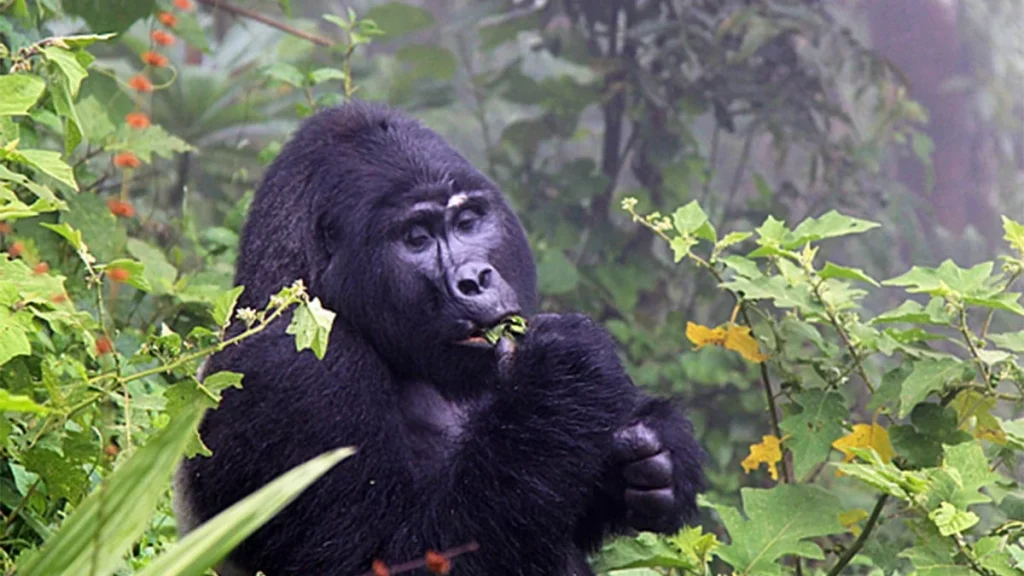
Ruhija is located in eastern Bwindi and offers another established base for mountain gorilla trekking. Its highland forest environment means travelers should expect cool, potentially damp conditions and prepare for rain irrespective of the season.
Visitors who want comparatively firmer trails may prefer a generally drier period, although this cannot guarantee an easy trek. Trekking duration depends partly on the location and movement of the assigned gorilla family, while terrain and weather influence how demanding the walk feels.
Travelers planning this part of Bwindi can review the detailed Ruhija trekking guide, which confirms that trekking begins with an early briefing before visitors enter the forest with guides.
Ruhija can appeal particularly to travelers who want an immersive highland rainforest setting. During wetter months, however, visitors should be ready for muddy ground, wet vegetation, and potentially slower driving conditions around the mountainous approaches.
Best Time for Rushaga Gorilla Trekking
Rushaga is situated in southern Bwindi and is one of the important gorilla trekking areas for travelers approaching the park from the Kisoro side or from Rwanda. Current Safari Vacations and Travel Services information identifies Rushaga and Nkuringo as the two southern sectors, while Buhoma occupies the north and Ruhija the east.
The relatively drier seasons can be particularly attractive for Rushaga because reduced rainfall may make forest walking and road access more comfortable. Nevertheless, the rainforest remains capable of receiving showers during any period, so proper waterproof clothing remains essential.
Travelers considering southern Bwindi can use the detailed Rushaga trekking guide to understand the sector before choosing accommodation and transportation.
Rushaga can also be convenient for itineraries arriving through Kigali and crossing into Uganda because southern Bwindi is closer to Rwanda than northern Bwindi. The exact driving time depends on the border used, road conditions, immigration procedures, and the final accommodation location, so travelers should avoid treating one published journey time as guaranteed.
Best Time for Nkuringo Gorilla Trekking
Nkuringo is another southern Bwindi trekking sector. It is associated with dramatic highland scenery and terrain that requires visitors to arrive physically prepared. Weather becomes particularly important when steep paths are wet because rainfall can make natural surfaces more slippery.
For travelers concerned about difficult underfoot conditions, a generally drier period can therefore be the more comfortable choice. This should not be interpreted as a guarantee of an easy trek, since gorilla movements and the precise route taken by trackers remain variable.
Visitors specifically considering this area can consult the verified Nkuringo trekking guide, which confirms Nkuringo as one of Bwindi’s four principal gorilla trekking sectors and places it in southern Bwindi.
During wetter periods, trekkers should pay particular attention to footwear, traction and physical preparation. Hiring a porter can also be valuable for carrying equipment and providing practical assistance where permitted and available.
Does Your Bwindi Sector Affect Trekking Difficulty?
Yes, sector location and terrain can influence the nature of the trek, but no sector can guarantee an easy or difficult experience every day. Safari Vacations and Travel Services notes that trekking difficulty can vary according to terrain, weather, and the location of gorilla families.
This is important when considering the best time for gorilla trekking in Uganda. Choosing a drier month may improve underfoot conditions, but it cannot determine where a gorilla family will be located on the morning of the trek. A visitor could still experience an extended hike during favorable weather.
Likewise, a traveler trekking during a wetter month might encounter the assigned gorilla family after a comparatively shorter search. Exact trek duration should therefore never be promised according to season or sector.
Choosing Accommodation According to Your Gorilla Permit
Accommodation should be selected after confirming the trekking sector associated with the gorilla permit. This is one of the most important logistical rules for Bwindi because its sectors are geographically separated.
Current Safari Vacations and Travel Services guidance specifically advises travelers to consider accommodation location alongside transportation and trekking arrangements. Visitors researching higher-end stays can review verified Bwindi gorilla lodges organized around the major trekking sectors.
Staying close to the correct trekking headquarters reduces unnecessary early-morning driving before registration and briefing. This becomes even more valuable during wetter periods, when mountain roads may be slower, and travelers should avoid relying on long transfers before a time-sensitive trekking activity.
Gorilla Permits and Seasonal Planning in Bwindi
Weather is only one part of deciding the best time to visit Bwindi for gorilla trekking. Travelers must also consider permit availability. A preferred month is of little practical value if trekking permits for the required date or sector are unavailable.
Because accommodation should correspond to the permit location, travelers should avoid confirming non-refundable lodging first and only later attempting to secure a gorilla permit. A coordinated booking process is safer, particularly during popular travel periods.
Visitors can review information about permits and accommodation when organizing these components together.
Permit prices and booking policies can change. Any exact permit rate included elsewhere on this page should therefore be verified against the Uganda Wildlife Authority tariff applicable to the travel date rather than copied from an older article.
Getting to Bwindi During the Dry Season
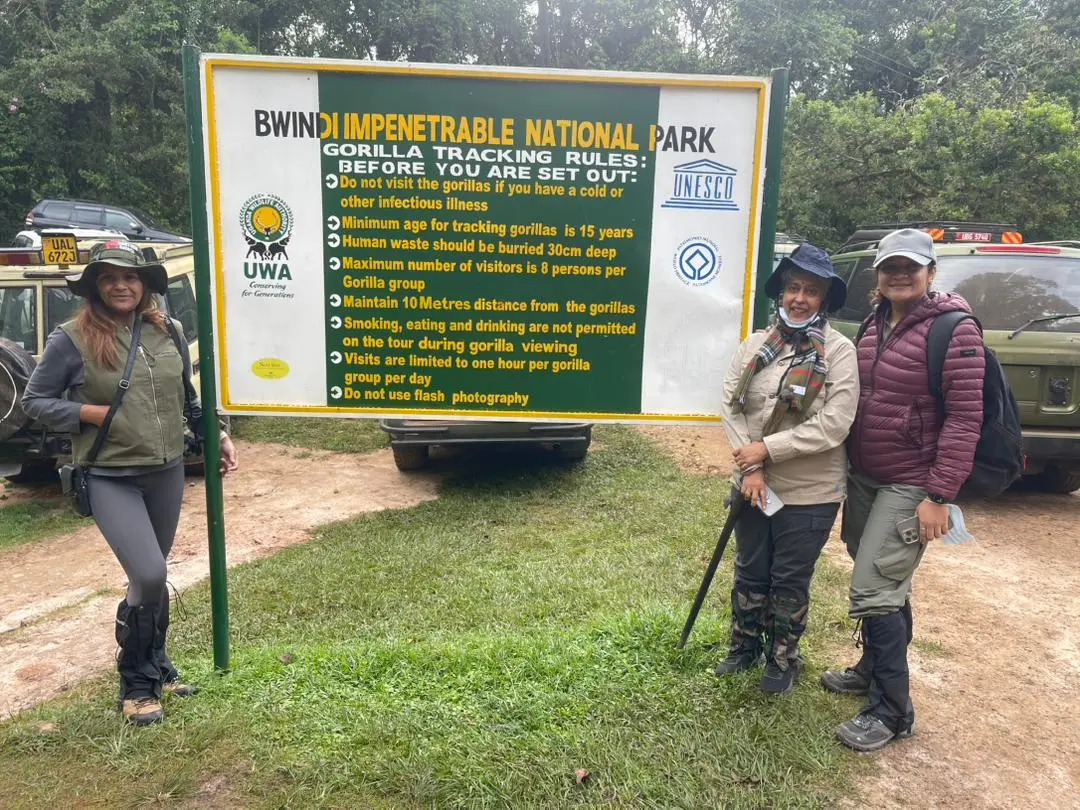
Generally drier conditions can make overland travel into the Bwindi region more predictable, particularly on the final mountainous roads approaching some trekking areas. Main highways in southwestern Uganda may be straightforward, while roads closer to Bwindi can become narrower, winding, and in some locations unpaved. Current Safari Vacations and Travel Services route information states that road conditions near Bwindi can vary with rainfall, maintenance, and road works.
This is one reason the dry season can appeal to travelers planning a fully overland Uganda itinerary. Nevertheless, choosing a dry month does not eliminate the need for a suitable safari vehicle and realistic transfer times.
Getting to Bwindi During the Rainy Season

Rainy-season travelers should account for the possibility of slower final approaches to Bwindi. Heavy or repeated rainfall can affect unpaved surfaces and make mountainous roads more demanding. Actual road conditions, however, vary and should be assessed close to the travel date rather than predicted months in advance.
Travelers can arrive by road or use domestic flights combined with road transfers. Current information about accessing Bwindi identifies Kihihi as an important air access point for the northern part of Bwindi, particularly Buhoma, with onward road connections to the park.
Information not found in current search results: a reliable universal driving time that applies to every Bwindi sector in all rainy-season road conditions. Transfer durations should therefore be treated as approximate and planned according to the actual route, weather and road situation.
Best Bwindi Sector for the Dry Season
There is no verified basis for declaring one Bwindi sector universally best during the dry season. Buhoma, Ruhija, Rushaga and Nkuringo all offer regulated gorilla trekking opportunities, and the best choice depends on permit availability, safari routing, accommodation, fitness and personal preferences.
Dry weather may make walking conditions more favorable across different sectors, but it does not make one location inherently superior for seeing gorillas. Travelers should therefore choose their sector according to overall logistics rather than claims that one location guarantees better encounters in a particular month.
Best Bwindi Sector for the Rainy Season
Information not found in current search results: authoritative evidence proving that one specific Bwindi trekking sector is always the best choice during Uganda’s rainy season.
Conditions can vary considerably according to recent rainfall and the exact trail used on the trekking day. Travelers visiting during wetter months should focus on suitable footwear, waterproof equipment, appropriate transport and accommodation close to their assigned trekking headquarters.
Does Rain Reduce Your Chances of Seeing Gorillas in Bwindi?
Information not found in current search results: authoritative evidence demonstrating that visitors have systematically lower chances of locating habituated mountain gorillas in Bwindi simply because they trek during a rainy month.
Rain clearly affects trekking comfort and trail conditions, but it should not be presented as evidence that gorillas disappear or become unavailable during wetter periods. Mountain gorillas live in this forest environment throughout the year, while trained tracking teams follow signs of their movements on the day of each trek.
Final Recommendation for the Best Time to Visit Bwindi
For first-time visitors whose highest priority is comparatively manageable trail conditions, a generally drier period remains the most straightforward choice for Bwindi gorilla trekking. Reduced rainfall can decrease the likelihood of extremely muddy trails and make road transfers around the highlands more comfortable.
Travelers who are fit, well-equipped, and comfortable hiking in rain have considerably more flexibility. Wetter periods remain viable, but visitors should expect a greater possibility of mud, slippery slopes, wet vegetation and changing road conditions.
The best time for gorilla trekking in Uganda should therefore be chosen together with the correct Bwindi sector. Buhoma, Ruhija, Rushaga and Nkuringo differ in location, road access, accommodation and terrain, and those practical differences can be just as important as selecting January instead of April or July instead of October.
A successful Bwindi safari starts by confirming the travel period, securing the appropriate gorilla permit, identifying the trekking sector, selecting nearby accommodation and organizing transport suitable for the prevailing conditions. When those elements are coordinated correctly, travelers can plan gorilla trekking in Bwindi during different periods of the year without relying on unrealistic promises of perfect weather or guaranteed easy trails.
Planning Your Gorilla Trek According to the Season
Planning your equipment, clothing, and physical preparation according to the season is an important part of choosing the best time for gorilla trekking in Uganda. Mountain gorilla trekking in Bwindi Impenetrable National Park and Mgahinga Gorilla National Park takes place in high-altitude forest environments where rain, moisture, uneven terrain, and changing temperatures can occur. Uganda Wildlife Authority confirms that Uganda’s mountain gorillas inhabit Bwindi and Mgahinga, with their mountain habitat occurring at high elevations.
Although generally drier periods can provide comparatively firmer trekking conditions, travelers should not pack as though rainfall is impossible. Likewise, those visiting during wetter periods do not need an entirely different trekking wardrobe; they need a stronger emphasis on waterproofing, traction and keeping essential equipment dry. A well-prepared traveler should therefore use the season as a guide while remaining ready for changing rainforest conditions.
A practical starting point is a detailed gorilla trekking packing list, particularly when deciding which items should be carried during the actual trek rather than left at the lodge. The verified guide recommends waterproof hiking boots, rain protection and a daypack for essentials.
What to Wear for Gorilla Trekking in Uganda
Gorilla trekking clothing should protect the body while allowing comfortable movement through uneven forest terrain. Long trousers and long-sleeved clothing are practical because trekkers may pass through dense vegetation, while a waterproof outer layer provides protection when rain arrives unexpectedly.
Clothing should also be comfortable enough for several hours of walking. Heavy clothing that restricts movement can become uncomfortable during steep climbs, while very light clothing may offer inadequate protection from vegetation and cool, damp conditions.
Travelers can use this verified guide on gorilla trekking clothing when preparing their outfit. It specifically recommends waterproof hiking footwear with grip and ankle support because trails can become muddy and slippery.
The best time for gorilla trekking in Uganda may influence how much rain protection you expect to use, but it does not eliminate the need to carry it. Even travelers visiting during generally drier months should be prepared for a sudden shower.
Choosing the Right Gorilla Trekking Boots

Footwear is one of the most important pieces of equipment for a Uganda gorilla trek. Forest terrain can include mud, roots, slopes and uneven ground, making ordinary urban footwear a poor choice.
Waterproof hiking boots with a good tread are especially valuable during wetter periods, when rainfall can turn sections of trail slippery. Ankle support can also help when moving across irregular surfaces. The boots should fit comfortably and ideally be worn before the safari so that the trek is not the first time the traveler uses them.
The verified Safari Vacations and Travel Services guide on gorilla trekking boots recommends waterproof hiking boots with suitable traction for Uganda’s high-altitude forest terrain.
During the generally drier season, the trails may be comparatively firmer, but waterproof footwear still has value because forest floors can remain damp. During wetter months, reliable footwear becomes even more important because mud and slippery ground can significantly affect trekking comfort.
Waterproof Jackets and Rain Protection
A waterproof jacket or practical rain layer should be carried throughout the year. This is particularly important because deciding on the best time for gorilla trekking in Uganda does not provide a guarantee of completely dry weather.
During wetter periods, travelers should prioritize genuinely functional rain protection rather than carrying a jacket solely for appearance. The garment should allow sufficient freedom of movement for climbing and walking through vegetation while protecting the upper body from persistent moisture.
Rain protection should also extend beyond clothing. Cameras, phones, passports or other sensitive items carried into the forest should be kept inside waterproof compartments or protective covers.
Travelers visiting during wetter months can use the verified guide on rainy-season packing, which specifically recommends rainproof gear, waterproof footwear and warm clothing for rainy-season gorilla trekking.
Long Trousers and Long-Sleeved Shirts
Long trousers are appropriate in both the dry and rainy seasons because gorilla trekking takes place within natural forest rather than along manicured tourism pathways. They help provide a physical barrier between the skin and surrounding vegetation while still allowing comfortable movement.
Long-sleeved shirts provide similar protection for the arms. Lightweight, quick-drying fabrics can be particularly useful during wetter months because clothing may become damp from rain, humidity or contact with wet vegetation.
During relatively drier periods, breathable clothing can improve comfort when walking uphill. During wetter periods, quick-drying fabrics become increasingly useful because cotton and other highly absorbent materials can remain wet for extended periods.
Should You Carry Gloves for Gorilla Trekking?
Gloves are commonly recommended because trekkers may occasionally use branches, vegetation, roots or other surfaces for balance while negotiating uneven forest terrain. Safari Vacations and Travel Services’ verified gorilla trekking gear information recommends sturdy gardening gloves to help protect the hands from rough vegetation and surfaces.
The need for hand protection is not limited to the rainy season. Even in comparatively dry conditions, natural forest vegetation remains part of the trekking environment. Travelers should therefore view gloves as general trekking equipment rather than exclusively wet-season gear.
Choosing the Right Daypack
A small, comfortable daypack is useful for carrying water, rain protection, a camera and other essentials needed during the trek. It should be large enough for necessary equipment without encouraging the traveler to carry unnecessary weight.
Rain protection becomes especially important for the bag during wetter months. A waterproof pack, waterproof liner or effective rain cover can help protect electronics and other sensitive items.
The verified Safari Vacations and Travel Services packing guidance specifically recommends a waterproof backpack or one fitted with a rain cover and notes the value of comfortable straps and good weight distribution.
Drinking Water and Trekking Energy
Gorilla trekking can involve extended walking, and travelers should carry sufficient drinking water for the activity. The exact trek length varies because mountain gorillas move naturally within the forest, making it impossible to determine in advance how long a particular search will take.
The amount of water a traveler requires varies according to personal needs, weather and physical exertion. For that reason, prescribing one universal volume for every trekker would be misleading.
Information not found in current search results: an official Uganda Wildlife Authority rule specifying one mandatory quantity of drinking water that every gorilla trekker must carry.
Travelers should therefore follow current instructions from their tour operator, lodge and park personnel while ensuring they are adequately hydrated before and during the trek.
Cameras and Gorilla Photography Equipment
Photography equipment requires special planning according to the season. Mountain gorillas live inside forest environments where available light can be limited, and moisture presents an additional challenge for cameras and lenses.
During wetter periods, protecting photographic equipment against rain becomes a priority. Photographers should use a rain cover, waterproof bag or securely protected section of the daypack. Lens cloths can also be useful where moisture develops on equipment.
During generally drier periods, photographers may face less frequent rain, but waterproof protection should still be carried because mountain weather can change rapidly.
The verified guide to gorilla photography notes that low-light rainforest performance and reliable autofocus are important considerations when selecting camera equipment for gorilla trekking.
Using a Porter During Gorilla Trekking
Hiring a porter can make a significant difference to trekking comfort, especially when carrying cameras, water, rain gear and other equipment. It allows the trekker to concentrate more fully on walking and maintaining balance rather than carrying the entire weight of a daypack.
This can be particularly helpful during the rainy season when muddy or slippery sections demand greater attention to footing. However, porter assistance can also be valuable during the dry season, especially on longer or steeper treks.
Safari Vacations and Travel Services has a verified guide explaining why travelers may consider hiring a porter. The source states that porters can carry luggage during the trek and help make physically demanding terrain easier to manage.
Porter availability and current charges should be confirmed for the actual trekking date rather than relying on historical figures published online.
Preparing for Muddy Gorilla Trekking Trails
Mud is one of the most important seasonal considerations when selecting the best time for gorilla trekking in Uganda. During wetter periods, repeated rainfall can make sections of forest trail soft and slippery. Even during a generally dry period, localized rain can temporarily create muddy conditions.
Proper footwear is the first defense. Boots with suitable grip help provide traction, while gaiters can help protect the lower legs and trousers from mud and moisture. A walking stick may also be useful where provided or permitted locally.
Travelers should move carefully rather than trying to maintain an unnecessarily fast pace. The objective is not to complete the trek quickly but to reach the gorillas safely while following instructions from the trekking team.
Physical Fitness for Gorilla Trekking
The best time for gorilla trekking in Uganda cannot eliminate the physical demands of the activity. Even during relatively dry weather, trekkers may encounter slopes, altitude, uneven terrain and extended periods of walking.
Rain can increase the physical challenge by making the ground slippery and requiring more deliberate movement. Travelers planning to trek during wetter periods may therefore benefit even more from preparing their legs, cardiovascular fitness and balance before traveling.
Walking regularly, using hills or inclines where available and gradually improving endurance can help travelers arrive better prepared. The verified guide on physical trek preparation recommends conditioning before the safari and carrying suitable waterproof clothing and supportive hiking footwear.
What Happens If It Rains During Your Gorilla Trek?
Rain is a natural possibility when trekking inside Uganda’s mountain forests. Travelers should therefore prepare to use their rain protection rather than assuming that rainfall automatically means the experience cannot continue.
However, operational decisions during severe weather should remain with Uganda Wildlife Authority personnel and the trekking team on the ground. Travelers should follow ranger instructions rather than making assumptions about whether conditions are safe.
Information not found in current search results: an official Uganda Wildlife Authority statement guaranteeing that every gorilla trek will continue regardless of the severity of rainfall or other weather conditions.
What to Pack During the Dry Season
The dry-season packing list should still include waterproof hiking boots, a rain jacket, long trousers, long sleeves, gloves, drinking water, a suitable daypack and protection for electronics. The main difference is that rain gear may be used less frequently than during wetter periods.
Travelers should resist the temptation to remove waterproof equipment from their luggage simply because they are trekking during January, February, June, July or another generally drier period. Mountain rainforest conditions can change, and preparation should reflect the habitat rather than only the seasonal label.
What to Pack During the Wet Season
Wet-season preparation should emphasize waterproofing and traction. Strong waterproof hiking boots, dependable rain protection and a properly protected daypack become particularly important. Quick-drying clothing is also useful where vegetation and persistent moisture make clothing damp.
Photographic equipment should be individually protected rather than relying solely on the outer material of a backpack. Travelers carrying several pieces of camera equipment should also consider the additional weight when deciding whether to hire a porter.
How Seasonal Conditions Change Your Packing Strategy
The fundamental gorilla trekking equipment remains largely similar throughout the year. The main seasonal difference is how strongly particular items are prioritized. During generally drier periods, travelers may experience comparatively firmer trails, but rain equipment remains essential. During wetter periods, waterproofing, footwear grip and protection for electronics become even more important.
This is why choosing the best time for gorilla trekking in Uganda should be connected directly to preparation. Selecting June instead of April does not remove the need for hiking boots, while selecting October instead of July does not mean the trek becomes unsuitable. The equipment and expectations simply need to reflect a greater possibility of wet terrain.
Preparing for Changing Weather Rather Than a Perfect Forecast
Travelers should avoid relying heavily on a long-range weather forecast when packing for a gorilla trek months in advance. Seasonal patterns help identify generally wetter and drier periods, but individual trekking days can still differ considerably.
A more reliable approach is to prepare for both rain and physical exertion regardless of the selected month. Safari Vacations and Travel Services’ verified seasonal trekking guide similarly emphasizes waterproof jackets, long trousers, hiking footwear with good grip and preparation for changing conditions.
Final Seasonal Preparation Advice
The best time for gorilla trekking in Uganda becomes much more useful as a planning concept when travelers understand what the seasons actually change. Generally drier periods can reduce the likelihood of heavily saturated trails, while wetter periods require greater preparation for mud, rainfall and moisture. Neither season removes the need for proper hiking equipment.
Every traveler should arrive with suitable hiking boots, protective clothing, rain gear and a manageable daypack. Photographers need additional waterproof protection for cameras, while travelers carrying heavier equipment should seriously consider porter assistance. Physical preparation is valuable throughout the year and becomes especially important when wet terrain increases the effort required.
Ultimately, seasonal planning should make gorilla trekking safer, more comfortable and more predictable without creating unrealistic expectations about the weather. The strongest approach is to choose the best time for gorilla trekking in Uganda according to personal preferences, then pack for the possibility of changing rainforest conditions regardless of whether the journey takes place in a generally dry or wet period.
Best Time for Gorilla Trekking Uganda FAQs and Why Travel with Safari Vacations and Travel Services
The best time for gorilla trekking in Uganda is generally during the drier periods, particularly June, July and August, as well as January and February. December can also provide favorable conditions. Reduced rainfall can make forest trails less muddy and slippery, although rain remains possible throughout the year.
There is no single perfect month for every traveler. Visitors comfortable with rain and muddy trails can also trek during wetter periods. Gorilla trekking is available throughout the year, so the best period depends on fitness, weather preferences, permit availability, and the wider safari itinerary.
Can You Trek Gorillas During the Rainy Season?
Yes. Rainy-season gorilla trekking remains possible. Uganda’s wetter periods generally occur around March to May and again later in the year, while Bwindi remains a humid mountain rainforest where rainfall can occur even outside these periods.
Wet weather can make forest trails muddy and slippery, increasing the physical effort required. Travelers should carry waterproof clothing, sturdy hiking boots, and appropriate rain protection. Rain itself does not automatically make trekking impossible, although operational safety decisions remain with park authorities and guides.
What Are the Best Months for Gorilla Trekking?
June and July are particularly attractive for comparatively dry trekking conditions. August is also favorable and can work well for travelers combining gorillas with chimpanzee trekking, game drives and other safari experiences.
December, January and February provide another generally favorable window. However, Christmas and New Year travel can increase demand, making advance booking important.
No month guarantees dry weather. Seasonal patterns should therefore be used as a planning guide rather than an exact weather forecast.
Is Gorilla Trekking Easier During the Dry Season?
Generally drier conditions can make Bwindi’s trails firmer and easier to negotiate. However, dry weather does not guarantee an easy trek.
Gorilla trekking difficulty depends on terrain, elevation, vegetation, recent rainfall, fitness, and the location of the assigned gorilla family. One traveler may locate gorillas relatively quickly, while another may spend several hours hiking through challenging terrain.
The duration of the forest search cannot be guaranteed because mountain gorillas move naturally through their habitat. Travelers should therefore keep their trekking day flexible.
How Long Can You Spend With the Gorillas?
Standard gorilla trekking allows visitors up to one hour with the habituated gorilla family after it has been located. The time spent searching through the forest is separate and varies according to the gorillas’ location.
What Is the Minimum Gorilla Trekking Age?
The standard minimum age for gorilla trekking in Uganda is 15 years. Families should therefore confirm the ages of participating children before purchasing permits.
How Early Should Gorilla Trekking Be Booked?
Travelers should book as early as practical once dates are confirmed, particularly for June, July, August, September, December, January and February.
The supplied article recommends approximately nine to twelve months of advance planning for peak periods and three to six months for lower-demand or shoulder periods. These are planning recommendations rather than guarantees of permit availability.
Permits can sell out because visitor numbers are controlled. Travelers should not assume that permits remain available simply because accommodation can still be booked.
Where Are Gorillas Trekked in Uganda?
Uganda offers mountain gorilla trekking in Bwindi Impenetrable National Park and Mgahinga Gorilla National Park. Bwindi has several trekking sectors, while Mgahinga offers the Virunga mountain environment and opportunities to combine gorilla trekking with golden monkeys or volcano hiking.
Neither park guarantees an easier trek. The better choice depends on permits, accommodation, transportation, itinerary design and other activities.
What Should You Wear for Gorilla Trekking?
Trekkers should wear sturdy hiking boots, long trousers and protective upper-body clothing and carry rain protection. A suitable daypack and gloves can also be useful.
Waterproof equipment remains important during the dry season because weather can change quickly in the mountain forests of Bwindi and Mgahinga.
What Are the Most Important Gorilla Trekking Rules?
Visitors must follow instructions given during the official briefing and throughout the trek. Important rules include avoiding flash photography, maintaining the prescribed distance from gorillas, keeping voices low and observing applicable health instructions.
Is the Rainy Season Cheaper?
The cheapest time for gorilla trekking in Uganda cannot be determined from season alone. Total costs depend on current permit tariffs, accommodation, transportation, and any applicable official promotions.
Information not found in the supplied article’s current search results: evidence that one particular month universally provides the cheapest Uganda gorilla safari or that every rainy-season safari costs less than a dry-season trip.
How Many Days Are Needed?
Safari duration depends on the starting point and itinerary. Travelers arriving through Kigali may reach southwestern Uganda more quickly than those traveling overland from Entebbe, while domestic flights can shorten some itineraries.
A dedicated gorilla safari can be relatively short, while combining gorillas with chimpanzees, Queen Elizabeth National Park, Murchison Falls or other destinations requires additional days.
Final Recommendation
For travelers prioritizing comparatively dry trails, June to August and January to February are among the strongest periods to consider. Wetter months remain viable for travelers prepared for mud and rain.
The best time for gorilla trekking in Uganda ultimately depends on weather preferences, physical fitness, permit availability, budget, and itinerary. Dry weather can improve trail conditions, but it cannot guarantee an easy trek, a particular trek duration, or better gorilla sightings.
Why Book Your Uganda Gorilla Trekking Safari With Safari Vacations and Travel Services?
Selecting the best time for gorilla trekking in Uganda is only one part of planning the trip. Permit availability, trekking sector, accommodation location, road transfers and the wider safari itinerary must also work together.
Safari Vacations and Travel Services Ltd can organize tailored Uganda gorilla safaris around the traveler’s available dates, preferred accommodation category and additional interests. The planning process can combine gorilla trekking with chimpanzee tracking, wildlife safaris, cultural experiences or other destinations while ensuring that the selected accommodation and transport arrangements correspond to the actual gorilla trekking location.
A properly designed itinerary should never rely solely on statements such as “July is best” or “avoid April.” Instead, the travel period should be matched with permit availability, realistic road transfers, accommodation and the traveler’s ability to handle seasonal trail conditions.
Start Planning the Best Time for Gorilla Trekking in Uganda
For travelers seeking comparatively drier trail conditions, January and February and the mid-year period around June, July and August are strong options to consider. Travelers who are comfortable with rain and muddier trails can also plan gorilla trekking during wetter periods.
The most important step is to confirm actual permit availability before building an entire safari around a preferred date. Once the trekking date is secured, accommodation, transportation and other safari experiences can be arranged around it.
The best time for gorilla trekking in Uganda is ultimately the period that matches your weather preferences, fitness, travel schedule and safari goals. There is no single perfect month for every traveler, but careful seasonal planning can significantly improve trekking comfort and overall trip logistics.
For travelers ready to begin planning, Safari Vacations and Travel Services can help coordinate the gorilla permit, appropriate trekking destination, accommodation and private safari transportation around the selected travel period, creating an itinerary designed around the actual conditions and requirements of a Uganda gorilla trekking safari.
Best Time to Combine Gorilla Trekking with Other Uganda Safari Experiences
Choosing the best time for gorilla trekking in Uganda becomes even more important when mountain gorillas are only one part of a longer Uganda safari. Many travelers combine Bwindi Impenetrable National Park or Mgahinga Gorilla National Park with chimpanzee trekking, savannah wildlife, golden monkeys, Lake Bunyonyi, cultural encounters, walking safaris or Murchison Falls. In these cases, the ideal travel period should be selected according to the complete itinerary rather than considering the gorilla trek in isolation.
Uganda Wildlife Authority confirms that mountain gorilla trekking takes place in Bwindi Impenetrable National Park and Mgahinga Gorilla National Park, while Mgahinga also protects golden monkeys and provides hiking opportunities in the Virunga landscape. The best time for gorilla trekking in Uganda can therefore also be an excellent time to build a broader primate and wildlife journey, provided travelers consider seasonal conditions at every destination.
Travelers interested in experiencing Uganda’s two signature great-ape encounters can start by exploring a combined gorilla-and-chimpanzee safari. The verified Safari Vacations and Travel Services page combines gorilla trekking with chimpanzee trekking as part of a dedicated Uganda primate journey.
Best Time to Combine Gorilla Trekking and Chimpanzee Trekking
Combining mountain gorillas with chimpanzees is one of the strongest ways to experience Uganda’s primate diversity. Gorilla trekking can be undertaken in Bwindi or Mgahinga, while Kibale National Park is one of Uganda’s principal chimpanzee trekking destinations. Safari Vacations and Travel Services’ current Kibale guide identifies the park as a major destination for chimpanzee tracking.
Travelers who prioritize comparatively firmer forest trails may prefer to organize both experiences during one of Uganda’s generally drier periods. Both gorilla and chimpanzee activities involve walking through natural forest environments, so periods with less sustained rainfall can reduce the likelihood of exceptionally muddy trails.
However, neither activity should be considered exclusively dry-season tourism. Travelers visiting during wetter periods can still build a combined primate safari, but waterproof clothing, hiking footwear with dependable traction and protection for cameras become increasingly important.
Seasonal planning should also account for travel between the two forest regions. A combined itinerary normally requires road transfers or a combination of road and air transportation, meaning travelers should leave sufficient time rather than constructing an excessively rushed schedule.
Best Time to Combine Gorillas with Queen Elizabeth National Park
Queen Elizabeth National Park is one of the most logical wildlife additions to a Bwindi gorilla safari because it allows travelers to contrast rainforest trekking with savannah wildlife viewing. Safari Vacations and Travel Services has a verified gorilla-and-wildlife itinerary that combines Bwindi Impenetrable National Park with Queen Elizabeth National Park.
Travelers choosing the best time for gorilla trekking in Uganda should consider how seasonal conditions affect both parts of this journey. Relatively dry periods can make forest trekking more comfortable while also supporting convenient game-drive scheduling. Wetter months, on the other hand, can create greener landscapes but may produce muddier gorilla trekking trails.
The correct choice depends on priorities. A traveler whose primary objective is minimizing difficult forest conditions may favor the drier part of the year, while someone interested in broader landscapes and willing to tolerate rainfall can travel during wetter periods.
The important point is that the best month for Bwindi alone is not automatically the best month for every activity in a multi-park itinerary. Travelers should evaluate the journey as a whole.
Best Time to Combine Gorilla Trekking and Golden Monkey Tracking

Travelers trekking mountain gorillas in Mgahinga have an especially convenient opportunity to add golden monkey tracking because both experiences take place within Mgahinga Gorilla National Park. Uganda Wildlife Authority confirms that the park protects mountain gorillas and golden monkeys within the Virunga landscape.
Safari Vacations and Travel Services also offers a verified gorilla-and-golden-monkey itinerary combining the two primate experiences with Lake Bunyonyi.
The generally drier periods can be particularly attractive for this combination because travelers will be undertaking multiple forest activities. Comparatively firm trails can make consecutive trekking days more comfortable, especially for visitors who are not accustomed to hiking at altitude.
Wetter months remain possible, but visitors should consider the cumulative physical demands of undertaking several outdoor activities in potentially muddy conditions. Allowing adequate recovery time between strenuous experiences can improve the overall safari.
Best Time to Visit Lake Bunyonyi After Gorilla Trekking

Lake Bunyonyi is a popular addition to gorilla safaris in southwestern Uganda, particularly for travelers trekking in southern Bwindi. It can provide a slower-paced period after the physical demands of walking through the forest.
A verified Safari Vacations and Travel Services Bunyonyi itinerary combines Bwindi gorilla trekking with time at Lake Bunyonyi and identifies canoeing and walking among possible activities around the lake.
There is no need to restrict a Lake Bunyonyi extension to one specific month. However, travelers hoping to spend substantial time outdoors may prefer comparatively drier conditions. During wetter periods, itineraries should remain flexible enough to adjust canoeing, walking, or sightseeing according to local weather conditions.
Lake Bunyonyi can work particularly well after a gorilla trek because it allows travelers to reduce the pace before continuing to another wildlife destination or returning toward Entebbe or Kigali.
Best Time to Combine Gorilla Trekking with Cultural Experiences
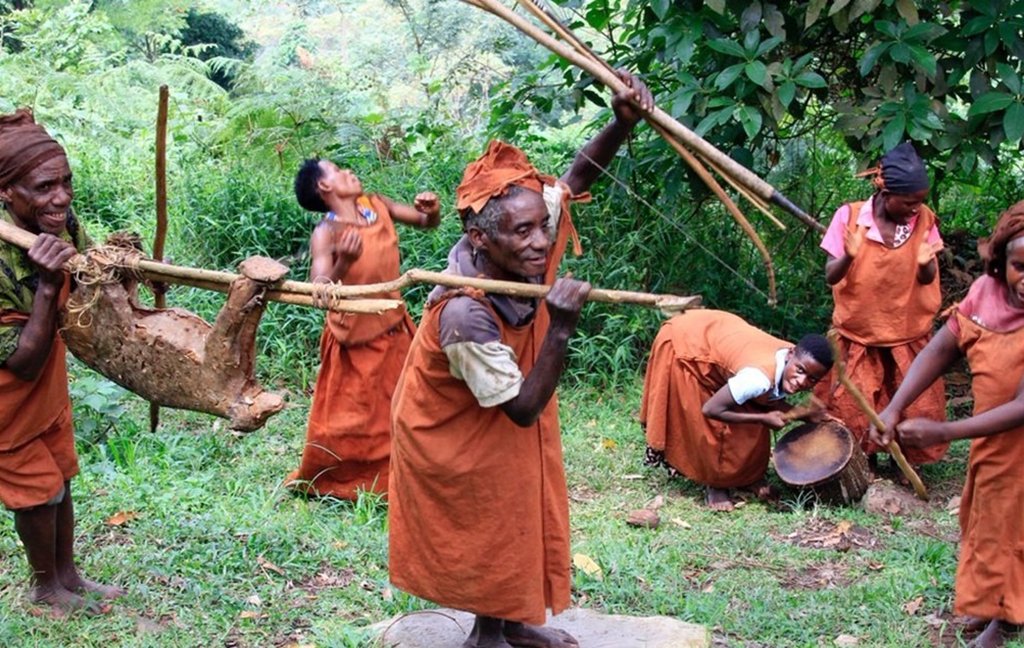
Gorilla trekking can also be combined with community and cultural experiences around southwestern Uganda. These additions help travelers understand the human communities and cultural landscapes surrounding the protected forests rather than treating Bwindi purely as a wildlife destination.
Safari Vacations and Travel Services has a verified guide to cultural experiences associated with gorilla trekking, including cultural encounters around the Bwindi region.
Cultural activities can generally be incorporated throughout the year, although rainfall can affect outdoor walks and community visits. Travelers visiting in wetter months should allow some flexibility in timing rather than planning every activity into tightly fixed hourly slots.
The best time for gorilla trekking in Uganda therefore does not need to be determined purely by the forest experience. Travelers interested in culture can design an itinerary that gives sufficient time for both the gorilla trek and meaningful local encounters without squeezing several experiences into the same afternoon.
Best Time to Combine Gorillas with Lake Mburo National Park
Lake Mburo National Park can work well at the beginning or end of an overland gorilla safari, particularly for travelers traveling between Entebbe or Kampala and southwestern Uganda. It provides a contrasting savannah experience and can help divide a longer road journey.
Safari Vacations and Travel Services has a verified Lake-Mburo itinerary that combines wildlife viewing in Lake Mburo National Park with gorilla trekking in Bwindi.
Travelers prioritizing outdoor activities and forest trail comfort may prefer a generally drier period for the combined journey. However, Lake Mburo and Bwindi are different ecosystems, so seasonal conditions should not be assumed to affect both destinations in exactly the same way.
This combination is particularly useful for visitors who want more than a standalone gorilla trek but do not have enough time for an extensive multi-week Uganda safari.
Best Time to Combine Gorilla Trekking with Murchison Falls
Murchison Falls National Park creates one of the strongest contrasts with Bwindi. Travelers can move from mountain rainforest and gorilla trekking in southwestern Uganda to open wildlife habitats and the Nile in northwestern Uganda.
Safari Vacations and Travel Services’ verified Murchison guide specifically identifies the park as a possible extension to a Bwindi gorilla trekking itinerary.
This combination requires significantly more travel time than adding Lake Bunyonyi or Queen Elizabeth National Park because the destinations lie in very different parts of Uganda. Travelers should therefore focus not only on the best time for gorilla trekking in Uganda but also on allowing enough days for realistic road or flight connections.
For a longer Uganda safari, generally drier travel periods can be attractive because numerous activities are undertaken outdoors. Nevertheless, the exact choice should depend on the complete route and the traveler’s priorities rather than Bwindi weather alone.
Best Time to Combine Gorilla Trekking and Rhino Tracking
Travelers creating a broad Uganda wildlife itinerary can also combine mountain gorillas with rhino tracking. This type of itinerary normally requires considerably more time because Uganda’s gorilla destinations are in the southwest while rhino tracking is undertaken farther north.
Safari Vacations and Travel Services has a verified guide to combining gorilla trekking with rhino-tracking, demonstrating how the two wildlife experiences can form part of the same Uganda journey.
Because this combination involves long-distance travel, seasonal road conditions should be considered alongside trekking conditions. Travelers should avoid building an itinerary with extremely long transfers immediately before an early-morning gorilla trek.
Should You Trek Gorillas at the Beginning or End of Your Uganda Safari?
There is no universal requirement to place gorilla trekking at either the beginning or end of a Uganda safari. The strongest order depends on arrival airport, departure airport, permit date, trekking sector and the other parks being visited.
For an Entebbe-based circuit including Murchison Falls, Kibale, Queen Elizabeth National Park and Bwindi, the route may naturally progress through several western Uganda destinations before reaching the gorilla region. For shorter journeys entering southwestern Uganda through Rwanda, gorilla trekking may occur much earlier in the itinerary.
What matters most is protecting the confirmed gorilla permit date. Other safari activities should normally be organized around that fixed trekking date rather than creating a route first and hoping that a suitable permit remains available afterward.
Should You Have a Rest Day After Gorilla Trekking?
A rest day is not mandatory for every traveler, but it can improve a longer itinerary. Gorilla trekking can involve several hours of walking across steep and uneven terrain, and the level of physical effort varies from one trek to another.
Lake Bunyonyi, a relaxed lodge stay, or a lightly scheduled cultural experience can work well after trekking. Visitors planning another strenuous hike immediately after their gorilla trek should consider their fitness and the possibility that the gorilla trek may be longer or more demanding than expected.
Information not found in current search results: an official Uganda Wildlife Authority requirement stating that travelers must take a rest day after gorilla trekking.
Best Time for a Gorilla, Chimpanzee and Wildlife Safari
For travelers wanting gorillas, chimpanzees and savannah wildlife in one journey, the generally drier periods are among the simplest options because they can reduce the likelihood of heavily muddy forest trails while supporting an itinerary containing numerous outdoor activities.
However, this does not mean wetter months should be excluded. A well-designed safari can operate during different periods of the year when travelers are properly equipped and understand that forest conditions may be more demanding.
The best time for gorilla trekking in Uganda should therefore be treated as one component of a wider seasonal decision. A traveler spending ten or fourteen days in Uganda needs to consider Kibale, Queen Elizabeth National Park, Bwindi, Mgahinga or other destinations together rather than choosing dates based on one morning in the gorilla forest.
How Many Days Should You Allow for a Combined Uganda Safari?
The required duration depends on the number of destinations and where the safari begins and ends. A gorilla-and-Lake-Bunyonyi journey can be substantially shorter than an itinerary incorporating Bwindi, Kibale, Queen Elizabeth National Park, Murchison Falls and additional wildlife experiences.
Travelers should resist adding too many destinations simply to increase the number of activities. Uganda’s road journeys can be substantial, and an itinerary dominated by daily transfers can reduce the amount of meaningful time spent inside the parks.
Information not found in current search results: one official minimum number of days that applies to every combined Uganda gorilla, chimpanzee and wildlife safari. Duration should be calculated from the actual route, permit dates and selected activities.
Final Recommendation for Combining Gorilla Trekking with Other Uganda Experiences
The best time for gorilla trekking in Uganda becomes more useful when it is considered in the context of the entire safari. Generally drier periods can be particularly convenient for itineraries containing several trekking and wildlife activities because they can reduce the likelihood of extremely wet forest trails and simplify some outdoor plans. Wetter months remain viable for travelers who are properly equipped and comfortable with changing conditions.
For primate-focused travelers, combining Bwindi or Mgahinga with Kibale creates a strong gorilla-and-chimpanzee journey. Travelers wanting savannah wildlife can add Queen Elizabeth National Park, Lake Mburo or Murchison Falls. Those trekking in Mgahinga can add golden monkeys, while Lake Bunyonyi can provide a relaxing extension after a physically demanding gorilla trek.
The strongest itinerary should therefore begin with confirmed gorilla trekking dates and then build the remaining experiences around them. Permit availability, trekking sector, accommodation, road connections, physical fitness and seasonal conditions should all be coordinated before the journey is finalized. This approach makes it possible to choose the best time for gorilla trekking in Uganda while also experiencing considerably more of the country’s primates, wildlife, landscapes and culture.
Gorilla Trekking Permits, Costs and Seasonal Booking Strategy
Choosing the best time for gorilla trekking in Uganda involves more than comparing dry and rainy seasons. Permit availability, accommodation demand, safari costs, trekking sector availability and how far in advance a traveler books can be equally important. A month may provide favorable trekking conditions, but it may not be practical if permits or preferred lodges are already unavailable for the required dates.
Uganda Wildlife Authority is the government agency responsible for Uganda’s protected areas and publishes official tourism tariffs and permit guidance. Its current rates page includes tariff information for 2026–2027, making UWA the primary source travelers should use when confirming official permit charges rather than relying on outdated prices copied from older travel articles.
Travelers calculating their overall safari costs should consider the permit alongside accommodation, private transportation, meals, guide services and additional safari activities. The verified Safari Vacations and Travel Services guide provides a current overview of Uganda gorilla trekking expenses for travelers planning 2026 and 2027 journeys.
Why Gorilla Permit Availability Can Determine the Best Time to Travel
Weather alone should never determine a gorilla trekking date. Gorilla tourism operates under controlled visitor numbers, meaning the number of people who can trek on a particular date is limited. Uganda Wildlife Authority has issued formal guidance governing the purchase and allocation of gorilla and chimpanzee permits.
This makes permit availability one of the most important considerations when deciding the best time for gorilla trekking in Uganda. Travelers with completely flexible dates may be able to compare several months before selecting a trekking day. Travelers restricted by school holidays, annual leave, international flights or other safari commitments have much less flexibility.
During popular travel periods, waiting until flights and accommodation are already finalized can create unnecessary difficulty. A more practical sequence is to establish possible travel dates, check permit availability, secure the trekking date, and then organize accommodation and the rest of the safari around that confirmed activity.
How Far in Advance Should You Book Gorilla Trekking?
There is no single booking deadline that guarantees availability throughout the year. Availability depends on the actual trekking date and demand at the time the reservation is made.
Travelers visiting during popular drier periods should generally begin planning earlier than visitors who have flexible dates during lower-demand periods. Christmas and New Year travel, international summer holidays and other popular vacation periods can also increase competition for preferred lodges and safari arrangements.
The safest strategy is to begin the booking process as soon as travel dates are reasonably firm. The verified Safari Vacations and Travel Services guide explains the sequence involved in organizing a Uganda safari, including confirming activities such as gorilla trekking before the final itinerary is completed.
Do Gorilla Permits Cost More During the Dry Season?
Travelers should not assume that the standard gorilla permit automatically becomes more expensive simply because trekking takes place during a popular dry-season month. Official permit prices are determined by Uganda Wildlife Authority tariffs rather than ordinary hotel-style dynamic pricing.
However, special seasonal permit arrangements can exist for specifically announced periods. Uganda Wildlife Authority’s current tariff information should therefore be checked before stating an exact rate for a future travel date.
This distinction is important. Safari accommodation may vary in price according to travel season, while the gorilla permit follows the applicable UWA tariff or an officially announced special rate. Travelers should not assume that every component of a gorilla safari follows the same seasonal pricing system.
Are There Discounted Gorilla Permits During the Low Season?
Uganda has introduced specifically announced discounted permits for selected low-season periods. Safari Vacations and Travel Services has a verified page covering these discounts and the eligibility conditions attached to them.
Travelers should be careful not to turn a specific promotion into a permanent rule. A discounted rate announced for certain dates does not prove that every future April, May, November or other rainy-season month will automatically carry the same price.
The best approach is to verify the applicable Uganda Wildlife Authority tariff for the exact trekking date. If an official low-season rate applies, it can make that period particularly attractive to travelers who are comfortable trekking in wetter conditions.
Is the Rainy Season Always the Cheapest Time for Gorilla Trekking?
No. Rainier months may overlap with lower-demand travel periods, but the total safari price depends on several components. Accommodation policies differ between properties, transport costs depend on the route and number of travelers, and permit rates depend on the applicable official UWA tariff.
Information not found in current search results: authoritative evidence proving that every rainy-season Uganda gorilla safari is cheaper than every dry-season safari.
Travelers working with a fixed spending limit can nevertheless explore a budget approach that combines suitable accommodation, efficient routing and realistic transportation arrangements. The verified Safari Vacations and Travel Services guide explains the major components affecting a lower-cost Uganda gorilla journey.
Accommodation Prices and Seasonal Demand

Accommodation is one of the safari components most likely to be influenced by demand, room category, location, and travel period. The exact rate should always be confirmed with the selected lodge for the actual travel dates.
Popular properties near Bwindi’s trekking headquarters can have limited room inventories. Travelers seeking a particular luxury lodge, room type or sector should therefore coordinate accommodation with the gorilla permit rather than treating the two reservations separately.
The trekking sector matters because Bwindi’s gorilla tourism is organized around Buhoma, Ruhija, Rushaga and Nkuringo. A verified Safari Vacations and Travel Services page confirms these four main sectors.
Booking an attractive lodge in the wrong area can create unnecessary transfer problems, especially before an early-morning trek. Seasonal rainfall can make this mistake even more inconvenient where road travel between locations is slower.
Why Peak-Season Travelers Should Secure the Permit First
A traveler can normally change lodge preferences more easily than an unavailable gorilla permit date. This is why the trekking permit should occupy a central position in itinerary planning.
Once a permit date and sector are established, accommodation can be chosen near the appropriate trekking headquarters. Road transfers, domestic flights and additional safari destinations can then be structured around that confirmed date.
This sequence is particularly important for travelers planning June, July, August, December, January or February journeys when favorable trekking conditions can coincide with substantial international travel demand.
Can You Book Gorilla Trekking at the Last Minute?
Last-minute trekking may be possible when permits remain available, but availability should never be assumed. A traveler with flexible dates and accommodation requirements has a better chance of arranging a short-notice trip than someone requiring one exact date and one particular Bwindi sector.
Information not found in current search results: evidence guaranteeing that last-minute Uganda gorilla permits are available during any specific month.
Travelers with fixed international flights should therefore avoid designing an entire Uganda trip around the expectation that a permit can simply be purchased on arrival.
Does Gorilla Trekking Operate Every Day?
Safari Vacations and Travel Services’ verified information states that trekking in Bwindi operates on a daily basis, subject to conditions affecting operations. This year-round structure gives travelers considerable flexibility when selecting dates, but it does not mean permit availability is unlimited.
Daily operation also reinforces an important distinction between season and availability. A rainy month is not automatically a closed season, and a dry month is not automatically available. Travelers must still secure a permit for the required trekking date.
Should You Choose Standard Gorilla Trekking or Gorilla Habituation?
Some travelers want more than the standard gorilla trekking encounter and consider the Gorilla Habituation Experience instead. These are different activities with different permit structures, visitor experiences, and costs.
Safari Vacations and Travel Services provides a verified comparison between standard trekking and habituation. Travelers considering the habituation experience should verify current permit prices and availability against the applicable Uganda Wildlife Authority tariff because rates can change.
The best time for gorilla trekking in Uganda can therefore depend partly on which experience the traveler wants. A person specifically seeking habituation has fewer interchangeable options than someone who is flexible between multiple standard trekking dates.
How Seasonal Weather Affects the Value of Your Safari
The cheapest trip is not automatically the best-value trip. A traveler who dislikes wet hiking conditions may gain little from saving money on accommodation if persistent mud significantly reduces personal enjoyment of the trek. Conversely, an experienced hiker who does not mind rain may find excellent value in traveling during a lower-demand period.
Value should therefore be measured against personal priorities. Some travelers prioritize comfortable luxury lodges, while others care more about minimizing overall expense. Photographers may prioritize additional time and equipment logistics, while travelers with limited annual leave may prioritize the shortest possible itinerary.
Can Flying to Bwindi Make Seasonal Planning Easier?
Domestic air travel can reduce the amount of long-distance driving required on some Uganda gorilla itineraries. This can be particularly useful for travelers with limited time or those who prefer to reduce lengthy road transfers.
Safari Vacations and Travel Services has a verified guide to fly-in gorilla safaris and confirms that air-and-road combinations are used for shorter gorilla itineraries.
Flights do not remove all seasonal considerations. Travelers still require road transportation between the relevant airstrip, lodge, and trekking headquarters, and aviation schedules can be subject to operating conditions. Exact schedules and baggage rules should therefore be confirmed for the travel date.
Does Booking Earlier Guarantee Better Weather?
No. Booking months in advance improves the ability to secure preferred permits and accommodation, but it cannot guarantee what the weather will be on the trekking morning.
Historical seasonal patterns can help travelers identify generally wetter and drier periods, but Bwindi and Mgahinga are mountain forest environments where rainfall can occur outside the major rainy seasons.
The advantage of early booking is therefore logistical rather than meteorological. It provides more opportunity to coordinate permits, sectors, accommodation and transportation around preferred dates.
Should You Book Accommodation Before Buying the Gorilla Permit?
In most carefully planned gorilla itineraries, permit availability should be established before non-refundable accommodation is finalized. This is especially important in Bwindi because accommodation needs to correspond to the trekking sector.
If a traveler reserves a lodge around Buhoma but later secures a permit in southern Bwindi, the resulting logistics may be inconvenient. Coordinating the permit and lodging from the beginning reduces this risk.
Should You Book International Flights Before Confirming Gorilla Permits?
Travelers with flexible air tickets may have several options, but those purchasing restrictive international flights should ideally understand gorilla permit availability before committing to a narrow itinerary.
A permit date often becomes one of the fixed anchors of a Uganda gorilla safari. Once it is confirmed, arrival, transfers, accommodation and additional park visits can be arranged around it.
Information not found in current search results: an official UWA rule requiring international flights to be purchased either before or after a gorilla permit. This is an itinerary-planning consideration rather than a park regulation.
How Many Nights Should You Book Near Bwindi?
The appropriate number of nights depends on where the traveler begins the safari, the trekking sector, transportation method, and activities planned before or after the gorilla trek. Travelers arriving after a long road journey should avoid designing an itinerary that creates unnecessary pressure immediately before the early trekking program.
Short fly-in itineraries and journeys beginning in Rwanda can have different timing requirements from overland safaris beginning in Entebbe. There is therefore no single accommodation duration that applies to every gorilla safari.
What Happens If Your Preferred Trekking Month Is Sold Out?
Travelers should first determine whether nearby dates have availability before changing the entire safari season. Moving the trip by one or several days may be easier than moving it by several months.
If dates are completely fixed, availability in another legitimate gorilla trekking location may be considered, depending on current permits and the wider itinerary. Travelers should not assume that one preferred Bwindi sector is the only possible Uganda gorilla experience.
The best time for gorilla trekking in Uganda is therefore sometimes determined by a combination of preferred weather and actual permit availability rather than climate alone.
Is It Worth Paying More to Travel During the Dry Season?
There is no universal answer. Travelers uncomfortable with muddy trails may value comparatively drier trekking conditions enough to prioritize those months even if certain accommodation options are in greater demand.
Travelers who are comfortable with rainfall may prefer a lower-demand period, particularly if an applicable official permit promotion or favorable accommodation rate is available for their exact dates.
The decision should be based on verified current prices rather than assumptions about what “high season” or “low season” should cost.
How Gorilla Permit Changes Can Affect Future Travel Planning
Uganda Wildlife Authority periodically publishes new tariffs and permit-management changes. Its current rates page includes tariff changes relevant to 2026–2027, demonstrating why a page about the best time for gorilla trekking in Uganda should not hard-code old prices without checking their validity period.
This is particularly important for travelers planning more than a year ahead. A rate currently valid for one date may not apply to another future date. The official UWA tariff applicable to the actual trekking date should take precedence over archived safari articles.
Seasonal Booking Strategy for First-Time Gorilla Trekkers
First-time visitors with flexible schedules should begin by deciding whether comparatively dry trails or lower seasonal demand matters more to them. They can then identify several possible travel dates rather than relying on one exact day.
Permit availability should be checked across those dates, followed by suitable accommodation near the appropriate trekking headquarters. Transportation should then be built around the confirmed permit and lodge location.
This approach reduces the risk of choosing an excellent month on paper but creating a poor itinerary because accommodation, transport, and permits were booked independently.
Seasonal Booking Strategy for Luxury Travelers
Luxury travelers frequently have very specific accommodation preferences. Because high-end lodges may have limited room inventories, coordinating permit availability with lodge availability becomes especially important during popular travel periods.
Travelers should avoid securing a premium lodge simply because rooms are available without first confirming that the location corresponds appropriately to the permit sector.
Seasonal Booking Strategy for Budget Travelers
Budget-conscious travelers should compare the entire safari price rather than focusing exclusively on the permit. Efficient routing, shared costs where appropriate, accommodation category and the number of safari days can materially affect the total trip price.
A discounted permit period can provide meaningful savings when an official promotion applies, but travelers should verify eligibility, dates and booking conditions rather than assuming every low-season journey receives a discount.
Seasonal Booking Strategy for Travelers with Limited Time
Visitors with only a few days available should prioritize efficient routing. Starting from Kigali, using domestic flights within Uganda or choosing accommodation strategically can reduce unnecessary driving depending on the itinerary.
The most important factor is ensuring adequate time before the confirmed gorilla trek. Building an itinerary that depends on a long, uncertain transfer immediately before trekking creates avoidable risk.
Final Recommendation for Permits, Costs and Seasonal Booking
The best time for gorilla trekking in Uganda should be chosen by balancing expected weather conditions with permit availability, accommodation, safari budget and transportation. Generally drier periods can appeal to travelers who prioritize comparatively easier trail conditions, while selected lower-demand periods may suit visitors who are comfortable with rain and are looking for greater scheduling flexibility.
Travelers should never assume that dry-season permits are automatically more expensive, that rainy-season permits are automatically discounted, or that a preferred trekking date will remain available until arrival. Official Uganda Wildlife Authority tariffs and permit rules should always be checked for the actual travel date.
The most effective booking strategy is to identify preferred travel periods, verify gorilla permit availability, secure the correct date and sector, choose accommodation near the trekking headquarters and then build transport and additional safari experiences around those confirmed arrangements. This turns the best time for gorilla trekking in Uganda from a simple weather question into a complete and practical safari-planning decision.
Common Mistakes When Choosing the Best Time for Gorilla Trekking in Uganda
Choosing the best time for gorilla trekking in Uganda requires more than identifying a dry month on a calendar. Travelers sometimes make planning decisions based on assumptions about rainfall, gorilla movements, permit availability, trail difficulty or visitor numbers that do not accurately reflect how mountain gorilla trekking works. Uganda’s gorilla trekking destinations are mountainous forest environments, and conditions can change even within periods normally described as dry or wet.
A stronger approach is to understand Uganda gorilla trekking seasonality before selecting exact travel dates. The verified Safari Vacations and Travel Services seasonal guide explains that dry-season trekking generally offers easier hiking conditions, while rainy-season trekking involves wetter and potentially more challenging forest trails.
Recognizing the most common planning mistakes can help travelers select dates that genuinely suit their fitness, budget, itinerary and expectations rather than choosing a month simply because it has been labeled the best time for gorilla trekking in Uganda.
Mistake 1: Assuming the Dry Season Means No Rain
One of the most common misconceptions is that choosing the dry season guarantees a completely rain-free gorilla trek. Uganda’s mountain gorillas inhabit high-altitude rainforest environments, where moisture and rapidly changing conditions are part of the natural landscape. Uganda Wildlife Authority identifies Uganda’s mountain gorillas in Bwindi Impenetrable National Park and Mgahinga Gorilla National Park and describes their high-elevation mountain habitat.
Generally drier periods can reduce the likelihood of sustained heavy rainfall and extremely muddy trails, but travelers should still carry rain protection. Even when January, February, June, July or August is selected because of its comparatively favorable seasonal conditions, a shower can occur during the trek.
The best time for gorilla trekking in Uganda should therefore be understood as the period offering the conditions a traveler is most comfortable with, not as a guarantee of perfect weather.
Mistake 2: Automatically Avoiding the Rainy Season
Another mistake is assuming that gorilla trekking cannot be undertaken during wetter months. Safari Vacations and Travel Services’ verified guide to rainy-season trekking confirms that gorilla trekking continues during wetter periods while explaining that rainfall can make forest trails muddy and slippery.
Travelers who are fit, experienced hikers or comfortable with wet rainforest environments may find rainy-season dates perfectly workable. The main requirement is realistic preparation for mud, wet vegetation, reduced traction and the possibility of rainfall during the trek.
It is therefore inaccurate to describe every wet-season month as a bad time to visit. The best time for gorilla trekking in Uganda varies according to the traveler. Someone strongly opposed to hiking in rain may prefer a drier period, while someone with flexible expectations may have a much wider range of suitable dates.
Mistake 3: Assuming the Dry Season Guarantees an Easy Trek
Weather is only one factor affecting the physical difficulty of gorilla trekking. The distance walked depends partly on where the assigned gorilla family is located, while slopes, vegetation, elevation and individual fitness also influence the amount of effort required.
Safari Vacations and Travel Services’ verified difficulty guide explains that rainy-season conditions can make trekking harder because wet trails become more challenging, but it also makes clear that multiple factors shape the overall trekking experience.
A visitor trekking during July should therefore not expect a short or effortless walk simply because the month falls within a generally drier period. Mountain gorillas move naturally through their habitat, and the route required to locate them cannot be controlled by the season.
Mistake 4: Choosing a Month Without Checking Gorilla Permit Availability
A traveler may identify what appears to be the perfect month and then discover that permits for the required date are unavailable. Gorilla trekking operates with controlled visitor numbers, so permit availability should be considered alongside seasonal preferences.
The verified Safari Vacations and Travel Services information on current gorilla permits confirms that access to gorilla trekking is controlled through permit systems in Uganda and Rwanda.
Travelers planning popular travel periods should therefore avoid booking restrictive international flights, selecting non-refundable accommodation and only afterward checking whether the desired trekking date is available.
The most practical sequence is to identify several acceptable travel dates, verify permit availability, confirm the gorilla trekking date, and then coordinate accommodation and transportation around it.
Mistake 5: Choosing Accommodation Before Confirming the Bwindi Trekking Sector
Bwindi Impenetrable National Park is not one single trekking base where every visitor begins at the same headquarters. Travelers can trek from different sectors, and accommodation needs to correspond with the location connected to the permit.
Safari Vacations and Travel Services’ verified guide to visiting Bwindi discusses the park’s seasonal conditions and identifies June to August and December to February among its most popular periods for gorilla trekking.
The sector issue becomes particularly important during wetter months because unnecessary road transfers between distant parts of the Bwindi region can be less convenient when roads are affected by rainfall. Travelers should therefore secure the trekking arrangement first and select accommodation in the appropriate area.
Mistake 6: Believing Gorillas Are Only Visible During the Dry Season
The dry season can improve trekking comfort, but it should not be confused with a biological season in which mountain gorillas suddenly become available for viewing. Gorilla trekking is undertaken beyond the dry months, and mountain gorillas remain within their protected forest habitat throughout the year.
Information not found in current search results: authoritative evidence proving that mountain gorillas can only be successfully located during Uganda’s dry season.
Travelers should therefore choose a drier period primarily because of expected trail conditions and personal comfort, not because they have been promised that gorillas disappear during the rains.
Mistake 7: Assuming Rainy-Season Treks Always Find Gorillas Faster
The opposite claim should also be treated cautiously. Some travel content suggests that mountain gorillas remain closer to lower elevations or trekking starting areas during wet periods, but such claims should not be converted into a guarantee that every rainy-season trek will be shorter.
Information not found in current search results: authoritative evidence proving that every rainy-season gorilla trek in Uganda is shorter than dry-season trekking.
Gorilla families move naturally through the forest. Their location on a particular morning can vary, which means travelers should remain prepared for several hours of hiking irrespective of the selected season.
Mistake 8: Selecting the Best Time Based Only on Gorilla Trekking
Many visitors do not travel to Uganda solely for one gorilla trek. A longer itinerary might include chimpanzee tracking, game drives, boat safaris, Lake Bunyonyi, golden monkeys or other experiences.
In those cases, the best time for gorilla trekking in Uganda should be evaluated together with the wider safari. The month that offers suitable trekking conditions should also make sense for transportation, accommodation and the other activities planned during the journey.
This becomes particularly important for travelers spending ten days or more moving between several regions of Uganda. Seasonal planning should optimize the whole trip rather than one morning in Bwindi or Mgahinga.
Mistake 9: Ignoring Physical Fitness When Choosing the Season
Travelers sometimes assume that selecting June or July removes the need for physical preparation. It does not. Gorilla trekking involves natural mountain forest terrain and can require substantial walking irrespective of weather.
The verified Safari Vacations and Travel Services guide for first-timers confirms that Uganda provides year-round gorilla trekking and discusses practical preparation for visitors undertaking the experience for the first time.
Those planning a rainy-season trek should pay even greater attention to fitness because slippery ground and mud can increase the effort required. However, dry-season trekkers should still prepare for climbing, altitude, uneven surfaces and potentially lengthy forest searches.
Mistake 10: Packing According to the Calendar Instead of the Habitat
A traveler visiting in July may decide not to pack waterproof gear because July is normally described as dry. This is a poor strategy for a mountain rainforest.
Safari Vacations and Travel Services’ verified guide to gorilla trekking clothing recommends appropriate hiking footwear and explains that rainy-season trekking requires waterproof protection and suitable trekking clothes.
The fundamental packing requirements remain similar throughout the year. Proper hiking boots, long trousers, suitable upper-body clothing and rain protection should be considered regardless of the selected month. During wetter periods, waterproofing simply becomes even more important.
Mistake 11: Treating Historical Weather Patterns as Exact Forecasts
Seasonal climate information is useful for deciding when to travel, but historical patterns cannot predict the exact weather on a particular trekking morning months in advance. A generally dry month can contain rainy days, while a wetter month can contain clear periods.
Travelers should therefore avoid postponing or radically restructuring an itinerary based solely on a long-range forecast issued far in advance. Seasonal patterns should guide the choice of travel window, while detailed short-range weather information becomes more useful closer to the actual trekking date.
Mistake 12: Believing Every Source Uses Identical Dry-Season Dates
Travel guides sometimes provide slightly different dates for the beginning and end of Uganda’s seasonal periods. Safari Vacations and Travel Services’ verified dry-season guide identifies June to September and approximately mid-December to early February as particularly favorable trekking periods.
Other sources may describe June through August as the strongest dry-season core or include January and February more broadly. These differences do not necessarily mean one description is false. Seasonal transitions do not occur on an exact nationwide calendar date, and conditions can vary geographically and between years.
The strongest content should therefore use terms such as generally drier, typically wetter or transitional rather than presenting rainfall seasons as if they begin at midnight on a fixed date.
Mistake 13: Assuming the Most Popular Months Are Automatically Best for Everyone
June, July, August, January and February can be excellent options for travelers prioritizing relatively dry trekking conditions. However, popularity alone does not make them the best choice for every visitor.
A traveler who prefers lower-demand travel periods, does not mind rain, and has flexible dates may deliberately choose a wetter month. Conversely, someone concerned about slippery terrain may happily accept stronger demand in exchange for the greater likelihood of firmer trails.
The best time for gorilla trekking in Uganda is therefore a personal planning decision supported by climate information rather than a universal ranking of months.
Mistake 14: Assuming Lower-Demand Months Guarantee Empty Trails
Traveling during a wetter or lower-demand period may reduce overall visitor pressure, but travelers should not expect to have a habituated gorilla family completely to themselves. Gorilla trekking is a regulated activity conducted in assigned visitor groups.
Information not found in current search results: evidence guaranteeing that any particular rainy-season trekking date will have only one visitor or no other trekkers.
Lower seasonal demand should therefore be treated as a possible planning advantage rather than a promise of a private gorilla encounter.
Mistake 15: Assuming Dry-Season Photography Is Always Better
Drier weather can make it easier to protect cameras and change equipment, but forest photography depends on far more than rainfall. Mountain gorillas frequently occur beneath dense vegetation where light levels can be low even on clear days.
Cloud cover and mist can sometimes create softer light, while wet vegetation can provide rich rainforest scenery. Conversely, rain creates obvious challenges for cameras and lenses.
Photographers should therefore choose the best time for gorilla trekking in Uganda according to the type of conditions they are comfortable working in rather than assuming that sunlight automatically produces superior gorilla photographs.
Mistake 16: Booking Too Many Activities Around the Gorilla Trek
Because the duration of the forest search varies, travelers should avoid creating an itinerary that depends on finishing gorilla trekking at a precise early hour. A trek can be physically demanding, and travelers may appreciate time to rest afterward.
Scheduling a long road transfer or another major strenuous activity immediately after the trek can make the day unnecessarily demanding. Seasonal conditions can add further uncertainty if rain slows walking or road travel.
A well-designed itinerary should therefore protect the gorilla trekking day rather than trying to maximize the number of activities completed within twenty-four hours.
Mistake 17: Ignoring Road Conditions During Wetter Periods
Seasonality affects more than the forest trail. Travelers reaching Bwindi and Mgahinga also rely on road transfers through mountainous southwestern Uganda. Heavy rainfall can affect unpaved or rural roads and make some journeys slower.
This is particularly important for travelers considering accommodation far from their assigned trekking headquarters or planning very tight transfers immediately before the gorilla trek.
Information not found in current search results: one guaranteed road-transfer time that remains identical between every Bwindi sector throughout all dry and rainy-season conditions.
Mistake 18: Choosing the Cheapest Month Without Considering Comfort
Price matters, but the lowest quoted safari cost does not necessarily provide the best value for every traveler. Someone who strongly dislikes hiking in mud may be happier spending more to travel during a generally drier period.
Conversely, a traveler comfortable with wet conditions may find lower-demand periods highly suitable. The correct decision requires comparing current permit rates, accommodation, transportation, and personal preferences rather than choosing a season based solely on one advertised price.
Mistake 19: Waiting for a Perfect Month
Travelers sometimes delay booking because they are trying to identify a month offering dry trails, no crowds, the lowest prices, guaranteed permits, perfect photography conditions and ideal road access simultaneously. Such a perfect combination cannot be guaranteed.
The best time for gorilla trekking in Uganda is better understood as a trade-off. Generally drier periods can provide better trail conditions but may coincide with greater demand. Wetter periods can require greater physical preparation but remain viable for properly equipped travelers.
The practical objective is to select the strongest period for an individual’s priorities rather than searching indefinitely for a date without any disadvantages.
Mistake 20: Using the Season to Predict the Exact Gorilla Encounter
The most important misconception to avoid is assuming that a month can determine exactly where gorillas will be found, how long the trek will take, or what the animals will do during the observation period.
Mountain gorillas are wild animals living within natural protected forests. The season influences the environment in which visitors trek, but it does not convert wildlife behavior into a predictable schedule.
Information not found in current search results: authoritative evidence that any particular month guarantees a specific trek duration, gorilla location, or type of gorilla behavior.
How to Choose the Right Gorilla Trekking Window
Travelers should begin by deciding what matters most. Those who prioritize comparatively firm trails should focus first on generally drier periods. Travelers comfortable with mud and rainfall can consider a much broader portion of the year.
Next, actual gorilla permit availability should be checked. Once an available date has been identified, the appropriate trekking sector and nearby accommodation should be established before transportation is finalized.
Travelers should then examine the entire safari. Chimpanzee trekking, wildlife parks, Lake Bunyonyi, golden monkey tracking, or other experiences may influence whether one seasonal window makes more sense than another.
Final Expert Advice on Choosing the Best Time for Gorilla Trekking Uganda
The biggest mistake is treating the best time for gorilla trekking in Uganda as a single fixed answer. Generally drier periods are attractive because they can reduce the likelihood of heavily muddy forest trails, while wetter periods remain practical for travelers who are prepared for rain and more demanding underfoot conditions.
Weather cannot guarantee an easy trek, a short search, or a particular gorilla encounter. Permit availability cannot be assumed simply because a month has favorable climate conditions, and accommodation should never be selected without considering the actual trekking location.
The strongest planning strategy combines seasonal expectations with permit availability, physical fitness, appropriate equipment, realistic transportation, and the complete safari itinerary. Travelers who approach the decision in this way can choose the best time for gorilla trekking in Uganda according to their own priorities without relying on exaggerated promises about weather, wildlife behavior, or trekking difficulty.
Best Time for Gorilla Trekking in Uganda by Traveler Type
The best time for gorilla trekking in Uganda is not identical for every traveler. A young experienced hiker, a senior traveler, a professional photographer, a honeymoon couple, and a visitor traveling on a limited budget may all benefit from choosing different periods of the year. Uganda offers gorilla trekking throughout the year in Bwindi Impenetrable National Park and Mgahinga Gorilla National Park, but rainfall, trail conditions, visitor demand, accommodation availability and individual fitness can change which period provides the most suitable experience.
Rather than searching for one universally perfect month, travelers should identify what matters most to them. Visitors concerned about slippery terrain may prefer generally drier periods, while experienced hikers who do not mind rain can consider a wider range of months. Photographers may place more emphasis on light, moisture protection, and forest conditions, while luxury travelers may prioritize lodge availability and smooth transportation. This personalized approach provides a much more useful answer to the question of the best time for gorilla trekking in Uganda.
Best Time for First-Time Gorilla Trekkers
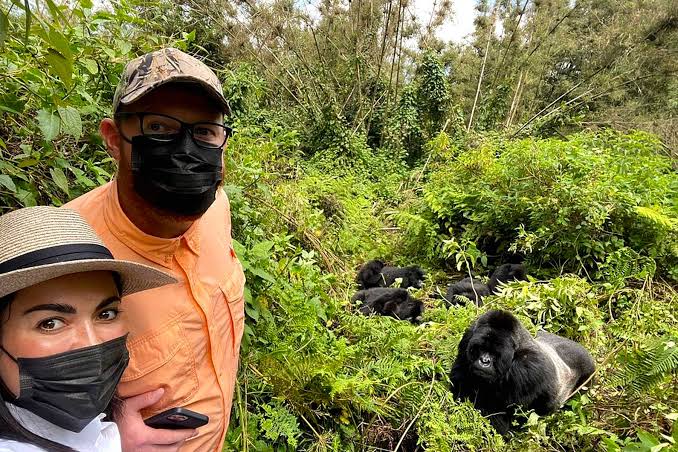
For travelers undertaking their first mountain gorilla trek, the generally drier periods are usually the most straightforward starting point. Safari Vacations and Travel Services notes that Uganda offers year-round gorilla trekking but explains that seasonal conditions can make certain periods more favorable for first-time visitors.
January and February and the mid-year period around June, July and August are particularly worth considering when comparatively drier trail conditions are the priority. Less persistent rainfall can reduce the likelihood of extremely muddy paths, although no month guarantees completely dry terrain.
First-time travelers should still prepare physically and carry suitable waterproof equipment. Choosing a dry-season month does not remove the possibility of steep slopes, roots, dense vegetation, or several hours of walking. Visitors preparing for their first experience can review these verified first-timer recommendations before selecting their trekking dates.
Best Time for Senior Gorilla Trekkers

Senior travelers who are physically capable of trekking may particularly appreciate generally drier conditions because wet forest paths can increase the difficulty of maintaining stable footing. The best time for gorilla trekking in Uganda for many older visitors will therefore be a period when the probability of prolonged rainfall is comparatively lower.
Age alone does not determine whether someone can complete a trek. Fitness, mobility, medical considerations, and comfort walking on uneven terrain are much more useful factors when evaluating suitability. Safari Vacations and Travel Services maintains dedicated information about gorilla trekking for seniors, including practical considerations for older travelers.
A senior traveler who regularly hikes may be more comfortable on the trail than a much younger visitor who is physically inactive. Seasonal planning should therefore complement individual fitness rather than replace it.
Best Time for Travelers Concerned About Trekking Difficulty
Travelers whose main concern is physical difficulty should generally prioritize relatively drier periods. Rain can make natural forest trails muddy and slippery, which may increase the amount of effort required to climb or descend steep terrain.
However, choosing June or July cannot guarantee an easy trek. The location of the gorilla family, elevation, vegetation, recent weather, and personal fitness also influence how demanding the experience becomes. Safari Vacations and Travel Services’ verified guide to gorilla trekking difficulty confirms that several factors contribute to the physical demands of a gorilla trek.
The best approach for travelers worried about difficulty is therefore to combine a generally drier travel period with physical preparation, appropriate hiking boots, a manageable daypack, and realistic expectations.
Best Time for Gorilla Trekking Photographers

Photography creates a different set of seasonal considerations. Mountain gorillas live in dense forest, meaning photographers frequently work with relatively low light irrespective of the time of year. Safari Vacations and Travel Services’ verified photography guidance specifically emphasizes cameras capable of performing well under low-light rainforest conditions and using reliable autofocus.
Generally drier months can make camera management easier because there may be less risk of persistent rainfall during the trek. Changing batteries, handling lenses and carrying professional equipment can also be more convenient when trails are comparatively firm.
Wetter periods can provide different photographic qualities, including lush vegetation, mist and soft forest light, but moisture protection becomes increasingly important. Photographers should therefore choose the best time for gorilla trekking in Uganda according to their desired conditions and willingness to manage equipment in rain rather than expecting one season to guarantee superior images.
Travelers planning specifically around photography can consult the verified photography guide for camera and rainforest preparation advice.
Best Time for Couples and Honeymooners

Couples may want more from their journey than the gorilla trek alone. A honeymoon safari can combine mountain gorillas with private lodge stays, wildlife viewing, scenic landscapes, and slower-paced days between major activities. Safari Vacations and Travel Services confirms that Uganda honeymoon itineraries can combine gorilla trekking with traditional wildlife safari experiences.
Generally drier travel periods can be particularly convenient when the itinerary contains several outdoor experiences. However, couples who prioritize privacy and quieter travel periods may also consider wetter or lower-demand months if they are comfortable with changing weather.
Travelers planning a romantic itinerary can explore dedicated gorilla trekking options for honeymooners, where the overall trip can be designed around accommodation style, pace, and additional safari experiences.
Best Time for Solo Gorilla Trekkers
Solo travelers have considerable flexibility because they do not need to coordinate dates with multiple members of a private party. This can make it easier to adjust a trip around available gorilla permits or accommodation.
Safari Vacations and Travel Services confirms that solo gorilla trekking journeys can be arranged in Uganda, including trekking in Bwindi Impenetrable National Park and Mgahinga Gorilla National Park.
The best time for solo travelers therefore depends largely on their own priorities. A solo visitor who wants comparatively easier trail conditions may prefer the generally drier periods. Someone comfortable with rain who values greater date flexibility can consider wetter months.
Travelers planning independently can review the dedicated page for solo-travelers before deciding how to structure transportation, accommodation and the trekking date.
Best Time for Budget Gorilla Trekking
Budget travelers should avoid assuming that one particular rainy month is automatically the cheapest. The total cost of gorilla trekking includes the permit, accommodation, transportation, meals and other safari services, and these components do not necessarily follow identical seasonal pricing patterns.
A traveler who has flexible dates can nevertheless compare lower-demand periods with peak-season dates to determine whether accommodation or package differences provide meaningful savings. Current permit tariffs and any official seasonal promotions should always be verified for the actual trekking date.
Safari Vacations and Travel Services’ verified guide to budget gorilla trekking explains how itinerary design, starting point, accommodation and transportation choices can influence total safari cost.
For budget travelers, the best time for gorilla trekking in Uganda is therefore the period that combines acceptable weather conditions with the best verified total trip cost, not simply the month described online as low season.
Best Time for Luxury Gorilla Trekking
Luxury travelers may have greater flexibility on price but stronger preferences concerning accommodation, private transportation and itinerary pacing. The availability of specific lodges can therefore become an important factor when selecting dates.
Safari Vacations and Travel Services’ current luxury gorilla safari information describes tailor-made journeys incorporating permit arrangements, carefully selected lodges, private planning and professional guiding.
Travelers who want specific premium accommodation during popular periods should plan early. A favorable trekking month becomes much less useful if the preferred lodge or room category is unavailable.
Those seeking higher-end arrangements can examine verified luxury gorilla trekking options before committing to dates.
Best Time for Active and Experienced Hikers
Experienced hikers generally have a wider seasonal window because they may be more comfortable with mud, steep gradients, and prolonged walking. For these travelers, wetter months do not necessarily present the same disadvantage they may present to someone with limited hiking experience.
An experienced trekker may deliberately choose a wetter period while accepting the likelihood of muddy trails. However, fitness should never encourage visitors to underestimate slippery terrain. Good footwear, rain protection and attention to ranger instructions remain important throughout the year.
Active travelers may also combine gorilla trekking with additional hiking experiences in Uganda or Rwanda, making overall route and weather considerations more important than the gorilla trek alone.
Best Time for Travelers Who Dislike Rain
Travelers who strongly dislike wet weather should concentrate on the generally drier periods. January and February and the mid-year period around June through August provide the most logical starting point when minimizing rainfall exposure is a priority.
Even these months cannot provide a guarantee of rain-free trekking. Bwindi and Mgahinga are mountain forest environments where localized rainfall is possible. A traveler unwilling to encounter any rain should therefore understand that no season can completely remove that possibility.
Best Time for Travelers Who Want Greater Date Flexibility
Visitors whose priority is scheduling flexibility rather than maximizing the probability of dry conditions can consider a wider portion of the year. Wetter and transitional periods may be worth examining when preferred dry-season dates are unavailable.
Permit availability must still be verified. A month described as lower demand should never be interpreted as a guarantee that permits will remain available for every date.
Best Time for Travelers Combining Gorillas with Wildlife Safaris

Travelers planning several national parks should consider the entire itinerary when selecting dates. A Uganda journey can combine Bwindi gorilla trekking with chimpanzees, savannah wildlife, boat safaris and other experiences, creating seasonal requirements beyond the gorilla forest.
Safari Vacations and Travel Services’ verified Uganda wildlife and Bwindi safari guide demonstrates how gorilla trekking can form part of a broader multi-ecosystem Uganda journey.
Generally drier periods can be convenient for travelers undertaking many outdoor activities, but the best time for gorilla trekking in Uganda should still be evaluated alongside conditions and priorities in the other destinations.
Best Time for Travelers with Limited Vacation Days
Travelers with only a few days available should prioritize logistics almost as highly as weather. A perfectly dry month is of little advantage if the itinerary requires excessive driving or creates unnecessary risk of arriving late for the confirmed trekking date.
Short safari travelers should focus on securing the permit first, selecting accommodation close to the correct trekking area, and choosing the most efficient arrival route. Depending on the itinerary, this may involve entering through Kigali or using domestic flights from Entebbe.
Best Time for Travelers Who Want Two Gorilla Treks
Travelers planning two gorilla encounters should consider the cumulative physical demands of consecutive trekking days. Generally drier conditions may be particularly attractive because two treks increase exposure to forest trails and variable terrain.
However, fitness and recovery time are equally important. Two trekking permits do not guarantee identical experiences because different gorilla families, routes and trekking durations can create substantially different days.
Best Time for Travelers Interested in Gorilla Habituation
Travelers considering a gorilla habituation experience should first verify where the activity is available, current permit conditions, and exact availability for their travel dates. The activity differs from standard gorilla trekking and should not be assumed to have identical logistics.
Information not found in current search results: evidence supporting one universally superior month specifically for every gorilla habituation experience in Uganda.
Seasonal trail considerations remain relevant, so travelers who prioritize comparatively firmer forest conditions may still prefer generally drier periods.
Best Time for Families with Eligible Teenagers

Families traveling with teenagers should first verify that every participant meets the current minimum-age requirement for gorilla trekking. Weather should then be considered according to each participant’s hiking experience and fitness.
A generally drier period may make the first forest trek more comfortable for families unfamiliar with prolonged rainforest hiking. However, footwear, clothing and physical preparation remain important even during the preferred dry-season window.
Best Time for Travelers Seeking Fewer Seasonal Compromises
Travelers who want the simplest balance between weather and trekking comfort should normally begin by considering January, February, June, July and August. These periods are frequently favored because of comparatively drier conditions.
They should nevertheless accept the trade-off that attractive seasonal conditions can coincide with stronger demand. Booking permits and accommodation early becomes particularly important when exact dates are essential.
Who Should Consider the Rainy Season?
Wetter periods can suit physically active travelers, repeat visitors, hikers comfortable with mud, travelers with flexible schedules, and visitors whose available dates simply happen to fall during wetter months.
The rainy season should not be presented as inferior in every respect. Its main disadvantage is the increased probability of wet and slippery trail conditions. For travelers who consider that manageable, gorilla trekking remains a viable option.
Who Should Prioritize the Dry Season?
Generally drier periods are particularly appropriate for first-time trekkers, visitors concerned about slippery trails, photographers carrying significant equipment, and travelers whose itineraries contain several demanding outdoor activities.
Seniors and travelers with mobility concerns may also prefer comparatively dry conditions, although individual fitness and support arrangements matter more than age alone.
Final Recommendation: Match the Season to the Traveler
The best time for gorilla trekking in Uganda is ultimately different for different travelers. First-time visitors and those concerned about trail difficulty will usually benefit most from generally drier conditions. Photographers may prefer those same periods for equipment management but can also find creative advantages in mistier and wetter forest conditions. Senior travelers should consider fitness and trail stability, while active hikers have a wider seasonal range.
Budget travelers should compare actual total safari prices rather than assuming that every rainy month is cheapest. Luxury travelers should coordinate permits with preferred lodge availability, while couples and honeymooners should consider the entire journey rather than the trekking day alone. Solo travelers have additional flexibility because dates can often be adjusted around permit availability.
There is therefore no universal month that can accurately be called the best time for gorilla trekking in Uganda for every person. The strongest decision comes from matching expected seasonal conditions with fitness, budget, photography goals, accommodation preferences, permit availability and the wider safari itinerary. When those factors are considered together, travelers can select a trekking period that suits their own circumstances instead of relying on a one-size-fits-all recommendation.
Uganda vs Rwanda: Which Has the Best Time for Gorilla Trekking?
Travelers comparing Uganda and Rwanda often ask whether one country has a better season for mountain gorilla trekking. The most accurate answer is that both destinations offer gorilla trekking throughout the year, and both experience wetter and relatively drier periods. The better choice therefore depends less on identifying a completely different climate and more on permit costs, accessibility, trekking terrain, available travel time, preferred accommodation and the wider safari itinerary.
In Uganda, mountain gorilla trekking takes place in Bwindi Impenetrable National Park and Mgahinga Gorilla National Park. Rwanda’s mountain gorilla trekking takes place in Volcanoes National Park. Uganda Wildlife Authority confirms that Uganda’s mountain gorillas inhabit Bwindi and the Virunga slopes of Mgahinga, while Rwanda’s official tourism information identifies Volcanoes National Park as the country’s principal mountain gorilla destination.
Travelers trying to determine the best time for gorilla trekking in Uganda should therefore avoid assuming that crossing into Rwanda completely changes the seasonal picture. A verified comparison from Safari Vacations and Travel Services confirms that gorilla trekking in both countries operates throughout the year, with generally drier months favored because trails tend to be easier to negotiate.
Is the Best Time for Gorilla Trekking the Same in Uganda and Rwanda?
Broadly, yes. Uganda and Rwanda are neighboring countries within the same East African highland region, and their mountain gorilla habitats occur in humid, elevated forest environments. Travelers should expect broadly comparable seasonal influences, although exact rainfall and local conditions vary between individual parks and specific trekking days.
Generally drier periods are usually preferred in both destinations because reduced rainfall can improve walking conditions. Wetter periods remain viable, but trekkers should prepare for mud, slippery trails, wet vegetation and changing mountain weather.
This means there is no reliable basis for claiming that Uganda is suitable only during one set of months while Rwanda is suitable during a completely different season. The decision is more nuanced.
Dry-Season Gorilla Trekking in Uganda vs Rwanda
The generally drier periods around June through August or September and another period around December through February are widely favored for mountain gorilla trekking in both countries. These periods can reduce the probability of sustained rainfall and extremely muddy trails.
For Uganda, drier conditions can be particularly useful in Bwindi because visitors may walk through steep forest terrain and travel along mountainous roads to reach their trekking sector. In Rwanda, Volcanoes National Park also involves highland trekking where mud and rainfall can influence walking conditions.
The verified Safari Vacations and Travel Services Uganda-versus-Rwanda guide confirms that the two destinations differ in trekking environment, permit pricing and logistics, even though both provide mountain gorilla encounters.
Rainy-Season Gorilla Trekking in Uganda vs Rwanda
Wetter periods do not automatically make either Uganda or Rwanda unsuitable. Gorilla trekking continues beyond the dry season, and visitors who are physically prepared and comfortable with rainforest weather can travel during wetter months.
In both destinations, the primary disadvantage is the condition of the trail rather than the disappearance of the gorillas. Rain can create mud, make slopes slippery, and increase the amount of physical effort required.
Information not found in current search results: authoritative evidence proving that rainy-season trekkers have universally lower gorilla sighting success in Uganda than in Rwanda, or vice versa.
Travelers should therefore choose according to their tolerance for wet trekking conditions rather than expecting the rainy season to prevent gorilla encounters.
Does Uganda Have Better Weather for Gorilla Trekking Than Rwanda?
There is no credible basis for describing Uganda as having universally better gorilla trekking weather than Rwanda throughout the year. Both countries contain high-altitude mountain gorilla habitats where rain and mist are normal environmental features.
Conditions can also differ within Uganda itself. Bwindi and Mgahinga are separate protected areas, while the four main Bwindi trekking sectors occupy different parts of a large forest landscape. A single statement about “Uganda weather” cannot perfectly describe every trek.
For this reason, choosing the best time for gorilla trekking in Uganda should be based on general seasonal tendencies while accepting that conditions on the actual trekking day remain variable.
Bwindi vs Volcanoes National Park in the Dry Season
Bwindi Impenetrable National Park and Rwanda’s Volcanoes National Park provide very different landscapes. Bwindi is an extensive forest divided into several trekking sectors, while Volcanoes National Park lies within Rwanda’s Virunga mountain landscape.
During generally drier periods, both destinations can offer comparatively manageable underfoot conditions. However, neither should be described as easy. Mountain gorilla trekking remains a physical activity involving uneven terrain and potentially lengthy walking.
Travelers specifically comparing these two parks can review this verified Bwindi-versus-Volcanoes resource, which examines differences in permits, accessibility and trekking experience.
Bwindi vs Volcanoes National Park in the Rainy Season
During wetter periods, both Bwindi and Volcanoes National Park can experience muddy and slippery trails. Travelers should prioritize waterproof hiking boots, rain protection and appropriate clothing.
It would be inaccurate to claim that one park is always easier during the rainy season. The specific trail, recent rainfall, gorilla location, and individual fitness all influence how difficult a particular trek becomes.
Information not found in current search results: authoritative evidence establishing that Bwindi is consistently easier than Volcanoes National Park during every rainy-season month, or that Volcanoes National Park is consistently easier than Bwindi.
Uganda vs Rwanda Gorilla Permit Costs
Cost is one of the most significant practical differences between the two destinations. Verified current Safari Vacations and Travel Services information lists Uganda’s standard foreign non-resident gorilla permit at USD 800 and Rwanda’s standard international gorilla permit at USD 1,500.
These prices should always be reconfirmed for the travel date because national tourism authorities can revise tariffs. Travelers can review the verified permit-prices comparison before making a booking decision.
For travelers undertaking two gorilla treks or traveling as a couple or family, the difference in standard permit prices can have a substantial effect on the total safari budget.
Does the Cheapest Country Have the Best Trekking Season?
No. Permit cost and weather are separate considerations. Uganda may offer a lower standard permit cost for many international travelers, but this does not mean every Uganda trekking date provides better weather than the equivalent date in Rwanda.
The strongest decision comes from balancing cost, expected trail conditions, accommodation, transport and the overall safari plan.
Which Destination Is Better for Budget Travelers?
Uganda is often more attractive to travelers whose primary concern is permit cost because its standard international permit is currently priced below Rwanda’s standard permit. This becomes particularly important for travelers planning more than one trek.
Safari Vacations and Travel Services’ verified cost-comparison confirms the permit-price difference between Uganda and Rwanda.
However, the total trip cost also depends on transportation, accommodation, itinerary length, and point of entry. A traveler should therefore compare the complete safari price instead of using the permit as the only financial consideration.
Which Destination Is Better for Travelers with Limited Time?
Rwanda has a major logistical advantage for travelers who want to trek mountain gorillas relatively close to an international gateway because Volcanoes National Park can be accessed by road from Kigali.
Uganda’s Bwindi and Mgahinga are farther from Entebbe by road, but travelers can also reach southwestern Uganda from Kigali or use domestic flights within Uganda. This means a short Uganda gorilla safari does not always have to begin in Entebbe.
Safari Vacations and Travel Services offers a verified Kigali-to-Bwindi itinerary demonstrating how travelers can enter Uganda from Rwanda for a short gorilla trekking journey.
Is Kigali a Good Gateway for Uganda Gorilla Trekking?
Yes. Kigali can provide a practical gateway for travelers trekking in southwestern Uganda, particularly when the itinerary focuses on Bwindi or Mgahinga rather than a longer circuit through Uganda.
The route requires an international border crossing, so travelers must allow for immigration formalities, travel documents, and changing road conditions. Published driving times should be treated as approximate rather than guaranteed.
Does Starting in Kigali Change the Best Time for Gorilla Trekking Uganda?
No. Starting in Kigali can improve logistics for certain Uganda gorilla itineraries, but it does not change Uganda’s seasonal weather patterns. Travelers still need to choose dates according to expected conditions in Bwindi or Mgahinga.
What Kigali changes is the route, not the climate.
Which Destination Is Better for a One-Day Gorilla Trek?
Rwanda’s proximity between Kigali and Volcanoes National Park can make short itineraries particularly practical. Uganda can also be accessed from Kigali for very short Bwindi journeys, although travelers need to account for the border crossing.
Safari Vacations and Travel Services has a verified one-day-Bwindi itinerary beginning in Kigali and crossing into Uganda for gorilla trekking.
Travelers considering such an intensive itinerary should pay particular attention to departure times, border requirements, and physical fatigue. A one-day format may be possible, but it is not automatically the most relaxed way to experience gorilla trekking.
Which Destination Is Better for a Longer Gorilla Safari?
Uganda has a strong advantage for travelers wanting to combine gorilla trekking with multiple wildlife and primate destinations within the same country. A longer itinerary can include Kibale National Park for chimpanzees, Queen Elizabeth National Park for game drives and boat safaris, Lake Mburo National Park, Murchison Falls National Park or Lake Bunyonyi.
Rwanda can similarly combine Volcanoes National Park with Nyungwe National Park, Lake Kivu and Akagera National Park.
The correct destination therefore depends on the traveler’s interests rather than the gorilla trek alone.
Which Destination Is Better for Two Gorilla Treks?
Travelers planning two gorilla treks should pay particular attention to permit cost, availability, and physical recovery. Uganda’s lower standard permit price can make multiple treks financially more accessible for many international visitors.
Two treks can also be arranged in different Bwindi sectors or between Uganda’s gorilla destinations depending on actual permit availability and itinerary logistics.
Information not found in current search results: evidence proving that two gorilla treks are biologically or photographically better in Uganda than two treks in Rwanda. The advantage is primarily one of options, cost, and itinerary design rather than a guaranteed quality difference.
Which Destination Offers Easier Gorilla Trekking?
It is not accurate to guarantee that Uganda or Rwanda always provides easier trekking. Bwindi is known for mountainous forest terrain, while Volcanoes National Park also involves trekking through elevated Virunga habitat.
The individual gorilla family’s location can strongly influence the amount of walking required. Weather can make a trail more demanding, and fitness varies significantly between travelers.
A dry-season date may reduce the challenge created by mud, but it cannot remove elevation, vegetation or the unpredictability of gorilla movements.
Which Destination Is Better for Senior Travelers?
Senior travelers should compare fitness requirements, transportation logistics, accommodation location and support arrangements rather than choosing purely by country.
Rwanda’s relatively straightforward access from Kigali can appeal to travelers wishing to minimize long road transfers. Uganda can also be made more comfortable by entering through Kigali, using domestic flights or carefully selecting a Bwindi sector and nearby lodge.
Generally drier periods can be especially useful for older travelers because firmer trails may reduce the difficulty created by mud and slippery terrain.
Which Destination Is Better for Photographers?
Both Uganda and Rwanda provide exceptional opportunities to photograph mountain gorillas in natural forest habitat. Neither country guarantees better photographic conditions on every day.
Uganda offers several gorilla trekking sectors and two gorilla destinations, potentially creating greater itinerary variety. Rwanda’s Volcanoes National Park provides a distinctive Virunga mountain environment.
Photographers should consider permit cost, number of desired treks, equipment weight, trail conditions, and accommodation rather than expecting one country to provide universally superior images.
Which Destination Has More Seasonal Flexibility?
Both destinations offer year-round trekking, so seasonal flexibility exists in Uganda and Rwanda. Uganda’s multiple trekking sectors and two gorilla national parks can provide additional geographic options, although availability still depends on permits for the actual dates.
Travelers can use the verified Bwindi-versus-Mgahinga guide to understand the differences between Uganda’s two mountain gorilla destinations.
Should You Trek Gorillas in Both Uganda and Rwanda?
Travelers with sufficient time and budget can combine Uganda and Rwanda in one journey. This can provide two different mountain gorilla trekking environments and allow visitors to experience more of the Virunga and Bwindi landscapes.
However, visiting both countries solely to see whether the gorillas appear different is not necessary for every traveler. Mountain gorillas are the same subspecies, and both destinations provide regulated encounters with habituated groups.
A combined journey makes more sense when travelers also want to experience other attractions in Uganda and Rwanda.
Best Time for a Combined Uganda and Rwanda Gorilla Safari
Travelers planning gorilla trekking in both countries can simplify seasonal planning by selecting one of the generally drier regional periods. June through August or September and December through February are commonly considered the easiest periods for managing forest trails.
A verified Safari Vacations and Travel Services two-country guide provides additional information for travelers considering mountain gorilla trekking in both Uganda and Rwanda.
Wetter months remain possible, but the impact of rain becomes more significant when several trekking activities are included in the same itinerary.
Uganda vs Rwanda During June, July and August
June, July and August form a highly attractive regional period for travelers prioritizing comparatively dry trails. Both Uganda and Rwanda can experience favorable trekking conditions during this part of the year.
Demand can also be strong, so permits and preferred accommodation should be arranged early where possible. Travelers should not wait until arrival to assume that trekking space will be available.
Uganda vs Rwanda During December, January and February
December, January and February provide another generally favorable period for mountain gorilla trekking in both countries. These months can suit travelers planning Christmas holidays, New Year journeys or winter escapes from the Northern Hemisphere.
Rain remains possible, especially in mountain environments, so waterproof equipment is still required.
Uganda vs Rwanda During March, April and May
These months generally contain wetter conditions, particularly around March and April. Travelers should expect a greater possibility of muddy forest trails and rainfall.
They should not, however, assume that gorilla trekking becomes unavailable. Visitors comfortable with rain can still plan trips during this period, subject to permits and operating conditions.
Uganda vs Rwanda During September, October and November
September can operate as a transitional month, while October and November generally fall within a wetter regional period. Exact rainfall differs from year to year and between locations.
Visitors traveling during these months should place greater emphasis on waterproof gear and hiking footwear with reliable traction.
Does Rwanda Have a Better Dry Season Than Uganda?
Information not found in current search results: authoritative evidence demonstrating that Rwanda’s dry season is universally better for mountain gorilla trekking than Uganda’s dry season.
Both destinations experience generally favorable trekking windows, and both can receive rainfall outside their main wet periods.
Does Uganda Have a Better Rainy Season Than Rwanda?
Information not found in current search results: authoritative evidence proving that Uganda offers consistently easier rainy-season mountain gorilla trekking than Rwanda.
Comparisons should therefore focus on current trail expectations, cost, and logistics instead of making unsupported climate claims.
Which Country Offers Better Value During the Best Trekking Months?
For many international travelers, Uganda has a significant permit-cost advantage during standard-rate periods. This can make Uganda particularly attractive during June, July, August, January and February when visitors want favorable trekking conditions without paying Rwanda’s higher standard permit price.
However, total value also depends on how many days are required, accommodation category, transportation and additional safari activities.
Should Weather or Permit Price Decide Between Uganda and Rwanda?
Neither factor should be considered alone. The most useful comparison considers weather, permit price, accessibility, trekking terrain, accommodation, available time and what the traveler wants to experience beyond gorillas.
A traveler with only a very short trip may prioritize accessibility. A visitor planning ten days of primates and wildlife may find Uganda particularly practical. A traveler wanting gorillas, Nyungwe and Akagera may prefer a Rwanda-focused itinerary.
Final Verdict: Uganda or Rwanda for the Best Gorilla Trekking Season?
Uganda and Rwanda share broadly similar seasonal advantages for mountain gorilla trekking. Generally drier periods around June through August or September and December through February tend to provide the most convenient trekking conditions in both destinations, while wetter periods remain viable for travelers prepared for rain and muddy forest trails.
Uganda’s strongest advantages include two mountain gorilla destinations, several Bwindi trekking sectors, a lower standard foreign non-resident permit price than Rwanda, and strong opportunities to combine gorillas with chimpanzees and traditional wildlife safaris. Rwanda’s strongest logistical advantage is the relative ease of reaching Volcanoes National Park from Kigali.
For travelers specifically researching the best time for gorilla trekking in Uganda, there is little reason to choose Rwanda purely because of seasonality. The regional weather patterns are sufficiently similar that cost, permit availability, travel time, trekking preferences and the wider safari itinerary usually provide more useful reasons for choosing between the two countries.
The best decision is therefore to select the generally drier period if trail comfort is the priority, consider wetter periods if greater seasonal flexibility suits the traveler, and then compare Uganda and Rwanda using verified current permit prices and actual itinerary logistics. For travelers prioritizing value, multiple trekking options and the ability to combine gorillas with a broader Uganda wildlife safari, Uganda remains a particularly strong choice throughout the year.