The Ultimate Uganda Wildlife Safari and Bwindi Gorilla Trekking Guide

Uganda Wildlife Safari and Bwindi Gorilla Trekking – The Ultimate African Safari Experience
Why Choose Uganda for a Wildlife and Gorilla Safari?
Uganda stands apart because dramatically different ecosystems can be experienced during the same journey. The country contains tropical rainforests, extensive savannahs, volcanic mountains, wetlands, crater lakes, river systems and high-altitude forests. This ecological variety supports an exceptional range of mammals, primates and birds and allows travelers to combine several distinct safari experiences without having to choose between gorilla trekking and conventional African wildlife viewing.
A well-designed Uganda safari may begin with rhino tracking before continuing to Murchison Falls for game drives and a Nile boat safari. From there, travelers can head south toward Kibale for chimpanzee tracking, continue to Queen Elizabeth National Park for savannah wildlife and eventually reach Bwindi for mountain gorilla trekking. Our Uganda safari to Bwindi demonstrates how several of these contrasting destinations can form part of one journey.
The ability to combine primates and traditional safari wildlife is one of Uganda’s greatest strengths. Rather than spending an entire holiday exclusively inside safari vehicles, visitors can alternate between forest trekking, game drives, boat cruises, community visits and nature walks. Travelers particularly interested in primates can also consider a chimpanzee and gorilla safari incorporating Kibale, Queen Elizabeth and Bwindi.
What Makes Uganda the Pearl of Africa?
Uganda’s famous description as the Pearl of Africa becomes easier to understand once travelers begin moving through the country. Landscapes change continually. The wetlands and tropical vegetation around Lake Victoria give way to rolling countryside, tea-growing regions, crater landscapes, extensive savannahs and the densely forested mountains of southwestern Uganda.
Murchison Falls presents another side of the country, where the Victoria Nile cuts through the national park and creates spectacular wildlife-viewing opportunities. Travelers interested in experiencing several of these landscapes together can explore routes such as the gorilla chimpanzee Murchison safari, combining savannah wildlife, river experiences and rainforest primates.
Uganda is also exceptionally rewarding for birdwatchers. Forests, wetlands, lakeshores, savannahs and montane habitats support an extraordinary variety of birdlife. Even visitors primarily interested in mammals frequently discover that birding becomes an unexpected highlight as colorful species appear throughout game drives, forest walks and boat cruises.
What Can You Experience on a Uganda Wildlife Safari?
A Uganda wildlife safari can involve considerably more than searching for animals from a vehicle. Traditional morning and afternoon game drives remain central to wildlife destinations such as Murchison Falls, Queen Elizabeth, Kidepo Valley and Lake Mburo, but Uganda’s rivers, forests and wetlands allow travelers to experience wildlife from several perspectives.
Boat safaris are particularly rewarding. On the Kazinga Channel in Queen Elizabeth National Park, visitors can observe hippos, buffaloes, elephants, crocodiles and abundant waterbirds from the water. The park’s location also makes it an important part of a multi-destination safari connecting Kibale with Bwindi. Travelers planning this route can learn more through our Queen Elizabeth National Park guide.
Forest adventures create another dimension. Chimpanzee tracking in Kibale introduces travelers to one of Africa’s richest primate environments, while gorilla trekking takes them deep into Bwindi’s mountainous rainforest. This contrast between open savannah wildlife and forest primates is clearly demonstrated on a Uganda wildlife safari tour combining several of the country’s signature experiences.
Uganda’s Big Five Wildlife Experience

Travelers observe white rhinos on foot during a guided rhino tracking experience in Uganda.
Travelers interested in Africa’s iconic large mammals can build a Uganda itinerary around lions, leopards, elephants, buffaloes and rhinos. Murchison Falls and Queen Elizabeth National Parks provide opportunities to search for several of these species during game drives, while rhino tracking can be incorporated separately into suitable safari routes.
Yet Uganda’s wildlife appeal extends well beyond a checklist of famous animals. Giraffes, hippos, crocodiles, Uganda kobs, waterbucks, warthogs, zebras, impalas and numerous other species add variety to wildlife viewing. Longer itineraries such as the Best of Uganda safari allow travelers to explore multiple ecosystems rather than rushing between only the most famous attractions.
Primates of Uganda – Beyond the Mountain Gorillas
Mountain gorillas may be Uganda’s most internationally recognized primates, but they represent only one part of the country’s primate experience. Chimpanzees are another major attraction, particularly in Kibale National Park, where forest walks introduce visitors to an ecosystem supporting numerous primate species.
Combining chimpanzees and mountain gorillas is especially rewarding because the encounters feel completely different. Chimpanzees are highly active and may move rapidly through the forest canopy and along the ground, whereas a mountain gorilla encounter can involve quietly observing family interactions at remarkably close range. Travelers whose main interests are primates can explore our Uganda primate safari options for ideas on combining these experiences.

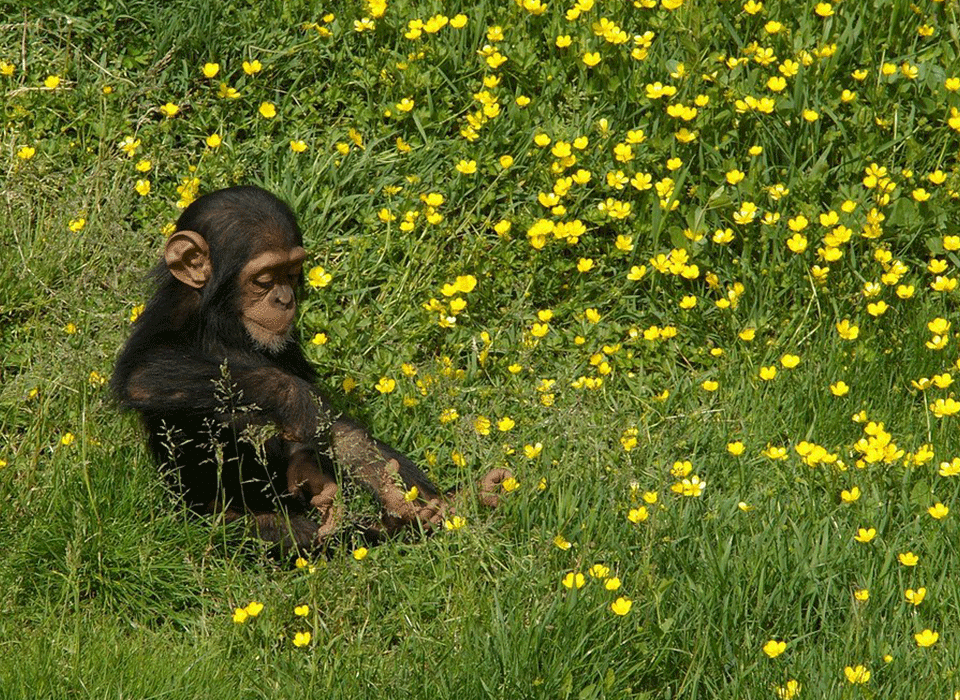
A chimpanzee in the tropical forest of Kibale National Park, Uganda’s renowned destination for chimpanzee tracking.
Mgahinga Gorilla National Park adds another primate dimension through golden monkey tracking. Active travelers can also combine primate experiences with mountain adventures, including itineraries featuring gorillas and Mount Sabinyo.
Mountain Gorillas – The Signature Uganda Safari Experience

A mountain gorilla in the lush rainforest habitat experienced during Bwindi gorilla trekking in Uganda.
For many international travelers, the defining moment of a Uganda safari occurs inside Bwindi Impenetrable National Park. The forest rises across steep southwestern highlands and protects one of the world’s most important populations of mountain gorillas. Unlike wildlife viewed from a safari vehicle, gorilla trekking requires travelers to enter the forest on foot with trained guides and trackers.
Bwindi contains four principal trekking sectors: Buhoma, Ruhija, Rushaga and Nkuringo. Choosing the correct sector matters because it influences accommodation selection, driving routes and how the wider safari should be structured. Travelers beginning their research should therefore understand the gorilla trekking sectors of Bwindi before finalizing accommodation and transportation.
The trek itself can vary considerably according to the location of the assigned gorilla family, terrain and daily forest conditions. Once the gorillas are located, the experience shifts from physical adventure to quiet observation. Watching a silverback resting only meters away, juveniles playing among vegetation or mothers caring for infants creates a wildlife encounter fundamentally different from observing animals across an open savannah.
Visitors staying in southern Bwindi can also extend their experience beyond the trek. Cultural activities, birding and nature-based experiences can be incorporated into the itinerary, and our guide to activities after gorilla trekking provides ideas for travelers staying around Rushaga.
Combining Savannah Wildlife and Mountain Gorillas

A herd of African buffaloes grazing in Queen Elizabeth National Park, one of Uganda’s premier wildlife safari destinations.
One of the most logical combinations in Uganda connects Queen Elizabeth National Park with Bwindi Impenetrable National Park. This route allows travelers to experience classic savannah wildlife before entering an entirely different mountain rainforest ecosystem.
The Ishasha Sector in southern Queen Elizabeth National Park is particularly important on this route. It is famous for tree-climbing lions and provides a natural transition between the wider Queen Elizabeth ecosystem and Bwindi. Travelers specifically interested in this combination can consider gorilla trekking and tree-climbing lions as part of their itinerary.
The experience demonstrates why Uganda should not be viewed simply as a gorilla destination. A traveler may spend one day watching lions and elephants across open plains and another hiking beneath an enormous rainforest canopy in search of mountain gorillas. Few African journeys provide such dramatic ecological contrasts within a single itinerary.
Uganda Wildlife Safaris for First-Time African Travelers
For someone visiting Africa for the first time, Uganda offers an unusually varied introduction. A carefully paced itinerary can combine major wildlife encounters without making every day feel identical. Game drives provide classic safari moments, boat cruises introduce wildlife from the water, chimpanzee tracking brings visitors into tropical forest and Bwindi gorilla trekking becomes the emotional climax of the journey.
A ten-day itinerary provides a useful starting point for travelers wanting several major destinations without an excessively long trip. Our 10-day Uganda safari illustrates how Murchison Falls, Kibale, Queen Elizabeth, Bwindi and Lake Mburo can be connected into a broader circuit.
Uganda Safaris for Returning African Travelers
Uganda is equally compelling for travelers who have already experienced traditional safaris in Kenya, Tanzania, Botswana or South Africa. Mountain gorillas and chimpanzees provide completely different wildlife encounters, while destinations such as Bwindi, Kibale and the Ishasha Sector can introduce experienced safari travelers to landscapes and activities they may not have encountered elsewhere.
Those with sufficient time can explore Uganda at a slower pace and include lesser-visited destinations alongside the famous parks. A classic Uganda safari, for example, creates more room for forests, savannahs, lakes and nature experiences while keeping gorilla trekking at the heart of the journey.
How Many Days Do You Need for a Uganda Wildlife Safari and Bwindi Gorilla Trekking?
The ideal safari length depends on how many destinations a traveler wants to include. Short trips can concentrate primarily on Bwindi, while longer itineraries make it possible to combine gorillas with chimpanzees, Queen Elizabeth National Park, Murchison Falls, Lake Mburo and additional experiences.
Travelers with approximately one week can create an excellent primate-focused journey incorporating Kibale, Queen Elizabeth and Bwindi. Those with eight to ten days have greater flexibility to add wildlife activities without making the itinerary unnecessarily rushed. Longer journeys of twelve to fourteen days provide enough time to explore several national parks at a more relaxed pace.
The most important consideration is not simply how many attractions can fit into a particular number of days. Driving distances, activity start times, gorilla permit availability and lodge locations should all influence the itinerary. Safari Vacations and Travel Services Ltd. therefore recommends designing each Uganda wildlife safari around the traveler’s available time, preferred comfort level and priority experiences rather than trying to include every destination.
Ultimately, a Uganda wildlife safari and Bwindi gorilla trekking journey succeeds because of its diversity. Lions on the savannah, elephants beside waterways, chimpanzees moving through tropical forest and mountain gorillas resting beneath Bwindi’s dense canopy all belong to the same remarkable destination. Whether travelers choose a shorter primate adventure or a comprehensive multi-park expedition, Uganda offers the opportunity to experience several very different sides of Africa within one carefully planned safari.
Best Uganda Wildlife Safari Destinations to Combine With Bwindi Gorilla Trekking
Planning the ultimate Uganda wildlife safari and Bwindi gorilla trekking adventure is not simply about visiting as many national parks as possible. The best safari combines destinations that offer genuinely different wildlife encounters while following a practical route through the country. Uganda makes this possible through an extraordinary network of savannah parks, tropical forests, wetlands, lakes and mountain ecosystems. From the Queen Elizabeth National Park savannahs to the remote wilderness of Kidepo, each destination contributes something different to a complete Uganda safari.
Safari Vacations and Travel Services Ltd. designs Uganda wildlife safaris according to the traveler’s available time, preferred activities, accommodation category and wildlife interests. Some travelers want mountain gorillas and chimpanzees to dominate their itinerary, while others want a balanced combination of primates, lions, elephants, rhinos, boat safaris and birdwatching. Understanding Uganda’s major safari destinations makes it much easier to create the right combination.
Queen Elizabeth National Park – The Classic Wildlife Addition to Bwindi
Queen Elizabeth National Park is one of the most logical wildlife destinations to combine with Bwindi Impenetrable National Park. Located in western Uganda, the park contains open savannahs, wetlands, crater landscapes, forests and large water systems. This variety supports elephants, buffaloes, Uganda kobs, lions, hippos, crocodiles, leopards and numerous other animals. Travelers researching the destination in detail can use our complete Queen Elizabeth guide when planning their safari.
The contrast with Bwindi is exceptional. In Queen Elizabeth National Park, much of the wildlife viewing takes place from a safari vehicle across relatively open landscapes. In Bwindi, visitors leave their vehicles and trek through dense rainforest to find mountain gorillas. Combining these environments allows a single Uganda wildlife safari and Bwindi gorilla trekking itinerary to deliver two completely different African wildlife experiences.
Kasenyi Plains – Lions, Uganda Kobs and Savannah Wildlife
The Kasenyi Plains are among the most productive game-drive areas in the northern section of Queen Elizabeth National Park. The open grasslands support Uganda kobs and other herbivores, while predators including lions may be encountered as they move through the wider ecosystem.
Early-morning game drives are particularly rewarding because the temperature is cooler and wildlife may be more active. Elephants, buffaloes, warthogs, waterbucks and various antelope species can also be encountered. Wildlife sightings can never be guaranteed, which is precisely why every Queen Elizabeth wildlife safari develops differently.
Kazinga Channel Boat Safari
The Kazinga Channel provides one of the most memorable water-based wildlife experiences in Uganda. Connecting Lake George and Lake Edward, the channel attracts large numbers of animals and birds to its shoreline. A boat safari can provide close but responsible views of hippos, buffaloes, crocodiles, elephants and numerous waterbirds.
The boat safari is an excellent complement to morning game drives because travelers experience the same ecosystem from an entirely different perspective. A typical itinerary can therefore include a morning game drive followed by an afternoon Kazinga Channel boat safari, creating a particularly productive wildlife-viewing day.
Ishasha Sector and Uganda’s Famous Tree-Climbing Lions
The Ishasha Sector occupies the southern part of Queen Elizabeth National Park and is internationally known for its tree-climbing lions. Although lions naturally spend considerable time on the ground, some of the lions in this region are frequently observed resting in large trees, creating one of Uganda’s most distinctive predator-viewing opportunities.
Ishasha becomes even more important when combined with Bwindi because it can fit naturally into the journey south. Instead of simply transferring between national parks, travelers can incorporate an Ishasha game drive while continuing toward gorilla country. This makes a gorilla and tree-climbing lion safari one of the strongest short wildlife combinations in western Uganda.
Murchison Falls National Park – Big Wildlife and the River Nile
Travelers with additional time should consider adding Murchison Falls National Park to their Uganda wildlife safari and Bwindi gorilla trekking itinerary. Located in northwestern Uganda, Murchison offers extensive savannah wildlife viewing alongside one of the country’s most dramatic natural features: the Victoria Nile forcing its way through a narrow gorge before plunging downstream.
Game drives can produce encounters with elephants, giraffes, buffaloes, lions, Uganda kobs, hartebeests and numerous other mammals. The Nile adds another dimension, with boat safaris providing opportunities to observe hippos, crocodiles, waterbirds and animals approaching the river. Travelers wanting to connect Murchison with Uganda’s primate destinations can consider a gorilla chimpanzee Murchison safari.
Ziwa Rhino Sanctuary and the Uganda Big Five Experience
Rhinos are an important consideration for travelers hoping to create a broader Big Five-themed Uganda itinerary. Ziwa Rhino Sanctuary can be incorporated into suitable routes between central Uganda and the Murchison Falls region, adding a rhino-focused experience before continuing into the national park.
When rhino tracking is combined with appropriate wildlife viewing in Uganda’s savannah parks, travelers have opportunities to search for the species traditionally associated with an African Big Five safari while still retaining Uganda’s major advantage: the possibility of adding chimpanzees and mountain gorillas to the same journey.
Kibale National Park – Uganda’s Premier Chimpanzee Destination
Kibale National Park is one of the most important additions to a Uganda wildlife safari and Bwindi gorilla trekking itinerary for travelers interested in primates. Its tropical forest is particularly famous for chimpanzee tracking, creating a natural primate counterpart to the mountain gorilla experience in Bwindi.
Chimpanzee tracking and gorilla trekking are remarkably different. Chimpanzees can be energetic, vocal and mobile, sometimes moving through the forest canopy or rapidly across the forest floor. Gorillas often provide a slower and more intimate observation experience once located. Including both creates a much broader primate safari, which is why our chimpanzee and gorilla trekking safari is an excellent model for travelers prioritizing primates.
Kibale also fits extremely well geographically into the western Uganda safari circuit. Travelers can move from Kibale toward Queen Elizabeth National Park and then continue through Ishasha toward Bwindi. This creates a natural progression from chimpanzee forest to savannah wildlife and finally mountain gorilla habitat.
Bigodi Wetland Sanctuary and Community Experiences
Travelers staying around Kibale can add Bigodi Wetland Sanctuary to create a more varied experience outside the national park. Guided wetland and community activities provide opportunities to observe primates, birds, vegetation and aspects of local life that may not be encountered during a conventional game drive.
Bigodi works particularly well alongside chimpanzee tracking because the activities are complementary rather than repetitive. After focusing on chimpanzees inside Kibale, travelers can experience a broader wetland environment while learning more about the communities surrounding the forest. This helps transform a wildlife itinerary into a more complete Uganda primate safari.
Lake Mburo National Park – An Excellent Beginning or End to a Uganda Safari
Lake Mburo National Park is particularly useful for itineraries traveling between Entebbe or Kampala and southwestern Uganda. Its location near the principal route toward western Uganda allows it to be incorporated without the major detour required for some other national parks. This makes a Lake Mburo short safari especially useful at the beginning or end of a longer gorilla adventure.
The park offers a different wildlife composition from Uganda’s larger savannah destinations. Zebras, impalas, giraffes, elands, topis and other herbivores occur across the landscape, while hippos and crocodiles can be encountered around the lake. Conventional Lake Mburo game drives can therefore add species that travelers may not have seen elsewhere during their Uganda journey.
Walking Safaris in Lake Mburo National Park
One reason Lake Mburo stands apart is the opportunity to experience parts of the ecosystem on foot with appropriate guiding. A walking safari changes the pace completely. Instead of concentrating only on large mammals visible from a vehicle, visitors begin noticing tracks, plants, birds and smaller details of the landscape.
For travelers who have spent several days sitting in safari vehicles, walking can be a refreshing change before or after Bwindi. Safari Vacations and Travel Services Ltd. can incorporate an authorized Lake Mburo walking safari into suitable itineraries.
Kidepo Valley National Park – Uganda’s Remote Wilderness
Kidepo Valley National Park is ideal for travelers who have sufficient time and want to explore beyond Uganda’s popular western safari circuit. Located in the far northeast, Kidepo feels considerably more remote than parks such as Queen Elizabeth or Lake Mburo. Its broad valleys, mountain backdrops and open savannah landscapes create one of Uganda’s most dramatic wilderness environments.
The park is particularly attractive to experienced African safari travelers who want fewer vehicles and a strong sense of isolation. Wildlife includes elephants, buffaloes, lions, giraffes and numerous antelope species, while the wider Kidepo ecosystem is also known for species uncommon elsewhere in Uganda. Our detailed guide explains planning a Kidepo safari including access, accommodation and activities.
Because of the distance involved, Kidepo should normally be given adequate time rather than inserted hurriedly into a short Bwindi itinerary. Travelers considering an extended Uganda adventure should first understand the available routes to Kidepo and decide whether road travel or a fly-in arrangement works better for their schedule.
Mgahinga Gorilla National Park – Gorillas, Golden Monkeys and Volcanoes
Mgahinga Gorilla National Park occupies Uganda’s southwestern corner and provides an excellent addition for travelers particularly interested in primates and mountain landscapes. Although Bwindi receives much of the attention for Uganda gorilla trekking, Mgahinga provides another opportunity to experience the Virunga ecosystem.
Golden monkey tracking is one of the park’s distinctive attractions. These active primates live within the montane and bamboo environments of the Virunga Mountains and provide a very different experience from mountain gorillas. Adventurous travelers can also explore combinations involving gorillas and Mount Sabinyo, creating a safari that combines wildlife with a demanding mountain adventure.
Semuliki National Park – A Different Side of Uganda’s Biodiversity
Semuliki National Park appeals particularly to travelers interested in birding, forest ecology and less conventional Uganda destinations. Located in western Uganda, the park protects a lowland forest environment that differs significantly from the mountainous forest of Bwindi and the savannah ecosystems of Queen Elizabeth.
The wider Semuliki experience can include forest exploration, birdwatching and the Sempaya Hot Springs. It is best suited to longer itineraries where travelers have enough time to explore western Uganda beyond the headline gorilla and wildlife destinations.
How to Choose the Best Uganda Safari Parks to Combine With Bwindi
The right combination ultimately depends on the traveler’s priorities. Visitors focused on gorillas and chimpanzees can build their itinerary around Kibale and Bwindi. Those wanting the strongest balance between primates and traditional African wildlife can combine Kibale, Queen Elizabeth, Ishasha and Bwindi. Travelers seeking a more comprehensive journey can add Murchison Falls, rhino tracking and Lake Mburo, while Kidepo can be incorporated into longer expeditions.
A well-paced itinerary is usually better than one that attempts to visit every park. For example, the 13-day classic Uganda safari allows considerably more time for varied wildlife experiences than a short itinerary in which travelers spend much of each day transferring between destinations.
Safari Vacations and Travel Services Ltd. therefore designs each Uganda wildlife safari and Bwindi gorilla trekking journey around realistic travel times, wildlife priorities and the experiences that matter most to the traveler. Whether the final route combines chimpanzees in Kibale, lions in Queen Elizabeth, tree-climbing lions in Ishasha, zebras in Lake Mburo or the remote wilderness of Kidepo, the objective is the same: to create a safari in which every destination adds a genuinely different dimension to the overall Uganda experience.
The Complete Bwindi Gorilla Trekking Guide
Bwindi gorilla trekking is one of the defining experiences of an Uganda wildlife safari. Hidden among the steep, densely forested hills of southwestern Uganda, Bwindi Impenetrable National Park protects an extraordinary rainforest ecosystem and provides travelers with an opportunity to enter the natural habitat of endangered mountain gorillas. Unlike conventional wildlife viewing from a safari vehicle, a Bwindi gorilla trekking safari takes visitors into the forest on foot with trained ranger guides and trackers, creating a highly immersive wildlife encounter.
For travelers combining an Uganda wildlife safari and Bwindi gorilla trekking, the forest experience provides a dramatic contrast to game drives in Queen Elizabeth National Park, Murchison Falls National Park and Lake Mburo National Park. One day may be spent watching elephants and lions across open savannah; another can involve following forest trails beneath a dense canopy in search of a mountain gorilla family. Safari Vacations and Travel Services Ltd. helps coordinate permits, accommodation, transportation and the wider safari itinerary so that the gorilla experience fits logically into the journey.
Bwindi Impenetrable National Park – Home of Uganda’s Mountain Gorillas
Bwindi Impenetrable National Park lies in southwestern Uganda along the edge of the Albertine Rift. Its steep ridges, valleys and ancient rainforest create one of the most biologically diverse environments in East Africa. Although mountain gorillas are the park’s most celebrated inhabitants, Bwindi also supports other primates, forest mammals, butterflies and an exceptional diversity of birds.
The word “impenetrable” gives travelers some idea of the forest’s character. Thick vegetation, vines, ferns, enormous trees and mountainous terrain create an environment that feels very different from Uganda’s savannah national parks. Travelers planning a Bwindi gorilla safari should therefore expect an active forest adventure rather than conventional vehicle-based wildlife viewing.
Where Is Bwindi Impenetrable National Park?
Bwindi is located in southwestern Uganda, close to the borders with Rwanda and the Democratic Republic of the Congo. Its location allows the park to be reached from Entebbe and Kampala within Uganda or incorporated into suitable cross-border itineraries beginning in Kigali, Rwanda.
Travelers arriving through Entebbe can reach Bwindi by road as part of a longer Uganda wildlife safari or use scheduled domestic flights where appropriate. Travelers beginning in Kigali can cross into Uganda and continue toward the relevant Bwindi sector. The correct route depends heavily on the location of the gorilla permit, which is why travelers should understand the four Bwindi trekking sectors before selecting accommodation.
The Four Gorilla Trekking Sectors of Bwindi
Bwindi is divided into four principal gorilla trekking sectors: Buhoma in the north, Ruhija in the east, Rushaga in the south and Nkuringo in the southwest. These are not simply different entrances to the same trekking point. Each sector has its own briefing area, gorilla families, accommodation options, road connections and surrounding attractions.
This makes sector allocation one of the most important logistical details of a Uganda gorilla safari. A lodge that looks close to Bwindi on a general map may not necessarily be conveniently located for a particular trekking sector. Safari Vacations and Travel Services Ltd. therefore recommends coordinating the gorilla permit and lodge location rather than booking them independently.
Gorilla Trekking in Buhoma Sector
Buhoma is situated on the northern side of Bwindi and has an important place in Uganda’s gorilla tourism history. It was the first Bwindi sector developed for organized gorilla trekking and today remains one of the park’s best-known areas.
Buhoma works particularly well for travelers combining Bwindi with the Ishasha Sector of Queen Elizabeth National Park. The route makes it possible to transition from savannah wildlife and potential tree-climbing lion encounters toward the rainforest environment of Bwindi. Travelers can learn more about the differences between Buhoma and the other regions in our Bwindi gorilla sectors guide.
Buhoma also offers accommodation across different comfort categories, making it suitable for midrange, luxury and customized gorilla safaris. However, travelers should never assume that Buhoma is automatically the best sector simply because it is well known. Permit availability and the wider safari route should determine the final choice.
Gorilla Trekking in Ruhija Sector
Ruhija occupies the eastern side of Bwindi and is particularly attractive to travelers who appreciate mountainous forest scenery and birdwatching. The higher-elevation environment creates beautiful views across the forest, while the surrounding region is part of the exceptionally biodiverse Albertine Rift.
Some trekking routes can involve steep terrain, so visitors should arrive prepared for uneven forest conditions. Trek difficulty, however, cannot be predicted precisely because mountain gorillas move freely. A trek that is challenging on one day may be considerably shorter on another.
Ruhija can be incorporated into itineraries connecting other parts of southwestern Uganda, but accommodation and transport should be planned around the morning briefing location. Our Ruhija gorilla trekking information provides additional guidance when comparing sectors.
Gorilla Trekking in Rushaga Sector
Rushaga is located in southern Bwindi and is one of the most important areas for gorilla tourism in Uganda. It is particularly well known for its concentration of habituated gorilla families and its association with the Gorilla Habituation Experience.
Travelers researching southern Bwindi can explore our dedicated Rushaga gorilla trekking guide before deciding whether this region fits their itinerary. Rushaga can also work well for travelers entering Uganda from Rwanda, depending on the border route and current travel arrangements.
Beyond gorilla trekking, travelers staying around Rushaga may incorporate community activities, birdwatching and scenic experiences around southwestern Uganda. Those with additional time can explore our recommendations for activities after gorilla trekking rather than leaving the region immediately after the trek.
Gorilla Trekking in Nkuringo Sector
Nkuringo lies in southwestern Bwindi and is known for dramatic highland scenery. The surrounding landscape provides impressive views of forested hills and the wider southwestern Uganda region, making it particularly appealing to active travelers and photographers.
The terrain associated with Nkuringo can be physically demanding, although no trekking sector can guarantee either an easy or difficult trek. Mountain gorillas determine the distance. Travelers should therefore choose Nkuringo for its location, accommodation and compatibility with the wider itinerary rather than assuming that every trek follows the same route.
How Gorilla Trekking Permits Work in Uganda
A gorilla trekking permit is mandatory for participating in an organized mountain gorilla trek. The permit controls access to habituated gorilla families and forms an important part of the conservation system surrounding gorilla tourism. Travelers interested in understanding its purpose can read our guide explaining why a gorilla permit is required.
Permit availability is limited and can become particularly competitive during popular travel periods. Safari Vacations and Travel Services Ltd. can check availability and coordinate the permit with accommodation and transportation. Travelers with fixed dates should avoid finalizing non-flexible arrangements around Bwindi before understanding where suitable permits are available.
The applicable permit price can change according to Uganda Wildlife Authority tariffs and traveler category. For this reason, travelers should confirm the current rate at the time of booking rather than relying on an old article, screenshot or previous safari quotation.
What Happens on Gorilla Trekking Day?
Gorilla trekking day begins early. After breakfast at the lodge, travelers transfer to the designated briefing point for their trekking sector. Park staff provide information about gorilla conservation, trekking procedures, appropriate behavior in the forest and rules that apply when the gorillas are encountered.
Visitors are then organized into trekking groups and assigned to a gorilla family according to the park’s operational arrangements. Ranger guides lead the group into the forest while trackers help determine the gorillas’ location. The route may cross narrow trails, muddy areas, streams, thick vegetation and steep slopes.
There is no fixed walking distance because the gorillas are wild animals that move through the forest. This unpredictability is central to an authentic mountain gorilla trekking experience.
How Long Does Gorilla Trekking Take?
Travelers should normally keep the entire trekking day free. The time required to locate a gorilla family varies considerably according to where the animals have moved, terrain, weather and forest conditions. Some groups may locate gorillas relatively quickly, while others may spend several hours hiking before making contact.
Once a standard trekking group locates its assigned habituated gorilla family, visitors normally receive up to one hour of controlled observation, subject to ranger instructions and the circumstances of the encounter. This is the period when travelers can photograph the gorillas, observe their behavior and appreciate the complex relationships within the family.
Gorilla Trekking vs Gorilla Habituation Experience
One of the most important decisions for serious primate enthusiasts is whether to choose standard gorilla trekking or the Gorilla Habituation Experience. Standard trekking generally allows up to eight visitors to join a trek to a fully habituated gorilla family and provides up to one hour with the gorillas once located.
The Gorilla Habituation Experience is substantially different. Visitor groups are smaller and the experience can provide up to four hours with a gorilla family undergoing the habituation process, alongside the field team. Our detailed gorilla trekking vs habituation comparison explains the differences in time, group size, cost, photography opportunities and overall experience.
The longer observation period can be particularly attractive to photographers, primate enthusiasts and travelers whose main reason for visiting Uganda is mountain gorillas. Standard trekking, meanwhile, is an excellent choice for travelers wanting the classic gorilla encounter while preserving time and budget for other destinations.
Travelers who want the extended experience should investigate availability early because habituation places are considerably more limited. Our guide to choosing gorilla habituation explains why the experience appeals to travelers seeking a deeper encounter.
How Difficult Is Gorilla Trekking in Bwindi?
There is no single difficulty rating that accurately describes every Bwindi gorilla trek. The forest is mountainous and trails can be steep, muddy or slippery, particularly after rainfall. Thick vegetation may also require trackers to open sections of the route.
At the same time, travelers should not assume that every gorilla trek is an extreme physical challenge. The location of the gorilla family has a major influence on the day’s difficulty. Reasonable preparation, suitable footwear and an appropriate pace can make the experience manageable for many travelers.
Visitors concerned about fitness should discuss this during the planning stage. Safari Vacations and Travel Services Ltd. can help structure a suitable Bwindi gorilla safari around accommodation, transfer times and individual requirements.
Why Hire a Porter for Gorilla Trekking?
Hiring a porter is one of the simplest ways to make the trek more comfortable. A porter can carry a daypack, water, packed lunch and camera equipment and can provide practical assistance on steep or slippery sections of the trail.
Even physically fit travelers may appreciate this assistance because trekking conditions can change quickly. Using a porter also creates direct local employment connected with gorilla tourism. Travelers considering a longer forest experience should especially think about porter assistance when planning a gorilla trekking and habituation safari.
Gorilla Trekking for Senior Travelers
Age alone should not automatically discourage a traveler from considering Bwindi. Fitness, mobility, balance and general comfort with uneven terrain are more useful considerations. Senior travelers should communicate their requirements before the safari so that accommodation location, transportation and trekking logistics can be planned appropriately.
Porters can provide valuable assistance, and additional mobility arrangements may be available locally for travelers who require greater support. These arrangements should be discussed and organized in advance rather than assumed on trekking morning.
Gorilla Trekking Photography in Bwindi
Photographing mountain gorillas presents unusual challenges. Bwindi’s forest can be dark, vegetation may partially obstruct the animals and lighting conditions can change quickly as gorillas move between dense shade and small openings in the canopy.
Photographers should know their camera settings before entering the forest and carry sufficient batteries and memory cards. Flash photography is not permitted. Equipment should also be protected against rain and humidity. Serious wildlife photographers may find the longer observation period of the Gorilla Habituation Experience particularly valuable because additional time can provide more opportunities for changing behavior, expressions and lighting conditions.
Important Gorilla Trekking Rules
Gorilla trekking operates under strict conservation rules designed to protect both visitors and the gorillas. Travelers must follow the instructions of ranger guides throughout the experience, maintain the instructed distance from the gorillas, avoid eating near them and never attempt to touch or feed them.
Visitors who are ill should disclose their condition because mountain gorillas are vulnerable to human diseases. Flash photography is prohibited, litter must never be left in the forest and visitors should remain calm if a gorilla moves unexpectedly nearby. Travelers can review additional gorilla trekking rules while preparing for their safari.
What Happens If It Rains During Gorilla Trekking?
Bwindi is a tropical rainforest, so rain is possible even during periods generally considered drier. Rain does not automatically mean that a gorilla trek will be cancelled. Visitors should arrive prepared for changing conditions regardless of the month in which they travel.
A lightweight waterproof jacket, waterproof protection for cameras and suitable hiking footwear are therefore essential. Rain can make trails muddier and more slippery, but it can also intensify the atmosphere of the forest, with mist hanging among the hills and water collecting across the vegetation.
What Should You Wear for Bwindi Gorilla Trekking?
Practical clothing is considerably more important than fashionable safari clothing during gorilla trekking. Long trousers help protect the legs from vegetation, while a lightweight long-sleeved shirt provides additional protection for the arms. Strong hiking shoes or boots with reliable grip are essential.
A waterproof jacket should be carried even when the morning begins with clear skies. Gardening-style gloves can be useful when negotiating vegetation, while gaiters can help protect the lower legs and prevent mud or vegetation from entering footwear. Travelers preparing for an extended forest day can use our gorilla trekking preparation guide as an additional planning resource.
What Should You Carry in Your Gorilla Trekking Daypack?
A small comfortable daypack should contain drinking water, a packed lunch or snacks supplied according to the safari arrangements, rain protection, sunscreen, insect repellent where appropriate, camera equipment and any personal essentials needed during the trek.
Travelers should avoid carrying unnecessary weight. A porter can carry the daypack while the traveler keeps frequently used equipment accessible. Camera batteries should be charged beforehand because there are no charging facilities inside the forest, and valuable electronics should be protected against sudden rainfall.
Why Bwindi Gorilla Trekking Belongs on an Ultimate Uganda Wildlife Safari
Bwindi gorilla trekking is powerful not because it replaces a traditional African safari, but because it complements it. Game drives reveal Uganda’s lions, elephants, buffaloes, antelopes and other savannah wildlife across broad landscapes, while Bwindi brings travelers into a completely different environment where wildlife must be discovered on foot.
A carefully designed Uganda wildlife safari and Bwindi gorilla trekking journey can therefore move from chimpanzees in Kibale to hippos on the Kazinga Channel, tree-climbing lions in Ishasha and finally mountain gorillas inside Bwindi’s rainforest. Travelers wanting to make gorillas the centerpiece of their journey can also explore a dedicated Bwindi gorilla adventure before adding other Uganda wildlife destinations.
Safari Vacations and Travel Services Ltd. coordinates the different parts of this experience around permit availability, trekking sector, accommodation location, road transfers, domestic flights where appropriate and the traveler’s wider safari objectives. When these details are planned together, Bwindi becomes more than a single activity within an itinerary. It becomes one of the defining moments of the entire Uganda wildlife safari.
How to Combine Bwindi Gorilla Trekking With Uganda Wildlife Safaris
Combining Bwindi gorilla trekking with an Uganda wildlife safari creates a journey that goes far beyond a single mountain gorilla encounter. Uganda’s relatively compact western safari circuit makes it possible to move between tropical forests, open savannahs, wetlands, crater landscapes and mountain ecosystems during the same holiday. A well-planned Uganda wildlife and gorilla safari can include chimpanzees in Kibale, lions and elephants in Queen Elizabeth National Park, a Kazinga Channel boat cruise, tree-climbing lions in Ishasha and mountain gorillas in Bwindi Impenetrable National Park.
The key to creating a successful itinerary is not simply adding more destinations. Travel times, gorilla permit availability, chimpanzee permits, lodge locations and the sequence of activities must work together. Safari Vacations and Travel Services Ltd. designs each route around these practical considerations so travelers spend meaningful time experiencing Uganda rather than continually moving between parks.
Designing the Perfect Uganda Wildlife and Gorilla Safari
The first step in designing an Uganda wildlife safari and Bwindi gorilla trekking itinerary is deciding which experiences matter most. A traveler primarily interested in primates may prioritize Kibale National Park and Bwindi. Someone visiting Africa for the first time may prefer to add Queen Elizabeth National Park for lions, elephants, buffaloes and boat-based wildlife viewing. Travelers with ten days or more can expand the route to Murchison Falls, while longer journeys can incorporate Lake Mburo, Ziwa Rhino Sanctuary and other destinations.
An itinerary such as a classic Uganda safari demonstrates why sufficient time matters. Additional days allow travelers to experience Uganda’s landscapes rather than simply driving through them, while also creating room for several major wildlife and primate activities.
Queen Elizabeth National Park and Bwindi Gorilla Trekking
Queen Elizabeth National Park and Bwindi Impenetrable National Park form one of Uganda’s strongest wildlife combinations. Queen Elizabeth provides classic savannah game viewing, while Bwindi delivers an intimate forest-based primate experience. The contrast is precisely what makes the combination so rewarding.
A typical Queen Elizabeth experience can include an early-morning game drive followed by an afternoon Kazinga Channel boat safari. Travelers then continue south through the Ishasha region toward Bwindi. Our Queen Elizabeth safari guide provides more detailed information about wildlife, game drives and other experiences available in the park.
This combination works particularly well for travelers with limited time because Queen Elizabeth and Bwindi can be incorporated into the same southwestern Uganda circuit without requiring a return to Entebbe between activities.
Kibale, Queen Elizabeth and Bwindi Safari
For travelers seeking the classic Uganda primate and wildlife circuit, few combinations are stronger than Kibale National Park, Queen Elizabeth National Park and Bwindi Impenetrable National Park. These three destinations introduce visitors to chimpanzees, savannah wildlife and mountain gorillas within one journey.
Kibale generally comes first when traveling south through western Uganda. After chimpanzee tracking, travelers continue toward Queen Elizabeth for game drives and a boat safari before proceeding to Bwindi for gorilla trekking. A chimpanzee and gorilla trekking safari is particularly attractive to travelers whose primary interest is primates but who also want an introduction to Uganda’s savannah wildlife.
Murchison Falls, Kibale, Queen Elizabeth and Bwindi
Travelers with more time can extend the western circuit north to Murchison Falls National Park. This creates one of Uganda’s most comprehensive safari routes because every major stop provides a noticeably different experience.
Murchison contributes giraffes, elephants, buffaloes, lions, antelopes, Nile wildlife and the dramatic waterfall itself. Kibale adds chimpanzees and rainforest ecology. Queen Elizabeth provides game drives, Kazinga Channel wildlife and the Ishasha Sector, while Bwindi becomes the final major primate highlight.
An itinerary such as the gorilla chimpanzee Murchison safari demonstrates how these contrasting environments can be connected within a single Uganda journey.
Uganda Big Five and Gorilla Trekking Safari
Travelers searching for an African Big Five experience do not have to abandon their plans for mountain gorillas. A longer Uganda safari can combine rhino tracking with wildlife viewing in the country’s major savannah parks before continuing toward Bwindi.
This creates a particularly diverse journey because the safari is not limited to the traditional Big Five concept. Along the way, travelers may also encounter giraffes, hippos, crocodiles, Uganda kobs, waterbucks, warthogs, zebras, impalas, chimpanzees and numerous monkey species before entering Bwindi for gorilla trekking.
Travelers with sufficient time can use a Best of Uganda safari as inspiration for building a more comprehensive wildlife itinerary.
Combining Gorilla Trekking and Chimpanzee Tracking
Mountain gorillas and chimpanzees are both great apes, yet the experiences of tracking them are remarkably different. This makes combining the two activities particularly worthwhile. Chimpanzees are often energetic, vocal and mobile, while mountain gorilla encounters can involve long periods of quietly observing a family resting, feeding, grooming and interacting.
Kibale National Park is the country’s best-known chimpanzee destination and fits naturally into the route toward Bwindi. Travelers particularly interested in primates can explore a Uganda primate tour that gives forest experiences a larger role within the itinerary.
Including both activities also allows travelers to appreciate the differences between Kibale’s tropical forest and Bwindi’s steep montane environment. For many visitors, this combination becomes as memorable as the traditional game drives elsewhere on the safari.
Combining Gorilla Trekking and Tree-Climbing Lions
The Ishasha Sector of Queen Elizabeth National Park provides one of the most geographically convenient additions to a Bwindi gorilla safari. Ishasha is famous for lions that are sometimes observed resting in large trees, although sightings are naturally never guaranteed.
Rather than treating the journey between Queen Elizabeth and Bwindi simply as a transfer day, Safari Vacations and Travel Services Ltd. can structure the route to include wildlife viewing through Ishasha where practical. Our dedicated gorilla trekking and tree-climbing lions guide explains why these two experiences work so naturally together.
Combining Gorilla Trekking With a Kazinga Channel Boat Safari
A Kazinga Channel boat safari adds a completely different style of wildlife viewing to a gorilla itinerary. Instead of trekking through forest or driving across savannah, travelers observe wildlife from the water as the boat moves along the channel connecting Lake George and Lake Edward.
Hippos are a major attraction, while buffaloes, elephants, crocodiles and numerous waterbirds may be encountered along the banks. Combining this experience with a morning Uganda safari game drive before continuing toward Bwindi creates an itinerary with remarkable activity diversity.
Gorilla Trekking and Golden Monkey Tracking
Travelers whose main interest is primates can extend their journey to Mgahinga Gorilla National Park for golden monkey tracking. Golden monkeys inhabit the bamboo and montane vegetation of the Virunga region and provide a faster-moving, energetic primate experience that contrasts strongly with mountain gorillas.
Active visitors can go further by incorporating a gorilla and Mount Sabinyo adventure. This combination is best suited to travelers who enjoy physically demanding outdoor activities and want mountain landscapes to play a major role in their safari.
Combining Uganda and Rwanda Gorilla Safaris
Uganda and Rwanda can be combined within the same East African journey. Kigali can serve as a convenient gateway for some southwestern Uganda itineraries, particularly when travelers want to reach Bwindi without first traveling from Entebbe across Uganda by road.
A cross-border itinerary can also include Rwanda’s Volcanoes National Park, Kigali and other attractions depending on available time and budget. Travelers should remember that gorilla permits are country-specific and that entry requirements, border procedures and transportation arrangements must be considered during planning.
Those specifically interested in crossing from Rwanda into Uganda can review our Bwindi gorilla trekking from Kigali itinerary for an example of how a short cross-border gorilla safari can be structured.
Uganda, Rwanda and Tanzania Safari Combinations
Travelers wanting an even broader East African experience can combine Uganda’s primates with the famous wildlife ecosystems of Tanzania. Such a journey can begin with gorilla trekking and chimpanzee tracking before continuing by regional flight toward Tanzania’s northern safari circuit.
Serengeti National Park and Ngorongoro Crater complement Uganda particularly well. Uganda contributes rainforest primates and smaller, varied ecosystems, while Tanzania adds enormous savannah landscapes and exceptional concentrations of traditional safari wildlife.
The combination is especially attractive to first-time East Africa travelers who want one major journey rather than separate holidays for primates and savannah wildlife. Safari Vacations and Travel Services Ltd. can help structure Uganda and Tanzania safari combinations around regional flight connections and the traveler’s available days.
Uganda Gorilla Trekking and Kenya Safari
Kenya can also be combined with Bwindi for travelers who want mountain gorillas alongside iconic East African savannah landscapes. The Maasai Mara is the most obvious addition, particularly for visitors interested in large predators and, seasonally, the wider Great Migration ecosystem.
Regional flights can reduce unnecessary road travel between countries. When building a multi-country itinerary, Safari Vacations and Travel Services Ltd. recommends considering the overall sequence carefully so that international or regional travel does not repeatedly interrupt major wildlife activities.
Uganda Gorilla Trekking and Zanzibar Beach Extension
A beach extension provides a relaxing contrast after an active Uganda wildlife safari and Bwindi gorilla trekking journey. After early-morning game drives, forest hikes and long wildlife days, travelers can continue toward Zanzibar for several nights beside the Indian Ocean.
This creates a classic primates, wildlife and beach combination. Zanzibar can be added after Uganda alone or following a larger Uganda and Tanzania safari. The ideal sequence depends on international flight arrangements and the amount of time available.
Suggested 5-Day Uganda Gorilla and Wildlife Safari
Five days is relatively short, so the itinerary should remain focused. One practical approach is to combine Queen Elizabeth National Park with Bwindi rather than attempting to cover several distant parks. Travelers can enjoy a game drive, Kazinga Channel boat safari, Ishasha wildlife experience and gorilla trekking within a compact southwestern circuit.
For travelers primarily interested in mountain gorillas, an even shorter Uganda gorilla trekking safari can concentrate almost entirely on Bwindi and surrounding experiences.
Suggested 7-Day Uganda Wildlife and Gorilla Safari
Seven days provides greater flexibility and makes it possible to introduce chimpanzees without excessively compressing the safari. A strong route can include Kibale National Park, Queen Elizabeth National Park and Bwindi Impenetrable National Park.
This combination provides three headline experiences: chimpanzee tracking, savannah wildlife viewing and mountain gorilla trekking. Our 7-day Uganda primate safari provides useful inspiration for travelers interested in this route.
Suggested 10-Day Uganda Wildlife Safari and Bwindi Gorilla Trekking Tour
Ten days is an excellent duration for first-time visitors who want to experience several of Uganda’s major attractions without turning every day into a transfer. Depending on the final route, travelers can include Murchison Falls, Kibale, Queen Elizabeth, Bwindi and Lake Mburo.
This allows the safari to progress naturally from large savannah mammals to chimpanzees, boat-based wildlife viewing and mountain gorillas. A 10-day Uganda safari is therefore one of the strongest starting points when planning a comprehensive first visit.
Suggested 12 to 14-Day Ultimate Uganda Wildlife Safari
Travelers with approximately two weeks can explore Uganda at a considerably more comfortable pace. A longer route can include rhino tracking, Murchison Falls National Park, Kibale National Park, Queen Elizabeth National Park, Ishasha, Bwindi and Lake Mburo, with carefully placed rest periods and cultural experiences.
The additional time also allows travelers to spend two nights or more in important destinations rather than constantly changing lodges. Those considering this style of journey can review a 12-day Uganda wildlife safari or a 13-day Uganda safari when comparing route possibilities.
Should You Do One or Two Gorilla Treks?
One gorilla trek is sufficient for many travelers, particularly when mountain gorillas form one part of a broader wildlife holiday. However, visitors whose primary interest is primates or wildlife photography may consider trekking twice.
No two gorilla treks are identical. Different gorilla families, forest locations, weather conditions and animal behavior can produce completely different encounters. A second trek also reduces the pressure to capture every photograph or observation during a single hour with the gorillas.
Another possibility is combining standard trekking with the extended Gorilla Habituation Experience. This can provide two contrasting perspectives on mountain gorilla tourism.
Private vs Group Uganda Wildlife and Gorilla Safaris
Private safaris provide greater control over the pace of the journey. Travelers can often spend more time photographing wildlife, stop for landscapes, adjust departure times where activities permit and choose accommodation according to personal preferences. This flexibility becomes particularly valuable on longer multi-park itineraries.
Group departures may reduce certain shared transportation costs but generally involve less flexibility. The best choice depends on budget, travel style and how important personalized wildlife viewing is to the traveler.
Road Safaris vs Fly-In Gorilla Safaris
Road travel is part of the traditional Uganda safari experience. Driving between parks reveals rural communities, tea plantations, crater landscapes, farmland and changing ecosystems that travelers would not see from the air. Road transfers also make it easier to incorporate several parks into a continuous circuit.
Fly-in arrangements are particularly useful for travelers with limited time or those who want to reduce long driving days. Domestic flights can be combined with road transfers at either end, allowing travelers to reach the wider Bwindi region more efficiently. A luxury fly-in gorilla safari can therefore be an excellent solution for shorter premium itineraries.
How Safari Vacations and Travel Services Ltd. Builds a Seamless Uganda Safari
A successful Uganda wildlife safari and Bwindi gorilla trekking adventure depends heavily on sequencing. Gorilla permits must correspond with the correct trekking sector, accommodation should be selected with transfer times in mind, and wildlife activities should be scheduled so that travelers have enough time to enjoy each destination.
Safari Vacations and Travel Services Ltd. builds customized itineraries around these practical details while considering the traveler’s budget, preferred accommodation standard, fitness level, wildlife priorities and available travel dates. A short safari may concentrate on Queen Elizabeth and Bwindi, while a longer ultimate Uganda wildlife safari can explore much more of the country.
The objective is not to collect national parks as quickly as possible. The strongest Uganda journeys create contrast: chimpanzees calling through Kibale Forest, elephants crossing the savannah, hippos filling the Kazinga Channel, lions resting in Ishasha, zebras grazing in Lake Mburo and mountain gorillas quietly feeding beneath Bwindi’s rainforest canopy. When these experiences are connected at the right pace, an Uganda wildlife safari and Bwindi gorilla trekking journey becomes one of East Africa’s most complete wildlife adventures.
Best Time, Costs, Accommodation and Practical Planning for a Uganda Gorilla Safari
Planning an Uganda wildlife safari and Bwindi gorilla trekking adventure involves much more than choosing national parks. The time of year, gorilla permit availability, accommodation category, transportation, packing and overall safari duration can significantly influence the experience. Uganda is a year-round destination, but seasonal conditions affect forest trails, vegetation, road conditions and demand for permits and lodges. Travelers researching a Uganda wildlife safari should therefore consider the complete journey rather than selecting travel dates solely according to the weather.
Safari Vacations and Travel Services Ltd. designs each safari around the traveler’s dates, budget, interests and preferred comfort level. Some visitors want a cost-conscious road safari with comfortable midrange lodges, while others prefer premium accommodation and domestic flights that reduce long driving days. Understanding these choices before booking makes it easier to create a realistic Uganda safari budget and avoid unnecessary compromises later.
What Is the Best Time for a Uganda Wildlife Safari and Bwindi Gorilla Trekking?
Uganda can be visited throughout the year. Mountain gorillas remain in Bwindi throughout the seasons, and Uganda’s major wildlife parks continue operating during both wetter and drier periods. There is therefore no single month that is universally best for every traveler.
The more useful question is which season best matches a visitor’s priorities. Travelers who prioritize generally drier trekking conditions may prefer the main dry periods, while photographers and visitors who appreciate greener landscapes may enjoy wetter months. Travelers with flexible schedules can explore the seasonal considerations in our Uganda travel guide before choosing final dates.
Uganda’s June to September Dry Season
June through September is one of the most popular periods for Uganda wildlife safaris and Bwindi gorilla trekking. Rain can still occur because Bwindi is a tropical rainforest, but conditions are generally considered favorable for combining forest trekking with savannah wildlife viewing.
The popularity of these months also means that gorilla permits and well-located lodges can become highly sought after. Travelers considering a peak-season Bwindi gorilla trek should plan early, particularly when specific accommodation or trekking sectors are important.
December to February Uganda Safaris
December through February provides another popular window for Uganda safaris. These months can work particularly well for travelers escaping winter in Europe or North America and for those combining Uganda with other East African destinations.
December holiday periods can be busy, so early planning remains important. January and February are also attractive for travelers interested in combining gorilla trekking with wildlife viewing in Queen Elizabeth, Murchison Falls and other national parks.
A multi-park classic Uganda safari during this period can combine primates, game drives and boat activities within one carefully paced itinerary.
Gorilla Trekking During Uganda’s Rainier Months
March to May and approximately October to November generally receive more rainfall in many parts of Uganda. This does not mean gorilla trekking stops. Bwindi is a rainforest, and trekking takes place throughout the year subject to park operations and local conditions.
Visitors traveling during wetter periods should be particularly well prepared for mud and slippery trails. Waterproof jackets, strong hiking footwear, gaiters and waterproof protection for camera equipment become especially valuable.
Rainier months also have advantages. Landscapes can be intensely green, forest vegetation is beautiful and some travel periods may feel less busy than the most popular peak months. Travelers considering these dates can still enjoy a rewarding Uganda gorilla safari with appropriate preparation.
Best Time for Gorilla Trekking in Bwindi
For travelers concerned primarily about trail conditions, the drier periods are usually the easiest starting point when choosing dates. However, “dry season” should never be interpreted as a guarantee of dry weather inside Bwindi. Rainfall is possible at any time of year.
Gorilla movements also do not follow a tourism calendar. A trek during a popular dry month can still be long and physically demanding, while a trek during a wetter month may locate the gorillas comparatively quickly. Travelers should therefore avoid choosing dates based on the assumption that one season guarantees an easier trek.
Permit availability can ultimately matter more than minor seasonal differences, particularly for travelers with fixed international flights. Understanding the different Bwindi gorilla trekking sectors can also provide greater flexibility when permits in one area are limited.
Best Time for Wildlife Viewing in Uganda
Uganda’s savannah national parks offer wildlife viewing throughout the year. Drier conditions can make wildlife easier to locate around certain water sources and may simplify driving on some tracks. Wetter periods, meanwhile, create lush landscapes that can be particularly attractive for photography.
Queen Elizabeth National Park is especially useful because it combines terrestrial game drives with boat-based wildlife viewing. Travelers can search for lions, elephants, buffaloes and antelopes on land before observing hippos and other animals along the Kazinga Channel. Our Queen Elizabeth safari guide explains the park’s major wildlife areas and activities.
High Season vs Low Season in Uganda
Peak travel periods generally bring stronger demand for gorilla permits, safari lodges and certain transportation services. Travelers wanting specific luxury lodges or particular Bwindi sectors should therefore reserve well ahead whenever possible.
Quieter periods can provide more flexibility, but travelers should not choose a season based entirely on the expectation of lower prices. Gorilla permits, park fees and other regulated tourism charges may follow fixed tariffs, while accommodation offers vary between properties.
How Much Does an Uganda Wildlife and Gorilla Safari Cost?
There is no single correct price for an Uganda wildlife safari and Bwindi gorilla trekking package. The final cost depends on safari duration, number of travelers, accommodation standard, permit requirements, vehicle arrangements, domestic flights, national parks included and optional activities.
A short gorilla-focused itinerary will naturally cost less overall than a two-week journey incorporating Murchison Falls, Kibale, Queen Elizabeth, Bwindi and Lake Mburo. However, comparing only total prices can be misleading. Travelers should examine what is included, how much time is spent in each destination and whether the itinerary provides the experiences they actually want.
For example, a 12-day Uganda safari includes significantly more logistics and activities than a short Bwindi-only trip and should be evaluated accordingly.
Uganda Gorilla Permit Costs
A gorilla permit is one of the major fixed costs of a Bwindi safari. For foreign non-residents, the standard Uganda gorilla trekking permit is currently USD 800 per person, while different tariffs apply to foreign residents, citizens of eligible African countries and East African Community citizens according to the applicable Uganda Wildlife Authority schedule.
Permit tariffs can change. Travelers should therefore confirm the current rate at the time of booking rather than relying on an old blog post or quotation. Our guide explaining Uganda gorilla trekking permits provides useful background on why permits are required and how they fit into the conservation system.
Gorilla Habituation Experience Costs
The Gorilla Habituation Experience costs considerably more than standard gorilla trekking because it offers a substantially longer experience and much smaller visitor groups. Under the current applicable tariff, the foreign non-resident habituation permit is USD 1,800 per person.
Travelers considering the extended experience should compare the additional cost against their personal priorities. Serious primate enthusiasts and photographers may find the longer observation period especially valuable, while travelers balancing gorillas with several other wildlife destinations may prefer standard trekking.
Our detailed gorilla trekking vs habituation comparison explains the differences in visitor numbers, observation time and overall experience.
Budget Uganda Gorilla Safaris
A lower-cost Uganda gorilla safari does not have to mean sacrificing the central gorilla experience. The permit and ranger-led trek remain fundamentally the same regardless of whether a traveler sleeps in a simple lodge or a premium luxury property.
Costs can instead be managed through carefully selected accommodation, sensible road transportation and a focused itinerary. Travelers with limited time may choose a shorter 3-day Uganda gorilla safari rather than attempting to include multiple distant national parks.
However, the cheapest itinerary is not automatically the best value. A lodge located far from the correct trekking sector or unrealistic transfer times can negatively affect the safari. Cost reductions should therefore be made strategically.
Midrange Uganda Wildlife and Gorilla Safaris
Midrange safaris provide an excellent balance for many travelers. Comfortable lodges, private transportation and well-planned activities can create a high-quality safari without the cost associated with premium luxury properties.
A midrange itinerary can still include all of Uganda’s major experiences: gorilla trekking, chimpanzee tracking, game drives, boat safaris and cultural activities. For many visitors, spending more days exploring Uganda provides greater value than concentrating the budget on ultra-luxury accommodation.
A route such as a 10-day Uganda safari works particularly well at this level because travelers can explore several ecosystems while maintaining comfortable accommodation throughout the journey.
Luxury Uganda Gorilla Safaris
Luxury Uganda safaris focus on comfort, location, service and personalized arrangements. High-end lodges around Bwindi may offer beautiful forest views, spacious rooms, refined dining, spa treatments and attentive service, while premium properties in other national parks can provide similarly elevated experiences.
Luxury should also extend beyond accommodation. Private safari vehicles, carefully paced itineraries, experienced driver-guides and efficient transfers can have a greater impact on the overall experience than an expensive room alone.
Travelers looking for a premium experience can consider a luxury Bwindi gorilla safari incorporating domestic flights and carefully selected accommodation.
Luxury Fly-In Gorilla Safaris to Bwindi
Flying can significantly reduce the amount of time spent traveling by road between Entebbe and southwestern Uganda. Scheduled domestic services typically connect Entebbe with airstrips serving the wider Bwindi region, after which travelers continue to their lodge by vehicle.
Fly-in safaris are particularly attractive to travelers with limited holiday time, senior visitors who prefer fewer long road transfers and luxury travelers wanting to maximize time at their lodge or in the destination.
Our fly-in gorilla safari guide provides additional information about how these arrangements can fit into a customized itinerary.
Road Safari vs Fly-In Safari
Road and fly-in safaris offer very different advantages. Traveling by road reveals much more of Uganda’s countryside. Visitors pass towns, villages, farms, tea plantations, wetlands and changing landscapes while moving between destinations. Road travel also makes it easier to combine several national parks into a continuous circuit.
Flying prioritizes time and convenience. A traveler whose main objective is Bwindi may prefer to fly rather than devote a full day to a long road transfer. Hybrid itineraries are also possible, with travelers flying in one direction and returning by road through additional wildlife destinations.
Getting From Entebbe to Bwindi
Entebbe is the principal international gateway for most Uganda safaris. Travelers continuing to Bwindi can either travel by road through southwestern Uganda or use a domestic flight followed by a lodge transfer.
A road journey can take much of the day, depending on the final Bwindi sector, traffic, road conditions and stops. For this reason, Safari Vacations and Travel Services Ltd. generally treats the transfer as a meaningful part of the itinerary rather than attempting to combine it with an unrealistic number of additional activities.
Traveling From Kigali to Bwindi
Kigali provides another gateway for travelers whose itinerary begins in Rwanda. Southwestern Uganda can be reached by road after crossing the international border, making Kigali particularly useful for certain short Bwindi itineraries.
Travelers must allow sufficient time for border procedures and ensure that they meet the applicable immigration requirements for both countries. A Bwindi gorilla safari from Kigali can be especially attractive for travelers concentrating on mountain gorillas rather than a longer Uganda circuit.
Choosing the Right Accommodation in Bwindi
The most important rule when selecting Bwindi accommodation is to consider the trekking sector first. A beautiful lodge is not useful if it creates an impractical transfer to the morning briefing point.
Travelers should therefore coordinate their lodge with the location of their gorilla permit. Buhoma, Ruhija, Rushaga and Nkuringo each have their own accommodation possibilities, and the wider itinerary should determine which region makes the most logistical sense.
Understanding the Bwindi trekking sectors before booking accommodation can prevent one of the most common planning mistakes associated with independent gorilla safaris.
What to Pack for an Uganda Wildlife and Gorilla Safari
Packing for a combined wildlife and gorilla safari requires preparation for both warm savannah environments and cooler, wetter forest conditions. Lightweight neutral-colored clothing works well for game drives, while gorilla trekking requires stronger footwear and better protection from vegetation and rain.
Essential trekking items include long trousers, a long-sleeved shirt, hiking boots with reliable grip, a waterproof jacket, gardening-style gloves, a comfortable daypack and waterproof protection for electronics. A hat, sunscreen and reusable water bottle are also useful throughout the wider safari.
Travelers joining a gorilla habituation safari should be particularly careful about comfortable footwear and lightweight equipment because of the potentially longer forest experience.
Camera Equipment for Uganda Wildlife and Gorilla Trekking
A combined safari presents photographers with very different conditions. Savannah wildlife may be photographed across significant distances in strong daylight, while Bwindi often requires working in low light at comparatively close range.
Travelers should bring equipment they can operate confidently rather than carrying excessive gear. Spare batteries, memory cards, lens-cleaning materials and waterproof protection are important. Flash must not be used when photographing mountain gorillas.
Photographers wanting more time with gorillas may consider the Gorilla Habituation Experience, where the extended observation period can create additional photographic opportunities.
Uganda Visa and Entry Planning
International travelers should check the latest official entry requirements well before departure. Visa policies, passport validity requirements and health-related entry rules can change, so current official information should always take priority over older travel articles.
Travelers combining Uganda with Rwanda or other East African countries should pay particular attention to whether their planned visa arrangement covers every border crossing in the itinerary. Safari Vacations and Travel Services Ltd. can provide logistical guidance, but travelers remain responsible for obtaining the appropriate travel documents.
Travel Insurance for a Uganda Gorilla Safari
Comprehensive travel insurance is strongly recommended for an Uganda wildlife safari and Bwindi gorilla trekking journey. A suitable policy should reflect the nature and value of the trip and may need to address medical emergencies, trip interruption, baggage problems and other relevant risks according to the policy terms.
Travelers should read the policy carefully and confirm that planned activities are covered rather than assuming that every safari or trekking activity is automatically included.
Responsible Gorilla Tourism and Wildlife Viewing
Gorilla tourism depends on maintaining a careful balance between visitor access and conservation. Permit limits, controlled group sizes, ranger supervision and health rules are designed to reduce pressure on the gorillas and their habitat.
Visitors contribute by following ranger instructions, respecting the required viewing distance, avoiding flash photography, never feeding wildlife and leaving no litter behind. Understanding why gorilla permits matter helps travelers appreciate that trekking is part of a wider conservation system rather than simply another safari activity.
Responsible tourism also extends to communities surrounding protected areas. Using local porters, purchasing locally made products where appropriate and participating in well-managed community experiences can help broaden the economic benefits associated with tourism.
How Far in Advance Should You Book a Uganda Gorilla Safari?
Travelers with fixed dates should begin planning as early as practical, particularly if they are visiting during popular travel periods. Gorilla permits are limited, and permit availability influences the trekking sector, which in turn affects lodge selection and the wider itinerary.
Early planning is especially important for travelers wanting specific luxury lodges, multiple gorilla treks or the Gorilla Habituation Experience. Last-minute safaris may still be possible when permits and accommodation remain available, but flexibility becomes increasingly important.
A longer ultimate Uganda safari also benefits from early planning because several parks, lodges, permits and transportation arrangements must work together.
Planning Your Uganda Wildlife Safari With Safari Vacations and Travel Services Ltd.
The best Uganda wildlife safari and Bwindi gorilla trekking itinerary is not necessarily the most expensive or the longest. It is the itinerary that uses the traveler’s available days intelligently and directs the budget toward the experiences that matter most.
Safari Vacations and Travel Services Ltd. can structure private journeys around gorilla trekking, chimpanzee tracking, wildlife game drives, boat safaris, cultural activities, accommodation and transportation. Travelers interested primarily in primates may choose a chimpanzee and gorilla safari, while those seeking broader wildlife diversity can build a longer multi-park circuit.
Careful planning brings all these elements together. Choosing the right season helps travelers prepare for conditions, securing the correct permit determines the Bwindi sector, selecting accommodation in the right location simplifies trekking morning, and choosing between road and air transportation determines the overall pace. When these decisions are made together rather than independently, an Uganda wildlife safari and Bwindi gorilla trekking adventure becomes smoother, more comfortable and far more rewarding.
Planning and Booking the Ultimate Uganda Wildlife Safari With Safari Vacations and Travel Services Ltd.
Planning the ultimate Uganda wildlife safari and Bwindi gorilla trekking adventure becomes much easier when every part of the journey is coordinated from the beginning. Gorilla permits, chimpanzee permits, national park activities, accommodation, safari vehicles, domestic flights and cross-border transfers all need to work together. Safari Vacations and Travel Services Ltd. is a locally based Uganda safari company specializing in tailor-made primate, wildlife and cultural journeys. Instead of forcing travelers into a fixed package, we use their travel dates, interests, budget and preferred comfort level to create a personalized Uganda safari adventure.
Our objective is to make the journey as rewarding as the individual attractions. A traveler may arrive primarily interested in Bwindi gorilla trekking but discover that chimpanzee tracking in Kibale, a Kazinga Channel boat safari, tree-climbing lions in Ishasha or a Nile safari in Murchison Falls becomes another major highlight. Careful planning connects these experiences into one logical Uganda wildlife safari.
Start With Your Uganda Safari Travel Dates
Travel dates are the foundation of a successful Uganda gorilla safari. Before selecting specific lodges or constructing a detailed route, travelers should establish their preferred arrival and departure dates. These dates determine how much of Uganda can realistically be explored and allow gorilla and chimpanzee permit availability to be checked.
Travelers visiting during popular periods should begin planning well ahead because daily gorilla trekking places are limited. Early planning also improves the choice of accommodation around Bwindi and other popular destinations. Visitors with flexible dates may have more options when choosing trekking sectors and lodges.
A traveler with approximately a week, for example, may prioritize a focused gorilla and wildlife safari, while visitors with ten days or longer can incorporate more of Uganda’s western wildlife circuit.
Choose Your Priority Uganda Wildlife Experiences
Every traveler defines the ultimate Uganda safari differently. For one visitor, spending time with mountain gorillas is the absolute priority. Another may want gorillas and chimpanzees in equal measure. Wildlife enthusiasts may want lions, elephants, buffaloes, leopards, rhinos, giraffes and hippos alongside the primate experiences.
Safari Vacations and Travel Services Ltd. therefore begins itinerary design by identifying the experiences that matter most. Travelers can prioritize gorilla trekking, chimpanzee tracking, game drives, birdwatching, boat safaris, cultural activities, hiking or a combination of several interests.
Visitors wanting a balanced mixture can use an Uganda primates and wildlife safari as inspiration for combining forest encounters with conventional game viewing.
Decide Whether You Want One or Two Gorilla Treks
One standard gorilla trek is sufficient for many visitors, particularly when Bwindi forms one part of a wider Uganda wildlife safari. However, serious primate enthusiasts, photographers and travelers making a once-in-a-lifetime journey specifically for mountain gorillas may consider trekking twice.
Every trek is different because gorilla locations, forest conditions, weather and animal behavior continually change. A second trek can therefore provide an entirely different experience and may involve another gorilla family.
Travelers seeking even more time with the gorillas can consider combining standard trekking with the Gorilla Habituation Experience. The final choice should be made before the wider itinerary is finalized because permit dates determine where travelers need to be within Bwindi.
Select the Right Bwindi Gorilla Trekking Sector
Buhoma, Ruhija, Rushaga and Nkuringo should not be treated as interchangeable entrances. The selected trekking sector affects accommodation, transfer times and how Bwindi connects with the preceding and following destinations.
Buhoma can work particularly well when approaching from the Ishasha region, while southern Bwindi sectors can be useful for certain Rwanda connections and southwestern Uganda routes. Permit availability remains a major consideration.
Safari Vacations and Travel Services Ltd. coordinates permits and accommodation so travelers do not accidentally reserve a lodge in an inconvenient part of Bwindi. Correct sector planning is one of the most important details of a successful Bwindi gorilla trekking adventure.
Choose the Right Uganda Safari Duration
The number of available days determines how ambitious an itinerary should be. Short trips of three or four days are best concentrated around Bwindi or another specific region. Trying to include distant national parks within such a short period usually creates excessive driving.
Seven or eight days provide enough time to create a stronger primate and wildlife circuit. Travelers can combine Bwindi with Queen Elizabeth National Park and potentially Kibale, depending on the route and arrival arrangements. A well-designed 8-day Uganda safari provides a useful example of what can be accomplished without making every day a transfer.
Ten to fourteen days provide even greater possibilities. Murchison Falls, rhino tracking, Kibale, Queen Elizabeth, Ishasha, Bwindi and Lake Mburo can be combined into a comprehensive Uganda wildlife safari when the itinerary is properly paced.
Choose Your Uganda Safari Accommodation Level
Uganda offers accommodation ranging from simple budget properties and comfortable midrange lodges to sophisticated luxury safari camps and high-end forest retreats. The right category depends on budget and travel style rather than the wildlife experience itself.
A traveler staying at a midrange lodge can participate in the same regulated gorilla trek as someone staying at a luxury property. The difference lies primarily in accommodation comfort, location, facilities, service and the wider safari arrangements.
Luxury travelers may prefer a luxury Uganda gorilla safari with premium accommodation, private transportation and carefully selected experiences. Midrange travelers can direct more of their budget toward additional nights and activities while still enjoying comfortable lodges.
Private Customized Uganda Wildlife Safaris
Private safaris provide significant advantages when exploring several Uganda national parks. A private vehicle allows the journey to be paced according to the travelers’ interests rather than those of a larger group. Photographers can spend additional time observing an animal, while birdwatchers can stop for species that another traveler might overlook.
Customization also means that itineraries can be modified according to accommodation preference, physical ability, dietary requirements, travel pace and particular wildlife interests. Our tailor-made Uganda safaris are designed around these individual priorities.
Uganda Wildlife Safaris for Couples
Uganda is an excellent destination for couples because private safari travel creates considerable flexibility. A couple can combine adventurous activities such as gorilla trekking and chimpanzee tracking with relaxed lodge stays, scenic boat safaris and private game drives.
Rather than following an aggressive itinerary, couples can include occasional slower afternoons or two-night stays in particularly attractive locations. Bwindi is especially suitable for this style of travel because several lodges provide beautiful forest or highland settings where travelers can relax after trekking.
Uganda Honeymoon and Anniversary Safaris
A honeymoon or anniversary safari can combine adventure with carefully chosen accommodation and private experiences. Gorilla trekking provides the centerpiece, while wildlife parks and scenic lodges add variety before or after Bwindi.
Couples with additional time can extend the safari beyond Uganda, perhaps combining primates with Tanzania wildlife or an Indian Ocean beach stay. Safari Vacations and Travel Services Ltd. can design the route so romantic accommodation and slower periods are incorporated rather than treating the honeymoon like a conventional group tour.
Uganda Family Wildlife Safaris
Families can enjoy an exceptional Uganda wildlife safari, but the itinerary must reflect the ages and interests of the children. Gorilla trekking has a minimum age requirement, so families traveling with younger children need alternative activities while eligible family members enter the forest.
Game drives, boat cruises, cultural visits and suitable nature activities can make the wider journey enjoyable for different generations. Family safaris should also avoid unnecessary long driving days whenever possible.
A customized Uganda family safari allows activities and accommodation to be chosen according to the needs of the entire family.
Uganda Gorilla Safaris for Senior Travelers
Senior travelers can enjoy Bwindi gorilla trekking when the journey is planned around individual mobility, fitness and comfort. Age by itself is less important than the traveler’s ability to manage uneven forest terrain and potentially lengthy trekking conditions.
Porters can provide valuable support, while additional mobility assistance can be arranged where appropriate. Fly-in itineraries may also reduce the strain associated with long road transfers between Entebbe and southwestern Uganda.
A luxury or slower-paced itinerary can include additional nights around Bwindi, giving travelers time to rest before and after trekking rather than immediately continuing to another national park.
Uganda Safaris for Solo Travelers
Solo travelers can explore Uganda through private customized arrangements without sacrificing access to the country’s major wildlife experiences. Gorilla trekking itself takes place in regulated groups, providing an opportunity to share the forest experience with other visitors while retaining the flexibility of a private safari outside Bwindi.
A private driver-guide can manage transportation between destinations, provide local interpretation and allow the itinerary to follow the traveler’s individual interests. Solo travelers should compare the value of a private journey against fixed group departures according to their budget and desired flexibility.
Uganda Wildlife Photography Safaris
Photographers benefit considerably from customized safari arrangements. Photography often requires patience, good positioning and the freedom to remain with an interesting wildlife sighting rather than moving quickly to the next attraction.
A private safari vehicle provides greater control during game drives, while multiple gorilla permits can provide additional opportunities in Bwindi. Photographers should also consider chimpanzee tracking, boat safaris and landscapes when designing the journey rather than concentrating exclusively on large mammals.
A comprehensive Uganda wildlife safari tour can provide a diverse photographic portfolio ranging from rainforest primates to savannah wildlife and dramatic scenery.
Why Book With Safari Vacations and Travel Services Ltd.?
Safari Vacations and Travel Services Ltd. is a locally owned Destination Management Company based in Uganda. Our local knowledge allows us to design routes around realistic road conditions, park locations, gorilla sectors, accommodation and activity schedules rather than relying solely on maps or generic travel information.
We organize budget, midrange and luxury journeys for individuals, couples, families and groups, with itineraries covering gorilla trekking, chimpanzee tracking, wildlife safaris, boat cruises, cultural experiences and other East African adventures. Travelers can explore our Uganda safari packages and use them as starting points for a customized journey.
Gorilla and Chimpanzee Permit Assistance
Permit planning should occur early because the dates of regulated primate activities influence the entire itinerary. Safari Vacations and Travel Services Ltd. can check availability and arrange applicable gorilla and chimpanzee permits as part of a confirmed safari.
Once the permit date and location are established, accommodation and transfers can be structured around the activity. This approach reduces the risk of booking an attractive lodge only to discover later that it is poorly located for the assigned trekking area.
Travelers who want both primate experiences can consider an Uganda gorilla and chimpanzee safari that integrates permits into the wider wildlife route.
Professional Uganda Safari Driver-Guides
A safari driver-guide influences almost every day of a road-based Uganda journey. Beyond driving between destinations, an experienced guide helps interpret wildlife, landscapes and local communities while managing the practical rhythm of the itinerary.
During game drives, knowledge of animal behavior and productive wildlife areas can improve the experience considerably. On transfer days, local route knowledge helps ensure realistic departure times and appropriate stops.
Safari Vacations and Travel Services Ltd. uses experienced driver-guides and suitable safari vehicles to support customized journeys across Uganda and the wider region.
4×4 Safari Vehicles and Uganda Transportation
Transportation is a major part of an Uganda wildlife safari because many national parks are connected by road. A suitable safari vehicle should provide comfort during transfers while allowing effective wildlife viewing during game drives.
Safari Vacations and Travel Services Ltd. operates and arranges different vehicle categories according to group size and itinerary requirements, including customized safari vehicles and 4×4 options. Travelers can review our Uganda safari vehicle services for additional information.
Lake Mburo, Queen Elizabeth, Murchison Falls and other savannah destinations can involve extended game drives, making vehicle comfort and viewing access important considerations rather than minor details.
Accommodation Reservations Across Uganda
The best lodge is not necessarily the most expensive property. Location can be equally important. In Bwindi, the lodge should correspond with the trekking sector. In wildlife parks, proximity to productive game-drive areas or activity departure points can reduce unnecessary travel.
Safari Vacations and Travel Services Ltd. selects accommodation according to the itinerary, budget and traveler preferences. A lodge should contribute to the safari’s overall flow rather than being chosen purely because it looks impressive in photographs.
Airport Transfers and Arrival in Uganda
Most international visitors arrive through Entebbe International Airport. A smooth arrival is important after a long international journey, so airport pickup and the first night’s accommodation should be planned before the safari begins.
Depending on flight arrival time, travelers may stay overnight in Entebbe before departing for the national parks the following morning. This is often preferable to attempting a lengthy road transfer immediately after an international flight.
Combining Uganda With Rwanda
Uganda and Rwanda are natural partners for multi-country primate safaris. Travelers can combine Bwindi with Kigali, Volcanoes National Park, Nyungwe and other Rwanda destinations according to their available time and interests.
Cross-border arrangements require careful planning because immigration procedures, permits and transportation must all correspond with the itinerary. Longer regional journeys can incorporate several countries, such as this Rwanda and Uganda safari.
Combining Uganda With Tanzania
Tanzania provides one of the strongest extensions to an Uganda gorilla safari because the two countries offer remarkably different headline experiences. Uganda specializes in mountain gorillas, chimpanzees and diverse compact ecosystems, while Tanzania is famous for the Serengeti, Ngorongoro and enormous concentrations of savannah wildlife.
Regional air connections make it possible to combine the two destinations without attempting impractical overland transfers. Travelers interested in this combination can explore a Serengeti and Bwindi safari for an example of how gorillas and Tanzania wildlife can fit into one journey.
Combining Uganda With Kenya and Wider East Africa
Kenya can add the Maasai Mara and other classic savannah destinations to an Uganda primate safari. Travelers with sufficient time can create a larger East African itinerary covering Uganda, Rwanda, Kenya or Tanzania rather than limiting the journey to one country.
The most effective multi-country safari is not necessarily the one visiting the greatest number of countries. Flight connections, border procedures and travel days should be considered carefully so that the majority of the holiday is spent enjoying destinations rather than moving between them.
How to Book Your Uganda Wildlife Safari
The booking process begins by providing Safari Vacations and Travel Services Ltd. with the preferred travel dates, number of travelers, desired safari duration, accommodation level and priority experiences. It is also useful to indicate whether gorilla trekking, chimpanzee tracking, Big Five wildlife, birding, photography or cultural experiences are particularly important.
We can then prepare a customized itinerary and quotation. After the itinerary is agreed and the booking is confirmed, the necessary arrangements can be secured according to availability, including permits, accommodation and transportation.
Travelers who are still deciding what they want can begin by reviewing our Uganda safari trip ideas before requesting a personalized proposal.
How Far in Advance Should You Book Gorilla Trekking?
Early booking is strongly recommended when travel dates are fixed, particularly for popular periods. Gorilla permits are limited each day, and the availability of permits can determine which Bwindi sector is possible.
Planning several months ahead generally provides more flexibility for permits and accommodation. Travelers wanting multiple gorilla treks, premium lodges or the Gorilla Habituation Experience should consider booking particularly early.
Is Uganda Good for a Wildlife Safari?
Yes. Uganda combines savannah wildlife with primate experiences that are difficult to reproduce in most other African safari destinations. Travelers can search for lions, elephants, buffaloes, leopards, giraffes and other large mammals before trekking chimpanzees and mountain gorillas.
Destinations such as Murchison Falls, Queen Elizabeth and Lake Mburo provide traditional wildlife experiences, while Bwindi and Kibale add forest-based encounters. This diversity makes an Uganda wildlife safari especially suitable for travelers wanting variety.
Can You See the Big Five in Uganda?
Uganda can form the basis of a Big Five-focused itinerary when rhino tracking is combined with appropriate savannah wildlife destinations. Lions, leopards, elephants and buffaloes occur within Uganda’s protected areas, while rhino experiences can be incorporated separately.
However, Uganda should not be evaluated only through a Big Five checklist. Mountain gorillas, chimpanzees, tree-climbing lions, hippos, giraffes, zebras and exceptional birdlife are among the experiences that make the country distinctive.
Is Bwindi Gorilla Trekking Worth It?
For travelers interested in wildlife and primates, Bwindi gorilla trekking is one of Uganda’s most remarkable experiences. The adventure involves far more than the period spent observing the gorillas. Hiking through the rainforest, following trackers and gradually approaching a gorilla family are integral parts of the experience.
The trek also complements rather than duplicates a conventional safari. Visitors who have spent several days viewing animals from a vehicle suddenly experience wildlife on foot inside dense rainforest, creating an entirely different perspective.
How Difficult Is Gorilla Trekking in Bwindi?
Difficulty varies considerably. Bwindi contains steep slopes, thick vegetation and potentially muddy trails, but the distance required depends largely on where the assigned gorilla family is located that day.
Travelers should prepare physically, wear suitable hiking footwear and consider hiring a porter. Visitors with mobility concerns should discuss them before the safari so available assistance and appropriate arrangements can be considered.
Can You Combine Gorilla Trekking and Chimpanzee Tracking?
Yes, and this is one of Uganda’s strongest safari combinations. Kibale National Park and Bwindi provide contrasting great ape experiences and can be connected through the western Uganda circuit.
An itinerary can also include Queen Elizabeth National Park between the two forests, adding savannah wildlife and a Kazinga Channel boat safari. An 8-day primate and wildlife safari demonstrates how these experiences can complement one another.
How Many Days Are Best for an Uganda Wildlife and Gorilla Safari?
There is no universal answer, but approximately seven to ten days provides an excellent starting point for travelers wanting gorillas, chimpanzees and savannah wildlife. Shorter trips can focus on Bwindi and Queen Elizabeth, while twelve to fourteen days allow a much broader exploration of Uganda.
Travelers should prioritize quality over the number of destinations. Spending two meaningful nights in a national park is often more rewarding than visiting several parks in rapid succession.
Is Uganda or Rwanda Better for Gorilla Trekking?
Both countries provide exceptional mountain gorilla experiences, and the better choice depends on the wider itinerary, budget, available time and travel preferences. Uganda provides trekking in Bwindi Impenetrable National Park and Mgahinga Gorilla National Park, while Rwanda’s trekking takes place in Volcanoes National Park.
Uganda is particularly attractive to travelers who want to combine gorillas with chimpanzees and several wildlife parks within the same country. Travelers with enough time can also trek or travel through both Uganda and Rwanda rather than treating the destinations as competitors.
Can You Combine Uganda Gorilla Trekking With Serengeti?
Yes. This is one of the most rewarding multi-country safari combinations in East Africa. Bwindi provides intimate mountain gorilla encounters while the Serengeti contributes vast savannah landscapes, large predator populations and seasonal wildlife movements.
A regional flight can connect the two safari regions more efficiently than a long overland journey. Travelers considering this combination can review our Bwindi and Serengeti safari as a starting point.
Start Planning Your Ultimate Uganda Wildlife Safari and Bwindi Gorilla Trekking Adventure
The ultimate Uganda wildlife safari and Bwindi gorilla trekking journey should feel like one connected adventure rather than a collection of unrelated activities. Mountain gorillas may provide the defining encounter, but chimpanzees, lions, elephants, hippos, tree-climbing lions, boat safaris, landscapes and cultural experiences give the journey its depth.
Safari Vacations and Travel Services Ltd. combines local destination knowledge with personalized itinerary planning to create budget, midrange and luxury safaris throughout Uganda and the wider East African region. From selecting the correct Bwindi sector and securing permits to arranging safari vehicles, accommodation and regional connections, each element can be structured around the traveler’s priorities.
To begin planning, travelers can provide their preferred travel dates, number of people, approximate number of safari days, accommodation preference and the activities they most want to experience. Our team can then develop a customized Uganda wildlife and gorilla safari that brings together Bwindi’s mountain gorillas and the extraordinary wildlife diversity of the Pearl of Africa.