
Best time For Gorilla Trekking in Uganda and Rwanda
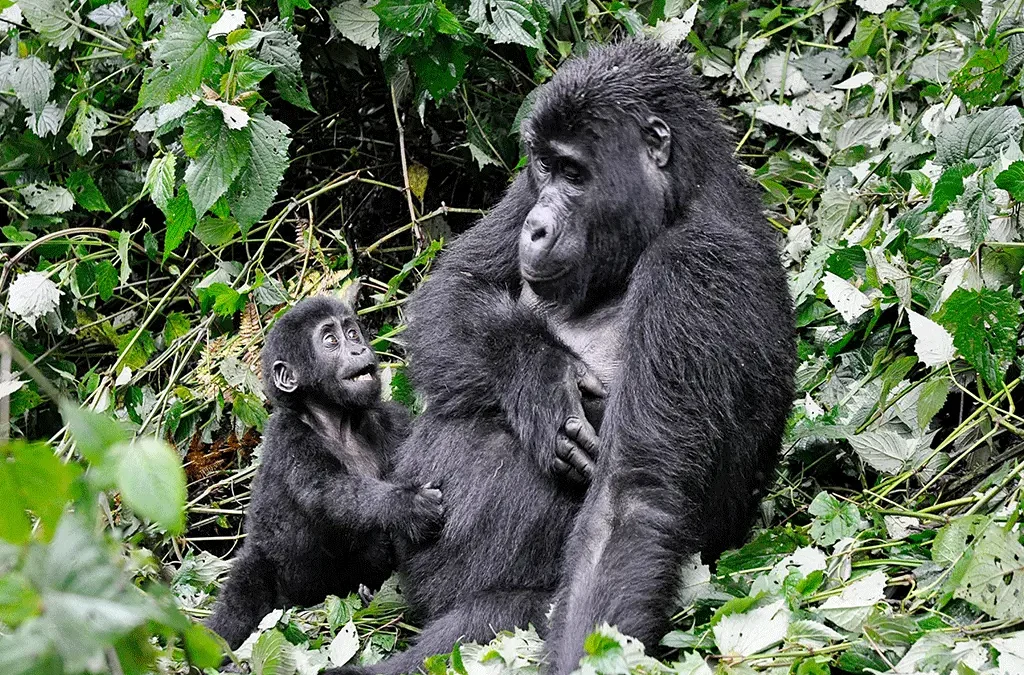
Best time For Gorilla Trekking in Uganda and Rwanda. Travelers ask this question every day. They ask on TripAdvisor, Lonely Planet and also every travel forum online. Here’s the truth. Gorilla trekking works all year round. Bwindi, Mgahinga, and Volcanoes National Park sit inside equatorial forests. Rain falls often in these forests, in every season. Still, some months bring drier trails and clearer skies. This guide breaks down each season in full detail. It shows exactly when to go, what to pack, and how Safari Vacations and Travel Services turns your dream trek into reality.
The Quick Answer
Dry months work best overall. Think June, July, August, and early September. Rainfall drops sharply during these weeks. Trails firm up nicely. Hiking becomes much easier on tired legs. But here’s the catch. Everyone wants these exact dates. Demand spikes fast. Permits vanish within weeks. So act early. Reserve your permit months before you fly. Safari Vacations and Travel Services manages this entire process, so you never miss out.
Why Gorilla Permits Cost So Much

Gorilla trekking in volcanoes National Park
Mountain gorillas remain incredibly rare. Fewer than a thousand survive in the wild today. They live only in one small pocket of Africa. This pocket spans four parks. Bwindi Impenetrable National Park sits in southwest Uganda. Mgahinga National Park lies nearby, also in Uganda. Volcanoes National Park stretches across northern Rwanda. Virunga National Park completes the range in Congo. Because gorillas face real danger from poaching and habitat loss, governments cap visitor numbers strictly. This protects fragile gorilla families. It also drives ticket prices higher.
Rwanda charges USD 1,500 per person for foreign non-residents. African citizens and foreign residents pay USD 1,000 instead. Uganda charges considerably less. Foreign non-residents pay USD 800. Foreign residents pay USD 700. African citizens pay just USD 500. East African citizens pay UGX 300,000. These fees don’t disappear into thin air. They fund ranger patrols daily ,veterinary care for sick gorillas and also fund schools and clinics in nearby villages too.
Given these steep costs, smart timing matters even more. You want dry trails underfoot ,strong odds of spotting a full gorilla family up close and real value for every dollar spent. That’s exactly where careful planning pays off.
Uganda’s Climate, Explained Simply
Uganda sits directly on the equator. This position creates a modified equatorial climate unlike most safari destinations. Two dry seasons arrive each year. Two rainy seasons follow close behind. During wet months, trails turn thick with mud. Some roads leading into Bwindi flood completely and close overnight. Access grows harder as a result. Hiking slows down and demands more energy from every trekker.
Uganda’s Dry Seasons
Uganda enjoys dry weather from June through October. A second, shorter dry spell runs from January into February. During both windows, rainfall drops noticeably. Trails firm up underfoot. Hiking becomes far more comfortable for travelers of every fitness level. June and July draw the largest crowds of the year. Tourists flock in eagerly for the reliable sunshine. Consequently, these two months become the busiest and most competitive for permits.
Uganda’s Rainy Seasons
Long rains soak the land from March through May. Short rains return again from October through December. Heavy downpours drench every trail during these stretches. Mud slows each step considerably. Yet trekking still happens throughout these wetter months. It simply demands more patience and better gear. Some remote lodges close temporarily during the heaviest rain. Some access roads become impassable for days at a time. Still, adventurous travelers find real rewards here, including thinner crowds, lush green scenery, and noticeably lower prices.
Uganda Month by Month which is the Best time For Gorilla Trekking in Uganda and Rwanda?
January and February
The short dry season kicks off in January. Light showers pass through now and then, rarely lasting long. Crowds stay thin compared to the busy mid-year rush. February follows the same comfortable pattern. Trails remain firm and walkable throughout. Prices stay reasonable across most lodges. This window suits travelers seeking good weather without overwhelming crowds or premium pricing.
March, April, and May
Rain returns with real force in March. April brings the single heaviest rainfall of the entire year. Trails turn slick, heavy, and genuinely difficult to navigate. May keeps raining too, though with less intensity than April. Fewer tourists show up during this stretch overall. Prices drop noticeably as demand falls. Budget-conscious travelers often choose this quieter window on purpose.
June, July, August, and September
June officially opens the peak season across the region. Skies clear beautifully throughout the month. Trails dry out fast and stay firm. July continues this excellent pattern, drawing enormous crowds and commanding premium prices at every lodge. August wraps up peak season on a strong note, with conditions remaining excellent throughout. September then offers similarly comfortable weather with noticeably smaller crowds than July. Book early if this stretch fits your calendar. Permits disappear astonishingly fast during these four months.
October, November, and December
October brings fewer tourists and only occasional light rain showers. November turns considerably wetter, with heavier storms rolling through frequently. Still, this particular month suits budget-focused travelers extremely well. December calms everything down again as the year closes. Rains ease off steadily. Trails firm up once more. Conditions turn favorable again, setting the stage nicely for the short dry season just ahead.
Rwanda’s Climate, Explained Simply
Rwanda offers world-class gorilla trekking through Volcanoes National Park exclusively. This park sits within the dramatic Virunga region, close to both the Congo and Uganda borders. Like Uganda, Rwanda splits its calendar year into distinct wet and dry seasons. Weather patterns shift the entire trekking experience dramatically between these two windows.
Rwanda’s Dry Seasons
A short dry season runs from December through February each year. A longer, more reliable dry season stretches from June through September. Both windows bring genuinely predictable weather patterns. Trails stay firm and grippy underfoot. Visibility improves noticeably across the forest canopy. Hiking feels far less strenuous during either of these comfortable stretches.
Rwanda’s Wet Seasons
Short rains fall steadily through October and November each year. Long rains dominate the calendar from March through May instead. April and May bring the heaviest storms of the entire year, often with dramatic afternoon downpours. Trekking grows noticeably tougher during these particular stretches. Trails turn slippery and demand extra caution. Yet gorillas often move down to lower, warmer ground during these wetter months. This natural shift can actually shorten your total hiking distance considerably.
Rwanda Month by Month which is the Best time For Gorilla Trekking in Uganda and Rwanda?
April and May. These two months bring the heaviest rainfall of the entire year across Rwanda. Trekking genuinely gets tougher during this stretch. But costs drop significantly, and gorillas often move closer to accessible, lower terrain. This unique combination appeals strongly to bold, budget-minded adventurers seeking real value.
June through September. Peak season arrives right on schedule in June. Dry trails and wonderfully predictable weather define this entire stretch. July and August draw especially heavy crowds, so early booking becomes essential. September closes out peak season on a genuinely high note, still offering excellent conditions alongside slightly thinner crowds than midsummer.
October and November. Short rains begin gently in October. Weather turns noticeably less predictable throughout this stretch. Crowds thin out considerably, though, and overall costs drop nicely. Travelers who don’t mind the occasional passing shower find real value and quieter trails here.
December through February. Short rains taper off completely by December. Trails firm up again quite quickly. Crowds stay meaningfully smaller than during the busy peak months. This window offers travelers a strong balance between good, reliable weather and lower overall demand.
The Best Overall Windows
Across both countries, two windows stand out: June through September, and December into February. Weather stays stable, skies clear more often, and trails are easier to walk since the ground drains well and grip stays solid on steep sections. Visibility improves too, making for sharper photos and closer-feeling gorilla sightings, while firm ground lets trekkers move at a faster pace.
However, high demand means higher prices and fewer available accommodations. Lodges near Bwindi and Volcanoes National Park fill up months in advance, permit offices see a rush of applications once booking windows open, and flights into Kigali and Entebbe get pricier as seats fill fast.
Book well ahead if these dates fit your plans — ideally four to six months out. Early planning secures better lodge choices, smoother logistics, and a wider pick of trekking dates within your preferred park.
When to Skip, If Possible
March through May brings the toughest conditions of the year, with April as the wettest month — afternoon storms often linger into evening. Trails turn muddy and slow, especially on Volcanoes National Park’s steep slopes and Bwindi’s dense ridges, while swollen streams and slick paths call for sturdy footing and a walking stick.
October and November also see meaningful rain, though lighter than April’s downpours. Afternoon showers usually pass quickly, leaving clear mornings for hiking. These quieter months suit flexible, budget-focused travelers better than first-timers wanting guaranteed clear skies and easy trails.
Permit prices stay constant year-round, but lodge rates often drop during wetter stretches, and trails see far fewer crowds. Travelers who pack proper rain gear and accept a muddier, slower pace often find these months rewarding, with lush scenery and more personal space around each gorilla family.
Trekking Works Year-Round, Rain or Shine
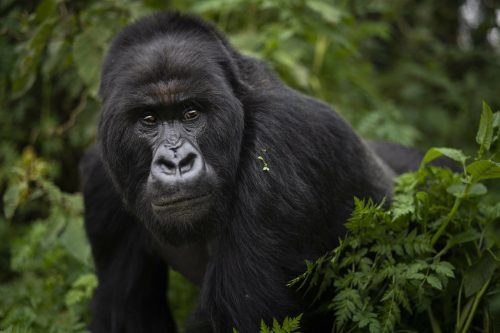
Gorilla trekking seen in a lush green scenery
Here’s genuinely good news for every traveler. You can trek gorillas successfully during any month of the year. Dry seasons offer easier trails and stronger odds of clear, sunny weather. Wet seasons offer lower costs, thinner crowds, and a completely different kind of lush, green adventure. Neither choice counts as wrong here. It simply depends on your personal priorities, whether that means comfort and convenience, or savings and solitude.
Success on the trail depends on far more than timing alone, though. Physical fitness matters enormously on steep volcanic slopes. Proper gear matters just as much. Waterproof hiking boots, sturdy rain jackets, and tough gaiters help enormously, especially outside the peak dry season. A solid walking stick eases every steep climb considerably. Thick gardening gloves protect your hands from stinging nettles and rough branches along the trail. Careful preparation turns a genuinely hard trek into an absolutely unforgettable, joyful memory.


