
Best Time for Chimpanzee Tracking in Uganda and Rwanda 2026/2027

Discover the best time for chimpanzee tracking and experience remarkable encounters with chimpanzees in their natural tropical forest habitat.
The best time for chimpanzee tracking depends on what you want most from your primate safari. Chimpanzee tracking can be enjoyed throughout the year in Uganda and Rwanda, but rainfall, forest conditions, food availability and visitor numbers can influence the experience. Travelers who prefer firmer trails and easier walking normally choose the drier periods, while visitors comfortable with wetter conditions may enjoy greener forests, fewer travelers and productive chimpanzee feeding areas.
Uganda is one of Africa’s leading destinations for chimpanzee tracking because several protected forests offer opportunities to encounter wild chimpanzees. The best known destination is Kibale Forest National Park, where chimpanzee tracking is one of the main safari activities. Rwanda provides another excellent experience in Nyungwe National Park, where chimpanzee trekking can be combined with rainforest walks and the canopy experience. Travelers comparing the two destinations can read more about Nyungwe and Kibale chimpanzee tracking.
When Is the Best Time for Chimpanzee Tracking?
The drier months are generally preferred by travelers whose main priority is easier forest walking. In Uganda, December to February and June to September are popular periods for chimpanzee tracking because rainfall is usually lower and forest trails can be easier to navigate. These months also work well for travelers combining chimpanzees with gorilla trekking, wildlife safaris and other activities. Visitors planning a wider Uganda primate safari can explore the main chimpanzee trekking destinations in Uganda.
However, the best time for chimpanzee tracking should not be determined by rainfall alone. Kibale and Nyungwe are tropical forest environments, meaning rain can occur even during relatively dry months. Chimpanzee movements are also influenced by the availability of fruit and other forest foods. Travelers should therefore consider trekking comfort, photography, permit availability, accommodation prices and the other destinations included in their safari.
Travelers considering Uganda can also read this guide about the best chimpanzee trekking seasons in Uganda. Those planning Rwanda can compare it with information about the best time for chimpanzee trekking in Rwanda.
Dry Season Chimpanzee Tracking
Dry-season chimpanzee tracking is attractive for travelers who prefer more comfortable hiking conditions. Reduced rainfall can mean firmer trails, less mud and easier movement through some parts of the forest. These conditions can be especially useful for senior travelers, photographers carrying camera equipment and visitors combining chimpanzee tracking with other trekking activities. Travelers interested in Uganda’s leading destination can learn more about chimpanzee trekking in Kibale.
One consideration during the popular dry months is demand. Chimpanzee permits and well-located lodges can become more competitive, particularly during the main international holiday periods. Travelers with fixed safari dates should therefore arrange permits and accommodation early. Those interested in spending more time observing chimpanzees can also consider the Chimpanzee Habituation Experience.
Wet Season Chimpanzee Tracking
The wet season should not automatically be considered a poor time for chimpanzee tracking. Rainfall supports fresh forest vegetation and seasonal food supplies, and chimpanzees may sometimes remain around productive feeding areas. The main challenge is that forest trails can become muddy and slippery, making waterproof hiking shoes, rain protection and proper preparation particularly important.
Wet-season travel can be rewarding for visitors interested in lush rainforest scenery, photography and quieter travel periods. Travelers who are flexible with their dates may also find this period attractive. Those interested in spending longer with chimpanzees can compare standard tracking with the best places for chimpanzee habituation.
Kibale or Nyungwe: Which Destination Has the Best Timing?
Kibale is usually the leading choice for travelers focusing on chimpanzee tracking in Uganda. Its location also makes it convenient to combine chimpanzees with Queen Elizabeth National Park, Bwindi Impenetrable National Park and other western Uganda safari destinations. Travelers preparing for the activity can learn more about the time spent with chimpanzees in Kibale. Another useful resource is this Kibale National Park guide.
Nyungwe is an excellent alternative for travelers focusing on Rwanda. Chimpanzee trekking can be combined with rainforest hiking, the canopy walk, Lake Kivu and gorilla trekking in Volcanoes National Park. Travelers planning the Rwanda experience can read more about chimpanzee trekking in Nyungwe.
Choosing the Best Chimpanzee Tracking Season
There is no single month that is perfect for every traveler. June to September and December to February are strong choices for visitors prioritizing easier trekking conditions and combining chimpanzee tracking with a wider Uganda or Rwanda safari. Wetter periods can be rewarding for travelers interested in green forest scenery, quieter travel periods and seasonal chimpanzee feeding activity. The best choice depends on your preferred travel conditions, safari itinerary and overall budget.
Safari Vacations and Travel Services Ltd can help travelers choose suitable dates, arrange chimpanzee permits, select accommodation and combine chimpanzee tracking with other Uganda and Rwanda safari experiences. Travelers interested in a complete primate adventure can explore gorilla trekking with chimpanzee habituation or consider a Kibale chimpanzee safari.
Plan Your Chimpanzee Tracking Safari
Tell Safari Vacations and Travel Services Ltd when you would like to travel, and our safari specialists can help you choose the best time for chimpanzee tracking, check permit availability and design a personalized Uganda or Rwanda primate safari.
Best Months for Chimpanzee Tracking: January to December Guide
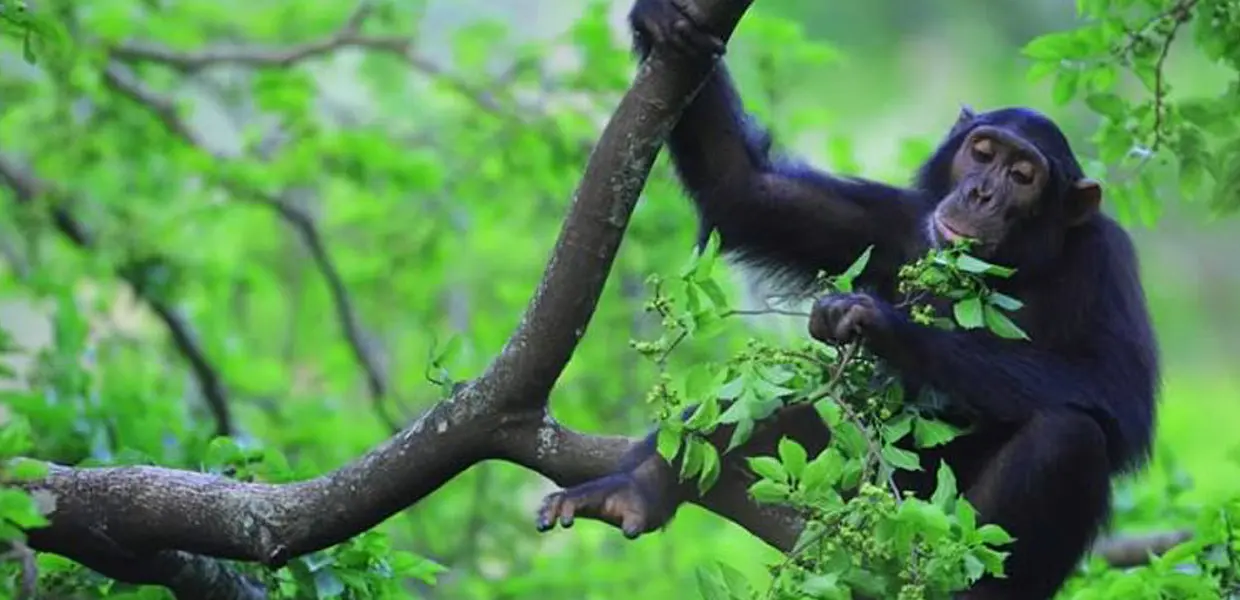
A chimpanzee resting in a forest tree, representing the remarkable primate encounters travelers can experience during the best months for chimpanzee tracking.
Choosing the best months for chimpanzee tracking depends on rainfall, forest conditions, chimpanzee movements and the other activities you want to include in your safari. Uganda and Rwanda offer chimpanzee tracking throughout the year, meaning there is no completely unsuitable month. However, January to February and June to September are generally attractive for travelers who prefer relatively drier forest trails, while wetter months can provide lush scenery, active forests and fewer visitors. Understanding each month makes it easier to choose the best time for chimpanzee tracking for your particular trip.
January: January is one of the popular months for chimpanzee tracking in Uganda and Rwanda. Rainfall is generally lower than during the major rainy periods, which can make forest trails easier to walk. It is a good month for visitors combining chimpanzee tracking with gorilla trekking, game drives and other wildlife activities. Travelers planning Uganda should consider Kibale Forest National Park as one of the main destinations for a January chimpanzee safari.
February: February continues the relatively dry conditions experienced at the beginning of the year and can be an excellent time for travelers who want comfortable forest walking. Temperatures can feel warm during the day, but the forest canopy provides considerable shade. February is also suitable for combining different destinations, especially for travelers researching the best places for chimpanzee trekking in Uganda.
Travelers comparing the beginning of the year with other seasons can also read this detailed guide to the best time for chimpanzee trekking in Uganda.
March: March normally marks the transition toward wetter conditions. Rain can become more frequent, particularly as the month progresses, but chimpanzee tracking remains possible. The forests become increasingly green and visitors prepared for muddy trails can still enjoy rewarding tracking. March can be suitable for travelers who prefer avoiding the busiest tourism periods and who are comfortable carrying proper rain gear.
April: April is usually among the wetter months in Uganda and Rwanda. Forest paths can become muddy and slippery, so waterproof hiking shoes and suitable clothing are important. However, rainfall should not discourage travelers who are comfortable with rainforest conditions. The forest becomes extremely green, and fewer visitors may create a quieter safari atmosphere. Travelers considering a lower-season journey can learn more about low-season chimpanzee travel in Uganda.
May: May remains relatively wet, especially during the earlier part of the month, but rainfall patterns can gradually begin changing as June approaches. It can be a rewarding month for travelers interested in rainforest photography, birdwatching and primate experiences without concentrating entirely on dry weather. Visitors can also include activities around Kibale by exploring activities to combine with chimpanzee trekking.
June: June begins one of the most popular periods for chimpanzee tracking. Rainfall generally reduces, trails can become firmer and the month works particularly well for travelers planning a longer Uganda or Rwanda safari. Because June also falls within a popular travel period, visitors should arrange permits in advance. Safari Vacations and Travel Services Ltd can assist travelers who need to book Kibale chimpanzee permits before arrival.
July: July is one of the strongest months for travelers who prioritize relatively dry trekking conditions. It is also a popular month for international holidays, so chimpanzee permits and quality accommodation can receive strong demand. Visitors planning July travel should confirm their safari early instead of waiting until shortly before departure.
August: August offers conditions similar to July and is another popular month for primate safaris. Travelers can combine Kibale with Queen Elizabeth National Park, Bwindi Impenetrable National Park or other destinations without having to build the entire itinerary around the chimpanzee trek. Visitors who want more than one chimpanzee encounter can also learn whether they can track chimpanzees twice in Kibale.
September: September can be an excellent transitional month. Earlier weeks may still experience relatively favorable walking conditions, although rainfall can increase as the month progresses. Travelers should therefore prepare for both sunshine and rain. Forest conditions can change quickly, making suitable hiking footwear important. Those concerned about the physical demands of the experience can read about Kibale chimpanzee trekking difficulty.
October: October normally falls within a wetter period, bringing greener vegetation and muddier forest paths. Travelers who do not mind rainfall can still enjoy chimpanzee tracking, particularly when their priority is the primate encounter rather than completely dry hiking conditions. A rain jacket, hiking shoes with good grip and protection for cameras and personal belongings become especially useful.
November: November can remain wet, but it is another interesting month for travelers seeking a quieter experience. Forest scenery is particularly green and the trip can be combined with birdwatching and other nature-focused activities. Travelers deciding between Uganda and Rwanda can compare Nyungwe and Kibale chimpanzee tracking before choosing their destination.
For travelers concentrating on Rwanda, this guide to the best time for chimpanzee trekking in Rwanda provides additional information about planning a Nyungwe Forest visit.
December: December begins another popular period for chimpanzee tracking as conditions generally become relatively drier. The second half of the month can be especially busy because of international holidays, making early permit and accommodation reservations important. December works well for families, couples and travelers combining chimpanzees with gorilla trekking or wildlife safaris.
When comparing all twelve months, January, February, June, July, August and much of September are particularly attractive for travelers whose priority is easier forest walking. March, April, May, October and November are wetter but can still provide rewarding chimpanzee encounters for visitors prepared for muddy trails and rainfall. December returns to another popular travel period. The best time for chimpanzee tracking therefore depends less on finding a perfect month and more on matching your expectations with seasonal conditions.
The month you select can also influence whether you choose standard chimpanzee tracking or a longer primate experience. Travelers interested in spending additional time observing chimpanzees can compare the chimpanzee habituation experience in Nyungwe and Kibale. Those mainly concerned about hiking conditions can also review this guide to chimpanzee trekking conditions in Kibale.
Safari Vacations and Travel Services Ltd can help you select suitable travel dates based on your preferred weather, fitness level, photography interests, budget and wider safari itinerary. Instead of choosing a month based only on whether it falls within the dry or rainy season, we can help you consider permit availability, accommodation and the destinations you want to combine with your chimpanzee experience.
Plan Your Chimpanzee Tracking Safari
Tell Safari Vacations and Travel Services Ltd your preferred travel month, number of travelers and destinations you would like to visit. Our team can help you determine the best time for chimpanzee tracking, arrange permits and create a personalized Uganda or Rwanda primate safari.
Dry Season vs Rainy Season for Chimpanzee Tracking

Rainfall keeps chimpanzee habitats lush and green, while seasonal changes can influence forest trails, accessibility and the overall chimpanzee tracking experience.
Understanding the difference between dry-season and rainy-season chimpanzee tracking is important when choosing the best time for chimpanzee tracking in Uganda or Rwanda. Both seasons can provide rewarding encounters, but the experience on the forest trails can be very different. The dry season is generally preferred by travelers looking for easier walking conditions, while the rainy season attracts visitors interested in lush forests, fewer tourists and a different side of the chimpanzees’ tropical habitat.
Chimpanzee Tracking During the Dry Season
Uganda’s main relatively dry periods generally occur from December to February and from June to September. These months are popular for chimpanzee trekking in Kibale National Park because forest trails are normally firmer and easier to navigate than during periods of frequent rain. However, Kibale is a tropical rainforest, so travelers should still expect the possibility of showers at any time of the year.
The greatest advantage of dry-season chimpanzee tracking is walking comfort. Reduced rainfall normally means less mud on the forest floor, which can make trekking easier for visitors who are concerned about slippery conditions. This is particularly useful for photographers carrying equipment, senior travelers and visitors combining several trekking activities during the same safari. Those interested in understanding the wider forest ecosystem can also explore the primates of Kibale National Park before planning their journey.
The dry season can also be a convenient period for travelers combining chimpanzee tracking with gorilla trekking, game drives and other Uganda safari activities. Roads between major destinations can generally be easier to use, while wildlife viewing in savannah parks can complement the rainforest experience. A broader seasonal overview is also available in this guide to the best time to travel to Uganda.
Dry conditions do not necessarily mean that locating chimpanzees will always be quicker. Chimpanzees constantly move through their territories searching for fruit and other foods. Their location can therefore change considerably from one day to another. Travelers should remain flexible because the duration of chimpanzee tracking in Kibale depends partly on where the chimpanzees have moved within the forest.
Chimpanzee Tracking During the Rainy Season
The wetter periods normally occur around March to May and again around October and November, although weather patterns are never completely fixed. Rainy-season chimpanzee tracking remains possible and can be highly rewarding for travelers who arrive properly prepared. In Rwanda, visitors considering Nyungwe can learn more about chimpanzee trekking in Nyungwe during the rainy season.
Rain transforms chimpanzee habitats into rich green forests with fresh vegetation, flowing streams and excellent rainforest scenery. The main disadvantage is the condition of the trails. Mud, wet vegetation and slippery sections can make walking more demanding, especially after sustained rainfall. Waterproof hiking boots with good grip, long trousers and a lightweight rain jacket can greatly improve comfort during the trek.
Visitors should not assume that the rainy season means continuous rainfall throughout every day. Tropical showers may be heavy but can also be interrupted by dry periods. Chimpanzee tracking activities continue throughout the year, although travelers should always be prepared for changing forest conditions. Those planning their trip can review information about chimpanzee tracking permits and fees before selecting their preferred travel dates.
One advantage of traveling during wetter months can be reduced visitor numbers compared with popular peak-season periods. Travelers who value quieter safari environments may therefore find the rainy season attractive. Some seasonal offers may also become available during selected periods, making it useful to check current information about low-season chimpanzee permit opportunities when planning a Uganda safari.
Does Rain Affect Chimpanzee Sightings?
Rainfall can influence forest conditions and chimpanzee movement, but it does not determine whether visitors will have a successful experience. Chimpanzees move according to food availability, social activity and their daily ranging patterns. Fruit distribution within the forest can influence where communities feed, which means trackers and rangers play an important role in locating them.
Kibale remains one of Uganda’s leading chimpanzee destinations throughout the year. Travelers interested in the complete experience can read this guide to chimpanzee trekking in Kibale Forest, including practical information about preparing for the activity.
Which Season Is Better for Photography?
Both seasons offer different photographic advantages. Dry periods can provide more comfortable conditions for carrying cameras and moving along forest trails, while wetter periods produce exceptionally green vegetation and dramatic rainforest scenery. Photographers traveling during the rainy season should carry waterproof protection for cameras, lenses and other electronic equipment.
Chimpanzees can move quickly through the canopy and dense vegetation, so photography is never completely predictable. Travelers interested in spending more time observing chimpanzee behavior may consider the chimpanzee habituation experience, which differs from a standard chimpanzee tracking excursion.
Which Season Is Easier for Chimpanzee Tracking?
For most travelers, the dry season provides easier physical trekking conditions because trails are generally less muddy. This does not mean chimpanzee tracking is always easy. The animals are wild and mobile, so visitors may need to walk through uneven forest terrain before finding them. Fitness, footwear and the location of the chimpanzees on the day can be more important than the season alone. Travelers concerned about physical requirements can learn more about how challenging chimpanzee trekking in Kibale can be.
Dry Season or Rainy Season: Which Should You Choose?
Choose the dry season if your priority is relatively comfortable trekking, firmer trails and combining chimpanzee tracking with a wider wildlife safari. Consider the rainy season if you are comfortable walking on wetter trails and value green scenery, rainforest photography and potentially quieter travel periods. Visitors comparing the region’s leading chimpanzee destinations can also explore Kibale and Nyungwe chimpanzee tracking before deciding where and when to travel.
The best time for chimpanzee tracking therefore depends on the experience you want rather than simply choosing the driest month. Safari Vacations and Travel Services Ltd can help match your preferred dates with suitable destinations, accommodation and available chimpanzee permits. Travelers with fixed travel dates should arrange their permits early, particularly during popular months, and can review the process for booking chimpanzee permits for Kibale National Park.
Plan Your Chimpanzee Tracking Safari
Contact Safari Vacations and Travel Services Ltd for help choosing between dry-season and rainy-season chimpanzee tracking. Share your preferred travel dates and safari interests, and our team can help arrange chimpanzee permits, accommodation, transportation and a personalized Uganda or Rwanda primate safari.
Best Time for Chimpanzee Tracking in Kibale National Park
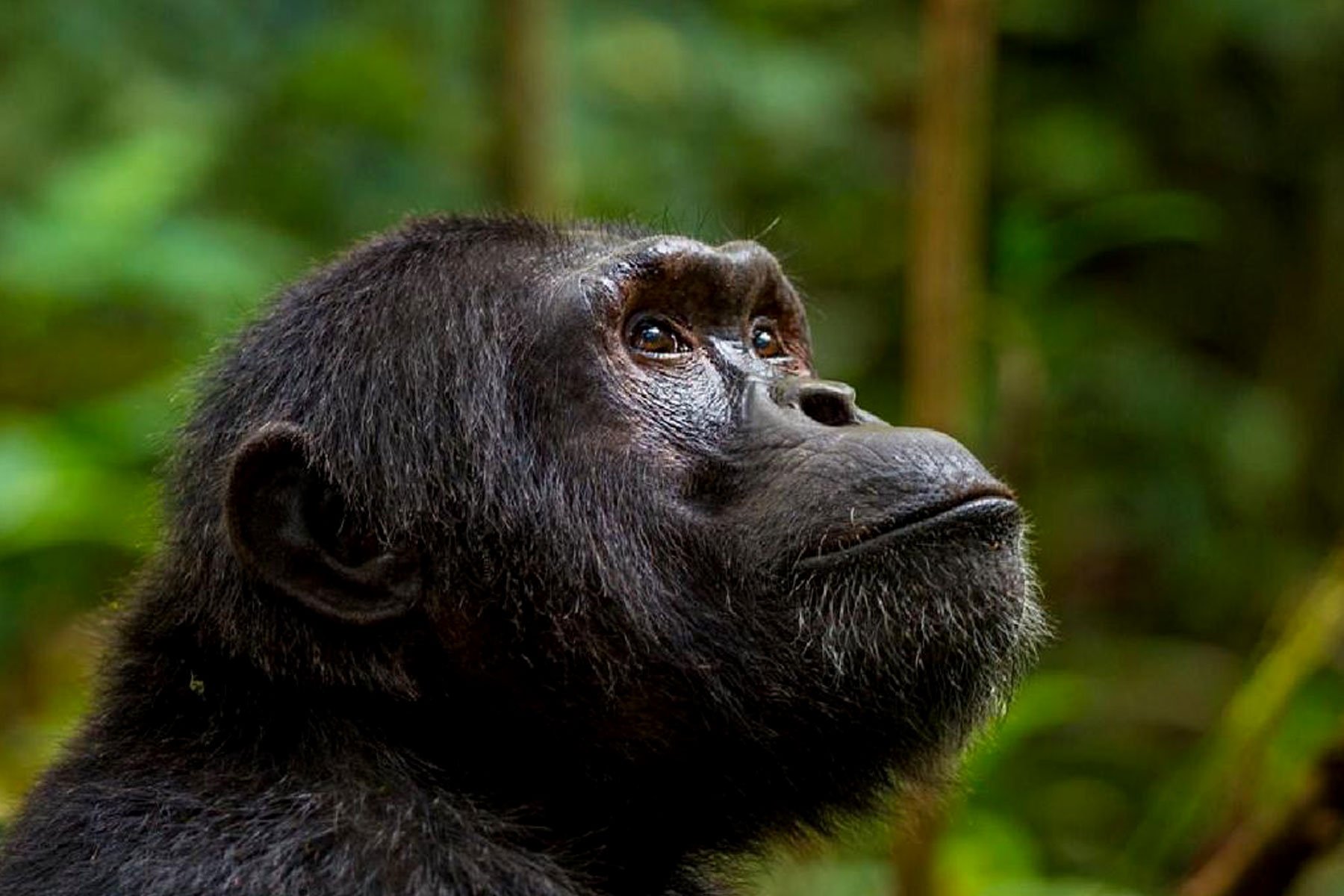
A chimpanzee in a lush tropical forest, highlighting the remarkable primate encounters visitors can experience while chimpanzee tracking in Kibale National Park, Uganda.
Kibale National Park is Uganda’s leading destination for chimpanzee encounters and one of the most important places to consider when deciding the best time to visit Kibale. Chimpanzee tracking is available throughout the year, but seasonal rainfall affects trail conditions, forest vegetation and the overall trekking experience. For travelers who prefer relatively easier walking conditions, June to September and December to February are generally the most convenient months. The Kibale National Park guide provides additional information for travelers planning a complete visit.
Best Dry-Season Months for Chimpanzee Tracking in Kibale
June, July, August and September form one of the most popular periods for chimpanzee tracking in Kibale. Rainfall is generally lower and forest trails are normally less muddy than during the main rainy periods. December, January and February also provide relatively favorable conditions. These months are especially suitable for travelers combining chimpanzee tracking in Uganda with gorilla trekking, wildlife viewing and other safari activities.
The dry season is often preferred because walking conditions are generally easier, but Kibale remains a tropical rainforest and rainfall can occur at any time. The difficulty of a trek also depends on the location and movement of the chimpanzees on the day. Travelers concerned about fitness and trail conditions can read more about Kibale chimpanzee trekking difficulty. Another useful resource explains how hard chimpanzee trekking in Kibale can be.
Chimpanzee Tracking in Kibale During the Rainy Season
March to May and October to November generally bring wetter conditions to Kibale. Trails may become muddy and slippery, making waterproof hiking shoes and rain protection important. However, these months should not be dismissed. Increased forest food availability can influence chimpanzee movements, while the rainforest becomes exceptionally green and attractive for photography.
Travelers comfortable with rainfall may also enjoy quieter conditions during some wetter periods. Chimpanzee tracking continues throughout the year, so visitors with fixed travel dates do not necessarily need to postpone their safari because their journey falls within a rainy month. A general overview of the destination is also available through this Kibale Forest National Park guide.
Morning or Afternoon Chimpanzee Tracking in Kibale
Chimpanzee tracking in Kibale is organized in different sessions, allowing travelers to fit the experience into a wider safari itinerary. The most suitable session can depend on permit availability and the other activities planned for the day. Travelers considering a later excursion can learn more about an afternoon chimpanzee trek in Kibale.
Regardless of the chosen session, visitors should arrive prepared for changing rainforest weather. Chimpanzees are mobile wild animals, so the time required to locate them can vary. This unpredictability is part of the experience and makes having an experienced ranger guide particularly important.
When Should You Book Kibale Chimpanzee Permits?
Travelers visiting Kibale during the popular dry-season months should arrange chimpanzee permits well before their safari dates. Permit availability is limited, and demand can increase during June to September and December to February. Safari Vacations and Travel Services Ltd can assist with booking chimpanzee permits for Kibale as part of a complete Uganda safari.
Visitors should confirm permit availability before finalizing accommodation and other non-refundable arrangements. Travelers wanting additional information can also review this guide on how to book Kibale chimpanzee permits.
Chimpanzee Tracking or Chimpanzee Habituation in Kibale?
Travelers who want more time observing chimpanzee behavior can consider the chimpanzee habituation experience. This provides a different experience from standard tracking and is particularly attractive to photographers, primate enthusiasts and travelers who want a deeper understanding of chimpanzee behavior.
The best time for chimpanzee tracking in Kibale therefore depends on whether your priority is easier trails, greener rainforest scenery, photography or combining several Uganda attractions. Dry months generally provide easier walking conditions, while wetter periods can still offer excellent chimpanzee experiences for properly prepared travelers.
What Else Can You Combine with Chimpanzee Tracking?
Kibale is worth spending more than a single day in because chimpanzee tracking can easily be combined with other nature and cultural activities. One popular combination is chimpanzee tracking and Bigodi nature walks, which adds birdwatching, primates and wetland scenery to the itinerary. Travelers can also explore other activities to combine with chimpanzee trekking around Kibale and Fort Portal.
For a larger primate safari, Kibale combines particularly well with Bwindi Impenetrable National Park. Travelers can experience chimpanzees in Kibale before continuing south for mountain gorillas. Those interested in a more intensive primate itinerary can consider combining gorilla trekking with chimpanzee habituation.
Plan Your Kibale Chimpanzee Tracking Safari
Safari Vacations and Travel Services Ltd can help you choose the best time for chimpanzee tracking in Kibale National Park based on your preferred travel month, budget and wider Uganda itinerary. We can assist with chimpanzee permits, accommodation, transportation and combinations with Bigodi, Queen Elizabeth National Park, Bwindi and other destinations.
Best Time for Chimpanzee Tracking in Uganda’s Other Chimpanzee Destinations

Visitors enjoy a close chimpanzee encounter in a tropical forest, highlighting the exciting primate tracking experiences available across Uganda.
Although Kibale National Park is Uganda’s best-known chimpanzee destination, travelers can also enjoy rewarding primate experiences in Budongo Forest, Kyambura Gorge and Kalinzu Forest Reserve. Choosing the best chimpanzee tracking destination in Uganda depends on your safari route, preferred forest environment, budget and the other wildlife experiences you want to combine with chimpanzee tracking. These alternative forests are particularly useful for travelers visiting Murchison Falls National Park or Queen Elizabeth National Park.
Best Time for Chimpanzee Tracking in Budongo Forest
Budongo Forest is an excellent alternative for travelers visiting northwestern Uganda and is particularly convenient when combined with Murchison Falls National Park. The forest is known for chimpanzee trekking, impressive mahogany trees, birdlife and a quieter forest atmosphere. Travelers planning this experience can explore a detailed Budongo Forest safari guide before deciding when to travel.
The relatively drier periods from December to February and June to September are generally convenient for visitors who prefer firmer walking trails. Wetter periods can make sections of the forest muddy, although chimpanzee tracking remains possible. Travelers should therefore choose their dates according to their tolerance for rain rather than assuming that chimpanzee tracking is restricted to the dry season.
Budongo is especially suitable for travelers who want to combine chimpanzees with game drives, the Nile and other attractions around Murchison Falls. Visitors comparing costs and planning requirements can read more about the cost of chimpanzee trekking in Budongo. Those interested in a longer primate encounter can also explore the Budongo chimpanzee habituation experience.
Travelers considering Budongo alongside other destinations can also use this Uganda chimpanzee trekking guide to compare the country’s major chimpanzee forests.
Best Time for Chimpanzee Tracking in Kyambura Gorge
Kyambura Gorge provides one of Uganda’s most distinctive chimpanzee experiences. Located within Queen Elizabeth National Park, the forested gorge contrasts dramatically with the surrounding savannah. This makes chimpanzee trekking in Kyambura Gorge an excellent addition to a wildlife safari that already includes game drives and a boat safari on the Kazinga Channel.
Travelers looking for easier walking conditions generally prefer the relatively drier months. During wetter periods, the steep sections and forest paths inside the gorge can become slippery, so visitors should carry suitable hiking shoes and rain protection. March to May may receive more rainfall, while June to September generally provides more comfortable conditions for visitors who want to combine chimpanzee tracking with other Queen Elizabeth National Park activities.
Chimpanzees move freely through the gorge, meaning the duration of each trek can vary. Travelers who want to understand the activity before booking can read about the time required for chimpanzee trekking in Kyambura. Permit arrangements should also be made before the safari, especially when traveling during popular months. Our guide explains how to obtain Kyambura chimpanzee permits.
Kyambura works particularly well for travelers who want chimpanzee tracking without adding a separate rainforest destination to their itinerary. More information about the wider experience is available in this guide to chimpanzee trekking in Queen Elizabeth National Park.
Best Time for Chimpanzee Tracking in Kalinzu Forest
Kalinzu Forest Reserve is another excellent chimpanzee destination near Queen Elizabeth National Park. It is attractive to travelers looking for a quieter forest experience and an alternative to Kibale. Visitors can learn more about chimpanzee trekking in Kalinzu Forest when comparing Uganda’s different primate destinations.
The dry-season months are generally more convenient for trekking because forest paths tend to be less slippery. However, Kalinzu remains a tropical forest and visitors should be prepared for rainfall throughout the year. Wetter months provide lush vegetation and excellent forest scenery but require suitable footwear and waterproof clothing.
Kalinzu is especially useful for travelers whose itinerary already includes Queen Elizabeth National Park because chimpanzee tracking can be incorporated without a major diversion. This makes it possible to combine primates with game drives, tree-climbing lions, birdwatching and boat safaris during the same journey. Travelers comparing options can review the best parks for chimpanzee trekking in Uganda.
Visitors interested in comparing Budongo, Kyambura and Kalinzu with Kibale can also read about the best chimpanzee trekking places in Uganda. Another useful resource is this guide to Uganda chimpanzee safari tours, particularly for travelers building a longer primate itinerary.
Budongo, Kyambura or Kalinzu: Which Should You Choose?
Budongo Forest is a strong choice for travelers combining chimpanzee tracking with Murchison Falls National Park. Kyambura Gorge is ideal for visitors already staying inside Queen Elizabeth National Park and wanting to add a distinctive forest experience to a traditional wildlife safari. Kalinzu Forest is convenient for travelers visiting southwestern Uganda who want a quieter alternative close to Queen Elizabeth National Park.
There is no single best destination for every traveler. Your choice should depend on your safari route, available days, budget and the wildlife experiences you want to combine. A broader comparison of where to track chimpanzees in Uganda can help you determine whether Kibale, Budongo, Kyambura or Kalinzu fits your itinerary best.
Plan Your Uganda Chimpanzee Tracking Safari
Safari Vacations and Travel Services Ltd can help you choose the best time for chimpanzee tracking and select the most convenient forest for your Uganda itinerary. Whether you prefer Kibale, Budongo, Kyambura Gorge or Kalinzu Forest, our team can arrange permits, accommodation, transportation and combinations with Uganda’s national parks.
Best Time for Chimpanzee Trekking in Nyungwe National Park, Rwanda
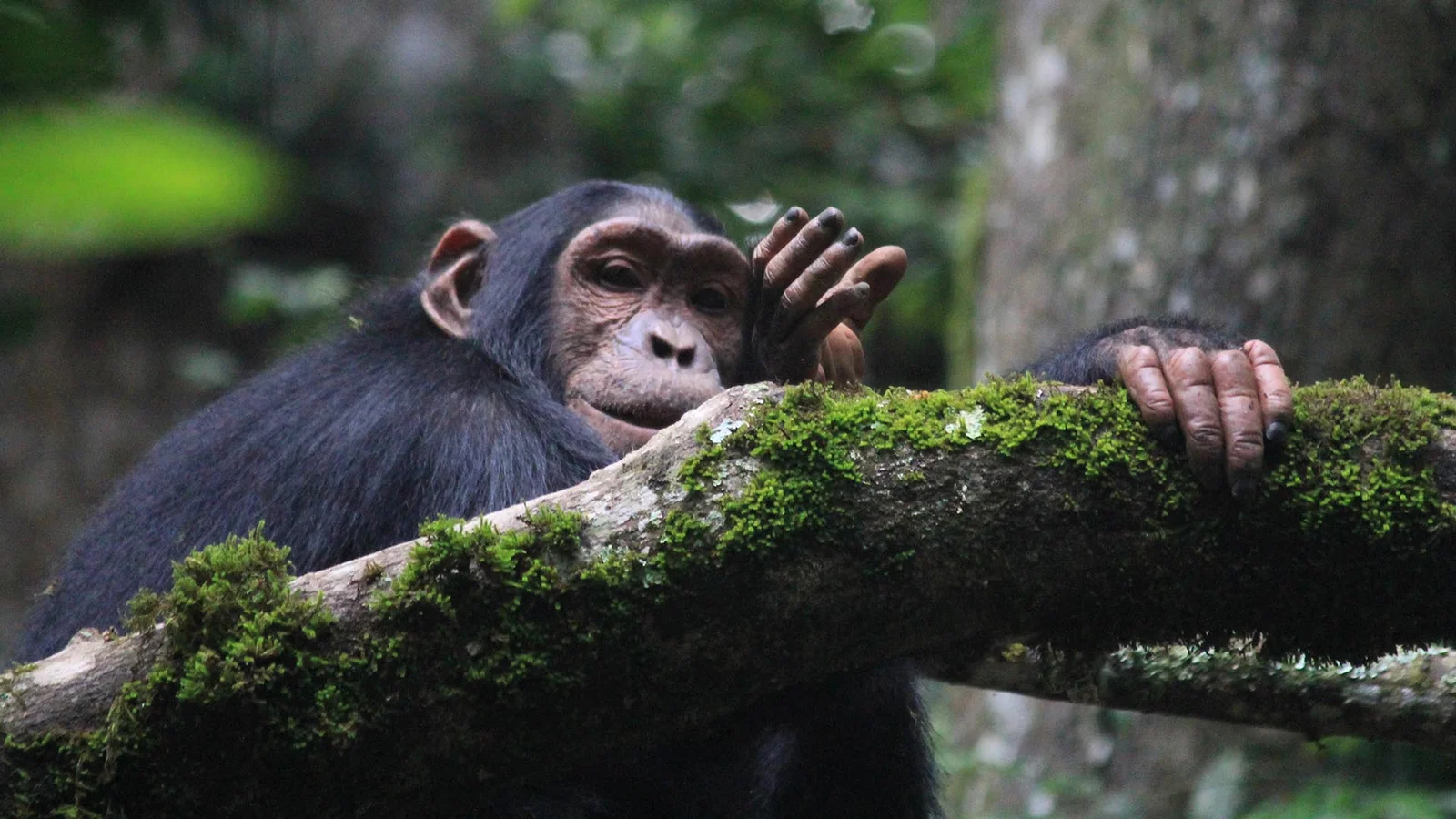
Chimpanzee encounters are one of the highlights of exploring Rwanda’s Nyungwe National Park, with seasonal conditions influencing the overall trekking experience.
Nyungwe National Park is Rwanda’s leading destination for wild chimpanzee encounters and an important place to consider when choosing the best time for Nyungwe chimpanzee trekking. Chimpanzee trekking is available throughout the year, but rainfall can influence forest trails, chimpanzee movements and the physical difficulty of the trek. Travelers who prioritize easier walking often prefer the relatively drier months, while wetter periods can also provide rewarding tracking because increased forest food may reduce the distances chimpanzees need to travel.
Dry Season Chimpanzee Trekking in Nyungwe
The relatively drier periods, especially from June to September and around December to February, are popular with travelers because forest trails are generally easier to walk. Nyungwe is mountainous and some trails can be steep, meaning reduced rainfall can make the trekking experience more comfortable. Visitors concerned about fitness and terrain can read more about chimpanzee trekking difficulty in Nyungwe.
Dry-season travel is especially suitable for visitors combining chimpanzee trekking with forest hiking, the canopy walkway, Lake Kivu and other Rwanda attractions. However, Nyungwe is a rainforest and showers can occur even during relatively dry months, so travelers should always carry appropriate rain protection.
Visitors planning around comfortable walking conditions can also compare recommendations about the best time for chimpanzee trekking in Rwanda before confirming their safari dates.
Rainy Season Chimpanzee Trekking in Nyungwe
The wetter periods generally occur from March to May and again around October and November. Although forest trails can become muddy and slippery, the rainy season can still be a very good time for chimpanzee tracking. Greater food availability within productive forest areas may reduce chimpanzee movement, sometimes making their location more favorable for trackers. Travelers considering these months can learn more about rainy-season chimpanzee trekking in Nyungwe.
The main challenge is trekking comfort. Visitors should expect wet vegetation, mud and potentially slippery sections. Hiking boots with strong grip, long trousers, rain jackets and waterproof protection for cameras are recommended. Travelers who are properly prepared can enjoy exceptionally green forest scenery and potentially quieter conditions than during popular dry-season periods.
When Are Chimpanzees Easier to Find in Nyungwe?
Chimpanzee movements depend heavily on food availability rather than rainfall alone. During periods when fruit and other foods are abundant, chimpanzees may spend more time feeding within particular areas. During drier periods, food distribution can change and the animals may travel farther through their large forest territory. This is one reason why the Nyungwe chimpanzee trekking experience can vary considerably between seasons and even from one day to another.
Travelers should therefore avoid assuming that the driest month automatically provides the easiest chimpanzee sightings. Dry periods can offer easier walking, while wetter periods may sometimes favor chimpanzee location. Experienced trackers use calls, feeding signs and recent chimpanzee movements to help locate the habituated communities.
Nyungwe Chimpanzee Permits and Booking
A valid permit is required before participating in chimpanzee trekking in Nyungwe National Park. Travelers visiting during popular months should secure permits early because availability is controlled. Safari Vacations and Travel Services Ltd can assist visitors who need information about booking chimpanzee permits in Rwanda.
Permit costs and park fees should always be confirmed when booking because tourism tariffs can change. Visitors estimating their safari budget can review information about the cost of visiting chimpanzees in Nyungwe. Another useful planning resource covers chimpanzee trekking prices in Rwanda.
Combining Chimpanzee Trekking with the Nyungwe Canopy Walk
One advantage of visiting Nyungwe is the opportunity to combine chimpanzee trekking with the famous rainforest canopy walkway. Travelers can dedicate separate periods of their itinerary to primate tracking and forest exploration, creating a more complete Nyungwe experience. Those planning both activities can explore a Nyungwe chimpanzee and canopy walk safari.
Travelers who also want mountain gorillas can extend the journey beyond Rwanda or combine several primate destinations. One option is combining Nyungwe chimpanzees with Bwindi gorillas, creating a safari that includes two of Africa’s most sought-after primate encounters.
Combining Nyungwe with Lake Kivu
Nyungwe also combines naturally with Lake Kivu, allowing travelers to balance physically demanding forest activities with lakeside relaxation. A Nyungwe chimpanzee and Lake Kivu safari can be particularly attractive for visitors who want a varied Rwanda itinerary rather than concentrating entirely on trekking.
Travelers who want a longer itinerary can consider a Nyungwe and Lake Kivu safari or combine Nyungwe with Volcanoes National Park for gorilla and golden monkey experiences.
Nyungwe or Kibale for Chimpanzee Tracking?
Travelers visiting only Rwanda may find Nyungwe the most convenient chimpanzee destination, while visitors concentrating on Uganda often choose Kibale National Park. The two forests provide different terrain, safari routes and overall experiences. Travelers considering both countries can use this Nyungwe versus Kibale chimpanzee comparison to decide which destination better suits their safari.
Another useful comparison is available through this guide to Kibale and Nyungwe chimpanzee trekking. Ultimately, the best time for chimpanzee tracking in Nyungwe depends on whether you prioritize easier trails, potentially favorable chimpanzee feeding conditions, photography, fewer visitors or combining the trek with other Rwanda attractions.
Plan Your Nyungwe Chimpanzee Safari
Safari Vacations and Travel Services Ltd can help you select suitable travel dates, arrange Nyungwe chimpanzee permits, accommodation and transportation, and combine chimpanzee trekking with the canopy walk, Lake Kivu, Volcanoes National Park or a longer Uganda and Rwanda primate safari.
Chimpanzee Tracking Permits, Prices and When to Book for 2026/2027
Understanding chimpanzee permit prices is an important part of choosing the best time for chimpanzee tracking. A permit gives a traveler authorization to participate in an organized chimpanzee trek on a specific date and destination. Permit prices vary between Uganda and Rwanda and can also differ according to nationality, residency status and the type of chimpanzee experience selected.
Kibale Chimpanzee Permit Prices for 2026
Uganda Wildlife Authority’s published 2024–June 2026 tariff listed standard Kibale chimpanzee permits at USD 250 per person for foreign non-residents, USD 200 for foreign residents and UGX 180,000 for East African citizens. Because Uganda Wildlife Authority has since announced a revised tariff structure, travelers visiting later in 2026 should confirm the applicable date-specific rate when making their reservation.
An important development for 2026 is the introduction of discounted low-season chimpanzee permits. Uganda Wildlife Authority announced low-season rates for April, May and November of USD 200 for foreign non-residents and USD 150 for foreign residents. Travelers considering these months can therefore compare the potential savings with rainfall and trekking conditions when deciding on the low-season chimpanzee trekking experience.
These discounted permits have an important condition: low-season permits cannot be rescheduled. Travelers should therefore be confident about their dates before confirming payment. For broader planning information, visitors can review current chimpanzee tracking permits and fees before finalizing their safari.
Kibale Chimpanzee Permit Prices for 2027
Uganda Wildlife Authority has announced revised chimpanzee permit prices effective from January 1, 2027. Standard chimpanzee tracking in Kibale National Park will cost USD 300 for foreign non-residents, USD 200 for foreign residents, USD 100 for visitors classified under Rest of Africa and UGX 180,000 for East African citizens. Travelers planning a 2027 safari should therefore calculate their budget using the new tariff rather than older Kibale prices.
Travelers comparing standard trekking with a longer experience can also consider the chimpanzee habituation experience. From January 1, 2027, Uganda Wildlife Authority has announced habituation rates of USD 400 for foreign non-residents, USD 300 for foreign residents, USD 250 for Rest of Africa visitors and UGX 250,000 for East African citizens.
Visitors wanting another explanation of the booking process can also read this guide to booking Kibale chimpanzee permits.
Kyambura Gorge Chimpanzee Permit Prices
Chimpanzee tracking in Kyambura Gorge provides a useful alternative for travelers visiting Queen Elizabeth National Park. Uganda Wildlife Authority has announced that from January 1, 2027, Kyambura chimpanzee tracking will cost USD 200 for foreign non-residents, USD 150 for foreign residents, USD 100 for Rest of Africa visitors and UGX 50,000 for East African citizens. Travelers interested in this experience can learn how to obtain Kyambura chimpanzee permits before arranging accommodation around Queen Elizabeth National Park.
Kyambura can be particularly convenient for travelers combining chimpanzees with game drives, tree-climbing lions and the Kazinga Channel. More information about planning the activity is available in our guide to chimpanzee trekking in Queen Elizabeth National Park.
Nyungwe Chimpanzee Permit Prices in Rwanda
Travelers planning chimpanzee trekking in Rwanda require a permit for Nyungwe National Park. Current planning information lists the Nyungwe chimpanzee trekking permit at USD 250 per person for foreign non-residents, USD 75 for foreign residents and USD 25 for qualifying East African visitors. Because Rwanda tourism tariffs can change, travelers should confirm the applicable rate for their exact travel dates before payment. Safari Vacations and Travel Services Ltd can assist with buying chimpanzee permits in Rwanda.
Travelers preparing their Rwanda safari budget can also read about the cost of visiting chimpanzees in Nyungwe. Additional information is available through this guide to the cost of a Nyungwe chimpanzee permit.
When Should You Book a Chimpanzee Permit?
Chimpanzee permits should be arranged as soon as your safari dates are reasonably certain, particularly if you plan to travel between June and September or during December and January. These months attract strong safari demand, and waiting until shortly before departure can reduce your choice of trekking dates and accommodation.
Uganda Wildlife Authority also announced that from March 1, 2026, the previous seven-day unpaid reservation window was suspended. Operators now secure permits upon full payment at the time of booking. This makes early confirmation particularly important for travelers with fixed dates. Visitors can learn more about Kibale chimpanzee permit availability when planning busy-season travel.
A useful additional resource is this guide explaining how to book chimpanzee permits in Uganda. Booking early is particularly important for families, private groups and travelers whose international flights allow little flexibility in their itinerary.
What Does a Chimpanzee Permit Cover?
In Kibale, the permit covers the guided chimpanzee tracking experience and applicable park access associated with the activity. Accommodation, transportation, meals and other safari activities are normally separate unless included within a complete tour package. Travelers should therefore consider the entire safari cost rather than looking only at the permit price. Our Uganda chimpanzee tracking guide explains how the activity can be incorporated into a longer itinerary.
Travelers planning to combine chimpanzees with mountain gorillas should secure both activities before finalizing their route because permit availability can determine the order of destinations. Safari Vacations and Travel Services Ltd can coordinate permits through a complete gorilla and chimpanzee safari in Uganda, reducing the difficulty of arranging different permits independently.
Plan and Book Your Chimpanzee Permits
Safari Vacations and Travel Services Ltd can check chimpanzee permit availability, confirm the applicable 2026 or 2027 tariff and arrange your permits together with accommodation, transport and the rest of your Uganda or Rwanda safari. Because permit prices and booking policies can change, we recommend confirming the official rate applicable to your exact trekking date before making payment.
What to Wear and Pack for Chimpanzee Tracking in Every Season
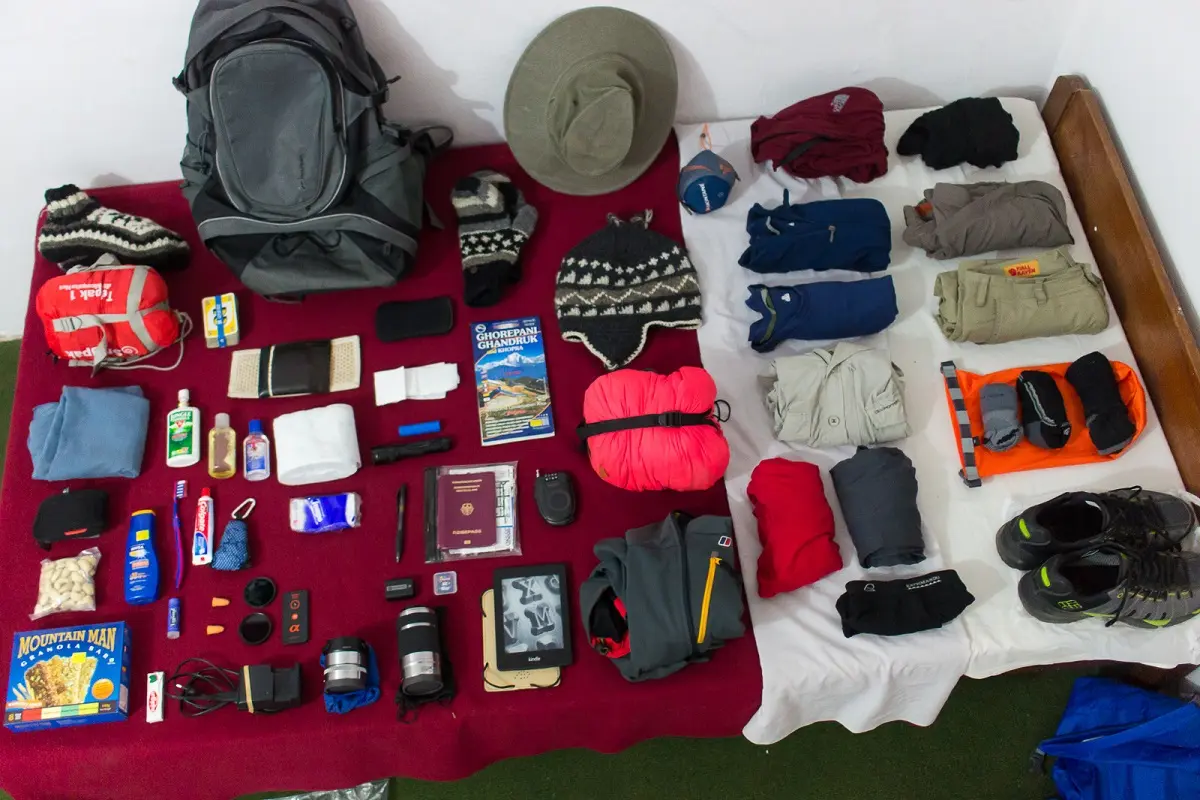
Essential clothing and equipment for chimpanzee tracking include sturdy hiking footwear, comfortable outdoor clothing, rain protection, a backpack and useful photography gear.
Knowing what to wear is almost as important as choosing the best time for chimpanzee tracking. Kibale, Nyungwe, Budongo, Kyambura and Kalinzu are forest environments where conditions can change quickly, even during the relatively dry months. A practical chimpanzee trekking packing list should therefore prepare travelers for rain, mud, humidity, insects, uneven trails and changing temperatures without making the daypack unnecessarily heavy.
Wear Strong Waterproof Hiking Boots
Comfortable waterproof hiking boots with good grip are among the most important items for chimpanzee tracking. Forest floors can remain damp even during dry periods, while roots, leaves and mud can make sections slippery. Boots with ankle support are particularly useful when walking over uneven terrain. Travelers preparing specifically for Kibale can review this guide to chimpanzee trekking in Kibale for additional preparation advice.
New hiking boots should ideally be worn before the safari so they are comfortable by the time of the trek. Travelers can also compare recommendations in this chimpanzee trekking clothing guide.
Long Trousers and Long-Sleeved Shirts
Long trousers and lightweight long-sleeved shirts help protect the skin from branches, insects, stinging vegetation and scratches while moving through the forest. Lightweight quick-drying fabrics are generally more practical than heavy clothing because chimpanzee habitats can become warm and humid during the trek. Travelers looking for broader preparation advice can consult this Uganda safari and trekking packing guide.
Neutral outdoor clothing is practical for rainforest activities. There is no need to purchase expensive specialist safari clothing as long as your clothes are comfortable, protective and suitable for walking. This is particularly important for visitors who may spend several hours following chimpanzees through the forest.
Always Carry a Lightweight Rain Jacket
A rain jacket should be carried regardless of the month you visit. Kibale and Nyungwe are rainforest environments where showers can occur even during the drier season. During March to May and October to November, reliable rain protection becomes even more important. Visitors planning Rwanda can use this Nyungwe chimpanzee packing guide when preparing for forest conditions.
Travelers visiting during the wetter months should also consider gaiters. They help reduce the amount of mud, water and forest debris entering hiking boots. The importance of good rain protection becomes especially clear when considering rainy-season chimpanzee trekking in Nyungwe.
What to Carry in Your Daypack
A small waterproof backpack is usually enough for the trek. Carry drinking water, rain protection, a camera, spare batteries, insect repellent, sunscreen and any essential personal medication. Snacks may also be useful depending on the expected length of the activity and arrangements made by your safari operator. Visitors undertaking the longer chimpanzee habituation experience should prepare more carefully because they may spend considerably longer in the forest than visitors participating in standard tracking.
Travelers interested in the Kibale experience can also review this Kibale chimpanzee trekking guide, which includes practical packing information for the forest.
Protect Cameras and Electronic Equipment
Chimpanzee photography can be one of the highlights of the safari, but rainforest moisture can damage cameras, phones and other electronics. Keep valuable equipment inside a waterproof backpack, dry bag or protective cover. Carrying a lens cloth is also helpful because humidity and rain can quickly affect camera lenses.
Photographers planning Nyungwe should prepare for both rain and steep forest terrain. Our detailed Nyungwe chimpanzee guide provides additional information about preparing for the Rwanda experience.
Dry-Season Packing for Chimpanzee Tracking
During the relatively drier periods of June to September and December to February, travelers can usually concentrate on lightweight trekking clothes, strong hiking boots and a compact rain jacket. However, waterproof equipment should not be left at the lodge because unexpected showers are still possible. Visitors preparing for Uganda’s main chimpanzee destination can read the Kibale travel guide before deciding what equipment to carry.
Rainy-Season Packing for Chimpanzee Tracking
During wetter periods, waterproofing becomes a greater priority. Travelers should carry a dependable rain jacket, waterproof hiking boots, gaiters and protection for cameras and documents. Quick-drying trousers and shirts are particularly useful because clothing can become wet from both rainfall and vegetation. Comparing the Nyungwe and Kibale chimpanzee experience can also help travelers understand differences in terrain and preparation.
Even during wetter months, avoid carrying an oversized backpack. A heavy bag can make climbing, balancing and following chimpanzees through the forest more difficult. Travelers who need assistance can ask whether a porter is available at their chosen destination. Additional practical ideas can be found in this Kibale chimpanzee tracking guide.
What Should You Wear for Nyungwe and Kibale?
The basic clothing requirements are similar in both forests: strong waterproof hiking boots, long trousers, a long-sleeved shirt and lightweight rain protection. Nyungwe can involve steep and physically demanding terrain, while Kibale can also become muddy after rainfall. Travelers should therefore prioritize comfort and grip instead of ordinary trainers or fashion footwear.
Whatever month you choose, preparing for both sunshine and rainfall is the safest approach. The best time for chimpanzee tracking may provide relatively favorable weather, but tropical forest conditions remain unpredictable throughout the year.
Plan Your Chimpanzee Tracking Safari
Safari Vacations and Travel Services Ltd can advise you on what to pack according to your travel month, chimpanzee destination and wider safari itinerary. We can also arrange chimpanzee permits, accommodation, transportation and combinations with gorilla trekking, wildlife safaris and other Uganda or Rwanda experiences.
Best Time to Combine Chimpanzee Tracking with Gorilla Trekking and an African Safari

Combine chimpanzee tracking with gorilla trekking and a classic African safari for a diverse journey featuring primates, rainforest adventures and wildlife viewing.
Combining chimpanzee tracking with gorilla trekking and wildlife viewing is one of the best ways to experience Uganda and Rwanda in a single journey. The best time for chimpanzee tracking can therefore also depend on the other activities included in your safari. Travelers who want primate trekking together with game drives usually favor relatively drier periods such as June to September and December to February, although rewarding combined safaris can be arranged throughout the year.
Kibale, Queen Elizabeth and Bwindi Safari
One of Uganda’s most practical primate and wildlife routes combines Kibale National Park, Queen Elizabeth National Park and Bwindi Impenetrable National Park. Travelers begin with chimpanzee tracking in Kibale, continue to Queen Elizabeth for game drives and other wildlife activities, and then travel south for mountain gorilla trekking in Bwindi. A gorilla and chimpanzee safari in Uganda therefore offers two very different great ape encounters within one itinerary.
This route is particularly attractive because the destinations fit naturally into Uganda’s western safari circuit. Visitors can experience tropical rainforest, savannah wildlife and mountain forest without unnecessary backtracking. Travelers interested in adding wildlife between their primate experiences can explore a Uganda primate and Queen Elizabeth safari.
Best Time for a Gorilla and Chimpanzee Safari
June to September and December to February are generally convenient months for travelers who want relatively easier trekking conditions in both Kibale and Bwindi. Reduced rainfall can make forest trails more manageable, particularly when travelers have two demanding primate activities within the same itinerary. However, rain is possible throughout the year in tropical forests, so waterproof equipment remains necessary.
Travelers who do not mind wetter trails can also visit during March to May or October to November. These months often provide very green landscapes and may appeal to visitors looking for quieter travel periods. Instead of selecting dates only because they fall within the traditional dry season, travelers should consider permit availability, overall safari budget and their preferred activities.
How Many Days Do You Need?
A combined chimpanzee, gorilla and wildlife safari should allow enough time between major activities so the itinerary does not feel rushed. A seven-day journey can already include Kibale, Queen Elizabeth and Bwindi, as demonstrated by this 7-day chimpanzee and gorilla trekking safari. Travelers with additional time can slow the journey down and include more game drives, nature walks, Lake Bunyonyi or other destinations.
Visitors wanting a more extensive journey can consider an 8-day primates and wildlife safari, which allows primate experiences to be combined with Uganda’s wider wildlife attractions. Longer trips are particularly useful for photographers, senior travelers and visitors who prefer fewer long driving days.
Combining Chimpanzees and Gorillas in Uganda
Uganda makes it relatively straightforward to combine chimpanzees and mountain gorillas within one country. Kibale is the leading chimpanzee destination, while Bwindi is the main mountain gorilla trekking destination. Travelers asking whether both primates can be seen on the same journey can read more about how to track gorillas and chimpanzees in Uganda.
Visitors seeking deeper primate experiences can go beyond standard trekking. A chimpanzee and gorilla habituation safari allows travelers to focus more heavily on primate behavior and extended forest experiences. This type of safari is particularly suitable for serious wildlife enthusiasts and photographers.
Travelers comparing different Uganda gorilla options can also review this Uganda gorilla safari guide when deciding how to combine Bwindi with other destinations.
Combining Chimpanzees and Gorillas in Rwanda
Rwanda also allows travelers to combine chimpanzee trekking in Nyungwe National Park with mountain gorilla trekking in Volcanoes National Park. The journey can include Nyungwe’s chimpanzees and canopy walk, Lake Kivu and the mountain gorillas of Volcanoes National Park. Travelers can review these Rwanda gorilla and chimpanzee safari planning tips before organizing the route.
Rwanda is particularly suitable for travelers who want a compact primate-focused itinerary. Visitors can also consider crossing between Rwanda and Uganda, especially when combining Kigali with Bwindi or other southwestern Uganda destinations. A useful comparison is this Uganda and Rwanda gorilla safari guide.
Combining Uganda and Rwanda in One Safari
A cross-border itinerary can combine Nyungwe chimpanzees, Volcanoes National Park, Bwindi gorillas, Queen Elizabeth National Park and Kibale depending on the number of days available. Travelers should avoid adding too many destinations to a short safari because additional driving and border crossings can reduce the time available for actual wildlife experiences.
One example is a Volcanoes, Bwindi, Queen Elizabeth and Kibale safari, which demonstrates how several major primate and wildlife destinations can be linked. Visitors interested in a broader circuit can also explore a Bwindi, Queen Elizabeth, Kibale and Murchison Falls safari.
Combining Chimpanzee Tracking with Wildlife Safaris
Chimpanzee tracking becomes even more rewarding when contrasted with traditional savannah wildlife viewing. Queen Elizabeth National Park is a natural addition after Kibale, while Murchison Falls can be included on longer itineraries. Travelers can enjoy primates in the forest before experiencing elephants, buffaloes, antelopes and other wildlife in Uganda’s savannah parks.
Travelers comparing what is normally included within organized primate trips can also review this guide about all-inclusive Uganda gorilla safaris. Knowing what transport, accommodation, meals and permits are included helps travelers compare safari quotations more accurately.
Choose Your Safari According to Your Available Time
Travelers with five to seven days should concentrate on a compact route such as Kibale, Queen Elizabeth and Bwindi. Those with eight to twelve days can add Murchison Falls, Lake Mburo or Rwanda. Visitors with longer holidays can create a complete Uganda–Rwanda primate and wildlife circuit without rushing between destinations. The Uganda wildlife and Bwindi gorilla guide provides further ideas for building a balanced itinerary.
Plan Your Gorilla, Chimpanzee and Wildlife Safari
Safari Vacations and Travel Services Ltd can help you choose the best time for chimpanzee tracking and combine it with gorilla trekking, game drives, boat safaris and other Uganda or Rwanda experiences. Tell us how many days you have, your preferred travel dates and the activities that interest you, and our team can design a balanced safari while arranging permits, accommodation and transportation.
Chimpanzee Tracking Route Maps for Uganda and Rwanda
Planning the right route is important when choosing the best time for chimpanzee tracking. The following simple route maps connect two destinations at a time, making it easier to understand travel between major chimpanzee, gorilla and wildlife destinations in Uganda and Rwanda.
Entebbe to Kibale National Park
Travelers arriving through Entebbe International Airport can travel directly toward western Uganda for chimpanzee tracking in Kibale National Park. This is one of the most important routes for visitors whose main priority is chimpanzee trekking.
Route: Entebbe → Kibale National Park
Kibale National Park to Queen Elizabeth National Park
After chimpanzee trekking in Kibale, travelers can continue south toward Queen Elizabeth National Park for game drives, boat safaris and other wildlife experiences. This is one of the most practical combinations for a Uganda primate and wildlife safari.
Route: Kibale National Park → Queen Elizabeth National Park
Queen Elizabeth National Park to Bwindi
Queen Elizabeth National Park combines naturally with Bwindi Impenetrable National Park, allowing travelers to move from savannah wildlife viewing to mountain gorilla trekking. The route is commonly included in a gorilla and chimpanzee safari in Uganda.
Route: Queen Elizabeth National Park → Bwindi Impenetrable National Park
Murchison Falls National Park to Budongo Forest
Budongo Forest is conveniently located for travelers visiting Murchison Falls National Park. This makes it possible to combine wildlife viewing with chimpanzee tracking in Budongo Forest without adding a major detour to the safari.
Route: Murchison Falls National Park → Budongo Forest
Kibale National Park to Bwindi
Travelers focusing mainly on primates can connect Kibale directly with Bwindi. This route combines Uganda’s leading chimpanzee destination with its famous mountain gorilla forests. Visitors can learn more about combining gorillas and chimpanzees in Uganda.
Route: Kibale National Park → Bwindi Impenetrable National Park
View Kibale to Bwindi Route Map
Travelers interested in this combination can also explore this Kibale and gorilla trekking safari guide.
Kigali to Nyungwe National Park
Travelers planning chimpanzee trekking in Rwanda normally begin their journey in Kigali before traveling south toward Nyungwe. The route provides access to Rwanda’s leading chimpanzee destination and its famous rainforest attractions. Visitors can read more about chimpanzee trekking in Nyungwe National Park.
Route: Kigali → Nyungwe National Park
Nyungwe National Park to Lake Kivu
After chimpanzee trekking, travelers can continue from Nyungwe toward Lake Kivu for relaxation and scenic activities. This combination works particularly well for travelers who want to balance demanding forest trekking with a quieter part of their Rwanda safari. A Nyungwe chimpanzee and Lake Kivu safari provides a good example.
Route: Nyungwe National Park → Lake Kivu
Lake Kivu to Volcanoes National Park
Travelers can continue from Lake Kivu toward Volcanoes National Park to add mountain gorilla trekking and golden monkey tracking to their Rwanda journey. This provides a natural transition from chimpanzees and lakeside relaxation to another major primate destination.
Route: Lake Kivu → Volcanoes National Park
Travelers interested in combining Rwanda’s main primate experiences can also review this Rwanda gorilla safari guide.
Kigali to Bwindi Impenetrable National Park
Kigali provides a useful gateway for travelers visiting southwestern Uganda, particularly those planning gorilla trekking in Bwindi. This cross-border route can also be incorporated into a longer Uganda and Rwanda primate itinerary that includes chimpanzees. Travelers can explore options for combining Nyungwe chimpanzees with Bwindi gorillas.
Route: Kigali → Bwindi Impenetrable National Park
Bwindi to Lake Bunyonyi
After gorilla trekking in Bwindi, travelers can continue to Lake Bunyonyi for relaxation before proceeding with the rest of their Uganda or Rwanda safari. This is particularly useful after a longer primate journey involving gorilla trekking and chimpanzee habituation.
Route: Bwindi Impenetrable National Park → Lake Bunyonyi
Travelers planning a longer Uganda–Rwanda journey can also explore this Uganda and Rwanda primate safari guide.
Plan Your Chimpanzee Safari Route
Safari Vacations and Travel Services Ltd can help you connect these individual routes into a complete safari according to your available days, arrival airport, chimpanzee and gorilla permit availability and preferred destinations. Whether you are traveling only in Uganda, only in Rwanda or combining both countries, we can design an efficient route without unnecessary driving.
Best Time for Chimpanzee Tracking FAQs
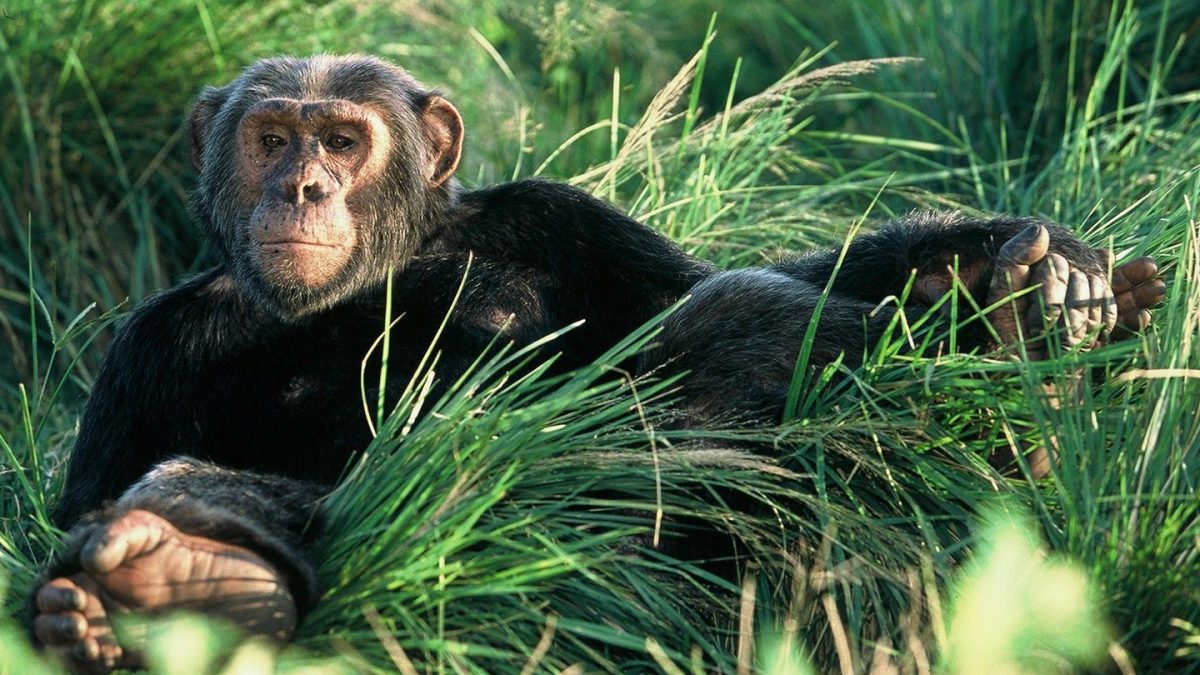
Find answers to frequently asked questions about the best time for chimpanzee tracking, including seasons, weather, permits and planning your chimpanzee safari.
These frequently asked questions answer some of the most common concerns travelers have when choosing the best time for chimpanzee tracking in Uganda and Rwanda. Weather, destination, permits, fitness and the type of safari you want can all influence the best travel period.
What Is the Best Month for Chimpanzee Tracking in Uganda?
January, February, June, July, August and September are generally popular months because rainfall is relatively lower and forest trails can be easier to walk. However, chimpanzee tracking operates throughout the year, and wetter months can also provide rewarding encounters. Travelers planning Uganda’s leading primate destination can explore chimpanzee tracking in Kibale National Park.
Can I Track Chimpanzees During the Rainy Season?
Yes. Chimpanzee tracking continues during rainy periods, although trails can become muddy and slippery. March to May and October to November can provide very green forest scenery and potentially quieter travel conditions. Good waterproof hiking boots and rain protection are important during these months.
Is Chimpanzee Tracking Better in the Dry or Wet Season?
The dry season is generally better for travelers prioritizing easier walking conditions, while the wet season can appeal to travelers interested in lush vegetation, photography and fewer visitors. Neither season guarantees faster sightings because chimpanzees move according to food availability and their natural behavior. Travelers can compare the main chimpanzee trekking destinations in Uganda before deciding where to travel.
Where Is the Best Place for Chimpanzee Tracking?
Kibale National Park is the best-known chimpanzee tracking destination in Uganda, while Nyungwe National Park is Rwanda’s leading option. Uganda also offers chimpanzee experiences in Budongo Forest, Kyambura Gorge and Kalinzu Forest. Travelers choosing between the two major destinations can compare Kibale and Nyungwe chimpanzee tracking.
Another useful overview of Uganda’s leading chimpanzee destination is available in this Kibale National Park guide.
How Difficult Is Chimpanzee Tracking?
The difficulty varies according to the destination, weather, terrain and location of the chimpanzees. Some treks can be relatively straightforward, while others require longer walks through uneven or muddy forest trails. Reasonable fitness and suitable hiking footwear are recommended. Travelers concerned about the activity can also read about chimpanzee trekking safety in Kibale.
Additional practical information is available through this guide explaining chimpanzee trekking safety in Kibale Forest.
How Long Does Chimpanzee Tracking Take?
The total trekking time varies because chimpanzees are wild animals moving freely through the forest. Travelers may spend different amounts of time searching for them depending on their location that day. Visitors interested in spending considerably longer observing chimpanzee behavior can choose the chimpanzee habituation experience instead of standard tracking.
Do I Need a Permit for Chimpanzee Tracking?
Yes. Visitors participating in organized chimpanzee tracking require a valid permit for their chosen destination and date. Travelers visiting during popular months should arrange permits early because availability can become limited. Safari Vacations and Travel Services Ltd can assist with booking Kibale chimpanzee permits as part of a complete safari.
Can I Track Chimpanzees More Than Once?
Yes, travelers can arrange more than one chimpanzee trek if permits are available for each session or date. This can be particularly attractive to photographers and primate enthusiasts because every chimpanzee encounter is different. Visitors considering repeat experiences can learn more about tracking chimpanzees twice in Kibale.
Can I Combine Chimpanzee Tracking with Gorilla Trekking?
Yes. Uganda is particularly convenient for combining Kibale chimpanzees with mountain gorillas in Bwindi Impenetrable National Park. Travelers can also combine Nyungwe chimpanzees with gorilla trekking in Rwanda or create a cross-border Uganda and Rwanda primate safari. A complete gorilla and chimpanzee safari in Uganda provides two outstanding primate experiences within one itinerary.
Is Nyungwe Good for Chimpanzee Tracking?
Yes. Nyungwe National Park is Rwanda’s main chimpanzee trekking destination and can be combined with the canopy walkway, Lake Kivu and Volcanoes National Park. Visitors planning Rwanda can read more about chimpanzee trekking in Nyungwe National Park.
Travelers can also explore this Nyungwe Forest National Park guide for additional information about Rwanda’s rainforest and primate experiences.
How Early Should I Book My Chimpanzee Safari?
It is advisable to book once your travel dates are confirmed, particularly when traveling from June to September or during the December and January holiday period. Early planning provides a better choice of permits, accommodation and safari routes. Travelers interested in a complete Uganda experience can explore chimpanzee tracking safaris in Uganda.
Why Book Your Chimpanzee Safari with Safari Vacations and Travel Services Ltd?

Plan your chimpanzee tracking safari with Safari Vacations and Travel Services Ltd for expert local guidance, reliable transport, comfortable accommodation and tailor-made safari planning.
Choosing the best time for chimpanzee tracking involves more than selecting a dry month. Safari Vacations and Travel Services Ltd helps travelers consider forest conditions, chimpanzee permits, accommodation, transport, safari duration and the other destinations they would like to visit. Whether you want Kibale, Budongo, Kyambura, Kalinzu or Nyungwe, we can create an itinerary suited to your travel dates and interests.
Our team can also combine chimpanzee tracking with gorilla trekking, game drives, boat safaris, birdwatching, cultural experiences and relaxing destinations such as Lake Bunyonyi or Lake Kivu. Travelers who want a short primate-focused experience can consider a 3-day Kibale chimpanzee safari, while longer journeys can include several national parks.
Plan Your Chimpanzee Tracking Safari
Contact Safari Vacations and Travel Services Ltd and tell us your preferred travel dates, number of travelers and destinations you would like to visit. We can help you choose the best time for chimpanzee tracking, check permit availability and arrange accommodation, transportation and a personalized Uganda or Rwanda safari.