Why Kibale Is the Ultimate Destination for Chimpanzee Trekking

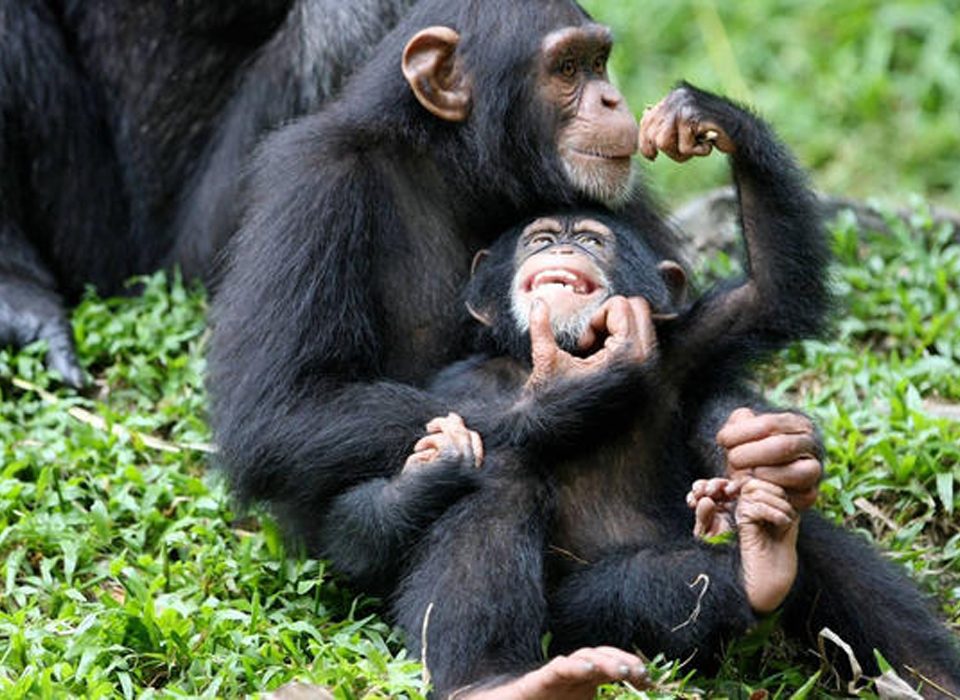
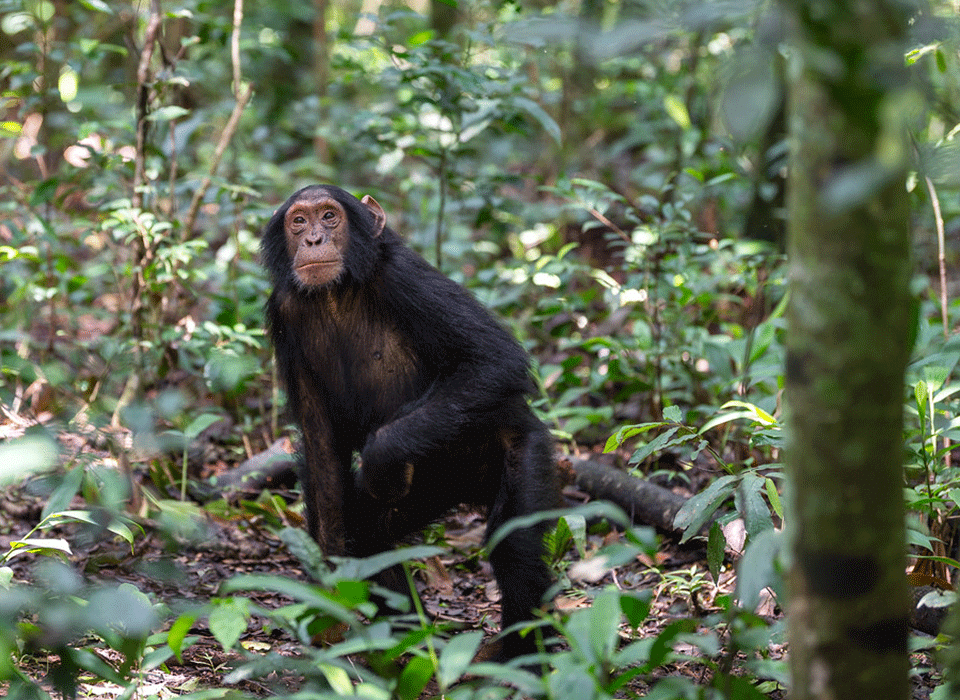
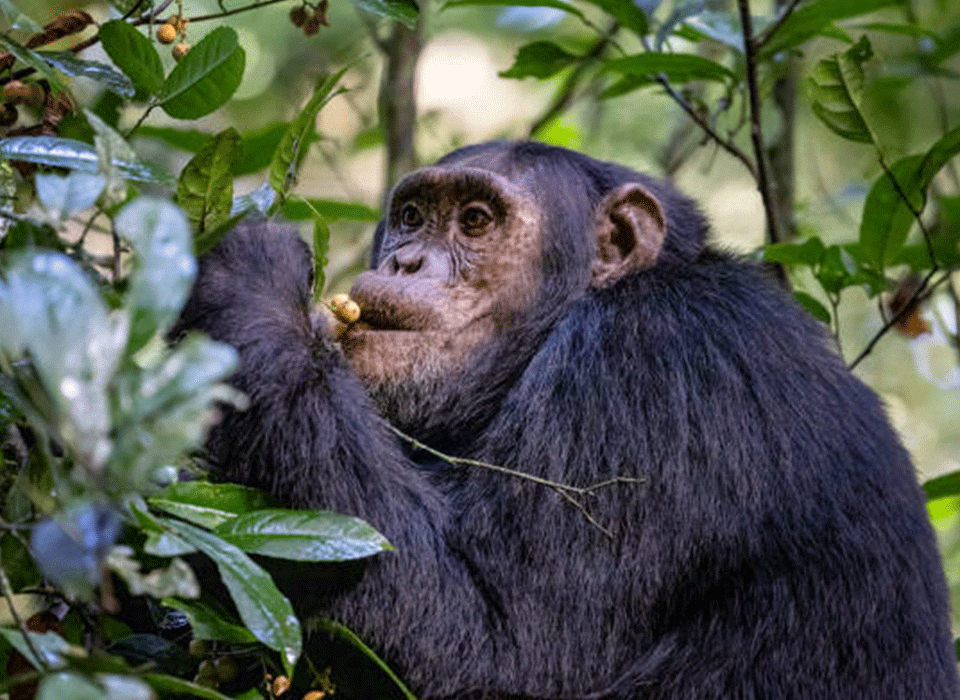
Why Kibale Is the Ultimate Destination for Chimpanzee Trekking: If you are searching for the best place in the world to trek with chimpanzees, Kibale National Park in Uganda stands above every other option. This remarkable forest has earned the title “Primate Capital of the World,” and once you understand what it offers, it is easy to see why. Kibale is home to over 1,500 chimpanzees and 12 other primate species, making it the most primate-rich habitat on the entire African continent. For any traveler who wants a genuine, up-close encounter with our closest living relatives, Kibale is simply unmatched.
The Numbers Tell the Story
One of the strongest reasons to choose Kibale is the sighting success rate. When you book a chimpanzee trek here, you have a better than 95% chance of seeing chimpanzees in the wild. That figure is not a marketing claim — it reflects the reality on the ground. Kibale holds the largest population of habituated chimpanzees in Uganda, which means the animals have grown used to the presence of humans over many years. As a result, they move naturally through the forest without fear, going about their daily lives while visitors observe them from a respectful distance.
Compare this to other trekking destinations across East and Central Africa, and Kibale pulls ahead by a wide margin. Many other parks offer exciting experiences, but none can match this level of consistency. When you invest time and money in a wildlife encounter, knowing that a sighting is nearly certain changes everything about how you plan your trip.
The Terrain Works in Your Favor
Another big advantage Kibale offers is its terrain. Many people assume that trekking for primates always involves steep climbs and demanding physical effort. Gorilla trekking in the Bwindi Impenetrable Forest or the Virunga Mountains, for example, requires hikers to push through dense vegetation on sharp mountain slopes. Kibale is completely different. The forest floor here is relatively flat and easy to walk through, which means people of varying fitness levels can comfortably take part.
This accessibility matters because it opens the experience to families with older children, travelers who are not seasoned hikers, and anyone who simply wants to enjoy the wildlife without exhausting themselves in the process. You spend your energy watching and listening rather than just trying to keep up with the trail.
A Deeper Experience Than Anywhere Else
Standard chimpanzee treks at Kibale give you one hour with a chimpanzee group, which is already a powerful and moving experience. However, Kibale goes further by offering something that very few places in the world can match — the Chimpanzee Habituation Experience, also known as CHEX.
Through CHEX, you spend a full day alongside researchers and field staff as they work directly with chimpanzee families. Instead of a brief visit, you follow the chimps from early morning as they wake and begin foraging, all the way through their midday activities. You watch social interactions unfold, hear the calls echo through the trees, and gain a real understanding of how these animals live and communicate. This extended experience transforms a wildlife sighting into something much closer to genuine discovery.
Twelve More Reasons to Look Up
Even if chimpanzees were not the main attraction, Kibale would still be worth visiting for its extraordinary range of primates. On a single trek through the forest, you can regularly spot 12 other species sharing the same habitat. The Ugandan Red Colobus moves through the canopy in large, noisy groups. The Grey-cheeked Mangabey searches the forest floor with quick, deliberate movements. L’Hoest’s Monkey peers down from the branches with a calm, curious gaze.
This kind of diversity in one location is rare anywhere in the world. Furthermore, because the forest is so rich, every walk feels different. The guides know the trees, the calls, and the behavior of each species well, so they can point out details that most visitors would otherwise walk right past.
Decades of Research Behind Every Guide
Kibale has served as a center for chimpanzee research since the 1980s. Scientists and field researchers have spent decades studying specific chimp families, tracking their movements, and recording their behaviors. That deep knowledge does not stay locked in academic papers — it flows directly into the expertise of every guide who leads treks through the park.
When your guide tells you about the relationship between two adult males in a chimp group, or explains why a mother is carrying her infant in a particular way, they are drawing on real, current research. This turns your trek into an informed, layered experience rather than just a walk through the trees.
Planning Your Visit
Timing a visit to Kibale takes some thought, but the dry seasons offer the most reliable conditions. June through August and December through February both bring drier weather, firmer trails, and easier walking. The wet seasons still produce excellent sightings, but muddy paths and heavier rain can make the experience more challenging. Most travelers plan around the dry windows when possible.
Timing
The park runs two trek sessions every day. The morning session starts at 8:00 AM, and the afternoon session begins at 2:00 PM. Each session typically lasts between two and five hours. The time depends on how quickly rangers track and locate the chimpanzees. Some groups find them within an hour, while others follow deeper into the forest before making contact.
The Uganda Wildlife Authority limits the number of permits it issues each day. Because of this, booking early is essential. During peak travel months, especially, permits sell out fast. Furthermore, Securing your spot well in advance saves disappointment and keeps your travel plans on track.
Permits
Permit costs reflect the exclusivity of the experience. International tourists pay approximately $250 for a standard tracking permit and around $300 for the full-day Habituation Experience. Those prices include ranger guidance, forest entry, and the tracking itself. Visitors should book permits through the Uganda Wildlife Authority or a licensed tour operator well ahead of their travel dates.
Packing
Packing the right gear makes a meaningful difference. Waterproof hiking boots protect feet on damp trails and provide ankle support on uneven ground. Long trousers and long-sleeved shirts shield skin from insects, thorns, and the occasional sting. Insect repellent adds another layer of protection, and a rain jacket handles the afternoon showers that arrive without warning in tropical forests. A small daypack, water, and a light snack round out the essentials.
A Forest Like No Other
Why Kibale Is the Ultimate Destination for Chimpanzee Trekking? Kibale National Park earns its reputation through evidence, not simply through promotion. On the other hand, The sighting rates hold up year after year. The habituation programs produce chimpanzee communities that behave naturally in front of visitors. The terrain stays manageable. The rangers deliver results. Together, those factors build an experience that consistently exceeds expectations.
Travellers reach the Kanyanchu trailhead in the early morning and find mist still hanging low over the canopy. Besides, the forest opens around them right away. However, the sounds of primates carry through the trees, close and alive. Then, within a few hours, they stop walking and stand quietly just metres from a chimpanzee family going about its day — eating, resting, and moving through the trees as they always have. That moment is simple, yet it stays with people long after they leave. It happens thousands of times every year inside this forest. And it is exactly why Kibale holds its place as the ultimate destination for chimpanzee trekking.
Stay Right at the Forest Edge
Why Kibale Is the Ultimate Destination for Chimpanzee Trekking. Once you arrive, excellent accommodation options surround the park at every budget level. For luxury, Kyaninga Lodge sits above a stunning crater lake, while Primate Lodge Kibale puts you right inside the park itself. Mid-range travelers do very well at Turaco Treetops or Kibale Forest Camp. Those on a tighter budget will find comfortable and welcoming conditions at Chipanzee Forest Guest House.
After your trek, you can also visit the nearby Bigodi Wetland Sanctuary for world-class birdwatching, or explore the scenic Kasende Crater Lakes just a short drive away.
Kibale does not just offer a wildlife experience — it offers the best version of one.