Chimpanzee Trekking in Kibale National Park

Chimpanzee Trekking in Kibale National Park
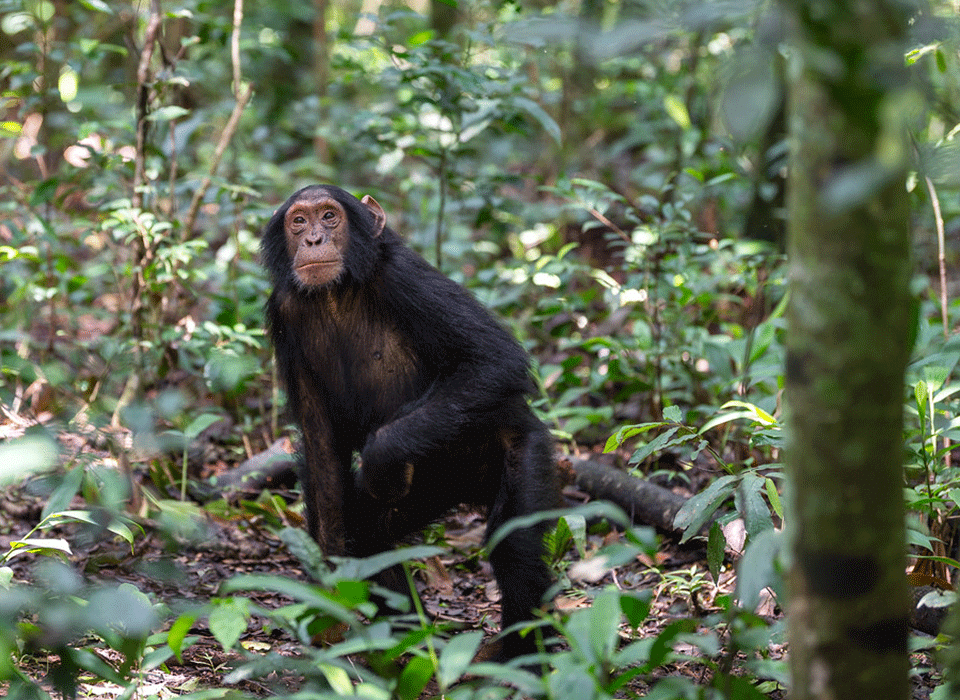
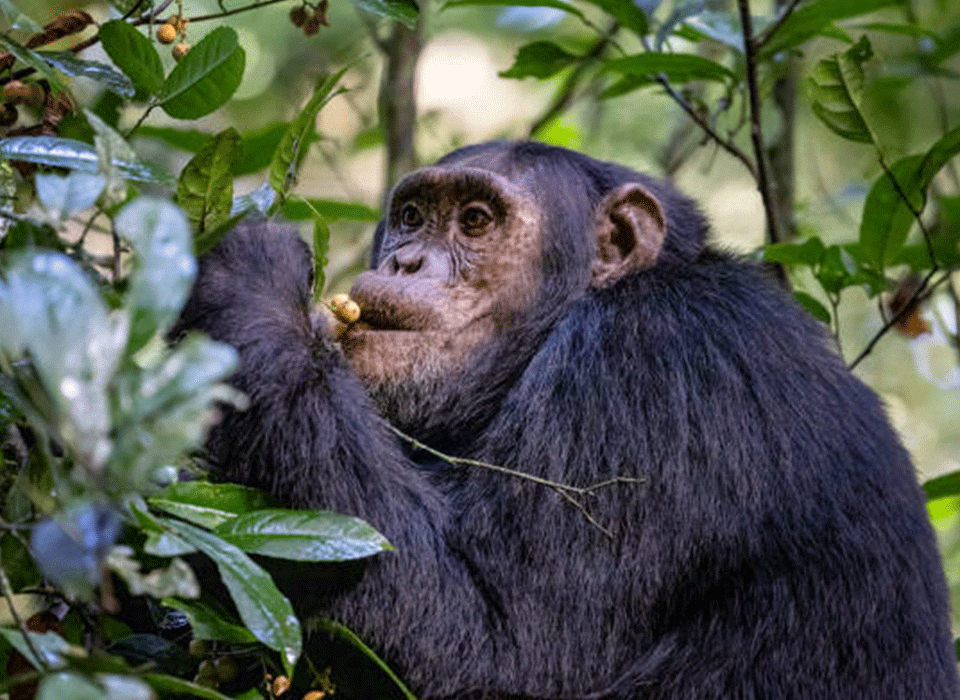
Chimpanzee trekking in Kibale National Park offers one of Africa’s most thrilling primate encounters, bringing you face-to-face with our closest living relatives in their natural rainforest habitat. Known as the “Primate Capital of the World,” Kibale Forest is home to over 1,500 chimpanzees and boasts the highest density and diversity of primates in Africa. The experience of tracking these intelligent, social creatures through the lush forest and observing their complex behaviors is unforgettable. Safari Vacations and Travel Services specializes in organizing chimpanzee trekking adventures, handling all necessary permits, logistics, and arrangements to ensure a seamless and memorable wildlife experience in this remarkable Ugandan treasure.
The Tracking Experience
Each chimpanzee tracking session starts with a comprehensive briefing at the Kanyanchu park headquarters. During this orientation, experienced park rangers and guides provide essential information about chimpanzee behavior, forest safety protocols, and the rules that govern primate tourism. This briefing typically occurs in the early morning, around 8:00 AM, or at 2:00 PM, as Kibale offers both morning and afternoon tracking sessions.
The actual trek duration varies considerably depending on the location of the chimpanzee communities on any given day. Treks can last anywhere from as little as 30 minutes to approximately 4 hours. The chimpanzees are highly mobile and range widely throughout their territory in search of food, so no two tracking experiences are identical. Safari Vacations and Travel Services prepares clients for this variability, ensuring they understand that while the search is part of the adventure, the park’s high chimpanzee population means success rates exceed 90%.
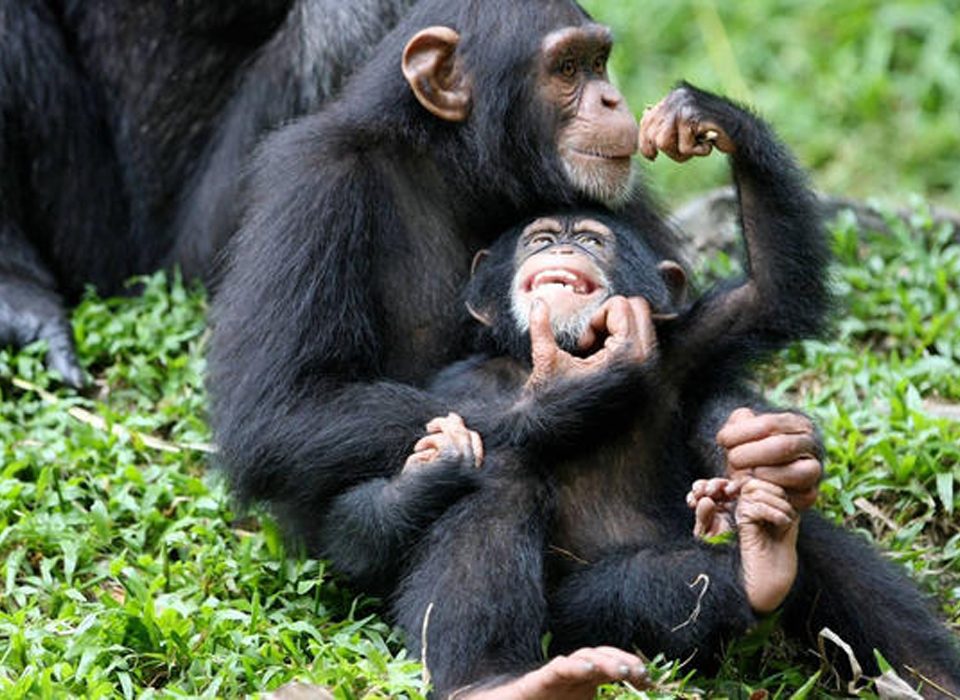
Once your guide locates a chimpanzee community, you are to spend one hour observing these remarkable primates. This hour provides ample opportunity to watch their social interactions, feeding behaviors, grooming rituals, and playful activities. You may witness mothers caring for infants, juveniles swinging through the canopy, or dominant males asserting their authority through dramatic displays. The experience is often accompanied by the forest’s symphony of chimpanzee vocalizations—hoots, screams, and pant-hoots that echo through the trees.
Essential Preparation Before Your Trek
Proper preparation significantly enhances your chimpanzee tracking experience, ensuring both your comfort and the safety of the wildlife you’ve come to observe.
Booking and Permit Requirements
Chimpanzee tracking requires an official permit issued by the Uganda Wildlife Authority. These permits are in high demand, particularly during peak seasons, as access is deliberately limited to minimize impact on the chimpanzee communities. Each tracking group is restricted to a maximum of six people, ensuring an intimate experience while reducing stress on the animals.
Safari Vacations and Travel Services strongly recommends booking your chimpanzee tracking permit well in advance—ideally three to six months before your intended visit, especially if you’re planning to trek during the dry season. Our team handles all permit arrangements, securing your spot and ensuring all necessary documentation is completed correctly. This booking is crucial as permits can sell out during popular travel periods.
It’s important to note that participants must be at least 12 years old to track chimpanzees. This age restriction exists because younger children may have difficulty maintaining the required quiet behavior and safe distances, and the trek itself can be physically demanding.
What to Pack and Wear
Appropriate clothing and gear are essential for a comfortable and successful tracking experience. The forest environment presents unique challenges that proper preparation can address.
Footwear
Sturdy, waterproof hiking boots with good ankle support and aggressive tread are essential. The forest floor can be muddy, uneven, and slippery, even during dry seasons. Your boots should be well broken in before your trek to prevent blisters.
Clothing
Long-sleeved shirts and full-length trousers are mandatory. These protect you from scratches by thorny vegetation, biting insects, and stinging nettles that are common in the forest understory. Choose lightweight, quick-drying fabrics in neutral colors like khaki, brown, or olive green. Avoid bright colors and patterns that might disturb the chimpanzees.
Rain protection
Even during the dry season, Kibale’s equatorial location means rain can occur at any time. Pack a lightweight, waterproof rain jacket or poncho that can be quickly accessed from your daypack.
Sun and insect protection
Bring a wide-brimmed hat for protection during open sections of the trail, and pack high-quality insect repellent containing DEET or picaridin. Apply repellent before entering the forest and reapply as needed.
Essential Items to Carry: Chimpanzee Trekking in Kibale National Park
Hydration and snacks
Carry at least one liter of water in a reusable bottle. The trek can be strenuous, and staying hydrated is crucial, especially in the humid forest environment. Pack energy-rich snacks like trail mix, energy bars, or fruit to maintain your energy levels during longer treks.
Photography equipment
A camera is essential for capturing this once-in-a-lifetime experience. However, flash photography is strictly not allowed as it can startle and stress the chimpanzees. Set your camera to its highest ISO setting and use a fast lens if possible. A camera with good low-light performance is ideal for the forest’s dim conditions.
Binoculars
While often overlooked, binoculars are invaluable for observing chimpanzees when they remain high in the forest canopy. Safari Vacations and Travel Services recommends compact, lightweight binoculars with 8x or 10x magnification for optimal forest viewing.
Other useful items
Consider packing gardening gloves or light work gloves for gripping vegetation on steep sections, a small first-aid kit with blister treatment, and a plastic bag to protect your electronics from moisture.
Important Guidelines During Your Trek
The success and sustainability of chimpanzee tracking depend on visitors following established protocols that protect both the primates and their habitat.
Following Your Guide’s Instructions
Chimpanzee Trekking in Kibale National Park: Your professional guide possesses extensive knowledge of chimpanzee behavior, forest ecology, and safety protocols developed through years of experience. Always listen carefully to and follow their instructions without exception. They understand chimpanzee body language and can interpret behaviors that signal when to approach, when to maintain distance, and when to retreat if the animals show signs of stress or agitation.
Respecting the Chimpanzees: Chimpanzee Trekking in Kibale National Park
Maintaining appropriate behavior around wild chimpanzees is crucial for their welfare and your safety. Never attempt to provoke, call to, or mimic chimpanzee vocalizations, as this can be interpreted as aggressive behavior. Always maintain a minimum distance of eight meters (approximately 25 feet) from the chimpanzees, though your guide may require a greater distance depending on circumstances.
Flash photography is absolutely unacceptable, as it can frighten the animals and disrupt their natural behaviors. If a chimpanzee approaches you, remain calm and still, and follow your guide’s instructions. Never attempt to touch a chimpanzee, even if one approaches closely.
Environmental Responsibility
Leave no trace in the forest. All litter, including fruit peels and food wrappers, must be carried out. Human waste can transmit diseases to chimpanzees, who share approximately 98% of our DNA and are susceptible to many human illnesses. If you’re feeling unwell, particularly with respiratory symptoms, Safari Vacations and Travel Services advises rescheduling your trek, as diseases like influenza and COVID-19 can be fatal to chimpanzee populations.
Optimal Timing for Your Visit
Dry Season: June to August and December to February
The dry season offers the most comfortable trekking conditions. Forest trails are drier, firmer, and easier to navigate during these months. The low rainfall means you’re less likely to encounter muddy, slippery conditions, though you should still be prepared for occasional rain, given Kibale’s equatorial climate. These months coincide with peak tourism periods, so booking through Safari Vacations and Travel Services well in advance is essential.
Rainy Season: September to November and March to May
Chimpanzee tracking continues year-round, and the rainy season offers its own advantages. You’ll encounter fewer tourists, potentially enjoy discounted accommodation rates, and experience the forest at its most lush and vibrant. However, prepare for wetter, more challenging trail conditions. Proper rain gear and waterproof boots become even more critical during these months.
The Chimpanzee Habituation Experience
For those seeking a deeper connection with Kibale’s chimpanzees, the Chimpanzee Habituation Experience offers an extended alternative to standard tracking. This specialized activity allows you to spend an entire day—typically from dawn until dusk—with a chimpanzee community currently undergoing the habituation process.
During habituation, researchers and trackers work to accustom wild chimpanzees to human presence, eventually making them available for tourism tracking. By participating in this experience, you’ll observe the chimpanzees from the moment they leave their overnight nests in the early morning through their day’s activities until they build new nests at dusk. This provides unparalleled insights into chimpanzee behavior, social structures, and daily routines.
The habituation experience is more exclusive and intensive than standard tracking, with only four visitors permitted per session. Safari Vacations and Travel Services can arrange habituation experiences for serious wildlife enthusiasts and photographers seeking maximum time with these remarkable primates.
Conclusion
Chimpanzee trekking in Kibale National Park delivers extraordinary wildlife. These encounters create lasting memories and a deeper appreciation for our closest evolutionary relatives. The combination of high success rates, diverse primate populations, and well-managed tourism infrastructure makes Kibale one of Africa’s premier chimpanzee destinations.
Safari Vacations and Travel Services ensures every aspect of your tracking experience is professionally arranged, from securing permits to providing expert guidance and comprehensive logistical support, allowing you to focus entirely on the magic of encountering wild chimpanzees in their magnificent forest home.