Chimp Trekking in Kyambura Gorge

Chimp trekking in Kyambura Gorge offers one of Uganda’s most thrilling wildlife adventures. Located inside Queen Elizabeth National Park, the gorge cuts deep into the earth and shelters a rich riverine forest. Locals call it the “Valley of Apes.” This lush canyon sits in sharp contrast to the open savanna around it. Inside, a community of wild chimpanzees roams freely. Safari vacations and travel services organize and manage these treks from start to finish. They handle permits, guides, and all logistics so visitors can simply enjoy the experience. This is a truly special journey to share space with our closest living relatives.
Understanding Chimp Trekking Permit Costs in Kyambura Gorge
Before you book, it helps to understand the permit system. As of mid-2025, chimpanzee trekking permits for Kyambura Gorge follow a tiered pricing structure based on where you come from.
Foreign non-residents — most international tourists — pay $100 per person. This price gives excellent value compared to other trekking spots in Uganda. Foreign residents, such as expatriates living in Uganda or East Africa with proof of residency, pay $80 per person. East African citizens from Uganda, Kenya, Tanzania, Rwanda, Burundi, or South Sudan pay UGX 50,000. This affordable rate makes the trek accessible to regional visitors.
Safari vacations and travel services help you identify which category fits you. They also ensure your permit is booked at the right rate, so no surprises arise on the day of your trek.
What Your Permit Covers
Your permit covers several key parts of the experience. First, it includes an experienced park guide who leads your group into the gorge and helps find the chimpanzees. Second, it covers the guided walk through the terrain and forest. Third, and most importantly, it gives you one full hour with the chimps once you locate them. That hour begins the moment your group reaches the chimpanzees — not when the trek starts. So even if tracking takes longer on a particular day, your full hour of observation is protected.
What the Permit Does Not Cover
However, the permit does not cover everything. Queen Elizabeth National Park entrance fees are separate and must be paid on top of the permit price. These fees also vary by residency status. Additionally, the permit excludes transport to and from the gorge, accommodation, meals, and tips for guides. Safari vacations and travel services can bundle all of these into a full safari package, so you have one clear price and no hidden costs.
How does Chimp Trekking booking work in Kyambura Gorge
Safari vacations and travel services handle the booking process so you do not have to navigate it alone. While it is possible to book permits directly through the Uganda Wildlife Authority (UWA), many international visitors find the process complex. Safari vacations and travel services maintain strong working relationships with UWA and secure permits efficiently on your behalf.
Booking in advance is strongly recommended, especially during peak dry season months. June through September and December through February attract the most visitors. During these periods, book at least four to six weeks ahead. During the wet season, shorter booking windows may work, but early planning always gives more certainty. Safari vacations and travel services advise their clients on the best timing based on travel dates.
Daily Permit Limits
Kyambura Gorge operates with strict daily visitor limits to protect the chimpanzees. Typically, only eight permits are issued per trekking session. Small group sizes reduce stress on the chimps and improve the quality of your experience. Safari vacations and travel services monitor permit availability closely and alert clients when preferred dates fill up quickly.
What to Expect on Chimp Trekking in Kyambura Gorge
Safari vacations and travel services prepare clients fully before departure. Knowing what lies ahead helps you pack properly and approach the trek with confidence.
Two daily trekking sessions are available. Morning treks begin at around 8:00 a.m. This is the best time to see chimps actively feeding and socializing. Afternoon treks start around 2:00 p.m. and offer different lighting for photography, along with different behavioral patterns. The total duration of each trek runs between two and three hours, though it can take longer depending on where the chimps are located that day.
The Pre-Trek Briefing
Your adventure begins at the visitor center. Park rangers conduct a full briefing before you enter the gorge. They cover safety rules, how to behave around chimpanzees, photography guidelines, and what to do if a chimp approaches you. They also share facts about the gorge ecosystem and the specific chimpanzee community you will be tracking. Safari vacations and travel services always ensure clients arrive on time for this briefing.
The Descent Into the Gorge
After the briefing, guides lead the group to the gorge rim. The descent covers about 200 meters of vertical drop down a steep escarpment. This stage demands reasonable fitness and careful footing, particularly after rain when paths become slippery. Safari vacations and travel services recommend bringing trekking poles to assist with balance and reduce strain on your knees. They also encourage clients to honestly assess their fitness before booking, as the terrain is genuinely challenging.
The Forest Floor
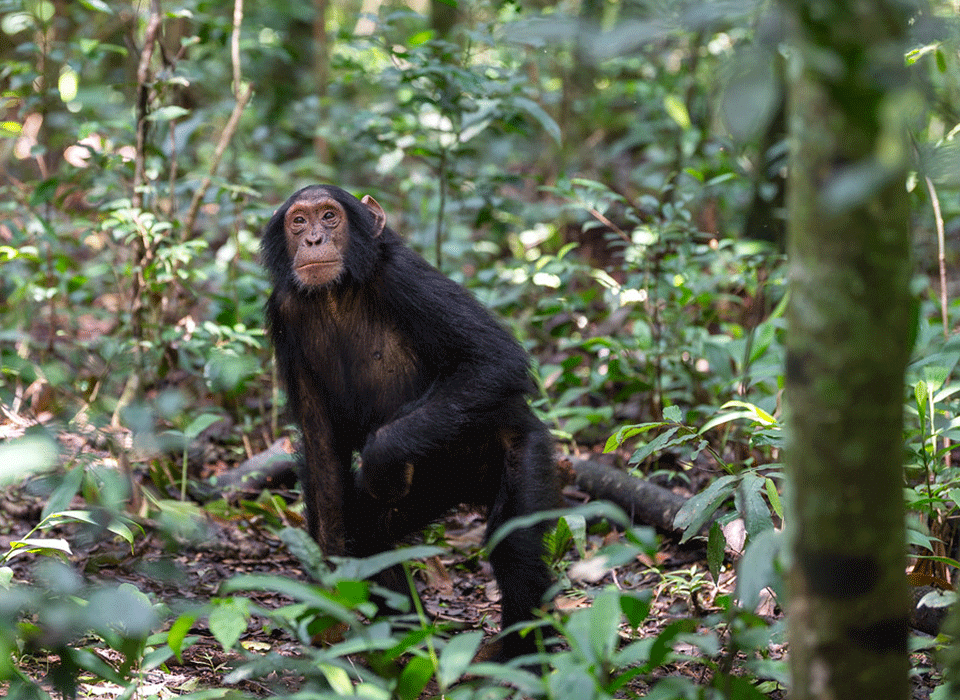
Once at the bottom, you walk through thick riverine forest. The gorge creates a protected microclimate that supports dense, lush vegetation. This feels like entering a completely different world — a forest island surrounded by open savanna. The ground is uneven, with roots, small streams, and muddy patches to navigate. Your guides move confidently through this terrain while watching and listening for chimp activity.
Tracking the Chimpanzees
Guides use several methods to find the chimpanzees. They listen for the loud calls that carry through the forest, look for fresh feeding signs and tracks in soft ground, and also communicate with park rangers who monitor general chimp locations throughout the day. This tracking stage requires patience. The chimps follow their own schedule, moving based on food availability and social activity. Safari vacations and travel services prepare clients for this reality, so no one feels disappointed if the search takes time.
The Hour With the Chimps
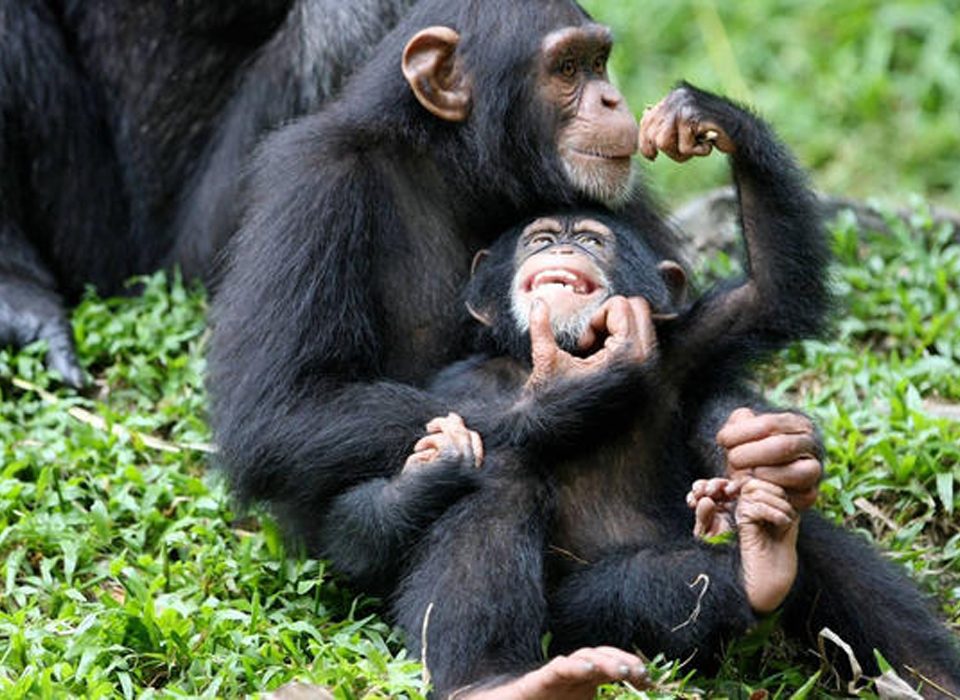
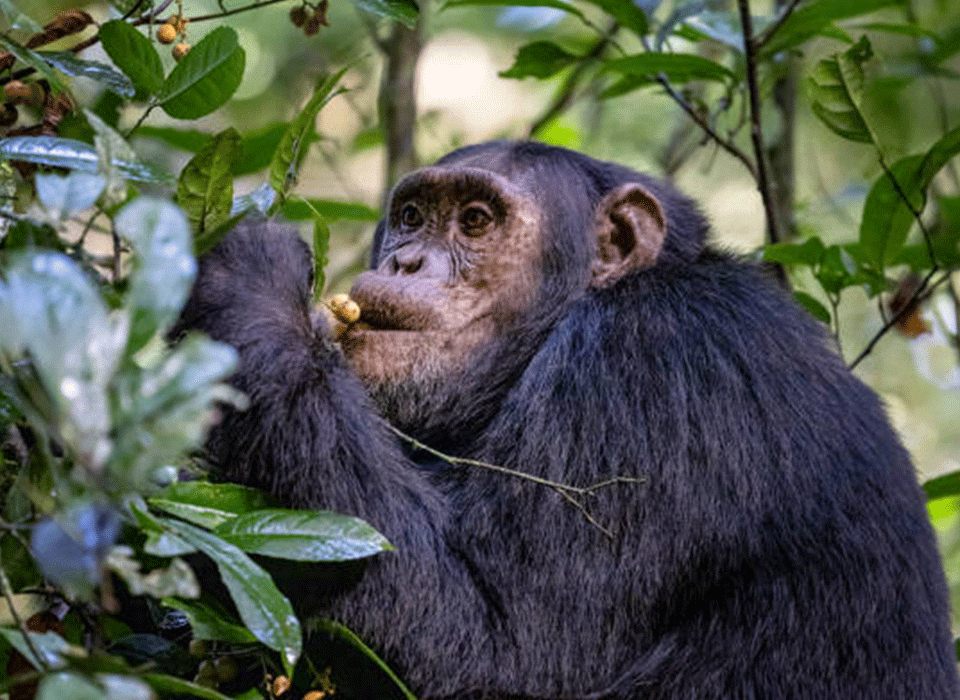
When your group finally locates the chimpanzees, the observation hour begins. Safari vacations and travel services clients consistently call this the highlight of their entire Uganda safari. During this hour, you watch the chimps feed, play, groom each other, swing through trees, and move across the ground. Kyambura’s chimps are notably comfortable at ground level, which means you often observe them up close. This creates outstanding photography opportunities that purely tree-dwelling chimps would not offer.
Kyambura Versus Kibale: A Clear Comparison
Safari vacations and travel services help clients choose between Kyambura Gorge and Kibale National Park, Uganda’s top chimpanzee destination. Both are excellent, but they suit different types of travelers.
Kyambura offers a quieter, more intimate experience with far fewer visitors. Travelers seeking adventure and solitude often prefer it. Kibale attracts much larger crowds because of its high success rates and strong reputation.
The physical demands also differ. Kyambura involves roughly 400 meters of combined vertical ascent and descent. This requires good fitness and strong knees. Kibale’s terrain, while potentially covering long distances, involves less steep climbing and suits a broader range of fitness levels.
Success rates differ significantly. Kibale boasts sighting rates above 80 percent — sometimes close to 95 percent — thanks to over 1,500 habituated individuals. Kyambura’s smaller troop means sightings, while common, are never guaranteed. Safari vacations and travel services set honest expectations so clients understand the difference before they choose.
Cost plays a big role, too. Kyambura permits cost $100 for foreign non-residents. Kibale permits cost $250. That $150 saving per person adds up quickly. Many clients use those savings to fund extra activities, better accommodation, or additional game drives that safari vacations and travel services can organize.
What to Pack for Chimp Trekking in Kyambura Gorge
Safari vacations and travel services provide a full packing list to clients before departure. Key items include sturdy hiking boots with good grip, long trousers, long-sleeved shirts for protection, a quality rain jacket, a small comfortable backpack, enough drinking water, a camera with spare batteries, and effective insect repellent. Trekking poles are strongly advised for the descent and ascent.
Best Time to Visit Kyambura Gorge for Chimp Trekking
Dry season months offer the easiest trekking conditions. June through September and December through February bring firmer paths, clearer trails, and more comfortable temperatures. However, the wet season delivers lush green scenery and far fewer visitors, which some travelers prefer. Safari vacations and travel services help each client weigh these trade-offs based on personal priorities and travel dates.
Wildlife Beyond Chimpanzees
Kyambura Gorge holds far more than chimpanzees. The gorge is home to black-and-white colobus monkeys and red-tailed monkeys. Bird lovers find a wide variety of species throughout the forest. The Kyambura River supports hippos, and elephants occasionally visit the water. Every trek into the gorge brings fresh surprises, making the experience rewarding even on days when chimps prove harder to find.
Conclusion
Chimp trekking in Kyambura Gorge combines physical challenge, wildlife wonder, and unique ecosystem exploration. With safari vacations and travel services managing every detail, the experience is both seamless and deeply memorable. From permit procurement to expert guiding, every step is handled so you can focus entirely on the gorge, the forest, and the extraordinary chimpanzees that call it home.