
Uganda Travel Tips 2026/2027: Essential Things to Know Before You Go
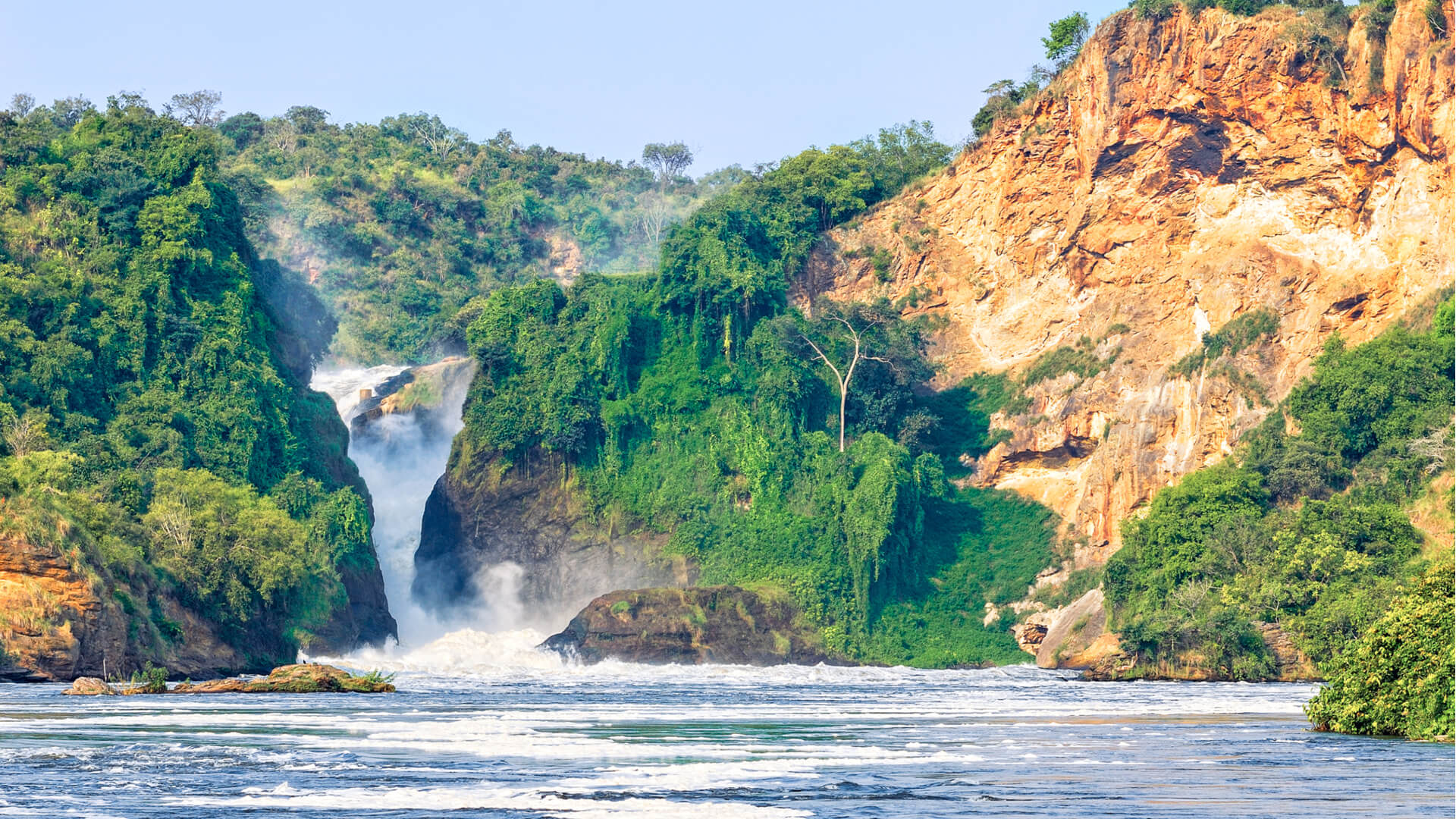
Murchison Falls showcases Uganda’s dramatic landscapes, where the Nile passes through a narrow gorge before continuing through one of the country’s most famous safari destinations.
Uganda Travel Tips are essential for anyone planning a first journey to the Pearl of Africa. Uganda combines mountain gorilla trekking, chimpanzee tracking, traditional wildlife safaris, birdwatching, cultural experiences, lakes, mountains and adventure activities within one destination. However, enjoying these experiences requires good preparation before departure.
Understanding entry requirements, weather conditions, transportation, money, health precautions and safari logistics can make a major difference to the quality of your trip. Our detailed Uganda travel advice provides additional practical information for visitors preparing for their journey.
For travelers visiting Africa for the first time, Uganda can provide an excellent combination of primate encounters and traditional safari experiences. A well-planned itinerary may include Bwindi Impenetrable National Park for mountain gorillas, Kibale National Park for chimpanzees, Queen Elizabeth National Park for game drives and boat safaris, Murchison Falls National Park for wildlife and Nile scenery, and Lake Bunyonyi for relaxation.
Travelers who are still deciding whether the country matches their interests can explore Uganda for first-time travelers before selecting their safari route. Another useful perspective is available through this guide to popular Uganda safari activities.
Understand Uganda Before Planning Your Safari
One of the most important Uganda Travel Tips is to understand that Uganda offers very different travel experiences depending on the region you visit. Southwestern Uganda is particularly important for primate safaris, with Bwindi and Mgahinga providing mountain gorilla trekking while Kibale is internationally known for chimpanzee experiences. Western Uganda combines savannah parks, crater lakes, forests and wildlife corridors, while northern Uganda offers Murchison Falls and the remote wilderness of Kidepo Valley National Park. Travelers unsure where to begin can compare Uganda destinations for first-time visitors when designing their route.
Do not try to include every national park in a short itinerary. Distances between safari destinations can be considerable, and a comfortable Uganda safari should leave enough time for wildlife experiences instead of turning every day into a long transfer. Visitors interested primarily in primates may concentrate on Bwindi, Queen Elizabeth and Kibale, while travelers wanting a wider wildlife journey can include Murchison Falls or Lake Mburo. Our Uganda wildlife and gorilla safari guide explains how the country’s major wildlife experiences can be combined.
Prepare Your Travel Documents Before Departure
Travel documents should be checked well before flying. Depending on nationality and immigration requirements applicable at the time of travel, visitors may need a valid passport, Uganda visa approval, a yellow fever vaccination certificate and supporting travel information. Because entry regulations can change, travelers should confirm current requirements before departure rather than relying entirely on old travel articles. Safari Vacations and Travel Services Ltd provides a detailed guide explaining how to get a Uganda visa, while travelers can also review our information about Entebbe International Airport when preparing for arrival.
Travelers planning gorilla trekking should pay particular attention to their passport details because permits and trekking arrangements are connected to the traveler’s identity. Gorilla permits are limited, particularly during popular travel periods, so organizing the safari well in advance can provide better flexibility when choosing trekking dates and accommodation. Travelers researching this experience can also read an independent Uganda gorilla safari guide for additional destination information.
Choose Your Travel Dates Carefully
Uganda is generally visited throughout the year, but the experience changes with rainfall, road conditions, vegetation and visitor numbers. Travelers interested in trekking often favor periods with relatively drier conditions because forest trails may be easier to navigate, although gorilla and chimpanzee trekking continues during wetter periods as well. Rain should always be expected in tropical and highland areas, particularly around Bwindi and Kibale. Our guide to visiting Uganda in February and March explains some seasonal considerations, while our broader visiting Uganda guide provides further planning information.
Instead of choosing dates based only on weather, consider the activities that matter most to you. Gorilla trekking, chimpanzee tracking, game drives, birdwatching, photography, hiking and cultural experiences can each have different seasonal advantages. This approach allows Uganda Travel Tips to become practical planning advice rather than a simple statement that one month is universally better than another.
Pack for Both Safari and Tropical Forest Conditions
Uganda’s varied landscapes mean travelers should prepare for warm daytime conditions, cooler mornings, rainfall, dusty safari roads and humid forests. Lightweight clothing, long trousers, long-sleeved shirts, a waterproof layer, comfortable walking shoes, sun protection and insect repellent are useful for many itineraries. Gorilla and chimpanzee trekking require additional attention to footwear and clothing because trails may be muddy, steep or surrounded by dense vegetation. Before packing, travelers can use our detailed Uganda safari packing guide.
Visitors preparing specifically for Bwindi should pack for rainforest conditions rather than treating gorilla trekking like a normal game drive. Good walking footwear and practical clothing can make the experience considerably more comfortable. Travelers wanting more information about the destination can also consult this Bwindi National Park guide.
Plan Your Uganda Safari Budget Realistically
A Uganda safari budget depends on trip duration, accommodation category, transportation, activities, park fees and permits. Gorilla trekking normally represents one of the largest individual safari expenses, while longer road journeys can also influence overall transportation costs. Budget travelers can reduce unnecessary expenses by choosing a realistic route, traveling with companions where appropriate and avoiding excessive transfers between distant destinations. Our guide on planning a budget-friendly Uganda trip explains practical ways to manage costs without removing the experiences that make the safari worthwhile.
Travelers should also understand how they will access money during the journey. Cards may be useful at established hotels and lodges, but carrying some cash remains practical for smaller expenses, local purchases and gratuities. It is advisable to discuss payment arrangements with your safari operator before departure. Our Uganda safari planning guide provides more information about preparing finances, accommodation and logistics before traveling.
Use a Well-Planned Safari Route
The best Uganda Travel Tips should help travelers avoid unnecessary driving and create a logical route. For example, a western Uganda safari can connect Kibale National Park, Queen Elizabeth National Park, Bwindi Impenetrable National Park and Lake Bunyonyi before continuing toward Lake Mburo or returning to Entebbe. Travelers interested in chimpanzees can use our Kibale travel guide to understand how the forest fits into a longer Uganda safari.
Safari Vacations and Travel Services Ltd can customize routes according to the number of days available, preferred accommodation category, wildlife interests, physical ability and arrival or departure point. Good planning makes it possible to combine Uganda’s major attractions without rushing between destinations. These Uganda Travel Tips provide the foundation, while the sections that follow will examine entry requirements, health, weather, packing, money, transportation, gorilla trekking, safety and other practical matters in greater detail.
Start Planning Your Uganda Safari with Safari Vacations and Travel Services Ltd
Tell us when you would like to visit Uganda, how many people are traveling and the experiences you are interested in. Safari Vacations and Travel Services Ltd can help you create a personalized Uganda safari covering gorilla trekking, chimpanzee tracking, wildlife safaris, cultural experiences and other destinations across the country.
Uganda Visa, Passport and Entry Requirements for International Travelers

Travelers planning a trip to Uganda should check current visa, passport and entry requirements before departure to ensure a smooth arrival.
Understanding Uganda visa, passport and entry requirements should be one of the first steps when planning a safari. Entry rules can change, so travelers should confirm the latest requirements before booking flights or departing for Uganda. Visa-prone visitors are required to complete the visa process online and receive approval before traveling rather than depending on obtaining a visa after arrival. Safari Vacations and Travel Services Ltd provides a practical Uganda visa application guide that travelers can use alongside information from Uganda’s official immigration authorities.
Do You Need a Visa to Visit Uganda?
Whether you need a visa depends mainly on your nationality and the type of passport you hold. Uganda has visa-exemption arrangements with certain countries, while travelers from visa-prone countries must apply before travel. Visitors should therefore check their nationality against the current immigration requirements instead of assuming that every traveler follows the same procedure. Our detailed guide to visiting Uganda in 2026 explains several important preparations travelers should make before departure.
For visa-prone tourists, Uganda’s ordinary single-entry tourist visa currently costs USD 50. Applications are made through the official Uganda Electronic Visa/Permit Application System. Travelers should avoid unofficial visa websites that may charge excessive fees or misrepresent themselves as government platforms. Additional information about the process is available in our article explaining how to obtain a Uganda visa. Travelers can also compare the process with this independent Uganda tourist visa guide.
Passport Validity for Travel to Uganda
International visitors applying for a Uganda tourist visa should have a passport with at least six months of validity. The passport bio-data page is required during the online application, together with other supporting documents. Before applying, check the expiry date carefully and ensure that the details entered on the visa application correspond with your passport. Travelers planning their complete journey can also review our guide on how to plan a Uganda safari.
It is sensible to keep electronic copies of your passport, visa approval, vaccination documents, insurance details and important travel confirmations separately from the originals. Travelers can also carry printed copies where practical. A useful additional resource is this Uganda travel documents guide, which discusses documents visitors commonly prepare before departure.
Documents Needed for a Uganda Tourist Visa
A tourist visa application generally requires a copy of the passport bio-data page, a recent passport-size photograph, travel itinerary or tour plan and accommodation information. A yellow fever vaccination certificate is also among the documents requested through Uganda’s immigration process. Travelers should prepare clear digital copies before starting their application. Our Uganda tour planning guide can help visitors organize the safari details needed before applying.
Travelers visiting Uganda for gorilla trekking should also organize their safari arrangements early because gorilla permits are separate from immigration documents. A Uganda visa gives permission to enter the country; it does not replace a gorilla trekking permit. Visitors planning a primate safari can read about the documents needed for gorilla trekking before departure.
Yellow Fever Certificate and Entry Preparation
Yellow fever documentation is an important part of Uganda travel preparation. Travelers should arrange vaccination early enough to meet applicable health requirements and carry their International Certificate of Vaccination during the journey. Health regulations can change, particularly when disease outbreaks occur, so visitors should confirm current requirements with appropriate health and immigration authorities before traveling.
Your yellow fever certificate may be requested during the visa process or when entering Uganda. Visitors should keep it together with their passport and other essential travel documents. Safari Vacations and Travel Services Ltd discusses this and other preparations in its important Uganda travel information. Health requirements will be covered in greater detail in the next section of this Uganda Travel Tips guide.
East African Tourist Visa for Uganda, Rwanda and Kenya
Travelers planning to combine Uganda with Rwanda or Kenya should consider whether the East African Tourist Visa suits their itinerary. The visa currently costs USD 100 and allows tourism travel within Uganda, Rwanda and Kenya for up to 90 days. The country issuing the East African Tourist Visa should be the traveler’s first point of entry into the participating region. Our detailed East African Tourist Visa guide explains how this option can fit into a multi-country safari.
This visa can be particularly useful for travelers combining gorilla trekking in Uganda with Rwanda. However, visitors should understand the conditions before leaving the Uganda-Kenya-Rwanda visa area because the visa is not designed for unrestricted travel outside the participating countries and back again. Travelers planning to start their Uganda safari through Rwanda can read our guide to a Uganda safari from Rwanda before choosing their entry route.
Arriving at Entebbe International Airport
Entebbe International Airport is Uganda’s principal international air gateway and the arrival point used by many safari travelers. Before flying, keep your passport, visa approval and required health documentation easily accessible. After immigration and baggage collection, travelers with a pre-arranged safari can meet their driver-guide or transfer representative and continue to Entebbe, Kampala or their first safari destination. Our Entebbe International Airport guide provides additional arrival information.
First-time visitors may also find this independent Entebbe Airport arrival guide useful when preparing for immigration, baggage collection and onward travel.
Entering Uganda Through Rwanda by Road
Not every Uganda safari begins at Entebbe. Travelers visiting Bwindi Impenetrable National Park or Mgahinga Gorilla National Park sometimes arrive through Kigali International Airport and continue by road into southwestern Uganda. This can work particularly well for itineraries combining Uganda and Rwanda. Our comparison of Kigali and Entebbe safari access explains why the best airport depends on the route being planned.
Travelers crossing a land border must still meet Uganda’s immigration requirements. Your passport, correct visa or regional visa, health documentation and safari arrangements should be ready for inspection. For visitors combining several countries, our guide to Uganda and Rwanda border crossings provides useful background information. Always confirm the latest requirements with official immigration authorities shortly before departure because border and visa regulations may change.
Plan Your Uganda Safari Entry and Travel Arrangements
Safari Vacations and Travel Services Ltd can help you plan your Uganda safari itinerary, airport transfers, accommodation, gorilla and chimpanzee permits and cross-border safari arrangements. Send us your travel dates, number of travelers and the places you would like to visit, and we will help you organize a practical Uganda safari.
Health, Vaccinations, Malaria Prevention and Travel Insurance for Uganda

Travelers should review Uganda’s current health and vaccination requirements, malaria precautions and suitable travel insurance before beginning their journey.
Health preparation is an important part of Uganda Travel Tips, especially for travelers combining wildlife safaris with gorilla trekking, chimpanzee tracking and visits to remote national parks. Travelers should discuss their itinerary, medical history and vaccination needs with a qualified doctor or travel-health clinic before departure. Safari Vacations and Travel Services Ltd provides additional guidance on staying healthy on a Uganda safari, but medical decisions should always be made with a healthcare professional.
Visit a Travel Health Clinic Before Your Uganda Safari
Ideally, travelers should arrange a medical consultation several weeks before departure, particularly when vaccinations or malaria-prevention medication may be required. Routine vaccinations should be reviewed, while additional vaccines may be recommended depending on age, medical history, activities and the areas being visited. Our detailed gorilla trekking health requirements provide useful planning information for visitors including primate experiences in their itinerary.
Travelers should not assume that every visitor needs exactly the same medical preparation. Some recommendations depend on personal health conditions, previous vaccinations and travel plans. For another perspective on preparing for a first safari, travelers can read these Uganda first-time travel considerations.
Yellow Fever Vaccination for Uganda
Yellow fever vaccination is one of the most important Uganda health requirements for international visitors. Travelers should obtain the vaccination from an authorized provider when medically appropriate and carry their International Certificate of Vaccination or Prophylaxis, commonly called the yellow card. Safari Vacations and Travel Services Ltd explains the document further in its Uganda yellow fever vaccination card guide.
Because age, medical conditions and vaccination exemptions can affect individual requirements, travelers should seek professional medical advice rather than arranging vaccinations based only on online articles. Keep the certificate with your passport and other important documents during your journey. Our guide to essential gorilla trekking documents explains other paperwork travelers may need when preparing for a primate safari.
Malaria Prevention in Uganda
Malaria prevention deserves careful attention when traveling in Uganda. Current international travel-health guidance recommends prescription malaria-prevention medication for travelers visiting Uganda. The most suitable medicine depends on factors including health history, other medications, age and individual circumstances, so travelers should discuss the choice with a doctor rather than buying medication without professional advice.
Medication should be combined with mosquito-bite prevention. Use an appropriate insect repellent, wear long sleeves and trousers when practical, and use screened accommodation or mosquito nets where necessary. Visitors can find broader advice in our East African safari safety tips. Another useful safari-planning resource is this guide to what to expect on a Uganda safari.
Other Vaccinations to Discuss Before Traveling
Besides yellow fever, travelers should make sure routine immunizations are up to date. Depending on the traveler and itinerary, a healthcare professional may discuss vaccines such as hepatitis A, hepatitis B, typhoid, meningococcal disease or rabies. The exact recommendations vary, which is why a personalized travel-health consultation is preferable to following a fixed vaccination list from a safari website.
Travelers preparing for gorilla trekking can review our essential gorilla trekking preparations before departure. Gorilla trekking takes place in forest environments where travelers may spend several hours walking, making both general health preparation and reasonable physical fitness important.
Food and Drinking Water Safety in Uganda
Good food and water habits can reduce the risk of stomach illness during a safari. Drink safe bottled, filtered or properly treated water and be cautious with untreated water. Established safari lodges generally provide drinking water for guests, while your driver-guide can advise where additional drinking water can be obtained during transfers. More general practical advice is available through our Uganda travel tips for travelers.
Choose freshly prepared food from reputable establishments and maintain regular hand hygiene, particularly before eating. Travelers should also avoid swimming or wading in untreated freshwater unless reliable local and health advice confirms that the activity is appropriate. Uganda contains beautiful lakes and rivers, but freshwater exposure can carry health risks in some areas.
Carry Personal Medication and a Small Medical Kit
Travelers who use prescription medication should carry enough for the entire journey, preferably in the original packaging, together with relevant prescription information where needed. A simple travel kit may include personal medication, basic wound-care supplies, insect repellent, sunscreen and other products recommended by a healthcare professional. Our Uganda safari packing guide explains how health items can fit into a broader safari packing list.
Travelers with allergies, mobility concerns or significant medical conditions should inform Safari Vacations and Travel Services Ltd during safari planning where relevant. This helps us recommend suitable accommodation, trekking arrangements and travel routes while recognizing that tour operators cannot replace professional medical advice.
Health Considerations for Gorilla and Chimpanzee Trekking
Mountain gorillas and chimpanzees are susceptible to diseases that can be transmitted by humans. Travelers who are seriously unwell should inform their guide or park authorities before participating in a primate activity. Visitors must follow ranger instructions concerning viewing distance, coughing, sneezing, eating and behavior around the animals. Our guide to gorilla trekking safety in Uganda provides more preparation information.
Good trekking preparation also includes knowing your physical limits. Porters can provide valuable assistance during forest treks, particularly on steep or muddy terrain. Travelers interested in the health and safety side of the experience can also read this Uganda gorilla trekking safety guide.
Travel Insurance for a Uganda Safari
Comprehensive travel insurance is strongly recommended for a Uganda safari, particularly when the itinerary includes expensive permits, remote destinations and physically demanding activities. Travelers should check whether their policy covers medical treatment, emergency evacuation, trip interruption, cancellation, baggage problems and the specific activities included in their itinerary. Safari Vacations and Travel Services Ltd provides additional important Uganda safari information that visitors should review before confirming their journey.
Do not assume every standard holiday insurance policy automatically covers gorilla trekking or activities taking place in remote areas. Read the policy conditions carefully and ask the insurer directly if anything is unclear. Our safari booking preparation guide also explains why insurance should be considered before committing significant money to an international safari.
Check Current Health Information Before Departure
One of the most important Uganda Travel Tips is to check current official health information shortly before traveling. Disease outbreaks, vaccination recommendations and entry-health measures can change after an itinerary has been booked. Travelers should therefore consult their healthcare provider and recognized public-health authorities before departure rather than relying exclusively on information published months earlier.
With suitable preparation, most visitors can focus on enjoying Uganda’s wildlife, forests and landscapes with confidence. Safari Vacations and Travel Services Ltd can assist with safari logistics, accommodation, permits and routing, while individual medical recommendations should always come from a qualified healthcare professional.
Plan a Well-Prepared Uganda Safari
Tell Safari Vacations and Travel Services Ltd your travel dates, number of travelers and preferred Uganda experiences. We can help organize your itinerary, accommodation, gorilla and chimpanzee permits, transportation and other safari logistics while you complete the appropriate health preparations before departure.
Best Time to Visit Uganda: Weather, Seasons and Safari Conditions
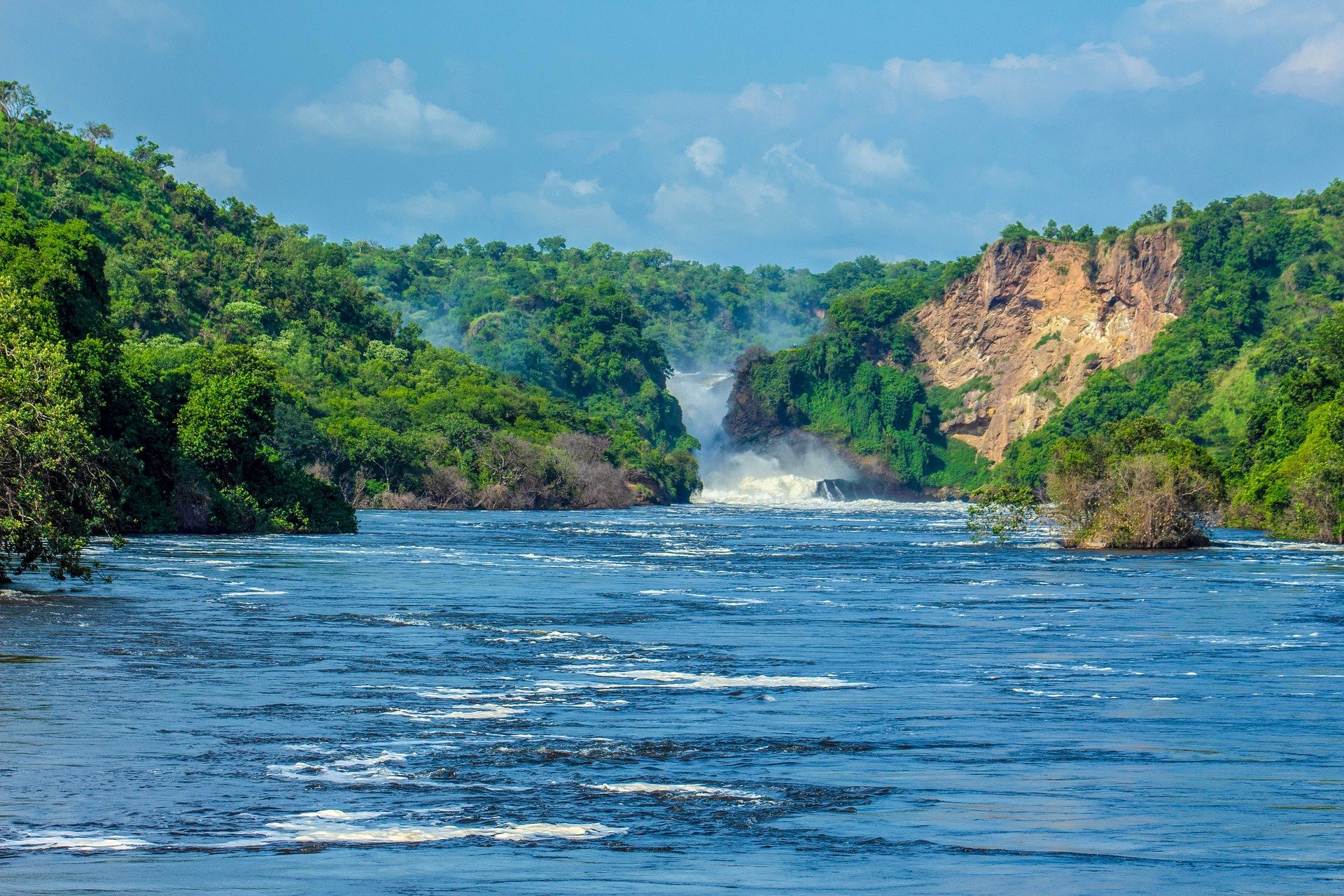
Uganda’s spectacular landscapes can be explored throughout the year, with seasonal conditions influencing wildlife viewing, gorilla trekking, chimpanzee tracking and other safari experiences.
One of the most useful Uganda Travel Tips is choosing travel dates according to the activities you want to experience rather than searching for one perfect month. Uganda can be visited throughout the year, but rainfall, road conditions, forest trails, wildlife movements and visitor numbers vary between seasons. The generally drier periods from June to August or September and December to February are popular for gorilla trekking and wildlife safaris. Travelers comparing different months can begin with our guide explaining the best month to visit Uganda.
Uganda Dry Seasons: June to September and December to February
The drier months are popular because safari roads and forest trails are often easier to navigate. June, July and August are particularly busy months for Uganda safaris, while September can remain favorable before heavier rains become more established in many areas. December, January and February form another popular travel period. Travelers planning primate adventures can read our seasonal gorilla trekking tips for more detailed information.
Dry-season travel is especially attractive for visitors combining several activities in one itinerary. Game drives, gorilla trekking, chimpanzee tracking, boat safaris and nature walks can all be included comfortably. Travelers can also compare this independent best time to visit Uganda guide when choosing travel dates.
Best Time for Wildlife Safaris in Uganda
Dry conditions can improve wildlife viewing in savannah parks because vegetation may become less dense and animals often concentrate around reliable water sources. Murchison Falls National Park, Queen Elizabeth National Park, Lake Mburo National Park and Kidepo Valley National Park are important destinations for game drives. Our guide to Uganda wildlife viewing seasons explains how seasonal conditions influence game-viewing experiences.
Travelers interested in photography may also appreciate the different opportunities created by each season. Drier months can make wildlife easier to locate, while wetter periods produce greener landscapes and dramatic skies. Photographers can explore our guide to the best time for Uganda wildlife photography.
Best Time for Gorilla Trekking in Uganda
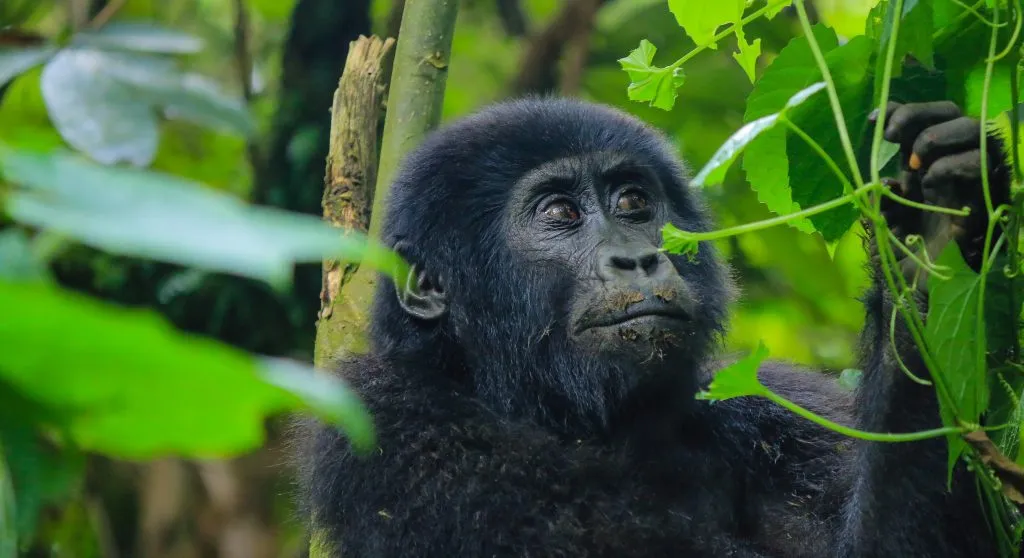
Discover the best time for gorilla trekking in Uganda and plan your journey around seasonal weather, forest conditions and your preferred trekking experience.
Mountain gorilla trekking in Bwindi Impenetrable National Park and Mgahinga Gorilla National Park is possible throughout the year. However, the drier periods are generally preferred because forest trails may be less muddy and easier to walk. June through August or September and December through February are therefore popular periods for travelers whose main priority is gorilla trekking.
Rainforest weather remains unpredictable, so visitors should still carry waterproof clothing even during drier months. Uganda Travel Tips for gorilla trekkers should always emphasize preparation rather than expecting completely dry conditions. Travelers can read our detailed guide on when to visit Bwindi Impenetrable National Park and compare it with this gorilla trekking seasonal guide.
Traveling During Uganda’s Rainy Seasons
The wetter periods generally occur from March to May and again around October to November, although rainfall patterns differ between regions and cannot be predicted precisely. Rain should not automatically discourage travelers. Uganda becomes particularly green during these months, visitor numbers may be lower, and photographers can enjoy lush landscapes. Travelers willing to manage wetter trails may find this period rewarding.
Gorilla trekking also continues during rainy periods. The main difference is that forest trails can become wetter, muddier and more physically demanding. Visitors considering off-peak travel can read this independent guide to gorilla trekking during Uganda’s rainy season.
Best Time for Birdwatching in Uganda

A shoebill stands among wetland vegetation, representing one of the remarkable bird species travelers can search for during a birdwatching safari in Uganda.
Uganda is an exceptional birdwatching destination throughout the year, and different seasons offer different advantages. Resident species can be observed year-round, while seasonal migrants add further variety during parts of the year. Wet periods can produce lush habitats and strong birding activity, while drier months may make travel between destinations easier. Birders planning a specialist itinerary can use our guide on when to plan a Uganda birding safari.
Peak Season Versus Low Season in Uganda
Peak safari periods usually coincide with favorable dry-season conditions and international holiday periods. Gorilla permits, popular lodges and experienced safari guides may therefore be booked earlier during June to September and December to February. Travelers planning these periods should reserve important safari components well in advance. Our guide on planning a peak-season Uganda safari explains how to prepare.
Traveling outside the busiest periods can offer greater accommodation flexibility and sometimes better safari value. Visitors with flexible dates can compare available Uganda safari discounts and seasonal offers. Price should not be the only consideration, however; travelers should also think about road conditions, trekking difficulty and the wildlife experiences they want most.
Is January a Good Time to Visit Uganda?
January is a popular month for Uganda travel because it falls within the shorter dry-season period in many parts of the country. It can work particularly well for travelers combining gorilla trekking, chimpanzee tracking and wildlife safaris. Visitors considering an early-year safari can explore our detailed guide answering whether January is a good time to visit Uganda.
Visiting Uganda in February and March
February can also offer favorable safari and trekking conditions, while March commonly marks a transition toward wetter weather. Actual rainfall varies from year to year, so travelers should prepare for changing conditions rather than depending on fixed seasonal dates. Our guide to visiting Uganda in February and March explains the safari possibilities during this transition.
Choose the Best Season for Your Own Uganda Safari
The best time to visit Uganda ultimately depends on your priorities. Travelers focused on easier gorilla trekking conditions may prefer a drier period, wildlife enthusiasts may choose months with favorable game-viewing conditions, photographers may appreciate green-season scenery, and budget-conscious travelers may consider less busy months. Uganda Travel Tips should therefore help visitors match the season to their interests rather than suggesting that everyone must travel during the same month.
Safari Vacations and Travel Services Ltd can design a route around your travel dates and interests, whether you want mountain gorillas, chimpanzees, wildlife, birdwatching, photography or a combination of experiences. Choosing the right season and itinerary together is more important than selecting dates based on weather alone.
Plan Your Uganda Safari for the Right Season
Tell Safari Vacations and Travel Services Ltd when you plan to travel, how many people are visiting and the experiences you want to include. We can recommend a suitable Uganda itinerary based on the season, safari destinations, accommodation preferences and available travel days.
Uganda Safari Packing List and What to Wear

A practical Uganda safari packing list featuring suitable clothing, hiking footwear, binoculars, photography equipment, travel documents and other useful safari essentials.
A practical Uganda safari packing list should prepare travelers for several different environments without encouraging them to carry unnecessary luggage. A typical Uganda safari can include warm savannahs, cool mornings, dusty game drives, tropical rainforests and occasional rain within the same itinerary. Lightweight clothing, comfortable walking shoes, sun protection, waterproof gear and a small daypack therefore form the foundation of sensible packing. Travelers can use our complete Uganda safari packing guide when preparing for their journey.
What Clothes Should You Wear on a Uganda Safari?
Comfortable, lightweight and breathable clothing works well for most Uganda safaris. Long trousers and lightweight long-sleeved shirts provide useful protection from sun, vegetation and insects, while short-sleeved shirts can be comfortable around lodges or during warmer parts of the day. Neutral and earthy colors such as khaki, brown, beige, olive and grey are practical choices for wildlife activities. Travelers planning several safari days should pack clothing that is easy to wash and quick to dry rather than carrying a different outfit for every day.
Mornings in some national parks and highland areas can feel cool, so include a fleece, sweater or lightweight jacket that can be removed as temperatures rise. Visitors combining game drives with primate trekking can review our detailed advice about what to wear for gorilla trekking.
What to Wear for Gorilla Trekking in Uganda
Gorilla trekking in Bwindi Impenetrable National Park and Mgahinga Gorilla National Park requires more protective clothing than an ordinary game drive. Wear full-length trousers and a long-sleeved shirt to protect your arms and legs while walking through dense forest vegetation. Strong waterproof hiking boots with good grip and ankle support are highly recommended because trails can become steep, slippery or muddy even when traveling during a generally drier season. Our gorilla trekking packing list covers the essential items in greater detail.
A lightweight waterproof jacket or poncho should remain in your daypack because conditions can change quickly in mountain rainforest environments. Gardening or trekking gloves can also help when holding vegetation for balance. For another perspective, travelers can consult this Uganda gorilla trekking clothing guide.
Choose the Right Hiking Boots and Footwear
Footwear is particularly important if your Uganda itinerary includes gorilla trekking, chimpanzee tracking or hiking. Comfortable waterproof hiking boots with reliable grip are preferable to sandals or ordinary fashion shoes on forest trails. Wear the boots before traveling so that you know they fit properly and do not cause discomfort during a long trek. Our guide to gorilla trekking footwear and clothing explains why suitable shoes matter in rainforest conditions.
For ordinary game drives and lodge stays, lighter shoes or comfortable trainers can be useful. This means travelers do not need to wear heavy hiking boots throughout the entire safari. Packing one strong trekking pair and one lighter comfortable pair is normally more practical than carrying several types of footwear.
Pack a Waterproof Jacket and Useful Layers
Rain is possible in Uganda throughout the year, particularly in forest and highland destinations. A compact waterproof jacket should therefore be included even when traveling during popular dry-season months. Travelers visiting during wetter periods should give additional attention to quick-drying clothing, waterproof footwear and protection for cameras and electronics. Our guide on packing for gorilla trekking during the rainy season provides more specific advice.
Layering is usually more practical than packing very heavy clothing. A lightweight base layer, shirt, fleece and waterproof outer layer can be adjusted as conditions change. Travelers comparing seasonal requirements can also read our peak-season gorilla trekking packing guide.
What Should You Carry in Your Safari Daypack?
A small comfortable daypack is useful for game drives, nature walks and trekking activities. It can carry drinking water, a rain jacket, sunscreen, insect repellent, camera equipment, spare batteries, personal medication, travel documents and other small essentials. For gorilla trekking, avoid carrying excessive weight because you may walk for several hours depending on where the gorillas are located.
Travelers undertaking the longer Gorilla Habituation Experience should pay particular attention to comfort and hydration because more time may be spent in the forest. Our gorilla habituation packing list provides additional preparation advice. Waterproof bags or covers are useful for protecting electronics and important documents if rain begins unexpectedly. Rain protection and quick-dry layers are especially useful during wetter trekking periods.
Cameras, Binoculars and Safari Photography Equipment
Uganda offers excellent opportunities for photographing mountain gorillas, chimpanzees, elephants, lions, birds and landscapes. A camera with suitable memory cards and spare batteries is useful for travelers interested in photography, while binoculars are particularly valuable for birdwatching and game drives. Carry photography equipment in a secure daypack and protect it from dust and rain.
Travelers should avoid bringing more photography equipment than they can comfortably manage, particularly for forest trekking. Gorilla trekking may involve steep terrain, so portability matters. First-time visitors can combine packing preparation with our gorilla trekking tips for first-time visitors.
Sun Protection, Insect Repellent and Personal Essentials
Sun protection remains important even when mornings are cool. Pack sunscreen, sunglasses and a comfortable hat for game drives and outdoor activities. Appropriate insect repellent should also form part of your personal travel kit, particularly for evenings and locations where mosquitoes are present. Travelers should carry enough prescription medication for their journey and follow the medical advice discussed in the health section of these Uganda Travel Tips.
Other useful personal items include reusable water bottles, chargers, power banks and small waterproof storage bags. Keep passports, travel insurance information and important confirmations protected and accessible. Travelers preparing for their first Uganda adventure can also read this Uganda safari preparation guide.
Pack Light for Domestic Flights and Safari Vehicles
Travelers using domestic flights should check the baggage allowance provided by the airline before departure because smaller safari aircraft can have stricter baggage limits than international flights. Soft-sided travel bags are often easier to handle in safari vehicles and smaller aircraft than large rigid suitcases. Even on a road safari, packing reasonably light leaves more space inside the vehicle and makes movement between lodges easier.
The best Uganda Travel Tips encourage travelers to pack for the activities actually included in their itinerary. Someone taking game drives and boat safaris will need different equipment from a traveler combining gorilla trekking with mountain hiking. Our broader gorilla trekking preparation guide can help visitors identify what is truly necessary.
What Not to Overpack for a Uganda Safari
Avoid filling your luggage with heavy clothing, excessive shoes or items that can easily be provided by your lodge or safari operator. Most travelers need practical clothing that can be reused during the journey rather than a completely different outfit every day. When preparing specifically for forest trekking, this independent Uganda gorilla trekking clothing guide provides useful seasonal considerations. Current trekking guidance similarly emphasizes waterproof footwear, long protective clothing and rain gear rather than excessive equipment.
Travelers concerned about clothing colors can also review our discussion about wearing black for gorilla trekking. The priority should remain comfort, protection from vegetation and insects, weather readiness and clothing suitable for the activities included in your Uganda safari.
Final Uganda Safari Packing Tip
The most important packing principle is to prepare for changing conditions while keeping your luggage manageable. Bring comfortable clothing, dependable footwear, rain protection, essential health items and only the equipment you genuinely expect to use. These Uganda Travel Tips will help travelers move comfortably between national parks, rainforest treks, safari lodges and other experiences without carrying unnecessary luggage.
Safari Vacations and Travel Services Ltd can also advise clients about packing according to their specific itinerary. A traveler trekking gorillas in Bwindi, visiting Queen Elizabeth National Park and relaxing at Lake Bunyonyi may require slightly different clothing from someone combining Murchison Falls, Kidepo Valley and a domestic flight safari.
Plan and Prepare for Your Uganda Safari
Tell Safari Vacations and Travel Services Ltd your travel dates, number of travelers and the activities you want to experience. We can help you plan the itinerary, accommodation, transportation, permits and practical preparation for your Uganda safari.
Money in Uganda: Currency, Cash, Cards, ATMs, Mobile Money and Tipping
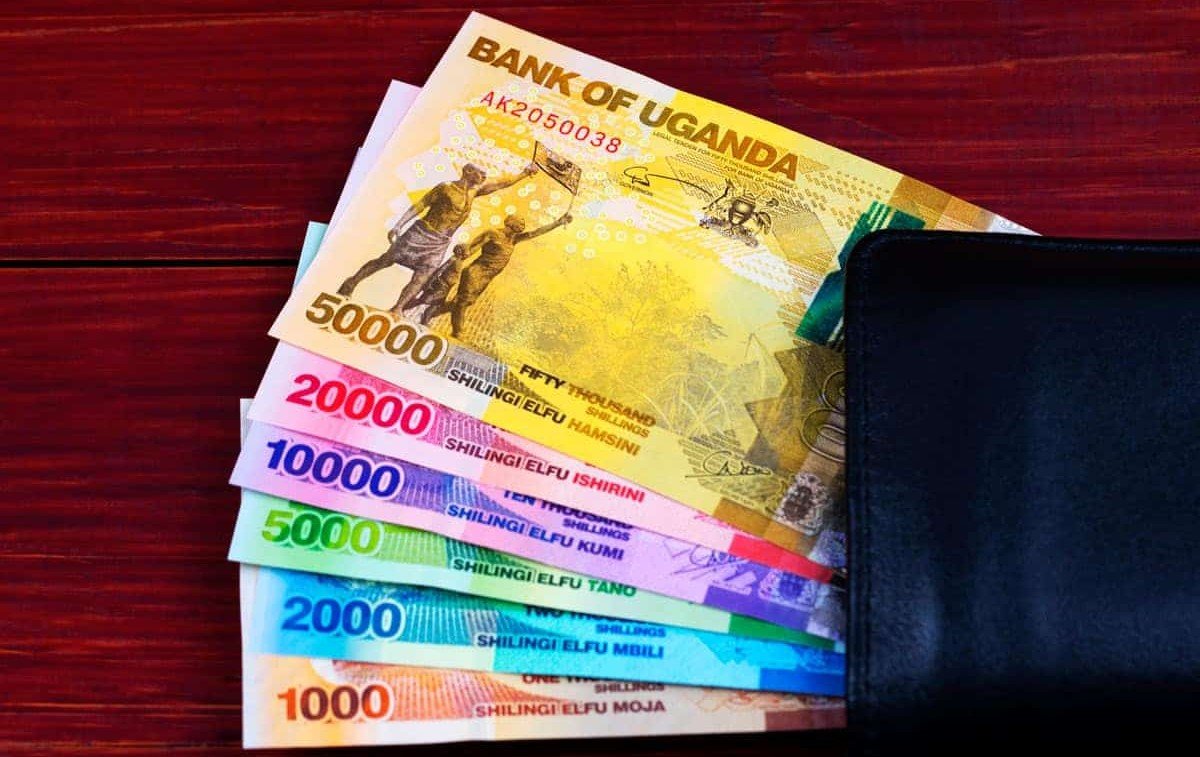
The Ugandan shilling is Uganda’s local currency, and carrying some local cash can be useful for everyday expenses while traveling around the country.
Understanding how money works is one of the most practical Uganda Travel Tips for international visitors. Uganda’s local currency is the Uganda shilling, commonly written as UGX, and it is useful for everyday purchases, small expenses, local restaurants, tips and payments in places where cards may not be practical. Travelers should plan to use a combination of local cash and cards rather than depending entirely on one payment method. Our detailed Uganda travel money tips provide additional information for preparing your safari budget.
What Currency Is Used in Uganda?
The Uganda shilling is the country’s main currency and is the most practical money for everyday expenses. Travelers may see prices written as UGX or with the local shilling notation. Some tourism services may quote prices in US dollars, particularly safari packages, permits and certain international tourism services, but travelers should still carry Uganda shillings for smaller purchases.
Do not rely on a fixed online exchange rate when preparing your budget because foreign exchange rates change continuously. Check the current rate shortly before exchanging money. Travelers calculating the overall cost of their holiday can also read our guide explaining Uganda safari costs and advance booking.
Should You Carry Cash on a Uganda Safari?
Yes, carrying some cash is sensible, especially when traveling beyond Kampala and Entebbe into national parks and rural areas. Cash can be useful for small shops, local purchases, porter services, tips and other personal expenses. Travelers should avoid carrying unnecessarily large amounts at once and should keep money securely stored while traveling.
Before departure, clarify which expenses are already included in your safari package. Accommodation, transportation, meals, park activities and permits may already be covered depending on the package you book. Our Uganda safari booking guide explains how major safari services are normally organized before arrival.
Can You Use US Dollars in Uganda?
US dollars may be accepted for some tourism-related payments, but Uganda shillings remain more practical for day-to-day spending. Travelers carrying dollars should bring notes in good condition because damaged or heavily marked notes may be difficult to exchange or use. Instead of trying to pay for every small purchase in foreign currency, exchange a reasonable amount into Uganda shillings for everyday expenses.
Visitors who want further information about using foreign currency can read this guide to using US dollars in Uganda. Travelers trying to keep expenses controlled can also compare our Uganda budget safari options before deciding how much spending money to carry.
Where Should You Exchange Money in Uganda?
Foreign currency can be exchanged through established banks and authorized foreign exchange bureaus, particularly in Entebbe and Kampala. Exchange facilities become less common as travelers move into remote safari regions, so it is better to organize sufficient local currency before beginning a long journey into national parks.
Travelers should compare rates and confirm any transaction charges before exchanging significant amounts. Avoid informal currency exchanges where the legitimacy of the transaction or notes cannot be confirmed. Your driver-guide can normally help identify established exchange facilities when necessary.
Can You Use Credit and Debit Cards in Uganda?
International debit and credit cards can be useful at many established hotels, lodges, restaurants and businesses, especially in larger towns and tourism centers. However, card availability should never be assumed in remote destinations. Network interruptions, payment-terminal problems or individual establishment policies can make cash necessary even where cards are normally accepted.
It is wise to notify your bank that you will be traveling to Uganda and ask about international transaction fees, ATM charges and daily withdrawal limits. Visitors comparing accommodation and service levels can read our guide to budget, mid-range and luxury Uganda safaris.
Using ATMs During a Uganda Safari
ATMs are readily found in major urban centers and larger towns, but access becomes less predictable in remote safari areas. Travelers should therefore withdraw necessary spending money before entering destinations where banking facilities are limited. Do not plan an important payment on the assumption that an ATM will be available beside a national park or remote lodge.
Foreign card compatibility, withdrawal limits and bank fees differ, so confirm these details with your card provider before traveling. Visitors can also consult this Uganda safari ATM guide for additional practical information.
Mobile Money in Uganda
Mobile money is widely used across Uganda and plays an important role in everyday payments and transfers. Local residents and businesses frequently use mobile-based payment systems, and travelers may notice mobile money agents throughout towns and trading centers. However, international visitors should not depend on mobile money as their only way of accessing funds because registration, SIM requirements and service availability may vary.
A combination of cash and an internationally enabled bank card remains the simplest approach for many short-term safari visitors. Regardless of payment method, keep emergency funds separate from your everyday spending money and protect PINs and financial information.
Budget for Extra Safari Expenses
When calculating a Uganda safari budget, allow money for personal expenses that may not be included in your package. These can include drinks outside the agreed meal plan, souvenirs, optional activities, laundry, tips and personal shopping. Reading the inclusions and exclusions in your quotation before paying helps prevent unexpected costs later. Our guide to hidden African safari costs explains expenses travelers sometimes overlook.
The price of a Uganda safari is also influenced by accommodation standard, activities, transportation, season and group size. Travelers looking for value can review available Uganda safari discounts and offers while remembering that the cheapest itinerary is not always the most comfortable or practical.
Should You Tip on a Uganda Safari?
Tipping in Uganda’s safari industry is appreciated for good service but should remain voluntary. Travelers may choose to tip driver-guides, lodge staff, porters, trackers, ranger guides and other people who contribute to the safari experience. There is no need to treat every suggested amount online as a compulsory fee. Service quality, group size and personal preference should guide the decision.
Travelers wanting a more detailed explanation can read our guide to tipping on a Uganda gorilla safari and our answer to whether you should tip a safari guide. Another useful reference is this Uganda safari tipping guide.
How Much Should You Tip a Safari Driver?
There is no compulsory fixed tipping amount for a Uganda safari driver-guide. Travelers commonly decide their gratuity at the end of the safari according to service, trip length and group size. If several travelers are sharing one vehicle, they may agree on a group tip rather than each person treating an online recommendation as a strict daily charge.
Our detailed guide on tipping a Uganda safari driver provides further guidance. It is helpful to keep small denominations available toward the end of the trip if you intend to tip guides, porters or lodge staff.
Keep Your Money Secure While Traveling
Good money management is an important part of Uganda Travel Tips. Avoid displaying large amounts of cash in public, keep your wallet and cards secure, and divide emergency money between safe locations rather than carrying everything together. Use reputable ATMs and exchange facilities, and contact your bank quickly if a card is lost or blocked.
The aim is not to carry large amounts of money but to have enough flexibility for the areas you will visit. A combination of Uganda shillings, a suitable international card and a small reserve provides a practical approach for most safari travelers. Safari Vacations and Travel Services Ltd can also explain what is included in your trip before departure so you can estimate how much personal spending money you may need.
Plan Your Uganda Safari Budget with Safari Vacations and Travel Services Ltd
Tell us your travel dates, number of travelers, preferred accommodation level and the Uganda experiences you want to include. Safari Vacations and Travel Services Ltd can prepare a clear safari quotation covering accommodation, transport, permits and planned activities so you can understand your major travel costs before arrival.
Getting Around Uganda: Roads, Safari Vehicles, Domestic Flights and Driving Distances

Safari vehicles are one of the most practical ways to explore Uganda, connecting national parks, wildlife reserves, towns and major safari destinations across the country.
Understanding transportation is one of the most important Uganda Travel Tips because the country’s major safari destinations are spread across different regions. Most visitors explore Uganda using a private safari vehicle with a professional driver-guide, although domestic flights can significantly reduce long transfers. The best option depends on your available days, budget, destinations and preferred level of comfort. Travelers with limited time can explore our detailed Uganda fly-in safari guide to understand how road and air travel can be combined.
Traveling Around Uganda by Safari Vehicle
Road travel remains one of the best ways to experience Uganda because journeys between national parks pass through towns, rural communities, farmland, mountains and changing landscapes. Safari Vacations and Travel Services Ltd normally organizes comfortable private safari vehicles suitable for both highway driving and national park tracks. A good safari itinerary should treat road journeys as part of the experience rather than simply trying to cover the greatest possible distance every day.
Four-wheel-drive safari vehicles are particularly useful inside national parks and on roads where conditions may change during rainy periods. Travelers planning a classic circuit can study our Uganda safari itinerary to see how several destinations can be connected logically by road.
Entebbe to Bwindi Impenetrable National Park
Traveling from Entebbe or Kampala to Bwindi by road is one of the longer transfers on a Uganda safari and commonly occupies most of a travel day. The route passes through central and southwestern Uganda before reaching the mountainous gorilla region. Travelers should avoid planning a demanding activity immediately after a long journey whenever the itinerary allows. Our detailed Entebbe to Bwindi road guide explains the journey in greater detail.
Visitors with fewer days can instead take a domestic flight toward Kihihi or Kisoro and continue to their lodge by road. Our comparison of whether it is better to drive or fly to Bwindi can help travelers decide which option suits their itinerary. Another useful perspective is this Uganda fly-in gorilla safari guide.
Getting to Queen Elizabeth National Park
Queen Elizabeth National Park fits naturally into Uganda’s western safari circuit and can be reached by road from Entebbe or Kampala. It combines particularly well with Kibale National Park and Bwindi because travelers can continue between the parks instead of returning to Entebbe after every activity. Our Queen Elizabeth National Park guide provides information about access, wildlife activities and safari planning.
For travelers combining Bwindi and Queen Elizabeth National Park, the road journey between the two destinations adds scenic countryside and creates a logical transition from rainforest trekking to savannah wildlife viewing. This is often more practical than flying between nearby destinations.
Getting to Kibale National Park
Kibale National Park is normally reached by road through western Uganda and is easily combined with Queen Elizabeth National Park. This makes it possible to organize a safari featuring chimpanzee trekking, game drives, a Kazinga Channel boat safari and gorilla trekking without unnecessary backtracking. Travelers planning a primate itinerary can use our Kibale National Park travel guide for further route information.
Domestic aviation can also shorten some journeys toward western Uganda, followed by a road transfer to Kibale. Visitors considering this option can compare an independent guide to getting to Kibale National Park.
Getting to Murchison Falls National Park
Murchison Falls lies north of Kampala and Entebbe and works well as the first major park on a longer Uganda wildlife circuit. The road journey can include a stop around Ziwa Rhino Sanctuary before continuing toward the national park. Travelers can learn more about access and activities in our Murchison Falls safari guide.
Travelers who want to reduce road time can also use domestic flights serving airstrips around the Murchison Falls conservation area. For another overview of both transport options, see this Murchison Falls transportation guide.
Domestic Flights in Uganda
Domestic flights are useful for travelers with limited vacation time, senior visitors, honeymooners and anyone who prefers to reduce long road transfers. Scheduled and charter flights connect Entebbe with airstrips serving several safari regions. After landing, travelers normally continue by safari vehicle to their lodge or national park. Our guide explaining how to book a domestic flight in Uganda covers important planning considerations such as flight schedules and baggage restrictions.
Flying does not mean every transfer should be completed by air. A well-designed fly-in safari normally replaces the longest journeys while keeping shorter scenic road connections. For example, travelers can fly toward Bwindi and later travel by road to Queen Elizabeth National Park. This approach saves meaningful travel time without removing the overland experience completely.
Domestic Flight Baggage Considerations
One of the most important Uganda Travel Tips for fly-in safari travelers is to check baggage limits before packing. Small safari aircraft may have more restrictive baggage allowances than international airlines, and soft-sided luggage is often easier to handle. Travelers should confirm the current allowance for their exact flight rather than assuming that their international airline baggage policy also applies domestically.
This is another reason to keep a Uganda safari packing list practical. Travelers considering several domestic sectors can use our Uganda fly-in safari planning guide before confirming their transport arrangements.
Flying Into Kigali for a Southwestern Uganda Safari
Some travelers visiting Bwindi or Mgahinga choose Kigali International Airport in Rwanda instead of Entebbe, particularly when their itinerary is concentrated in southwestern Uganda. After arrival in Kigali, travelers can continue by road toward the Uganda border and then to the gorilla region. Whether this is the best option depends on flight connections, visa requirements, border arrangements and the rest of the itinerary.
Travelers comparing the two international gateways can read our guide explaining Kigali versus Entebbe for Uganda safaris. If the safari continues to central, western or northern Uganda after gorilla trekking, Entebbe may still provide a more logical overall route.
Do Not Plan Uganda Safaris Using Distance Alone
Driving distance does not always tell you exactly how long a journey will take in Uganda. Traffic, road conditions, weather, park roads, border procedures and sightseeing stops can all affect transfer time. Travelers should therefore treat published driving times as estimates rather than fixed guarantees. A good Uganda itinerary leaves enough flexibility for comfortable stops and unexpected delays.
Safari Vacations and Travel Services Ltd designs itineraries according to realistic travel patterns instead of trying to fit too many national parks into too few days. Travelers who want to understand how the gorilla region is accessed can also read our guide on how to get to Bwindi Impenetrable National Park.
Choose the Right Transport for Your Uganda Safari
There is no single best transport method for every traveler. Road safaris usually offer greater landscape and cultural exposure, while domestic flights save time on long-distance transfers. Many of the best itineraries use a combination of both. These Uganda Travel Tips are especially important for short trips because poor routing can result in spending more time traveling than actually experiencing Uganda’s wildlife.
Safari Vacations and Travel Services Ltd can arrange airport transfers, private safari vehicles, professional driver-guides and domestic flights according to the final itinerary. The goal should be to create a comfortable route that gives travelers enough time in each destination rather than simply visiting as many parks as possible.
Plan the Best Uganda Safari Route
Tell Safari Vacations and Travel Services Ltd your arrival airport, travel dates, number of days and the destinations you want to visit. We can recommend whether road transfers, domestic flights or a combination of both will create the most practical Uganda safari.
Gorilla Trekking, Chimpanzee Tracking and Wildlife Safari Travel Tips
Some of the most important Uganda Travel Tips concern the country’s exceptional primate and wildlife experiences. Uganda allows travelers to combine mountain gorilla trekking, chimpanzee tracking, traditional game drives, boat safaris and birdwatching within one itinerary. Gorilla trekking takes place in Bwindi Impenetrable National Park and Mgahinga Gorilla National Park, while Kibale National Park is Uganda’s best-known chimpanzee tracking destination. First-time visitors can prepare with our detailed gorilla trekking tips before arriving in the forest.
Book Gorilla Trekking Permits Early

Travelers planning a Uganda gorilla safari should arrange their gorilla trekking permits well in advance, particularly when traveling during popular safari periods.
A gorilla trekking permit is required before joining an authorized trek in Uganda. Permits are limited because tourism around habituated mountain gorilla families is carefully controlled. Travelers visiting during popular safari months should therefore organize permits before finalizing accommodation and transport. Permit prices and seasonal arrangements can change, so check the latest Uganda gorilla trekking cost when planning a 2026/2027 safari.
Do not purchase permits from unknown individuals or unofficial sources. Safari Vacations and Travel Services Ltd can arrange permit availability as part of a confirmed Uganda safari. Travelers arranging a trip at short notice may also find these last-minute Uganda gorilla trekking tips helpful.
Choose the Right Gorilla Trekking Area
Uganda offers gorilla trekking in Bwindi Impenetrable National Park and Mgahinga Gorilla National Park. Bwindi has several trekking sectors, including Buhoma, Ruhija, Rushaga and Nkuringo, so your permit location should match your accommodation and transport arrangements. Our guide to choosing a gorilla trekking destination explains the main factors travelers should consider.
Do not book a lodge simply because it is located somewhere around Bwindi. The forest covers a large mountainous area, and traveling between sectors can add unnecessary road time. Safari Vacations and Travel Services Ltd normally matches the trekking permit, lodge and route before confirming the final itinerary.
Prepare Physically for Gorilla Trekking
Gorilla trekking takes place on natural rainforest terrain rather than a fixed wildlife-viewing platform. The walk may include steep slopes, mud, thick vegetation and uneven trails, and the duration depends partly on where the gorilla family is located. Regular walking before travel can improve comfort and confidence. Strong hiking boots, long trousers, rain protection, drinking water and a comfortable daypack are recommended.
Hiring a local porter can make the trek easier by helping with your bag and providing assistance on difficult sections of the trail. Travelers should also understand the applicable gorilla trekking age requirements when planning a family safari.
Follow Gorilla Trekking Rules Carefully
Responsible behavior protects both travelers and mountain gorillas. Visitors receive a briefing before entering the forest and should follow ranger instructions throughout the trek. Important principles include maintaining the instructed viewing distance, keeping voices low, avoiding flash photography, not touching the gorillas and following health precautions if you are unwell. Our complete Uganda gorilla trekking rules explains what visitors should expect.
Mountain gorillas are wild animals even though the groups visited by tourists have been habituated to controlled human presence. Never attempt to move closer simply to improve a photograph. Rangers understand gorilla behavior and their instructions should take priority over photographs, videos or personal expectations.
Photography During Gorilla Trekking
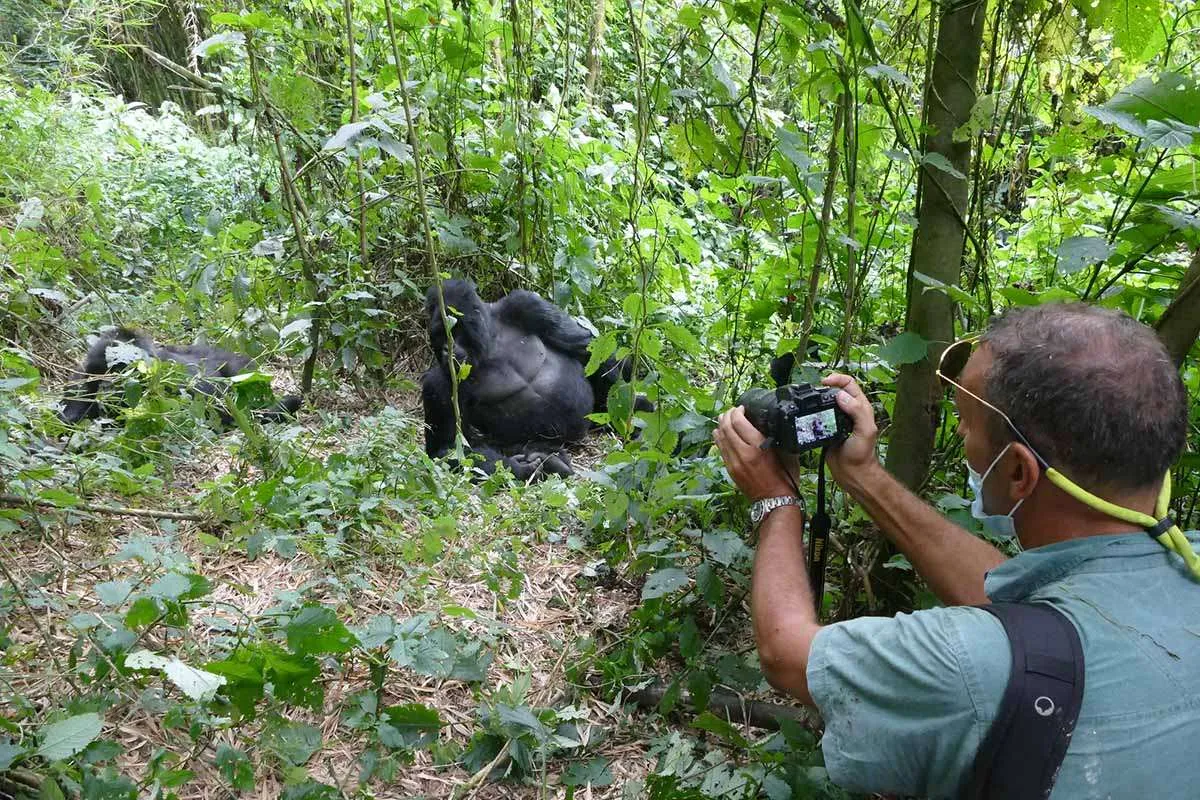
Gorilla trekking provides remarkable photography opportunities as visitors observe and photograph mountain gorillas in their natural forest habitat while following responsible trekking guidelines.
Gorilla trekking provides exceptional photography opportunities, but visitors should avoid allowing cameras to distract them from ranger instructions. Prepare camera settings before reaching the gorillas, switch off flash and avoid carrying equipment that is too heavy to manage during the forest walk. Our gorilla viewing distance guide provides additional information about responsible encounters.
Weather can change quickly in Bwindi and Mgahinga, so cameras and lenses should have suitable rain protection. Spare batteries and memory cards are useful, but travelers should remember that experiencing the encounter directly can be just as rewarding as photographing every moment.
Chimpanzee Tracking in Kibale National Park

Chimpanzee tracking in Kibale National Park offers travelers an opportunity to observe the fascinating behavior and social relationships of chimpanzees in a tropical forest environment.
Kibale National Park is Uganda’s leading destination for chimpanzee tracking and can be combined naturally with Queen Elizabeth National Park and Bwindi. Visitors walk through tropical forest with trained guides while searching for habituated chimpanzee communities. Our Uganda chimpanzee trekking guide explains permits, destinations and preparation in greater detail.
Chimpanzee trekking permits should also be organized in advance because availability is controlled. Visitors should follow ranger instructions, avoid approaching chimpanzees independently and respect rules concerning food, photography and health. Travelers wanting another perspective can read these Kibale chimpanzee trekking facts.
Safety During Chimpanzee Tracking
Chimpanzees are powerful wild primates and should always be observed under the supervision of trained guides. Do not imitate calls, chase animals or attempt physical contact. Forest conditions may also include slippery trails, insects and changing weather, so suitable clothing and footwear remain important. Our guide answering whether chimpanzee trekking in Kibale is safe provides more practical preparation advice.
Visitors who feel unwell should tell their safari guide or park personnel before joining a primate activity. Protecting primates from human illness is part of responsible tourism, just as maintaining appropriate behavior protects visitors.
Combine Gorillas and Chimpanzees in One Uganda Safari
Travelers interested in primates do not have to choose between gorillas and chimpanzees. Kibale, Queen Elizabeth National Park and Bwindi form a practical western Uganda route, allowing travelers to experience chimpanzees, savannah wildlife and mountain gorillas on one journey. A sample chimpanzee and gorilla trekking safari demonstrates how these destinations can be connected without unnecessary backtracking.
This combination is particularly useful for travelers who have around a week or more in Uganda. Longer itineraries can add Murchison Falls, Lake Mburo, Lake Bunyonyi or other destinations depending on travel interests and available days.
Add a Traditional Wildlife Safari
Uganda Travel Tips should not focus only on primates because the country also offers excellent savannah wildlife experiences. Queen Elizabeth National Park, Murchison Falls National Park, Kidepo Valley National Park and Lake Mburo National Park provide opportunities for game drives, boat safaris and wildlife photography. Our Uganda wildlife and gorilla safari guide explains how these experiences can complement primate trekking.
Queen Elizabeth National Park is especially convenient for travelers moving between Kibale and Bwindi. Game drives can reveal elephants, buffaloes, antelopes, lions and other wildlife, while the Kazinga Channel provides a different perspective from the water. Travelers can also explore this independent Queen Elizabeth safari guide.
Wildlife Viewing in Queen Elizabeth National Park
Wildlife sightings are never guaranteed because animals move freely within natural ecosystems. A professional safari guide can improve the experience by interpreting tracks, animal behavior, habitats and seasonal conditions. Travelers particularly interested in the park can review our guide to wildlife in Queen Elizabeth National Park.
During game drives, remain inside the vehicle unless your guide confirms that leaving it is permitted. Never feed wildlife, call animals toward the vehicle or pressure guides to approach animals too closely. Responsible safari behavior protects wildlife while providing better long-term experiences for future visitors.
Respect Wildlife and Follow Your Guide
The most important wildlife advice in these Uganda Travel Tips is simple: observe animals without attempting to control their behavior. Whether you are watching gorillas in Bwindi, chimpanzees in Kibale, lions in Queen Elizabeth or elephants in Murchison Falls, follow the instructions of your ranger or driver-guide and maintain an appropriate distance.
Uganda’s strongest safari itineraries combine careful planning with flexibility. Wildlife moves, weather changes and forest trekking conditions vary from day to day. Safari Vacations and Travel Services Ltd can organize permits, accommodation, transport and national park activities while allowing enough time for travelers to enjoy each destination properly.
Plan Your Uganda Gorilla, Chimpanzee and Wildlife Safari
Tell Safari Vacations and Travel Services Ltd your travel dates, number of travelers and whether you want gorilla trekking, chimpanzee tracking, wildlife safaris or a combination of experiences. We can design a practical Uganda itinerary and organize the required permits, accommodation and transportation.
Safety, Local Culture, Internet, Electricity and Everyday Travel Tips in Uganda
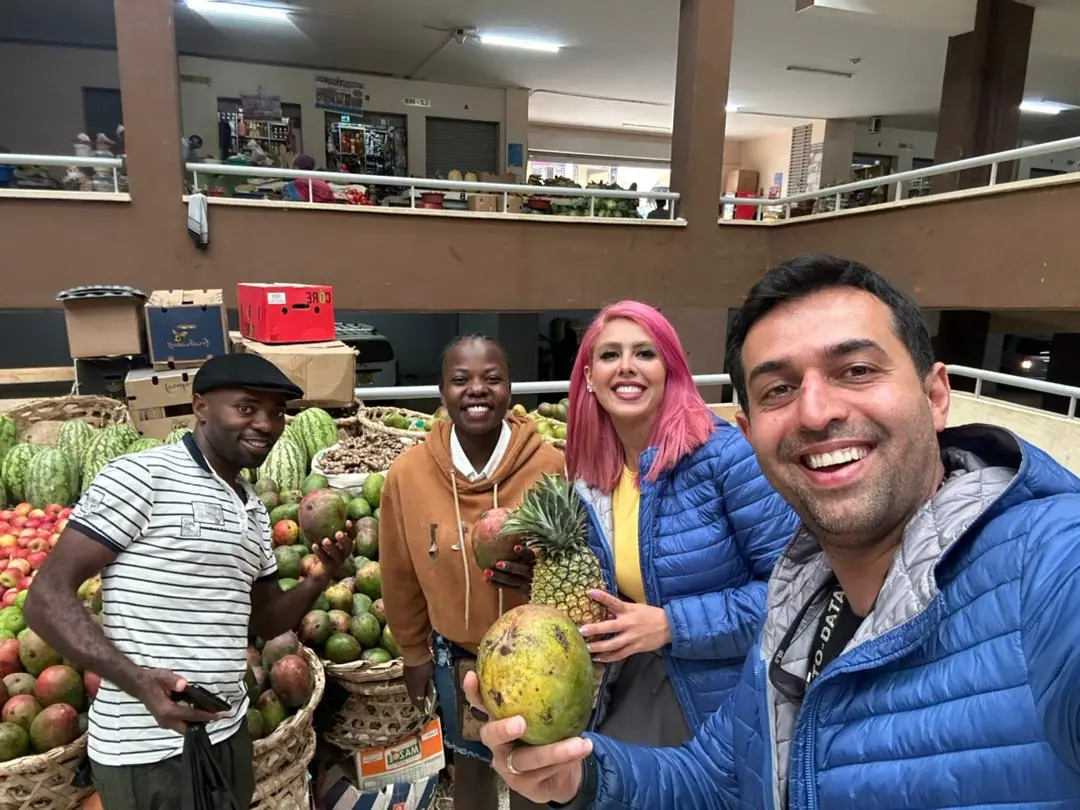
Visiting local markets gives travelers an opportunity to experience everyday life, interact with local people and discover Uganda beyond its national parks and wildlife attractions.
Practical Uganda Travel Tips extend beyond safari parks and permits. Visitors should also understand everyday safety, communication, cultural etiquette, electricity, photography and how to behave respectfully in local communities. Conditions can change, so travelers should check official government travel advice shortly before departure and follow guidance from their safari operator and driver-guide. Our Uganda safari dos and don’ts provides a useful introduction to responsible travel.
Personal Safety While Traveling in Uganda
Visitors should use the same sensible precautions they would use when traveling in any unfamiliar destination. Keep passports, money and valuable electronics secure, avoid displaying large amounts of cash and use reputable transportation, particularly in busy towns and cities. Travelers moving independently should tell someone their plans and avoid unnecessary travel alone in unfamiliar places after dark. Solo visitors can read our Uganda solo travel guide for additional preparation.
Travel conditions and official security advice can change rapidly. Do not rely on old blogs stating that every part of Uganda is always safe. Check current government travel advisories before departure and follow local guidance during the safari. Another useful resource is this Uganda traveler safety guide.
Respect Ugandan Culture and Local Communities
Uganda is culturally diverse, with numerous languages, traditions and communities. Visitors should approach cultural encounters with respect rather than treating local people as attractions. Dress appropriately when visiting communities, religious sites and cultural places, listen to local guides and respect household or community rules. Travelers interested in learning more can explore our Uganda culture guide.
Simple greetings and polite communication can make interactions more meaningful. When buying crafts or souvenirs, respectful bargaining may be appropriate in some markets, but travelers should avoid aggressive negotiation over small differences in price. Our guide about what to avoid on a Uganda safari explains further cultural and behavioral considerations.
Ask Permission Before Photographing People
One of the most important Uganda Travel Tips is to ask before photographing people. Never assume that someone wants to appear in your photographs simply because you are visiting their community. A polite request through your guide can prevent uncomfortable situations and demonstrate respect. This principle is discussed further in our ethical safari photography guide.
The same respect applies to wildlife. Follow park rules, avoid disturbing animals and never pressure a guide to approach wildlife dangerously for a photograph. Travelers interested in photography can read our guide to planning a Uganda photography safari.
Internet, Wi-Fi and Local SIM Cards in Uganda
Internet access is available in major towns and many safari lodges, but connection quality can become less reliable in remote national parks and forest destinations. Travelers who need regular communication should download important documents, maps and confirmations before leaving urban areas. A local SIM card can also be useful for calls and mobile data where network coverage is available.
Visitors should not depend on uninterrupted internet throughout a safari. Remote lodges may have slower Wi-Fi or limited connectivity, and some travelers may prefer to use safari time away from constant online communication. Our Uganda travel information guide discusses communication and other practical matters, while this Uganda safari connectivity guide provides additional advice.
Electricity and Charging Devices on Safari
Uganda generally uses British-style three-pin Type G electrical sockets, with a 240-volt, 50 Hz supply. International travelers should check whether their devices are compatible and bring a suitable travel adapter. Electricity may not be available continuously at every remote lodge because some properties rely partly on solar power or generators. Our Uganda safari frequently asked questions provides further practical information.
Charge cameras, phones and power banks whenever reliable electricity is available, especially before gorilla trekking, game drives or stays in remote areas. A power bank can be particularly useful for phones and smaller electronic devices.
Food, Drinking Water and Everyday Health
Travelers should drink safe bottled, filtered or properly treated water and maintain normal food hygiene throughout the journey. Safari vehicles and established lodges commonly provide safe drinking water, but travelers should confirm arrangements when traveling independently. Our guide to staying healthy during a Uganda safari provides more detailed advice.
Choose freshly prepared food from reputable establishments and wash or sanitize hands regularly. Travelers should inform lodges and Safari Vacations and Travel Services Ltd about important dietary restrictions or allergies in advance so appropriate arrangements can be discussed.
Follow National Park and Wildlife Rules
Inside Uganda’s national parks, visitors should follow instructions from Uganda Wildlife Authority rangers and their professional driver-guide. Remain in the safari vehicle unless your guide confirms that leaving it is permitted, keep an appropriate distance from animals and never feed wildlife. Our practical Uganda safari tips explains how preparation and responsible behavior improve the overall experience.
Photography should never come before safety. Wildlife is unpredictable, and approaching animals too closely can endanger both visitors and wildlife. Visitors interested in capturing Uganda responsibly can explore our Uganda photography safari guide.
Stay Flexible and Listen to Your Driver-Guide
A professional driver-guide is one of the most valuable sources of local information during a Uganda safari. Road conditions, weather, wildlife movements and local circumstances can change during a journey, so small itinerary adjustments may sometimes be necessary. Travelers should remain flexible and discuss concerns with their guide rather than relying entirely on information downloaded before arrival.
For more general preparation, travelers can compare these Uganda safari frequently asked questions. Good Uganda Travel Tips combine advance research with common sense, cultural respect and willingness to follow reliable local advice.
Travel Uganda with Local Safari Support
Safari Vacations and Travel Services Ltd can help you organize a well-planned Uganda safari with private transportation, professional driver-guides, accommodation, permits and practical local support. Tell us your travel dates, number of travelers and preferred destinations, and we will help design your Uganda itinerary.
Uganda Travel Tips FAQs and Plan Your Safari with Safari Vacations and Travel Services Ltd
These Uganda Travel Tips FAQs answer some of the most common questions travelers ask before visiting the Pearl of Africa. From visas and weather to safari length, gorilla trekking, packing and transportation, understanding the basics makes it easier to create a realistic itinerary. Travelers looking for additional preparation advice can read our complete Uganda travel tips and advice.
Do I Need a Visa to Travel to Uganda?
Visa requirements depend on your nationality and passport. Travelers from visa-prone countries should check the latest Uganda immigration requirements and complete the required application before travel. Your passport should also meet the applicable validity requirements. Our guide explaining how to get a Uganda visa provides useful preparation information, but travelers should always confirm final entry requirements through Uganda’s official immigration authorities.
What Is the Best Time to Visit Uganda?
Uganda can be visited throughout the year, although the generally drier periods are popular for gorilla trekking, wildlife safaris and outdoor activities because roads and forest trails may be easier to navigate. Wet-season travel can offer greener scenery, fewer visitors and excellent birdwatching opportunities. Our guide explaining the best month to visit Uganda helps travelers compare seasons. Another useful resource is this Uganda seasonal travel guide.
How Many Days Do You Need for a Uganda Safari?
The ideal number of days depends on the experiences you want. A short trip may concentrate on gorilla trekking, while approximately one week or more gives travelers greater flexibility to combine Bwindi, Queen Elizabeth National Park, Kibale and other destinations. Longer itineraries can include Murchison Falls, Lake Mburo, Kidepo Valley or Jinja. First-time visitors can compare our recommended Uganda safari packages when deciding how many days to spend in the country.
Is Gorilla Trekking in Uganda Difficult?
Gorilla trekking difficulty varies because mountain gorillas move freely through natural forest terrain. One trek may involve a relatively manageable walk, while another can involve several hours of steep, muddy or uneven trails. Reasonable physical preparation, suitable hiking boots and hiring a porter can make the experience more comfortable. Travelers should review our gorilla trekking tips for first-time visitors before visiting Bwindi or Mgahinga.
Where Is the Best Place for Chimpanzee Trekking in Uganda?
Kibale National Park is Uganda’s best-known destination for chimpanzee tracking and fits naturally into a western Uganda safari with Queen Elizabeth National Park and Bwindi. Other chimpanzee experiences are available in selected forests and conservation areas depending on the itinerary. Travelers interested in primates can explore our best chimpanzee trekking in Uganda guide.
What Should I Pack for a Uganda Safari?
Pack lightweight clothing, long trousers, comfortable shoes, a rain jacket, sun protection, insect repellent and essential personal medication. Gorilla and chimpanzee trekkers should pay particular attention to waterproof hiking footwear, long sleeves and rain protection. Cameras, binoculars and a small daypack are also useful. Our complete Uganda safari packing list provides more detailed preparation advice.
Is Uganda Expensive to Visit?
Uganda can accommodate budget, mid-range and luxury travel, but the final cost depends on accommodation, transportation, number of travelers, permits, activities and safari length. Gorilla and chimpanzee permits can represent a significant portion of a primate safari budget. Travelers wanting to control costs can use our guide to planning a budget-friendly Uganda safari. Always request a quotation based on your actual travel dates rather than depending on a generic estimated price.
Should I Drive or Fly Between Uganda Safari Destinations?
Road travel provides more opportunities to experience Uganda’s landscapes and communities, while domestic flights can reduce long transfers for travelers with limited time. Many itineraries work best when both options are combined. Visitors considering air transfers can explore our Uganda fly-in safari guide. Travelers can also read this independent guide to what to expect on a Uganda safari.
Is Uganda Suitable for First-Time Africa Travelers?
Uganda can be an excellent destination for first-time Africa travelers because one itinerary can combine mountain gorillas, chimpanzees, savannah wildlife, boat safaris, birdwatching, lakes and cultural experiences. Good planning is important because travel distances between parks can be considerable. Visitors should use professional guides, follow current travel advice and allow realistic transfer times. Our Uganda safari planning guide explains how to organize the main components before departure.
Can I Combine Uganda and Rwanda in One Safari?
Yes. Uganda and Rwanda can be combined in one East African itinerary, particularly for travelers interested in gorilla trekking, primates, wildlife and cultural experiences. A safari may begin at Entebbe International Airport or Kigali International Airport depending on the route, international flights and destinations being visited. Travelers should check visa and border requirements before departure and ensure their itinerary allows enough time for border procedures.
How Far in Advance Should I Book a Uganda Safari?
Booking early is especially important when your trip includes limited permit-based activities such as gorilla trekking or chimpanzee tracking. Popular travel periods can also create stronger demand for preferred lodges, experienced guides and safari vehicles. Travelers with fixed dates should therefore begin planning earlier than travelers with flexible schedules. This detailed Uganda safari FAQ guide provides additional answers to common planning questions.
Why Plan with Safari Vacations and Travel Services Ltd?
Safari Vacations and Travel Services Ltd creates tailor-made Uganda safaris according to travel dates, budget, group size, preferred accommodation and personal interests. We can combine gorilla trekking, chimpanzee tracking, wildlife game drives, boat safaris, birdwatching, cultural experiences and relaxation into one practical itinerary. Rather than fitting every traveler into the same route, we help design a safari that matches the available number of days and desired travel style.
A carefully planned Uganda safari should balance wildlife experiences with realistic driving distances, suitable accommodation and enough time to enjoy each destination. Whether you are planning your first Uganda safari, a private gorilla trekking holiday, a luxury fly-in journey, a family safari or a Uganda-Rwanda combination, Safari Vacations and Travel Services Ltd can help organize the major travel arrangements from arrival to departure.
Plan Your Uganda Safari with Safari Vacations and Travel Services Ltd
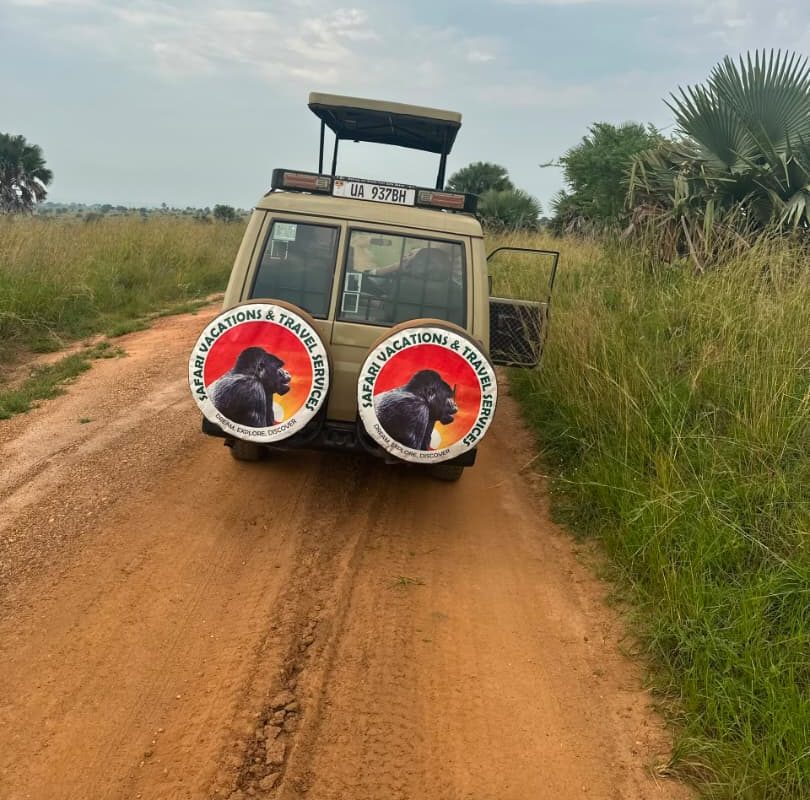
Plan your Uganda safari with Safari Vacations and Travel Services Ltd and explore Uganda’s wildlife, national parks, primates and scenic destinations with professional ground transportation.
Tell us your travel dates, number of travelers, preferred accommodation level and the Uganda experiences you would like to include. Safari Vacations and Travel Services Ltd can create a personalized itinerary covering transportation, accommodation, gorilla and chimpanzee permits, national park activities and other safari arrangements.