Exploring Uganda as a Solo Traveler: A Comprehensive Guide

Exploring Uganda as a Solo Traveler: A Comprehensive Guide
Exploring Uganda as a Solo Traveler: A Comprehensive Guide. Uganda, popular as the “Pearl of Africa,” is a stunning country. It is full of diverse wildlife, rich culture, and breathtaking landscapes. As a solo traveler, exploring Uganda can be an incredibly rewarding experience. Here’s a guide in detail to help you navigate this beautiful country safely and efficiently.
Steps taken towards exploring Uganda as a Solo Traveler
Research and Planning
Firstly, thorough research is essential. Consequently, you should understand Uganda’s geography, climate, and culture will help you plan effectively. Key destinations to consider include Kampala, the bustling capital; and Jinja, famous for the source of the Nile. Also, there’s Bwindi Impenetrable Forest, home to mountain gorillas, and Murchison Falls National Park, among others.
Visa and Vaccinations
Next, ensure your travel documents are in order. Most nationalities require a visa to enter Uganda. You can obtain this through an online through the Uganda Electronic Visa/Permit System. Additionally, Uganda mandates a yellow fever vaccination certificate upon entry. Other recommended vaccinations include hepatitis A and B, typhoid, and cholera.
Travel Insurance
Moreover, securing comprehensive travel insurance is crucial. This should cover medical emergencies, trip cancellations, and any adventurous activities you plan to undertake. These may include white-water rafting in Jinja or hiking in the Rwenzori Mountains.
Getting There and Around
Flights and Arrival
Entebbe International Airport is the main gateway into Uganda. From here, you can take a taxi or a shuttle bus to Kampala, which is about 40 kilometers away. While taxis are more expensive, they offer a more comfortable and direct route compared to the bus. However, if you book a tour with Safari Vacations and Travel Services, pick-up will be free and timely.
Local Transport
Public transportation options in Uganda include matatus (shared minibusses), boda-bodas (motorcycle taxis), and private taxis. While matatus are the cheapest, overcrowding defines them. Boda-bodas offer a quicker way to navigate traffic but come with higher risk. Thus, always ensure your rider provides a helmet. For long-distance travel, consider using buses Post Bus or companies like Link Bus Services, Jaguar, and Global Buses which connect major towns and cities.
Accommodation and Safety while Exploring Uganda as a Solo Traveler
Choosing Your Stay
Accommodation options range from budget to midrange and lastly luxury accommodation facilities. In Kampala, areas like Kololo and Nakasero offer a range of safe and comfortable places to stay. Booking in advance, especially during peak tourist seasons, is advisable. In all national parks and major towns, accommodation facilities there are suiting your travel style. Therefore, you can contact us for a memorable stay while exploring Uganda as a solo traveler.
Safety Precautions
Safety is a significant concern for any solo traveler. Uganda is generally safe for tourists, but petty crimes like pickpocketing can occur. To mitigate risks, avoid walking alone at night. Also, don’t flash valuables, and use reputable transport services. Additionally, keep copies of important documents, such as your passport and travel insurance. Also, inform someone about your travel itinerary.
Exploring Uganda as a Solo Traveler: Must-Visit Destinations
Kampala
Start your journey in Kampala, a vibrant city offering a mix of traditional and modern attractions. Visit the Uganda Museum to learn about the country’s history and culture. Explore local markets like Owino and Nakasero for unique crafts and fresh produce. Don’t miss the Kasubi Tombs, a UNESCO World Heritage site.
Jinja
Next, head to Jinja, the adventure capital of Uganda. Here, you can experience the thrill of white-water rafting on the Nile, bungee jumping, and kayaking. Jinja also offers a more relaxed pace with boat cruises on Lake Victoria and visits to local craft markets.
Bwindi Impenetrable Forest
For wildlife enthusiasts, Bwindi Impenetrable Forest is a must-visit. Home to half of the world’s mountain gorilla population, gorilla trekking here is a once-in-a-lifetime experience. Ensure you book your gorilla trekking permit well in advance. This is because the permits are few and UWA sells them on a first come first serve basis. The gorilla trekking permit costs $800 for foreign nonresidents and $700 for foreign residents. Also, the permit costs $500 for African Citizens and 300,000 Uganda Shillings for East African citizens.
Gorilla safaris to Bwindi also give you more time to spend with the gorillas, unlike other gorilla destinations. This is through the gorilla habituation experience. This experience serves to help gorillas that are not open to tourist visits to get used to the presence of humans. Contact Safari Vacations and Travel Services for a satisfying gorilla trekking experience.
Murchison Falls National Park
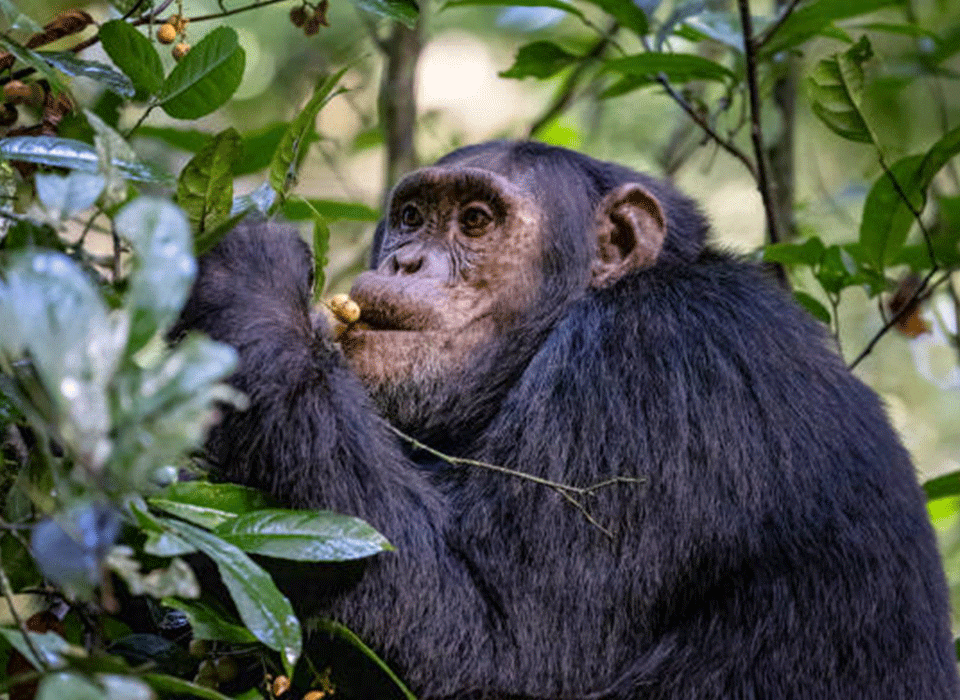
Another highlight is the Murchison Falls National Park. Here, you can take a boat cruise to the base of the falls and to the delta on Lake Albert. The park is also home to the chimpanzees which you find in the Kaniyo Pabidi forest. Also, you enjoy game drives to see lions, elephants, and giraffes, and visit the Ziwa Rhino Sanctuary. This gives you a chance to see rhinos in the wild.
Kidepo Valley National Park
For a more off-the-beaten-path experience, consider Kidepo Valley National Park in the northeast. This remote park offers stunning landscapes and abundant wildlife. It receives fewer tourists compared to more popular parks. However, it has several attractions like wildlife and cultural encounters.
Engaging with the Culture
Understanding and respecting local customs and etiquette is crucial. Ugandans are famous for their hospitality and friendliness. Greeting people with a handshake and using the right hand to give or receive items is customary. Additionally, dressing modestly, especially in rural areas, is advisable. Also, you can encounter different several cultures that are still living their ancient life like the Batwa tribe near Bwindi.
Culinary Delights
Ugandan cuisine is diverse and flavorful. Try local dishes such as matoke (steamed bananas), posho (maize porridge), and Rolex (a popular street food made of chapati rolled with eggs and vegetables). Visiting local restaurants and markets is a great way to immerse yourself in the culture. Also, if you’re strict with your home country’s meals, there are places where you find them.
Practical Tips for Exploring Uganda as a Solo Traveler
Communication
English is widely spoken in Uganda, making communication relatively easy for English-speaking travelers. However, you may try learning a few basic phrases in Luganda, the most spoken local language. This can enhance your experience and endear you to the locals.
Connectivity
Staying connected is essential for safety and convenience. Purchasing a local SIM card upon arrival is recommended. MTN and Airtel are the two major service providers offering good coverage and data packages. Also, when you book with us, you will be sure of the internet connection throughout the trip.
Money Matters
The Ugandan Shilling (UGX) is the official currency. While major hotels and restaurants in Kampala accept credit cards, cash is preferred in rural areas. ATMs are widely available in cities and towns. However, it’s wise to carry enough cash when traveling to remote areas.
Conclusion: Embrace the Adventure
Exploring Uganda as a Solo Traveler: A Comprehensive Guide. In conclusion, exploring Uganda as a solo traveler can be an incredibly enriching experience. The country’s natural beauty, diverse wildlife, and people with warm hearts people make it a unique destination. By planning carefully, staying informed, and embracing the local culture, you can ensure a safe and memorable journey. So pack your bags, stay curious, and get ready to discover the wonders of Uganda, the Pearl of Africa.