
Uganda Primate Safari: The Ultimate Guide to Gorilla, Chimpanzee & Monkey Safaris in Uganda
| Feature | Details |
|---|---|
| Best Known For | Mountain gorilla trekking, chimpanzee tracking, golden monkey trekking, and unforgettable primate safari experiences. |
| Number of Primate Species | 13 primate species, giving Uganda the highest primate diversity in East Africa. |
| Mountain Gorilla Population | Uganda is home to more than half of the world’s remaining mountain gorillas, found in Bwindi Impenetrable National Park and Mgahinga Gorilla National Park. |
| Chimpanzee Population | Over 5,000 wild chimpanzees inhabit Uganda’s tropical forests, with Kibale National Park hosting the country’s largest habituated population. |
| Golden Monkey Habitat | Golden monkeys are found in Mgahinga Gorilla National Park within the Virunga Mountain Range. |
| Main Gorilla Trekking Parks | Bwindi Impenetrable National Park and Mgahinga Gorilla National Park. |
| Main Chimpanzee Destinations | Kibale National Park, Budongo Forest Reserve, Kyambura Gorge, Kalinzu Forest Reserve, Toro-Semliki Wildlife Reserve, and Bugoma Forest. |
| Best Time to Visit | Uganda is a year-round destination, with the dry seasons from June to September and December to February providing the best trekking conditions. |
| Permit Requirement | Permits are required for gorilla trekking, gorilla habituation, chimpanzee tracking, chimpanzee habituation, and golden monkey tracking. |
| Gorilla Trekking Duration | Usually between 1 and 8 hours depending on the location of the gorilla family, followed by one hour spent observing the gorillas. |
| Chimpanzee Tracking Duration | Typically 2 to 5 hours, including one hour with the chimpanzees after they are located. |
| Golden Monkey Tracking Duration | Generally 2 to 4 hours depending on the troop’s location and movement. |
| Minimum Age | 15 years for gorilla trekking and chimpanzee tracking. |
| Difficulty Level | Moderate to challenging depending on the terrain, weather conditions, and location of the primates. |
| Photography Opportunities | Exceptional opportunities to photograph gorillas, chimpanzees, monkeys, birds, waterfalls, lush rainforests, volcanoes, and breathtaking landscapes. |
| Accommodation | Luxury lodges, boutique safari camps, mid-range lodges, and budget accommodations are available near all major primate destinations. |
| Safari Combinations | Primate safaris can easily be combined with wildlife safaris, birdwatching, cultural experiences, mountain hiking, boat cruises, and lakeside relaxation. |
| Accessibility | Safaris can start from either Entebbe International Airport or Kigali International Airport, depending on the itinerary. |
| Official Language | English is Uganda’s official language, making communication easy for international visitors. |
| Conservation Impact | Tourism revenue and permit fees directly support wildlife conservation, anti-poaching efforts, habitat protection, scientific research, and community development. |
| Ideal Safari Length | Between 5 and 12 days to comfortably combine gorilla trekking, chimpanzee tracking, wildlife viewing, and cultural experiences. |
| Gorilla Trekking Success Rate | More than 99%, thanks to experienced ranger guides who monitor habituated gorilla families daily. |
| Chimpanzee Tracking Success Rate | Over 95% in Kibale National Park, one of Africa’s best chimpanzee tracking destinations. |
| Climate | A pleasant tropical climate with average daytime temperatures ranging between 20°C and 28°C throughout the year. |
| Currency | Uganda Shilling (UGX), although US Dollars are widely accepted for tourism services. |
| Visa | Most visitors require a visa. The East African Tourist Visa allows travel between Uganda, Rwanda, and Kenya for up to 90 days. |
| Why Choose Uganda? | Affordable permits, incredible biodiversity, world-class primate experiences, spectacular scenery, friendly people, and excellent value for money. |
 Excellent Accommodation for Every Budget
| Feature | Details |
|---|---|
| Official Name | Republic of Uganda |
| Nickname | The Pearl of Africa |
| Location | Located in East Africa, Uganda shares borders with Kenya, Tanzania, Rwanda, South Sudan, and the Democratic Republic of the Congo, while Lake Victoria forms much of its southern boundary. |
| Capital City | Kampala |
| Total Area | 241,551 square kilometres (93,263 square miles). |
| Population | Over 50 million people, making Uganda one of Africa’s fastest-growing countries. |
| Official Languages | English and Swahili, alongside more than 50 indigenous languages spoken throughout the country. |
| Currency | Uganda Shilling (UGX), although US Dollars are widely accepted for tourism services. |
| Time Zone | East Africa Time (EAT), UTC +3. |
| International Dialling Code | +256 |
| Main International Airport | Entebbe International Airport (EBB), located approximately 40 kilometres from Kampala. |
| Alternative Entry Point | Kigali International Airport in Rwanda is commonly used for gorilla safaris to southwestern Uganda due to its shorter driving distance. |
| Climate | Equatorial tropical climate with comfortable temperatures throughout the year, moderated by altitude. |
| Average Temperature | Generally ranges between 20°C and 28°C, with cooler temperatures in the highland regions. |
| Highest Mountain | Margherita Peak (5,109 metres) in the Rwenzori Mountains, the third-highest peak in Africa. |
| Largest Lake | Lake Victoria, Africa’s largest freshwater lake and the world’s second-largest freshwater lake by surface area. |
| Source of the Nile | Jinja, where the River Nile begins its remarkable journey to the Mediterranean Sea. |
| National Parks | 10 national parks managed by the Uganda Wildlife Authority. |
| Wildlife Species | Over 345 mammal species, including mountain gorillas, chimpanzees, elephants, lions, giraffes, buffaloes, hippos, leopards, rhinos, and numerous antelope species. |
| Bird Species | More than 1,090 recorded bird species, representing nearly 50% of Africa’s bird species. |
| Primate Species | 13 species, including mountain gorillas, chimpanzees, golden monkeys, black-and-white colobus monkeys, blue monkeys, red-tailed monkeys, grey-cheeked mangabeys, L’Hoest’s monkeys, vervet monkeys, olive baboons, pottos, and bush babies. |
| Major Gorilla Parks | Bwindi Impenetrable National Park and Mgahinga Gorilla National Park. |
| Major Chimpanzee Destinations | Kibale National Park, Budongo Forest Reserve, Kyambura Gorge, Kalinzu Forest Reserve, Bugoma Forest, and Toro-Semliki Wildlife Reserve. |
| Famous Safari Parks | Queen Elizabeth National Park, Murchison Falls National Park, Kidepo Valley National Park, Lake Mburo National Park, Bwindi Impenetrable National Park, Kibale National Park, and Mgahinga Gorilla National Park. |
| Visa Requirements | Most international travellers require a visa. The East African Tourist Visa allows multiple entries into Uganda, Rwanda, and Kenya for up to 90 days. |
| Electricity | 240V, 50Hz using the British Type G three-pin plug. |
| Driving Side | Vehicles drive on the left-hand side of the road. |
| Safety | Uganda is regarded as one of East Africa’s leading safari destinations, with experienced guides, professional park rangers, and well-developed tourism infrastructure. |
| Best Time to Visit | Uganda is a year-round destination, although June to September and December to February are generally considered the best months for primate trekking and wildlife viewing. |
| Why Visit Uganda? | Uganda offers exceptional primate encounters, diverse wildlife, breathtaking scenery, rich cultural experiences, affordable safari options, and some of Africa’s friendliest people. |
| Primate Species | Where to See Them in Uganda | Conservation Status | Best Activity |
|---|---|---|---|
| Mountain Gorilla | Bwindi Impenetrable National Park and Mgahinga Gorilla National Park | Endangered | Gorilla Trekking and Gorilla Habituation Experience |
| Chimpanzee | Kibale National Park, Budongo Forest Reserve, Kyambura Gorge, Kalinzu Forest Reserve, Bugoma Forest and Toro-Semliki Wildlife Reserve | Endangered | Chimpanzee Tracking and Chimpanzee Habituation Experience |
| Golden Monkey | Mgahinga Gorilla National Park | Endangered | Golden Monkey Trekking |
| Black-and-White Colobus Monkey | Kibale National Park, Bwindi Impenetrable National Park, Bigodi Wetland Sanctuary, Budongo Forest Reserve and several forest reserves | Least Concern | Forest Nature Walks and Birdwatching |
| Uganda Red Colobus Monkey | Kibale National Park and Semuliki National Park | Endangered | Guided Forest Walks |
| Grey-cheeked Mangabey | Kibale National Park, Mabira Forest and Budongo Forest Reserve | Least Concern | Chimpanzee Tracking and Forest Walks |
| Blue Monkey | Bwindi Impenetrable National Park, Kibale National Park, Mgahinga Gorilla National Park, Budongo Forest Reserve and Semuliki National Park | Least Concern | Forest Nature Walks |
| L’Hoest’s Monkey | Kibale National Park, Bwindi Impenetrable National Park and Mgahinga Gorilla National Park | Vulnerable | Forest Hiking and Nature Walks |
| Red-tailed Monkey | Kibale National Park, Bwindi Impenetrable National Park, Budongo Forest Reserve, Kalinzu Forest Reserve and Bigodi Wetland Sanctuary | Least Concern | Forest Walks and Birding Tours |
| Vervet Monkey | Queen Elizabeth National Park, Lake Mburo National Park, Murchison Falls National Park, Kidepo Valley National Park and many woodland habitats | Least Concern | Game Drives and Nature Walks |
| Olive Baboon | Queen Elizabeth National Park, Murchison Falls National Park, Lake Mburo National Park, Kidepo Valley National Park and numerous protected areas | Least Concern | Game Drives and Roadside Wildlife Viewing |
| Bush Baby (Galago) | Mabira Forest, Kibale National Park, Budongo Forest Reserve, Semuliki National Park and other tropical forests | Least Concern | Guided Night Walks |
| Potto | Kibale National Park, Budongo Forest Reserve, Mabira Forest and Semuliki National Park | Least Concern | Nocturnal Forest Walks |
 Mountain Gorilla Quick Facts
| Feature | Details |
|---|---|
| Scientific Name | Gorilla beringei beringei |
| Common Name | Mountain Gorilla |
| Classification | Great Ape (Family: Hominidae) |
| Conservation Status | Endangered (IUCN Red List) |
| Estimated Global Population | Over 1,060 individuals, with Uganda protecting more than half of the world’s mountain gorillas. |
| DNA Similarity to Humans | Approximately 98%. |
| Where to See Them in Uganda | Bwindi Impenetrable National Park and Mgahinga Gorilla National Park. |
| Habitat | Montane rainforests and bamboo forests at elevations between 2,200 and 4,000 metres above sea level. |
| Diet | Leaves, stems, shoots, bark, roots, bamboo, wild celery, nettles, vines and seasonal fruits. |
| Daily Food Intake | An adult mountain gorilla can consume up to 30 kilograms of vegetation each day. |
| Average Lifespan | 35–40 years in the wild and up to 50 years under managed care. |
| Adult Male Weight | 140–220 kilograms. |
| Adult Female Weight | 70–100 kilograms. |
| Height | Adult males can stand up to 1.8 metres tall when upright. |
| Group Size | Usually 5–30 individuals led by a dominant silverback. |
| Group Leader | A mature silverback responsible for protecting and leading the family. |
| Activity Pattern | Diurnal (active during the day and resting at night). |
| Communication | Uses more than 25 vocalizations, facial expressions, body language and the famous chest-beating display. |
| Main Predators | Mountain gorillas have no natural predators; their greatest threats are habitat loss, disease and human activities. |
| Best Activity | Gorilla Trekking and Gorilla Habituation Experience. |
| Minimum Trekking Age | 15 years. |
| Trekking Duration | Usually 1–8 hours depending on the location of the gorilla family. |
| Viewing Time | One hour with a habituated gorilla family during standard gorilla trekking. |
| Habituation Experience | Up to four hours with a semi-habituated gorilla family in Bwindi Impenetrable National Park. |
| Success Rate | More than 99% throughout the year. |
| Best Time to Visit | Year-round, with June–September and December–February offering the driest trekking conditions. |
| Photography Difficulty | Moderate due to dense forest vegetation and low-light conditions. |
| Interesting Fact | Every mountain gorilla builds a fresh nest from leaves and branches each evening before sleeping. |
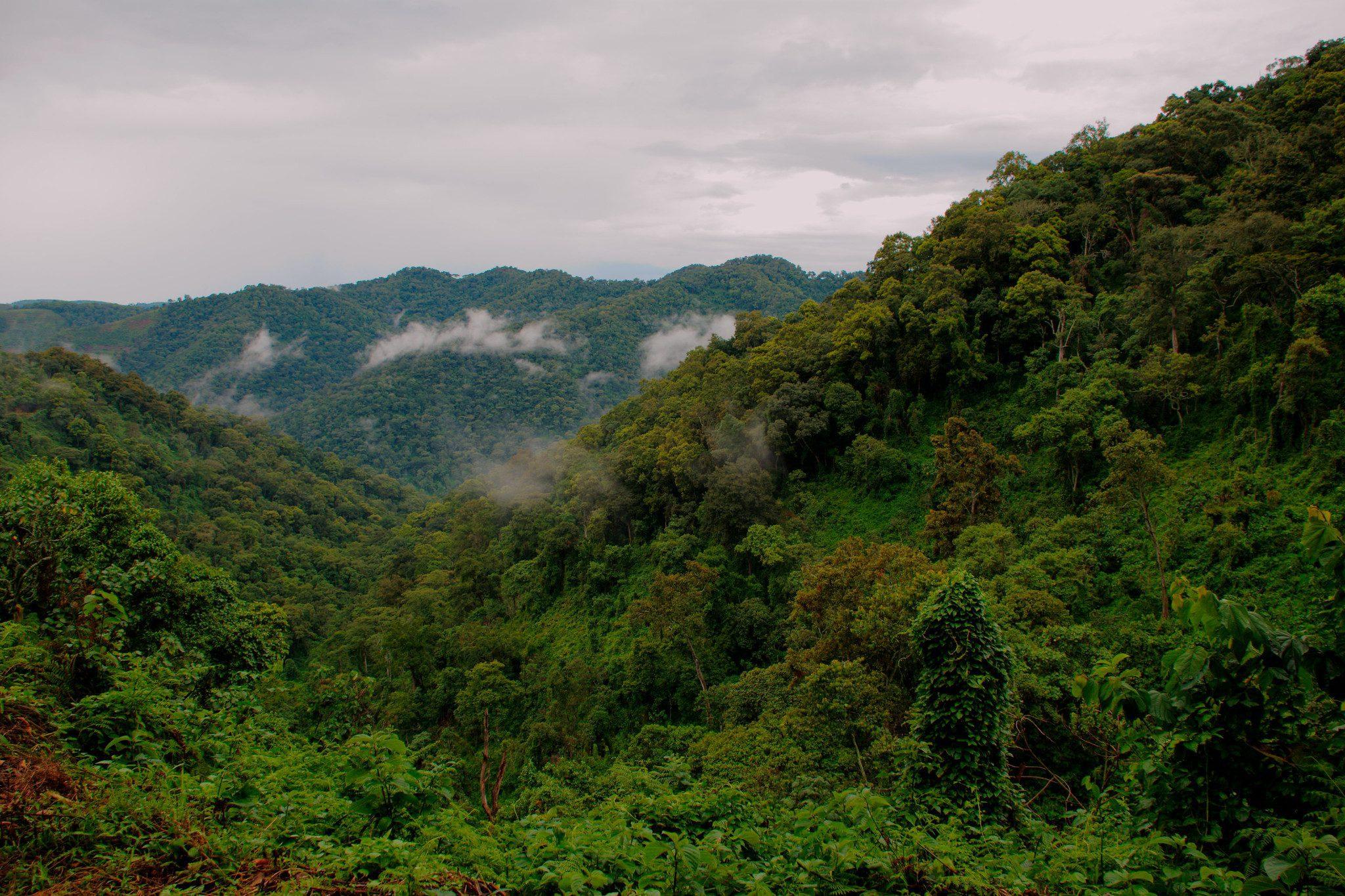 One of Bwindi’s greatest advantages is its four distinct trekking sectors:
 Which Park Should You Choose?
| Feature | Details |
|---|---|
| Official Name | Bwindi Impenetrable National Park |
| Location | Southwestern Uganda, on the edge of the Albertine Rift Valley, bordering the Democratic Republic of the Congo. |
| Year Established | 1991 |
| UNESCO World Heritage Status | Designated a UNESCO World Heritage Site in 1994 due to its exceptional biodiversity and conservation importance. |
| Park Size | Approximately 331 square kilometres (128 square miles). |
| Altitude | Ranges from about 1,160 metres to 2,607 metres above sea level. |
| Forest Age | More than 25,000 years old, making it one of Africa’s oldest surviving tropical rainforests. |
| Main Attraction | Mountain gorilla trekking and the Gorilla Habituation Experience. |
| Mountain Gorilla Population | Home to more than half of the world’s remaining mountain gorillas. |
| Habituated Gorilla Families | More than 20 habituated gorilla families available for tourism, plus additional groups undergoing habituation. |
| Gorilla Trekking Sectors | Buhoma, Ruhija, Rushaga, and Nkuringo. |
| Other Primate Species | Home to 10 other primate species, including black-and-white colobus monkeys, L’Hoest’s monkeys, blue monkeys, red-tailed monkeys, olive baboons, and vervet monkeys. |
| Mammal Species | Approximately 120 mammal species. |
| Bird Species | More than 350 bird species, including 23 Albertine Rift endemic species. |
| Butterfly Species | Over 220 recorded butterfly species. |
| Plant Species | More than 400 plant species, including numerous rare and endemic flora. |
| Tree Species | Over 160 tree species thrive within the rainforest ecosystem. |
| Climate | Cool tropical rainforest climate with rainfall throughout the year. |
| Average Temperature | Between 7°C and 20°C depending on altitude and season. |
| Annual Rainfall | Approximately 1,400–1,900 millimetres annually. |
| Nearest Airstrips | Kihihi Airstrip (for Buhoma and Ruhija) and Kisoro Airstrip (for Rushaga and Nkuringo). |
| Nearest Towns | Kisoro, Kabale, Kanungu, and Rukungiri. |
| Driving Time from Entebbe | Approximately 8–10 hours depending on the trekking sector. |
| Driving Time from Kigali | Approximately 4–5 hours via the Cyanika or Katuna border posts. |
| Popular Activities | Gorilla trekking, Gorilla Habituation Experience, birdwatching, guided forest walks, waterfall hikes, Batwa cultural experiences, community walks, mountain biking, and nature photography. |
| Accommodation | Luxury lodges, boutique safari camps, mid-range lodges, and budget accommodations are available in all four trekking sectors. |
| Best Time to Visit | Open year-round, with June to September and December to February offering the best trekking conditions. |
| Ideal Length of Stay | 2–4 days, allowing time for gorilla trekking and additional activities. |
| Managed By | Uganda Wildlife Authority (UWA). |
| Why Visit Bwindi? | World-class gorilla trekking, exceptional biodiversity, ancient rainforest, spectacular scenery, rich cultural experiences, and one of Africa’s greatest conservation success stories. |
The Four Gorilla Trekking Sectors of Bwindi Impenetrable National Park
One of the reasons Bwindi Impenetrable National Park is regarded as the world’s premier mountain gorilla destination is that it offers visitors a choice of four distinct gorilla trekking sectors. Each sector has its own unique landscapes, habituated gorilla families, accommodation options, road access, and overall trekking experience.
Although every permit allows exactly one unforgettable hour with a mountain gorilla family, the journey to reach the gorillas can be very different depending on the sector you visit. Some areas offer relatively gentle hikes through rolling hills, while others involve steeper climbs and more challenging terrain. Likewise, some sectors are lively tourism hubs with a wide range of lodges and restaurants, while others are quieter and more secluded, providing a more exclusive safari experience.
The four sectors are:
- Buhoma
- Ruhija
- Rushaga
- Nkuringo
Each sector operates independently with its own Uganda Wildlife Authority briefing centre, ranger guides, gorilla families, and accommodation facilities. Gorilla trekking permits are issued for a specific sector, meaning visitors should stay near the sector where their permit is booked.
Fortunately, regardless of which sector you choose, the gorilla encounter itself is equally extraordinary. Every habituated gorilla family is carefully monitored by experienced trackers and rangers, ensuring an exceptionally high trekking success rate throughout the year.
Buhoma Sector
Buhoma is the birthplace of gorilla tourism in Uganda and remains one of the most famous gorilla trekking destinations in Africa. It was here, in 1993, that Uganda welcomed its first tourists to track a habituated mountain gorilla family, marking the beginning of a conservation success story that continues today and inspires travelers on the Best Uganda Primates Tour.
Located in the northern part of Bwindi Impenetrable National Park, Buhoma is easily accessible from Queen Elizabeth National Park, making it the preferred choice for travelers combining gorilla trekking with a classic wildlife safari. The drive between Ishasha Sector of Queen Elizabeth National Park and Buhoma takes only about two to three hours, making itinerary planning convenient for the Best Uganda Primates Tour.
Buhoma is known for its mature rainforest, towering mahogany trees, beautiful waterfalls, and relatively gentle forest trails compared to some southern sectors. While every gorilla trek is unique, many visitors find Buhoma’s terrain moderately easier, making it an excellent option for travelers of varying fitness levels on the Best Uganda Primates Tour.
The sector offers an excellent selection of accommodation ranging from luxury safari lodges overlooking the forest canopy to comfortable mid-range lodges and affordable budget guesthouses. Because of its popularity, Buhoma has developed into a vibrant tourism hub with community projects, cultural performances, craft shops, restaurants, and guided nature walks.
Besides gorilla trekking, visitors can enjoy the famous Munyanga Waterfall Trail, birdwatching excursions, Batwa cultural experiences, community walks, and forest hikes that reveal the remarkable biodiversity of Bwindi, making Buhoma a memorable destination on the Best Uganda Primates Tour.
Ruhija Sector
Ruhija Sector is one of the most scenic and peaceful gorilla trekking destinations in Bwindi Impenetrable National Park. Located in the eastern part of the park, Ruhija sits at a higher elevation than the other trekking sectors, offering breathtaking views of mist-covered mountains, deep forest valleys, rolling hills, and lush rainforest. Its cool climate, tranquil atmosphere, and outstanding biodiversity make it a favourite among nature lovers, birdwatchers, photographers, and travelers looking for a quieter gorilla trekking experience during the Best Uganda Primates Tour.
Although Ruhija receives fewer visitors than Buhoma and Rushaga, it offers equally rewarding encounters with mountain gorillas. The smaller number of trekkers creates a more intimate safari experience, allowing visitors to enjoy the serenity of the rainforest while exploring one of Uganda’s most biologically diverse regions on the Best Uganda Primates Tour.
The sector is particularly famous for its exceptional birdlife. Ruhija is considered one of the best birdwatching destinations in Uganda, especially for species endemic to the Albertine Rift. Bird enthusiasts from around the world visit this part of Bwindi in search of rare species such as the African Green Broadbill, Grauer’s Warbler, Regal Sunbird, Shelley’s Crimsonwing, Handsome Francolin, and numerous other forest birds.
 Another advantage of Ruhija is its central location within Bwindi, making it accessible from Kabale, Lake Bunyonyi, Queen Elizabeth National Park, and other parts of southwestern Uganda. The journey to Ruhija passes through beautiful terraced hillsides, traditional villages, and panoramic viewpoints that showcase the stunning landscapes of the Kigezi Highlands.
Unlike the more developed tourism hubs of Buhoma and Rushaga, Ruhija maintains a peaceful atmosphere that appeals to visitors seeking privacy and a deeper connection with nature. Accommodation ranges from comfortable budget lodges to charming mid-range properties and luxury eco-lodges overlooking the forest.
Gorilla Trekking Experience in Ruhija
Gorilla trekking in Ruhija begins with an early morning briefing conducted by Uganda Wildlife Authority rangers. Visitors receive important information about gorilla behaviour, trekking regulations, safety guidelines, and conservation before being assigned to a habituated gorilla family as part of the Best Uganda Primates Tour.
The forest trails in Ruhija vary in difficulty depending on the location of the gorilla family on the day of the trek. Some hikes are relatively short, while others require several hours of walking through steep forest terrain. Regardless of the duration, every trek offers spectacular scenery, abundant birdlife, and opportunities to encounter other wildlife such as black-and-white colobus monkeys, L’Hoest’s monkeys, blue monkeys, red-tailed monkeys, forest elephants, duikers, and numerous colorful butterflies.
Once the gorilla family is located, visitors spend one unforgettable hour observing these magnificent primates as they feed, groom, rest, play, and interact with one another. The peaceful atmosphere of Ruhija often makes the encounter feel especially intimate and is one of the highlights of the Best Uganda Primates Tour.
 For many visitors on the Best Uganda Primates Tour, the additional time spent with the gorillas is one of the most rewarding wildlife experiences available anywhere in Africa.
| Feature | Gorilla Trekking | Gorilla Habituation Experience |
|---|---|---|
| Location | Bwindi Impenetrable National Park and Mgahinga Gorilla National Park | Rushaga Sector, Bwindi Impenetrable National Park |
| Purpose | Visit a fully habituated mountain gorilla family. | Join researchers and rangers as they continue habituating a semi-habituated gorilla family. |
| Time with Gorillas | Up to 1 hour. | Up to 4 hours. |
| Gorilla Family | Fully habituated. | Semi-habituated. |
| Maximum Visitors | 8 visitors per gorilla family. | 4 visitors per gorilla family. |
| Permit Price (Foreign Non-Resident) | US$800 | US$1,800 |
| Experience | Observe mountain gorillas in their natural habitat. | Take part in the habituation process while learning about gorilla behaviour and conservation. |
| Photography | Excellent photography opportunities within one hour. | More time for photography with extended observation. |
| Trekking Difficulty | Moderate to challenging. | Moderate to challenging. |
| Best For | First-time gorilla trekkers and most safari visitors. | Wildlife photographers, conservation enthusiasts, researchers and repeat visitors. |
Gorilla Permits: Prices, Booking and Rules
A gorilla permit is mandatory for anyone wishing to trek mountain gorillas in Uganda. Every permit is issued by the Uganda Wildlife Authority (UWA) and guarantees one trek with a specific gorilla family on a selected date. Since permits are limited and often sell out months in advance, early booking is strongly recommended, especially during the peak travel seasons.
When you book the Best Uganda Primates Tour with Safari Vacations and Travel Services Ltd, we handle the entire permit reservation process on your behalf. Once your permit is secured, it cannot be transferred to another person or used on a different date without approval from the Uganda Wildlife Authority.
Before starting your trek, all visitors attend a compulsory briefing by UWA rangers. During this session, you’ll be assigned a gorilla family and receive important safety instructions to protect both visitors and the endangered mountain gorillas.
| Permit Information | Details |
|---|---|
| Issued By | Uganda Wildlife Authority (UWA) |
| Activity | Mountain Gorilla Trekking |
| Validity | One gorilla trek on the booked date only |
| Foreign Non-Resident | US$800 per person |
| Foreign Resident | US$700 per person |
| East African Citizen | UGX 300,000 per person |
| Minimum Age | 15 years |
| Time with Gorillas | Up to 1 hour |
| Visitors Per Family | Maximum of 8 visitors per day |
| Booking Period | Reserve 6–12 months in advance for peak seasons |
| Included | Park entry, ranger guide, gorilla tracking and one hour with the gorillas |
| Not Included | Transport, accommodation, porter fees, tips and personal expenses |
| Cancellation Policy | Subject to the Uganda Wildlife Authority cancellation and refund policy |
Gorilla Trekking Rules
To protect mountain gorillas and ensure a safe experience, every visitor must follow Uganda Wildlife Authority regulations.
| Rule | Requirement |
|---|---|
| Minimum Age | Visitors must be at least 15 years old. |
| Health Condition | Do not participate if you have a contagious illness such as flu, cough or fever. |
| Safety Briefing | Attend the mandatory briefing before the trek begins. |
| Viewing Distance | Maintain a minimum distance of 7 metres from the gorillas whenever possible. |
| Time with Gorillas | A maximum of one hour is permitted after locating the gorilla family. |
| Group Size | A maximum of 8 visitors is allowed to visit one gorilla family per day. |
| Photography | Photography is allowed, but flash photography is strictly prohibited. |
| Food and Drinks | Do not eat, drink, or smoke near the gorillas. |
| Feeding Gorillas | Never feed, touch, or attempt to interact physically with the gorillas. |
| Noise Levels | Keep your voice low and avoid sudden movements to minimise disturbance. |
| Litter | Take all rubbish out of the forest and leave no trace. |
| Follow Ranger Instructions | Always follow the guidance of Uganda Wildlife Authority rangers throughout the trek. |
Booking your permit early is one of the most important steps when planning the Best Uganda Primates Tour, as daily permits are limited and demand is highest during the dry seasons. By securing your permit in advance, you greatly increase your chances of trekking your preferred gorilla sector and travel dates.
Chimpanzees in Uganda
Chimpanzees are one of Uganda’s most remarkable primates and a highlight of the Best Uganda Primates Tour. Sharing approximately 98.8% of their DNA with humans, they are our closest living relatives and are famous for their intelligence, complex social behaviour, and ability to use tools. Watching a community of wild chimpanzees communicate, feed, groom, and swing effortlessly through the forest canopy is an unforgettable wildlife experience.
Uganda is home to more than 5,000 wild chimpanzees, making it one of the best destinations in Africa for chimpanzee tracking. Unlike mountain gorillas, chimpanzees are highly active and spend much of their day moving through the forest in search of fruits, leaves, insects, and other food. Their energetic nature means every tracking experience is different, offering exciting opportunities to observe their natural behaviour.
Chimpanzee tracking is available throughout the year and can easily be combined with gorilla trekking, golden monkey trekking, and classic wildlife safaris. For travellers seeking the Best Uganda Primates Tour, adding chimpanzee tracking creates a well-rounded primate adventure while showcasing Uganda’s incredible biodiversity.
 The country offers several excellent chimpanzee tracking destinations, each with its own unique landscapes, forest ecosystems, and tracking experiences.
| Chimpanzee Tracking Destination | Location | Main Highlights | Tracking Success Rate |
|---|---|---|---|
| Kibale National Park | Western Uganda | Uganda’s leading chimpanzee tracking destination with the highest concentration of habituated chimpanzees, excellent forest biodiversity, and chimpanzee habituation experiences. | Over 95% |
| Budongo Forest | Murchison Falls Conservation Area | Ancient mahogany forest renowned for quality chimpanzee tracking, rich birdlife, and beautiful nature walks. | High |
| Kyambura Gorge | Queen Elizabeth National Park | Known as the “Valley of Apes,” offering a unique tracking experience within a dramatic forested gorge. | Moderate |
| Kalinzu Forest Reserve | Near Queen Elizabeth National Park | A budget-friendly destination with excellent chimpanzee sightings and diverse monkey species. | High |
| Toro-Semliki Wildlife Reserve | Western Uganda | A remote wilderness providing a less crowded and authentic chimpanzee tracking adventure. | Moderate |
Chimpanzee Habituation Experience
The Chimpanzee Habituation Experience is one of the most rewarding activities included in the Best Uganda Primates Tour. Unlike standard chimpanzee tracking, this experience allows visitors to spend much longer in the forest alongside researchers, guides, and Uganda Wildlife Authority rangers as they gradually habituate wild chimpanzees to the presence of humans.
The experience is best known in Kibale National Park, Uganda’s premier destination for chimpanzees. Visitors accompany the research team from early morning as the chimpanzees leave their nests and follow them throughout their daily activities. You may observe them feeding, grooming, hunting, resting, communicating, caring for their young, and interacting with other members of the community.
Because the chimpanzees are not yet fully accustomed to people, every encounter is unpredictable and authentic. This makes the experience especially attractive to wildlife photographers, primate enthusiasts, and travellers seeking a deeper understanding of chimpanzee behaviour and conservation.
For visitors planning the Best Uganda Primates Tour, the Chimpanzee Habituation Experience provides an exceptional opportunity to spend extended time with our closest living relatives in their natural forest habitat.
Golden Monkey Trekking in Uganda
Golden monkey trekking is one of the most exciting activities included in the Best Uganda Primates Tour. These rare and colourful primates are found only in the Virunga Mountains of Uganda, Rwanda, and the Democratic Republic of the Congo. In Uganda, the experience takes place in Mgahinga Gorilla National Park, where visitors can observe habituated troops living in the bamboo forests on the slopes of the Virunga Volcanoes.
Recognisable by their striking golden-orange fur, black limbs, and playful nature, golden monkeys are among Africa’s most photogenic primates. Unlike mountain gorillas, they are highly active, constantly moving through the trees in search of bamboo shoots, fruits, leaves, flowers, and insects. Their energetic behaviour makes every trek exciting and rewarding for photographers and wildlife enthusiasts.
Golden monkey trekking is generally less demanding than gorilla trekking, making it suitable for travellers of most fitness levels. Treks usually last between two and four hours, including up to one hour with the monkeys after they are located. Because the bamboo forests are found at lower elevations than many gorilla trekking routes, the hike is often shorter and easier.
 For travellers planning the Best Uganda Primates Tour, combining golden monkey trekking with gorilla trekking creates a diverse and unforgettable primate safari. Since both activities take place in southwestern Uganda, they can easily be included in the same itinerary without extensive travel.
| Golden Monkey Trekking Facts | Details |
|---|---|
| Destination | Mgahinga Gorilla National Park |
| Permit Price (Foreign Non-Resident) | US$100 per person |
| Minimum Age | 12 years |
| Trek Duration | 2–4 hours |
| Viewing Time | Up to 1 hour |
| Difficulty | Easy to moderate |
| Best Time to Visit | Year-round, with June–September and December–February being the driest months. |
| Can Be Combined With | Gorilla trekking, Batwa Cultural Experience, volcano hiking, and Lake Mutanda tours. |
Golden monkey trekking is a perfect addition to the Best Uganda Primates Tour, offering visitors the opportunity to encounter another rare primate species while exploring the spectacular landscapes of Mgahinga Gorilla National Park. Although often overshadowed by mountain gorillas, golden monkeys provide an equally memorable wildlife experience through their vibrant colours, playful behaviour, and unique bamboo forest habitat.
Other Primates You Can See on the Best Uganda Primates Tour
While mountain gorillas, chimpanzees, and golden monkeys are the headline attractions, the Best Uganda Primates Tour offers visitors the opportunity to encounter many other fascinating primate species. Uganda is home to more than 20 species of primates, making it one of the richest primate destinations in Africa. From dense tropical rainforests to savannah woodlands and riverine forests, these remarkable animals thrive in a wide range of habitats across the country.
Many of these species are frequently seen during chimpanzee tracking in Kibale National Park, gorilla trekking in Bwindi Impenetrable National Park, game drives in Queen Elizabeth National Park, and nature walks in forests such as Budongo, Kalinzu, and Mabira. Their diversity adds another exciting dimension to every safari, allowing visitors to observe different behaviours, colours, and adaptations throughout their journey.
Some species are highly social and move through the forest in large troops, while others are shy and elusive, preferring the dense canopy or becoming active only at night. Each encounter provides valuable insight into Uganda’s extraordinary biodiversity and highlights why the country is recognised as Africa’s leading primate destination.
| Primate Species | Best Places to See Them | Main Characteristics |
|---|---|---|
| Black-and-White Colobus Monkey | Kibale National Park, Bwindi Impenetrable National Park, Budongo Forest | Recognisable by its striking black coat and long white mantle; spends most of its time high in the forest canopy. |
| Uganda Red Colobus Monkey | Kibale National Park and Semuliki National Park | An endangered species with reddish-brown fur that lives in large, noisy troops. |
| L’Hoest’s Monkey | Kibale National Park, Bwindi Impenetrable National Park and Mgahinga Gorilla National Park | A shy forest monkey distinguished by its white beard and dark coat. |
| Grey-cheeked Mangabey | Kibale National Park and Budongo Forest | An agile canopy-dweller known for its loud calls and social behaviour. |
| Blue Monkey | Kibale National Park, Bwindi Impenetrable National Park and Mgahinga Gorilla National Park | A colourful forest monkey with olive-blue fur that is commonly seen during primate walks. |
| Red-tailed Monkey | Kibale National Park, Budongo Forest, Queen Elizabeth National Park and Bwindi Impenetrable National Park | A small, active monkey recognised by its reddish tail and white nose. |
| Vervet Monkey | Lake Mburo National Park, Queen Elizabeth National Park, Murchison Falls National Park and Pian Upe Wildlife Reserve | A widespread savannah monkey with a black face, grey body and curious personality. |
| Olive Baboon | Queen Elizabeth National Park, Murchison Falls National Park, Lake Mburo National Park and Kidepo Valley National Park | The largest monkey species in Uganda, living in complex troops across savannah landscapes. |
| Potto | Kibale National Park and Budongo Forest | A slow-moving nocturnal primate rarely seen except during guided night walks. |
| Bush Baby (Galago) | Kibale National Park, Mabira Forest, Budongo Forest and Mpanga Forest | A tiny nocturnal primate with large eyes and remarkable jumping ability. |
Although gorillas and chimpanzees often receive the greatest attention, these additional primate species make every forest walk and game drive even more rewarding. Visitors frequently encounter several species in a single day, particularly in Kibale National Park, where primate diversity is among the highest in Africa. For wildlife lovers, photographers, and nature enthusiasts, these unexpected sightings enrich the overall experience and make the Best Uganda Primates Tour one of the most comprehensive primate adventures available anywhere in the world.
Best Time to Go on the Best Uganda Primates Tour
One of the greatest advantages of planning the Best Uganda Primates Tour is that Uganda offers excellent primate viewing throughout the year. Mountain gorillas, chimpanzees, golden monkeys, and many other primates can be tracked in every season because they remain within their natural forest habitats year-round. However, weather conditions can influence trail conditions, photography opportunities, and overall trekking comfort.
Uganda experiences two dry seasons and two rainy seasons each year. The dry months are generally considered the best time for gorilla trekking, chimpanzee tracking, and golden monkey trekking because forest trails are less muddy and easier to navigate. Wildlife viewing is also excellent, making these months particularly popular among international visitors.
The rainy seasons bring lush green forests, fewer tourists, and excellent value for money. Although trekking trails can become slippery, experienced guides ensure that visitors safely enjoy their primate encounters. Many photographers also prefer the rainy months because the forests are vibrant, rivers are full, and the landscapes appear especially beautiful.
Regardless of when you travel, successful sightings of mountain gorillas, chimpanzees, and golden monkeys remain consistently high. With proper preparation and suitable hiking gear, every season offers a rewarding experience.
| Travel Season | Months | Weather | Trekking Conditions | Visitor Numbers |
|---|---|---|---|---|
| Peak Dry Season | June – September | Mostly sunny with minimal rainfall. | Excellent – drier trails make trekking easier and more comfortable. | High – permits and accommodation should be booked well in advance. |
| Short Dry Season | December – February | Warm, dry and pleasant. | Excellent – ideal conditions for gorilla, chimpanzee and golden monkey trekking. | High – especially during the festive holiday period. |
| Long Rainy Season | March – May | Frequent rainfall with lush green landscapes. | Moderate – trails can be muddy and slippery, but trekking remains possible. | Low – fewer visitors and better availability of accommodation. |
| Short Rainy Season | October – November | Occasional rainfall with mild temperatures. | Good – some trails may be wet, but primate viewing remains excellent. | Moderate to low – quieter parks and a more relaxed experience. |
 Health Requirements