Chimpanzee tracking experience

Chimpanzee Tracking Experience: 7 Ultimate Uganda Tips
A chimpanzee tracking experience in Uganda places you inside one of East Africa’s most exciting rainforest encounters. Instead of watching wildlife from a vehicle, you follow ranger guides into tropical forest, listen for calls overhead and search for a habituated chimpanzee community moving through its natural territory. This guide is designed for travelers who want to know what actually happens, how difficult the walk can be, what to wear, when to travel, how permits work and how to combine chimpanzees with the rest of a Uganda safari.
Planning priority: secure your trekking date first, then arrange accommodation and transfers around it. Current permit rates and availability should always be reconfirmed before payment.
What Is a Chimpanzee Tracking Experience?
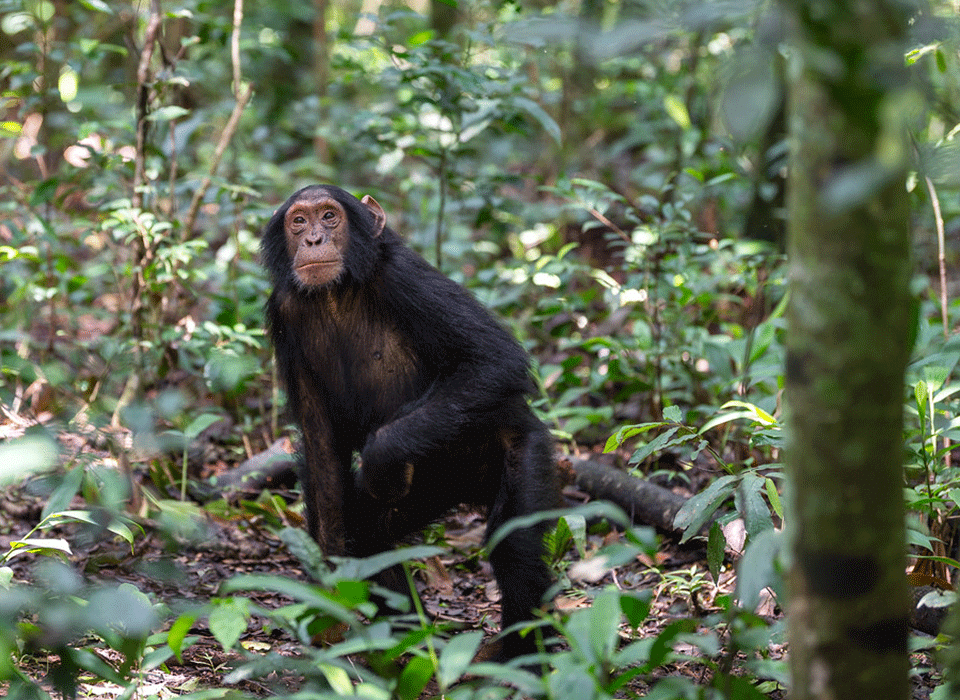
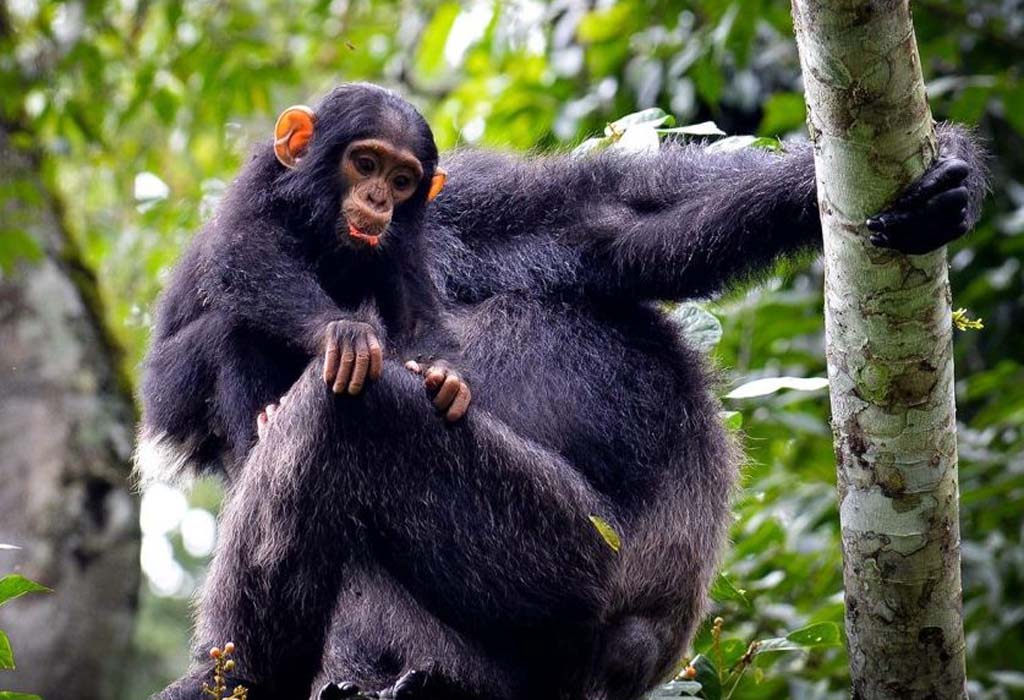
A chimpanzee tracking experience is a guided forest walk designed to locate a habituated community of wild chimpanzees and observe their natural behavior at close but controlled range. Unlike a conventional game drive, the experience unfolds on foot. Guides listen for pant-hoots, drumming on tree buttresses, breaking branches and calls moving through the canopy. Trackers may also use fresh feeding signs, nests and information from ranger teams already in the forest. That makes the search itself part of the adventure rather than simply a transfer to a guaranteed viewing point.
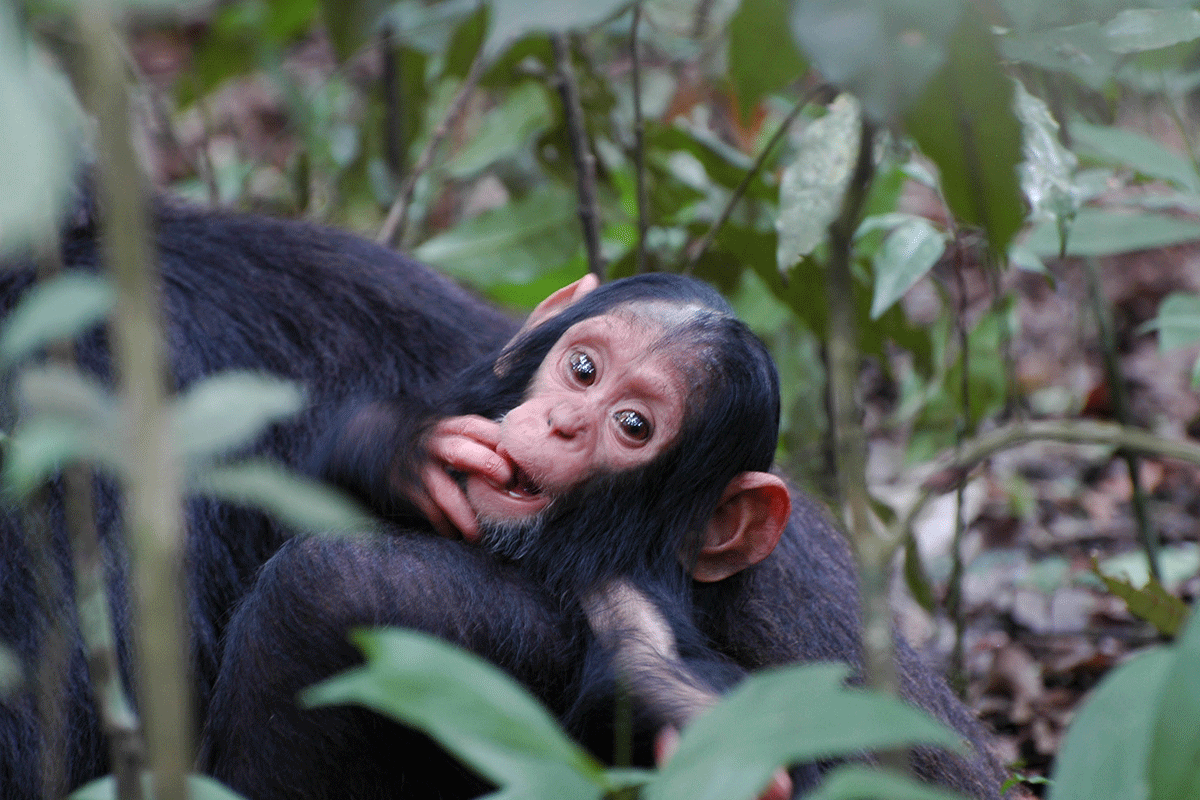
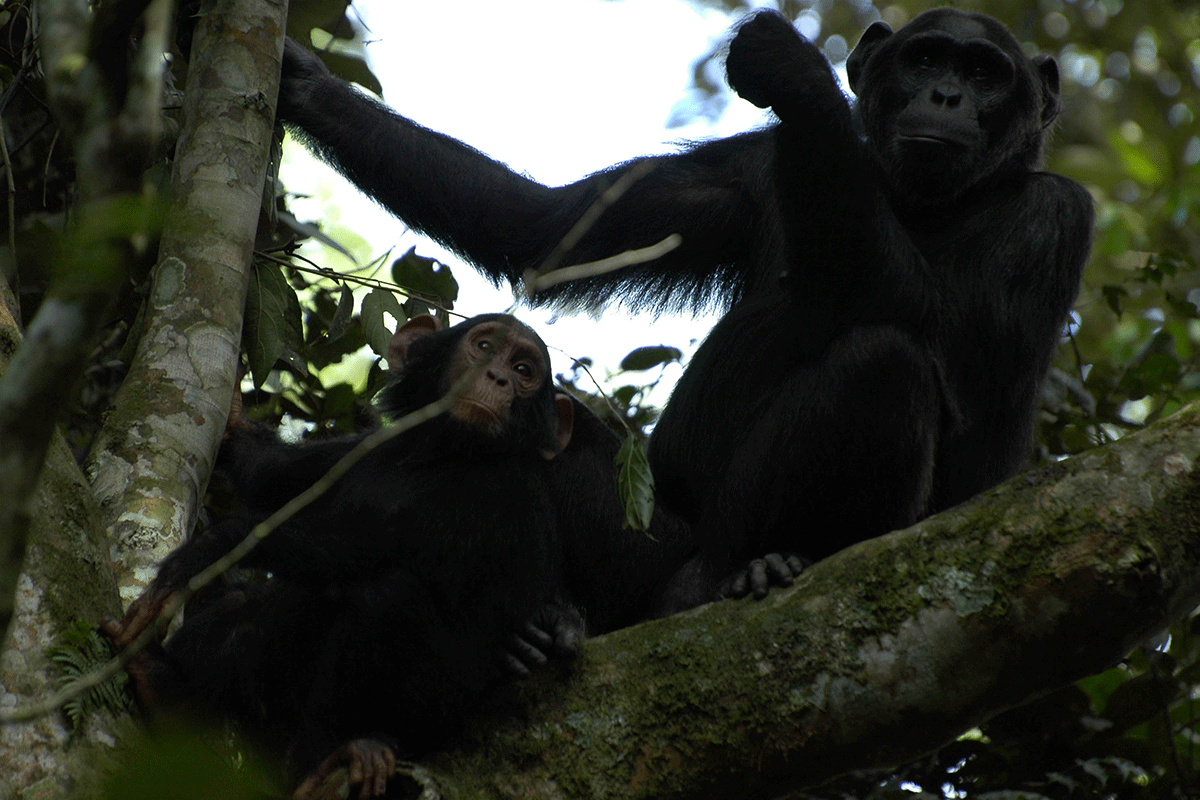
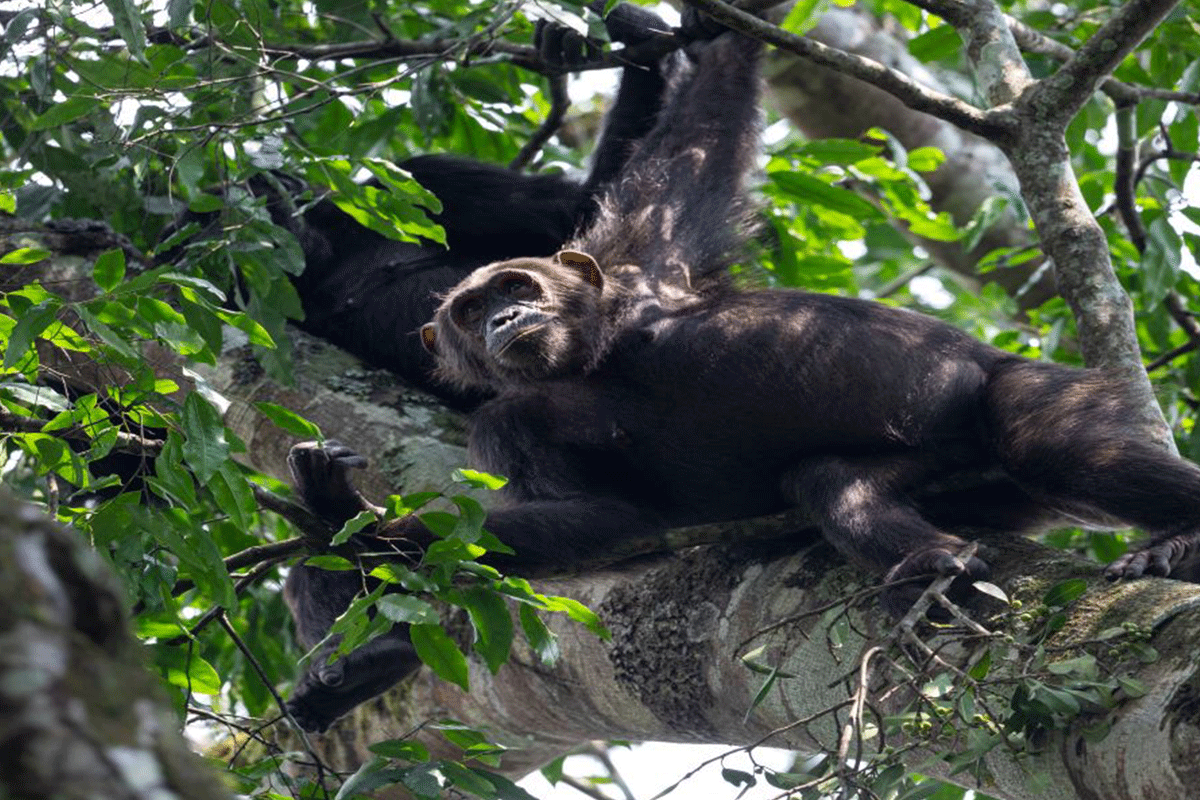
For most visitors, the strongest attraction is the energy of the encounter. Chimpanzees can be noisy, fast and socially complex. One moment a group may feed quietly in fruiting trees; the next, individuals may descend, cross the forest floor or call to companions farther away. A well-planned chimpanzee tracking experience therefore rewards patience and flexibility. Travelers comparing primate adventures can also read about gorilla vs chimpanzee, because the rhythm, terrain and animal behavior differ significantly between the two experiences.
Why Kibale Is the Classic Choice
Uganda offers several places to look for chimpanzees, but Kibale Forest National Park is the best-known base for travelers building a primate-focused itinerary. The forest supports a remarkable variety of primates and has long been associated with organized chimpanzee tracking. For tourists, its practical advantage is equally important: Kibale fits naturally into western Uganda routes that can also include crater landscapes, Queen Elizabeth National Park and gorilla trekking farther south.
A typical visit begins around the Kanyanchu area, where guests report for registration and a ranger briefing before entering the forest. The route changes according to where chimpanzees have moved, seasonal food availability and recent tracking information. That variability is exactly why visitors should avoid imagining a fixed trail. The forest is the habitat, not a zoo enclosure, and the guide’s job is to interpret changing signs while keeping the group together and respecting viewing rules. Travelers comparing alternatives should review chimpanzee trekking regions in Uganda before choosing a route solely on price or driving distance.
Turn the Forest Experience Into a Smooth Safari
Share your dates, group size and must-see places for a practical route built around available primate permits.
What Happens on the Tracking Day?
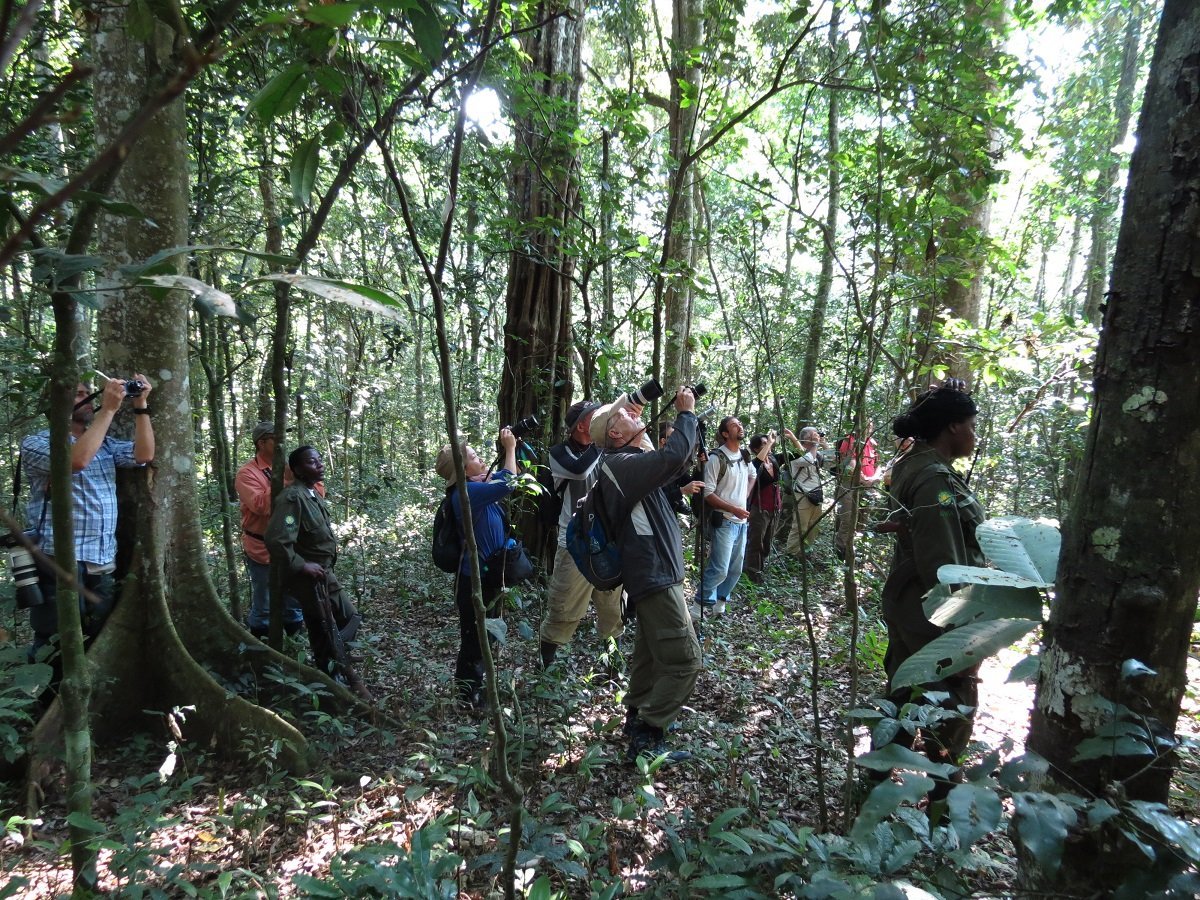
Your chimpanzee tracking experience normally starts with a briefing. Rangers explain forest etiquette, safety, how to behave around chimpanzees and what to expect from the terrain. Groups then enter the forest with an armed ranger or trained guide according to local procedures. The first part of the walk may feel quiet, but guides continuously scan the canopy, listen for calls and inspect signs that most visitors would never notice.
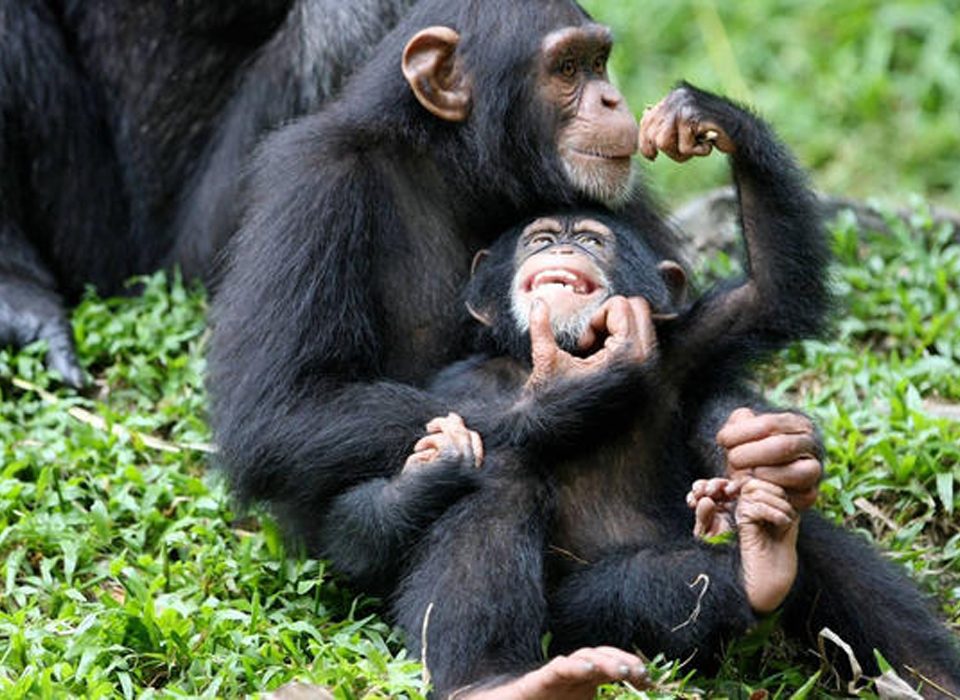
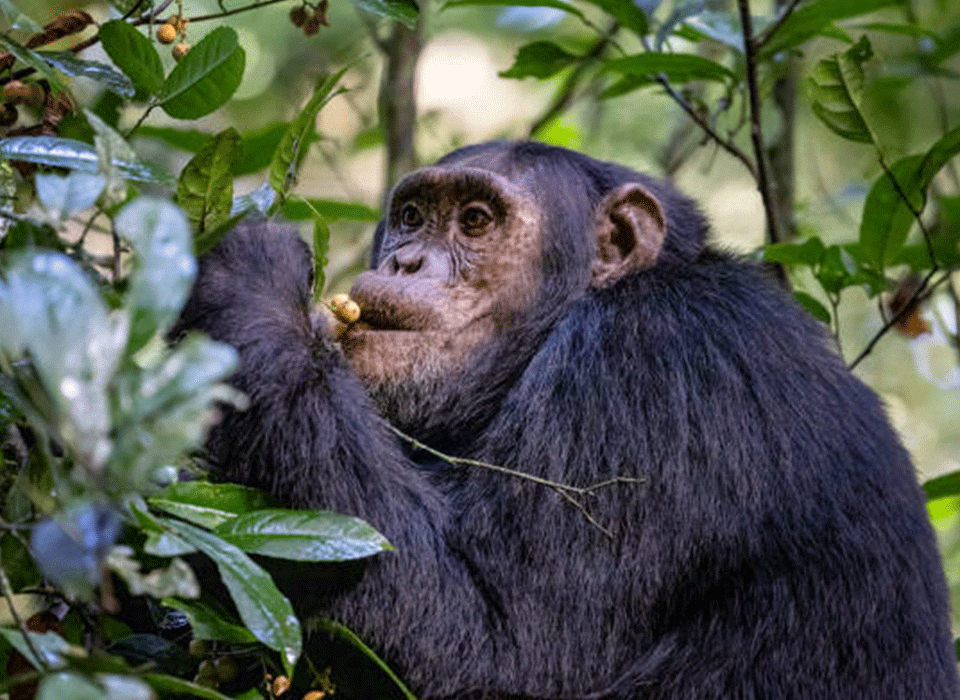
Once chimpanzees are located, the experience becomes more intense. Some individuals may remain high in the canopy, while others move lower or travel on the ground. Visitors should follow ranger instructions immediately, especially when the animals change direction. The standard viewing period is limited, so photography is best balanced with simply watching. The most memorable details are often behavioral: grooming, feeding, vocal exchanges, juveniles playing or adults moving with surprising speed through dense vegetation.
After the permitted viewing time, the group walks back to the starting point. Total forest time varies because locating chimpanzees can take different amounts of time on different days. Build a relaxed afternoon around the trek rather than scheduling a tight onward transfer.
Chimpanzee Tracking vs Habituation
Standard tracking and a habituation experience are related but not identical. Standard tracking is the straightforward choice for most tourists: you join a ranger-led search and, once the chimpanzees are found, spend the permitted viewing period with the habituated community. It is easier to fit into a conventional Uganda itinerary and leaves time for another activity later in the day.
A habituation experience is designed for travelers who want a longer, more immersive forest day. It can begin earlier and allows more time around chimpanzees while researchers and trackers follow their movements and continue the habituation process. The pace can be demanding because the animals may travel significant distances. Photographers, repeat safari travelers and primate enthusiasts often appreciate the extra observation time, while visitors with limited days may prefer standard tracking.
Before booking, compare the current chimpanzee permit and habituation cost. Permit structures and rates can change, so confirm the exact product, date, availability and inclusions rather than relying on an old online price. The right option depends on your time, mobility, photography priorities and how central chimpanzees are to your Uganda journey.
How Difficult Is Chimpanzee Trekking?
Chimpanzee trekking is usually described as moderate, but difficulty changes with weather, animal movement and the route taken on the day. Forest paths can be uneven, roots can be slippery, and rain can quickly make sections muddy. Chimpanzees also move faster than gorillas, so a group may need to walk briskly when the community changes location. You do not need to be an athlete, but comfortable walking fitness makes the experience much more enjoyable.
Prepare for humidity as well as distance. Lightweight long trousers, a breathable long-sleeved shirt, sturdy walking footwear and a small daypack are practical. Carry water and follow the ranger’s advice about food. A light rain layer is valuable even in a generally dry period because tropical forest weather can change quickly.
If you are already preparing for a gorilla trek, the practical guidance in gorilla trekking fitness, what to wear on a gorilla trek and gorilla trekking boots is useful for thinking about footwear, clothing and conditioning. The exact terrain differs, but the principle is the same: arrive ready to walk on natural forest surfaces rather than expecting a paved tourist trail.
Turn the Forest Experience Into a Smooth Safari
Share your dates, group size and must-see places for a practical route built around available primate permits.
Best Time for Chimpanzee Tracking in Uganda
A chimpanzee tracking experience can be planned throughout the year, which gives Uganda itineraries useful flexibility. Drier months are popular because trails can feel firmer and road travel is often simpler. Wetter periods, however, should not automatically be dismissed. Forests remain lush, photography can be atmospheric, and seasonal food distribution can influence where chimpanzees spend time. Rainfall is possible in any month in a tropical forest.
For tourists, the best time is therefore a balance between weather preference, permit availability, the rest of the safari and personal tolerance for mud or rain. If gorillas, savannah wildlife and chimpanzees are all priorities, choose dates that make the entire route work rather than optimizing one morning in isolation.
Pack for changeable conditions whatever month you travel. A compact waterproof jacket, protective cover for camera gear and shoes with dependable grip are more useful than trying to predict a perfectly dry trek. Travelers planning far ahead should also check whether any price increase of chimpanzee permits affects the budget before confirming flights and accommodation.
What to Wear and Pack
Dress for vegetation, humidity and uneven ground. Long trousers protect your legs from scratches and insects, while a lightweight long-sleeved top provides similar protection for your arms. Closed walking shoes or hiking boots with good tread are preferable to casual trainers with smooth soles. Tuck trousers into socks if advised locally, especially where ants may be active.
Carry only what you can comfortably manage. Water, a rain jacket, insect repellent, sunscreen for exposed areas, a hat for time outside the forest, a small camera kit and spare battery are enough for most visitors. A waterproof pouch or dry bag helps protect a phone and documents. Avoid a large pack full of unnecessary items because it becomes uncomfortable when the group needs to move quickly.
Binoculars can add value beyond chimpanzees by helping you see monkeys and forest birds in the canopy. If photography is important, favor a lens you can handle quickly rather than a heavy setup that takes too long to reposition. Your guide can advise when it is safe to stop, move or photograph.
Chimpanzee Tracking Rules and Responsible Viewing
Wildlife rules protect both visitors and chimpanzees. Listen carefully during the briefing and follow ranger instructions even when an animal appears calm. Keep the required distance whenever possible, avoid surrounding individuals, and never attempt to touch or feed a chimpanzee. Flash photography is generally inappropriate around primates and may be restricted. Quiet behavior also gives the group a better chance to observe natural interactions.
Health rules are especially important because chimpanzees are closely related to humans and can be vulnerable to human respiratory illnesses. If you are unwell, tell the operator or ranger team rather than hiding symptoms. Local authorities may apply specific masking or health requirements, and those instructions should take priority over old travel blogs.
Responsible primate tourism also means respecting permit systems, ranger authority and protected-area regulations. Similar principles apply to ethical gorilla trekking. A good safari is not measured by how close a visitor can get; it is measured by the quality of observation achieved without disrupting the animals or compromising conservation.
Photography Tips for the Forest
Forest photography is challenging because light levels can be low and chimpanzees may move quickly. Prepare camera settings before the animals appear. A moderately high ISO and a shutter speed fast enough to freeze movement can be more useful than chasing technically perfect image quality. If a chimpanzee pauses, you can adjust; when it moves, reaction speed matters.
Watch backgrounds as much as the animal. Bright gaps in the canopy can distract from a dark subject, while leaves and branches can confuse autofocus. Single-point or animal-detection autofocus can help if your camera supports it, but no setting replaces anticipation. Observe where the chimpanzee is looking and be ready for grooming, feeding or interaction.
Do not spend the entire viewing period looking through a screen. Take a sequence, lower the camera and watch. The sound of the forest and the social behavior are central to the chimpanzee tracking experience. Protect equipment from sudden rain and humidity, and carry a cloth for condensation or water droplets.
Where Else Can You Track Chimpanzees?
Kibale is the headline destination, but it is not the only option. Uganda’s chimpanzee experiences can be integrated into different safari circuits, which is why chimpanzee trekking regions in Uganda is worth comparing before committing to a route. Kyambura Gorge can complement a Queen Elizabeth National Park stay, while Budongo Forest can work well with a northern itinerary that includes Murchison Falls.
The right location depends on more than the probability of a sighting. Consider driving time, permit availability, the quality of the wider itinerary and whether chimpanzees are your main goal or an added experience. A traveler whose top priority is primates may prefer to allocate more time to Kibale. Someone focused on a broad wildlife circuit may value a site that fits naturally between game drives and other activities.
Do not assume every chimpanzee location offers the same schedule, group size, terrain or permit system. Confirm the current arrangement for the exact destination you intend to visit. That simple step prevents confusion caused by mixing information from different forests.
Turn the Forest Experience Into a Smooth Safari
Share your dates, group size and must-see places for a practical route built around available primate permits.
Combining Chimpanzees With Gorilla Trekking
One of Uganda’s strongest itinerary combinations is chimpanzee tracking plus mountain gorillas. The experiences complement each other rather than feeling repetitive. Chimpanzees are often more vocal and mobile, while a gorilla encounter may feel slower and more visually concentrated around a family group. Reading gorilla vs chimpanzee before traveling can help set expectations without turning the choice into a competition.
A common route links Kibale with Bwindi Impenetrable Forest in southwestern Uganda. Depending on the itinerary, travelers may add Queen Elizabeth National Park between the two forests for game drives and a boat safari. This creates a varied journey through rainforest, savannah and highland landscapes rather than several consecutive trekking days.
Permit dates should anchor the route. Once primate permits are confirmed, accommodation and transfers can be arranged around them. Travelers considering Rwanda as well can compare gorilla trekking Uganda and Rwanda, gorilla trekking in Rwanda and mountain gorilla trekking. If extra time with gorillas is important, gorilla habituation experience explains another specialized primate option. The best itinerary leaves enough recovery time between demanding activities and avoids unnecessary backtracking.
How Many Days Should You Allow?
If chimpanzee tracking is the only major objective, a short Kibale-focused visit can work, but most international travelers gain more from integrating it into a broader Uganda safari. Allowing two nights around Kibale usually creates a calmer rhythm: arrive without rushing, trek the next day and continue after a proper rest. Extra time also makes it easier to add a community walk, crater exploration, birding or another forest activity.
For a combined primate journey, five to ten days gives far more flexibility. The 5 Days Gorillas and Chimpanzee safari is an example of a compact gorilla-and-chimpanzee concept, while the 10 Days Best of Uganda Safari illustrates how primates can sit inside a broader national circuit. Travelers who also want classic savannah wildlife can consider the structure of a Uganda Gorilla Trekking and Wildlife Safari.
Road distances in Uganda can look modest on a map but take time. Build realistic transfer days, comfort stops and meal breaks into the plan. A safari should not feel like a race between permit check-in times. Spending an extra night in the right place often improves the experience more than adding another attraction.
Chimpanzee Permit and Cost Planning
A valid permit is central to a chimpanzee tracking experience in a regulated destination. Permit prices, resident categories, booking procedures and availability can change, so use current information when budgeting. Start with the latest gorilla vs chimpanzee and verify the final rate for your travel date before payment. If you are considering the longer option, compare the chimpanzee permit and habituation cost as a separate product.
The permit is only one part of the trip cost. Budget for transport, accommodation, meals, guide services, park-related fees where applicable and optional activities. A private safari vehicle costs more than simply buying a permit, but it also solves the practical problem of reaching forest areas and connecting them with other parks.
Book early when traveling in popular holiday periods or when your itinerary depends on specific gorilla and chimpanzee dates. The article on price increase of chimpanzee permits is a reminder that rates can be revised. Ask for written confirmation showing the trekking date and product booked, and keep your travel documents accessible on the morning of the activity.
Turn the Forest Experience Into a Smooth Safari
Share your dates, group size and must-see places for a practical route built around available primate permits.
Getting to Kibale and Building the Route
Kibale lies in western Uganda and is commonly reached by road from Kampala or Entebbe, often through the Fort Portal area. Rather than treating the transfer as dead time, many itineraries use western Uganda as a connected circuit. Kibale can lead south toward Queen Elizabeth National Park and then onward to Bwindi, or north toward other attractions depending on the trip design.
Travelers arriving internationally should avoid scheduling a long road transfer immediately after a late flight if a comfortable overnight is possible. Likewise, do not place a permit activity after an unrealistic transfer the previous day. Primate trekking starts on a fixed schedule, and missing registration can ruin an expensive part of the safari.
If gorillas are the next priority, resources on gorilla tracking from Entebbe and best region to trek gorillas in Bwindi help frame the logistics of moving from Uganda’s main gateway toward the southwest. A northern extension can include a Murchison Falls safari. Route design should minimize repeated roads and leave enough daylight for scenic transfers and unplanned delays.
Where to Stay Near the Chimpanzee Trek
Accommodation around Kibale ranges from simple guesthouses to comfortable forest lodges and higher-end properties. The best choice is not automatically the most luxurious; location matters on trekking morning. Ask how long the drive is from the lodge to the briefing point and what time breakfast will be available. A beautiful property far away can create an unnecessarily early start.
Look for practical features such as reliable hot water, a place to dry wet clothing, early breakfast, packed meal options and staff familiar with trekking schedules. Forest-edge lodges can provide excellent atmosphere, but sounds, insects and cooler nights are part of the setting. Travelers sensitive to any of these should ask specific questions before booking.
Two nights in the area is a comfortable minimum for many itineraries. Arrive, settle in, trek the next morning and enjoy a relaxed afternoon. If you want extra activities or a buffer in a longer safari, add another night. Your accommodation should support the experience rather than force the itinerary to revolve around hotel check-in and check-out times.
Seven Practical Tips for a Better Experience
First, secure the permit before building non-refundable arrangements around a specific date. Second, arrive with realistic expectations: chimpanzees are wild and the forest determines the route. Third, wear proper footwear and long clothing even if the morning begins warm and dry. Fourth, keep your camera ready but do not let photography consume the entire viewing period.
Fifth, listen to the ranger. Small instructions about where to stand, when to move and how to react can make the group safer and improve everyone’s view. Sixth, protect electronics from rain and humidity. A lightweight waterproof solution is enough for most travelers. Seventh, plan the chimpanzee tracking experience as part of a sensible route rather than an isolated box to tick.
If your Uganda journey includes gorillas, review gorilla tracking age limit, gorilla tracking permits, gorilla trekking tours and 3-day gorilla trekking in Uganda early because permit availability and trekking sectors can affect the route. Travelers specifically focused on silverbacks can also explore silverback gorilla tracking. Good planning creates flexibility on the ground: once the important permits, transfers and overnight stops are secure, you can enjoy the forest without worrying about logistics.
Turn the Forest Experience Into a Smooth Safari
Share your dates, group size and must-see places for a practical route built around available primate permits.
Frequently Asked Questions
How long does chimpanzee tracking take? The full activity varies because the time needed to locate chimpanzees changes daily. Allow a substantial part of the morning or afternoon rather than planning a tight appointment immediately afterward.
Are sightings guaranteed? No ethical wildlife experience should be treated as an absolute guarantee. Habituated communities and experienced trackers improve the prospects, but chimpanzees remain wild and move through a natural forest.
Can children join? Age rules may apply and can change by destination or authority. Confirm the current minimum age before buying permits for a family.
Is chimpanzee trekking safe? It is a managed wildlife activity led by trained staff, but visitors must follow instructions, maintain required distances and disclose relevant illness. Forest terrain itself can also present slips, roots, insects and sudden rain.
Can I do chimpanzees and gorillas on the same trip? Yes. This is one of Uganda’s most popular primate combinations. Review the route, permit dates and recovery time rather than scheduling strenuous treks back-to-back without considering your fitness.
What if it rains? Tracking generally takes place in forest conditions where rain is possible. Bring appropriate clothing and protect electronics. Rangers will advise if conditions require any operational change.
Final Planning Checklist
Before departure, confirm the exact chimpanzee permit, trekking date, reporting point and start time. Check passport and visa requirements for your nationality, travel insurance terms, health guidance, vaccination advice and any current protected-area rules. Reconfirm accommodation, transfers and the contact details for your local operator. Pack footwear you have already worn rather than brand-new boots.
Keep the day before the trek sensible. Hydrate, sleep well and avoid arriving exhausted after an unnecessarily long transfer. On trekking morning, eat breakfast, carry water, protect your camera from moisture and leave nonessential valuables behind. Follow the ranger briefing carefully and ask questions before entering the forest.
A chimpanzee tracking experience works best when travelers embrace uncertainty. The calls may come from far away, the group may move, rain may change the trail, and the best photograph may appear for only a second. Those variables are not flaws; they are what make a genuine wild-primate encounter different from a staged attraction. Plan the logistics carefully, then give the forest room to surprise you.
Useful Uganda Primate Planning Resources
For deeper trip planning, these related resources can help you compare routes and expectations: chimpanzee trekking price and cost, chimpanzee trekking safari, Mgahinga Gorilla National Park, gorilla tracking in Uganda, and frequently asked questions on gorilla trekking. Use them to refine the wider safari after your chimpanzee tracking experience is secured.
What Makes the Chimpanzee Tracking Experience Special?
The strongest reason to choose a chimpanzee tracking experience is that the encounter feels active from beginning to end. Chimpanzees communicate across the forest, climb rapidly, feed in groups and react to social events that may be unfolding beyond your immediate view. Rangers help translate those sounds and movements into a story. A call in the distance can signal that part of the community is moving, while drumming against a tree can carry through the forest. For a first-time visitor, understanding these clues adds meaning to the walk even before a chimpanzee is clearly visible.
The forest itself is another major part of the experience. Kibale is not simply a backdrop for chimpanzees. Visitors may notice other primates, butterflies, birds, giant trees, vines and layers of vegetation that make every section of trail feel different. A good guide will point out wildlife and forest features without losing focus on the chimpanzee search. Travelers who enjoy natural history should ask questions during quieter moments, because the walk can reveal much more than the headline species.
How to Get More From Your Chimpanzee Tracking Experience
Arrive curious rather than fixated on one perfect photograph. Watch how individuals use their hands and feet, how juveniles interact, how adults respond to calls and how quickly the mood of a group can change. Keep enough distance to observe a wider scene instead of concentrating only on the nearest animal. This approach often produces a more memorable chimpanzee tracking experience because you begin to notice relationships and behavior rather than treating the sighting as a checklist item.
It also helps to discuss expectations with your guide before the trek. Mention mobility concerns, photography priorities or a particular interest in birds and other primates. Guides cannot control where chimpanzees go, but knowing what matters to you helps them communicate effectively during the walk. At the same time, remain flexible: forest conditions and animal movement always take priority. The best prepared travelers combine good equipment and sensible logistics with a willingness to accept whatever the forest presents that day.
Ready for Your Chimpanzee Tracking Experience?
Build the trip around confirmed permits, realistic road transfers and enough time to enjoy Kibale without rushing. The result is a richer Uganda primate safari with space for the unexpected moments that make rainforest travel memorable.