
Essential Uganda Safari Tips Before You Start Planning
Understand What Makes a Uganda Safari Different
Uganda is unusual because travelers do not have to choose between primates and traditional African wildlife. Both can be incorporated into the same itinerary. A visitor may spend one morning walking through rainforest in search of chimpanzees and, several days later, enjoy a game drive across open savannah searching for lions, elephants, buffaloes and antelopes.
For many international visitors, Bwindi Impenetrable National Park is the centerpiece of the journey because of its mountain gorilla trekking opportunities. Uganda also offers another mountain gorilla destination at Mgahinga Gorilla National Park, allowing travelers to combine primate encounters with spectacular southwestern landscapes.
Travelers interested in classic wildlife viewing can add national parks where game viewing introduces a completely different side of Uganda. Queen Elizabeth National Park, Murchison Falls National Park, Lake Mburo National Park and Kidepo Valley National Park provide opportunities to experience savannah wildlife, while Uganda’s rivers, lakes and channels add boat-based wildlife viewing.
One of the most useful Uganda Safari Tips is therefore to avoid approaching Uganda as though every safari follows the same pattern. A gorilla-focused trip, photography safari, birding safari, family safari and comprehensive wildlife journey should all be planned differently.
Decide Which Safari Experiences Matter Most
Before choosing the number of days or accommodation level, decide which experiences you would genuinely regret missing. This helps determine where you need to travel and prevents unnecessary additions to the itinerary.
If mountain gorillas are your main priority, start by researching gorilla trekking preparations before confirming your dates. Gorilla trekking involves permits, designated trekking locations and specific logistical arrangements, so it should influence the structure of the safari from the beginning.
Travelers interested in both gorillas and chimpanzees can design a primate-focused journey connecting southwestern and western Uganda. A carefully planned gorilla and chimpanzee safari can combine the forests of Bwindi with Kibale while using Queen Elizabeth National Park as a natural wildlife connection between the two regions.
Travelers whose priority is large mammals, landscapes and boat safaris may prefer to dedicate additional time to the savannah parks. Photographers may need longer stays at fewer destinations, while birdwatchers often benefit from slower itineraries that provide time to explore different habitats.
These Uganda Safari Tips are especially important for first-time visitors because it is easy to become overwhelmed by the number of attractions available. Rather than choosing destinations because they are famous, select them because they contribute something meaningful and different to your journey.
Choose a Realistic Safari Duration
The length of your Uganda safari should reflect both your interests and the distances between destinations. Short safaris are possible, particularly when concentrating on one major experience, but attempting to cover several regions in only a few days normally creates excessive driving.
A three-day safari may work well for travelers concentrating primarily on gorilla trekking or one wildlife destination. Five to seven days provide more freedom to combine two or three complementary experiences. Travelers wanting gorillas, chimpanzees and traditional wildlife viewing should generally allow enough time to move between western Uganda’s major destinations without spending every day on the road.
A good example of balanced routing is a 7-day Uganda safari that combines primates and wildlife rather than attempting to cross the entire country. Visitors with more time can consider a broader 12-day Uganda safari that incorporates additional national parks and activities.
One of the most practical Uganda Safari Tips is not to measure safari quality by the number of national parks included. Three well-planned destinations can provide a far richer experience than six rushed destinations.
Build Your Route Around Geography
Uganda’s safari destinations may appear reasonably close together on a map, but road travel can take longer than first-time visitors expect. Mountainous terrain, town traffic, road conditions, weather and stops along the journey all influence transfer times.
The western safari circuit is particularly useful because several major destinations can be connected logically. Kibale National Park can lead south toward Queen Elizabeth National Park before continuing toward Bwindi. This route combines chimpanzees, savannah wildlife and gorillas while minimizing unnecessary backtracking.
Travelers with additional time can continue toward Lake Bunyonyi or Lake Mburo, while those undertaking a more extensive Uganda safari can incorporate Murchison Falls National Park farther north.
Murchison Falls offers a different experience from southwestern Uganda, combining the Nile, game drives, boat safaris, wildlife and dramatic scenery. However, adding it to a short itinerary may result in long transfers. It is much more rewarding when sufficient time has been allowed.
Good routing is therefore one of the Uganda Safari Tips that can save both time and money. Every destination should connect naturally to the next rather than requiring repeated backtracking.
Secure Priority Permits Before Finalizing Everything Else
Some activities are much easier to arrange than others. Game drives and many boat excursions can normally be fitted around an itinerary, while gorilla trekking and chimpanzee tracking depend on permits and availability.
Travelers planning a gorilla safari should understand the Uganda gorilla permit system before finalizing accommodation. Permit availability can become limited during popular travel periods, particularly when demand is high.
This is why travelers should avoid booking every lodge independently before confirming where and when they will trek. Gorilla trekking arrangements should come first, followed by accommodation that fits the correct area and safari route.
Visitors interested in spending more time observing gorillas may also research the gorilla habituation experience, which differs from standard gorilla trekking and requires separate planning.
Safari Vacations and Travel Services can coordinate permit availability with accommodation and transportation so that the important components of the safari support one another. Among all Uganda Safari Tips, confirming permit-dependent experiences early is one of the most important for avoiding disappointment.
Consider the Time of Year Carefully
Uganda can be visited throughout the year, but different seasons create different travel conditions. Choosing when to travel should therefore depend on your priorities rather than following a single rule.
Travelers researching the best month to visit Uganda should consider trekking conditions, wildlife viewing, visitor numbers, accommodation availability and budget. Drier periods are popular because roads and forest trails can be easier to navigate, while wetter months bring greener landscapes and can appeal to travelers seeking fewer visitors.
For gorilla-focused trips, understanding the best time for gorilla trekking can help travelers balance weather conditions with permit demand. Rain, however, can occur in Uganda’s tropical forests at any time, so suitable clothing and rain protection remain important throughout the year.
Rather than postponing a journey simply because it falls outside the traditional dry season, discuss the advantages and limitations of your preferred month with Safari Vacations and Travel Services.
Select Accommodation for Location as Well as Comfort
Accommodation is an important part of any Uganda safari, but choosing a lodge entirely by photographs, star rating or room quality can create logistical problems.
This is particularly important around Bwindi, where accommodation location needs to correspond with trekking arrangements. A lodge can be excellent yet inconvenient if it is positioned far from the area where your morning activity begins.
Similar thinking applies elsewhere. Properties positioned conveniently for game drives, boat cruises or onward transfers can reduce unnecessary driving and make daily schedules more comfortable.
Travelers should consider location, road access, meal arrangements, electricity, charging facilities, dietary requirements and the distance from planned activities. These practical Uganda Safari Tips often matter more during the actual journey than having a slightly larger room or more elaborate lodge facilities.
Do Not Underestimate Road Travel
Road transfers are an important part of many Uganda safaris and can provide excellent opportunities to see countryside, towns, farms and changing landscapes. However, journey times should be approached realistically.
A route that appears short on a digital map may include mountain roads, slower sections or traffic through populated areas. Travelers should therefore avoid constructing an itinerary in which every transfer depends on arriving at a precise time.
For visitors entering through Rwanda, carefully planned Uganda safaris from Kigali can provide convenient access to southwestern Uganda. This approach can work particularly well for shorter gorilla-focused journeys, although the complete itinerary and border logistics need to be considered.
Travelers with limited time may also consider domestic flights for selected sectors, while those who enjoy road travel can use transfers as part of the wider safari experience.
Choose the Safari Style That Fits You
There is no single safari style that works for everyone. Couples may prefer private journeys with more flexibility. Families may need shorter driving days. Photographers may want additional time during game drives, while birdwatchers often need frequent stops and slower travel.
Travelers considering shared departures can also research Uganda group safaris and compare them with private travel. Group safaris can spread some transport costs across several travelers, while private safaris generally provide greater control over pacing, stops and daily schedules.
Neither option is automatically better. The important Uganda Safari Tip is to understand what is included before booking. Travelers should know whether the vehicle is private or shared, how many passengers are expected and which activities may involve other visitors regardless of the safari style.
Plan With a Local Uganda Safari Operator
Many of the most important safari decisions involve details that are difficult to evaluate from outside Uganda. Accommodation may appear conveniently located when it is not. Road journeys may take longer than expected. A seemingly attractive itinerary may contain unnecessary backtracking or insufficient time between activities.
This is where local destination knowledge becomes valuable. Safari Vacations and Travel Services can help coordinate permit availability, accommodation, safari vehicles, driver-guides, airport transfers and park activities while keeping the itinerary realistic.
Before making payments, travelers should also understand the booking process, what is included in the quotation and which services need to be confirmed first. A detailed guide on how to book a Uganda safari can help explain the sequence from initial planning through confirmation.
The most effective Uganda Safari Tips ultimately begin with realistic expectations. Decide what you most want to see, establish how much time you have, confirm permit-dependent activities, connect destinations logically and choose accommodation that supports the route. When these foundations are right, the safari becomes easier to manage and considerably more enjoyable.
A Uganda safari should feel adventurous without feeling rushed. With thoughtful planning and the local support of Safari Vacations and Travel Services, travelers can spend less time worrying about logistics and more time experiencing Uganda’s mountain gorillas, chimpanzees, wildlife, landscapes and remarkable natural diversity.
Best Time to Visit Uganda for Safari
Choosing when to travel is one of the most important Uganda Safari Tips because the season can influence trekking conditions, wildlife viewing, road accessibility, photography, accommodation availability, and the overall safari experience. Uganda is a year-round safari destination, meaning there is no single month that is perfect for every traveler. The best time to visit Uganda depends on whether your priority is gorilla trekking, chimpanzee tracking, wildlife viewing, birdwatching, photography, fewer visitors or lower safari costs.
Uganda lies across the Equator, but its climate varies according to altitude, landscape and region. The mountainous and forested areas of southwestern Uganda are generally cooler and wetter than many of the lower savannah areas, while northern Uganda can experience hotter and drier conditions. Understanding these regional differences is important when planning a safari that combines several national parks.
Generally, the drier periods from June to September and December to February are popular for safari travel because forest trails can be easier to navigate and road conditions are often more favorable. However, the wetter months should not automatically be avoided. A well-planned Uganda safari in the rainy season can provide exceptionally green landscapes, fewer visitors and rewarding photographic opportunities.
Understanding Uganda’s Safari Seasons
Uganda does not experience the traditional four seasons of summer, winter, spring and autumn. Instead, safari planning is generally based around relatively dry and rainy periods.
The main dry season normally occurs from June through September, while another comparatively dry period generally falls between December and February. These months are popular for gorilla trekking, chimpanzee tracking, game drives and general safari travel.
The longer rainy season usually occurs between March and May, while October and November commonly experience the shorter rains. However, Uganda’s tropical weather does not follow an exact calendar, and conditions can vary between regions and from year to year.
Rain can also occur during the dry season, particularly in tropical forests such as Bwindi and Kibale. One of the most practical Uganda Safari Tips is therefore to carry suitable rain protection regardless of your travel month.
June to September: Uganda’s Main Safari Season
June through September is one of the most popular periods for a Uganda safari. Rainfall is generally lower across many parts of the country, trekking trails may be less muddy, and road conditions are often easier than during periods of prolonged rainfall.
A Uganda safari in July, for example, falls within this popular travel period and can be particularly suitable for visitors combining gorilla trekking with traditional wildlife viewing.
Drier conditions can also benefit game viewing. As seasonal water sources diminish, animals may spend more time around permanent rivers, channels and waterholes. Vegetation can also become less dense in some savannah areas, sometimes improving visibility during game drives.
June through September works particularly well for travelers combining several outdoor experiences, including gorilla trekking, chimpanzee tracking, game drives, boat safaris and walking activities.
The main consideration is demand. Gorilla permits, preferred lodges and experienced safari guides can become heavily booked during popular travel periods. One of the most valuable Uganda Safari Tips for travelers planning a dry-season safari is therefore to make arrangements well in advance.
December to February: Another Excellent Safari Period
December through February provides another attractive period for safari travel in Uganda. These months are generally relatively dry and can be particularly suitable for visitors escaping winter conditions in Europe and North America.
Travelers researching the best month to visit Uganda should consider January and February because they can provide favorable conditions for both primate trekking and wildlife viewing.
January can be warm in lower-altitude wildlife areas, while mornings and evenings around higher destinations such as Bwindi and may remain noticeably cooler.
February can also provide excellent conditions before the longer rainy period becomes established. Travelers can combine gorilla trekking, chimpanzee tracking, game drives and boat safaris within the same itinerary.
Christmas, New Year and other popular holiday periods can attract increased demand. Travelers considering December should therefore confirm accommodation and permits sufficiently early.
March to May: Uganda’s Green Safari Season
March through May generally represents Uganda’s longer rainy period. April and May can receive substantial rainfall in many regions, and forest trails may become muddy and slippery.
However, these months should not automatically be considered unsuitable for safari travel.
Uganda becomes exceptionally green during the rainy season. Forests appear particularly lush, savannah vegetation becomes vibrant and dramatic clouds can create beautiful photographic conditions.
Visitor numbers are also generally lower than during the main dry-season months. Travelers who prefer quieter national parks may therefore find this period particularly attractive.
Rain does not necessarily fall continuously throughout the day. Some days may include heavy but relatively short showers followed by clear conditions, although travelers should always remain prepared for prolonged rainfall.
Budget-conscious visitors should also investigate low-season gorilla and chimpanzee permit discounts when available. Traveling during selected low-season months can reduce the cost of a primate-focused Uganda safari.
One of the most practical Uganda Safari Tips for rainy-season travel is to pack correctly. Waterproof hiking boots, a good rain jacket, quick-drying clothing and waterproof protection for cameras, phones and important documents can make a significant difference.
October and November: Short-Rain Safari Season
October and November generally form Uganda’s shorter rainy period. Conditions can vary considerably, with sunshine and rainfall sometimes occurring within the same day.
These months can be attractive for travelers who want greener scenery without necessarily traveling during the longer rains of April and May.
Visitors considering traveling to Uganda in November can benefit from generally lower visitor numbers while still enjoying gorilla trekking, chimpanzee tracking, game drives and boat safaris.
November can also be attractive to photographers because vegetation is usually greener than during the driest months. Rain can reduce dust, while dramatic skies can create interesting backgrounds for wildlife and landscape photography.
Travelers should nevertheless prepare for wet roads and potentially muddy trekking trails, particularly in forested and mountainous regions.
Best Time for Gorilla Trekking in Uganda
Gorilla trekking is possible throughout the year in Bwindi Impenetrable National Park and Mgahinga Gorilla National Park.
Many travelers prefer June through September and December through February because trails can be relatively drier. Visitors researching the best time for gorilla trekking should nevertheless understand that rainfall can occur in Bwindi and Mgahinga during any month.
Mountain gorillas live in natural rainforest environments, and their movements are not controlled by tourism schedules. The length and difficulty of a trek therefore depend partly on where the assigned gorilla family is located that particular day.
Rainy-season gorilla trekking also has advantages. Visitor numbers may be lower, forest vegetation is exceptionally green, and the atmosphere can be beautiful for photography.
Travelers planning around different weather conditions can review seasonal gorilla trekking tips before selecting their travel dates.
Regardless of the month, travelers should arrive prepared with suitable hiking footwear, long trousers, rain protection, gardening gloves and a comfortable daypack. Hiring a porter can also make trekking considerably easier.
Best Time for Chimpanzee Tracking
Chimpanzee tracking is another year-round activity in Uganda, with Kibale National Park being the country’s best-known chimpanzee destination.
Drier months can make forest trails easier to walk, particularly for visitors concerned about muddy or slippery conditions. Wetter periods create lush forest environments and may provide quieter experiences because overall tourist numbers can be lower.
Travelers who consider chimpanzee tracking essential should make arrangements early rather than waiting until arrival. Understanding how to book a chimpanzee permit can help travelers coordinate their preferred tracking date with accommodation and transportation.
Safari Vacations and Travel Services can combine chimpanzee tracking with gorilla trekking, game viewing and other experiences while keeping the overall route practical.
Best Time for Wildlife Viewing
Wildlife viewing in Uganda’s savannah parks is possible throughout the year, but dry and rainy conditions can influence where animals are encountered and how easily they can be observed.
During drier periods, animals may concentrate around permanent water sources, including rivers, channels and waterholes. Vegetation can also become shorter in some areas, potentially making wildlife easier to spot.
Visitors interested primarily in game drives can research the best wildlife viewing seasons in Uganda before deciding when to travel.
Queen Elizabeth National Park and Murchison Falls National Park are particularly important for travelers wanting to combine game drives with boat safaris. Lake Mburo offers a different experience, while Kidepo Valley National Park appeals to travelers seeking a more remote wilderness environment.
Rainy-season game viewing can also be rewarding. Landscapes become green, many animals remain active and newborn animals may be encountered at different times depending on species and local conditions.
An important Uganda Safari Tip is never to expect guaranteed wildlife sightings. Animals move naturally throughout protected areas, and even experienced guides cannot control where a particular species will appear.
Best Time for Birdwatching in Uganda
Uganda is an exceptional birdwatching destination because of its enormous variety of habitats. Forests, wetlands, savannahs, lakes, rivers and highlands support an extraordinary range of resident and migratory species.
Birdwatching is possible throughout the year, although particular months may be better for specific species or habitats.
Travelers interested primarily in birds can research when to plan a Uganda birding safari before choosing their travel dates.
Wet seasons can be especially productive because vegetation becomes lush and food resources increase. Migratory species also add diversity during particular periods of the year.
Serious birdwatchers should avoid planning solely according to conventional safari seasons. Instead, the itinerary should be designed around target species, habitats and geographical regions.
Best Time for Safari Photography
The best safari season for photography depends on what you want to photograph.
Dry periods can provide easier access to wildlife areas, reduced vegetation in some savannah environments and greater concentrations of animals around permanent water sources.
Rainy and transitional seasons provide a completely different photographic advantage. Fresh vegetation produces rich green backgrounds, skies can become dramatic and reduced dust can improve landscape clarity.
Travelers whose priority is photography can explore the best time for wildlife photography in Uganda when selecting travel dates.
Forest photography requires additional preparation regardless of season. Bwindi and Kibale can be dark beneath the canopy, meaning photographers should prepare for low-light conditions and protect equipment against humidity and unexpected rain.
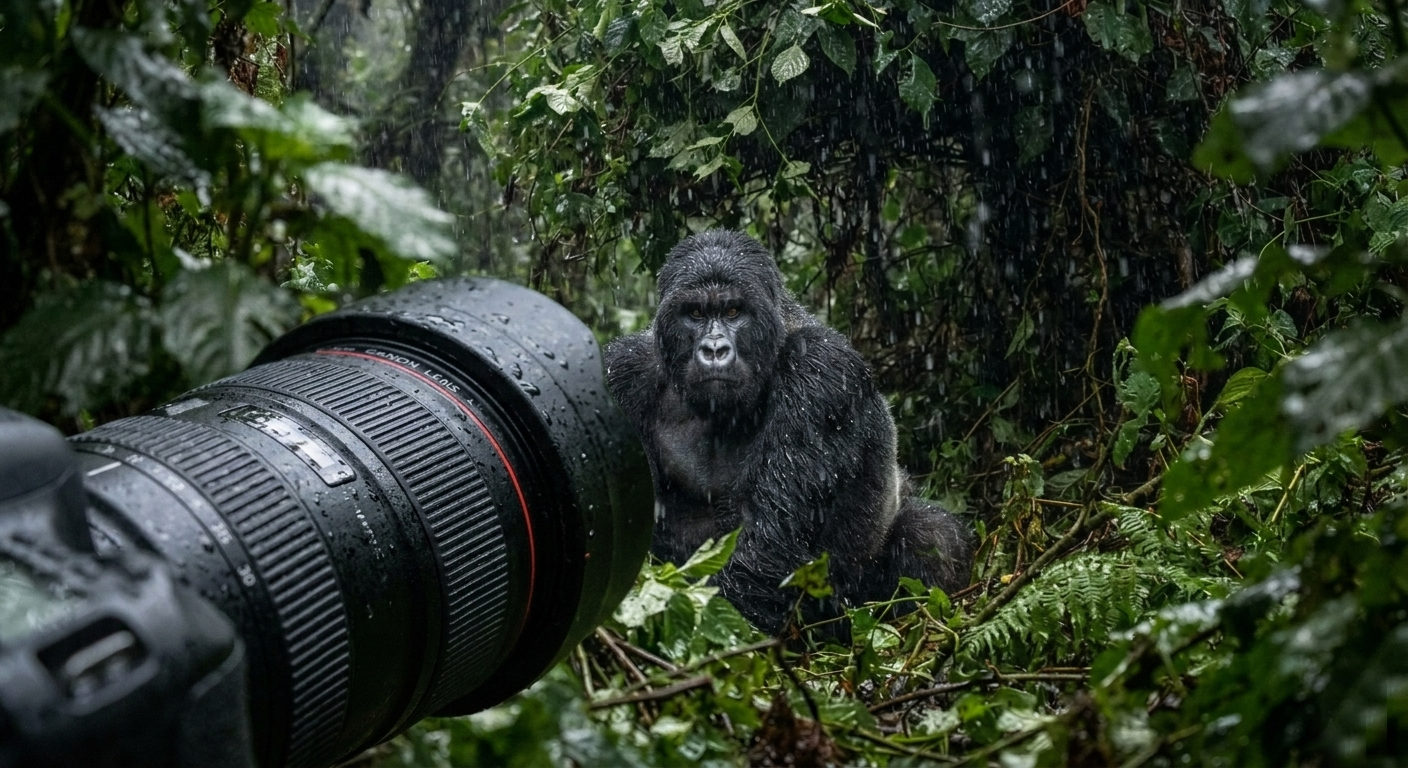
A 3-day Uganda gorilla safari can be suitable for travelers whose primary goal is trekking mountain gorillas in Bwindi Impenetrable National Park. These short journeys are particularly practical when the itinerary begins and ends close to southwestern Uganda or when travelers enter Uganda through Kigali.
Short safaris require careful planning because there is little flexibility for unnecessary detours. Permit dates, accommodation location and transfer arrangements should therefore be confirmed before travel.
One of the most useful Uganda Safari Tips for short holidays is to select one major experience and organize everything around it. Trying to combine gorillas, chimpanzees and several wildlife parks within only three or four days generally creates an exhausting itinerary.
Three Days in Uganda
A three-day safari is best suited to travelers with one clear priority.
Gorilla trekking is one of the most popular choices. Travelers can transfer to Bwindi, trek the following morning and then continue toward their departure point on the final day. Depending on the starting location, a three-day safari may also focus on Murchison Falls, Kibale or another individual destination.
For visitors interested primarily in wildlife and the Nile, a 3-day Murchison Falls safari can combine game viewing, spectacular landscapes and a boat experience within one national park.
The limitation of a three-day safari is that transfer time occupies a significant portion of the itinerary. Travelers should therefore keep expectations realistic and avoid adding unnecessary destinations simply because they appear geographically close on a map.
A three-day journey works best for travelers who have already identified one particular wildlife or primate experience as the main reason for visiting Uganda.
Five Days in Uganda
Five days provide considerably more flexibility and can allow travelers to combine two complementary experiences.
One popular approach is to combine gorilla trekking with another activity in southwestern Uganda. Travelers may include Lake Bunyonyi, golden monkey tracking, additional forest activities or selected wildlife experiences depending on the route.
A five-day safari can also work for travelers who want to combine gorillas with chimpanzees, although routing needs to be carefully planned to avoid excessive driving.
Another possibility is a specialized 5-day Uganda safari combining gorilla trekking with a completely different adventure experience.
One of the strongest Uganda Safari Tips for a five-day journey is to concentrate on experiences located within a logical travel corridor. Five days may sound substantial when planning from abroad, but long road transfers can quickly consume available time.
Seven Days in Uganda
Seven days is an excellent safari length for travelers who want a meaningful combination of primates and traditional wildlife without spending most of the holiday transferring between destinations.
A well-planned 7-day Uganda safari can incorporate mountain gorillas together with savannah wildlife and other complementary experiences.
One practical route may combine Bwindi with Queen Elizabeth National Park and another strategically positioned destination. This creates opportunities for gorilla trekking, game drives and a boat safari while keeping the itinerary geographically sensible.
Seven days can also provide sufficient time for a more specialized primate journey, particularly when gorilla trekking and chimpanzee tracking are the principal objectives.
The advantage of a week-long safari is that travelers can experience several different ecosystems without needing to change accommodation every night. This allows important activities to receive enough time while keeping transfer days manageable.
Eight Days in Uganda
Eight days provide additional flexibility and are particularly useful for travelers who want to combine mountain gorillas, chimpanzees and classic wildlife viewing.
An 8-day gorilla and wildlife safari can connect destinations such as Kibale, Queen Elizabeth and Bwindi, creating one of Uganda’s strongest primate-and-wildlife combinations.
Kibale introduces chimpanzees and other primates, Queen Elizabeth provides game drives and boat-based wildlife viewing, while Bwindi delivers the mountain gorilla experience.
This combination works particularly well because the destinations form part of Uganda’s western safari circuit and can be linked without unnecessary cross-country backtracking.
For first-time visitors who want to understand what makes Uganda distinctive, approximately eight days can provide an excellent balance between variety and manageable travel.
Ten Days in Uganda
Ten days allow travelers to begin exploring Uganda in much greater depth.
A 10-day gorilla and wildlife safari can include several major national parks while providing enough time for important activities such as gorilla trekking, chimpanzee tracking, game drives and boat safaris.
Travelers may include Murchison Falls, Kibale, Queen Elizabeth and Bwindi within a carefully structured route. This creates a broad introduction to Uganda’s wildlife and landscapes, from the Nile and northern savannah to western forests and the mountain-gorilla habitat of the southwest.
A longer 10-day Best of Uganda safari can also incorporate rhino tracking alongside primates and savannah wildlife.
Ten days are especially suitable for first-time travelers who want more than a gorilla-focused holiday but do not have enough time for a full two-week journey.
Twelve Days in Uganda
Twelve days provide enough time for a comprehensive safari without making the itinerary excessively fast-paced.
A 12-day Uganda safari can incorporate a wider range of national parks, primate activities and scenic experiences while allowing more time at selected destinations.
The additional days can be used to add activities rather than simply adding more destinations. Travelers might spend longer in Kibale, include additional game drives in Queen Elizabeth, relax after gorilla trekking or explore another national park without immediately moving again the following morning.
This is an important Uganda Safari Tip. Once an itinerary reaches around ten to twelve days, additional nights should improve the depth of the safari rather than merely increasing the number of places visited.
Twelve days can be particularly suitable for photographers, birdwatchers and travelers who enjoy slower travel because it allows more opportunities to revisit productive wildlife areas.
Two Weeks in Uganda
Approximately fourteen days provides enough time to experience Uganda as a destination rather than simply visiting its most famous attractions.
Travelers can combine northern and western safari circuits while retaining a more comfortable pace. Murchison Falls, Kibale, Queen Elizabeth, Bwindi and Lake Mburo can potentially be included, depending on arrival arrangements and personal interests.
Longer journeys also make it easier to include community visits, wetland walks, additional boat safaris, birding excursions and relaxation between major activities.
A two-week safari can be particularly valuable for travelers arriving after long international flights because it reduces the pressure to begin moving between destinations immediately.
One of the most useful Uganda Safari Tips for longer journeys is to include occasional slower periods. Not every day needs an early departure, major trek or full-day game drive. Rest can significantly improve the enjoyment of demanding activities later in the itinerary.
More Than Two Weeks in Uganda
Travelers with more than two weeks have the opportunity to explore some of Uganda’s less frequently visited regions while still enjoying its famous national parks.
A longer 16-day Uganda safari can combine gorilla trekking, chimpanzee tracking and extensive wildlife experiences without forcing travelers to rush from one destination to another.
Additional time also creates opportunities to consider Kidepo Valley National Park, Semuliki, the Rwenzori region, Jinja, cultural destinations or more specialized birdwatching experiences.
Extended safaris are particularly suitable for travelers making Uganda their primary African destination rather than adding it briefly to a larger East African holiday.
Longer journeys can also provide greater flexibility when weather or road conditions alter the pace of travel. Having an extra night in selected locations allows the itinerary to absorb minor delays without compromising the most important experiences.
How Many Days Do You Need for Gorilla Trekking?
Travelers visiting Uganda primarily for mountain gorillas do not necessarily need a long safari.
Three or four days can be sufficient for a focused gorilla trekking trip, particularly when routing is efficient. Travelers entering through Kigali can sometimes reach southwestern Uganda more quickly than those driving from Entebbe, depending on the exact trekking area and border arrangements.
However, travelers who have crossed continents specifically to see mountain gorillas may prefer to stay longer and combine trekking with additional experiences.
A longer itinerary can include a second primate experience, wildlife viewing or relaxation around Lake Bunyonyi after the trek.
Another important Uganda Safari Tip is to avoid scheduling an international departure immediately after a demanding gorilla trekking day unless the transport arrangements have been carefully considered.
How Many Days Do You Need for Gorillas and Chimpanzees?
Travelers wanting both mountain gorillas and chimpanzees should normally allow more time because the two primary destinations are located in different parts of western Uganda.
A carefully designed gorilla and chimpanzee safari can connect Bwindi with Kibale while incorporating other experiences between them.
Approximately five to seven days may be sufficient for a relatively focused primate itinerary, depending on starting point and route. Travelers with additional time can add Queen Elizabeth National Park, which lies naturally between the two regions.
This creates one of Uganda’s most rewarding safari combinations because visitors experience rainforest primates and savannah wildlife within a single journey.
How Many Days Do You Need for Primates and Wildlife?
Travelers wanting mountain gorillas, chimpanzees and a substantial wildlife safari should generally consider at least seven to ten days.
An itinerary combining Kibale, Queen Elizabeth and Bwindi can work efficiently because these destinations are located within the western tourism circuit.
Visitors with around ten days can extend farther north to Murchison Falls or include additional activities without making each travel day overly demanding.
A comprehensive wildlife, chimpanzee and gorilla safari is particularly suitable for first-time visitors who want to experience the diversity that distinguishes Uganda from many other African destinations.
One of the most important Uganda Safari Tips here is to leave enough time between major activities. Gorilla trekking and chimpanzee tracking can both begin early and involve physical effort. Scheduling long transfers immediately after every activity may reduce the enjoyment of the overall safari.
Should You Add Murchison Falls to a Short Safari?
Murchison Falls is one of Uganda’s outstanding safari destinations, but its location means it should be added only when the itinerary provides sufficient time.
Visitors traveling primarily through western and southwestern Uganda should consider whether the additional transfer north is worthwhile within their available days.
On longer safaris, Murchison Falls can add enormous variety through Nile boat safaris, game drives, dramatic landscapes and opportunities to combine the park with rhino tracking.
On a five or six-day journey focused on gorillas and chimpanzees, however, adding Murchison Falls can create excessive road travel.
This illustrates an important principle behind Uganda Safari Tips: a spectacular destination can still be the wrong destination if it does not fit the time available.
Should You Include a Relaxation Day?
Travelers often concentrate so heavily on maximizing activities that they forget to allow time for rest.
A relaxation day can be especially valuable after gorilla trekking, long international travel or several consecutive game-drive mornings.
Lake Bunyonyi is one location frequently incorporated after Bwindi because travelers can enjoy scenery and a slower pace before continuing the journey.
Luxury travelers may also prefer an extra lodge night in a national park rather than changing accommodation immediately after a major activity.
For photographers and birdwatchers, a so-called free day does not necessarily mean doing nothing. It can provide time for optional walks, lodge-based birding or spontaneous activities without creating pressure.
Consider Your Arrival and Departure Days
When calculating safari length, travelers should distinguish between nights in Uganda and full safari days.
An international arrival late in the evening should not normally be treated as a full safari day. Similarly, an early-morning international departure may require the final night to be spent near Entebbe rather than inside a distant national park.
Flight schedules can therefore influence how many usable days you actually have.
If a traveler says they have ten days in Uganda but arrives late on day one and departs early on day ten, only eight full days may be available for the main safari.
One of the simplest Uganda Safari Tips is to provide Safari Vacations and Travel Services with your exact flight details during the planning stage. This makes it possible to design the itinerary around realistic arrival and departure times.
Road Safari or Fly-In Safari?
The amount of time you need can also depend on how you travel between destinations.
Road safaris are popular because they allow travelers to experience Uganda’s countryside and changing landscapes while moving between parks. They can also be cost-effective compared with multiple domestic flights.
Travelers with limited time may prefer Uganda fly-in safaris for selected routes. Domestic flights can reduce lengthy transfers and make short luxury itineraries more practical.
Fly-in arrangements are particularly useful for travelers who want to dedicate most of their available time to activities rather than road travel.
However, even fly-in safaris still require vehicle transfers between airstrips, lodges and activity starting points. Flight schedules must therefore be integrated carefully into the itinerary.
Choosing Safari Length According to Your Travel Style
Different travelers use safari time differently.
Wildlife photographers may prefer ten days across three or four destinations rather than visiting six parks in the same period. Birdwatchers may need additional nights because birding often works best at a slower pace.
Families may benefit from reducing long driving days, while senior travelers may appreciate additional recovery time after trekking activities.
Honeymooners often prefer combining major wildlife experiences with leisurely lodge stays rather than having a scheduled activity every morning and afternoon.
Solo travelers may have greater flexibility and can design itineraries around specific interests. Those planning independently can also research solo gorilla trekking in Uganda when deciding how many days to allocate.
The ideal duration therefore depends not only on what you want to see but also on how you want to experience it.
How Safari Vacations and Travel Services Can Help You Choose the Right Duration
The best Uganda safari is not necessarily the longest one. It is the itinerary that uses your available time intelligently.
Safari Vacations and Travel Services can evaluate your travel dates, flight schedule, budget, permit availability and priority experiences before recommending a realistic number of days.
If you have only three days, the safari can concentrate on one exceptional experience. With five to seven days, complementary destinations can be combined. Eight to ten days provide an excellent introduction to Uganda’s primates and wildlife, while twelve days or longer allow travelers to explore the country at a more relaxed pace.
The most important Uganda Safari Tips when choosing safari length are to respect driving distances, prioritize the experiences that matter most and avoid filling every available day simply because another attraction can technically be added.
Uganda rewards slower travel. Mountain gorillas, chimpanzees, wildlife, landscapes and local experiences deserve sufficient time. A thoughtfully paced safari planned by Safari Vacations and Travel Services allows travelers to experience more of Uganda while spending less of their holiday feeling rushed.
Choosing Where to Go on Safari in Uganda
Choosing the right destinations is one of the most important Uganda Safari Tips because each national park and safari area offers a different experience. Uganda is not a destination where every park provides the same type of wildlife viewing. Some areas are best known for mountain gorillas, others for chimpanzees, savannah wildlife, boat safaris, birding, walking experiences or remote wilderness.
The best Uganda safari itinerary therefore depends on what you want to see and how much time you have. A traveler primarily interested in primates will usually plan a very different route from someone whose main goal is classic wildlife viewing. Travelers who want a balanced first-time safari can combine forests, savannah and water-based activities within the same journey.
Safari Vacations and Travel Services can help match destinations to your interests rather than simply adding parks because they are famous. One of the most useful Uganda Safari Tips is to choose each destination for a specific reason and avoid repeating similar experiences unnecessarily.
Bwindi Impenetrable National Park
Bwindi is one of Uganda’s most important safari destinations and is especially suitable for travelers whose priority is mountain gorilla trekking. The park lies in southwestern Uganda and protects dense rainforest spread across steep and mountainous terrain.
For many visitors, Bwindi Impenetrable National Park becomes the highlight of the entire Uganda safari because it offers the opportunity to enter natural rainforest and spend time observing habituated mountain gorillas.
Bwindi should not be treated as one single trekking location. The park has different gorilla trekking areas, and the sector assigned to your permit influences where you should stay. This is one of the most important Uganda Safari Tips for anyone planning gorilla trekking because accommodation selected in the wrong part of Bwindi can create a difficult transfer on trekking morning.
Travelers should therefore understand the gorilla trekking sectors of Bwindi before confirming accommodation.
Bwindi also appeals to travelers interested in forest walks, birdwatching and community experiences. Its biodiversity means the destination can support more than a single gorilla trekking morning, particularly for travelers who prefer slower safari itineraries.
The park works particularly well when combined with Queen Elizabeth National Park, Lake Bunyonyi, Mgahinga Gorilla National Park or Kibale National Park, depending on available time.
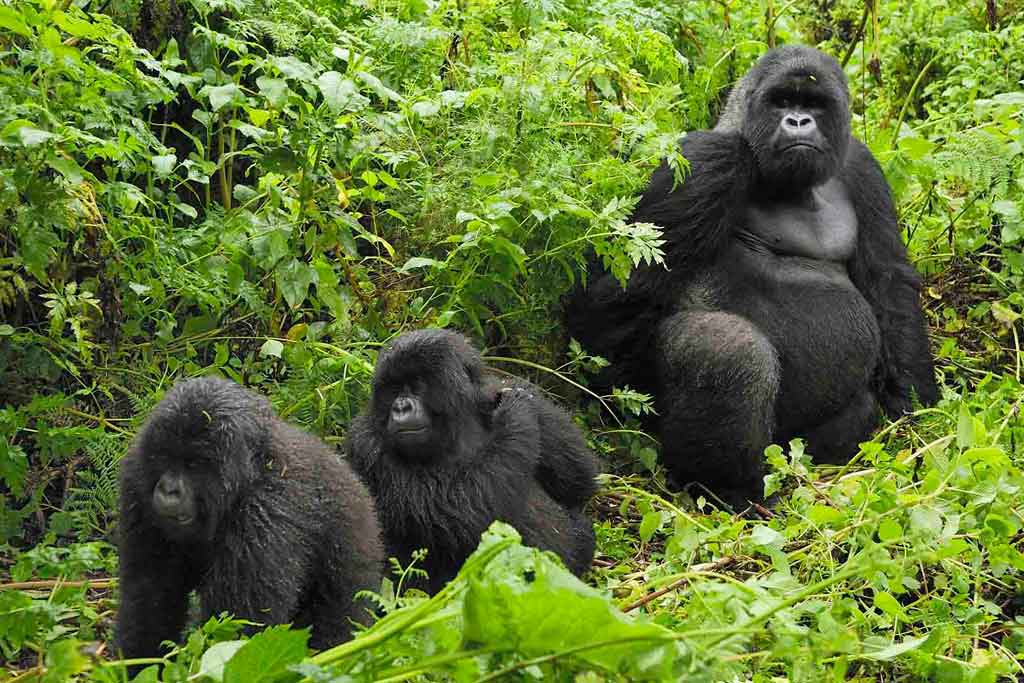
A family of mountain gorillas in Bwindi Impenetrable National Park.
Kibale National Park
Kibale National Park is one of the best destinations for travelers whose main interest is chimpanzees and other primates. The forest is located in western Uganda and connects naturally with Queen Elizabeth National Park when building a western safari circuit.
A detailed Kibale National Park guide can help travelers understand the range of activities available beyond the main chimpanzee experience.
The major attraction is chimpanzee trekking in Kibale, where visitors enter the forest with experienced guides and trackers in search of habituated chimpanzees.
Kibale is especially valuable because it introduces a completely different type of primate experience from gorilla trekking. Chimpanzees are more active, frequently move through the forest and may be observed climbing, feeding, vocalizing or interacting within social groups.
The park also supports numerous other primates, making it particularly interesting for travelers who want a deeper understanding of Uganda’s forest ecosystems.
Kibale works very well at the beginning or middle of a longer safari because travelers can continue south toward Queen Elizabeth before traveling onward to Bwindi.

Encounter wild chimpanzees in the tropical rainforest of Kibale National Park, one of Uganda’s premier primate trekking destinations.
Queen Elizabeth National Park
Queen Elizabeth National Park is one of the most versatile wildlife destinations in Uganda. It is particularly suitable for travelers who want to combine game drives, boat-based wildlife viewing, birdwatching and scenic landscapes within one park.
A well-designed Queen Elizabeth National Park safari can complement primate destinations such as Kibale and Bwindi because it introduces traditional savannah wildlife between two forest experiences.
Game drives can provide opportunities to look for elephants, buffaloes, lions, antelopes and other mammals, while the Kazinga Channel offers a different perspective from the water. Boat safaris are especially valuable because travelers can observe hippos, crocodiles, waterbirds and animals approaching the shoreline.
The southern Ishasha area is particularly famous for tree-climbing lions, although sightings should never be considered guaranteed.
One of the most useful Uganda Safari Tips for Queen Elizabeth is to allow enough time for more than one activity. Visiting only for a quick game drive can mean missing the diversity that makes the park valuable. A combination of game viewing and a boat experience generally provides a much better understanding of the ecosystem.

Murchison Falls National Park
Murchison Falls National Park is one of Uganda’s most impressive wildlife areas and an excellent choice for travelers who want large mammals, game drives, river experiences and dramatic scenery.
A Murchison Falls National Park safari combines wildlife viewing with the Nile, creating an experience that differs significantly from Uganda’s forest destinations.
Visitors can enjoy game drives across the savannah while searching for giraffes, elephants, buffaloes, lions, hartebeest and other species. Boat safaris along the Nile provide opportunities to observe hippos, crocodiles, waterbirds and mammals coming to drink.
The waterfall itself is another major attraction. The Nile is forced through a narrow rocky section before plunging dramatically downstream, creating one of Uganda’s most recognizable natural landmarks.
Murchison Falls works particularly well on itineraries that also include Ziwa Rhino Sanctuary and Kibale National Park. However, one of the most important Uganda Safari Tips is to include Murchison only when you have sufficient time, because its location can make short itineraries unnecessarily rushed.

Lake Mburo National Park
Lake Mburo National Park is smaller than several of Uganda’s major wildlife parks, but its location and range of activities make it extremely useful when designing safari itineraries.
The park lies along the southwestern route and can often be incorporated at the beginning or end of a safari connecting Entebbe or Kampala with Bwindi and other western destinations.
Lake Mburo is especially appealing to travelers who want experiences beyond traditional vehicle-based game viewing. Walking safaris are among its distinctive attractions, allowing visitors to explore the landscape on foot under professional guidance.
The park is also known for zebras, impalas, buffaloes and other wildlife, while birding can be rewarding around its varied habitats.
One of the practical Uganda Safari Tips for Lake Mburo is to use it strategically. Rather than viewing the park simply as an additional destination, it can break up long transfers while adding an activity such as a walking safari that may not be available in exactly the same form elsewhere on the itinerary.

Lake Mburo National Park offers rewarding wildlife and beautiful savannah scenery throughout the year, with each season providing a different safari experience.
Kidepo Valley National Park
Kidepo Valley National Park is ideal for travelers seeking remote wilderness and dramatic scenery. Located in northeastern Uganda, it requires substantially more travel time than parks on the western circuit, but its isolation is part of its appeal.
Kidepo is characterized by broad valleys, rugged mountains and open savannah landscapes. Wildlife viewing can include elephants, buffaloes, lions and numerous antelope species, while the relative remoteness often creates a stronger sense of wilderness than more accessible safari regions.
Travelers considering Kidepo should plan enough time or consider flying because road journeys from other major safari destinations can be long.
One of the most important Uganda Safari Tips for Kidepo is not to add it casually to a short itinerary. The destination is best appreciated when it receives sufficient time rather than being treated as another box to tick.


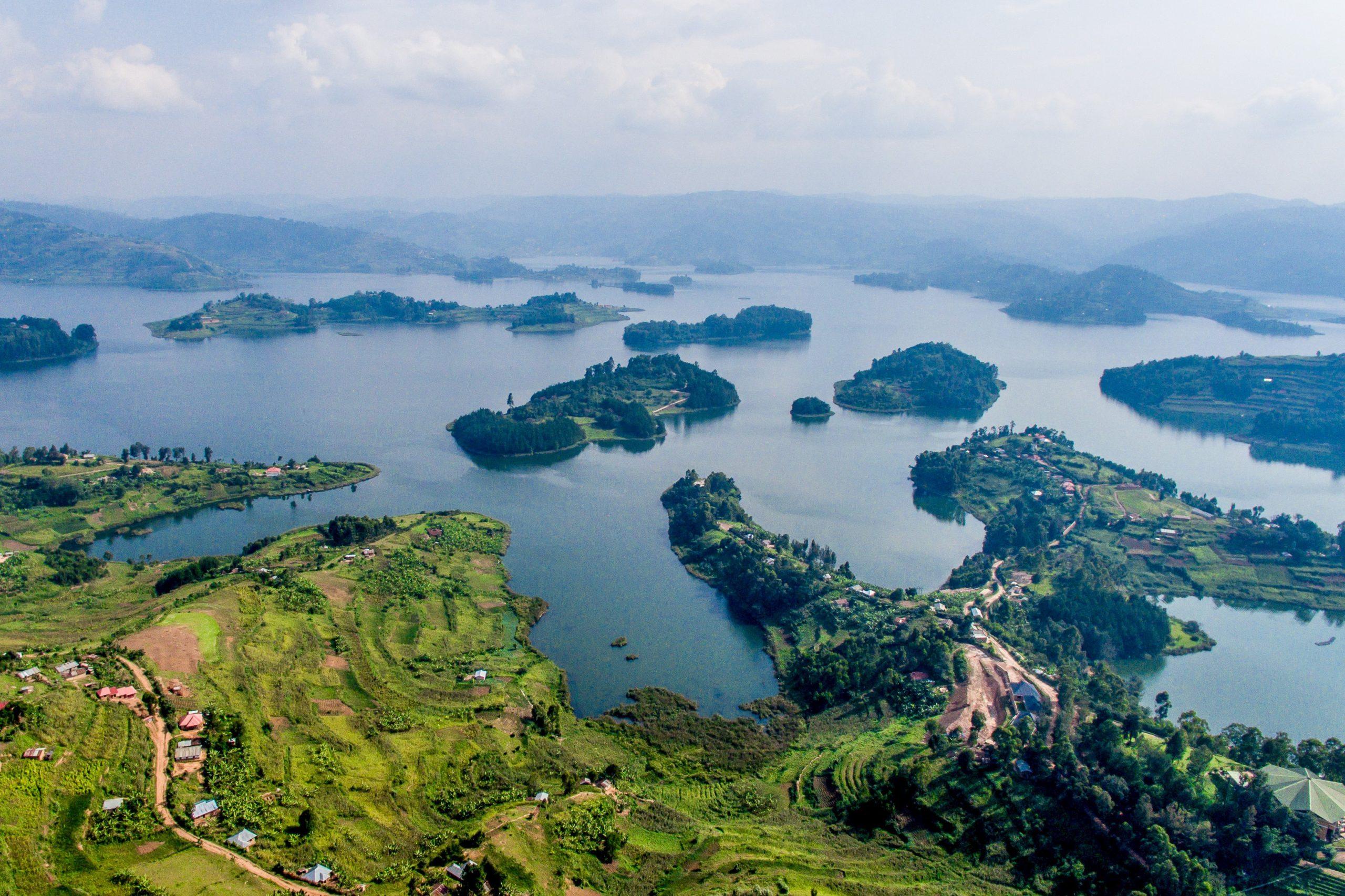 Jinja and the River Nile
Choosing Destinations for a Gorilla-Focused Safari
If mountain gorillas are the primary reason for visiting Uganda, the itinerary should concentrate on southwestern Uganda rather than trying to include every major wildlife park.
Bwindi or Mgahinga should form the core of the journey. Lake Bunyonyi or Lake Mutanda can provide relaxation, while Queen Elizabeth National Park can add traditional wildlife if enough days are available.
Travelers entering through Kigali may also find southwestern Uganda particularly convenient because the route can be shorter than beginning with a long drive from central Uganda.
The main Uganda Safari Tip for a gorilla-focused journey is to protect the quality of the trekking experience rather than surrounding it with excessive transfers.
Choosing Destinations for a Primate Safari
Travelers primarily interested in primates should consider combining Kibale, Bwindi and possibly Mgahinga.
Kibale introduces chimpanzees and several other primate species, while Bwindi provides mountain gorillas. Mgahinga can add golden monkeys and another mountain gorilla environment.
Bigodi Wetland Sanctuary near Kibale can also complement forest experiences through birding and community-based tourism. Travelers can explore chimpanzee trekking and Bigodi Wetland when building a more complete primate-focused itinerary.
Queen Elizabeth can then be added between Kibale and Bwindi for travelers who want wildlife without significantly disrupting the geographical flow.
Choosing Destinations for a Wildlife-Focused Safari
Travelers interested mainly in game viewing should prioritize parks such as Murchison Falls, Queen Elizabeth, Lake Mburo and Kidepo.
These destinations provide different savannah environments rather than identical experiences. Murchison combines wildlife with the Nile, Queen Elizabeth offers the Kazinga Channel and Ishasha, Lake Mburo introduces walking possibilities, and Kidepo provides remoteness and dramatic landscapes.
A wildlife-focused itinerary can still include one primate destination if the traveler wants additional diversity without making gorilla trekking the central purpose of the journey.
One of the more important Uganda Safari Tips is to avoid assuming that every major mammal will be encountered in every park. Different ecosystems support different wildlife populations and viewing conditions.
Choosing Destinations for Birdwatching
Birdwatching itineraries should be designed differently from conventional wildlife safaris.
Kibale, Bwindi, Queen Elizabeth, Murchison Falls, Semuliki, Mabamba Wetland and several other habitats can contribute very different species to a birding journey.
For example, birding in Queen Elizabeth National Park benefits from the park’s varied savannah, wetland, forest and lake environments.
Serious birders should normally allocate more time per destination because productive birding involves slow movement, repeated stops and carefully exploring different habitats.
This is another reason why Uganda Safari Tips should be tailored to travel style. An itinerary designed for a photographer or birder may look considerably slower than one designed for a first-time general wildlife traveler.
Choosing Destinations for Families
Families should consider driving distances, children’s ages and the physical demands of each activity when choosing destinations.
Parks that allow several activities from one lodge can be particularly useful because they reduce the need to move frequently.
Queen Elizabeth, Murchison Falls and Lake Mburo can provide varied wildlife experiences, while eligibility rules need to be considered when planning primate trekking with younger travelers.
Parents can explore suitable national parks for a Uganda family safari before deciding how to distribute their available days.
One of the strongest Uganda Safari Tips for families is to leave enough unscheduled time between early mornings and long transfers. Children may enjoy wildlife enormously but become tired when every day is packed with activities.
How to Combine Uganda’s Major Safari Destinations
For many first-time travelers, the western circuit provides the most efficient introduction to Uganda.
Kibale can provide chimpanzee tracking, Queen Elizabeth adds game drives and a boat safari, while Bwindi completes the route with mountain gorillas. This combination offers three completely different ecosystems without requiring constant cross-country travel.
Travelers with additional time can add Murchison Falls before Kibale or Lake Mburo after Bwindi. Those with substantially longer holidays can consider Kidepo or specialist destinations such as Semuliki and the Rwenzoris.
A broader Bwindi, Queen Elizabeth, Kibale and Murchison Falls safari demonstrates how Uganda’s major destinations can be connected when sufficient time is available.
The key is not simply whether destinations can technically be combined. The more important question is whether they can be combined comfortably within the days you have.
How Safari Vacations and Travel Services Helps You Choose the Right Destinations
Choosing where to go should be based on your priorities rather than a standard list of Uganda’s most famous national parks. One of the most important Uganda Safari Tips is to select destinations according to the experiences you genuinely want rather than simply trying to visit every well-known park.
Safari Vacations and Travel Services can help determine which destinations fit your available days, budget, fitness level and preferred wildlife experiences. Another of the practical Uganda Safari Tips is to make sure permits, accommodation and road transfers are coordinated so the route develops logically from one destination to the next.
The best Uganda Safari Tips for destination selection are straightforward: prioritize experiences rather than park names, avoid unnecessary backtracking, give important destinations enough time and make sure every stop contributes something different to the safari.
A first-time traveler might achieve the ideal balance through Kibale, Queen Elizabeth and Bwindi. A wildlife enthusiast may prefer Murchison Falls, Queen Elizabeth and Kidepo. A primate specialist may spend more time in Kibale, Bwindi and Mgahinga. There is no single correct route, which is why one of the most useful Uganda Safari Tips is to design the itinerary around your own interests.
Uganda’s greatest strength is its diversity. Choosing destinations carefully allows that diversity to become the advantage of the safari rather than the reason the itinerary becomes overcrowded. Among the most valuable Uganda Safari Tips is to let each destination add something genuinely different to the journey.
Uganda Gorilla Trekking Tips
Gorilla trekking is one of Uganda’s most remarkable wildlife experiences and, for many international visitors, the main reason for planning a journey to the country. Walking through a tropical mountain forest and eventually encountering a habituated mountain gorilla family can become the defining moment of an entire safari. Among the most important Uganda Safari Tips is to prepare properly because gorilla trekking requires considerably more planning than a conventional game drive.
Some of the essential Uganda Safari Tips for gorilla trekking include securing the correct permit, choosing the right trekking area, selecting properly located accommodation, preparing physically and carrying appropriate clothing for rainforest conditions. These Uganda Safari Tips are especially important because a small planning mistake can affect the comfort and logistics of the entire trekking day.
Uganda offers gorilla trekking in Bwindi Impenetrable National Park and Mgahinga Gorilla National Park. Both destinations are located in southwestern Uganda and can be incorporated into longer itineraries combining chimpanzees, savannah wildlife, birdwatching and scenic experiences. One of the most practical Uganda Safari Tips is to coordinate gorilla trekking with the rest of the itinerary rather than treating it as a completely separate activity.
Safari Vacations and Travel Services can coordinate permits, accommodation and transfers so that every component of the gorilla trekking journey works together. This is one of the Uganda Safari Tips that can help travelers avoid booking accommodation far from the correct trekking area or arranging transfers that are unnecessarily difficult.
Where to Go Gorilla Trekking in Uganda
Mountain gorillas in Uganda can be visited in Bwindi Impenetrable National Park and Mgahinga Gorilla National Park. One of the most useful Uganda Safari Tips is to understand that the best choice depends on permit availability, itinerary design, accommodation preferences and the other destinations you want to include.
Most travelers choose Bwindi because it contains several trekking areas and numerous habituated gorilla families, while Mgahinga provides an alternative experience within the dramatic Virunga landscape. One of the important Uganda Safari Tips for first-time travelers is not to assume that one park is automatically better than the other.
Bwindi can work especially well for travelers combining gorilla trekking with Queen Elizabeth National Park, Kibale National Park or Lake Bunyonyi, while Mgahinga can fit naturally into itineraries involving Kisoro, golden monkey tracking or cross-border travel with Rwanda.
Among the strongest Uganda Safari Tips is to choose your gorilla trekking destination according to the complete safari route. The right choice should reduce unnecessary driving, place you close to the correct trekking area and complement the other wildlife experiences included in your Uganda safari.
Travelers beginning their research should first understand the differences between Bwindi and Mgahinga before deciding which destination works best with their itinerary.
Bwindi is particularly convenient for travelers combining gorilla trekking with Queen Elizabeth National Park, Kibale National Park or Lake Bunyonyi. Mgahinga can work especially well for travelers continuing toward Rwanda or those who want to combine gorillas with golden monkeys and volcanic scenery.
One of the most important Uganda Safari Tips is not to choose a gorilla destination simply because one park is more famous. The correct choice depends on permit availability, accommodation preferences, road routing and the other destinations included in your safari.
Understand the Gorilla Trekking Sectors of Bwindi
Bwindi should not be viewed as one single trekking location. The forest has different trekking areas, and understanding them is essential when arranging accommodation and transportation.
Travelers should become familiar with the Bwindi gorilla trekking sectors before choosing a lodge. The major trekking areas include Buhoma in the north, Ruhija in the east and Rushaga and Nkuringo in the south.
Each area provides access to designated habituated gorilla families, and permits are linked to particular trekking arrangements. A lodge that appears to be located near Bwindi may still be inconvenient if it is positioned far from your assigned trekking area.
This is one of the Uganda Safari Tips that can prevent a major planning mistake. Travelers should confirm their trekking arrangements first and then choose accommodation that provides practical access to the correct starting point.
Book Your Gorilla Permit Early
A gorilla permit is mandatory for anyone participating in gorilla trekking in Uganda. Visitor numbers are controlled, which means only a limited number of permits are available for each trekking date.
Understanding what a gorilla permit is should therefore be one of the first steps when planning the safari.
Travelers visiting during popular safari periods should reserve permits well in advance. June through September and December through February can attract particularly strong demand, although certain dates outside these periods may also sell quickly.
Visitors who already know their preferred travel dates can review advice on when to book gorilla trekking before committing to flights and accommodation.
Safari Vacations and Travel Services can assist with checking permit availability and coordinating the permit date with the wider safari itinerary.
Understand the Uganda Gorilla Permit Cost
The cost of the gorilla permit is one of the most important expenses when budgeting for a Uganda safari. Permit prices are determined by the Uganda Wildlife Authority and may vary according to visitor category and official tariff periods.
Travelers should check the latest Uganda gorilla trekking costs before confirming their safari because permit tariffs can change between travel years.
For foreign non-residents, the standard Uganda gorilla trekking permit remains substantially less expensive than the corresponding permit in Rwanda, which is one reason Uganda appeals strongly to travelers who want to combine gorilla trekking with a longer wildlife safari.
One important Uganda Safari Tip is to consider the permit as only one part of the complete gorilla safari cost. Accommodation, transportation, guide services, meals and any additional activities also contribute to the overall price.
Know the Gorilla Trekking Age Limit
Uganda applies a minimum age requirement for gorilla trekking. Travelers planning family safaris should therefore confirm children’s eligibility before buying international flights or designing the itinerary around gorillas.
The current gorilla trekking age limit in Uganda is 15 years. Travelers below the permitted age should not be included in the trekking activity.
Families traveling with younger children can still enjoy Uganda, but alternative activities should be planned for the period when eligible family members enter the forest.
This is especially important when several generations travel together. Safari Vacations and Travel Services can help arrange a family itinerary that provides suitable activities for travelers who cannot participate in the gorilla trek.
Prepare for the Physical Demands of Gorilla Trekking
Gorilla trekking does not require professional hiking experience, but visitors should arrive with a reasonable level of fitness. The forest can involve steep slopes, uneven terrain, exposed roots, thick vegetation and muddy sections.
There is no fixed trekking distance because mountain gorillas move freely through their natural habitat. One day’s trek may be relatively short, while another may involve several hours of forest walking.
Travelers concerned about their fitness can review guidance on fitness for gorilla trekking before departure.
Walking regularly before the trip can improve stamina. Travelers should also break in their hiking boots before arriving in Uganda rather than wearing new footwear for the first time on trekking morning.
One of the most realistic Uganda Safari Tips is to prepare for a challenging trek while hoping for an easier one. The exact location of the gorillas cannot be predicted in advance.
Hire a Porter During Your Gorilla Trek
Hiring a porter can make gorilla trekking significantly more comfortable. Porters can carry your daypack, drinking water, camera equipment and other personal items while also providing support on difficult sections of the trail.
Even physically fit travelers can benefit from a porter because slippery slopes and uneven terrain can become tiring after several hours of hiking.
Porter services also provide valuable employment opportunities for people living in communities surrounding the gorilla parks. Using a porter therefore supports both the trekker and the local economy.
One of the most practical Uganda Safari Tips is not to wait until you are exhausted before wishing you had hired assistance. Arranging a porter from the beginning allows you to concentrate on the forest, photography and the gorilla experience rather than carrying unnecessary weight.
Consider a Sedan Chair if Mobility Is Limited
Gorilla trekking has become more accessible to travelers who may not be capable of completing a demanding forest hike independently. Sedan chairs can be arranged in Bwindi for travelers with limited mobility, age-related challenges or certain physical limitations.
Visitors who anticipate needing assistance should research sedan chairs for gorilla trekking well before travel.
A team of porters carries the traveler through difficult sections of the forest and continues until the assigned gorilla family is reached. Because this requires organization and several porters, advance arrangements are highly recommended.
Travelers with mobility concerns should communicate openly with Safari Vacations and Travel Services while the safari is still being planned so that appropriate support can be organized.
Wear the Right Clothes for Gorilla Trekking
Correct clothing is essential because gorilla trekking takes place in a humid rainforest where weather can change quickly.
Long trousers protect the legs against vegetation, insects and scratches. A lightweight long-sleeved shirt provides similar protection for the arms, while a waterproof rain jacket should remain in your daypack even during the dry season.
Travelers can use a detailed guide on what to wear gorilla trekking when preparing their safari clothing.
Strong waterproof hiking boots with good ankle support are preferable to ordinary trainers. Trails can become slippery, and reliable footwear provides additional stability on slopes and muddy ground.
Gardening gloves can also be useful because trekkers may occasionally need to hold vegetation for balance. Neutral, practical clothing is generally more useful than fashionable safari wear.
Pack a Small Gorilla Trekking Daypack
You do not need to carry your main safari luggage into the forest. A comfortable daypack is sufficient for the items needed during the trek.
Useful essentials include drinking water, a packed lunch or snacks where provided, a rain jacket, camera, spare battery, personal medication and waterproof protection for electronics.
A comprehensive gorilla trekking packing list can help travelers avoid carrying unnecessary equipment while ensuring important items are not forgotten.
Keep the daypack as light as possible. Carrying heavy equipment becomes increasingly uncomfortable on steep forest trails, particularly if the trek lasts several hours.
Photographers carrying large lenses should strongly consider hiring a porter to help with equipment when conditions become difficult.
Know What Happens on Gorilla Trekking Morning
Gorilla trekking days normally begin early. Travelers have breakfast at their lodge before transferring to the relevant park meeting point for registration and briefing.
During the briefing, park staff explain trekking procedures, gorilla behavior, conservation rules and safety requirements. Visitors are then organized into groups and assigned to a gorilla family before entering the forest with guides, trackers and ranger personnel.
The amount of walking required varies according to the location of the gorillas. Trackers monitor gorilla movements and communicate information that helps trekking groups locate the assigned family.
Once the gorillas are found, visitors have a regulated period for observation under ranger guidance. The experience may include watching gorillas feeding, resting, grooming, moving through vegetation or interacting with one another.
Follow Gorilla Trekking Rules Carefully
Gorilla trekking operates under strict conservation rules designed to protect both visitors and mountain gorillas. Travelers should listen carefully during the pre-trek briefing and follow ranger instructions throughout the encounter.
Visitors can review the main gorilla trekking rules before arriving in Uganda so they already understand appropriate behavior.
Trekkers should maintain the required distance from the gorillas, avoid touching them and remain calm if a gorilla approaches unexpectedly. Eating, drinking and smoking are not permitted while observing the gorillas, and flash photography should not be used.
Travelers who develop an infectious illness should inform their operator or park personnel because respiratory infections can potentially be transmitted between humans and gorillas.
One of the most important Uganda Safari Tips is to remember that the gorillas’ welfare takes priority over photography or personal expectations.
Prepare Your Camera Before Reaching the Gorillas
Gorilla encounters can pass surprisingly quickly, so photographers should prepare camera settings before reaching the family.
Rainforest lighting is often challenging because sunlight is filtered through dense vegetation. Conditions can change rapidly as gorillas move between brighter clearings and darker forest areas.
Flash photography is not permitted, so travelers should understand how to work with available light. Carry fully charged batteries and sufficient memory-card capacity before leaving the lodge.
Do not spend the entire encounter looking through the camera. Some of the most memorable moments occur when travelers simply observe the gorillas directly.
Standard Gorilla Trekking vs Gorilla Habituation
Uganda provides two different ways of spending time around mountain gorillas: standard gorilla trekking and the Gorilla Habituation Experience.
Standard trekking involves locating a fully habituated gorilla family and spending the regulated viewing period with it. The Gorilla Habituation Experience is a more specialized activity involving a gorilla family undergoing the habituation process and allows substantially more time as part of the experience.
Habituation permits are more expensive and considerably more limited than standard trekking permits. The activity is particularly attractive to wildlife enthusiasts, photographers and travelers who want a longer and more research-oriented forest experience.
The two experiences should not be considered simply as cheaper and more expensive versions of the same activity. They provide different types of encounters and require different time commitments.
Do Not Expect Every Gorilla Trek to Be the Same
One of the most important Uganda Safari Tips is to avoid comparing your trek too closely with photographs, videos or experiences shared by previous travelers.
Mountain gorillas are wild animals living in a natural environment. Their location, activity, and behavior change continuously.
One group may encounter gorillas feeding in relatively open vegetation, while another may find them resting within dense forest. A trek can involve a short walk or several hours of hiking.
This unpredictability is part of what makes gorilla trekking different from seeing wildlife in controlled environments. Rangers and trackers work to locate habituated families, but the forest and animals ultimately determine the nature of each encounter.
Allow Enough Time Around Your Gorilla Trek
A gorilla trekking day should not be overloaded with additional major activities. Because the trek length cannot be predicted, travelers should keep the remainder of the day flexible.
Some visitors return to their lodge relatively early, while others may spend much longer in the forest.
Where possible, avoid scheduling a long international departure or tightly timed transfer immediately after trekking. Allowing a comfortable buffer provides greater flexibility and creates time to relax after the experience.
Travelers can also spend another night near Bwindi, continue toward Lake Bunyonyi,, or move to the next destination the following morning.
Why Plan Gorilla Trekking With Safari Vacations and Travel Services?
Gorilla trekking involves several connected arrangements, and problems can occur when permits, accommodation and transportation are booked independently without considering their relationship.
Safari Vacations and Travel Services can check gorilla permit availability, identify the appropriate trekking area, recommend conveniently located accommodation, and arrange transportation to and from the park.
The company can also assist travelers who require porters, mobility support, additional nights or a longer itinerary combining gorillas with chimpanzees and wildlife.
The most useful Uganda Safari Tips for gorilla trekking are straightforward: reserve permits early, stay near the correct trekking area, arrive physically prepared, wear suitable footwear and clothing, hire assistance when necessary and follow ranger instructions carefully.
Gorilla trekking is not simply another activity to fit into a busy Uganda safari. It is a carefully regulated wildlife encounter that deserves proper preparation and enough time. When permits, accommodation, equipment and transportation are organized correctly, travelers can concentrate on the extraordinary experience of entering Uganda’s mountain forests and observing mountain gorillas in their natural habitat.
Chimpanzee Tracking Tips for Uganda
Chimpanzee tracking adds a completely different primate experience to a Uganda safari. While mountain gorillas are often encountered on or close to the forest floor, chimpanzees are highly active primates that may move rapidly through vegetation, climb into the canopy, feed in fruiting trees, communicate through powerful vocalizations and interact within complex social groups. For travelers interested in primates, combining gorillas and chimpanzees is one of the best ways to experience the biological diversity of Uganda’s forests.
Among the most useful Uganda Safari Tips for primate enthusiasts is to treat chimpanzee tracking as an important experience in its own right rather than simply an addition to gorilla trekking. The physical environment, animal behavior, tracking process and photography conditions can be very different. Proper planning therefore helps visitors understand what to expect and how to prepare.
Uganda offers several places where chimpanzees can be tracked, but Kibale National Park is the country’s best-known destination for the activity. Other possibilities include Budongo Forest, Kyambura Gorge and Kalinzu Forest. The right location depends on the overall safari route, budget and the other experiences included in the journey.
Choose the Right Place for Chimpanzee Tracking
The first decision is where to track chimpanzees. Uganda has several chimpanzee habitats, and each location provides a somewhat different experience.
Kibale National Park is generally the principal choice for travelers whose main priority is chimpanzees. Visitors can learn more about chimpanzee trekking in Kibale when deciding whether to include the forest in their safari.
Kibale fits particularly well into the western Uganda safari circuit. Travelers can continue from the forest toward Queen Elizabeth National Park and then onward to Bwindi Impenetrable National Park, creating a logical combination of chimpanzees, savannah wildlife and mountain gorillas.
Alternative chimpanzee locations can be useful when Kibale does not fit the route or when travelers want a different forest environment. One of the most practical Uganda Safari Tips is therefore to select a chimpanzee destination according to the complete itinerary rather than choosing a forest in isolation.
Why Choose Kibale National Park?
Kibale is widely regarded as Uganda’s premier primate destination. Its tropical forest supports an impressive variety of primates in addition to chimpanzees, making it especially rewarding for visitors interested in forest ecology.
A detailed Kibale National Park guide can help travelers understand how chimpanzee tracking fits alongside the other activities and wildlife associated with the area.
The forest experience itself is part of Kibale’s appeal. Visitors walk beneath a dense canopy with experienced guides while listening for chimpanzee calls, movement through vegetation and other signs that help locate the habituated community.
Chimpanzees can sometimes be heard before they are seen. Their vocalizations can travel considerable distances through the forest and create a sense of anticipation during the tracking experience.
Kibale is also geographically convenient for travelers combining primates and wildlife. This makes it particularly valuable on itineraries of approximately seven days or longer.
Book Your Chimpanzee Permit in Advance
Chimpanzee tracking is a regulated activity and requires a valid permit. Travelers should not assume that they can simply arrive at Kibale and obtain access to their preferred tracking session.
Visitors can review the process for booking a chimpanzee permit in Uganda before confirming the rest of their safari arrangements.
Advance booking becomes particularly important during popular travel periods when demand for permits and well-located accommodation increases.
Safari Vacations and Travel Services can coordinate the permit with transportation and accommodation, ensuring that the traveler is in the correct destination on the required date.
One of the most important Uganda Safari Tips for chimpanzee tracking is therefore the same principle that applies to gorilla trekking: confirm limited permit-dependent activities before building too many fixed arrangements around them.
Understand the Cost of Chimpanzee Tracking
Chimpanzee permits should be included in the safari budget from the beginning. Prices depend on the tracking destination, visitor category and the type of chimpanzee experience selected.
Travelers should check the current Uganda chimpanzee permit information when calculating safari costs rather than relying on prices found in outdated articles.
Kibale generally commands a higher permit price than some alternative chimpanzee destinations because of its reputation, established tracking program and importance as a primate tourism destination. One of the useful Uganda Safari Tips for travelers planning chimpanzee tracking is therefore to consider what they are receiving for the permit price rather than comparing costs alone.
Travelers working with a limited budget may compare Kibale with other forests, but price should not be the only consideration. Route efficiency, wildlife interests, tracking expectations and available time should also influence the decision. Among the most practical Uganda Safari Tips is to choose a chimpanzee destination that fits naturally into your wider safari itinerary instead of selecting a forest based entirely on the lowest permit cost.
Morning vs Afternoon Chimpanzee Tracking
Chimpanzee tracking activities may be offered at different times of day depending on the destination and operational schedule. One of the important Uganda Safari Tips is to understand how your assigned tracking session fits into the wider itinerary before confirming surrounding activities.
Morning tracking can work particularly well when spending the previous night close to the forest. It also leaves the afternoon available for another local activity or relaxation. One of the practical Uganda Safari Tips for morning tracking is therefore to stay conveniently close to the starting point so that the day does not begin with an unnecessary long transfer.
An afternoon session can be useful when the itinerary requires a morning transfer into the Kibale area, provided sufficient travel time has been allowed. Among the useful Uganda Safari Tips is to avoid creating a tight transfer schedule that could place unnecessary pressure on reaching the tracking point on time.
Neither session can guarantee better chimpanzee sightings. Chimpanzees are wild animals whose movements depend on feeding opportunities, social behavior and forest conditions. This is why Uganda Safari Tips should emphasize realistic expectations rather than promising particular wildlife encounters.
One of the most useful Uganda Safari Tips is to avoid designing an itinerary around the assumption that one particular tracking time will automatically produce better photographs or closer encounters. Both morning and afternoon sessions can provide rewarding experiences, but the behavior and location of the chimpanzees ultimately determine the nature of the encounter.
Know What Happens During Chimpanzee Tracking
Understanding the tracking process is another important part of Uganda Safari Tips for first-time visitors. Chimpanzee tracking begins with a briefing from park personnel. Guides explain forest procedures, appropriate behavior around chimpanzees and the regulations visitors are expected to follow.
Travelers then enter the forest in small groups with trained guides. The search involves listening for vocalizations, identifying feeding signs and following information about the movements of the habituated chimpanzee community. One of the most valuable Uganda Safari Tips is to listen carefully to your guide because their knowledge of chimpanzee behavior and the forest can greatly improve your understanding of the experience.
Unlike mountain gorillas, chimpanzees can move quickly through the forest. They may travel along the ground and then climb high into the trees within a short period. One of the practical Uganda Safari Tips for chimpanzee tracking is therefore to be prepared for a more active and mobile wildlife encounter.
Visitors should be ready to move when instructed by their guide. At other times, the chimpanzees may settle to feed, rest or socialize, allowing more prolonged observation from one location. Following guide instructions remains one of the essential Uganda Safari Tips throughout the tracking experience.
The unpredictability is one of the most exciting elements of chimpanzee tracking. Among the most important Uganda Safari Tips is to approach the activity with patience and realistic expectations because every encounter develops differently.
Prepare for Forest Walking
Preparing physically for forest conditions is another of the essential Uganda Safari Tips for chimpanzee tracking. The activity can involve several hours of walking through natural forest. Although Kibale terrain is generally different from some of Bwindi’s steeper gorilla trekking areas, conditions can still include mud, roots, vegetation and uneven ground.
Visitors should wear sturdy walking or hiking shoes with reliable grip. Long trousers are recommended to protect the legs from vegetation and insects. These simple Uganda Safari Tips can make a substantial difference to comfort during several hours in the forest.
A lightweight long-sleeved shirt can provide additional protection while remaining comfortable in humid conditions. One of the practical Uganda Safari Tips is to choose functional clothing that allows comfortable movement rather than clothing selected primarily for appearance.
One important Uganda Safari Tip is to prepare for rain regardless of the month. Tropical forests can receive showers even during generally drier periods, so a lightweight waterproof jacket should remain easily accessible. Among the most reliable Uganda Safari Tips for forest activities is never to assume that a generally dry season means rain is impossible.
What to Carry for Chimpanzee Tracking
Knowing what to carry is another important part of Uganda Safari Tips for chimpanzee tracking. Travelers should carry only what they genuinely need during the forest walk because unnecessary weight can become uncomfortable after several hours. A small, comfortable daypack is generally sufficient.
Drinking water, rain protection, a camera, spare battery, personal medication and waterproof protection for electronics are among the most useful items. One of the practical Uganda Safari Tips for photographers is to prepare camera equipment before entering the forest and ensure batteries are fully charged.
Another of the useful Uganda Safari Tips is to protect cameras, phones and other electronics against unexpected rainfall. A waterproof cover or suitable protective bag can be valuable even when the morning begins with clear weather.
Keeping your daypack light is one of the simplest Uganda Safari Tips for making chimpanzee tracking more comfortable. Carry the essentials, prepare for changing forest conditions and leave unnecessary items at your lodge or in the safari vehicle.
Travelers can consult a broader Uganda safari packing list when preparing equipment for both forest activities and traditional wildlife safaris.
Heavy bags can become uncomfortable in humid conditions, so unnecessary equipment should remain at the lodge or in the safari vehicle.
Photographers should balance equipment requirements against mobility. A versatile camera setup can sometimes be more practical than repeatedly changing lenses in a damp forest environment.
Chimpanzee Tracking vs Chimpanzee Habituation
Travelers who want a deeper primate experience should understand the difference between standard tracking and chimpanzee habituation.
Standard chimpanzee tracking is designed around locating a habituated community and observing the animals for the regulated period. The habituation experience generally involves spending considerably more time in the forest and observing chimpanzees as researchers and guides continue the process of familiarizing them with controlled human presence.
Visitors considering the longer experience can learn about the chimpanzee habituation experience before deciding which activity better suits their interests.
Habituation is particularly attractive to serious primate enthusiasts, photographers and travelers interested in behavior because additional time can provide opportunities to observe a wider range of interactions.
However, the longer experience requires greater stamina and a larger time commitment. Travelers should choose it because they genuinely want deeper forest immersion rather than simply because it sounds more exclusive.
Follow Chimpanzee Tracking Rules
Chimpanzee tourism is carefully managed to protect both the animals and visitors. Travelers should follow all instructions provided during the briefing and throughout the forest experience.
Visitors should maintain the required distance, avoid touching chimpanzees and remain calm if animals move nearby. Eating should not take place around chimpanzees, and visitors should avoid behaviors that disturb the animals.
Travelers who are ill should inform their operator or park personnel before participating. Chimpanzees are genetically close to humans and can be vulnerable to some human illnesses.
Among the most important Uganda Safari Tips is recognizing that responsible wildlife tourism sometimes requires putting animal welfare ahead of the experience a visitor hoped to have.
Photography During Chimpanzee Tracking
Chimpanzee photography can be challenging because the animals may move quickly and forest lighting is often limited.
Travelers should prepare their camera before entering the forest rather than attempting to learn unfamiliar settings when chimpanzees appear.
High canopy cover can create low-light conditions, while patches of sunlight may produce strong contrast. Photographers should therefore be comfortable adjusting exposure and shutter speed as conditions change.
Chimpanzees may also spend time high in trees, making binoculars useful even for travelers carrying cameras.
One of the best Uganda Safari Tips for photography is to observe before immediately taking photographs. Understanding where the chimpanzees are moving can help photographers position themselves responsibly without constantly chasing every movement.
Look Beyond the Chimpanzees
Kibale is famous for chimpanzees, but travelers should pay attention to the wider forest environment.
The park supports numerous other primates as well as forest birds, butterflies and diverse vegetation. Guides may identify monkeys and other wildlife encountered while searching for chimpanzees.
This broader biodiversity is one reason Kibale deserves more than a hurried visit. Travelers interested in primates can explore other primates in Uganda before the safari so they recognize species that might otherwise be overlooked.
Slowing down and observing the complete forest ecosystem can transform chimpanzee tracking from a single-species activity into a much richer natural-history experience.
Combine Chimpanzee Tracking With Bigodi Wetland
Travelers spending more than one night around Kibale can add experiences outside the national park rather than immediately departing after chimpanzee tracking.
Bigodi Wetland Sanctuary is one of the most natural additions. The area is known for birdlife, primates and community-based tourism and can provide a slower walking experience after the intensity of chimpanzee tracking.
Visitors interested in combining the two can explore chimpanzee trekking and Bigodi Wetland when planning their time around Kibale.
This combination works particularly well because it adds birding and community involvement without requiring another long vehicle transfer.
One of the smartest Uganda Safari Tips is to look for complementary activities close to major destinations. This allows travelers to experience more without constantly changing lodges.
Combine Chimpanzees With Queen Elizabeth National Park
Kibale and Queen Elizabeth National Park form one of Uganda’s most practical safari combinations because they can be connected within the western circuit.
After tracking chimpanzees, travelers can continue south toward Queen Elizabeth for game drives and a boat safari. The change from dense tropical forest to open savannah creates a striking contrast within a relatively short portion of the itinerary.
This route can then continue toward Bwindi for mountain gorilla trekking.
For first-time visitors, the combination of Kibale, Queen Elizabeth and Bwindi provides one of the strongest introductions to Uganda because each destination delivers a substantially different experience.
Combine Chimpanzees With Gorilla Trekking
Chimpanzees and mountain gorillas are often discussed together, but the two experiences are remarkably different.
Gorillas are generally more deliberate in their movements and are frequently observed on or near the ground. Chimpanzees can be highly energetic, vocal and mobile, moving rapidly between the forest floor and canopy.
Travelers interested in both species can plan a gorilla and chimpanzee safari connecting Kibale and Bwindi.
Queen Elizabeth National Park can be incorporated between them, creating a route that combines Uganda’s two signature primate experiences with classic African wildlife.
One of the most valuable Uganda Safari Tips for this combination is to allow enough time. Trying to complete both primate experiences within an excessively short itinerary can create long transfers and reduce the enjoyment of each destination.
A budget Uganda safari is designed for travelers who want to experience Uganda’s wildlife and primates while keeping accommodation and transportation expenses under control.
Budget travel does not necessarily mean compromising the main wildlife experiences. A traveler can still trek mountain gorillas, track chimpanzees, enjoy game drives and take boat safaris while staying in simpler accommodation.
The main differences are generally found in lodge facilities, room standards, dining options and additional luxury services. Budget properties may be located outside premium national park locations, although careful lodge selection can still provide comfortable accommodation close to major activities.
Travelers trying to reduce costs should prioritize experiences that cannot easily be repeated. For example, spending money on a gorilla permit may be more important than upgrading every lodge to a luxury category.
One of the strongest Uganda Safari Tips for budget travelers is to reduce unnecessary geographical movement. A well-designed itinerary using logically connected destinations can save transportation costs without reducing the quality of wildlife experiences.
Midrange Uganda Safaris
A mid-range Uganda safari provides a balance between comfort and overall cost and is one of the most popular travel styles for international visitors.
Midrange lodges generally offer private rooms, ensuite bathrooms, good meals and comfortable locations while remaining substantially less expensive than premium luxury properties.
This safari style works particularly well for travelers who want comfortable accommodation after long game drives or primate trekking without paying for services they may rarely use.
Safari Vacations and Travel Services can select midrange lodges based on location as well as comfort. This is particularly important around Bwindi, where choosing accommodation in the correct trekking area can matter more than selecting a property simply because it has more luxurious facilities.
A carefully designed midrange itinerary can therefore deliver many of the same core wildlife experiences as a luxury safari while directing more of the budget toward permits, activities and additional safari days.
Luxury Uganda Safaris
A luxury Uganda safari emphasizes premium accommodation, personalized service, privacy, carefully selected locations and, where appropriate, domestic flights that reduce lengthy road transfers.
Luxury safari lodges may offer spacious rooms or suites, high-quality dining, exceptional views, private terraces and additional services designed to make time between wildlife activities more comfortable.
Travelers can also review how to book a Uganda safari when preparing for their journey.
The most important Uganda Safari Tips for booking are to start planning early, prioritize limited permits, choose accommodation according to the route, understand what your quotation includes and avoid overcrowding the itinerary.
Careful booking creates the foundation for everything that follows. When the logistics are organized correctly before arrival, travelers can spend their time in Uganda concentrating on mountain gorillas, chimpanzees, wildlife, landscapes and the safari experience rather than worrying about arrangements that should have been resolved before the journey began.
Conclusion: Essential Uganda Safari Tips for a Successful Trip
Planning a memorable safari becomes much easier when you understand the country, choose destinations carefully and prepare for the experiences you genuinely want. The most useful Uganda Safari Tips are not about trying to see everything in one journey. They are about creating a realistic itinerary that gives Uganda’s wildlife, forests, landscapes and people enough time to be properly experienced.
Uganda stands apart because remarkably different safari experiences can be combined within one country. Travelers can trek mountain gorillas in Bwindi Impenetrable National Park or Mgahinga Gorilla National Park, track chimpanzees in Kibale National Park, search for lions and elephants on savannah game drives, cruise wildlife-rich waterways and explore some of East Africa’s most beautiful forest and highland landscapes.
For first-time visitors, one of the most important Uganda Safari Tips is to determine your priorities before selecting destinations. If mountain gorillas are the main reason for traveling, secure the gorilla permit first and build the itinerary around the confirmed trekking arrangements. Travelers wanting both gorillas and chimpanzees can consider a Uganda gorilla and chimpanzee safari, while those seeking a broader experience can add carefully selected wildlife parks.
Plan According to Your Available Time
The number of days available should determine how much of Uganda you attempt to cover. One of the fundamental Uganda Safari Tips is to match the number of destinations with the time genuinely available. Short safaris are best concentrated around one or two priority experiences, while longer journeys provide opportunities to combine forests, savannahs and scenic destinations at a more comfortable pace.
A well-planned seven-day safari can be more rewarding than a rushed ten-day itinerary containing too many national parks. Long driving distances should always be considered when deciding what to include. These Uganda Safari Tips are especially important for first-time visitors who may underestimate the travel time between Uganda’s national parks.
Among the most valuable Uganda Safari Tips is to avoid adding destinations simply because they are famous. Every national park should contribute something distinctive to the journey.
Choose the Right Time for Your Travel Style
Choosing suitable travel dates is another important part of Uganda Safari Tips. Uganda can be visited throughout the year, but different seasons may appeal to different types of travelers.
The relatively drier periods are popular because trekking trails and road conditions can be easier, while wetter months bring lush vegetation, dramatic scenery and generally fewer visitors.
Travelers should choose their dates according to their interests rather than assuming there is only one suitable safari season. Those primarily interested in trekking may prioritize trail conditions, while photographers, birdwatchers and budget-conscious visitors may appreciate different periods.
One of the most useful Uganda Safari Tips is therefore to choose when to travel according to the experiences you want rather than selecting dates simply because they are commonly described as the “best” safari season.
Researching the best month to visit Uganda can help travelers match seasonal conditions with their preferred activities.
Make Gorilla and Chimpanzee Permits a Priority
One of the most important Uganda Safari Tips is to make gorilla and chimpanzee permits a priority during the early planning stage. Primate permits are among the arrangements that should receive immediate attention because gorilla trekking and chimpanzee tracking operate with controlled visitor numbers, meaning preferred dates can become unavailable.
These Uganda Safari Tips are especially important for travelers planning to visit Bwindi Impenetrable National Park or Kibale National Park. Before committing to accommodation that cannot easily be changed, travelers should first confirm permit availability. This is particularly important in Bwindi because the location of your gorilla trekking arrangements affects which accommodation is most convenient for the assigned trekking sector.
Another of the most practical Uganda Safari Tips is to coordinate permit dates with the wider itinerary rather than treating primate activities as separate bookings. Gorilla and chimpanzee permits should work together with transportation, accommodation and the order in which national parks are visited.
Travelers should also prepare physically for forest activities, pack appropriate footwear and rain protection and follow ranger instructions carefully. These Uganda Safari Tips are important because gorilla trekking and chimpanzee tracking take place in natural forest environments where trail conditions, weather and animal movements cannot be predicted precisely.
Pack for the Safari You Are Actually Taking
Among the most useful Uganda Safari Tips is to pack according to the specific activities included in your itinerary rather than following a generic African safari packing list. A traveler combining gorilla trekking, chimpanzee tracking, game drives and boat safaris requires different clothing and equipment from someone concentrating entirely on savannah wildlife viewing.
Gorilla and chimpanzee tracking require practical forest clothing, reliable hiking footwear and rain protection. Game drives require comfortable clothing, sun protection and suitable layers for cooler mornings, while photographers should protect cameras and electronics against dust, moisture and sudden rainfall.
A detailed Uganda safari packing list can help travelers prepare without carrying unnecessary luggage.
One of the essential Uganda Safari Tips for packing is to prioritize lightweight, functional clothing that can be layered. Uganda’s temperatures and weather conditions can vary considerably between lowland savannahs, tropical forests and mountainous regions. Early mornings may feel cool while afternoons can become warm, making flexible layering more practical than carrying heavy clothing.
Other practical Uganda Safari Tips include keeping a rain jacket accessible, protecting valuables in waterproof bags and wearing footwear that has already been broken in before gorilla or chimpanzee trekking. Packing correctly can make demanding safari days significantly more comfortable.
Allow Uganda to Be Unpredictable
Some of the most memorable Uganda Safari Tips concern flexibility. Safari travel involves wild animals, natural landscapes and changing weather, meaning not every moment can be scheduled or predicted.
A leopard may appear unexpectedly during a game drive, elephants may approach a waterway during a boat safari, chimpanzee calls may suddenly echo through the forest or a gorilla may move into an unexpectedly open position during your permitted viewing period.
One of the most valuable Uganda Safari Tips is therefore to avoid creating an itinerary where every day depends on exact timing. Wildlife sightings can encourage travelers to remain longer in one location, road conditions can affect transfers and forest weather can change quickly.
Weather is particularly unpredictable in forested areas such as Bwindi and Kibale. Rain can occur even during months normally described as dry. Carrying appropriate rain protection and maintaining a flexible attitude are therefore Uganda Safari Tips that can make a major difference to the overall experience.
A good safari should provide enough structure to operate smoothly while still leaving room for the unpredictability that makes wildlife travel exciting. Some of the best moments in Uganda happen when the itinerary allows travelers enough time to stop, observe and enjoy unexpected encounters.
Travel Responsibly
Responsible tourism should form an important part of any collection of Uganda Safari Tips. Uganda’s wildlife experiences depend on the continued protection of national parks, forests, wetlands and surrounding communities.
Travelers should respect park regulations, avoid disturbing wildlife, dispose of waste responsibly and follow instructions from guides and rangers. These Uganda Safari Tips are especially important during sensitive primate experiences where visitor behavior can directly affect mountain gorillas and chimpanzees.
Hiring local porters, purchasing locally made products and participating respectfully in community experiences can also help tourism generate benefits beyond national park boundaries. Supporting local employment allows tourism revenue to contribute more directly to communities living close to protected areas.
Responsible travel is particularly important around mountain gorillas and chimpanzees because these primates require carefully managed tourism. Maintaining the required distance, avoiding direct contact and following health and behavioral regulations help reduce disturbance and protect the animals.
One of the most important Uganda Safari Tips is to remember that responsible wildlife tourism is not only about what travelers are allowed to do. It is also about understanding when to give animals space, when to follow ranger instructions and how individual behavior contributes to conservation.
Why Plan With Safari Vacations and Travel Services?
Many Uganda Safari Tips ultimately come back to the importance of good local planning. Successful safari preparation requires knowledge of permits, road connections, accommodation locations, national park activities and realistic transfer times.
Safari Vacations and Travel Services can bring these components together into an itinerary designed around the traveler’s available days, budget and interests. Working with a local operator can also make it easier to adjust routing when permit availability or accommodation requires changes.
Whether you are planning your first Uganda safari, a short gorilla trekking journey, a primate-focused adventure or an extended wildlife holiday, these Uganda Safari Tips become easier to apply when transportation, activities and accommodation are coordinated together.
Safari Vacations and Travel Services can assist with gorilla and chimpanzee permits, accommodation, safari transportation, professional driver-guide services, airport transfers and additional activities while adjusting the journey for budget, midrange or luxury travel preferences.
One of the most practical Uganda Safari Tips when choosing a tour operator is to look for local knowledge rather than simply selecting the cheapest quotation. A well-designed itinerary should reduce unnecessary transfers, place travelers near the correct activity locations and provide enough time for the major experiences.
Start Planning Your Uganda Safari
The best Uganda Safari Tips ultimately come down to thoughtful preparation. Choose the right season for your interests, allow enough days, select destinations that complement rather than repeat one another, secure primate permits early, pack for changing conditions and leave enough flexibility to enjoy unexpected wildlife moments.
Another of the most important Uganda Safari Tips is not to rush the country. Uganda’s appeal comes from contrast: dense forests followed by open savannahs, mountain gorillas followed by lions and elephants, quiet wetland walks followed by dramatic river landscapes. A carefully planned itinerary allows each environment to receive the attention it deserves.
Good Uganda Safari Tips also emphasize realistic expectations. Wildlife sightings can never be guaranteed, forest conditions can change and long road transfers require patience. Travelers who understand these realities generally enjoy the safari more because they are prepared for the natural rhythm of the journey.
If you are ready to begin planning, Safari Vacations and Travel Services can help create a personalized itinerary based on your travel dates, preferred experiences, accommodation style and budget. Applying these Uganda Safari Tips from the beginning can help create a smoother, better-paced and more rewarding journey.
With the right preparation and these Uganda Safari Tips in mind, your journey can become much more than a collection of national parks. It can become a carefully paced exploration of Uganda’s mountain gorillas, chimpanzees, savannah wildlife, forests, rivers, landscapes and cultural experiences, making the country one of Africa’s most distinctive safari destinations.