Mount Rwenzori National Park Adventures

Mount Rwenzori National Park Adventures offers some of Africa’s most amazing mountain experiences. Here, you’ll find high-altitude hiking, unique plants and animals, and rich cultural experiences. At Safari Vacations and Travel Services, we help plan Rwenzori adventures for everyone. Whether you’re a serious climber going for glacier-topped peaks or a nature lover seeking shorter treks, we’ve got you covered.
The Rwenzori Mountains are called the “Mountains of the Moon.” They rise sharply from Uganda’s western border with the Democratic Republic of Congo. This UNESCO World Heritage Site has many different environments. Starting from mountain forests, you’ll pass through bamboo areas, heath, moorland, and finally reach permanent ice caps on Africa’s third-highest peak.
Understanding the Rwenzori Mountains: Mount Rwenzori National Park Adventures
The Rwenzoris are block mountains. They formed through tectonic uplift and stretch about 120 kilometers along the Uganda-DRC border. Margherita Peak on Mount Stanley reaches 5,109 meters. This makes it Uganda’s tallest mountain. It’s also Africa’s third-highest peak after Kilimanjaro and Mount Kenya.
What makes the Rwenzoris special? First, the weather is extreme. These mountains get some of Africa’s highest rainfall. As a result, the conditions stay wet year-round. This supports amazing plants and animals. Additionally, it creates the misty atmosphere that inspired Ptolemy’s ancient description as the source of the Nile. The mix of being near the equator, high altitude, and heavy rain creates conditions found nowhere else on Earth.
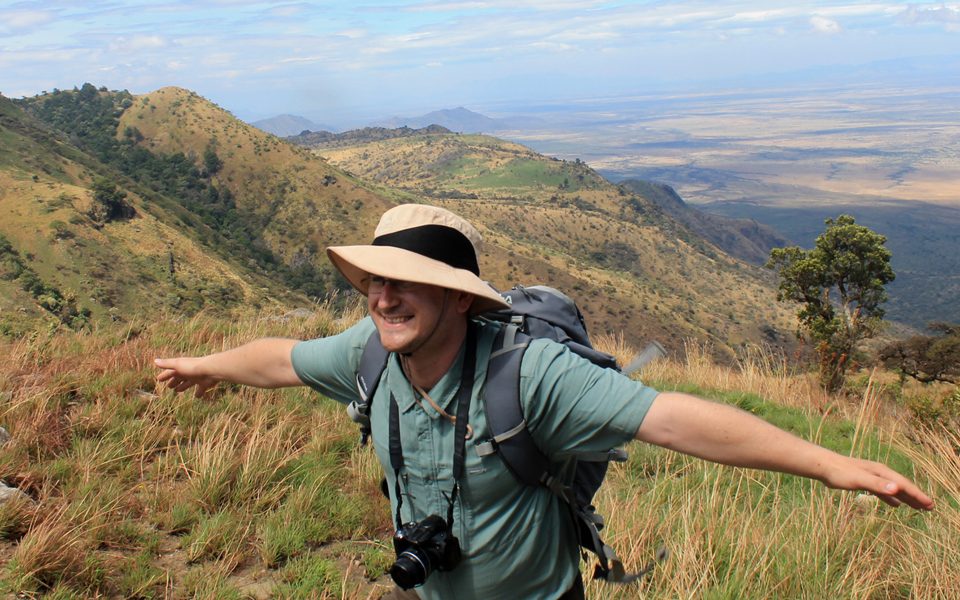
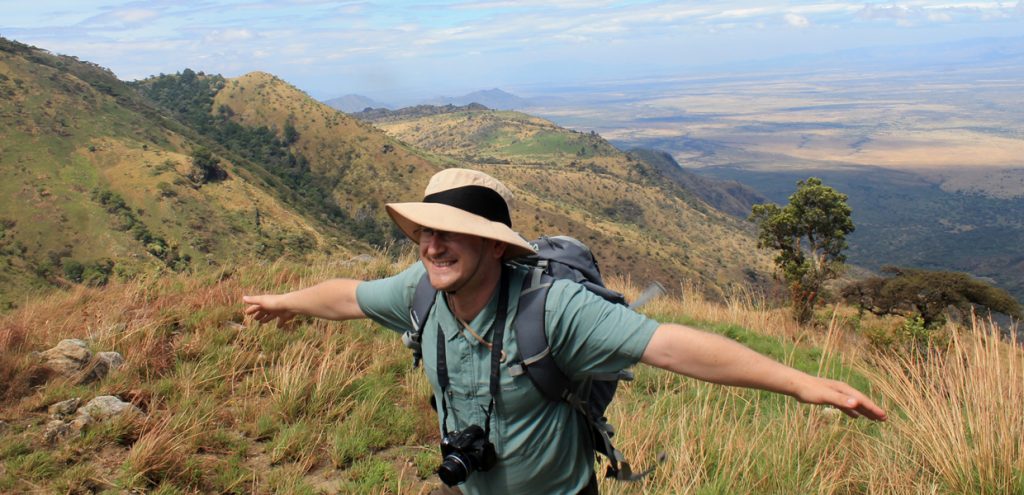
Furthermore, Rwenzori adventures are very different from typical East African safaris. Instead of game drives across open plains, you’ll spend time hiking through different environments. You’ll challenge yourself physically and mentally. Moreover, you’ll be deep in mountain wilderness where nature shows itself on a grand scale.
Mountain Climbing and Trekking: Mount Rwenzori National Park Adventures
Summit Trips to Margherita Peak
The ultimate Rwenzori challenge is climbing Margherita Peak (5,109m). This requires 7-9 days of hard hiking through all the different zones. You’ll camp at a high altitude. Then comes the technical summit climb with glacier travel, fixed ropes, and possibly bad weather. Safari Vacations and Travel Services provides experienced mountain guides, porters, cooks, camping gear, food, and climbing equipment. First, the typical route follows the Central Circuit Trail. Initially, you’ll start on the western slopes in the mountain forest at 1,600 meters. From there, you move upward through bamboo zones, then into heather and high moorland. Along the way, giant lobelias and groundsels create otherworldly landscapes. Eventually, above 4,000 meters, plant life disappears entirely.r. Instead, you’ll see rock, loose stones, and permanent ice.
The summit push starts around midnight from Margherita Camp (4,485m). Climbers go up in darkness. The goal is to reach the glacier before sunrise when the snow is firmest. The climb involves crossing the Stanley Plateau glacier and moving around deep cracks in the ice. You’ll climb steep ice slopes using crampons and ice axes. Finally, you’ll scramble to Margherita’s narrow summit.
Attempting Margherita requires good fitness. You also need experience at high altitude and mental strength. Unfortunately, the weather is very hard to predict. Summit success rates are around 50-60%. This is due to storms, poor visibility, and dangerous ice conditions.
Other Trekking Options: Mount Rwenzori National Park Adventures
Alternative Peaks
Mount Speke (4,890m) and Mount Baker (4,844m) offer amazing high-altitude experiences. However, they’re less technical. Fit hikers without climbing backgrounds can reach these summits.
The Central Circuit Trail
This classic 7-8 day loop goes through all major vegetation zones. You’ll cross high passes with stunning views. Along the way, you’ll visit many lakes and waterfalls. Even though you won’t attempt summits, the circuit reaches above 4,500 meters. Therefore, it still provides a real high-altitude challenge.
The Kilembe Trail
This route comes from the eastern slopes. Generally, it offers better weather and amazing scenery. You’ll also see excellent wildlife. Furthermore, there are options for shorter 3-4 day treks reaching places like Lake Mahooma.
Short Treks and Day Hikes
For travelers with limited time or moderate fitness, 2-3 day treks work well. Typically, these explore lower slopes, visiting waterfalls, crater lakes, and viewpoints. Along the way, you’ll experience mountain forest and bamboo zones. Best of all, you get a genuine mountain experience without the demands of long trips.
Birdwatching: Albertine Rift Endemics: Mount Rwenzori National Park Adventures
The Rwenzoris have over 217 bird species. Notably, many are Albertine Rift endemics found nowhere else on Earth. Among these, the star bird is the Rwenzori Turaco. This amazing endemic has bright green feathers, crimson flight feathers, and a distinctive crest. Specifically, it lives in mountain forests between 2,000 and 3,000 meters.
In addition to the turaco, other special endemics include the Handsome Francolin, Rwenzori Batis, Archer’s Robin-Chat, Collared Apalis, and Rwenzori Double-collared Sunbird
The mountains also support many sunbird species. These are attracted to flowering plants, especially giant lobelias and senecios, at high elevations. Birds of prey include Crowned Eagles in forests and Augur Buzzards in open areas. The impressive Lammergeier soars over high-altitude moorlands.
The best birding happens in the mountain forest zone between 1,600 and 2,800 meters. This is where species diversity peaks. Multi-day treks allow dawn and dusk birding. This is when activity is highest, which helps you see more birds.
Exploring Unique Vegetation Zones: Mount Rwenzori National Park Adventures
The Rwenzoris have over 75 endemic plant species. The landscapes range from familiar tropical forests to alien high-altitude environments. In these high areas, giant versions of familiar plants dominate.
Montane Forest Zone (1,600-2,500m)
This is a lush rainforest with tall trees and dense undergrowth. There are many epiphytes and a complex canopy structure. The constant moisture creates an otherworldly atmosphere. Mist drifts through the trees, and plants grow with tropical abundance.
Bamboo Zone (2,500-3,000m)
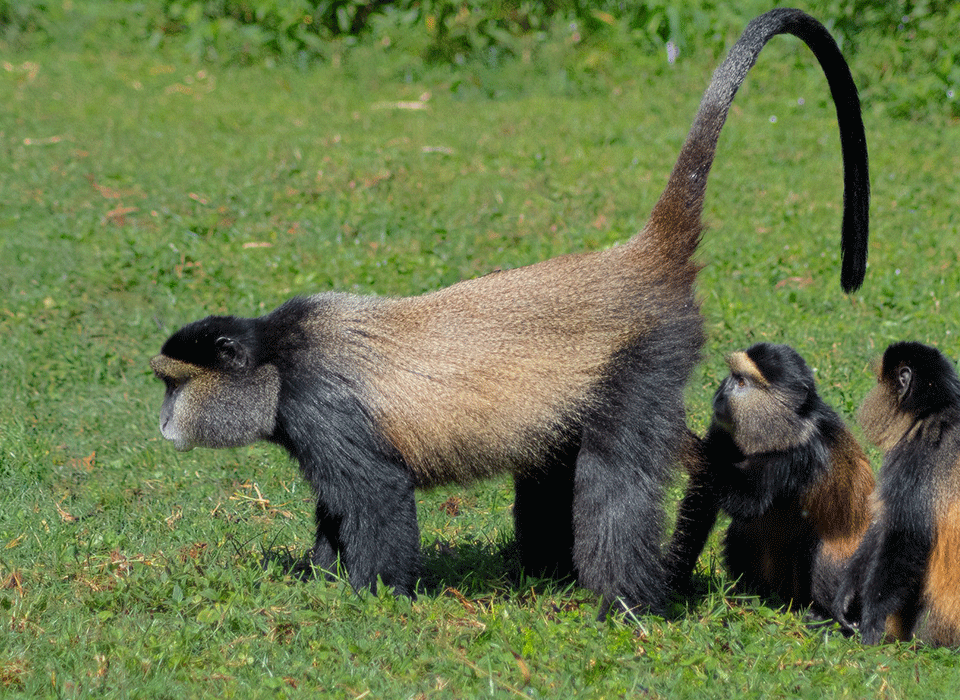
Dense African alpine bamboo creates tunnel-like trails. This area provides habitat for golden monkeys and many bird species. The Rwenzori Turaco lives here too.
Heather Zone (3,000-4,000m)
Erica species dominate this zone. They grow into 10-15 meter trees, creating fantastic landscapes with twisted, moss-covered branches. Giant lobelias and groundsels start appearing here. These are special adaptations to the Rwenzori’s unique conditions.
Afro-Alpine Zone (4,000-4,500m)
The most amazing and bizarre plants grow here. Giant lobelias and groundsels reach 6-8 meters tall. These plants have remarkable adaptations. For instance, lobelias’ rosettes close at night for warmth. Groundsel keeps its dead leaves for protection. Both produce natural antifreeze compounds.
Popular spots include Lake Mahooma and countless amazing waterfalls. Valley viewpoints provide stunning views across peaks and glaciers.
Cultural Experiences: The Bakonzo People
The Bakonzo people have lived in these mountains for centuries. Over time, they developed a deep understanding of the harsh environment. They also have rich cultural traditions. Safari Vacations and Travel Services partners with real communities. This creates genuine exchanges that benefit local people while providing meaningful insights for visitors.
Village visits show traditional mountain life. You’ll see homes built from local materials and farming practices on steep slopes. You’ll also learn about daily routines in challenging conditions. The Bakonzo grow crops on terraced hillsides. They plant bananas, beans, and vegetables. Additionally, they practice seasonal movements with livestock based on elevation.
Cultural experiences include watching traditional blacksmithing for farm tools. You can also see the weaving of baskets and mats. Furthermore, you can join in real music and dance performances that showcase cultural identity. Sharing meals with families introduces you to mountain cuisine. This features matoke, beans, groundnuts, and vegetables. These are hearty, energy-packed foods perfect for mountain life.
Wildlife Spotting: Mount Rwenzori National Park Adventures
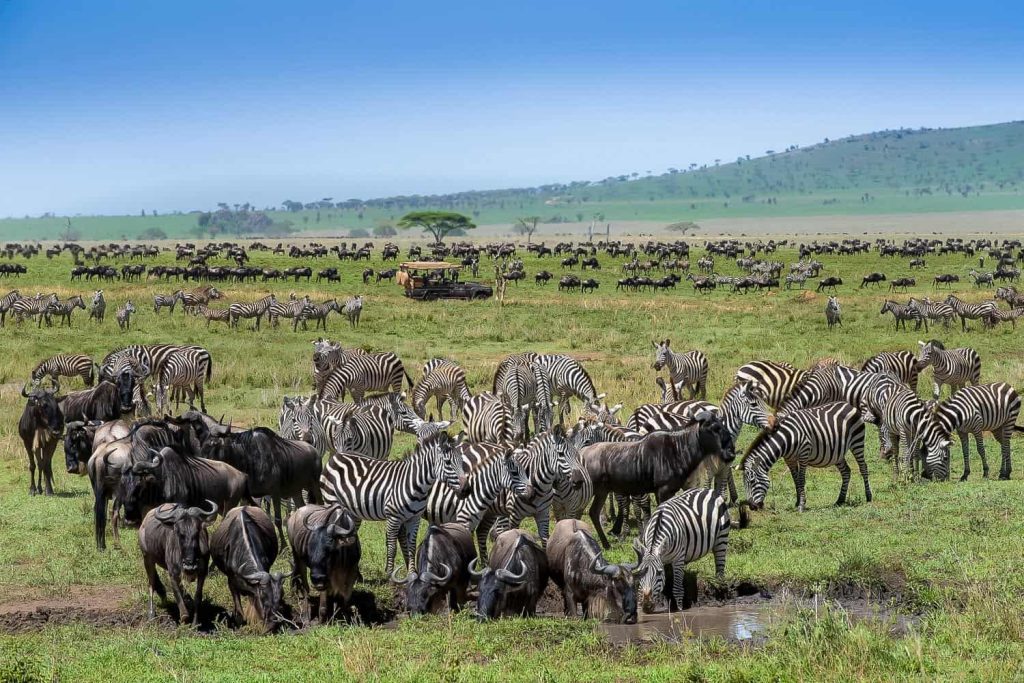
The Rwenzoris don’t offer the same wildlife abundance as savanna parks. Nevertheless, the mountains have fascinating animals. First, blue monkeys are most commonly seen in mountain forests. Similarly, black and white colobus monkeys live in comparable areas. In addition, Rwenzori duikers, three-horned chameleons, and rock hyrax live in various zones. On the other hand, forest elephants and leopards technically live in lower forests. However, they remain extremely hard to see. In fact, sightings are very rare.
Therefore, Safari Vacations and Travel Services set realistic expectations. Ultimately, the Rwenzoris offer amazing plant experiences, beautiful landscapes, challenging treks, and rich cultural experiences. Instead, they’re not the place for typical wildlife viewing.
Conclusion
Mount Rwenzori National Park adventures deliver East Africa’s most challenging and unique mountain experiences. You’ll find high-altitude hiking, amazing plants and animals, unique vegetation zones, and rich cultural meetings. Whether you’re climbing ice-covered peaks, exploring bizarre high-altitude moorlands, looking for endemic birds, or meeting Bakonzo communities, Rwenzori adventures provide life-changing experiences. These go far beyond typical safari tourism.
Safari Vacations and Travel Services brings years of mountain experience, local knowledge, and commitment to safety and sustainability to every trip we organize. Therefore, let us handle the complex details. Specifically, we’ll take care of permits, guides, porters, equipment, and planning. Meanwhile, you can focus on challenging yourself, discovering amazing landscapes, and creating lifelong memories in Uganda’s mystical Mountains of the Moon.