Mountaineering Destinations in Uganda

Uganda offers several stunning mountaineering destinations, with towering peaks and unique landscapes that cater to both experienced climbers and adventurous hikers. Here are the top mountaineering destinations in Uganda:
Rwenzori Mountains National Park (“Mountains of the Moon”)
Climbing the Rwenzori Mountains, the legendary “Mountains of the Moon,” is a memorable hike through Africa’s botanical big game. The hiking adventure explores the mist-shrouded mountains of a rugged massif that tower almost 4,000 m above the Albertine Rift Valley, making them visible from great distances. Home to Margherita Peak (5,109m), the highest point in Uganda and the third-highest mountain in Africa.
Hiking the lower Rwenzori mountains takes you through a striking, pristine landscape of alpine vegetation studded with magical giant lobelias, groundsels, and heathers—a Nania-like mystical world into which to escape.
Trekking in Rwenzori is an experience through exceptional natural beauty unique to the region. It is a medley of spectacular snow-capped peaks, glaciers, and V-shaped valleys that would make the Smokey Mountains scream for attention. The Rwenzoris’ fast-flowing rivers, magnificent waterfalls, sky-blue lakes, and unique flora leave nature gazers stunned.
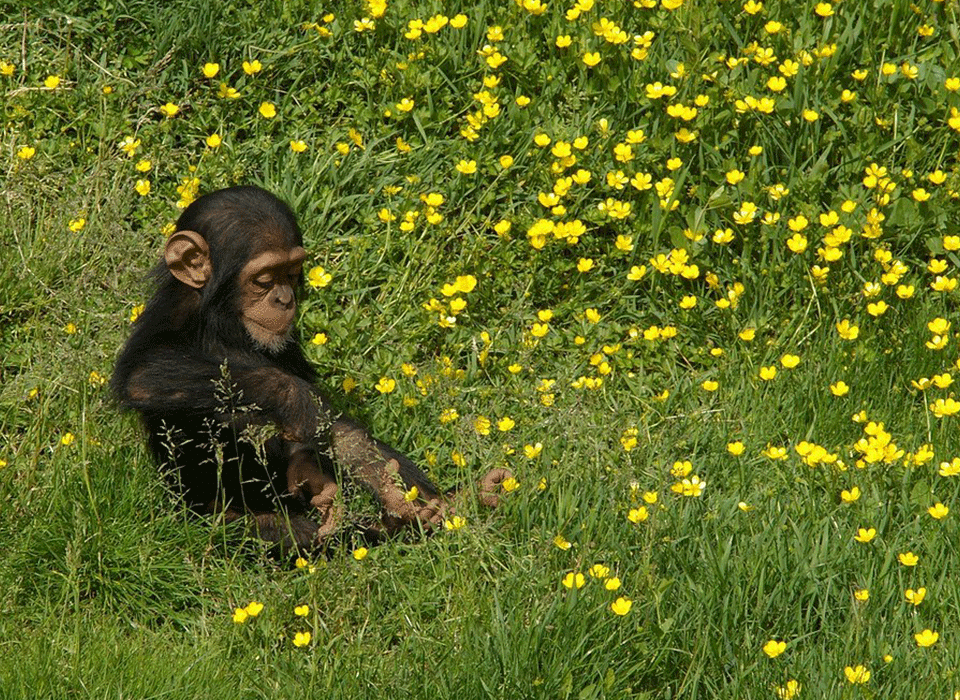
From watching bizarre endemic flora, and unique landscapes to encounters with threatened animal species such as the African forest elephant, eastern chimpanzee, l’Hoest’s monkey, Rwenzori black-fronted, and red duiker, climbing the Rwenzori Mountains is one of the most thrilling hiking adventures in East Africa.
Unlike the popular Kilimanjaro and Mount Kenya, Climbing Rwenzori Mountains offers different climbing options because it’s a mountain range with six summits separated by deep gorges; which you won’t find on the Kilimanjaro trails.
Best For: Experienced mountaineers seeking a challenging high-altitude climb.
UNESCO Status: World Heritage Site.
Mount Elgon National Park
Sitting on the Uganda-Kenya border, Mount Elgon is the largest and oldest solitary mountain offering some of the most rewarding mountain climbing adventures in East Africa. Its vast shape towers 4,321 meters above the surrounding plains.
Mount Elgon has the largest extinct volcano base, with the lower slopes populated by elephants, buffalo, and various small antelope. The dense montane forest harbors primates, including the black-and-white colobus monkey, the blue monkey, and more than 300 unique bird species. Elgon’s higher altitudes provide a refuge for incredible flora.
Unlike other mountain climbing adventure trails, Elgon’s hiking trails don’t require specialist hiking skills and equipment. The hiking trails are less crowded, allowing hikers to relish its stunning scenery without disruptions.
Best For: Those looking for a mix of culture, scenery, and moderate climbing.
Virunga Volcanoes (Mgahinga Gorilla National Park)
The Virunga Mountains form a chain of eight stunning volcano peaks studded in the Albertine Rift on the Uganda, Rwanda, and DRC tri-border. Two of them, Nyiragongo (3470m / 11,385ft) and Nyamulagira (3058m / 10,033ft) are still very active (as recent as 2020) and account for 40% of African volcanic eruptions.
Hiking Virunga Mountains occurs from the Ugandan side on three mountains, including Muhavura (4127m / 13,540ft), Gahinga (3474m / 11,398ft), and Sabinyo (3645m / 11,959ft).
Fortunately, mountain climbing services on all three volcanoes start at Ntebeko Visitor Center at the base of the volcanos in Mgahinga National Park. Hiking begins at 7:30 am. Bring along a day pack with energy snacks, a lunch pack, and two liters of water.
Climbing the Virunga Mountains in Uganda costs USD 95 for foreigners ($35 park entrance fee and $60 for the guided trek) per day. Hikers can access Mgahinga National Park from Kisoro town (11km – 30-min drive), where they’ll find most accommodation. Luxury travelers can book at Gahiga Lodge, located a few meters from the park entrance.
Hiking the Virunga Mountains is a typical addition to Uganda’s golden monkey and gorilla trekking adventures. Usually, a trip includes two or three nights outside the park with a day reserved for each activity because all have one excursion
Best For: Adventurous hikers seeking volcanic climbs with wildlife encounters.
Mount Moroto (Karamoja Region)
The highest peak in the Karamoja region is Mount Moroto at 3,083 m. Moroto’s peaks include Sogolomon (3027m), Imagit / Leoron (2773m), and Sokodek (3083m).
The 30-km Moroto mountain climbing trail ascends a 2,250-meter distance taking about three days. The trek is moderate with a strenuous climb on the first day, a scenic hike through the forest and over the ridges on the second day, and a half-day descend on the last day.
The trail features incredible views over the valley’s endless plains from which the green majestic mountain ridges arise. You will explore this magical paradise in a bright and clear milky way.
Best For: Explorers looking for an authentic and less-commercialized climb.
Mount Kadam (Eastern Uganda)
Mount Kadam trail to the 3,063-meter summit is about 29 km and can take 2-3 days to complete. Ascending the peak starts at Nakapiripirit town at 1,450 m elevation.
Mountaineering on this trail will take you through varied vegetation, including dry montane forest and forest-savanna mosaic at lower altitudes and semi-evergreen thickets at higher altitudes.
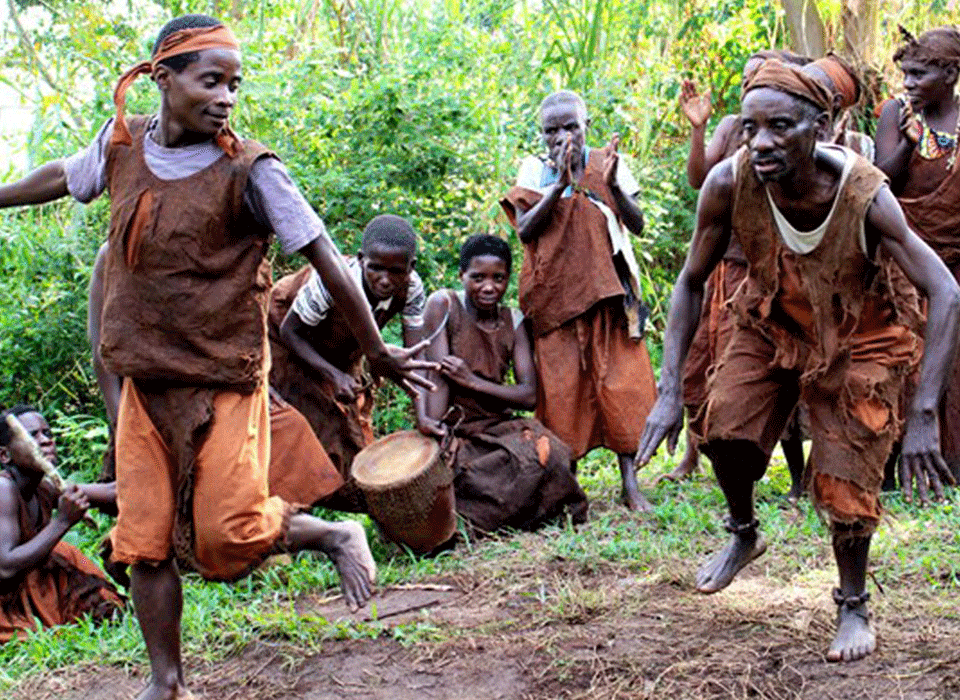
Mount Kadam is an essential source of vegetables, fruits, and medicinal herbs for the surrounding ethnic tribes. It is home to five agricultural tribes, including Pokot, Pian-clan, Tepeth, Sebei, and the Kadama. The first hours of hiking will be an authentic cultural experience walking through some fascinating villages.
Best For: Nature lovers and climbers seeking solitude.
Mount Morungole (Kidepo Valley National Park)
Mount Morungole, also known as Ik-land, towers 2,750 meters in the extreme northern Karamoja hills, looming over Kidepo National Park’s Narus and Kidepo plains. Morungole is the source of many water streams that feed into the Narus and Kidepo rivers, creating a wildlife oasis in Kidepo National Park—a top tourist attraction in Uganda.
Uganda’s smallest tribe, called the Ik, lives on the Morungole ridges—a fascinating cultural experience on a day’s hike. You can visit the traditional beekeepers and experience their rudimentary ways of extracting honey.
Best For: Hikers interested in combining culture with mountain exploration.
Mount Zulia (West Nile)
A lesser-known mountain located in the remote West Nile region near the Congo border.
Features lush vegetation and stunning views of the Albertine Rift.
Best For: Adventurers looking to explore off-the-beaten-path mountains.
Mount Napak (Karamoja Region)
Known for its steep slopes and lush vegetation, Mount Napak is arguably the most challenging summit in the Karamoja mountains. At the base of Napak, the Iteso tribe finds fertile land for settlement, and the mountain provides them with hunting grounds.
Mount Napak’s unique location within the Pian Upe Wildlife Reserve promises hikers breathtaking views over the reserve onto the Karamoja planes and beyond. Varying hiking plans are available, from 3-hour nature walks to 3-day mountaineering expeditions for hiking nards
Best For: Seasoned mountaineers seeking unique climbs in Uganda.
Mount Kechero (Rwenzori Foothills)
A smaller peak in the Rwenzori foothills is ideal for acclimatization before attempting higher climbs.
Lush forests and scenic views of the Rwenzori range.
Best For: Beginners or as a warm-up for more demanding climbs.
Tips for Mountaineering in Uganda:
Best Time to Climb: December to February and June to August for dry and clear weather.
Gear: Bring proper mountaineering equipment, including warm clothing for high-altitude climbs.
Guides: Always hire experienced guides and porters, especially for Rwenzori and Mount Elgon.
Permits: Required for most climbs, particularly in national parks.