Boat Safari Opportunities in East Africa

Boat Safari Opportunities in East Africa
East Africa’s diverse landscapes extend far beyond the iconic savannas of the Serengeti and Masai Mara. The region’s rivers, lakes, and wetlands offer extraordinary boat safari opportunities that reveal a completely different side of African wildlife. From the hippo-filled pools of the Rufiji River to the bird-rich shores of Lake Naivasha, East Africa’s waterways provide intimate wildlife encounters and breathtaking scenery that complement traditional game drives perfectly.
Why East Africa’s Boat Safaris Are Special
East Africa’s unique geography creates diverse aquatic ecosystems that support an incredible variety of wildlife. The region’s Great Rift Valley lakes, coastal rivers, and highland streams each offer distinct experiences. Unlike the seasonal floods of southern Africa’s delta systems, many East African waterways provide year-round boat safari opportunities, making them perfect additions to any safari itinerary.
The combination of resident and migratory species creates dynamic wildlife viewing throughout the year. During the Great Migration, river crossings provide some of Africa’s most dramatic wildlife spectacles, while the region’s endemic species offer unique encounters found nowhere else on the continent.
Premier East African Boat Safari Destinations
Selous Game Reserve, Tanzania – Rufiji River System
The Rufiji River and its tributaries wind through Tanzania’s largest game reserve, creating one of East Africa’s premier boat safari destinations. This vast river system supports enormous populations of hippos and crocodiles, with some sections hosting the highest concentrations of these species anywhere in Africa.
The Rufiji’s meandering channels pass through diverse habitats, from open floodplains where elephants come to drink, to dense riverine forests sheltering sable antelopes and greater kudus. The birdlife is exceptional, with over 440 species recorded in the reserve. Fish eagles soar overhead while colorful bee-eaters nest in the riverbanks.
What makes Selous boat safaris particularly special is the reserve’s wilderness character. With fewer visitors than northern Tanzania’s parks, you’ll often have entire stretches of river to yourself, creating an authentic African wilderness experience.
Lake Naivasha, Kenya – Freshwater Paradise
Lake Naivasha, situated in Kenya’s Great Rift Valley, offers easily accessible boat safaris just 90 minutes from Nairobi. This freshwater lake supports over 400 bird species, making it a paradise for birding enthusiasts. The lake’s shallow waters and papyrus-fringed shores create a perfect habitat for an incredible variety of waterfowl.
Hippos are the lake’s star attraction, with large pods easily observed during boat trips. The lake’s fish population supports numerous fish eagles, cormorants, and pelicans, while the surrounding acacia forests host giraffes, zebras, and various antelope species that can be observed from the water.
Crescent Island, accessible only by boat, offers walking safaris among wildlife including giraffes, zebras, and gazelles. The combination of boat safari and walking experience makes Lake Naivasha unique among East African destinations.
Kazinga Channel, Queen Elizabeth National Park, Uganda
The Kazinga Channel connects Lakes Edward and George in Uganda’s Queen Elizabeth National Park, creating one of East Africa’s most reliable wildlife viewing waterways. This 32-kilometer natural channel supports one of Africa’s largest hippo populations, with over 4,000 individuals calling these waters home.
The channel’s banks attract enormous herds of elephants, buffalo, and various antelope species, particularly during the dry season. The concentration of wildlife along this relatively small waterway is extraordinary, often providing better game viewing than traditional drives in the surrounding park.
Birdlife is spectacular, with over 600 species recorded in the park. The channel provides excellent viewing of shoebill storks, African fish eagles, and numerous kingfisher species. The boat safaris here consistently rank among East Africa’s best wildlife experiences.
Lake Mburo, Uganda – Intimate Encounters
Lake Mburo National Park’s boat safaris offer intimate wildlife encounters in Uganda’s smallest savanna park. The lake and its surrounding wetlands support healthy populations of hippos, crocodiles, and over 350 bird species, including the rare African finfoot.
The park’s unique ecosystem combines open water with extensive papyrus swamps, creating diverse habitats easily explored by boat. The surrounding hills provide stunning backdrops for photography, while the lake’s relatively small size ensures close encounters with wildlife.
What makes Lake Mburo special is its accessibility and the variety of activities available. Boat safaris can be combined with walking safaris, horseback riding, and traditional game drives, creating comprehensive wildlife experiences.
Murchison Falls, Uganda – Dramatic River Safari
The Victoria Nile’s journey through Murchison Falls National Park creates one of East Africa’s most dramatic boat safari settings. The highlight is the journey to the base of Murchison Falls, where the entire Nile River explodes through a narrow 7-meter gorge, creating a thunderous spectacle.
The river supports large populations of hippos and massive Nile crocodiles, some reaching lengths of over 5 meters. Elephants regularly cross the river, while the banks attract buffalo herds, various antelope species, and numerous bird species, including the rare shoebill stork.
The boat trip to the falls base provides a unique perspective on one of the world’s most powerful waterfalls, while return journeys offer excellent wildlife viewing as animals come to drink during the cooler late afternoon hours.
Lake Baringo, Kenya – Birding Paradise
Lake Baringo in Kenya’s Great Rift Valley offers exceptional birding boat safaris in a stunning volcanic landscape. This alkaline lake supports over 470 bird species, making it one of Kenya’s premier birding destinations. The lake’s islands provide nesting sites for numerous species, while the surrounding cliffs host raptors and rock-dwelling birds.
Hippos and Nile monitors add variety to the birding focus, while the local Njemps people’s traditional fishing methods provide cultural interest. The lake’s relatively calm waters make it perfect for photography, particularly during the golden hours.
Rubondo Island, Lake Victoria, Tanzania
Rubondo Island National Park in Lake Victoria offers a unique combination of boat safari and walking experiences. The journey to the island itself provides opportunities to spot otters, sitatunga antelopes, and numerous water birds along the lake’s shores.
The island supports introduced populations of chimpanzees, elephants, and giraffes, making it one of the few places where boat and primate safaris can be combined. The lake’s enormous size creates ocean-like conditions, while the island’s forests provide habitat for over 400 bird species.
Seasonal Considerations in East Africa
Dry Season Adventures (June-October)
East Africa’s dry season provides excellent boat safari conditions with calm waters and concentrated wildlife along permanent water sources. Animals gather at rivers and lakes in large numbers, creating spectacular viewing opportunities. The clear skies and stable weather patterns make this the best time for photography and extended boat trips.
Water levels are typically at their lowest, allowing access to smaller channels and tributaries that may be impassable during wet seasons. The reduced vegetation along banks also improves wildlife visibility.
Wet Season Opportunities (November-May)
While some destinations become less accessible during the wet season, others offer unique opportunities. Migratory birds arrive in massive numbers, creating exceptional birding experiences. The landscape transforms into lush green scenery, providing beautiful backdrops for photography.
Some rivers and lakes rise significantly during the rains, opening up new areas for exploration. However, afternoon thunderstorms can interrupt boat trips, making morning excursions more reliable.
Great Migration River Crossings
The timing of Great Migration river crossings varies annually, but typically occurs between July and September in the Serengeti-Masai Mara ecosystem. While most crossings are viewed from land, some operators offer boat positions for unique perspectives on this natural spectacle.
The Mara River crossings provide dramatic boat safari opportunities, though these require planning and flexibility as crossing timing is unpredictable.
East African Wildlife from the Water
Aquatic Giants
East Africa’s waterways support massive populations of hippos and crocodiles. Lake Naivasha and the Kazinga Channel offer some of the continent’s best hippo viewing, with pods often numbering in the hundreds. These usually nocturnal animals are active throughout the day in the water, providing excellent observation opportunities.
Nile crocodiles in East African rivers can reach enormous sizes, particularly in the Rufiji River system and along the Victoria Nile. The boat platform allows safe observation of these prehistoric predators while they bask on banks or hunt in shallow waters.
Terrestrial Visitors
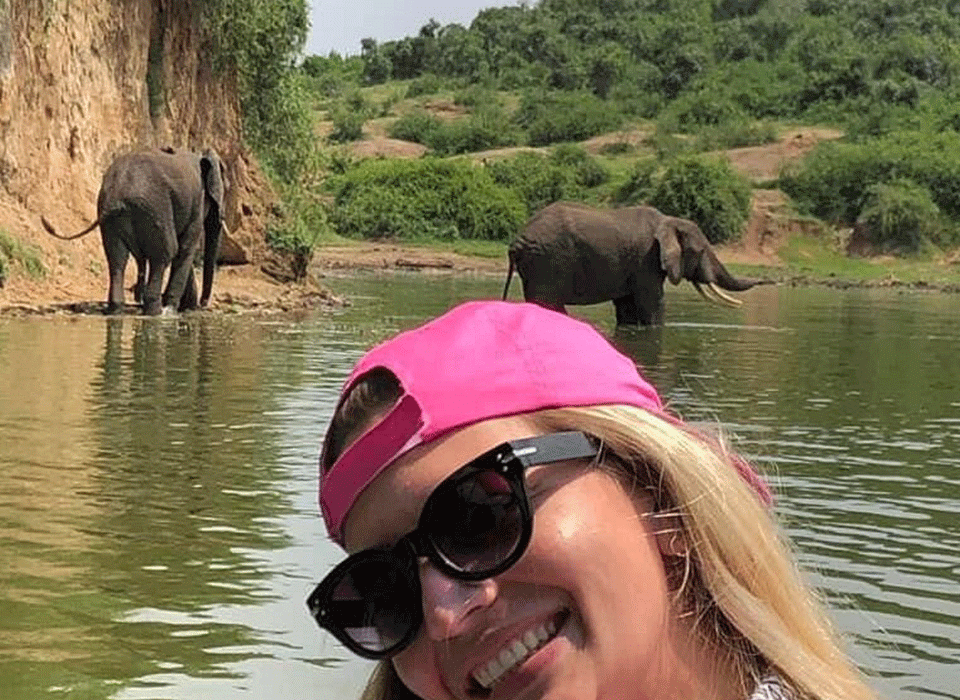
Elephants feature prominently in East African boat safaris, regularly crossing rivers or coming to drink and bathe. The Selous and Queen Elizabeth National Parks offer particularly reliable elephant encounters from the water. Young elephants learning to swim provide especially endearing viewing opportunities.
Buffalo herds create dramatic scenes when they come to drink, particularly during the dry season when large herds gather at water sources. Antelope species vary by location, from common impala and waterbuck to the rare sitatunga in swampy areas.
Avian Spectacles
East Africa’s position along major migration routes creates exceptional birding opportunities. Resident species like fish eagles, kingfishers, and herons are joined by seasonal migrants, including various storks, pelicans, and numerous smaller species.
Specialized species like the shoebill stork in Uganda’s swamps and the African finfoot in Lake Mburo provide particular highlights for serious birders. The elevated boat platform often provides better observation than land-based birding.
Photography and Equipment Considerations
Camera Settings for Water-Based Shooting
East African boat safaris present unique photographic challenges and opportunities. The bright reflection from water requires careful exposure management, while the moving platform demands higher shutter speeds. Early morning and late afternoon provide the best lighting conditions with dramatic reflections.
Polarizing filters dramatically improve image quality by reducing glare and enhancing sky contrast. Waterproof camera bags are essential protection against spray and sudden weather changes.
Specialized Equipment
Binoculars are crucial for distant wildlife observation and bird identification. Many operators don’t provide binoculars, so bring your own for the best experience. Waterproof cases protect electronics from spray and humidity.
Long telephoto lenses work well from stable boat platforms, allowing close-up wildlife photography while maintaining safe distances. However, be prepared for weight restrictions on smaller boats.