
What Is the Gorilla Habituation Experience?

The Gorilla Habituation Experience is an exclusive primate adventure that allows a small number of visitors to accompany conservation researchers, experienced trackers, guides, and Uganda Wildlife Authority rangers as they gradually introduce a wild mountain gorilla family to the presence of humans. Unlike ordinary gorilla trekking, where travellers normally spend one regulated hour observing a fully habituated gorilla family, the Gorilla Habituation Experience allows visitors to spend up to four hours with a semi-habituated mountain gorilla family after it has been located.
The experience takes place in the southern part of Bwindi Impenetrable National Park in southwestern Uganda. This ancient rainforest protects mountain gorillas, forest elephants, chimpanzees, monkeys, birds, butterflies, reptiles, and hundreds of plant species. The thick vegetation, steep hills, misty valleys, and remarkable biodiversity create an authentic environment for travellers who want to observe mountain gorillas while learning how researchers protect and study them.
The Gorilla Habituation Experience is much more than spending additional time taking photographs of mountain gorillas. It is an educational and conservation-focused activity that introduces visitors to the long and carefully managed process through which wild gorillas become familiar with the non-threatening presence of researchers, rangers, trackers, and eventually tourists. Travellers interested in securing limited permits should book well in advance because only a very small number of visitors are permitted to participate each day.
Understanding Gorilla Habituation
Gorilla habituation is the gradual process of helping a wild mountain gorilla family become accustomed to the controlled presence of humans. It does not involve taming, feeding, touching, training, or removing gorillas from their natural environment. The gorillas remain completely wild and continue moving, feeding, resting, communicating, nesting, mating, and caring for their young naturally within the forest.
The main purpose of habituation is to reduce the fear and uncertainty that wild mountain gorillas may initially experience when they encounter researchers or conservation teams. Through regular and carefully managed visits, the gorillas slowly learn that the people approaching them do not represent a threat. This makes it possible for trained conservationists to monitor their health, study their social behaviour, identify individual members, and protect the family from poaching, disease, habitat disturbance, and other threats.
Visitors joining a habituation safari are not simply watching a completed conservation process. They are entering the forest with professionals who may still be studying the gorillas’ reactions, movements, personalities, vocalisations, feeding patterns, family relationships, and tolerance of human presence. This makes each Gorilla Habituation Experience unpredictable, educational, and different from an ordinary wildlife excursion.
How the Gorilla Habituation Process Works
The habituation of a mountain gorilla family is a gradual process that can take several years. Researchers and trackers begin by identifying a suitable wild gorilla family and learning about its home range, movement patterns, feeding areas, nesting locations, and social structure. At first, the gorillas may avoid people, move deeper into the forest, hide in thick vegetation, display defensive behaviour, or allow only brief observation from a considerable distance.
Conservation teams return regularly while maintaining appropriate distances and avoiding sudden movements that could frighten the gorillas. Trackers use signs such as footprints, broken vegetation, feeding remains, droppings, nests, and familiar forest routes to locate the family. Travellers can learn more about the physical demands of moving through the rainforest by reading about the trekking difficulty before choosing their safari dates.
As the gorillas become increasingly familiar with the researchers, the observation distance may be reduced carefully. Researchers document how individual gorillas respond and identify members by their facial features, body size, nose prints, scars, behaviour, and position within the family. Particular attention is given to the dominant silverback because his response can influence how the rest of the family reacts to human presence.
Researchers may imitate calm gorilla vocalisations and maintain non-threatening body language to communicate peaceful intentions. Direct eye contact, loud talking, sudden movements, chasing, touching, and surrounding the gorillas are avoided. Every stage is guided by the animals’ behaviour, welfare, and comfort rather than by a fixed tourism schedule.
What Makes the Gorilla Habituation Experience Different?

The most important difference is the amount of time visitors may spend observing the gorillas. Standard gorilla trekking normally permits one hour with a fully habituated family, while the Gorilla Habituation Experience permits up to four hours with a family that is still undergoing habituation. Travellers researching their options can compare this experience with a conventional gorilla safari before selecting the most suitable itinerary.
The smaller visitor group is another important distinction. Gorilla Habituation Experience groups are deliberately limited to preserve the quality of the encounter and prevent excessive disturbance. This creates a quieter atmosphere and allows participants to listen carefully to explanations from researchers, observe individual behaviour, and photograph the gorillas without feeling rushed.
The Gorilla Habituation Experience may also involve longer walking periods because semi-habituated gorillas can be more mobile or cautious than fully habituated families. They may move through thick vegetation, remain partly hidden, or change direction when people approach. Participants should therefore be physically prepared, patient, respectful, and willing to accept that encounters with wild animals cannot be completely controlled.
Where Does the Gorilla Habituation Experience Take Place?
The Gorilla Habituation Experience is conducted in the Rushaga sector of Bwindi Impenetrable National Park. Rushaga is located in southern Bwindi and is known for its beautiful hills, dense rainforest, diverse gorilla families, scenic viewpoints, and convenient access from both Uganda and Rwanda.
Travellers arriving through Rwanda can begin their journey in Kigali and drive across the border into southwestern Uganda. A suitable itinerary may be based on a Kigali tour, with accommodation arranged near Rushaga before the early-morning habituation activity. Visitors arriving through Entebbe can travel by road through Uganda or take a scheduled domestic flight toward Kisoro before continuing to their lodge.
Rushaga’s location also makes it possible to combine the Gorilla Habituation Experience with Lake Bunyonyi, Mgahinga Gorilla National Park, Batwa cultural activities, golden monkey tracking, Queen Elizabeth National Park, or additional standard gorilla trekking. Travellers seeking a broader wildlife holiday can incorporate the activity into an extended Uganda safari.
Who Participates in the Gorilla Habituation Experience?
Participants normally enter the forest with Uganda Wildlife Authority rangers, experienced trackers, guides, researchers, and sometimes conservation personnel involved in monitoring the selected gorilla family. Each professional plays a different role in protecting visitors and gorillas while collecting useful information about the family.
Trackers often enter the forest early to locate the gorillas using nests, footprints, droppings, broken plants, feeding remains, and previous movement patterns. Rangers explain forest safety, gorilla behaviour, conservation rules, and the correct response if a gorilla approaches or displays. Researchers may record behavioural observations, identify individual gorillas, monitor health conditions, and document changes within the family.
Visitors become temporary observers of this conservation work. They may watch researchers recognise individual gorillas, record feeding behaviour, study family relationships, or assess how the gorillas respond to human presence. Although participation is mainly observational, the knowledge shared during the experience gives travellers a deeper understanding of mountain gorilla conservation than an ordinary forest visit.
What Happens During the Gorilla Habituation Experience?
The day normally begins early with registration and a detailed briefing at the designated park headquarters. Rangers explain what participants should expect, how to behave in the forest, what distance to maintain, how to protect themselves from insects and vegetation, and what to do when the gorilla family is located.
After the briefing, participants enter the forest with their assigned team. The time required to find the gorillas varies according to their location, movement, weather, terrain, and feeding patterns. The walk may involve climbing hills, crossing streams, stepping over roots, and moving through dense undergrowth. Hiring a porter is strongly recommended because a porter can carry a backpack, packed lunch, camera equipment, and drinking water while assisting on difficult sections of the trail.
Once the gorillas are located and the official observation period begins, visitors may spend up to four hours watching the family. During this time, they may observe feeding, grooming, resting, travelling, playing, communicating, nest preparation, parental care, silverback leadership, and interactions between juveniles and adults. Those who enjoy extended primate encounters may also consider combining the experience with chimpanzee habituation in Kibale Forest National Park.
Why Are Semi-Habituated Gorillas Special?
Semi-habituated mountain gorillas are at an intermediate stage between being completely unfamiliar with humans and being comfortable enough for carefully regulated tourism. Their behaviour can therefore be more cautious, mobile, and unpredictable than that of fully habituated gorillas. Some individuals may remain relaxed while others may move away, hide behind vegetation, vocalise, or observe visitors carefully.
This uncertainty gives the Gorilla Habituation Experience its authenticity. Participants witness the gradual development of trust rather than meeting a family that has already completed the process. The gorillas are never forced to remain near visitors, and the conservation team must respond respectfully to the animals’ behaviour throughout the encounter.
The experience is particularly attractive to wildlife photographers, primate enthusiasts, conservation students, researchers, filmmakers, and travellers who want more than a brief sighting. Four hours can provide opportunities to observe changes in light, position, group movement, facial expressions, and social behaviour that might not occur during a standard one-hour visit.
The Role of Researchers and Conservationists
Researchers are central to the Gorilla Habituation Experience because the activity is based on long-term conservation and scientific monitoring. They collect information that helps conservation authorities understand population changes, births, deaths, illnesses, family separations, leadership challenges, migration, feeding ecology, and interactions between gorilla families.
Regular monitoring also helps conservation teams detect injuries, signs of disease, illegal human activity, snares, habitat disturbance, and unusual behavioural changes. Because mountain gorillas share biological similarities with humans, controlling disease transmission is especially important. Visitors must follow health and safety rules, including avoiding the activity when sick and respecting the required distance from the gorillas.
The information gathered by researchers supports management decisions that protect both the gorillas and their forest habitat. Tourism revenue also contributes to conservation operations, ranger activities, community projects, and the long-term protection of Bwindi. Travellers exploring other conservation-based experiences can read about primate conservation across Uganda.
How the Experience Supports Local Communities
The Gorilla Habituation Experience supports communities surrounding Bwindi through employment, tourism revenue, accommodation, guiding, transport, agriculture, handicrafts, cultural activities, and conservation partnerships. Residents may work as porters, lodge employees, guides, drivers, artisans, farmers, security personnel, or community tourism representatives.
When local communities receive meaningful benefits from tourism, they are more likely to support forest conservation and recognise mountain gorillas as valuable living resources. Responsible tourism therefore creates a connection between wildlife protection and community development. Visitors can contribute directly by hiring porters, purchasing locally produced crafts, respecting village customs, and choosing responsible safari operators.
Combining gorilla habituation with local cultural visits can also help travellers understand the relationship between Bwindi, its wildlife, and neighbouring communities. A professionally arranged Uganda itinerary can include community activities without reducing the time needed for the main gorilla experience.
Who Should Choose the Gorilla Habituation Experience?
The Gorilla Habituation Experience is ideal for travellers who want a deeper, longer, and more educational encounter with mountain gorillas. It suits wildlife photographers who require more time to work with changing light and animal positions, conservation enthusiasts who want to understand how gorillas are monitored, and repeat visitors who have already completed ordinary gorilla trekking.
It is also appropriate for patient travellers who understand that semi-habituated gorillas may move frequently or remain partially concealed. The experience may not be suitable for travellers who prefer a short forest walk, have serious mobility limitations, or are uncomfortable with an early start and several hours in challenging rainforest terrain.
Anyone uncertain about the physical demands should discuss their fitness, age, medical considerations, and trekking preferences with an experienced safari specialist. Appropriate accommodation, porter assistance, suitable clothing, and realistic preparation can make the Gorilla Habituation Experience safer and more enjoyable.
Why the Gorilla Habituation Experience Is Important
The Gorilla Habituation Experience creates a powerful connection between tourism, scientific research, wildlife protection, and local economic development. Visitors receive an extraordinary opportunity to spend extended time with mountain gorillas, while the revenue generated supports the systems required to protect the species and its habitat.
The activity also helps travellers understand that gorilla conservation involves far more than observing animals. It requires daily monitoring, veterinary intervention, community cooperation, ranger patrols, habitat protection, responsible tourism, scientific research, and strict visitor management. Learning about these efforts can transform a safari into a meaningful conservation experience.
For many visitors, the most memorable part of the Gorilla Habituation Experience is not simply seeing a mountain gorilla. It is watching a silverback protect his family, observing juveniles play in the vegetation, listening to gorilla vocalisations, and understanding how trust develops between wild animals and conservation teams. This combination of extended observation, education, exclusivity, and conservation makes the Gorilla Habituation Experience one of the most rewarding wildlife adventures available in Africa.
Where Does the Gorilla Habituation Experience Take Place?
The Gorilla Habituation Experience takes place in Uganda’s Bwindi Impenetrable National Park, one of Africa’s most important mountain gorilla habitats and one of the continent’s most remarkable rainforest destinations. The activity is primarily conducted in the southern part of the park, especially within the Rushaga sector. This region provides suitable mountain gorilla habitat, experienced tracking teams, established tourism facilities, and access to gorilla families undergoing the gradual habituation process.
Unlike standard gorilla trekking, which is available in several sectors of Bwindi Impenetrable National Park, the Gorilla Habituation Experience is offered only in areas where specific semi-habituated gorilla families have been designated for research, monitoring, and controlled visitor participation. Travellers must therefore book accommodation and transport according to the sector indicated on their Gorilla Habituation Experience permit.
Understanding the location of the activity is essential because Bwindi is a large, mountainous rainforest divided into different tourism sectors. The roads connecting the sectors can be steep, winding, and time-consuming, particularly during the rainy season. Staying in the wrong sector could require a very early departure or make it difficult to reach the correct briefing point on time.
Bwindi Impenetrable National Park
Bwindi Impenetrable National Park is located in southwestern Uganda along the edge of the Albertine Rift. The park protects an ancient tropical rainforest characterised by steep hills, deep valleys, tangled vegetation, streams, waterfalls, ferns, bamboo, vines, and a thick canopy. Its rugged landscape and exceptional biodiversity make it one of Uganda’s most valuable protected areas.
The name “impenetrable” reflects the density of the vegetation rather than suggesting that the forest cannot be entered. Visitors can explore designated trails with trained guides, rangers, trackers, researchers, and porters. However, the terrain can be physically demanding because gorillas do not remain beside established tourist paths. Tracking teams may need to leave the main trail and move through thick undergrowth to reach the gorilla family.
Bwindi is internationally recognised for protecting a significant population of the world’s remaining mountain gorillas. It also contains many other mammals, primates, birds, butterflies, reptiles, amphibians, trees, medicinal plants, and flowering species. This rich ecological environment makes a Gorilla Habituation Experience in Bwindi much more than a single-species encounter. The forest walk itself introduces visitors to one of East Africa’s oldest and most biologically diverse ecosystems.
The park is divided into four principal gorilla tourism sectors: Buhoma in the north, Ruhija in the east, and Rushaga and Nkuringo in the south. Each sector has separate briefing points, accommodation options, access roads, gorilla families, and surrounding attractions. Travellers planning a Gorilla Habituation Experience must pay particular attention to the sector listed on their permit because the activity cannot simply be transferred to another part of the park on the trekking morning.
The Rushaga Sector of Bwindi
Rushaga is the main centre for the Gorilla Habituation Experience in Bwindi Impenetrable National Park. Located in the southern region of the park, the sector is known for its concentration of mountain gorilla families, scenic hills, extensive accommodation choices, knowledgeable tracking teams, and convenient access from both Uganda and Rwanda.
The sector has developed a strong reputation among travellers who want to participate in standard gorilla trekking, extended gorilla habituation, or a combination of both experiences. Visitors can spend one day completing the Gorilla Habituation Experience and, subject to permit availability, undertake an ordinary gorilla trek on another day. This provides an opportunity to compare the behaviour of semi-habituated and fully habituated mountain gorilla families.
Rushaga’s landscape consists of forested slopes, cultivated hills, small communities, valleys, streams, and distant views across southwestern Uganda. On clear days, travellers may enjoy attractive views of the Virunga volcanoes and the surrounding highlands. The natural setting contributes to the sense of adventure before visitors even enter the forest.
The sector is also suitable for travellers planning a dedicated habituation safari because several lodges are positioned within a manageable driving distance of the park briefing point. Staying nearby allows visitors to rest properly, eat an early breakfast, and arrive for registration without travelling for several hours before the activity.
Why Rushaga Was Selected for Gorilla Habituation
Rushaga offers a combination of ecological, conservation, operational, and tourism advantages that make it suitable for the Gorilla Habituation Experience. The sector protects extensive mountain gorilla habitat and is regularly monitored by experienced Uganda Wildlife Authority rangers, researchers, trackers, and conservation teams.
The availability of different gorilla families within the southern region allows conservation authorities to manage standard trekking and habituation activities carefully. Families that are still becoming familiar with human presence can be monitored separately from those already available for ordinary tourism. This controlled approach reduces unnecessary disturbance and allows researchers to evaluate each gorilla family’s progress over time.
The presence of trained trackers is another major advantage. Trackers develop detailed knowledge of gorilla movement patterns, feeding areas, nesting sites, family relationships, and individual behaviour. Their ability to interpret footprints, droppings, broken vegetation, abandoned nests, feeding remains, and vocalisations is essential when locating semi-habituated gorillas inside dense rainforest.
Rushaga also has established tourism infrastructure, including accommodation, road connections, porters, community guides, cultural experiences, and access to the park headquarters. Travellers can explore more reasons for selecting the sector through this detailed guide to mountain gorilla encounters in southern Bwindi.
Gorilla Families Undergoing Habituation
The Gorilla Habituation Experience involves mountain gorilla families that are still becoming accustomed to the controlled presence of researchers and visitors. These families are not treated like captive animals, and their behaviour remains entirely wild. They move freely through the forest according to food availability, family relationships, weather conditions, territorial pressures, and the decisions of the dominant silverback.
The specific gorilla family available for the activity may change as conservation programmes develop. A family can eventually complete the habituation process and become available for standard gorilla trekking, while another wild family may begin the carefully managed process. For this reason, travellers should avoid relying on outdated lists of gorilla family names when planning their journey.
Uganda Wildlife Authority determines which gorilla families are suitable for the experience and how many visitors may join each day. The decision is based on conservation priorities, the family’s behaviour, its stage of habituation, health considerations, ranger assessments, and ongoing research requirements.
Travellers should therefore book the activity through an experienced tour operator that can confirm the correct sector and current permit availability. More information about the authorised sector can be found in this permit planning resource.
The Natural Habitat of Mountain Gorillas
The mountain gorillas encountered during the Gorilla Habituation Experience live within a cool, moist, high-altitude rainforest. Bwindi’s vegetation changes according to elevation, drainage, soil conditions, and previous disturbance. Participants may walk through mature forest, bamboo zones, fern-covered sections, open clearings, dense shrubs, and areas where gorillas have recently fed.
Mountain gorillas are mainly herbivorous and consume leaves, shoots, stems, bark, roots, fruits, flowers, and other available plant material. Because food is distributed throughout the forest, a gorilla family may travel from one feeding area to another during the day. The distance covered varies depending on seasonal food availability, family size, weather, competition, and the location of the previous night’s nests.
The dense vegetation provides food, shelter, nesting material, and protection. However, it can make photography and observation challenging. A gorilla may sit only a short distance away but remain partly concealed behind leaves, branches, or vines. Rangers and researchers may carefully clear limited vegetation when appropriate, but they avoid disturbing the forest unnecessarily.
The unpredictability of the habitat is one of the defining features of the Gorilla Habituation Experience. Visitors are entering the gorillas’ natural home rather than an enclosed wildlife facility. Encounters depend on the animals’ movements, and no responsible operator can guarantee that every gorilla will remain clearly visible throughout the four-hour observation period.
Terrain and Physical Conditions in Rushaga

Rushaga contains mountainous terrain with steep slopes, narrow forest paths, slippery surfaces, exposed roots, streams, muddy sections, and dense undergrowth. The difficulty of a Gorilla Habituation Experience varies from day to day because the gorilla family’s location determines the length and direction of the walk.
Some participants may find the gorillas after a relatively manageable trek, while others may walk for several hours before reaching them. Semi-habituated gorillas can also move more frequently than fully habituated families, requiring participants to follow carefully through the forest. The four-hour experience begins according to the official guidance provided by the tracking and research team, but the entire forest activity can occupy much of the day.
Travellers should prepare for uneven ground and changing weather. Rain can fall during any month, making trails muddy and vegetation wet. Strong hiking boots, long trousers, gardening gloves, a waterproof jacket, gaiters, drinking water, packed lunch, and a comfortable backpack can improve the experience considerably.
Anyone concerned about the physical demands should study the expected difficulty and discuss personal fitness requirements before booking. Hiring a porter is highly recommended because porters carry equipment and provide valuable support on steep or slippery sections.
How to Reach Rushaga from Kigali
Kigali is one of the most convenient entry points for reaching Rushaga. The journey normally involves travelling from Rwanda’s capital through the countryside to the Cyanika or Katuna border before continuing into southwestern Uganda. The precise border and route depend on the itinerary, road conditions, accommodation location, and operational requirements.
The drive from Kigali to southern Bwindi commonly takes approximately four to five hours, although border procedures, traffic, weather, and road conditions can affect the journey. This shorter road connection makes Kigali attractive to travellers who want to reduce long driving times while completing their Gorilla Habituation Experience in Uganda.
Visitors must carry the appropriate travel documents and meet the immigration requirements for both countries when using a cross-border route. The driver-guide assists with the journey, but every traveller remains responsible for holding a valid passport, visa, vaccination documentation, and any additional entry documents required at the time of travel.
A properly organised Kigali departure should include enough time for border formalities and arrival at the lodge before nightfall. Spending the night near Rushaga before the activity is essential because the Gorilla Habituation Experience begins early in the morning.
How to Reach Rushaga from Entebbe or Kampala
Travellers arriving through Entebbe International Airport can reach Rushaga by road or domestic flight. The road journey from Entebbe or Kampala to southern Bwindi usually occupies most of the day. It passes through central and southwestern Uganda, with opportunities to observe changing landscapes, towns, farms, hills, and rural communities.
Driving provides a broader introduction to Uganda and can be combined with stops at the Equator, Lake Mburo National Park, community attractions, or other destinations depending on the itinerary. However, travellers should allow sufficient time and avoid planning the Gorilla Habituation Experience immediately after a late international arrival.
Those who prefer to reduce driving time can take a scheduled domestic flight from Entebbe to Kisoro Airstrip. From Kisoro, a private vehicle transfers travellers to accommodation near Rushaga. Flight schedules, baggage limits, weather, and seat availability should be considered before confirming the arrangement.
A complete Entebbe safari can include airport transfers, accommodation, domestic flights or private road transport, the Gorilla Habituation Experience permit, guide services, meals, and additional activities. Booking everything together reduces the risk of mismatched transport, lodging, and permit arrangements.
Flying to the Southern Sector of Bwindi
Domestic flights are suitable for travellers with limited time, those seeking greater comfort, and visitors combining gorilla habituation with other parts of Uganda. Scheduled flights generally operate between Entebbe and Kisoro, after which travellers continue by road to Rushaga or nearby accommodation.
Flights significantly reduce the amount of time spent driving, but they require careful coordination. Morning weather in southwestern Uganda can occasionally affect operations, and baggage allowances are usually more restrictive than those on international flights. Travellers carrying large camera equipment should confirm baggage arrangements before departure.
Once at Kisoro Airstrip, the road transfer introduces visitors to the terraced hills and mountainous landscapes surrounding the Virunga and Bwindi regions. A well-organised fly-in itinerary should include a private transfer, suitable accommodation, permit confirmation, and enough time to rest before the early-morning briefing.
Where to Stay Near the Gorilla Habituation Starting Point

Visitors should stay within or close to the Rushaga sector on the night before the Gorilla Habituation Experience. Accommodation is available across budget, mid-range, upper mid-range, and luxury categories. The best choice depends on the traveller’s budget, preferred comfort level, room requirements, views, facilities, and distance from the briefing point.
Some lodges are located very close to the Rushaga entrance, while others require a longer drive along hilly or unpaved roads. Distance matters because registration and briefing begin early. A lodge that appears close on a map may take longer to reach because of terrain and road conditions.
Travellers should not select a lodge based only on photographs or price. The accommodation must correspond with the sector stated on the permit. Staying in Buhoma or Ruhija would be impractical for an early Gorilla Habituation Experience in Rushaga because transferring between the sectors can take several hours.
Visitors can review suitable lodges before choosing where to stay. An experienced safari planner can recommend the best property according to road access, permit location, dietary needs, room category, travel style, and overall itinerary.
Rushaga’s Accessibility and Road Conditions
Rushaga can be reached throughout the year, but road conditions vary between the dry and rainy seasons. Main regional roads are generally passable, while some final approaches to lodges and park areas may be unpaved, steep, narrow, or muddy. A well-maintained four-wheel-drive safari vehicle is recommended for reliability and comfort.
During heavy rain, vehicles may travel more slowly, and additional time should be allowed. Experienced driver-guides understand the regional roads, alternative routes, border procedures, fuel requirements, and seasonal challenges. Their knowledge is particularly valuable when travellers must arrive at a specific briefing point early in the morning.
Those planning to self-drive should carefully assess road conditions, navigation, vehicle capability, and the distance between sectors. The safest arrangement for most international visitors is a chauffeured safari vehicle with a professional driver-guide who remains responsible for daily transport throughout the itinerary.
Detailed information about road and flight options is available in this access guide to Bwindi Impenetrable National Park.
Other Attractions Near Rushaga
Rushaga’s southern location allows travellers to combine the Gorilla Habituation Experience with several nearby attractions. Lake Mutanda offers scenic views, canoeing opportunities, island visits, and relaxed accommodation. Lake Bunyonyi provides attractive terraced landscapes, boat trips, community experiences, and a peaceful setting for resting after the forest adventure.
Mgahinga Gorilla National Park can be added for golden monkey tracking, volcano hiking, birdwatching, and Batwa cultural experiences. Travellers can also cross into Rwanda for a Kigali city tour, visit Volcanoes National Park, or continue through Uganda toward Queen Elizabeth National Park and Kibale Forest National Park.
Community walks near Bwindi can introduce visitors to local farming, traditional food preparation, handicrafts, music, dance, and community conservation projects. These experiences provide a better understanding of how tourism supports families living around the protected area.
Visitors with additional time can explore recommended activities after completing the Gorilla Habituation Experience. Adding one or two nights can create a more balanced itinerary and prevent the safari from feeling rushed.
Why Location Matters When Booking the Experience
The location of the Gorilla Habituation Experience determines the correct accommodation, transport route, transfer time, and daily schedule. A permit is connected to a specific sector and date, so travellers must organise the rest of the safari around those confirmed details.
Booking accommodation before confirming permit availability can create serious logistical problems. A traveller may reserve a non-refundable lodge in one sector and later discover that the available habituation permit requires reporting to another. The correct procedure is to confirm permit availability first, secure the permit, and then reserve accommodation close to the designated starting point.
The same principle applies to international flights and cross-border travel. Arrival and departure schedules must provide enough time for the transfer to Rushaga, border formalities, rest, and possible delays. Travellers should ideally arrive near Bwindi at least one day before the Gorilla Habituation Experience.
Professional planning ensures that the permit, lodge, vehicle, border crossing, domestic flight, and additional activities work together. This coordination is essential for an activity with limited daily availability and a fixed early-morning reporting time.
Why Rushaga Is Ideal for the Gorilla Habituation Experience
Rushaga combines a rich mountain gorilla habitat, established conservation operations, experienced tracking teams, varied accommodation, and relatively convenient access from Kigali and Kisoro. Its position in southern Bwindi makes it especially suitable for short Gorilla Habituation Experience safaris as well as longer journeys through Uganda and Rwanda.
The sector gives travellers the opportunity to spend meaningful time in a genuine rainforest environment while observing the ongoing process of introducing wild gorillas to controlled human presence. The surrounding hills, forest scenery, community life, and nearby lakes add depth to the experience.
Rushaga is also attractive because visitors can combine gorilla habituation with ordinary gorilla trekking, cultural encounters, golden monkey tracking, scenic relaxation, or wildlife safaris. This flexibility makes it possible to design an itinerary around different interests, budgets, and travel durations.
Choosing the correct sector and staying close to the starting point provides a smoother and less stressful experience. With a confirmed permit, appropriate accommodation, reliable transport, and an experienced guide, visitors can focus fully on their Gorilla Habituation Experience in the remarkable forests of southern Bwindi Impenetrable National Park.
History of Gorilla Habituation in Uganda
The history of the Gorilla Habituation Experience in Uganda is closely linked to the country’s remarkable conservation success in protecting the endangered mountain gorilla. Today, thousands of visitors travel to Bwindi Impenetrable National Park to participate in the Gorilla Habituation Experience, but this extraordinary wildlife activity is the result of decades of scientific research, conservation planning, community involvement, and continuous protection of one of the world’s rarest great apes.
Unlike traditional wildlife tourism, the Gorilla Habituation Experience did not begin as a commercial attraction. It originated as a scientific conservation programme designed to help researchers study wild mountain gorillas while ensuring their long-term survival. Through years of careful observation and gradual interaction, conservationists discovered that certain gorilla families could slowly become accustomed to the controlled presence of humans without changing their natural behaviour.
The knowledge gained during these conservation programmes eventually led to the development of Uganda’s unique Gorilla Habituation Experience, allowing visitors to participate in an authentic conservation activity while directly contributing to mountain gorilla protection.
The Early Discovery of Mountain Gorillas
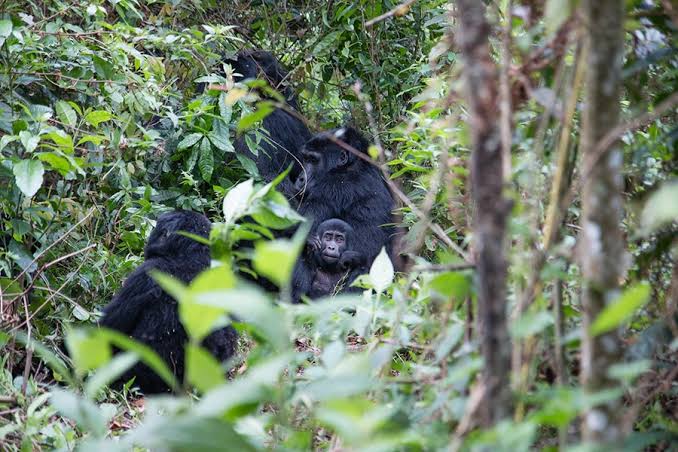
Mountain gorillas remained largely unknown to the outside world until the early twentieth century when explorers and scientists began documenting the wildlife of the Albertine Rift. At that time, mountain gorillas occupied dense forests across present-day Uganda, Rwanda, and the Democratic Republic of Congo.
Because these forests were extremely difficult to penetrate, very little was understood about gorilla behaviour, social organisation, feeding habits, communication, or reproduction. Local communities had lived alongside the forests for generations, but scientific information about mountain gorillas remained limited.
As researchers gradually entered these forests, they discovered that mountain gorillas were highly intelligent, social animals living in closely bonded family groups led by dominant silverbacks. These discoveries transformed scientific understanding and laid the foundation for modern gorilla conservation.
Travellers interested in the remarkable history of Uganda’s gorillas often combine the Gorilla Habituation Experience with a visit to Bwindi Impenetrable National Park, where many of these conservation milestones have taken place.
Threats That Nearly Drove Mountain Gorillas to Extinction
During much of the twentieth century, mountain gorillas faced enormous threats. Widespread deforestation reduced their habitat as forests were cleared for agriculture, timber, and settlement. Illegal hunting, although rarely targeting gorillas directly, resulted in numerous injuries and deaths from snares set for other wildlife.
Civil unrest in parts of Central Africa further complicated conservation efforts. Protected areas became difficult to patrol, while illegal activities increased within gorilla habitats. Human population growth around the forests also intensified pressure on natural resources.
Disease emerged as another significant threat because mountain gorillas share approximately 98 percent of their DNA with humans. Respiratory illnesses, influenza, and other infectious diseases can easily pass between humans and gorillas, making strict health protocols essential during every Gorilla Habituation Experience.
By the 1980s, conservationists realised that without immediate intervention, mountain gorillas faced an uncertain future. This recognition inspired stronger conservation programmes that continue to protect the species today.
The Creation of Bwindi Impenetrable National Park
A major turning point in Uganda’s conservation history occurred when Bwindi was officially designated as a national park in 1991. This decision provided stronger legal protection for one of Africa’s oldest tropical rainforests and the mountain gorillas living within it.
The creation of the park enabled Uganda Wildlife Authority to strengthen anti-poaching patrols, scientific monitoring, ecological research, tourism management, and community conservation programmes. Forest destruction declined significantly, allowing wildlife populations to recover.
Recognition of Bwindi’s global ecological importance continued when UNESCO declared it a World Heritage Site because of its exceptional biodiversity and ancient rainforest ecosystem.
Visitors participating in the Gorilla Habituation Experience today directly benefit from decades of conservation investment that transformed Bwindi into one of Africa’s leading wildlife destinations. More about the park’s importance can be found in this guide to Bwindi National Park.
The Beginning of Gorilla Research in Uganda
Scientific research became one of the most important components of mountain gorilla conservation. Researchers began spending extended periods inside the forest documenting gorilla family structures, communication, feeding behaviour, breeding patterns, home ranges, nesting sites, and social interactions.
Unlike short wildlife observations, these studies required researchers to locate the same gorilla families repeatedly over many months and years. At first, the gorillas naturally viewed humans as potential threats and frequently moved away before detailed observations could be made.
This challenge inspired researchers to develop gradual, respectful methods of reducing the gorillas’ fear without interfering with their natural behaviour. These methods eventually became the foundation of the Gorilla Habituation Experience.
The scientific information collected during these years remains invaluable for conservation planning, veterinary care, tourism management, and population monitoring.
How Gorilla Habituation Was Developed
The Gorilla Habituation Experience evolved from the long-term process of helping wild gorilla families become comfortable with the controlled presence of researchers. Habituation is never rushed because every gorilla family responds differently to humans.
Researchers initially observe gorillas from a considerable distance while carefully monitoring their reactions. Over time, the animals gradually become accustomed to seeing familiar researchers who consistently behave calmly and predictably.
Every visit allows researchers to understand the personalities of individual gorillas, identify dominant silverbacks, monitor infants, recognise family relationships, and record behavioural changes. As confidence grows, observation distances may slowly decrease without causing unnecessary stress to the gorillas.
The Gorilla Habituation Experience allows visitors to witness part of this remarkable scientific process while respecting strict conservation rules that prioritise gorilla welfare above tourism.
The Role of Uganda Wildlife Authority
The Uganda Wildlife Authority (UWA) has played a central role in developing and managing the Gorilla Habituation Experience. UWA oversees permit allocation, ranger training, conservation policies, tourism regulation, research coordination, veterinary collaboration, and community partnerships.
Before any gorilla family is considered suitable for habituation tourism, UWA evaluates its behaviour, health, location, conservation needs, and the progress made by researchers. Only families demonstrating appropriate tolerance toward controlled human presence are introduced into the programme.
UWA also determines the number of visitors allowed each day, ensuring that tourism never compromises the wellbeing of the gorillas. Strict visitor limits make the Gorilla Habituation Experience one of Africa’s most exclusive wildlife encounters.
Travellers planning their safari should secure their gorilla permits well in advance because availability remains extremely limited throughout the year.
The Contribution of Researchers and Veterinary Teams
The Gorilla Habituation Experience would not exist without the dedication of researchers, veterinarians, trackers, and conservation organisations working inside Bwindi every day. These professionals continuously monitor gorilla health, family dynamics, feeding behaviour, births, injuries, and disease risks.
Veterinary teams are particularly important because mountain gorillas remain vulnerable to diseases transmitted by humans. Veterinary interventions are carefully planned to minimise disturbance while protecting the long-term health of the gorilla population.
Researchers also collect genetic information, behavioural observations, ecological data, and population statistics that guide future conservation decisions. Every Gorilla Habituation Experience contributes financially to supporting these ongoing scientific efforts.
Visitors often gain a deeper appreciation for conservation after seeing firsthand how much effort is required to protect one endangered gorilla family.
From Research Activity to Tourism Experience
As habituation techniques became increasingly successful, conservation authorities recognised that carefully managed tourism could generate additional funding for mountain gorilla conservation while educating visitors about the importance of protecting endangered wildlife.
Rather than transforming habituation into mass tourism, Uganda developed an exclusive model allowing only a very small number of visitors to accompany researchers each day. This approach preserves the scientific integrity of the programme while generating sustainable conservation revenue.
The Gorilla Habituation Experience differs from standard gorilla trekking because visitors participate in an active conservation process rather than observing a fully habituated gorilla family. This educational element has become one of the experience’s greatest attractions.
Many visitors choose to combine the Gorilla Habituation Experience with a traditional gorilla trekking safari to appreciate the differences between the two activities.
How Local Communities Became Conservation Partners
One of Uganda’s greatest conservation achievements has been involving neighbouring communities in protecting mountain gorillas. Before tourism developed, many local families depended heavily on forest resources for survival. Today, tourism provides alternative sources of income through employment, guiding, accommodation, transport, handicrafts, agriculture, and cultural experiences.
Revenue generated from the Gorilla Habituation Experience supports conservation projects while also benefiting communities surrounding Bwindi. Schools, health facilities, infrastructure improvements, and livelihood programmes have all benefited from tourism-related income.
This partnership has strengthened local support for protecting mountain gorillas because communities increasingly recognise that healthy wildlife populations create long-term economic opportunities.
Travellers can further support community conservation by participating in nearby Batwa cultural experiences before or after their Gorilla Habituation Experience.
International Recognition of Uganda’s Conservation Success
Uganda’s Gorilla Habituation Experience has become internationally recognised as one of the world’s most exceptional wildlife encounters. Conservation organisations, wildlife photographers, filmmakers, researchers, and safari enthusiasts travel from across the globe to witness this unique conservation programme.
The continued growth of mountain gorilla populations within the Bwindi ecosystem demonstrates the effectiveness of Uganda’s conservation strategies. Anti-poaching patrols, veterinary care, responsible tourism, scientific monitoring, habitat protection, and community participation continue to strengthen the future of the species.
The Gorilla Habituation Experience has become an outstanding example of how carefully managed tourism can directly support wildlife conservation while offering visitors an unforgettable educational experience.
The Future of the Gorilla Habituation Experience
The future of the Gorilla Habituation Experience depends on maintaining a careful balance between conservation, scientific research, tourism, and community development. Uganda Wildlife Authority continues to evaluate each gorilla family individually before introducing it into the habituation programme.
Future conservation efforts will increasingly focus on protecting gorilla habitat, reducing disease transmission, strengthening community partnerships, combating climate change, and improving scientific understanding of mountain gorilla behaviour.
Technology is also playing a growing role in conservation through GPS monitoring, genetic research, digital data collection, veterinary diagnostics, and improved communication between field teams. However, the core principles of gorilla habituation remain unchanged: patience, respect for wildlife, and minimal disturbance.
Visitors who participate in the Gorilla Habituation Experience become part of this continuing conservation story. Their permit fees help finance ranger patrols, research, veterinary care, habitat protection, and local community programmes that ensure future generations will also have the opportunity to encounter mountain gorillas in their natural rainforest home.
Why Uganda Became the Home of the Gorilla Habituation Experience
Uganda’s combination of exceptional mountain gorilla habitat, experienced conservation professionals, progressive wildlife management, and responsible tourism policies has made the country the global leader in the Gorilla Habituation Experience. Few wildlife experiences allow visitors to spend up to four hours with a semi-habituated mountain gorilla family while actively supporting scientific research and conservation.
Today, the Gorilla Habituation Experience represents the culmination of decades of dedication by researchers, Uganda Wildlife Authority, veterinary teams, local communities, conservation organisations, and responsible safari operators. It demonstrates that wildlife tourism can protect endangered species while creating meaningful educational experiences for visitors from around the world.
Travellers seeking this once-in-a-lifetime adventure should plan carefully, reserve permits early, and work with experienced specialists who understand the conservation significance of every Gorilla Habituation Experience. For those wishing to extend their safari, combining the experience with chimpanzee habituation creates one of Africa’s most rewarding primate conservation journeys.
Gorilla Habituation Experience vs Gorilla Trekking
Choosing between the Gorilla Habituation Experience and standard gorilla trekking is one of the most important decisions when planning a mountain gorilla safari in Uganda. Both activities provide an exceptional opportunity to observe mountain gorillas in their natural rainforest habitat, but they differ significantly in viewing time, group size, permit cost, gorilla behaviour, physical demands, photography opportunities, and the overall depth of the encounter.
The Gorilla Habituation Experience is designed for travellers who want a longer, more educational, and highly immersive encounter with a semi-habituated mountain gorilla family. Standard gorilla trekking is suitable for visitors who want the classic mountain gorilla experience with a fully habituated family and a shorter official observation period. Understanding this detailed comparison will help travellers select the activity that best matches their interests, fitness level, available time, and safari budget.
What Is the Main Difference?
The main difference between the two activities is the amount of time visitors are permitted to spend with the mountain gorillas after locating them. During the Gorilla Habituation Experience, participants can spend up to four hours with a semi-habituated gorilla family. During standard gorilla trekking, visitors normally spend one hour with a fully habituated family.
The Gorilla Habituation Experience is part of the gradual conservation process through which wild mountain gorillas become familiar with the controlled presence of researchers, trackers, rangers, and visitors. Participants accompany professionals who are monitoring the gorillas and studying how individual family members respond to human presence. This makes habituation more educational and research-focused than an ordinary wildlife-viewing activity.
Standard gorilla trekking involves visiting a family that has already completed the habituation process and has been approved for regular tourism. The gorillas are accustomed to seeing small groups of visitors each day, although they remain completely wild and continue behaving naturally inside the forest.
Gorilla Habituation Experience and Gorilla Trekking Comparison Table
| Comparison | Gorilla Habituation Experience | Standard Gorilla Trekking |
|---|---|---|
| Official time with gorillas | Up to four hours after the official observation period begins | One hour after the gorilla family is located |
| Type of gorilla family | Semi-habituated mountain gorilla family | Fully habituated mountain gorilla family |
| Visitor group size | Usually limited to four visitors | Usually limited to eight visitors per gorilla family |
| Location in Uganda | Primarily offered in the Rushaga sector of Bwindi | Available in Bwindi and Mgahinga Gorilla National Parks |
| Permit price | More expensive because of the extended and specialised experience | Lower than the Gorilla Habituation Experience permit |
| Nature of the activity | Research-oriented, immersive, and educational | Primarily focused on wildlife observation |
| Gorilla behaviour | Gorillas may be more cautious, mobile, or unpredictable | Gorillas are generally more accustomed to controlled human presence |
| Photography time | More time to wait for changing light, positions, and behaviour | Limited to the regulated one-hour viewing period |
| Physical demands | Can be more demanding because of the longer forest activity | Varies according to the location of the assigned gorilla family |
| Availability | Very limited because few permits are issued | More permits are available across several trekking sectors |
| Ideal traveller | Photographers, conservation enthusiasts, researchers, and repeat visitors | First-time visitors and travellers with limited time or budget |
Difference in Time Spent with the Gorillas
The four-hour observation period is the greatest advantage of the Gorilla Habituation Experience. Visitors have enough time to settle into the encounter and observe how the family’s behaviour changes throughout the morning or afternoon. They may see gorillas feeding, resting, grooming, playing, climbing, communicating, travelling, and caring for infants.
Four hours also provide time to recognise individual personalities. A dominant silverback may remain protective and observant, adult females may concentrate on feeding or caring for young gorillas, and juveniles may play energetically in the vegetation. The longer encounter creates opportunities to notice details that could easily be missed during a shorter visit.
During standard trekking, the official one-hour viewing period begins when the assigned gorilla family is located. One hour is enough to enjoy a powerful and memorable encounter, take photographs, observe social behaviour, and listen to explanations from the ranger. However, the experience can feel brief, particularly for photographers and travellers who have journeyed a long distance specifically to see mountain gorillas.
Difference in Gorilla Families
Gorilla Habituation Experience participants visit a semi-habituated family that is still learning to accept the controlled presence of humans. The gorillas may remain calm for part of the encounter and then move away, hide in dense vegetation, change direction, or observe visitors cautiously. Their reactions help researchers determine how far the family has progressed through the habituation process.
Standard gorilla trekkers visit a fully habituated family. Fully habituated does not mean domesticated or tame. It means researchers have spent several years helping the family understand that carefully managed human visitors do not represent an immediate threat. These gorillas remain wild, choose where to travel, and are never fed or physically controlled by tourism personnel.
Travellers should remember that no two gorilla encounters are identical. The visibility, movement, activity, and behaviour of the assigned families depend on weather, feeding conditions, forest location, group dynamics, and the decisions of the dominant silverback.
Difference in Group Size and Exclusivity
The Gorilla Habituation Experience is more exclusive because visitor numbers are normally restricted to four participants per designated gorilla family. The smaller group reduces crowding, provides more space for observation, and allows participants to communicate more closely with researchers, trackers, and rangers.
Standard gorilla trekking groups normally include up to eight visitors assigned to one habituated family. Eight remains a carefully controlled number and allows the Uganda Wildlife Authority to manage tourism pressure while generating essential conservation revenue. However, photographers may need to coordinate positions with more participants during the one-hour encounter.
The smaller habituation group is particularly valuable when the gorillas are positioned within dense vegetation or on a narrow forest slope. Participants may find it easier to change viewing positions gradually and listen to detailed explanations without disturbing the family.
Difference in Permit Cost
A Gorilla Habituation Experience permit costs considerably more than a standard Uganda gorilla trekking permit. The higher price reflects the additional time with the gorillas, the limited number of daily participants, the presence of specialised conservation personnel, and the research-oriented nature of the activity.
Standard gorilla trekking is the more affordable choice and is therefore suitable for travellers working within a moderate safari budget. The permit still contributes directly to mountain gorilla conservation, ranger patrols, protected-area management, veterinary monitoring, and tourism revenue-sharing programmes involving neighbouring communities.
Permit prices may vary by traveller category and travel year. Visitors should confirm current permits and rates before paying for flights or non-refundable accommodation. Gorilla permits are date-specific and subject to limited availability, making advance reservation essential for both activities.
Difference in Location and Availability
The Gorilla Habituation Experience is primarily conducted in the Rushaga sector of southern Bwindi Impenetrable National Park. Travellers must stay within or near the correct sector because briefing begins early and transferring from another part of Bwindi on the same morning may be impractical.
Standard gorilla trekking is available in the Buhoma, Ruhija, Rushaga, and Nkuringo sectors of Bwindi Impenetrable National Park. It is also available in Mgahinga Gorilla National Park, where visitors can trek the Nyakagezi mountain gorilla family when permits are available.
Because several habituated families are available for standard tourism, ordinary trekking permits are generally easier to secure than Gorilla Habituation Experience permits. However, both activities can sell out during popular travel months, including June, July, August, September, December, January, and February.
Difference in the Depth of the Experience
The Gorilla Habituation Experience provides more time for interpretation and learning. Researchers and rangers may explain how gorillas are identified, how behaviour is recorded, how nesting sites are monitored, and how conservationists assess the family’s response to human presence.
Participants may witness researchers taking notes, identifying individual gorillas, observing family relationships, or documenting feeding patterns. This access provides a deeper understanding of the scientific work required to protect mountain gorillas within Bwindi.
Standard gorilla trekking remains highly educational, and rangers explain the family’s history, individual members, conservation status, and behaviour. The principal difference is that the shorter observation period places greater emphasis on enjoying the immediate encounter rather than observing an ongoing habituation process.
Which Experience Is More Physically Demanding?
Both activities require participants to walk through mountainous rainforest terrain, but the Gorilla Habituation Experience can be more physically demanding. Semi-habituated gorillas may travel farther or move more frequently when people approach, requiring participants to follow them carefully through dense vegetation.
The entire Gorilla Habituation Experience can occupy much of the day. The four-hour observation period does not include all the time required to reach the family and return to the starting point. Visitors may spend additional hours climbing forested hills, crossing muddy ground, stepping over roots, and moving through thick undergrowth.
Standard trekking can also be challenging because the location of the assigned gorilla family cannot be guaranteed in advance. Some groups find the gorillas relatively quickly, while others walk for several hours. Travellers should review the expected difficulty, prepare physically, wear appropriate footwear, and hire a porter regardless of which activity they choose.
Which Experience Is Better for Photography?

The Gorilla Habituation Experience generally provides better opportunities for serious wildlife photography because participants have up to four hours with the gorillas. The extended period allows photographers to wait for animals to move into clearer positions, experiment with camera settings, observe changing light, and capture a wider range of behaviour.
Photographers may witness feeding, grooming, infant care, juvenile play, silverback displays, climbing, resting, and movement through the forest. However, semi-habituated gorillas can be more mobile and may remain partly hidden by leaves, branches, or vines. More time does not guarantee completely unobstructed photographs.
Standard gorilla trekking is also excellent for photography, especially when the gorilla family is resting in an open area. Visitors must work more efficiently because the one-hour observation period passes quickly. Preparing camera settings before entering the forest helps photographers avoid losing valuable time.
Which Experience Offers Better Gorilla Behaviour Observation?
The Gorilla Habituation Experience is the stronger choice for travellers interested in observing mountain gorilla behaviour in detail. Four hours allow participants to see transitions between different activities rather than a single moment in the family’s day.
Visitors may watch an adult female feed before grooming an infant, see juveniles change from resting to energetic play, or observe how a silverback responds when the family begins moving. These behavioural sequences provide a deeper understanding of social relationships and family organisation.
Standard gorilla trekking still provides extraordinary behavioural observations, but the encounter depends heavily on what the family is doing during the assigned hour. Gorillas may be highly active, or they may spend much of the period resting and feeding quietly.
Which Experience Is Better for First-Time Visitors?
Standard gorilla trekking is often the most suitable option for first-time visitors. It offers the complete mountain gorilla experience at a lower permit cost, requires less time with the family, and is available across more trekking sectors. It is also easier to combine with other destinations when the traveller has a short holiday.
The Gorilla Habituation Experience can still be an excellent first encounter for someone with a strong interest in primates, conservation, research, or wildlife photography. A traveller does not need to complete standard trekking before participating in habituation.
The final choice should depend on the traveller’s priorities rather than previous safari experience. Someone who has dreamed of spending as much time as possible with mountain gorillas may value habituation more, while a visitor combining gorillas with several other Ugandan attractions may prefer standard trekking.
Which Experience Is Better for Repeat Gorilla Visitors?
Travellers who have previously completed standard gorilla trekking often choose the Gorilla Habituation Experience for a different and deeper perspective. The longer encounter provides an opportunity to slow down, recognise individual behaviour, and understand the research behind gorilla tourism.
Repeat visitors may also choose two separate activities during the same journey. They can complete one habituation experience and one standard trek on different days, subject to permit availability. This combination allows them to compare semi-habituated and fully habituated gorilla groups directly.
Those planning multiple encounters should reserve both activities during the initial booking process. Waiting until arrival may result in permit unavailability, particularly during the busiest travel periods.
Travel Time and Safari Duration
Both activities require visitors to arrive near the correct park sector at least one day before the forest experience. Travellers entering through Rwanda can reach southern Bwindi by road from Kigali, making Rushaga convenient for short two-day or three-day safaris.
Visitors arriving through Entebbe can travel to Bwindi by road or use a scheduled domestic flight to Kisoro or Kihihi, depending on the designated sector. A road journey provides more opportunities to explore Uganda, while a domestic flight reduces travel time.
A standard gorilla trek can be included in a two-day trip from Kigali, although three days provide a more comfortable schedule. A Gorilla Habituation Experience is also possible within a short itinerary, but adding an extra night allows participants to rest properly after the demanding forest activity.
Accommodation Considerations
The accommodation selected for either activity must correspond with the sector shown on the permit. A visitor holding a Rushaga habituation permit should stay near Rushaga rather than in Buhoma or Ruhija. The different sectors are separated by mountainous roads, and transfers can take several hours.
Travellers can choose among budget guesthouses, mid-range safari lodges, upper mid-range properties, and luxury forest retreats. The best choice depends on the desired comfort level, access road, distance from the briefing point, room type, meal arrangements, and overall safari budget.
Booking suitable accommodation close to the correct starting point reduces morning travel time and helps participants arrive rested and prepared for the forest.
Conservation Value of Both Experiences
Both Gorilla Habituation Experience permits and standard trekking permits support mountain gorilla protection. Permit revenue contributes to ranger operations, scientific monitoring, veterinary care, anti-poaching activities, habitat management, tourism administration, and community revenue-sharing initiatives.
The Gorilla Habituation Experience is closely connected to research because participants accompany personnel involved in monitoring a family that has not completed the habituation process. Standard trekking supports conservation by generating sustainable income from already habituated families while maintaining strict visitor limits.
Neither activity should be viewed as more responsible solely because of its price or duration. Both are carefully regulated forms of wildlife tourism that contribute to mountain gorilla conservation when visitors follow park rules and book through responsible operators.
Is the Gorilla Habituation Experience Worth the Additional Cost?
The Gorilla Habituation Experience is worth the additional cost for travellers who place high value on extended observation, exclusivity, conservation learning, and photography. Spending up to four hours with a semi-habituated family creates time to observe subtle behaviour and develop a deeper appreciation for the complexity of gorilla society.
However, standard gorilla trekking should not be considered an inferior experience. One hour with mountain gorillas can be emotionally powerful and may satisfy travellers who are visiting gorillas for the first time, working within a limited budget, or combining the activity with several other safari destinations.
The value of each experience is personal. A dedicated wildlife photographer may consider habituation essential, while a family completing a broader East African holiday may find standard trekking more practical. The best activity is the one that matches the traveller’s interests, physical ability, schedule, and budget.
Can Travellers Complete Both Experiences?
Travellers can complete both the Gorilla Habituation Experience and standard gorilla trekking on separate days. This is one of the best options for primate enthusiasts because it provides two distinct encounters and increases the total time spent observing mountain gorillas.
The first day may involve the extended Gorilla Habituation Experience with a semi-habituated family, followed by a standard trek with a fully habituated family on another day. A rest day can be placed between the activities for travellers concerned about fatigue.
Both permits must be purchased separately, and availability should be confirmed before reserving accommodation. The itinerary may also include Lake Bunyonyi, Lake Mutanda, golden monkey tracking, a Batwa cultural experience, Queen Elizabeth National Park, or chimpanzee tracking in Kibale National Park.
Which Gorilla Experience Should You Choose?
Choose the Gorilla Habituation Experience when your priority is spending the maximum permitted time with mountain gorillas, learning about the habituation process, joining a smaller visitor group, and creating more varied photographic opportunities. It is especially suitable for conservation enthusiasts, photographers, researchers, primate lovers, and repeat gorilla visitors.
Choose standard gorilla trekking when you want the classic encounter at a lower permit price, prefer a shorter observation period, have limited holiday time, or need greater flexibility in selecting a Bwindi sector. It remains one of the most rewarding wildlife experiences in Africa.
Travellers who have sufficient time and budget should consider completing both activities. Experiencing a semi-habituated family and a fully habituated family provides the most comprehensive understanding of mountain gorilla tourism and conservation in Uganda.
Safari Vacations and Travel Services Ltd can arrange permits, transport, suitable lodging, border transfers, domestic flights, porters, and additional activities for either experience. A properly organised safari ensures that every part of the itinerary corresponds with the permit date, designated sector, travel route, and preferred level of comfort.
Gorilla Habituation Experience Permit
A Gorilla Habituation Experience permit is an official authorisation allowing one eligible visitor to participate in the extended mountain gorilla habituation activity in Uganda on a specific date. The permit is issued through the Uganda Wildlife Authority and is required before a traveller can join researchers, trackers, rangers, and guides inside Bwindi Impenetrable National Park.
The Gorilla Habituation Experience permit should not be confused with a standard gorilla trekking permit. A standard permit provides one regulated hour with a fully habituated mountain gorilla family after it has been located, while a Gorilla Habituation Experience permit allows up to four hours with a semi-habituated family after the official observation period begins.
Because only a small number of Gorilla Habituation Experience permits are released for each available date, travellers should treat permit confirmation as the first and most important stage of planning their safari. This detailed guide explains the general process of obtaining authorisation to visit Uganda’s mountain gorillas.
Why a Gorilla Habituation Experience Permit Is Required
The Gorilla Habituation Experience takes place within a protected national park and involves close observation of critically important wildlife. Uncontrolled access would expose mountain gorillas to excessive human disturbance, disease transmission, habitat damage, noise, stress, and other risks. Uganda therefore uses a strict permit system to regulate how many people enter the forest and how many visitors approach each designated gorilla family.
The permit system also helps the Uganda Wildlife Authority organise rangers, trackers, researchers, briefing groups, security personnel, and conservation teams. Every confirmed participant is assigned to an approved activity on a fixed date, allowing park management to prevent overcrowding and monitor the frequency of human contact with each gorilla family.
Permit revenue contributes to mountain gorilla protection, ranger patrols, habitat conservation, veterinary monitoring, tourism management, and community programmes around protected areas. Travellers can learn more about the conservation purpose of a gorilla permit before confirming their safari.
What the Gorilla Habituation Experience Permit Includes
A Gorilla Habituation Experience permit provides entry into the designated part of Bwindi Impenetrable National Park for the scheduled activity. It also covers the services of the Uganda Wildlife Authority personnel assigned to guide, monitor, and protect visitors during the forest experience.
Participants are normally accompanied by professional rangers, trackers, guides, and members of the habituation or research team. Their services are essential because semi-habituated gorillas move freely through dense rainforest and cannot be approached without authorised conservation personnel.
The permit allows the holder to spend up to four hours observing the designated semi-habituated mountain gorilla family after the official observation period begins. The time spent walking through the forest before reaching the gorillas and returning after the encounter is not generally counted as part of the four-hour observation period.
The permit does not usually include accommodation, meals outside the park activity, transportation to Bwindi, international flights, domestic flights, visas, porter services, personal travel insurance, tips, or personal expenses. These arrangements must be included separately in the traveller’s safari package.
Who Issues Gorilla Habituation Experience Permits?
Gorilla Habituation Experience permits are issued and controlled by the Uganda Wildlife Authority. UWA is responsible for managing Uganda’s national parks, protecting wildlife, regulating tourism activities, training rangers, monitoring gorilla families, and determining how many visitors may participate each day.
Availability is managed through an official reservation system that authorised tour operators use to check dates and secure permits for confirmed clients. Travellers should not rely on an informal promise, screenshot, verbal assurance, or unverified document as evidence that a permit has been secured.
A confirmed booking should include the correct participant details, activity date, designated location, and official reservation information. This article about online booking provides further background on how permit availability is managed.
How Many Gorilla Habituation Permits Are Available Each Day?
The Gorilla Habituation Experience is deliberately limited to a very small number of participants. A designated semi-habituated mountain gorilla family is normally visited by not more than four tourists during the activity. This is significantly fewer than the maximum number generally allowed to visit a fully habituated family during standard gorilla trekking.
The limited group size protects the gorillas from excessive disturbance and creates a quieter environment for researchers to continue monitoring the family. It also provides visitors with more space to observe behaviour, listen to explanations, and take photographs without a large group competing for the same position.
Daily permit availability depends on the number of gorilla families currently approved for the Gorilla Habituation Experience. Conservation authorities may change which families are involved according to research priorities, family behaviour, health, movement, and progress through the habituation process.
Travellers should therefore request an availability check rather than assuming that four spaces will automatically be available on every date. This detailed timeline can help visitors understand why early planning is important.
Minimum Age for the Gorilla Habituation Experience
The minimum age for participating in Uganda’s Gorilla Habituation Experience is generally 15 years. This requirement applies even when a younger traveller is physically strong, accustomed to hiking, or accompanied by a parent or guardian.
The age restriction exists because the activity can involve long hours in difficult rainforest terrain, strict behavioural instructions, unpredictable wildlife movements, and prolonged periods of quiet observation. Participants must be mature enough to remain calm, follow ranger instructions, avoid sudden movements, and respond appropriately if a gorilla approaches.
Disease prevention is another important reason for the minimum age. Younger children can carry common respiratory infections and may find it more difficult to control coughing, sneezing, excitement, or fear during a close wildlife encounter.
Parents travelling with teenagers should confirm each child’s age before purchasing permits. Passport details may be required during reservation and verification. More information is available in this detailed age guide.
Information Required to Book the Permit
To reserve a Gorilla Habituation Experience permit, the traveller normally provides their full name exactly as it appears in the passport, nationality, passport number, preferred activity date, and alternative dates. Providing accurate information prevents delays, identity discrepancies, and complications when the permit is verified.
The traveller should also indicate whether they are a foreign non-resident, foreign resident, citizen of another African country, or East African Community citizen. Permit prices are determined by visitor category, and documents may be required to prove eligibility for resident or citizen rates.
A clear passport copy is often requested by the tour operator to ensure that names, nationality, and identification details are recorded correctly. The passport used during booking should also be carried to the park because it may be checked during registration.
Travellers should never submit shortened names, nicknames, unofficial spellings, or passport details that are likely to change before the safari. Accurate personal details help prevent problems on the activity date.
Step-by-Step Permit Booking Process
The booking process normally begins when a traveller sends their preferred date, alternative dates, number of participants, nationalities, and intended travel route to a licensed Ugandan tour operator. The operator checks availability through the appropriate Uganda Wildlife Authority reservation channel.
When permits are available, the operator informs the traveller and provides payment instructions. Availability should be acted upon quickly because checking a date does not necessarily reserve or hold the spaces permanently.
After receiving the required payment, the operator completes the reservation and secures the permits. The traveller should then receive written confirmation showing that the activity has been booked for the agreed date.
The remaining safari arrangements, including accommodation, transport, meals, border transfers, and domestic flights, should only be finalised around the confirmed permit date and location. This detailed process explains important considerations before making payment.
Can Travellers Book Directly?
Permit booking rules can vary according to traveller category and Uganda Wildlife Authority procedures. In practice, many international travellers use a licensed Ugandan tour operator because the operator can check availability, arrange payment, collect or manage the permit confirmation, and coordinate the rest of the safari.
Using an experienced operator is particularly helpful because the Gorilla Habituation Experience is connected to a specific location. The operator can ensure that the traveller books accommodation near the correct briefing point and that transport arrives on time.
A tour operator can also suggest alternative dates when the preferred date is unavailable. This is valuable when international flights have not yet been purchased or when the traveller has flexibility within a longer East African itinerary.
Travellers considering independent arrangements can read this information about direct purchases before deciding how to proceed.
How Far in Advance Should the Permit Be Booked?
Gorilla Habituation Experience permits should ideally be reserved several months before travel. Visitors planning to travel during June, July, August, September, December, January, or February should consider booking six to twelve months in advance whenever possible.
The Gorilla Habituation Experience has fewer spaces than standard gorilla trekking, so even travellers visiting during quieter months should avoid waiting until the final weeks. A particular date may become unavailable because only a small number of participants can be accepted.
Early booking is especially important for couples, families with eligible teenagers, photographers travelling with assistants, and groups that need all participants on the same date. Finding one remaining permit is easier than locating several spaces together.
Travellers planning a future journey can review this update about reserving a Gorilla Habituation Experience for 2027.
Peak-Season Permit Availability
Peak travel periods generally coincide with Uganda’s drier months, when forest trails may be easier to navigate, and many international travellers take their annual holidays. Demand for both gorilla trekking and Gorilla Habituation Experience permits increases during these periods.
A permit can sell out even when accommodation is still available. Travellers should therefore never assume that finding a lodge room means the Gorilla Habituation Experience can also be booked for the same date.
The safest planning sequence is to confirm permit availability first, secure the permit, and then reserve accommodation. International flights should ideally provide flexibility until the activity date has been confirmed.
Visitors who are uncertain about demand can use this planning resource to estimate a suitable reservation window.
Last-Minute Gorilla Habituation Permits
Last-minute Gorilla Habituation Experience permits may occasionally become available because of cancellations, changes in group numbers, or spaces that were not previously sold. However, travellers should never build an entire international holiday around the expectation of finding a last-minute permit.
Availability can change rapidly, and the required accommodation may also be limited. Even when a permit is found, travellers still need enough time to organise transportation to southern Bwindi and arrive before the early-morning briefing.
Flexible travellers have the best chance of finding a late permit. They should provide several possible dates, remain open to different accommodation categories, and be prepared to make prompt payment after availability is confirmed.
A last-minute request should always be checked through an authorised source rather than an informal reseller. This general availability guide explains some of the challenges associated with late bookings.
Payment for a Gorilla Habituation Permit
A Gorilla Habituation Experience permit is only considered secured after the required payment has been received, and the reservation has been completed. An enquiry, quotation, invoice, or availability check does not automatically guarantee a space.
Travellers should use the payment method provided by the licensed tour operator and retain all receipts, bank confirmations, transaction references, and written correspondence. The participant names and activity date should be shown correctly on the final confirmation.
Because the permit represents a substantial and time-sensitive payment, travellers should verify the tour operator’s identity, company details, bank information, and booking terms before transferring funds. Payments should only be sent to officially communicated accounts.
The tour operator may request full payment for the permit even when the rest of the safari is secured through a percentage deposit. This is because permit funds must be transferred promptly to prevent the spaces from being released.
Can a Permit Be Reserved Without Payment?
A traveller should not assume that a permit can be held indefinitely without payment. An operator may check availability and temporarily begin the reservation process, but Uganda Wildlife Authority deadlines and system procedures determine how long any provisional arrangement remains valid.
During periods of strong demand, another confirmed buyer may secure the available spaces if payment is delayed. Travellers should therefore request payment instructions only when they are ready to proceed.
When a tour operator provides a deadline, the traveller should complete payment before that deadline or request a fresh availability check. A delayed transfer can result in losing the preferred date and needing to redesign the itinerary.
Permit Date and Location
A Gorilla Habituation Experience permit is valid only for the date and location stated in the confirmed reservation. It cannot be used on any convenient day during the traveller’s holiday.
The permit date determines when the traveller must arrive in Bwindi, where they should stay the previous night, and when onward travel can be arranged. Travellers should arrive near the activity location at least one day before the experience.
Missing the scheduled date because of a delayed flight, border problem, illness, transport failure, or personal scheduling mistake may result in losing the permit without receiving the full value back. Adequate travel time and reliable transportation are therefore essential.
Visitors should also avoid scheduling a long international transfer immediately after the Gorilla Habituation Experience because the forest activity can continue for much of the day.
Can the Permit Date Be Changed?
Changing a Gorilla Habituation Experience permit date is not guaranteed. Any amendment depends on Uganda Wildlife Authority rules, advance notice, permit availability on the new date, and the circumstances surrounding the request.
A date change should never be treated as a simple hotel amendment. Because permits are limited and connected to a specific conservation activity, changing the date may involve administrative procedures, charges, or cancellation conditions.
Travellers who become aware of a scheduling problem should contact their tour operator immediately. Early communication offers a better chance of finding a workable solution than waiting until the final days before the activity.
International flights, leave dates, and other non-refundable arrangements should be checked carefully before the permit is secured.
Permit Cancellation and Refund Conditions
Gorilla Habituation Experience permits are governed by strict cancellation conditions. The amount that may be refunded generally depends on how far in advance the cancellation is made and whether the permit was fully paid.
Refund percentages, administrative charges, and processing requirements may change, so travellers should request the applicable written policy before booking. The operator’s tour cancellation terms may also be separate from Uganda Wildlife Authority’s permit refund rules.
Accommodation, transportation, domestic flights, and other safari services can have their own cancellation conditions. Receiving a partial permit refund does not automatically mean that every part of the tour is refundable.
Travellers should review this detailed refund explanation and purchase comprehensive travel insurance immediately after confirming the safari.
What Happens When a Traveller Is Ill?
A participant showing symptoms of a contagious illness may be prevented from joining the Gorilla Habituation Experience. Mountain gorillas are genetically close to humans and can contract respiratory and other infectious diseases.
Travellers should report fever, persistent coughing, influenza symptoms, diarrhoea, vomiting, or other potentially infectious conditions honestly. Concealing an illness could endanger an entire gorilla family and undermine years of conservation work.
Any possible refund or alternative arrangement depends on the applicable policy and assessment made at the activity location. Travellers should not assume that every illness automatically results in a full refund.
Comprehensive insurance should cover medical emergencies, trip interruption, and cancellation where possible. Visitors should also protect their health before the safari by resting, maintaining good hygiene, and avoiding unnecessary exposure to illness.
Passport and Permit Verification
Travellers should carry the original passport used during booking to the park registration point. The passport may be required to confirm identity, nationality, age, residency category, and eligibility for the permit purchased.
Foreign residents and citizens receiving a special category rate should carry the supporting documentation required to prove their status. Failure to provide appropriate evidence may result in additional payment or denial of participation.
The names in the booking confirmation should correspond with the passport. Any spelling error or passport change should be reported to the tour operator well before the safari.
Visitors should keep digital and printed copies of their passport, insurance policy, booking confirmation, emergency contacts, and payment receipts, while protecting these documents from loss or water damage.
Is the Permit Transferable?
Travellers should not assume that a Gorilla Habituation Experience permit can freely be given or sold to another person. Permit changes and transfers are controlled because visitor names, nationality, age, and pricing category are connected to the reservation.
A proposed replacement traveller may need to meet the same visitor-category requirements as the original permit holder. The Uganda Wildlife Authority or booking operator must approve any change before the new person can participate.
Anyone unable to travel should contact the operator rather than advertising the permit privately. Unauthorised resale creates a risk that the replacement visitor will be refused during registration.
What Happens If a Traveller Misses the Experience?
A traveller who arrives after the briefing and departure of the tracking team may not be allowed to join the group. Rangers must begin the activity on schedule, and delaying an entire conservation team for one participant is not always possible.
Missing the experience because of oversleeping, staying in the wrong sector, underestimating road conditions, or arriving in Bwindi on the same morning can result in losing the permit. Travellers should stay close to the correct starting point and confirm their departure time with the lodge and guide the previous evening.
International arrivals should include enough buffer time for delayed flights, immigration procedures, baggage collection, road transfers, and unexpected disruptions. A rushed itinerary places the entire permit investment at risk.
Why the Permit Should Be Secured Before Accommodation
The Gorilla Habituation Experience permit is more limited than lodge accommodation and determines the entire safari schedule. Reserving a lodge before confirming the permit can leave a traveller with a room but no authorisation to join the activity.
The correct booking sequence is to check the desired dates, secure the permit, identify the confirmed activity location, and then select suitable accommodation. This ensures that the lodge is within reasonable travelling distance of the briefing point.
Travellers should also avoid purchasing non-refundable international flights based only on an unconfirmed proposal. A professional operator can provide tentative routing while the permit check is completed.
Booking Several Permits for a Group
Groups should begin planning earlier than solo travellers because all participants normally want to join the experience on the same date. Finding four permits together is more difficult than finding one available space.
The group organiser should provide the correct passport details and visitor category for every participant. Payment must also be completed within the required reservation period to prevent individual spaces from being released.
When a group contains more participants than the maximum number allowed with one semi-habituated family, the operator must check whether another approved family or date is available. The group may need to divide across different days or combine habituation with standard trekking.
Travel Insurance and Permit Protection
A Gorilla Habituation Experience permit represents a major investment that is subject to strict conditions. Comprehensive travel insurance is therefore strongly recommended from the moment the permit and safari are confirmed.
The policy should ideally cover trip cancellation, illness, medical emergencies, missed international connections, baggage problems, emergency evacuation, and interruption caused by circumstances recognised by the insurer.
Travellers should read the exclusions carefully because not every reason for cancelling is covered. Fear of travel, a change of mind, passport problems, or failure to obtain a visa may not qualify unless the policy specifically includes them.
Insurance does not replace careful planning, but it provides valuable financial protection when an unexpected covered event prevents participation.
Why Book Through Safari Vacations and Travel Services Ltd?
Safari Vacations and Travel Services Ltd can check Gorilla Habituation Experience permit availability, secure the permit, match the correct lodge to the activity location, and arrange transportation from Entebbe, Kampala, Kigali, or other East African destinations.
The company can also coordinate domestic flights, border crossings, accommodation, porter arrangements, additional gorilla trekking, chimpanzee tracking, wildlife safaris, and cultural experiences. This creates one complete itinerary rather than several disconnected reservations.
Before payment, travellers receive a clear quotation explaining the services included and excluded. After the permit is secured, the remaining arrangements are built around the confirmed date to reduce logistical mistakes.
Travellers should share their preferred dates, alternative dates, number of participants, nationalities, accommodation level, arrival airport, and additional safari interests. This policy provides further information about booking conditions.
Final Permit Booking Advice
The Gorilla Habituation Experience permit should be the foundation of the entire safari plan. Travellers should confirm availability early, provide accurate passport information, understand the payment and cancellation conditions, and avoid booking accommodation in the wrong part of Bwindi.
Participants must be at least 15 years old, physically prepared for the forest, free from contagious illness, and willing to follow all instructions given by rangers and researchers. Carrying the correct identification and arriving on time are essential.
Because permit rules, prices, visitor categories, and availability can change, travellers should request current written confirmation when making a reservation rather than relying on an older article or previous safari experience.
With early preparation, a confirmed permit, suitable accommodation, and reliable transport, visitors can approach their Gorilla Habituation Experience with confidence and focus on the extraordinary opportunity to spend extended time with mountain gorillas in Bwindi Impenetrable National Park.
Gorilla Habituation Experience Permit Cost
The Gorilla Habituation Experience permit cost is one of the most important considerations when planning an extended mountain gorilla encounter in Uganda. The permit represents the largest individual expense within most Gorilla Habituation Experience safari packages because it provides exclusive access to a semi-habituated mountain gorilla family for up to four hours after the official observation period begins.
In 2026, the Gorilla Habituation Experience permit costs USD 1,500 per person for foreign non-residents, USD 1,000 per person for foreign residents, USD 1,000 per person for African citizens, and UGX 750,000 per person for East African Community citizens. New Gorilla Habituation Experience permit prices are scheduled to apply from January 1, 2027, including an increase to USD 1,800 for foreign non-residents and USD 1,600 for foreign residents.
Although the permit is expensive compared with many other Ugandan wildlife activities, it provides a rare combination of extended observation, conservation education, professional ranger support, research participation, and access to one of the world’s most endangered great apes. Travellers should consider the permit as both an entrance requirement and a direct contribution toward mountain gorilla protection. This detailed cost guide can help visitors understand the broader expenses involved in organising a gorilla safari.
Gorilla Habituation Experience Permit Prices for 2026
The 2026 Gorilla Habituation Experience permit price depends on the nationality and residency category of the traveller. The Uganda Wildlife Authority uses different permit categories to make the experience accessible to international visitors, foreign residents, African citizens, and East African Community citizens while continuing to generate sufficient income for conservation and protected-area management.
| Visitor Category | 2026 Gorilla Habituation Permit Cost | Official Viewing Time |
|---|---|---|
| Foreign Non-Resident | USD 1,500 per person | Up to four hours |
| Foreign Resident | USD 1,000 per person | Up to four hours |
| African Citizen | USD 1,000 per person | Up to four hours |
| East African Community Citizen | UGX 750,000 per person | Up to four hours |
Foreign non-residents include most international travellers visiting Uganda temporarily for tourism. Foreign residents must normally provide valid documentation proving their legal residency status in Uganda or another recognised qualifying country. African citizens and East African Community citizens must present valid passports, national identification documents, or other acceptable evidence of citizenship.
Travellers should confirm their correct category before making payment. Purchasing a lower-priced permit without being able to prove eligibility may result in additional charges, delays during registration, or refusal to participate. Visitors comparing Uganda with neighbouring destinations can review the regional prices before selecting where to undertake their gorilla adventure.
Gorilla Habituation Experience Permit Prices for 2027
From January 1, 2027, the Gorilla Habituation Experience permit price is scheduled to increase for foreign non-residents and foreign residents. The rate for African citizens and East African Community citizens is expected to remain unchanged under the published tariff structure.
| Visitor Category | 2027 Gorilla Habituation Permit Cost | Change from 2026 |
|---|---|---|
| Foreign Non-Resident | USD 1,800 per person | Increase of USD 300 |
| Foreign Resident | USD 1,600 per person | Increase of USD 600 |
| African Citizen | USD 1,000 per person | No published increase |
| East African Community Citizen | UGX 750,000 per person | No published increase |
The increase means that foreign non-residents planning a 2027 Gorilla Habituation Experience should include an additional USD 300 per person in their permit budget. A couple will therefore pay USD 3,600 for two foreign non-resident permits, while a group of four will pay USD 7,200 for permits alone.
Foreign residents will experience a larger increase, from USD 1,000 in 2026 to USD 1,600 in 2027. Eligible residents should therefore compare their travel dates carefully and provide all required residency documentation before the permit is purchased.
Travellers with flexible schedules may find it financially beneficial to complete the Gorilla Habituation Experience before the new rates take effect. However, permit availability, flights, accommodation, health, and overall travel convenience should be considered alongside the price. An affordable permit is only useful when the remaining safari arrangements can be coordinated successfully.
Comparison of 2026 and 2027 Permit Costs
| Visitor Category | 2026 Price | 2027 Price | Difference |
|---|---|---|---|
| Foreign Non-Resident | USD 1,500 | USD 1,800 | USD 300 increase |
| Foreign Resident | USD 1,000 | USD 1,600 | USD 600 increase |
| African Citizen | USD 1,000 | USD 1,000 | No published change |
| East African Community Citizen | UGX 750,000 | UGX 750,000 | No published change |
This comparison demonstrates why the year of travel can significantly affect the total Gorilla Habituation Experience cost. Travellers planning a 2027 journey should avoid using quotations, blog posts, or permit information prepared for 2026 because the international and foreign-resident rates will be different.
Safari quotations should clearly indicate whether the Gorilla Habituation Experience permit is included and which year’s rate has been applied. Visitors should also check whether the quotation is based on a solo journey, two people sharing, a private group, or a larger customised safari. A detailed budget should separate the permit from accommodation, transport, meals, and optional activities.
What Is Included in the Permit Cost?
The Gorilla Habituation Experience permit generally includes authorised access to the designated part of Bwindi Impenetrable National Park on the confirmed date. It also includes the professional services of Uganda Wildlife Authority rangers, trackers, guides, and conservation personnel involved in managing the activity.
The permit holder is allowed to spend up to four hours with a designated semi-habituated mountain gorilla family after the official observation period begins. The time required to walk through the forest, locate the family, and return to the park headquarters is additional and can make the entire activity last most of the day.
Park entry associated with the scheduled Gorilla Habituation Experience, security support during the forest activity, conservation management, and a participation certificate may also form part of the permit experience. Visitors should confirm the exact inclusions shown in their official reservation and safari quotation.
A major portion of the permit cost supports mountain gorilla conservation. The income helps finance ranger patrols, research, habitat protection, veterinary monitoring, tourism management, and programmes benefiting communities surrounding Bwindi. This contribution is one reason the Gorilla Habituation Experience is regarded as a responsible form of high-value, low-volume wildlife tourism.
What Is Not Included in the Permit Cost?
The Gorilla Habituation Experience permit does not represent the complete cost of the safari. It does not normally include international flights, visas, airport transfers, road transportation to Bwindi, domestic flights, accommodation, meals outside the activity, porter services, personal insurance, tips, laundry, alcoholic drinks, or optional cultural experiences.
Travellers must therefore budget for a complete safari package in addition to the permit. A permit holder who arrives in Uganda without transport or accommodation may still be unable to reach the correct briefing point on time.
The cost of the full journey depends on the departure location, number of travellers, accommodation category, transport method, safari duration, and additional destinations. A short tour from Kigali may cost less than a longer journey beginning in Entebbe and combining several national parks.
Why Is the Gorilla Habituation Permit Expensive?
The Gorilla Habituation Experience permit is expensive because the activity is highly exclusive and requires specialised conservation management. Only a very small number of visitors are permitted to approach each semi-habituated gorilla family, helping to minimise stress, control disease exposure, and protect the scientific value of the habituation process.
Visitors receive up to four official hours with the gorillas compared with one hour during standard gorilla trekking. The longer encounter requires more time from researchers, trackers, rangers, guides, and security teams. These professionals may spend much of the day inside difficult rainforest terrain supporting a single small group.
Mountain gorilla conservation is also costly. Gorillas require daily monitoring, veterinary support, anti-poaching patrols, habitat protection, disease-prevention measures, scientific research, and community cooperation. The forest must be protected continuously, even on days when tourism activities are affected by weather or low visitor numbers.
The permit price also reflects the rarity of the opportunity. Mountain gorillas occur naturally in a very limited area of East and Central Africa, and the Gorilla Habituation Experience is available only under carefully controlled conditions in Uganda. Travellers considering whether the experience justifies its price can read this detailed assessment.
Gorilla Habituation Permit vs Standard Trekking Permit Cost
In 2026, a foreign non-resident pays USD 1,500 for the Gorilla Habituation Experience and USD 800 for standard gorilla trekking. The difference is USD 700 per person. In exchange for this additional amount, the habituation participant receives up to three more official hours with the gorillas and joins a smaller, more research-oriented encounter.
| Activity | 2026 Foreign Non-Resident Price | Official Gorilla Time | Typical Tourist Group Size |
|---|---|---|---|
| Gorilla Habituation Experience | USD 1,500 | Up to four hours | Up to four visitors |
| Standard Gorilla Trekking | USD 800 | One hour | Up to eight visitors |
The standard trek provides better financial accessibility and remains an extraordinary wildlife experience. The Gorilla Habituation Experience provides greater value to travellers who prioritise photography, conservation learning, behavioural observation, exclusivity, and extended time with mountain gorillas.
Visitors who have already purchased a standard permit may sometimes ask whether they can change to habituation. Any change depends on availability, approval, payment of the required difference, and the applicable permit rules. This upgrade information explains the general considerations involved.
Total Cost of a Gorilla Habituation Safari
The full Gorilla Habituation Experience safari price includes much more than the permit. The total cost normally combines the permit, private transportation, fuel, an experienced driver-guide, accommodation, meals, drinking water, airport or hotel transfers, and administrative arrangements.
A short Gorilla Habituation Experience safari may last two or three days, while longer journeys can combine the activity with chimpanzee tracking, golden monkey tracking, wildlife game drives, boat cruises, cultural experiences, or relaxation at Lake Bunyonyi.
A two-day trip is often most practical when beginning and ending in Kigali because southern Bwindi is relatively accessible from Rwanda. A three-day itinerary provides a more comfortable pace and can begin in Kigali, Entebbe, Kampala, or another agreed location.
Travellers can review a complete package to understand how permits, accommodation, transportation, and guiding are combined into one safari price.
Accommodation Costs
Accommodation prices around southern Bwindi vary widely. Budget guesthouses offer basic but practical rooms, private bathrooms, meals, and access to the park. Mid-range lodges provide greater comfort, attractive views, spacious rooms, improved dining, and personalised service. Luxury lodges may include premium cottages, fireplaces, private terraces, high-quality cuisine, spa services, and exceptional forest views.
The number of nights also affects the total cost. Most travellers require accommodation on the night before the Gorilla Habituation Experience because registration begins early in the morning. A second night is often recommended after the activity because the forest experience can end late in the afternoon.
Solo travellers usually pay more because they occupy a private room and cannot share transport expenses. Couples and friends sharing twin or double rooms generally receive a lower per-person rate. Families may require multiple rooms, cottages, or family units depending on the ages of eligible participants.
Budget-conscious travellers can compare different options, but the lodge must remain close enough to the correct Gorilla Habituation Experience briefing point.
Transportation Costs
Transportation costs depend on whether the safari begins in Kigali, Entebbe, Kampala, Kisoro, or another location. Road transfers usually involve a private four-wheel-drive safari vehicle, fuel, driver-guide services, vehicle maintenance, border procedures where applicable, and the driver’s accommodation and meals.
Starting from Kigali can reduce road travel time for visitors undertaking a short Gorilla Habituation Experience in southern Bwindi. Travellers beginning in Entebbe can drive through southwestern Uganda or take a scheduled domestic flight to Kisoro followed by a private road transfer.
Domestic flights increase the price but reduce the amount of time spent travelling by road. They are suitable for visitors with limited holiday time, elderly travellers, luxury safari guests, and those combining Bwindi with distant national parks.
The cost per person usually decreases as more travellers share the same vehicle. A solo traveller pays the entire vehicle expense, while a couple or small group divides that cost. This is why the same journey may have different per-person prices depending on group size.
Porter and Trekking Support Costs

Porter hire is not included in the Gorilla Habituation Experience permit and is normally paid separately on the activity morning. Hiring a porter is strongly recommended because the forest can be steep, wet, muddy, and physically demanding.
A porter can carry a backpack, drinking water, packed lunch, rain jacket, and camera equipment. Porters also assist visitors when crossing slippery ground, climbing slopes, or moving through thick vegetation.
Even physically fit travellers benefit from using a porter because the Gorilla Habituation Experience can last most of the day. Hiring one also provides direct income to families living around Bwindi and strengthens local support for mountain gorilla conservation.
Travellers with mobility difficulties may require additional assistance or a sedan chair, which costs considerably more and should be arranged in advance. These expenses should be included in the personal safari budget rather than expected within the permit price.
Meals and Drinking Water
Most professionally organised Gorilla Habituation Experience packages include meals according to the itinerary. Lodges near Bwindi commonly provide breakfast, packed lunch for the forest, and dinner.
The packed lunch may include sandwiches, fruit, snacks, juice, and drinking water. Travellers with dietary requirements should inform the safari operator and lodge before arrival so that suitable meals can be prepared.
Bottled drinking water is often provided inside the safari vehicle, but travellers should confirm the amount included. Staying hydrated is essential because the extended forest activity may involve several hours of walking at altitude.
Alcoholic drinks, premium beverages, room service, and meals outside the agreed itinerary are normally treated as personal expenses unless the quotation states otherwise.
Visa, Insurance and Health Expenses
International travellers should include visa fees, travel insurance, vaccinations, malaria prevention, personal medication, and health consultations in the total Gorilla Habituation Experience budget. These costs are not covered by the permit.
Travellers entering Uganda through Rwanda may need visas or entry authorisation for both countries, depending on nationality and route. Immigration regulations should be checked before departure because denied entry or delayed documentation could result in missing the permit date.
Comprehensive travel insurance is especially important because Gorilla Habituation Experience permits are expensive and subject to cancellation conditions. The policy should ideally cover medical emergencies, trip interruption, delayed flights, missed connections, and cancellation for recognised reasons.
Travellers should read all policy exclusions before making payment. Selecting the cheapest insurance without sufficient coverage may expose the visitor to significant financial loss.
Budget Gorilla Habituation Experience
A budget Gorilla Habituation Experience reduces accommodation and transport expenses without changing the quality or duration of the gorilla encounter. Every permit holder joins the same regulated activity regardless of whether they stay in a budget guesthouse or luxury lodge.
Budget travellers can save money by starting from Kigali, using comfortable but affordable accommodation, travelling with friends, sharing a safari vehicle, limiting the itinerary to two or three days, and avoiding unnecessary domestic flights.
However, travellers should not compromise on reliable transportation, proximity to the briefing point, permit authenticity, food safety, experienced guiding, or vehicle condition. The cheapest quotation may exclude fuel, meals, park transfers, driver expenses, or other essential services.
Uganda remains one of the most practical destinations for an affordable mountain gorilla adventure. Visitors can study the cheapest destination comparisons before deciding how to structure their safari.
Mid-Range Gorilla Habituation Experience
A mid-range Gorilla Habituation Experience balances comfort and value. The package normally includes a private four-wheel-drive vehicle, a professional driver-guide, comfortable accommodation near Rushaga, full-board meals, drinking water, and the Gorilla Habituation Experience permit.
Mid-range lodges generally provide en-suite rooms, hot showers, reliable meals, attractive views, and attentive service. They are suitable for couples, friends, solo travellers seeking comfort, and visitors who want a well-organised safari without the cost of premium luxury accommodation.
The exact price depends on group size, departure location, number of nights, and lodge selected. Travellers should compare what each quotation includes rather than choosing only by the final figure.
Luxury Gorilla Habituation Experience
A luxury Gorilla Habituation Experience combines the same regulated forest activity with premium accommodation, superior dining, personalised service, private transportation, and additional comfort before and after the trek.
Luxury travellers may choose spacious forest cottages, private terraces, fireplaces, spa treatments, laundry services, fine dining, and scenic locations overlooking Bwindi. Some visitors also use domestic flights to reduce driving time.
The permit cost remains fixed according to traveller category, but the total safari price increases because of lodge rates, flights, private services, and upgraded experiences. A luxury safari is particularly suitable for honeymooners, photographers carrying specialised equipment, older travellers, and visitors celebrating an important occasion.
Travellers can review a premium safari planning guide while remembering that Gorilla Habituation Experience accommodation must be selected near the designated southern sector.
Solo Traveller vs Group Cost
Solo travellers usually pay more per person because they do not share the cost of the safari vehicle, fuel, guide, and room. The Gorilla Habituation Experience permit itself remains the same price for each traveller within the same visitor category.
Two or more travellers can divide transportation and guiding expenses, reducing the cost per person. Larger private groups may receive better value, but no more than the authorised number of visitors can participate with one semi-habituated gorilla family.
When the group exceeds the available spaces, participants may need to undertake the activity on different dates or combine Gorilla Habituation Experience permits with standard gorilla trekking permits.
Travellers should request a quotation based on their exact group size rather than using an advertised rate based on four or six people. This detailed estimate demonstrates how group size can influence a short gorilla safari price.
How to Reduce the Total Cost
Travellers can reduce the total Gorilla Habituation Experience cost by booking early, choosing practical accommodation, sharing transportation, beginning the trip from Kigali, travelling by road, and avoiding unnecessary itinerary changes.
Early booking does not reduce the official permit price, but it provides a wider selection of lodges and may help visitors secure better room rates. Waiting until the final weeks can leave only expensive accommodation or inconvenient transport options.
Travelling as a couple or small private group reduces the per-person cost of the vehicle and driver-guide. Selecting a lodge close to the briefing point can also reduce unnecessary transfers.
Visitors should not attempt to save money by purchasing permits from unofficial sellers, using unsuitable vehicles, staying in the wrong sector, or omitting travel insurance. These decisions can place the entire safari investment at risk.
Hidden Costs to Consider
Travellers should ask whether the quotation includes fuel, driver-guide accommodation, border transfers, airport pickups, bottled water, meals, park entry associated with additional activities, bank charges, and government taxes.
Personal expenses may include porter hire, tips, drinks, laundry, souvenirs, telephone charges, excess baggage, visa fees, insurance, and optional activities. These expenses can become significant when they are not included in the original budget.
International bank transfers and card payments may involve transaction charges or exchange-rate differences. The traveller should confirm whether these costs are paid by the sender or deducted from the amount received by the tour operator.
A clear written quotation protects both the traveller and safari company. Visitors should avoid comparing two prices until they have confirmed that both packages include equivalent services.
Is the Gorilla Habituation Experience Worth the Cost?
For travellers who want the longest regulated mountain gorilla encounter available in Uganda, the Gorilla Habituation Experience can provide exceptional value. The permit offers up to four hours with a semi-habituated family, a small visitor group, and direct exposure to the research and monitoring process.
Wildlife photographers benefit from additional time to adjust camera settings, wait for clearer views, and record different behaviours. Conservation enthusiasts gain a deeper understanding of how researchers identify gorillas, document family relationships, and measure responses to human presence.
The experience may not provide the best value for every traveller. Visitors with a limited budget, restricted time, lower fitness level, or interest in a wider variety of safari activities may prefer standard gorilla trekking and use the remaining funds for chimpanzee tracking, wildlife viewing, or additional accommodation.
The final decision should be based on personal priorities rather than price alone. A well-planned experience can become one of the most memorable wildlife encounters of a traveller’s life.
How to Receive an Accurate Quotation
To receive an accurate Gorilla Habituation Experience quotation, travellers should provide their preferred dates, alternative dates, number of participants, nationality, residency category, arrival airport, departure location, accommodation preference, and desired safari duration.
They should also explain whether they prefer road transport or a domestic flight and whether they want to combine the Gorilla Habituation Experience with standard gorilla trekking, chimpanzee tracking, golden monkeys, wildlife parks, or cultural activities.
The quotation should state the permit price, accommodation, meals, transportation, fuel, guide services, transfers, and excluded expenses. It should also explain the deposit required, balance-payment deadline, cancellation policy, and conditions for permit confirmation.
A sample three-day itinerary can help travellers understand how the principal services are combined, although all permit prices and package details should be reconfirmed for the intended travel year.
Final Gorilla Habituation Cost Advice
The Gorilla Habituation Experience permit costs USD 1,500 for foreign non-residents in 2026 and is scheduled to increase to USD 1,800 from January 1, 2027. Foreign residents pay USD 1,000 in 2026 and are expected to pay USD 1,600 in 2027. African citizens pay USD 1,000, while East African Community citizens pay UGX 750,000 under the published rates.
The permit is only one part of the total safari cost. Travellers must also budget for accommodation, transportation, meals, porter assistance, visas, insurance, tips, and personal expenses. The final price depends heavily on the number of travellers, departure location, lodge category, transport method, and itinerary length.
Booking early gives travellers access to better permit dates, suitable lodges, and more practical transport arrangements. Every quotation should clearly distinguish between the official Gorilla Habituation Experience permit price and the additional services required to complete the safari.
Safari Vacations and Travel Services Ltd can prepare a personalised quotation, secure the correct permit, arrange transportation, select suitable accommodation, and coordinate every stage of the journey. Careful financial planning ensures that travellers understand the complete Gorilla Habituation Experience cost before making payment and can enjoy their time in Bwindi without unexpected expenses.
Step-by-Step Gorilla Habituation Experience
The Gorilla Habituation Experience is a full-day rainforest adventure that begins early in the morning and may continue until late afternoon. Although the highlight is spending up to four hours with a semi-habituated mountain gorilla family, the entire experience also includes registration, a ranger briefing, forest tracking, research observations, photography, lunch, and the return walk. Knowing what happens during each stage helps visitors prepare physically and mentally for this extraordinary experience.
Early-Morning Arrival at the Park
Participants normally wake before sunrise, have an early breakfast, collect their packed lunch, and travel from their lodge to the designated Uganda Wildlife Authority meeting point. Visitors should arrive on time because the activity follows a carefully organised conservation schedule. Staying close to the Rushaga starting point reduces the risk of delays and makes the morning less stressful.
Travellers should wear their complete trekking clothing before leaving the lodge and carry drinking water, rain protection, gloves, a camera, personal medication, and identification. Those organising a short safari should select an itinerary that provides enough time to reach Bwindi the previous day, as explained in this two-day safari guide.
Registration and Permit Verification
After arriving at the park headquarters, visitors register with the responsible park officials. Passports or identification documents may be checked against the permit information to confirm the participant’s name, nationality, age, and visitor category.
This stage also allows park staff to confirm that every participant is healthy enough to enter the forest. Anyone showing symptoms of a contagious illness may be prevented from approaching the gorillas because respiratory infections can be transmitted between humans and mountain gorillas.
Pre-Trek Briefing
A professional ranger provides a detailed briefing before the group enters the forest. The ranger explains the required distance from the gorillas, photography restrictions, expected behaviour, emergency procedures, and the importance of remaining quiet and following instructions.
Participants are also introduced to the trackers, researchers, guides, and other conservation personnel accompanying the group. The briefing helps visitors understand that gorilla habituation is not simply a longer version of ordinary trekking, but an active scientific process involving a family that is still becoming accustomed to controlled human presence.
Hiring a Porter and Entering the Forest
Before departure, visitors have an opportunity to hire a porter. A porter carries the participant’s backpack, drinking water, camera equipment, packed lunch, and rain jacket while also providing support on steep or slippery sections of the trail.
The walk begins through farmland, forest edges, or established trails before entering the thick vegetation of Bwindi. The route varies according to the gorillas’ latest known position. The Rushaga area contains steep hills, dense undergrowth, streams, vines, roots, and occasionally muddy paths, making every day different. Visitors can learn more about the setting through this Rushaga overview.
Tracking and Finding the Gorilla Family
Experienced trackers normally enter the forest ahead of the visitor group and begin searching from the gorillas’ previous nesting or feeding area. They examine nests, footprints, broken branches, dung, feeding remains, and other signs to determine the family’s direction.
The search can take a relatively short time or several hours because the gorillas move freely through the forest. Once the trackers locate the family, they communicate with the ranger team and guide the visitors carefully toward the area.
As the group approaches, participants may be instructed to leave walking sticks and unnecessary items with the porters. Cameras should be prepared before the observation period begins because important behaviour can occur immediately.
Meeting the Gorillas and Watching Scientists Work
The first sight of a mountain gorilla emerging through the vegetation is often the most emotional moment of the day. Unlike fully habituated families, semi-habituated gorillas may observe visitors cautiously, move deeper into the forest, or change their position as researchers approach.
Scientists and researchers record individual behaviour, feeding patterns, movements, family relationships, and reactions to human presence. Visitors may hear them identify particular gorillas, discuss changes within the family, or explain how the habituation process develops over several years. This scientific involvement is one reason many visitors consider the activity worth the additional cost.
Behaviour Observation and Photography
During the encounter, visitors may observe feeding, grooming, resting, climbing, communication, infant care, juvenile play, and silverback leadership. The extended duration provides more time to recognise individual personalities and understand how the family interacts.
Photography is allowed, but flash must remain switched off. Dense vegetation and changing forest light can make photography challenging, so visitors should use quiet camera settings and avoid sudden movements. Patience is essential because clear photographic opportunities often appear gradually as the gorillas change position.
Packed Lunch and Short Rest Breaks
The timing of lunch depends on the location and behaviour of the gorillas. Food must never be eaten close to the family, so the ranger selects a safe place away from the animals for a short break. Participants should carry a practical packed lunch and enough drinking water for the entire forest activity.
Breaks remain flexible because the main priority is following the gorillas without interfering with the research process. Visitors should also avoid leaving food remains or litter inside the forest.
Spending Up to Four Hours with the Gorillas
The official observation period can last up to four hours after the habituation encounter begins. During this time, the family may remain in one feeding area or move repeatedly through the forest. Participants must be prepared to follow carefully while respecting all instructions from the ranger and research team.
The four-hour duration allows visitors to observe behavioural changes that are rarely possible during a shorter encounter. The family may move from feeding to resting, juveniles may begin playing, and the dominant silverback may reposition himself as the group travels. This extended access is the defining feature of the activity.
Leaving the Gorilla Family
When the authorised observation period ends, the ranger informs participants that it is time to leave. The group moves away calmly without making sudden noise or attempting to remain for additional photographs.
The return walk may follow a different route because the gorillas may have travelled far from the original trail. Participants should therefore retain enough energy and drinking water for the journey back.
Return to the Park Headquarters
After leaving the gorillas, the group walks through the forest toward the starting point. The return can take between one and several hours depending on the family’s location, terrain, weather, and pace of the participants.
Reaching the park headquarters brings a strong feeling of achievement after a demanding but rewarding day. Visitors can then thank their rangers, trackers, researchers, and porters for their support.
Receiving the Gorilla Habituation Certificate
Participants may receive a certificate confirming completion of the Gorilla Habituation Experience. The certificate is a meaningful reminder of the hours spent with mountain gorillas and of the visitor’s contribution to conservation and research.
After the certificate presentation, travellers normally return to their lodge for a shower, dinner, and relaxation. A well-designed three-day safari allows visitors to rest after the forest experience rather than beginning a long road transfer immediately.
Completing an Unforgettable Full-Day Experience
The Gorilla Habituation Experience is much more than four hours of wildlife viewing. It is a complete day involving careful preparation, physical effort, scientific learning, responsible photography, and close observation of one of the world’s rarest primates.
From the morning briefing to the final certificate, every stage is managed to protect the gorillas while giving visitors a deeper understanding of their behaviour and conservation. Travellers who arrive prepared, listen carefully, and remain patient are rewarded with one of the most intimate wildlife experiences available in Africa.
Gorilla Habituation Rules and Regulations
Gorilla Habituation Experience rules protect visitors, researchers and the endangered mountain gorillas of Bwindi Impenetrable National Park. Every participant must follow the instructions given by Uganda Wildlife Authority rangers before entering the forest and throughout the four-hour encounter. Understanding the official guidelines before travelling helps visitors enjoy a safe, respectful, and conservation-focused experience.
Minimum Age Requirement
The minimum age for the Gorilla Habituation Experience is 15 years. This regulation exists because the activity can involve long walking hours, difficult terrain, and close encounters requiring calm behaviour. Younger children may struggle to follow instructions or control their reactions around gorillas. Families should confirm the official age limit before purchasing permits.
Maintain the Required Distance
Visitors should remain at least seven metres from the gorillas whenever possible. This distance reduces the risk of transmitting human illnesses and prevents the animals from feeling surrounded. Semi-habituated gorillas may occasionally move closer, but visitors must not approach them. When a gorilla comes near, remain still and follow the ranger’s directions.
Wear a Face Mask When Required
Participants may be instructed to wear a face mask before approaching the gorilla family. The mask should cover the nose and mouth properly because mountain gorillas are vulnerable to human respiratory infections. Visitors must carry an appropriate mask and follow the current health procedures explained during the morning briefing.
Do Not Trek When Sick
Anyone experiencing flu, coughing, fever, diarrhoea, vomiting or another contagious illness must inform the guide before entering the forest. Park authorities may prevent an ill visitor from participating because even a mild human infection can become serious within a gorilla family. Travellers should review relevant health information and obtain suitable travel insurance before their safari.
Keep Voices Low
Visitors must speak quietly while tracking and observing the gorillas. Shouting, screaming, clapping, playing music or making unnecessary noises can disturb the family and affect ongoing research. Questions may be directed quietly to the ranger, but participants should avoid talking continuously during sensitive behavioural moments.
Do Not Touch the Gorillas
Touching a gorilla is strictly prohibited, even when an animal approaches voluntarily. Physical contact can transmit disease and may provoke a defensive reaction. Visitors should never reach toward an infant, juvenile or adult gorilla. A ranger must lead every encounter because mountain gorillas cannot be visited safely without a professional guide.
Never Feed the Gorillas
Visitors must not offer food, water or any other item to the gorillas. Feeding can alter natural behaviour, encourage animals to approach tourists and expose them to unsuitable food or disease. Packed lunches and snacks must remain secured until the ranger identifies a safe eating place away from the family.
No Eating, Drinking or Smoking Near Gorillas
Eating, drinking and smoking are prohibited during close observation. Food particles, droplets and discarded materials may expose gorillas to human pathogens. Visitors should eat only during an authorised break away from the animals and wash or sanitise their hands before continuing the experience.
Do Not Litter in the Forest
Everything carried into Bwindi must be carried out. Participants must not leave plastic bottles, tissues, food wrappers, masks or organic waste in the forest. Even biodegradable materials can attract wildlife or introduce disease. Travellers preparing for wet conditions should carry a secure waterproof bag, as recommended in this rainy-season packing guide.
Flash Photography Is Prohibited
Photography is permitted, but camera flashes must be switched off before approaching the gorillas. Flash can startle the animals and may cause them to move away or react defensively. Visitors should learn how to adjust ISO, aperture, and shutter speed before entering the forest because natural light beneath the canopy can be limited.
Use Cameras and Phones Responsibly
Visitors may take photographs and short videos as long as their equipment does not disturb the gorillas. Camera sounds should be reduced where possible, and participants should avoid blocking the researchers or moving suddenly to secure a better angle. Selfie sticks, drones and intrusive equipment should not be used unless specific permission has been granted.
Do Not Run or Make Sudden Movements
Running is dangerous because it may trigger curiosity, pursuit or defensive behaviour. If a gorilla moves toward the group, visitors should remain calm, lower themselves when instructed and avoid direct, prolonged eye contact. Participants should never imitate gorilla sounds, beat their chests or attempt to provoke a reaction.
Remain with the Group
Participants must stay together and follow the route selected by the ranger. No visitor should wander away to find a better photograph or follow a gorilla independently. Remaining in a controlled group enables researchers and rangers to observe both visitor and gorilla behaviour effectively.
Follow the Four-Hour Time Limit
The authorised Gorilla Habituation Experience allows visitors up to four hours with the designated semi-habituated family after the official encounter begins. The ranger determines when observation starts and ends. Visitors must leave calmly when instructed and cannot pay for extra time inside the forest.
Respect Researchers and Their Work
Participants accompany researchers, trackers and rangers who are collecting valuable information about the gorilla family. Visitors must not interrupt research procedures, handle equipment or move between scientists and the animals. The activity remains a conservation programme rather than an uncontrolled wildlife photography session.
Emergency Situations and Gorilla Charges
A gorilla may beat its chest, vocalise or make a short charge when displaying authority or protecting the family. Visitors must not run, scream or attempt to defend themselves. They should crouch when directed, remain quiet, avoid staring into the gorilla’s eyes and copy the ranger’s behaviour until the animal moves away.
If a visitor becomes injured, separated, exhausted or unwell, the ranger should be informed immediately. The group may pause while assistance is arranged. Travellers concerned about their physical ability should assess how fit they need to be and arrange porter or mobility assistance in advance.
Respect the Ranger’s Final Decision
The ranger has authority over the entire Gorilla Habituation Experience. Weather, gorilla behaviour, illness, safety concerns, or forest conditions may require changes to the route or observation period. Following instructions without argument protects everyone involved and supports the long-term survival of mountain gorillas.
These Gorilla Habituation Experience rules are not intended to limit enjoyment. They create a controlled environment in which visitors can observe semi-habituated gorillas without interfering with their natural behaviour. Responsible travellers who respect distance, health requirements, photography restrictions and ranger instructions help ensure that this remarkable experience remains available for future generations.
How Difficult Is the Gorilla Habituation Experience?
The Gorilla Habituation Experience is more physically demanding than standard gorilla trekking because visitors spend significantly longer in the forest and may follow a semi-habituated gorilla family across steep, densely vegetated terrain. Although the activity does not require athletic ability, participants should have a reasonable level of fitness and be prepared for several hours of walking at varying altitudes. Understanding the physical demands before travelling allows visitors to prepare properly and enjoy the experience with confidence.
Overall Fitness Requirements
Most healthy adults can successfully complete the Gorilla Habituation Experience with adequate preparation. The pace is usually moderate, but the duration varies depending on the location of the gorilla family. Some visitors locate the gorillas within an hour, while others may spend several hours tracking before the observation period even begins.
Regular walking, light hiking or moderate exercise before travelling can improve stamina and make the experience more enjoyable. Visitors who have concerns about their fitness should discuss them with their tour operator before booking and consider itineraries that allow sufficient time for rest before and after the trek. Travellers can also compare the activity with ordinary gorilla trekking to understand the additional physical demands.
Altitude and Its Effects
Bwindi Impenetrable National Park lies at elevations ranging from approximately 1,160 to over 2,600 metres above sea level. While most visitors do not experience severe altitude sickness, the combination of climbing, humidity and thinner air can make walking more tiring than expected.
Taking regular breaks, maintaining a steady pace and drinking enough water help visitors adjust to the elevation. Spending a night near the park before the trek also allows the body to adapt gradually.
Steep Slopes and Uneven Terrain
The Rushaga sector, where the Gorilla Habituation Experience takes place, is characterised by rolling hills, steep valleys and thick rainforest. Trails frequently involve climbing uphill, descending slippery slopes and crossing uneven ground covered with roots, rocks and fallen branches.
Some sections require careful footing rather than speed. Proper hiking boots with good ankle support significantly improve stability, particularly after rainfall. Visitors planning their safari should understand the landscape around Rushaga before arrival.
Mud and Rainforest Conditions
Bwindi is a tropical rainforest where weather conditions can change quickly. Even during the dry seasons, showers may occur without warning, leaving trails muddy and slippery. Walking through wet vegetation is common, especially during the rainy months.
Waterproof boots, gaiters and a quality rain jacket make trekking much more comfortable. Visitors should also protect cameras, phones and other electronics inside waterproof bags or dry sacks.
Dense Forest Vegetation
Unlike open savannah parks, Bwindi contains dense vegetation that sometimes requires visitors to walk through narrow natural pathways or carefully follow trackers as they move around thick undergrowth. Branches, vines and tall plants occasionally limit visibility and require slow, careful movement.
Long-sleeved clothing and gardening gloves help protect hands and arms while moving through vegetation without causing unnecessary disturbance to the forest ecosystem.
Walking Duration
The total Gorilla Habituation Experience often lasts between six and nine hours from departure to return, although the exact duration varies every day. This includes registration, briefing, tracking, the official four-hour observation period, and the return walk.
Because the gorillas move freely, no visitor can predict the exact trekking distance in advance. Some days involve relatively short walks, while others require considerably more hiking before the family is located.
The Four-Hour Observation Period
Spending up to four hours with a semi-habituated gorilla family also requires physical endurance. Visitors remain alert while standing, walking slowly behind researchers and adjusting their position as the gorillas move through the forest.
Although this stage is less physically demanding than the tracking itself, it adds significantly to the total time spent outdoors compared with standard gorilla trekking.
Preparing Before Your Safari
Preparing several weeks before departure makes the Gorilla Habituation Experience considerably easier. Walking regularly, climbing stairs, improving cardiovascular fitness and wearing hiking boots before the trip all help build confidence for the forest conditions.
Travellers should also pack suitable clothing, waterproof equipment and enough drinking water. A complete packing checklist helps ensure that nothing essential is forgotten.
Hiring a Porter
One of the easiest ways to reduce the physical effort is by hiring a porter. Porters carry backpacks, camera equipment, packed lunches and water while also providing support across steep or slippery sections of the trail.
Hiring a porter benefits both the visitor and the local community because it creates employment for residents living around Bwindi. Even experienced hikers often appreciate the additional assistance during long forest walks.
Sedan Chairs for Visitors with Limited Mobility

Visitors who cannot comfortably complete the trek on foot may arrange a sedan chair carried by trained porters. This service enables elderly travellers, visitors with temporary injuries, and those with reduced mobility to experience mountain gorillas despite physical limitations.
Sedan chairs should be booked well in advance because availability is limited and additional porters must be organised before the trekking day.
Can Older Travellers Participate?
Many visitors in their sixties, seventies and even older have successfully completed the Gorilla Habituation Experience. Age alone is not the determining factor; overall health, mobility and preparation are much more important.
Older travellers are encouraged to discuss their fitness with their doctor before travelling and to consider hiring both a porter and, where necessary, a sedan chair for additional comfort and safety.
Is the Gorilla Habituation Experience Worth the Effort?
The Gorilla Habituation Experience is undoubtedly one of Uganda’s most physically demanding wildlife activities, but it is also one of its most rewarding. The opportunity to spend up to four hours observing a semi-habituated mountain gorilla family alongside researchers offers a level of wildlife immersion that very few destinations in the world can provide.
With realistic expectations, appropriate preparation and the support of experienced rangers and porters, most visitors complete the trek successfully. The physical challenge quickly fades, but the memories of sharing the rainforest with mountain gorillas remain for a lifetime. Travellers who prepare properly and choose an experienced operator are rewarded with an unforgettable adventure in Bwindi Impenetrable National Park.
Best Time for Gorilla Habituation Experience
The Gorilla Habituation Experience is available throughout the year in Bwindi Impenetrable National Park, making it possible to visit during any month. Each season offers unique advantages depending on weather conditions, photography, trail difficulty, permit availability and visitor numbers. Choosing the best time depends on your personal preferences rather than a single perfect month. Travellers planning a safari can compare seasonal travel conditions through this travel guide.
Monthly Gorilla Habituation Experience Guide
| Month | Weather | Advantages | Disadvantages |
|---|---|---|---|
| January | Dry and warm | Excellent trekking conditions and photography | High demand for permits |
| February | Dry | Clear trails and comfortable hiking | Busy tourism season |
| March | Beginning of rains | Greener forest and fewer visitors | Occasional muddy trails |
| April | Rainy | Quiet parks and lush scenery | Slippery trekking conditions |
| May | Rainy | Good lodge offers and fewer crowds | Wet forest conditions |
| June | Dry season begins | Excellent trekking and wildlife viewing | Permits book quickly |
| July | Dry | Ideal weather and clear photography | Peak visitor numbers |
| August | Dry | Comfortable hiking conditions | Advance booking required |
| September | Mostly dry | Balanced weather and moderate crowds | Occasional showers |
| October | Short rains | Beautiful green landscapes | Muddy trails possible |
| November | Rainy | Lower visitor numbers | Frequent rainfall |
| December | Dry season returns | Excellent holiday travel period | Very high permit demand |
Dry Season (June to September and December to February)
The dry seasons are generally considered the best time for the Gorilla Habituation Experience because forest trails are firmer, rainfall is less frequent, and hiking is usually more comfortable. Although rain can occur at any time in Bwindi, these months normally provide the most favourable trekking conditions. Visitors also enjoy clearer views for wildlife photography and easier movement through the rainforest.
Because these months are the most popular, Gorilla Habituation permits often sell out several months in advance. Travellers planning to visit during this period should reserve their permits and accommodation early through an experienced tour operator.
Rainy Season (March to May and October to November)
The rainy seasons transform Bwindi into a lush green rainforest filled with fresh vegetation and beautiful scenery. While trekking can be more challenging due to muddy trails, many travellers appreciate the quieter atmosphere, improved lodge availability and fewer visitors at the park headquarters.
Photographers often enjoy the vibrant forest colours during these months, although waterproof equipment becomes essential. Visitors travelling during the rainy season should prepare with suitable clothing and proper hiking gear to remain comfortable throughout the day.
Photography Throughout the Year
Photography is rewarding during every season, but lighting conditions vary throughout the year. Dry months generally provide slightly brighter forest conditions, making photography easier beneath the dense canopy. During wetter months, softer natural light can produce beautiful colours, although higher camera ISO settings are often required.
Visitors interested in wildlife photography should review practical camera advice before travelling and carry waterproof protection for lenses and camera bodies during unexpected rain showers.
Permit Availability
Only a limited number of Gorilla Habituation permits are issued each day, making advance planning essential regardless of the travel month. Peak travel periods, particularly June through September and December, often experience the highest demand. Travellers planning holidays during these months should secure permits several months before departure.
Last-minute availability is sometimes possible during quieter months, but visitors should never rely on finding permits after arriving in Uganda. Early reservation provides greater flexibility when selecting travel dates and accommodation.
Crowds and Visitor Experience
Unlike many wildlife activities, the Gorilla Habituation Experience remains highly exclusive throughout the year because only a small number of visitors participate each day. Even during the busiest tourism months, the forest encounter itself remains quiet and uncrowded.
The main difference during peak seasons is the increased demand for permits, accommodation, and transportation rather than larger observation groups. Every Gorilla Habituation Experience continues to follow strict conservation regulations regardless of the season.
Choosing the Best Month
Travellers seeking the easiest hiking conditions generally prefer January, February, June, July, August and December. Those looking for quieter travel, greener scenery and potentially greater accommodation availability may find March, April, May, October and November equally rewarding despite occasional rain.
Ultimately, there is no bad time to undertake the Gorilla Habituation Experience. Mountain gorillas remain in the forest throughout the year, and the activity operates in every season. Choosing the right month depends on personal priorities, available travel dates, and permit availability. Visitors who book early, prepare properly, and select the appropriate season for their interests will enjoy one of Africa’s most memorable wildlife encounters. Additional seasonal advice is available in this comprehensive Uganda Gorilla Trekking Guide.
Conclusion
The Gorilla Habituation Experience is one of the most extraordinary wildlife adventures available anywhere in the world. Offering up to four hours with a semi-habituated mountain gorilla family in the ancient rainforest of Bwindi Impenetrable National Park, it provides a rare opportunity to witness gorilla behaviour while learning directly from researchers, trackers and Uganda Wildlife Authority rangers. Whether you are a wildlife enthusiast, photographer, conservation supporter or first-time safari traveller, this experience delivers memories that last a lifetime.
Careful planning is the key to a successful Gorilla Habituation Experience. Booking permits well in advance, choosing the right accommodation, preparing for the physical demands and travelling with a reputable safari operator all contribute to a smooth and rewarding journey. With expert local knowledge, reliable permit booking, comfortable 4×4 transportation, experienced driver-guides and personalised itineraries, Safari Vacations and Travel Services Ltd ensures every detail is professionally organised. Contact our team today to start planning your unforgettable Gorilla Habituation Experience and discover one of Uganda’s greatest conservation success stories.