
Gorilla Habituation Experience Rushaga
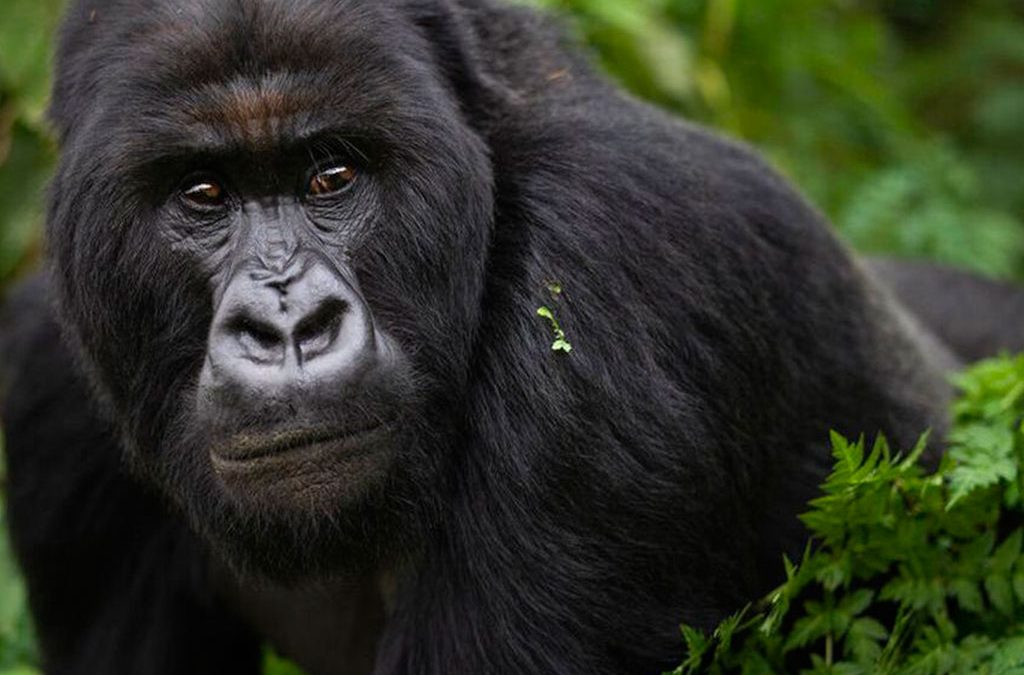
Gorilla Habituation Experience Rushaga represents the ultimate mountain gorilla encounter, offering an extended, immersive adventure with semi-habituated mountain gorillas in the Rushaga sector of Uganda’s Bwindi Impenetrable National Park. This extraordinary full-day activity allows visitors to spend up to four hours observing a specific gorilla family alongside researchers and park rangers, representing a significant increase from the one-hour observation period of standard gorilla trekking. This exclusive opportunity provides unparalleled insight into gorilla behavior, social dynamics, and conservation efforts while supporting crucial research initiatives.
Understanding the Habituation Process: Gorilla Habituation Experience Rushaga
The gorilla habituation experience operates fundamentally differently from conventional gorilla trekking, focusing on the critical process of conditioning wild mountain gorillas to tolerate human presence without disrupting their natural behaviors. Habituation represents a meticulous multi-year process requiring patience, expertise, and consistent human-gorilla interactions under carefully controlled conditions. Visitors participating in this program join dedicated conservation teams to assist with the ongoing habituation process for gorilla families that remain semi-habituated, meaning they are not yet fully accustomed to human contact.
This unique approach provides participants with authentic wildlife encounters that showcase gorillas in more natural states compared to fully habituated families. Semi-habituated gorillas often display shyer behaviors, creating opportunities to observe genuine responses and interactions that reflect their wild nature. The experience offers remarkable insights into gorilla family dynamics, individual personalities, and social hierarchies while contributing directly to conservation research efforts.
The exclusivity of the habituation experience becomes immediately apparent through its restricted group size limitations. Only a maximum of four tourists are permitted to visit a semi-habituated gorilla family per day, contrasting sharply with the eight-person limit for standard gorilla trekking experiences. This intimate group size ensures minimal disturbance to gorilla families while providing each participant with exceptional viewing opportunities and personalized attention from expert guides and researchers.
Daily Structure and Trek Dynamics
Rushaga habituation experience begins considerably earlier than typical gorilla treks, with comprehensive briefings commencing at 7:30 a.m. to maximize forest time and optimize gorilla encounter opportunities. This early start proves essential for the extended day-long adventure, allowing adequate time for both trekking and the four-hour gorilla observation period.
The trekking component presents significant physical challenges as participants navigate through dense, steep, and often slippery terrain within Bwindi’s impenetrable forest ecosystem. Trek duration varies considerably depending on gorilla family locations, which change daily based on feeding patterns, weather conditions, and social dynamics. Expert guides and experienced trackers lead participants through the forest, following subtle signs left by gorillas including feeding remnants, knuckle prints, dung, and previous night’s nests.
Once the designated gorilla family is located, the real magic begins with up to four hours of intimate observation time. This extended period allows for comprehensive appreciation of complex gorilla behaviors, intricate social interactions, feeding patterns, and family relationships that cannot be fully appreciated during standard one-hour encounters. Participants witness morning routines, feeding activities, grooming sessions, playful interactions between juveniles, and protective behaviors from silverback leaders.
Active Participation in Conservation Research
A distinctive aspect of the habituation experience involves direct engagement with ongoing research activities conducted by conservation teams. Participants often assist researchers with data collection activities, including behavioral observations, individual gorilla identification, and documentation of family interactions. This hands-on involvement provides unique insights into conservation methodologies while contributing meaningfully to scientific understanding of mountain gorilla populations.
Visitors may participate in activities such as mimicking gorilla vocalizations to assess responses, helping identify individual gorillas through distinctive physical characteristics, and recording behavioral patterns that inform conservation strategies. This active participation transforms visitors from passive observers into temporary conservation team members, creating deeper connections with both the research mission and the gorilla families themselves.
Comparative Analysis with Standard Gorilla Trekking: Gorilla Habituation Experience Rushaga
The distinctions between gorilla habituation experiences and standard gorilla trekking extend beyond simple duration differences, encompassing fundamental approaches to wildlife encounters and conservation participation. Time allocation represents the most obvious difference, with habituation experiences providing up to four hours of gorilla observation compared to one hour for standard treks.
Group size limitations create dramatically different experience dynamics. Habituation permits restrict groups to four participants maximum, while standard trekking accommodates up to eight visitors per gorilla family. This smaller group size ensures more intimate encounters, reduced gorilla stress, and enhanced individual attention from guides and researchers.
Cost considerations reflect the exclusivity and extended duration of habituation experiences. Permits cost $1,500 USD per person, compared to $800 for standard gorilla trekking permits. This premium pricing supports extended research activities, smaller group impacts, and enhanced conservation contributions while maintaining accessibility for dedicated wildlife enthusiasts.
The behavioral differences of semi-habituated versus fully habituated gorillas create distinct encounter experiences. Semi-habituated families often display more cautious, natural behaviors, providing authentic insights into wild gorilla dynamics. Fully habituated families, while more predictable for viewing, may exhibit behaviors influenced by frequent human contact.
Booking Logistics and Preparation Requirements
Securing habituation experience at Rushaga permits requires substantial advance planning due to extremely limited availability. With only four permits available per gorilla family per day, demand consistently exceeds supply, particularly during peak seasons from June to August and December to February. Booking several months in advance through reputable Uganda tour operators proves essential for securing desired dates.
Reputable tour operators like safari vacations and travel services specialize in habituation experience arrangements, handling permit procurement, accommodation bookings, transportation logistics, and comprehensive trip planning. Professional operators ensure seamless experiences while managing the complex coordination required for these exclusive encounters.
Physical fitness requirements exceed those of standard gorilla trekking due to extended forest time and challenging terrain navigation. Participants should maintain reasonable fitness levels and prepare for full-day hiking through steep, dense forest environments with unpredictable weather conditions.
Seasonal Considerations and Accommodation Planning
While habituation experiences operate year-round, dry seasons from June to August and December to February offer optimal conditions with less muddy trails and more predictable weather patterns. However, these peak periods also experience highest demand and earliest booking requirements.
Accommodation arrangements require careful planning since early morning departures necessitate overnight stays in Rushaga sectors of Bwindi. Accommodation options range from budget-friendly guesthouses to luxury forest lodges, with locations specifically chosen for convenient access to habituation experience starting points.
Conservation Impact and Legacy Benefits: Gorilla Habituation Experience Rushaga
Participation in gorilla habituation experiences generates significant conservation benefits through direct funding of research activities, anti-poaching initiatives, and community development programs. The premium permit fees support extended research periods, specialized equipment, and trained personnel required for successful habituation programs.
Beyond financial contributions, habituation experiences create conservation ambassadors who return home with deep appreciation for mountain gorilla conservation challenges and successes. This awareness translates into long-term support for conservation organizations and sustainable tourism practices that benefit both gorilla populations and local communities.
The Rushaga gorilla habituation experience represents the pinnacle of mountain gorilla encounters, combining scientific participation, conservation contribution, and intimate wildlife observation in an unforgettable adventure. This exclusive opportunity provides deeper understanding of gorilla behavior while supporting crucial conservation efforts that ensure mountain gorilla survival for future generations. The investment in this premium experience yields returns measured not only in personal satisfaction but also in meaningful contributions to one of conservation’s greatest success stories.


