
Uganda Travel Guide: Complete Guide to Visiting Uganda
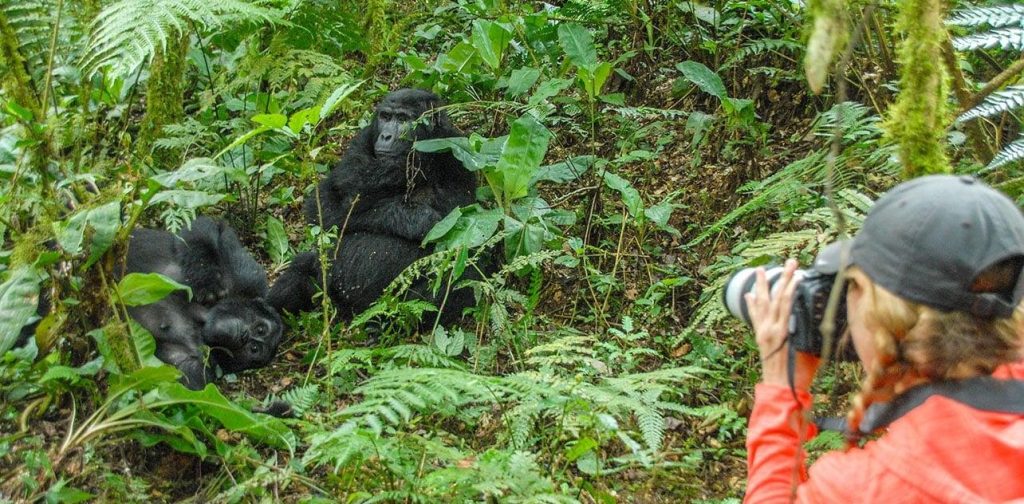
Welcome to our Uganda Travel Guide, created to help you plan an unforgettable journey through one of Africa’s most diverse safari destinations. Uganda combines mountain gorilla trekking, chimpanzee tracking, traditional wildlife safaris, birdwatching, mountain adventures, beautiful lakes, the River Nile and memorable cultural experiences within one relatively compact country. Whether you are planning your first African safari, a dedicated primate adventure, a family holiday or a luxury wildlife journey, Uganda offers an exceptional variety of experiences. The Uganda Travel Guide also helps travellers connect this experience with the wider safari route.
Known historically as the “Pearl of Africa,” Uganda lies in East Africa and offers a remarkable transition between tropical rainforest, open savannah, wetlands, volcanic mountains, high-altitude ranges and enormous freshwater lakes. A well-designed Uganda safari can take you from watching mountain gorillas in the forests of Bwindi to searching for lions and elephants in Queen Elizabeth National Park, tracking chimpanzees in Kibale and cruising the Nile beneath Murchison Falls.
This Uganda Travel Guide covers the essential information you need before travelling, including the best time to visit Uganda, major safari destinations, gorilla and chimpanzee trekking, wildlife, accommodation, transportation, safari costs, packing, entry requirements and suggested itineraries. Safari Vacations and Travel Services Ltd can also tailor these experiences around your available time, interests and preferred level of comfort.
Why Travel to Uganda?
Uganda stands apart because travellers do not have to choose between primate trekking and a traditional African wildlife safari. The country offers both. Mountain gorillas inhabit the forested landscapes of Bwindi Impenetrable National Park and Mgahinga Gorilla National Park, while chimpanzees can be tracked in destinations including Kibale National Park, Budongo Forest and Kyambura Gorge.
Beyond primates, Uganda offers outstanding savannah wildlife. Elephants, buffaloes, lions, leopards, giraffes, zebras, hippos, crocodiles and numerous antelope species occur across its protected areas. Travellers interested in a broader wildlife journey can explore a carefully planned Uganda wildlife safari combining several ecosystems.
Uganda is equally rewarding for travellers interested in landscapes. The country contains the snow-capped Rwenzori Mountains, volcanic peaks along the southwestern border, the River Nile, Lake Victoria, crater lakes and the island-dotted waters of Lake Bunyonyi. This geographical diversity is one of the main reasons a Uganda Travel Guide needs to look far beyond gorilla trekking alone.
Uganda: The Pearl of Africa
Uganda has long been associated with the description “Pearl of Africa,” and modern travellers quickly understand why. Tropical forests merge with rolling agricultural highlands, enormous lakes, wetlands and open savannah. Within a single journey, visitors can move between dramatically different environments and wildlife experiences.
This diversity makes Uganda especially suitable for travellers who want an active safari. A journey might include forest trekking in the morning, a boat safari another afternoon, a game drive the following day and a community or nature walk between major destinations. Few East African itineraries combine primates, conventional safari wildlife and adventure quite as naturally. Using the Uganda Travel Guide when planning this stage can make the overall itinerary more practical.
Gorilla Trekking in Uganda
Mountain gorilla trekking is the experience that brings many international visitors to Uganda. Trekking takes place in Bwindi Impenetrable National Park and Mgahinga Gorilla National Park in southwestern Uganda. Visitors join trained guides and trackers before walking through mountain forest in search of a habituated gorilla family.
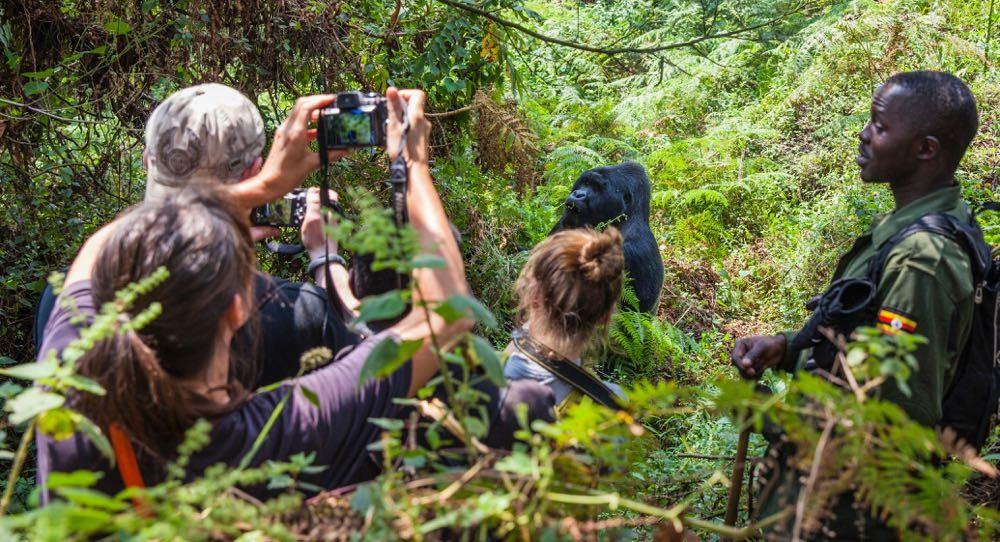 The trek itself can vary considerably. Some groups may locate gorillas relatively quickly, while others spend several hours walking through steep and densely vegetated terrain. Once a standard trekking group reaches its assigned gorilla family, visitors normally receive a regulated viewing period while following the instructions of their guides.
Our detailed gorilla trekking in Uganda information explains permits, trekking conditions, preparation and itinerary options in greater depth.
Bwindi Impenetrable National Park
Bwindi is Uganda’s best-known gorilla trekking destination and one of the most important stops featured in this Uganda Travel Guide. Its ancient montane forest supports extraordinary biodiversity as well as mountain gorillas. Trekking is organised through different sectors, including Buhoma, Ruhija, Rushaga and Nkuringo.
Choosing the correct sector is important because it affects accommodation, driving routes and the logistics of the overall safari. For example, an itinerary continuing toward Queen Elizabeth National Park may be designed differently from one beginning or ending in Kigali. Travellers should therefore avoid booking accommodation before confirming where their gorilla permit is allocated. These Uganda travel tips are especially useful for first-time visitors planning a multi-park journey.
Mgahinga Gorilla National Park
Mgahinga Gorilla National Park provides a different gorilla trekking environment beneath the dramatic Virunga volcanoes. Although much smaller than Bwindi, the park combines mountain gorillas with golden monkey tracking, hiking and impressive volcanic scenery.
Mgahinga is particularly attractive for travellers who want to combine several active experiences in southwestern Uganda. It can also fit naturally into journeys involving Lake Bunyonyi, Kisoro and neighbouring Rwanda. Comparing Bwindi and Mgahinga before reserving permits helps determine which destination best matches your itinerary.
Chimpanzee Tracking in Uganda
Uganda is not only a gorilla destination. It is also one of Africa’s most important countries for chimpanzee tourism. Kibale National Park is the best-known location and is frequently included in longer Uganda safari itineraries alongside Queen Elizabeth National Park and Bwindi.
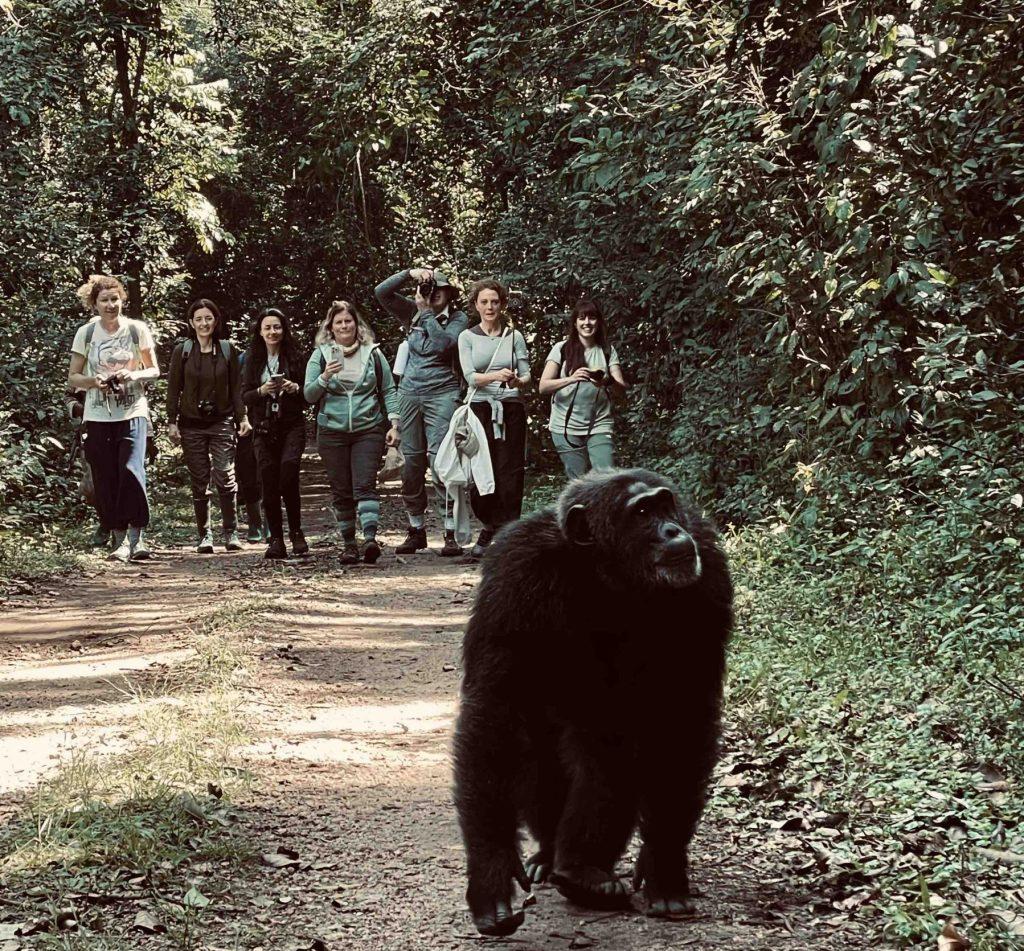 A typical chimpanzee trekking in Uganda experience involves walking through forest with trained guides while listening for calls and looking for signs of chimpanzee movement. Unlike gorillas, chimpanzees can move rapidly through the canopy and across the forest floor, creating a very different primate encounter.
Kibale National Park
Kibale National Park is a major highlight of any comprehensive Uganda Travel Guide because of its exceptional primate diversity. Chimpanzee tracking is the principal attraction, but the forest also supports numerous other primates, birds, butterflies and tropical plant species.
Kibale combines especially well with nearby Bigodi Wetland and the crater-lake landscapes around Fort Portal. It is also strategically positioned between Murchison Falls and Queen Elizabeth National Park on longer western Uganda safari circuits.
Classic Wildlife Safaris in Uganda
Travellers often underestimate Uganda’s traditional wildlife safari opportunities. Although gorillas receive much of the international attention, several national parks offer excellent game drives and boat safaris. Queen Elizabeth National Park, Murchison Falls National Park, Kidepo Valley National Park and Lake Mburo National Park each provide distinctive wildlife environments.
Lions, elephants, buffaloes, giraffes, zebras, hippos, crocodiles and numerous antelope species can all form part of a Uganda itinerary. Rhino tracking can also be incorporated at Ziwa Rhino Sanctuary, allowing appropriately designed journeys to pursue Uganda’s broader Big Five experience.
Queen Elizabeth National Park
Queen Elizabeth National Park is one of Uganda’s most varied safari destinations. Game drives can be combined with a boat cruise on the Kazinga Channel, where travellers commonly search for hippos, crocodiles, elephants, buffaloes and abundant waterbirds.
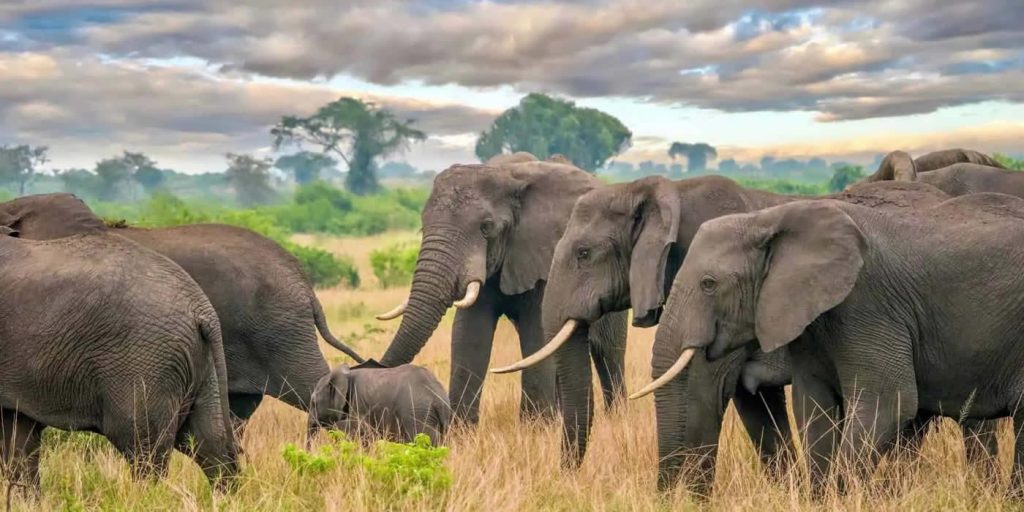 The southern Ishasha sector is particularly famous for its tree-climbing lions, although wildlife sightings can never be guaranteed. Queen Elizabeth also fits naturally between Kibale and Bwindi, making it strategically important when building efficient Uganda Travel Guide itineraries.
Murchison Falls National Park
Murchison Falls combines traditional game viewing with one of Uganda’s most dramatic natural landmarks. Here, the Victoria Nile is forced through a narrow rocky gorge before plunging powerfully downstream. Visitors can experience the park through game drives, Nile boat trips and visits to viewpoints around the falls.
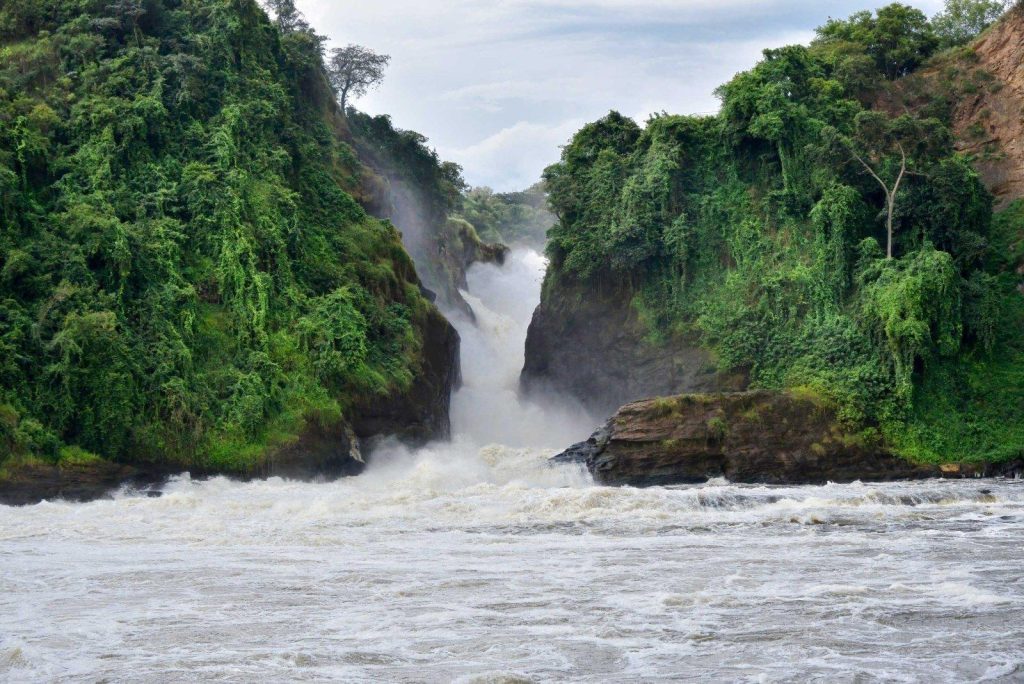 Wildlife includes elephants, giraffes, buffaloes, lions, hippos, crocodiles and numerous antelopes. The combination of river scenery and savannah wildlife makes Murchison Falls National Park especially valuable on longer Uganda safaris.
Kidepo Valley National Park
For travellers with additional time, Kidepo Valley National Park offers a remote wilderness experience in northeastern Uganda. The park is characterised by broad savannah landscapes, mountains and a feeling of isolation that distinguishes it from the more frequently visited western safari circuit.
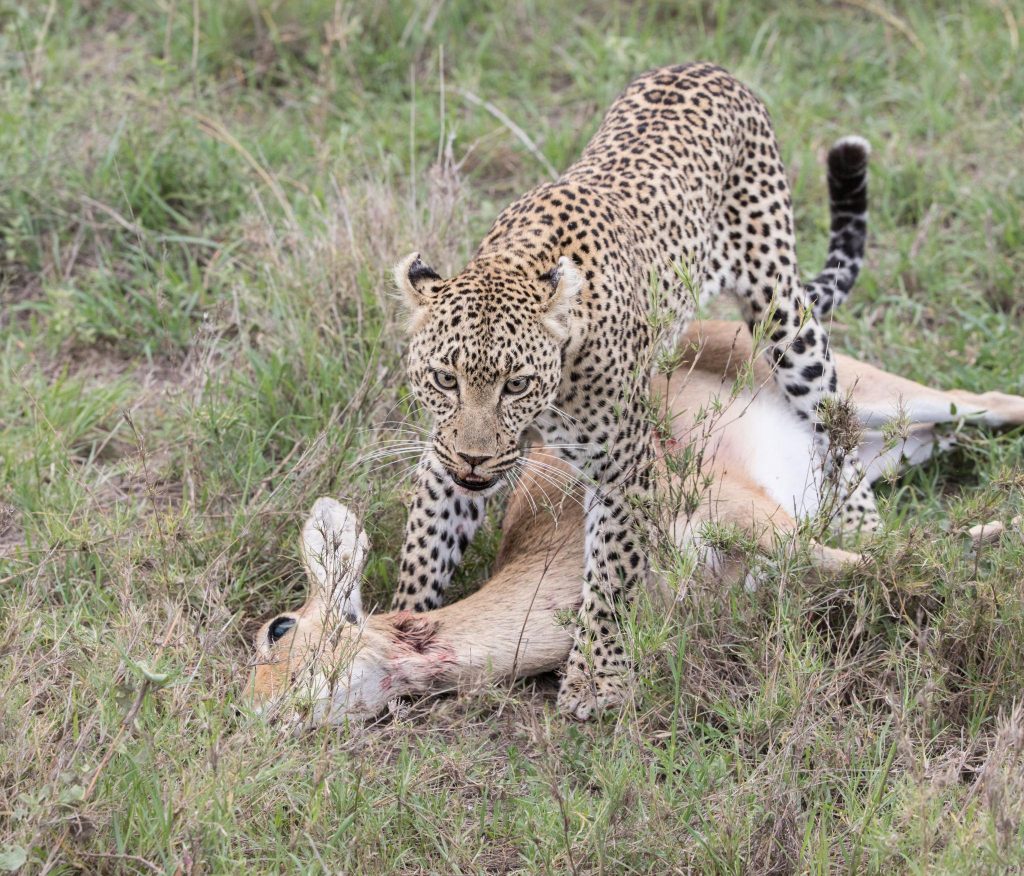 Kidepo requires additional travel time, so it is most suitable for longer itineraries or journeys incorporating domestic flights. For travellers seeking remote scenery, wildlife and fewer safari vehicles, it can become one of the most memorable destinations in Uganda.
Lake Mburo National Park
Lake Mburo is conveniently located between central Uganda and the southwestern tourism circuit. It is especially known for zebras and other plains wildlife and provides an excellent introduction or conclusion to longer Uganda safaris.
The park also offers activities that can differ from the conventional game-drive experience, subject to current park arrangements. Its relatively accessible location makes it particularly useful for breaking up the long journey between Entebbe and southwestern Uganda.
Birdwatching in Uganda
Uganda is an exceptional birding destination because its varied habitats support an extraordinary diversity of species. Forests, wetlands, savannahs, mountains and lakes create opportunities for both dedicated birdwatchers and general safari travellers.
The shoebill is among the country’s most sought-after birds and can be searched for in wetland environments such as Mabamba. Bwindi, Kibale, Queen Elizabeth, Murchison Falls and Semuliki also contribute significantly to bird-focused Uganda Travel Guide itineraries.
Adventure Travel in Uganda
Uganda offers much more than wildlife viewing from a vehicle. Active travellers can incorporate hiking, forest walks, mountain climbing, canoeing, cycling and Nile-based adventure activities depending on the destination and current operating conditions.
The Rwenzori Mountains provide Uganda’s most ambitious mountain adventure, while Jinja is closely associated with the River Nile and adventure tourism. Southwestern Uganda adds volcanic landscapes, forest trekking and scenic lakes, making it possible to design highly active safari holidays.
Lake Bunyonyi
Lake Bunyonyi is a popular place to slow down after gorilla trekking. Its steep cultivated hills and numerous islands create one of southwestern Uganda’s most recognisable landscapes. Travellers commonly spend one or two nights relaxing beside the lake before continuing to another safari destination.
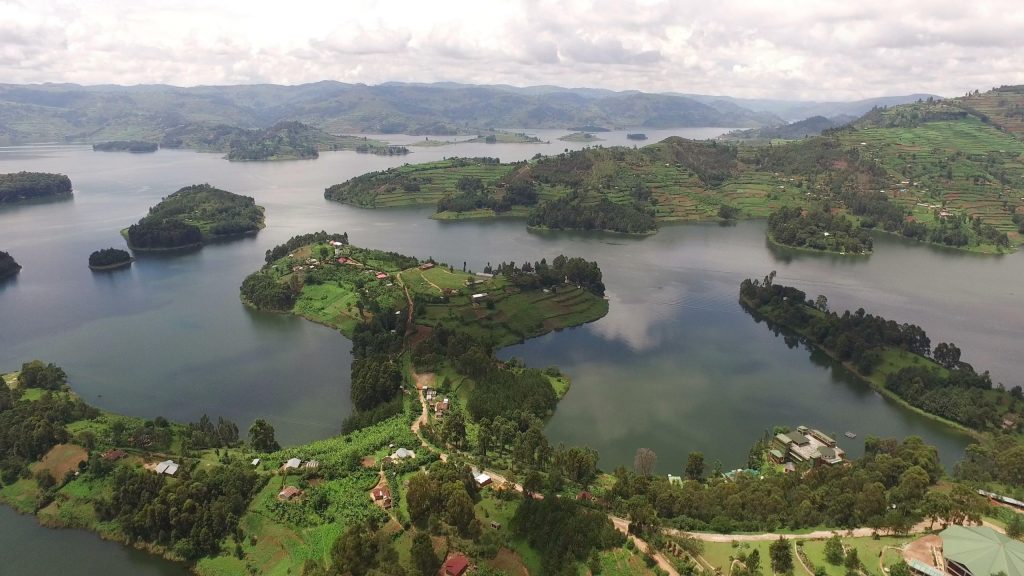 Canoe excursions, boat trips, nature walks and community experiences can be incorporated depending on the itinerary. Lake Bunyonyi is especially useful on journeys connecting Bwindi or Mgahinga with Kigali or other parts of Uganda.
Start Planning Your Uganda Safari
This Uganda Travel Guide is designed to help you understand the country before deciding where to go, when to travel and how long to stay. Uganda rewards thoughtful planning because its greatest experiences are spread across forests, savannahs, wetlands, lakes and mountain environments.
Safari Vacations and Travel Services Ltd specialises in creating tailor-made journeys throughout Uganda. We can assist with Uganda gorilla trekking permits, chimpanzee tracking arrangements, accommodation, private safari transportation and complete itineraries connecting Uganda’s major destinations.
Whether you want to spend an hour watching mountain gorillas, follow chimpanzees through Kibale Forest, photograph lions on the savannah, cruise beneath Murchison Falls or combine several of these experiences in one journey, Uganda provides the ingredients for an extraordinary African adventure. The following sections of this Uganda Travel Guide will help you plan each part of that journey in detail.
Uganda at a Glance: Essential Travel Facts
Understanding the basic facts about the country makes planning a safari considerably easier. This Uganda Travel Guide brings together the essential information in this Uganda tourism guide visitors should know before arranging flights, accommodation, gorilla permits and safari transportation. Uganda is a landlocked East African country crossed by the Equator and bordered by Kenya, Tanzania, Rwanda, the Democratic Republic of the Congo and South Sudan. Its combination of tropical forests, savannahs, wetlands, mountains and enormous freshwater lakes creates exceptional opportunities for wildlife safaris, primate trekking, birdwatching and adventure travel. The Uganda Travel Guide places this information within the broader context of planning a complete safari.
Where Is Uganda?
Uganda lies in East Africa, with much of the country situated on the East African Plateau. Its location makes it particularly convenient for multi-country journeys involving Rwanda, Kenya and Tanzania. Travellers can combine a Uganda safari with gorilla trekking in Rwanda or classic wildlife destinations elsewhere in East Africa. Southwestern Uganda contains many of the country’s major tourism attractions, including Bwindi Impenetrable National Park, Mgahinga Gorilla National Park, Queen Elizabeth National Park and Lake Bunyonyi, while western and northwestern routes lead toward Kibale and Murchison Falls.
Uganda’s Capital City
Kampala is Uganda’s capital and largest urban centre. The city is built across numerous hills and serves as the country’s major commercial, administrative and cultural hub. Although many international visitors pass through Kampala relatively quickly on their way to national parks, the city can be incorporated into a longer Uganda Travel Guide itinerary for markets, historical attractions, restaurants and cultural experiences. Kampala should not be confused with Entebbe, where Uganda’s principal international airport is located.
Entebbe International Airport
Entebbe International Airport is the principal international gateway for travellers arriving in Uganda by air. Entebbe lies beside Lake Victoria, approximately 40 kilometres from central Kampala depending on the route taken. Many Uganda safari itineraries begin with an overnight stay in Entebbe before departing for national parks the following morning. This can be especially useful after a long international flight. Travellers researching how to travel around Uganda should consider Entebbe the primary starting point for both road-based safaris and many domestic flight connections.
Population and People of Uganda
Uganda has a young and culturally diverse population comprising numerous ethnic communities, languages and traditions. Visitors travelling through different parts of the country encounter considerable variation in food, agriculture, architecture, music and everyday life. This cultural diversity adds another dimension to a Uganda Travel Guide beyond wildlife and national parks. Responsible cultural experiences can be incorporated into safari itineraries, particularly around Bwindi, Kibale, Karamoja and other regions where community-based tourism initiatives provide opportunities for respectful interaction. For first-time visitors, the Uganda Travel Guide provides a useful reference when comparing these options.
Languages Spoken in Uganda
English and Swahili are official languages in Uganda, while numerous indigenous languages are spoken throughout the country. Luganda is particularly widespread in central Uganda, and travellers will hear many other regional languages as they move around the country. English is commonly used throughout the tourism industry, including at lodges, national parks and by professional safari guides. Safari Vacations and Travel Services Ltd can also arrange suitable guiding support according to the requirements of individual travellers and groups.
Uganda Currency and Payments
The official currency is the Uganda shilling, abbreviated UGX. Cash remains useful for smaller purchases, tips and expenses in areas where electronic payments may not be practical. US dollars are also commonly relevant within the tourism industry, particularly when safari packages and selected tourism services are quoted. Visitors following Uganda travel tips should carry a combination of appropriate payment methods rather than relying exclusively on one card. ATMs are widely available in major towns but become less dependable in remote safari areas.
Uganda’s Climate and Weather
Uganda’s location near the Equator might suggest consistently extreme tropical heat, but altitude moderates temperatures across much of the country. Conditions vary between the cooler highlands of southwestern Uganda, warmer savannah areas and the hotter northeastern regions. This Uganda Travel Guide recommends packing for several conditions even during one journey. Lightweight clothing is useful during daytime game drives, while a fleece or light jacket can be valuable during cool mornings around Bwindi and other elevated destinations. A rain jacket is useful throughout the year. The Uganda Travel Guide can therefore be used to match this experience with available time and travel priorities.
Rainy and Dry Seasons
Uganda can be visited throughout the year, although rainfall influences trekking conditions, road travel and wildlife distribution. The relatively drier periods are generally associated with December to February and June to September, while wetter conditions are more common around March to May and parts of October and November. These patterns can vary by region and year. Travellers researching the best time to visit Uganda should choose dates according to their main interests rather than simply avoiding every possibility of rain.
Geography and Landscapes
One of the strongest reasons to travel to Uganda is its remarkable geographical variety. The country contains tropical forests, open savannah, volcanic mountains, wetlands, crater lakes and extensive freshwater environments. Lake Victoria dominates part of southern Uganda, while the Rwenzori Mountains rise dramatically along the western frontier. This diversity means a Uganda Travel Guide itinerary can move from gorilla trekking through dense mountain forest to game drives across open plains within only a few days.
Uganda’s National Parks
Uganda has ten national parks, each offering different wildlife, landscapes and activities. Bwindi and Mgahinga are internationally associated with mountain gorillas, while Kibale is renowned for chimpanzees and other primates. Queen Elizabeth and Murchison Falls provide classic game drives and boat safaris, while Kidepo Valley offers remote savannah wilderness. Lake Mburo is convenient for shorter wildlife experiences, and Rwenzori Mountains, Mount Elgon and Semuliki broaden the country’s appeal for hikers, birdwatchers and nature enthusiasts.
Time Zone in Uganda
Uganda operates on East Africa Time, UTC+3, throughout the year and does not use seasonal daylight-saving changes. Understanding the time difference is useful when coordinating international flights, airport transfers and communication with a safari company. Most wildlife activities begin early, so this Uganda Travel Guide recommends allowing some rest after arrival before beginning a demanding itinerary, particularly when the first major activity involves gorilla trekking or a long-distance road transfer. This Uganda travel advice can help visitors balance comfort, travel time and wildlife experiences. This is another area where the Uganda Travel Guide can help travellers make more informed safari choices.
Driving in Uganda
Vehicles drive on the left-hand side of the road. Major highways connect Kampala and Entebbe with regional towns, but reaching national parks frequently involves narrower paved roads, gravel roads and rough tracks. Driving times can therefore be longer than distances on a map initially suggest. For most international visitors, a private 4×4 with a professional driver-guide provides the easiest way to manage transportation during a Uganda safari, especially when combining several national parks.
Electricity and Charging Devices
Uganda generally uses Type G electrical sockets, the three rectangular-pin format also associated with the United Kingdom, and the standard supply is approximately 240V at 50Hz. International visitors should bring an appropriate adapter and confirm whether their electronic devices accept the local voltage. Travellers carrying cameras, phones and other equipment should recharge whenever electricity is available because some remote camps may operate generators or solar systems on scheduled hours. A power bank is a useful addition to any Uganda travel packing list.
How Long Should You Spend in Uganda?
The ideal trip length depends on what travellers want to experience. Three or four days may be enough for a focused gorilla trekking journey, while seven to ten days can combine primates with selected wildlife parks. Around ten to fourteen days provides a stronger introduction for visitors who want gorillas, chimpanzees and classic savannah wildlife without excessive rushing. This Uganda Travel Guide generally recommends allocating more time rather than attempting to include too many distant destinations within a short itinerary. The Uganda Travel Guide also helps travellers connect this experience with the wider safari route.
Quick Uganda Travel Advice
Before travelling, visitors should confirm current entry requirements, arrange appropriate travel insurance, reserve high-demand primate permits early and plan realistic transportation between destinations. Gorilla trekking, chimpanzee tracking and strategically located safari lodges can have limited availability during popular periods. Safari Vacations and Travel Services Ltd can help coordinate permits, accommodation, private transportation and complete tailor-made itineraries. With these essentials organised properly, travellers can concentrate on enjoying Uganda’s extraordinary combination of primates, wildlife, landscapes and cultural experiences.
Why Visit Uganda?
Uganda is one of Africa’s most diverse travel destinations, combining mountain gorillas, chimpanzees, traditional wildlife safaris, spectacular landscapes and cultural experiences within a single journey. As this Uganda Travel Guide demonstrates, few destinations allow travellers to trek through tropical rainforest in search of primates and then continue to open savannahs inhabited by lions, elephants, buffaloes and leopards. Uganda is particularly attractive to travellers who want more than a conventional game-drive holiday because its forests, wetlands, lakes, mountains and national parks provide remarkably varied experiences.
Mountain gorilla trekking is one of the strongest reasons to travel to Uganda. Bwindi Impenetrable National Park and Mgahinga Gorilla National Park provide opportunities to trek habituated mountain gorilla families in their natural forest habitat. Uganda also offers the more intensive Gorilla Habituation Experience in designated areas, making the country especially appealing to serious primate enthusiasts and photographers. For many first-time visitors following a Uganda Travel Guide, encountering mountain gorillas becomes the defining moment of the entire journey and can easily be combined with other wildlife experiences.
Uganda is equally exceptional for chimpanzee trekking. Kibale National Park is the country’s leading chimpanzee destination, while additional experiences are available in forests such as Budongo and locations including Kyambura Gorge and Kalinzu. This makes it possible to combine gorilla trekking in Uganda with chimpanzee tracking during the same safari. Travellers interested in primates can therefore experience two of humanity’s closest living relatives while exploring dramatically different forest environments. Using the Uganda Travel Guide when planning this stage can make the overall itinerary more practical.
Traditional African wildlife is another major reason to visit. Queen Elizabeth National Park, Murchison Falls National Park, Kidepo Valley National Park and Lake Mburo National Park offer game drives and other wildlife activities. Depending on the destination, travellers can search for lions, elephants, buffaloes, giraffes, zebras, hippos, crocodiles and numerous antelopes. This Uganda Travel Guide particularly recommends combining primate trekking with a Uganda wildlife safari, creating a journey that showcases both rainforest and savannah ecosystems.
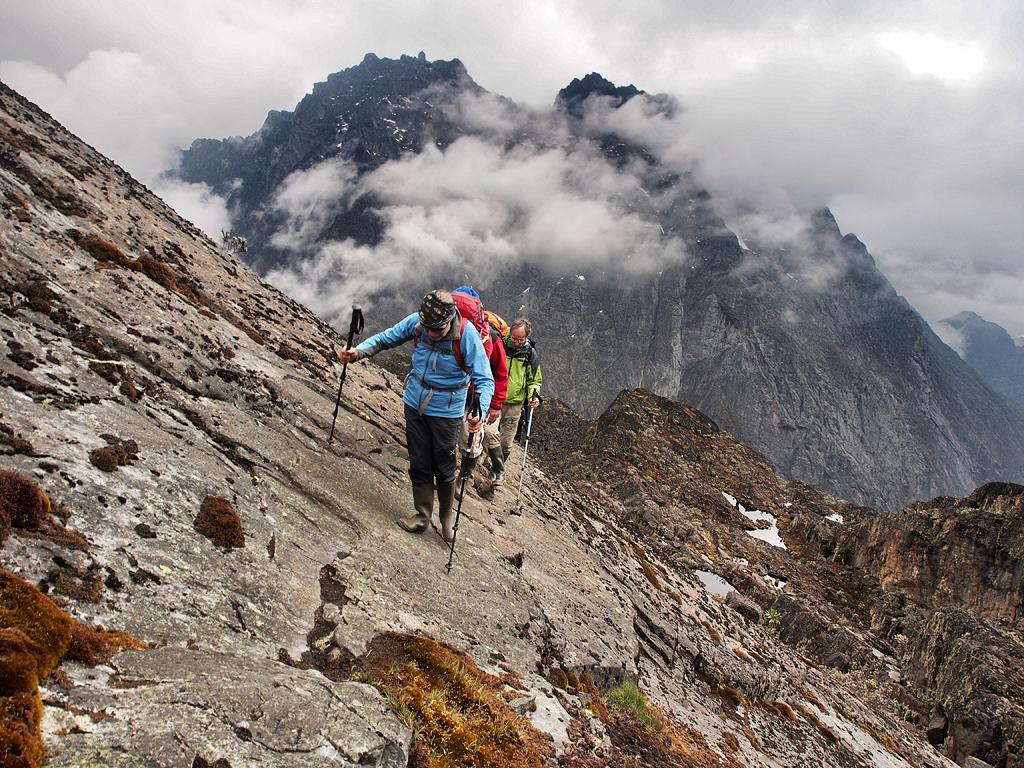
Uganda’s landscapes add another dimension to the experience. Travellers can see the powerful Murchison Falls, explore the island-dotted Lake Bunyonyi, hike in the Rwenzori Mountains, visit volcanic landscapes around Mgahinga or enjoy the River Nile around Jinja. Birdwatchers also have exceptional opportunities across forests, wetlands and savannahs, including the chance to search for the remarkable shoebill. A Uganda Travel Guide focused only on gorillas would therefore overlook much of what makes the country distinctive.
 Uganda also works exceptionally well for personalised safaris. Budget travellers can use comfortable locally operated lodges, while couples and honeymooners can choose intimate luxury properties and private 4×4 transportation. Families, seniors, photographers, birdwatchers and solo travellers can all have itineraries adjusted around their interests and preferred pace. Longer Uganda safari itineraries can also combine the country with Rwanda, Kenya or Tanzania, creating broader East African journeys featuring primates, Big Five wildlife and the Great Migration. The Uganda Travel Guide places this information within the broader context of planning a complete safari.
Ultimately, the strongest reason to visit Uganda is variety. One holiday can include gorilla trekking, chimpanzee tracking, game drives, boat safaris, birdwatching, hiking and cultural encounters without requiring travellers to cross several international borders. This Uganda Travel Guide recommends Uganda particularly for visitors seeking an active, wildlife-rich African journey rather than simply observing animals from a safari vehicle. Safari Vacations and Travel Services Ltd can tailor these experiences around travel dates, budget and preferred comfort level, creating a Uganda journey that balances primates, wildlife, landscapes and meaningful time in each destination.
Best Places to Visit in Uganda
Choosing the best places to visit in Uganda depends on whether your priorities are gorilla trekking, chimpanzees, wildlife, birdwatching, hiking, scenery or cultural experiences. This Uganda Travel Guide recommends combining several destinations because each region provides a different perspective of the country. The first six destinations below are particularly important for a comprehensive Uganda safari, while the remaining attractions can be added according to available time and personal interests.
Bwindi Impenetrable National Park
Bwindi Impenetrable National Park is one of the most important destinations featured in any Uganda Travel Guide and the country’s best-known mountain gorilla trekking area. Located in southwestern Uganda, this UNESCO World Heritage Site protects an ancient montane forest containing exceptional biodiversity. Gorilla trekking takes place through four main tourism sectors: Buhoma, Ruhija, Rushaga and Nkuringo. Each sector offers different accommodation choices, access routes and trekking opportunities, making correct permit and lodge coordination essential.
Beyond gorilla trekking in Uganda, Bwindi offers birdwatching, forest walks and selected community experiences. The surrounding highlands provide spectacular scenery, while the forest itself supports numerous primates, birds and other wildlife. Travellers should generally spend at least two nights around their assigned trekking sector, allowing one full day for the gorilla experience without rushing onward immediately afterwards. For first-time visitors, the Uganda Travel Guide provides a useful reference when comparing these options.
Mgahinga Gorilla National Park
Mgahinga Gorilla National Park occupies Uganda’s southwestern corner along the Virunga volcanic landscape. Although considerably smaller than Bwindi, it offers an impressive combination of mountain gorilla trekking, golden monkey tracking, hiking and dramatic mountain scenery. This Uganda Travel Guide particularly recommends Mgahinga for active travellers who want to combine several primate and hiking experiences within one destination. A practical Uganda safari guide should also account for road conditions, permit availability and lodge location.
The park forms part of the wider Virunga ecosystem extending across Uganda, Rwanda and the Democratic Republic of the Congo. Travellers can trek mountain gorillas, search for golden monkeys or undertake challenging hikes on the volcanic slopes where permitted and appropriately arranged. Mgahinga also combines conveniently with Lake Bunyonyi, Kisoro and Rwanda. Spending two or three nights allows visitors to experience more than a single gorilla trek and appreciate the park’s distinctive high-altitude environment.
Queen Elizabeth National Park
Queen Elizabeth National Park is one of Uganda’s most diverse traditional wildlife destinations and an essential stop for travellers combining primates with a classic African safari. Its ecosystems include open savannah, wetlands, crater landscapes, woodland and the Kazinga Channel. A typical visit combines morning game drives with an afternoon boat safari, creating opportunities to observe wildlife both on land and around the water. The Uganda Travel Guide can therefore be used to match this experience with available time and travel priorities.
This Uganda Travel Guide recommends Queen Elizabeth National Park for travellers hoping to see elephants, buffaloes, hippos, crocodiles, antelopes and predators. The southern Ishasha sector is famous for tree-climbing lions, although sightings remain entirely natural and cannot be guaranteed. Queen Elizabeth is also strategically positioned between Kibale and Bwindi, making it one of the easiest wildlife parks to incorporate into a longer Uganda wildlife safari.
Kibale National Park
Kibale National Park is Uganda’s premier chimpanzee destination and one of the most important places for primate enthusiasts. Its tropical forest supports a remarkable diversity of primates, with chimpanzee tracking providing the principal visitor experience. Guided treks take visitors into the forest to search for habituated chimpanzee communities while learning about their behaviour, ecology and conservation.
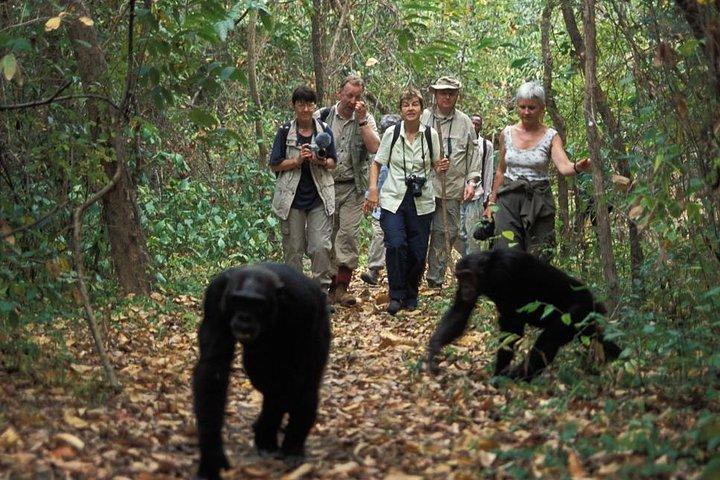 A Uganda Travel Guide itinerary can combine Kibale with Bigodi Wetland, crater lakes and the wider Fort Portal region. Travellers seeking a deeper primate experience may also consider the Chimpanzee Habituation Experience where available. Kibale fits particularly well between Murchison Falls and Queen Elizabeth National Park, making it an important component of longer western Uganda routes. At least two nights are recommended, while three nights allow a more relaxed combination of chimpanzee tracking and surrounding nature experiences.
Murchison Falls National Park
Murchison Falls National Park combines savannah wildlife, River Nile experiences and one of Uganda’s most dramatic natural landmarks. The Victoria Nile is forced through a narrow rocky gorge at Murchison Falls, creating an extraordinarily powerful waterfall before continuing through the park. Visitors can combine game drives with boat trips along the Nile and visits to viewpoints around the falls. This is another area where the Uganda Travel Guide can help travellers make more informed safari choices.
This Uganda Travel Guide recommends Murchison Falls National Park for travellers seeking giraffes, elephants, buffaloes, lions, hippos, crocodiles and abundant birdlife. A Nile boat safari provides a completely different perspective from vehicle-based wildlife viewing. Murchison can also be combined with Ziwa Rhino Sanctuary, creating an opportunity to broaden a Uganda Big Five itinerary. Two nights provide an introduction, although three nights allow a considerably more relaxed experience.
Kidepo Valley National Park
Kidepo Valley National Park lies in remote northeastern Uganda and offers one of the country’s most dramatic wilderness experiences. Broad savannah valleys surrounded by rugged mountains create landscapes that differ considerably from the greener western tourism circuit. Wildlife viewing can include elephants, buffaloes, lions, giraffes and numerous antelopes, while the relative remoteness often means fewer safari vehicles.
For travellers with sufficient time, this Uganda Travel Guide considers Kidepo one of the best places to experience Uganda beyond the conventional gorilla-and-chimpanzee route. Road journeys are long, so domestic flights can be particularly useful for higher-budget itineraries. The park also combines well with responsible cultural experiences in the wider Karamoja region. Kidepo is best suited to longer Uganda safaris, photographers, repeat African safari travellers and visitors seeking remote wilderness. The Uganda Travel Guide also helps travellers connect this experience with the wider safari route.
Lake Mburo National Park
Lake Mburo National Park is one of the most convenient wildlife destinations between Kampala or Entebbe and southwestern Uganda. The park is particularly associated with zebras, impalas and other plains wildlife and offers an attractive contrast to Uganda’s forest destinations. This Uganda Travel Guide recommends Lake Mburo as a useful overnight stop on journeys to or from Bwindi. Depending on current park arrangements, visitors can combine conventional game viewing with boat trips, guided walks or other authorised activities.
Rwenzori Mountains National Park
The Rwenzori Mountains provide Uganda’s most demanding mountain adventure and are ideal for travellers who want to add serious hiking to their safari. The range contains extraordinary high-altitude vegetation, valleys, rivers and rugged peaks. Multi-day expeditions require preparation, suitable equipment and good physical fitness. A Uganda Travel Guide itinerary featuring the Rwenzoris should allocate dedicated trekking days rather than treating the mountains as a quick excursion between wildlife parks.
 Semuliki National Park
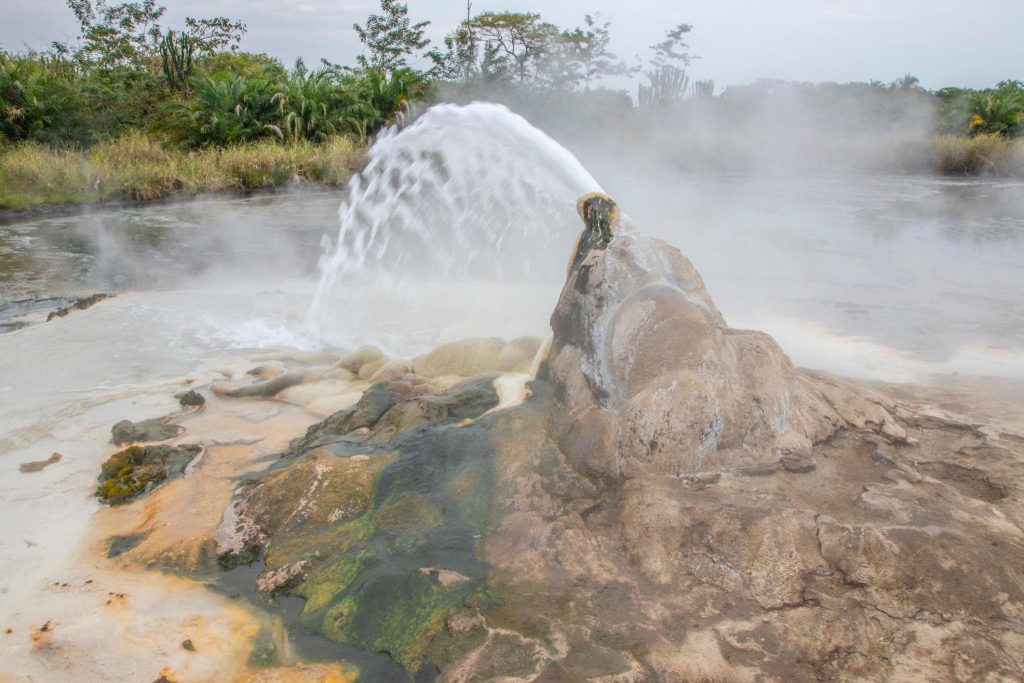
 protects a distinctive lowland forest ecosystem in western Uganda and is particularly rewarding for birdwatchers and travellers interested in biodiversity. The park’s location near the Albertine Rift gives it ecological characteristics that differ from many other Ugandan protected areas. Visitors can explore forest environments and the famous Sempaya hot springs. Semuliki is particularly suitable for specialist Uganda travel itineraries combining birding, nature and the nearby Fort Portal region.
Mount Elgon National Park
 Mount Elgon National Park
 in eastern Uganda is an attractive destination for hiking, waterfalls and mountain scenery. It receives fewer international visitors than Uganda’s gorilla and wildlife parks, making it appealing to travellers seeking quieter trekking experiences. The wider region can include Sipi Falls and community-based activities. This Uganda Travel Guide recommends Mount Elgon for active travellers with enough time to explore eastern Uganda rather than concentrating exclusively on the western safari circuit. Using the Uganda Travel Guide when planning this stage can make the overall itinerary more practical.
Jinja and the River Nile
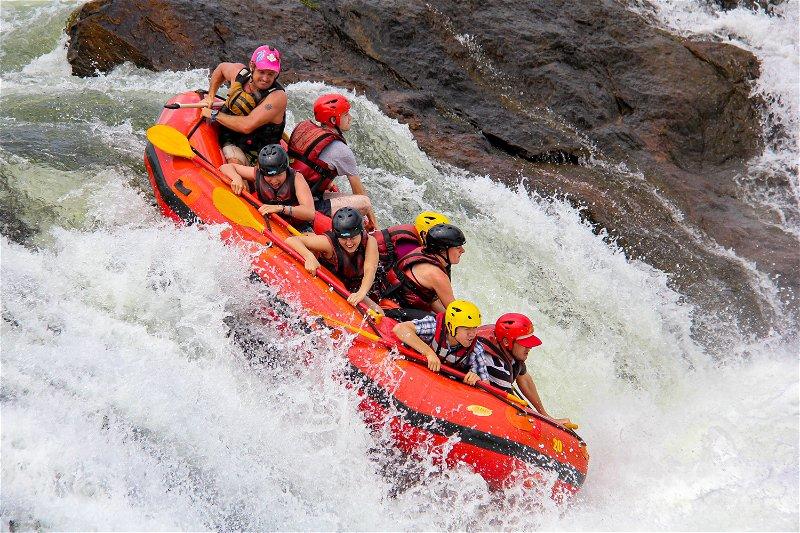
Jinja is Uganda’s leading adventure destination and is closely associated with the River Nile. Visitors can enjoy river-based activities, sightseeing and relaxed stays overlooking the water. Jinja works particularly well at the beginning or end of a longer Uganda safari, especially for travellers wanting activities beyond wildlife viewing. From adventure experiences to sunset cruises, the region adds variety to a Uganda Travel Guide itinerary and is accessible by road from Kampala and Entebbe.
Lake Bunyonyi
Lake Bunyonyi is surrounded by steep cultivated hills and dotted with numerous islands, creating one of southwestern Uganda’s most attractive landscapes. It is especially popular as a place to relax after gorilla trekking in Bwindi or Mgahinga. Visitors can enjoy canoeing, boat excursions, nature walks and community experiences. This Uganda Travel Guide recommends one or two nights at Lake Bunyonyi for travellers wanting a slower break between demanding trekking and wildlife activities. This Uganda tourism guide approach helps travellers compare destinations according to time, budget and interests.
Entebbe
Entebbe is much more than Uganda’s international arrival point. Its location on Lake Victoria makes it a comfortable place to begin or finish a Uganda safari. Visitors can enjoy botanical surroundings, lakeside restaurants and nearby nature experiences, while Mabamba Wetland is particularly important for travellers hoping to search for the shoebill. Spending the first night in Entebbe also allows international visitors to recover from their flight before beginning longer road transfers into Uganda’s national parks. The Uganda Travel Guide places this information within the broader context of planning a complete safari.
Gorilla Trekking in Uganda
Gorilla trekking is one of the most remarkable wildlife experiences highlighted in this Uganda Travel Guide. Uganda is home to mountain gorillas in Bwindi Impenetrable National Park and Mgahinga Gorilla National Park, both located in the southwest. Visitors trek through natural mountain forest with professional guides and trackers to locate a habituated gorilla family. Unlike a traditional Uganda wildlife safari, this experience takes travellers on foot into the gorillas’ habitat, creating an intimate encounter with one of Africa’s most endangered primates.
Where to Go Gorilla Trekking in Uganda
Gorilla trekking in Uganda takes place in Bwindi Impenetrable National Park and Mgahinga Gorilla National Park. Bwindi offers the greatest choice of trekking locations and accommodation, while Mgahinga combines gorillas with the dramatic Virunga volcanic landscape. Choosing between them should depend on permit availability, safari route, accommodation preferences and additional activities. This Uganda Travel Guide recommends confirming your trekking location before booking accommodation because early-morning transfers between distant gorilla sectors can be impractical.
Gorilla Trekking in Bwindi Impenetrable National Park
Bwindi is Uganda’s principal gorilla trekking destination. Trekking operates through four tourism sectors: Buhoma, Ruhija, Rushaga and Nkuringo. Each has habituated gorilla families and accommodation ranging from affordable lodges to luxury forest properties. Buhoma combines particularly well with Queen Elizabeth National Park, while Rushaga and Nkuringo are convenient for southern Bwindi itineraries. Travellers planning gorilla trekking in Uganda should allow at least two nights around their assigned sector.
Gorilla Trekking in Mgahinga Gorilla National Park
Mgahinga offers a smaller and highly scenic alternative beneath the Virunga volcanoes. In addition to mountain gorillas, visitors can track golden monkeys and undertake selected mountain hikes. The park works particularly well for active travellers combining Kisoro, Lake Mutanda, Lake Bunyonyi or Rwanda. As this Uganda Travel Guide emphasises, Mgahinga should not simply be viewed as a backup to Bwindi; its volcanic scenery and additional primate activities create a distinctive Uganda safari experience. For first-time visitors, the Uganda Travel Guide provides a useful reference when comparing these options.
Uganda Gorilla Trekking Permit Cost
For foreign non-residents, a standard Uganda gorilla trekking permit currently costs USD 800 per person. For foreign residents, it costs $700, $500 for African Citizens and Ugx300,000 for East African Citizens. Different tariffs apply to other visitor categories. Permit prices are set by the Uganda Wildlife Authority and can change, so current rates should always be confirmed before booking. The permit is separate from accommodation, transportation and other safari services. Because availability is limited, securing the permit should be one of the first steps when planning a gorilla-focused Uganda Travel Guide itinerary.
How Far in Advance Should You Book?
Gorilla permits can sell out during popular travel periods, particularly when visitors have fixed dates. Booking several months ahead provides better flexibility when selecting trekking sectors and accommodation. This becomes even more important for families, groups and travellers combining gorillas with chimpanzees. Safari Vacations and Travel Services Ltd can assist with permit availability and coordinate the correct lodge with the confirmed trekking location.
What Happens on Gorilla Trekking Day?
The day begins with an early briefing at the relevant park meeting point. Rangers explain trekking procedures, gorilla behaviour and responsible viewing rules before visitors are organised into groups. Guides and trackers then lead trekkers into the forest in search of their assigned gorilla family. The trek may involve hills, muddy trails and dense vegetation. This Uganda Travel Guide recommends keeping the entire day available because the time required to find the gorillas cannot be predicted.
How Long Does Gorilla Trekking Take?
The forest trek can last from a relatively short period to several hours depending on where the gorillas have moved. Once the assigned habituated family is located, standard trekking generally allows up to one hour of observation under applicable park regulations. Visitors may watch gorillas feeding, resting, grooming, playing and interacting. The unpredictable trek is part of the adventure and makes every gorilla experience different. The Uganda Travel Guide can therefore be used to match this experience with available time and travel priorities.
How Difficult Is Gorilla Trekking?
Gorilla trekking ranges from moderate to physically demanding. Difficulty depends on terrain, rainfall, vegetation, altitude and the gorillas’ location. Reasonable fitness is helpful, particularly in Bwindi’s steep landscapes. Older travellers and anyone concerned about mobility should discuss their requirements during safari planning. A well-designed Uganda Travel Guide itinerary should also avoid placing demanding activities or unnecessarily long road transfers immediately after the trek.
Should You Hire a Porter?
Hiring a porter is highly recommended. Porters can carry water, cameras, rain gear and daypacks while providing assistance on steep or slippery terrain. Their support makes the trek more comfortable even for physically fit visitors and also provides direct economic benefits to communities surrounding the parks. Travellers should carry only what they genuinely need during the trek.
What to Wear for Gorilla Trekking
Wear sturdy hiking shoes or boots, long trousers and a lightweight long-sleeved shirt. A waterproof jacket is important because mountain forests can receive rain throughout the year. Gardening-style gloves can help when holding vegetation for balance, while gaiters are useful during muddy conditions. Your daypack should contain drinking water, sunscreen, insect repellent, essential medication and camera equipment. These practical Uganda travel tips can significantly improve comfort in the forest. This is another area where the Uganda Travel Guide can help travellers make more informed safari choices.
Photography During Gorilla Trekking
Visitors can photograph mountain gorillas but must follow ranger instructions. Flash photography is prohibited. Forest lighting can be challenging, so photographers should understand their camera settings before trekking. Avoid carrying excessive equipment that becomes difficult to manage on steep trails. Spending some of the viewing period simply observing the gorillas rather than continuously looking through a camera can also make the experience more memorable.
Gorilla Habituation Experience
Uganda also offers the Gorilla Habituation Experience in designated parts of Bwindi, subject to current availability. Unlike standard trekking, habituation can provide up to four hours with a gorilla group undergoing the habituation process. It is particularly attractive to photographers and serious primate enthusiasts. The permit costs substantially more than standard trekking, so this Uganda Travel Guide recommends it primarily for travellers who consider gorillas the central purpose of their Uganda safari.
Minimum Age for Gorilla Trekking
The standard minimum age for gorilla trekking in Uganda is 15 years. Families travelling with younger children should arrange alternative activities and supervision during the trek. Children unable to participate can still enjoy many other Uganda safari experiences, including game drives, boat cruises and suitable nature activities. These Uganda travel tips are especially useful for first-time visitors planning a multi-park journey.
Best Time for Gorilla Trekking
Gorilla trekking operates throughout the year. June to September and December to February are popular because conditions can be relatively drier, although rain is possible at any time. Wetter periods may mean muddier trails but provide lush scenery and can have fewer visitors. The best time should therefore be considered alongside the complete Uganda Travel Guide itinerary rather than gorilla trekking alone. The Uganda Travel Guide also helps travellers connect this experience with the wider safari route.
Combining Gorillas with Other Uganda Experiences
One of Uganda’s greatest advantages is the ease of combining gorillas with other wildlife. A popular itinerary links Bwindi with Queen Elizabeth National Park and Kibale National Park, providing gorilla trekking, chimpanzee tracking, game drives and a Kazinga Channel boat safari. Longer journeys can add Murchison Falls, Lake Mburo or Lake Bunyonyi.
Planning Your Gorilla Trek with Safari Vacations and Travel Services Ltd
Safari Vacations and Travel Services Ltd can coordinate gorilla permits, accommodation, professional driver-guides and private 4×4 transportation. Correctly matching your permit with the appropriate trekking sector is particularly important. Whether you are planning a short gorilla safari or incorporating Bwindi and Mgahinga into a longer Uganda Travel Guide itinerary, careful preparation creates a smoother journey and allows you to concentrate on the extraordinary experience of observing mountain gorillas in their natural habitat.
Chimpanzee Tracking in Uganda
Chimpanzee tracking is one of the most rewarding primate experiences featured in this Uganda Travel Guide and provides an excellent complement to mountain gorilla trekking. Uganda offers several places to see habituated chimpanzees, including Kibale National Park, Budongo Forest, Kyambura Gorge and Kalinzu Forest. Each destination provides a different forest environment, level of accessibility and safari combination. For travellers interested in primates, combining chimpanzees with gorillas creates one of the most complete wildlife experiences available in East Africa.
Why Go Chimpanzee Tracking in Uganda?
Chimpanzees are highly social and energetic primates whose behaviour differs considerably from mountain gorillas. They may feed high in the canopy, travel rapidly through the forest, communicate through loud calls and gather in changing groups. This makes chimpanzee tracking in Uganda an active and unpredictable experience. This Uganda Travel Guide recommends it for travellers interested in primate behaviour, forest ecology, wildlife photography and walking safaris. Using the Uganda Travel Guide when planning this stage can make the overall itinerary more practical.
Kibale National Park
Kibale National Park is Uganda’s premier chimpanzee tracking destination and is usually the first choice for visitors whose main objective is seeing chimpanzees. The park protects extensive tropical forest and supports an exceptional diversity of primates. Guided tracking experiences generally begin from the Kanyanchu area, with morning and afternoon sessions commonly available according to current park schedules and permit availability.
Kibale combines particularly well with Queen Elizabeth National Park because the two destinations can be connected by road. A Uganda Travel Guide itinerary can therefore move naturally from chimpanzee tracking in Kibale to game drives and a Kazinga Channel boat safari before continuing toward Bwindi for mountain gorillas.
Chimpanzee Tracking in Budongo Forest
Budongo Forest provides another important chimpanzee experience and is especially convenient for travellers visiting Murchison Falls National Park. This allows chimpanzee tracking to be combined with Nile boat trips, game drives and visits to Murchison Falls without travelling to Kibale. Budongo’s forest environment also makes it attractive for birdwatching and nature enthusiasts. It can be a particularly practical choice on northern Uganda safari routes.
Chimpanzee Tracking in Kyambura Gorge
Kyambura Gorge lies within the wider Queen Elizabeth National Park landscape and provides a distinctive chimpanzee tracking environment. Visitors descend into a forested gorge surrounded by open savannah, creating one of the most visually interesting primate experiences described in this Uganda Travel Guide. Kyambura is particularly convenient for travellers already staying in Queen Elizabeth National Park who want to add chimpanzee tracking without extending their itinerary to Kibale.
Chimpanzee Tracking in Kalinzu Forest
Kalinzu Forest is another option in southwestern Uganda and can fit conveniently into itineraries involving Queen Elizabeth National Park and Bwindi. It is often considered by travellers seeking an alternative forest experience within the southern safari circuit. Although Kibale remains Uganda’s best-known chimpanzee destination, Kalinzu can provide good value and useful routing for certain Uganda safari itineraries. The Uganda Travel Guide places this information within the broader context of planning a complete safari.
How Much Does a Chimpanzee Permit Cost?
Permit prices vary according to the tracking destination and visitor category. Kibale generally has a higher permit price than alternative chimpanzee locations because it is Uganda’s flagship chimpanzee destination. Rates can change, making it important to confirm current tariffs when booking. This Uganda Travel Guide recommends reserving permits alongside accommodation and transportation rather than treating the chimpanzee activity as a last-minute addition.
What Happens During Chimpanzee Tracking?
Visitors normally begin with a briefing from guides explaining forest rules, chimpanzee behaviour and responsible viewing. The group then enters the forest and searches for signs such as calls, feeding activity and movements through the canopy. Once chimpanzees are located, visitors follow guide instructions while observing their behaviour. The experience can involve walking over uneven trails and moving between locations as the chimpanzees travel.
How Long Does Chimpanzee Tracking Take?
The total experience varies because chimpanzees move freely through the forest. Tracking can take several hours depending on their location and movement. Once a habituated chimpanzee community is found, standard tracking generally provides a regulated viewing period according to current park rules. This Uganda Travel Guide recommends keeping sufficient time available rather than scheduling a long transfer immediately after the activity. For first-time visitors, the Uganda Travel Guide provides a useful reference when comparing these options.
How Difficult Is Chimpanzee Tracking?
Chimpanzee tracking is generally manageable for travellers with reasonable fitness, although difficulty varies by forest, weather and chimpanzee movement. Kibale’s trails can be relatively manageable compared with some mountain gorilla terrain, while other destinations may involve steeper sections. Rain can make forest paths muddy and slippery. Comfortable walking footwear and lightweight clothing are therefore essential.
What Should You Wear?
Long trousers, a lightweight long-sleeved shirt and sturdy walking shoes are recommended. Carry a waterproof jacket because tropical forests can receive rain unexpectedly. A small daypack can hold water, insect repellent, sunscreen, essential medication and camera equipment. Neutral-coloured clothing is practical for forest activities, while heavy or unnecessary equipment should be left at the lodge. This Uganda travel advice can help visitors balance comfort, travel time and wildlife experiences.
Chimpanzee Habituation Experience
Travellers seeking a deeper primate encounter can consider the Chimpanzee Habituation Experience in Kibale, subject to current availability and regulations. It allows participants to spend considerably more time following chimpanzees undergoing habituation than during standard tracking. The experience can begin early and involve extended periods in the forest, making it particularly suitable for photographers, researchers at heart and serious primate enthusiasts.
Chimpanzee Tracking vs Chimpanzee Habituation
Standard chimpanzee tracking is ideal for most first-time visitors because it fits easily into a wider Uganda safari. Habituation is better for travellers who want to dedicate much more time to observing chimpanzee behaviour. A Uganda Travel Guide itinerary centred on primates can even combine chimpanzee habituation in Kibale with standard gorilla trekking or Gorilla Habituation in Bwindi for an exceptionally comprehensive primate journey.
Best Time for Chimpanzee Tracking
Chimpanzee tracking is possible throughout the year. Relatively drier periods can provide easier walking conditions, while wetter months produce lush forests and excellent photography opportunities. Food availability also influences chimpanzee movement, so experiences vary naturally throughout the year. Travellers should select dates according to the complete safari rather than choosing a season exclusively for chimpanzees.
Can You Combine Chimpanzees and Gorillas?
Yes. Combining chimpanzees and mountain gorillas is one of the strongest reasons to choose Uganda. A popular route links Kibale National Park, Queen Elizabeth National Park and Bwindi Impenetrable National Park. Travellers can track chimpanzees, enjoy game drives and a boat safari, and then continue south for gorilla trekking. This combination makes the Uganda Travel Guide especially appealing to visitors seeking both primate encounters and traditional African wildlife. The Uganda Travel Guide can therefore be used to match this experience with available time and travel priorities.
Planning Chimpanzee Tracking with Safari Vacations and Travel Services Ltd
Safari Vacations and Travel Services Ltd can coordinate chimpanzee permits, accommodation, private 4×4 transportation and complete primate safari itineraries. Whether you choose Kibale, Budongo, Kyambura Gorge or Kalinzu, the destination should fit naturally into the wider route. By combining carefully planned chimpanzee tracking with gorillas, wildlife and other experiences, travellers can experience one of the most distinctive elements of any comprehensive Uganda Travel Guide journey.
What is The Best Time to Visit Uganda
The best time to visit Uganda depends on whether your priorities are gorilla trekking, chimpanzee tracking, wildlife viewing, birdwatching, photography or travelling with fewer visitors. Uganda is a year-round destination, but conditions generally alternate between relatively dry and wetter periods. This Uganda Travel Guide recommends considering the complete safari route rather than choosing travel dates for only one activity, because weather conditions can vary between forests, savannahs and mountainous regions. For first-time visitors, the Uganda Travel Guide provides a useful reference when comparing these options.
Dry Season in Uganda
The relatively dry seasons generally occur from June to September and December to February. These are among the most popular periods for a Uganda safari because roads and forest trails can be easier to navigate. Gorilla trekking in Bwindi and Mgahinga may be more comfortable when trails are less muddy, although rain remains possible throughout the year in tropical forests.
Dry conditions are also excellent for wildlife viewing in Queen Elizabeth, Murchison Falls, Kidepo Valley and Lake Mburo. As water becomes less widely available, animals may concentrate around rivers, channels and other permanent water sources. The trade-off is stronger demand for gorilla permits, accommodation and safari vehicles, particularly during popular holiday periods. Travellers following this Uganda Travel Guide should therefore book well in advance when planning a dry-season safari.
Wet Season in Uganda
Uganda’s wetter periods generally occur from March to May and around October to November, although rainfall patterns vary between regions and from year to year. Rain should not automatically discourage travel. Landscapes become exceptionally green, birdwatching can be outstanding and visitor numbers may be lower in some destinations.
Gorilla and chimpanzee tracking continue during wetter periods, but forest trails can become muddy and slippery, making good hiking footwear and waterproof clothing particularly important. Photography can also be rewarding because lush vegetation and dramatic skies create beautiful backgrounds.
For travellers comfortable with occasional rain, the wet season can provide a quieter and highly rewarding Uganda safari. Safari Vacations and Travel Services Ltd can help select the most suitable season based on wildlife interests, budget and preferred travel style.
Uganda Safari Cost and Travel Budget
The cost of travelling in Uganda depends on safari duration, accommodation standard, number of travellers, national parks visited, primate permits and transportation. This Uganda Travel Guide recommends looking at the complete itinerary rather than choosing a safari solely from its advertised daily rate. Gorilla and chimpanzee permits, park fees, private 4×4 transportation, accommodation and activities can represent significant parts of the total cost. Travelling as a couple or private group can also reduce some per-person expenses because vehicle and guide costs are shared.
Budget Uganda Safaris
Budget safaris are suitable for travellers who prioritise wildlife experiences over luxury accommodation. They normally use simple guesthouses, budget lodges or affordable tented camps while retaining essential activities such as game drives and primate trekking. Costs can also be controlled by limiting unnecessary hotel changes and designing an efficient route. A budget Uganda safari does not necessarily mean compromising wildlife viewing because visitors generally access the same national parks and trekking experiences as guests staying at expensive lodges. The Uganda Travel Guide can therefore be used to match this experience with available time and travel priorities.
Midrange Uganda Safaris
Midrange travel offers one of the strongest combinations of comfort and value. Accommodation generally provides private bathrooms, comfortable rooms or safari tents, good meals and convenient locations. This Uganda Travel Guide particularly recommends midrange safaris for first-time visitors, couples and families who want reliable comfort without paying premium luxury rates. A private 4×4 vehicle can also provide greater flexibility for photography, rest stops and game viewing.
Luxury Uganda Safaris
Luxury Uganda safaris combine premium accommodation with private transportation, personalised service and carefully designed logistics. High-end forest lodges around Bwindi and Kibale can provide exceptional locations close to primate activities, while luxury properties in savannah parks may offer impressive wildlife views, larger rooms and refined dining. Domestic flights can be incorporated to reduce long road transfers, particularly when combining distant destinations.
Gorilla Trekking Permit Costs
Gorilla permits are among the largest individual expenses on many Uganda itineraries. The standard Uganda gorilla trekking permit for a foreign non-resident currently costs USD 800 per person, while different visitor categories have separate tariffs. The more intensive Gorilla Habituation Experience carries a higher permit cost. Because rates and conditions can change, this Uganda Travel Guide recommends confirming the current Uganda Wildlife Authority tariff before making final travel arrangements. This is another area where the Uganda Travel Guide can help travellers make more informed safari choices.
Chimpanzee Tracking Costs
Chimpanzee permit prices vary according to the destination and experience selected. Kibale National Park is Uganda’s flagship chimpanzee destination and generally has higher permit costs than alternatives such as Kyambura Gorge or other forests. Travellers seeking more time with chimpanzees can consider the Chimpanzee Habituation Experience. When comparing Uganda safari cost, confirm whether chimpanzee permits are already included in the quoted package. This Uganda tourism guide approach helps travellers compare destinations according to time, budget and interests.
Accommodation and Meal Costs
Accommodation prices range from inexpensive guesthouses to exclusive luxury lodges. Location also affects rates, particularly around Bwindi and remote national parks. Most safari lodges operate on full-board arrangements because guests spend their days inside protected areas where alternative restaurants may not be practical. This Uganda Travel Guide recommends checking whether breakfast, lunch and dinner are included before comparing two accommodation quotations.
Transportation Costs
Private 4×4 transportation is another major component of a Uganda safari budget. The price reflects vehicle use, fuel, professional driver-guide services and long distances between destinations. Groups can achieve better per-person value by sharing these fixed transportation expenses. Domestic scheduled or charter flights cost more but can considerably reduce travel time between Entebbe and remote safari areas.
Park Fees and Optional Activities
National park entry fees and activity charges should be included when calculating the total Uganda safari cost. Additional experiences such as boat safaris, nature walks, golden monkey tracking, cultural visits and specialised birding can increase the final price. Travellers should request a detailed list of inclusions and exclusions rather than assuming every activity mentioned in an itinerary is automatically covered. The Uganda Travel Guide also helps travellers connect this experience with the wider safari route.
How to Get Better Value from Your Uganda Safari
The best way to control costs is not simply to choose the cheapest accommodation. Efficient routing can reduce unnecessary driving, while staying several nights in strategically selected locations can improve both comfort and wildlife viewing. Travelling outside the busiest periods may also provide accommodation advantages. For many visitors, spending less on rooms while retaining an experienced guide, reliable vehicle and essential permits produces better overall value.
Planning Your Uganda Safari Budget
Safari Vacations and Travel Services Ltd can prepare budget, midrange and luxury itineraries according to travel dates, group size and preferred experiences. A transparent quotation should clearly identify accommodation, meals, transportation, permits, park fees and included activities. This approach allows travellers using our Uganda Travel Guide to understand where their money is being spent and choose the experiences that matter most without unnecessary additions to the safari budget.
Uganda Visa and Entry Requirements
Understanding Uganda’s visa and entry requirements is an important part of planning a successful safari. This Uganda Travel Guide recommends confirming the latest immigration requirements before departure because visa regulations, entry procedures and health requirements can change. International visitors should generally travel with a passport valid for at least six months and ensure they meet the specific entry conditions applicable to their nationality.
Travellers who require a Uganda tourist visa should use the official Uganda immigration system and avoid unofficial third-party visa websites. Uganda’s standard single-entry tourist visa is generally USD 50, subject to current government regulations. Travellers should keep electronic and printed copies of their visa approval, passport information, accommodation details and safari itinerary available during their journey. Using the Uganda Travel Guide when planning this stage can make the overall itinerary more practical.
Visitors combining Uganda with Rwanda can also investigate whether the East Africa Tourist Visa is suitable for their trip. Where applicable, this regional visa is generally USD 100. Travellers planning a multi-country Uganda safari should verify the latest participating-country rules before applying because regional immigration arrangements can change.
Health documentation should also be considered before travelling. Proof of yellow fever vaccination may be required according to current entry regulations and individual travel circumstances. Travellers should carry their vaccination documentation where applicable and consult a qualified travel-health professional about malaria prevention and other recommended health precautions.
Most international visitors following this Uganda Travel Guide arrive through Entebbe International Airport. Immigration authorities may request relevant travel documents before granting entry. Safari Vacations and Travel Services Ltd can assist with practical pre-arrival information and arrange airport transfers, accommodation and onward safari transportation. However, visa approval and admission remain under the authority of Uganda’s immigration officials, so travellers should always verify current official requirements shortly before departure.
Getting to Uganda and Getting Around
Reaching Uganda is relatively straightforward, with Entebbe International Airport serving as the country’s principal international gateway. Located beside Lake Victoria, Entebbe receives international and regional flights connecting Uganda with major African and international aviation hubs. Most travellers following this Uganda Travel Guide spend their first night in Entebbe before beginning their safari, particularly when arriving late in the day. This provides time to rest before undertaking longer road transfers to destinations such as Murchison Falls, Kibale, Queen Elizabeth National Park or Bwindi.
Getting to Uganda by Air and Road
International travellers normally arrive by air, while visitors already travelling through East Africa can also enter Uganda through recognised land-border crossings. Uganda can be combined with Rwanda, Kenya and Tanzania as part of a longer East African safari, although travellers should always confirm current visa and border requirements before departure.
For travellers combining Rwanda and Uganda, Kigali can provide a useful alternative gateway for reaching southwestern Uganda. Road transfers from Kigali to the Bwindi or Mgahinga region can be considerably shorter than travelling from Entebbe, depending on the trekking sector, border procedures and road conditions. This option is particularly useful for short Uganda gorilla trekking safaris and combined Uganda-Rwanda itineraries. The Uganda Travel Guide places this information within the broader context of planning a complete safari.
Getting Around Uganda
Private road transportation is the most common way to explore Uganda. A comfortable 4×4 safari vehicle with a professional driver-guide provides flexibility for game drives, photography stops, luggage and long-distance transfers. This Uganda Travel Guide recommends using realistic driving times rather than estimating journeys from distance alone. Road conditions, traffic, weather and stops can substantially influence how long transfers take.
Popular safari routes connect Entebbe with Murchison Falls, Kibale, Queen Elizabeth National Park, Bwindi, Mgahinga and Lake Mburo. A carefully designed itinerary usually connects neighbouring destinations progressively rather than repeatedly returning to Kampala or Entebbe. For example, travellers can journey from Kibale to Queen Elizabeth National Park and continue south to Bwindi before returning through Lake Mburo. These Uganda travel tips are especially useful for first-time visitors planning a multi-park journey.
Domestic flights provide an excellent alternative for travellers who want to reduce long road journeys. Scheduled flights can connect Entebbe with airstrips serving major safari regions, including areas convenient for Bwindi and other western Uganda destinations. Charter flights can also be arranged for selected routes. Flights are particularly useful for luxury travellers, families and visitors with limited holiday time, although baggage restrictions should be checked in advance.
Public buses and shared taxis connect Uganda’s major towns but are generally unsuitable for complete wildlife safaris because they do not provide direct access to many lodges, trekking points and game-drive areas. Safari Vacations and Travel Services Ltd can arrange private 4×4 transportation, professional driver-guides, airport transfers and domestic flight connections, helping travellers create an efficient Uganda safari route with less unnecessary driving. For first-time visitors, the Uganda Travel Guide provides a useful reference when comparing these options.
Where to Stay in Uganda
Accommodation in Uganda ranges from simple budget lodges to comfortable midrange properties and exceptional luxury safari camps. This Uganda Travel Guide recommends choosing accommodation according to location as well as price, particularly around gorilla and chimpanzee trekking areas where staying close to the correct activity point can reduce unnecessary driving.
In Bwindi Impenetrable National Park, luxury travellers can consider Sanctuary Gorilla Forest Camp around Buhoma, while Gorilla Leisure Lodge provides a comfortable midrange option and Ride 4 a Woman offers more affordable accommodation. Around Mgahinga and Kisoro, Mount Gahinga Lodge is an excellent luxury choice, Lake Mulehe Safari Lodge suits the midrange category, while Amajambere Iwacu Community Camp provides a simpler budget alternative.
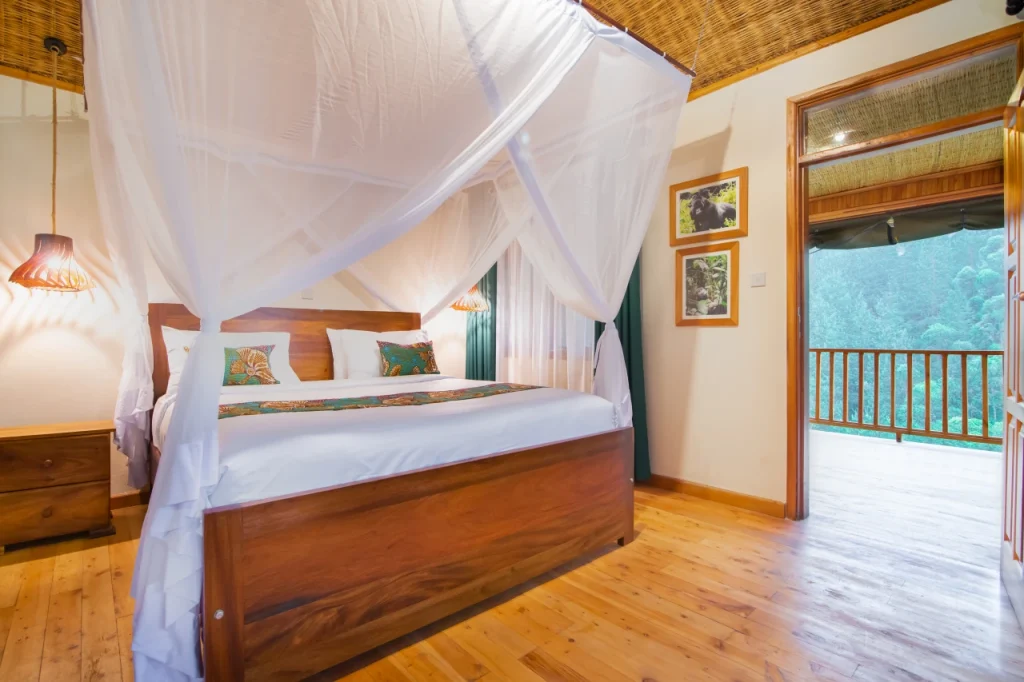 For Kibale National Park, Ndali Lodge provides a high-end experience overlooking the crater-lake landscape, Turaco Treetops is a strong midrange choice, and Kibale Forest Camp offers more affordable accommodation. In Queen Elizabeth National Park, Kyambura Gorge Lodge represents the luxury category, Buffalo Safari Lodge provides a comfortable midrange base, while Pumba Safari Cottages can suit budget-conscious travellers.
At Murchison Falls National Park, Nile Safari Lodge provides a luxury experience beside the Nile, Pakuba Safari Lodge is a popular midrange choice, and Red Chilli Rest Camp offers budget accommodation. Travellers visiting Kidepo Valley National Park can choose Apoka Safari Lodge for luxury, Kidepo Savannah Lodge for midrange comfort and Apoka Rest Camp for simpler accommodation. The Uganda Travel Guide can therefore be used to match this experience with available time and travel priorities.
At Lake Mburo National Park, Mihingo Lodge is an excellent luxury option, Rwakobo Rock provides comfortable midrange accommodation, while Eagle’s Nest Camp offers a more affordable stay. In Entebbe, Hotel No.5 suits luxury travellers, Best Western Premier Garden Hotel Entebbe provides midrange comfort, and Airport View Hotel can serve travellers seeking a simpler option.
Safari Vacations and Travel Services Ltd can match these or comparable properties to your Uganda Travel Guide itinerary according to availability, budget, park location and preferred level of comfort.
Best Uganda Safari Itineraries
A well-planned itinerary is essential for experiencing Uganda without spending too much time on the road. This Uganda Travel Guide recommends choosing a safari according to available time, preferred activities and travel pace. The following three itineraries range from a short gorilla-focused journey to a more complete Uganda safari combining mountain gorillas, chimpanzees and savannah wildlife. Safari Vacations and Travel Services Ltd can tailor each itinerary according to accommodation preference, arrival point and budget.
3 Days Uganda Gorilla Trekking Safari
This short Uganda safari is designed for travellers whose main priority is seeing mountain gorillas. The journey can begin in Kigali or Entebbe, although Kigali is often convenient for shorter trips to southwestern Uganda. The itinerary includes two nights around Bwindi Impenetrable National Park and one full day dedicated to gorilla trekking.
Day 1: Transfer to Bwindi Impenetrable National Park
Meet your professional driver-guide and travel toward Bwindi Impenetrable National Park. The journey provides views of southwestern Uganda’s rolling hills, agricultural landscapes and rural communities. Check into accommodation close to your confirmed gorilla trekking sector and spend the evening preparing for the following morning’s adventure.
Day 2: Gorilla Trekking in Bwindi
After an early breakfast, transfer to the relevant park briefing point. Rangers explain trekking regulations before guides lead your group into the forest. The time required to locate the gorillas varies according to their movements. Once the assigned habituated family is reached, standard trekking generally provides up to one hour of observation under applicable regulations. Return to the lodge afterwards for relaxation.
Day 3: Departure from Bwindi
After breakfast, begin your return journey to Kigali or Entebbe depending on the safari arrangements. Travellers with additional time can extend the journey to Lake Bunyonyi, Queen Elizabeth National Park or Mgahinga Gorilla National Park.
Best for: travellers with limited time, gorilla-focused holidays, couples, solo travellers and visitors combining Uganda with Rwanda.
5 Days Uganda Gorilla and Wildlife Safari
This five-day itinerary combines mountain gorilla trekking with traditional wildlife viewing, making it an excellent introduction to Uganda. This Uganda Travel Guide recommends combining Bwindi with Queen Elizabeth National Park because the two destinations offer dramatically different ecosystems while fitting naturally into the same route. Travellers can experience game drives, a boat safari and gorilla trekking without making the itinerary excessively long.
Day 1: Transfer to Queen Elizabeth National Park
Depart with your Safari Vacations and Travel Services Ltd driver-guide and travel toward Queen Elizabeth National Park. Depending on the starting point and timing, arrive later in the day and settle into your safari lodge overlooking the surrounding wilderness.
Day 2: Game Drive and Kazinga Channel Boat Safari
Begin with an early game drive searching for elephants, buffaloes, antelopes, lions and other wildlife. After lunch, take a boat safari along the Kazinga Channel. The channel is particularly rewarding for hippos, crocodiles, waterbirds and animals approaching the shoreline to drink.
Day 3: Queen Elizabeth National Park to Bwindi
Travel south toward Bwindi Impenetrable National Park, potentially passing through the Ishasha region depending on the selected route. Ishasha is famous for its tree-climbing lions, although sightings cannot be guaranteed. Continue into the forested highlands and check into accommodation near the confirmed gorilla trekking sector.
Day 4: Gorilla Trekking in Bwindi
Report for the morning briefing before entering Bwindi with your guides and trackers. Trek through the forest until the assigned gorilla family is located. Spend the regulated viewing period observing the gorillas before returning to the lodge. The remainder of the day can be used for relaxation.
Day 5: Return to Entebbe or Kigali
After breakfast, begin the return journey. Depending on international flight arrangements, an additional night in Entebbe or Kigali may be advisable rather than connecting directly with a late-afternoon or evening flight.
Best for: first-time Uganda visitors, couples, families with trekking-age children and travellers wanting both gorillas and classic African wildlife within a relatively short safari.
7 Days Uganda Gorilla, Chimpanzee and Wildlife Safari
This seven-day Uganda safari provides a more complete introduction to the country’s signature experiences. It combines chimpanzee tracking in Kibale National Park, wildlife viewing in Queen Elizabeth National Park and mountain gorilla trekking in Bwindi. The route demonstrates why Uganda is particularly attractive for primate enthusiasts who also want a traditional African safari. This Uganda Travel Guide considers it one of the strongest options for travellers with approximately one week available. This is another area where the Uganda Travel Guide can help travellers make more informed safari choices.
Day 1: Entebbe to Kibale National Park
Meet your professional driver-guide and travel west toward Kibale National Park. The journey passes through changing landscapes before reaching the Fort Portal and Kibale region. Check into your lodge and prepare for the following day’s chimpanzee experience.
Day 2: Chimpanzee Tracking in Kibale
After breakfast, report for your chimpanzee tracking briefing. Enter Kibale Forest with professional guides and search for habituated chimpanzees while learning about the forest’s primates and ecology. Once the chimpanzees are located, observe their behaviour according to current park regulations. An optional Bigodi Wetland experience can be incorporated depending on timing.
Day 3: Kibale to Queen Elizabeth National Park
Travel south toward Queen Elizabeth National Park, passing through the beautiful crater-lake and Rwenzori foothill landscapes. Arrive at your safari lodge and, where time permits, enjoy an introductory game drive.
Day 4: Game Drive and Kazinga Channel Boat Safari
Begin early with a game drive searching for lions, elephants, buffaloes, antelopes and other savannah wildlife. Later, enjoy a boat safari along the Kazinga Channel, where large numbers of hippos, waterbirds and other animals can often be observed around the shoreline.
Day 5: Queen Elizabeth National Park to Bwindi
Continue south toward Bwindi Impenetrable National Park. Depending on routing, the journey can pass through Ishasha, providing another opportunity to search for wildlife. Arrive at your lodge near the assigned gorilla trekking sector and relax before the next day’s trek.
Day 6: Gorilla Trekking in Bwindi
After an early breakfast, report to the park briefing point and enter the forest with your trekking group. The walk may take several hours depending on gorilla movements. Once the family is located, enjoy the permitted observation period before returning to the lodge. This is normally the defining experience of the safari. This Uganda travel advice can help visitors balance comfort, travel time and wildlife experiences.
Day 7: Bwindi to Entebbe or Kigali
After breakfast, begin your return journey to Entebbe or Kigali according to the final itinerary. Travellers with additional time can extend their Uganda safari with Lake Bunyonyi, Mgahinga, Lake Mburo or additional nights in Bwindi.
Best for: first-time visitors, primate enthusiasts, photographers and travellers wanting Uganda’s three signature experiences—mountain gorillas, chimpanzees and savannah wildlife—within one carefully planned journey.
Uganda Travel Guide for First-Time Visitors
Travelling to Uganda for the first time is an opportunity to experience one of Africa’s most diverse safari destinations. Mountain gorillas, chimpanzees, savannah wildlife, the River Nile, tropical forests and beautiful lakes can all be combined within one journey. This Uganda Travel Guide recommends that first-time visitors focus on a realistic selection of destinations rather than attempting to see the entire country in one trip. Uganda’s attractions are spread across different regions, and road transfers can be long, so careful itinerary planning makes a significant difference to the overall experience.
How Many Days Should First-Time Visitors Spend in Uganda?
Seven to fourteen days is an excellent range for a first Uganda safari. A seven-day itinerary can combine Kibale National Park, Queen Elizabeth National Park and Bwindi Impenetrable National Park, providing chimpanzee tracking, wildlife viewing and gorilla trekking. With ten to fourteen days, travellers can add Murchison Falls, Lake Mburo, Lake Bunyonyi or other destinations while maintaining a more comfortable pace. Visitors with only three or four days should concentrate on one major experience, such as gorilla trekking, rather than attempting several distant national parks. The Uganda Travel Guide also helps travellers connect this experience with the wider safari route.
What Should You See on Your First Uganda Safari?
For most first-time visitors, this Uganda Travel Guide recommends prioritising Uganda’s three strongest wildlife experiences: mountain gorillas, chimpanzees and traditional savannah wildlife. Bwindi is the principal gorilla trekking destination, while Kibale is the leading choice for chimpanzee tracking. Queen Elizabeth National Park fits naturally between them and adds game drives and the Kazinga Channel boat safari. This combination provides an excellent introduction to Uganda without requiring excessive travel between unrelated regions.
What Type of Safari Vehicle Should You Use?
A private 4×4 safari vehicle with a professional driver-guide is one of the most practical ways to explore Uganda. It provides space for luggage, flexibility during game drives and direct transportation between lodges and national parks. Travellers should expect a mixture of paved highways, secondary roads and rougher tracks inside protected areas.
 A knowledgeable local driver-guide also handles navigation while providing information about wildlife, landscapes and communities encountered along the route.
Be Prepared for Driving Distances
One of the most important Uganda travel tips for first-time visitors is to understand that road journeys can be substantial. Driving between Entebbe and southwestern Uganda can occupy much of a day, while transfers between national parks may take several hours. This Uganda Travel Guide recommends treating scenic road journeys as part of the experience while avoiding itineraries that require changing lodges every night. Domestic flights can reduce driving time for travellers with limited time or larger budgets.
Book Gorilla and Chimpanzee Permits Early
Primate permits should be among the first arrangements confirmed. Gorilla trekking permits are limited for each date and trekking area, while chimpanzee permits can also experience strong demand. Booking early gives travellers greater flexibility when selecting accommodation and safari dates. The location of the confirmed gorilla permit is particularly important because Bwindi has different trekking sectors, and accommodation should normally be selected close to the appropriate briefing point. Using the Uganda Travel Guide when planning this stage can make the overall itinerary more practical.
Prepare for Different Weather Conditions
First-time travellers should pack for both sunshine and rain. Uganda’s elevation and varied landscapes mean temperatures can differ considerably between destinations. Savannah areas may be warm during the day, while mornings around Bwindi and other highland regions can feel cool. Rain can occur even during relatively dry seasons. This Uganda Travel Guide recommends lightweight clothing, long trousers, sturdy walking footwear, a waterproof jacket, sun protection, insect repellent and a light fleece or jacket.
Choose Accommodation for Location, Not Only Price
A beautiful lodge is less useful if it creates unnecessary hours of driving to reach an activity. This is especially important in Bwindi, where staying near the correct gorilla trekking sector simplifies the morning of the trek. Similar considerations apply to wildlife parks, where strategically located accommodation can provide easier access to game-drive areas. Budget, midrange and luxury Uganda safaris can all provide excellent experiences when accommodation is selected intelligently.
Planning Your First Uganda Safari
First-time visitors do not need to organise every safari component independently. Safari Vacations and Travel Services Ltd can coordinate permits, accommodation, private 4×4 transportation, professional driver-guides and complete safari routing. A successful first journey should balance major wildlife experiences with enough time to enjoy each destination. With realistic planning, this Uganda Travel Guide can help travellers combine gorillas, chimpanzees, wildlife, scenery and local experiences into a memorable introduction to the Pearl of Africa. The Uganda Travel Guide places this information within the broader context of planning a complete safari.
What to Pack for Uganda
Packing correctly can make a significant difference to your comfort during a Uganda safari, particularly when combining gorilla trekking, chimpanzee tracking and traditional wildlife viewing. This Uganda Travel Guide recommends packing lightweight, practical clothing that can handle warm savannah conditions, cooler highland mornings and occasional tropical rainfall. Avoid overpacking, especially if your itinerary includes domestic flights where baggage restrictions may apply.
Clothing and Footwear
Pack lightweight long trousers, breathable shirts and a few long-sleeved tops for forest activities and protection from insects and vegetation. Neutral colours such as khaki, beige, brown and green are practical for safari activities. A light fleece or jacket is useful for early mornings and higher-altitude destinations such as Bwindi and Mgahinga. Comfortable walking shoes are suitable for general travel, while sturdy hiking boots with good grip are recommended for gorilla and chimpanzee trekking.
Rain Gear and Daypack
A lightweight waterproof jacket or poncho is essential because rain can occur throughout the year, especially in Uganda’s tropical forests. This Uganda Travel Guide also recommends a comfortable daypack for carrying drinking water, camera equipment, rain gear, sunscreen and personal essentials during trekking activities. Gardening-style gloves and gaiters can be particularly useful for gorilla trekking.
Camera, Binoculars and Electronics
Bring a camera with spare batteries and sufficient memory cards if photography is important to you. Binoculars are valuable for game drives and especially useful for Uganda’s exceptional birdlife. A power bank can help during long drives and stays at remote lodges. Uganda generally uses Type G electrical sockets, so travellers may require an appropriate adapter.
Documents and Personal Essentials
Carry your passport, applicable visa documents, travel insurance information, vaccination documentation where required and copies of important reservations. Prescription medication should remain in your hand luggage. Sunscreen, insect repellent, a reusable water bottle and personal toiletries are also useful. Safari Vacations and Travel Services Ltd can provide destination-specific packing advice based on your final Uganda Travel Guide itinerary and planned activities. For first-time visitors, the Uganda Travel Guide provides a useful reference when comparing these options.
Health, Safety and Travel Advice for Uganda
Health and safety preparation is an important part of planning any international journey. This Uganda Travel Guide recommends obtaining comprehensive travel insurance covering medical treatment, emergency assistance, trip interruption and the activities included in your safari. Travellers should also consult an appropriate travel-health professional before departure for personalised advice on vaccinations, malaria prevention and medication. Entry-related health requirements, including yellow fever documentation where applicable, should be verified using current official information. A practical Uganda safari guide should also account for road conditions, permit availability and lodge location.
Health Precautions During Your Uganda Safari
Malaria is present in Uganda, so travellers should discuss appropriate preventive medication with a qualified healthcare professional. Insect repellent, long clothing during higher-risk periods and mosquito nets where provided can offer additional protection. Drink safe bottled or appropriately treated water and maintain normal food hygiene precautions. Travellers undertaking gorilla trekking, chimpanzee tracking or mountain hiking should also consider their fitness and carry any essential personal medication.
This Uganda Travel Guide recommends informing your safari operator about dietary requirements, mobility considerations or other logistical needs that may affect itinerary planning. However, medical conditions and medication should always be discussed with qualified healthcare professionals rather than relying solely on general travel advice.
Safety While Travelling in Uganda
Travellers should follow current government travel advice, park regulations and instructions from professional guides. Keep passports, cash and valuables secure, avoid displaying unnecessary expensive items in crowded places and use organised transportation, particularly when unfamiliar with an area.
During wildlife activities, never approach animals independently or leave a safari vehicle unless your guide confirms it is permitted. Gorilla and chimpanzee trekking also require strict compliance with ranger instructions. Safari Vacations and Travel Services Ltd can arrange professional driver-guides, private transportation and carefully planned routes, helping visitors using this Uganda Travel Guide travel confidently while enjoying Uganda’s national parks and attractions. The Uganda Travel Guide can therefore be used to match this experience with available time and travel priorities.
Uganda Culture, People and Local Experiences
Uganda’s cultural diversity is an important part of the country’s appeal and adds considerable depth to a wildlife-focused journey. Numerous communities across the country maintain distinctive languages, cuisines, music, dance, crafts and social traditions. This Uganda Travel Guide encourages travellers to include carefully selected cultural experiences alongside gorilla trekking, chimpanzee tracking and wildlife safaris, while approaching communities respectfully and avoiding experiences that reduce local culture to staged entertainment.
Cultural Diversity in Uganda
Different regions offer very different cultural settings. Central Uganda is strongly influenced by the heritage of the Buganda Kingdom, while western Uganda contains several historic kingdoms and communities with distinctive agricultural traditions. Northern and northeastern Uganda provide further cultural diversity, including communities throughout the wider Karamoja region. English and Swahili are official languages, while numerous indigenous languages are spoken across the country.
Food can also provide an accessible introduction to everyday Ugandan culture. Travellers may encounter matooke, groundnut-based sauces, beans, cassava, sweet potatoes, fresh fish, meat dishes and tropical fruits, with recipes varying considerably by region.
Community Experiences During a Uganda Safari
Community tourism can be incorporated around several major safari destinations. Visitors may participate in guided village walks, craft demonstrations, coffee experiences, music and dance performances or community-led nature activities depending on the destination and programme available.
A Uganda Travel Guide itinerary might combine cultural experiences with time around Bwindi, Kibale, Kidepo or other safari regions. Responsible tourism should create meaningful local economic benefits while respecting privacy, traditions and personal dignity. Travellers should ask permission before photographing individuals and follow guidance from local hosts.
Safari Vacations and Travel Services Ltd can incorporate suitable community and cultural experiences into a Uganda safari, helping travellers discover that the country’s appeal extends far beyond its extraordinary mountain gorillas and wildlife.
Uganda Travel Guide for Different Travellers
Uganda can be adapted to many different travel styles, making it suitable for couples, families, solo travellers, seniors, photographers, birdwatchers and visitors seeking either affordable or luxury experiences. This Uganda Travel Guide recommends designing the itinerary around the traveller rather than using the same route for everyone. Safari duration, accommodation, transportation and activities can all be adjusted according to interests, physical ability and budget.
Uganda Safaris for Couples and Honeymooners
Couples can combine mountain gorilla trekking with intimate safari lodges, private game drives and relaxing stays around Lake Bunyonyi. Honeymoon itineraries may include Bwindi, Queen Elizabeth National Park and Kibale before finishing at a secluded lodge. Private 4×4 transportation provides flexibility, while domestic flights can reduce long transfers. This Uganda Travel Guide recommends spending at least two nights in major destinations so couples have time to enjoy their accommodation rather than constantly moving between lodges. This is another area where the Uganda Travel Guide can help travellers make more informed safari choices.
Uganda Safaris for Families
Uganda offers excellent family safari possibilities, particularly for families with older children. Game drives, boat safaris and birdwatching can be combined with primate experiences for eligible family members. Gorilla trekking has a minimum age requirement of 15 years, so families with younger children should arrange suitable alternative activities and supervision. Private vehicles are particularly useful because daily schedules can be adapted around the family’s needs.
Uganda Safaris for Solo Travellers
Solo travellers can explore Uganda safely and comfortably through a professionally organised private safari or suitable shared departure. A private itinerary provides maximum flexibility but can have a higher per-person transportation cost because vehicle expenses are not shared. Solo travellers particularly interested in gorillas can also consider shorter itineraries from Entebbe or Kigali. This Uganda Travel Guide recommends confirming single-room supplements when comparing safari quotations.
Uganda Safaris for Seniors
Senior travellers can enjoy Uganda with careful itinerary planning. The key considerations are realistic driving times, comfortable accommodation and selecting activities according to individual mobility and fitness. Gorilla trekking can be physically demanding, but porters provide valuable assistance on difficult terrain. Travellers with mobility concerns should discuss them during the planning stage so appropriate arrangements can be considered.
Uganda Safaris for Photographers
Photographers should prioritise private safari vehicles, longer stays and sufficient time at wildlife sightings. Bwindi provides extraordinary primate photography, while Queen Elizabeth, Murchison Falls and Kidepo offer excellent savannah subjects. Kibale adds chimpanzees and forest photography. This Uganda Travel Guide recommends carrying sufficient batteries and memory cards while avoiding excessive equipment during demanding forest treks.
Uganda for Birdwatchers
Uganda is particularly rewarding for birdwatchers because forests, wetlands, savannahs, mountains and lakes occur within relatively short geographic distances. Specialist itineraries can include Mabamba Wetland for the shoebill, Bwindi for forest species and Queen Elizabeth or Murchison Falls for water and savannah birds. Dedicated birding safaris should move more slowly than conventional wildlife itineraries to allow sufficient time at productive locations.
Budget Uganda Safaris
Budget-conscious travellers can reduce costs by choosing simple accommodation while retaining important experiences such as gorilla trekking, chimpanzee tracking and game drives. Travelling with companions can reduce per-person transportation expenses. A carefully designed Uganda Travel Guide itinerary should prioritise reliable vehicles, knowledgeable guides and essential permits before spending heavily on luxury accommodation.
Luxury Uganda Safaris
Luxury travellers can combine premium forest lodges, exclusive safari properties, private 4×4 vehicles and domestic flights. High-end journeys can reduce long road transfers while allowing additional time for wildlife experiences. Safari Vacations and Travel Services Ltd can tailor Uganda safaris for different travel styles, ensuring the pace, accommodation and activities match each traveller rather than forcing everyone into a standard itinerary.
Combining Uganda with Rwanda, Kenya and Tanzania
Uganda’s location makes it an excellent starting point for a wider East African journey. Travellers can combine mountain gorillas and chimpanzees with Rwanda’s primate experiences, Kenya’s savannah wildlife or Tanzania’s Serengeti and Ngorongoro. This Uganda Travel Guide recommends multi-country safaris for travellers with approximately two weeks or longer, although shorter combinations are possible when domestic or regional flights are used strategically. This Uganda tourism guide approach helps travellers compare destinations according to time, budget and interests.
Uganda and Rwanda Safaris
Uganda and Rwanda are one of the easiest combinations for primate-focused travellers. Southwestern Uganda lies relatively close to Rwanda, making road transfers between Kigali and the Bwindi or Mgahinga region practical for many itineraries. Travellers can trek mountain gorillas in Uganda and continue to Rwanda for golden monkeys, Volcanoes National Park or cultural and historical experiences in Kigali.
A combined Uganda-Rwanda safari can also begin in Entebbe and finish in Kigali, avoiding the need to retrace the entire route. For example, travellers can visit Kibale, Queen Elizabeth National Park and Bwindi before crossing into Rwanda. This Uganda Travel Guide recommends checking current immigration and visa requirements before planning a cross-border journey.
Uganda and Kenya Safaris
Combining Uganda with Kenya creates an excellent primate-and-savannah itinerary. Uganda provides mountain gorillas and chimpanzees, while Kenya adds destinations such as the Masai Mara, Amboseli and other wildlife areas. Regional flights can connect Entebbe and Nairobi, making the combination relatively straightforward.
This option works particularly well for first-time East African visitors who want both forest primates and extensive open-plains wildlife. During suitable periods, travellers may also incorporate seasonal wildlife movements in the greater Mara ecosystem. Because Kenya and Uganda provide different experiences, combining them can create a more diverse journey than attempting to make either country replicate the other.
Uganda and Tanzania Safaris
A Uganda and Tanzania combination brings together two of East Africa’s strongest wildlife experiences. Uganda provides mountain gorillas and chimpanzees, while Tanzania offers Serengeti National Park, Ngorongoro Crater and Tarangire National Park. Travellers interested in the Great Migration can schedule the Tanzania portion according to broad seasonal herd movements.
Regional flights are generally the most efficient way to connect the two countries. A Uganda Travel Guide itinerary might begin with gorilla trekking in Bwindi, include chimpanzees in Kibale and then continue by air toward northern Tanzania for a Serengeti and Ngorongoro safari.
Combining Uganda, Rwanda and Tanzania
Travellers with more time can create a comprehensive journey combining all three countries. Such an itinerary could include chimpanzees in Kibale, mountain gorillas in Bwindi, Rwanda’s Volcanoes region and Tanzania’s Serengeti and Ngorongoro. The safari should normally be designed as a logical one-way route with carefully selected regional flights rather than repeatedly returning to the same gateway.
How Long Do You Need for a Multi-Country Safari?
Approximately 10 to 14 days can provide a focused two-country journey, while 14 to 21 days allows a more comfortable combination of primates and traditional wildlife. Longer journeys provide greater flexibility for photography, rest days and additional destinations. Trying to include Uganda, Rwanda, Kenya and Tanzania within a short holiday can create excessive transfers and reduce actual wildlife-viewing time.
Planning a Multi-Country East African Safari
Safari Vacations and Travel Services Ltd can design cross-border itineraries combining Uganda with neighbouring East African destinations. Planning should consider international and regional flights, visas, border crossings, primate permits, accommodation and seasonal wildlife movements. With the correct logistics, travellers can use this Uganda Travel Guide as the foundation for a broader East African adventure combining mountain gorillas, chimpanzees, Big Five wildlife and some of the continent’s most celebrated safari landscapes.
Why Book Your Uganda Safari with Safari Vacations and Travel Services Ltd
Planning a Uganda safari involves much more than choosing national parks and accommodation. Gorilla and chimpanzee permits, trekking sectors, road transfers, park activities and lodge locations must work together efficiently. Safari Vacations and Travel Services Ltd is a local Ugandan safari company specialising in tailor-made journeys designed around each traveller’s interests, available time, comfort preferences and budget. Whether you are planning your first visit or returning for a more specialised adventure, our local knowledge helps transform this Uganda Travel Guide into a practical, personalised itinerary.
We can assist with Uganda gorilla trekking permits, chimpanzee tracking arrangements, accommodation reservations, airport transfers and private 4×4 safari transportation. Our professional driver-guides accompany travellers between destinations while providing valuable knowledge about Uganda’s wildlife, landscapes and communities. We carefully consider driving distances and lodge locations, helping avoid unnecessarily rushed itineraries and allowing more time for the experiences that brought you to Uganda.
Safari Vacations and Travel Services Ltd can arrange budget, midrange and luxury Uganda safaris, from short gorilla trekking journeys to extended adventures combining Bwindi, Kibale, Queen Elizabeth National Park, Murchison Falls, Lake Mburo, Kidepo Valley and other destinations. We can also create multi-country journeys connecting Uganda with Rwanda, Kenya or Tanzania.
Our goal is to provide clear safari planning, reliable local support and excellent value while creating an itinerary suited specifically to you. Whether your dream is standing quietly beside mountain gorillas in Bwindi, following chimpanzees through Kibale Forest, photographing elephants on a game drive or cruising the Nile at Murchison Falls, Safari Vacations and Travel Services Ltd can help organize every stage of the journey. Use this Uganda Travel Guide as your starting point, then contact Safari Vacations and Travel Services Ltd to turn your ideas into a carefully planned Uganda safari.
Contact us today to start Planning.