
Mountain Gorilla Population in Uganda
Mountain Gorilla Population in Uganda: 7 Powerful Facts
The mountain gorilla population in Uganda is one of conservation’s most closely watched wildlife stories. For travelers, the essential answer is simple but nuanced: Bwindi-Sarambwe’s latest confirmed published estimate is 459 mountain gorillas, while Mgahinga belongs to the wider Virunga population shared with Rwanda and the Democratic Republic of Congo. This guide explains what those numbers mean, what the new census may change, and how to plan a responsible encounter.
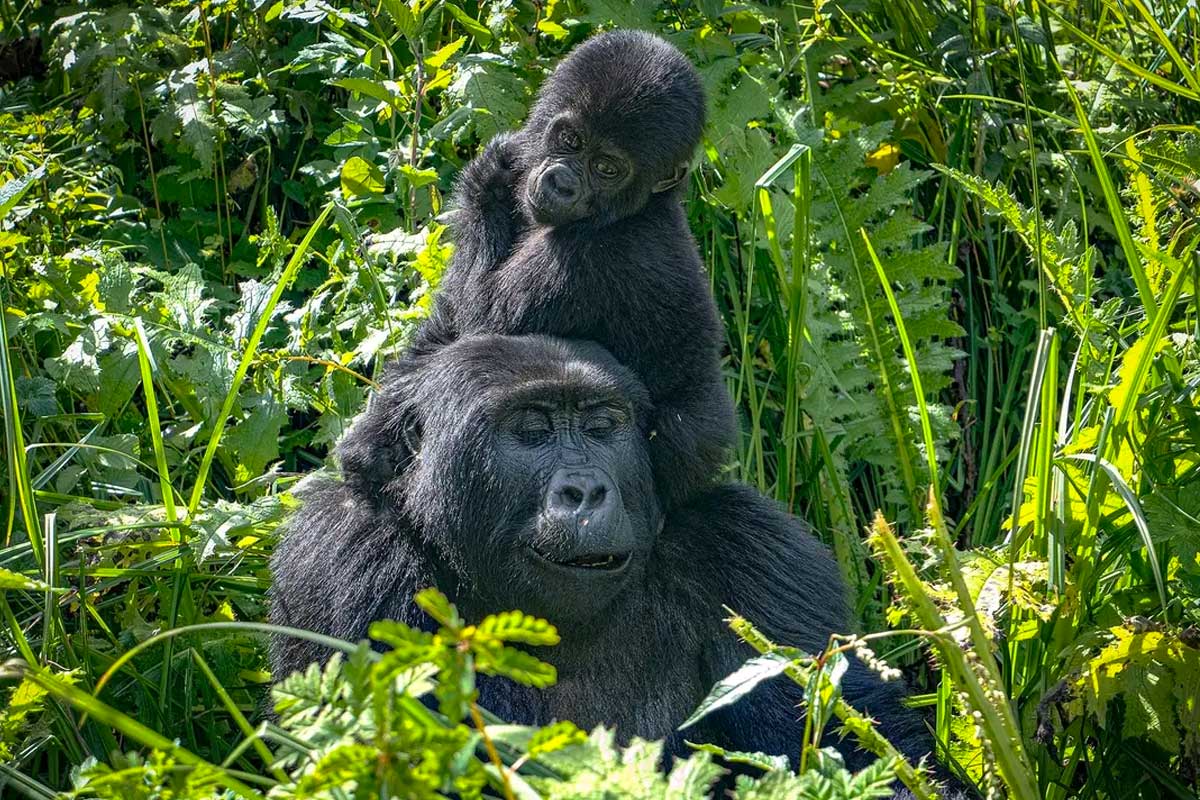
Quick Answer: Uganda Gorilla Population at a Glance
Bwindi-Sarambwe: 459 in the 2018 census. Virunga Massif: 604 in the last widely cited transboundary estimate, shared by Uganda, Rwanda and DR Congo. Global benchmark: 1,063. Status: Endangered. New census: completed, with updated genetic analysis awaiting official release in the latest UWA material reviewed.
Mountain Gorilla Population in Uganda: The Latest Confirmed Number
The most useful answer begins with an important distinction. The latest officially cited benchmark for the mountain gorilla population in Uganda is 459 individuals in the Bwindi-Sarambwe population, based on the 2018 genetic census. Uganda Wildlife Authority’s State of Wildlife Resources in Uganda 2026 still uses 459 for Bwindi while noting that a newer census has been completed and its genetic data are being analysed. That means travelers should treat 459 as the latest confirmed published Bwindi figure, not as a live headcount for every gorilla currently inside Uganda.
The number is often misunderstood because Uganda also contains Mgahinga Gorilla National Park, which forms part of the Virunga Massif population shared across Uganda, Rwanda and the Democratic Republic of Congo. The last widely cited Virunga estimate is 604 individuals. It would therefore be inaccurate simply to add all 604 to Uganda’s 459, because most of that Virunga population is transboundary rather than exclusively Ugandan. The safest way to describe the mountain gorilla population in Uganda is to separate the confirmed Bwindi-Sarambwe count from the shared Virunga population that includes Mgahinga.
Uganda mountain gorillas are protected in two very different landscapes, and both support regulated trekking. Bwindi holds the larger, distinct population; Mgahinga protects habitat connected to the Virunga volcanoes. The current story is therefore not one simple national total but two connected conservation geographies.
How Many Mountain Gorillas Are Left in the World?
The most frequently quoted global benchmark is 1,063 mountain gorillas. That figure combines the 459 animals estimated in the 2018 Bwindi-Sarambwe census with 604 in the Virunga Massif from the preceding transboundary census. Mountain gorillas live only in these two wild populations; they are not a species that tourists can see in zoos. This tiny global range is why every forest block, ranger patrol, veterinary intervention and carefully managed tourism visit matters.
The global number also explains why the mountain gorilla population in Uganda attracts so much international attention. Bwindi alone contains a very large share of the world’s known mountain gorillas, while Mgahinga contributes to the second population across the Virungas. Search results sometimes describe Uganda as holding “half the world’s mountain gorillas.” That is a useful shorthand for tourism, but the scientific picture is more precise when Bwindi and the shared Virunga landscape are reported separately.
The 2025–2026 Bwindi-Sarambwe census is designed to update the older benchmark. Until the final genetic analysis is officially published, a responsible travel guide should not turn sightings, births or tracker records into a new national estimate. Population science takes time because researchers must distinguish individuals, identify duplicated samples and account for groups that move through dense forest.
Where Do Uganda Mountain Gorillas Live?
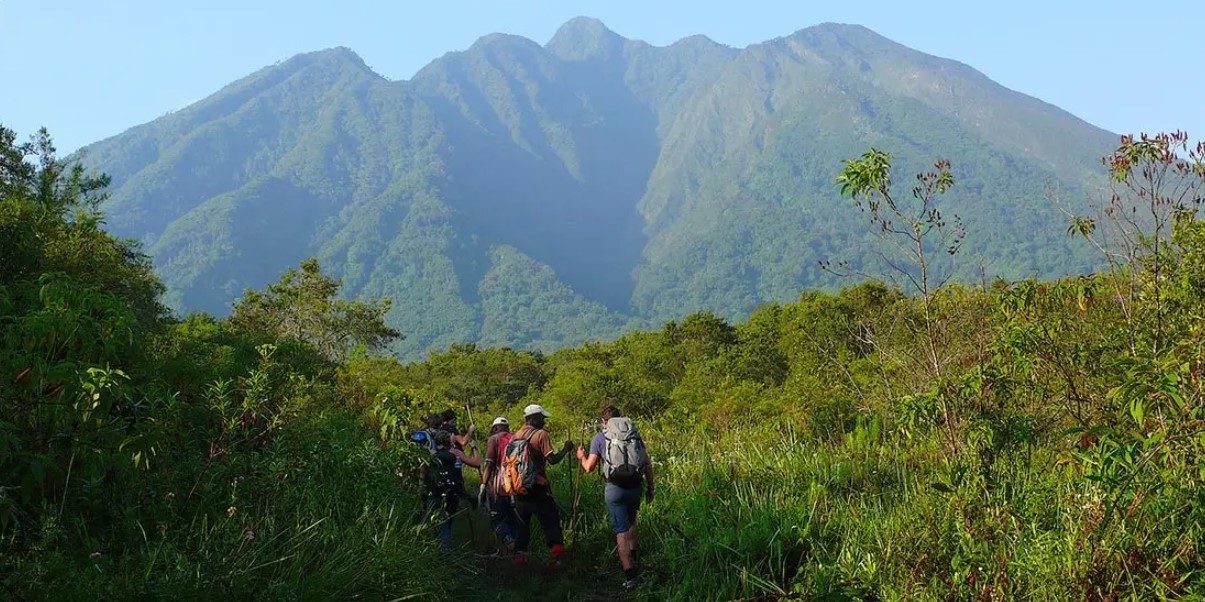
Uganda mountain gorillas occur in Bwindi Impenetrable National Park and Mgahinga Gorilla National Park in the southwest of the country. Bwindi is an ancient, exceptionally biodiverse montane forest of steep ridges and deep valleys. It is divided for tourism into Buhoma, Ruhija, Rushaga and Nkuringo sectors. Each sector has its own road access, lodges, terrain and habituated families, so choosing a trekking sector is a practical travel decision rather than merely a name on a permit.
Mgahinga is smaller and dramatically volcanic. It lies on the Ugandan side of the Virunga Massif, a chain that continues into Rwanda and the Democratic Republic of Congo. Its gorillas belong to the Virunga population rather than the distinct Bwindi population. This is one reason a single mountain gorilla population in Uganda figure can be misleading: gorillas do not organize themselves around modern national borders.
For a visitor, both parks can deliver intimate forest encounters. Bwindi usually offers more sector choices and a wider accommodation spread, while Mgahinga can appeal to travelers combining gorillas with golden monkeys, volcano scenery or the Kisoro area. The choice should be based on permit availability, route, fitness, accommodation and the wider safari plan rather than population size alone.
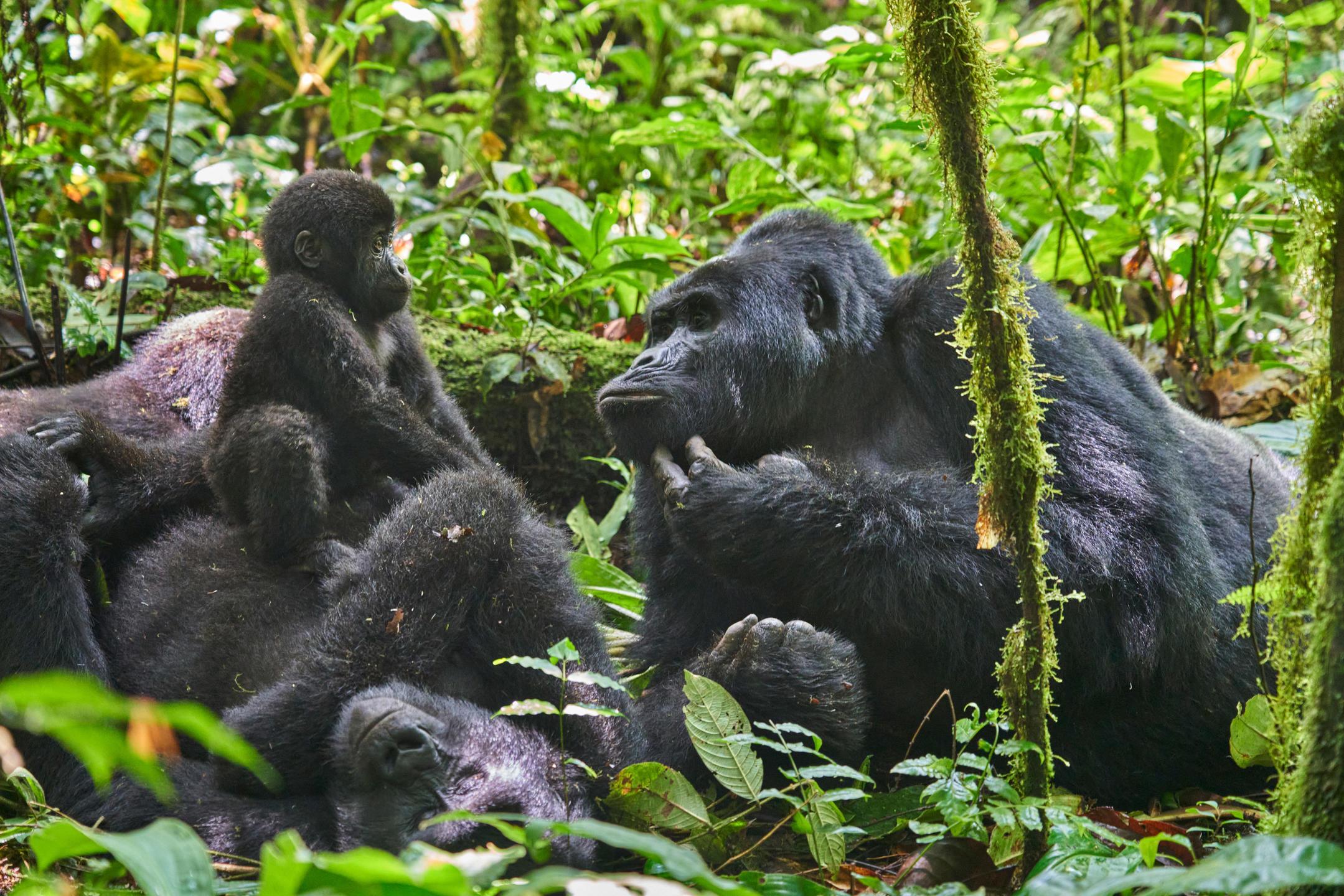
Bwindi Gorilla Population: What the 459 Figure Really Means
The Bwindi gorilla population estimate of 459 came from a systematic survey of the Bwindi-Sarambwe ecosystem. Census teams searched the forest for fresh gorilla signs and collected biological material, particularly dung associated with nests. Genetic analysis helps researchers identify individuals and reduce the risk of counting the same gorilla more than once. The method is far more rigorous than adding together the gorillas seen by tourists or the families monitored for trekking.
The census also matters because not every gorilla is habituated to tourists. Some groups are accustomed to carefully controlled human presence, while other gorillas remain unhabituated. A tourist permit therefore gives access to a managed trekking system, not to the entire Bwindi gorilla population. The mountain gorilla population in Uganda includes animals that visitors may never see.
Long-term comparisons show why the result is celebrated. Uganda Wildlife Authority has reported roughly 300 gorillas in Bwindi in the early 1990s, about 320 in 2002, around 340 in 2006 and 459 in 2018. Methods have improved over time, so simple percentage comparisons should be interpreted carefully, yet the overall recovery is one of Africa’s most encouraging great-ape conservation stories.
Turn Gorilla Research Into a Responsible Safari
Share your travel dates, group size and preferred trekking area to start planning around permits, realistic transfers and conservation-minded viewing.
Mgahinga and the Shared Virunga Gorilla Population
Mgahinga Gorilla National Park cannot be understood in isolation from Rwanda’s Volcanoes National Park and the Democratic Republic of Congo’s Virunga National Park. Together they protect the Virunga Massif population. The widely cited estimate of 604 mountain gorillas belongs to that entire transboundary landscape. Gorillas can move across borders that are meaningful to people but invisible to wildlife.
This geography is why statements about Uganda mountain gorillas need careful wording. A gorilla using habitat in Mgahinga is part of Uganda’s wildlife while it is there, yet the scientific population estimate is calculated for the broader Virunga ecosystem. Travelers should therefore avoid interpreting 604 as “the Mgahinga total.” Mgahinga’s tourism is associated especially with the Nyakagezi family, but family composition and ranging patterns can change.
From a conservation perspective, the transboundary model is a strength. Authorities and conservation partners coordinate monitoring, law enforcement and research across a landscape that no single country can protect alone. Mountain gorilla conservation succeeds when ecological boundaries, not only political boundaries, guide management.
Why the Mountain Gorilla Population Has Increased
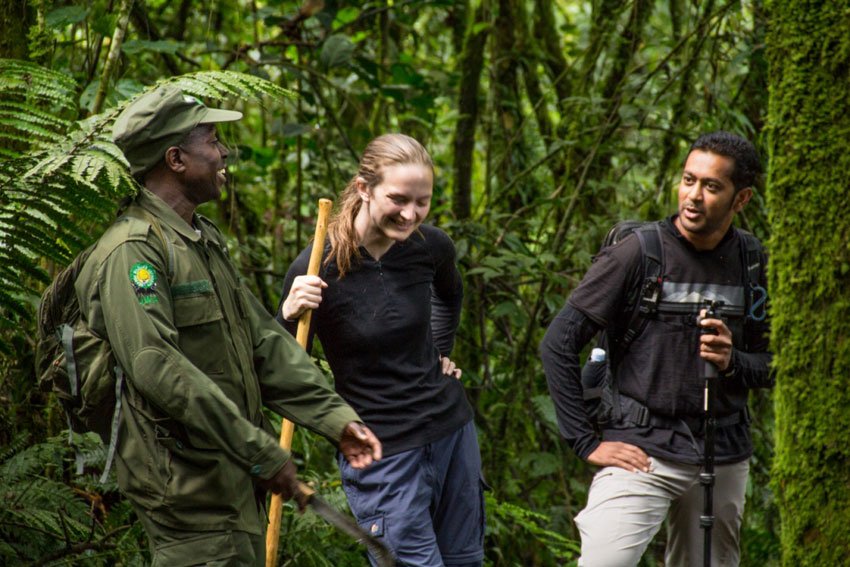
The recovery did not happen because one intervention solved one problem. It reflects decades of ranger protection, habitat management, veterinary support, research, community engagement and tightly regulated tourism. Daily monitoring of habituated groups helps teams notice snares, injuries, unusual behaviour or health problems. Law enforcement reduces direct threats, while veterinary teams can intervene in carefully defined circumstances when human-caused injuries or serious illness threaten an individual.
Tourism is also part of the conservation economy. Gorilla permits generate revenue, create guiding and hospitality jobs, and make living gorillas economically important to the surrounding region. That does not mean tourism is automatically harmless. Mountain gorillas are susceptible to human respiratory diseases, and poorly managed visitation could undermine the very conservation success visitors come to see. Rules on distance, group size, health, behaviour and encounter time are therefore conservation tools.
Community relationships are equally important. Forest-edge households live with the costs and benefits of protected areas. Revenue sharing, employment, local enterprise, crop-conflict responses and access to alternatives for forest resources can influence whether conservation feels locally valuable. The mountain gorilla population in Uganda is consequently linked to both ecological protection and the human economy around Bwindi and Mgahinga.
How Scientists Count Mountain Gorillas in Dense Forest
Counting mountain gorillas is nothing like counting elephants on an open plain. Bwindi is steep, wet and densely vegetated, with visibility often limited to a few metres. Researchers cannot simply fly over the canopy and count bodies. Instead, teams move systematically through the forest looking for trails, feeding signs and night nests. Fresh nest sites can yield dung samples that contain DNA.
Genetic analysis is the crucial second stage. Samples can reveal sex, identify individuals and show whether material collected at different places came from the same gorilla. Repeated sampling improves confidence and helps researchers estimate animals that might have been missed during a single sweep. This is why the new census results are not released the moment field teams finish walking the forest.
For tourists researching the mountain gorilla population in Uganda, this process explains why a seemingly old number can remain the official benchmark. A scientifically defensible census takes fieldwork, laboratory analysis, quality control and collaboration. Daily tracker observations are extremely valuable, but they answer different questions from a landscape-wide population estimate.
What the 2025–2026 Census Could Change
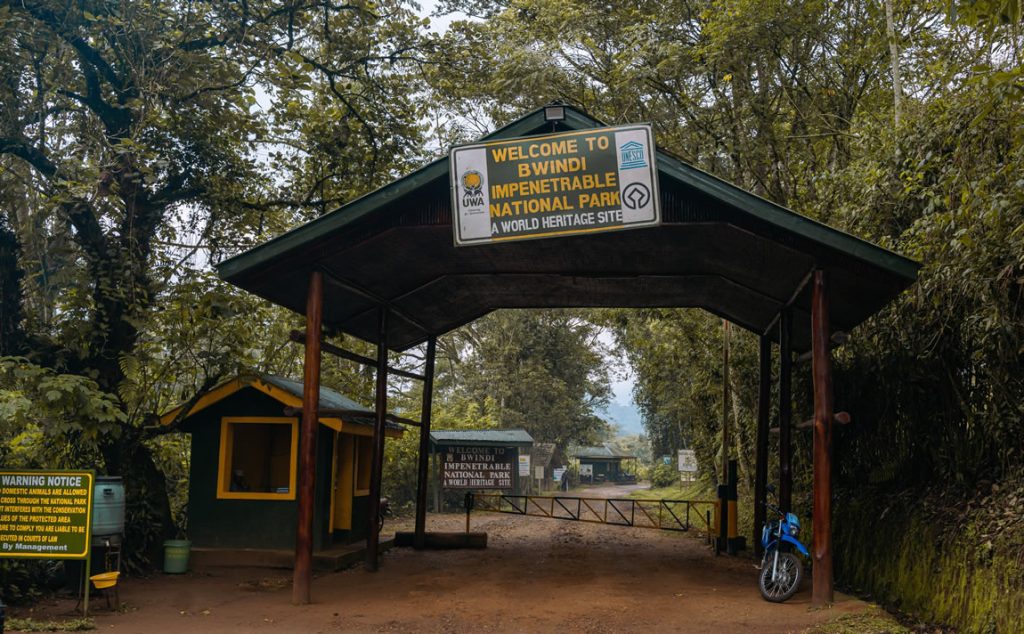
The new Bwindi-Sarambwe survey was launched to provide a fresh estimate and show how the population has changed since 2018. Uganda’s 2026 wildlife report states that the census was completed and the data were under analysis. As of the latest official material reviewed for this page, the final updated mountain-gorilla estimate had not yet replaced 459 as the published benchmark.
That makes this a moment when precision matters. It is reasonable to say that conservation teams are measuring the next chapter; it is not reasonable to invent a higher number because births have been reported or because the long-term trend has been positive. Deaths, dispersal, unobserved groups and sampling uncertainty all affect the final estimate.
When new results are released, the most informative comparison will look beyond the headline total. Researchers and conservation managers will also care about group structure, solitary males, distribution, genetic information, habitat pressures and signs of human activity. For a tourist, the headline will be “how many?” For conservation, the deeper question is whether the population and its habitat remain resilient.
Turn Gorilla Research Into a Responsible Safari
Share your travel dates, group size and preferred trekking area to start planning around permits, realistic transfers and conservation-minded viewing.
Gorilla Trekking in Uganda: How Population Protection Shapes Your Visit
Gorilla trekking in Uganda is designed around controlled access. Visitors receive a briefing, trek with trained guides and trackers, and spend a limited period with an assigned habituated family once it is located. The trek itself can range from relatively short to demanding because gorillas move freely and terrain varies. A permit is therefore not a promise that a family will be waiting beside a trailhead.
The tourism system exists inside a conservation system. Visitors who are ill may be advised not to trek because respiratory infections can pass between humans and great apes. Rangers control approach, behaviour and viewing distance. Flash photography, eating near gorillas, touching animals and ignoring ranger instructions are inappropriate. These rules protect both visitors and the mountain gorilla population in Uganda.
Travel planning should begin with the permit and trekking sector, then work outward to accommodation and transport. Bwindi’s four sectors are not interchangeable at the last minute; driving between them can take hours on mountain roads. Mgahinga has different access logic through Kisoro. A well-planned trip reduces unnecessary road time and gives travelers a calmer experience before the early morning briefing.
Best Time to See Uganda Mountain Gorillas
Uganda mountain gorillas can be trekked throughout the year, but trail conditions change with rainfall. Drier periods are often preferred because paths can be less muddy and road access more predictable. Wetter months can bring lush forest, dramatic photography and sometimes fewer visitors, but rain can make steep slopes more tiring. Bwindi is a rainforest, so showers are possible even during months commonly described as dry.
The best time is therefore partly personal. A traveler prioritizing easier footing may favor drier conditions; a photographer may enjoy saturated greens and mist; a budget-conscious visitor may look for quieter travel periods around the trekking component. Permit availability can be more important than small weather differences, especially when travel dates are fixed.
Population size should not determine the month you visit. The mountain gorilla population in Uganda is monitored year-round, and habituated families are tracked daily. Seasonal planning is mainly about your comfort, road conditions, broader safari route and availability rather than a predictable seasonal congregation of gorillas.
Conservation Threats That Still Matter
The change from Critically Endangered to Endangered on the IUCN Red List in 2018 was a major milestone, but “Endangered” still describes a species facing serious risk. Mountain gorillas occupy a tiny range surrounded by densely populated human landscapes. Habitat pressure, disease, snares set for other wildlife, climate change and the consequences of regional instability remain relevant concerns.
Disease is particularly important because gorillas and humans are closely related. Tourism, research and conservation staff all create potential contact pathways, which is why health protocols matter. Habitat integrity is equally fundamental. A growing population needs secure forest, food resources and space for groups to range without escalating conflict at park boundaries.
Mountain gorilla conservation therefore cannot be judged only by whether the headline number rises. A healthy future also depends on genetic diversity, reproduction, survival, habitat quality and constructive relationships with neighboring communities. The mountain gorilla population in Uganda is a success story, but it is a success that requires continuous work.
What Tourists Can Do to Support Mountain Gorilla Conservation
The first contribution is to follow the rules without treating them as obstacles to photography. Listen to rangers, respect distance guidance, keep voices low, avoid sudden movements and do not trek when health rules make participation inappropriate. A calm encounter is better for gorillas and usually better for visitors too.
The second contribution is to make travel spending more locally useful. Stay in responsibly run accommodation, hire qualified local guides, buy crafts from identified makers, tip appropriately and choose community experiences that are transparent about who benefits. Ask operators how they handle waste, water, staff welfare and conservation contributions rather than relying on vague “eco” language.
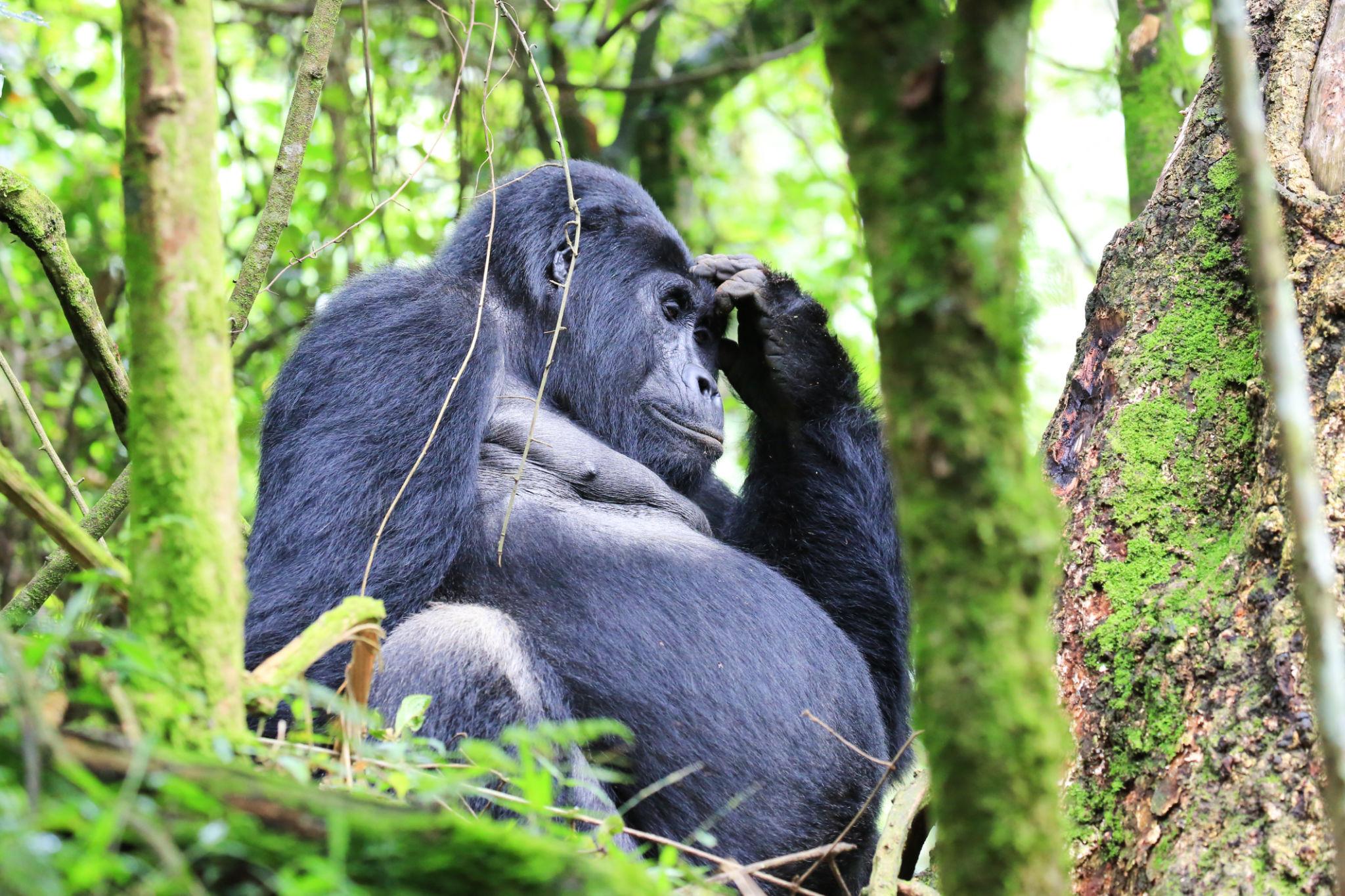
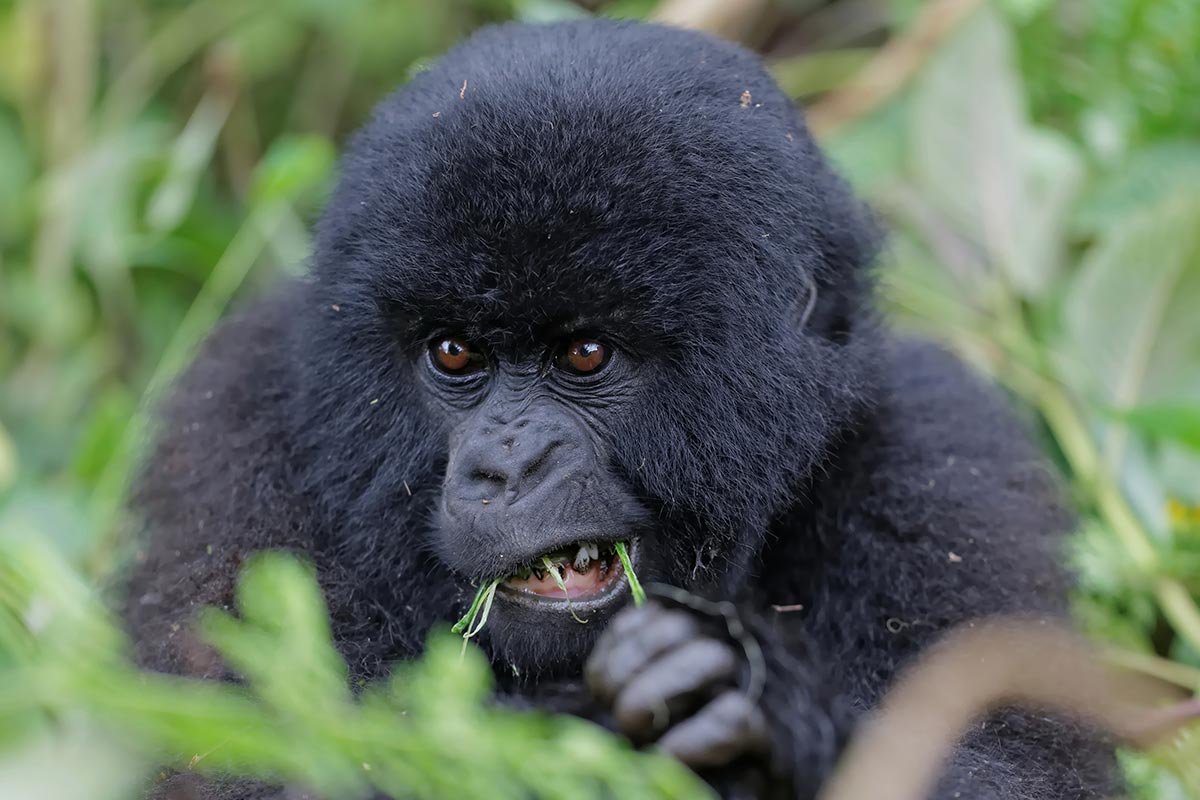
Finally, approach the mountain gorilla population in Uganda as wildlife rather than a photo prop. Gorillas are not guaranteed to face the camera, babies may remain partly hidden, and a silverback may spend much of the encounter feeding or resting. Respecting natural behaviour is part of the privilege of seeing an endangered great ape in its own forest.
Turn Gorilla Research Into a Responsible Safari
Share your travel dates, group size and preferred trekking area to start planning around permits, realistic transfers and conservation-minded viewing.
Planning a Gorilla Safari Around the Population Story
A population-focused article often leads to a practical question: where should you actually go? If your priority is maximum choice of trekking sectors, lodge styles and route combinations, Bwindi is usually the logical anchor. If you want a smaller park, Virunga volcano scenery and the option to combine a gorilla trek with golden monkeys or hiking, Mgahinga deserves serious consideration.
For a first trip, allow at least one night near the trekking area before the permit date. Many travelers prefer two or three nights so the journey does not become a race from airport to forest and back. A longer Uganda itinerary can connect gorillas with Queen Elizabeth National Park, Kibale, Lake Bunyonyi or other western destinations.
The mountain gorilla population in Uganda gives the trip global significance, but good logistics make the experience enjoyable. Secure the permit, confirm the exact sector, choose accommodation in the correct area, check road or flight transfers and pack for rain, mud and changing highland temperatures.
20 Search Questions This Guide Answers
Travelers search about 20 closely related questions: current Uganda, Bwindi and Mgahinga numbers; the global total; population trend; census dates and methods; Bwindi versus Virunga figures; gorilla habitat; trekking parks; conservation funding; safety; timing; habituated families; permits; age rules; clothing; trek difficulty; and responsible visitor behaviour.
The shared intent is trustworthy numbers followed by practical context for responsible trip planning.
Frequently Asked Questions About the Mountain Gorilla Population in Uganda
Below are concise answers to the questions tourists ask most often before booking. They are deliberately framed around confirmed figures and the difference between the Bwindi population and the transboundary Virunga population.
Useful Uganda Gorilla Planning Resources
For deeper trip planning, compare Bwindi Impenetrable Forest, Mgahinga Gorilla National Park, Mountain Gorilla Trekking, Gorilla Trekking in Uganda and Habituated Gorilla Families in Uganda. These resources help turn population research into practical decisions about sectors, permits, access, timing and trekking conditions.
For deeper trip planning, compare Gorilla Permits updates, Booking Bwindi Gorilla Permits, Book Mgahinga Gorilla Permits, Gorilla Trekking Fitness and What to Wear On a Gorilla Trek. These resources help turn population research into practical decisions about sectors, permits, access, timing and trekking conditions.
For deeper trip planning, compare Fly-in safari to Bwindi, Gorilla Sectors in Bwindi impenetrable, Rushaga Gorilla Sector in Bwindi, Bwindi Gorilla Tracking and Gorilla Habituation Experience. These resources help turn population research into practical decisions about sectors, permits, access, timing and trekking conditions.
For deeper trip planning, compare Gorilla Tracking Age Limit, Is gorilla trekking in Uganda safe?, Best time to visit Mgahinga park, weather conditions in Bwindi forest national park and How to get to Bwindi Impenetrable National Park. These resources help turn population research into practical decisions about sectors, permits, access, timing and trekking conditions.
For deeper trip planning, compare Batwa Pygmies in Bwindi, Gorilla Groups in Ruhija Sector of Bwindi, Gorilla trekking sedan chairs in Bwindi, Gorilla Trekking in Mgahinga Gorilla National Park and Best Bwindi Sectors for Gorilla Trekking. These resources help turn population research into practical decisions about sectors, permits, access, timing and trekking conditions.
For deeper trip planning, compare The Change in Uganda Gorilla Permits 2026, Best Time to Go Gorilla Trekking in Uganda, Rwanda and Congo (Month-by-Month Guide), Ultimate Gorilla Trekking in Uganda Guide, Bwindi Gorilla Trekking Experience and Gorilla Families and Permits Available in Mgahinga. These resources help turn population research into practical decisions about sectors, permits, access, timing and trekking conditions.
How many mountain gorillas are in Uganda right now?
The latest confirmed published benchmark for Bwindi-Sarambwe is 459 mountain gorillas from the 2018 census. A newer census has been completed, but official 2026 material says genetic analysis is still being used to determine the updated estimate. Mgahinga is part of the separate Virunga population shared with Rwanda and the Democratic Republic of Congo.
Does Uganda have half of the world’s mountain gorillas?
Uganda is often described as protecting about half of the world’s mountain gorillas because Bwindi holds a very large share and Mgahinga protects part of the Virunga population. For scientific accuracy, however, the Bwindi estimate and the shared Virunga estimate should be kept separate.
Is the Bwindi gorilla population growing?
Long-term census figures show a strong recovery from roughly 300 animals in the early 1990s to 459 in the 2018 census. The newest survey is intended to establish the next robust estimate. Until its final result is released, claims about the exact current growth rate should be treated cautiously.
How many gorillas are in Mgahinga?
There is no simple current figure that should be presented as an isolated Mgahinga population. Gorillas in Mgahinga belong to the Virunga Massif population, last widely cited at 604 across Uganda, Rwanda and the Democratic Republic of Congo. Groups can range across this transboundary ecosystem.
Are mountain gorillas still endangered?
Yes. Mountain gorillas were reclassified from Critically Endangered to Endangered in 2018 after sustained population recovery. The improvement is significant, but their restricted range, disease vulnerability and habitat pressures mean intensive protection remains necessary.
Can tourists see wild mountain gorillas in Uganda?
Yes. Regulated trekking takes place in Bwindi Impenetrable National Park and Mgahinga Gorilla National Park. Visitors trek to habituated families with trained guides and rangers. Permits, briefings and encounter rules are part of the conservation model.
How are mountain gorillas counted?
Census teams search systematically for gorilla signs and nest sites, collect biological samples and use genetic analysis to identify individuals. This reduces duplicate counting and can detect gorillas that are not part of tourist-habituated groups.
Why is the new census taking so long?
Fieldwork is only the first stage. DNA samples must be processed, matched and checked so researchers can distinguish individuals and avoid duplicates. A credible population estimate requires laboratory work and quality control, not simply a tally of sightings.
Which is better for trekking, Bwindi or Mgahinga?
Both protect wild mountain gorillas. Bwindi offers four trekking sectors and a broad lodge network, while Mgahinga offers a compact volcanic setting and can combine well with golden monkeys and Kisoro-area activities. Permit availability and itinerary design are usually more useful deciding factors than population numbers.
Does a gorilla permit fund conservation?
Permit revenue supports the protected-area and tourism system in which gorilla protection operates, alongside other government and partner funding. Tourism also supports jobs and businesses around the parks. Visitors still need to follow health and viewing rules because revenue does not remove tourism’s potential impacts.
Search Intent Summary for Uganda Mountain Gorillas
Uganda mountain gorillas are searched mainly by travelers comparing current numbers, parks, trekking logistics and conservation outcomes. The Bwindi gorilla population is the clearest national benchmark because Bwindi is wholly associated with the Uganda-side population estimate, while Mgahinga belongs to the shared Virunga system.
Gorilla Trekking in Uganda and Population Protection
Gorilla trekking in Uganda works because mountain gorilla conservation is built into permits, ranger monitoring, habituation protocols, visitor health rules and long-term research. Tourists who understand those connections are better prepared for both the trek and the conservation significance of the encounter.
Key Facts Behind the Uganda Gorilla Numbers
Confirmed benchmark
The mountain gorilla population in Uganda is still best reported with the confirmed 459 Bwindi-Sarambwe benchmark while the newer genetic analysis awaits official release.
Two landscapes
Uganda mountain gorillas live in Bwindi and Mgahinga, but Mgahinga belongs to the shared Virunga population rather than the distinct Bwindi gorilla population.
Scientific counting
The mountain gorilla population in Uganda is measured through systematic field surveys and DNA identification, not by adding tourist sightings.
Tourism connection
Gorilla trekking in Uganda operates through permits and ranger-led encounters, linking visitor access with mountain gorilla conservation safeguards.
Bwindi context
The Bwindi gorilla population is the clearest Uganda-specific population benchmark and is central to understanding the mountain gorilla population in Uganda.
Virunga context
Uganda mountain gorillas in Mgahinga are part of a transboundary population, which is why national totals need careful explanation.
Health protection
Mountain gorilla conservation includes visitor health rules because respiratory disease can pass between humans and great apes.
Travel planning
Gorilla trekking in Uganda should be planned around the exact park or Bwindi sector shown on the permit, not population size alone.
Recovery story
The mountain gorilla population in Uganda has become a globally important example of long-term great-ape recovery under sustained protection.
Forest security
Mountain gorilla conservation depends on intact habitat, ranger patrols, research, community relationships and responsible tourism.
Tourist responsibility
Gorilla trekking in Uganda is most responsible when visitors follow ranger instructions, respect viewing rules and accept natural gorilla behaviour.
Population evidence
The Bwindi gorilla population is updated through periodic censuses, while daily tracking supplies a different but complementary stream of information.
Current caution
The mountain gorilla population in Uganda should not be given a made-up 2026 total before the new census result is officially published.
Shared success
Uganda mountain gorillas benefit from national protection in Bwindi and transboundary cooperation across the Virunga landscape.
Why the number matters
The mountain gorilla population in Uganda helps travelers understand why permits, health rules and habitat protection are treated so seriously.
Bwindi monitoring
The Bwindi gorilla population includes both habituated and unhabituated animals, so tourist families never represent the whole census.
Conservation economy
Mountain gorilla conservation is supported by a wider system that includes protected-area management, tourism revenue, jobs, research and community initiatives.
Visitor access
Gorilla trekking in Uganda gives travelers access to habituated families without turning wild gorillas into captive or domesticated animals.
Population geography
The mountain gorilla population in Uganda is scientifically clearer when Bwindi and the shared Virunga Massif are described separately.
Uganda significance
Uganda mountain gorillas represent a substantial share of the world’s remaining mountain gorillas and make the country central to the species’ future.
Final census principle
The mountain gorilla population in Uganda should always be reported from the newest authoritative census evidence available, with the census year stated clearly.
How to Read Gorilla Population Statistics Correctly
The mountain gorilla population in Uganda is a census-based measure rather than a daily tracker total.
The mountain gorilla population in Uganda is concentrated in two protected landscapes with different population frameworks.
The mountain gorilla population in Uganda is best understood by separating Bwindi from the transboundary Virunga Massif.
The mountain gorilla population in Uganda remains globally significant because the species survives in only two wild populations.
The mountain gorilla population in Uganda reflects decades of protection, monitoring and cooperation with forest-edge communities.
The mountain gorilla population in Uganda cannot be updated responsibly from birth announcements alone.
The mountain gorilla population in Uganda includes gorillas that are not habituated for tourist visits.
The mountain gorilla population in Uganda is monitored even when no full landscape census is underway.
The mountain gorilla population in Uganda depends on secure habitat as well as individual animal protection.
The mountain gorilla population in Uganda benefits from veterinary surveillance where carefully justified interventions are needed.
The mountain gorilla population in Uganda remains vulnerable to disease despite its encouraging long-term recovery.
The mountain gorilla population in Uganda gives conservation-minded tourism an unusually direct wildlife context.
The mountain gorilla population in Uganda is one reason Bwindi has exceptional global conservation importance.
The mountain gorilla population in Uganda should always be quoted together with the year and geographic scope of the census.
The mountain gorilla population in Uganda is not equivalent to the number of gorillas available for trekking.
The mountain gorilla population in Uganda is protected through rules that limit and manage close human contact.
The mountain gorilla population in Uganda remains a living population, so births, deaths and dispersal continue between censuses.
The mountain gorilla population in Uganda is scientifically stronger when official census evidence is distinguished from marketing estimates.
The mountain gorilla population in Uganda makes accurate reporting especially important for tourists comparing destinations.
The mountain gorilla population in Uganda is part of a wider regional conservation achievement shared with Rwanda and DR Congo.
The mountain gorilla population in Uganda will have a new benchmark only when the updated analysis is officially released.
The Bwindi gorilla population is monitored across steep forest where direct visual counting would be unreliable.
The Bwindi gorilla population contains social groups and solitary gorillas, both relevant to a full census.
The Bwindi gorilla population has shown a strong long-term recovery under sustained protection.
The Bwindi gorilla population gives travelers a useful benchmark without describing every gorilla currently in Uganda.
The Bwindi gorilla population is distinct from the Virunga population that includes Mgahinga.
Mountain gorilla conservation requires reliable science as well as successful tourism.
Mountain gorilla conservation depends on protecting forest beyond the immediate location of habituated groups.
Mountain gorilla conservation works best when nearby communities share meaningful benefits from protected areas.
Mountain gorilla conservation remains necessary even after the species improved from Critically Endangered to Endangered.
Mountain gorilla conservation gives every trekking rule a practical purpose rather than making it a formality.
Gorilla trekking in Uganda is most meaningful when visitors understand the population science behind the encounter.
The Takeaway for Travelers
The mountain gorilla population in Uganda represents both a remarkable recovery and a continuing conservation responsibility. The best current published approach is to use 459 as the confirmed Bwindi-Sarambwe benchmark, describe Mgahinga as part of the shared Virunga population, and wait for the official new genetic census result before claiming a revised national figure. For travelers, that scientific care has a practical parallel: book through the regulated permit system, follow ranger instructions, protect gorilla health and let the encounter happen on the animals’ terms.


