
weather conditions in Bwindi forest national park

7 Amazing Weather Conditions in Bwindi Forest National Park
Weather conditions in Bwindi Forest National Park are one of the first things to understand before planning a gorilla trek in southwestern Uganda. Bwindi is a tropical mountain rainforest, so its climate is cooler, wetter and more changeable than many first-time visitors expect from an equatorial destination. Rain can occur in every month, mist can settle over the hills in the morning, and temperatures vary noticeably with altitude. The good news is that gorilla trekking operates throughout the year, making the question less about finding a completely dry month and more about choosing the conditions that best match your fitness, travel dates and expectations.
The most important feature of Bwindi weather is its seasonal rainfall pattern. June to September and December to February are generally the drier periods, while March to May and October to November receive more frequent rainfall. Even during a dry season, however, the rainforest can produce showers. Visitors planning gorilla trekking in Bwindi should therefore pack waterproof equipment regardless of the month.
Altitude is equally important. Bwindi extends from roughly 1,160 metres to about 2,607 metres above sea level. Lower valleys can feel warmer and more humid, while higher locations can be distinctly cool, misty and breezy. Daytime temperatures are generally mild, while nights and early mornings can become surprisingly chilly. These differences create local microclimates, meaning the weather experienced in one trekking sector may not be identical to conditions elsewhere in the forest.
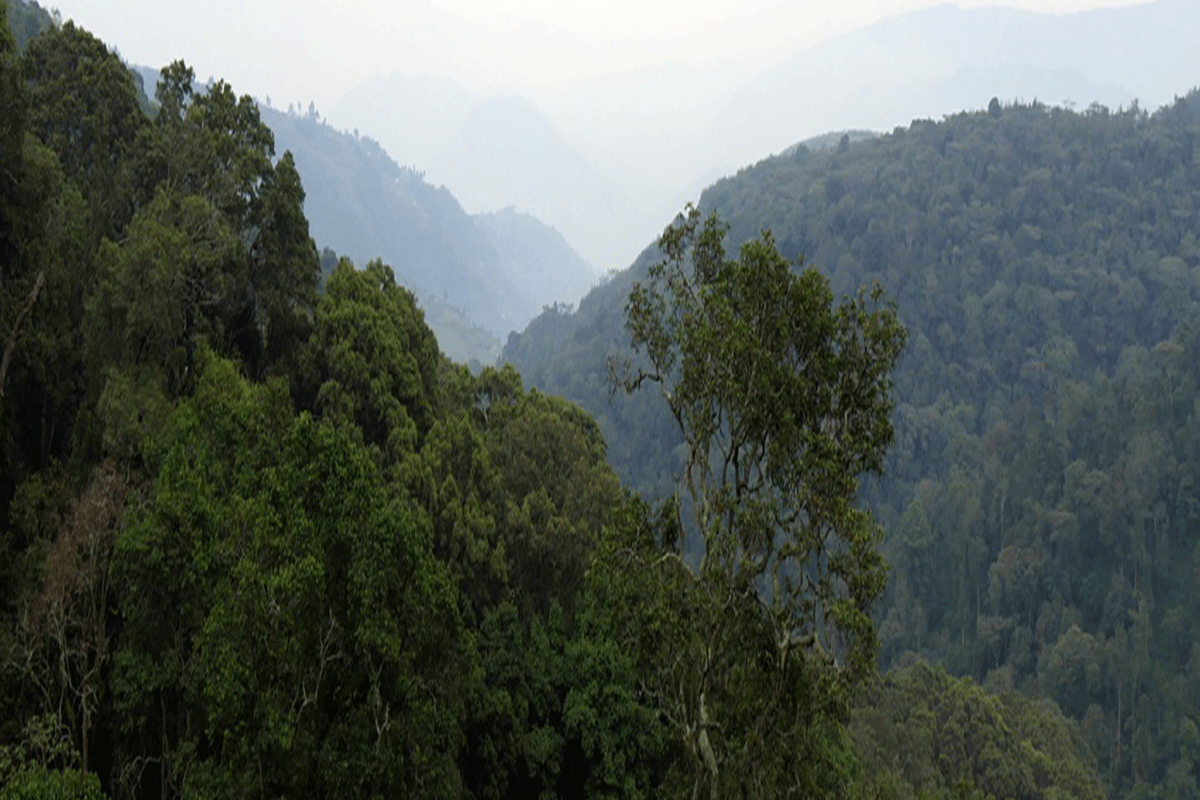
1. Understanding Weather Conditions in Bwindi Forest National Park
Weather conditions in Bwindi Forest National Park are controlled by a combination of tropical location, mountain elevation, thick vegetation and seasonal rainfall. Unlike a classic savannah destination where a dry season can produce dusty landscapes and consistently sunny days, Bwindi remains green and humid. Its forest canopy retains moisture, shaded trails dry slowly, and showers can occur even when the broader seasonal pattern is considered dry.
Visitors exploring Bwindi Impenetrable Forest should therefore understand that “dry season” is a relative term. It means a lower probability and generally reduced intensity of rainfall rather than an absence of rain. The forest floor can remain damp, and shaded slopes may still contain mud several days after the last significant shower.
Typical daytime conditions are comfortable for hiking, but the physical effort of climbing steep slopes can make the forest feel warmer. Early mornings are cooler, especially at higher elevations. A traveler leaving a lodge before sunrise may want a light fleece, only to remove it once the trek begins. This is why layered clothing is more useful than one heavy jacket.
Rainfall also changes quickly across the landscape. One ridge can be covered in cloud while another receives sunlight. A weather application may show rain for an entire day even when the actual experience consists of a short shower followed by several dry hours. Conversely, a promising forecast cannot guarantee a rain-free trek. The practical response is simple: prepare for rain rather than trying to eliminate every chance of encountering it.
Why Weather Conditions in Bwindi Forest National Park Change Quickly
Mountain terrain encourages rapid local changes in cloud, temperature and rainfall. Moist air moving across forested hills can produce mist or showers with limited warning. Elevation then creates another layer of variation. Higher areas are usually cooler, while valleys can be warmer and more humid. For tourists, this means there is rarely a single temperature or forecast that perfectly describes the whole park.
This variability is part of the reason travelers researching the best time to trek mountain gorillas should look beyond a simple wet-versus-dry label. Trekking comfort, permit demand, visitor numbers, scenery and personal tolerance for mud all matter.
2. Bwindi Weather During the Dry Seasons
The main dry period generally runs from June through September, while the shorter dry season extends from December through February. These are the months most commonly chosen by tourists who want to reduce the likelihood of prolonged rainfall. Lower rainfall gives trails more opportunity to drain, making steep forest slopes easier to negotiate.
June marks the beginning of the longer dry-season window. July and August are normally among the more reliable months for trekking, while September can begin transitioning toward wetter conditions. December becomes drier after the short rains, and January and February normally provide another useful window for visitors seeking relatively favorable gorilla trekking weather.
Dry-season advantages are most obvious underfoot. Bwindi’s paths can involve clay, exposed roots, vegetation and steep gradients. Lower rainfall does not make the forest flat or effortless, but it can reduce the amount of deep mud and improve grip. Anyone concerned about gorilla trekking difficulty may therefore prefer one of these months.
The trade-off is demand. June, July and August coincide with international holiday periods, while late December can also become busy. Gorilla permits and well-positioned lodges may be limited. Travelers who have fixed dates should arrange their gorilla trekking permit in Uganda before making the rest of the itinerary inflexible.
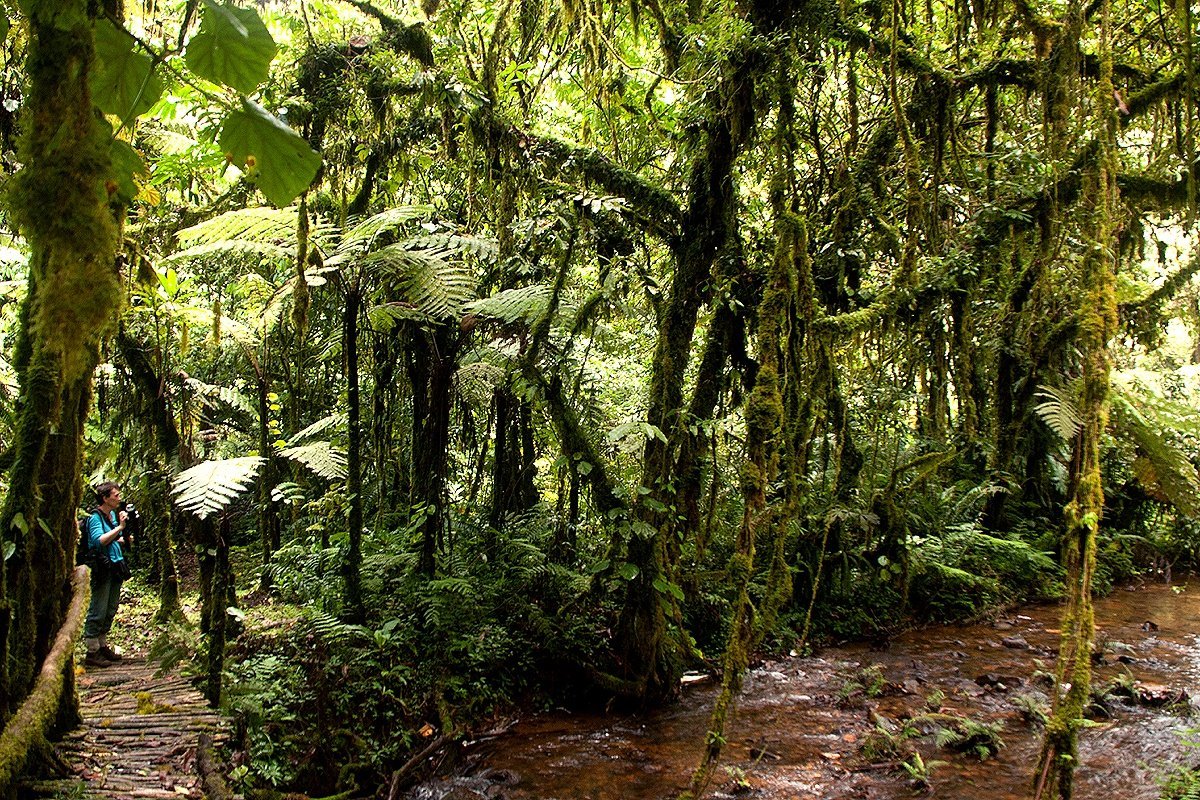
Planning a Dry-Season Gorilla Trek?
Match your travel dates with permit availability, the right Bwindi sector and a lodge close enough for an easy trekking morning.
3. Bwindi Rainy Season: March to May
March through May is the principal Bwindi rainy season. Rain becomes more frequent as March progresses, April is commonly one of the wettest months, and substantial rainfall can continue through May. The rainforest becomes intensely green, but trekking trails are more likely to be muddy and slippery.
A rainy-season visit is not the same as a cancelled gorilla safari. Trekking takes place throughout the year. Mountain gorillas remain in their forest habitat regardless of the tourist season, and visitors interested in mountain gorillas in Africa should understand that seasonal advice is mainly about the human trekking experience rather than the presence or absence of gorillas.
The main challenge is traction. Clay-rich paths can become slick, roots become slippery, and steep descents require patience. Waterproof hiking boots with strong tread become particularly important. Long trousers, gloves and a rain jacket also make the experience more comfortable. A porter can carry your daypack and provide useful assistance on difficult terrain.
There are advantages. Wet-season landscapes are lush, mist can create atmospheric forest scenes, streams carry more water and visitor pressure may be lower. Photographers who protect their equipment can find beautiful soft light and saturated green backgrounds. Travelers interested in responsible wildlife encounters can also use the quieter planning period to learn more about ethical gorilla trekking.
Is the Bwindi Rainy Season Worth Considering?
Yes, for the right traveler. Fit visitors who do not mind mud can have an excellent trip. The important thing is to arrive with realistic expectations. Rain can slow the trek, clothing may become wet and road transfers can take longer. In return, the forest feels intensely alive and the experience can be quieter than during peak dry-season months.
4. October and November Weather in Bwindi
October and November normally form the shorter wet season. September can act as a transition month, while December generally moves toward the short dry season. These boundaries are not exact, and rainfall varies from year to year, but October and November should be treated as months when wet trails are likely.
The short rains can be variable. A morning may begin bright before cloud builds over the hills, or rain may arrive earlier and persist. This variability is another reason tourists should avoid interpreting a single forecast icon too literally. Waterproof equipment should remain in the daypack even if the lodge wakes to sunshine.
Travelers with flexibility can find this season attractive because it sits outside the busiest international travel periods. Gorilla trekking continues, the forest is green and permit pressure may be less intense than in July or August. Anyone planning a specific date should still use online gorilla permit booking information to organize the trip around actual availability.
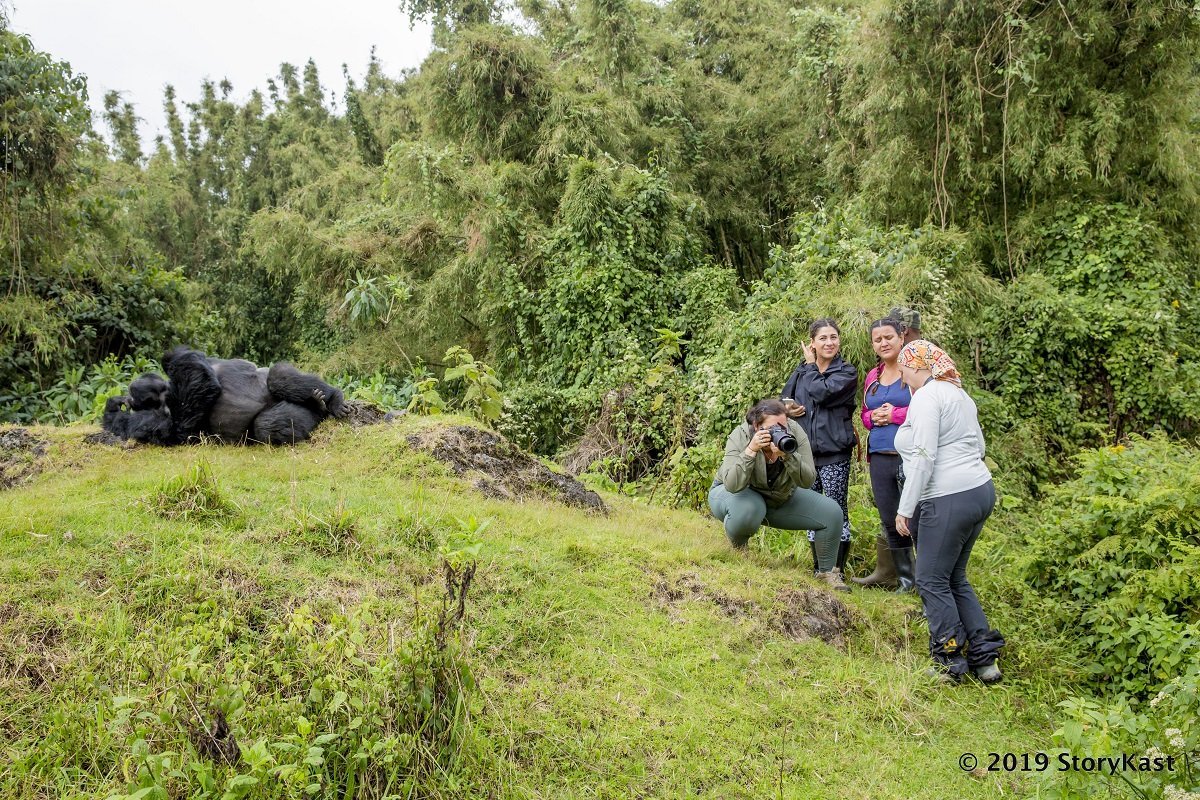
5. Month-by-Month Bwindi Weather Guide
Monthly planning helps tourists understand the broad seasonal pattern, but these descriptions are not day-specific forecasts. Bwindi weather varies with elevation, local cloud development and year-to-year rainfall. Use the table as a planning guide and still prepare for showers in every month.
| Month | General Weather | Typical Trail Condition | Planning Advice |
|---|---|---|---|
| January | Relatively dry | Usually firmer | Strong trekking window |
| February | Relatively dry | Generally manageable | Good before long rains |
| March | Rain increasing | Increasing mud | Carry full rain protection |
| April | Often very wet | Muddy and slippery | Best for rain-ready trekkers |
| May | Wet, easing later | Variable and muddy | Excellent green scenery |
| June | Turning drier | Improving | Popular trekking month |
| July | Relatively dry | Generally firmer | Book permits early |
| August | Relatively dry | Usually favorable | Peak international demand |
| September | Dry-to-wet transition | Variable | Prepare for increasing showers |
| October | Wet | Often muddy | Waterproof gear important |
| November | Wet | Slippery sections likely | Lush forest and quieter travel |
| December | Turning drier | Generally improving | Book early around holidays |
January and February are attractive for travelers seeking the short dry season. March brings increasing rainfall, while April and May normally require the strongest wet-weather preparation. June introduces the longer dry period, with July and August especially popular. September is transitional, October and November are wetter, and December normally becomes drier again.
December deserves additional attention because favorable seasonal conditions overlap with holiday travel. Visitors considering gorilla trekking in December should plan permits and accommodation early. Travelers with more flexibility can compare the best time of the year to trek gorillas against their own tolerance for rain and visitor demand.
Which Month Fits Your Trip?
Compare seasonal weather with permit demand, trekking comfort and your wider Uganda itinerary before choosing dates.
6. How Gorilla Trekking Weather Affects Trail Difficulty
Gorilla trekking weather matters because the route to a gorilla family is not a fixed tourist walkway. Trackers follow signs of the group’s recent movements, and trekkers then travel through the forest toward its current location. The hike may involve established paths, steep hills, dense vegetation and sections where guides help create a route through the forest.
After several dry days, the ground generally provides better traction. Following heavy rain, the same slope can become slippery. Mud can slow the group, wet vegetation can soak clothing, and descents may require extra care. Distance alone therefore does not determine difficulty; recent Bwindi weather can substantially change how demanding a route feels.
Fitness remains important in every season. Travelers can prepare with regular walking, hill training and cardiovascular exercise before departure. Visitors who are uncertain about their preparation can review gorilla trekking fitness guidance before selecting dates.
Older travelers and people who want additional assistance should not automatically rule out Bwindi. The practical approach is to discuss mobility honestly during planning, choose suitable accommodation and prepare for the terrain. Advice about gorilla tracking for elderly travelers can help families understand the available options.
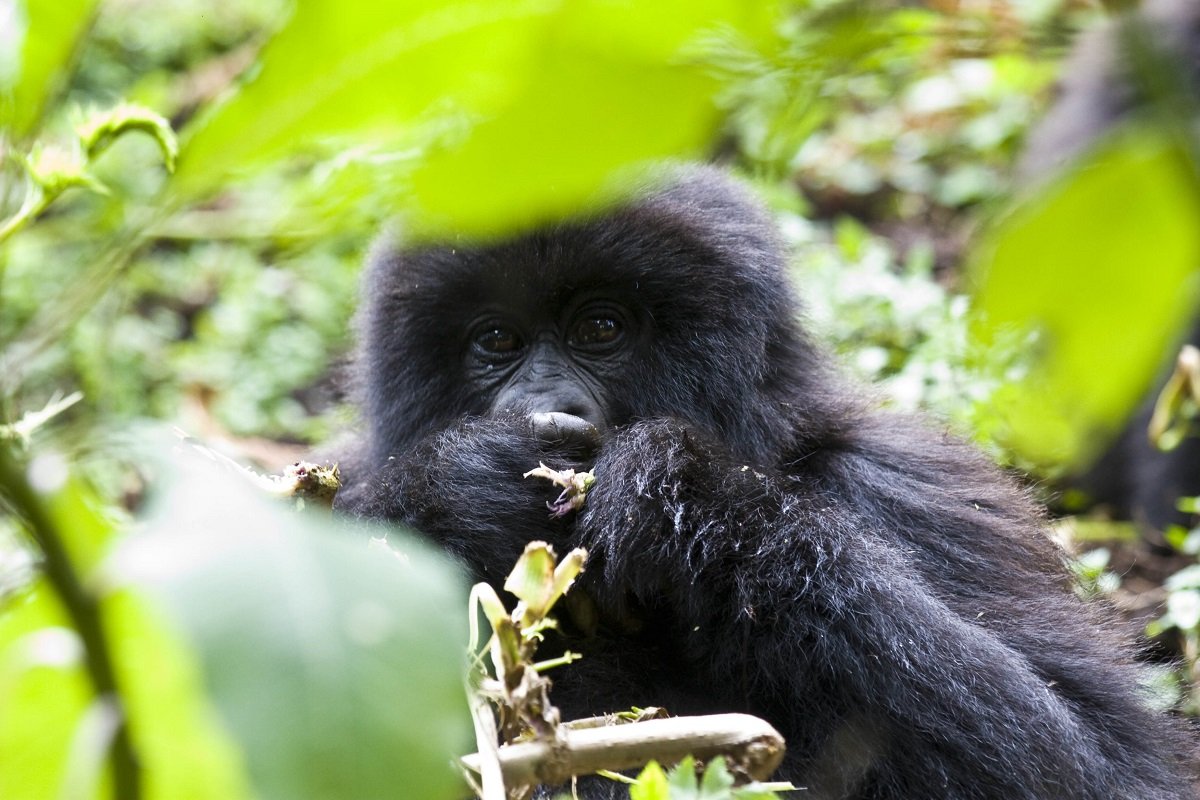
Why a Porter Helps in Wet and Dry Weather
Hiring a porter can make the trek more comfortable regardless of the season. A porter carries your daypack, leaving your hands free for balance. On steep or muddy terrain, this can be particularly useful. Porter employment also provides direct tourism income to people from communities surrounding the forest.
Do not wait until exhaustion before managing your pace. Begin steadily, drink water and tell the guide if you need a short break. A trek can be brief when gorillas are relatively close to the starting point or substantially longer when the family has moved deeper into the forest. The duration of a mountain gorilla trek is therefore naturally variable.
7. Bwindi Weather by Gorilla Trekking Sector
Bwindi is large enough for local weather and terrain to vary between trekking sectors. Buhoma, Ruhija, Rushaga and Nkuringo are not simply different entrances to the same trail. They are separate areas with different elevations, road approaches and terrain. The sector assigned to your permit also determines the most practical place to stay.
Buhoma Weather and Terrain
Buhoma lies in northern Bwindi and is one of the park’s longest-established tourism areas. The forest remains humid throughout the year, with cool mornings and a warmer feel once trekking begins. Rain is possible during any season, and vegetation can remain wet even after the sky clears.
Ruhija Weather and Elevation
Ruhija is situated at higher elevation and can feel cooler than lower parts of Bwindi. Mist and low cloud suit the dramatic highland landscape, but early-morning temperatures make a light warm layer valuable. Once hiking begins, that layer should be easy to remove and carry.
Rushaga Weather and Trekking
Rushaga is in southern Bwindi and includes varied forest terrain. Rain can make slopes and approach roads muddier, so transport planning matters. Travelers should stay within a practical distance of their briefing point instead of booking a lodge simply because it is described as being “in Bwindi.”
Nkuringo Weather and Steeper Terrain
Nkuringo is associated with impressive highland scenery and demanding gradients. Rain can make steep terrain more challenging, increasing the value of strong footwear and porter assistance. Travelers specifically considering this area can read about tracking the Nkuringo gorilla family.
Sector choice should not be based on weather alone. Permit availability, lodge location, road routing, physical preferences and the wider itinerary all matter. Comparing the best region to trek gorillas in Bwindi can help visitors understand these practical differences.
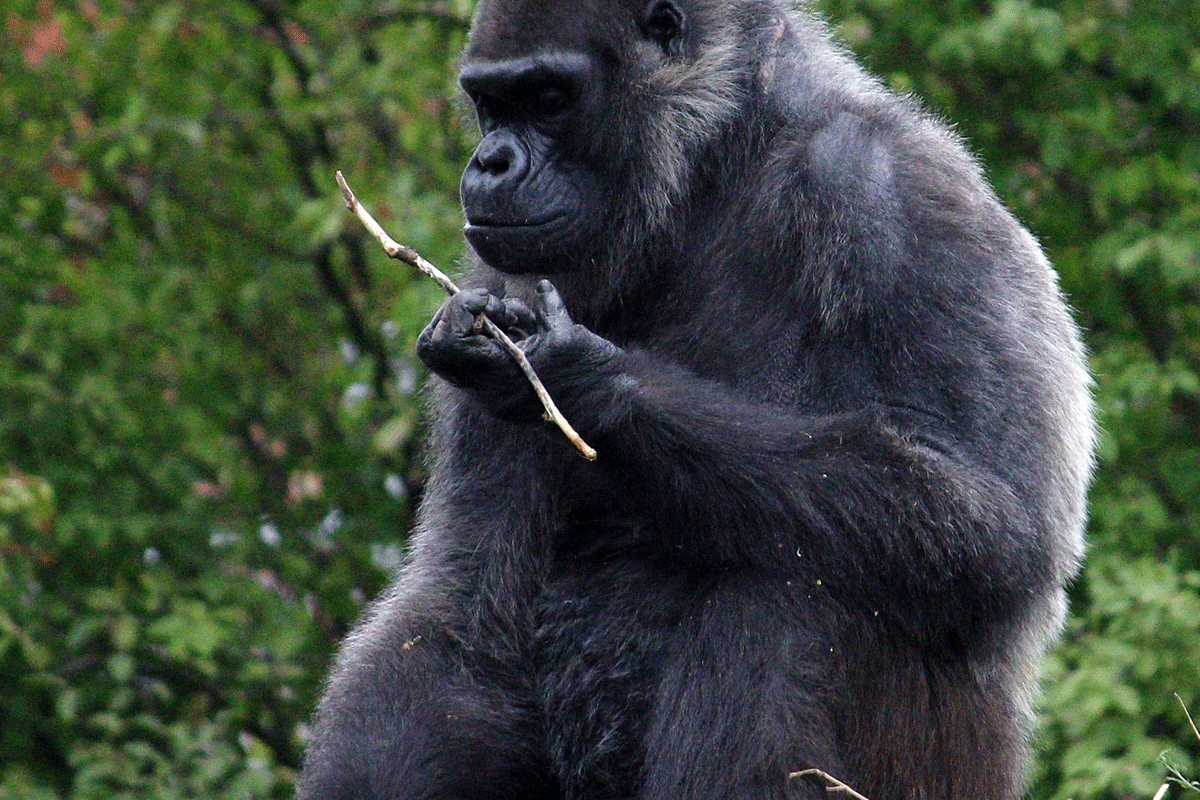
What to Pack for Weather Conditions in Bwindi Forest National Park
Packing correctly is the most reliable way to handle weather conditions in Bwindi Forest National Park. Instead of trying to predict one perfect weather scenario, prepare for cool mornings, strenuous hiking, wet vegetation and a possible shower. The ideal clothing system is lightweight, protective and easy to adjust.
Start with hiking boots that provide strong grip and ankle support. Waterproof or water-resistant boots are especially useful during the Bwindi rainy season, but they are worthwhile in every month because shaded forest paths can remain damp. Smooth-soled casual shoes are a poor substitute on muddy gradients.
Wear long trousers and a long-sleeved shirt. They protect your skin from vegetation while keeping the trek practical. Quick-drying fabrics are preferable because heavy cotton can remain uncomfortable after rain. Tucking trousers into socks or using gaiters can help keep vegetation and insects away from your lower legs.
A lightweight waterproof jacket should be accessible rather than buried at the bottom of your pack. A warm mid-layer is useful during cool mornings, especially in higher sectors. Gardening-style gloves can protect your hands when you need to steady yourself near vegetation. Travelers can also review suitable important safari information before departure.
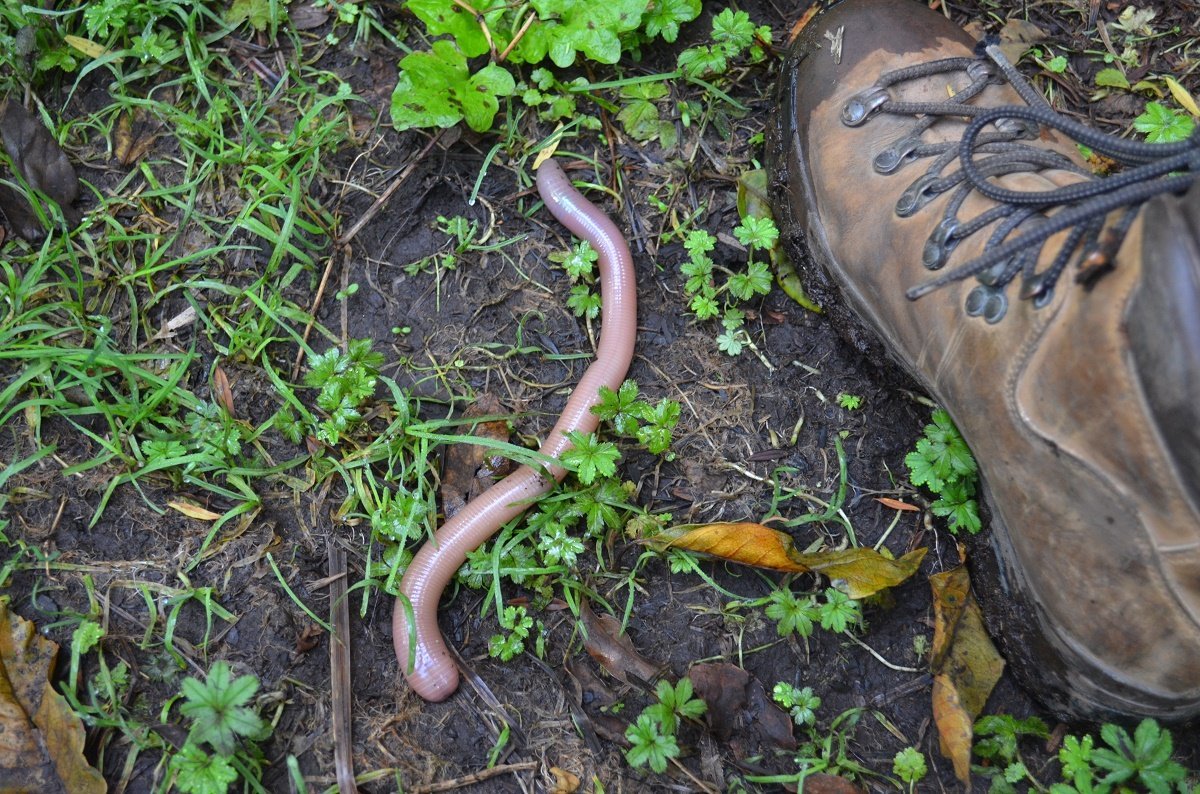
Protect electronics independently from the backpack itself. A waterproof inner pouch or dry bag is useful for a camera, phone, spare batteries and documents. Rain covers help, but vegetation and water can still reach equipment when a bag is opened during a shower.
Pack for the Forest, Not Just the Forecast
Good boots, waterproof protection and lightweight layers can matter more than finding a supposedly perfect weather day.
How Bwindi Weather Affects Roads and Transfers
Rain does not only affect the trekking trail. Bwindi is reached through mountainous countryside, and some final approach roads are unpaved. Sustained rainfall can create mud, potholes and slower driving conditions. A route that is straightforward during a dry period may require additional travel time during the Bwindi rainy season.
A suitable safari vehicle and an experienced driver are valuable, particularly during wet months. Your driver should also understand the location of your trekking sector. Buhoma, Ruhija, Rushaga and Nkuringo are separated by substantial driving distances, and a lodge in the wrong area can turn trekking morning into an unnecessary logistical problem.
Visitors arriving from Rwanda should account for border procedures and road conditions when calculating transfer times. Travelers considering a 1-Day Gorilla Tracking Bwindi From Kigali itinerary need especially careful timing because the schedule is compressed.
Whenever possible, sleep close to your assigned briefing point on the night before trekking. Briefings take place early, and a long uncertain transfer that morning creates avoidable risk. Weather-aware itinerary design should therefore include both the forest trail and the road used to reach it.
Best Time to Visit Bwindi for Different Travelers
There is no universal best time to visit Bwindi because different travelers prioritize different things. Someone concerned about slippery slopes may value the dry season, while a photographer may enjoy wet-season mist and deep green vegetation. A flexible traveler may prioritize quieter dates over the lowest possible rainfall.
Best Time to Visit Bwindi for Easier Trails
June through September and December through February are generally the strongest options for tourists prioritizing firmer trails. Rain can still occur, but reduced rainfall usually makes steep sections easier than during the wettest months.
Best Time to Visit Bwindi for Green Scenery
March through May and October through November showcase the rainforest during wetter conditions. Visitors should accept muddier trekking in exchange for lush vegetation, mist and fuller forest streams.
Best Time to Visit Bwindi for Photography
Both seasons offer photographic advantages. Drier conditions simplify camera handling and may provide brighter intervals. Wet weather can create soft light, mist and rich colors. The essential requirement is weather protection for equipment rather than relying on one supposedly perfect month.
Best Time to Visit Bwindi for Quieter Travel
Wetter periods can attract fewer international visitors than peak dry-season months. This may make accommodation planning more flexible, although gorilla permits remain limited and should never be assumed to be available without checking.
Travelers choosing between destinations rather than simply between months can compare Uganda versus Rwanda gorilla tracking safaris. Weather is only one part of that decision alongside permit arrangements, transport, accommodation and the wider itinerary.
Does Rain Affect Gorilla Sightings in Bwindi?
Rain does not create a season in which mountain gorillas leave Bwindi. The gorillas remain within their forest habitat throughout the year. What changes most noticeably for tourists is the condition of the trail, comfort while walking and the ease of using cameras in wet conditions.
Gorillas move naturally as they feed and travel through their home ranges. Their position on trekking morning determines how far a visitor may need to hike. It would therefore be misleading to promise that dry gorilla trekking weather automatically means a short trek or that rain guarantees the animals will be found nearby.
Visitors should instead understand the structure of the activity and follow ranger instructions. Reading practical gorilla tracking information before traveling helps separate realistic expectations from assumptions about weather and wildlife behavior.
Once a gorilla family is located, the encounter follows established park rules. Weather can influence photography and comfort, but the experience remains a wildlife encounter rather than a staged activity. Respect for ranger guidance is essential regardless of whether the forest is sunny, misty or wet.
Weather, Gorilla Permits and Trip Planning
The most popular Bwindi weather windows can also create stronger competition for permits and accommodation. Once you identify suitable dates, check trekking availability before booking flights or non-refundable lodging. The permit is tied to a specific trekking date and sector, so it should anchor the Bwindi portion of the itinerary.
Budget planning should include more than the permit itself. Transport, accommodation, meals, porter services and other safari activities contribute to the total trip cost. Travelers comparing destinations can review the cost of a gorilla permit in Uganda and Rwanda as part of the wider budget.
Different travel styles also influence the final cost. Some visitors prioritize simple accommodation and efficient transfers, while others want premium lodges and private services. Travelers can compare a budget gorilla trekking safari with a luxury gorilla trekking safari without changing the fundamental need to prepare for rainforest weather.
Have Your Travel Dates Already?
Build the itinerary around the right trekking date, sector, accommodation and realistic road transfer instead of leaving Bwindi logistics until last.
Combining Bwindi With Other Uganda Experiences
A Bwindi trek often forms one part of a longer Uganda safari. This matters because weather conditions in Bwindi Forest National Park are not necessarily representative of every destination in the country. Savannah parks, lakes, river environments and other forests have their own local conditions. Pack for the complete itinerary rather than for one trekking day.
Primate enthusiasts frequently combine gorillas with a chimpanzee tracking experience. Visitors considering both activities can compare gorilla versus chimpanzee trekking because the terrain, tracking style and wildlife encounter differ.
Mgahinga Gorilla National Park provides another southwestern Uganda option. Travelers can compare the best time to visit Mgahinga park with their Bwindi dates, particularly when combining gorillas with a golden monkey experience.
Travelers creating a broader regional journey can also investigate gorilla trekking in Uganda and Rwanda. This can be useful for visitors arriving through Kigali or combining several East African destinations.
What to Do on the Morning of Your Gorilla Trek
Check the immediate forecast the evening before, but do not remove waterproof clothing from your daypack because the forecast appears dry. Rainforest conditions can change quickly. Prepare your clothing, camera protection, water and other essentials before going to sleep so that the early morning remains relaxed.
Eat breakfast and dress in layers. The morning may feel cool while you are standing at the briefing point, but hiking generates heat quickly. Your rain jacket and warm layer should therefore be easy to remove and store without unpacking the entire bag.
Listen carefully during the ranger briefing. Rangers understand current forest conditions and receive information from trackers. If overnight rainfall has made sections particularly slippery, follow advice about pacing, walking support and porter assistance.
Once the trek begins, maintain a sustainable pace. The purpose is not to race through the forest. Drink water, watch your footing and communicate with the guide if you need a brief stop. Your mountain gorilla tracking experience will be more enjoyable when you manage your energy rather than exhausting yourself early.
Frequently Asked Questions About Weather Conditions in Bwindi Forest National Park
Does It Rain Every Day in Bwindi Forest National Park?
No. Rain is possible during every month, but that does not mean it rains continuously every day. Drier seasons generally receive less frequent rainfall, while wet seasons bring more frequent and heavier showers. Local conditions can differ across the forest because of altitude and topography.
What Are the Driest Months in Bwindi?
June through September and December through February are broadly considered the drier periods. July and August are popular within the longer dry season, while January and February provide another attractive window. Rain remains possible during all of these months.
What Are the Wettest Months in Bwindi?
March through May form the main wet season, with April commonly among the wettest months. October and November normally form the shorter rainy season. The exact beginning and end of seasonal rainfall can vary from year to year.
Is It Cold in Bwindi?
Bwindi can feel cool in the morning and at night because of its elevation. Higher areas are cooler than lower valleys. Daytime hiking can feel warm because of physical exertion, so lightweight layers are more practical than one heavy item.
Can I Trek Gorillas During the Bwindi Rainy Season?
Yes. Gorilla trekking operates throughout the year, subject to park management and safety decisions. Rainy-season trekking is more likely to involve mud and slippery slopes, so footwear and waterproof clothing become particularly important.
Do I Need Waterproof Boots in the Dry Season?
Waterproof or water-resistant hiking boots are useful throughout the year. Bwindi is a rainforest, shaded paths can remain damp, and unexpected showers can occur during dry-season months. Strong grip is at least as important as waterproofing.
What Is the Best Time to Visit Bwindi?
For visitors prioritizing easier trails, the best time to visit Bwindi is generally June to September or December to February. Travelers who value lush vegetation, atmospheric mist and quieter periods may enjoy wetter months despite more challenging trails.
Is Gorilla Trekking Safe in Wet Weather?
Wet conditions can make the terrain more demanding, which is why visitors should follow ranger instructions, wear suitable boots and move carefully. Travelers with broader safety questions can review whether gorilla trekking in Uganda is safe as part of their preparation.
Should I Trust a Weather App for Bwindi?
Use weather applications for short-term guidance rather than certainty. Mountain microclimates mean a rain symbol does not necessarily indicate continuous rain, while a sunny forecast cannot guarantee a dry forest trek. Seasonal preparation remains more useful than relying on one icon.
Where Can I Find More Gorilla Trekking Answers?
First-time visitors often have questions about permits, clothing, trekking rules, age requirements and what happens during the encounter. A broader collection of frequently asked questions on gorilla trekking can help with final preparation.
Final Tips for Planning Around Bwindi Weather
Weather conditions in Bwindi Forest National Park should influence your preparation without becoming a reason to postpone a well-planned trip. Bwindi’s rainfall, mist and cool highland air are fundamental parts of the rainforest ecosystem. The objective is not to find a month when the forest stops behaving like a rainforest; it is to choose the seasonal trade-offs that suit you.
Choose June through September or December through February if firmer trails and a lower chance of heavy rain are your main priorities. Consider March through May or October through November if you are comfortable with muddier conditions and value intensely green scenery. Whatever season you select, pack rain protection and sturdy footwear.
Do not plan weather in isolation from the permit. Confirm your trekking date, identify the correct sector and choose accommodation nearby. Allow realistic road-transfer times, particularly during the Bwindi rainy season. An itinerary that respects geography and weather will be more comfortable than one built around lodge names alone.
Remember that gorilla trekking weather influences the difficulty of the trail more than the fundamental availability of the activity. Gorillas remain in the forest year-round. Recent rainfall can make slopes slippery, but proper boots, a porter, sensible pacing and appropriate clothing help visitors adapt.
Finally, treat forecasts as useful short-term information rather than promises. Bwindi weather is shaped by mountains, rainforest and altitude, so conditions can change quickly. Pack intelligently, listen to your ranger and approach the day with flexibility. Mist drifting between forested hills or a brief tropical shower can become part of the atmosphere that makes Bwindi memorable.
Plan Your Bwindi Gorilla Trek Around the Right Season
Share your travel month, group size and preferred trip style to coordinate weather, gorilla permits, the right trekking sector, accommodation and practical road transfers.


