Where To Spot The Big 5 on a Kenya Safari
Where to Spot the Big 5 on a Kenya Safari
Where to Spot the Big 5 on a Kenya Safari. The big five in Kenya are the most popular animal species that tourists seek to see. These are; lions, buffaloes, rhinos, elephants, and leopards. Seeing the big five on your safari adds excitement to your safari experience. You can see these animals in the different national parks and national reserves around Kenya. Note that you can see the big five all year round, but it is not a guarantee to spot all of them. This is because they are wild animals and are always on the move. Kenya’s safari highlight is the wildebeest migration, a yearly occurrence that takes place in Masai Mara National Reserve. Here, millions of wildebeests, thousands of gazelles,s and zebras cross the Mara River from Tanzania’s Serengeti National Park into Masai Mara. The major reason for migration is the weather change and search for pasture.
Most Popular Safaris
8-Day Masai Mara Gorillas and Chimpanzee Safari
6 Days Kenya Wildlife and Diani Beach Safari
3 Days Eastern Lowland Gorilla Trekking in Congo
15 Days Uganda Primates & Kenya Wildlife Safari
9 Days Congo Lowland Gorilla and Masai Mara Safari
9-Day Uganda Rwanda Primates and Wildlife Safari
7 Days Elgon Hike & Rafting Tour
10-Day Kibale, Queen, and Mountain Rwenzori Hiking
6-Day Uganda Gorilla and Whitewater Rafting Safari
5 Day Lions and Gorilla Safari
5 Day Uganda Birding Adventure
Brief Description of the Big 5
The colonialists first used the term ‘big five’. They did so after realizing that the animals were harder to hunt on foot and extremely dangerous. The different big five species you should expect to see in Kenya include the following:
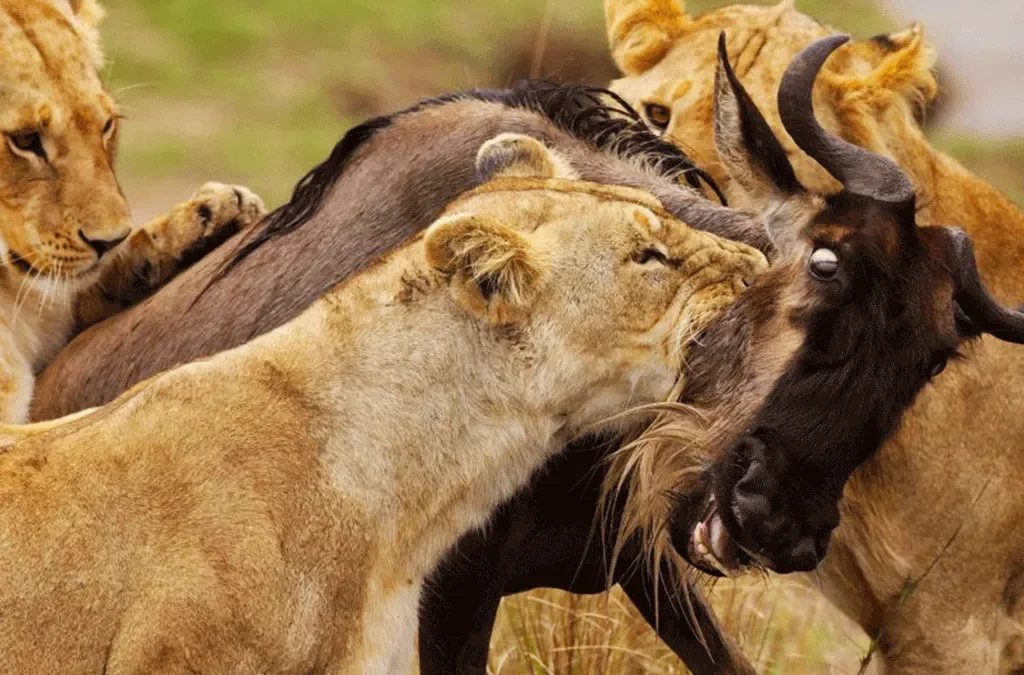
Lions: These are the kings of the jungle and you can see them in the different national parks across the country. The females regularly hunt while the males wait for their share. When satisfied, they tend to rest for hours before going for the next hunt. The male lions lead the pride, and you can see lions in Masai Mara and Amboseli National Park. You can also see them in Lake Nakuru National Park, Nairobi National Park, and Tsavo East and West National Park.
Leopards: These shy and isolated animals are rare to spot. But once you get to see one, you get to experience the best safari experience in Kenya. With the help of a guide, you will be able to see leopards in the different national parks in Kenya.
Buffaloes: Many consider buffaloes to be the most dangerous animals. You find them in all the reserves and national parks in the country. When watching the buffaloes, make sure that you are careful because of their vicious nature.
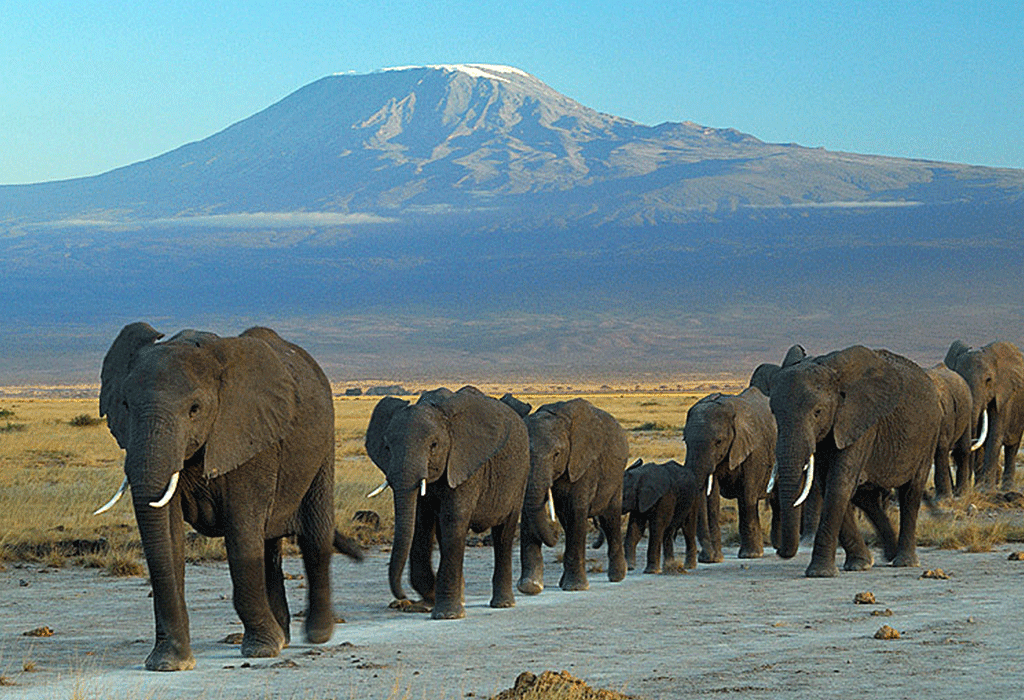
Elephants: Elephants being the largest land mammal in the world, are found in some of the national parks in Kenya and are best seen in Amboseli National Park home to the largest wild elephant population.
Rhinos: Kenya is home to both the white and black rhinos. Although they’re not in all the national parks and reserves in Kenya, they are still around. The IUCN declared them as critically endangered.
Where To Spot The Big 5 on a Kenya Safari
You can best see the big five, which are lions, leopards, elephants, rhinos, and buffaloes in the following safari destinations in Kenya.
Masai- Mara National Reserve
Where To Spot The Big 5 on a Kenya Safari-Masai Mara National Reserve. Masai Mara National Reserve is at the country’s border with Tanzania. It is north of Serengeti National Park and is the most popular National Park in Kenya. Famous for wildebeest migration, Masai Mara is the best place to see the big five on your safari to Kenya. Masai Mara has two main seasons, the dry and wet seasons. Therefore, the best time to see the big five is during the dry season. During this season, they gather around the different watering holes across the national reserve.
The dry season also has less vegetation, making it easy to see the big five during a game drive exercise. The rainy season is also a good time to see the big five. This is because there are a lot of calves during the rainy season. Carnivores are always on the lookout for the unsuspecting calves.
The wildebeest migration starts in Serengeti National Park. During this period, you can see the big five following the large crowd. The lions and leopards hunt the animals down, whereas elephants, buffaloes, and rhinos join the crowd looking for greener pastures.
Masai Mara National Reserve is open all year round for game drives. It’s the best way for tourists to see the big five. Other activities in Masai Mara include hot air balloon rides, game drives, cultural trips, and bird watching among others.
Amboseli National Park
Where To Spot The Big 5 on a Kenya Safari- Amboseli National Park. Most of the Big 5 animals are present in the park. Therefore, many consider it one of the best destinations Where one can go To Spot The Big 5 on a Kenya Safari. Amboseli National Park is home to the largest herd of elephants in Kenya. Unfortunately, is not home to the rhinos, which are the only missing Big Five species.
Amboseli National Park has over 1600 elephants. The continuous conservation of the park has seen a steady increase in the elephant population in Amboseli. The elephants in Amboseli are the most studied by researchers in the world. There have been several documentaries researchers have made about the Amboseli elephants. They are divided into 58 families and each family has about 300 male and note that the families are under the guidance of the adult females.
Other big 5 in Amboseli
There are over 100 lions in Amboseli National Park. You can commonly see them in the morning and evening hours. However, a few of these lions tend to climb trees, and this sometimes makes it hard to see them. This behavior is common especially if they are just from hunting. The park is smaller in size than the Masai Mara. This has made seeing the lions a bit easy roaming around the national park during a game drive. Lions love hunting in groups with the females leading the hunt and the males waiting for the kill.
You can also see Buffaloes in Amboseli National Park. They are usually feeding across the dry Lake Amboseli bed. During the dry season, buffaloes come to the watering holes and lake banks. They come to cool off and also search for pasture. They normally graze in groups and are extremely aggressive when they are hurt.
Leopards, on the other hand, are harder to see in Amboseli. This is mainly because of their shy nature. Leopards are solo animals and only meet up during mating periods. Under the guidance of an experienced guide and ranger, you might be able to see leopards in Amboseli but this is not a guarantee.
Tsavo East and Tsavo West National Park
The Tsavo East and West National Parks are the largest parks in Kenya. They’re home to all the big five, including lions, elephants, rhinos, leopards, and buffaloes. Tsavo East National Park is the oldest park in Kenya, and it was divided due to its large nature, forming the Tsavo West National Park. Located along the coast of Kenya, the animals freely roam between Tsavo East and Tsavo West.
Tsavo lions became famous after they attacked about 100 Indians who were constructing the Kenya-Uganda Railway. You can spot the lions along the banks of the River Galana during the dry season. For many of the tourists visiting Tsavo National Park, the sights of the big five, including elephants, rhinos, cape buffaloes, leopards, and lions, make the safari experience in Tsavo complete.
Tsavo National Park is an all-year-round safari destination. However, the best time to go see the big five is during the dry season, which is also a peak season.
Lake Nakuru National Park
Lake Nakuru National Park is home to only the big four. These include lions, black and white rhinos, leopards, and buffaloes. Lake Nakuru National Park is fenced, and this is one of the reasons why there are no elephants this limits the movement of elephants, and their nature is to move around long distances as they search for food. The national park was fenced off to protect the endangered black and white rhinos that are poached highly by the locals for their horns, which are sold highly on the black markets of China and Thailand.
Lake Nakuru National Park has about 150 rhinos, 80% of which are white rhinos, and the rest are black rhinos. The IUCN has declared rhinos as critically endangered, and the fence around them helps to protect them.
Buffaloes are part of the 4 big five animals that are in Lake Nakuru National Park. You can easily see their population along the banks of Lake Nakuru. Although Cape buffaloes seem to look innocent, they are extremely dangerous. Even lions rarely hunt them down.
The best time to go for wildlife viewing in Lake Nakuru National Park is during the dry season from June to October and then from January to February.
Nairobi National Park
Nairobi National Park is home to the big five and is famous for being home to the black rhinos. It is the only national park in Africa and the world that is in the city center. This is one of the most visited national parks in Kenya but has only four of the five. These are buffaloes, leopards, lions, and rhinos. Unfortunately, there are no elephants in Nairobi National Park.
Black rhinos are common in Nairobi National Park, which is one of the most successful rhino sanctuaries in Kenya. You can see Rhinos in Nairobi National Park early in the morning and late in the evening. This is during a game drive in the national park. The park has over 50 critically endangered rhinos, the largest in the world but several white rhinos are found in Nairobi National Park as well.
Leopards can also be seen in Nairobi National Park, and lucky tourists get to witness the leopards as they hunt their prey. Because of their solo and shy nature, it is not a guarantee that you will be able to see the leopards on your safari to Nairobi National Park.
The lions in Nairobi National Park are also hard to see in Nairobi National Park because they are usually sleeping after hunting and eating their fill. The best time to see these lions is during the morning hours and late afternoons as they go about hunting.
Buffaloes are also part of the big four that can be spotted in Nairobi National Park and there are large crowds of buffaloes found in the park. There are two ways in which you can watch the big four in Nairobi National Park, and these are by taking a game drive through the park or by using the raised walkway, giving you a different perspective of watching the big four.
The cost of seeing the big five in Kenya
The cost of seeing the big five in Kenya varies depending on several factors. These include park entrance fees, which are compulsory. Others include accommodation, transport; visa fees, and the number of days that you are to spend on the safari. It also depends on the number of people you are traveling with and the season of travel among others.
The longer the number of days spent on a safari, the more costly it will be, traveling solo is expensive as compared to traveling in groups because when you are in groups, it is easier to share the costs of accommodation and transport, and traveling during the peak season is expensive.
Safari Vacations and Travel Services has different safari packages that range from budget to mid-range, and luxury safari packages. Get in touch with us to help you plan a big five safari destination to Kenya while putting your budget into consideration.
When is the best time to see the Big Five in Kenya on a safari?
Kenya is open for safaris all year round, and tourists can visit the national park from January to December. However, the best time is the dry season, which is June to October and December to January, because these months offer the best time to see the big five and other wildlife species. For all the drama about the different wildlife species and the big five, the dry season offers you the chance to explore the entire expanse of the national parks where the big five are found.
The dry season is a peak season in Kenya and you need to book in advance to get better logistics like accommodation, driver guides, vehicle hire, and many more others. This is the period when tourists witness the wildebeest migration so you have to be prepared for the large crowds that are to be expected during the dry season. Contact your guide about your needs and plan your big five safaris to Kenya because of the high competition.
The wet/rainy season is the right and best time for watching the birth of different calves and a change in the national parks as the grass is greener and longer as compared to the dry season. The wet season can be a hard time to spot the animals because they are always in hiding due to the availability of plenty of food during the rainy season. This is the best time for all tourists who are on a limited budget to visit and tick the big safari to Kenya off their budget list. The rainy/low season is when many logistics are discounted like transport and accommodation. Get in touch with us for more information.