
Exclusive Uganda Safari Packages
Private, luxury and tailor-made Uganda safaris combining mountain gorillas, chimpanzees, savannah wildlife, boat experiences, remote landscapes and carefully planned accommodation. This long-form guide is designed for travelers comparing Exclusive Uganda Safari Packages and deciding how to build a journey around time, interests, comfort and realistic logistics.
Exclusive Uganda Safari Packages: Private, Luxury and Tailor-Made Journeys
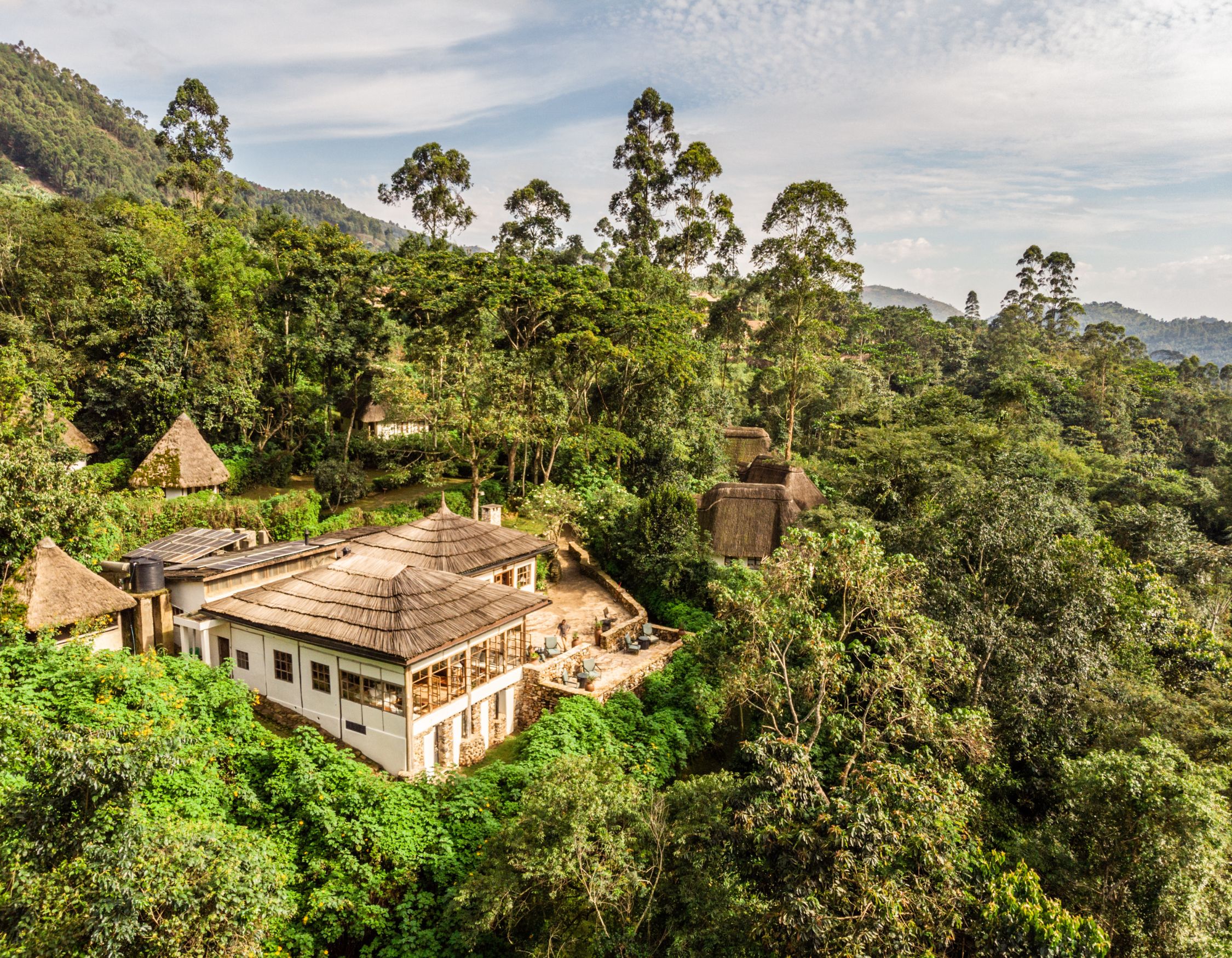
What Exclusive Means on a Uganda Safari
Exclusive Uganda Safari Packages are most valuable when exclusivity changes the quality of the journey rather than merely raising the price. In Uganda, a private safari can be built around a dedicated vehicle, a knowledgeable driver-guide, carefully chosen lodges, sensible transfer days, confirmed primate permits, private airport transfers and enough flexibility to respond to a traveler’s interests. The result is not a rigid procession through attractions. It is a journey in which the route, pace and emphasis are designed for the people actually taking the trip.
A strong exclusive Uganda safari should also acknowledge the character of the country. Uganda combines equatorial forest, crater country, lakes, river systems, open savannah, highlands and remote semi-arid landscapes. The most satisfying itineraries use that diversity deliberately. A traveler may spend one morning listening for chimpanzees beneath the canopy, another watching elephants from a boat, and another hiking through montane forest toward a mountain gorilla family. The contrast is one of the reasons luxury Uganda safari packages can feel exceptionally varied even without crossing an international border.
Privacy is especially useful on wildlife days. A private vehicle gives couples, families, photographers and small groups more control over departure times, stops and the rhythm of game viewing, subject to park regulations and practical conditions. It also gives the guide more opportunity to learn what matters to the guests. Some travelers want birds and botany explained in depth. Others are primarily interested in predators, primates, photography, landscapes or unhurried time at the lodge. Tailor-made Uganda safaris should make those differences visible in the itinerary rather than hiding them behind a generic luxury label.
Who These Private Uganda Safaris Suit
Couples often choose exclusive Uganda safaris because privacy makes both the wildlife experience and the quieter parts of the journey more personal. Honeymooners can combine forest lodges, scenic rooms, private transfers and slower days without turning every hour into an activity. Families benefit for a different reason: a private itinerary can be paced around energy levels, age-appropriate activities and the need for downtime. Travelers should still check the current rules and minimum ages for restricted activities before booking.
Solo travelers can also benefit from a private format when independence and specialist guiding matter more than sharing costs. Photographers may need earlier departures, patience with a particular sighting, careful positioning and room for camera equipment. Birders often need a guide who is comfortable slowing the day down for identification rather than racing between headline mammals. Mature travelers may prioritize fewer one-night stops, fly-in sectors, porter support on suitable treks and lodges chosen for access as much as for style.
The same principle applies to repeat safari travelers. Someone who has already visited the better-known savannah circuits elsewhere in East Africa may prefer Uganda for primates, forest ecology, Kidepo’s remoteness, boat-based wildlife viewing or a route that deliberately avoids rushing. Exclusive Uganda Safari Packages can therefore be designed around a narrow passion or a broad first journey. The important question is not whether the traveler fits a package, but whether the package has been shaped to fit the traveler.
What Can Be Included

A well-designed package can combine international-arrival assistance, private road transfers, scheduled domestic flights where appropriate, accommodation, specified meals, park activities, game drives, boat excursions, primate trekking, cultural visits and specialist experiences. Every quotation should make inclusions and exclusions explicit. Gorilla permits, chimpanzee permits, domestic flights, premium drinks, gratuities, visas, insurance and optional activities should never be left ambiguous.
The most coherent itineraries also protect time. Long drives are part of many Uganda road safaris, but they should serve the journey rather than dominate it. Scenic stops, two-night stays and selective use of flights can change the feel of a trip considerably. Luxury is often the ability to arrive with enough time to enjoy a lodge, wake without exhaustion and enter a major wildlife experience prepared rather than rushed.
For an overview of customizable routes, explore these safari adventures.
Pace and Logistics
In the context of exclusive uganda safari packages: private, luxury and tailor-made journeys, A premium itinerary should be measured by how well the days connect, not by the number of attractions squeezed into them. Transfer time, check-in time, meal schedules, activity briefings and the need to prepare equipment all consume real hours. Building margin into the program protects the experiences that matter most and makes delays easier to absorb.
This becomes particularly important when several ecosystems are combined. Uganda’s safari circuit is not a single continuous reserve, and the transition from one region to another is part of the travel experience. A carefully designed route uses those transitions to build anticipation rather than allowing them to feel like wasted time. It also recognizes that weather, wildlife movement and road conditions can alter a day without making the safari unsuccessful.
Exclusive Uganda Safari Packages work best when expectations are explicit. Guests should know which activities are private, which are shared or regulated, what time major departures are likely to occur, how strenuous forest days may be, and what flexibility actually exists. Clear preparation improves satisfaction because the traveler arrives ready for the reality of the destination rather than an advertising abstraction.
The same principle applies to lodge selection and meal planning. A property may be luxurious yet unsuitable for an itinerary if it sits too far from the next morning’s activity. A simpler lodge in the correct location can sometimes produce a more restful experience. Quality planning weighs these practical details alongside aesthetics, reputation and price.
Finally, a private safari should retain room for discovery. Not every meaningful moment can be scheduled: a roadside market, an unexpected bird, changing light over a crater lake, elephants crossing in the distance, or a quiet conversation with a guide may become as memorable as the headline activity. Good planning creates the conditions for those moments without trying to manufacture them.
Guiding and Interpretation
In the context of exclusive uganda safari packages: private, luxury and tailor-made journeys, The guide is one of the most important elements of a private safari. Strong guiding combines wildlife knowledge with road judgment, communication, patience and an ability to read the guests. The best guides explain ecosystems and behavior without overwhelming every quiet moment, and they adapt the day when interests become clearer.
This becomes particularly important when several ecosystems are combined. Uganda’s safari circuit is not a single continuous reserve, and the transition from one region to another is part of the travel experience. A carefully designed route uses those transitions to build anticipation rather than allowing them to feel like wasted time. It also recognizes that weather, wildlife movement and road conditions can alter a day without making the safari unsuccessful.
Exclusive Uganda Safari Packages work best when expectations are explicit. Guests should know which activities are private, which are shared or regulated, what time major departures are likely to occur, how strenuous forest days may be, and what flexibility actually exists. Clear preparation improves satisfaction because the traveler arrives ready for the reality of the destination rather than an advertising abstraction.
The same principle applies to lodge selection and meal planning. A property may be luxurious yet unsuitable for an itinerary if it sits too far from the next morning’s activity. A simpler lodge in the correct location can sometimes produce a more restful experience. Quality planning weighs these practical details alongside aesthetics, reputation and price.
Finally, a private safari should retain room for discovery. Not every meaningful moment can be scheduled: a roadside market, an unexpected bird, changing light over a crater lake, elephants crossing in the distance, or a quiet conversation with a guide may become as memorable as the headline activity. Good planning creates the conditions for those moments without trying to manufacture them.
Photography Considerations
In the context of exclusive uganda safari packages: private, luxury and tailor-made journeys, Photography changes the way a day should be planned. Early and late light can matter more than a fixed meal time, while forest photography requires moisture protection and realistic expectations about low light. A private vehicle provides useful flexibility, but photographers must still follow wildlife regulations and the instructions of guides and rangers.
This becomes particularly important when several ecosystems are combined. Uganda’s safari circuit is not a single continuous reserve, and the transition from one region to another is part of the travel experience. A carefully designed route uses those transitions to build anticipation rather than allowing them to feel like wasted time. It also recognizes that weather, wildlife movement and road conditions can alter a day without making the safari unsuccessful.
Exclusive Uganda Safari Packages work best when expectations are explicit. Guests should know which activities are private, which are shared or regulated, what time major departures are likely to occur, how strenuous forest days may be, and what flexibility actually exists. Clear preparation improves satisfaction because the traveler arrives ready for the reality of the destination rather than an advertising abstraction.
The same principle applies to lodge selection and meal planning. A property may be luxurious yet unsuitable for an itinerary if it sits too far from the next morning’s activity. A simpler lodge in the correct location can sometimes produce a more restful experience. Quality planning weighs these practical details alongside aesthetics, reputation and price.
Finally, a private safari should retain room for discovery. Not every meaningful moment can be scheduled: a roadside market, an unexpected bird, changing light over a crater lake, elephants crossing in the distance, or a quiet conversation with a guide may become as memorable as the headline activity. Good planning creates the conditions for those moments without trying to manufacture them.
Comfort Without Losing the Wild
In the context of exclusive uganda safari packages: private, luxury and tailor-made journeys, Comfort should support immersion rather than separate the traveler from the destination. A well-positioned room, hot shower after a wet trek, reliable meal, good sleep and efficient transfer can make the next wildlife experience stronger. Excessive formality, by contrast, can sometimes reduce the spontaneity that makes safari travel memorable.
This becomes particularly important when several ecosystems are combined. Uganda’s safari circuit is not a single continuous reserve, and the transition from one region to another is part of the travel experience. A carefully designed route uses those transitions to build anticipation rather than allowing them to feel like wasted time. It also recognizes that weather, wildlife movement and road conditions can alter a day without making the safari unsuccessful.
Exclusive Uganda Safari Packages work best when expectations are explicit. Guests should know which activities are private, which are shared or regulated, what time major departures are likely to occur, how strenuous forest days may be, and what flexibility actually exists. Clear preparation improves satisfaction because the traveler arrives ready for the reality of the destination rather than an advertising abstraction.
The same principle applies to lodge selection and meal planning. A property may be luxurious yet unsuitable for an itinerary if it sits too far from the next morning’s activity. A simpler lodge in the correct location can sometimes produce a more restful experience. Quality planning weighs these practical details alongside aesthetics, reputation and price.
Finally, a private safari should retain room for discovery. Not every meaningful moment can be scheduled: a roadside market, an unexpected bird, changing light over a crater lake, elephants crossing in the distance, or a quiet conversation with a guide may become as memorable as the headline activity. Good planning creates the conditions for those moments without trying to manufacture them.
Best Exclusive Uganda Safari Packages and Sample Itineraries

Short Luxury Uganda Safari Packages
A short private safari works best when it is honest about geography. Three or four days can deliver an excellent gorilla-focused journey, but trying to add distant savannah parks, chimpanzees and multiple long transfers can turn a premium trip into a race. A three-day luxury gorilla safari is therefore best designed around efficient arrival, a well-located lodge, one carefully prepared trekking day and a clean return or onward connection. A fourth day creates room for a second forest experience, a cultural activity, relaxation or a more comfortable travel schedule.
A five-day exclusive Uganda safari can begin to combine ecosystems. Bwindi and the Ishasha sector of Queen Elizabeth National Park are a natural pairing for travelers who want gorillas and savannah wildlife without attempting a countrywide circuit. The precise routing should reflect the booked gorilla sector because Bwindi’s trailheads are not interchangeable points on a map. Lodge location, permit sector and the direction of onward travel should be planned together.
Short packages are especially attractive as extensions to a wider East African trip. In that case, the itinerary should be designed around the actual arrival and departure points rather than assuming every traveler starts and ends in Kampala. Flight schedules, border arrangements and transfer times need current verification at the time of booking.
Seven to Twelve Day Private Uganda Safaris
Seven to twelve days is the range in which Exclusive Uganda Safari Packages begin to show Uganda’s full strength. A seven-day itinerary can combine Queen Elizabeth National Park and Bwindi, or Kibale, Queen Elizabeth and Bwindi if transfers and activity timing are handled carefully. An eight-day version gives more breathing room for chimpanzees, the Kazinga Channel, game drives and gorilla trekking.
A ten-day luxury Uganda safari can create a classic western and northern circuit by linking Murchison Falls, Kibale, Queen Elizabeth, Bwindi and, depending on routing, Lake Mburo. The attraction is diversity: river scenery and savannah in Murchison, primates in Kibale, game and boat viewing in Queen Elizabeth, and mountain gorillas in Bwindi. Yet the itinerary should not be judged only by how many parks it contains. Two nights in the right place can be more rewarding than adding another destination for a single hurried night.
Travelers considering this length can review a 10-day safari for itinerary ideas.
Two and Three Week Uganda Safari Packages
Fourteen days allows a private itinerary to become more selective rather than merely longer. A grand Uganda safari can include Murchison Falls, Kibale, Queen Elizabeth, Bwindi and Mgahinga while still preserving rest and transition time. Travelers interested in golden monkeys, volcano scenery or a second gorilla region can give Mgahinga a meaningful place rather than treating it as a quick add-on.
Eighteen to twenty-one days opens the possibility of Kidepo Valley National Park in the northeast. Because Kidepo sits far from the southwestern primate circuit, it rewards either a longer road journey or thoughtful use of domestic aviation. The gain is a strong sense of geographical contrast. A long safari can move from the remote plains of Karamoja through Nile country and western Uganda’s forests to the volcanic southwest without compressing each destination into a checklist.
Long itineraries should also include deliberate low-intensity periods. A morning without a scheduled activity, a second night after a demanding trek, a slower boat excursion or an afternoon at a scenic lodge can increase the value of the entire trip. Exclusive travel should create space for the destination to register.
Pace and Logistics
In the context of best exclusive uganda safari packages and sample itineraries, A premium itinerary should be measured by how well the days connect, not by the number of attractions squeezed into them. Transfer time, check-in time, meal schedules, activity briefings and the need to prepare equipment all consume real hours. Building margin into the program protects the experiences that matter most and makes delays easier to absorb.
This becomes particularly important when several ecosystems are combined. Uganda’s safari circuit is not a single continuous reserve, and the transition from one region to another is part of the travel experience. A carefully designed route uses those transitions to build anticipation rather than allowing them to feel like wasted time. It also recognizes that weather, wildlife movement and road conditions can alter a day without making the safari unsuccessful.
Exclusive Uganda Safari Packages work best when expectations are explicit. Guests should know which activities are private, which are shared or regulated, what time major departures are likely to occur, how strenuous forest days may be, and what flexibility actually exists. Clear preparation improves satisfaction because the traveler arrives ready for the reality of the destination rather than an advertising abstraction.
The same principle applies to lodge selection and meal planning. A property may be luxurious yet unsuitable for an itinerary if it sits too far from the next morning’s activity. A simpler lodge in the correct location can sometimes produce a more restful experience. Quality planning weighs these practical details alongside aesthetics, reputation and price.
Finally, a private safari should retain room for discovery. Not every meaningful moment can be scheduled: a roadside market, an unexpected bird, changing light over a crater lake, elephants crossing in the distance, or a quiet conversation with a guide may become as memorable as the headline activity. Good planning creates the conditions for those moments without trying to manufacture them.
Guiding and Interpretation
In the context of best exclusive uganda safari packages and sample itineraries, The guide is one of the most important elements of a private safari. Strong guiding combines wildlife knowledge with road judgment, communication, patience and an ability to read the guests. The best guides explain ecosystems and behavior without overwhelming every quiet moment, and they adapt the day when interests become clearer.
This becomes particularly important when several ecosystems are combined. Uganda’s safari circuit is not a single continuous reserve, and the transition from one region to another is part of the travel experience. A carefully designed route uses those transitions to build anticipation rather than allowing them to feel like wasted time. It also recognizes that weather, wildlife movement and road conditions can alter a day without making the safari unsuccessful.
Exclusive Uganda Safari Packages work best when expectations are explicit. Guests should know which activities are private, which are shared or regulated, what time major departures are likely to occur, how strenuous forest days may be, and what flexibility actually exists. Clear preparation improves satisfaction because the traveler arrives ready for the reality of the destination rather than an advertising abstraction.
The same principle applies to lodge selection and meal planning. A property may be luxurious yet unsuitable for an itinerary if it sits too far from the next morning’s activity. A simpler lodge in the correct location can sometimes produce a more restful experience. Quality planning weighs these practical details alongside aesthetics, reputation and price.
Finally, a private safari should retain room for discovery. Not every meaningful moment can be scheduled: a roadside market, an unexpected bird, changing light over a crater lake, elephants crossing in the distance, or a quiet conversation with a guide may become as memorable as the headline activity. Good planning creates the conditions for those moments without trying to manufacture them.
Photography Considerations
In the context of best exclusive uganda safari packages and sample itineraries, Photography changes the way a day should be planned. Early and late light can matter more than a fixed meal time, while forest photography requires moisture protection and realistic expectations about low light. A private vehicle provides useful flexibility, but photographers must still follow wildlife regulations and the instructions of guides and rangers.
This becomes particularly important when several ecosystems are combined. Uganda’s safari circuit is not a single continuous reserve, and the transition from one region to another is part of the travel experience. A carefully designed route uses those transitions to build anticipation rather than allowing them to feel like wasted time. It also recognizes that weather, wildlife movement and road conditions can alter a day without making the safari unsuccessful.
Exclusive Uganda Safari Packages work best when expectations are explicit. Guests should know which activities are private, which are shared or regulated, what time major departures are likely to occur, how strenuous forest days may be, and what flexibility actually exists. Clear preparation improves satisfaction because the traveler arrives ready for the reality of the destination rather than an advertising abstraction.
The same principle applies to lodge selection and meal planning. A property may be luxurious yet unsuitable for an itinerary if it sits too far from the next morning’s activity. A simpler lodge in the correct location can sometimes produce a more restful experience. Quality planning weighs these practical details alongside aesthetics, reputation and price.
Finally, a private safari should retain room for discovery. Not every meaningful moment can be scheduled: a roadside market, an unexpected bird, changing light over a crater lake, elephants crossing in the distance, or a quiet conversation with a guide may become as memorable as the headline activity. Good planning creates the conditions for those moments without trying to manufacture them.
Comfort Without Losing the Wild
In the context of best exclusive uganda safari packages and sample itineraries, Comfort should support immersion rather than separate the traveler from the destination. A well-positioned room, hot shower after a wet trek, reliable meal, good sleep and efficient transfer can make the next wildlife experience stronger. Excessive formality, by contrast, can sometimes reduce the spontaneity that makes safari travel memorable.
This becomes particularly important when several ecosystems are combined. Uganda’s safari circuit is not a single continuous reserve, and the transition from one region to another is part of the travel experience. A carefully designed route uses those transitions to build anticipation rather than allowing them to feel like wasted time. It also recognizes that weather, wildlife movement and road conditions can alter a day without making the safari unsuccessful.
Exclusive Uganda Safari Packages work best when expectations are explicit. Guests should know which activities are private, which are shared or regulated, what time major departures are likely to occur, how strenuous forest days may be, and what flexibility actually exists. Clear preparation improves satisfaction because the traveler arrives ready for the reality of the destination rather than an advertising abstraction.
The same principle applies to lodge selection and meal planning. A property may be luxurious yet unsuitable for an itinerary if it sits too far from the next morning’s activity. A simpler lodge in the correct location can sometimes produce a more restful experience. Quality planning weighs these practical details alongside aesthetics, reputation and price.
Finally, a private safari should retain room for discovery. Not every meaningful moment can be scheduled: a roadside market, an unexpected bird, changing light over a crater lake, elephants crossing in the distance, or a quiet conversation with a guide may become as memorable as the headline activity. Good planning creates the conditions for those moments without trying to manufacture them.
Where to Go on an Exclusive Uganda Safari

Bwindi and Mgahinga
Bwindi Impenetrable National Park is the centerpiece of many exclusive Uganda safari packages because it combines globally important mountain gorilla conservation with a dramatic forest setting. The park is divided into trekking areas including Buhoma, Ruhija, Rushaga and Nkuringo. That division has practical consequences. A permit is tied to an operating area, accommodation should normally be chosen with that sector in mind, and transfer planning should account for mountainous roads and realistic travel times.
Buhoma is often attractive for its established tourism infrastructure and access from the north. Ruhija can work well for particular routings through the eastern side of Bwindi. Rushaga and Nkuringo suit southern approaches and can pair naturally with Kisoro-area experiences. The best sector is therefore not a universal ranking. It is the sector that aligns permits, accommodation, fitness preferences, route direction and the wider itinerary.
Mgahinga Gorilla National Park offers a different atmosphere. The Virunga volcanoes dominate the landscape, and travelers can combine gorilla trekking with golden monkey tracking and mountain activities when conditions and current operations allow. For a luxury itinerary, Mgahinga can be particularly appealing to travelers who value volcanic scenery, a quieter setting and the opportunity to spend more time in Uganda’s far southwest.
Queen Elizabeth, Kibale and Murchison Falls
Queen Elizabeth National Park is one of Uganda’s most useful linking destinations. It sits between the Kibale region and Bwindi, supports classic game drives, offers boat-based wildlife viewing on the Kazinga Channel and includes the Ishasha sector to the south. That combination makes it ideal for private Uganda safari packages that want to move naturally from chimpanzees to savannah wildlife and then to gorillas.
Kibale is the key destination for travelers prioritizing chimpanzees and forest primates. The experience is different from gorilla trekking: chimpanzees are more mobile, the forest soundscape is distinctive, and the wider region can be combined with crater landscapes, wetlands and community-based experiences. A premium itinerary should avoid treating Kibale as a single activity followed immediately by departure. Staying long enough to absorb the forest environment improves the journey.
Murchison Falls National Park adds the Nile and a different scale of landscape. Game drives, river excursions and the falls themselves create a varied northern component. It can be connected overland to the western circuit, but the road time must be respected. Travelers with limited time may prefer to prioritize fewer regions or use available air services where schedules make sense.
Kidepo, Lake Mburo and Specialist Extensions
Kidepo Valley National Park is compelling precisely because it is remote. Its open valleys, rugged horizons and northeastern setting feel very different from the greener southwest. For experienced safari travelers, photographers and guests who value low-density wilderness, Kidepo can justify the additional logistics. A fly-in component can preserve time, while a road journey can be rewarding for travelers who want a deeper overland sense of Uganda.
Before adding the northeast, review this Kidepo safari planning resource.
Lake Mburo National Park is smaller and often useful near the beginning or end of a western circuit. Depending on current activity availability, it can add walking, game viewing and a gentler transition between Entebbe and the southwest. Specialist extensions can also include the Rwenzori region, birding-focused areas, Nile adventures around Jinja or additional cultural and landscape experiences. The key is to preserve the identity of the main safari instead of adding destinations simply to lengthen the list.
Pace and Logistics
In the context of where to go on an exclusive uganda safari, A premium itinerary should be measured by how well the days connect, not by the number of attractions squeezed into them. Transfer time, check-in time, meal schedules, activity briefings and the need to prepare equipment all consume real hours. Building margin into the program protects the experiences that matter most and makes delays easier to absorb.
This becomes particularly important when several ecosystems are combined. Uganda’s safari circuit is not a single continuous reserve, and the transition from one region to another is part of the travel experience. A carefully designed route uses those transitions to build anticipation rather than allowing them to feel like wasted time. It also recognizes that weather, wildlife movement and road conditions can alter a day without making the safari unsuccessful.
Exclusive Uganda Safari Packages work best when expectations are explicit. Guests should know which activities are private, which are shared or regulated, what time major departures are likely to occur, how strenuous forest days may be, and what flexibility actually exists. Clear preparation improves satisfaction because the traveler arrives ready for the reality of the destination rather than an advertising abstraction.
The same principle applies to lodge selection and meal planning. A property may be luxurious yet unsuitable for an itinerary if it sits too far from the next morning’s activity. A simpler lodge in the correct location can sometimes produce a more restful experience. Quality planning weighs these practical details alongside aesthetics, reputation and price.
Finally, a private safari should retain room for discovery. Not every meaningful moment can be scheduled: a roadside market, an unexpected bird, changing light over a crater lake, elephants crossing in the distance, or a quiet conversation with a guide may become as memorable as the headline activity. Good planning creates the conditions for those moments without trying to manufacture them.
Guiding and Interpretation
In the context of where to go on an exclusive uganda safari, The guide is one of the most important elements of a private safari. Strong guiding combines wildlife knowledge with road judgment, communication, patience and an ability to read the guests. The best guides explain ecosystems and behavior without overwhelming every quiet moment, and they adapt the day when interests become clearer.
This becomes particularly important when several ecosystems are combined. Uganda’s safari circuit is not a single continuous reserve, and the transition from one region to another is part of the travel experience. A carefully designed route uses those transitions to build anticipation rather than allowing them to feel like wasted time. It also recognizes that weather, wildlife movement and road conditions can alter a day without making the safari unsuccessful.
Exclusive Uganda Safari Packages work best when expectations are explicit. Guests should know which activities are private, which are shared or regulated, what time major departures are likely to occur, how strenuous forest days may be, and what flexibility actually exists. Clear preparation improves satisfaction because the traveler arrives ready for the reality of the destination rather than an advertising abstraction.
The same principle applies to lodge selection and meal planning. A property may be luxurious yet unsuitable for an itinerary if it sits too far from the next morning’s activity. A simpler lodge in the correct location can sometimes produce a more restful experience. Quality planning weighs these practical details alongside aesthetics, reputation and price.
Finally, a private safari should retain room for discovery. Not every meaningful moment can be scheduled: a roadside market, an unexpected bird, changing light over a crater lake, elephants crossing in the distance, or a quiet conversation with a guide may become as memorable as the headline activity. Good planning creates the conditions for those moments without trying to manufacture them.
Photography Considerations
In the context of where to go on an exclusive uganda safari, Photography changes the way a day should be planned. Early and late light can matter more than a fixed meal time, while forest photography requires moisture protection and realistic expectations about low light. A private vehicle provides useful flexibility, but photographers must still follow wildlife regulations and the instructions of guides and rangers.
This becomes particularly important when several ecosystems are combined. Uganda’s safari circuit is not a single continuous reserve, and the transition from one region to another is part of the travel experience. A carefully designed route uses those transitions to build anticipation rather than allowing them to feel like wasted time. It also recognizes that weather, wildlife movement and road conditions can alter a day without making the safari unsuccessful.
Exclusive Uganda Safari Packages work best when expectations are explicit. Guests should know which activities are private, which are shared or regulated, what time major departures are likely to occur, how strenuous forest days may be, and what flexibility actually exists. Clear preparation improves satisfaction because the traveler arrives ready for the reality of the destination rather than an advertising abstraction.
The same principle applies to lodge selection and meal planning. A property may be luxurious yet unsuitable for an itinerary if it sits too far from the next morning’s activity. A simpler lodge in the correct location can sometimes produce a more restful experience. Quality planning weighs these practical details alongside aesthetics, reputation and price.
Finally, a private safari should retain room for discovery. Not every meaningful moment can be scheduled: a roadside market, an unexpected bird, changing light over a crater lake, elephants crossing in the distance, or a quiet conversation with a guide may become as memorable as the headline activity. Good planning creates the conditions for those moments without trying to manufacture them.
Comfort Without Losing the Wild
In the context of where to go on an exclusive uganda safari, Comfort should support immersion rather than separate the traveler from the destination. A well-positioned room, hot shower after a wet trek, reliable meal, good sleep and efficient transfer can make the next wildlife experience stronger. Excessive formality, by contrast, can sometimes reduce the spontaneity that makes safari travel memorable.
This becomes particularly important when several ecosystems are combined. Uganda’s safari circuit is not a single continuous reserve, and the transition from one region to another is part of the travel experience. A carefully designed route uses those transitions to build anticipation rather than allowing them to feel like wasted time. It also recognizes that weather, wildlife movement and road conditions can alter a day without making the safari unsuccessful.
Exclusive Uganda Safari Packages work best when expectations are explicit. Guests should know which activities are private, which are shared or regulated, what time major departures are likely to occur, how strenuous forest days may be, and what flexibility actually exists. Clear preparation improves satisfaction because the traveler arrives ready for the reality of the destination rather than an advertising abstraction.
The same principle applies to lodge selection and meal planning. A property may be luxurious yet unsuitable for an itinerary if it sits too far from the next morning’s activity. A simpler lodge in the correct location can sometimes produce a more restful experience. Quality planning weighs these practical details alongside aesthetics, reputation and price.
Finally, a private safari should retain room for discovery. Not every meaningful moment can be scheduled: a roadside market, an unexpected bird, changing light over a crater lake, elephants crossing in the distance, or a quiet conversation with a guide may become as memorable as the headline activity. Good planning creates the conditions for those moments without trying to manufacture them.
Gorilla Trekking, Chimpanzees and Exclusive Primate Experiences

Planning Luxury Gorilla Trekking
Gorilla trekking is a regulated wildlife experience, so the luxury element sits around the trek rather than replacing its rules. A private safari can improve the approach through good accommodation, reliable transfers, early permit planning, porter arrangements, suitable equipment and a guide who prepares guests properly. Once the trek begins, visitors follow the procedures set by the responsible wildlife authorities and ranger teams.
The physical character of a trek varies. Mountain gorillas move, forest trails can be steep or muddy, and weather can change quickly. Travelers should prepare for an active day rather than assume that a premium package guarantees an easy walk. Fitness, footwear, rain protection, water and realistic expectations matter. Travelers with mobility concerns should discuss them before permits and accommodation are finalized so that the itinerary can be planned responsibly.
The distinction between ordinary gorilla tracking and the longer habituation experience is also important. Travelers can compare standard tracking with gorilla habituation before choosing an experience. Because rules, operating sectors, prices and availability can change, current details should be reconfirmed at the time of booking.
Chimpanzees and Other Primates
Kibale is the natural anchor for a chimpanzee-focused itinerary. Chimpanzee tracking is an energetic forest experience shaped by the animals’ movement, vocalizations and social behavior. It pairs well with gorilla trekking because the two experiences are biologically related yet atmospherically different. A traveler who does both gains a much richer sense of Uganda’s primate diversity.
Premium planning can include the choice between standard tracking and longer specialist experiences where currently offered, plus lodge selection that reduces unnecessary transfers. Forest activities should be separated by enough time for guests to rest, dry equipment and prepare for the next day. This is especially important in wetter periods when trails can be demanding.
For an additional perspective on gorilla travel, visitors may read more about gorilla trekking.
Combining Primates with Wildlife
One of Uganda’s strongest advantages is the ability to combine primate trekking with conventional safari experiences in a single itinerary. Kibale flows naturally into Queen Elizabeth National Park, and Queen Elizabeth connects south toward Bwindi. This creates a progression from rainforest primates to savannah wildlife to mountain gorillas without requiring an international flight between every major experience.
The itinerary still needs discipline. Gorilla and chimpanzee permits are date-specific products, while wildlife drives and boat excursions have their own operating times. Lodges may have fixed meal schedules and domestic flights may operate only at certain times. A high-end safari planner therefore works backward from the least flexible elements and builds the route around them.
Travelers who prioritize primates can spend more nights in forest regions and reduce savannah stops. Travelers who want a balanced first safari can combine chimpanzees, Queen Elizabeth, Bwindi and Murchison Falls. Those who have already experienced extensive savannah safaris elsewhere may prefer Bwindi, Mgahinga, Kibale and selected scenic or cultural extensions.
Pace and Logistics
In the context of gorilla trekking, chimpanzees and exclusive primate experiences, A premium itinerary should be measured by how well the days connect, not by the number of attractions squeezed into them. Transfer time, check-in time, meal schedules, activity briefings and the need to prepare equipment all consume real hours. Building margin into the program protects the experiences that matter most and makes delays easier to absorb.
This becomes particularly important when several ecosystems are combined. Uganda’s safari circuit is not a single continuous reserve, and the transition from one region to another is part of the travel experience. A carefully designed route uses those transitions to build anticipation rather than allowing them to feel like wasted time. It also recognizes that weather, wildlife movement and road conditions can alter a day without making the safari unsuccessful.
Exclusive Uganda Safari Packages work best when expectations are explicit. Guests should know which activities are private, which are shared or regulated, what time major departures are likely to occur, how strenuous forest days may be, and what flexibility actually exists. Clear preparation improves satisfaction because the traveler arrives ready for the reality of the destination rather than an advertising abstraction.
The same principle applies to lodge selection and meal planning. A property may be luxurious yet unsuitable for an itinerary if it sits too far from the next morning’s activity. A simpler lodge in the correct location can sometimes produce a more restful experience. Quality planning weighs these practical details alongside aesthetics, reputation and price.
Finally, a private safari should retain room for discovery. Not every meaningful moment can be scheduled: a roadside market, an unexpected bird, changing light over a crater lake, elephants crossing in the distance, or a quiet conversation with a guide may become as memorable as the headline activity. Good planning creates the conditions for those moments without trying to manufacture them.
Guiding and Interpretation
In the context of gorilla trekking, chimpanzees and exclusive primate experiences, The guide is one of the most important elements of a private safari. Strong guiding combines wildlife knowledge with road judgment, communication, patience and an ability to read the guests. The best guides explain ecosystems and behavior without overwhelming every quiet moment, and they adapt the day when interests become clearer.
This becomes particularly important when several ecosystems are combined. Uganda’s safari circuit is not a single continuous reserve, and the transition from one region to another is part of the travel experience. A carefully designed route uses those transitions to build anticipation rather than allowing them to feel like wasted time. It also recognizes that weather, wildlife movement and road conditions can alter a day without making the safari unsuccessful.
Exclusive Uganda Safari Packages work best when expectations are explicit. Guests should know which activities are private, which are shared or regulated, what time major departures are likely to occur, how strenuous forest days may be, and what flexibility actually exists. Clear preparation improves satisfaction because the traveler arrives ready for the reality of the destination rather than an advertising abstraction.
The same principle applies to lodge selection and meal planning. A property may be luxurious yet unsuitable for an itinerary if it sits too far from the next morning’s activity. A simpler lodge in the correct location can sometimes produce a more restful experience. Quality planning weighs these practical details alongside aesthetics, reputation and price.
Finally, a private safari should retain room for discovery. Not every meaningful moment can be scheduled: a roadside market, an unexpected bird, changing light over a crater lake, elephants crossing in the distance, or a quiet conversation with a guide may become as memorable as the headline activity. Good planning creates the conditions for those moments without trying to manufacture them.
Photography Considerations
In the context of gorilla trekking, chimpanzees and exclusive primate experiences, Photography changes the way a day should be planned. Early and late light can matter more than a fixed meal time, while forest photography requires moisture protection and realistic expectations about low light. A private vehicle provides useful flexibility, but photographers must still follow wildlife regulations and the instructions of guides and rangers.
This becomes particularly important when several ecosystems are combined. Uganda’s safari circuit is not a single continuous reserve, and the transition from one region to another is part of the travel experience. A carefully designed route uses those transitions to build anticipation rather than allowing them to feel like wasted time. It also recognizes that weather, wildlife movement and road conditions can alter a day without making the safari unsuccessful.
Exclusive Uganda Safari Packages work best when expectations are explicit. Guests should know which activities are private, which are shared or regulated, what time major departures are likely to occur, how strenuous forest days may be, and what flexibility actually exists. Clear preparation improves satisfaction because the traveler arrives ready for the reality of the destination rather than an advertising abstraction.
The same principle applies to lodge selection and meal planning. A property may be luxurious yet unsuitable for an itinerary if it sits too far from the next morning’s activity. A simpler lodge in the correct location can sometimes produce a more restful experience. Quality planning weighs these practical details alongside aesthetics, reputation and price.
Finally, a private safari should retain room for discovery. Not every meaningful moment can be scheduled: a roadside market, an unexpected bird, changing light over a crater lake, elephants crossing in the distance, or a quiet conversation with a guide may become as memorable as the headline activity. Good planning creates the conditions for those moments without trying to manufacture them.
Comfort Without Losing the Wild
In the context of gorilla trekking, chimpanzees and exclusive primate experiences, Comfort should support immersion rather than separate the traveler from the destination. A well-positioned room, hot shower after a wet trek, reliable meal, good sleep and efficient transfer can make the next wildlife experience stronger. Excessive formality, by contrast, can sometimes reduce the spontaneity that makes safari travel memorable.
This becomes particularly important when several ecosystems are combined. Uganda’s safari circuit is not a single continuous reserve, and the transition from one region to another is part of the travel experience. A carefully designed route uses those transitions to build anticipation rather than allowing them to feel like wasted time. It also recognizes that weather, wildlife movement and road conditions can alter a day without making the safari unsuccessful.
Exclusive Uganda Safari Packages work best when expectations are explicit. Guests should know which activities are private, which are shared or regulated, what time major departures are likely to occur, how strenuous forest days may be, and what flexibility actually exists. Clear preparation improves satisfaction because the traveler arrives ready for the reality of the destination rather than an advertising abstraction.
The same principle applies to lodge selection and meal planning. A property may be luxurious yet unsuitable for an itinerary if it sits too far from the next morning’s activity. A simpler lodge in the correct location can sometimes produce a more restful experience. Quality planning weighs these practical details alongside aesthetics, reputation and price.
Finally, a private safari should retain room for discovery. Not every meaningful moment can be scheduled: a roadside market, an unexpected bird, changing light over a crater lake, elephants crossing in the distance, or a quiet conversation with a guide may become as memorable as the headline activity. Good planning creates the conditions for those moments without trying to manufacture them.
Luxury Wildlife Experiences Included in Private Uganda Safaris

Private Game Drives and Boat Safaris
A private game drive is valuable because it gives the guide and guests a shared agenda. The vehicle can leave at an agreed time, focus on particular habitats and spend longer on subjects that matter to the travelers, within park rules and practical limits. Wildlife remains wild, so no itinerary should promise a specific sighting. The value lies in patient searching, knowledgeable interpretation and the freedom not to leave an interesting scene simply because a larger group has a different schedule.
Boat safaris add another dimension. On the Kazinga Channel, the viewing angle changes from dusty tracks to the waterline, creating opportunities to observe hippos, crocodiles, waterbirds and mammals approaching the shore. In Murchison Falls National Park, river excursions combine wildlife with the dramatic Nile landscape. For photographers, boats can offer excellent low perspectives, but camera protection, sun exposure and seating arrangements should be considered in advance.
The best exclusive Uganda Safari Packages combine game drives and boat activities without overloading the day. An early drive followed by a relaxed lunch and an afternoon boat excursion can work well. Adding a long transfer on top of both often does not.
Ishasha, Predators and Big-Game Viewing
The Ishasha sector is widely associated with tree-climbing lions, but responsible safari writing should describe the possibility rather than guarantee a sighting. Lions move, rest in different places and respond to weather, prey and disturbance. A private guide can improve the quality of the search by using current local knowledge and allowing adequate time, yet nature retains the final decision.
Ishasha is particularly useful because of its position between the main Queen Elizabeth area and Bwindi. Rather than treating the transfer south as dead time, an itinerary can make the sector part of the wildlife experience. Travelers interested in this combination can explore Ishasha wildlife alongside Bwindi.
Across Uganda’s savannah parks, travelers may encounter elephants, buffaloes, giraffes in suitable parks, hippos, antelopes, warthogs, primates and predators. Species distribution differs by park, which is another reason a multi-park itinerary can be rewarding.
Birding, Photography and Slow Safari Experiences
Uganda is exceptionally rewarding for birders because forest, wetland, savannah, riverine and highland habitats occur within a relatively compact country. A birding-oriented luxury safari should use guides with strong identification skills and should allow time for early starts, habitat transitions and patient observation. It should not simply append bird names to a conventional big-game schedule.
Photography also benefits from slower planning. The best image is often produced by waiting for behavior, light or a cleaner background rather than by collecting the highest number of sightings. A private vehicle is useful because photographers can discuss positioning with the guide, manage equipment more easily and choose when to move on. Gorilla photography requires special attention to forest light, moisture, lens choice and the current rules governing distance and flash.
Walking, nature interpretation and carefully chosen cultural experiences can slow the pace further. These activities should be designed around respect, consent and genuine exchange. Communities are not exhibits. The most meaningful encounters are those that provide context, support local participation and avoid turning daily life into a staged spectacle.
Pace and Logistics
In the context of luxury wildlife experiences included in private uganda safaris, A premium itinerary should be measured by how well the days connect, not by the number of attractions squeezed into them. Transfer time, check-in time, meal schedules, activity briefings and the need to prepare equipment all consume real hours. Building margin into the program protects the experiences that matter most and makes delays easier to absorb.
This becomes particularly important when several ecosystems are combined. Uganda’s safari circuit is not a single continuous reserve, and the transition from one region to another is part of the travel experience. A carefully designed route uses those transitions to build anticipation rather than allowing them to feel like wasted time. It also recognizes that weather, wildlife movement and road conditions can alter a day without making the safari unsuccessful.
Exclusive Uganda Safari Packages work best when expectations are explicit. Guests should know which activities are private, which are shared or regulated, what time major departures are likely to occur, how strenuous forest days may be, and what flexibility actually exists. Clear preparation improves satisfaction because the traveler arrives ready for the reality of the destination rather than an advertising abstraction.
The same principle applies to lodge selection and meal planning. A property may be luxurious yet unsuitable for an itinerary if it sits too far from the next morning’s activity. A simpler lodge in the correct location can sometimes produce a more restful experience. Quality planning weighs these practical details alongside aesthetics, reputation and price.
Finally, a private safari should retain room for discovery. Not every meaningful moment can be scheduled: a roadside market, an unexpected bird, changing light over a crater lake, elephants crossing in the distance, or a quiet conversation with a guide may become as memorable as the headline activity. Good planning creates the conditions for those moments without trying to manufacture them.
Guiding and Interpretation
In the context of luxury wildlife experiences included in private uganda safaris, The guide is one of the most important elements of a private safari. Strong guiding combines wildlife knowledge with road judgment, communication, patience and an ability to read the guests. The best guides explain ecosystems and behavior without overwhelming every quiet moment, and they adapt the day when interests become clearer.
This becomes particularly important when several ecosystems are combined. Uganda’s safari circuit is not a single continuous reserve, and the transition from one region to another is part of the travel experience. A carefully designed route uses those transitions to build anticipation rather than allowing them to feel like wasted time. It also recognizes that weather, wildlife movement and road conditions can alter a day without making the safari unsuccessful.
Exclusive Uganda Safari Packages work best when expectations are explicit. Guests should know which activities are private, which are shared or regulated, what time major departures are likely to occur, how strenuous forest days may be, and what flexibility actually exists. Clear preparation improves satisfaction because the traveler arrives ready for the reality of the destination rather than an advertising abstraction.
The same principle applies to lodge selection and meal planning. A property may be luxurious yet unsuitable for an itinerary if it sits too far from the next morning’s activity. A simpler lodge in the correct location can sometimes produce a more restful experience. Quality planning weighs these practical details alongside aesthetics, reputation and price.
Finally, a private safari should retain room for discovery. Not every meaningful moment can be scheduled: a roadside market, an unexpected bird, changing light over a crater lake, elephants crossing in the distance, or a quiet conversation with a guide may become as memorable as the headline activity. Good planning creates the conditions for those moments without trying to manufacture them.
Photography Considerations
In the context of luxury wildlife experiences included in private uganda safaris, Photography changes the way a day should be planned. Early and late light can matter more than a fixed meal time, while forest photography requires moisture protection and realistic expectations about low light. A private vehicle provides useful flexibility, but photographers must still follow wildlife regulations and the instructions of guides and rangers.
This becomes particularly important when several ecosystems are combined. Uganda’s safari circuit is not a single continuous reserve, and the transition from one region to another is part of the travel experience. A carefully designed route uses those transitions to build anticipation rather than allowing them to feel like wasted time. It also recognizes that weather, wildlife movement and road conditions can alter a day without making the safari unsuccessful.
Exclusive Uganda Safari Packages work best when expectations are explicit. Guests should know which activities are private, which are shared or regulated, what time major departures are likely to occur, how strenuous forest days may be, and what flexibility actually exists. Clear preparation improves satisfaction because the traveler arrives ready for the reality of the destination rather than an advertising abstraction.
The same principle applies to lodge selection and meal planning. A property may be luxurious yet unsuitable for an itinerary if it sits too far from the next morning’s activity. A simpler lodge in the correct location can sometimes produce a more restful experience. Quality planning weighs these practical details alongside aesthetics, reputation and price.
Finally, a private safari should retain room for discovery. Not every meaningful moment can be scheduled: a roadside market, an unexpected bird, changing light over a crater lake, elephants crossing in the distance, or a quiet conversation with a guide may become as memorable as the headline activity. Good planning creates the conditions for those moments without trying to manufacture them.
Comfort Without Losing the Wild
In the context of luxury wildlife experiences included in private uganda safaris, Comfort should support immersion rather than separate the traveler from the destination. A well-positioned room, hot shower after a wet trek, reliable meal, good sleep and efficient transfer can make the next wildlife experience stronger. Excessive formality, by contrast, can sometimes reduce the spontaneity that makes safari travel memorable.
This becomes particularly important when several ecosystems are combined. Uganda’s safari circuit is not a single continuous reserve, and the transition from one region to another is part of the travel experience. A carefully designed route uses those transitions to build anticipation rather than allowing them to feel like wasted time. It also recognizes that weather, wildlife movement and road conditions can alter a day without making the safari unsuccessful.
Exclusive Uganda Safari Packages work best when expectations are explicit. Guests should know which activities are private, which are shared or regulated, what time major departures are likely to occur, how strenuous forest days may be, and what flexibility actually exists. Clear preparation improves satisfaction because the traveler arrives ready for the reality of the destination rather than an advertising abstraction.
The same principle applies to lodge selection and meal planning. A property may be luxurious yet unsuitable for an itinerary if it sits too far from the next morning’s activity. A simpler lodge in the correct location can sometimes produce a more restful experience. Quality planning weighs these practical details alongside aesthetics, reputation and price.
Finally, a private safari should retain room for discovery. Not every meaningful moment can be scheduled: a roadside market, an unexpected bird, changing light over a crater lake, elephants crossing in the distance, or a quiet conversation with a guide may become as memorable as the headline activity. Good planning creates the conditions for those moments without trying to manufacture them.
Luxury Safari Lodges, Private Camps and Fly-In Safaris in Uganda

Choosing Luxury Lodges by Location
A luxury lodge is not automatically the best lodge for a particular itinerary. Location can matter more than the size of the room. In Bwindi, the first question should be whether the lodge works for the booked trekking sector. In Queen Elizabeth, travelers should consider whether they want easy access to the Mweya and Kazinga Channel area, Ishasha, or a route that connects efficiently to the next destination. In Kibale, proximity to the forest activity start point can make an early morning far more comfortable.
Service, food, privacy, views and room design remain important, but they should be evaluated together with access. A spectacular property that adds hours of difficult driving before a dawn activity may reduce the quality of the experience. Conversely, a smaller lodge in an exceptional position can feel more exclusive because guests spend less time transferring and more time in the landscape.
Travelers should also ask what the lodge experience contributes beyond sleeping. Forest decks, views, guided walks, spa treatments, fireside spaces, private dining or strong naturalist teams can justify arriving earlier and staying longer. A premium itinerary should give the accommodation enough time to matter.
Road Safaris Versus Fly-In Safaris
Road travel is part of the Uganda experience. It reveals towns, farms, tea country, crater landscapes and the gradual change from central Uganda to the western highlands. A private 4×4 also remains with the guests for wildlife activities, creating continuity with the guide. For travelers with enough time, an overland route can be deeply rewarding.
Fly-in safaris are useful when time is limited, when Kidepo is included, when travelers want to reduce long return transfers, or when comfort is a higher priority than seeing every section of road. Scheduled and charter options should always be checked for the actual travel dates because routes, times, baggage allowances and operating conditions can change.
A hybrid itinerary is often ideal. Guests might drive through the western circuit, experiencing the landscape transitions, then fly back from the southwest to Entebbe. Another journey might fly into Kidepo, continue by air or road toward Murchison, and then use a private vehicle through the western parks. The right answer depends on time, budget and the experience the traveler wants.
Building a Lodge Portfolio Across the Safari
A coherent lodge portfolio does not require every property to look alike. In fact, contrast can be part of the appeal. A forest lodge at Bwindi, a savannah lodge overlooking a waterway, a remote Kidepo camp and a refined Entebbe property can each express a different environment while maintaining a consistent service level.
Travelers researching how wildlife and gorilla components fit together can use this Bwindi safari guide.
When comparing lodges, ask about room configuration, access steps, family arrangements, power availability, charging facilities, meal flexibility, dietary needs, laundry, Wi-Fi expectations and the time required to reach activity start points. These details are not glamorous, but they often determine whether a high-priced safari actually feels effortless.
Pace and Logistics
In the context of luxury safari lodges, private camps and fly-in safaris in uganda, A premium itinerary should be measured by how well the days connect, not by the number of attractions squeezed into them. Transfer time, check-in time, meal schedules, activity briefings and the need to prepare equipment all consume real hours. Building margin into the program protects the experiences that matter most and makes delays easier to absorb.
This becomes particularly important when several ecosystems are combined. Uganda’s safari circuit is not a single continuous reserve, and the transition from one region to another is part of the travel experience. A carefully designed route uses those transitions to build anticipation rather than allowing them to feel like wasted time. It also recognizes that weather, wildlife movement and road conditions can alter a day without making the safari unsuccessful.
Exclusive Uganda Safari Packages work best when expectations are explicit. Guests should know which activities are private, which are shared or regulated, what time major departures are likely to occur, how strenuous forest days may be, and what flexibility actually exists. Clear preparation improves satisfaction because the traveler arrives ready for the reality of the destination rather than an advertising abstraction.
The same principle applies to lodge selection and meal planning. A property may be luxurious yet unsuitable for an itinerary if it sits too far from the next morning’s activity. A simpler lodge in the correct location can sometimes produce a more restful experience. Quality planning weighs these practical details alongside aesthetics, reputation and price.
Finally, a private safari should retain room for discovery. Not every meaningful moment can be scheduled: a roadside market, an unexpected bird, changing light over a crater lake, elephants crossing in the distance, or a quiet conversation with a guide may become as memorable as the headline activity. Good planning creates the conditions for those moments without trying to manufacture them.
Guiding and Interpretation
In the context of luxury safari lodges, private camps and fly-in safaris in uganda, The guide is one of the most important elements of a private safari. Strong guiding combines wildlife knowledge with road judgment, communication, patience and an ability to read the guests. The best guides explain ecosystems and behavior without overwhelming every quiet moment, and they adapt the day when interests become clearer.
This becomes particularly important when several ecosystems are combined. Uganda’s safari circuit is not a single continuous reserve, and the transition from one region to another is part of the travel experience. A carefully designed route uses those transitions to build anticipation rather than allowing them to feel like wasted time. It also recognizes that weather, wildlife movement and road conditions can alter a day without making the safari unsuccessful.
Exclusive Uganda Safari Packages work best when expectations are explicit. Guests should know which activities are private, which are shared or regulated, what time major departures are likely to occur, how strenuous forest days may be, and what flexibility actually exists. Clear preparation improves satisfaction because the traveler arrives ready for the reality of the destination rather than an advertising abstraction.
The same principle applies to lodge selection and meal planning. A property may be luxurious yet unsuitable for an itinerary if it sits too far from the next morning’s activity. A simpler lodge in the correct location can sometimes produce a more restful experience. Quality planning weighs these practical details alongside aesthetics, reputation and price.
Finally, a private safari should retain room for discovery. Not every meaningful moment can be scheduled: a roadside market, an unexpected bird, changing light over a crater lake, elephants crossing in the distance, or a quiet conversation with a guide may become as memorable as the headline activity. Good planning creates the conditions for those moments without trying to manufacture them.
Photography Considerations
In the context of luxury safari lodges, private camps and fly-in safaris in uganda, Photography changes the way a day should be planned. Early and late light can matter more than a fixed meal time, while forest photography requires moisture protection and realistic expectations about low light. A private vehicle provides useful flexibility, but photographers must still follow wildlife regulations and the instructions of guides and rangers.
This becomes particularly important when several ecosystems are combined. Uganda’s safari circuit is not a single continuous reserve, and the transition from one region to another is part of the travel experience. A carefully designed route uses those transitions to build anticipation rather than allowing them to feel like wasted time. It also recognizes that weather, wildlife movement and road conditions can alter a day without making the safari unsuccessful.
Exclusive Uganda Safari Packages work best when expectations are explicit. Guests should know which activities are private, which are shared or regulated, what time major departures are likely to occur, how strenuous forest days may be, and what flexibility actually exists. Clear preparation improves satisfaction because the traveler arrives ready for the reality of the destination rather than an advertising abstraction.
The same principle applies to lodge selection and meal planning. A property may be luxurious yet unsuitable for an itinerary if it sits too far from the next morning’s activity. A simpler lodge in the correct location can sometimes produce a more restful experience. Quality planning weighs these practical details alongside aesthetics, reputation and price.
Finally, a private safari should retain room for discovery. Not every meaningful moment can be scheduled: a roadside market, an unexpected bird, changing light over a crater lake, elephants crossing in the distance, or a quiet conversation with a guide may become as memorable as the headline activity. Good planning creates the conditions for those moments without trying to manufacture them.
Comfort Without Losing the Wild
In the context of luxury safari lodges, private camps and fly-in safaris in uganda, Comfort should support immersion rather than separate the traveler from the destination. A well-positioned room, hot shower after a wet trek, reliable meal, good sleep and efficient transfer can make the next wildlife experience stronger. Excessive formality, by contrast, can sometimes reduce the spontaneity that makes safari travel memorable.
This becomes particularly important when several ecosystems are combined. Uganda’s safari circuit is not a single continuous reserve, and the transition from one region to another is part of the travel experience. A carefully designed route uses those transitions to build anticipation rather than allowing them to feel like wasted time. It also recognizes that weather, wildlife movement and road conditions can alter a day without making the safari unsuccessful.
Exclusive Uganda Safari Packages work best when expectations are explicit. Guests should know which activities are private, which are shared or regulated, what time major departures are likely to occur, how strenuous forest days may be, and what flexibility actually exists. Clear preparation improves satisfaction because the traveler arrives ready for the reality of the destination rather than an advertising abstraction.
The same principle applies to lodge selection and meal planning. A property may be luxurious yet unsuitable for an itinerary if it sits too far from the next morning’s activity. A simpler lodge in the correct location can sometimes produce a more restful experience. Quality planning weighs these practical details alongside aesthetics, reputation and price.
Finally, a private safari should retain room for discovery. Not every meaningful moment can be scheduled: a roadside market, an unexpected bird, changing light over a crater lake, elephants crossing in the distance, or a quiet conversation with a guide may become as memorable as the headline activity. Good planning creates the conditions for those moments without trying to manufacture them.
How Much Do Exclusive Uganda Safari Packages Cost?

What Determines the Price
There is no single reliable price for Exclusive Uganda Safari Packages because the cost is created by a combination of duration, party size, accommodation level, permits, transport, season and included activities. A two-person private safari has a different cost structure from a family sharing rooms and a vehicle. A fly-in itinerary with top-tier lodges will differ substantially from a road-based trip using comfortable mid-range properties, even when both visit the same parks.
Primate permits can represent a significant fixed component. Their official prices and rules can change, so quotations should use the current tariff rather than figures copied from older articles. Park fees, boat activities and specialist experiences should also be based on current information. For that reason, this page intentionally avoids presenting an unverified universal dollar amount as though it applies to every date and traveler.
Accommodation is another major variable. Peak travel periods may have stronger demand and less flexibility. Single travelers may face supplements. Family room configurations can change the economics of a trip. Domestic flights add cost but may save a full day of road travel, which can be valuable on a short luxury itinerary.
What an All-Inclusive Quote Should Clarify
A useful quotation should state the vehicle type, whether the safari is private, the guide arrangement, accommodation names and room categories, meal basis, included activities, permit status, park fees, airport transfers and any domestic flights. It should also identify what is not included. International flights, visas, insurance, gratuities, premium drinks, personal purchases and optional activities are common areas that need explicit treatment.
The phrase all-inclusive should never substitute for detail. Two packages can use the same label while including very different things. Travelers should be able to understand exactly which costs remain after payment and which items may still be payable locally.
For a concrete long-form route, review this 12-day safari.
Value Versus Lowest Price
The cheapest itinerary is not always the best value, especially when a low price is achieved through inconvenient lodge locations, excessive one-night stops, poor vehicle standards or unrealistic transfer days. Conversely, the most expensive option is not automatically superior. Value comes from matching expenditure to the parts of the safari that matter most.
A traveler focused on gorillas may prefer to spend more on the Bwindi lodge and permit logistics while choosing simpler accommodation elsewhere. A photographer may invest in a private vehicle and specialist guide. A couple on honeymoon may prioritize room privacy and scenic properties. A family may value interconnected rooms, flexible meals and a route with fewer long drives.
A tailored quotation should therefore explain choices rather than simply present a total. When travelers understand why a flight, extra night or better-located lodge has been recommended, they can decide whether that upgrade improves the journey enough to justify the cost.
Pace and Logistics
In the context of how much do exclusive uganda safari packages cost?, A premium itinerary should be measured by how well the days connect, not by the number of attractions squeezed into them. Transfer time, check-in time, meal schedules, activity briefings and the need to prepare equipment all consume real hours. Building margin into the program protects the experiences that matter most and makes delays easier to absorb.
This becomes particularly important when several ecosystems are combined. Uganda’s safari circuit is not a single continuous reserve, and the transition from one region to another is part of the travel experience. A carefully designed route uses those transitions to build anticipation rather than allowing them to feel like wasted time. It also recognizes that weather, wildlife movement and road conditions can alter a day without making the safari unsuccessful.
Exclusive Uganda Safari Packages work best when expectations are explicit. Guests should know which activities are private, which are shared or regulated, what time major departures are likely to occur, how strenuous forest days may be, and what flexibility actually exists. Clear preparation improves satisfaction because the traveler arrives ready for the reality of the destination rather than an advertising abstraction.
The same principle applies to lodge selection and meal planning. A property may be luxurious yet unsuitable for an itinerary if it sits too far from the next morning’s activity. A simpler lodge in the correct location can sometimes produce a more restful experience. Quality planning weighs these practical details alongside aesthetics, reputation and price.
Finally, a private safari should retain room for discovery. Not every meaningful moment can be scheduled: a roadside market, an unexpected bird, changing light over a crater lake, elephants crossing in the distance, or a quiet conversation with a guide may become as memorable as the headline activity. Good planning creates the conditions for those moments without trying to manufacture them.
Guiding and Interpretation
In the context of how much do exclusive uganda safari packages cost?, The guide is one of the most important elements of a private safari. Strong guiding combines wildlife knowledge with road judgment, communication, patience and an ability to read the guests. The best guides explain ecosystems and behavior without overwhelming every quiet moment, and they adapt the day when interests become clearer.
This becomes particularly important when several ecosystems are combined. Uganda’s safari circuit is not a single continuous reserve, and the transition from one region to another is part of the travel experience. A carefully designed route uses those transitions to build anticipation rather than allowing them to feel like wasted time. It also recognizes that weather, wildlife movement and road conditions can alter a day without making the safari unsuccessful.
Exclusive Uganda Safari Packages work best when expectations are explicit. Guests should know which activities are private, which are shared or regulated, what time major departures are likely to occur, how strenuous forest days may be, and what flexibility actually exists. Clear preparation improves satisfaction because the traveler arrives ready for the reality of the destination rather than an advertising abstraction.
The same principle applies to lodge selection and meal planning. A property may be luxurious yet unsuitable for an itinerary if it sits too far from the next morning’s activity. A simpler lodge in the correct location can sometimes produce a more restful experience. Quality planning weighs these practical details alongside aesthetics, reputation and price.
Finally, a private safari should retain room for discovery. Not every meaningful moment can be scheduled: a roadside market, an unexpected bird, changing light over a crater lake, elephants crossing in the distance, or a quiet conversation with a guide may become as memorable as the headline activity. Good planning creates the conditions for those moments without trying to manufacture them.
Photography Considerations
In the context of how much do exclusive uganda safari packages cost?, Photography changes the way a day should be planned. Early and late light can matter more than a fixed meal time, while forest photography requires moisture protection and realistic expectations about low light. A private vehicle provides useful flexibility, but photographers must still follow wildlife regulations and the instructions of guides and rangers.
This becomes particularly important when several ecosystems are combined. Uganda’s safari circuit is not a single continuous reserve, and the transition from one region to another is part of the travel experience. A carefully designed route uses those transitions to build anticipation rather than allowing them to feel like wasted time. It also recognizes that weather, wildlife movement and road conditions can alter a day without making the safari unsuccessful.
Exclusive Uganda Safari Packages work best when expectations are explicit. Guests should know which activities are private, which are shared or regulated, what time major departures are likely to occur, how strenuous forest days may be, and what flexibility actually exists. Clear preparation improves satisfaction because the traveler arrives ready for the reality of the destination rather than an advertising abstraction.
The same principle applies to lodge selection and meal planning. A property may be luxurious yet unsuitable for an itinerary if it sits too far from the next morning’s activity. A simpler lodge in the correct location can sometimes produce a more restful experience. Quality planning weighs these practical details alongside aesthetics, reputation and price.
Finally, a private safari should retain room for discovery. Not every meaningful moment can be scheduled: a roadside market, an unexpected bird, changing light over a crater lake, elephants crossing in the distance, or a quiet conversation with a guide may become as memorable as the headline activity. Good planning creates the conditions for those moments without trying to manufacture them.
Comfort Without Losing the Wild
In the context of how much do exclusive uganda safari packages cost?, Comfort should support immersion rather than separate the traveler from the destination. A well-positioned room, hot shower after a wet trek, reliable meal, good sleep and efficient transfer can make the next wildlife experience stronger. Excessive formality, by contrast, can sometimes reduce the spontaneity that makes safari travel memorable.
This becomes particularly important when several ecosystems are combined. Uganda’s safari circuit is not a single continuous reserve, and the transition from one region to another is part of the travel experience. A carefully designed route uses those transitions to build anticipation rather than allowing them to feel like wasted time. It also recognizes that weather, wildlife movement and road conditions can alter a day without making the safari unsuccessful.
Exclusive Uganda Safari Packages work best when expectations are explicit. Guests should know which activities are private, which are shared or regulated, what time major departures are likely to occur, how strenuous forest days may be, and what flexibility actually exists. Clear preparation improves satisfaction because the traveler arrives ready for the reality of the destination rather than an advertising abstraction.
The same principle applies to lodge selection and meal planning. A property may be luxurious yet unsuitable for an itinerary if it sits too far from the next morning’s activity. A simpler lodge in the correct location can sometimes produce a more restful experience. Quality planning weighs these practical details alongside aesthetics, reputation and price.
Finally, a private safari should retain room for discovery. Not every meaningful moment can be scheduled: a roadside market, an unexpected bird, changing light over a crater lake, elephants crossing in the distance, or a quiet conversation with a guide may become as memorable as the headline activity. Good planning creates the conditions for those moments without trying to manufacture them.
Best Time to Book and Travel on a Luxury Uganda Safari

Dryer Periods and Peak Demand
Uganda can be visited throughout the year, but seasonal patterns influence trail conditions, road surfaces, vegetation, photography and demand. The generally drier periods are popular because forest trekking can be less muddy and savannah travel may be more straightforward. Popular travel months can also place pressure on preferred gorilla permits and high-demand lodges, making early planning valuable for travelers with fixed dates.
Weather should never be described as guaranteed. Uganda’s equatorial and highland environments can produce rain in months commonly described as dry, especially in forest regions. A luxury itinerary should therefore include practical rain preparation regardless of season.
Travelers who must travel during school holidays, Christmas, New Year or another fixed period should begin with the least flexible components: primate permits, scarce room categories and domestic flights. Once those are secured, the rest of the itinerary can be shaped around them.
Wetter Seasons and Green Landscapes
Wetter periods should not automatically be treated as bad safari seasons. Rain can intensify the green landscapes, produce atmospheric forest photography and create a different mood across the country. Some travelers also value periods that may feel less pressured, although availability and pricing should be checked rather than assumed.
The trade-off is practical. Forest trails can become slippery, rain protection becomes essential, and road journeys may take longer. Travelers considering greener months can review this rainy-season safari guide.
A premium safari in wetter months should include realistic transfer buffers, appropriate vehicles, well-located lodges and clothing that can handle repeated moisture. Guests should also protect cameras and electronics. The reward can be rich color, dramatic skies and an experience that feels very different from a dry-season safari.
Best Timing by Traveler Type
Photographers often care about light, vegetation and wildlife behavior as much as they care about rainfall averages. Birders may target particular seasonal movements or breeding activity. Honeymooners may prioritize lodge availability and privacy. Families are often constrained by school calendars. There is therefore no single best month for every exclusive Uganda safari.
Gorilla-focused travelers should consider permit availability first. Wildlife-focused travelers may weigh vegetation and water distribution more heavily. Travelers combining Kidepo with the southwest need to think about conditions across two very different parts of the country.
The best booking window is the one that protects the critical elements of the trip without forcing a premature decision based on a slogan. When dates are flexible, a safari planner can compare several periods and explain the likely advantages and compromises of each.
Pace and Logistics
In the context of best time to book and travel on a luxury uganda safari, A premium itinerary should be measured by how well the days connect, not by the number of attractions squeezed into them. Transfer time, check-in time, meal schedules, activity briefings and the need to prepare equipment all consume real hours. Building margin into the program protects the experiences that matter most and makes delays easier to absorb.
This becomes particularly important when several ecosystems are combined. Uganda’s safari circuit is not a single continuous reserve, and the transition from one region to another is part of the travel experience. A carefully designed route uses those transitions to build anticipation rather than allowing them to feel like wasted time. It also recognizes that weather, wildlife movement and road conditions can alter a day without making the safari unsuccessful.
Exclusive Uganda Safari Packages work best when expectations are explicit. Guests should know which activities are private, which are shared or regulated, what time major departures are likely to occur, how strenuous forest days may be, and what flexibility actually exists. Clear preparation improves satisfaction because the traveler arrives ready for the reality of the destination rather than an advertising abstraction.
The same principle applies to lodge selection and meal planning. A property may be luxurious yet unsuitable for an itinerary if it sits too far from the next morning’s activity. A simpler lodge in the correct location can sometimes produce a more restful experience. Quality planning weighs these practical details alongside aesthetics, reputation and price.
Finally, a private safari should retain room for discovery. Not every meaningful moment can be scheduled: a roadside market, an unexpected bird, changing light over a crater lake, elephants crossing in the distance, or a quiet conversation with a guide may become as memorable as the headline activity. Good planning creates the conditions for those moments without trying to manufacture them.
Guiding and Interpretation
In the context of best time to book and travel on a luxury uganda safari, The guide is one of the most important elements of a private safari. Strong guiding combines wildlife knowledge with road judgment, communication, patience and an ability to read the guests. The best guides explain ecosystems and behavior without overwhelming every quiet moment, and they adapt the day when interests become clearer.
This becomes particularly important when several ecosystems are combined. Uganda’s safari circuit is not a single continuous reserve, and the transition from one region to another is part of the travel experience. A carefully designed route uses those transitions to build anticipation rather than allowing them to feel like wasted time. It also recognizes that weather, wildlife movement and road conditions can alter a day without making the safari unsuccessful.
Exclusive Uganda Safari Packages work best when expectations are explicit. Guests should know which activities are private, which are shared or regulated, what time major departures are likely to occur, how strenuous forest days may be, and what flexibility actually exists. Clear preparation improves satisfaction because the traveler arrives ready for the reality of the destination rather than an advertising abstraction.
The same principle applies to lodge selection and meal planning. A property may be luxurious yet unsuitable for an itinerary if it sits too far from the next morning’s activity. A simpler lodge in the correct location can sometimes produce a more restful experience. Quality planning weighs these practical details alongside aesthetics, reputation and price.
Finally, a private safari should retain room for discovery. Not every meaningful moment can be scheduled: a roadside market, an unexpected bird, changing light over a crater lake, elephants crossing in the distance, or a quiet conversation with a guide may become as memorable as the headline activity. Good planning creates the conditions for those moments without trying to manufacture them.
Photography Considerations
In the context of best time to book and travel on a luxury uganda safari, Photography changes the way a day should be planned. Early and late light can matter more than a fixed meal time, while forest photography requires moisture protection and realistic expectations about low light. A private vehicle provides useful flexibility, but photographers must still follow wildlife regulations and the instructions of guides and rangers.
This becomes particularly important when several ecosystems are combined. Uganda’s safari circuit is not a single continuous reserve, and the transition from one region to another is part of the travel experience. A carefully designed route uses those transitions to build anticipation rather than allowing them to feel like wasted time. It also recognizes that weather, wildlife movement and road conditions can alter a day without making the safari unsuccessful.
Exclusive Uganda Safari Packages work best when expectations are explicit. Guests should know which activities are private, which are shared or regulated, what time major departures are likely to occur, how strenuous forest days may be, and what flexibility actually exists. Clear preparation improves satisfaction because the traveler arrives ready for the reality of the destination rather than an advertising abstraction.
The same principle applies to lodge selection and meal planning. A property may be luxurious yet unsuitable for an itinerary if it sits too far from the next morning’s activity. A simpler lodge in the correct location can sometimes produce a more restful experience. Quality planning weighs these practical details alongside aesthetics, reputation and price.
Finally, a private safari should retain room for discovery. Not every meaningful moment can be scheduled: a roadside market, an unexpected bird, changing light over a crater lake, elephants crossing in the distance, or a quiet conversation with a guide may become as memorable as the headline activity. Good planning creates the conditions for those moments without trying to manufacture them.
Comfort Without Losing the Wild
In the context of best time to book and travel on a luxury uganda safari, Comfort should support immersion rather than separate the traveler from the destination. A well-positioned room, hot shower after a wet trek, reliable meal, good sleep and efficient transfer can make the next wildlife experience stronger. Excessive formality, by contrast, can sometimes reduce the spontaneity that makes safari travel memorable.
This becomes particularly important when several ecosystems are combined. Uganda’s safari circuit is not a single continuous reserve, and the transition from one region to another is part of the travel experience. A carefully designed route uses those transitions to build anticipation rather than allowing them to feel like wasted time. It also recognizes that weather, wildlife movement and road conditions can alter a day without making the safari unsuccessful.
Exclusive Uganda Safari Packages work best when expectations are explicit. Guests should know which activities are private, which are shared or regulated, what time major departures are likely to occur, how strenuous forest days may be, and what flexibility actually exists. Clear preparation improves satisfaction because the traveler arrives ready for the reality of the destination rather than an advertising abstraction.
The same principle applies to lodge selection and meal planning. A property may be luxurious yet unsuitable for an itinerary if it sits too far from the next morning’s activity. A simpler lodge in the correct location can sometimes produce a more restful experience. Quality planning weighs these practical details alongside aesthetics, reputation and price.
Finally, a private safari should retain room for discovery. Not every meaningful moment can be scheduled: a roadside market, an unexpected bird, changing light over a crater lake, elephants crossing in the distance, or a quiet conversation with a guide may become as memorable as the headline activity. Good planning creates the conditions for those moments without trying to manufacture them.
Planning a Private Uganda Safari: Flights, Health, Packing and Responsible Travel
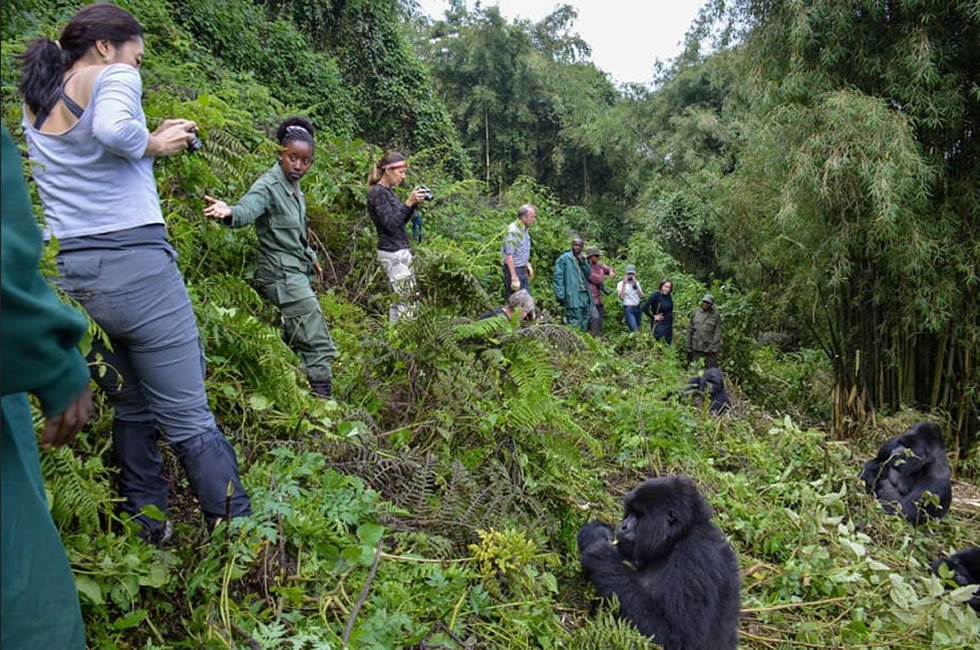
Arrival, Transfers and Road Time
Most international safari itineraries are organized around arrival through Entebbe, with private transfers connecting the airport to nearby accommodation or the start of the road journey. Arrival-day planning should account for the actual flight time. A traveler landing late at night should not be expected to begin a long cross-country transfer immediately simply to save one hotel night.
Uganda road safaris involve meaningful distances. The experience is scenic, but travel times can be affected by traffic, road works, weather and local conditions. A good itinerary describes transfer days honestly and uses stops intelligently. Where domestic flights are available and suitable, they can reduce fatigue, particularly at the beginning or end of a short premium trip.
Visa, immigration, vaccination and health requirements can change. Travelers should consult current official authorities and qualified medical professionals for requirements that apply to their nationality, residence, health circumstances and travel dates. A safari article should not freeze volatile entry rules into permanent copy.
Packing for Savannah and Forest
Uganda requires a packing strategy that works in both open savannah and wet forest. Lightweight neutral clothing, breathable layers, a warm layer for cooler highland mornings, sun protection and a dependable rain shell form a practical base. Gorilla and chimpanzee days call for sturdy footwear with grip, long trousers, long sleeves and a small daypack. Gloves can be useful when moving through dense vegetation, though personal preferences vary.
Travelers can use this safari packing guide when preparing.
Camera equipment should be protected against dust and moisture. Spare batteries, charging cables, memory cards and a power bank can be useful, while lodge charging arrangements should be checked for specialist equipment. Binoculars significantly improve game drives and birding. Soft-sided luggage may be required on some small-aircraft services, so current baggage rules should be confirmed before departure.
Responsible Luxury Travel
Responsible luxury is not about removing comfort. It is about making comfort compatible with conservation, local participation and respectful behavior. Travelers should follow ranger instructions, maintain required wildlife distances, avoid pressuring guides to break rules for photographs and respect restrictions on flash, noise or off-road driving where they apply.
Cultural experiences deserve the same care. Photography should be consensual, visits should be arranged in ways that provide clear local benefit, and travelers should avoid treating communities as scenery. Lodges and operators can be evaluated for local employment, waste practices, conservation support and the quality of their relationships with neighboring communities.
A private safari also creates opportunities for lower-impact pacing. Staying longer in fewer places can reduce repetitive transfers. Refillable water systems, careful waste handling and thoughtful purchasing can reduce unnecessary consumption. These choices are small individually, but they reinforce the idea that exclusivity should deepen connection to a place rather than isolate travelers from it.
Pace and Logistics
In the context of planning a private uganda safari: flights, health, packing and responsible travel, A premium itinerary should be measured by how well the days connect, not by the number of attractions squeezed into them. Transfer time, check-in time, meal schedules, activity briefings and the need to prepare equipment all consume real hours. Building margin into the program protects the experiences that matter most and makes delays easier to absorb.
This becomes particularly important when several ecosystems are combined. Uganda’s safari circuit is not a single continuous reserve, and the transition from one region to another is part of the travel experience. A carefully designed route uses those transitions to build anticipation rather than allowing them to feel like wasted time. It also recognizes that weather, wildlife movement and road conditions can alter a day without making the safari unsuccessful.
Exclusive Uganda Safari Packages work best when expectations are explicit. Guests should know which activities are private, which are shared or regulated, what time major departures are likely to occur, how strenuous forest days may be, and what flexibility actually exists. Clear preparation improves satisfaction because the traveler arrives ready for the reality of the destination rather than an advertising abstraction.
The same principle applies to lodge selection and meal planning. A property may be luxurious yet unsuitable for an itinerary if it sits too far from the next morning’s activity. A simpler lodge in the correct location can sometimes produce a more restful experience. Quality planning weighs these practical details alongside aesthetics, reputation and price.
Finally, a private safari should retain room for discovery. Not every meaningful moment can be scheduled: a roadside market, an unexpected bird, changing light over a crater lake, elephants crossing in the distance, or a quiet conversation with a guide may become as memorable as the headline activity. Good planning creates the conditions for those moments without trying to manufacture them.
Guiding and Interpretation
In the context of planning a private uganda safari: flights, health, packing and responsible travel, The guide is one of the most important elements of a private safari. Strong guiding combines wildlife knowledge with road judgment, communication, patience and an ability to read the guests. The best guides explain ecosystems and behavior without overwhelming every quiet moment, and they adapt the day when interests become clearer.
This becomes particularly important when several ecosystems are combined. Uganda’s safari circuit is not a single continuous reserve, and the transition from one region to another is part of the travel experience. A carefully designed route uses those transitions to build anticipation rather than allowing them to feel like wasted time. It also recognizes that weather, wildlife movement and road conditions can alter a day without making the safari unsuccessful.
Exclusive Uganda Safari Packages work best when expectations are explicit. Guests should know which activities are private, which are shared or regulated, what time major departures are likely to occur, how strenuous forest days may be, and what flexibility actually exists. Clear preparation improves satisfaction because the traveler arrives ready for the reality of the destination rather than an advertising abstraction.
The same principle applies to lodge selection and meal planning. A property may be luxurious yet unsuitable for an itinerary if it sits too far from the next morning’s activity. A simpler lodge in the correct location can sometimes produce a more restful experience. Quality planning weighs these practical details alongside aesthetics, reputation and price.
Finally, a private safari should retain room for discovery. Not every meaningful moment can be scheduled: a roadside market, an unexpected bird, changing light over a crater lake, elephants crossing in the distance, or a quiet conversation with a guide may become as memorable as the headline activity. Good planning creates the conditions for those moments without trying to manufacture them.
Photography Considerations
In the context of planning a private uganda safari: flights, health, packing and responsible travel, Photography changes the way a day should be planned. Early and late light can matter more than a fixed meal time, while forest photography requires moisture protection and realistic expectations about low light. A private vehicle provides useful flexibility, but photographers must still follow wildlife regulations and the instructions of guides and rangers.
This becomes particularly important when several ecosystems are combined. Uganda’s safari circuit is not a single continuous reserve, and the transition from one region to another is part of the travel experience. A carefully designed route uses those transitions to build anticipation rather than allowing them to feel like wasted time. It also recognizes that weather, wildlife movement and road conditions can alter a day without making the safari unsuccessful.
Exclusive Uganda Safari Packages work best when expectations are explicit. Guests should know which activities are private, which are shared or regulated, what time major departures are likely to occur, how strenuous forest days may be, and what flexibility actually exists. Clear preparation improves satisfaction because the traveler arrives ready for the reality of the destination rather than an advertising abstraction.
The same principle applies to lodge selection and meal planning. A property may be luxurious yet unsuitable for an itinerary if it sits too far from the next morning’s activity. A simpler lodge in the correct location can sometimes produce a more restful experience. Quality planning weighs these practical details alongside aesthetics, reputation and price.
Finally, a private safari should retain room for discovery. Not every meaningful moment can be scheduled: a roadside market, an unexpected bird, changing light over a crater lake, elephants crossing in the distance, or a quiet conversation with a guide may become as memorable as the headline activity. Good planning creates the conditions for those moments without trying to manufacture them.
Comfort Without Losing the Wild
In the context of planning a private uganda safari: flights, health, packing and responsible travel, Comfort should support immersion rather than separate the traveler from the destination. A well-positioned room, hot shower after a wet trek, reliable meal, good sleep and efficient transfer can make the next wildlife experience stronger. Excessive formality, by contrast, can sometimes reduce the spontaneity that makes safari travel memorable.
This becomes particularly important when several ecosystems are combined. Uganda’s safari circuit is not a single continuous reserve, and the transition from one region to another is part of the travel experience. A carefully designed route uses those transitions to build anticipation rather than allowing them to feel like wasted time. It also recognizes that weather, wildlife movement and road conditions can alter a day without making the safari unsuccessful.
Exclusive Uganda Safari Packages work best when expectations are explicit. Guests should know which activities are private, which are shared or regulated, what time major departures are likely to occur, how strenuous forest days may be, and what flexibility actually exists. Clear preparation improves satisfaction because the traveler arrives ready for the reality of the destination rather than an advertising abstraction.
The same principle applies to lodge selection and meal planning. A property may be luxurious yet unsuitable for an itinerary if it sits too far from the next morning’s activity. A simpler lodge in the correct location can sometimes produce a more restful experience. Quality planning weighs these practical details alongside aesthetics, reputation and price.
Finally, a private safari should retain room for discovery. Not every meaningful moment can be scheduled: a roadside market, an unexpected bird, changing light over a crater lake, elephants crossing in the distance, or a quiet conversation with a guide may become as memorable as the headline activity. Good planning creates the conditions for those moments without trying to manufacture them.
Choosing, Customizing and Booking Exclusive Uganda Safari Packages

How to Choose the Right Package
Start with the number of usable safari days, not the total number of days away from home. International arrival and departure times can consume part of a day, and long transfers need realistic space. Next, rank the non-negotiable experiences. If gorillas are the priority, secure the right forest region and date first. If chimpanzees, Kidepo, photography or a particular lodge matter equally, those elements should influence the route from the beginning.
Then decide how you want the safari to feel. Some travelers enjoy early starts and a full schedule. Others prefer one major activity per day. Some want the intimacy of small lodges; others value extensive facilities. Some are happy with scenic road journeys, while others want to fly whenever possible. Exclusive Uganda Safari Packages should translate these preferences into concrete itinerary decisions.
Longer journeys can be particularly rewarding for travelers who want depth. Before choosing a grand circuit, guests can review a 19-day safari for a slower circuit.
A Practical Customization Process
The planning process should begin with dates, duration, party composition and approximate accommodation expectations. The next step is to identify priority wildlife experiences and any physical, dietary or accessibility considerations that affect routing. A draft itinerary can then connect the destinations in a geographically sensible order.
Permit availability should be checked before non-refundable assumptions are made. Accommodation should be matched to the confirmed sectors and activity locations. Domestic flights can then be considered where they save meaningful time. Once the skeleton is sound, details such as private meals, celebration arrangements, specialist guiding, extra photography time and rest periods can be added.
Travelers who want a second verified gorilla reference can consult this gorilla guide.
Frequently Asked Questions About Exclusive Uganda Safari Packages
What are the best Exclusive Uganda Safari Packages? The best package is the one that matches the traveler’s time, interests and preferred pace. For a first journey, a combination of Kibale, Queen Elizabeth and Bwindi is particularly efficient. Travelers with more time can add Murchison Falls, Mgahinga, Lake Mburo or Kidepo.
How many days are enough for a luxury Uganda safari? A focused gorilla journey can work in three or four days, but seven to twelve days gives much more room for primates and savannah wildlife. Fourteen days or longer is preferable for travelers who want a broad circuit without rushing.
Can Uganda gorilla trekking be combined with a wildlife safari? Yes. Queen Elizabeth National Park is especially convenient in relation to Bwindi, while Kibale adds chimpanzees and Murchison Falls adds another major savannah and river ecosystem.
Should I choose a road safari or a fly-in safari? Road travel provides landscape context and continuity with a private guide. Flights save time and can reduce fatigue. Many high-end itineraries use both.
Are gorilla permits included? That depends entirely on the quotation. A trustworthy proposal should state clearly whether permits are included, their status, and any conditions attached to them.
When should I book? Travelers with fixed dates, peak-season plans, specific lodge preferences or a larger group should generally begin earlier because permits and preferred rooms are finite. Exact availability must be checked for the intended dates.
Is Uganda suitable for honeymoon safaris? Yes. Private vehicles, intimate lodges, forest scenery, boat experiences and gorilla trekking can be combined into a highly personal journey. The itinerary should include downtime rather than scheduling every hour.
Is Uganda suitable for families? It can be, but activity age restrictions and family room arrangements must be checked. A family itinerary should also manage road time carefully.
How difficult is gorilla trekking? Difficulty varies with terrain, weather and the gorillas’ location. Travelers should prepare for uneven forest walking and discuss mobility concerns before booking.
What should I pack? Pack for both warm savannah conditions and cooler, wetter forest environments. Good walking footwear, rain protection, long clothing for forest days, sun protection, binoculars and protected camera equipment are particularly useful.
Can dietary requirements be accommodated? Many safari lodges can accommodate common dietary needs when informed in advance, but specific requirements should be confirmed with the actual properties before travel.
Is Kidepo worth including? For travelers with enough time or a fly-in budget, Kidepo can add a remote and visually distinctive dimension to the safari. It is less suitable as a rushed add-on to a short southwestern circuit.
What makes a safari exclusive? Privacy, strong guiding, thoughtful pacing, well-matched lodges, efficient logistics and personalization matter more than decorative luxury alone.
Can I customize a sample itinerary? A genuine tailor-made operator should be able to adjust destinations, nights, accommodation, transport and activities, subject to permit and lodge availability.
Do I need travel insurance? Travelers should obtain suitable coverage for their circumstances and itinerary, paying attention to medical care, evacuation, cancellation and high-value equipment where relevant.
What is the best time for gorilla trekking? Gorilla trekking operates across the year, but trail conditions and demand vary. Drier periods are popular, while wetter periods can be lush and atmospheric. Current permit availability is often the decisive factor.
Can I trek gorillas twice? It may be possible to arrange permits for more than one trekking day, subject to availability and current rules. This can be valuable for photographers and dedicated primate enthusiasts because every encounter is different.
Can I combine Uganda with another East African country? Cross-border extensions are possible, but current entry requirements, flight schedules and transfer logistics must be checked for the exact itinerary.
How much does a private Uganda safari cost? There is no responsible universal figure. Duration, party size, lodge category, permits, flights and season all influence the quotation. Request a date-specific proposal.
What is the next step? Define your dates, number of travelers, approximate trip length, priority experiences and preferred comfort level. A safari planner can then check the critical availability and build a route that makes geographic and practical sense.
Pace and Logistics
In the context of choosing, customizing and booking exclusive uganda safari packages, A premium itinerary should be measured by how well the days connect, not by the number of attractions squeezed into them. Transfer time, check-in time, meal schedules, activity briefings and the need to prepare equipment all consume real hours. Building margin into the program protects the experiences that matter most and makes delays easier to absorb.
This becomes particularly important when several ecosystems are combined. Uganda’s safari circuit is not a single continuous reserve, and the transition from one region to another is part of the travel experience. A carefully designed route uses those transitions to build anticipation rather than allowing them to feel like wasted time. It also recognizes that weather, wildlife movement and road conditions can alter a day without making the safari unsuccessful.
Exclusive Uganda Safari Packages work best when expectations are explicit. Guests should know which activities are private, which are shared or regulated, what time major departures are likely to occur, how strenuous forest days may be, and what flexibility actually exists. Clear preparation improves satisfaction because the traveler arrives ready for the reality of the destination rather than an advertising abstraction.
The same principle applies to lodge selection and meal planning. A property may be luxurious yet unsuitable for an itinerary if it sits too far from the next morning’s activity. A simpler lodge in the correct location can sometimes produce a more restful experience. Quality planning weighs these practical details alongside aesthetics, reputation and price.
Finally, a private safari should retain room for discovery. Not every meaningful moment can be scheduled: a roadside market, an unexpected bird, changing light over a crater lake, elephants crossing in the distance, or a quiet conversation with a guide may become as memorable as the headline activity. Good planning creates the conditions for those moments without trying to manufacture them.
Guiding and Interpretation
In the context of choosing, customizing and booking exclusive uganda safari packages, The guide is one of the most important elements of a private safari. Strong guiding combines wildlife knowledge with road judgment, communication, patience and an ability to read the guests. The best guides explain ecosystems and behavior without overwhelming every quiet moment, and they adapt the day when interests become clearer.
This becomes particularly important when several ecosystems are combined. Uganda’s safari circuit is not a single continuous reserve, and the transition from one region to another is part of the travel experience. A carefully designed route uses those transitions to build anticipation rather than allowing them to feel like wasted time. It also recognizes that weather, wildlife movement and road conditions can alter a day without making the safari unsuccessful.
Exclusive Uganda Safari Packages work best when expectations are explicit. Guests should know which activities are private, which are shared or regulated, what time major departures are likely to occur, how strenuous forest days may be, and what flexibility actually exists. Clear preparation improves satisfaction because the traveler arrives ready for the reality of the destination rather than an advertising abstraction.
The same principle applies to lodge selection and meal planning. A property may be luxurious yet unsuitable for an itinerary if it sits too far from the next morning’s activity. A simpler lodge in the correct location can sometimes produce a more restful experience. Quality planning weighs these practical details alongside aesthetics, reputation and price.
Finally, a private safari should retain room for discovery. Not every meaningful moment can be scheduled: a roadside market, an unexpected bird, changing light over a crater lake, elephants crossing in the distance, or a quiet conversation with a guide may become as memorable as the headline activity. Good planning creates the conditions for those moments without trying to manufacture them.
Photography Considerations
In the context of choosing, customizing and booking exclusive uganda safari packages, Photography changes the way a day should be planned. Early and late light can matter more than a fixed meal time, while forest photography requires moisture protection and realistic expectations about low light. A private vehicle provides useful flexibility, but photographers must still follow wildlife regulations and the instructions of guides and rangers.
This becomes particularly important when several ecosystems are combined. Uganda’s safari circuit is not a single continuous reserve, and the transition from one region to another is part of the travel experience. A carefully designed route uses those transitions to build anticipation rather than allowing them to feel like wasted time. It also recognizes that weather, wildlife movement and road conditions can alter a day without making the safari unsuccessful.
Exclusive Uganda Safari Packages work best when expectations are explicit. Guests should know which activities are private, which are shared or regulated, what time major departures are likely to occur, how strenuous forest days may be, and what flexibility actually exists. Clear preparation improves satisfaction because the traveler arrives ready for the reality of the destination rather than an advertising abstraction.
The same principle applies to lodge selection and meal planning. A property may be luxurious yet unsuitable for an itinerary if it sits too far from the next morning’s activity. A simpler lodge in the correct location can sometimes produce a more restful experience. Quality planning weighs these practical details alongside aesthetics, reputation and price.
Finally, a private safari should retain room for discovery. Not every meaningful moment can be scheduled: a roadside market, an unexpected bird, changing light over a crater lake, elephants crossing in the distance, or a quiet conversation with a guide may become as memorable as the headline activity. Good planning creates the conditions for those moments without trying to manufacture them.
Comfort Without Losing the Wild
In the context of choosing, customizing and booking exclusive uganda safari packages, Comfort should support immersion rather than separate the traveler from the destination. A well-positioned room, hot shower after a wet trek, reliable meal, good sleep and efficient transfer can make the next wildlife experience stronger. Excessive formality, by contrast, can sometimes reduce the spontaneity that makes safari travel memorable.
This becomes particularly important when several ecosystems are combined. Uganda’s safari circuit is not a single continuous reserve, and the transition from one region to another is part of the travel experience. A carefully designed route uses those transitions to build anticipation rather than allowing them to feel like wasted time. It also recognizes that weather, wildlife movement and road conditions can alter a day without making the safari unsuccessful.
Exclusive Uganda Safari Packages work best when expectations are explicit. Guests should know which activities are private, which are shared or regulated, what time major departures are likely to occur, how strenuous forest days may be, and what flexibility actually exists. Clear preparation improves satisfaction because the traveler arrives ready for the reality of the destination rather than an advertising abstraction.
The same principle applies to lodge selection and meal planning. A property may be luxurious yet unsuitable for an itinerary if it sits too far from the next morning’s activity. A simpler lodge in the correct location can sometimes produce a more restful experience. Quality planning weighs these practical details alongside aesthetics, reputation and price.
Finally, a private safari should retain room for discovery. Not every meaningful moment can be scheduled: a roadside market, an unexpected bird, changing light over a crater lake, elephants crossing in the distance, or a quiet conversation with a guide may become as memorable as the headline activity. Good planning creates the conditions for those moments without trying to manufacture them.