
How different is Gorilla Tracking from Gorilla Habituation

gorilla tracking and habituation in Uganda: Complete Guide for gorilla tracking in Uganda
Gorilla tracking and gorilla habituation are two extraordinary ways to encounter mountain gorillas in Uganda, but they are not simply short and long versions of the same activity. Gorilla tracking normally takes visitors to a fully habituated gorilla family and provides the regulated standard viewing period after the family is located. Gorilla habituation is a more specialised experience associated with a gorilla group that is still becoming accustomed to controlled human presence, allowing visitors to spend substantially longer observing the group alongside the professional field team.
For tourists planning a Uganda safari, the practical differences involve time, permit cost, group size, location, physical effort, photography opportunities and itinerary flexibility. Standard gorilla tracking in Uganda is the classic choice for many first-time visitors, while gorilla habituation appeals strongly to photographers, primate enthusiasts and travelers who want a longer forest experience.
Quick answer: choose gorilla tracking when you want the classic encounter, greater itinerary flexibility and a lower permit cost. Consider gorilla habituation when mountain gorillas are the central focus of your journey and you specifically value extended observation, a smaller visitor group and greater exposure to the habituation process.
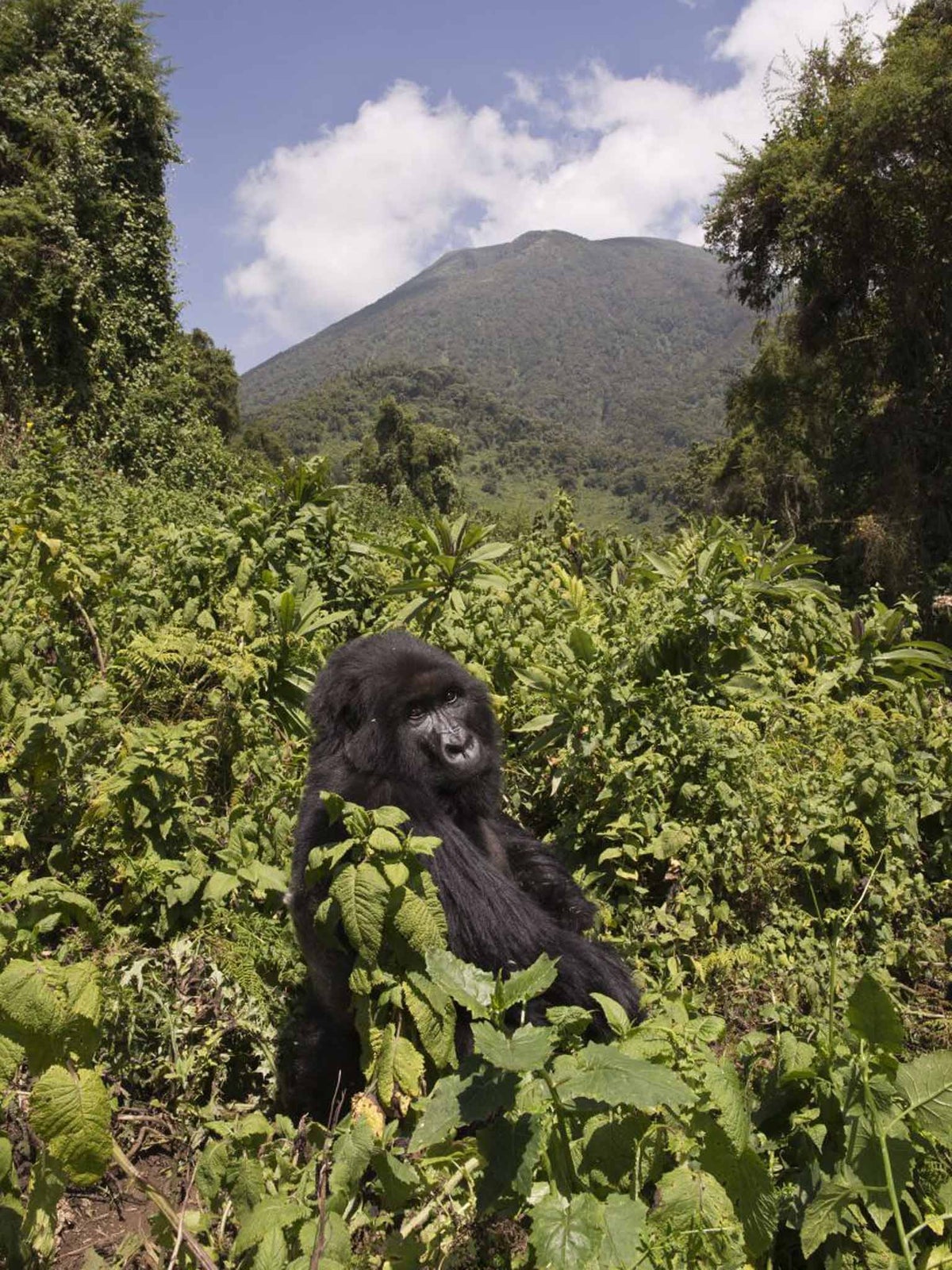
gorilla tracking and habituation: What Is the Difference?
The most important distinction is the status of the gorilla family and the nature of the encounter. During standard gorilla tracking, visitors search for a family that has already completed the habituation process and is accustomed to carefully controlled visits. The experience remains wild and unpredictable, but the gorillas have had years of gradual exposure to rangers, researchers and eventually tourists.
Gorilla habituation is connected to the longer process through which wild mountain gorillas gradually become accustomed to predictable human presence. Visitors participating in the Gorilla Habituation Experience accompany professionals into the forest and observe a group that is still progressing through this process. This makes gorilla habituation more than an extended sightseeing session.
| Feature | Gorilla Tracking | Gorilla Habituation |
|---|---|---|
| Gorilla group | Fully habituated family | Family undergoing habituation |
| Observation | Normally up to 1 hour | Up to about 4 hours |
| Visitor group | Typically up to 8 | Typically up to 4 |
| Availability | Broader Uganda availability | Specialised, limited availability |
| Physical demand | Variable | Usually greater time commitment |
| Best fit | Classic first encounter | In-depth gorilla experience |
What Happens During Gorilla Tracking?
A standard gorilla tracking day normally starts early at the designated park briefing point. Rangers explain forest etiquette, health precautions, wildlife rules and what to expect on the trail. Visitors are then organised into groups and assigned a gorilla family according to the day’s park arrangements. Your permit is therefore much more than an entrance ticket: it determines the date and authorised tracking area for one of Africa’s most tightly managed wildlife experiences.
The hike can take a relatively short time or several hours because mountain gorillas move freely through their habitat. Trackers monitor signs such as feeding remains, nests and previous locations while guides lead visitors through forest vegetation and changing terrain. Anyone researching the complete mountain gorilla tracking experience should plan for uncertainty rather than expecting a fixed walking distance.
The Gorilla Tracking Encounter
When the assigned family is found, the atmosphere changes immediately. Walking poles and unnecessary equipment may be left with the support team, cameras come out and the ranger positions visitors where the animals can be observed without obstructing them. The standard regulated encounter is normally up to one hour, although park staff control every visit according to prevailing conditions and conservation rules.
An hour can sound brief when planning from home, yet the encounter is intensely concentrated. Gorillas may feed, groom, climb, rest or move through vegetation while juveniles interact around the adults. Travelers considering gorilla trekking in Bwindi should therefore think about the entire forest day rather than measuring the experience only by the regulated viewing period.

Planning Your First Gorilla Encounter?
Match your trekking sector, permit, accommodation and transfers before paying for separate parts of your Uganda trip.
What Is Gorilla Habituation? gorilla tracking in Uganda
Gorilla habituation is the gradual process of helping a wild gorilla group become accustomed to carefully managed human presence. Researchers, trackers and rangers repeatedly observe the family while monitoring its responses. The process is gradual because conservation staff must avoid forcing rapid behavioural change merely to create a tourism product.
For tourists, the specialised experience creates a different rhythm from standard gorilla tracking. Rather than simply reaching a fully habituated family for the conventional visit, participants gain more exposure to the tracking and observation process. The gorillas may also behave differently because they are at another stage of habituation. Travelers interested in the science and conservation context should therefore avoid thinking of habituation as a guaranteed four-hour photography session.
Why Gorilla Habituation Takes Longer
The extended period is one of the main reasons travelers choose gorilla habituation. Up to roughly four hours associated with the encounter can create opportunities to watch changes in behaviour rather than seeing only a short snapshot. Feeding can turn into resting; youngsters may become active; individuals can move between vegetation; and the social dynamics of the family may become easier to appreciate.
That additional time is especially attractive to serious photographers and travelers whose safari is primarily about mountain gorillas in Africa. However, more time also means carrying your equipment for longer, remaining attentive to ranger instructions and coping with changing weather in a humid forest environment.
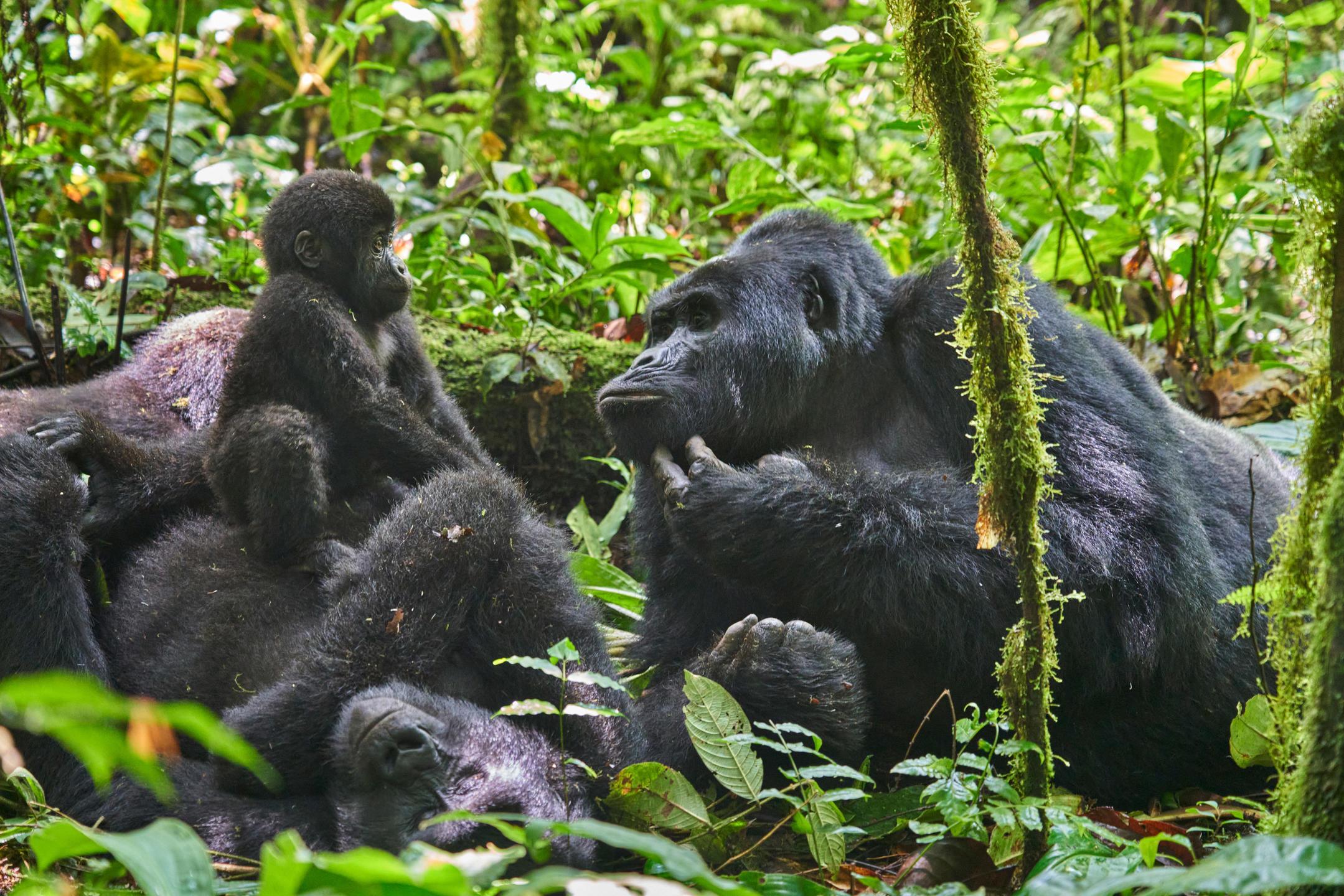
Where Do gorilla tracking and habituation Take Place?
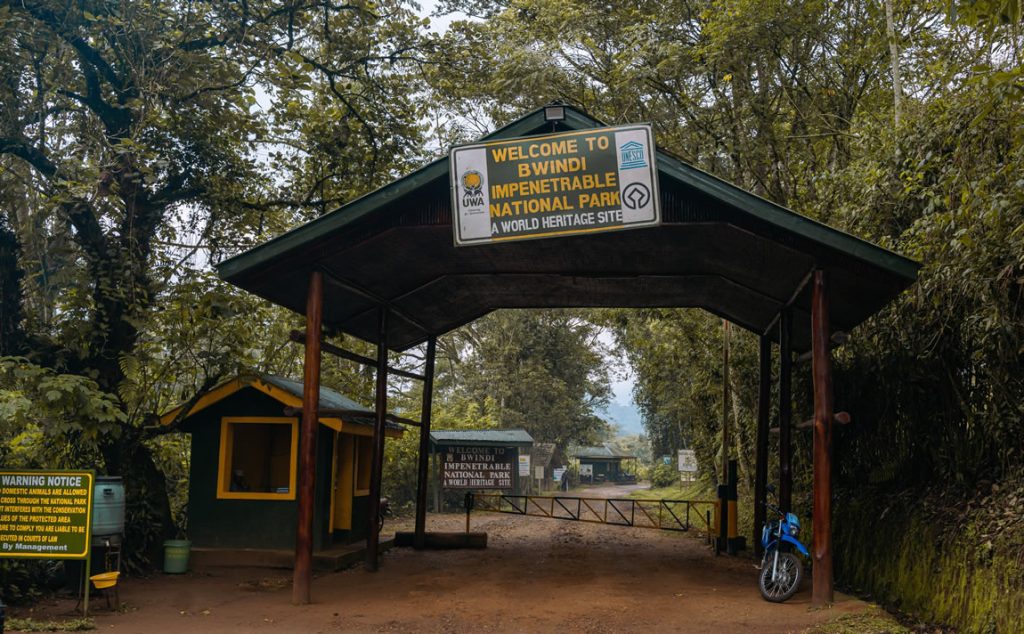
Uganda’s mountain gorillas are found in Bwindi Impenetrable National Park and Mgahinga Gorilla National Park. Bwindi is divided into different trekking areas, including Buhoma, Ruhija, Rushaga and Nkuringo. These locations are important because a permit and lodge should be coordinated geographically. Booking accommodation in the wrong part of the forest can create a long and inconvenient transfer before an already demanding trek.
Travelers should first understand the geography of Bwindi Impenetrable Forest and then select accommodation around the permit. The forest is not a single gate where every visitor begins. Mountain roads and the rugged landscape mean two lodges that appear close on a map can require considerable driving time.
Rushaga and Gorilla Habituation
The Gorilla Habituation Experience is associated with the Rushaga area in southern Bwindi. This makes Rushaga Gorilla Sector particularly important for travelers building an itinerary around habituation. Because availability is limited, the permit should normally drive the rest of the trip rather than booking a lodge first and hoping the correct permit can later be added.
Standard gorilla tracking provides greater flexibility because it is available through several Bwindi sectors and in Mgahinga. Tourists comparing the best region to trek gorillas in Bwindi should consider permit availability, road access, accommodation style, fitness preferences and the direction of the wider safari rather than choosing a sector solely because of its name.
How Much Do Gorilla Permits Cost?
Permit price is one of the biggest practical differences between gorilla tracking and habituation. Standard Uganda gorilla tracking has commonly been priced at USD 800 for a foreign non-resident permit in recent tariff periods. Current 2026 travel information also reports a higher price category for the Gorilla Habituation Experience, with recent sources indicating a move to approximately USD 1,800 for foreign non-residents after mid-2026.
Important for 2026 travelers: online pages currently show conflicting habituation prices because some still display the earlier USD 1,500 tariff while newer sources report USD 1,800. Always confirm the payable Uganda Wildlife Authority rate for your exact travel date before budgeting or transferring permit funds.
The permit is only one part of the overall safari price. Travelers also need to consider accommodation, private or shared transport, meals, guide services, porter assistance, flights if used and additional safari activities. Our guide to the cost of a gorilla permit helps separate the permit itself from the wider trip budget.
Book the Correct Permit From the Beginning
A standard gorilla tracking permit should not be treated as interchangeable with a habituation permit. They are separate tourism products with different capacity and operating arrangements. When using online gorilla permit booking assistance, specify whether you want standard tracking or the Gorilla Habituation Experience before accommodation and transportation are finalised.
Secure the Right Gorilla Experience
Check permit availability before locking in flights and lodge nights, especially when your priority is gorilla habituation.
How Difficult Is Gorilla Tracking?
There is no single difficulty level for gorilla tracking because the animals are wild and mobile. A family may be relatively close to the starting area one morning and much farther away another day. Rain, altitude, muddy ground, steep slopes and dense vegetation can make a short distance surprisingly tiring. Anyone concerned about fitness should read more about gorilla trekking difficulty before choosing footwear and training for the trip.
The best preparation is regular walking, including hills or stairs where possible. You do not need to be an elite athlete, but arriving with reasonable cardiovascular fitness and comfortable hiking footwear can dramatically improve the day. A porter can also be valuable because carrying water, lunch, rain gear and camera equipment becomes more tiring as the trek continues.
Is Gorilla Habituation More Physically Demanding?
Gorilla habituation can require a greater commitment because participants may spend longer in the forest and remain engaged for an extended observation period. The family is also not necessarily positioned for convenient tourist viewing. The experience is therefore best approached as a substantial rainforest activity rather than a guaranteed easy upgrade from standard gorilla tracking.
Older visitors should not automatically rule out gorilla tracking. Fitness, mobility, the terrain on the day and practical support all matter. Travelers planning gorilla tracking for elderly visitors should communicate mobility concerns during planning so the itinerary, lodge location and support arrangements can be considered before arrival.

Gorilla Tracking vs Gorilla Habituation for Photography
Photography is one of the strongest reasons some visitors consider gorilla habituation. Standard gorilla tracking gives photographers a concentrated encounter, so preparation matters. Camera settings should be familiar before entering the forest, batteries should be charged and lenses should be accessible without repeatedly opening a large bag. Flash photography is not appropriate around the gorillas.
Gorilla habituation provides more time, which can create more opportunities for changing behaviour and changing light. Extra time, however, does not guarantee unobstructed photographs. Mountain gorillas live in dense forest, and leaves, branches, rain and deep shade are part of the environment. The family may move, turn away or rest where photography is difficult.
A longer encounter is therefore valuable because it gives the photographer patience rather than certainty. If photography is your main priority, reduce equipment to what you can comfortably carry, use weather protection and avoid spending the entire encounter looking through a viewfinder. The strongest gorilla experience usually combines photographs with periods of simply watching.
Best Time for gorilla tracking and habituation
Mountain gorilla experiences operate throughout the year, so there is no single month when gorillas suddenly become available. The major seasonal difference is trail condition. Drier periods can make walking more comfortable, while wetter months can produce muddier and more slippery paths. Rainforest weather remains unpredictable even during generally drier periods.
June through September and December through February are often popular with visitors looking for relatively drier trekking conditions. March to May and October to November can be wetter, although exact conditions vary. Travelers comparing seasons can use our guide to the best time to trek mountain gorillas to balance trail conditions, accommodation availability and the wider safari.
A wet forecast should not automatically discourage a gorilla trip. The forest is green because it receives substantial rainfall, and showers can occur at any time. Instead of trying to eliminate rain from the plan, arrive with suitable boots, waterproof protection and flexible expectations. Gorilla tracking remains a rainforest activity in every month.

What to Wear for Gorilla Tracking
Good clothing protects you from vegetation, insects, mud and changing weather. Wear long trousers and a comfortable long-sleeved shirt rather than shorts and exposed arms. Lightweight hiking clothing that dries reasonably quickly is usually more practical than heavy cotton. A waterproof shell should remain accessible because rain can arrive quickly.
Footwear is especially important. Sturdy hiking shoes or boots with reliable grip are preferable to casual trainers with smooth soles. Travelers uncertain about footwear can review practical advice on gorilla trekking boots before buying new equipment.
Gardening-style gloves can help when you need to steady yourself around vegetation, while long socks can add protection around the ankles. A small backpack should hold drinking water, rain protection, packed food when supplied or required, camera equipment and personal essentials. Avoid overpacking, especially for gorilla habituation, because every unnecessary kilogram becomes more noticeable after hours in the forest.
A more complete gorilla trek clothing guide can help you prepare for both dry and wet conditions without carrying an oversized safari wardrobe.
Practical Gorilla Trek Packing List
- Sturdy hiking shoes or boots with good traction
- Long hiking trousers
- Long-sleeved breathable shirt
- Light waterproof jacket or poncho
- Gardening or trekking gloves
- Comfortable hiking socks
- Small daypack
- Drinking water and packed food where applicable
- Camera with charged batteries and spare storage
- Waterproof protection for electronics
- Personal medication and basic essentials
Gorilla Tracking Rules and Responsible Tourism
Mountain gorilla tourism depends on strict management because humans and gorillas are biologically close and disease transmission is a serious concern. Visitors must follow ranger instructions, maintain the required distance where conditions allow, avoid touching gorillas and never attempt to attract an animal for a photograph. If a gorilla approaches, the ranger will tell you how to respond.
Travelers who are ill should disclose symptoms to the responsible park or safari team rather than hiding them to protect an expensive holiday. Responsible tourism sometimes requires accepting disappointment to protect wildlife. Understanding ethical gorilla trekking makes it easier to understand why visitor numbers, viewing periods, behaviour and health precautions are controlled.
Gorilla habituation does not relax these principles. The longer experience increases the importance of discipline because participants remain around a group for an extended period. Follow the field team’s positioning instructions, speak quietly and remember that the forest is the gorillas’ habitat rather than a photographic set.
Uganda or Rwanda for Gorilla Tracking?
Both Uganda and Rwanda provide celebrated mountain gorilla encounters, but the wider trip can feel different. Uganda offers Bwindi and Mgahinga and can combine gorillas naturally with chimpanzees, savannah parks, boat safaris and other wildlife experiences. Rwanda provides access through Volcanoes National Park and can be attractive to travelers building a compact itinerary around Kigali and the Virunga region.
Travelers deciding between the countries can compare gorilla trekking in Uganda and Rwanda according to permit budget, trip length, accommodation preferences and the other destinations they want to visit. The specialised Gorilla Habituation Experience, however, is a Uganda product associated with Bwindi rather than a standard option in Rwanda.
If Rwanda is already part of your route, southern Bwindi can sometimes be combined with Kigali depending on border procedures, road conditions and current travel arrangements. A gorilla trip from Kigali illustrates why cross-border routing can be useful, although longer itineraries generally allow a more relaxed experience.
Can You Track Gorillas in Mgahinga?
Yes. Standard gorilla tracking is also available in Mgahinga Gorilla National Park when operating arrangements and permits allow. Mgahinga lies within the Virunga landscape and offers a different setting from Bwindi. Its volcanic scenery makes it particularly attractive to travelers who want gorillas within a broader mountain environment.
Visitors interested in Mgahinga can learn about tracking the Nyakagezi gorilla family and then compare the logistics with Bwindi. Mgahinga can also be paired with golden monkey activities, creating a compact primate-focused itinerary.
Combine Gorillas With Chimpanzee Tracking
A Uganda primate safari does not need to end after the gorilla encounter. Chimpanzee tracking provides a fascinating contrast because chimpanzees are more arboreal, vocal and fast-moving. Their forest experience feels different from sitting quietly near a mountain gorilla family, making the two activities complementary rather than repetitive.
Travelers with enough time can add a chimpanzee tracking experience in a suitable Uganda destination. This is particularly effective on a western circuit where forest and savannah destinations can be linked without repeatedly returning to Kampala or Entebbe.
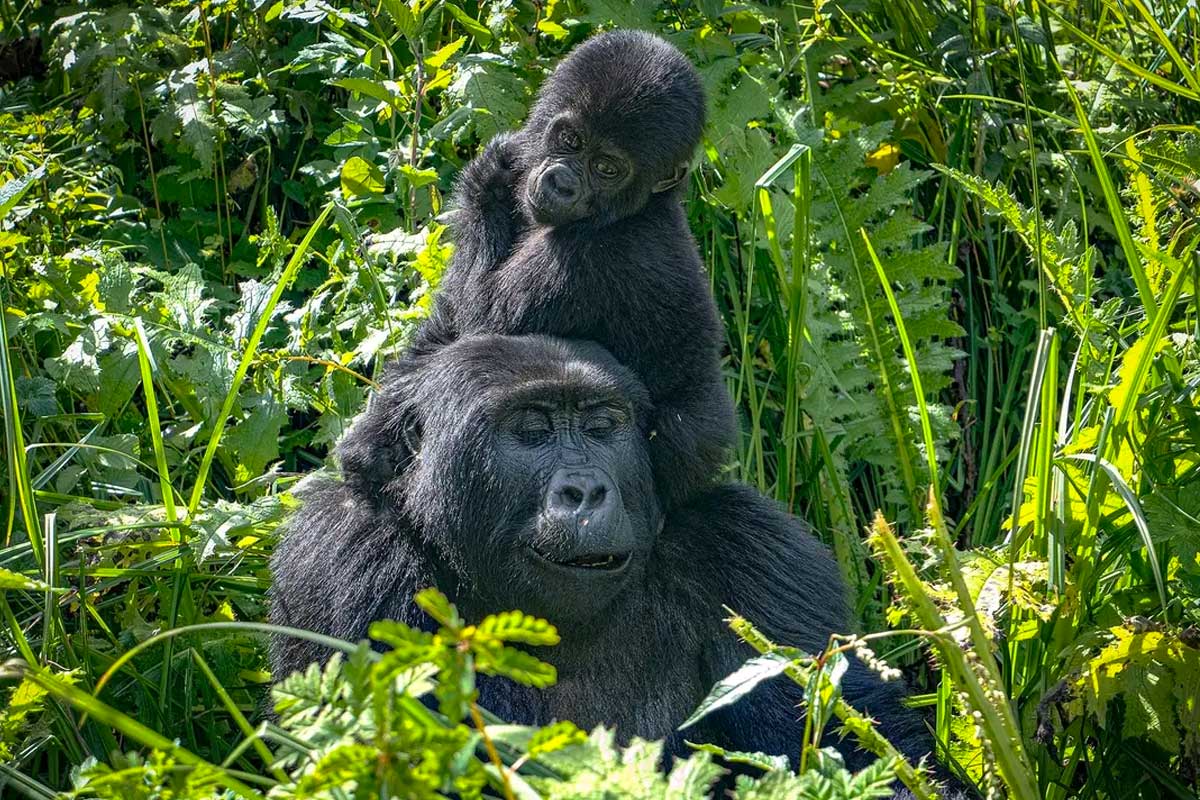
Who Should Choose Standard Gorilla Tracking?
Standard gorilla tracking is particularly suitable for first-time visitors who want the iconic mountain gorilla encounter while preserving time and budget for other destinations. The broader choice of trekking areas also gives itinerary planners more flexibility when combining Bwindi with other parks.
It can be a sensible choice for couples, families with eligible teenagers, older travelers with appropriate fitness and visitors taking a wider Uganda safari. Travelers working within a tighter budget can explore budget gorilla trekking options by controlling accommodation and transport costs rather than compromising the permit or park requirements.
Standard tracking is also practical when you have only a few days. A well-designed 3-day gorilla trekking safari can focus the itinerary on transfers, one major gorilla day and the return journey without trying to squeeze too many unrelated activities into the schedule.
Who Should Choose Gorilla Habituation?
Gorilla habituation is most compelling when gorillas are the central reason for your journey. Wildlife photographers, primate enthusiasts, repeat gorilla visitors and travelers interested in conservation fieldwork often appreciate the additional observation time and smaller visitor group.
The experience also suits travelers who are comfortable dedicating a larger portion of the safari budget to one wildlife activity. Before making that decision, consider whether the extra expenditure will add more personal value than another night in Bwindi, chimpanzee tracking or a savannah extension. The question behind whether gorilla habituation is worth the premium is ultimately about how strongly you value time and depth rather than simply price.
Travelers should also be comfortable with unpredictability. A group undergoing habituation may not behave like a fully habituated tourism family. That difference is part of the experience, not a flaw. Gorilla habituation is best for visitors who are curious about the process and willing to accept whatever natural behaviour the forest presents.
Tracking or Habituation?
Tell us your travel dates, fitness level, budget and photography priorities and build the itinerary around the experience that fits.
Can You Do gorilla tracking and habituation on One Safari?
Yes, subject to permit availability and current park operations, it can be possible to include both experiences on one Uganda itinerary. For a dedicated gorilla enthusiast, this creates an unusually complete comparison. Standard gorilla tracking demonstrates the structured tourism encounter with a fully habituated family, while gorilla habituation provides a longer experience around a family at another stage of human familiarisation.
Avoid automatically scheduling two demanding forest days back-to-back. A rest day, community activity or relaxed transfer can help your legs recover and gives camera equipment time to dry if conditions were wet. Travelers interested in a more comfortable version of the journey can also consider a luxury gorilla tracking safari with well-positioned accommodation and private transfers.
A Practical 4-Day Gorilla Safari Plan
Visitors with additional time can extend toward Queen Elizabeth National Park, Kibale, Lake Bunyonyi or Mgahinga. The important planning principle is to avoid treating Bwindi as an isolated pin on a map. Road time matters, and a logical route makes the safari substantially more enjoyable.
Common Gorilla Safari Planning Mistakes
Booking the lodge before the permit: this can place you in the wrong Bwindi sector. Confirm the permit location and then choose accommodation that makes the morning briefing practical.
Assuming the trek has a fixed duration: gorillas move naturally. Build flexibility into the day and avoid scheduling an important flight or long onward transfer immediately after tracking.
Underestimating the forest: a short distance on steep, muddy terrain can feel much harder than the same distance on a road. Prepare physically and use appropriate footwear.
Choosing habituation only because it is longer: understand the conservation process and the different nature of the gorilla group. The experience is about depth and observation, not simply purchasing extra minutes.
Ignoring the age requirement: gorilla activities have age restrictions. Families traveling with children should check the current gorilla tracking age limit before purchasing flights or building the entire family holiday around a trek.
Buying unsuitable equipment: expensive technical gear is less useful than comfortable clothing, reliable boots and a manageable backpack. Keep the equipment simple enough that you can concentrate on the gorillas.
Frequently Asked Questions
How long do you spend with gorillas during standard tracking?
The standard regulated encounter is normally up to one hour after the gorilla family has been located. The total forest experience is longer because the hike to find the family and the walk back are separate from the viewing period. For a fuller explanation, see our guide to mountain gorilla tracking duration.
How long do you spend during gorilla habituation?
The specialised Gorilla Habituation Experience is generally described as allowing up to about four hours associated with observing the habituating family, subject to park rules and field conditions. The complete day can therefore involve considerably more time in the forest.
Is gorilla habituation guaranteed to provide better photographs?
No. It provides more time, which can improve photographic opportunities, but vegetation, weather, light, animal movement and the position of the gorillas remain unpredictable. More time creates opportunities rather than guarantees.
Is gorilla tracking safe?
Gorilla tourism is highly managed, with professional rangers and established visitor rules. Travelers still need to follow instructions because this is a wild forest environment. Visitors with specific concerns can review practical information about whether gorilla trekking in Uganda is safe and discuss current conditions before traveling.
Can I specifically see a silverback?
Many established gorilla families include a dominant silverback, although the composition of individual groups can change naturally. A silverback gorilla tracking experience is still governed by the family assigned under the park’s management system rather than visitors selecting individual animals.
Should I choose gorillas or chimpanzees?
They are different enough that travelers with time should consider both. Gorillas often provide a quieter ground-level observation experience, while chimpanzee encounters can be more vocal and mobile. Comparing gorillas versus chimpanzees can help when itinerary length or budget forces you to prioritise one primate activity.
Can I track gorillas in December?
Yes. Gorilla activities operate year-round subject to park conditions and permit availability. December is a popular travel period, so tourists planning gorilla trekking in December should secure permits and accommodation well in advance.
Final gorilla tracking and habituation Checklist
Start by deciding what you actually want from the gorilla experience. If you want the classic encounter, broader sector choice and a more flexible safari budget, standard gorilla tracking is the natural starting point. If you want extended observation, a smaller visitor group and direct exposure to the habituation process, investigate gorilla habituation availability before booking the rest of the trip.
Next, secure the correct permit and match it to the correct sector. Then choose nearby accommodation, organise transport and prepare physically for uneven rainforest terrain. Read reliable gorilla tracking information before departure so park rules, packing requirements and expectations are clear.
Finally, remember that neither experience is designed to produce a scripted wildlife performance. Mountain gorillas choose where to move, what to eat, when to rest and whether to sit in perfect photographic light. The unpredictability is precisely what makes gorilla tracking and habituation genuine wildlife experiences.
Ready to Plan Your Uganda Gorilla Safari?
Build your trip around the right permit, Bwindi sector, accommodation and transport instead of leaving the most important details until arrival.
Start Planning My Gorilla Safari →
Uganda Gorilla Tracking • Gorilla Habituation • Bwindi Safari Planning


