What Are the Top Things to See and Do Around Lake Victoria?

Top Things to See and Do Around Lake Victoria?
Things to See and Do Around Lake Victoria. Lake Victoria—Africa’s largest freshwater lake—offers a rich array of experiences, ranging from on-the-water adventures to scenic exploration along its shores. Although the lake spans Uganda, Kenya, and Tanzania, Uganda boasts the largest share of its dazzling waters.
The lake was first brought to Western attention by British explorer John Hannington Speke. He identified it as the source of the River Nile. This historic lake feeds the Nile—the longest river in the world. The River Nile winds through Uganda, South Sudan, Sudan, Egypt, and Ethiopia.
Despite being landlocked, Uganda’s a network of lakes, with Lake Victoria at the forefront. The lake provides ample opportunities for aquatic excursions.
Some of the popular safaris
3-Day Uganda Gorilla Habituation Safari
4 Days Rwanda Gorilla and Cultural Village Tour
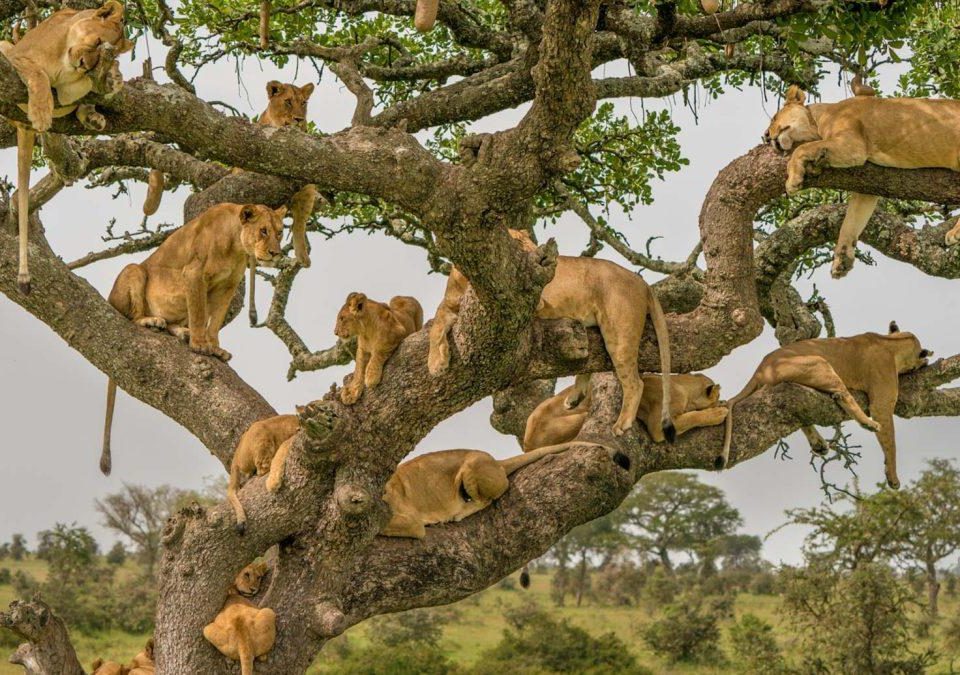
5 Days Uganda Gorilla tour and Tree Climbing Lions
5-Day Gorilla and Whitewater Rafting Tour
7 Days Uganda Honeymoon safari
8 Days Uganda Gorilla and Masai Mara Tour
10 Days Tanzania, Kenya, Uganda gorillas from Kigali
Lake Victoria
Lake Victoria stands as Africa’s largest freshwater lake and the world’s largest tropical lake. The lake is second only to Lake Superior in surface area. Covering roughly 68,800 km², about 45% (≈31,000 km²) lies within Uganda, with the rest shared by Tanzania (~49%) and Kenya (~6%)
Geologically, the lake formed approximately 400,000 years ago when a crustal block between the Eastern and Western Rift Valleys subsided, creating the vast basin that filled with water. It has a mean depth of around 40 m, reaching a maximum of 80–84 m, and sits at an elevation of about 1,134 m above sea level.
As a major freshwater reservoir, Lake Victoria supports rich biodiversity. This includes over 200 fish species, and supplies water, transportation, and hydropower, most notably through the Victoria Nile outflow at Jinja.
Visitors to Uganda can’t miss the scenic shores of Lake Victoria. Whether you’re admiring the vast expanse, cruising to nearby islands, visiting wildlife sanctuaries like Ngamba, or simply enjoying a lakeside sunset, it’s a must-see destination when exploring the country.
Some of the Things to See and Do Around Lake Victoria
Beach Holiday on Lake Victoria
Things to See and Do Around Lake Victoria- beach holidays. Lake Victoria’s sandy beaches provide a wonderful setting for a beach holiday, inviting visitors to spend a relaxing day or stay overnight. Many of these beaches are near Entebbe, though there are equally charming spots further away. Some are public and lively, popular with families and weekend crowds. Meanwhile, others are private and offer a quieter retreat. Along the shore, visitors can savor fresh-caught fish—tilapia or Nile perch. This is prepared in local style, accompanied by dishes like chips or a Rolex.
Dining by the beach not only provides delicious meals but also enhances the lakeside atmosphere. While the facilities may not always match international luxury standards, the beaches are well worth visiting. Be aware that during weekends and holidays, they can be quite crowded with locals enjoying the cool breezy shores. Ultimately, Lake Victoria’s beaches offer a laid-back escape, warm local hospitality, and the chance to enjoy Uganda’s beautiful freshwater environment without needing an ocean.
Boat Cruise on Lake Victoria
Things to See and Do Around Lake Victoria- boat cruises. Taking a boat cruise on Lake Victoria is a truly enchanting experience. It glides across calm waters with refreshing breezes, beneath the lush greenery, and the sight of fishermen skillfully casting their nets. You might even visit one of the lake’s many islands, creating unforgettable moments on the water. A popular highlight is a sunset cruise, where you can watch the sun’s golden rays dance across the lake as day transitions into night.
Sport Fishing in Lake Victoria
Things to See and Do Around Lake Victoria- Sport fishing. Sport fishing on Lake Victoria is a thrilling addition to any Uganda safari. To embark on this adventure, you’ll need a fishing permit, available through Uganda Wildlife Authority or licensed tour operators. You’ll go on the excursion with a boat captain who’ll guide you to productive fishing spots.
Anglers can expect to encounter a variety of fish species. These include Nile perch (ranging from 10 to over 100 kg), tilapia, lungfish, catfish, and tiger fish. Guided fishing trips typically run year-round, with peak success between October–March or during the dry seasons of June–September and December–February.
Sport fishing usually originates from crewed speedboats or motorized canoes—18 ft vessels powered by Yamaha engines are common—and includes safety equipment like life jackets, first-aid kits, GPS, and fish-finders. Trips are offered as either half-day (around 4 hours: 9 am–12 pm or 1 pm–5 pm) or full-day (approximately 8 hours) excursions, sometimes departing from Banga or Kasenyi near Entebbe.
A typical trip might take you to the Ssese Islands, Jinja, or local inlets, depending on seasonal and weather conditions. Many outfitters promote catch-and-release for conservation—particularly when targeting Nile perch—though you might also enjoy fresh-caught fish at the end of your trip.
Along the shoreline, there are active fishing villages and landing sites like Kasenyi (Entebbe), Kasensero (Rakai), Ggaba (Kampala), and Lutoboka (Bugala, Ssese Islands). Here, you can meet local fishermen, learn indigenous fishing practices, and even sample freshly prepared fish.
This immersive experience combines sport, scenery, and cultural connection. This makes Lake Victoria a memorable destination for anglers. Would you like help booking a trip, finding guides, or planning logistics? Feel free to contact us.
Visit the Islands in Lake Victoria
Things to See and Do Around Lake Victoria- Exploring several islands. Lake Victoria is dotted with diverse islands, each offering unique experiences yet sharing a common lakeside charm. Even without a private boat, visitors can reach these islands using public ferries.
The Ssese Islands—a well-known archipelago of 84 islands—are renowned for their stunning clear blue waters, white sandy beaches, lush greenery, and rich birdlife. These tranquil islands are ideal for honeymooners or anyone seeking quiet relaxation.
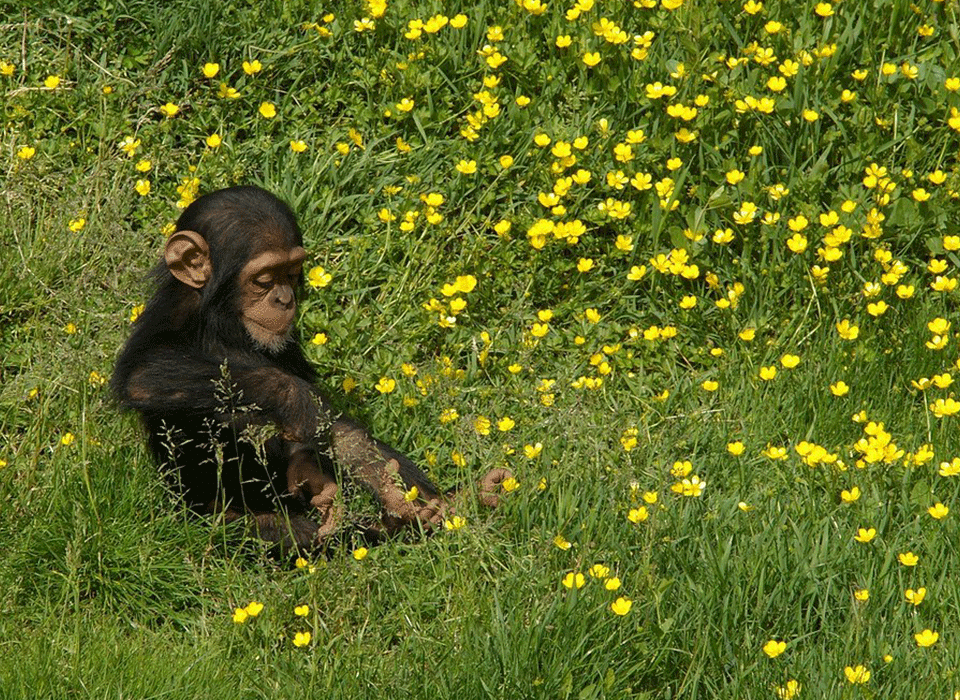
Ngamba Island, also famous as Chimpanzee Island, near Koome Island, is a sanctuary for rescued chimpanzees that cannot return to the wild. Visitors can watch feedings from a viewing platform, get up close to the chimps, and even join a “keeper for a day” program, all while staying at the eco-lodge nestled by the lake.
Musambwa Island is home to diverse bird species and snakes that live alongside its small fishing community. Notably, local tradition has long held that only men may step ashore here. This makes it a male-dominated space focused on fishing activities.
Mijingo Island, lying along the Uganda–Kenya border, is inhabited by fishing families whose livelihoods depend on the lake. Though it has been the subject of border disputes, the island offers visitors a rare glimpse into local fishing life and community dynamics.

Mijingo Island- The most Densely Populated island in the World
Exploring Caves Around Lake Victoria
Things to See and Do Around Lake Victoria- visiting caves. Near the shores of Lake Victoria, you’ll discover a variety of intriguing caves and rock formations. These offer both cultural insight and photographic appeal. One notable site is Ntebe za Mugula, located about 10 km from Entebbe. According to legend, this rocky outcrop once served as the seat of Chief Mugula, a leader of the Mamba clan, who presided over disputes by sitting on stone-carved benches. These caves, some of which house shrines and traditional offerings like calabashes, pots, and spears, remain a place of spiritual significance where locals engage in rituals such as calling on ancestral spirits believed to reside in the lake.
The site is a photographer’s dream: the rugged entrance frames views of Lake Victoria and shaded interiors that contrast beautifully with the bright shoreline. Though the area may be overgrown in spots and not officially maintained, its atmospheric charm makes it perfect for capturing evocative landscape and cultural shots.
Another cave worth visiting is Kiwumulo (Kalaya) Cave on Ssese Islands in Kalangala District. This sacred cave is linked to the Nkima (Monkey) clan, serving as a traditional shrine and a resting place for ancestral spirits. Inside, you’ll find artifacts such as spears, bark cloth, calabashes, and even a continuously burning fire—a fascinating blend of natural beauty and cultural heritage.
Whether you’re drawn to spiritual traditions or striking natural backdrops, these cave sites around Lake Victoria provide a compelling blend of history, culture, and scenic photography—a perfect addition to any exploration of the region.
Nature Walks around Lake Victoria
Things to See and Do Around Lake Victoria- nature walks. Nature around Lake Victoria offers some of Uganda’s best forest experiences, perfect for rejuvenating nature walks. A highlight is the Entebbe Botanical Gardens, nestled along the lake’s shore in a remnant patch of rainforest. Established in 1898, this peaceful sanctuary is a haven for wildlife, including black-and-white colobus monkeys, red-tailed monkeys, vervet monkeys, olive baboons, grey-cheeked mangabeys, and a vibrant community of birds such as hornbills and sunbirds.
Not far from the lakeshore lies Mabira Forest, Uganda’s second-largest natural forest reserve at around 300 km². Crisscrossed with over 68 km of marked trails, one can enjoy guided walks under a thick canopy, encountering surprises at every turn—tropical birdlife (over 315 species including turacos, hornbills, Nahan’s francolin), a kaleidoscope of butterflies and moths, and several primate species such as grey-cheeked mangabeys, black-and-white colobus, red-tailed monkeys, and baboons. Trails like Yellow, Red, and Grassland offer immersive experiences through diverse flora and fauna.
Beyond hiking and wildlife watching, Mabira allows for deeper exploration. Mentors can show visitors medicinal plants and the ecological role of the forest in the Lake Victoria–Nile system. Mentors can also show culture-rich waterfalls like Griffin Falls to the visitors. Ecotourism options include mountain biking, zip-lining through the canopy, and camping or picnicking. Visitors can even embark on guided primate tracking—rare grey-cheeked mangabeys are a special draw.
Bird watching around Lake Victoria
Things to See and Do Around Lake Victoria- Bird watching. The shores of Lake Victoria are a birder’s delight, with several key Ramsar wetlands hosting vibrant flocks and rare species. One of the most iconic is Lutembe Bay, a protected wetland about 4 km from the Kampala–Entebbe road. It’s popular as both a Ramsar site and an Important Bird Area. It harbors over 200 bird species, including eight of Uganda’s twelve Lake Victoria biome endemics.
During the migration season (September–March), Lutembe Bay is carpeted with vast gatherings of white-winged terns—sometimes up to 1.5 million—alongside slender-billed gulls, grey-headed gulls, Gull-billed terns, and Madagascar squacco herons. Waders and waterfowl such as African fish eagles, Caspian terns, great white pelicans, and papyrus gonoleks are also regulars.
Birding in Lutembe Bay offers two prime viewing experiences: a walk through the wetland fringes and thickets near New Lutembe Beach, and a boat excursion along the papyrus-lined shoreline to see large roosting flocks on exposed mudflats. Early morning is particularly rewarding, when insectivorous species flourish among the reeds and woodland.
Although Shoebills are seldom sighted nowadays, birdwatchers may encounter African fish eagles, papyrus gonoleks, malachite kingfishers, cattle egrets, marabou storks, kingfishers, and hornbills along the shores.
A visit during peak season could yield sightings of Gull-billed and Caspian terns, Madagascar squacco herons, great cormorants, grey-headed gulls, broad-billed rollers, swamp flycatchers, and various pipits, warblers, and sunbirds.
In short, Lake Victoria’s shoreline—especially around Lutembe Bay—provides an exceptional birding experience, combining wetlands, woodlands, boat-based exploration, and both resident and migratory species in one accessible spot.
Visiting the Source of the Nile
Things to See and Do Around Lake Victoria- exploring the source of the Nile. The Source of the River Nile begins in Jinja on Lake Victoria, where John Hanning Speke identified it in August 1858. At this extraordinary spot, you can see water emerging with force, marking where the placid lake gives rise to the powerful river. Bubbling up from underground, this dramatic flow contrasts sharply with the gentle movement of Lake Victoria. It hints at mysterious forces beneath the surface.
Speke’s historic discovery touched off fierce debate, particularly with his expedition partner Richard Burton. Supported by the Royal Geographical Society, Speke confirmed that this northern outlet—originally called Ripon Falls—was the river’s starting point. Though Ripon Falls was submerged in 1954 by the construction of Owen Falls Dam (now Nalubaale Power Station), the precise location remains recognized as the Nile’s source today.
Visitors can reach the site via boat, passing under the eye-catching Speke Monument—an obelisk marking this historic geographical milestone. Many tours include refreshments, cultural storytelling about the Basoga people, and excellent birdwatching from the water.
For those seeking an unforgettable experience, combining historical intrigue, dramatic scenery, and local culture, a visit to the Nile’s source is an absolute must while touring Uganda.
Visiting Religious Centers around Lake Victoria
Things to See and Do Around Lake Victoria- visiting religious centers. Around the shores of Lake Victoria lie several spiritually significant sites that reflect the region’s deep religious heritage. In Bugungu, near the lakeside, the first Catholic missionaries disembarked to begin their work in Uganda. This marked a pivotal moment in the spread of Christianity.
Just south of the lake, in Munyonyo, visitors can explore the Uganda Martyrs’ Shrine. It’s a complex of chapels and basilicas where some of Uganda’s earliest Christian converts were condemned and executed under Kabaka Mwanga II in 1886. This holy site includes the martyrdom spots of St. Denis Ssebugwawo and St. Andrew Kaggwa, as well as the baptismal site of St. Kizito and companions by Charles Lwanga. Today, it serves as a Minor Basilica administered by the Conventual Franciscans, drawing pilgrims to daily Mass, eternal adoration, and annual commemorations.
Beyond these prominent Catholic landmarks, communities around Lake Victoria maintain local churches, chapels, and places of worship for Anglican, Pentecostal, and indigenous Christian congregations. These centers offer insight into the strong faith and communal life of lakeshore villagers, where the church often plays a central role in daily life, celebrations, and mutual support.
Visiting these sites offers a blend of historical depth, spiritual reflection, and cultural immersion. They showcase the way faith has shaped both local communities and Uganda’s national identity.
What is the Best Time to visit Lake Victoria?
The best time to explore Lake Victoria depends on what you want to do. But, for most outdoor activities—and especially birdwatching—the dry seasons are ideal. These run from June to September and from December to February. During these months, beaches, trails, and islands are more accessible. The weather is milder (daytime temps averaging 25–27 °C, cooler nights), and wildlife, including birds, congregates along the lake, making it an excellent time for fishing, cruising, cycling, and wildlife spotting.
Birdwatchers in particular will enjoy the dry season from late May through September when both resident and migratory species are most visible and active. December to February is another great window for birdlife and clear skies.
The wet seasons—March to May and November—can still be rewarding if you’re ready for a few inconveniences. Expect sudden heavy showers, muddy shores, and occasional high water levels that may submerge beaches. The landscape turns lush and vibrant, bird nesting peaks, and lodges often offer lower rates. Outdoor plans might need flexibility, but this period is great for serene scenery, fewer crowds, and lush greenery.
In summary:
- Dry seasons (June–October, December–February): Best for most outdoor pursuits—clear skies, ease of access, thriving wildlife, and active birdlife.
- Wet seasons (March–May, November): Still doable with preparation—expect more rain and fewer people, but enjoy vibrant landscapes, nesting birds, and often better value.
How Safe is Lake Victoria for a Tour?
Taking a tour around Lake Victoria is generally safe, particularly on the Ugandan side. The government security agencies maintain law and order both on the shores and on the water. Whether you’re enjoying a boat cruise, engaging in sport fishing, or visiting island communities, basic precautions help ensure a safe and enjoyable experience.
When embarking on a boat cruise, wearing a life jacket is essential. Most tour operators provide safety gear, and passengers should wear it throughout the trip. Emergencies on the water are rare but can occur, especially during strong winds or unexpected weather changes.
Swimming in Lake Victoria is not recommended in deeper areas unless you are an experienced swimmer with knowledge of local conditions. The lake can become dangerously rough without warning due to strong gusts or storms, particularly in the afternoons. In such cases, it’s wise to stay ashore or exit the water promptly.
Sport fishing is a popular activity, especially for those targeting species like Nile perch or tilapia. However, you need to acquire a fishing permit, and it’s important to work with a licensed guide or captain who knows the designated fishing zones and local regulations. Fishing without permission can result in fines or legal complications.
Local fishermen possess deep knowledge of the lake’s moods and dangers. If they advise against setting out due to weather or other factors, it’s best to heed their warnings—they understand patterns and risks that might not be apparent to outsiders.
Lastly, respect the customs and way of life of communities living around Lake Victoria. Many of them rely on the lake for their livelihoods and hold strong cultural connections to it. Showing respect and engaging with openness will lead to more meaningful experiences and insights into their day-to-day life.
What is the cost of a tour around Lake Victoria?
The cost of a tour around Lake Victoria varies depending on the activities you choose. These include boat excursions, chimpanzee visits, bird-watching, cultural or community experiences, and more. Overnight stays near the lake can range from luxury resorts to mid-range lodges and basic guesthouses. This allows you to match your budget preferences.
It’s important to create a tailored itinerary that includes all the locations and attractions you’re most interested in so that you don’t miss key spots or end up backtracking. Accessing various parts of the lake often requires hiring a boat, which can be arranged privately or through tour operators.
To give you a clearer idea, private yacht-style boat charters—such as a 24‑seater luxury vessel—typically start at about USD 500 for a 30–60 minute cruise, while smaller 10‑to 15‑seat options begin around $300–USD 600 for a similar duration. Sport-fishing boats, especially from Jinja, are often priced at approximately $80 per person.
Chimpanzee tours to Ngamba Island—one of the most popular wildlife experiences cost around USD 110 per person for a half-day speedboat trip, with full-day experiences ranging from $150 to $365, depending on the group size and package inclusions. Many operators also offer added experiences like “caretaker for a day” programs at about $200 extra.
This means that for a well-rounded two-day adventure—combining a boat cruise, a half-day Ngamba visit, a mid-range lakeside lodge, meals, transport, and miscellaneous expenses—you can expect to spend anywhere between $350 and $800 per person. Of course, taking private boats, staying longer, or adding extra activities will increase the cost accordingly.
What to pack for a tour around Lake Victoria?
Top Things to do and see around Lake Victoria- what to pack. For your tour around Lake Victoria, be sure to bring a pair of binoculars—perfect for taking in the diverse landforms along the shore. Canvas shoes are essential for walking on sometimes soggy terrain and rough surfaces. Also, pack an effective insect repellent, as Uganda’s tropical climate can harbor plenty of biting insects like mosquitoes.
Rainproof gear is a must during the wet season, helping you stay dry and comfortable if the weather turns. A safari hat or cap will protect your head from dust and insects, and sunglasses help shield your eyes. Early mornings and late afternoons can get chilly, so bring a light warmer or sweater.
Hydration is key—using a foldable water bottle helps you stay hydrated throughout your journey. Dress respectfully for the communities you’ll visit; modest clothing shows cultural awareness and sensitivity.
A small first-aid kit is wise to carry, equipped with any necessary prescribed medications in case your tour extends beyond typical medical access. Fully charged extra batteries (or a power bank) will ensure that you can keep devices like cameras and phones running. Use a sturdy duffel bag to carry your belongings conveniently.
Cash is more practical than cards for many local purchases, as credit cards are often slow or not accepted. Bring along some snacks to stay energized during longer excursions. Don’t forget your camera to capture all the memorable moments—there’s no shortage of photographable scenes around the lake. Lastly, pack a pair of flip-flops for relaxing at your lodge or hotel after a busy day exploring.
Feel Free to contact us for more information.