
Best Time to Visit Rwanda 2026–2027: Complete Monthly Guide
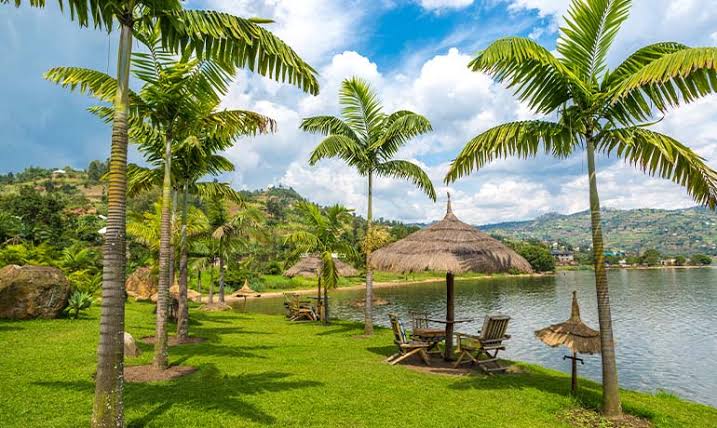 The best time to visit Rwanda depends on the experiences you want to enjoy, the regions you intend to explore, your preferred weather conditions and the amount you are prepared to spend on accommodation, transport and safari activities. Rwanda is a compact but remarkably diverse destination where travelers can encounter mountain gorillas, track chimpanzees, observe savannah wildlife, hike volcanic mountains, discover rich cultural traditions and relax beside beautiful freshwater lakes.Because many of these experiences are available throughout the year, choosing the best time to visit Rwanda requires a clear understanding of the country’s dry seasons, rainy seasons, regional climates and seasonal travel patterns.Rwanda is situated close to the Equator, but its high elevation gives the country a mild tropical highland climate rather than the consistently hot conditions experienced in many low-lying equatorial destinations. T
emperatures are generally comfortable throughout the year, although conditions vary between Kigali, the eastern savannahs, the western forests, the Virunga Mountains and the shores of Lake Kivu. Travelers preparing a complete Rwanda travel plan should therefore consider both the national weather calendar and the specific climate of every destination included in their itinerary.
The long dry season from approximately June to September is widely regarded as the best time to visit Rwanda for gorilla trekking, wildlife safaris, volcano hiking and general sightseeing. Rainfall is usually lower during this period, forest trails are often easier to navigate and roads connecting the main tourism destinations tend to be more reliable.
These favorable conditions also make June, July, August and September some of Rwanda’s busiest tourism months. Gorilla permits, popular lodges and private safari vehicles can become limited, particularly around Volcanoes National Park.A shorter dry period generally occurs from December to February.
These months can also provide excellent conditions for travelers interested in a Rwanda gorilla trekking adventure, game drives, cultural tours and scenic road trips. December is especially popular because it coincides with international holidays, while January and February may suit travelers seeking warm daytime conditions, relatively manageable forest trails and opportunities to combine several national parks within one journey.
Why Rwanda Can Be Visited Throughout the Year
Although the dry seasons receive the greatest attention, Rwanda remains a rewarding year-round destination. Gorilla trekking continues in every month, wildlife viewing remains possible in Akagera National Park and forest activities continue in Nyungwe and Volcanoes national parks. The rainy seasons create greener landscapes, clearer photography conditions after rainfall and quieter tourism areas. Travelers who do not mind occasional showers may discover that the wet months offer a more peaceful and visually dramatic safari experience.
Rwanda’s main rainy season normally extends from March through May, while a shorter rainy season usually occurs from October to November. Rainfall does not necessarily continue throughout every day. Many mornings may begin with clear or partly cloudy skies before showers develop later in the day. Weather patterns can also change quickly because of elevation, forest cover and the influence of the country’s mountainous terrain.
The wet seasons can be particularly attractive to travelers interested in birding, landscape photography, cultural experiences and quieter primate encounters. Forest vegetation becomes lush, waterfalls carry more water and agricultural hillsides develop deep green colors. Visitors considering a mountain gorilla safari during the rainy season should prepare for muddy trails, slippery slopes and unpredictable showers, but they may also benefit from smaller crowds and greater flexibility when selecting accommodation.
How Rwanda’s Geography Influences the Best Time to Visit
Rwanda is often called the Land of a Thousand Hills because of its rolling landscapes, elevated plateaus, mountain ranges and deep valleys. Elevation strongly influences local temperatures and rainfall. Kigali has a relatively moderate climate, while the higher areas around Volcanoes National Park can become cool, misty and wet. The eastern region around Akagera National Park is generally warmer and drier, while the southwest around Nyungwe receives more rainfall because of its dense montane rainforest environment.
This geographical variation means there is no single weather pattern that applies equally to every part of Rwanda. A traveler may experience a cool, misty morning while undertaking gorilla trekking in Volcanoes National Park and then encounter warmer, sunnier conditions during a game drive in eastern Rwanda a few days later. Packing versatile clothing and planning activities according to regional conditions are therefore important parts of choosing the best time to visit Rwanda.
Volcanoes National Park is located in the mountainous northwest and protects part of the Virunga Massif. The park is Rwanda’s principal mountain gorilla trekking destination and also offers golden monkey tracking, volcano hiking, bird watching and cultural experiences. Conditions here can be cool and damp at any time of year, although the drier months usually provide more manageable trekking trails. Visitors researching the Volcanoes National Park travel guide should remember that rainfall is possible even during the recognized dry season.
Akagera National Park lies in eastern Rwanda near the Tanzanian border and offers a contrasting environment of savannah plains, woodlands, wetlands, hills and lakes. The dry season is commonly considered the best time for wildlife viewing because animals may gather near permanent water sources and shorter vegetation can make sightings easier. Travelers can learn more about seasonal conditions through this guide to the best time to visit Akagera National Park.
Nyungwe Forest National Park occupies the mountainous southwest and contains one of Africa’s most significant montane rainforest ecosystems. Chimpanzee trekking, colobus monkey tracking, forest walks, birding and the canopy walkway are among its major attractions. Rain can occur throughout the year, meaning visitors should carry waterproof clothing regardless of their travel month. A journey combining Akagera and Nyungwe allows travelers to experience Rwanda’s contrasting ecosystems through a carefully arranged wildlife and chimpanzee safari.
Best Time to Visit Rwanda for Different Safari Experiences
The best time to visit Rwanda for gorilla trekking is generally during the drier periods from June to September and from December to February. Reduced rainfall can make the steep forest trails less muddy, although the physical difficulty of a trek also depends on the location of the assigned gorilla family, the traveler’s fitness and the condition of the vegetation. Visitors should never assume that a dry-season trek will be completely dry or easy because mountain weather can change rapidly.
Travelers planning their first primate safari can consult a detailed gorilla trekking month-by-month guide before choosing travel dates. Demand for permits is normally higher during dry-season months, making early booking important. The wetter months may appeal to flexible travelers who prioritize fewer visitors, greener landscapes and a quieter atmosphere over consistently dry trekking conditions.
The best time to visit Rwanda for a traditional wildlife safari is often between June and September. During the driest part of the year, animals in Akagera may spend more time around lakes, wetlands and other reliable water sources. Vegetation may also become less dense, improving visibility during morning and afternoon game drives. Visitors can explore the park’s wildlife, scenery and safari experiences through the Akagera National Park guide.
The rainy seasons should not automatically be dismissed by wildlife enthusiasts. Akagera becomes beautifully green, many animals give birth during periods of abundant grazing and birdlife can be especially rewarding. Photographers may appreciate the dramatic clouds, vibrant vegetation and softer natural light. The best time to visit Rwanda for wildlife photography therefore depends on whether the traveler prefers easier animal visibility in the dry season or colorful landscapes and atmospheric conditions during the wetter months.
For hiking and outdoor adventures, the drier months usually provide safer and more comfortable conditions. Activities such as Mount Bisoke hiking, Mount Karisimbi climbing and the Dian Fossey Tomb hike can become more demanding during heavy rain. Travelers interested in combining mountain trekking with primate encounters can consider a volcano hiking and gorilla trekking safari during June, July, August, September, January or February.
Best Time to Visit Rwanda for Lake Kivu and Kigali
Lake Kivu can be visited throughout the year, although dry-season weather is usually preferred for boat cruises, kayaking, cycling, swimming, lakeside relaxation and outdoor photography. The lake lies along Rwanda’s western border and is surrounded by hills, towns, fishing communities and scenic resorts. It is often included after a gorilla trek because travelers can transfer from Volcanoes National Park to the lake for rest and recreation.
Visitors can explore activities including boat trips, island visits and waterfront experiences through this detailed Lake Kivu activity guide. Rainy-season visits remain possible because showers may be followed by periods of sunshine, while the surrounding hills appear especially green. Travelers seeking a slower-paced holiday can combine forest adventures with a peaceful chimpanzee trekking and Lake Kivu safari.
Kigali is another year-round destination and normally serves as the arrival and departure point for Rwanda safaris. The city offers museums, memorial sites, art galleries, markets, restaurants, cultural centers and modern accommodation. Dry weather can make walking tours and outdoor excursions more convenient, but most city attractions remain accessible during the rainy months. Kigali’s central position also makes it possible to connect with Akagera, Volcanoes, Nyungwe and Lake Kivu by road.
Peak Season, Shoulder Season and Low Season in Rwanda
Rwanda’s peak tourism season generally corresponds with the long dry period from June to September and the festive travel period around December. These months often provide convenient weather for major safari activities, but they may also bring stronger demand for gorilla permits, premium accommodation and professional guides. Travelers planning a luxury itinerary should reserve important services several months in advance, particularly when combining gorilla trekking with high-end lodges and private transfers.
The shoulder months can offer an effective balance between weather, availability and visitor numbers. Early June, late September, early December and February may provide relatively favorable conditions without always reaching the highest level of peak-season congestion. The exact experience varies from year to year because rainfall patterns do not begin and end on fixed dates.
The low season usually overlaps with the wetter months, especially April, May, October and November. These months can bring more demanding road and trail conditions, but they also create opportunities for travelers who appreciate solitude, lush scenery and flexible accommodation choices. Budget-conscious visitors may find that some lodges offer seasonal promotions, although gorilla permit prices and official park fees do not necessarily change with accommodation seasons.
Choosing Your Personal Best Time to Visit Rwanda
The best time to visit Rwanda should ultimately be selected according to personal priorities rather than weather alone. June to September is often the strongest choice for travelers who want relatively dry conditions for gorilla trekking, game drives, hiking and road travel. December to February can also be excellent for primate safaris, wildlife viewing and multi-destination holidays. March to May and October to November may suit photographers, bird watchers, repeat visitors and travelers who prefer fewer tourists.
Visitors interested primarily in comfort and predictable travel conditions may prefer the dry seasons. Those interested in green landscapes, birding and quieter national parks may appreciate the wet seasons. Luxury travelers can enjoy Rwanda throughout the year because many premium lodges provide comfortable indoor areas, fireplaces, covered viewing spaces and high-quality rain equipment. This makes a carefully designed Rwanda luxury safari possible during almost every month.
A successful journey should also account for permit availability, lodge location, road travel, fitness requirements, photography goals and the number of destinations included in the itinerary. A visitor spending one day with mountain gorillas may choose a different travel month from someone planning a longer holiday involving Akagera, Nyungwe, Kigali and Lake Kivu. Travelers with limited time can consider a focused one-day Rwanda gorilla safari, while those with more time can combine primate trekking, wildlife viewing and lakeside relaxation.
Overview of the Best Time to Visit Rwanda
In general, June through September provides some of the most favorable overall conditions for visiting Rwanda. December through February offers another valuable travel window, particularly for gorilla trekking, wildlife safaris and outdoor exploration. The rainy seasons from March to May and October to November remain worthwhile for visitors who are comfortable with wet conditions and want greener scenery, active birdlife and reduced tourism pressure.
The best time to visit Rwanda is therefore not limited to one month or season. Every period offers different advantages, and the most appropriate choice depends on the traveler’s interests, budget and tolerance for rainfall. By understanding Rwanda’s climate, regional variations and seasonal safari conditions, visitors can select travel dates that support a safe, comfortable and memorable journey through the Land of a Thousand Hills.
Rwanda Climate and Weather Overview

Rwanda is often described as a year-round destination because temperatures remain relatively stable from January to December. However, rainfall changes considerably between seasons and regions. Travelers planning a Rwanda safari holiday should understand how the country’s long dry season, short dry season, long rainy season and short rainy season influence gorilla trekking, wildlife viewing, hiking, road transfers, photography and other outdoor activities.
The best time to visit Rwanda is commonly associated with the dry months from June to September and December to February. These periods normally provide lower rainfall, firmer forest trails and more convenient road conditions. Nevertheless, rain can fall during any month, particularly in mountainous areas and rainforests. Travelers should therefore carry light waterproof clothing even when visiting during the recognized dry season.
Rwanda’s climate is also affected by altitude. Kigali lies at a moderate elevation and generally experiences warm days and cool evenings. Volcanoes National Park is considerably higher and can be cold, misty and wet, especially during early morning gorilla treks. Akagera National Park lies in the lower and warmer eastern region, while Nyungwe Forest National Park receives considerable rainfall because of its elevation and dense rainforest ecosystem.
General Characteristics of Rwanda’s Climate
Rwanda has a temperate tropical highland climate characterized by moderate temperatures and seasonal rainfall. The country’s location near the Equator means there is relatively little variation in daylight hours throughout the year. Sunrise and sunset occur at broadly similar times during most months, while temperature differences between seasons are generally smaller than differences between lowland and high-altitude destinations.
The average annual temperature across Rwanda is often described as approximately 18°C to 20°C, although local conditions vary significantly. Kigali and other central areas can experience daytime temperatures in the low to mid-twenties Celsius, while nights are cooler. Eastern Rwanda is often warmer, whereas the mountainous north and southwest can experience noticeably lower temperatures.
Travelers exploring the country’s leading attractions through a Nyungwe, Volcanoes and Akagera safari should prepare for several different weather environments within one itinerary. A visitor may experience warm savannah conditions in Akagera, a mild afternoon in Kigali, a cool and misty morning in Volcanoes National Park and humid rainforest conditions in Nyungwe.
Rwanda does not have four sharply defined temperature-based seasons like countries in Europe or North America. Instead, the tourism calendar is largely organized around rainfall. The long dry season, short rainy season, short dry season and long rainy season affect travel conditions more strongly than temperature changes.
Rwanda’s Four Main Weather Seasons
Rwanda’s annual weather cycle is normally divided into four general periods. The long dry season usually extends from June to September. A short rainy season generally follows from October to November. The short dry season commonly occurs from December to February, while the long rainy season generally lasts from March to May.
These seasonal divisions provide a useful planning guide, but they should not be treated as exact guarantees. Rainfall may begin earlier or later in a particular year, and mountain weather can change within a few hours. Localized showers may affect one district while another area remains dry. Climate variability also means that some supposedly dry weeks may receive rain, while parts of a rainy month may experience several clear days.
Travelers choosing dates for gorilla trekking in Rwanda should consider both seasonal expectations and the unpredictable nature of rainforest weather. Even during July or August, vegetation can be wet from overnight mist or rainfall. During March, April or November, a trek may still begin under clear skies and remain dry for much of the day.
The four seasons influence more than rainfall. They affect vegetation density, wildlife distribution, trail conditions, photography, bird activity, visitor numbers and accommodation demand. Understanding the advantages and disadvantages of each period helps travelers select the best time to visit Rwanda according to their personal interests.
The Long Dry Season from June to September
The long dry season from June to September is generally considered the most popular time to visit Rwanda. Rainfall is usually lower than during the rest of the year, humidity can be more manageable and outdoor activities are less likely to be disrupted by prolonged showers. These conditions make the season attractive for gorilla trekking, golden monkey tracking, volcano hiking, chimpanzee trekking, game drives, boat safaris and cultural tours.
June often marks the transition from the long rains to drier conditions. Forests and hillsides may remain green from the preceding wet season, creating attractive scenery. July and August are typically among the driest and busiest months, while September may remain relatively dry before the short rains begin toward the end of the month.
Travelers researching Rwanda gorilla trekking weather often select this season because forest trails are generally firmer and less slippery. However, trekking still requires physical preparation. Volcanoes National Park remains a moist montane environment where rain, mist and muddy sections can occur even in the dry season.
The long dry season is also highly favorable for wildlife viewing in Akagera National Park. As temporary water sources shrink and vegetation becomes less dense, animals may gather around permanent lakes, wetlands and watering areas. This can improve opportunities to observe elephants, buffaloes, giraffes, zebras, antelopes, hippos, crocodiles, lions, leopards, rhinos and numerous bird species.
Visitors planning an Akagera National Park safari during July, August or September should reserve accommodation and private safari vehicles early. Demand can increase during international summer holidays, particularly at well-known lodges and camps inside or near the park.
The Short Rainy Season from October to November
The short rainy season usually occurs during October and November. Rainfall generally becomes more frequent as the long dry season ends, although showers may be shorter and less persistent than those experienced during the long rainy season. Rain often falls in the afternoon, evening or overnight, leaving some mornings suitable for outdoor activities.
During the short rains, Rwanda’s hills, forests and savannah landscapes become greener. Dust levels decrease, plant growth increases and dramatic clouds can create attractive photography conditions. The countryside can look especially vibrant after rainfall, making October and November appealing to travelers interested in landscapes and nature photography.
This season can also be productive for bird watching. Migratory birds may arrive while resident species benefit from improved food availability and renewed vegetation. Birders visiting Akagera, Nyungwe, Volcanoes, Lake Kivu and wetland habitats can observe a wide range of species in increasingly lush surroundings.
Travelers considering a Rwanda wildlife-viewing safari during October or November should expect thicker vegetation and more dispersed animals in Akagera. Although sightings may require greater patience than during the driest months, the park remains rewarding, and lower visitor numbers can create a quieter safari atmosphere.
Gorilla trekking continues during the short rainy season, but trails may become muddy and slippery. Waterproof clothing, gaiters, gardening gloves, suitable hiking boots and a waterproof daypack cover can improve comfort. Porters are also highly recommended because they can carry personal belongings and provide support on steep or difficult sections.
The Short Dry Season from December to February
The short dry season normally occurs between December and February. Rainfall is generally lower than during October and November, although occasional showers remain possible. These months can provide excellent conditions for gorilla trekking, wildlife viewing, forest walks, city tours, Lake Kivu holidays and multi-park safaris.
December is a popular travel month because it overlaps with Christmas and New Year holidays. Gorilla permits, popular lodges and flights can be in high demand. Travelers planning to visit Rwanda during the festive season should arrange their safari well in advance, particularly when their itinerary includes luxury accommodation or specific gorilla trekking dates.
January is often relatively dry and suitable for outdoor activities across the country. February generally remains favorable, although rainfall may begin increasing as the long rainy season approaches. Travelers planning a Rwanda gorilla and wildlife safari can use this period to combine Volcanoes National Park, Akagera National Park, Nyungwe Forest and Kigali.
The short dry season is particularly useful for visitors who cannot travel between June and September. It offers another opportunity to experience comparatively manageable trekking trails, convenient road conditions and good wildlife viewing. The countryside may also remain greener than it appears toward the end of the long dry season.
The Long Rainy Season from March to May
The long rainy season usually extends from March through May and brings the highest levels of rainfall in many parts of Rwanda. March often marks the transition into wetter weather, April is frequently among the rainiest months and rainfall may continue through much of May before conditions gradually become drier.
Rainfall can make unpaved roads, forest paths and hiking trails muddy, slippery and physically demanding. Mountain trekking may require additional effort, and travelers should allow flexibility in their daily schedules. However, rainfall does not always continue throughout the entire day. Clear mornings and sunny intervals can occur between showers.
The long rainy season transforms Rwanda into an exceptionally green destination. Forest vegetation becomes dense, cultivated hillsides flourish and rivers and waterfalls carry more water. Photographers may appreciate the rich colors, clearer air and dramatic skies, particularly when exploring the scenic western and northern regions.
Travelers interested in primates can still visit Nyungwe chimpanzees during the wet season. Chimpanzee movements may be influenced by food availability, forest conditions and the location of fruiting trees. Trekking can be challenging in heavy rain, but the rainforest environment can also feel particularly atmospheric during wetter months.
March, April and May may appeal to travelers seeking fewer visitors and a quieter national park experience. Some accommodation providers may offer seasonal rates, although discounts are not guaranteed and official permit prices may remain unchanged. Flexible travelers should compare total safari costs rather than assuming that every service becomes cheaper during the wet season.
How Altitude Influences Rwanda’s Weather
Altitude is one of the most important influences on Rwanda’s climate. Much of the country lies at a relatively high elevation, which moderates temperatures despite Rwanda’s equatorial location. As elevation increases, temperatures generally decrease, and mountainous areas may receive more mist and rainfall than lower eastern regions.
Kigali stands at approximately 1,500 metres above sea level, although elevation varies across the city’s hills and valleys. The city usually experiences mild mornings, comfortably warm afternoons and cool evenings. Rain showers can be intense but may pass relatively quickly, especially outside the main wet season.
Volcanoes National Park lies in a high-altitude region dominated by the Virunga Mountains. Gorilla trekking can begin in cool morning conditions, and temperatures may remain low beneath the forest canopy. Visitors reading a Volcanoes National Park gorilla guide should pack layered clothing rather than relying only on heavy outerwear. Layers allow travelers to adjust as body temperature rises during hiking.
Nyungwe Forest National Park is also elevated and receives substantial rainfall. Its dense vegetation creates humid conditions, while higher ridges may feel cool and exposed. The weather can vary between trailheads, valleys and canopy-level viewpoints. Visitors should prepare for both rain and sunshine during the same activity.
Akagera National Park occupies a generally lower and warmer part of eastern Rwanda. Daytime temperatures can feel considerably hotter than conditions in Volcanoes or Nyungwe, particularly during dry-season game drives. Lightweight clothing, sun protection, drinking water and a wide-brimmed hat are important for daytime activities.
Weather in Kigali
Kigali has a pleasant highland climate that allows travelers to explore the city throughout the year. Average daytime conditions are generally warm without becoming excessively hot, while evenings can be cool enough to require a light sweater or jacket. Rainfall is most common during the long and short rainy seasons.
Dry-season months are particularly convenient for walking tours, outdoor dining, market visits, cultural excursions and visits to historical sites. Roads are usually easier to navigate, and travelers can enjoy wider city views from Kigali’s numerous hills. The rainy months remain suitable for city travel because many attractions are indoors or accessible by paved roads.
Kigali is the primary gateway for visitors undertaking a Rwanda road trip. Its central position allows travelers to continue east toward Akagera, north toward Volcanoes, west toward Lake Kivu or southwest toward Nyungwe. Weather conditions in Kigali should not be used to predict conditions in every national park because regional elevation and vegetation create significant differences.
Weather in Volcanoes National Park
Volcanoes National Park has a cool, damp mountain climate. Rainfall can occur throughout the year, and forest vegetation often remains moist even during the dry months. Early mornings may be misty, while afternoon showers can develop quickly around the volcanic slopes.
The drier periods from June to September and December to February are usually preferred for gorilla trekking and volcano hiking because trails may be less muddy. Nevertheless, steep terrain, thick vegetation and changing mountain conditions mean visitors should prepare carefully in every season.
A detailed Volcanoes National Park travel guide can help visitors understand the area’s activities, terrain and travel requirements. Suitable equipment normally includes waterproof hiking boots, long trousers, long-sleeved clothing, gardening gloves, a rain jacket and protection for cameras and electronic equipment.
Temperatures may feel colder at higher points on Mount Bisoke, Mount Karisimbi and other volcanic trails. Hikers should carry warm layers, sufficient water and high-energy snacks. Mountain weather should always be respected, even when the day begins with sunshine.
Weather in Akagera National Park
Akagera National Park generally experiences warmer and drier conditions than Rwanda’s mountainous western and northern regions. Its savannah, woodland, wetland and lake ecosystems create an environment suited to traditional game drives and boat safaris.
During the long dry season, daytime conditions can be hot, while early mornings may feel cool in open safari vehicles. Travelers should wear layers that can be removed as temperatures rise. Sun protection is essential because game drives may involve several hours of exposure.
The rainy seasons bring greener vegetation and renewed water across the landscape. Animals may spread over a wider area, making some sightings less predictable, but the scenery becomes colorful and birding conditions can be excellent. Visitors can explore the park as part of a combined Akagera and Nyungwe safari.
Boat safaris on Lake Ihema can operate in different seasons, although severe storms or heavy rainfall may occasionally affect water-based activities. Travelers should follow the instructions of park guides and boat operators whenever weather conditions change.
Weather in Nyungwe Forest National Park
Nyungwe Forest National Park has a cool, humid rainforest climate and receives rainfall during every season. March, April, May, October and November are commonly among the wetter periods, but showers can also occur during June, July, August, January and February.
The forest’s weather influences chimpanzee trekking, colobus monkey tracking, canopy walks, waterfall hikes and bird-watching excursions. Trails can become slippery after rain, while exposed bridges and canopy viewpoints may feel cooler and windier than lower forest paths.
Visitors planning a Volcanoes, Nyungwe and Lake Kivu safari should carry waterproof clothing throughout the journey. A compact rain jacket is generally more practical than an umbrella during forest activities because it leaves the traveler’s hands free for balance and photography.
The rainforest is especially green during the wetter months, and increased moisture can create atmospheric mist around forested ridges. Birders may find the wet season highly productive, although rain can temporarily reduce visibility or make photography more challenging.
Weather Around Lake Kivu
Lake Kivu has a generally pleasant climate moderated by its elevation and large body of water. Daytime conditions can be warm and suitable for lakeside relaxation, while evenings may feel cool. Rain showers are more frequent during the wet seasons but do not necessarily prevent visitors from enjoying the destination.
The dry months are usually preferred for kayaking, boat trips, cycling, swimming, island visits and outdoor dining. Clear conditions can also provide better views of the surrounding hills and distant volcanic landscapes. During the rainy season, the shores and hills become greener, creating attractive scenery for photography.
Travelers can include Lake Kivu after gorilla trekking or before continuing to Nyungwe Forest National Park. The lake provides a relaxing contrast to physically demanding forest activities and can be explored through a Lake Kivu travel experience.
Rwanda Temperature and Rainfall Comparison
| Rwanda Region | General Climate | Typical Daytime Conditions | Typical Evening Conditions | Rainfall Characteristics | Most Suitable Travel Period |
|---|---|---|---|---|---|
| Kigali and Central Rwanda | Mild tropical highland climate | Warm and generally comfortable | Cool to mild | Heavier rainfall from March to May and October to November | Accessible throughout the year, with June to September and December to February preferred for outdoor touring |
| Volcanoes National Park | Cool and moist montane climate | Mild at lower elevations and cooler at higher elevations | Cold to cool | Rain and mist are possible throughout the year | June to September and December to February for generally firmer trekking trails |
| Akagera National Park | Warm savannah and wetland climate | Warm to hot | Mild, with cooler early mornings | Lower rainfall than western rainforest regions | June to September for concentrated wildlife viewing and December to February as an alternative dry period |
| Nyungwe Forest National Park | Cool and humid montane rainforest climate | Mild and humid | Cool | Rainfall can occur in every month and is heavier during the recognized rainy seasons | June to September and December to February for generally easier trails, although the forest is visited throughout the year |
| Lake Kivu and Western Rwanda | Mild lakeside and highland climate | Warm and pleasant | Cool and sometimes breezy | Rainfall increases during March to May and October to November | June to September and December to February for water activities and outdoor relaxation |
How Rwanda’s Weather Affects Safari Activities
Rwanda’s weather affects every major safari activity differently. Gorilla trekking is usually easier when trails are relatively dry, while bird watching can be particularly productive during wetter periods. Wildlife viewing in Akagera is often strongest during the dry season, but landscape photography may be more rewarding after rainfall.
Chimpanzee trekking in Nyungwe is available throughout the year, although wet trails can increase the physical difficulty. Food availability can also influence chimpanzee movements, meaning the animals may travel longer distances or occupy different forest areas according to seasonal conditions.
Volcano hiking is generally more manageable during drier months because steep trails may become slippery during heavy rain. Lake Kivu activities are also easier to schedule when the weather is settled. Kigali city tours remain possible throughout the year because many roads are paved and several attractions are indoors.
Travelers should select the best time to visit Rwanda by matching their main activity with the most suitable conditions. Those prioritizing trekking and hiking may prefer June to September, while photographers and birders may appreciate October, November, March or May. Visitors combining several destinations should prepare for regional weather changes rather than packing for only one climate.
What Rwanda’s Climate Means for Safari Packing
Rwanda’s varied climate requires practical and adaptable packing. Lightweight clothing is suitable for warm daytime conditions in Kigali and Akagera, while fleece jackets, sweaters and warm layers are useful in Volcanoes and Nyungwe. Long trousers and long-sleeved shirts provide protection against vegetation, insects and cool forest conditions.
A waterproof rain jacket should be carried throughout the year. Waterproof hiking boots with reliable grip are particularly important for gorilla trekking, chimpanzee trekking and mountain hikes. Travelers should also carry sunscreen, a sun hat, insect repellent, reusable drinking water bottles and waterproof protection for electronic equipment.
Visitors planning a high-end journey through several climate zones can consult a Rwanda luxury safari guide when choosing lodges, transport and activity schedules. Well-located accommodation can reduce difficult transfers and provide greater comfort during periods of heavy rain or cool mountain weather.
Summary of Rwanda’s Climate and Weather
Rwanda has a mild tropical highland climate shaped by elevation, rainfall, mountains, forests, lakes and regional geography. Temperatures remain relatively comfortable throughout the year, but conditions vary considerably between Kigali, Akagera National Park, Volcanoes National Park, Nyungwe Forest National Park and Lake Kivu.
The long dry season from June to September is generally considered the most favorable period for gorilla trekking, hiking, game drives and multi-destination travel. The short dry season from December to February provides another excellent travel window. The rainy seasons from March to May and October to November bring greener scenery, active birdlife, fewer visitors and more challenging trail conditions.
There is no month in which travel to Rwanda becomes completely impossible. Instead, every season presents a different combination of advantages and considerations. Understanding Rwanda’s temperatures, rainfall patterns and regional climate differences enables travelers to identify the best time to visit Rwanda for their chosen safari activities, budget and travel style.
Rwanda Weather by Month: A Complete Month-by-Month Travel Guide
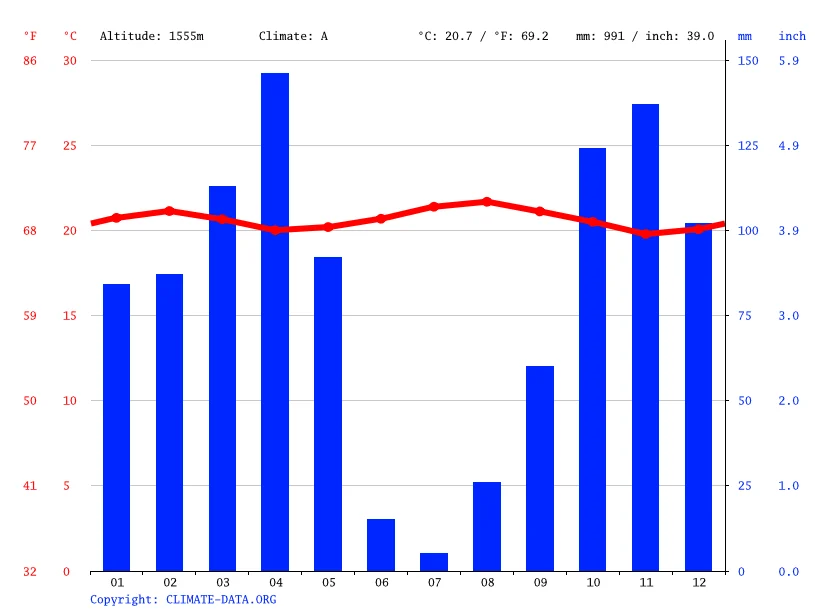
Understanding Rwanda weather by month is one of the best ways to determine the best time to visit Rwanda. Although Rwanda can be visited throughout the year, every month offers a different combination of rainfall, sunshine, trail conditions, wildlife-viewing opportunities, visitor numbers and travel costs. The country’s high elevation keeps temperatures relatively comfortable, but rainfall patterns influence gorilla trekking, chimpanzee tracking, game drives, volcano hiking, bird watching, photography and road travel.
Rwanda generally experiences a short dry season from December to February, a long rainy season from March to May, a long dry season from June to September and a shorter rainy season from October to November. These seasons are useful travel-planning guides rather than fixed guarantees because rain can fall at any time, especially in Volcanoes National Park and Nyungwe Forest National Park. Travelers researching when to visit Rwanda should therefore consider their preferred activities rather than choosing dates based only on rainfall.
The following Rwanda month-by-month guide explains the general weather, gorilla trekking conditions, wildlife viewing, bird watching, hiking, photography opportunities, crowds, prices, advantages and possible disadvantages of visiting Rwanda from January through December.
Visiting Rwanda in January
January falls within Rwanda’s short dry season and is widely regarded as one of the best months to visit Rwanda. Rainfall is normally lower than during the major wet seasons, although brief showers can still occur. Daytime temperatures are generally warm and comfortable in Kigali and Akagera National Park, while mornings and evenings can be cool in the highlands around Volcanoes National Park and Nyungwe Forest National Park.
January is an excellent month for gorilla trekking because trails are often firmer and less muddy than they are during March, April, May, October and November. However, Volcanoes National Park remains a moist mountain environment, so trekkers should still carry waterproof clothing and wear hiking boots with reliable grip. Travelers planning gorilla trekking in Rwanda during January should book permits and accommodation early because demand can remain high after the Christmas and New Year holidays.
Wildlife viewing in Akagera National Park is also rewarding in January. The relatively dry conditions can encourage animals to gather near lakes, wetlands and other permanent water sources. Visitors may encounter elephants, giraffes, buffaloes, zebras, antelopes, hippos, crocodiles, lions, leopards and rhinos during game drives and boat safaris.
January is also suitable for hiking Mount Bisoke, undertaking the Dian Fossey Tomb hike, tracking golden monkeys and exploring Kigali. Lake Kivu normally provides pleasant conditions for boat trips, kayaking and relaxation, although occasional rain showers remain possible.
Photography conditions in January are generally favorable because the landscape often remains green following the short rains of October and November. Skies can be clear, but haze may occasionally affect distant views. Crowds are moderate to high, particularly during the first part of the month. Accommodation prices may be higher around the festive travel period, while availability normally improves later in January.
The main advantage of visiting Rwanda in January is the combination of relatively dry weather, green scenery and excellent conditions for most safari activities. The main disadvantage is stronger demand for permits and popular lodges, especially during the New Year period.
Visiting Rwanda in February
February is another strong contender for the best time to visit Rwanda. It usually falls near the end of the short dry season and often provides warm days, cool highland mornings and relatively manageable rainfall. Conditions may begin becoming wetter toward the end of the month as the long rainy season approaches, but February is generally suitable for trekking, wildlife safaris and outdoor activities.
Gorilla trekking conditions are often favorable because trails may still be relatively firm. Travelers should nevertheless be prepared for unpredictable mountain showers, mist and wet vegetation. A detailed Rwanda gorilla trekking weather guide can help visitors understand why waterproof clothing is necessary even during the drier months.
February is suitable for game drives in Akagera National Park, where wildlife viewing can remain productive around lakes, wetlands and open savannah areas. Vegetation may still be fairly manageable, giving visitors good opportunities to observe both large mammals and smaller species. Morning and evening game drives are usually preferred because wildlife activity can be higher during cooler periods.
Bird watching can be rewarding in February because Rwanda supports a rich variety of resident species and seasonal visitors. Nyungwe Forest, Akagera National Park, Volcanoes National Park, Lake Kivu and wetlands around Kigali all provide diverse birding environments.
February is also a good month for volcano hiking, forest walks, cultural tours and photography. Visitors can experience greener landscapes than those sometimes seen at the end of the long dry season. Crowds are often lower than during July and August, although gorilla permits and well-known lodges may still be in demand.
The main advantage of visiting Rwanda in February is the balance between comfortable weather and generally manageable visitor numbers. The main disadvantage is that rainfall may increase toward the end of the month, creating more unpredictable trekking and road conditions.
Visiting Rwanda in March
March usually marks the beginning of Rwanda’s long rainy season. Rainfall becomes more frequent, humidity rises and forest trails can become muddy and slippery. However, rain does not necessarily continue throughout every day. Clear mornings, sunny intervals and dry periods may occur between showers.
March can still be a rewarding month for gorilla trekking. The gorillas remain in Volcanoes National Park throughout the year, and sightings are not limited to the dry season. Travelers considering a rainy-season trek can learn more about the chances of seeing gorillas during the rainy season. Trekking may require more physical effort because of wet vegetation, muddy slopes and slippery paths.
The landscape becomes greener during March, creating attractive conditions for photography. Forests, tea plantations, cultivated hillsides and savannah areas begin receiving increased rainfall, producing vibrant colors and dramatic skies. Photographers should carry waterproof covers for cameras, lenses and electronic equipment.
Wildlife viewing in Akagera remains possible, although animals may begin spreading across wider areas as temporary water sources become available. Vegetation becomes thicker, which can make some animals more difficult to locate. However, the greener scenery and lower visitor numbers can create a more private safari experience.
March can be a productive month for bird watching because rainfall stimulates plant growth, insect activity and food availability. Nyungwe Forest and Akagera National Park can be particularly rewarding, although heavy showers may temporarily interrupt birding excursions.
Visitor numbers often decline as the rainy season begins. Some lodges may introduce lower seasonal rates, but discounts are not universal. Gorilla permit prices and official park fees may remain unchanged. The main advantage of visiting Rwanda in March is the combination of lush scenery, fewer visitors and potential accommodation savings. The main disadvantage is the increased likelihood of rain, muddy trekking trails and less predictable outdoor schedules.
Visiting Rwanda in April
April is commonly one of the wettest months in Rwanda. Rainfall can be frequent and sometimes heavy, particularly in mountainous and forested regions. Conditions vary from one part of the country to another, with Nyungwe and Volcanoes generally receiving more moisture than the warmer eastern region around Akagera National Park.
Gorilla trekking continues in April, but visitors should expect challenging trail conditions. Paths may be muddy, steep slopes can become slippery and vegetation may be wet and dense. Hiring a porter is strongly recommended because porters can carry bags and provide support during difficult sections of the trek.
April is suitable for adventurous travelers who do not mind rainfall and want a quieter experience. Gorilla trekking groups may feel less crowded, and accommodation availability can be better than during peak-season months. Visitors should prepare with waterproof hiking boots, gaiters, a strong rain jacket, gardening gloves and dry bags.
Travelers interested in planning their journey during this period can consult information about the best time for gorilla trekking and compare dry-season convenience with rainy-season advantages. Gorilla sightings remain possible because trekking activities operate throughout the year unless unusual local conditions require temporary adjustments.
April creates exceptionally green landscapes. Waterfalls are fuller, forests appear dense and cultivated hillsides become vibrant. Landscape photography can be excellent when sunlight breaks through after a shower. Clouds, mist and wet vegetation can create dramatic images, particularly around the Virunga Mountains and Nyungwe Forest.
Game drives in Akagera are possible, but rain may affect some unpaved tracks. Wildlife can be more dispersed and thick vegetation may reduce visibility. Birding can be productive because wet conditions support abundant food and active ecosystems.
The main advantage of visiting Rwanda in April is the opportunity to experience lush scenery, fewer travelers and a peaceful atmosphere. The main disadvantages are heavy rainfall, challenging forest trails, possible road delays and interruptions to outdoor activities.
Visiting Rwanda in May
May remains part of the long rainy season, although conditions may gradually begin becoming drier toward the end of the month. Rainfall can still be frequent, particularly in western and northern Rwanda. Temperatures generally remain mild, with cooler conditions in mountain and rainforest destinations.
Gorilla trekking in May can be physically demanding because trails may remain muddy after several months of rainfall. Vegetation is lush, streams may carry more water and forest paths can require careful movement. Visitors who are well prepared and comfortable with wet conditions can still enjoy a memorable encounter with mountain gorillas.
May is often quieter than the major dry-season months. Travelers may find better lodge availability and increased flexibility when organizing activities. Those arranging a Rwanda safari booking should still reserve gorilla permits in advance because permit availability is limited regardless of season.
Nyungwe Forest is especially green in May. Chimpanzee trekking, colobus monkey tracking, canopy walks, waterfall hikes and bird watching remain available, but wet trails can increase the difficulty of forest activities. Waterproof clothing and strong footwear are essential.
Akagera National Park becomes green and visually attractive during May. Wildlife may be widely distributed, and game viewing can require patience. Birding and photography can be excellent, particularly for travelers interested in colorful landscapes rather than only close wildlife sightings.
The main advantage of visiting Rwanda in May is the quiet atmosphere and lush scenery. The main disadvantage is continued rainfall, slippery paths and the possibility that some activities may need to be adjusted because of local weather conditions.
Visiting Rwanda in June
June usually marks the beginning of Rwanda’s long dry season and is widely regarded as one of the best months to visit Rwanda. Rainfall generally decreases, roads begin drying and forest trails become more manageable. The countryside often remains green following the long rainy season, producing an attractive combination of favorable weather and fresh scenery.
June is an excellent month for gorilla trekking in Volcanoes National Park. Trails may be firmer than during April and May, although rain can still occur in the mountains. Travelers should book permits early because June marks the beginning of a popular safari period.
Visitors can combine gorilla trekking with golden monkey tracking, the Dian Fossey Tomb hike or volcano climbing. Those interested in a multi-activity journey may consider a volcano hiking and gorilla trekking safari. Lower rainfall generally improves hiking conditions, but high-altitude weather remains unpredictable.
Wildlife viewing in Akagera begins improving as vegetation gradually becomes drier and animals start relying more heavily on permanent water sources. June can provide a good balance between green scenery and increasing wildlife visibility.
Bird watching remains productive, while Lake Kivu becomes increasingly suitable for boat cruises, kayaking, cycling and lakeside relaxation. Kigali city tours are also convenient because outdoor walking conditions are generally more comfortable.
Crowds begin increasing during June, especially later in the month as international summer holidays approach. Lodge rates and safari demand may rise accordingly. The main advantage of visiting Rwanda in June is the improving weather combined with green landscapes. The main disadvantage is growing competition for gorilla permits and popular accommodation.
Visiting Rwanda in July
July is one of Rwanda’s driest, busiest and most popular travel months. It falls within the long dry season and generally provides excellent conditions for gorilla trekking, wildlife safaris, volcano hiking, chimpanzee trekking, road travel and outdoor sightseeing.
Gorilla trekking trails are often firmer and easier to navigate than during the rainy months. However, trekking can still be strenuous because of steep slopes, altitude and the location of the assigned gorilla family. Rain and mist remain possible in Volcanoes National Park, even during July.
July is one of the strongest months for game viewing in Akagera National Park. Animals may gather around lakes, wetlands and permanent water sources, while thinning vegetation can improve visibility. Travelers can learn more about seasonal wildlife conditions through this guide to the best game-viewing months in Rwanda.
Boat safaris on Lake Ihema can complement game drives by providing opportunities to see hippos, crocodiles, water birds and wildlife visiting the shoreline. Early morning and late afternoon activities are often preferred because temperatures are cooler and animals may be more active.
July is also suitable for Mount Bisoke hiking, Mount Karisimbi climbing, the Nyungwe canopy walkway, Lake Kivu activities and Kigali city tours. Clearer skies can improve landscape views, although dry conditions may produce dust in Akagera and haze over distant hills.
July is a peak tourism month, so gorilla permits, safari vehicles and premium lodges can sell out. Prices may be higher because of strong demand. The main advantage of visiting Rwanda in July is the generally reliable dry weather. The main disadvantage is higher visitor numbers, stronger demand and reduced last-minute availability.
Visiting Rwanda in August
August remains within Rwanda’s long dry season and is frequently considered one of the best months to visit Rwanda. Rainfall is generally limited, forest trails are often manageable and road travel between major destinations is relatively convenient.
Gorilla trekking conditions are usually favorable in August. The drier trails can make hiking more comfortable, although the trek’s difficulty depends on the gorillas’ location, the terrain and each traveler’s fitness. Visitors should still carry rain protection because mountain showers can develop unexpectedly.
August is excellent for wildlife safaris in Akagera National Park. Dry conditions may concentrate animals around water, while reduced vegetation can improve game viewing. Travelers interested in Rwanda’s national parks can explore this guide to the most visited national parks in Rwanda when planning a multi-park itinerary.
Hiking conditions are often good in August, making it a popular month for Mount Bisoke, Mount Karisimbi and the Dian Fossey Tomb trail. Nyungwe forest walks and the canopy walkway can also be more comfortable when rainfall is reduced.
Lake Kivu is attractive in August because settled weather supports boat trips, kayaking, cycling and outdoor relaxation. Kigali also receives many visitors, and cultural attractions, restaurants and city tours can be combined with national park journeys.
August is one of the busiest months of the year. Permits and accommodation should be reserved several months in advance. The main advantage of visiting Rwanda in August is the excellent overall weather for outdoor activities. The main disadvantage is peak-season demand, higher lodge rates and more visitors at major attractions.
Visiting Rwanda in September
September is usually the final month of Rwanda’s long dry season. The first part of the month can remain relatively dry, while rainfall may begin increasing toward the end as the short rainy season approaches. September is often an excellent choice for visitors seeking favorable travel conditions with slightly fewer crowds than July and August.
Gorilla trekking remains rewarding in September. Trails are generally manageable, although late-month showers may create muddy sections. Visitors should continue carrying waterproof gear and dressing in layers because temperatures and rainfall can change quickly in the mountains.
September remains one of the best months for Akagera wildlife viewing. Animals may continue gathering around permanent water sources after several dry months. Vegetation can be short, and open areas may provide good opportunities for photography.
The landscape can look drier and dustier than it does in June. Photographers may prefer early morning or late afternoon light, which can soften the appearance of dry grasslands and create warm colors across the savannah.
Visitors can combine gorilla trekking, wildlife viewing and forest adventures through a Nyungwe, Volcanoes and Akagera safari. Road conditions are normally favorable, making September suitable for longer itineraries covering several regions.
The main advantage of visiting Rwanda in September is the combination of dry-season conditions and potentially lower crowds toward the end of the month. The main disadvantage is that the landscape in Akagera may appear dry and rain can begin returning unexpectedly.
Visiting Rwanda in October
October normally marks the beginning of Rwanda’s short rainy season. Rainfall becomes more frequent, vegetation begins turning greener and temperatures remain mild. Showers may occur in the afternoon, evening or overnight, while some mornings remain clear enough for outdoor activities.
Gorilla trekking continues throughout October. Trails may become slippery, but the forest can be beautifully green and visitor numbers may be lower than during the dry-season peak. Travelers should use waterproof boots, rain jackets, gaiters and dry bags.
October can be rewarding for bird watching as wet conditions stimulate vegetation, insects and food availability. Rwanda’s forests, wetlands, lakes and savannah habitats support a wide range of resident and migratory birds.
Wildlife viewing in Akagera remains possible, although animals may begin dispersing as temporary water becomes available. Thickening vegetation can make sightings more challenging, but greener scenery creates attractive photographic backgrounds.
Visitors interested in different safari activities can explore things to do on a Rwanda safari holiday, including gorilla trekking, golden monkey tracking, chimpanzee trekking, canopy walks, game drives and cultural tours.
October can offer lower visitor numbers and better lodge availability than July or August. The main advantage is greener scenery and a quieter atmosphere. The main disadvantage is increasing rainfall, muddy trails and greater uncertainty when scheduling outdoor activities.
Visiting Rwanda in November
November is generally one of Rwanda’s wetter months and forms the central part of the short rainy season. Rainfall can be frequent, although showers may alternate with dry periods and occasional sunshine. Forested and mountainous regions can receive significant moisture.
Gorilla trekking in November can be challenging because trails may be muddy and slippery. However, gorilla encounters remain possible, and fewer visitors can create a quieter trekking atmosphere. Travelers should be physically prepared and equipped for rain.
November is an attractive month for photographers who enjoy green landscapes, misty mountains and dramatic skies. Wet vegetation can produce rich colors, while rain can clear dust from the air. Camera equipment should be protected carefully from moisture.
Akagera National Park becomes increasingly green, and birdlife can be excellent. Wildlife may be more widely distributed, making some sightings less predictable than in the dry season. Patient visitors can still enjoy rewarding game drives and boat safaris.
November may suit budget-conscious travelers because some accommodation providers offer low-season rates. However, travelers should compare complete safari costs because not all lodges reduce prices, and official permits may remain at standard rates. Those considering wet-season travel can review the differences between Rwanda’s dry and rainy trekking seasons.
The main advantage of visiting Rwanda in November is the combination of fewer tourists, green scenery and productive birding. The main disadvantage is frequent rainfall, slippery trails and reduced predictability for outdoor activities.
Visiting Rwanda in December
December generally marks the transition from the short rainy season into Rwanda’s short dry season. Rainfall often decreases as the month progresses, although showers may continue, particularly in mountainous and forested regions. The landscape usually remains green and attractive following the October and November rains.
December is considered one of the best months to visit Rwanda for gorilla trekking, particularly once conditions become drier. Trails may begin firming, but travelers should remain prepared for wet vegetation and occasional muddy sections.
Christmas and New Year holidays make December a popular travel period. Gorilla permits, flights, safari vehicles and premium lodges can be in strong demand. Travelers planning a Rwanda safari experience during December should reserve essential services well in advance.
Wildlife viewing in Akagera can be rewarding as conditions become drier. The park remains green, and visitors may observe animals against attractive post-rain landscapes. Boat safaris, game drives and birding can all be included in a December itinerary.
Lake Kivu, Kigali, Volcanoes National Park and Nyungwe Forest can be combined during December. The festive season creates a lively atmosphere at hotels and tourism destinations, although popular properties may charge peak-season rates.
The main advantage of visiting Rwanda in December is the improving weather, green scenery and wide variety of available activities. The main disadvantage is strong holiday demand, increased prices and limited last-minute availability.
Rwanda Month-by-Month Weather and Safari Comparison
| Month | General Weather | Gorilla Trekking Conditions | Wildlife Viewing | Visitor Numbers | Overall Recommendation |
|---|---|---|---|---|---|
| January | Short dry season with occasional showers | Generally favorable with firmer trails | Very good in Akagera National Park | Moderate to high | Excellent for gorilla trekking, wildlife safaris and hiking |
| February | Mostly dry, with rainfall potentially increasing late in the month | Generally favorable | Good to very good | Moderate | Excellent balance of weather and manageable crowds |
| March | Beginning of the long rainy season | Muddy and increasingly challenging | Good, although animals may disperse | Low to moderate | Suitable for green scenery, birding and fewer crowds |
| April | Frequently wet and sometimes one of the rainiest months | Challenging, muddy and slippery | Possible, with thick vegetation | Low | Best for adventurous travelers and photographers |
| May | Wet, with improving conditions toward the end | Challenging but fully possible | Good for green landscapes and birding | Low | Suitable for quiet travel and lush scenery |
| June | Beginning of the long dry season | Increasingly favorable | Very good and improving | Moderate to high | One of the best months for a multi-park Rwanda safari |
| July | Dry and generally settled | Excellent | Excellent in Akagera National Park | High | One of the best overall months, but early booking is essential |
| August | Dry with comfortable highland temperatures | Excellent | Excellent | High | Ideal for trekking, game drives, hiking and Lake Kivu |
| September | Mostly dry, with possible rain later in the month | Very good | Excellent | Moderate to high | Excellent for dry-season travel with potentially fewer crowds |
| October | Beginning of the short rainy season | Increasingly muddy | Good, with greener vegetation | Moderate to low | Suitable for birding, photography and quieter travel |
| November | Wet and green | Challenging but possible | Good for birding and scenery | Low | Best for flexible travelers who accept frequent rain |
| December | Transition into the short dry season | Good and improving | Very good | High around the holidays | Excellent for festive travel, gorilla trekking and multi-park safaris |
Best Months to Visit Rwanda for Gorilla Trekking
The best months to visit Rwanda for gorilla trekking are generally January, February, June, July, August, September and December. These months fall within or close to the country’s recognized dry seasons, when trails are often less muddy and outdoor conditions are more manageable.
Gorilla trekking remains possible in March, April, May, October and November. Travelers visiting during these wetter months should expect slippery trails, dense vegetation and regular rainfall. In return, they may experience fewer tourists, greener forests and greater accommodation availability.
Best Months to Visit Rwanda for Wildlife Viewing
The best months for wildlife viewing in Akagera National Park are generally June through September and December through February. During drier periods, animals may gather near lakes and permanent water sources, while shorter vegetation can improve visibility.
The rainy months remain worthwhile for birding, photography and green landscapes. Animals may be more widely dispersed, and thick vegetation can make game viewing slower, but the scenery is often particularly attractive.
Best Months to Visit Rwanda for Bird Watching
Bird watching is available throughout the year, but the wet seasons from March to May and October to November can be highly productive. Rain encourages vegetation growth, insect activity and food availability. Migratory species may also be present during parts of the wetter season.
Akagera National Park, Nyungwe Forest National Park, Volcanoes National Park, Lake Kivu and Kigali’s wetlands offer different birding environments. Travelers should select their destinations according to the habitats and species they hope to observe.
Best Months to Visit Rwanda for Hiking
June, July, August, September, January and February are generally the best months for hiking in Rwanda. Lower rainfall can make mountain trails, forest paths and volcanic slopes safer and more manageable.
Mount Bisoke, Mount Karisimbi, the Dian Fossey Tomb trail and Nyungwe forest walks can become more challenging during the rainy months. Rain jackets, hiking boots, gloves and warm layers remain necessary regardless of the season.
Best Months to Visit Rwanda for Budget Travel
March, April, May, October and November may offer better opportunities for budget travel because visitor numbers are usually lower. Some lodges and tour providers may offer seasonal promotions, although discounts are not guaranteed.
Travelers should compare the full price of accommodation, transport, permits, meals and activities rather than selecting dates based only on lodge rates. Gorilla permit costs and national park charges may not change between peak and low seasons.
Choosing the Best Month to Visit Rwanda
The best month to visit Rwanda depends on the traveler’s priorities. July and August are excellent for relatively dry weather, wildlife viewing and trekking, but they are also busy. January and February provide another favorable travel window with potentially fewer visitors. June and September can offer a useful balance between good weather, green scenery and manageable crowds.
March, April, May, October and November are suitable for travelers interested in birding, photography, lush scenery and quieter tourism areas. These wetter months require flexible schedules, suitable rain gear and a willingness to trek or travel in muddy conditions.
Rwanda remains open and rewarding throughout the year. By comparing Rwanda weather by month with personal interests, fitness, budget
Rwanda Dry Seasons: The Best Time to Visit Rwanda for Outdoor Adventures
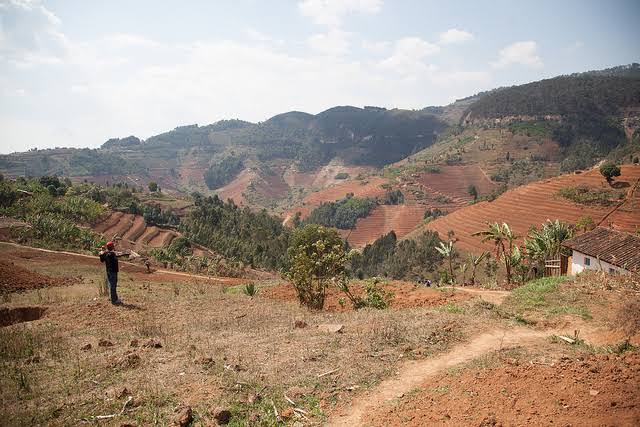
Rwanda’s dry seasons are widely considered the best time to visit Rwanda for gorilla trekking, wildlife viewing, volcano hiking, chimpanzee tracking, road trips, photography and outdoor sightseeing. The country generally experiences a long dry season from June to September and a shorter dry season from December to February. Rainfall is usually lower during these periods, although Rwanda’s mountain forests can receive showers at any time of the year.
Choosing to travel during the Rwanda dry season can make it easier to move between national parks, walk through forests and enjoy outdoor activities with fewer weather-related interruptions. Travelers researching the best time to visit Rwanda often prioritize these months because roads and trekking trails are generally more manageable than they are during the long and short rainy seasons.
The long dry season is usually the most popular tourism period, particularly during July and August. The shorter dry season provides another valuable travel window for visitors who cannot travel during the middle of the year. Both dry periods offer favorable conditions, but they differ in vegetation, visitor numbers, accommodation demand, wildlife movements and overall safari atmosphere.
When Is the Dry Season in Rwanda?
The main Rwanda dry season normally begins in June and continues through July, August and September. June is often a transitional month in which rainfall decreases after the long wet season. July and August are commonly among the driest months, while showers may begin becoming more frequent toward the end of September.
Rwanda’s shorter dry season generally occurs during December, January and February. December may begin with some residual rainfall from the short rainy season, while January is often relatively dry. February usually remains favorable, although rainfall can increase toward the end of the month as the long rainy season approaches.
These seasonal divisions should be used as general planning guidelines rather than exact guarantees. Rwanda lies close to the Equator, and its highlands, volcanoes, rainforests, lakes and valleys create localized weather conditions. A dry day in Kigali or Akagera National Park does not mean conditions will be equally dry in Volcanoes National Park or Nyungwe Forest National Park.
Travelers preparing for Rwanda gorilla trekking weather should expect the possibility of rain even during June, July, August or January. Volcanoes National Park protects a moist montane forest where mist, light showers and wet vegetation can occur throughout the year.
The Long Dry Season from June to September
The long dry season from June to September is generally regarded as the strongest overall period for visiting Rwanda. Rainfall becomes less frequent, humidity may feel more manageable and outdoor conditions are often more predictable. These months are especially suitable for travelers planning an itinerary that combines several regions and activities.
June often provides an attractive balance between green scenery and improving weather. The landscape normally remains lush after the March-to-May rains, while roads and trails gradually begin drying. June may appeal to photographers who want favorable outdoor conditions without the driest and dustiest scenery sometimes experienced later in the season.
July is usually one of Rwanda’s most popular safari months. Gorilla trekking trails are often firmer, game viewing improves in Akagera National Park and hiking conditions are generally favorable. The month also coincides with international summer holidays, which can increase demand for permits, accommodation, professional guides and private safari vehicles.
August normally continues the dry conditions experienced in July. It is an excellent month for trekking, game drives, boat safaris, forest walks and Lake Kivu holidays. However, travelers should reserve important services well in advance because August is part of Rwanda’s peak tourism season.
September often remains dry, particularly during the first half of the month. It may provide an effective balance between favorable weather and slightly lower visitor numbers after the busiest July and August period. Travelers interested in understanding seasonal trekking conditions can consult a month-by-month gorilla trekking guide before selecting their exact travel dates.
The Short Dry Season from December to February
The short dry season from December to February is another excellent time to visit Rwanda. It can provide good conditions for gorilla trekking, game drives, city tours, Lake Kivu activities, volcano hiking and multi-park journeys. Rain remains possible, but precipitation is usually lower than during March, April, May, October and November.
December is a transitional month, and the beginning of the month may still receive showers associated with the short rains. Conditions often become drier as the month progresses. The Christmas and New Year holiday period attracts international and regional travelers, creating increased demand for accommodation and safari services.
January is frequently one of the most favorable months for visiting Rwanda. The countryside often remains green after the short rains, while reduced precipitation supports outdoor activities. January can be particularly suitable for travelers who want to combine primate trekking with a traditional savannah safari.
February remains a strong travel month, although rainfall may begin increasing toward the end of the month. It can offer good trekking conditions and more manageable visitor numbers than July or August. A carefully planned Rwanda gorilla trekking safari during February can include Volcanoes National Park, Kigali, Akagera National Park and Lake Kivu.
Why the Dry Season Is Considered the Best Time to Visit Rwanda
The dry season is often described as the best time to visit Rwanda because it creates generally favorable conditions for the country’s major tourism activities. Lower rainfall can improve road travel, reduce mud on forest paths and allow travelers to spend more time outdoors without frequent weather interruptions.
Dry-season travel is particularly convenient for first-time visitors who want to experience several destinations within a limited number of days. Transfers between Kigali, Volcanoes National Park, Akagera National Park, Nyungwe Forest National Park and Lake Kivu are normally easier when unpaved roads and access tracks are relatively dry.
The dry months also make packing and daily scheduling more straightforward. Travelers must still carry rain protection, but activities are less likely to require major changes because of prolonged rainfall. Sunrise game drives, forest treks, boat trips and city excursions can usually be organized with greater confidence.
Visitors planning a complete Nyungwe, Volcanoes and Akagera safari often choose the dry season because it supports a smoother combination of rainforest trekking, mountain activities and savannah wildlife viewing.
Dry-Season Gorilla Trekking in Volcanoes National Park
Gorilla trekking is one of the main reasons travelers select Rwanda’s dry seasons. Volcanoes National Park protects Rwanda’s habituated mountain gorilla families and offers guided treks throughout the year. The dry months are preferred because forest trails may be less muddy and slippery.
Reduced rainfall does not make gorilla trekking completely easy. The landscape is steep, the altitude can affect breathing and the gorillas may be located several hours from the trailhead. The difficulty of a trek varies according to the assigned gorilla family, recent animal movements, vegetation and individual fitness.
Visitors should wear strong waterproof hiking boots, long trousers, a long-sleeved shirt, gardening gloves and a lightweight rain jacket. A porter can carry a daypack and provide physical support on steep slopes. Even during the dry season, forest vegetation can remain wet from mist, overnight rain or moisture beneath the canopy.
Travelers researching gorilla trekking in Volcanoes National Park should reserve permits early for June, July, August, September, December and January. Permit availability is limited, and popular dates may sell out well before the intended trekking day.
Dry-season trekking can also provide more comfortable conditions for photography. Travelers may find it easier to handle cameras when rainfall is limited, although light levels beneath the forest canopy can remain low. Flash photography is not permitted during gorilla encounters, making cameras with good low-light performance particularly useful.
Dry-Season Golden Monkey Tracking
Golden monkey tracking is another popular dry-season activity in Volcanoes National Park. These active primates inhabit bamboo forests and move quickly through the vegetation. Drier trails may make it easier for visitors to follow the tracking team and position themselves for photographs.
Golden monkey tracking is usually less physically demanding than some gorilla treks, although the experience still involves walking on uneven forest paths. Rain can occur during any month, so visitors should carry waterproof clothing and protect their camera equipment.
The dry season allows travelers to combine golden monkey tracking with gorilla trekking, volcano hiking and cultural activities. Visitors may spend several nights near the park to avoid rushing between experiences and to allow time for rest after physically demanding treks.
Dry-Season Wildlife Viewing in Akagera National Park
The long dry season is widely regarded as the best time for wildlife viewing in Akagera National Park. As rainfall decreases, temporary water sources may shrink and animals become more dependent on permanent lakes, wetlands and established watering areas. This concentration can improve the chances of seeing multiple species during one game drive.
Vegetation also becomes shorter and less dense as the dry season progresses. Reduced foliage can make it easier to observe lions, leopards, elephants, buffaloes, rhinos, giraffes, zebras, topis, impalas, waterbucks and other wildlife. Travelers can learn more through a guide to the best time to visit Akagera National Park.
June can offer green scenery alongside improving wildlife visibility. July and August often provide excellent game viewing as water becomes increasingly important. September can be especially productive because animals may have experienced several months of dry conditions.
December through February also offers favorable wildlife-viewing opportunities. The park may look greener following the short rains, while dry-season conditions make game drives and access tracks more manageable. Wildlife distribution can vary according to recent rainfall, water availability and grazing conditions.
A dry-season Akagera wildlife safari can include daytime game drives, a boat cruise on Lake Ihema and, where arranged, a night game drive. Staying overnight allows visitors to explore a larger portion of the park than is normally possible during a rushed day trip from Kigali.
Big Five Safaris During Rwanda’s Dry Season
Akagera National Park is Rwanda’s principal Big Five safari destination. Visitors have the possibility of seeing lions, leopards, elephants, buffaloes and rhinos within the same protected area. Sightings are never guaranteed, but dry-season conditions can improve visibility and concentrate wildlife around reliable water sources.
Early morning game drives are particularly valuable because temperatures are cooler and many animals are active. Late afternoon drives can also produce excellent sightings as wildlife emerges after the heat of the day. Midday hours may be quieter, although elephants, giraffes and other large herbivores can still be observed.
Travelers interested in the park’s major species can review the Akagera Big Five safari experience while planning their itinerary. A knowledgeable guide can interpret tracks, animal behavior and habitat conditions, increasing the quality of the overall safari.
Boat Safaris During the Rwanda Dry Season
Boat safaris on Lake Ihema provide a different perspective from land-based game drives. Visitors may observe hippos in the water, Nile crocodiles near the shoreline, elephants approaching the lake and numerous aquatic birds. Dry-season conditions often create comfortable opportunities for morning or afternoon cruises.
The lake environment can remain cooler than the open savannah, but strong sunshine is possible. Travelers should carry sunscreen, a hat, drinking water and binoculars. Cameras should be secured carefully because movement on the boat can make photography more challenging.
Combining a boat safari with a game drive allows visitors to explore both terrestrial and aquatic habitats. The activity is particularly useful for bird watchers because Lake Ihema and the surrounding wetlands support numerous water-associated species.
Dry-Season Chimpanzee Trekking in Nyungwe Forest
Nyungwe Forest National Park receives rainfall throughout the year, but the recognized dry seasons generally provide more manageable conditions for chimpanzee trekking. Trails may be less muddy, and lower rainfall can improve comfort during long forest walks.
Chimpanzee trekking remains physically demanding because the animals are highly mobile and may travel quickly through the forest. Visitors may need to walk over uneven terrain, climb steep slopes and move through dense vegetation. The duration of the trek depends on the chimpanzees’ location and movement.
Travelers planning to see chimpanzees in Nyungwe Forest should carry a rain jacket even during July or January. Nyungwe is a montane rainforest, and sudden showers remain possible regardless of the national weather season.
The dry period can also support colobus monkey tracking, bird watching, waterfall hikes and visits to the canopy walkway. Visitors should allocate enough time to Nyungwe rather than attempting to complete multiple forest experiences within an unrealistic schedule.
Dry-Season Hiking and Volcano Climbing
Rwanda’s dry seasons are generally the best periods for hiking Mount Bisoke, Mount Karisimbi, the Dian Fossey Tomb trail and other mountain routes. Reduced rainfall can make steep volcanic slopes less slippery and improve visibility across the Virunga landscape.
Mount Bisoke is known for its crater lake and involves a demanding ascent through bamboo, forest and high-altitude vegetation. Mount Karisimbi is Rwanda’s highest volcano and normally requires an overnight hiking experience. Both routes demand suitable fitness, strong footwear and preparation for rapid weather changes.
The Dian Fossey Tomb hike combines natural scenery with the history of mountain gorilla research and conservation. The trail can be muddy even during the dry season, but lower rainfall normally makes the experience more manageable than it is during the wettest months.
Travelers can combine these activities through a volcano hiking and gorilla trekking adventure. Rest days should be considered when combining demanding hikes with gorilla trekking because both activities require physical effort.
Dry-Season Activities Around Lake Kivu
The dry season is an excellent time to visit Lake Kivu for kayaking, boat cruises, swimming, cycling, island excursions and lakeside relaxation. Lower rainfall allows visitors to spend more time outdoors and enjoy wider views across the lake and surrounding hills.
Lake Kivu is commonly added after gorilla trekking because it provides an opportunity to relax after a physically demanding forest experience. Travelers can stay in areas such as Gisenyi, Kibuye or Rusizi, depending on the direction of their wider Rwanda itinerary.
Visitors can discover additional experiences through a guide to things to do at Lake Kivu. Activities may include boat trips, island visits, community experiences, nature walks, coffee tours and evenings observing traditional fishing boats.
Sun protection is important during dry-season lake activities because reflections from the water can increase exposure. Evenings may feel cool, particularly when there is a breeze, so travelers should carry a light sweater or jacket.
Dry-Season Kigali City Tours
Kigali can be visited throughout the year, but the dry seasons provide especially convenient conditions for city tours, market visits, outdoor dining and neighborhood walks. Lower rainfall reduces interruptions and makes it easier to combine several attractions within one day.
Visitors can explore memorial sites, museums, art galleries, markets, restaurants, cultural centers and scenic viewpoints. Kigali is built across numerous hills, meaning comfortable walking shoes are useful even for travelers who are not undertaking forest treks.
The city is also Rwanda’s main transport hub. Dry-season road conditions allow visitors to transfer conveniently toward Akagera, Volcanoes, Nyungwe and Lake Kivu. Travelers beginning a longer Rwanda road trip can use Kigali as the starting point for several regional routes.
Dry-Season Bird Watching in Rwanda
Bird watching remains rewarding during Rwanda’s dry seasons, although the wet months may offer greater breeding activity and greener habitats. Dry-season travel can make forest paths, savannah tracks and wetland access points easier to navigate.
Akagera National Park supports savannah, woodland, wetland and aquatic species. Nyungwe Forest is especially important for Albertine Rift birds, while Volcanoes National Park protects mountain and bamboo-forest species. Lake Kivu and wetlands around Kigali add further habitat diversity.
Birders should begin activities early in the morning when temperatures are cooler and bird activity is often higher. Binoculars, a regional field guide, neutral-colored clothing and a camera with a suitable telephoto lens can improve the experience.
Dry-Season Photography in Rwanda
Rwanda’s dry seasons provide many advantages for travel and wildlife photography. Lower rainfall reduces the risk of water damage, allows longer periods outdoors and makes it easier to change lenses or handle equipment during activities.
June often offers particularly attractive scenery because the vegetation remains green after the long rains. July and August may produce clearer skies, but landscapes in Akagera can gradually become drier and dustier. September can create warm savannah colors and concentrated wildlife activity around water.
January and February frequently combine green post-rain landscapes with relatively settled weather. This can be ideal for travelers who want lush scenery without the frequent showers associated with the wet season.
Forest photography remains technically challenging because light beneath the canopy can be limited. Photographers should understand their camera’s low-light settings and avoid using flash around gorillas and other sensitive wildlife. Waterproof covers remain important because mist or sudden rain can occur during any dry-season trek.
Road Conditions During Rwanda’s Dry Seasons
Rwanda has a well-developed road network connecting Kigali with major towns and tourism destinations. Many important routes are paved, but some national park roads, lodge access tracks and rural routes remain unpaved.
During the dry season, unpaved roads are generally firmer and easier to navigate. This reduces the likelihood of mud-related delays and makes multi-destination road travel more predictable. However, dust may become significant in Akagera and other dry areas, particularly after several weeks without rainfall.
A four-wheel-drive safari vehicle is still recommended for national park travel. It offers better visibility, improved comfort on rough tracks and greater reliability if unexpected rainfall changes road conditions.
Dry-Season Crowds and Visitor Numbers
The main disadvantage of visiting Rwanda during the dry season is increased demand. July, August and the festive period around late December are among the busiest travel periods. Popular lodges, gorilla permits, guides and safari vehicles may become unavailable if booking is delayed.
Volcanoes National Park receives significant demand because each habituated gorilla family can be visited by only a limited number of people per day. This restriction protects the gorillas and maintains the quality of the visitor experience, but it also means trekking availability is limited.
Akagera National Park may also receive more safari vehicles during peak travel months. The park is large enough to offer quieter areas, but popular sightings and water sources can attract several vehicles. Staying inside or near the park and beginning game drives early can help visitors explore before day-trip traffic arrives.
Travelers who prefer favorable weather with slightly fewer crowds may consider June, early September, late January or February. Conditions are not guaranteed, but these periods can provide a useful compromise between peak-season weather and visitor numbers.
Accommodation Demand During the Dry Season
Accommodation demand normally increases during the Rwanda dry seasons. Luxury lodges near Volcanoes National Park, well-located camps in Akagera and popular Lake Kivu hotels may fill several months in advance.
Travelers who require a specific lodge, room category or travel date should book early. Flexible visitors may have more options, but waiting too long can result in longer transfers, less convenient accommodation or higher prices.
Dry-season demand is particularly strong for high-end itineraries. Visitors planning a Rwanda luxury safari should reserve accommodation, permits, domestic services and private transport well before arrival.
Rwanda Safari Costs During the Dry Season
Dry-season travel can be more expensive because accommodation and tourism services experience stronger demand. Some lodges apply peak-season rates, especially in July, August, September and late December.
Gorilla permit costs may remain fixed regardless of accommodation season, meaning travelers should not expect every part of the safari to become cheaper during quieter months. Total prices depend on permit fees, lodge category, transport, park charges, meals, guide services and included activities.
Travelers can control costs by booking early, selecting midrange accommodation, limiting unnecessary one-night stops and choosing an efficient route. A well-designed itinerary can reduce fuel consumption and long transfer days without reducing the quality of the experience.
Advantages of Visiting Rwanda During the Dry Season
The greatest advantage of Rwanda dry-season travel is the generally favorable weather for outdoor activities. Forest trails may be firmer, roads are usually easier to navigate and game viewing can improve as animals gather around permanent water sources.
The dry seasons are also suitable for combining several different activities. A traveler can trek gorillas, track chimpanzees, climb a volcano, enjoy game drives, take a boat safari and relax at Lake Kivu within one itinerary.
Photography equipment is easier to manage when rainfall is reduced, and outdoor activities are less likely to experience prolonged weather interruptions. First-time visitors may therefore find the dry season more convenient and predictable.
Disadvantages of Visiting Rwanda During the Dry Season
Higher visitor numbers are the main disadvantage of dry-season travel. Permits and accommodation can sell out, particularly during July, August and late December. Travelers may need to make decisions earlier and accept less flexibility when changing dates.
Prices can also be higher because some accommodation providers apply peak-season rates. Popular national park areas may feel busier, and highly sought-after lodges may require longer minimum stays or advance payment.
Dry weather is not guaranteed. Mountain forests can receive rain at any time, and travelers who arrive without waterproof clothing may be unprepared. Late-season landscapes in Akagera can also become dusty and less green than they are after rainfall.
What to Pack for Rwanda’s Dry Season
Travelers should pack lightweight clothing for warm daytime conditions in Kigali and Akagera, together with warm layers for cool mornings and evenings. Volcanoes National Park and Nyungwe Forest can feel cold, particularly before sunrise or at higher elevations.
Waterproof hiking boots are essential for gorilla trekking and forest activities because trails can remain wet even during the dry season. Long trousers, long-sleeved shirts and gardening gloves protect against vegetation, insects and stinging plants.
A lightweight waterproof jacket should always be carried. Additional items should include sunscreen, insect repellent, a sun hat, sunglasses, reusable drinking water bottles, binoculars and waterproof protection for cameras and travel documents.
Rwanda Long and Short Dry Season Comparison
| Dry-Season Period | General Weather | Landscape Conditions | Gorilla Trekking | Wildlife Viewing | Crowds and Demand | Best Suited Travelers |
|---|---|---|---|---|---|---|
| June | Rainfall decreases as the long dry season begins | Green and fresh after the long rains | Very good, with improving trail conditions | Very good and improving in Akagera | Moderate and increasing | Photographers, trekkers and multi-park travelers |
| July | Generally dry and settled | Green to gradually drier | Excellent | Excellent | High | First-time visitors, families and outdoor travelers |
| August | Dry with limited rainfall | Drier savannah and manageable forest trails | Excellent | Excellent | Very high | Wildlife enthusiasts, hikers and luxury travelers |
| September | Mostly dry, with showers potentially returning late in the month | Drier in Akagera and green in mountain forests | Very good to excellent | Excellent | Moderate to high | Travelers seeking dry weather with potentially fewer crowds |
| December | Transition from the short rains into drier conditions | Green and attractive | Good and improving | Very good | High during the festive season | Holiday travelers, families and couples |
| January | Generally dry with occasional showers | Green after the short rains | Excellent | Very good | Moderate to high | Gorilla trekkers, photographers and multi-park visitors |
| February | Mostly dry, with rainfall increasing toward March | Green and pleasant | Very good | Very good | Moderate | Travelers seeking favorable weather and manageable crowds |
Which Rwanda Dry Season Should You Choose?
June to September is the strongest period for travelers who want the most favorable overall conditions for trekking, game viewing, hiking and road travel. July and August normally offer the driest conditions but also attract the largest numbers of visitors.
June may be the better choice for travelers who want greener scenery at the beginning of the dry season. September can suit visitors who want strong wildlife viewing and potentially fewer crowds after the international summer holiday period.
December to February is ideal for travelers who cannot visit during the middle of the year. January and February can provide an excellent balance of green landscapes, relatively dry weather and good conditions for primate and wildlife safaris.
The final decision should be based on permit availability, budget, preferred activities and tolerance for crowds. Travelers who are flexible with dates may compare several dry-season months before confirming flights and accommodation.
Is the Dry Season Always the Best Time to Visit Rwanda?
The dry season is the most convenient time for many visitors, but it is not automatically the best choice for every traveler. Bird watchers, landscape photographers and visitors seeking fewer crowds may prefer parts of the rainy season.
The wet months create greener scenery, fuller waterfalls and atmospheric mist around Rwanda’s mountains. Gorilla trekking remains available, and wildlife safaris continue in Akagera National Park. Travelers who prepare correctly can enjoy a rewarding journey during any season.
However, first-time visitors who prioritize easier trekking, clearer roads and more predictable outdoor schedules will generally find the dry seasons more suitable. The long dry period from June to September remains the most popular choice, while December to February offers a valuable alternative.
Summary of Rwanda’s Dry Seasons
Rwanda experiences a long dry season from approximately June to September and a shorter dry season from December to February. These periods are widely considered the best time to visit Rwanda for gorilla trekking, chimpanzee tracking, wildlife viewing, volcano hiking, road trips, Lake Kivu holidays and outdoor photography.
June offers improving weather and green scenery, while July and August provide some of the driest conditions. September combines strong wildlife viewing with the end of the main dry season. December, January and February provide another excellent travel window, with green landscapes and generally favorable conditions.
Dry-season visitors should book early because gorilla permits, premium lodges and safari vehicles can be in strong demand. They should also carry waterproof equipment because rainfall remains possible in Rwanda’s mountain forests throughout the year.
By comparing the long and short dry seasons with personal interests, budget and preferred crowd levels, travelers can select the most suitable dates and enjoy Rwanda’s gorillas, wildlife, forests, lakes, mountains and cultural attractions under generally favorable travel conditions.
Section 5 covers Rwanda’s long and short rainy seasons, including gorilla trekking, chimpanzee tracking, wildlife viewing, birding, photography, costs, road conditions and packing. Rwanda’s wetter periods generally occur from March to May and October to November, although rain remains possible throughout the year.
Rwanda Rainy Seasons: Visiting Rwanda During the Wet Season

Rwanda’s rainy seasons offer a completely different travel experience from the popular dry months. While many visitors immediately associate the best time to visit Rwanda with June to September or December to February, the wetter months can be equally rewarding for travelers interested in lush scenery, rainforest photography, bird watching, quieter national parks and less crowded primate trekking experiences. Rwanda generally experiences a long rainy season from March to May and a shorter rainy season during October and November.
The Rwanda rainy season is characterized by more frequent showers, greener landscapes, increased humidity and wetter forest trails. Rainfall can make trekking, hiking and travel on unpaved roads more challenging, but it rarely means that rain falls continuously throughout every day. Many wet-season days include a mixture of sunshine, cloud cover and short or heavy showers, allowing well-prepared travelers to continue with most planned activities.
Travelers researching the best time to visit Rwanda should not automatically dismiss March, April, May, October or November. These months provide specific benefits that may suit photographers, birders, budget-conscious travelers, experienced trekkers and visitors who prefer less crowded destinations.
The rainy season can be particularly attractive in Volcanoes National Park and Nyungwe Forest National Park, where moisture intensifies the colors of the rainforest. Akagera National Park also becomes green and productive, although wildlife may spread across a wider area because water is more widely available.
When Is the Rainy Season in Rwanda?
Rwanda has two main rainy periods. The long rainy season generally begins in March and continues through April and May. April is frequently among the wettest months, although rainfall levels and timing can vary from year to year. Conditions usually begin improving toward the end of May as the country approaches the long dry season.
The short rainy season normally begins in October and continues through November. September may experience transitional showers toward the end of the month, while some rainfall can continue into early December. The short rains are often less prolonged than the March-to-May rains, but they can still create muddy trails and changing road conditions.
These seasonal divisions are approximate. Weather patterns do not begin and end on fixed dates, and regional differences are significant. Volcanoes National Park and Nyungwe Forest National Park generally receive more rain than the lower and warmer eastern region around Akagera National Park.
Visitors can study a detailed Rwanda weather and climate guide before choosing travel dates. Even during the recognized dry seasons, showers can occur in high-altitude forests, while some rainy-season days may remain clear for several hours.
The Long Rainy Season from March to May
The long rainy season from March to May brings Rwanda’s most consistent rainfall. March usually marks the transition into wetter weather, April commonly receives heavy rainfall and May remains wet before conditions gradually improve toward June.
During this season, Rwanda’s hills, forests, tea plantations and agricultural landscapes become exceptionally green. Rivers and waterfalls carry more water, clouds gather around the mountains and mist develops across forested ridges. These conditions create some of the country’s most atmospheric landscapes.
March may still offer periods of relatively manageable weather, especially early in the month. Rainfall generally becomes more frequent as the month progresses. Travelers visiting in March should expect flexible schedules and prepare for changing conditions during forest treks and road transfers.
April is commonly one of Rwanda’s rainiest months. Heavy showers can affect trekking trails, mountain hikes and unpaved national park roads. However, rainfall does not always continue throughout the entire day, and clear periods can appear between storms.
May remains wet, but rainfall may begin decreasing toward the end of the month. The countryside is normally green and fresh, making late May an attractive transitional period for travelers who want lush scenery before peak dry-season visitor numbers arrive.
Visitors planning a primate journey during these months can compare seasonal conditions through a month-by-month gorilla trekking guide. Physical preparation and suitable equipment are especially important during the long rains.
The Short Rainy Season from October to November
The short rainy season generally occurs during October and November. It follows the long dry period from June to September and restores moisture to Rwanda’s forests, savannahs, farms and hillsides. Dry grasslands begin turning green, flowers appear and water becomes more widely available.
October is usually a transitional month. The beginning may retain some dry-season conditions, while showers often become more regular as the month progresses. This can make October a useful shoulder-season option for travelers seeking greener scenery and lower visitor numbers without necessarily experiencing the heaviest annual rainfall.
November is normally wetter and can bring regular showers across much of the country. Mountain regions may experience mist, heavy cloud cover and slippery trails, while Kigali and Akagera can alternate between warm sunshine and sudden rain.
The short rains can produce excellent photography conditions because showers reduce dust and deepen the colors of the landscape. Clear skies may appear immediately after rainfall, creating strong contrasts, reflections and dramatic mountain views.
Travelers planning a volcano hiking and gorilla trekking safari during October or November should expect physically demanding trails. Hiking boots with deep tread, waterproof clothing and porter support can significantly improve comfort.
Why Visit Rwanda During the Rainy Season?
One of the greatest reasons to visit Rwanda during the rainy season is the quality of the scenery. The country’s famous hills become intensely green, forests appear dense and healthy, and agricultural landscapes become visually striking. Visitors interested in nature and landscape photography may prefer these conditions to the drier and dustier appearance of late August or September.
The rainy season also attracts fewer international visitors. Gorilla trekking trailheads, national park lodges, popular viewpoints and safari routes may feel quieter than they do during July, August and the festive period. This can create a more relaxed and personal travel experience.
Accommodation availability may improve during the wet months, giving travelers greater flexibility when selecting lodges and room categories. Some properties may offer seasonal promotions, although lower rates should never be assumed without checking the specific lodge and travel dates.
Bird activity can be rewarding during the rainy season as vegetation, flowers, insects and food sources increase. Rwanda supports a remarkable diversity of resident, migratory, forest, savannah and wetland bird species, making the wetter months attractive to patient bird watchers.
Visitors exploring birding in Rwanda can combine Nyungwe Forest, Volcanoes National Park, Akagera National Park, Lake Kivu, Gishwati-Mukura National Park and wetlands around Kigali.
Gorilla Trekking During Rwanda’s Rainy Season
Gorilla trekking in Volcanoes National Park operates throughout the rainy season. Mountain gorillas remain in their natural habitat throughout the year, and wet weather does not automatically prevent visitors from locating and observing a habituated gorilla family.
The greatest wet-season challenge is the condition of the forest trails. Heavy rainfall can create mud, slippery roots, wet vegetation and difficult slopes. Trekkers may need to move slowly, use walking sticks and accept assistance from guides and porters.
Despite the physical challenges, rainy-season gorilla trekking offers several potential advantages. Visitor numbers may be lower, permit availability may be better and the forest appears exceptionally green. Mist, cloud and moisture can also create atmospheric photography conditions.
Travelers can learn more about the chances of seeing gorillas during Rwanda’s rainy season. The ability to locate gorillas depends on the work of experienced trackers and guides rather than on dry weather alone.
Mountain gorillas may sometimes remain at lower or more accessible elevations when food is abundant, but their movements are unpredictable. Visitors should never assume that a rainy-season trek will automatically be shorter or easier.
The trek can begin under clear skies and end in heavy rain, or it can start in mist and become sunny later. Every participant should carry rain protection regardless of the morning weather forecast.
Rainy-Season Gorilla Trekking Trail Conditions
Trail conditions are one of the most important considerations when planning rainy-season gorilla trekking. Volcanoes National Park contains steep mountain terrain, bamboo zones, dense forest, roots, rocks and sections of soft ground. Rain increases the difficulty of moving through these environments.
Waterproof hiking boots should provide strong ankle support and reliable grip. Ordinary sports shoes are usually unsuitable because they can absorb water, slide on mud and provide limited protection against uneven ground.
Long trousers and long-sleeved shirts protect the body from vegetation, insects and stinging plants. Gardening gloves can be useful when holding branches or supporting the body on steep sections.
A porter is highly recommended during the wet season. Porters carry daypacks, help trekkers cross difficult ground and provide balance on slippery slopes. Hiring a porter also supports people living in communities near the national park.
Travelers preparing for the experience can consult this guide on what to pack for rainy-season gorilla trekking.
Rainy-Season Gorilla Photography
The rainy season can create beautiful conditions for gorilla photography. Wet vegetation appears richly colored, mist softens the forest background and water droplets can add texture to photographs. The gorillas’ dark fur may contrast strongly with the green surroundings.
Forest photography remains technically challenging because cloud cover and the dense canopy reduce available light. Photographers may need to use higher ISO settings and wider apertures while maintaining a shutter speed suitable for animal movement.
Flash photography is not permitted during gorilla encounters. Visitors should therefore understand their camera controls before entering the forest rather than attempting to learn them during the limited viewing period.
Camera bodies and lenses should be protected using waterproof covers or dry bags. A soft cloth can help remove moisture from equipment, but lenses should be handled carefully to avoid scratching or spreading water across the glass.
Visitors should balance photography with direct observation. Spending the entire encounter looking through a camera can reduce the emotional value of being close to mountain gorillas in their natural environment.
Chimpanzee Trekking in Nyungwe During the Rainy Season
Chimpanzee trekking in Nyungwe Forest National Park remains available during the rainy season. In some periods, the availability of fruit and other forest foods may keep chimpanzees within more concentrated areas, although animal movements cannot be guaranteed.
Wet-season chimpanzee trekking can still be physically demanding. Chimpanzees move quickly, and visitors may need to follow them through steep, muddy and densely vegetated terrain. The forest floor can be slippery, making strong footwear and careful movement essential.
Travelers considering this experience can review whether they can trek chimpanzees during the rainy season in Nyungwe. The wet season may offer excellent primate encounters, but visitors should arrive prepared for rain and challenging trails.
Nyungwe receives moisture throughout the year because it is a high-altitude montane rainforest. Even travelers visiting during the recognized dry months should carry waterproof equipment. During March, April, May, October and November, rain protection becomes especially important.
Chimpanzee calls can carry through the forest before the animals are visible. Guides use vocalizations, feeding signs, nests and movement in the canopy to locate the chimpanzee community.
Rainy-Season Forest Activities in Nyungwe
Nyungwe offers more than chimpanzee trekking. Visitors can track colobus monkeys, explore forest trails, visit waterfalls, undertake birding excursions and experience the canopy walkway. Each activity is affected differently by rainfall.
Forest walks can become slippery, but the rainforest is at its most vibrant during the wet months. Ferns, mosses, flowers and other vegetation flourish, while waterfalls and streams become more powerful.
The canopy walkway provides wide views across the forest, although heavy rain, strong wind or thunderstorms may affect access for safety reasons. Travelers should follow the instructions of park guides whenever weather conditions change.
Bird watching can be productive because the rainforest supports numerous Albertine Rift species. However, rain can temporarily reduce visibility and make binoculars or camera equipment harder to use.
Visitors arranging a Nyungwe journey can read more about chimpanzee trekking in Nyungwe National Park before selecting activities and travel dates.
Akagera National Park During the Rainy Season
Akagera National Park remains open during Rwanda’s rainy seasons. The park’s savannah, hills, woodland, wetlands and lakes become green, creating a scenic contrast to the golden landscapes associated with the dry season.
Wildlife viewing can be more challenging because animals are not as dependent on a limited number of permanent water sources. Temporary pools and widespread grazing allow wildlife to disperse across a larger area.
Taller vegetation can also make lions, leopards, antelopes and smaller animals more difficult to see. Experienced guides use tracks, behavior, calls and knowledge of the landscape to improve the chances of sightings.
The wet season may provide opportunities to observe newborn animals and fresh grazing. Bird activity can be excellent, with resident and migratory species using the park’s varied habitats.
Visitors interested in seasonal conditions can consult information about taking a safari in Akagera National Park.
Big Five Viewing During the Rwanda Rainy Season
Seeing the Big Five in Akagera is possible during both dry and rainy periods, although the dry season is generally preferred for easier wildlife visibility. During the rainy season, patience and an experienced guide become particularly valuable.
Elephants and buffaloes may be observed in woodland, savannah and wetland areas. Rhinos can be difficult to locate because of the park’s size and vegetation. Lions may rest in grass or move through open areas, while leopards remain naturally elusive throughout the year.
Wet-season visitors may experience fewer vehicles around wildlife sightings. This can provide a quieter viewing environment and more space for photography, particularly outside weekends and holiday periods.
The green scenery creates attractive backgrounds for animal photographs. Dark storm clouds, fresh vegetation and clean air after rain can produce dramatic images that are less common during the dry months.
Travelers can compare the advantages through this guide to Big Five safari experiences in Akagera National Park.
Boat Safaris During the Rainy Season
Boat safaris on Lake Ihema can continue during the rainy season when local conditions are safe. Visitors may observe hippos, crocodiles, water birds and mammals approaching the shoreline.
Cloud cover can reduce the heat experienced on open water, but sudden rain may develop. Travelers should carry waterproof clothing and protect cameras, phones and binoculars.
Severe weather, thunderstorms or strong winds may result in the adjustment or postponement of a boat trip. Park guides and boat operators make decisions according to current safety conditions.
Combining a game drive with a boat safari allows visitors to experience Akagera’s land and aquatic ecosystems. Flexible scheduling is useful during wet-season travel in case rainfall affects the preferred departure time.
Bird Watching During Rwanda’s Rainy Season
Rwanda is an important bird-watching destination with habitats ranging from montane rainforest and bamboo forest to savannah, woodland, lakes, wetlands and cultivated landscapes. Birding remains possible throughout the year, and the rainy seasons offer distinctive advantages.
Rain stimulates plant growth, flowering and insect activity, which can increase food availability. Some species enter breeding plumage, become more vocal or display courtship behavior. Migratory species may also be present during parts of the wet season.
Nyungwe Forest is particularly important for Albertine Rift birds. Volcanoes National Park protects mountain and bamboo-associated species, while Akagera supports savannah, woodland and wetland birds.
Gishwati-Mukura National Park adds another valuable forest habitat. Travelers can learn more about a bird-watching safari in Gishwati-Mukura National Park.
The main challenge is that heavy rainfall can reduce visibility, silence birds temporarily or make trails difficult. Early morning excursions may provide the best combination of bird activity and manageable weather.
Rainy-Season Photography in Rwanda
The rainy season is one of the most visually rewarding periods for photographing Rwanda. The landscape becomes green, dust is reduced and the atmosphere often appears clearer after showers. Clouds, mist and changing light create varied photographic conditions.
Volcanoes National Park can produce dramatic images of forested mountain slopes emerging from mist. Nyungwe offers dense rainforest scenes, wet foliage, waterfalls and atmospheric canopy views. Akagera provides green savannahs, reflective wetlands and wildlife against stormy skies.
Kigali’s hills and streets can also be attractive after rain, when surfaces reflect light and the city’s gardens appear especially colorful. Lake Kivu may offer dramatic clouds, changing water colors and clearer views between showers.
Photographers should carry waterproof camera covers, dry bags, lens cloths, spare batteries and moisture protection. High humidity can cause condensation when equipment moves between cool indoor spaces and warm outdoor conditions.
The page about gorilla trekking in the rainy season provides additional insight into wet-season forest conditions and photography opportunities.
Waterfalls, Rivers and Forest Scenery During the Wet Season
Rwanda’s waterfalls, rivers and streams become more powerful during the rainy months. Nyungwe’s forest waterfalls are especially impressive after consistent rainfall, although trails leading to them can be muddy and physically demanding.
Wet conditions increase the richness of forest vegetation. Moss, ferns, orchids and other plants benefit from the moisture, creating dense and colorful habitats.
Rain also influences agricultural landscapes. Rwanda’s terraced hills, tea plantations and cultivated valleys become green and productive, creating scenic views during road transfers between national parks.
Travelers should avoid crossing flooded streams or walking near unstable slopes without a guide. Local professionals understand current trail conditions and can adjust routes for safety.
Road Conditions During Rwanda’s Rainy Season
Many major roads connecting Kigali with Rwanda’s tourism destinations are paved and remain accessible throughout the year. However, unpaved national park tracks, village roads and lodge access routes can become muddy during heavy rain.
Akagera’s internal tracks may be slippery or waterlogged in some areas. Nyungwe and Volcanoes access roads can also experience fog, reduced visibility and wet surfaces. Drivers should travel carefully and allow additional time.
A four-wheel-drive vehicle is recommended for safari travel, particularly when an itinerary includes national parks or remote accommodation. An experienced local driver-guide can assess road conditions and choose suitable routes.
Rain may increase travel times, so itineraries should avoid unrealistic same-day combinations. Sufficient time should be allowed between national parks, especially when travelers have fixed permit activities the following morning.
Visitor Numbers During Rwanda’s Rainy Season
Visitor numbers are generally lower during the rainy seasons than during July, August and late December. This may result in quieter lodges, less crowded trailheads and fewer safari vehicles in national parks.
Lower visitor numbers can improve the sense of privacy, particularly for travelers visiting outside weekends, public holidays and major events. National park activities still operate according to permit rules and minimum safety requirements.
Rainy-season visitors may also find greater flexibility when selecting gorilla trekking dates. However, permits remain limited and should still be reserved in advance rather than relying on last-minute availability.
Travelers interested in a complete package can explore what is included in an all-inclusive Rwanda gorilla trekking safari.
Rwanda Safari Prices During the Rainy Season
The rainy season is sometimes described as Rwanda’s low tourism season. Some lodges may offer reduced rates, complimentary services or flexible stay requirements during March, April, May, October and November.
However, not every part of a safari becomes cheaper. Gorilla permits, chimpanzee permits, park entrance fees and official activity charges may remain fixed. Vehicle hire, fuel and professional guide services can also remain similar throughout the year.
Travelers should request a complete safari quotation rather than comparing accommodation prices alone. The total cost depends on itinerary length, lodge category, permits, transport, meals, activities and the number of people traveling.
Rainy-season savings are most likely to come from accommodation availability and promotional rates. Flexible travelers may benefit from a wider choice of rooms and travel dates.
What to Pack for Rwanda’s Rainy Season
Rainy-season packing should prioritize waterproof protection, strong footwear and adaptable clothing. A high-quality rain jacket or poncho is essential for forest trekking, game drives and outdoor excursions.
Waterproof hiking boots with deep tread provide grip on muddy trails. Gaiters can prevent water, mud and insects from entering the boots. Several pairs of moisture-wicking socks are useful because wet feet can quickly cause discomfort and blisters.
Long trousers and long-sleeved shirts protect against vegetation, insects and cool forest conditions. Clothing made from quick-drying material is generally more practical than heavy cotton.
A warm fleece or sweater is useful for early mornings, evenings and high-altitude destinations. Volcanoes and Nyungwe can feel cool when rain, mist and wind combine.
Waterproof bags or covers should protect cameras, phones, passports and other valuable items. Travelers should also carry insect repellent, sunscreen, a hat, reusable water bottles and any personal medication.
Health and Comfort During Rainy-Season Travel
Travelers should remain hydrated even when cool or wet conditions reduce feelings of thirst. Forest trekking, hiking and walking can still involve significant physical effort.
Wet clothing should be changed as soon as possible after activities. Lodges may provide drying services, fireplaces or warm spaces, but visitors should carry enough clothing to manage repeated wet days.
Insect activity may increase in some areas following rainfall. Long clothing and insect repellent can reduce exposure. Travelers should obtain professional medical advice regarding vaccinations, malaria prevention and personal health requirements before visiting Rwanda.
Muddy trails can strain knees and ankles. Walking sticks, porters and steady movement are safer than attempting to move quickly through difficult sections.
Advantages of Visiting Rwanda During the Rainy Season
The rainy season produces Rwanda’s greenest and most dramatic scenery. Forests appear healthy, waterfalls become stronger and cultivated hillsides develop vibrant colors.
Visitor numbers are generally lower, creating quieter national parks, lodges and tourism attractions. This can be especially attractive to photographers, couples, solo travelers and repeat visitors.
Bird watching can be rewarding because food availability, breeding behavior and migratory movements may increase bird activity. Chimpanzee tracking may also benefit from periods of abundant forest fruit.
Accommodation availability is often better, and some properties may offer seasonal promotions. Gorilla and chimpanzee permits may also be easier to secure than during the busiest dry-season months.
Disadvantages of Visiting Rwanda During the Rainy Season
The main disadvantage is the increased likelihood of heavy rain. Outdoor activities may be delayed, shortened or adjusted, particularly during thunderstorms or severe local conditions.
Forest trails become muddy and slippery, increasing the physical difficulty of gorilla trekking, chimpanzee tracking, volcano hiking and nature walks.
Wildlife viewing in Akagera can be more challenging because animals are widely distributed and vegetation becomes taller. Roads and park tracks may also require slower driving.
Photography equipment needs greater protection, and visitors must pack more carefully. Travelers who dislike mud, humidity or unpredictable schedules may find the dry season more comfortable.
Rwanda Long and Short Rainy Season Comparison
| Rainy-Season Period | General Weather | Landscape Conditions | Gorilla Trekking | Wildlife Viewing | Bird Watching | Visitor Numbers | Best Suited Travelers |
|---|---|---|---|---|---|---|---|
| March | Rainfall increases as the long rainy season begins | Green and becoming increasingly lush | Possible, with increasingly muddy trails | Good, although wildlife begins dispersing | Very good | Low to moderate | Photographers, birders and flexible travelers |
| April | Frequently wet with heavy showers | Exceptionally green with fuller rivers and waterfalls | Challenging but fully possible | More difficult because of thick vegetation and dispersed animals | Rewarding between showers | Low | Experienced trekkers and travelers seeking solitude |
| May | Wet, with conditions often improving toward the end | Fresh, green and visually dramatic | Challenging, with improving conditions late in the month | Good for scenery and patient wildlife viewing | Very good | Low | Budget travelers, photographers and nature enthusiasts |
| October | Short rains begin and become more frequent | Dry landscapes begin turning green | Possible, with increasingly slippery trails | Good, although wildlife begins dispersing | Very good | Moderate to low | Shoulder-season travelers and photographers |
| November | Regular rainfall with cloudy and sunny intervals | Green, fresh and productive | Challenging but rewarding | Good for scenery, newborn animals and birdlife | Excellent in suitable habitats | Low | Birders, flexible trekkers and travelers avoiding crowds |
Is the Rainy Season a Good Time for Families?
Families can visit Rwanda during the rainy season, but the suitability depends on the children’s ages, interests and physical ability. Long, muddy forest treks may not be appropriate for younger children, and age restrictions apply to certain primate activities.
Kigali, Lake Kivu, cultural experiences and selected Akagera activities may be easier to manage than demanding mountain hikes. Families should choose well-located accommodation and avoid overly long transfer days.
Flexible scheduling is particularly important. Allowing extra time in each destination reduces pressure if rain affects an activity or road journey.
Is the Rainy Season Suitable for Luxury Travel?
Rwanda can provide an excellent luxury safari during the rainy season. High-quality lodges near Volcanoes, Nyungwe, Akagera and Lake Kivu offer comfortable rooms, warm indoor spaces, professional service and equipment-drying support.
Private vehicles allow greater scheduling flexibility, while experienced guides can adjust activities according to local weather. Travelers may also benefit from greater availability at highly sought-after properties.
The rainy season can suit honeymooners and couples who value privacy, atmospheric landscapes and quiet lodges. Luxury travelers should still prepare for mud and rain when participating in forest activities.
Who Should Visit Rwanda During the Rainy Season?
Rwanda’s rainy season is well suited to travelers who appreciate green landscapes, dramatic photography and quieter tourism areas. Bird watchers, nature photographers, experienced hikers and repeat safari visitors may find the season especially rewarding.
Budget-conscious travelers may benefit from lower accommodation demand, while flexible visitors may find better permit and room availability. The season can also appeal to travelers who prefer a slower itinerary rather than attempting to visit several destinations within a few days.
Visitors who strongly dislike rain, mud and uncertain activity schedules may prefer the dry months. First-time gorilla trekkers with limited mobility may also find dry-season trails more manageable.
Which Rainy-Season Month Is Best?
March can be a good choice for travelers seeking the beginning of the long rains, when conditions may be less intense than in April. Early March may still retain some characteristics of the short dry season.
May can be attractive toward the end of the long rainy season. Landscapes remain green, while weather may begin improving as June approaches.
October is often the most convenient short-rain month because it follows the long dry season and may offer a mixture of dry and wet conditions. November is generally greener and wetter, making it suitable for photography and birding.
The most suitable month depends on the intended activity. Gorilla trekkers may prefer March, late May or early October, while photographers and birders may appreciate April or November despite the stronger rainfall.
Is the Rainy Season the Cheapest Time to Visit Rwanda?
The rainy season can be less expensive, but it is not automatically cheap. Some lodges reduce rates or offer promotions because demand is lower, while others maintain similar prices throughout the year.
Official permits and park fees may remain unchanged. Transport costs are also influenced by vehicle type, fuel, route and itinerary length rather than season alone.
Travelers seeking value should compare complete itineraries, choose efficient routes and book accommodation that matches their priorities. A lower nightly lodge rate may not create meaningful savings if the location requires additional driving or extra nights.
Summary of Rwanda’s Rainy Seasons
Rwanda’s long rainy season generally extends from March to May, while the short rainy season usually occurs during October and November. These months bring frequent showers, green landscapes, muddy trekking trails, productive birdlife and lower visitor numbers.
Gorilla trekking and chimpanzee tracking remain available during the rainy season, although forest conditions become more physically demanding. Akagera National Park remains rewarding for wildlife safaris, photography and bird watching, even though animals may be more dispersed.
The rainy season can provide better accommodation availability, quieter national parks and potentially lower lodge prices. It is particularly suitable for flexible travelers, photographers, birders and visitors who value scenery and solitude.
The best time to visit Rwanda does not have to be limited to the dry season. With appropriate clothing, waterproof equipment, realistic scheduling and an experienced guide, March, April, May, October and November can provide memorable gorilla encounters, vibrant landscapes and deeply rewarding safari experiences.
Best Time to Visit Rwanda by Safari Activity and Travel Interest
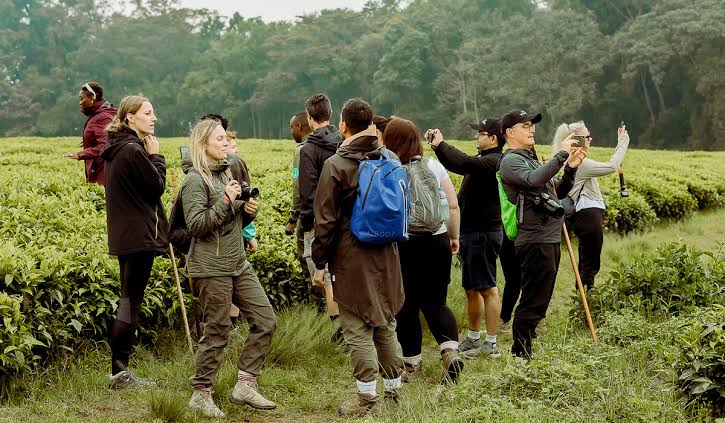
The best time to visit Rwanda depends greatly on the activities a traveler wants to experience. Rwanda is a compact but remarkably diverse destination where visitors can trek mountain gorillas in Volcanoes National Park, track chimpanzees in Nyungwe Forest, search for the Big Five in Akagera National Park, hike volcanoes, watch birds, relax beside Lake Kivu and explore the history and culture of Kigali.
Different weather conditions benefit different activities. The dry seasons from June to September and December to February are generally preferred for trekking, hiking, game drives and road travel. The rainy seasons from March to May and October to November provide greener scenery, excellent birding, atmospheric photography and quieter tourism destinations.
Travelers researching the best time to visit Rwanda should therefore match their travel dates with their most important experiences. A month that is ideal for wildlife viewing in Akagera may not provide the greenest landscape photography, while a rainy month that creates challenging gorilla trails may offer excellent birding and fewer visitors.
Best Time to Visit Rwanda for Gorilla Trekking
The best time to visit Rwanda for gorilla trekking is generally during the dry seasons from June to September and December to February. Rainfall is usually lower during these periods, making forest trails less muddy and easier to navigate. July, August, January and February are especially popular with travelers seeking relatively favorable trekking conditions.
Volcanoes National Park remains a moist montane environment throughout the year. Even during the driest months, trekkers may encounter mist, wet vegetation, mud and sudden showers. Waterproof hiking boots, a rain jacket, long trousers and gardening gloves remain necessary in every season.
Travelers planning gorilla trekking in Volcanoes National Park during peak months should reserve permits and accommodation well in advance. Daily trekking places are limited, and popular dates may become unavailable several months before travel.
The rainy seasons can also provide rewarding gorilla encounters. March, April, May, October and November generally attract fewer visitors, and the forest becomes exceptionally green. However, trails can be muddy, steep and physically demanding.
The best gorilla trekking period for first-time visitors, older travelers or people concerned about difficult trails is normally the dry season. Experienced hikers and photographers who appreciate misty forest scenery may prefer the rainy months.
Best Time to Visit Rwanda for Chimpanzee Trekking
Chimpanzee trekking in Nyungwe Forest National Park is available throughout the year. The dry seasons from June to September and December to February are usually preferred because forest trails may be less slippery and rainfall is generally reduced.
Chimpanzees are highly mobile primates that can travel quickly through the forest. Visitors may need to walk long distances over steep and uneven terrain, making drier conditions valuable for physical comfort and safety.
The rainy season can still be productive because increased food availability may influence the chimpanzees’ movements. Fruiting trees and other seasonal food sources can sometimes keep chimpanzee communities within particular forest areas, although this should never be treated as a guarantee.
Visitors can learn more about chimpanzee trekking during Nyungwe’s rainy season before deciding whether to prioritize easier trails or greener forest conditions.
June, July, August, January and February are generally suitable for visitors who want more manageable trekking conditions. March, April, May, October and November may appeal to travelers who are comfortable with rain and interested in lush rainforest scenery.
Best Time to Visit Rwanda for Golden Monkey Tracking
Golden monkey tracking is offered in Volcanoes National Park and can be enjoyed throughout the year. The dry seasons are generally preferred because bamboo forest trails are less muddy and visitors can move more comfortably while following these active primates.
Golden monkeys move quickly through bamboo and lower forest vegetation. Photography can be challenging because of their speed, changing light and dense surroundings. Reduced rainfall can make it easier to protect cameras and maintain stable footing.
The rainy months create green bamboo forests and softer natural light, which can be attractive for photography. However, wet vegetation, slippery trails and frequent showers may increase the difficulty of the experience.
Travelers can combine golden monkey tracking with a Rwanda gorilla trekking experience, volcano hiking or cultural activities around the Musanze region.
January, February, June, July, August and September are among the most convenient months for golden monkey tracking. October and November may suit visitors who prefer fewer crowds and greener conditions.
Best Time to Visit Rwanda for Wildlife Viewing
The long dry season from June to September is generally the best time to visit Rwanda for wildlife viewing in Akagera National Park. As seasonal water sources become less available, animals often gather around permanent lakes, wetlands and other reliable water areas.
Vegetation also becomes shorter and less dense during the dry season, improving visibility across the savannah. Visitors may have stronger opportunities to observe elephants, buffaloes, giraffes, zebras, antelopes, lions, leopards and rhinos.
July, August and September are especially favorable for game drives. June can also be excellent because wildlife visibility begins improving while the landscape remains green following the long rainy season.
The short dry season from December to February provides another useful wildlife-viewing window. Akagera may remain greener than it appears during late September, while roads and tracks are generally more manageable than during the rainy seasons.
Travelers researching the best game-viewing months in Rwanda should consider July through September for concentrated wildlife and January or February for a greener dry-season safari.
Best Time to Visit Rwanda for a Big Five Safari
Akagera National Park is Rwanda’s main Big Five destination, protecting lions, leopards, elephants, buffaloes and rhinos. The best time for a Big Five safari is generally during the dry season, especially from June to September.
Large mammals become easier to locate when vegetation is shorter and wildlife gathers around established water sources. Early morning and late afternoon game drives are particularly productive because temperatures are cooler and animals may be more active.
Leopards remain elusive throughout the year, and sightings of every Big Five species are never guaranteed. A knowledgeable driver-guide improves the experience by interpreting tracks, calls, animal behavior and recent sightings.
Visitors can explore more information about Big Five safaris in Akagera National Park when planning the number of game drives and nights required.
Travelers should spend at least one or two nights in or near Akagera rather than relying on a rushed day trip. A longer stay allows exploration of different habitats and increases the opportunity to observe a broader range of wildlife.
Best Time to Visit Rwanda for Boat Safaris
Boat safaris on Lake Ihema in Akagera National Park can operate throughout the year, depending on local weather and safety conditions. The dry seasons are generally the most convenient because there is a lower risk of heavy rain, storms or activity interruptions.
Morning boat trips often provide cooler conditions and active birdlife, while afternoon cruises can produce warm light and attractive shoreline photography. Visitors may observe hippos, crocodiles, elephants, buffaloes and numerous water birds.
The rainy months can still provide rewarding boat safaris. The wetlands become green, bird activity may increase and cloud cover can reduce the intensity of the midday sun. However, strong winds or thunderstorms may require changes to the planned departure time.
A boat safari can be included in an Akagera wildlife safari alongside morning, afternoon or night game drives.
Best Time to Visit Rwanda for Bird Watching
Rwanda is a year-round bird-watching destination, but the rainy seasons from March to May and October to November can be especially productive. Rain stimulates vegetation growth, flowering, insect activity and food availability across forests, wetlands, savannahs and cultivated landscapes.
Some bird species become more vocal and active during breeding periods, while migratory birds may be present during parts of the wet season. These conditions can make rainy-season birding highly rewarding for experienced visitors.
Nyungwe Forest National Park is one of Rwanda’s most important birding areas, particularly for Albertine Rift species. Akagera National Park supports savannah, woodland, wetland and aquatic birds, while Volcanoes National Park protects mountain and bamboo-forest species.
Travelers planning a birding safari in Rwanda should allow enough time in each habitat rather than attempting to cover several national parks in a rushed itinerary.
The dry season may be preferable for birders who prioritize easier trails and road access. The rainy season is generally better for lush habitats, breeding activity and migratory species, although showers can temporarily reduce visibility.
Best Time to Visit Rwanda for Volcano Hiking
The best time for volcano hiking in Rwanda is generally during the dry seasons from June to September and December to February. Lower rainfall can make steep trails less slippery and reduce the physical challenges created by mud and flowing water.
Mount Bisoke is one of Rwanda’s best-known hiking destinations and rewards visitors with a crater lake at the summit. Mount Karisimbi is Rwanda’s highest volcano and normally requires a demanding overnight hiking experience.
The Dian Fossey Tomb trail combines mountain scenery, conservation history and forest hiking. Although it is not a summit climb, the route can still become steep and muddy, particularly during the rainy months.
Visitors interested in combining activities can select a volcano hiking and gorilla trekking safari. Rest time should be included between demanding activities to reduce exhaustion.
July and August usually provide strong hiking conditions but attract more visitors. June, September, January and February may offer a useful balance between favorable weather and manageable crowd levels.
Best Time to Visit Rwanda for Mount Bisoke Hiking
Mount Bisoke can be climbed throughout the year, but the dry seasons offer the most favorable trail conditions. June through September is normally the most popular period, while January and February provide another useful window.
The trail passes through bamboo forest, montane vegetation and high-altitude terrain. Rain can make the route muddy and slippery, while cloud and mist may reduce views from the summit.
Even during the dry season, hikers should carry waterproof clothing, warm layers, gloves, sufficient water and high-energy snacks. Mountain weather can change rapidly, and the summit may feel considerably colder than the trailhead.
Travelers should assess their physical fitness honestly. The climb involves sustained uphill walking at altitude and can become exhausting when the trail is wet.
Best Time to Visit Rwanda for Mount Karisimbi Climbing
Mount Karisimbi is best climbed during the driest months, especially June, July, August, September, January and February. The overnight hike is physically demanding, and heavy rain can significantly increase the difficulty.
Temperatures at higher elevations can become cold, particularly at night. Hikers require warm clothing, waterproof equipment, suitable sleeping gear and strong hiking boots.
The climb passes through several vegetation zones and offers expansive views when weather conditions are clear. During the rainy season, cloud, fog and mud can reduce visibility and slow the ascent.
Travelers should use experienced guides and follow all instructions regarding weather, pace, equipment and safety. The climb should not be added casually to an already demanding itinerary.
Best Time to Visit Rwanda for the Dian Fossey Tomb Hike
The Dian Fossey Tomb hike can be undertaken throughout the year, but dry-season months generally provide easier walking conditions. The route passes through forest and mountain vegetation where mud can remain even after several dry days.
The hike provides insight into the history of gorilla conservation and the work associated with the Karisoke Research Center. It is physically demanding but normally shorter than a Mount Bisoke or Mount Karisimbi climb.
June to September and December to February are usually the most suitable months for visitors concerned about trail difficulty. March to May and October to November provide greener surroundings but require greater preparation for rain.
Best Time to Visit Rwanda for the Nyungwe Canopy Walk
The Nyungwe canopy walkway can be visited throughout the year, but the dry seasons generally provide more comfortable conditions. Lower rainfall reduces the likelihood of slippery approach trails and improves visibility across the forest canopy.
June, July, August, January and February are often preferred for the canopy experience. However, mist and cloud can occur in Nyungwe at any time because of the forest’s elevation and humid climate.
The rainy season creates exceptionally green forest views and atmospheric photography conditions. Heavy rain, thunderstorms or strong winds may affect the activity for safety reasons, so wet-season travelers should maintain flexible schedules.
Visitors can include the canopy walkway in a Volcanoes, Nyungwe and Lake Kivu safari alongside chimpanzee trekking and other forest experiences.
Best Time to Visit Rwanda for Landscape Photography
The best time for landscape photography in Rwanda depends on the visual style a photographer wants to capture. The rainy seasons create intensely green hills, powerful waterfalls, dramatic clouds, misty mountains and reflective wet surfaces.
March, April, May, October and November are particularly attractive for photographers who want lush landscapes. Rain can clear dust from the atmosphere and improve distant visibility after a shower.
June is also an excellent photography month because the countryside often remains green while rainfall begins decreasing. January and February can combine post-rain vegetation with relatively settled weather.
The end of the long dry season, particularly August and September, creates golden savannah colors in Akagera National Park. This can be ideal for wildlife photographs with warm, dry-season backgrounds.
Photographers should protect equipment carefully in every season. Mountain mist, humidity and sudden showers can affect cameras even when national weather conditions are described as dry.
Best Time to Visit Rwanda for Wildlife Photography
June to September is generally the best period for wildlife photography in Akagera National Park. Animals may gather around water sources, vegetation is often shorter and dry conditions make it easier to handle cameras during game drives.
Early morning and late afternoon provide softer light, cooler temperatures and greater wildlife activity. Midday conditions can create harsh light and strong shadows, particularly in the open savannah.
The rainy seasons create greener backgrounds and dramatic skies. Although animals may be harder to locate, photographers can capture distinctive scenes that differ from traditional dry-season safari images.
January and February provide a useful compromise between green vegetation and favorable wildlife visibility. Visitors should consider a private safari vehicle when photography is a major priority because it allows greater control over positioning and timing.
Best Time to Visit Rwanda for Gorilla Photography
Gorilla photography is possible throughout the year. Dry-season months are generally easier because rainfall is reduced and camera equipment is simpler to manage. June through September and December through February are therefore popular among wildlife photographers.
The rainy season offers beautifully saturated vegetation, mist and soft forest light. Wet gorilla fur and water-covered leaves can create powerful images, but photographers must protect their equipment carefully.
Light beneath the forest canopy is often limited in every season. Cameras with reliable low-light performance and lenses with wide apertures can be useful. Flash photography is not permitted.
Visitors should understand the weather conditions for Rwanda gorilla trekking and practice changing camera settings before entering the forest.
Best Time to Visit Rwanda for Lake Kivu Holidays
The best time to visit Lake Kivu is generally during the dry seasons from June to September and December to February. Lower rainfall makes it easier to enjoy boat trips, kayaking, swimming, cycling, island excursions and lakeside relaxation.
July and August can provide settled weather but may attract more visitors. June and September can offer favorable conditions with potentially lower demand, while January and February provide another excellent travel period.
The rainy season remains suitable for visitors interested in relaxation, photography and slower travel. Showers may interrupt outdoor plans, but they are often followed by clear conditions and dramatic views across the lake.
Travelers can explore the best things to do at Lake Kivu, including boat cruises, coffee experiences, community visits and scenic walks.
Best Time to Visit Rwanda for Kigali City Tours
Kigali can be visited throughout the year because many roads are paved and several important attractions are indoors. However, the dry seasons generally provide the most comfortable conditions for walking tours, markets, outdoor restaurants and scenic viewpoints.
June to September and December to February are particularly convenient for exploring memorial sites, museums, art galleries, cultural centers, neighborhoods and local markets.
The rainy months remain manageable because showers may be brief and transport is readily available. Travelers should carry a compact rain jacket or umbrella and allow extra time for traffic during heavy rainfall.
Kigali is also the starting point for many Rwanda road-trip destinations, including Akagera, Volcanoes, Nyungwe and Lake Kivu.
Best Time to Visit Rwanda for Cultural Experiences
Cultural tours can be enjoyed throughout the year. Community visits, museums, traditional performances, markets and historical attractions are not as dependent on weather as trekking or hiking.
The dry seasons provide easier walking conditions and more predictable road travel. Outdoor performances, village visits and agricultural experiences may also be simpler to organize when rainfall is limited.
The rainy seasons offer opportunities to observe agricultural activity and green rural landscapes. Visitors should remain flexible because heavy showers may affect outdoor schedules.
Cultural experiences should be approached respectfully and should provide genuine benefits to host communities. Travelers should choose responsible operators and avoid activities that treat local people as staged attractions.
Best Time to Visit Rwanda for Family Safaris
The best time for a family safari in Rwanda is generally during the dry seasons. June to September and December to February provide easier road conditions, fewer weather interruptions and more manageable outdoor activities.
Families with younger children may focus on Akagera game drives, boat safaris, Kigali attractions, Lake Kivu and suitable cultural experiences. Age restrictions apply to gorilla trekking and some other primate activities.
July and August coincide with school holidays in many countries, but they are also among Rwanda’s busiest travel months. Families should book accommodation, vehicles and permits early.
January, February, June and September may provide favorable conditions with slightly lower demand. Itineraries should include reasonable transfer times and avoid placing several physically demanding activities on consecutive days.
Best Time to Visit Rwanda for Honeymoons
Rwanda is a strong honeymoon destination for couples interested in wildlife, luxury lodges, mountain scenery, privacy and lakeside relaxation. The dry seasons provide the easiest conditions for combining gorilla trekking with Akagera and Lake Kivu.
June, September, January and February may be particularly attractive because they often offer favorable weather without the strongest peak-season pressure experienced in July, August and late December.
The rainy season can also suit honeymooners who value green scenery, atmospheric landscapes and quieter lodges. Luxury properties often provide comfortable indoor spaces, fireplaces, spa treatments and private dining during wet weather.
Couples planning a luxury Rwanda safari should select dates according to lodge availability, permit access and their tolerance for rain rather than weather alone.
Best Time to Visit Rwanda for Luxury Safaris
Luxury safaris operate throughout the year. The dry season is the most popular because it provides generally favorable conditions for private trekking, helicopter or road transfers, game drives and outdoor lodge experiences.
July, August and the festive season attract strong demand at Rwanda’s most exclusive properties. Travelers requiring specific suites, private villas or premium services should book well in advance.
The rainy season can provide excellent value and greater availability. Luxury lodges may feel quieter, and travelers can enjoy more private surroundings. However, official permit prices and some safari costs may remain unchanged.
Private vehicles and flexible guiding are particularly useful during the rainy months because daily plans can be adjusted around local weather.
Best Time to Visit Rwanda for Budget Travel
March to May and October to November may be the best months for travelers seeking lower accommodation costs and fewer visitors. Some lodges introduce seasonal offers during these wetter periods.
Budget travelers should not assume that every safari component becomes cheaper. Gorilla permits, chimpanzee permits, park fees, transport and guide services may remain at standard rates.
Travelers can reduce costs by selecting midrange accommodation, sharing transport, choosing an efficient itinerary and avoiding unnecessary one-night stops. Staying longer in fewer destinations can reduce driving costs and create a more relaxed experience.
May, October and November may provide a useful balance between lower demand, green landscapes and manageable travel conditions for flexible visitors.
Best Time to Visit Rwanda for Fewer Crowds
The rainy seasons generally receive fewer visitors than the dry-season peak. March, April, May, October and November are therefore suitable for travelers who prefer quieter lodges, trailheads and national parks.
Early June, September and February can also offer favorable conditions with fewer visitors than July and August. These shoulder periods may provide a useful compromise between dry weather and crowd levels.
Gorilla trekking groups remain controlled by permit limits, so the number of visitors assigned to each gorilla family does not increase indefinitely during peak season. However, lodges, trailhead areas and tourism routes can feel busier.
Best Time to Visit Rwanda for Road Trips
The dry seasons are generally the best time for road trips across Rwanda. Major routes are paved, but national park tracks, rural roads and lodge access routes can become muddy during heavy rain.
June to September is particularly suitable for itineraries connecting Kigali, Akagera, Volcanoes, Lake Kivu and Nyungwe. December to February provides another favorable road-travel period.
Rainy-season road trips remain possible with a suitable vehicle and experienced driver-guide. Travelers should allow additional time and avoid tightly scheduled transfers before fixed permit activities.
A four-wheel-drive safari vehicle is recommended for national parks and remote accommodation regardless of the season.
Best Time to Visit Rwanda for Multi-Park Safaris
June to September is generally the best time for a multi-park Rwanda safari because road conditions are favorable and major activities are easier to combine. Visitors can trek gorillas in Volcanoes, view wildlife in Akagera and track chimpanzees in Nyungwe within the same journey.
January and February provide another strong travel window. The landscapes may remain greener following the short rains, while trekking and driving conditions are generally manageable.
Travelers can consider combining Nyungwe, Volcanoes and Akagera national parks in an itinerary of sufficient length. Rushing between all three parks can create exhausting transfer days and reduce time available for activities.
A multi-park safari should normally include rest periods, especially when gorilla trekking, chimpanzee trekking and volcano hiking are included.
Best Time to Visit Rwanda by Activity Comparison
| Safari Activity | Best Months | Alternative Months | Main Advantages | Important Considerations |
|---|---|---|---|---|
| Gorilla trekking | June to September and December to February | March, May, October and November | Firmer trails and generally lower rainfall during the dry seasons | Rain remains possible throughout the year and permits should be booked early |
| Chimpanzee trekking | June to September and December to February | March to May and October to November | More manageable forest trails during the dry seasons | Chimpanzee movements depend on food and natural behavior rather than weather alone |
| Golden monkey tracking | January, February and June to September | October, November and December | Easier movement through bamboo forest | Golden monkeys move quickly and photography can be challenging |
| Akagera wildlife viewing | June to September | December to February | Wildlife gathers around permanent water and vegetation becomes shorter | Peak months can be busier and late dry-season landscapes may be dusty |
| Big Five safari | July to September | January, February and June | Improved wildlife visibility and concentrated animal movements | Sightings of every Big Five species are never guaranteed |
| Bird watching | March to May and October to November | All other months | Green habitats, food availability, breeding activity and migratory birds | Heavy rain can temporarily reduce visibility |
| Volcano hiking | June to September and December to February | Early March, late May and early October | Firmer trails and more stable hiking conditions | High-altitude weather remains unpredictable |
| Landscape photography | March to May and October to November | January, February and June | Lush scenery, dramatic clouds, mist and clear post-rain air | Camera equipment requires strong waterproof protection |
| Wildlife photography | June to September | January and February | Shorter vegetation and increased wildlife activity around water | Dry-season dust and harsh midday light can affect photography |
| Lake Kivu holiday | June to September and December to February | May and October | Better conditions for boating, kayaking and outdoor relaxation | Rain and strong wind can affect water activities |
| Kigali city tour | Throughout the year | June to September for outdoor walking | Many city attractions remain accessible in every season | Heavy rain may affect traffic and outdoor schedules |
| Family safari | June to September and December to February | May and October | Easier road travel and fewer weather interruptions | Age restrictions apply to gorilla and chimpanzee trekking |
| Honeymoon safari | June, September, January and February | May, October and November | Favorable weather, green scenery and good lodge experiences | Peak dates require early reservations |
| Budget safari | March to May and October to November | February, June and September | Lower accommodation demand and possible seasonal offers | Permits and official park fees may remain unchanged |
| Multi-park safari | June to September and December to February | May and October | Favorable road conditions and easier combination of activities | The itinerary should allow sufficient transfer and rest time |
How to Choose the Best Time for Your Rwanda Safari
Travelers should begin by identifying the activity that matters most to them. Visitors whose main priority is gorilla trekking may select June, July, August, September, January or February. Wildlife enthusiasts may prefer July through September, while bird watchers and landscape photographers may choose the rainy months.
The next consideration should be physical ability. Wet-season trekking requires confidence on muddy and slippery terrain. Travelers concerned about mobility, balance or fitness will generally find the dry months more suitable.
Budget and visitor numbers should also influence the decision. Peak dry-season months may involve higher accommodation rates and limited availability, while wet-season travel can provide quieter surroundings and possible lodge offers.
Travelers should also consider how many destinations they want to visit. A multi-park road safari is normally easier during the dry season, while a slower trip focusing on one or two destinations can be rewarding during the rainy months.
Summary of the Best Time to Visit Rwanda by Activity
There is no single best time to visit Rwanda for every traveler. June to September and December to February generally provide the easiest conditions for gorilla trekking, chimpanzee tracking, volcano hiking, road travel, Lake Kivu activities and wildlife safaris.
March to May and October to November are especially suitable for bird watching, green landscape photography, waterfalls, quieter national parks and travelers seeking lower accommodation demand.
Wildlife viewing in Akagera is strongest during the long dry season, while gorilla and chimpanzee trekking remain possible throughout the year. Kigali, cultural experiences and selected Lake Kivu activities can also be enjoyed in every season.
By matching travel dates with the desired safari activities, fitness level, budget, crowd preferences and weather expectations, visitors can identify the best time to visit Rwanda and create an itinerary that delivers the most rewarding possible experience.
Rwanda Route Maps
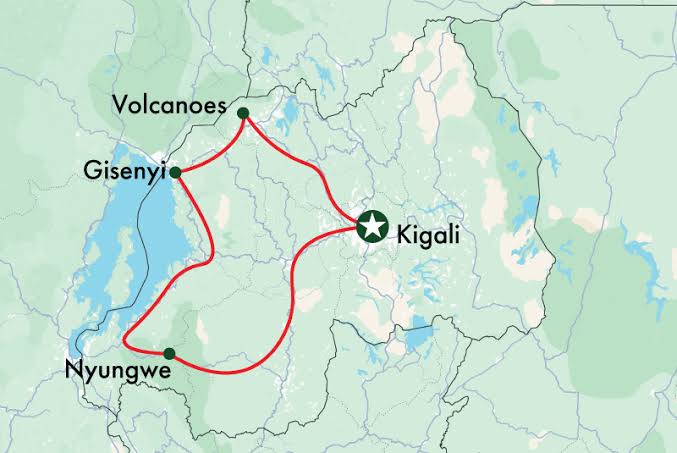
“Road routes linking Kigali with Volcanoes
Rwanda route maps help travelers understand how the country’s national parks, cities, lakes and major safari destinations connect. Although Rwanda is relatively compact, actual travel times depend on traffic, weather, road conditions, sightseeing stops and the exact location of the selected safari lodge.
Kigali is the main starting point for most Rwanda safaris because it contains Kigali International Airport and provides convenient road connections to Volcanoes National Park, Akagera National Park, Nyungwe Forest National Park and Lake Kivu. Travelers planning a complete journey can connect these destinations through a carefully organized Rwanda national parks safari.
The Rwanda route maps below show the main road connections used for gorilla trekking safaris, wildlife tours, chimpanzee trekking journeys, cultural experiences and Lake Kivu holidays. The maps stretch across the full browser width, while the route-information tables automatically transform into mobile-friendly cards on smaller screens.
Kigali to Volcanoes National Park Route Map
The Kigali to Volcanoes National Park route is one of the most frequently used tourism routes in Rwanda. It connects Kigali and Kigali International Airport with Musanze and the volcanic highlands of northwestern Rwanda. Volcanoes National Park is the country’s leading destination for mountain gorilla trekking, golden monkey tracking, volcano hiking and conservation-related experiences.
The drive generally follows the Kigali–Musanze road through Rwanda’s rolling hills, cultivated valleys, trading centers and mountain scenery. The journey usually takes approximately two to three hours, depending on traffic, sightseeing stops and the location of the selected lodge.
Travelers undertaking gorilla trekking in Volcanoes National Park from Kigali should normally arrive in the Musanze area on the day before the trek. Gorilla trekking begins early in the morning, and attempting to drive from Kigali on the same day can create unnecessary pressure and increase the risk of arriving late.
| Starting Point | Destination | Approximate Travel Time | Recommended Route | Route Experience | Main Activities |
|---|---|---|---|---|---|
| Kigali or Kigali International Airport | Volcanoes National Park and Musanze | Approximately 2–3 hours | Kigali–Rulindo–Gakenke–Musanze–Volcanoes National Park | A scenic drive through Rwanda’s rolling hills, farming communities, valleys and mountainous northern countryside. | Gorilla trekking, golden monkey tracking, Mount Bisoke hiking, Mount Karisimbi climbing and cultural experiences. |
Kigali to Akagera National Park Route Map
The Kigali to Akagera National Park route connects Rwanda’s capital with the country’s principal savannah wildlife destination. The journey heads east through Rwamagana and Kayonza before continuing toward the park entrance and nearby safari lodges.
Akagera National Park protects savannah, woodland, wetlands, lakes and rolling hills. Visitors can search for lions, leopards, elephants, buffaloes, rhinos, giraffes, zebras, hippos, crocodiles and numerous antelope species.
The drive usually takes approximately two and a half to three hours, although the final journey time depends on Kigali traffic, road stops and the exact location of the accommodation. Travelers can follow this route during an Akagera wildlife safari from Kigali.
| Starting Point | Destination | Approximate Travel Time | Recommended Route | Road Experience | Main Activities |
|---|---|---|---|---|---|
| Kigali or Kigali International Airport | Akagera National Park | Approximately 2½–3 hours | Kigali–Rwamagana–Kayonza–Akagera National Park | A mostly paved eastbound journey followed by access roads leading toward the national park and safari lodges. | Game drives, Big Five viewing, Lake Ihema boat safaris, bird watching and night game drives. |
Kigali to Nyungwe Forest National Park Route Map
The Kigali to Nyungwe Forest National Park route travels through southern Rwanda and provides one of the country’s most culturally and scenically rewarding road journeys. The route commonly passes through Muhanga, Nyanza and Huye before continuing through tea-growing landscapes toward Nyungwe Forest.
The journey normally takes approximately five to six hours without lengthy sightseeing stops. Visitors may stop at the King’s Palace Museum in Nyanza, the Ethnographic Museum in Huye, local markets, tea plantations or scenic viewpoints overlooking Rwanda’s hills.
Nyungwe Forest National Park is renowned for chimpanzee trekking, colobus monkey tracking, bird watching, waterfall hikes and the canopy walkway. Travelers should review what to know before chimpanzee trekking in Nyungwe National Park before confirming their travel dates and accommodation.
| Starting Point | Destination | Approximate Travel Time | Recommended Route | Route Highlights | Main Activities |
|---|---|---|---|---|---|
| Kigali or Kigali International Airport | Nyungwe Forest National Park | Approximately 5–6 hours | Kigali–Muhanga–Nyanza–Huye–Nyungwe Forest | Museums, royal history, rural landscapes, tea plantations, mountain scenery and southern Rwanda’s cultural attractions. | Chimpanzee trekking, canopy walking, colobus monkey tracking, bird watching and forest hiking. |
Kigali to Lake Kivu Route Map
The Kigali to Lake Kivu route can lead to several lakeside destinations, including Gisenyi, Kibuye and Rusizi. The best route depends on the traveler’s wider safari itinerary and the region of Lake Kivu they want to visit.
Gisenyi is commonly combined with Volcanoes National Park, Kibuye is popular for its scenic hills and islands, while Rusizi provides a convenient connection with Nyungwe Forest National Park. Travel times therefore vary considerably depending on the selected destination.
Lake Kivu offers boat cruises, kayaking, swimming, cycling, island excursions, coffee experiences and relaxing lakeside accommodation. Visitors can explore the best things to do at Lake Kivu when deciding which town to include.
| Starting Point | Destination Options | Approximate Travel Time | Route Experience | Recommended Combination | Main Activities |
|---|---|---|---|---|---|
| Kigali or Kigali International Airport | Gisenyi, Kibuye or Rusizi | Approximately 3–6 hours depending on the selected town | A scenic road journey through Rwanda’s hills, rural communities, cultivated landscapes and western highlands. | Gisenyi with Volcanoes National Park, Kibuye with the Congo Nile Trail and Rusizi with Nyungwe Forest. | Boat cruises, kayaking, swimming, cycling, island visits, coffee tours and lakeside relaxation. |
Volcanoes National Park to Lake Kivu Route Map
The Volcanoes National Park to Lake Kivu route is ideal for travelers who want to relax beside the lake after gorilla trekking, golden monkey tracking or volcano hiking. The most frequently used connection runs from Musanze to Gisenyi on the northern shores of Lake Kivu.
This transfer is shorter than many other Rwanda safari routes and passes through farms, villages and the hilly countryside of northwestern Rwanda. Visitors can reach Lake Kivu in time for an afternoon boat trip, a relaxed lodge stay or sunset views across the water.
The route fits naturally into a Volcanoes, Nyungwe and Lake Kivu safari and reduces the need to return to Kigali between destinations.
| Starting Point | Destination | Approximate Travel Time | Route Experience | Recommended For | Main Activities |
|---|---|---|---|---|---|
| Volcanoes National Park or Musanze | Gisenyi and northern Lake Kivu | Approximately 1½–2 hours | A relatively short journey through farms, communities and the scenic northwestern highlands. | Post-trekking relaxation, honeymoon travel, family safaris and lakeside extensions. | Boat cruises, kayaking, swimming, island visits, coffee tours and sunset experiences. |
Lake Kivu to Nyungwe Forest National Park Route Map
The Lake Kivu to Nyungwe Forest National Park route follows Rwanda’s scenic western region. The exact journey depends on whether the traveler begins in Gisenyi, Kibuye or Rusizi.
Kibuye and Rusizi provide more convenient connections to Nyungwe than Gisenyi because they are located farther south. Travelers beginning in Gisenyi should expect a long transfer and may choose to break the journey in Kibuye.
The route combines lake views, winding mountain roads, tea plantations and rural communities. A Nyungwe and Lake Kivu safari can provide enough time for forest activities and lakeside relaxation.
| Starting Point | Destination | Approximate Travel Time | Route Considerations | Landscape Experience | Main Activities |
|---|---|---|---|---|---|
| Gisenyi, Kibuye or Rusizi | Nyungwe Forest National Park | Varies according to the selected Lake Kivu town | Gisenyi requires a long southbound transfer, while Kibuye and Rusizi provide more convenient access. | Lake views, mountain roads, tea plantations, rural settlements and forested hills. | Chimpanzee trekking, canopy walks, colobus monkey tracking, bird watching and forest hiking. |
Akagera National Park to Volcanoes National Park Route Map
The Akagera National Park to Volcanoes National Park route connects Rwanda’s eastern savannah with its northwestern mountain-gorilla destination. This route allows travelers to experience Big Five wildlife viewing and mountain gorilla trekking within one itinerary.
The journey usually passes through Kigali or roads around the capital before continuing northwest toward Musanze. It is a long transfer, and travelers should avoid scheduling gorilla trekking on the same day.
Visitors can combine both destinations through a Rwanda gorilla and wildlife safari that provides enough time for Akagera game drives and Volcanoes National Park activities.
| Starting Point | Destination | Approximate Travel Time | Route Experience | Planning Advice | Safari Combination |
|---|---|---|---|---|---|
| Akagera National Park | Volcanoes National Park | Approximately 5–7 hours depending on stops and lodge locations | A cross-country transfer from eastern savannah landscapes through central Rwanda toward the northern highlands. | Use the day as a transfer day and arrive near Volcanoes National Park before evening. | Big Five game viewing, boat safaris, gorilla trekking, golden monkey tracking and volcano hiking. |
Akagera National Park to Nyungwe Forest National Park Route Map
The Akagera National Park to Nyungwe Forest National Park route links Rwanda’s eastern savannah ecosystem with its southwestern rainforest. It is one of the longest direct transfers used during a complete Rwanda safari.
The journey normally passes through Kigali or central Rwanda before continuing south through Muhanga, Nyanza and Huye. Travelers should allocate an entire transfer day and avoid adding a major park activity to the same schedule.
The route allows visitors to move from Big Five game drives and Lake Ihema boat safaris into chimpanzee trekking, colobus monkey tracking and canopy walking. A combined Akagera and Nyungwe safari should include sufficient time for both activities and travel.
| Starting Point | Destination | Approximate Travel Time | Route Considerations | Recommended Schedule | Main Experiences |
|---|---|---|---|---|---|
| Akagera National Park | Nyungwe Forest National Park | Approximately 7–9 hours depending on stops and road conditions | This is a long cross-country transfer requiring an early departure and suitable rest stops. | Use a full transfer day and avoid scheduling chimpanzee trekking on the same day. | Big Five wildlife viewing, chimpanzee trekking, canopy walking, bird watching and forest exploration. |
Complete Rwanda National Parks Circuit Route Map
The complete Rwanda national parks circuit connects Kigali, Akagera National Park, Nyungwe Forest National Park, Lake Kivu and Volcanoes National Park. The circuit can be followed in either direction depending on permit dates, lodge availability and international flight arrangements.
One practical route begins in Kigali, travels east to Akagera, returns through central Rwanda and continues south to Nyungwe. It then follows western Rwanda through Lake Kivu before reaching Volcanoes National Park and returning to Kigali.
A complete circuit requires sufficient time. Travelers should avoid attempting all the major destinations in fewer than seven days. A journey of ten days or more provides a more comfortable experience with enough time for game drives, chimpanzee trekking, gorilla trekking, cultural stops and Lake Kivu activities.
| Route Stage | Principal Destination | Main Experience | Recommended Stay | Planning Consideration |
|---|---|---|---|---|
| Kigali to Akagera | Akagera National Park | Game drives, Big Five viewing and Lake Ihema boat safaris | At least 1–2 nights | Enter the park early enough to maximize wildlife-viewing time. |
| Akagera to Nyungwe | Nyungwe Forest National Park | Chimpanzee trekking, canopy walking and forest birding | At least 2–3 nights | Allow a full day for the long transfer across Rwanda. |
| Nyungwe to Lake Kivu | Lake Kivu | Boat cruises, kayaking, coffee tours and relaxation | At least 1–2 nights | Select Rusizi, Kibuye or Gisenyi according to the onward route. |
| Lake Kivu to Volcanoes | Volcanoes National Park | Gorilla trekking, golden monkey tracking and volcano hiking | At least 2–3 nights | Arrive before the evening preceding the scheduled gorilla trek. |
| Volcanoes to Kigali | Kigali | City tours, memorial sites, shopping and international departure | One night when required by flight timing | Allow sufficient time for traffic before an international flight. |
Best Time to Follow Rwanda Safari Routes
The dry seasons from June to September and December to February generally provide the easiest conditions for road travel in Rwanda. Major highways are paved, but national park tracks, rural roads and lodge access routes can become muddy during heavy rainfall.
The rainy seasons from March to May and October to November remain suitable for road safaris when travelers use an appropriate vehicle and experienced driver-guide. Additional travel time should be included because rain, fog and wet roads can reduce driving speeds.
Travelers deciding when to complete these journeys can review the best time to visit Rwanda according to weather, trekking conditions, wildlife viewing and personal travel interests.
Vehicles Recommended for Rwanda Safari Routes
A reliable four-wheel-drive safari vehicle is recommended for national park travel. Although many intercity highways are paved, wildlife-viewing tracks in Akagera, forest access roads and routes leading to remote lodges may be rough, dusty or muddy.
A safari vehicle with sufficient luggage space, comfortable seating and wide windows improves long transfers and wildlife viewing. Travelers undertaking a luxury journey may choose an extended four-wheel-drive vehicle with charging points, a refrigerator and an opening roof for game drives.
Self-driving may be possible on selected routes, but first-time visitors often benefit from an experienced local driver-guide. A professional guide understands national park procedures, changing road conditions, alternative routes and realistic journey times.
Planning a Rwanda Safari Using Route Maps
Rwanda route maps should be used together with permit dates, lodge locations and activity schedules. Gorilla trekking, chimpanzee trekking and other permit-controlled experiences normally begin early in the morning, making it important to sleep near the relevant park on the previous night.
Travelers should avoid relying only on the journey time displayed by an online map. Mountain roads, town traffic, photography stops, cultural visits and lodge access tracks can make the actual transfer longer than the initial estimate.
A well-designed Rwanda itinerary should minimize repeated routes and unnecessary returns to Kigali. Connecting Akagera, Nyungwe, Lake Kivu and Volcanoes National Park in a logical circuit reduces driving time and allows visitors to experience more of Rwanda’s landscapes.
Summary of Rwanda Route Maps
Rwanda’s main tourism routes connect Kigali with Volcanoes National Park, Akagera National Park, Nyungwe Forest National Park and Lake Kivu. Kigali to Volcanoes and Kigali to Akagera are relatively manageable transfers, while Kigali to Nyungwe and the direct journey between Akagera and Nyungwe require considerably more time.
Volcanoes National Park combines naturally with Gisenyi and northern Lake Kivu, while Nyungwe connects conveniently with Rusizi and the southern Lake Kivu region. Travelers completing a national parks circuit can include Akagera, Nyungwe, Lake Kivu and Volcanoes without returning to Kigali after every destination.
Using these full-width Rwanda route maps allows travelers to compare destinations, understand transfer requirements and build an itinerary with realistic travel days. Final routes should always be confirmed according to current road conditions, permit availability, accommodation locations and the professional advice of the selected safari operator.
Conclusion: Choosing the Best Time to Visit Rwanda
The best time to visit Rwanda depends on the experiences you want to enjoy, your preferred weather conditions, your budget and your tolerance for crowds. Rwanda is a year-round destination, meaning travelers can enjoy mountain gorilla trekking, chimpanzee tracking, wildlife safaris, bird watching, cultural tours, volcano hiking and Lake Kivu holidays during every month of the year.
The long dry season from June to September is generally considered the best time to visit Rwanda for first-time travelers, gorilla trekkers, wildlife enthusiasts and visitors planning a complete national parks circuit. These months normally provide lower rainfall, more manageable forest trails, better road conditions and excellent wildlife visibility in Akagera National Park.
The shorter dry season from December to February is another excellent period for visiting Rwanda. January and February frequently provide favorable conditions for gorilla trekking, chimpanzee tracking, volcano hiking, game drives and Lake Kivu activities. The countryside often remains green after the short rains, creating attractive scenery for photography.
Travelers interested in wildlife viewing should generally consider June, July, August and September. During these months, vegetation in Akagera National Park becomes shorter, and animals may gather near permanent water sources. This can improve opportunities to observe elephants, buffaloes, lions, rhinos, giraffes, zebras, antelopes and other wildlife.
For travelers whose main priority is mountain gorilla trekking, the dry periods from June to September and December to February usually provide the most manageable conditions. However, gorilla trekking in Volcanoes National Park operates throughout the year, and rainy-season visits can provide quieter trekking areas, lush forest scenery and atmospheric photography.
Visitors planning gorilla trekking in Volcanoes National Park should remember that mountain weather remains unpredictable. Rain can occur during any month, and the forest floor may remain wet even after several dry days. Waterproof hiking boots, a rain jacket, long trousers and gardening gloves are therefore essential throughout the year.
Best Time to Visit Rwanda for Dry Weather
The best time to visit Rwanda for dry weather is generally from June to September and from December to February. July and August are commonly among the driest and most popular months, while January and February provide another reliable travel window.
Dry-season conditions make it easier to undertake outdoor activities such as gorilla trekking, chimpanzee trekking, golden monkey tracking, volcano hiking, forest walks, game drives, boat safaris and city tours. Roads and national park access tracks are also generally easier to navigate.
Travelers researching when to visit Rwanda should understand that dry weather is never guaranteed. Volcanoes National Park, Nyungwe Forest and Rwanda’s other highland regions can receive showers throughout the year.
Best Time to Visit Rwanda for Gorilla Trekking

The most popular time for gorilla trekking in Rwanda is during the dry seasons. June, July, August, September, January and February generally offer firmer trails and fewer prolonged rain showers.
July and August attract strong demand because they coincide with international holiday periods. Gorilla permits, premium lodges and experienced safari guides may become unavailable when reservations are delayed. Travelers planning to visit during these months should therefore book well in advance.
Rainy-season gorilla trekking remains possible during March, April, May, October and November. Trails may be muddy and physically demanding, but the rainforest becomes exceptionally green and visitor numbers are generally lower.
A detailed month-by-month gorilla trekking guide can help travelers compare trail conditions, rainfall, visitor demand and photography opportunities.
Best Time to Visit Rwanda for Chimpanzee Trekking
Chimpanzee trekking in Nyungwe Forest National Park is available throughout the year. The dry seasons are usually preferred because trails may be less slippery and visitors can move more comfortably through the forest.
The rainy months can also offer rewarding chimpanzee experiences. Seasonal food availability may influence where chimpanzees move and feed, although wildlife movements can never be guaranteed.
Visitors planning chimpanzee trekking in Nyungwe Forest should prepare for steep terrain, changing weather and potentially long walks regardless of the selected month.
Best Time to Visit Rwanda for Wildlife Safaris
The long dry season from June to September is generally the best time for wildlife safaris in Akagera National Park. Animals may gather around lakes, wetlands and permanent water sources, while shorter vegetation improves visibility.
July, August and September are particularly suitable for visitors hoping to observe Rwanda’s Big Five. However, lions, leopards, elephants, buffaloes and rhinos are wild animals, and sightings of every species can never be guaranteed.
The short dry season from December to February also provides favorable game-viewing conditions. The park may appear greener than it does during the later part of the long dry season, making January and February attractive to wildlife photographers.
Travelers can explore the best time to visit Akagera National Park before selecting game-drive dates and accommodation.
Best Time to Visit Rwanda for Bird Watching
Rwanda offers rewarding bird watching throughout the year, but the rainy seasons can be especially productive. March to May and October to November bring green habitats, flowering vegetation, increased insect activity and favorable feeding conditions.
Nyungwe Forest is particularly important for Albertine Rift species, while Akagera supports savannah, woodland, wetland and aquatic birds. Volcanoes National Park provides mountain and bamboo-forest habitats, and Lake Kivu supports additional water-associated species.
A dedicated Rwanda birding safari should include several habitats and enough time for early morning excursions. Birders who prioritize easier trails may still prefer the dry seasons.
Best Time to Visit Rwanda for Photography
The best time to visit Rwanda for photography depends on the desired landscape and atmosphere. Rainy-season months create green hills, dramatic clouds, misty mountains, powerful waterfalls and richly colored forests.
March, April, May, October and November are especially attractive for landscape and rainforest photography. June can offer an excellent compromise because the countryside often remains green while rainfall begins decreasing.
July through September provides strong wildlife-photography opportunities in Akagera National Park. Animals may become easier to locate, while dry savannah vegetation creates warm and traditional safari backgrounds.
January and February can combine relatively dry weather with green post-rain landscapes, making these months suitable for travelers who want both favorable outdoor conditions and vibrant scenery.
Best Time to Visit Rwanda for Hiking
The dry seasons are generally the best time for hiking Mount Bisoke, Mount Karisimbi, the Dian Fossey Tomb trail and other mountain routes. Reduced rainfall can make steep paths more manageable and improve the possibility of clear views.
Mountain weather remains unpredictable, and hikers should carry waterproof clothing and warm layers during every month. Trails can remain muddy because of the high altitude, forest moisture and overnight rainfall.
Travelers interested in combining activities can consider a volcano hiking and gorilla trekking safari. Adequate rest should be included between physically demanding experiences.
Best Time to Visit Rwanda for Lake Kivu
Lake Kivu can be visited throughout the year, but June to September and December to February provide the most reliable conditions for boat cruises, kayaking, swimming, cycling and outdoor relaxation.
The lake is commonly included after gorilla trekking or chimpanzee trekking. Visitors can choose Gisenyi, Kibuye or Rusizi according to the direction of their wider Rwanda itinerary.
The rainy months remain suitable for relaxed lodge stays, coffee experiences and photography. Outdoor activities may require flexible scheduling when strong winds, heavy showers or thunderstorms affect conditions on the water.
Travelers can review the best activities around Lake Kivu before deciding how many nights to spend beside the lake.
Best Time to Visit Rwanda for Fewer Crowds
Travelers who want fewer visitors should consider March, April, May, October and November. These rainy-season months normally receive lower international tourism demand than July, August and the festive period.
February, early June and September may also provide a useful balance between favorable weather and manageable visitor numbers. Conditions vary from year to year, but these shoulder periods can be attractive to flexible travelers.
Lower visitor numbers may create quieter lodges, less crowded trailheads and a more relaxed safari atmosphere. Gorilla and chimpanzee permits should still be booked in advance because daily availability remains limited.
Best Time to Visit Rwanda for Budget Travel
The rainy seasons may provide better value for budget-conscious travelers because accommodation demand is generally lower. Some lodges may introduce seasonal offers, flexible stay requirements or discounted room rates.
However, travelers should not assume that every safari expense becomes cheaper. Gorilla permits, chimpanzee permits, park entrance charges, vehicle hire, fuel and professional guiding may remain similar throughout the year.
A cost-effective Rwanda safari should use an efficient route, reduce unnecessary transfers and select accommodation according to location as well as price. A cheaper lodge located far from an activity may increase fuel costs and travel time.
Best Time to Visit Rwanda for Luxury Travel
Luxury Rwanda safaris operate throughout the year. The dry seasons are the most popular because they provide generally favorable conditions for private trekking, game drives, helicopter transfers, outdoor dining and lodge activities.
July, August and late December attract strong demand at Rwanda’s most exclusive lodges. Travelers requiring specific suites, villas or private services should reserve well in advance.
The rainy season can also provide an excellent luxury experience. Premium lodges may feel quieter, room availability may improve and dramatic green scenery can create a highly private and atmospheric journey.
Travelers can review a Rwanda luxury safari guide when selecting accommodation, transport and exclusive activities.
Best Time to Visit Rwanda for Families
Families generally find the dry seasons easier because road travel is more predictable and outdoor activities experience fewer weather interruptions. June to September and December to February are therefore suitable for family holidays.
Akagera game drives, Lake Ihema boat safaris, Kigali city tours, Lake Kivu activities and cultural experiences can be suitable for families. Age restrictions apply to gorilla trekking, chimpanzee trekking and some physically demanding activities.
Families traveling during July, August or the festive season should reserve accommodation and transport early. An itinerary with reasonable transfer times and rest periods will be more enjoyable than a rushed schedule covering too many destinations.
Planning Your Rwanda Safari According to the Season
Travelers should begin planning by identifying their main priority. Gorilla trekkers may focus on the dry seasons, wildlife enthusiasts may choose June to September, while bird watchers and landscape photographers may prefer the greener rainy months.
The next consideration should be physical fitness. Muddy forest trails can make rainy-season gorilla trekking, chimpanzee tracking and volcano hiking considerably more difficult. Visitors with mobility concerns may find dry-season conditions more manageable.
Budget, visitor numbers and accommodation availability should also influence the final travel dates. Peak dry-season months provide popular weather conditions but may involve stronger demand and higher lodge prices.
Permit-controlled activities should be booked before confirming non-refundable international flights whenever possible. Gorilla and chimpanzee permits are limited, and the preferred dates may not remain available during peak periods.
How Many Days Are Needed for a Rwanda Safari?
The ideal number of days depends on the destinations and activities included. A short three-day journey may focus on Volcanoes National Park and gorilla trekking, while a four- or five-day itinerary can combine gorillas with Lake Kivu or Akagera National Park.
A journey of seven to ten days allows visitors to combine Kigali, Akagera National Park, Volcanoes National Park and Lake Kivu at a more comfortable pace. Travelers adding Nyungwe Forest National Park should allow sufficient time for the long road transfers.
A complete national parks circuit may require ten days or longer. This provides enough time for wildlife viewing, chimpanzee trekking, gorilla trekking, cultural visits, scenic stops and relaxation without making every day a long transfer.
Travelers considering several destinations can explore how to organize a Nyungwe, Volcanoes and Akagera safari.
Why Rwanda Is a Year-Round Safari Destination
Rwanda’s main attractions remain accessible throughout the year. Mountain gorillas do not migrate out of Volcanoes National Park during the rainy season, chimpanzees remain in Nyungwe Forest and wildlife continues living within Akagera National Park.
Every season offers a different advantage. Dry months provide generally favorable outdoor conditions, while rainy months create green scenery, fewer visitors and excellent birding opportunities.
Kigali’s museums, memorial sites, markets, restaurants and cultural centers remain accessible in every season. Lake Kivu also provides year-round accommodation and relaxation, although individual water activities depend on current weather conditions.
This year-round diversity means the best time to visit Rwanda is ultimately the period that matches the traveler’s personal interests, schedule and expectations.
Important Rwanda Safari Booking Advice
Travelers planning to visit during June, July, August, September, December or January should book early. These months attract strong demand for gorilla permits, premium accommodation, safari vehicles and experienced guides.
International flights should be coordinated carefully with permit dates and lodge availability. Travelers should avoid arriving in Rwanda on the morning of a scheduled gorilla or chimpanzee trek.
Travel insurance should cover medical emergencies, trip interruption, delayed flights, lost luggage and the activities included in the itinerary. Visitors should review the terms carefully because gorilla and chimpanzee permits may be non-refundable.
A professional safari operator can arrange permits, accommodation, transport, park activities and airport transfers while ensuring that the itinerary uses realistic routes and travel times.
Plan Your Rwanda Safari with Safari Vacations and Travel Services
Planning the best time to visit Rwanda requires more than selecting a month with favorable weather. Travelers must also consider gorilla permit availability, accommodation demand, national park routes, activity schedules, road transfers and the amount of time required in each destination.
Safari Vacations and Travel Services can help travelers design a personalized Rwanda safari based on their preferred travel dates, budget, accommodation category and desired activities. The journey can include mountain gorilla trekking in Volcanoes National Park, chimpanzee tracking in Nyungwe Forest, Big Five wildlife viewing in Akagera National Park, Kigali cultural experiences and relaxation beside Lake Kivu.
Each Rwanda safari can be designed for solo travelers, couples, honeymooners, families, private groups, photographers, bird watchers and luxury visitors. The itinerary should reflect the traveler’s fitness level, available time and expectations rather than following an unrealistic standard route.
Engaging Safari Vacations and Travel Services provides access to professional itinerary planning, permit guidance, suitable safari vehicles, knowledgeable driver-guides and carefully selected accommodation. This support helps travelers avoid unnecessary transfers and make the most of every day in Rwanda.
Final Thoughts on the Best Time to Visit Rwanda
The long dry season from June to September remains the most popular time to visit Rwanda for gorilla trekking, wildlife viewing, hiking and multi-destination road safaris. The short dry season from December to February provides another excellent opportunity for outdoor adventures and green landscape photography.
The rainy seasons from March to May and October to November should not be overlooked. They offer lush scenery, productive bird watching, quieter destinations and memorable rainforest experiences for travelers who are prepared for mud and changing weather.
June, July, August and September are generally strongest for wildlife viewing in Akagera National Park. June to September and December to February provide the most manageable gorilla trekking conditions, while the rainy months can be especially rewarding for photographers, birders and travelers seeking fewer crowds.
Regardless of the selected month, Rwanda offers remarkable wildlife, welcoming communities, beautiful landscapes and some of Africa’s most memorable primate encounters. With proper preparation and a carefully designed itinerary, every season can become the best time to visit Rwanda.
Travelers ready to experience the Land of a Thousand Hills can engage Safari Vacations and Travel Services to organize a complete Rwanda safari that matches their preferred season, interests, budget and travel style.