
Is gorilla trekking in Uganda safe?

Is Gorilla Trekking in Uganda Safe? 11 Essential Safety Facts
Is gorilla trekking in Uganda safe? For travelers visiting established trekking areas with authorized guides, Uganda gorilla trekking is a highly managed wildlife experience, but it should never be described as completely risk-free. Treks in Bwindi Impenetrable National Park and Mgahinga Gorilla National Park take place with trained guides, trackers and ranger support. Visitors receive a safety briefing, remain with their assigned group and follow strict gorilla trekking rules designed to protect both people and mountain gorillas.
The important distinction is between a professionally organized gorilla tracking experience in Uganda and independent travel in sensitive border regions. Official travel advice can change, particularly because southwestern Uganda lies near the Democratic Republic of the Congo. Travelers should therefore use registered operators, follow Uganda Wildlife Authority instructions and recheck current government travel advice shortly before departure.

Is Gorilla Trekking in Uganda Safe Right Now?
For tourists, the answer requires more nuance than a simple yes or no. Uganda gorilla trekking operates in established tourism zones where visitors are accompanied by park personnel. Bwindi and Mgahinga are active national parks with organized trekking systems, and security personnel routinely accompany gorilla-tracking groups. However, government travel advisories also warn that security conditions around western Uganda and neighboring eastern DRC can change with limited notice.
That is why responsible gorilla trekking safety Uganda planning starts before you enter the forest. Avoid itineraries that unexpectedly cross into the Democratic Republic of the Congo, confirm your route with your operator, and ask for current information immediately before traveling to the park. Visitors planning gorilla trekking in Bwindi should also know their exact trekking sector because Bwindi is large and road transfers between sectors can take considerable time.
Official foreign-government guidance currently notes that security personnel normally accompany tourists trekking in Bwindi and Mgahinga and advises travelers to use reputable operators and obtain current local information. This does not mean every part of Uganda carries the same risk. It means travelers should distinguish a managed national-park trek from independent travel near unstable international borders.
Want a Properly Organized Gorilla Trek?
Plan your permit, trekking sector, lodge and transfers together so your Uganda gorilla safari follows an established tourism route.
Email: info@ugandarwanda-safaris.com
How Gorilla Trekking Safety in Uganda Works
The structure of a trek is one reason Bwindi gorilla trekking safety is very different from simply walking into a forest containing wild gorillas. Tourists do not independently search for gorillas. Visitors report to an official trekking point, attend a briefing and enter the forest in organized groups accompanied by guides and rangers. Trackers monitor habituated gorilla families and help trekking teams locate them.
1. Rangers Accompany Gorilla Trekking Groups
Ranger presence is central to gorilla trekking safety Uganda. Rangers understand forest conditions, animal behavior and the routes used during the trek. They also communicate with trackers and provide instructions when the terrain, wildlife or weather requires a change of approach. Armed security personnel accompanying gorilla treks are also specifically noted in current international travel advice for southwestern Uganda.
Follow their instructions even when a request seems overly cautious. If a ranger asks the group to stop, change direction, lower voices or remain together, there is usually a practical reason. Your gorilla tracking information and pre-trek briefing should be treated as part of the experience rather than a formality.
2. Tourists Visit Habituated Gorilla Families
Visitors are assigned to gorilla families that have undergone habituation, a long process through which researchers and conservation teams gradually familiarize wild gorillas with carefully controlled human presence. Habituation does not turn gorillas into pets or domesticated animals. They remain powerful wild primates, which is precisely why the gorilla trekking rules remain important.
Travelers interested in how this process differs from an ordinary trek can read about the gorilla habituation experience. Regardless of the activity, tourists must never assume that familiarity with people makes a gorilla predictable in every circumstance.
3. Visitor Numbers Are Controlled
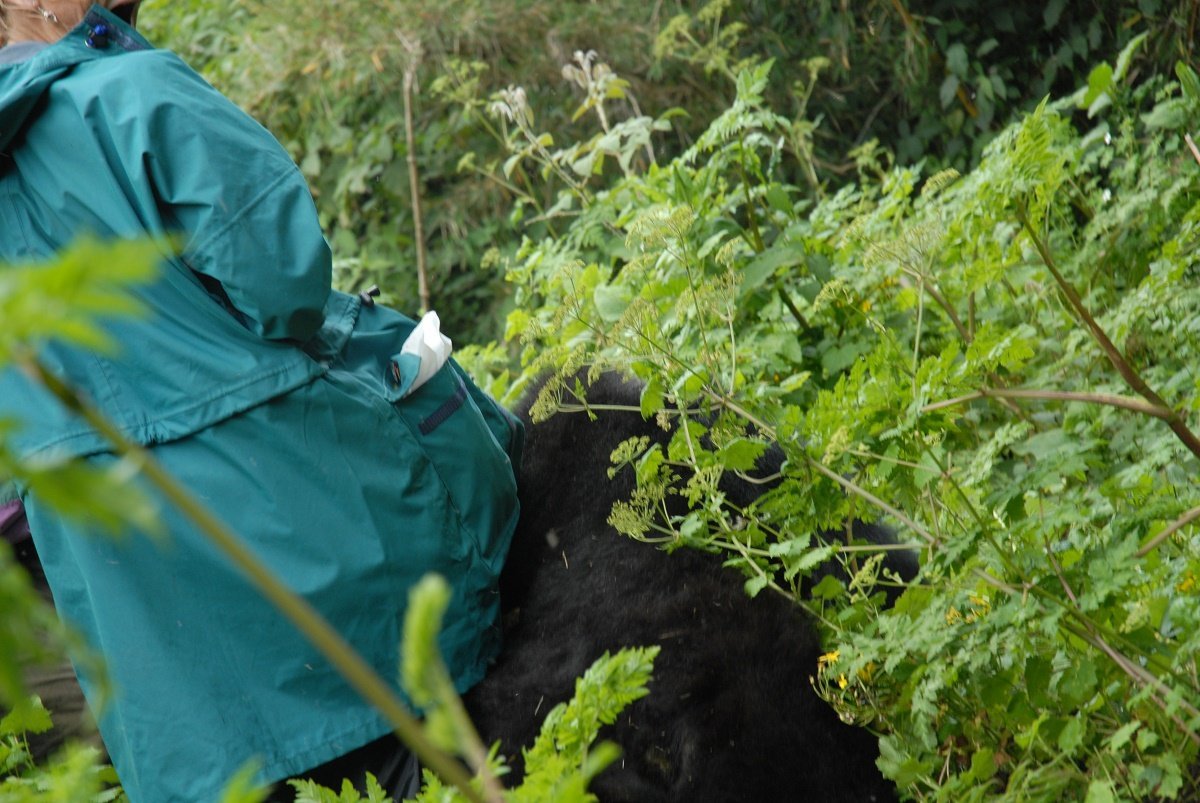
Uganda’s trekking system uses permits to control access to gorilla families. This helps reduce crowding and limits repeated human exposure. A Uganda gorilla trekking permit therefore does more than reserve a place: it is part of the controlled tourism framework surrounding the encounter.
Travelers should secure permits through legitimate channels and confirm the park, date and trekking sector. Understanding gorilla tracking permit allocation also prevents a common planning problem: booking accommodation far from the sector where your permit is registered.
Are Mountain Gorillas Dangerous to Tourists?
Mountain gorillas are exceptionally powerful wild animals, so no responsible guide should describe them as harmless. Yet the gorillas encountered on official treks are habituated to controlled human observation, and visitors are taught how to behave around them. The practical foundation of Uganda gorilla trekking is not that gorillas are incapable of causing harm; it is that human behavior and visitor access are carefully managed.
A silverback may vocalize, move suddenly, display or approach closer than a visitor expects. Your job is not to interpret the behavior yourself. Remain calm and obey the ranger. Do not run, scream, reach toward a gorilla or attempt to take a dramatic close-range selfie. Travelers specifically interested in these impressive adult males can learn more about silverback gorilla tracking before departure.
What if a Gorilla Approaches You?
Sometimes a gorilla can reduce the intended viewing distance on its own. Do not move toward the animal simply because it has moved toward you. Follow your guide’s instructions, stay composed and allow trained personnel to manage the situation. The gorilla trekking rules exist to reduce disturbance and disease transmission as well as direct physical risk.
The Biggest Practical Risk: Difficult Forest Terrain
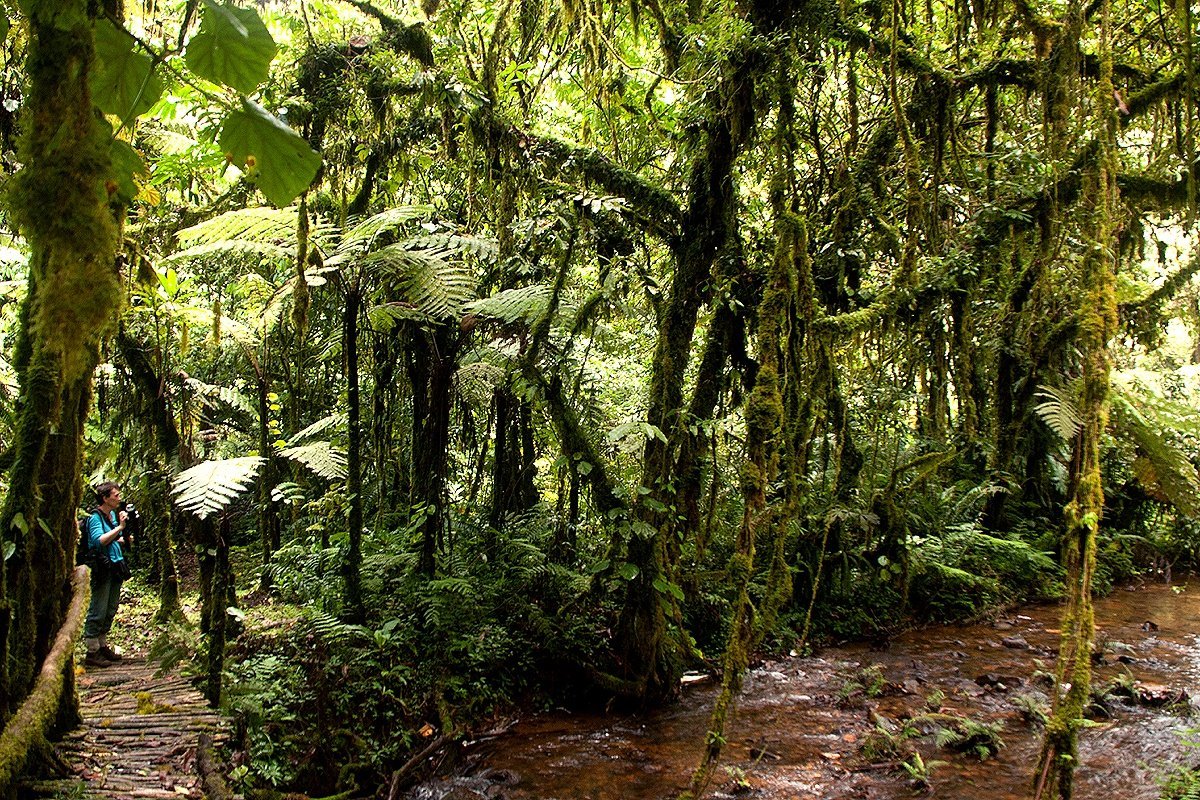
For many visitors asking is gorilla trekking in Uganda safe, the animal encounter receives all the attention. In practice, the physical trek deserves just as much preparation. Bwindi is mountainous rainforest. Trails and improvised forest routes can be steep, muddy, slippery and tangled with vegetation. A trek may be relatively short or require hours of hiking depending on the gorillas’ location.
Fitness therefore contributes directly to Bwindi gorilla trekking safety. You do not need to be an elite athlete, but preparing for hills and uneven ground can make the day more comfortable. Read about gorilla trekking fitness and be realistic about mobility limitations before selecting your trek.
Good footwear is particularly important. Shoes should have useful traction and should already be broken in before the trip. The right gorilla trekking boots can reduce slipping on muddy slopes, while long trousers and long sleeves help protect against vegetation and insects.
Hire a Porter Even if You Feel Fit
A porter can carry your daypack and may provide useful assistance on difficult slopes. Hiring one can preserve energy for the gorilla encounter while supporting local livelihoods. Older visitors or travelers worried about physical difficulty should discuss options in advance. There are specific considerations for gorilla tracking for elderly travelers, and the easiest available trek cannot be guaranteed because gorillas move freely.
It is also useful to understand how long gorilla trekking can take. Avoid scheduling a tight flight or long international connection immediately after the trek. Build breathing room into the itinerary.
Worried About Trek Difficulty?
Share your age, mobility concerns and preferred travel pace so the trekking sector, accommodation and transfers can be planned realistically.
Gorilla Trekking Rules That Keep Visitors Safe
Following the official gorilla trekking rules protects you, the group and the gorillas. Great apes can be susceptible to human illnesses, so health rules are also conservation rules. Your ranger briefing on the morning of the trek takes priority over anything you read online because procedures can be updated.
Stay with your group
Never leave the ranger-led group or wander through the forest independently.
Keep calm
Avoid shouting, running, sudden gestures or behavior that could disturb the gorillas.
Respect distance
Follow the current minimum-distance instructions even when a gorilla moves closer.
Protect gorilla health
Follow current mask, illness, hygiene and coughing instructions provided by park staff.
Age restrictions also apply. Families planning Uganda gorilla trekking should check eligibility before purchasing flights. Read the current gorilla tracking age limit before building a family itinerary around the trek.
Is Bwindi Impenetrable National Park Safe?
Bwindi gorilla trekking safety receives particular attention because Bwindi lies in southwestern Uganda near international borders. It is also Uganda’s best-known mountain gorilla destination and has an established tourism infrastructure involving park staff, trekking sectors, lodges, guides, porters and transfer services.
Visitors should understand the geography before traveling. Bwindi Impenetrable Forest is not one small entrance where every tourist begins. Trekking is organized from different sectors. Your permit, lodge and transfer route should correspond to the correct sector.
The Buhoma sector is one well-known base, while Rushaga, Nkuringo and Ruhija serve other trekking areas. Researching the gorilla sectors in Bwindi helps prevent unnecessary early-morning road journeys.

Is Gorilla Trekking in Mgahinga Safe?
The same core principles of gorilla trekking safety Uganda apply in Mgahinga: trek with authorized park personnel, remain with the group and obey current ranger instructions. Mgahinga Gorilla National Park occupies Uganda’s Virunga landscape close to Rwanda and DRC, making current route and security information especially important.
Mgahinga can appeal to travelers who want to combine mountain gorillas with volcano scenery or golden monkeys. If this park interests you, check the best time to visit Mgahinga and ask whether the current itinerary remains entirely within the established Ugandan tourism route.
Weather and Trail Safety
Rainforest weather can change quickly. Even in a relatively dry travel period, visitors should be prepared for rain, wet vegetation and slippery sections. Weather is therefore a significant part of Bwindi gorilla trekking safety. A lightweight waterproof layer, suitable footwear and clothing that protects the legs and arms are practical rather than optional luxuries.
Before choosing dates, compare the best time to trek mountain gorillas with your wider Uganda itinerary. You can also review weather conditions in Bwindi. Drier periods can make trails easier, but no month makes a tropical mountain forest completely predictable.
Health Safety for Gorilla Trekking
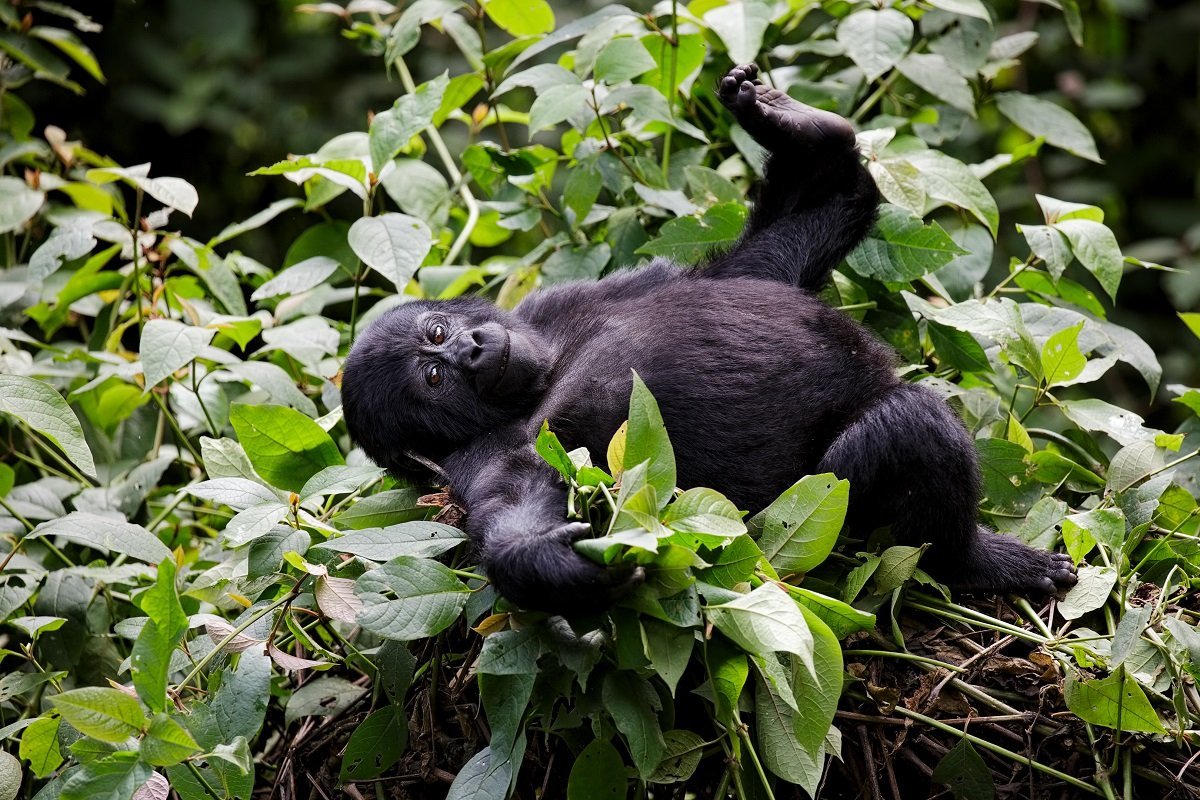
Health preparation has two sides: protecting the traveler and protecting the gorillas. Consult an appropriate travel-health professional well before departure for advice based on your medical history and itinerary. Do not rely on a blog for personalized vaccination, malaria or medication decisions.
At the gorilla encounter, follow all current health-related gorilla trekking rules. If you are ill, disclose it rather than attempting to hide symptoms after investing in an expensive trip. Respiratory illness is particularly important because close genetic relationships between humans and great apes create disease-transmission concerns.
Carry water and appropriate snacks for the trekking portion as instructed, but never eat beside the gorillas or offer food to wildlife. Insect protection and suitable clothing also matter. Knowing what to wear on a gorilla trek can prevent small problems such as scratches, wet clothing and uncomfortable footwear from dominating your day.
Road and Transfer Safety Before the Trek
A tourist asking is gorilla trekking in Uganda safe should consider the entire journey, not only the hour spent near gorillas. Bwindi and Mgahinga are remote from Uganda’s main international gateway at Entebbe. Road journeys can be long, and mountain roads near trekking areas require sensible driving.
Use an experienced driver, avoid unrealistic transfer schedules and confirm how your lodge connects to your trekking sector. Travelers who want to reduce long overland transfers can investigate a fly-in safari to Bwindi. Flights do not remove all road transfers, but they can substantially reduce driving time on a short itinerary.
Some visitors arrive through Kigali depending on current border, visa and itinerary arrangements. A gorilla trek from Kigali requires careful coordination of border formalities and driving time. Always check current entry requirements rather than relying on old itineraries found online.
Make Your Transfers Part of the Plan
Match your airport, trekking sector and lodge before paying deposits and avoid turning your gorilla day into an unnecessary road marathon.
How to Choose a Safe Gorilla Trekking Operator
A good operator should be able to explain exactly where you are trekking, how your permit is obtained, which lodge matches your trekking sector, who handles transfers and what happens if circumstances change. Vague answers are a warning sign. Professional Uganda gorilla trekking planning should make logistics more transparent, not more confusing.
Ask for a written itinerary and understand what is included. Verify the permit arrangements, accommodation, meals, transport and park-related services. Travelers comparing options can review established gorilla trekking tours before requesting a customized route.
Budget should not be confused with safety. A budget gorilla trekking safari can use simpler accommodation while still following official park procedures. Likewise, a luxury gorilla trekking safari may offer premium lodges and private transfers, but paying more does not exempt anyone from the same wildlife rules.
Uganda vs Rwanda: Does Safety Change the Choice?
Travelers often compare Uganda gorilla trekking with Rwanda. Both countries operate structured mountain-gorilla tourism, but the route, permit system, terrain, accommodation choices and wider itinerary differ. Safety should be assessed using current official advice for the exact route rather than assumptions about an entire country.
For a broader planning comparison, see Uganda vs Rwanda gorilla trekking and the guide to gorilla trekking in Uganda and Rwanda. Consider total trip design, not just the gorilla day.
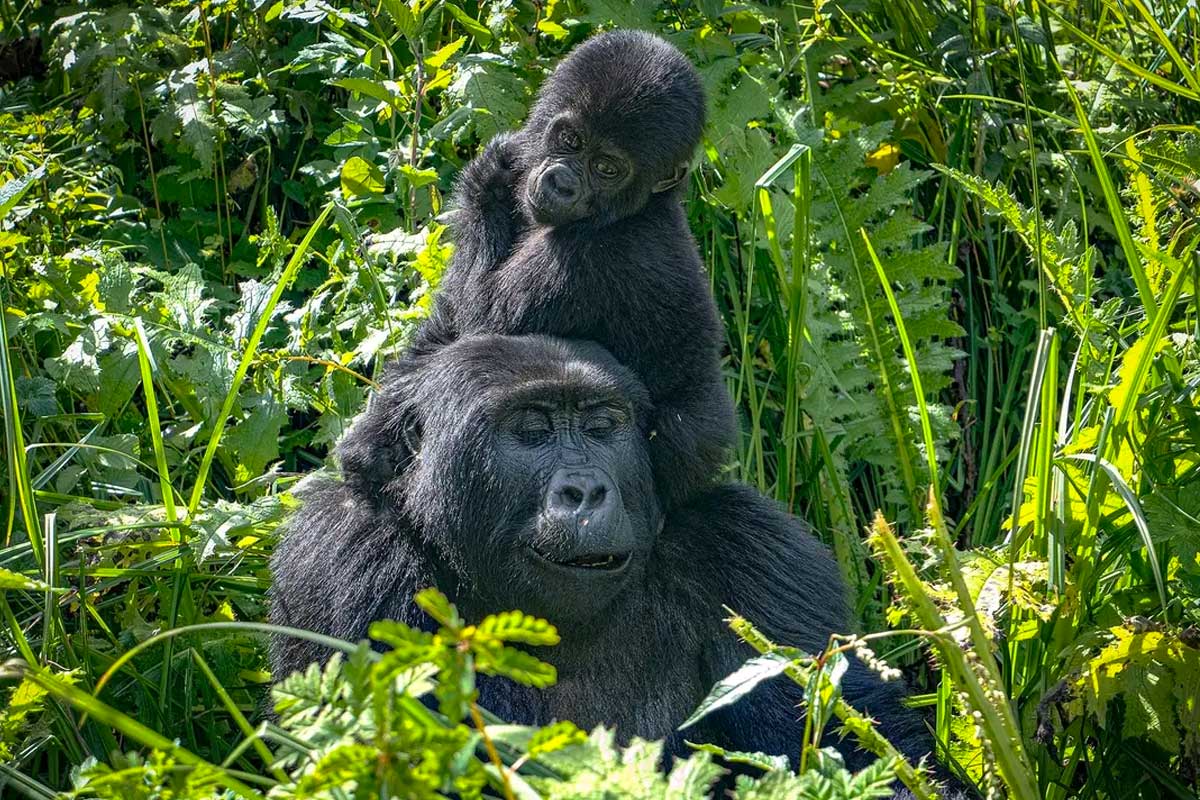
11 Safety Tips Before Gorilla Trekking in Uganda
1. Use an established operator. Your permits, trekking sector, accommodation and transfers should form one coherent itinerary.
2. Check official travel advice shortly before departure. Security information is time-sensitive, particularly around international border regions.
3. Never independently cross into DRC for a gorilla trek. Follow current government advice and remain on your confirmed itinerary.
4. Listen carefully during the ranger briefing. Current park instructions override advice from blogs or previous visitors.
5. Stay with your group. Do not leave the ranger-led party to take photographs or search for wildlife.
6. Wear proper hiking footwear. Mud, roots and steep slopes are among the most realistic hazards during a trek.
7. Hire a porter. The assistance can be extremely useful on difficult terrain and supports local employment.
8. Never touch or feed a gorilla. Follow all distance, photography, hygiene and behavior rules.
9. Be honest about illness. Gorilla health protection is a fundamental part of responsible trekking.
10. Buy appropriate travel insurance. Review medical treatment, evacuation, trekking activities and trip interruption rather than assuming every policy covers them.
11. Avoid rushed transfer days. Allow enough time between Entebbe, Kigali, regional airstrips, lodges and trekking sectors.
What Should You Pack for a Safer Trek?
Packing appropriately improves gorilla trekking safety Uganda because much of the challenge comes from the forest environment. Bring sturdy hiking shoes, long trousers, long sleeves, rain protection, drinking water, a comfortable daypack and any personal medication you may need. Gloves can be useful where vegetation is thick, and gaiters can help keep mud and insects away from the lower legs.
Keep the backpack reasonably light. A porter can carry equipment, but there is little benefit in taking unnecessary items into the forest. Cameras should be protected against rain and humidity. Flash should not be used around the gorillas. The goal is to remain mobile enough to follow the ranger safely while still enjoying the encounter.
Can Solo Travelers Trek Gorillas Safely?
Solo travelers can join an official trekking group; being a solo tourist does not mean walking into the forest alone. The more relevant solo-travel considerations concern transfers, accommodation and general travel outside the park. Arrange reliable transport, share your itinerary with someone you trust and use established lodges and operators.
A solo traveler may also find a short organized itinerary easier than coordinating each component independently. For example, a 3-day Uganda gorilla trekking safari can bundle the main transfers, accommodation and trek into one route.
Frequently Asked Questions About Uganda Gorilla Trekking Safety
Is gorilla trekking in Uganda safe for first-time visitors?
A professionally arranged trek is designed for ordinary tourists, including first-time visitors. You receive a briefing and trek with park personnel rather than entering the forest independently. Prepare for the physical challenge, follow the gorilla trekking rules and verify current travel advice before departure.
Do armed rangers accompany gorilla trekkers?
Security personnel routinely accompany gorilla-tracking visitors in the southwestern parks. Their presence forms part of the wider safety framework alongside guides, trackers and park procedures. Visitors should remain with the group and follow ranger instructions throughout the activity.
Can a gorilla attack a tourist?
Gorillas are powerful wild animals and should never be treated as harmless. Official trekking uses habituated families and controlled visitor behavior to reduce risk. Do not touch, chase, feed or provoke a gorilla. If an animal approaches or displays, follow the ranger rather than improvising your own response.
Is Bwindi gorilla trekking safety different in the rainy season?
The organized trekking procedures remain, but heavy rain can make steep trails muddier and more slippery. Appropriate footwear, rain gear, a porter and realistic fitness expectations become particularly useful during wetter conditions.
Is gorilla trekking safe for older tourists?
Age alone does not determine whether a trek is suitable. Mobility, cardiovascular fitness, balance, trail conditions and the gorillas’ location on that particular day all matter. Discuss physical limitations before booking and request realistic advice about trekking sectors and porter assistance.
Is the gorilla encounter itself the hardest part?
Usually the forest hike is more physically demanding than quietly observing the gorillas. Steep climbs, slippery descents, humidity and dense vegetation are reasons to prepare physically and wear suitable footwear.
How do I learn more before booking?
Review the site’s gorilla trekking frequently asked questions, then confirm time-sensitive information directly before travel. Permit conditions, border procedures, security advice and health requirements can change.
Final Safety Checklist Before You Leave
Travelers should also check current entry requirements. If your itinerary includes neighboring countries, read about the East African Tourist Visa while remembering that visa arrangements and eligibility can change. Verify official immigration information before travel.
So, Is Gorilla Trekking in Uganda Safe?
Is gorilla trekking in Uganda safe? The activity is conducted through a structured system of permits, briefings, ranger-led trekking, habituated gorilla families and controlled visitor behavior. For tourists following official procedures, the experience is very different from independently entering a remote forest. At the same time, responsible travelers should acknowledge genuine considerations including difficult terrain, changing weather, road travel, wildlife, health precautions and the regional security context near the DRC border.
Good gorilla trekking safety Uganda planning therefore combines two habits: trust the professional systems used inside the park, and independently verify time-sensitive travel information before departure. Choose an established operator, stay on recognized tourism routes, follow every ranger instruction and prepare properly for the physical trek.
Once those practical details are handled, Uganda gorilla trekking becomes what travelers actually come for: the opportunity to walk through a remarkable mountain forest and quietly observe a habituated gorilla family in its natural habitat. For many visitors, that hour in the forest becomes one of the defining experiences of an African journey.
Ready to Plan Your Uganda Gorilla Trek?
Share your travel dates, number of travelers, preferred trekking area and any fitness or mobility concerns. Build the permit, lodge and transfers around one practical itinerary.


