Wildlife Conservation Success in Akagera National Park
Wildlife Conservation Success in Akagera National Park
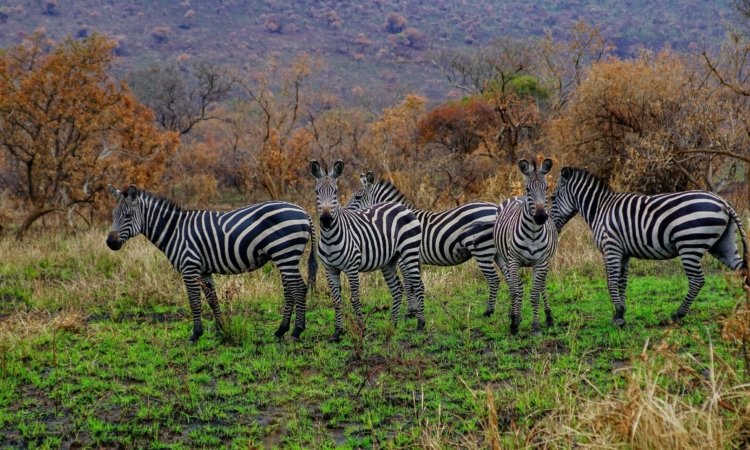
Wildlife conservation in Akagera National Park is one of Rwanda’s most remarkable ecological recovery stories. Lions and rhinos have returned, wildlife populations have recovered, wetlands and savannah habitats are better protected, and tourism has become an important part of sustaining the park and surrounding communities.
A Conservation Comeback
From Wildlife Decline to a Thriving Rwanda Safari Destination
Akagera National Park is far more than a place to see lions, elephants, buffaloes and rhinos. Its modern identity has been shaped by long-term wildlife restoration, better park protection, scientific monitoring, community engagement and carefully managed tourism.
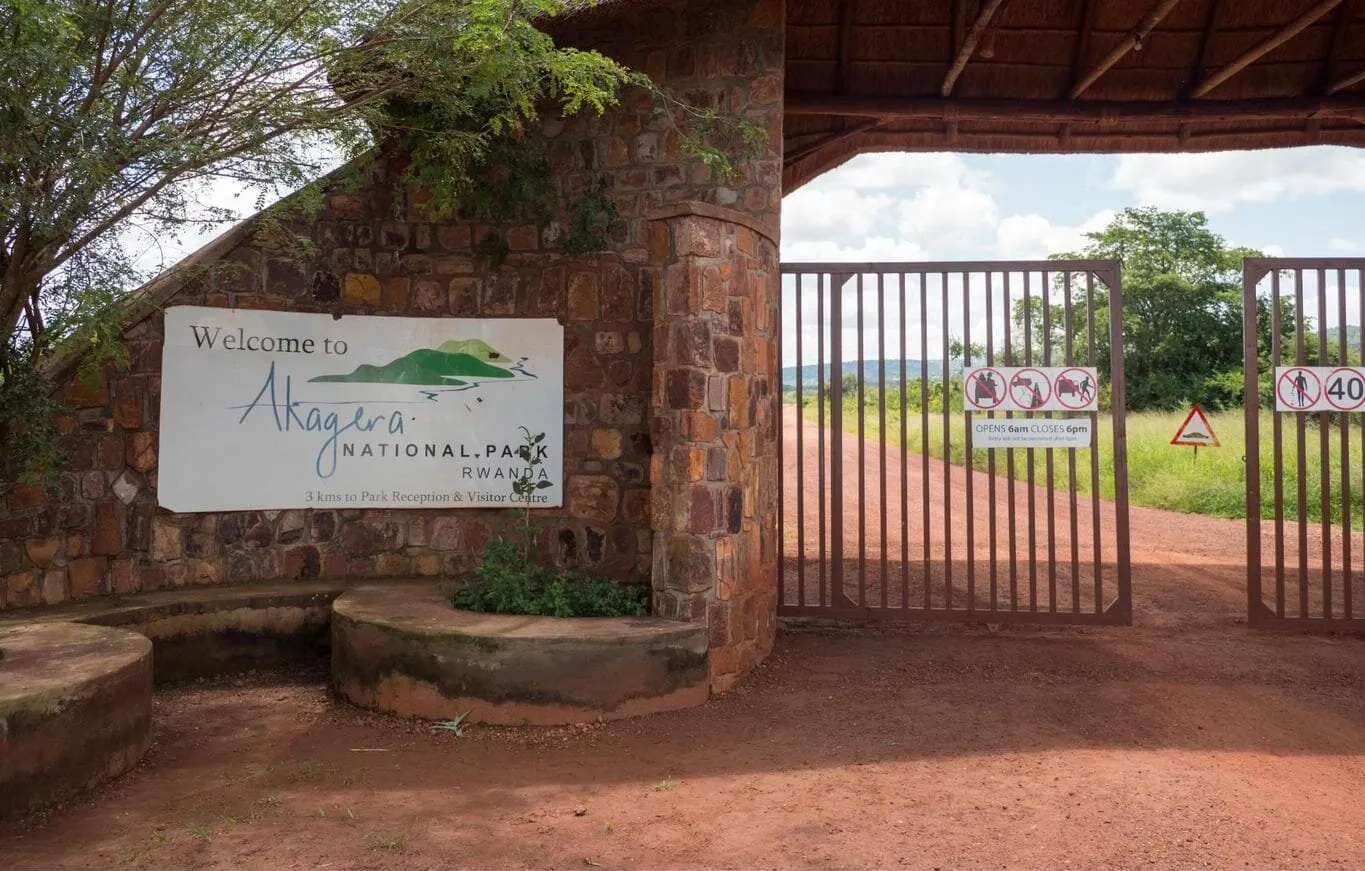
Established in 1934, Akagera protects a remarkable transition of savannah, woodland, rolling hills, lakes, papyrus wetlands and extensive marshes in eastern Rwanda. After periods of considerable pressure on the ecosystem, a major change began in 2010 when the Rwanda Development Board entered a long-term management partnership with African Parks.
Since then, the park has rebuilt wildlife populations and restored species that had disappeared locally. Visitors exploring Rwanda’s national parks can now experience an ecosystem that once again supports all members of the Big Five while also protecting one of Central Africa’s most important wetland landscapes.
Conservation Milestones
Akagera’s Wildlife Recovery at a Glance
The park’s conservation story has developed over decades, but several milestones illustrate just how much Akagera has changed.
RDB and African Parks began their current management partnership.
Seven lions were reintroduced after years of local absence.
18 eastern black rhinos returned to Rwanda.
30 southern white rhinos were introduced from South Africa.
A further 70 southern white rhinos arrived in Akagera.
White rhinos were living in Akagera by September 2026.
Understanding the Recovery
Why Akagera Needed Conservation Restoration
Akagera’s recovery makes more sense when viewed against its history. After the events surrounding the 1994 genocide against the Tutsi, large numbers of returning people needed land and part of the protected area was reallocated. By 1997, Akagera had been reduced substantially in size. Wildlife also faced illegal hunting, habitat pressure and increasing conflict between animals and communities living near the park.
Lions disappeared from the ecosystem and black rhinos were also lost. The decline of large species was particularly significant because predators and large herbivores influence the ecological relationships that shape savannah landscapes.
The goal of conservation therefore became much broader than simply putting animals back into the park. Akagera needed effective law enforcement, stronger boundaries, wildlife monitoring, community cooperation, tourism infrastructure and a management model capable of sustaining these improvements over the long term.
The Return of a Predator
Lions Return to Akagera
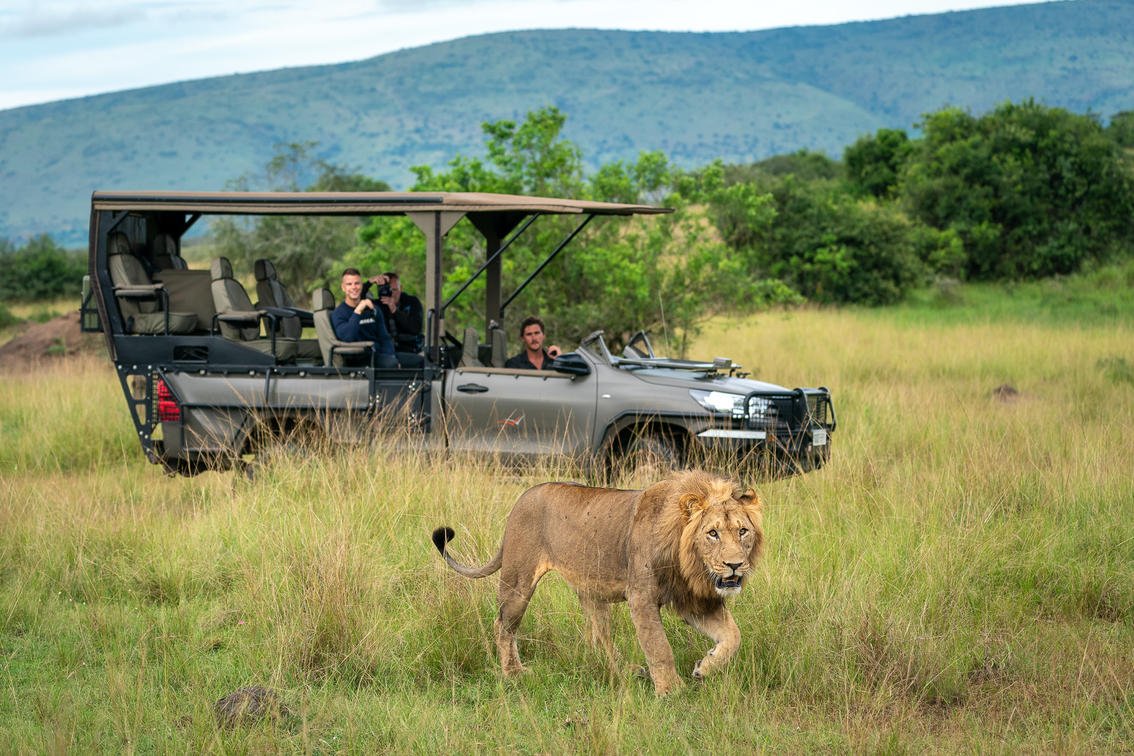
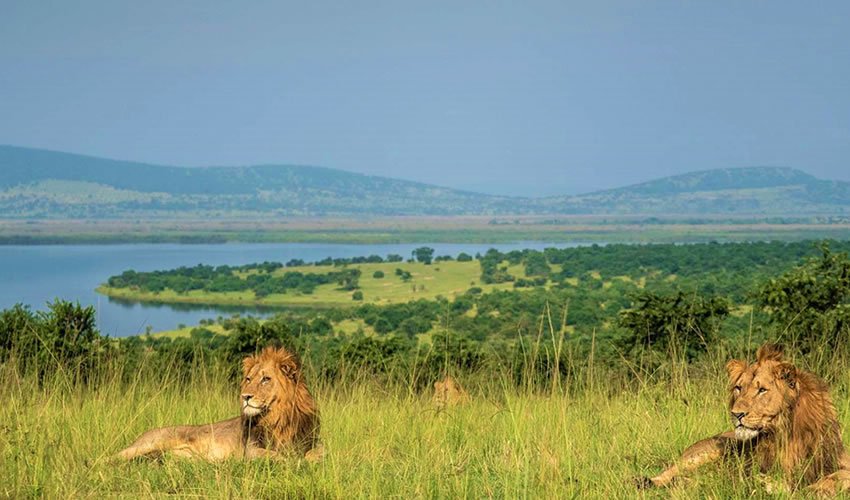
Few events symbolise Akagera’s recovery more powerfully than the return of lions. Seven lions were brought to Akagera from South Africa in 2015 after the species had been absent from the park for many years.
The founder population consisted of two males and five females. They were initially held in a specially prepared enclosure while adapting to their new surroundings before being released into the wider park. Reproduction followed and the population began expanding.
The return of lions restored an important predator to the ecosystem. It also changed Akagera’s tourism profile by giving travellers the opportunity to combine Rwanda’s famous primate experiences with traditional savannah wildlife viewing.
Rhino Restoration
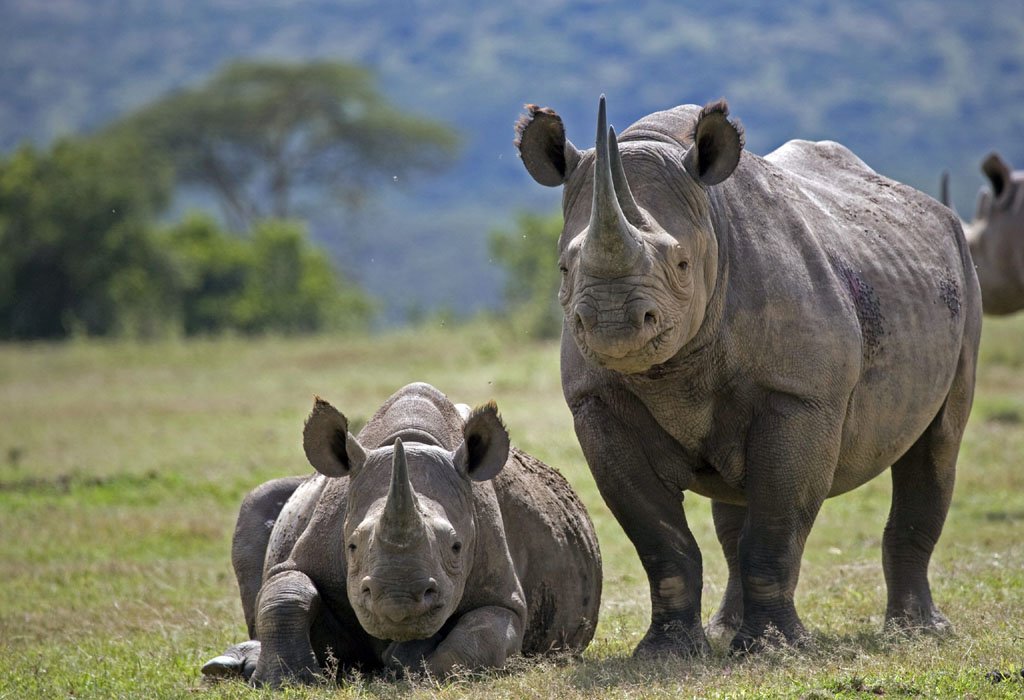
The Historic Return of Rhinos to Rwanda
Rhino conservation has become one of the most internationally significant parts of Akagera’s modern wildlife story.
More Than 100 White Rhinos
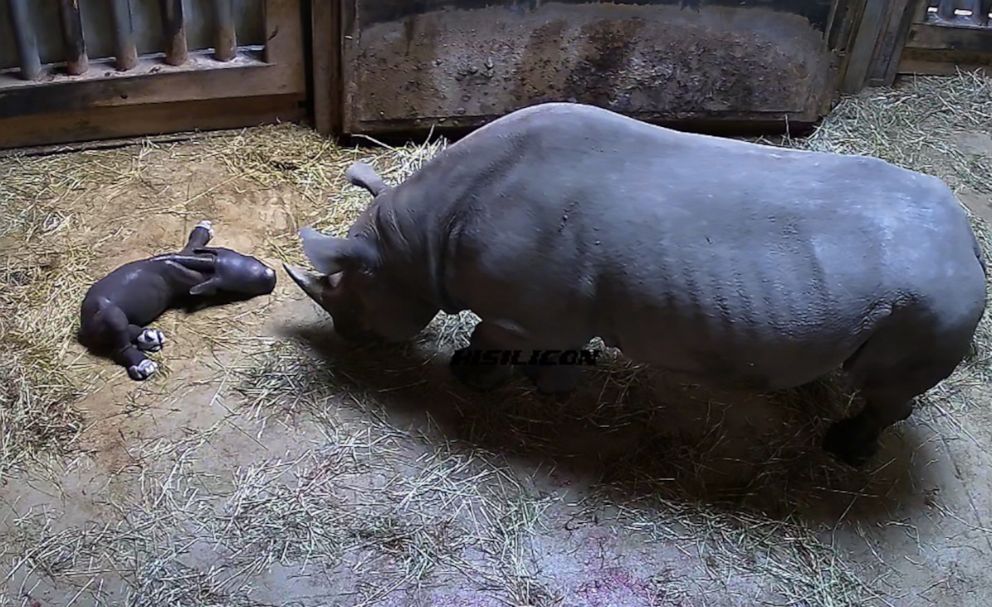
By September 2026, African Parks reported that Akagera supported just over 100 white rhinos. The organisation also reported that animals from the 2021 and 2025 populations had begun mixing and that calves had been born to females from the newly translocated group. Veterinary teams continue to monitor health, movement and adaptation closely.
Beyond the Big Five
Restoring an Entire Savannah and Wetland Ecosystem
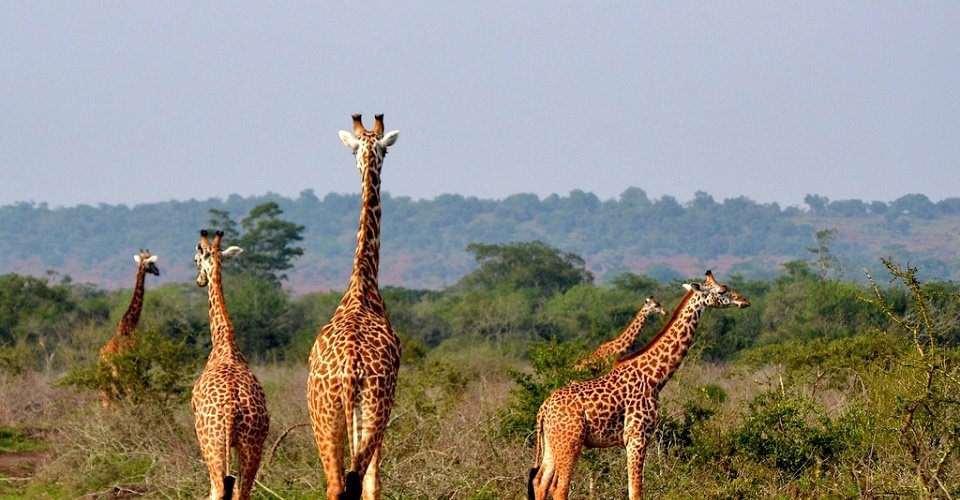
Akagera’s conservation achievements are not limited to lions and rhinos. The park protects a mosaic of habitats that supports mammals, reptiles, birds and aquatic life.
Wetland Conservation
Lake Ihema and Akagera’s Protected Wetlands
Akagera is unusual among East African safari parks because water is such a defining part of its landscape. Lakes, marshes, papyrus swamps and seasonally flooded areas create habitat for wildlife that visitors would not experience by exploring the open savannah alone.
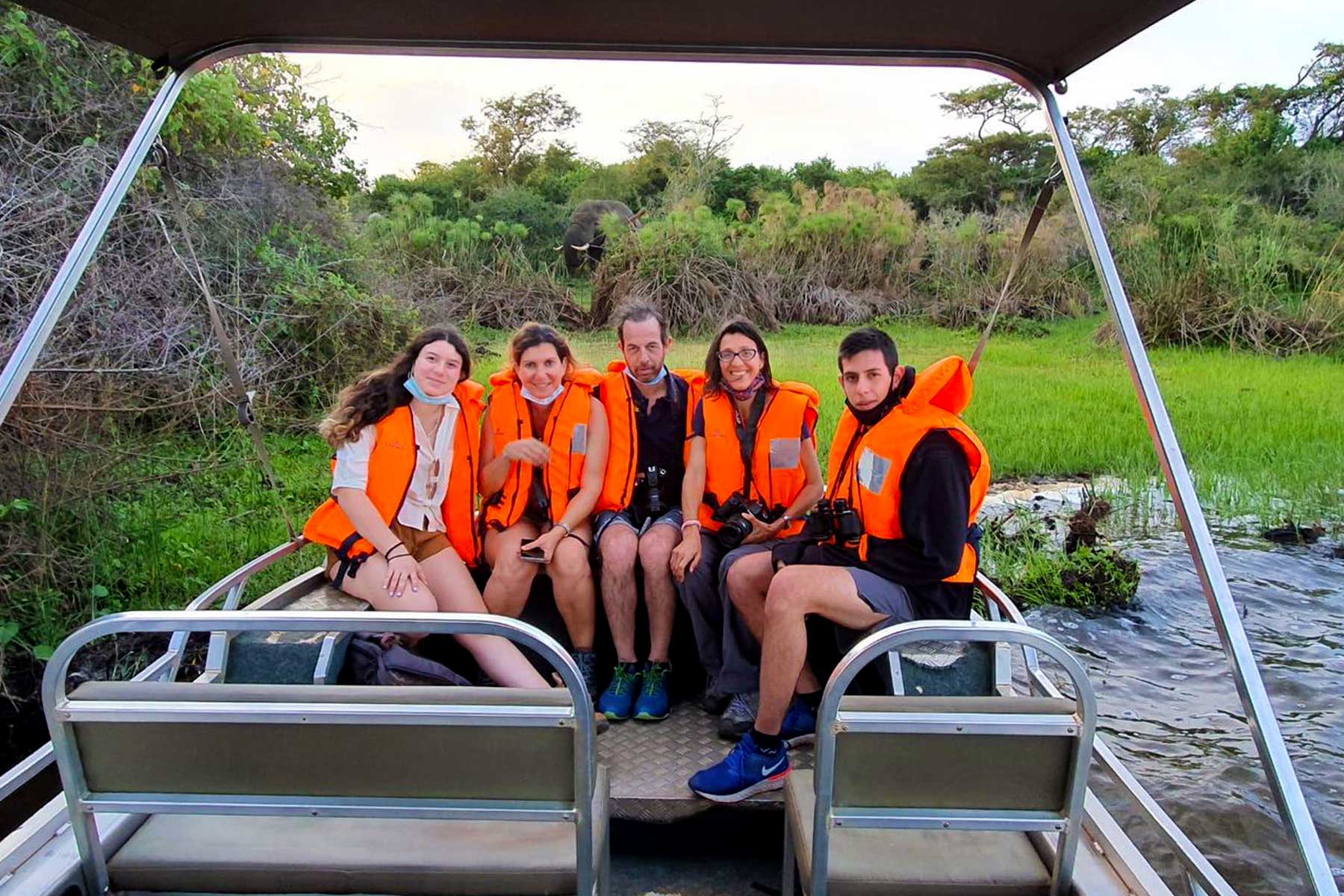
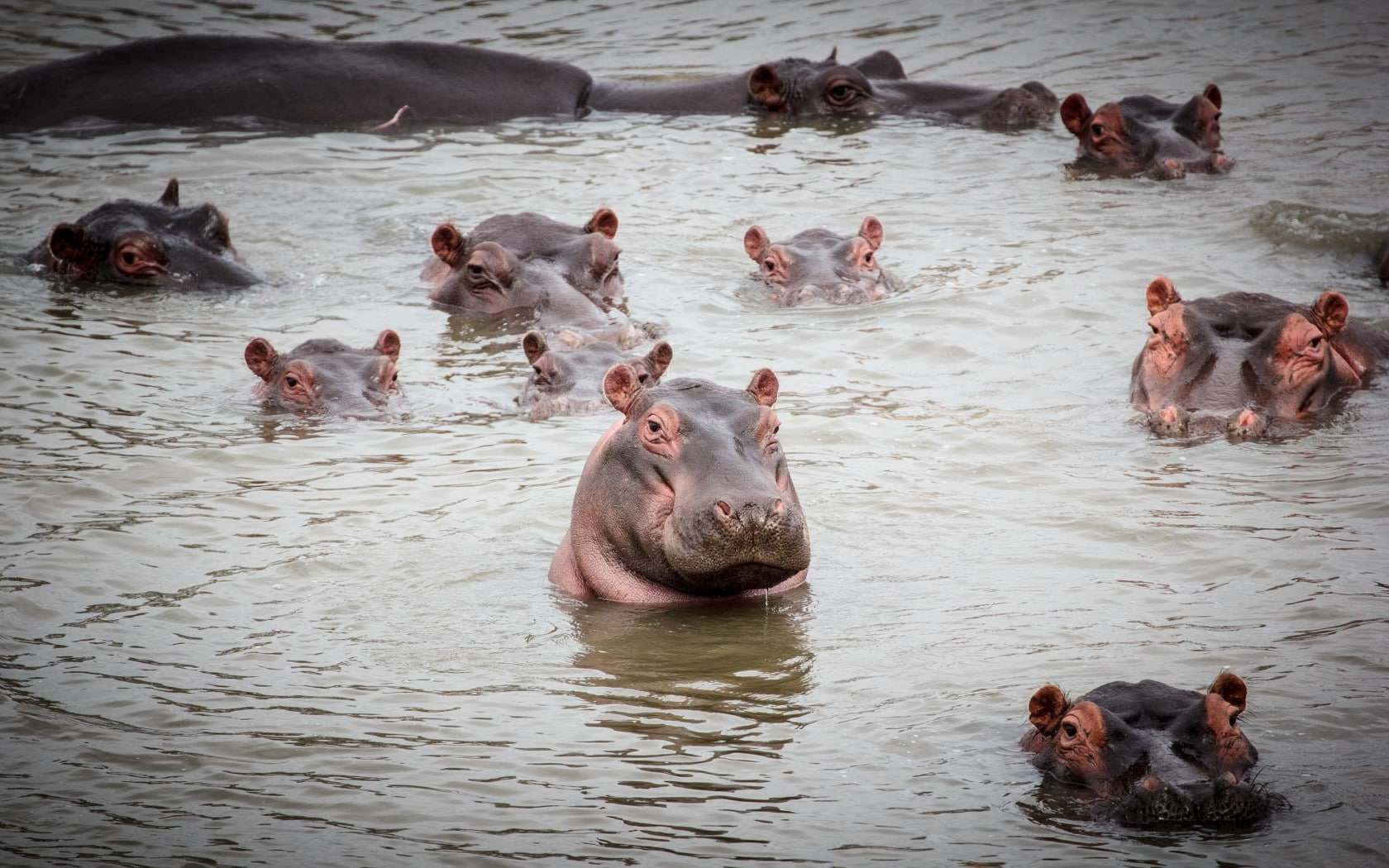
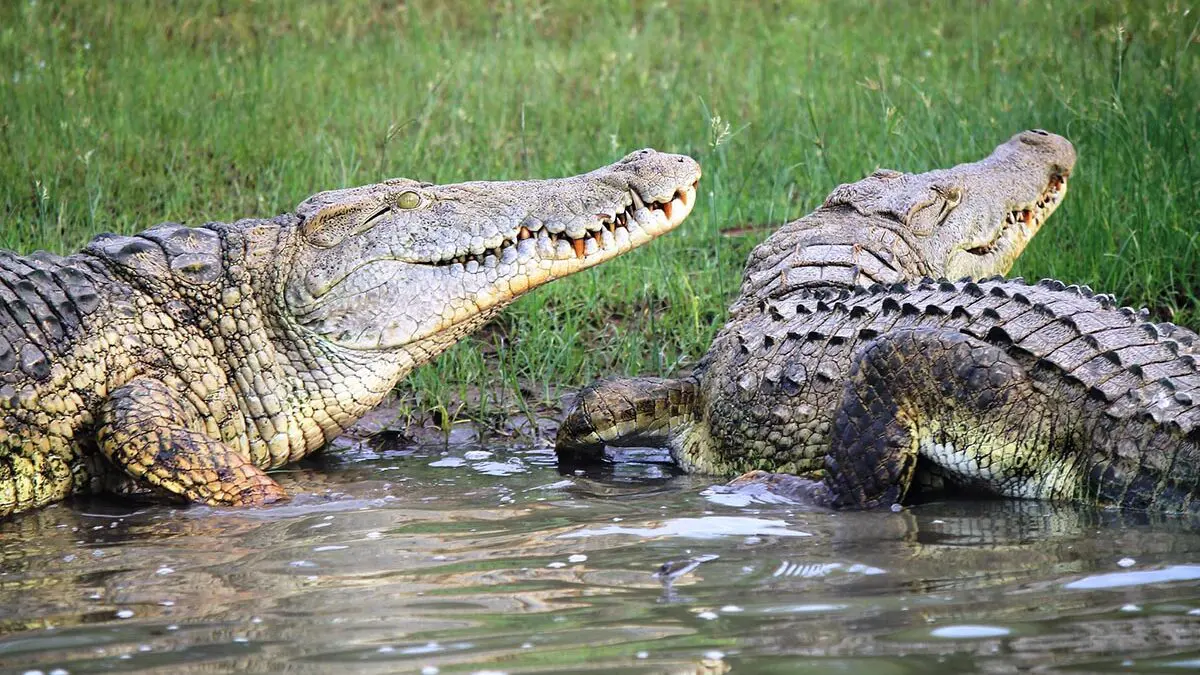
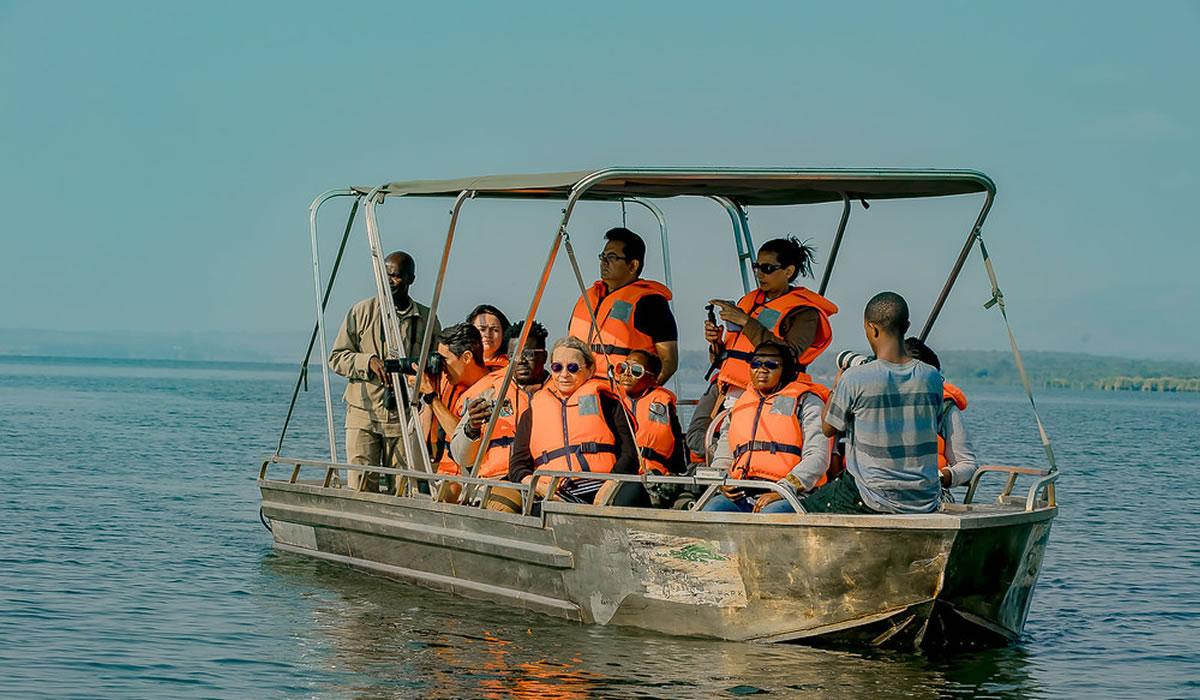
Lake Ihema is particularly important. Hippos spend much of the day in the water, Nile crocodiles use the shorelines and numerous waterbirds feed and nest around the lake. A Lake Ihema boat safari therefore complements a game drive by showing visitors another side of Akagera’s ecology.
African Parks describes Akagera as Central Africa’s largest protected wetland. Protecting these aquatic environments is vital not only for tourism but also for biodiversity, water systems and the resilience of the wider ecosystem.
Bird Conservation
A Haven for Savannah and Wetland Birds
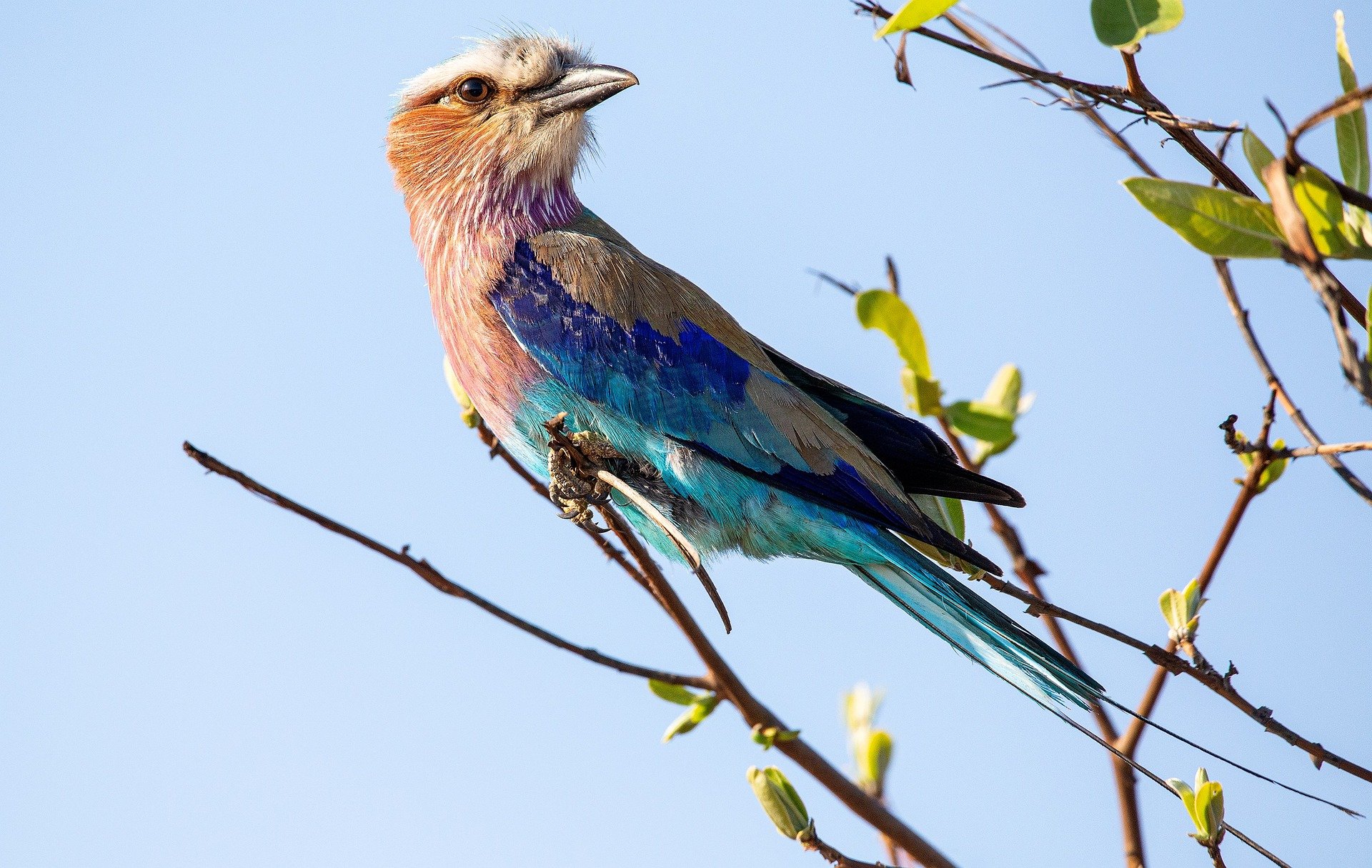
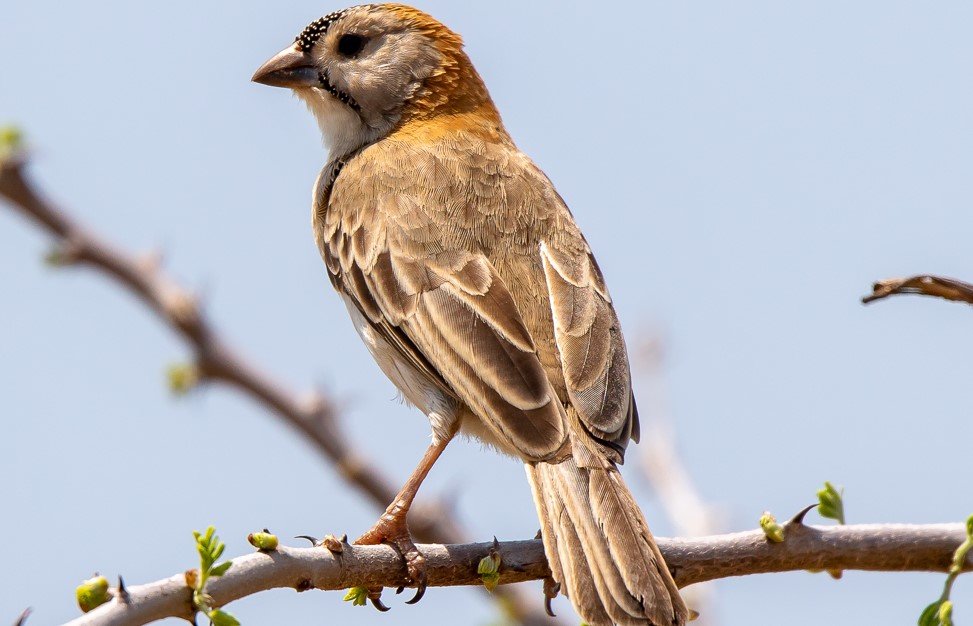
Akagera’s diversity becomes especially apparent through its birdlife. Open grasslands, woodland, lakes, marshes and papyrus vegetation support hundreds of bird species and give birdwatchers access to several habitat types during a single safari.
The wetlands can be particularly rewarding for aquatic and marsh-associated species, while woodland and savannah support colourful rollers, raptors, kingfishers, bee-eaters and numerous smaller species.
Bird conservation is closely connected to the wider protection of habitat. Maintaining healthy lakes, wetlands and vegetation does not protect only birds; it also strengthens ecological conditions for fish, insects, reptiles, mammals and plants.
Protecting the Recovery
Wildlife Conservation Success Requires More Than Reintroducing Wildlife
Bringing animals back is only the beginning. Long-term success depends on ensuring they remain protected and that the ecosystem continues functioning.
Ranger Protection
Professional ranger teams patrol the park, protect wildlife and respond to conservation threats.
Wildlife Monitoring
Important species are monitored to understand movement, breeding, survival and habitat use.
Veterinary Care
Veterinary teams help monitor the health of valuable wildlife populations, especially rhinos.
Research & Surveys
Scientific research helps conservation teams understand species numbers, habitats and ecological trends.
People & Wildlife
Why Communities Matter to Akagera’s Future
Wildlife conservation is difficult to sustain if people living next to a protected area experience only costs and no meaningful benefits. Akagera’s management approach therefore includes community engagement, employment, local economic opportunities and measures intended to reduce human-wildlife conflict.
One important intervention has been improving the park boundary and reducing situations in which large animals move into neighbouring agricultural areas. At the same time, tourism has created employment and demand for services connected with guiding, accommodation, transport, hospitality and local enterprise.
The result is a conservation model in which protecting wildlife can also generate economic value. This connection between healthy wildlife populations and local livelihoods is one of the reasons Akagera’s recovery has become important beyond the boundaries of the park itself.
Conservation Tourism
How Safari Tourism Supports Akagera
Tourism is a major component of Akagera’s conservation model. As wildlife populations have recovered, the park has become increasingly attractive to both Rwandan and international travellers.
African Parks reported that tourism generated approximately 97% of Akagera’s annual revenue in 2024. That revenue flows back into park operations and helps support a conservation-led economy around the protected area.
This gives travellers an additional reason to consider Akagera when planning a Rwanda safari. A game drive or boat safari is not separate from conservation; tourism is one of the economic mechanisms that can help maintain the protected landscape.
Wildlife Restoration
Akagera’s Big Five Comeback
Akagera’s status as Rwanda’s Big Five safari destination is the result of years of restoration rather than simply a tourism label.
Lion
Reintroduced in 2015 after local extinction.
Rhino
Black and white rhino populations now live in the park.
Elephant
A key large herbivore helping shape Akagera’s vegetation.
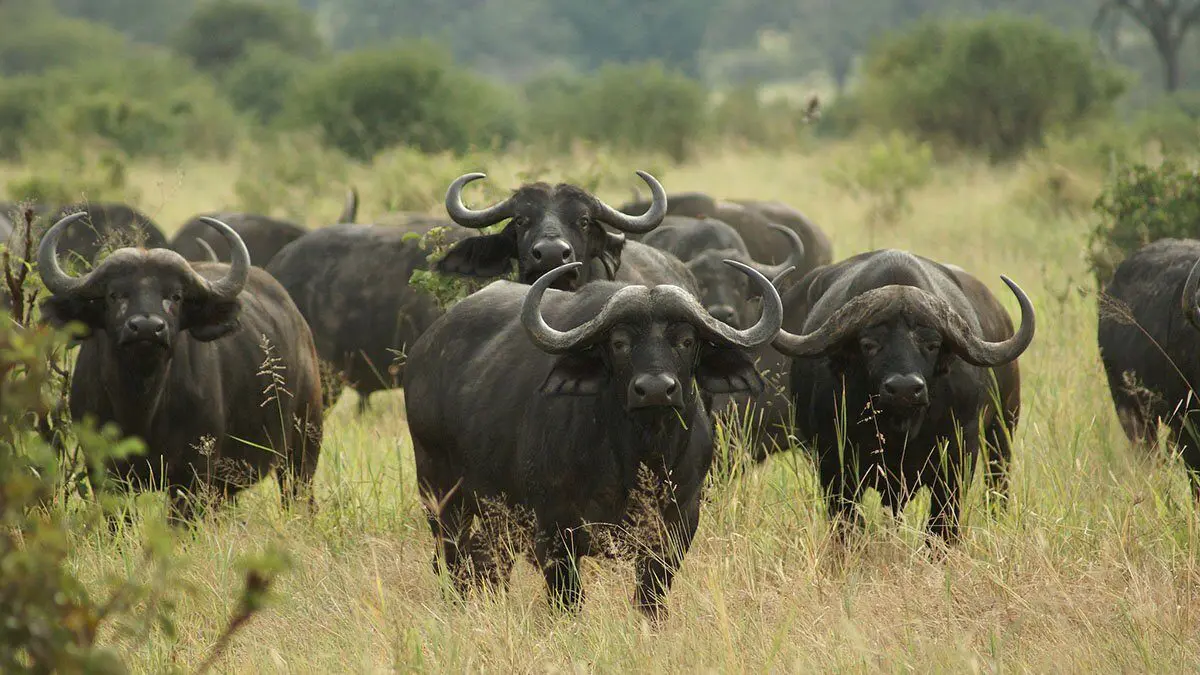
Buffalo
Frequently encountered across suitable savannah habitats.
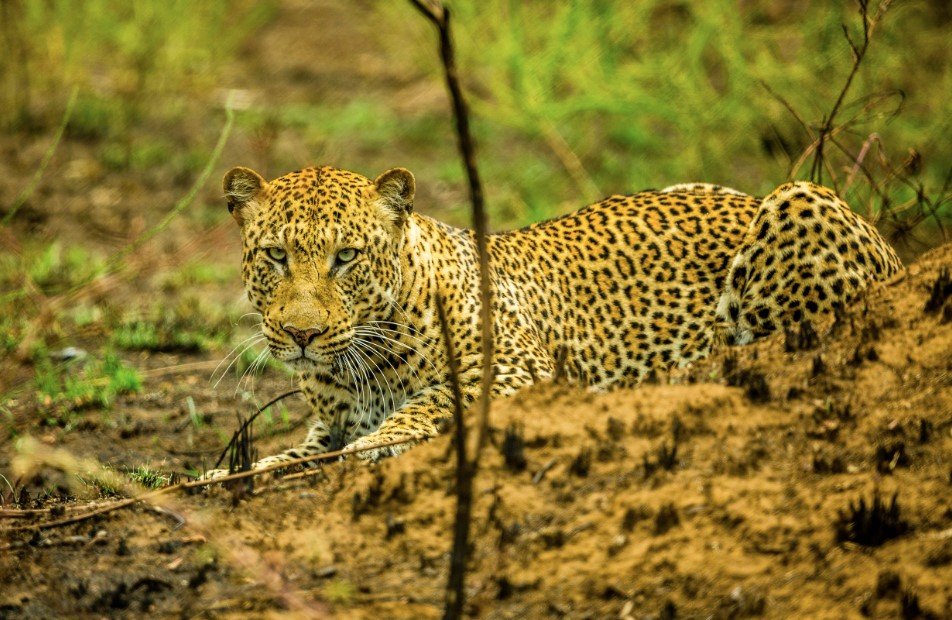
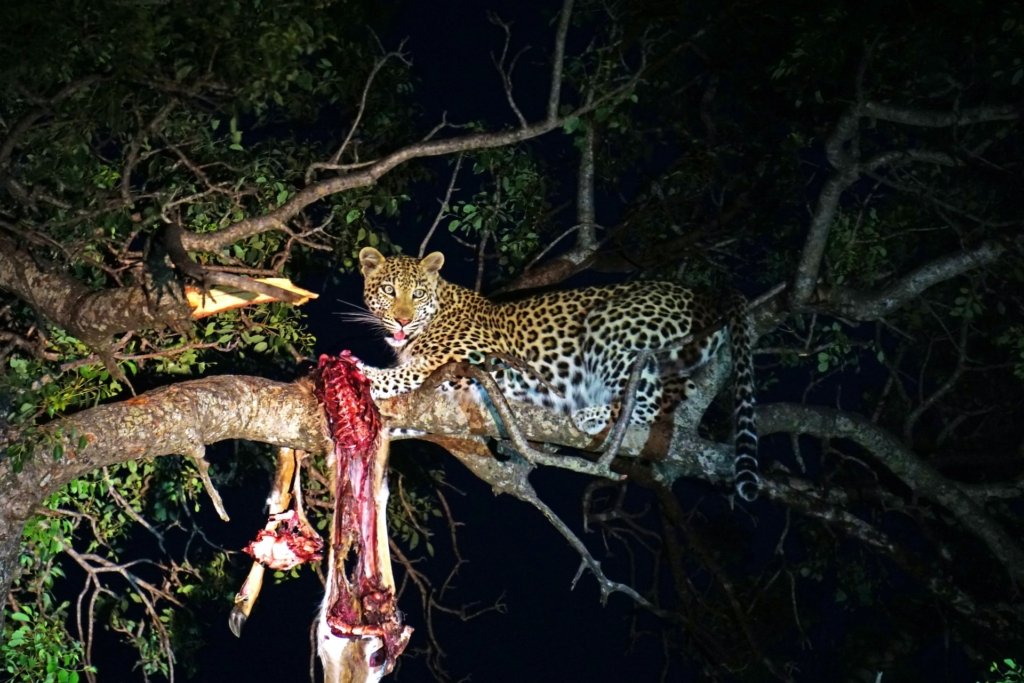
Leopard
Present but naturally more elusive than many large mammals.
Akagera Conservation Timeline
A simplified look at key events in the park’s conservation history.
| Year | Conservation Milestone |
|---|---|
| 1934 | Akagera National Park was established. |
| 1975 | Elephants were reintroduced after previous losses. |
| 1997 | The park was considerably reduced in size following land reallocation. |
| 2010 | Current Rwanda Development Board–African Parks management partnership began. |
| 2015 | Seven lions were reintroduced. |
| 2017 | 18 eastern black rhinos returned to Rwanda. |
| 2019 | Five additional black rhinos arrived from European zoos. |
| 2021 | 30 southern white rhinos were introduced. |
| 2025 | A further 70 southern white rhinos were translocated to Akagera. |
| 2026 | The white rhino population was reported at just over 100 animals in September. |
Conservation Success Does Not Mean the Work Is Finished
Akagera’s achievements are significant, but conservation is an ongoing process. Wildlife populations need continued protection, habitats must remain healthy and communities need to continue seeing practical value in the existence of the park.
The large-scale 2025 white rhino translocation demonstrates this clearly. The animals have been monitored closely as they establish home ranges and interact with the earlier population. Calves have been born, but veterinary teams have also investigated illness and losses among some of the translocated animals. These challenges are part of real conservation management and can generate important knowledge for future wildlife relocations elsewhere in Africa.
Other long-term considerations include maintaining genetic diversity, preventing wildlife crime, managing human-wildlife conflict, protecting wetlands, monitoring climate-related changes and ensuring visitor growth does not compromise the ecological qualities that make Akagera attractive in the first place.
Experience Conservation
What Visitors Can Experience in Akagera Today
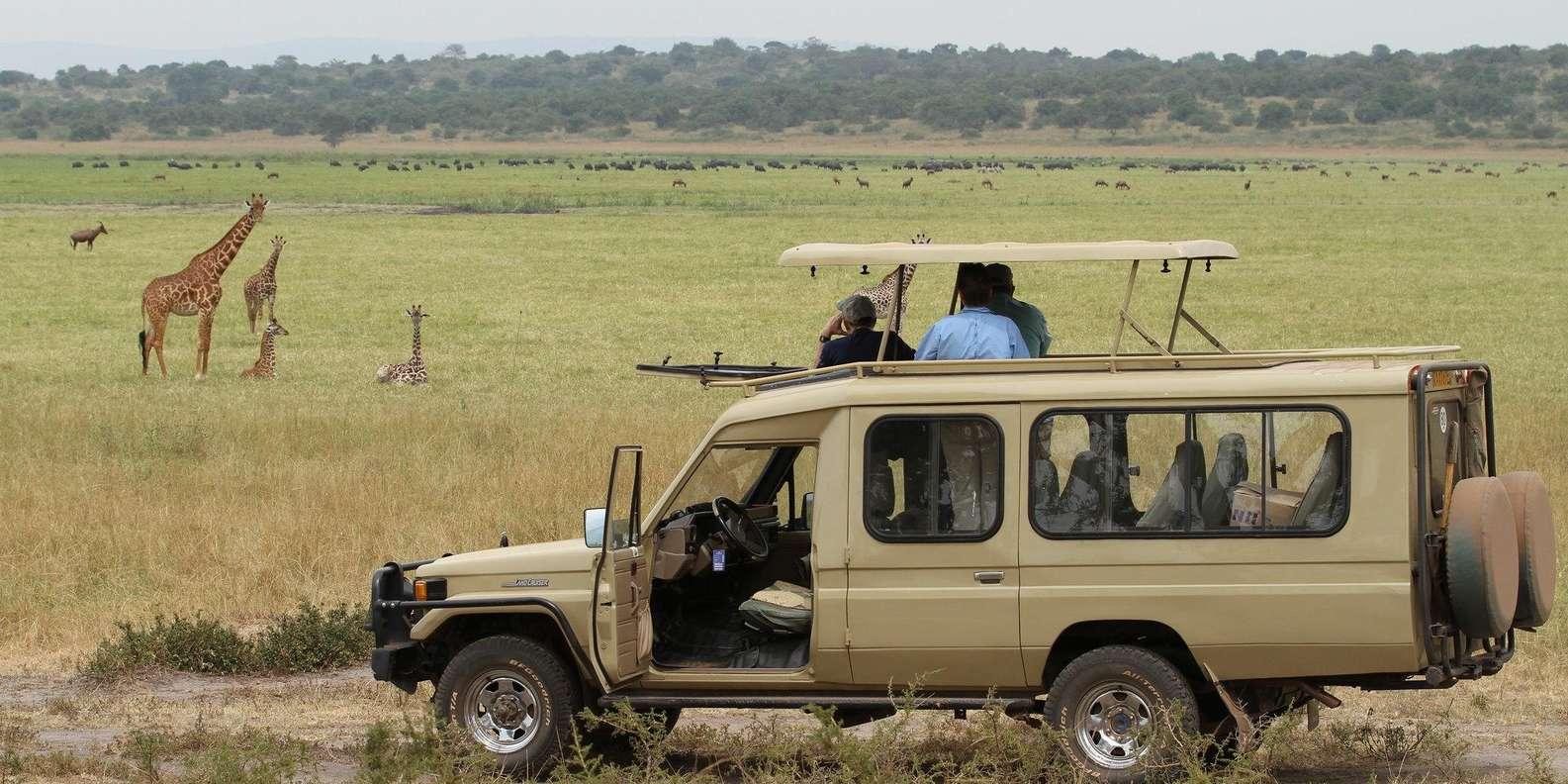
Travellers do not need to be conservation scientists to appreciate Akagera’s recovery. The results can be experienced directly across the park.
Why Akagera’s Conservation Story Matters
Akagera demonstrates what can happen when habitat protection, wildlife reintroductions, security, scientific monitoring, tourism and community involvement are treated as connected parts of the same conservation challenge.
The return of lions and rhinos attracts attention, but the deeper achievement is the restoration of ecological processes and the creation of a protected landscape capable of supporting wildlife while generating economic value for Rwanda.
For travellers, this means a safari in Akagera is not simply about ticking the Big Five off a list. It is an opportunity to experience a living conservation landscape and understand how determined long-term management can help wildlife recover.
Planning Your Visit
Planning an Akagera Wildlife Safari
Recommended stay
2–3 days
Main access point
Kigali, Rwanda
Main experiences
Game drives, boat safari, birding and wildlife photography
Ideal for
Big Five safaris, couples, families and photographers
Akagera can work particularly well at the beginning or end of a wider Rwanda itinerary. Travellers can combine the park with Volcanoes and Nyungwe National Parks to experience Rwanda’s savannah, mountain and rainforest ecosystems during one journey.
Suggested Rwanda Safaris
Combine Conservation With Your Safari
Frequently Asked Questions
Common questions about wildlife conservation and visiting Akagera National Park.
Why is Akagera National Park considered a conservation success?
Akagera has restored locally lost species, strengthened wildlife protection, improved tourism, reduced pressure on wildlife and created a management system that connects conservation with community and economic benefits.
When were lions reintroduced to Akagera?
Seven lions were reintroduced in 2015 after the species had been absent from the park for many years. The population subsequently reproduced successfully.
When did black rhinos return to Rwanda?
Eighteen eastern black rhinos were reintroduced to Akagera in 2017 after approximately ten years of absence. Five additional animals arrived from European zoos in 2019.
How many white rhinos are in Akagera National Park?
African Parks reported that Akagera’s white rhino population stood at just over 100 animals in September 2026. Wildlife numbers can change through births and natural mortality, so exact figures should always be viewed as time-specific.
Can visitors see the Big Five in Akagera?
Yes. Akagera supports lion, leopard, elephant, buffalo and rhino. However, wildlife remains free-ranging and sightings of any particular species can never be guaranteed.
How does tourism support conservation?
Tourism generates park revenue and supports jobs and local economic activity connected with wildlife protection. African Parks reported that tourism generated about 97% of Akagera’s annual revenue in 2024.
Is Lake Ihema important for conservation?
Yes. Lake Ihema forms part of Akagera’s extensive wetland system and provides habitat for hippos, crocodiles, fish and numerous bird species.
How many days should I spend in Akagera?
Two days provide a good introduction, while three days give travellers more time for multiple game drives, a Lake Ihema boat safari and relaxed wildlife photography.
Can Akagera be combined with gorilla trekking?
Yes. Akagera combines naturally with Volcanoes National Park, allowing travellers to experience both Rwanda’s savannah wildlife and mountain gorillas during one itinerary. See our 6-Day Rwanda Gorilla and Game Safari.
Safari Vacations & Travel Services Ltd
Experience the Wildlife Akagera Has Worked to Restore
Visiting Akagera is more than a chance to photograph Rwanda’s Big Five. It is an opportunity to explore a recovering ecosystem where conservation, tourism, wildlife protection and community involvement have helped transform the future of an extraordinary landscape.