Animals to look out for in Akagera National Park

Animals to look out for in Akagera National Park
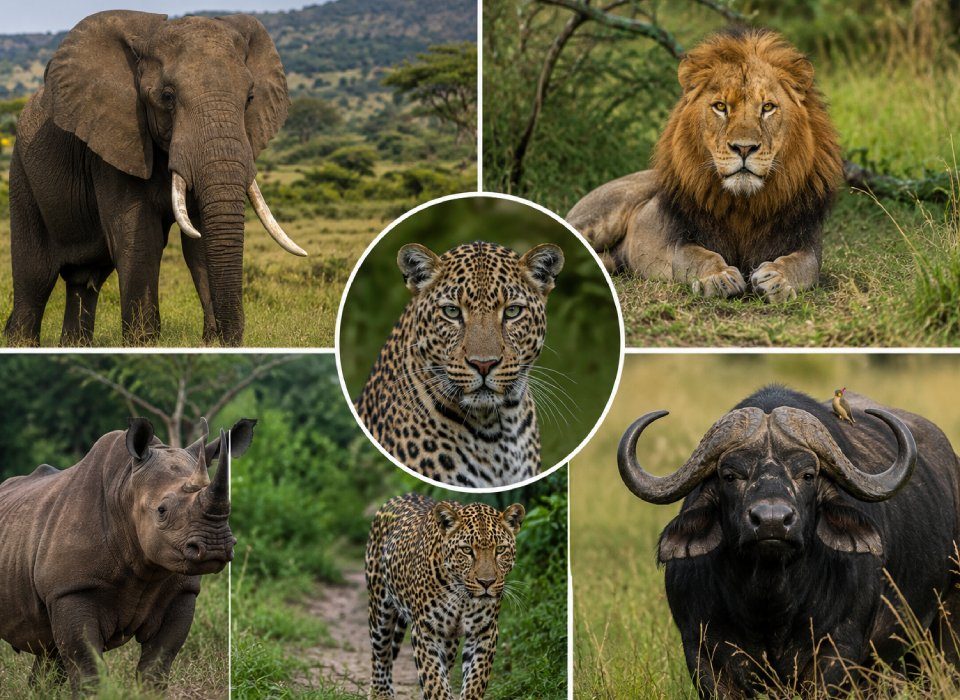
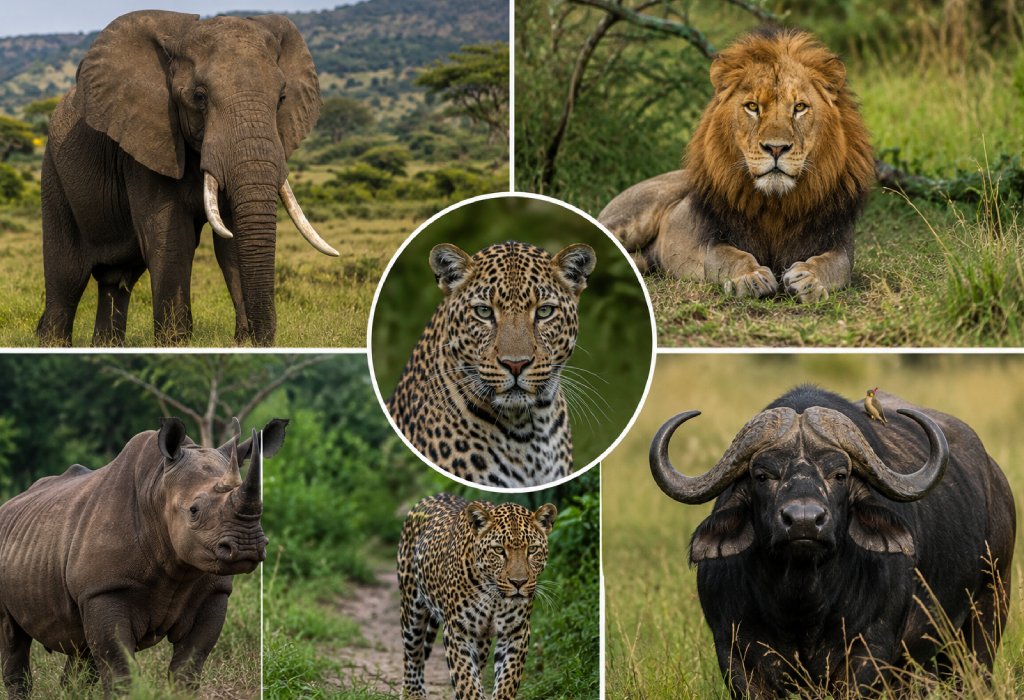
The best way to view Akagera National Park animals during your Rwanda safari tours is by undertaking a game drive. In the beautiful grassland savannah and woodlands, you’ll spot numerous bird species, big herds of Zebras, African Elephants, Cape buffalo, Lion herds, Cheetahs, Leopards, Masai Giraffes, Roan antelopes, and Elands, among others.
Amazing Hippo pods and giant Nile crocodiles can be spotted during a boat safari on Lake Ihema and other lakes. Primates such as Baboons, Vervet monkeys, and blue monkeys are residents. Bush babies can also be seen during the nocturnal game drives by lucky visitors in this protected area.
Travellers interested in Akagera National Park wildlife safaris should target the dry months. During these months, the vegetation is thin, and therefore, game animals are easy to spot!
The following is the list of animals in Akagera Park
1. Lions in Akagera National Park, Rwanda
The Lion is known as the King of the jungle. It’s the largest carnivorous cat in Africa and among the African safari’s big game animals. Lions are apex predators- meaning they have no natural predators. They are social cats living in a pride of about 4-15 members. The pride usually spends most of the day resting. Normally, they are active in the morning hours as well as in the late evening, and the female Lion leads the hunt often!
During a game viewing trip in Rwanda, Akagera park north plains, Lion herds are mostly spotted in savannah grassland and open woodlands where there is plenty of prey like Zebras, Antelopes, and buffalo.
Note that in the past years, Lion herds had gone into extinction in Akagera NP however, in 2015, seven Lions were translocated into Akagera park. As of 2022, their total had multiplied 7 times, and chances of spotting them during Rwanda wildlife safaris in Akagera are now high!
2. African Bush Elephants
The Elephant is among the popular big five animals in Rwanda’s Akagera National Park in the eastern part of the country. It’s the biggest land animal species on Earth, weighing about 600kg. Their great size makes them nearly invincible to predators. Normally, they are found in herds of about 2-20 individuals.
Note that elephants have a low reproduction rate, and females produce one calf every 8 years. Their gestation period is 22 months, and they can live for about 70-75 years.
The African Bush Elephants live mainly in savannah woodlands as well as in open savannahs near lakes- habitat to water bird species- water birds. During your Rwanda wildlife safari adventure in Akagera park, you can spot them on the shores of different lakes, for example, Lake Ihema and Lake Shakani, during a boat cruise. About 130 Elephants have been recorded in Akagera.
3. Cape Buffaloes
The Cape Buffalo is also among the Big Five game animals in Rwanda’s Akagera National Park. It’s a large bovine wildlife species native to Sub-Saharan African countries. Around 4,000 buffalo were recorded in Akagera Park according to the 2021 census. Since buffalo are grazers, they dwell mostly in open savannah woodlands, but they can also be spotted in flood plains, swamps, and even Mopane grasslands. In most cases, they feed in a herd of about 60-100 individuals.
Tourists on wildlife safaris in Rwanda, Akagera park can spot Buffaloes during a game drive along the Nyamabuye Lookout Trail, for example. Putting aside humans, buffalo have a few predators. It takes a Lion’s pride to bring a Buffalo down.
4. Leopards
The Leopard is also a member of the Big Five animals in Rwanda, Africa. Like lions, Leopards are a solitary animal species living an exclusive life. A Leopard can live in various environments, including forests, mountains, and even in savannah grasslands.
Normally, they are active at night; therefore, taking a nocturnal game drive will increase your chances of seeing a Leopard during your wildlife-viewing safaris in Akagera park. Around 15-20 leopards are recorded in Akagera NP. It feeds mostly on small ungulates & primates.
5. Cheetahs
A Cheetah is also among the big cats in Rwanda’s Akagera National Park. Popularly, a Cheetah is known as the king of speed- (the fastest land animal on earth capable of running at about 93-104km/hr).
The Cheetahs live in a range of habitats; however, they are mostly spotted in the dry open grasslands where they can hunt their prey well. Male Cheetahs are more social than other cats (except for the Lion herds). However, females have limited interaction with other individuals and normally live a solitary life. You can only find them in a group with their offspring.
6. Rhinos in Akagera National Park in Rwanda
Tourists on Akagera Rwanda wildlife safaris have a chance of spotting both the Black and White Rhinos. This park is one of the few national parks to spot all these Rhino species. Rhinos are majestic beasts capable of weighing around 1-3 tonnes. They are among the biggest creatures on Earth!
Just like Lions, Rhinos were also translocated into this park. 15 Black Rhinos (from European zoos) were brought into Akagera in 2017, and in 2021, about 21 White Rhinos were also brought in. The aim was to boost the genetic diversity of wildlife in this park. Their population has been growing gradually since they are well monitored.
Rhinos are grazers, mostly spotted in the southern woodlands of the park with plenty of acacia woodland & forests. The best way to see Rhinos in Akagera National Park, Rwanda, is by undertaking Rhino trekking. You’ll join a group of rangers early morning who monitor these giants.
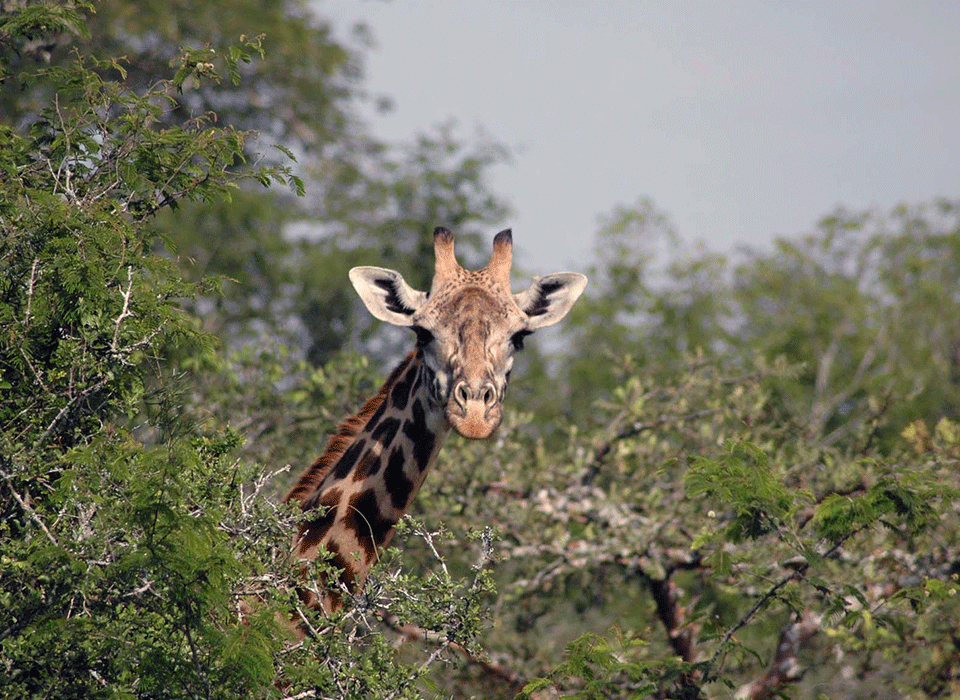
7. The Masai Giraffe
The Masai Giraffe is among the most amazing animals in Rwanda’s Akagera National Park. It’s the tallest animal on earth, with over 4-5.5m in height. Giraffes are the tallest animals on the planet, known to feed on several plants and animals!
Masai Giraffes are browsers feeding on high plants that most other herbivores cannot reach. They are mostly spotted in woodland areas near Mutumba hills as well as savannah plains dotted with acacia trees. Usually, Giraffes feed most in the first and even the last hours of the day and spend the rest of the day regurgitating.
8. The Spotted Hyena
Native to Sub-Saharan Africa, the spotted Hyena is also called the laughing Hyena. Among the Canivorans, Hyenas hold the largest group size as well as the most complex social behaviours. They are scavengers; however, they can hunt their prey sometimes.
Spotted Hyenas inhabit thick bushes and even open savannah grasslands where they can hunt their prey. Normally, they are spotted in groups called clans of about 3-90 individuals led by females. Though it’s possible to spot Hyenas on day game drives, night game drives offer the best sights.
9. Hippos
A Hippo (Hippopotamus) is among the famous animals in Akagera NP. These semi-aquatic animals are the third largest land animal on earth after the Elephants & rhinos. It can weigh about 1500kg. Despite the stock size of the Hippos, they are capable of running about 30km/hr over short distances.
The largest concentrations of Hippos spend most of their daytime lying in the water to cool down since their body has no sweat glands. Since the Hippo diet consists of grass, they come out to forage at night starting at sunset. On average, a Hippo can eat around 40kg of grass in a night, depending on its size.
During game viewing tours in Akagera park, a boat cruise on Ihema Lake offers the best sights for Hippos, and many bird species will be spotted.
10. Giant Crocodiles
A Nile crocodile is the largest reptile in the freshwaters of Africa. Globally, it’s the 2nd largest extant reptile after the Saltwater crocodile. Nile crocodile has thick scaly and heavily armoured skin. The average size of a giant Nile crocodile is about 20ft with a weight of around 500 pounds. Just like other crocodile species, this Crocodile has a very powerful bite!
In Akagera, the Nile crocodile is spotted during a boat safari on Lake Ihema. During the hot days, numerous Crocodiles spend the day busking on the shores of the lake.
11. Olive Baboons
Olive Boons (native to Africa) are common wildlife species in Rwanda’s Akagera Park. It’s hard to complete game viewing tours in Akagera without encountering a Baboon troop. Anubis baboons usually live in big groups of over 15-150 individuals.
These monkeys are sturdily built! To many, Baboons look scary due to their doglike pointed muzzles as well as their powerful jaws with long, pointed canine teeth.
Although Baboons dwell in a range of habitats, they normally dwell in savannah woodlands and grassland near open woodlands. It’s hard to miss spotting Baboons during game drives and guided nature walks in Akagera park.