Big Five Game Drives in Akagera National Park

Big Five Game Drives in Akagera National Park
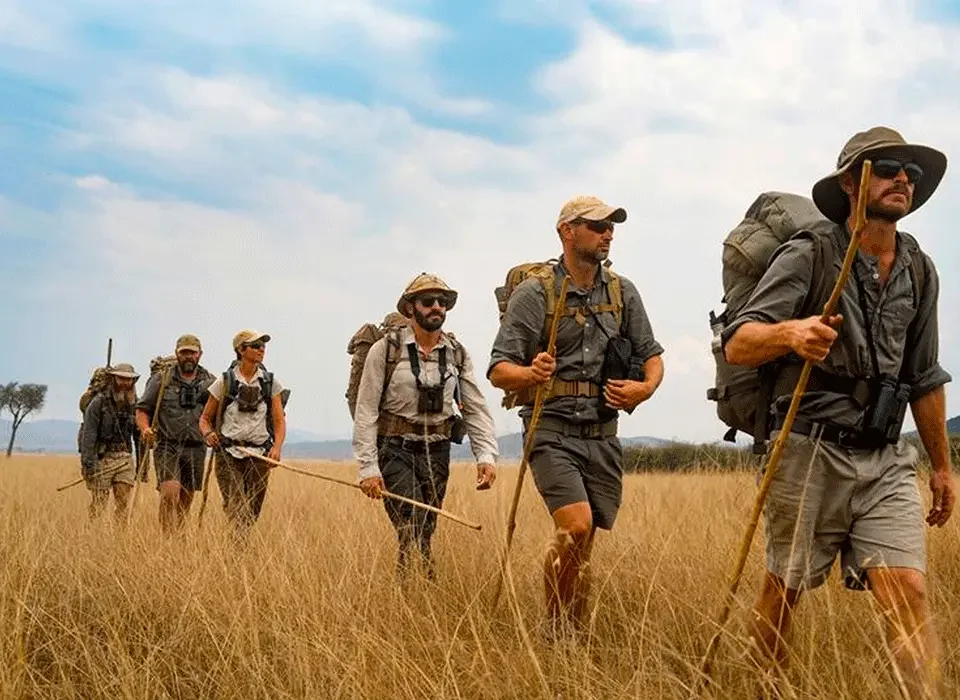
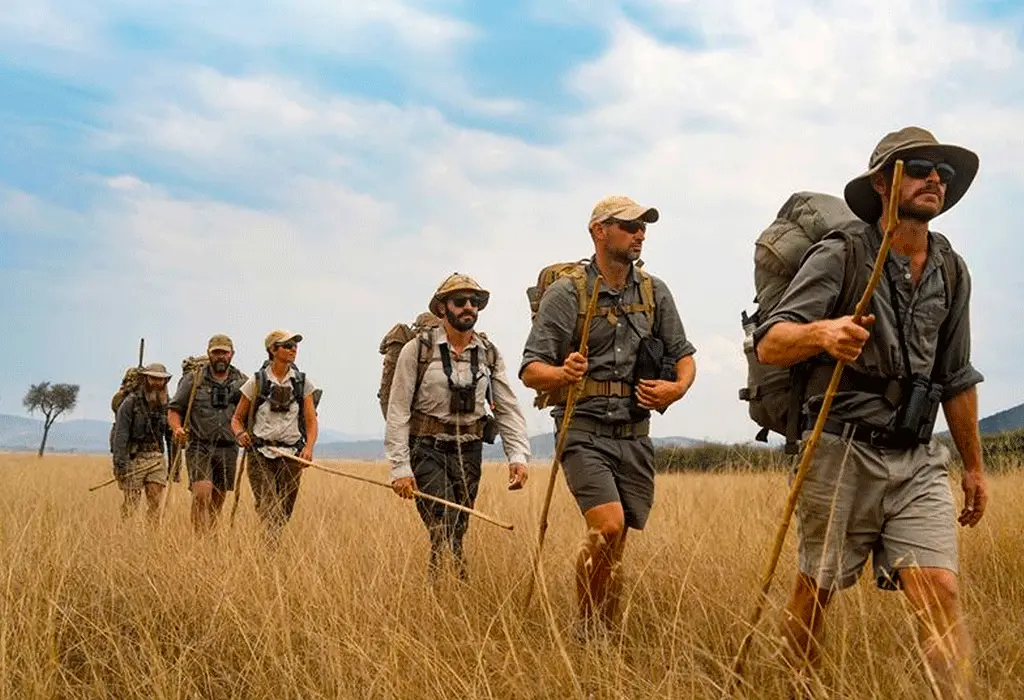
Big Five game drives in Akagera National Park offer Rwanda’s most authentic African safari experience, where visitors encounter these animals in their natural habitat. Rwanda’s only savannah park transforms the traditional safari concept into an intimate wildlife adventure across 1,122 square kilometers of pristine wilderness. Professional guides navigate comfortable 4×4 vehicles through diverse landscapes, from expansive grasslands to dense woodlands, maximizing wildlife viewing opportunities.
Morning game drives in Akagera national park begin at dawn when temperatures remain cool and animals display peak activity levels. Afternoon drives capture the golden hour magic as wildlife emerges from midday rest periods. Night safaris reveal nocturnal behaviors through specialized spotlight equipment, creating unforgettable encounters with Africa’s most elusive creatures. Each game drive combines expert local knowledge with Rwanda’s remarkable conservation success story, where reintroduced species now thrive alongside indigenous populations. Visitors witness firsthand how dedicated conservation efforts restored this ecosystem’s natural balance, making every sighting a celebration of wildlife preservation achievements.
Park Overview and Historical Significance
The Belgian colonial government established Akagera National Park in 1934 to protect northeastern Rwanda’s threatened wildlife populations. This expansive reserve spans the border with Tanzania, creating a crucial wildlife corridor across international boundaries. The Kagera River flows through the park’s heart, feeding Lake Ihema and numerous smaller water bodies that define the landscape’s character.
Wetlands cover over one-third of the park’s territory, establishing it as Eastern-Central Africa’s largest protected aquatic ecosystem. These papyrus swamps and lake systems support incredible biodiversity while serving as critical habitat for waterbirds and semi-aquatic species. The park’s name honors the river that sustains these vital ecosystems.
Historical challenges nearly destroyed Akagera’s wildlife populations during the late 20th century. Severe poaching decimated rhino numbers until they disappeared entirely in 2007. African wild dogs vanished in 1984 following disease outbreaks that swept through their packs. Many other species suffered dramatic population declines as human pressures intensified.
Recent conservation initiatives have reversed these troubling trends through strategic reintroduction programs. Black rhinos returned to Akagera in 2017 after a decade-long absence. Lion populations were reestablished through careful translocation from South African reserves. These success stories demonstrate how dedicated conservation efforts can restore damaged ecosystems to their former glory.
The Big Five Safari Experience Game drives in Akagera
African Elephants
Akagera’s elephant herds roam freely across the park’s diverse habitats, from savannah grasslands to forested hillsides. These intelligent giants gather near water sources during dry periods, creating predictable viewing opportunities for safari visitors. Bulls often wander independently while matriarchal family groups remain together, displaying complex social behaviors that fascinate observers.
Game drives frequently encounter elephants during morning hours when they feed actively before seeking shade. Experienced guides position vehicles at safe distances while explaining elephant communication methods and family structures. Visitors witness trunk-to-trunk greetings, protective mothering behaviors, and playful interactions between calves.
African Buffaloes
Large buffalo herds thunder across Akagera’s plains, creating one of Africa’s most impressive wildlife spectacles. These formidable animals gather in groups exceeding several hundred individuals during peak seasons. Their unpredictable nature demands respectful observation distances, which professional guides maintain while maximizing photographic opportunities.
Morning game drives often intercept buffalo herds moving toward water sources or fresh grazing areas. The sight of dust clouds rising from massive hooves creates dramatic safari moments that epitomize the African wilderness experience. Red-billed oxpeckers accompany these herds, creating additional wildlife interactions for observant visitors.
Lions
Reintroduced lions have successfully established territorial ranges throughout Akagera’s suitable habitats. These apex predators demonstrate remarkable adaptability to their restored environment, hunting efficiently and reproducing successfully. Game drives may encounter pride members resting in shade during midday heat or actively hunting during cooler periods.
Night game drives offer exceptional lion viewing opportunities when these nocturnal hunters become most active. Spotlight equipment reveals golden eyes reflecting in darkness while powerful roars echo across the savannah. Visitors experience the primal thrill of observing Africa’s most iconic predator in completely natural surroundings.
Leopards
Elusive leopards inhabit Akagera’s more densely vegetated areas, preferring rocky outcrops and woodland environments that provide hunting advantages. These solitary cats require patience and expertise to locate, making successful sightings particularly rewarding for dedicated safari enthusiasts. Their spotted coats provide perfect camouflage among dappled shadows.
Experienced guides understand leopard behavior patterns and preferred habitats, increasing chances of encounters during game drives. Dawn and dusk hours offer optimal viewing opportunities when these secretive predators move between resting spots and hunting territories.
Black Eastern Rhinos
Akagera’s rhino reintroduction program represents one of conservation’s greatest success stories in recent decades. These magnificent creatures disappeared entirely from Rwanda’s landscapes until careful translocation efforts restored breeding populations. Their presence transforms ordinary game drives into extraordinary conservation celebrations.
Rhino sightings require particular luck and timing, as these animals prefer specific habitats and maintain shy dispositions. Professional guides monitor rhino movements through radio communication networks, positioning vehicles strategically when opportunities arise. Every rhino encounter reinforces the critical importance of dedicated conservation efforts.
Game Drive Options and Scheduling for Big Five Game drives in Akagera
Morning Game Drives

Game Drives in Akagera National Park
morning Game Drives in Akagera National Park begin at 6:30 AM when cool temperatures encourage maximum animal activity. Wildlife emerges from nighttime resting areas to begin daily feeding routines, creating excellent viewing opportunities. The soft morning light provides ideal photography conditions while temperatures remain comfortable for extended observation periods.
Morning drives typically conclude by 11:30 AM before midday heat forces animals into shade. This timing maximizes wildlife encounters while allowing visitors to rest during the hottest portions of the day. Professional guides plan routes based on recent animal movements and seasonal behavior patterns.
Afternoon Game Drives for Big Five Game drives in Akagera
Afternoon safaris commence at noon, continuing until 5:00 PM when animals resume activity following midday rest periods. Late afternoon light creates golden hour photography opportunities that many visitors prefer for capturing memorable wildlife images. Animals gradually emerge from shade as temperatures cool, increasing encounter possibilities.
These drives often coincide with predator hunting periods as lions and leopards prepare for nighttime activities. Herbivores move toward water sources during late afternoon hours, concentrating wildlife around predictable locations that experienced guides target strategically.
Night Game Drives
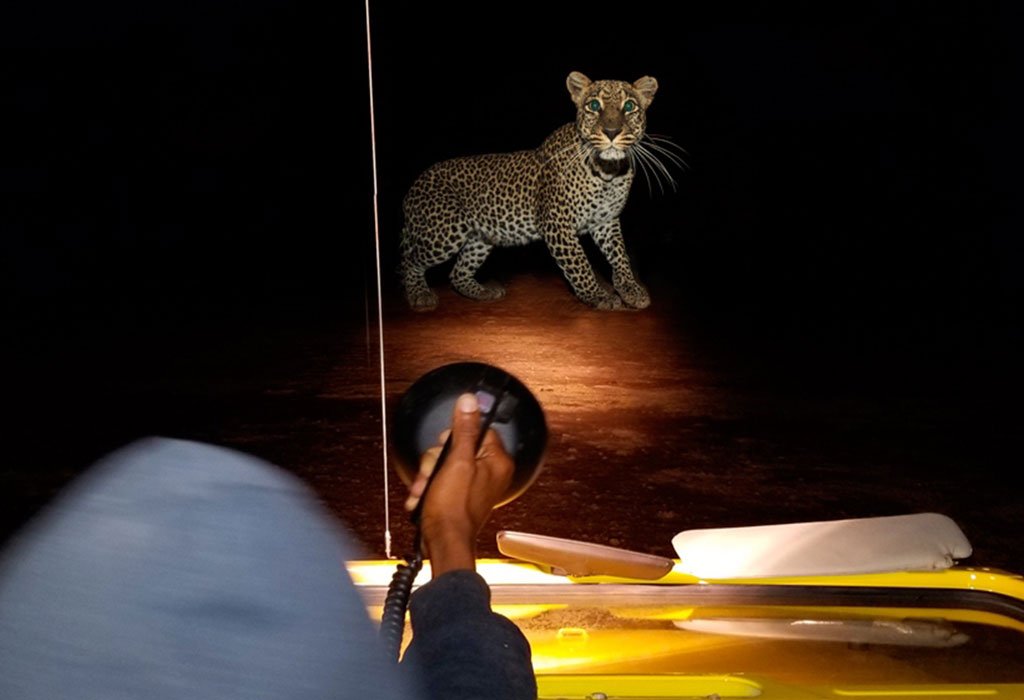
Night Game Drives in Akagera National Park
Evening safaris operate from 5:30 PM until approximately 8:30 PM, exclusively within the park’s southern sector. Specialized spotlight equipment illuminates nocturnal wildlife behaviors rarely observed during daylight hours. These unique experiences reveal how dramatically the African wilderness transforms after darkness falls.
Night drives encounter different species active only during evening hours, including various nocturnal predators and smaller mammals that remain hidden during daytime. The sounds of the African night create atmospheric backdrops while professional guides explain how different species adapt to darkness.
Additional Wildlife Encounters
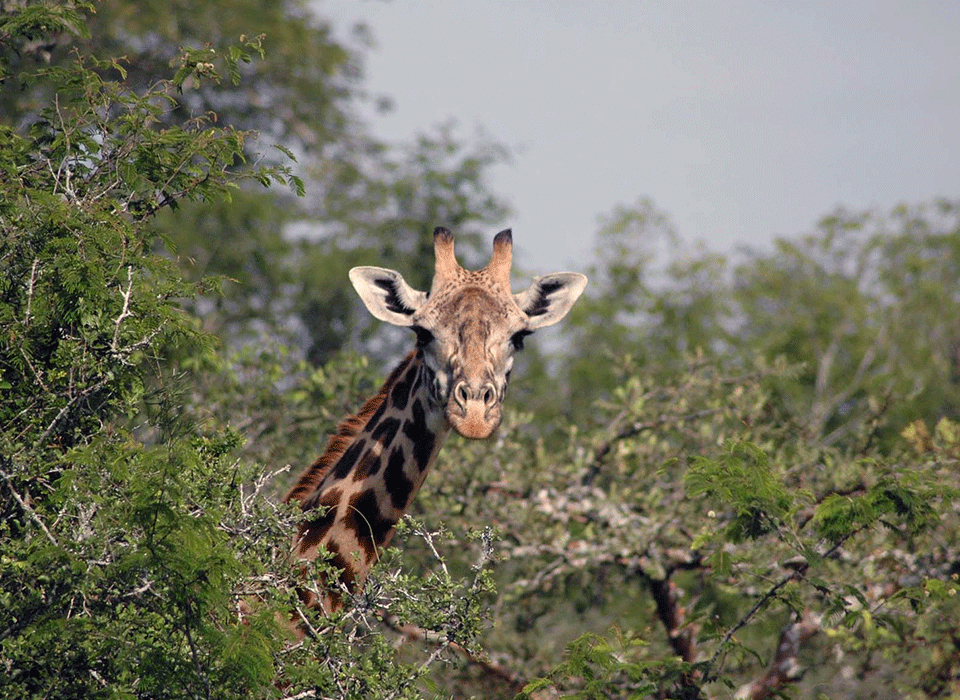
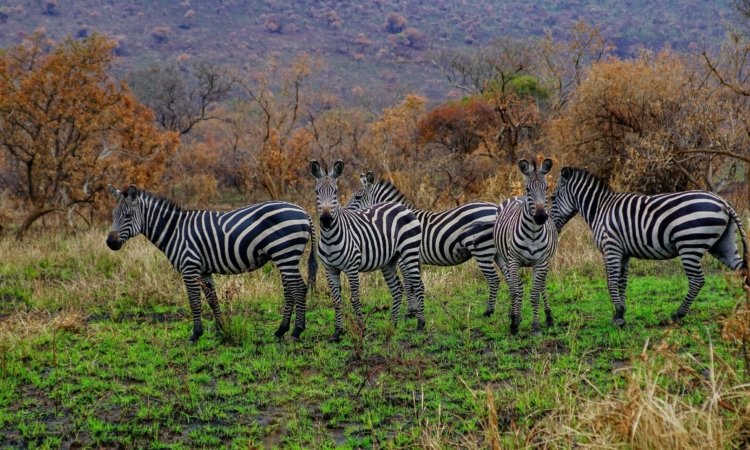
Beyond the Big Five, Akagera hosts remarkable diversity across multiple animal categories. Masai giraffes tower above acacia trees while zebra herds create striking patterns against green grasslands. Eleven antelope species inhabit different ecological niches, from water-loving waterbucks to agile klipspringers navigating rocky terrain.
Topi herds migrate seasonally across open plains while elegant impalas bound gracefully through woodland areas. Defassa waterbucks congregate near lake shores where their preferred habitats provide both food and security. The Mutumba Hills offer opportunities to spot pairs of oribi, small antelopes that prefer elevated grassland environments.
Warthogs provide entertainment with their comical appearances and amusing behaviors. Spotted hyenas fulfill crucial ecological roles as both predators and scavengers. Serval cats hunt in tall grasslands using exceptional hearing abilities to locate prey. Various primate species, including olive baboons and vervet monkeys, create additional wildlife viewing opportunities.
Birdwatching Paradise
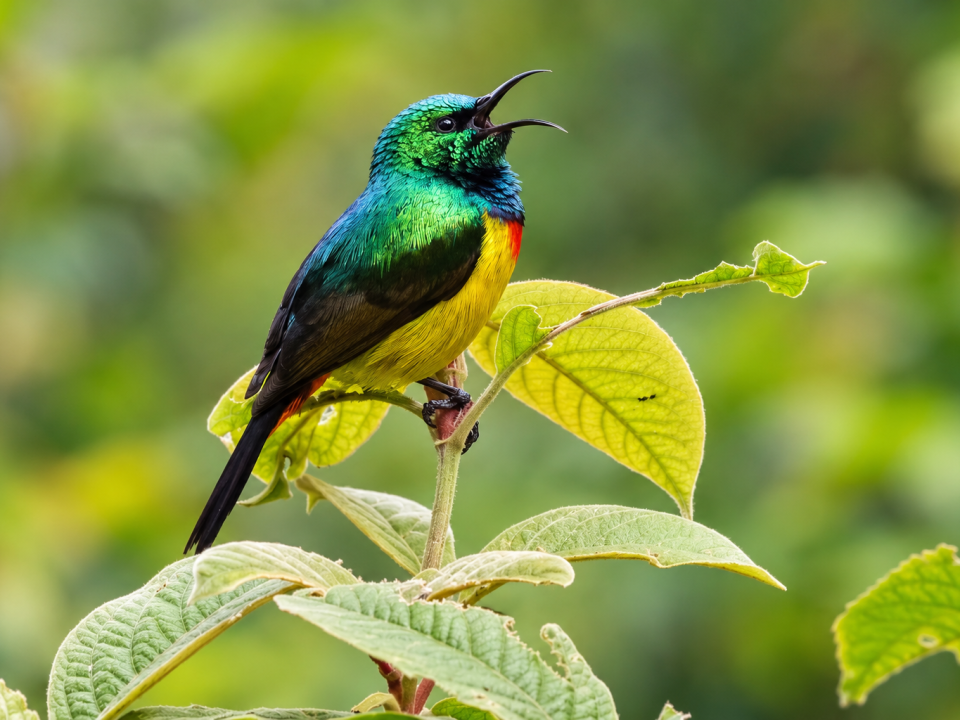
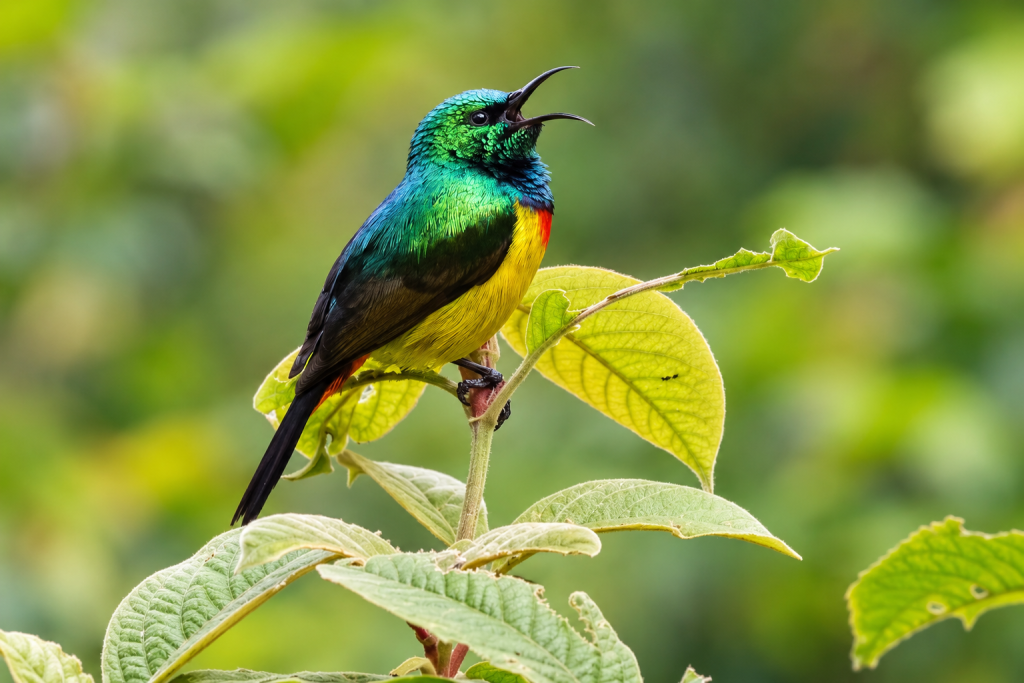
Akagera’s 520-plus bird species establish it among East Africa’s premier birdwatching destinations. The legendary Shoebill Stork inhabits papyrus swamps where patient observers may glimpse this prehistoric-looking species. Papyrus Gonoleks specialize in wetland environments while various raptor species patrol savannah skies.
Water birds concentrate around lake systems where African Fish Eagles perch majestically on dead trees. Grey-crowned Cranes perform elaborate courtship dances in open grasslands. Migratory species arrive seasonally, adding temporary diversity to resident populations.
Early morning and late afternoon hours provide optimal birdwatching conditions when activity levels peak. Knowledgeable guides identify species while explaining their ecological roles and behavioral adaptations. Specialized birding tours focus on specific habitats or target species according to visitor interests.
Boat Safaris on Lake Ihema
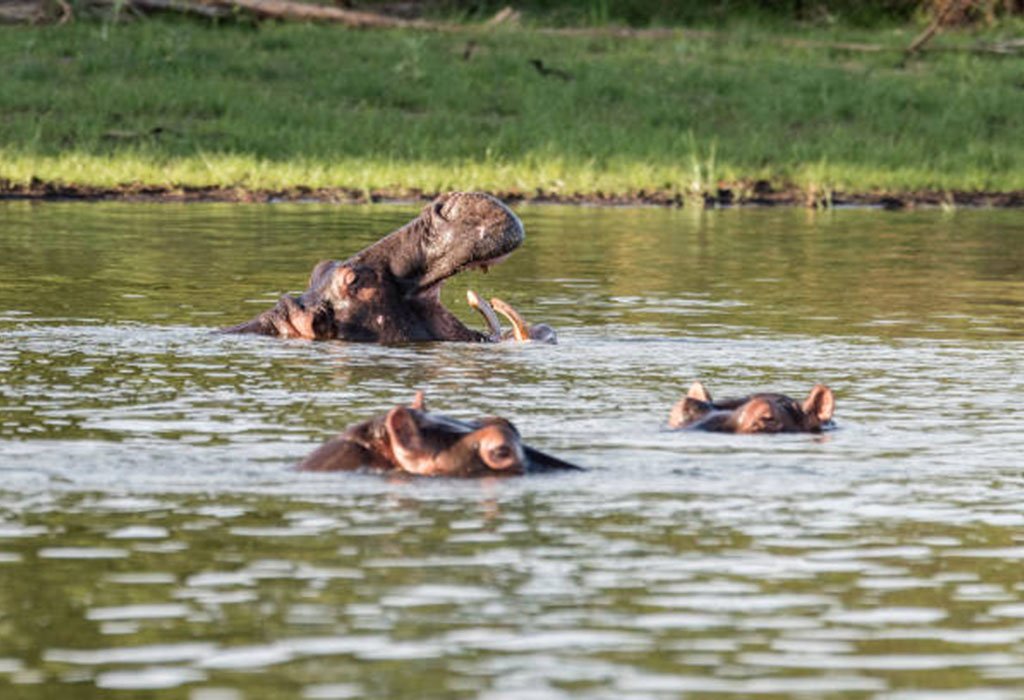
Boat Safaris in Akagera National Park
Lake Ihema boat safaris complement land-based game drives by accessing aquatic ecosystems unavailable to vehicles. These water-based expeditions reveal different wildlife perspectives while providing closer encounters with hippos and Nile crocodiles. The lake’s size supports substantial populations of both species, creating reliable viewing opportunities.
Scheduled departures include morning trips at 7:30 AM and 9:00 AM, afternoon expeditions at 3:00 PM, and popular sunset cruises beginning at 4:30 PM. Each journey lasts approximately one hour with experienced guides providing wildlife identification and ecological interpretation.
Private boat safaris accommodate visitors seeking personalized experiences with flexible timing options. Sunset cruises particularly appeal to photographers capturing dramatic lighting conditions over tranquil waters. The peaceful atmosphere contrasts beautifully with the excitement of land-based game drives.
Optimal Visiting Seasons
The dry season from June through early September and December through February provides ideal game viewing conditions. Animals concentrate around permanent water sources while shorter vegetation improves visibility. Road conditions remain optimal for accessing remote areas of the park.
Wet season visits from March through May and late September through November offer different advantages. Lush green landscapes create stunning photographic backdrops while some wildlife becomes more approachable. However, muddy roads may limit access to certain areas during heavy rainfall periods.
December through February represents the peak visiting season with optimal weather conditions and maximum wildlife visibility. June through early September provides excellent alternatives with cooler temperatures but potentially crowded conditions during international holiday periods.
Accommodation Options
Luxury Lodges
Ruzizi Tented Lodge provides eco-friendly luxury accommodations on Lake Ihema’s shores. Nine spacious tents blend seamlessly with natural surroundings while offering modern amenities and spectacular views. Solar power systems demonstrate environmental commitment while maintaining comfortable guest experiences.
Magashi Camp features eight exclusive tents overlooking Lake Rwanyakazinga in the park’s northern section. Personalized service and gourmet dining elevate the safari experience while conservation programs engage guests in meaningful wildlife protection efforts.
Mid-Range Options
Mantis Akagera Game Lodge occupies hilltop locations overlooking diverse landscapes. Comfortable rooms feature private balconies while common areas include restaurants, bars, and swimming pools. The lodge serves as an excellent base for exploring the park while maintaining modern comfort standards.

Mantis Akagera Game Lodge
Karenge Bush Camp provides intimate camping experiences emphasizing community involvement and sustainability. Simple yet comfortable accommodations foster closer connections with natural environments while guided activities showcase local conservation efforts.
Budget Accommodations
Akagera Game Lodge near the park entrance offers affordable options without compromising access to wildlife viewing opportunities. Basic amenities serve budget-conscious travelers while maintaining convenient locations for safari activities.
Getting There
Road access from Kigali requires approximately 2-3 hours covering 110 kilometers of mostly paved roads. The final 28-kilometer stretch consists of dirt roads leading directly to park headquarters. Four-wheel-drive vehicles are highly recommended for park exploration and self-drive safaris.
Charter flights from Kigali International Airport provide faster alternatives with scenic aerial views of Rwanda’s landscapes. Akagera Aviation operates these services for visitors prioritizing time efficiency over ground transportation experiences.
Professional safari operators like Safari Vacations and Travel Services provide complete transportation solutions including comfortable 4×4 vehicles and experienced guides. These comprehensive packages eliminate logistical concerns while maximizing wildlife viewing opportunities through expert local knowledge and specialized equipment.