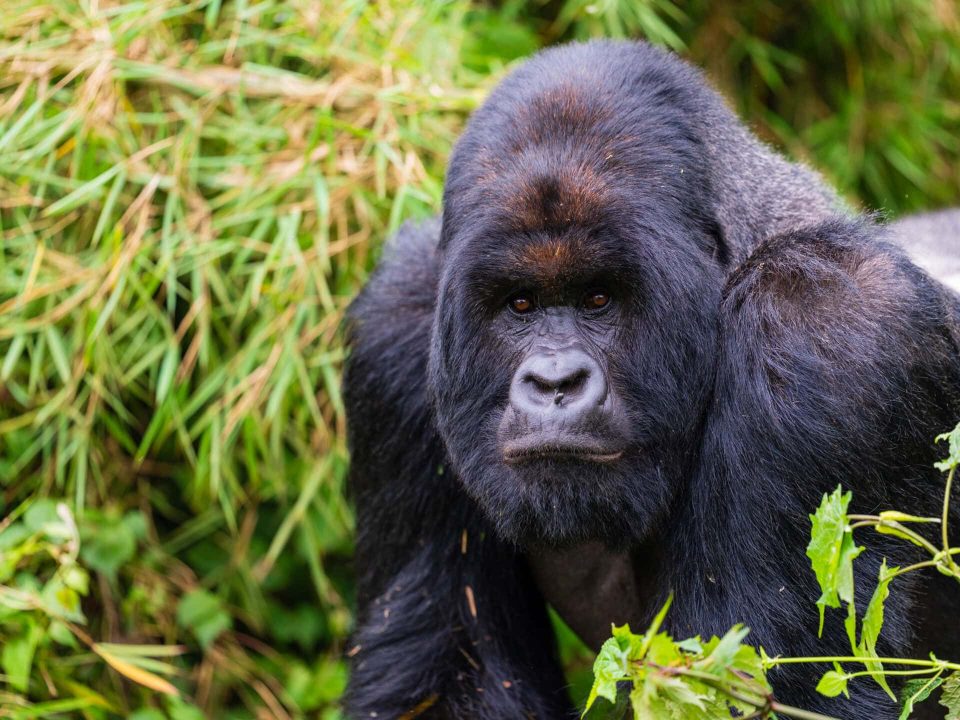
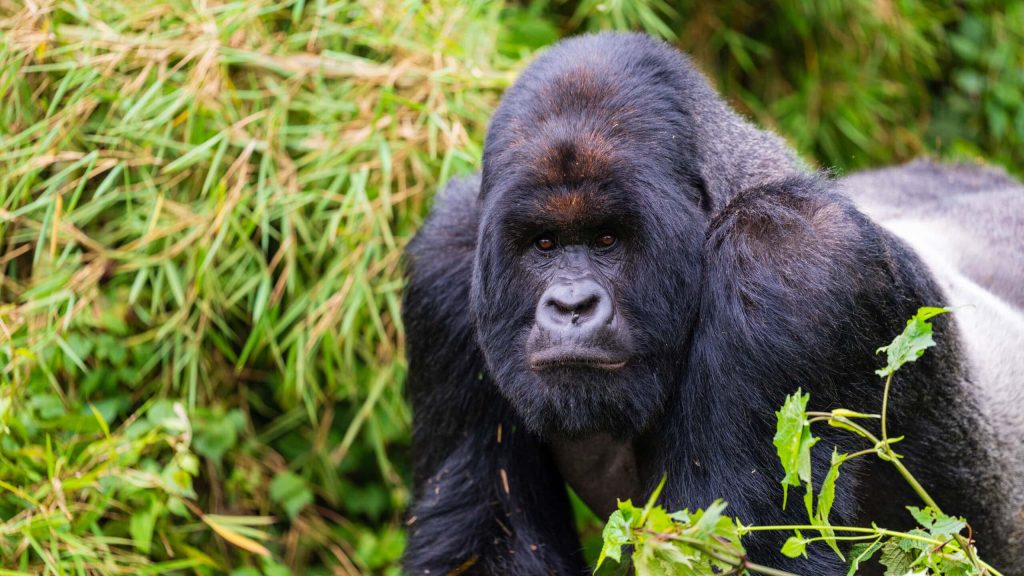
Nature Walks in Akagera National Park
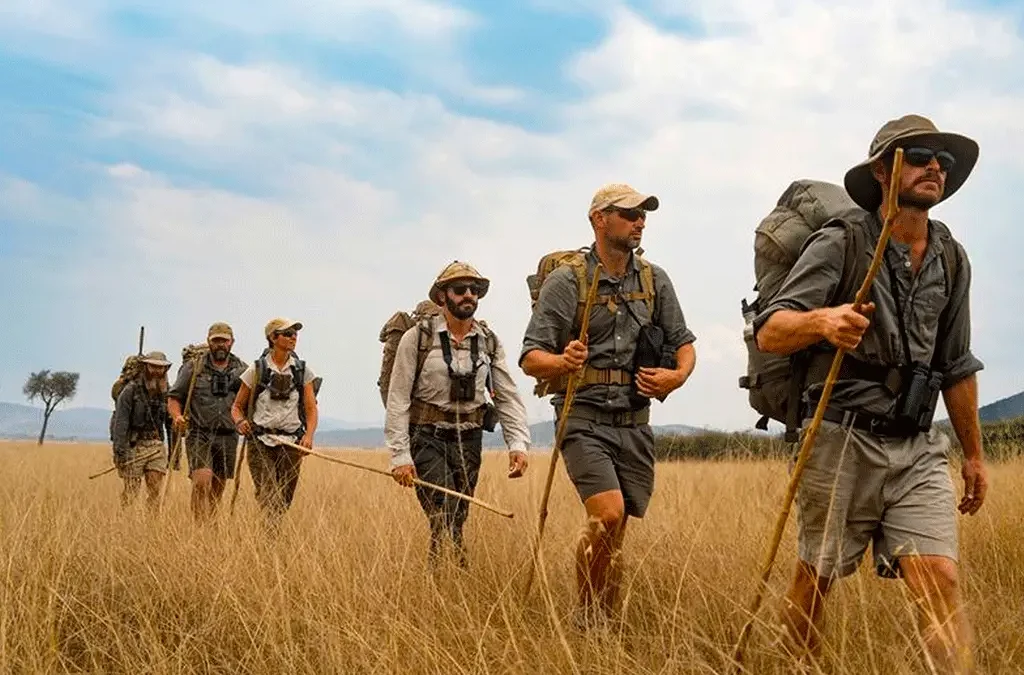
SAMPLE SAFARI PLAN
2-Day Akagera Nature & Wildlife Safari
For travellers who want to experience Akagera properly, two days provide considerably more flexibility than rushing through the park on a single-day excursion.
DAY 1
Kigali – Akagera National Park & Game Drive
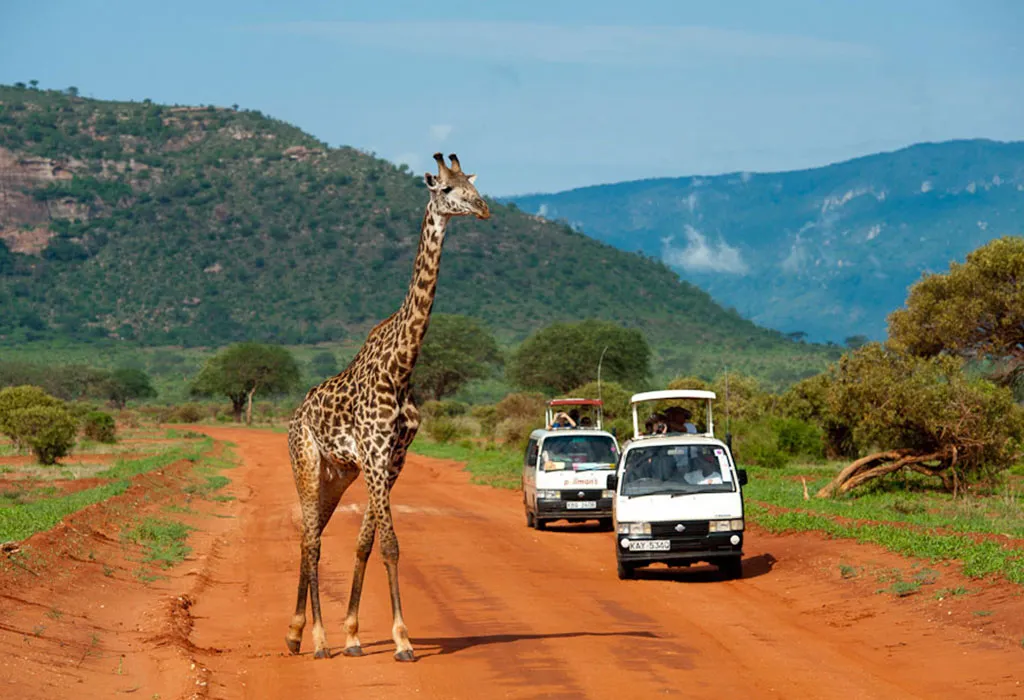
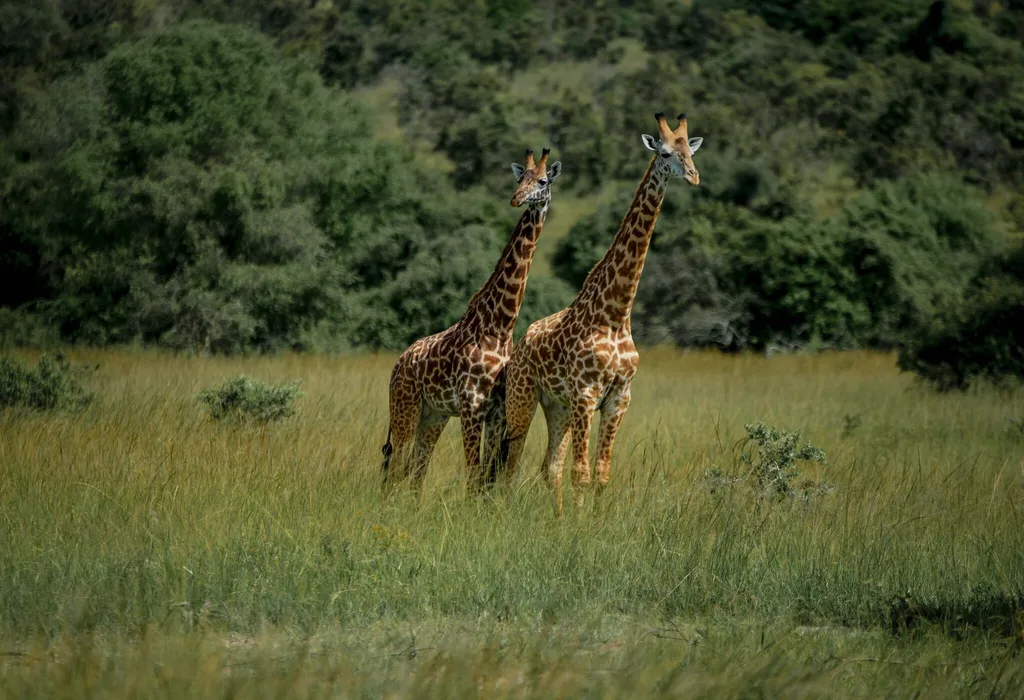
Leave Kigali and travel east toward Akagera National Park. After completing the park formalities, begin exploring the savannah by safari vehicle. Depending on wildlife movements, sightings may include giraffes, zebras, buffaloes, elephants, antelopes and a variety of birds. Continue to your selected lodge for dinner and overnight.
DAY 2
Guided Walking Experience & Lake Ihema
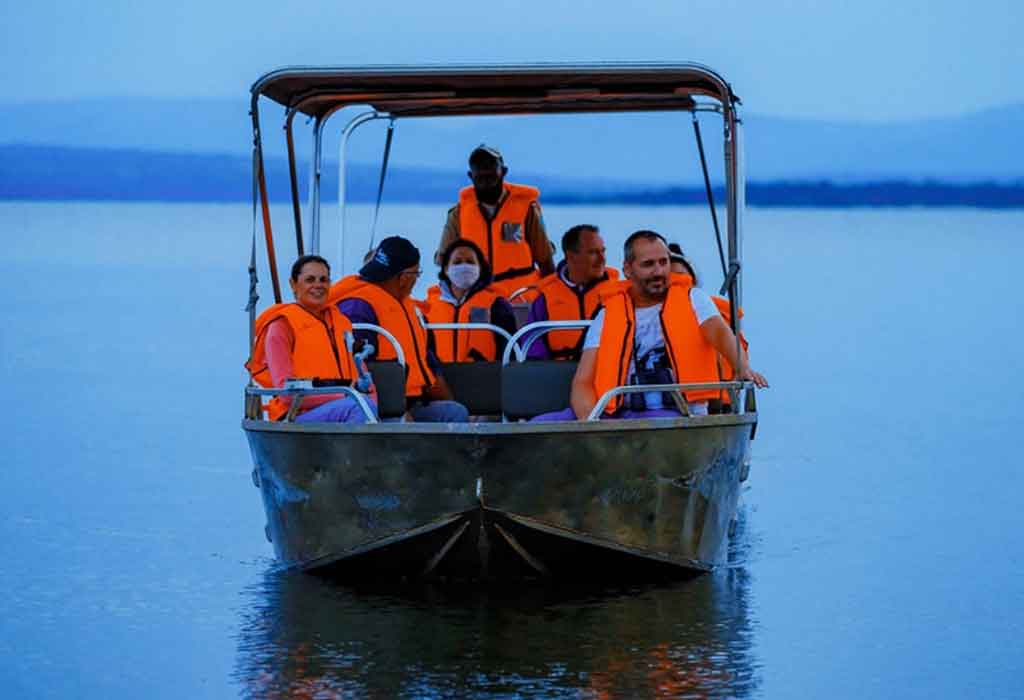
Begin the day with your pre-arranged guided nature or conservation walking experience. The slower pace provides time to appreciate vegetation, birds and wildlife signs before continuing to Lake Ihema for a boat safari. Watch the shoreline for hippos, crocodiles and waterbirds before returning to Kigali or continuing to another destination in Rwanda.
Nature walks in Akagera National Park offer travellers an opportunity to slow down and appreciate details that are easily overlooked during a traditional safari drive. Akagera is best known as Rwanda’s savannah wildlife destination, where open plains, woodland, wetlands and lakes provide habitat for elephants, giraffes, buffaloes, zebras, lions, rhinos, antelopes and an impressive variety of birds.
However, exploring Akagera on foot needs to be understood correctly. This is a genuine Big Five wildlife area, so visitors cannot simply leave their vehicle and independently walk through the park. Walking is limited to specifically organised and guided experiences where safety, location and conservation considerations have been taken into account.
One of the best-known options is the Walk the Line experience, a guided walk associated with Akagera’s boundary fence. Rather than being designed primarily for close encounters with large animals, it provides a fascinating introduction to conservation, the relationship between the protected area and surrounding communities, smaller wildlife, vegetation and animal signs.
Can You Walk in Akagera National Park?
Yes, but only through organised walking experiences in designated areas. Akagera’s main wildlife areas are generally explored by safari vehicle because the park supports large and potentially dangerous animals including elephants, buffaloes, lions and rhinos. Visitors interested in walking should therefore arrange a recognised guided activity such as Walk the Line rather than attempting to walk independently.
A DIFFERENT KIND OF SAFARI
Why Experience Akagera on Foot?
A vehicle helps you cover large distances, but a guided walk encourages you to notice the smaller details that make Akagera’s ecosystem work.
Slow Down
Walking changes the pace of a safari. Tracks, insects, grasses, seeds, flowers and signs left by animals become part of the experience.
Notice the Birdlife
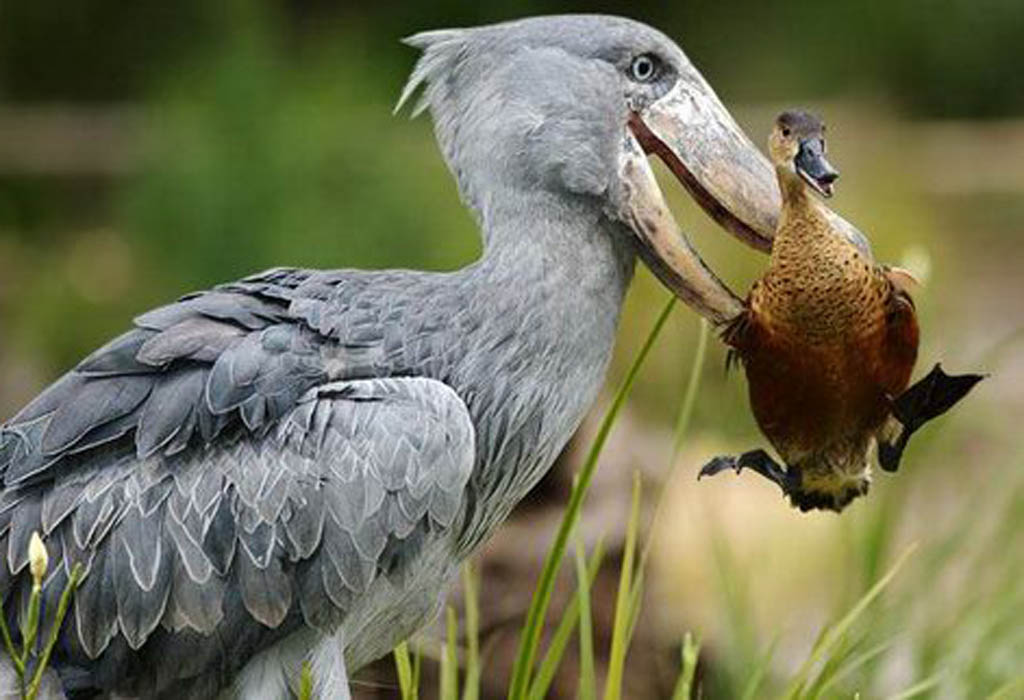
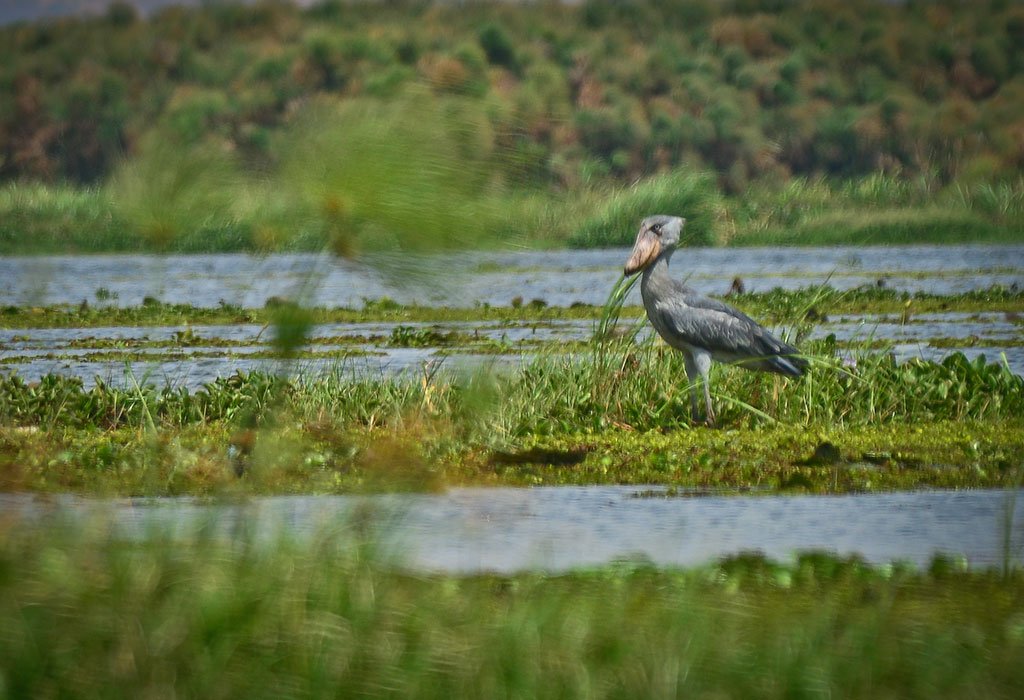
Akagera’s mix of savannah and wetland makes it one of Rwanda’s important birding destinations, and walking encourages a more patient approach to observation.
Understand the Ecosystem
A knowledgeable guide can explain vegetation, habitats, animal signs and how the savannah changes through Rwanda’s wet and dry seasons.
Learn About Conservation
Akagera’s conservation recovery is an important part of its story, particularly the management of wildlife, boundaries and neighbouring communities.
SIGNATURE WALKING EXPERIENCE
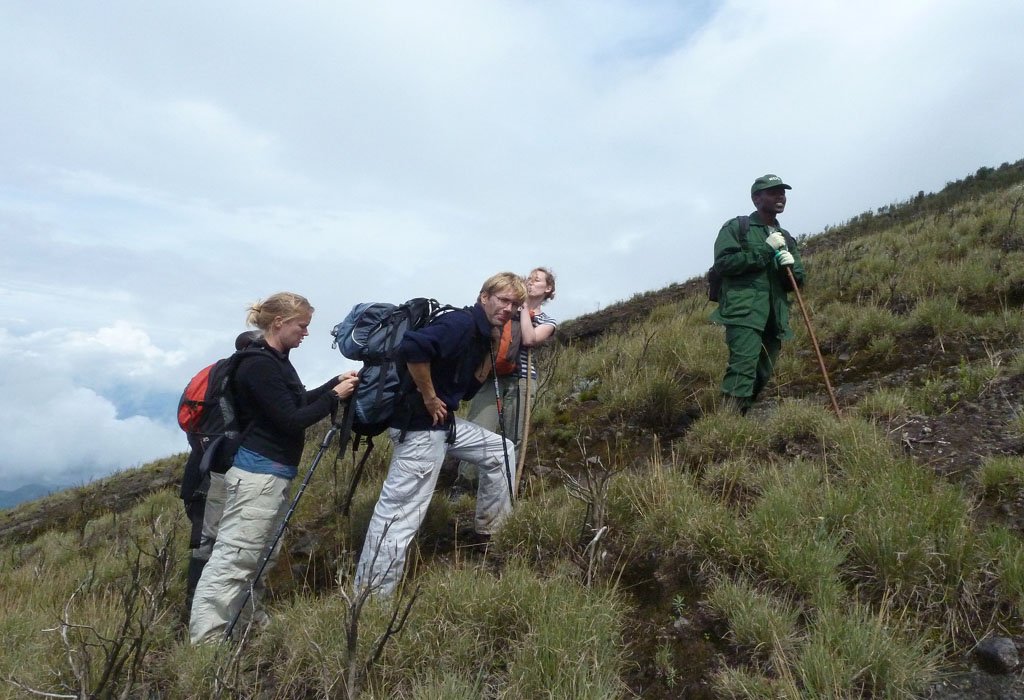
Walk the Line in Akagera
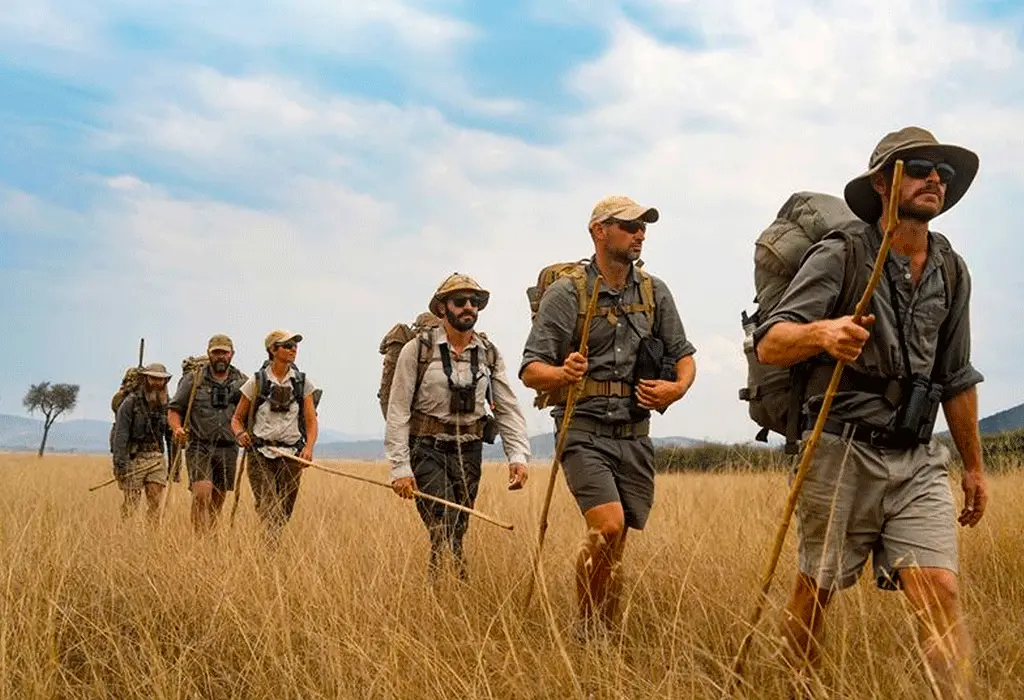
Walk the Line is one of the most interesting ways to understand Akagera beyond the conventional game drive. The experience follows part of the park’s boundary fence with a guide and focuses on the relationship between wildlife conservation, protected areas and neighbouring communities.
The walk is approximately 7 kilometres and is generally described as taking around two hours. It should not be confused with unrestricted walking through Akagera’s principal Big Five game-viewing areas.
As you walk, attention shifts away from searching only for large mammals. Your guide can point out tracks, dung, insects, plants, birds and other signs that reveal how wildlife uses the landscape.
Best suited to:
Conservation-minded travellers, birders, photographers, repeat safari visitors and guests who want to experience another side of Akagera beyond wildlife viewing from a vehicle.
LOOK CLOSER
What Can You Experience on an Akagera Nature Walk?
Nature walks are less about ticking large animals off a checklist and more about understanding the landscape beneath your feet.
WILDLIFE SAFETY
Is Walking in Akagera Safe?
Organised walking experiences are designed around designated routes and guide supervision. Akagera nevertheless remains a wild environment and visitors should treat every walking experience seriously.
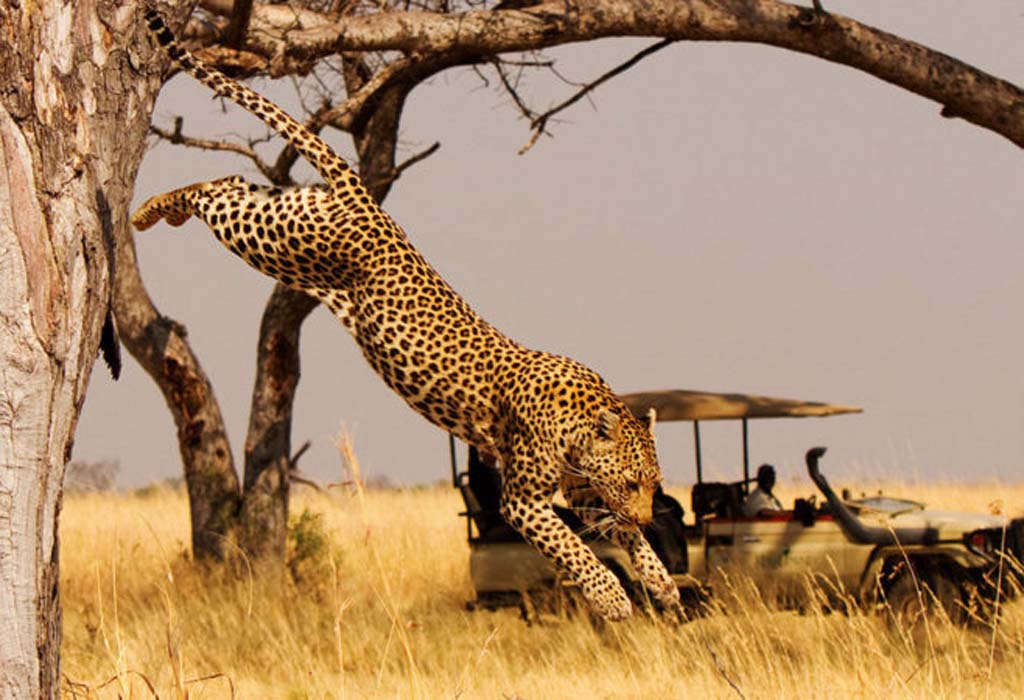
The park supports lions, elephants, buffaloes, rhinos, leopards and other wildlife. For this reason, walking independently through normal game-viewing areas is not appropriate.
- Always remain with your guide.
- Follow instructions immediately.
- Do not approach or pursue wildlife.
- Avoid excessive noise.
- Remain on the designated walking route.
- Never leave your safari vehicle in wildlife areas unless instructed that it is safe to do so.
WHICH EXPERIENCE?
Nature Walk vs Game Drive in Akagera
The two experiences complement each other rather than compete with each other.
| Experience | Nature Walk | Game Drive |
|---|---|---|
| Pace | Slow and immersive | Covers large distances |
| Main focus | Tracks, plants, birds and conservation | Large mammals and wildlife viewing |
| Big Five viewing | Not the principal purpose | Much more suitable |
| Photography | Details, landscapes and birds | Large wildlife and action |
| Best for | Nature and conservation enthusiasts | Wildlife-focused safari travellers |
Our recommendation: Rather than choosing one or the other, combine a guided walking experience with a conventional Akagera game drive. The two reveal completely different aspects of the same ecosystem.
Best Time for Nature Walks in Akagera
Akagera can be visited throughout the year, but walking conditions change with rainfall, vegetation and temperature. Travellers primarily interested in comfortable trail conditions often prefer the drier periods, while those visiting during greener months experience lush scenery and active birdlife.
June – September
Generally drier conditions make this an attractive period for combining a walk with game viewing.
December – February
Another relatively dry period, often suitable for travellers planning broader Rwanda wildlife safaris.
March – May
The landscape becomes noticeably greener. Rain can make walking conditions wetter, so suitable outdoor clothing is useful.
October – November
Short rains refresh the landscape and can provide attractive conditions for birding and photography.
What to Wear and Carry
You do not need specialised expedition equipment for a normal guided Akagera nature walk, but lightweight and practical safari clothing will make the experience more comfortable.
Walking Shoes
Closed shoes or lightweight hiking shoes with reliable grip.
Long Trousers
Useful against grasses, dust and insects.
Neutral Clothing
Khaki, green, brown and other muted colours work well.
Drinking Water
Akagera can become warm, particularly later in the day.
Binoculars
Especially worthwhile for birdwatchers.
Sun Protection
Carry sunscreen, sunglasses and a hat.
Camera
Ideal for landscapes, birds, tracks and smaller details.
Light Rain Jacket
Useful when travelling during wetter periods.
BUILD A COMPLETE AKAGERA SAFARI
What to Combine With an Akagera Nature Walk
Walking works particularly well as one component of a longer Akagera safari rather than as a replacement for traditional wildlife viewing.
WHERE TO STAY
Accommodation in Akagera National Park
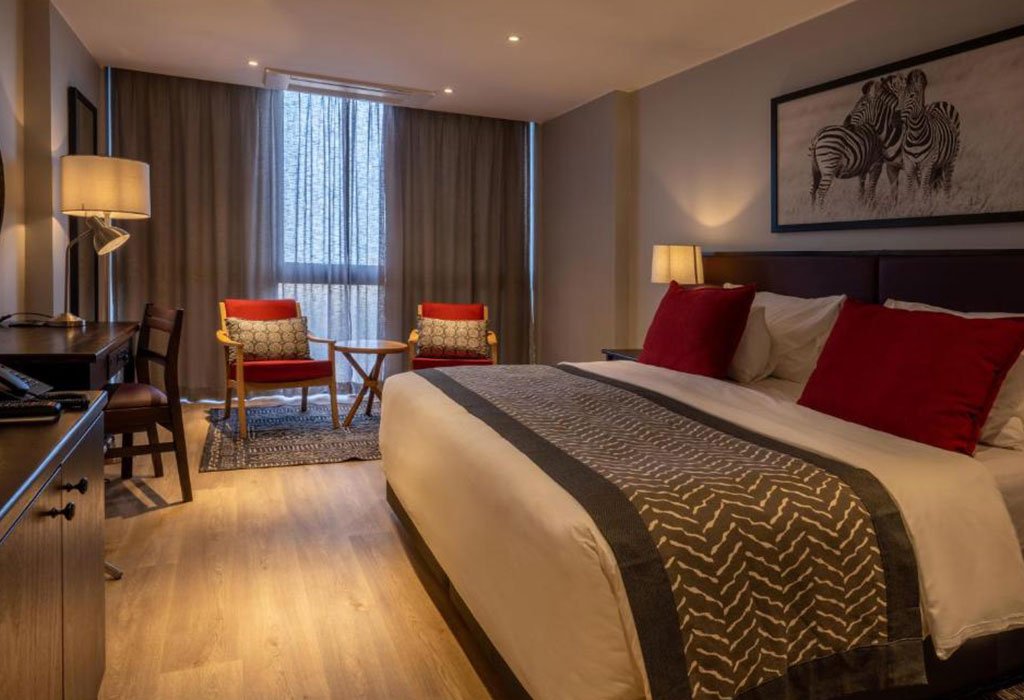
Akagera offers accommodation ranging from comfortable safari lodges to intimate tented camps. Your choice can depend on budget, location, travel style and how much time you want to spend inside the park.
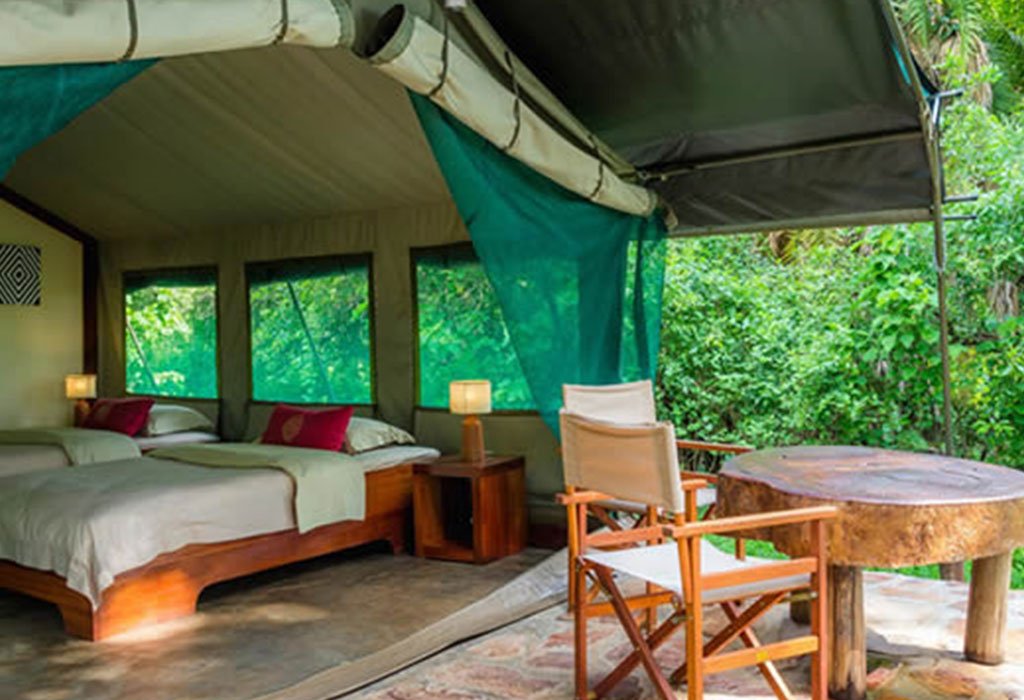
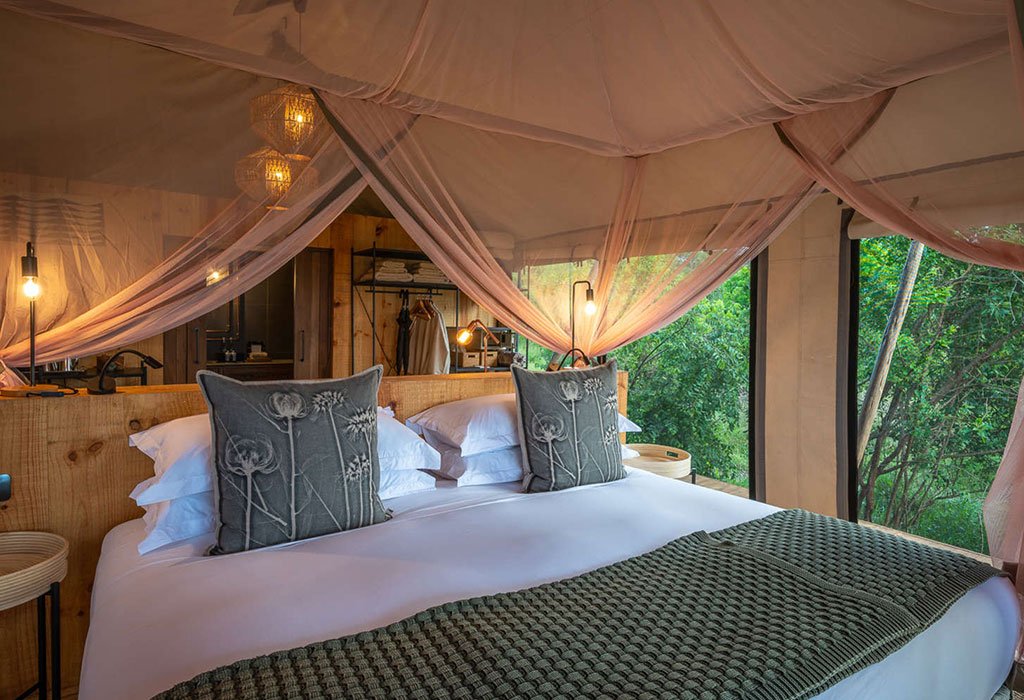
Choosing where to stay:
For a short two-day Akagera safari, staying inside or close to the park helps reduce unnecessary driving and allows you to make better use of early morning and late afternoon wildlife viewing hours. We can recommend accommodation according to your budget, preferred comfort level and safari itinerary.
Photography During an Akagera Nature Walk
Walking offers a different style of photography from a game drive. Instead of concentrating only on large mammals, look for environmental compositions, unusual trees, grasses moving in the wind, animal footprints, insects, birds and wider views of the savannah.
A lightweight camera setup is generally more convenient than carrying substantial photographic equipment over several kilometres. A moderate zoom lens can be particularly useful for birds and wildlife that should be observed from a respectful distance.
Travellers whose main objective is close photography of elephants, lions, rhinos, buffaloes or other large animals should place greater emphasis on their guided game drive. The purpose of a nature walk is to experience the ecosystem differently rather than deliberately approach dangerous wildlife.
Can Children Join Nature Walks in Akagera?
Suitability depends on the particular activity, the child’s age, walking ability and the park’s current operating conditions. A 7-kilometre walk may not be appropriate for every young traveller, particularly during hot weather.
Families travelling with children should confirm the current minimum age and participant requirements before booking. Safari Vacations & Travel Services can also structure the day so that families combine age-appropriate activities with game drives and a Lake Ihema boat safari.
Responsible Walking in Akagera
Akagera’s recovery has been built around conservation, tourism and relationships with communities living around the protected area. Walking responsibly therefore matters just as much as wildlife sightings.
Important: Nature Walks Are Not Independent Walking Safaris
Akagera is home to potentially dangerous wildlife, and visitors should not interpret “nature walk” as permission to walk independently through normal game-viewing areas. Always book recognised walking experiences and follow current park regulations and instructions from your guide. Availability, participant requirements and operating conditions can change, so activities should be reconfirmed when arranging your safari.
FREQUENTLY ASKED QUESTIONS
Nature Walks in Akagera FAQs
Can you walk inside Akagera National Park?
Walking is restricted to organised activities and suitable designated locations. General wildlife viewing through Akagera is primarily conducted by vehicle.
What is Walk the Line in Akagera?
Walk the Line is a guided walking experience following part of Akagera’s boundary fence. It combines walking with interpretation of conservation, park management, surrounding communities and the natural environment.
How long is the Walk the Line experience?
Published Akagera information describes the walk as approximately 7 kilometres and around two hours, although operating conditions should always be reconfirmed when booking.
Is walking in Akagera safe?
Recognised walking experiences are conducted in controlled locations and with appropriate guidance. Visitors should always remain with their guide and follow all safety instructions.
Will I see lions during a nature walk?
A guided nature walk should not be booked specifically to approach lions or other dangerous wildlife. Travellers hoping to see Akagera’s large mammals should combine their walk with a game drive.
What should I wear?
Closed walking shoes, long lightweight trousers, neutral-coloured clothing and a sun hat are recommended. Carry drinking water, sunscreen and a light rain jacket when appropriate.
Is Akagera good for birdwatching?
Yes. Akagera’s savannah, woodland, wetlands and lakes support roughly 500 recorded bird species, making birding an important part of the park experience.
Can I combine a nature walk with a Lake Ihema boat safari?
Yes. Combining walking with a boat trip and game drive creates a much more varied Akagera safari because each activity explores a different habitat.
How many days should I spend in Akagera?
Two days is a practical starting point for travellers who want more than a rushed game drive. Three days provides even more flexibility for game drives, boating, birding and additional activities.
Should nature walks be booked in advance?
Yes. It is sensible to arrange the experience before arriving because walking activities can have participant, scheduling and operational requirements.
PLAN YOUR RWANDA SAFARI
Experience More Than a Game Drive in Akagera
We can combine Akagera’s wildlife, guided walking experiences, Lake Ihema boat safaris and birding into a private Rwanda itinerary designed around your available time and travel style.