
Best Time of the Year To Trek Gorillas
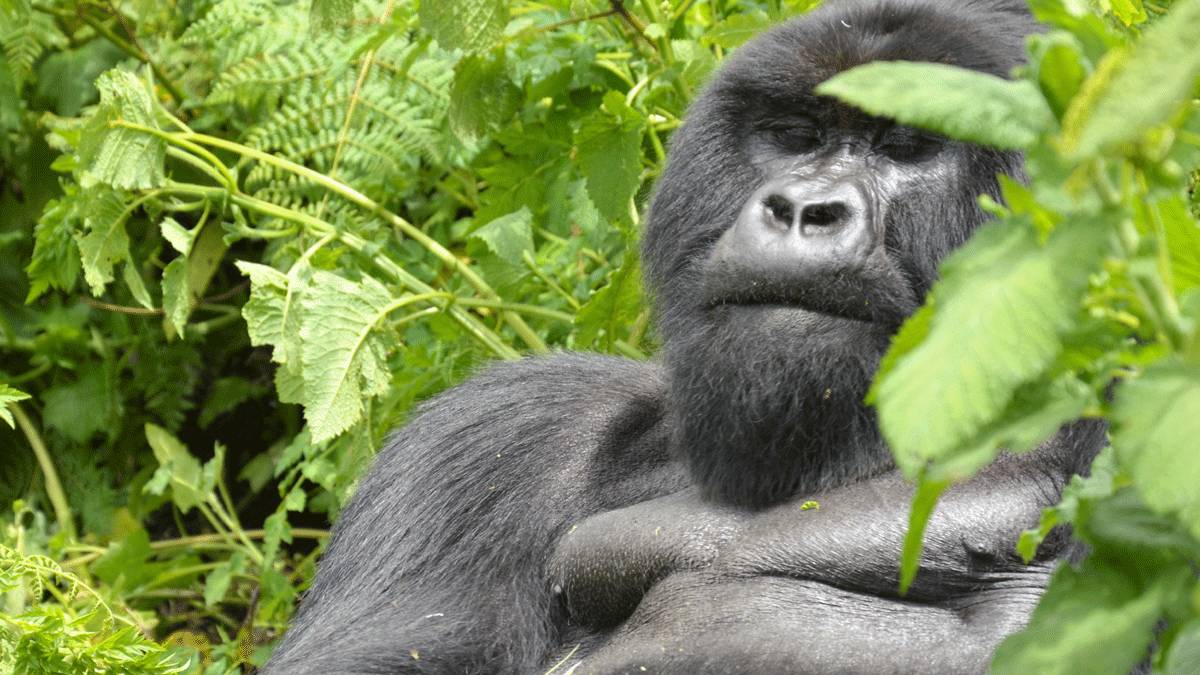
Best time of the year to trek gorillas is a question many travelers ask before planning a Uganda safari. Uganda sits at the heart of East Africa and carries the title “Pearl of Africa” for good reason. The country offers cool weather, warm people, and a rich natural landscape of hills, valleys, and forests. It is home to some of the world’s most iconic wildlife, including the rare mountain gorilla. Whether you are a first-time visitor or a returning traveler, Uganda gives you a one-of-a-kind adventure every single time you visit.
Why Uganda Is a Top Destination for Gorilla Trekking
Uganda stands out as one of Africa’s leading travel destinations. The country does not just offer remarkable wildlife — it also delivers extraordinary experiences that stay with you for life. One of those experiences is mountain gorilla trekking. Travelers from all over the world fly into Uganda just to spend a precious hour with these gentle giants in their natural habitat.
Furthermore, Uganda holds more than half of the world’s remaining mountain gorilla population. This fact alone makes it a must-visit location for any wildlife lover. The forests here are dense, rich, and alive — a true jungle experience that you cannot find anywhere else on earth.
Best Time of the Year To Trek Gorillas and Where Gorilla Trekking Takes Place in Uganda
Gorilla trekking in Uganda happens in two main national parks. These are Bwindi Impenetrable National Park and Mgahinga Gorilla National Park, both located in the southwestern region of the country.
Bwindi Impenetrable National Park is the more popular of the two. It shelters multiple gorilla families and offers a range of trekking sectors, including Buhoma, Ruhija, Rushaga, and Nkuringo. Mgahinga, on the other hand, sits at the foot of the Virunga volcanoes and offers a more remote and dramatic trekking setting.
In addition, both parks sit at high altitudes, which gives them a cool and misty climate year-round. This is something every traveler should prepare for before they arrive.
Can You Trek Gorillas All Year Round?
Yes, you can trek gorillas in Uganda throughout the entire year. There is no month when the parks close for gorilla trekking. However, different months bring different conditions, and each season comes with its own set of advantages and challenges. Therefore, knowing what to expect during each season helps you plan a smarter and more enjoyable trip.
Uganda experiences two main weather seasons — the dry season and the wet season. Understanding both will help you choose the right time to visit based on your travel preferences.
The Dry Season – High Season for Gorilla Trekking
The dry season runs across the following months: January, February, June, July, August, September, and December. This period is also known as the high season for Uganda safaris.
What Makes the Dry Season Great
During the dry season, rainfall is minimal. As a result, the forest trails are less muddy and far easier to walk on. Trekking becomes less physically demanding, which makes the experience more enjoyable — especially for travelers who are not used to long hikes through thick jungle terrain.
Moreover, the dry season makes it easier to photograph gorillas clearly. You get better natural light, and the vegetation is not as dense, so you have cleaner lines of sight when watching the gorillas feed or play.
A Slight Challenge During the Dry Season
One thing to note, however, is that gorillas tend to move longer distances during the dry season. They travel deeper into the forest in search of food and water. This means your trek may take longer — sometimes up to eight hours. Still, the effort is always worth it. Guides and rangers lead you safely, and finding the gorillas remains the highlight of the journey no matter how long it takes.
Pack a Rain Jacket Even in the Dry Season
Even during the dry season, the tropical highlands of Bwindi and Mgahinga can receive surprise showers at any time. Early mornings and late evenings are especially prone to brief rainfall. Therefore, always carry a waterproof rain jacket and pack your gear in a waterproof bag, regardless of the time of year you visit.
The Wet Season – Low Season with Hidden Advantages
The wet season covers the months of April, May, October, and November. This period sees heavier and more frequent rainfall across the park areas.
The Challenges of Trekking in the Wet Season
During the wet season, the trails become muddy and slippery. Trekking requires more physical effort because every step demands careful footing on wet ground. In addition, the thick forest canopy traps moisture, and the air feels more humid. Travelers with limited physical fitness may find this season harder to manage.
Also, gorillas tend to shelter deep within the forest during heavy rains. They prefer the cover of thick vegetation, which can make spotting and observing them more difficult. Even so, rangers track the gorilla families every day and always know their general location before trekkers set out in the morning.
Why the Wet Season Has Real Appeal
Despite the challenges, the wet season offers travelers some very compelling advantages. First, gorilla permits are easier to obtain. During the high season, demand is very high and permits sell out quickly. In the wet season, however, fewer tourists travel to Uganda, which means you have a much better chance of securing your permit on short notice.
Second, accommodation prices drop significantly. Many lodges and safari camps lower their rates during the low season to attract guests. As a result, you can enjoy the same high-quality lodges at a fraction of the high-season cost.
Third, and perhaps most surprisingly, gorillas move down the mountain slopes during the wet season to find ripe fruits and other foods available at lower elevations. This can actually make finding them quicker and easier on some days. Additionally, the forest looks strikingly beautiful after rainfall — lush, green, and full of life.
The Best Months to Trek Gorillas in Uganda
Based on weather patterns and overall trekking conditions, the best months to trek gorillas in Uganda are:
- January and February – dry, cool, and comfortable for trekking
- June, July, and August – peak season with excellent conditions and high gorilla permit demand
- September – still dry, slightly fewer crowds than the peak months
- December – dry season resumes after the short rains; festive travel season
These months give you the best trail conditions and the most comfortable trekking experience overall.
The Impact of Climate Change on Uganda’s Weather
It is important to note that global weather patterns are changing. Climate change has made it harder to predict Uganda’s rainfall with complete accuracy. Some months that were traditionally dry now experience unexpected showers, and vice versa. Therefore, while the seasonal guide above is reliable, no traveler should assume perfect dry weather on any given day.
The practical advice here is simple — always prepare for rain. Bring sturdy, waterproof hiking boots, a good rain jacket, and quick-dry clothing. This ensures that no matter what the weather does on your trekking day, your experience remains comfortable and enjoyable.
What to Bring for a Gorilla Trek in Uganda and Best Time of the Year To Trek Gorillas
Proper preparation makes a big difference on the day of your trek. Here is what you should always pack:
- Waterproof rain jacket – essential in all seasons
- Long-sleeved shirt and long trousers – protects against insects and vegetation
- Sturdy hiking boots with ankle support and grip
- Garden gloves – useful for gripping vegetation on steep slopes
- Insect repellent – the forest is full of insects, especially during the wet season
- Energy snacks and water – trekking can last several hours
- Camera with extra batteries – you will want to capture every moment
Planning Your Gorilla Trek with Safari Vacations and Travel Services
Planning a gorilla trek requires careful preparation, especially when it comes to permits. Uganda’s gorilla permits cost USD 800 per person per trek, and availability during the high season is limited. Booking well in advance — at least three to six months ahead for the dry season — is strongly recommended.
Safari Vacations and Travel Services has over 10 years of experience designing safari itineraries across Uganda, Rwanda, and the Democratic Republic of Congo. The team handles all local logistics, including gorilla permits, accommodation bookings, and transport arrangements. Their local consultants bring deep ground knowledge to every itinerary they build.
Whether you want a short two-day gorilla trek or a longer multi-week Uganda safari combining wildlife, culture, and landscapes, the team manages every detail from start to finish. They also offer car hire services for independent travelers who prefer flexible movement on the ground.
Conclusion
Uganda offers gorilla trekking throughout the entire year, but the dry season months — particularly June through September and January through February — deliver the best overall trekking conditions. The wet season, while more challenging, brings real benefits such as lower costs, easier permit access, and a forest landscape that is strikingly alive with greenery.
Whichever season you choose, the experience of sitting quietly in the forest and watching a mountain gorilla family go about their day is one that will stay with you forever. Plan wisely, prepare well, and let Uganda show you why it truly is the Pearl of Africa.
For more information, bookings, permit assistance, or custom itinerary planning, contact Safari Vacations and Travel Services — your trusted partner for Uganda gorilla safari experiences.


