Shoebill Filming In Uganda

Shoebill Filming In Uganda
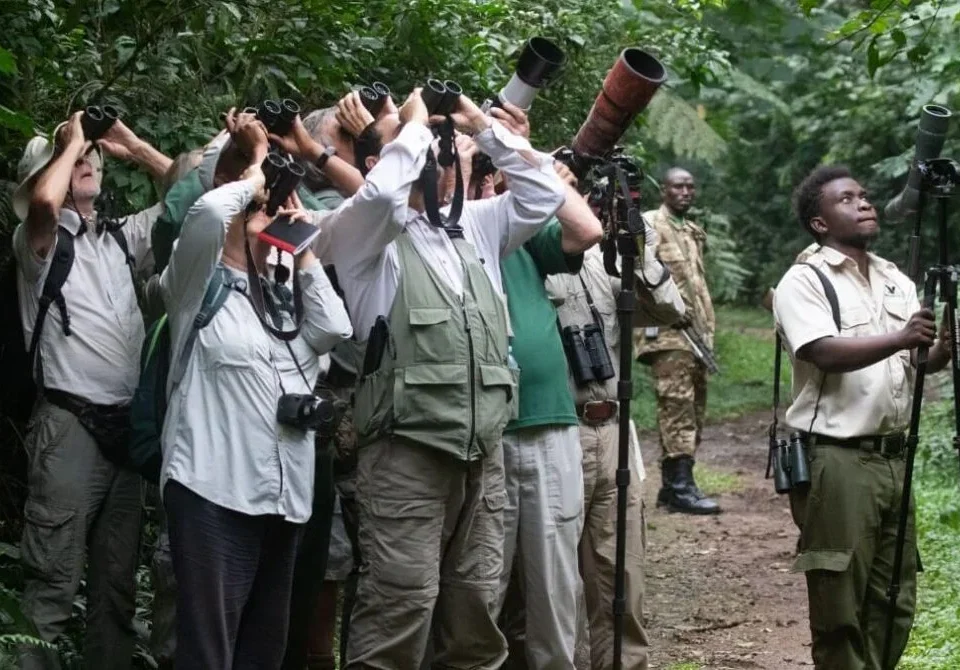
Shoebill filming in Uganda: When it comes to birding in Uganda, shoebill storks are some of the interesting bird species the majority of birders come to look for. Uganda alone is home to about 1080 bird species. This makes it an ideal birding destination and a shoebill stork filming location in Africa that tourists prefer.
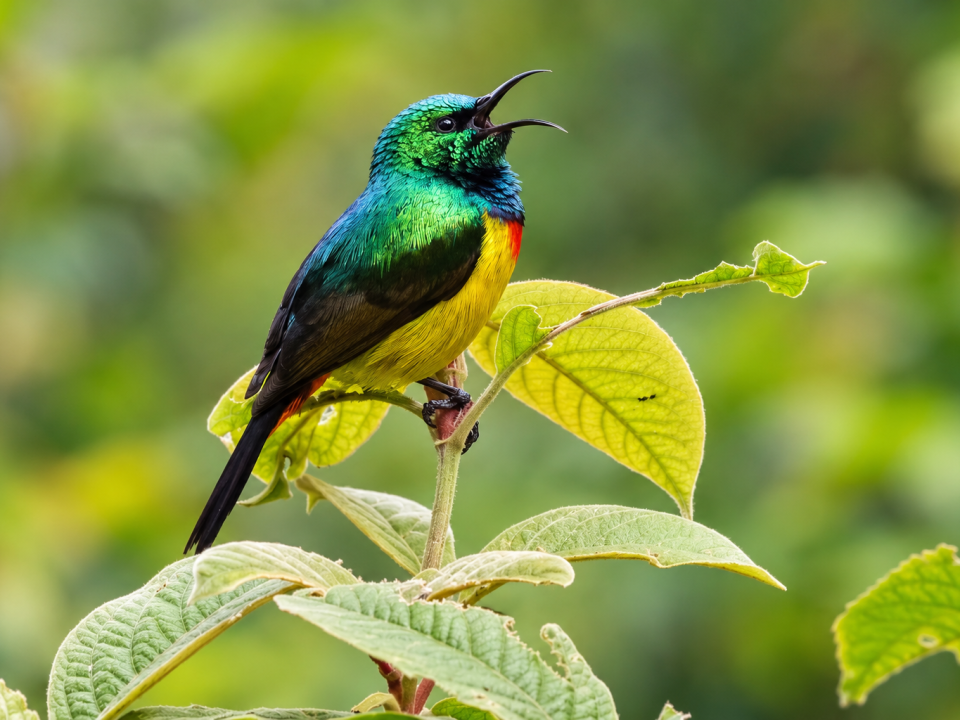
Shoebill storks are among the unique and endangered species of birds in Africa. Each year attracts filmmakers and production companies globally. Uganda boasts as a stronghold of shoebill storks in East Africa. Most of them thrive mostly in various habitats- lakes, rivers, and swamps. Other than shoebill storks, Uganda still hosts different kinds of storks including open-billed storks, saddle-billed storks, yellow-billed storks, and marabou storks. Filmmakers can conduct production films while on bird filming safari in Uganda– The Pearl of Africa.
Where to go to film Shoebill Storks in Uganda?
Uganda Wildlife Education Centre
The Uganda Wildlife Education Center (UWEC) is home to a variety of wildlife and bird species including shoebill storks. This makes it an ideal spot to film the shoebill storks in Uganda. From Entebbe Airport to UWEC is a 10-minute drive away making it one of the most accessible shoebill filming locations. Additionally, filmmakers or companies can also film a variety of other wildlife, and what you ought to have includes media accreditation among others.
Makanaga Swamp Bay
Makanaga Swamp Bay, on Lake Victoria- Africa’s freshwater lake is home to significant shoebill storks in Uganda. The swamp bay is reachable from Kampala/Entebbe on a canoe/boat ride. It offers amazing shoebill stork views plus a variety of other species of birds worth filming. The Shoebill filming tour to Makanaga Swamp begins early morning on a boat with an experienced guide.
Murchison Falls National Park
The largest Uganda safari park is home to not only a big game but also to a significant number of shoebill storks. The majority of the shoebills in Murchison Falls NP range along the Albert Delta. Their incredible sights are attainable from January, February to March.
Murchison Falls NP is home to 451 bird species and choosing it as a shoebill filming location you prefer is a great chance to also film a range of other bird species. The park protects other special birds such as Abyssinian ground hornbills, red-throated bee-eaters and papyrus gonoleks. Others include grey-crowned cranes, giant kingfishers, northern red bishops, swamp flycatchers, squacco herons, and goliath herons.
Besides birds, the 3840sq.km park also shelters a variety of wildlife. This includes buffaloes, elephants, Nile crocodiles, leopards, lions, warthogs, and the Rothschild giraffes. Other animals are hippos, and primates like chimps, blue monkeys, baboons, red-tailed monkeys, colobus monkeys, and others.
Semuliki National Park
Semuliki National Park, on the far Western side of Uganda shelters about 441 bird species. These include shoebill storks making it one of the outstanding shoebill filming locations in the Pearl of Africa. Filmmakers or production companies stand a great chance to film several other birds. These include piping hornbill, swamp palm bulbul, black dwarf hornbill, and great black casqued wattled hornbill. Others include Ross’s turacos, red-billed dwarf, and African piculet.
There are also several leaf love birds, white-throated blue swallow, bates’ nightjars, white-tailed robin chat, and Sabine’s spine tail. Others are piping hornbill, white-crested hornbills, blue-billed malimbe, red-thighed sparrow hawk, yellow-throated nicator and more.
- Mabamba Swamp
Mabamba is amazingly one of the best shoebill filming spots Uganda prides itself on. The vast swamp lies on Lake Victoria and it is accessible from Entebbe on a canoe ride. With your filming equipment, shoebill storks are the highlight of your filming tour on Mabamba Swamp/Wetland. A total of 300 bird species inhabit Mabamba Wetland. They include 7 threatened species plus 12 Lake Victoria biome-restricted species of birds.
On filming safari on Mabamba Wetland, there are other birds to film besides shoebills. These include pied kingfishers, black-billed turacos, dusky long-tailed cuckoos, and hairy-breasted barbets. Others include black-headed herons, African open-billed storks, malachite kingfishers, grey parrots, papyrus gonoleks, swamp flycatchers, and more.
Queen Elizabeth National Park
Queen Elizabeth National Park isn’t only popular for tree-climbing lions. But also, tourists know it for elusive shoebill storks and other varied bird species that total up to 620. This makes Queen Elizabeth National Park (QENP)- Uganda’s second-largest park an ideal shoebill filming location. The other special birds the park shelters and can be filmed include swamp flycatchers, grey-headed kingfishers, white-winged terns, pied kingfishers, slender-tailed nightjars, African skimmers, black-headed gonoleks, Verreaux’s eagle owl to mention but a few.
Lake Mburo National Park
Situated in Western Uganda, Lake Mburo National Park is interestingly one of the best shoebill filming spots. The park houses a good number of bird species- 351 including shoebill storks. It also houses other species of birds such as emerald spotted wood doves and trilling cisticola. Additionally, there are red-necked spurfowl, cheeky bronze-tailed starlings, Nubian woodpeckers, and more.
What should you have for shoebill filming in Uganda?
To participate in shoebill filming in Uganda, filmmakers or production companies require relevant filming permits. You can acquire the permits from the Uganda Wildlife Authority (UWA). You’ll also obtain media cards by applying for them via the Uganda Media Council. You will also need to meet a filming fee of 40% (activity fee) and 15% monitoring fee. Make your shoebill filming tour planning easier by contacting our team. We can help you book filming permits, media cards, and arrange for transportation. We also find the ideal accommodation for your overnight stay.
When to visit Uganda for shoebill filming?
Shoebill filming in Uganda is open all year round but the traditional best months or time of the year is during the wet season. This is when you can film several migratory avifaunal species. It is also the breeding period for most birds. The wet or rainy season runs from March to May and October to November. However, there is a high possibility to conduct a shoebill filming safari even during the dry season- from June to September, December to February.