Safety Risks and Travel Tips for Visiting Lake Kivu

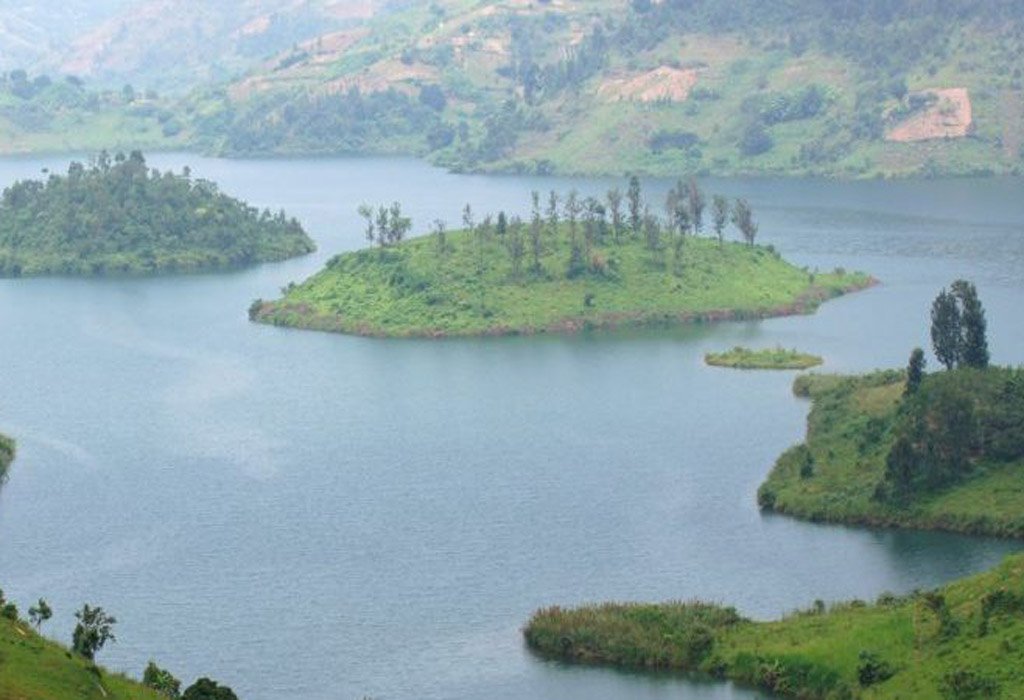
Lake Kivu is one of Rwanda’s most attractive places to slow down between active safari experiences. The lake is surrounded by steep green hills, fishing communities, islands and several popular tourism centres including Rubavu, also known as Gisenyi, Karongi or Kibuye, and Rusizi in southwestern Rwanda. Travellers frequently combine time beside the lake with Volcanoes National Park, Nyungwe Forest, gorilla trekking and longer Rwanda safari circuits.
Lake Kivu is also unusual because it lies along Rwanda’s western boundary with the Democratic Republic of Congo and contains large quantities of naturally dissolved gases in its deep waters. These facts sometimes produce dramatic online headlines that can make the destination appear more dangerous than a normal tourist visit necessarily is. The sensible approach is neither to dismiss genuine concerns nor exaggerate them. Instead, travellers should understand where the risks apply, follow current official advice and use experienced local operators for transport and lake activities.
This Lake Kivu safety guide explains the main issues visitors should consider before travelling, including border security, swimming and freshwater health, boat trips, changing weather, volcanic and methane-related hazards, road conditions, solo travel, family travel and practical emergency planning.
Is Lake Kivu Safe to Visit?
Lake Kivu can be included in a Rwanda itinerary, but travellers should not treat the entire shoreline as one identical security zone. Established tourism areas receive visitors, while locations close to the Rwanda–DRC border require greater attention to current government travel advisories. The best approach is to confirm the exact destination, route and planned activities shortly before travel and allow itinerary adjustments if security or weather conditions change.
Lake Kivu Safety at a Glance
The table below separates common travel precautions from the more unusual risks associated with the lake.
| Safety Issue | What Travellers Should Know |
|---|---|
| Border security | Check current Rwanda–DRC border advice before travelling to western border areas. |
| Freshwater swimming | International travel-health guidance advises caution because schistosomiasis can occur in Rwanda’s freshwater. |
| Boat trips | Use an established operator, wear a life jacket and avoid departing in unsafe weather. |
| Methane gas | A genuine geological characteristic of Lake Kivu, but not an everyday tourist hazard. |
| Volcanic activity | Most relevant toward northern Lake Kivu and the wider Virunga volcanic region. |
| Weather | Rain, wind and storms can affect boat journeys, kayaking and road conditions. |
| Road travel | Plan longer road journeys in daylight where practical and allow additional time during wet conditions. |


1. Understand the Rwanda–DRC Border Situation
The most important security consideration when planning a Lake Kivu visit is geography. Lake Kivu lies directly between Rwanda and the Democratic Republic of Congo, and parts of the Rwandan shoreline are only a short distance from areas of eastern DRC affected by conflict and political instability.
Travel advisories can therefore distinguish between Rwanda generally and particular areas near the DRC frontier. Travellers should check the latest advisory issued by their own government before departure because the recommended distance from the border and the affected districts can differ between countries.
Important Border Note
Travel conditions can change. Check current official guidance immediately before visiting areas close to the DRC border. Border crossings may also close or change operating procedures at short notice.
Rubavu / Gisenyi
Rubavu sits at the northern end of Lake Kivu beside the city of Goma in the DRC. Its location makes it a logical addition after gorilla trekking in Volcanoes National Park, but visitors should remain conscious that this is an international border zone. Do not wander toward unofficial crossing points or attempt spontaneous movement into the DRC.
Karongi / Kibuye
Karongi lies farther south and offers a quieter lake experience focused on scenery, boat trips, island excursions and relaxation. It is frequently used as a stop between northern Rwanda and Nyungwe and can also be incorporated into longer Rwanda travel itineraries.
Rusizi / Cyangugu
Rusizi lies toward the southern end of Lake Kivu and connects naturally with Nyungwe Forest. This area deserves particular attention to current official travel advice because of its proximity to South Kivu in the DRC. Travellers should verify conditions before confirming accommodation, airport movements, island visits or other activities close to the border.
2. Is It Safe to Swim in Lake Kivu?
Swimming is one of the most misunderstood Lake Kivu safety topics. Visitors may encounter older tourism information describing the lake as completely safe for swimming because it has relatively few large aquatic predators compared with some other African lakes. However, absence of crocodiles or hippos in a particular tourism area does not automatically mean there are no health concerns associated with freshwater contact.
International travel-health guidance identifies schistosomiasis, also known as bilharzia, as a potential freshwater health risk in Rwanda. The infection can be transmitted when parasites penetrate the skin during contact with contaminated freshwater.
Travellers who prefer the lowest-risk option can use properly maintained hotel swimming pools rather than assuming all parts of Lake Kivu are suitable for swimming. Anyone intending to swim, kayak extensively or spend significant time in the water should discuss freshwater exposure with a travel-health professional.
Practical Swimming Advice
Do not rely solely on informal statements that a beach is “bilharzia free.” Health risk can vary by location and over time. If freshwater exposure is important to your trip, obtain current medical advice before travelling.

3. Boat Trips and Kayaking Safety
Boat excursions are among the most enjoyable ways to experience Lake Kivu, whether you are visiting small islands, watching fishermen, exploring the shoreline or simply enjoying an evening cruise. Safety standards should nevertheless be treated seriously.
Use an established operator and make sure there is an appropriate life jacket for every passenger. Children should have jackets suitable for their size rather than oversized adult equipment.
Weather is equally important. Strong winds, thunderstorms and deteriorating visibility can make lake conditions uncomfortable or unsafe. A professional guide should be willing to postpone or modify a trip when conditions are unsuitable.
Wear a Life Jacket
Wear one throughout the journey rather than simply keeping it somewhere in the boat.
Check the Weather
Avoid insisting on departure when wind, rain or storms make conditions unsuitable.
Avoid Overloading
Use vessels that are appropriate for the number of passengers and planned route.
Protect Electronics
Carry phones, cameras and documents in a waterproof pouch or dry bag.
4. Methane Gas: Can Lake Kivu Really Erupt?
One reason Lake Kivu appears frequently in international scientific reporting is the unusual concentration of dissolved methane and carbon dioxide in its deeper water layers. This has led to discussion of the possibility of a limnic eruption, an event in which dissolved gas could theoretically be released rapidly from deep water.
This is a genuine geological subject and should not be dismissed. However, it is also important to understand scale and probability. The presence of methane does not mean a visitor should expect dangerous gas to suddenly appear beside a lakeside hotel or during an ordinary afternoon boat ride.
Scientific concern focuses on large-scale destabilising events and long-term monitoring of the lake system. Rwanda also extracts methane from Lake Kivu for energy production, demonstrating that the gas is a known and actively managed natural resource as well as a subject of scientific research.
What Travellers Should Take From This
Methane is a real geological characteristic of Lake Kivu, but it should be understood as a monitored regional hazard rather than an everyday tourist danger. During any unusual geological event, follow instructions from local authorities, accommodation providers and your tour operator.
5. Volcanic and Earthquake Risk
Northern Lake Kivu lies close to the Virunga volcanic region, one of East Africa’s most geologically active landscapes. Nyiragongo and Nyamulagira lie on the Congolese side of the border, while Rwanda’s northern tourism circuit includes the dramatic volcanoes surrounding Volcanoes National Park.
Volcanic activity around Goma has historically demonstrated why seismic and volcanic monitoring matters in this region. For ordinary tourism, the practical lesson is straightforward: visitors do not need to live in fear of volcanic activity, but they should respect official restrictions and avoid entering closed or unstable areas.
If noticeable earthquakes, volcanic alerts or other unusual geological developments occur during a visit, follow instructions from Rwandan authorities and your accommodation or ground operator rather than attempting to approach an affected area for photographs.
6. Weather Risks Around Lake Kivu
Lake Kivu sits in Rwanda’s elevated western landscape and weather can change more quickly than visitors expect. A calm morning can be followed by rain, wind or thunderstorms later in the day, especially during wetter months.
Rain itself does not mean a Lake Kivu visit must be cancelled. The destination remains attractive throughout much of the year, but travellers should build some flexibility into activities that depend heavily on visibility or calm water.
For a broader seasonal overview, read our best time to visit Rwanda guide. Packing a lightweight waterproof jacket is useful even during months normally regarded as relatively dry.
7. Road Travel Around Lake Kivu
Reaching Lake Kivu normally involves road travel through Rwanda’s mountainous western countryside. The journeys are scenic, but winding roads, pedestrians, motorcycles, rainfall and reduced visibility after dark can affect travel times.
Travellers should avoid planning itineraries around unrealistically short transfer times. A professional driver-guide familiar with local roads can adjust speed and routing according to weather and road conditions.
Lake Kivu combines particularly well with Rwanda’s major primate areas. A northern itinerary may connect Volcanoes National Park with Rubavu, while travellers continuing south can break the journey around Karongi before proceeding toward Nyungwe.
8. Safety Risks and Travel Tips on the Congo Nile Trail
The Congo Nile Trail follows the hills above Lake Kivu and is one of Rwanda’s most interesting routes for cycling, walking and community-based travel. Its appeal comes from rural landscapes, coffee plantations, villages and panoramic lake views.
Visitors attempting longer sections should understand the daily distances and elevation before departure. Carry enough water, sun protection, basic rain gear and a charged phone. A power bank is useful on longer journeys.
Cyclists should remain attentive to motorcycles, vehicles and pedestrians. Less experienced visitors may benefit from travelling with a local cycling guide who understands the route, accommodation points and alternative roads.

9. Personal Security and Petty Crime
Travellers should use the same sensible personal-security habits around Lake Kivu that they would use elsewhere on a Rwanda holiday. Keep passports and larger amounts of cash secure, avoid leaving cameras or phones unattended and use established transport rather than accepting unfamiliar arrangements late at night.
When exploring towns independently, carry only what you need for the day and keep a digital or paper copy of important travel documents separately from the originals.
Guests travelling with an organised Rwanda safari normally have the advantage of a known driver-guide and prearranged accommodation, which simplifies movements between hotels, activities and national parks.
10. Health Precautions for Lake Kivu
Mosquito Protection
Use insect repellent, wear suitable clothing in the evenings and use mosquito protection provided by your lodge.
Drinking Water
Use bottled, treated or properly filtered drinking water and stay hydrated during cycling, walking and boat activities.
Sun Protection
Wear sunscreen and a hat. Sun exposure can feel stronger during long periods on open water.
Travel Insurance
Choose a policy suitable for your route and activities, particularly cycling, kayaking or multi-country travel.

11. Choose Well-Organised Local Experiences
Not every memorable Lake Kivu activity requires time on the water. Coffee tours, community visits and scenic walking experiences are excellent alternatives for travellers who would rather remain on land.
Lake Kivu’s surrounding hills support coffee-growing communities, and a guided coffee experience can introduce visitors to harvesting, processing and local livelihoods while adding a cultural dimension to a Rwanda safari.
Booking through an established tour operator or recognised accommodation can also make it easier to assess road conditions, weather and current local circumstances before an excursion.
12. Is Lake Kivu Safe for Solo Travellers?
Solo travellers can include Lake Kivu in a Rwanda itinerary, especially when transport and accommodation are planned in advance. The main considerations are avoiding unnecessary travel in unfamiliar areas after dark, keeping relatives or hotel staff informed about independent excursions and using established guides for longer hikes or cycling routes.
Solo travellers who prefer more independence can still organise private transfers between Kigali, Volcanoes National Park, Lake Kivu and Nyungwe rather than joining a larger group throughout the trip.
13. Lake Kivu Safety for Families
Families should place particular attention on water supervision. Children should never be left unsupervised beside the lake, on hotel jetties or around steep lakeshore areas. Properly fitted life jackets are essential for boat trips.
Shorter excursions are often more comfortable for younger children, particularly when the sun is strong. Parents may also prefer hotels with swimming pools so children can enjoy the water without unnecessary freshwater exposure.
Accommodation Around Lake Kivu
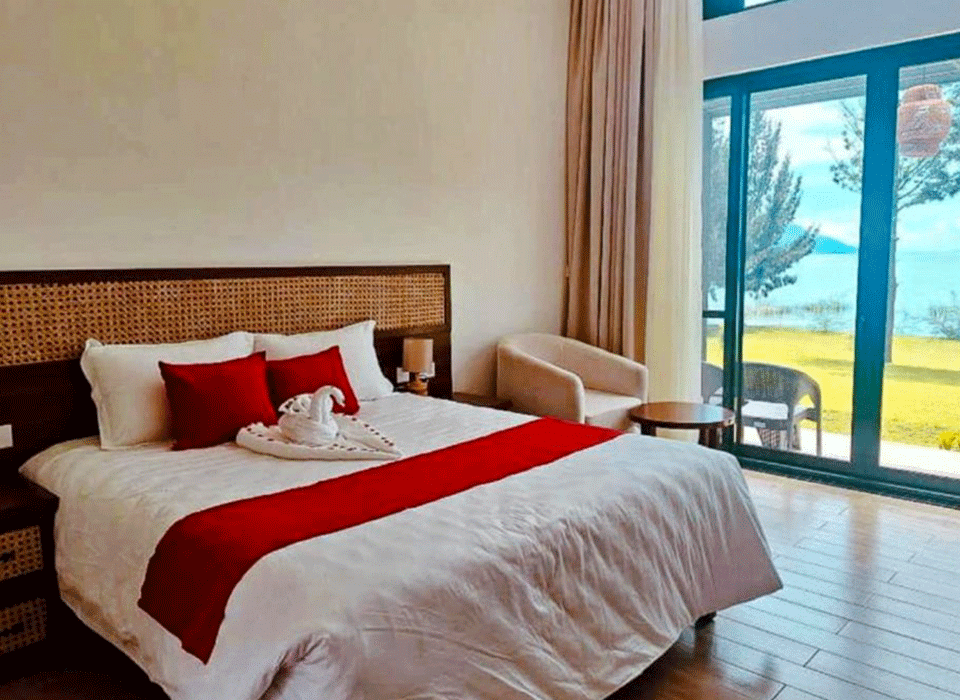
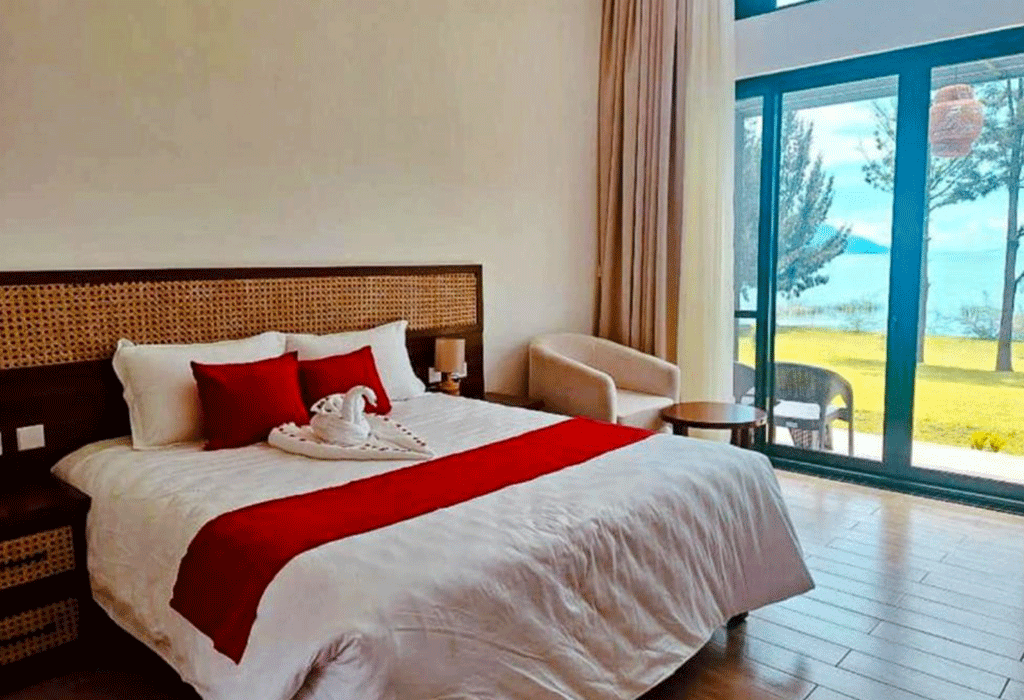
Lake Kivu offers a mixture of comfortable lakeside hotels, characterful lodges and smaller properties suited to different Rwanda itineraries. The best choice depends on whether you are staying around Rubavu, Karongi or southern Lake Kivu and how the overnight stop connects with the rest of your safari.


Accommodation planning tip: Location matters as much as hotel category around Lake Kivu. A property around Rubavu works naturally after Volcanoes National Park, Karongi can break the journey along the western route, while southern Lake Kivu can connect more easily with Nyungwe. We recommend choosing the lodge according to the full itinerary rather than selecting it purely by room price.
Popular Lake Kivu Experiences
With appropriate planning, Lake Kivu offers several enjoyable additions to a Rwanda safari.


14. What to Pack for Lake Kivu
15. What to Do if Conditions Change During Your Visit
Unexpected circumstances such as severe weather, road disruption, border restrictions or security developments can occasionally require itinerary changes. The safest response is flexibility rather than attempting to continue with a route simply because it was originally scheduled.
Follow instructions from Rwandan authorities, your accommodation and your tour operator. Do not travel toward a security incident, border disturbance, landslide or volcanic event merely to observe or photograph it. Keep medication, travel documents, money and a charged phone accessible.
Guests travelling with Safari Vacations & Travel Services can contact our local team when changing circumstances affect a planned route. We can assist with practical itinerary adjustments, transport and alternative arrangements where possible.
Should You Avoid Lake Kivu?
Lake Kivu should not automatically be removed from a Rwanda itinerary because of headlines about methane, volcanoes or conflict in eastern DRC. These are different issues affecting different locations, circumstances and timescales.
A more useful question is: Where exactly on Lake Kivu do you intend to travel, what activities will you do, and what does current official guidance say about that location?
For many travellers, Lake Kivu remains an attractive way to add scenery and relaxation between Rwanda’s more active experiences. A lakeside stay may follow gorilla trekking in Volcanoes National Park or form part of a longer Rwanda safari.
The objective should be informed travel rather than either unnecessary fear or unrealistic assurances. Check current advisories, use established transport and accommodation, respect water safety and remain flexible if local circumstances change.
Frequently Asked Questions About Lake Kivu Safety
Is Lake Kivu safe for tourists?
Lake Kivu can be included in a Rwanda itinerary, but travellers should check current security advice for the exact area they intend to visit, especially locations close to the DRC border.
Is it safe to swim in Lake Kivu?
International travel-health guidance advises caution with freshwater exposure in Rwanda because schistosomiasis can occur. Travellers wanting the lowest-risk option can use maintained hotel swimming pools.
Can Lake Kivu explode?
Lake Kivu contains significant amounts of dissolved methane and carbon dioxide, which creates a scientifically recognised limnic-eruption hazard under extreme destabilising circumstances. This is a monitored geological issue rather than an expected everyday tourist event.
Is boating on Lake Kivu safe?
Boat trips can be undertaken with established operators. Wear a life jacket, avoid overloaded boats and allow activities to be delayed when weather conditions are unsuitable.
Is Rubavu safe to visit?
Rubavu is a major tourism centre on northern Lake Kivu, but it sits beside the DRC border. Travellers should check their government’s current advice concerning border areas before travel.
Is Karongi good for a Lake Kivu holiday?
Karongi is popular for lakeside relaxation, scenery, boat outings and island experiences and can be incorporated into itineraries travelling between northern and southwestern Rwanda.
Can tourists cross from Rwanda to the DRC?
Border access and operating procedures can change at short notice. Travellers should never assume that a crossing is open or suitable and should check current government advice and immigration requirements before considering cross-border travel.
Is Lake Kivu safe for solo travellers?
Solo travellers can visit Lake Kivu with appropriate planning. Arrange reliable transport, select established accommodation and use a guide for remote hiking or cycling routes where appropriate.
When is the best time to visit Lake Kivu?
Lake Kivu can be visited throughout the year, although relatively drier periods can make outdoor activities and road travel easier. Weather can still change quickly at any time.
How many nights should I spend at Lake Kivu?
One or two nights work well for many safari itineraries, while travellers interested in cycling, coffee experiences, island excursions or a slower holiday may prefer two to three nights.
Can I combine Lake Kivu with gorilla trekking?
Yes. Lake Kivu is commonly combined with Volcanoes National Park because Rubavu can be reached by road after gorilla trekking, creating a relaxing contrast with the active forest experience.
Do I need travel insurance for Lake Kivu?
Comprehensive travel insurance is strongly recommended for Rwanda. Check that your policy covers your complete route, medical needs and planned activities such as cycling or kayaking.
Include Lake Kivu in Your Rwanda Safari
We can help you choose the most suitable Lake Kivu destination and accommodation, connect it with gorilla trekking or Nyungwe, organise private transport and adjust the itinerary according to current local conditions.