The great wildebeest migration in Maasai Mara
Introduction to the Great Wildebeest Migration
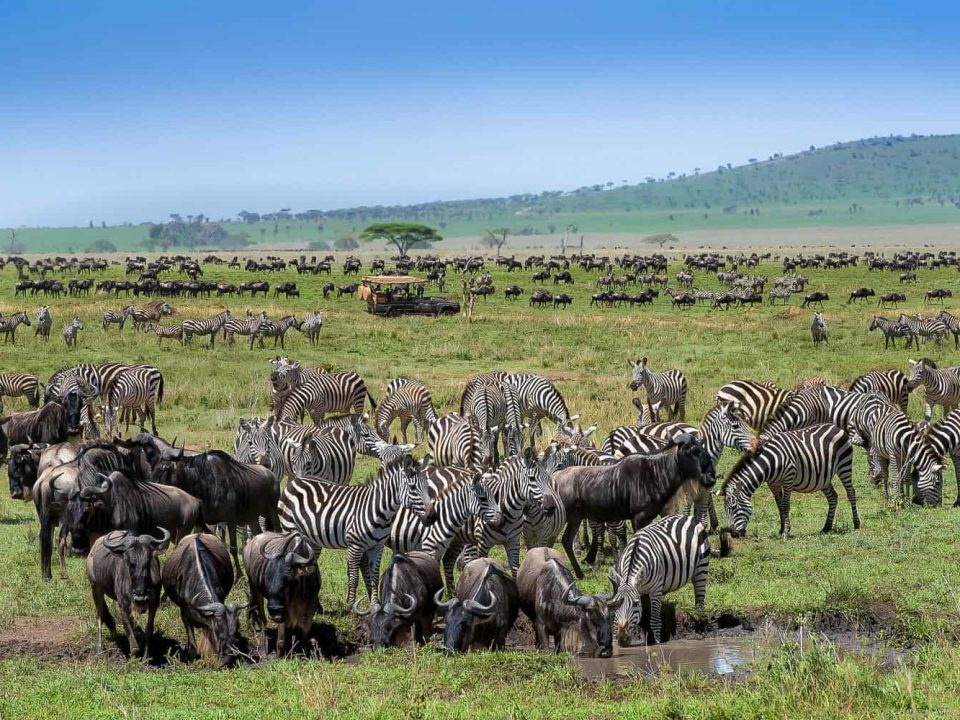
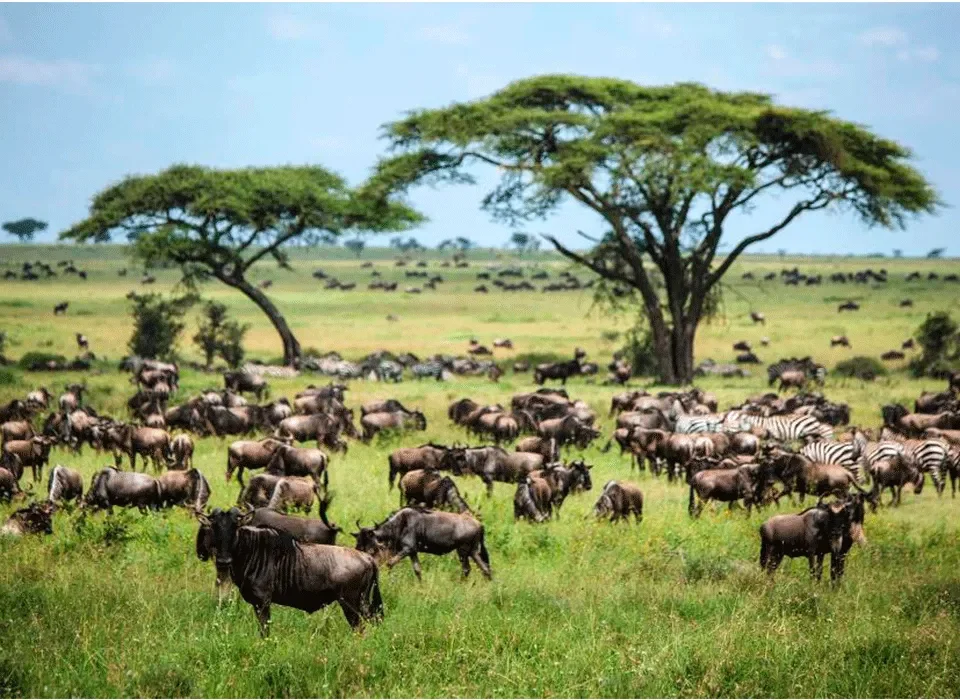
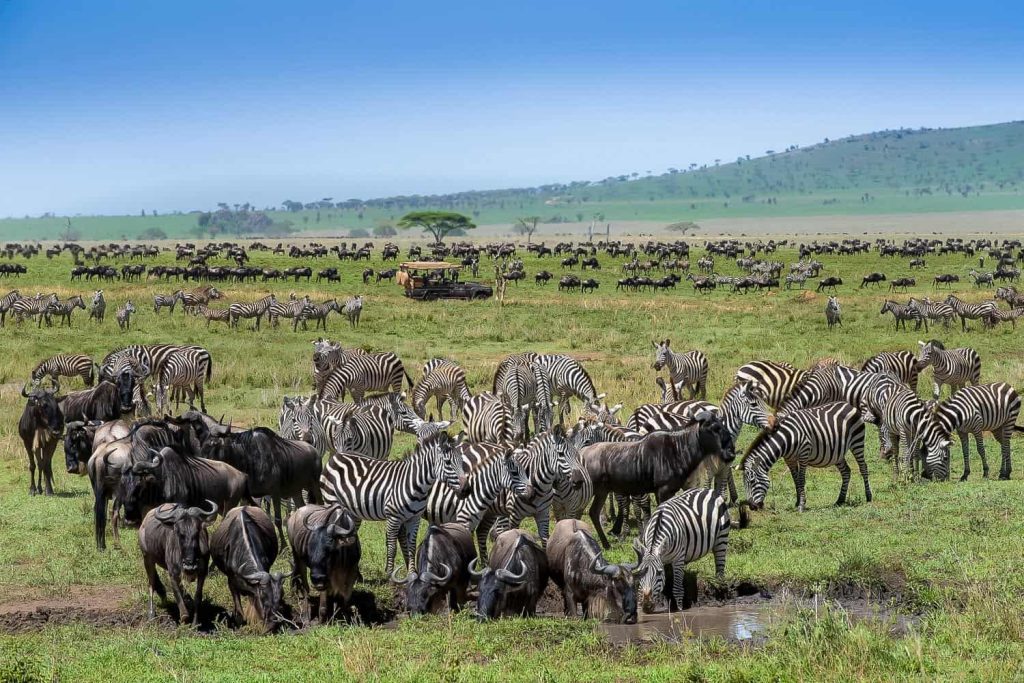
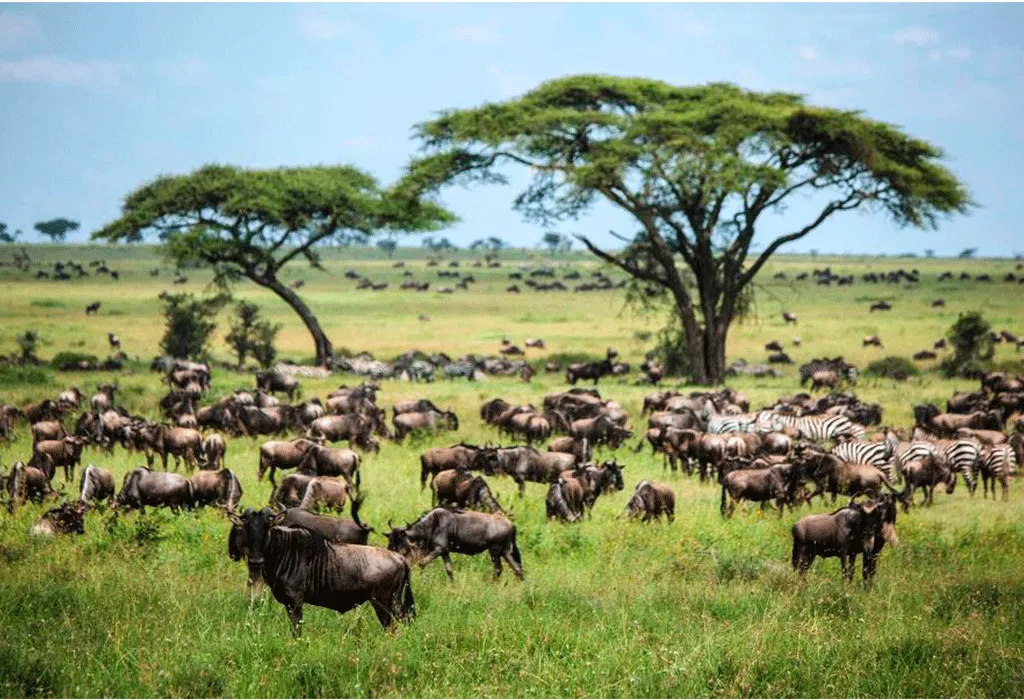
The Great Wildebeest Migration is one of nature’s most awe-inspiring spectacles, captivating wildlife enthusiasts and travelers from around the globe. Each year, over 1.5 million wildebeests, along with thousands of zebras and gazelles, embark on a remarkable journey across the expansive plains of the Serengeti in Tanzania to the lush grasslands of the Maasai Mara in Kenya. This migration is not only a testament to the resilience of nature but also a striking display of survival instincts and the intricate web of life in this unique ecosystem.
Historical Significance and Natural Phenomenon
Migration has been a vital natural phenomenon for centuries, significantly shaping the ecosystems of East Africa. It exemplifies the delicate balance between predator and prey, rainfall and grassland, as well as life and death. Historically, this migration has supported local wildlife populations and communities, ensuring biodiversity continuity in the region. Recognized as one of the “Seven New Wonders of the World,” the Great Wildebeest Migration serves as a powerful reminder of nature’s significance.
The Journey and Its Challenges
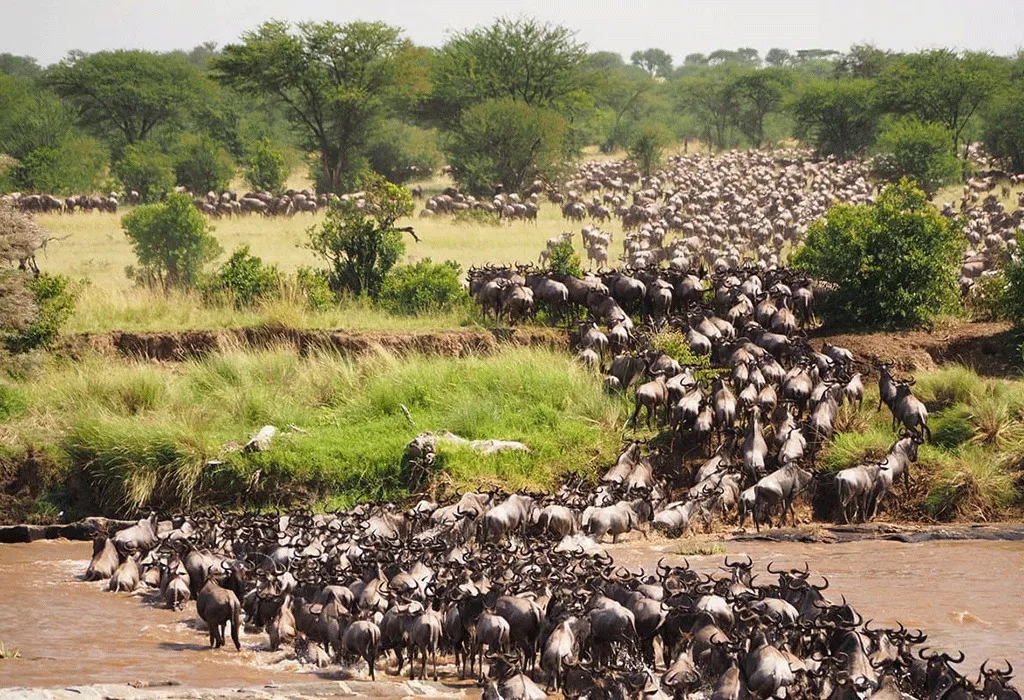
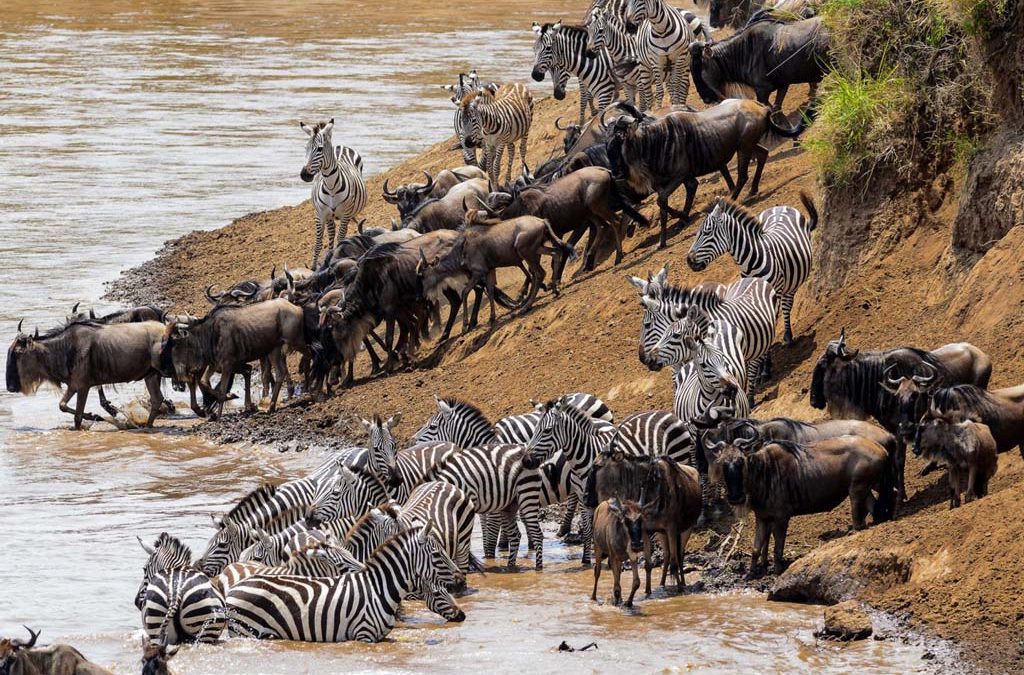
The Great Migration is characterized by a year-round circular movement of approximately 1.5 to 2 million animals across a distance exceeding 800 kilometers (about 500 miles). The journey is primarily driven by seasonal rains, which dictate the availability of fresh grazing areas. As the wildebeests follow their instinctual patterns, they face numerous challenges, including treacherous river crossings filled with crocodiles and constant threats from predators like lions and hyenas.
Key points about the migration include:
- The herds typically begin their journey in January, spreading across the southern Serengeti’s lush short-grass plains.
- By April, they start moving northward towards areas like Moru Kopjes.
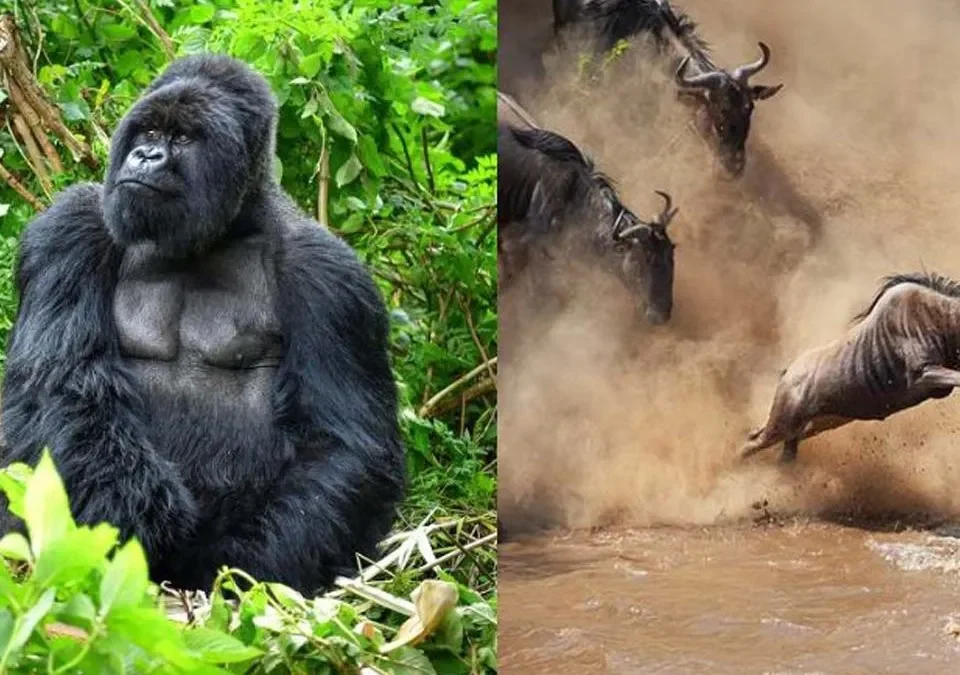
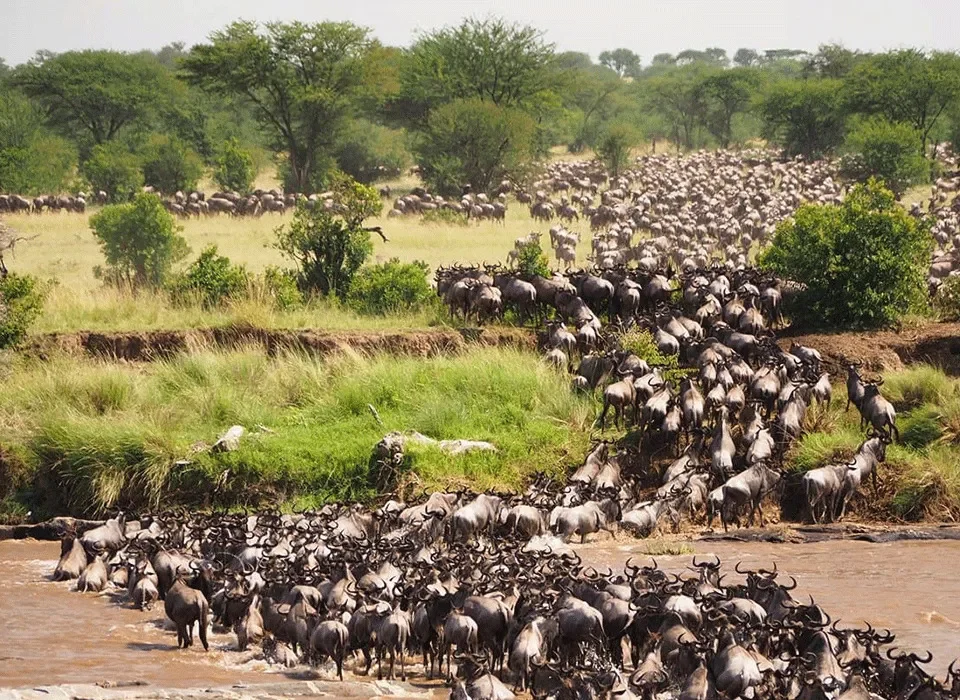
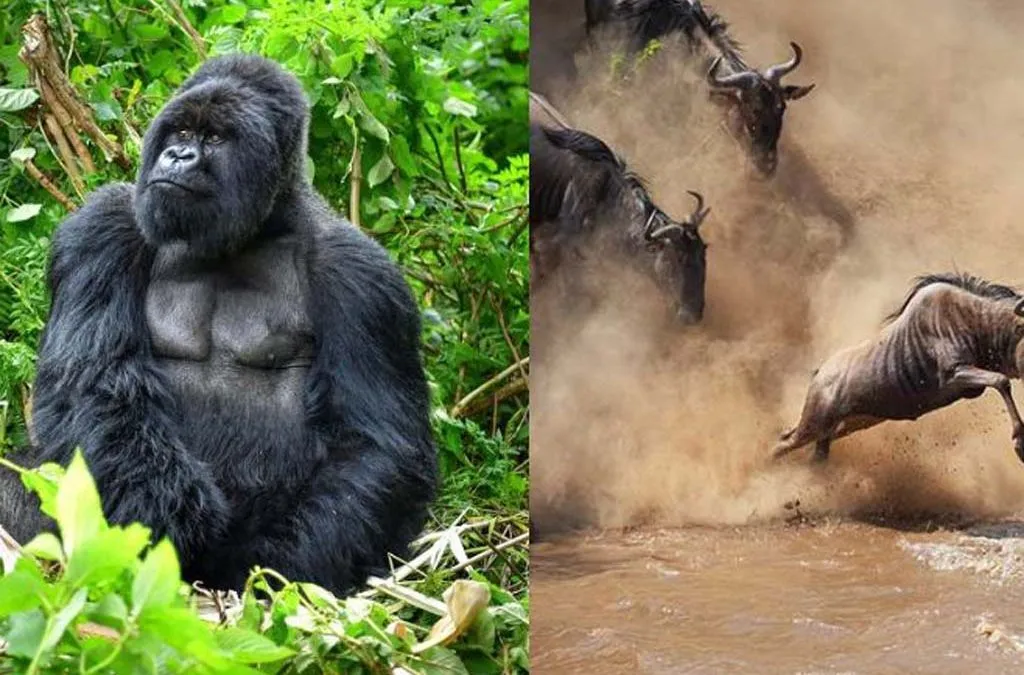
- The most dramatic moments occur between May and August when river crossings at locations like the Grumeti River become critical survival events.
- The migration culminates in October when herds return south to complete their cycle.
Geography and Ecosystem of Maasai Mara
The Maasai Mara National Reserve is located in southwestern Kenya and is part of the larger Mara-Serengeti ecosystem. This area features rolling grasslands, river forests, and acacia woodlands, creating a rich habitat for many wildlife species.
Flora and Fauna
The reserve is famous for the Big Five: lion, leopard, elephant, rhinoceros, and buffalo. In addition to these iconic animals, you can also find cheetahs, hyenas, giraffes, and more than 450 species of birds. The Mara River is essential to this ecosystem and plays a crucial role during the migration. Each year, thousands of wildebeests and zebras cross its waters, which are filled with crocodiles, in search of better grazing areas.
What Makes the Maasai Mara Ecosystem Unique
The Maasai Mara ecosystem is renowned for its exceptional biodiversity, cultural significance, and dramatic natural events, making it one of the most unique wildlife areas in Africa.
Rich Biodiversity
The Maasai Mara National Reserve is home to a wide variety of wildlife, including the famous “Big Five”: lions, leopards, elephants, rhinoceroses, and buffaloes. In addition to these iconic species, the reserve hosts over 90 other animal species and more than 470 bird species. This incredible diversity is supported by the ecosystem’s varied landscapes, which include savannahs, riverine forests, and acacia woodlands.
The Great Migration
One of the most extraordinary features of the Maasai Mara is the annual Great Migration. This spectacular event occurs from June to October when over 1.5 million wildebeests, along with zebras and gazelles, migrate from Tanzania’s Serengeti to the Maasai Mara in search of fresh grazing. The migration involves perilous river crossings where animals face threats from crocodiles and predators. This natural phenomenon not only showcases the resilience of wildlife but also highlights the interconnectedness between the Maasai Mara and Serengeti ecosystems.
Cultural Heritage
The Maasai people have lived in harmony with this land for centuries. Their traditional customs and sustainable practices contribute to the preservation of the ecosystem. Community-based conservation initiatives have emerged, allowing local Maasai communities to actively participate in wildlife protection and tourism management. This partnership ensures that both wildlife and cultural heritage are preserved for future generations.
Community Conservancies
The Maasai Mara ecosystem is unique because it includes community conservancies that extend beyond the national reserve. These conservancies are established through partnerships between local communities and private stakeholders, such as lodge owners. This model allows for sustainable land use while providing economic benefits to the Maasai people. Approximately 70% of wildlife in the region lives outside the reserve on community land, emphasizing the importance of local involvement in conservation efforts.
The Role of the Maasai Community in Conservation
The Maasai people, indigenous to the region, play a critical role in the preservation of this unique ecosystem. Their harmonious relationship with nature and sustainable practices have ensured the survival of wildlife for generations.
Ecological Impact and Conservation Efforts
The Great Migration plays a crucial role in maintaining ecological balance within its environment. The grazing patterns of wildebeests help manage grassland health, prevent wildfires, and promote nutrient cycling through their droppings. However, this migration also poses environmental challenges, such as overgrazing and water resource depletion.
Conservation efforts are essential to mitigate these impacts. Protected areas like Serengeti National Park and Maasai Mara National Reserve have been established to safeguard key habitats and migration corridors while regulating human activities that could disrupt these ecosystems.
The Great Wildebeest Migration is more than just an extraordinary natural event; it embodies the resilience of wildlife and serves as a vital reminder of our responsibility to protect these ecosystems for future generations. Witnessing this migration is not only a bucket-list experience but also an opportunity to appreciate the complex interdependencies that sustain life in one of Earth’s most remarkable landscapes.
Traditional Practices and Sustainable Tourism
The Maasai’s traditional grazing methods and reverence for wildlife have contributed significantly to conservation efforts. Today, through initiatives like community conservancies and eco-tourism ventures, the Maasai are actively involved in protecting the Mara while benefiting economically. Visitors to the Maasai Mara have the opportunity to engage with the community, learn about their culture, and support their conservation efforts.
Best Times to Witness the Migration
Timing is key to experiencing the incredible spectacle of the Great Migration. Although this event unfolds throughout the year, the most dramatic moments occur when the herds cross the Mara River.
Seasonal Patterns and Weather Conditions
The migration typically reaches the Maasai Mara between July and October, coinciding with the dry season. This time of year offers clear skies, excellent wildlife viewing opportunities, and ideal conditions for photography and game drives. Many visitors consider witnessing a river crossing—often described as a “survival of the fittest” moment—as the highlight of their trip.
The best months to see the migration include:
- July to August: The herds start arriving in the Maasai Mara, and this is when the famous river crossings begin. The animals face dangers from crocodiles lurking in the water as they attempt to cross.
- Late August to September: This period is often regarded as the peak time for river crossings, providing breathtaking scenes of wildebeests and zebras braving the waters.
- October: As the migration winds down, the herds begin their journey back south to the Serengeti, marking the end of their annual cycle.
Planning your visit during these months will greatly enhance your chances of witnessing one of nature’s most spectacular events.
Safari Options and Accommodation in Maasai Mara
The Maasai Mara offers a variety of safari experiences, catering to all budgets and preferences, ensuring that every traveler can enjoy this stunning natural wonder.
Luxury Lodges and Tented Camps
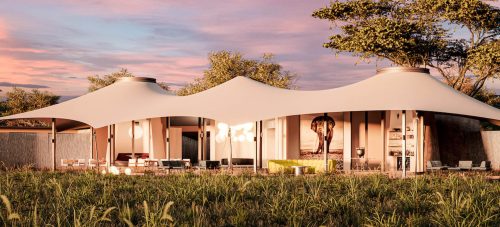
For those looking for a premium experience, luxury lodges and tented camps provide comfort, exclusivity, and breathtaking views of the Mara. Many of these accommodations offer guided game drives, bush dinners, and cultural tours, allowing guests to immerse themselves in the local environment.
Budget-Friendly Options
Adventurous travelers can choose from budget-friendly campsites and mobile tents that offer a more authentic connection to nature. These options allow visitors to experience the wilderness up close while enjoying essential amenities at a lower cost.
Safari Packages: There are numerous safari packages available in the Maasai Mara, ranging from short two-day trips to longer multi-day adventures. Popular options include:
- Budget Safaris: Affordable packages that typically include shared accommodations, meals, and game drives.
- Mid-Range Safaris: These tours offer a balance of comfort and cost, featuring lodges or tented camps with more amenities.
- Luxury Safaris: High-end experiences that provide exclusive accommodations, private guides, and personalized services.
Top Luxury Lodges in Maasai Mara
The Maasai Mara is home to some of the most luxurious lodges and camps in Africa, offering visitors exceptional comfort and unforgettable wildlife experiences. Here are some of the top luxury lodges in the region:
Angama Mara
- Overview: Perched on the edge of the Great Rift Valley, Angama Mara features stunning panoramic views and beautifully designed tented suites. It is ideal for families and couples, with interconnected family suites available.
- Highlights: Private viewing decks, exquisite interiors, and proximity to the Maasai Mara.
Mara Serena Safari Lodge
- Overview: Located on a hill in the heart of the Maasai Mara, this lodge offers breathtaking views of the plains and is known for its excellent service and amenities.
- Highlights: Spacious rooms, a swimming pool, and opportunities for game drives during the Great Migration.
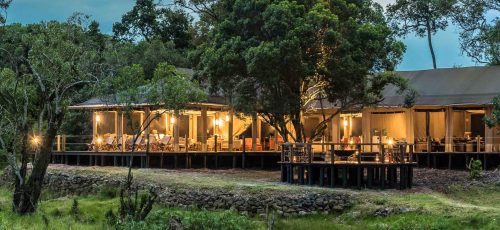
Saruni Mara
- Overview: This boutique lodge is set in a private conservancy, providing exclusive game drives and a range of activities, including guided bush walks with Maasai warriors.
- Highlights: Luxurious cottages with unique decor, spa treatments, and family-friendly options.
Mara Intrepids Tented Camp
- Overview: This camp combines comfort with an authentic safari experience. Guests can enjoy guided game drives and bush dinners while staying in well-furnished tents.
- Highlights: Free game drives included in the stay, relaxed atmosphere, and proximity to wildlife.
Sala’s Camp
- Overview: Situated near the Sand River, Sala’s Camp offers a luxurious tented experience with personalized service and stunning views.
- Highlights: Exclusive access to prime wildlife areas and intimate settings for meals.
Entim Mara Camp
- Overview: Located close to the Mara River, this camp features luxury tents with modern amenities and beautiful views of the surrounding landscape.
- Highlights: Excellent location for witnessing river crossings during migration season.
Sanctuary Olonana
- Overview: This lodge is known for its contemporary design and eco-friendly practices, featuring glass-walled suites that overlook the Mara River.
- Highlights: Stunning views, gourmet dining options, and a commitment to sustainability.
Ashnil Mara Camp
- Overview: Nestled along the banks of the Mara River, Ashnil offers luxury tents with modern comforts and exceptional service.
- Highlights: Swimming pool, fine dining experiences, and intimate bush meals.
These luxury lodges provide not only comfortable accommodations but also unique opportunities to connect with nature and experience the incredible wildlife of the Maasai Mara.
Transportation Options
Travelers can reach the Maasai Mara by road or air. Road safaris usually take 5 to 6 hours from Nairobi and offer a chance to see the Kenyan countryside. For those seeking convenience, fly-in safaris are available, allowing guests to arrive in about an hour from Nairobi.
The Maasai Mara caters to a wide range of preferences and budgets, making it accessible for everyone who wants to experience its incredible wildlife and landscapes. Whether you choose a luxury lodge or a budget campsite, the magic of the Maasai Mara awaits.
Photography Tips for Capturing the Migration
Photographing the migration is a dream for wildlife photographers. The event’s drama, beauty, and raw emotion make it a rewarding challenge.
Equipment and Techniques
Invest in a good DSLR or mirrorless camera with a telephoto lens for close-up shots of animals. Use a tripod for stability and focus on capturing action shots during the river crossings. Early morning and late afternoon offer the best lighting, while patience and anticipation are key to capturing the perfect frame.
Ethical Wildlife Viewing and Responsible Tourism
Responsible tourism ensures the preservation of the Great Migration for future generations. Visitors must prioritize ethical practices during their safaris.
Code of Conduct and Conservation Efforts
Follow guidelines such as maintaining a safe distance from animals, avoiding off-road driving, and respecting the environment. Support lodges and operators that contribute to conservation projects and community initiatives. Every small effort contributes to safeguarding the fragile ecosystem.
The Future of the Great Wildebeest Migration
Efforts are underway to ensure the migration continues to thrive as one of the planet’s greatest spectacles.
Conservation Strategies and Community Involvement
Cross-border collaborations between Kenya and Tanzania, along with support from international organizations, focus on habitat restoration and anti-poaching initiatives. Community-led conservation programs, such as the Maasai Mara Wildlife Conservancies Association, emphasize sustainable coexistence and empower local communities to take the lead in protecting their heritage.
Conclusion
The Great Wildebeest Migration is a celebration of nature’s magnificence, offering unforgettable memories to those who witness it. Safari Vacations & Travel Services invites you to embark on this journey of discovery, connecting you to the wonders of the Maasai Mara and its rich cultural and natural heritage. Let us guide you through this inspiring adventure and ensure your experience is not only memorable but also impactful for the wildlife and communities that call this region home.