
Pian Upe Wildlife Reserve – Complete Uganda Safari & Travel Guide
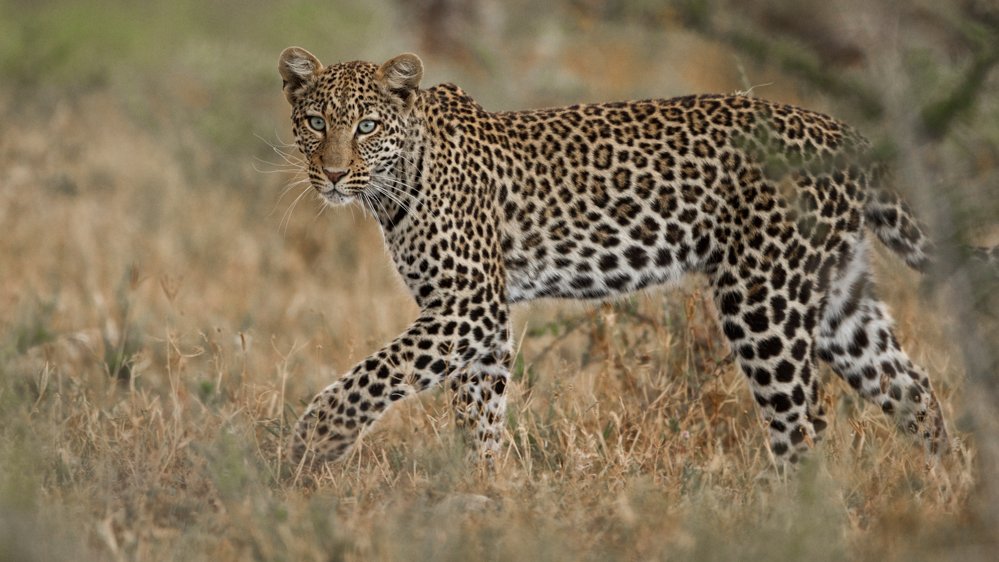
A leopard walking through open savannah, representing the remarkable wildlife visitors can encounter while exploring Pian Upe Wildlife Reserve in eastern Uganda.
Pian Upe Wildlife Reserve is one of Uganda’s most intriguing destinations for travelers who want to move beyond the country’s famous gorilla forests and heavily visited savannah parks. Located in eastern and northeastern Uganda, this enormous protected landscape offers open plains, wooded savannah, seasonal wetlands, rocky hills and mountain scenery. It is particularly appealing to travelers interested in remote wildlife areas where the experience feels less commercial and more exploratory.
For visitors planning a wider Uganda wildlife safari, Pian Upe Wildlife Reserve introduces a completely different side of the country. Instead of dense rainforest or busy safari circuits, travelers encounter expansive grasslands and dry-country habitats associated with northeastern Uganda.
The reserve is especially interesting because of its wildlife conservation importance. Species associated with Pian Upe include cheetahs, leopards, spotted hyenas, buffaloes, giraffes, waterbucks, Uganda kobs, roan antelopes, Jackson’s hartebeests, oribis and elands. Wildlife sightings should never be guaranteed, but the combination of unusual species, remote scenery and low visitor numbers gives Pian Upe Wildlife Reserve considerable potential for adventurous safari travelers.
Where Is Pian Upe Wildlife Reserve?
Pian Upe Wildlife Reserve is situated in eastern Uganda, north of Mount Elgon. According to the Uganda Wildlife Authority, the reserve covers approximately 231,400 hectares and ranges in altitude from about 1,000 metres to more than 3,000 metres. Mount Kadam, formerly known as Mount Debasien, rises to approximately 3,068 metres and forms one of the most dramatic geographical features associated with the reserve.
Its position makes Pian Upe Wildlife Reserve particularly valuable when designing an overland itinerary through eastern and northeastern Uganda. Rather than treating it as an isolated destination, travelers can incorporate the reserve into a longer journey involving Mount Elgon, Sipi Falls, Karamoja and Kidepo Valley National Park.
Visitors considering such a route can compare it with our guide to safari destinations in northern Uganda. Pian Upe can provide a natural transition between the greener highlands around Mount Elgon and the increasingly dry landscapes encountered farther north.
Why Visit Pian Upe Wildlife Reserve?
The strongest reason to visit Pian Upe Wildlife Reserve is its wilderness character. Uganda has internationally famous destinations such as Bwindi Impenetrable National Park, Queen Elizabeth National Park and Murchison Falls National Park, but Pian Upe appeals to travelers who want something less conventional.
A Pian Upe safari is not simply about trying to tick as many animals as possible off a checklist. The reserve is better appreciated as part of a broader wilderness experience involving landscapes, wildlife, birds, photography and the feeling of exploring a comparatively little-visited corner of Uganda.
Travelers who are still comparing destinations can read our guide on planning a Uganda safari to understand how different protected areas can be combined according to time, budget and wildlife interests.
Pian Upe Wildlife Reserve also offers opportunities for game drives, bird watching, nature walks and cultural interactions. These activities make it possible to include the reserve in both specialist wildlife itineraries and longer exploratory journeys through eastern Uganda.
What Makes Pian Upe Wildlife Reserve Different?
Pian Upe Wildlife Reserve differs from Uganda’s better-known safari parks partly because it remains relatively undeveloped for mass tourism. Visitors should therefore approach it with different expectations. This is a destination for travelers who value remoteness, natural landscapes and exploration rather than an extensive network of luxury lodges and heavily traveled game-viewing circuits.
If your main priority is a highly established game-drive experience, destinations such as Queen Elizabeth National Park offer a more developed tourism infrastructure. Pian Upe, by comparison, is attractive precisely because of its quieter and more expedition-like character.
The reserve is also geographically important within the wider northeastern conservation landscape. Pian Upe connects ecologically with areas extending toward Bokora and Matheniko. This broader landscape historically allowed wildlife to move across extensive areas of eastern and northeastern Uganda.
Travelers particularly attracted to this remote style of safari may also enjoy reading Anthill Safaris’ guide to lesser-known safari destinations in Uganda, where Pian Upe forms part of the country’s broader collection of alternatives to the classic safari circuit.
History of Pian Upe Wildlife Reserve
The protected area’s history stretches back to the colonial period. Uganda Wildlife Authority records indicate that the area was previously declared the Debasien Animal Sanctuary before Pian Upe was established in 1964.
Its conservation story should not be presented as a simple tale of untouched wilderness. Like several protected landscapes in East Africa, Pian Upe has experienced pressures involving livestock grazing, settlement, poaching and habitat use. Understanding this history makes a visit more meaningful because travelers can appreciate that wildlife conservation is an ongoing process involving ecosystems, surrounding communities and responsible management.
This conservation context is also one reason travelers should choose responsible operators when arranging a Pian Upe wildlife safari. Well-managed tourism can give remote wildlife areas greater economic visibility while encouraging travelers to value destinations beyond Uganda’s most famous parks.
Landscape and Vegetation of Pian Upe Wildlife Reserve
The landscape is one of the strongest attractions of Pian Upe Wildlife Reserve. Uganda Wildlife Authority describes the area as a high plateau characterized by rolling plains and black cotton soils. Seasonal watercourses drain westward toward Lake Kyoga, while portions of the landscape may experience inundation during rainy periods.
Much of Pian Upe consists of wooded savannah grassland, although vegetation changes across the reserve. Higher ground, seasonal wetlands, open plains and mountain environments create varied habitats within the wider ecosystem.
This combination makes Pian Upe particularly attractive for travelers who enjoy landscape photography. Open country can produce expansive compositions, dramatic skies and distant mountain backdrops that feel very different from Uganda’s forest destinations.
Travelers interested in understanding how savannah experiences differ around Uganda can explore our guide to game viewing in Uganda. Pian Upe adds an important northeastern dimension to Uganda’s broader wildlife safari offering.
Wildlife in Pian Upe Wildlife Reserve
Wildlife is naturally one of the main reasons travelers become interested in Pian Upe Wildlife Reserve. Uganda Wildlife Authority records a range of mammals associated with the reserve, including cheetah, leopard, giraffe, buffalo, waterbuck, Uganda kob, mountain reedbuck, roan antelope, Jackson’s hartebeest and oribi.
The reserve is especially important for some species that have relatively restricted distributions in Uganda. Uganda Wildlife Authority’s 2026 State of Wildlife Resources report identifies Pian Upe as one of the country’s important landscapes for eland. This makes the reserve significant not only as a tourism destination but also within Uganda’s wider wildlife conservation network.
Cheetahs add particular interest to a Pian Upe safari. They are among Uganda’s most geographically restricted large carnivores, and national conservation documents identify Pian Upe as part of their Ugandan range. However, Pian Upe is a genuine wilderness rather than a wildlife enclosure, so cheetah sightings or sightings of any other predator should never be promised.
For travelers whose main objective is an extended northeastern wildlife journey, Pian Upe can be combined with Kidepo Valley National Park. Kidepo offers a more established game-viewing circuit while Pian Upe adds the excitement of exploring a quieter protected landscape.
Anthill Safaris also provides a detailed Kidepo Valley National Park guide for travelers considering how these northeastern wildlife destinations can complement each other.
Bird Watching in Pian Upe Wildlife Reserve
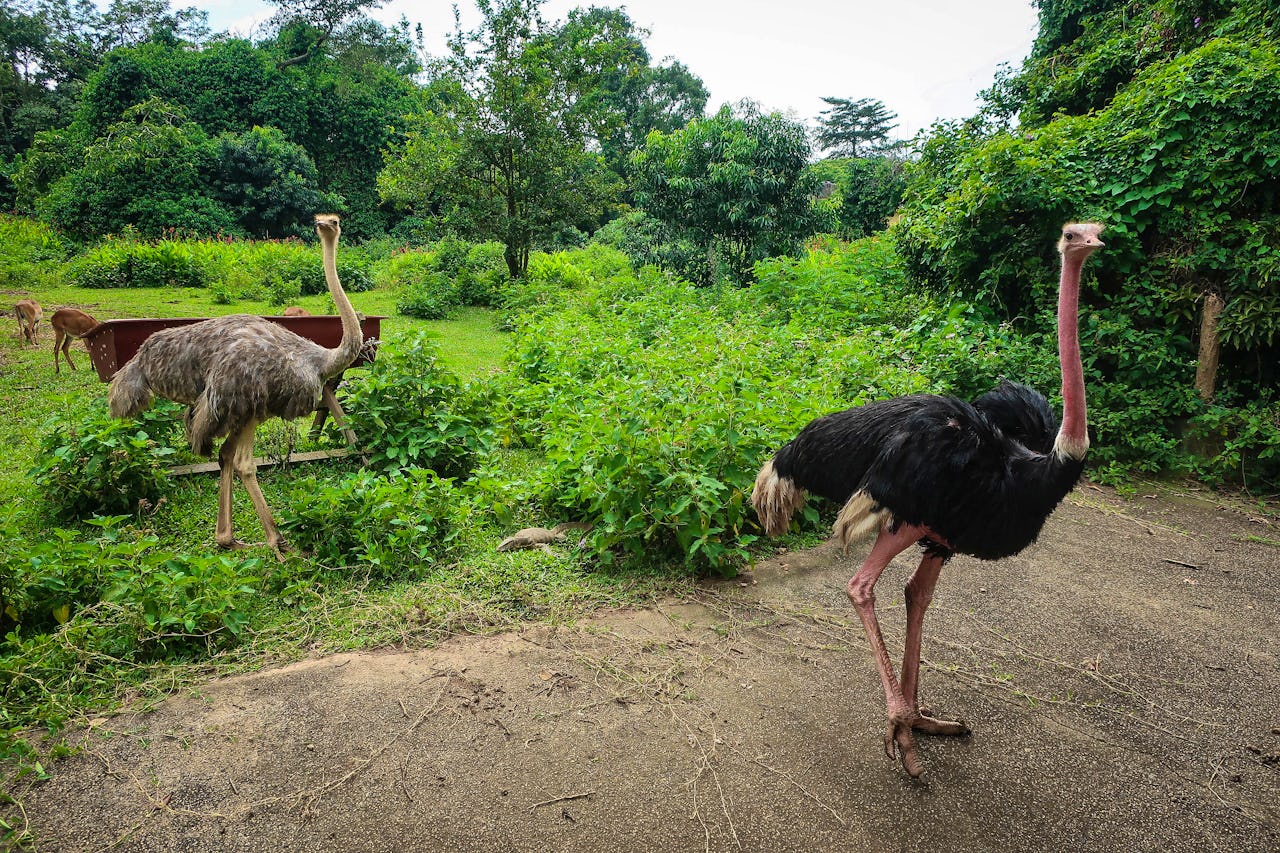
Ostriches in a green landscape highlight the rewarding bird-watching opportunities associated with Pian Upe Wildlife Reserve in northeastern Uganda.
Pian Upe Wildlife Reserve should also interest serious bird watchers. Its open grasslands, seasonal wetlands, wooded savannah and northeastern location provide habitats for species different from those normally associated with Uganda’s western rainforests.
Uganda Wildlife Authority specifically records birds such as the ostrich, secretary bird and yellow-billed shrike in the reserve. The possibility of combining dry-country birds with Uganda’s wetland and forest species makes Pian Upe particularly interesting within a longer specialist birding itinerary.
Travelers primarily interested in birds can explore our dedicated Uganda birding safari guide or our broader Uganda bird watching guide when planning a multi-destination itinerary.
Who Should Visit Pian Upe Wildlife Reserve?
Pian Upe Wildlife Reserve is best suited to adventurous travelers, wildlife enthusiasts, bird watchers, photographers, repeat visitors to Uganda and travelers who prefer destinations away from busy tourism circuits. It can also suit private groups that want a flexible overland itinerary rather than a tightly scheduled conventional safari.
First-time visitors can certainly include Pian Upe, but it is important to balance expectations. Someone traveling to Africa primarily to see large concentrations of famous safari animals may prefer combining Pian Upe with established wildlife parks rather than making it their only savannah destination.
For example, travelers can combine Pian Upe with Kidepo or incorporate it into a much larger Uganda safari holiday. This approach provides both classic wildlife viewing and the more exploratory experience that makes Pian Upe special.
Is Pian Upe Wildlife Reserve Worth Visiting?
Yes, Pian Upe Wildlife Reserve is worth considering if you understand what makes it different. Its appeal comes from remoteness, unusual wildlife, open scenery, birding opportunities and its strategic location between eastern Uganda and the wider Karamoja region.
It is particularly rewarding for travelers who do not judge a safari solely by the number of animals photographed in a single game drive. Pian Upe encourages slower exploration and appreciation of an entire landscape.
For visitors seeking Uganda’s less conventional protected areas, Pian Upe deserves serious consideration alongside other destinations highlighted in Anthill Safaris’ guide to the best safari destinations in Uganda.
Explore Pian Upe Wildlife Reserve With Safari Vacations and Travel Services
Safari Vacations and Travel Services can incorporate Pian Upe Wildlife Reserve into a private Uganda safari according to your available time, travel style and wider interests. A journey can focus primarily on Pian Upe or combine the reserve with Sipi Falls, Mount Elgon, Karamoja and Kidepo Valley National Park.
Because road conditions, wildlife movements and seasonal conditions can influence a remote safari, careful itinerary planning is important. Our team can organize appropriate transport, professional guiding, accommodation and logical connections between destinations. Travelers interested in broader game-viewing experiences can also explore our Uganda wildlife viewing safaris before deciding how Pian Upe should fit into their journey.
A Pian Upe wildlife safari is ultimately about seeing another side of Uganda: quieter, wider, wilder and far removed from conventional mass-tourism routes. For travelers prepared to explore beyond the country’s famous destinations, Pian Upe Wildlife Reserve can become one of the most distinctive chapters of an eastern Uganda adventure.
Wildlife in Pian Upe Wildlife Reserve – Cheetahs, Roan Antelopes and Savannah Species
Wildlife in Pian Upe Wildlife Reserve is one of the strongest reasons to include this remote eastern Uganda conservation area on an adventurous safari itinerary. The reserve protects an extensive savannah ecosystem supporting an unusual mixture of antelopes, large herbivores, predators and dry-country species. For travelers who have already explored Uganda’s famous national parks, Pian Upe Wildlife Reserve offers an opportunity to experience wildlife in a quieter and less developed environment.
Uganda Wildlife Authority records mammals associated with Pian Upe Wildlife Reserve including cheetah, leopard, giraffe, buffalo, waterbuck, Uganda kob, mountain reedbuck, roan antelope, Jackson’s hartebeest and oribi. Eland, topi and zebra have also historically moved between Pian Upe and the adjoining northeastern conservation landscape. This diversity makes the reserve an interesting addition to a broader Uganda wildlife safari, particularly for travelers searching for species and landscapes outside the conventional western safari circuit.
However, Pian Upe should not be presented as a destination where every animal is easily seen. Its enormous landscape, relatively limited tourism infrastructure and naturally dispersed wildlife make game viewing more exploratory than in heavily developed safari areas. This unpredictability is part of what gives a Pian Upe wildlife safari its wilderness character.
What Animals Live in Pian Upe Wildlife Reserve?
The wildlife diversity of Pian Upe Wildlife Reserve reflects its position within the wider Karamoja ecosystem. Savannah grasslands, wooded areas, seasonal wetlands, rocky landscapes and watercourses provide habitat for different animal species.
Among the most notable mammals are roan antelopes, cheetahs, spotted hyenas, leopards, giraffes, buffaloes, elands, Jackson’s hartebeests, waterbucks, Uganda kobs, mountain reedbucks and oribis. Travelers interested in comparing these species with animals in Uganda’s better-known protected areas can read our guide to game viewing in Uganda.
One of the characteristics that makes Pian Upe Wildlife Reserve particularly interesting is that several animals associated with the reserve are either uncommon or geographically restricted elsewhere in Uganda. The roan antelope is the clearest example.
Roan Antelopes in Pian Upe Wildlife Reserve
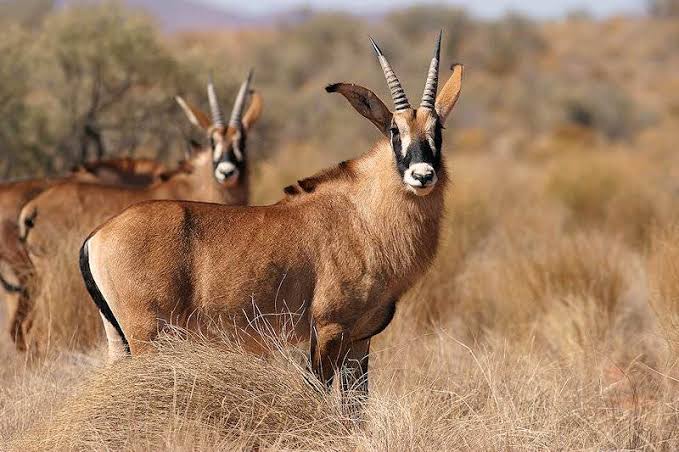
Roan antelopes stand among the dry savannah grasslands, representing one of the distinctive wildlife attractions associated with Pian Upe Wildlife Reserve in northeastern Uganda.
For wildlife enthusiasts, the roan antelope is arguably one of the most important animals in Pian Upe Wildlife Reserve. Uganda Wildlife Authority’s State of Wildlife Resources in Uganda 2026 report states that roan antelopes are now locally extinct in protected areas where they historically occurred, including Kidepo Valley and Lake Mburo national parks. Pian Upe is currently the remaining stronghold of Uganda’s roan population.
The same national wildlife report records 352 roan antelopes in Pian Upe Wildlife Reserve in 2023. This gives the reserve exceptional conservation importance for anyone interested in Uganda’s rarer antelope species.
Roan antelopes are among Africa’s largest antelopes. Their powerful bodies, long backward-curving horns and distinctive facial markings make them particularly impressive when encountered in open country. They generally live in groups and depend heavily on suitable grassland habitat.
Travelers accustomed to looking for Uganda kob, impala and topi during a conventional Uganda wildlife viewing safari may therefore find searching for roan antelopes in Pian Upe especially rewarding.
Are There Cheetahs in Pian Upe Wildlife Reserve?
Cheetahs are one of the animals most frequently associated with Pian Upe Wildlife Reserve and northeastern Uganda. The reserve’s extensive open landscapes provide the kind of terrain traditionally associated with this highly specialized predator.
Uganda Wildlife Authority lists cheetah among the fauna of Pian Upe Wildlife Reserve. Nevertheless, travelers should understand the difference between a species being present within an ecosystem and that species being easy to see during a short safari.
Cheetahs are wide-ranging predators, and Pian Upe is an extensive wilderness. A visitor should therefore never book a Pian Upe cheetah safari expecting a guaranteed sighting. Instead, the possibility of encountering one should be regarded as an exceptional wildlife highlight.
Travelers whose primary objective is seeing cheetahs can strengthen their itinerary by combining Pian Upe with Kidepo Valley National Park. Our guide on planning a Kidepo Valley safari explains how to incorporate northeastern Uganda into a longer wildlife journey.
For additional information specifically about the species, Anthill Safaris has a detailed guide explaining where cheetahs are found in Uganda.
Leopards and Other Predators in Pian Upe
Leopards occur in the Pian Upe landscape, although they are naturally difficult animals to observe. Unlike cheetahs, which depend heavily on open terrain and speed, leopards are secretive ambush predators capable of using woodland, rocky areas and vegetation for concealment.
Recent conservation research provides useful perspective. Uganda’s Strategic Action Plan for Large Carnivore Conservation reports relatively low leopard density in Pian Upe at approximately 1.6 individuals per 100 square kilometres. By contrast, spotted hyena density was estimated at approximately 16.13 individuals per 100 square kilometres, the fourth-highest density among the six protected areas surveyed.
The presence of spotted hyenas is ecologically significant. The same conservation assessment suggests that their numbers indicate a useful large-prey base including waterbuck, hartebeest, roan antelope and buffalo.
Visitors interested in comparing Pian Upe’s predator experience with more established safari destinations can consider Queen Elizabeth National Park, where game-drive infrastructure is much more developed.
Are There Lions in Pian Upe Wildlife Reserve?
This question requires particular care because older tourism sources continue to list lions among Pian Upe’s wildlife. Uganda Wildlife Authority’s older Pian Upe profile also includes lion in its historical fauna list. However, Uganda’s more recent Strategic Action Plan for Large Carnivore Conservation states that African lions became locally extinct in Pian Upe decades ago.
For that reason, Safari Vacations and Travel Services does not recommend advertising Pian Upe Wildlife Reserve as a current lion-viewing destination. Travelers whose priority is observing lions should combine Pian Upe with another protected area where established lion populations occur.
Kidepo is particularly logical geographically. Travelers can explore our Kidepo Valley National Park safari guide when considering a longer northeastern Uganda itinerary.
Giraffes in Pian Upe Wildlife Reserve
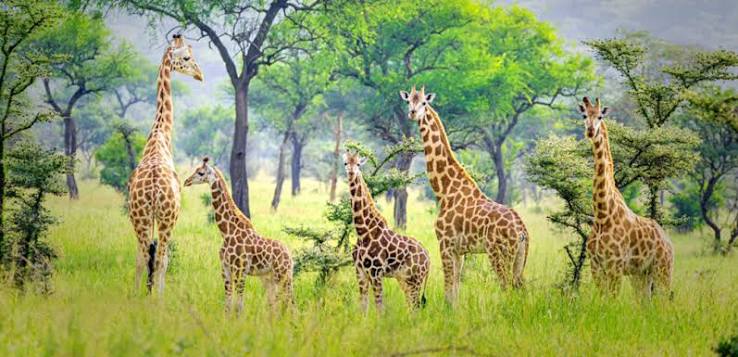
A herd of giraffes moves through the green savannah landscape, highlighting the rewarding wildlife-viewing experiences of Pian Upe Wildlife Reserve in northeastern Uganda.
Giraffes have become another important component of the Pian Upe wildlife story. Uganda Wildlife Authority identifies Pian Upe among the protected areas supporting Uganda’s Nubian giraffes.
Importantly, UWA records that giraffe restoration efforts began with translocations into Pian Upe in 2019, when the authority planned to establish a seed population and strengthen the species’ presence within the reserve.
Seeing giraffes moving through open northeastern Ugandan landscapes can be particularly photogenic. Their height allows them to stand above much of the surrounding vegetation, creating classic savannah scenes against distant hills and broad skies.
Travelers interested in a safari centered on Uganda’s savannah wildlife can compare Pian Upe with destinations featured in our Uganda safari guide.
Buffaloes in Pian Upe Wildlife Reserve
African buffaloes are another large mammal recorded within Pian Upe Wildlife Reserve. These powerful bovids can use grasslands, woodland edges and areas near water depending on seasonal conditions.
Buffaloes are among Uganda’s classic large safari animals and form part of the ecological prey base supporting large carnivores. In Pian Upe, however, travelers should avoid expecting the enormous concentrations sometimes associated with more intensively visited parks.
The experience is more about searching for wildlife across a large natural landscape. Visitors wanting a safari that combines Pian Upe with destinations offering more conventional Big Five experiences can explore Safari Vacations’ guide to gorilla trekking and Big Five safaris in Uganda.
Elands in Pian Upe
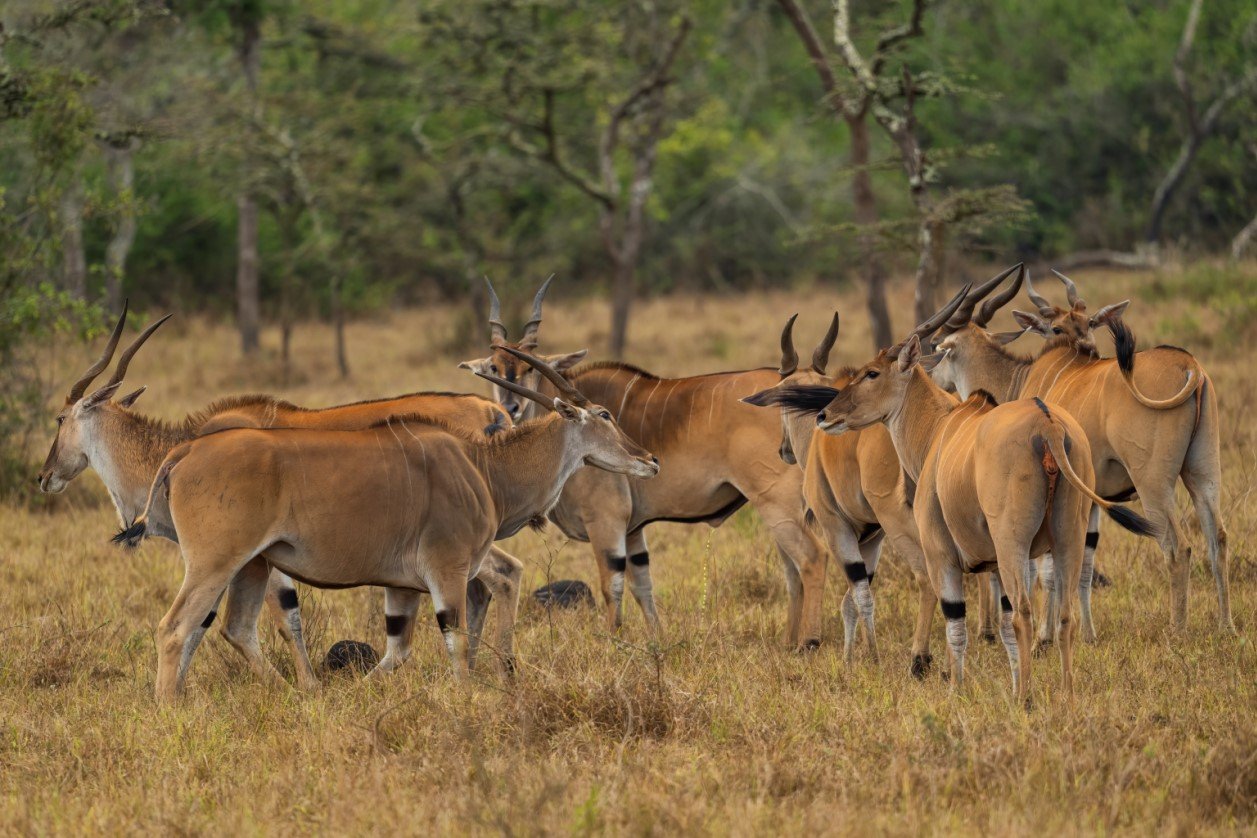
A herd of common elands gathers in the open savannah, showcasing the diverse antelope species found in Pian Upe Wildlife Reserve in northeastern Uganda.
The common eland is another impressive antelope associated with Pian Upe and the broader Karamoja conservation landscape. Elands are the world’s largest antelopes, with mature males becoming exceptionally heavy while retaining remarkable agility.
Historical UWA information describes seasonal movement of eland, topi and zebra between Pian Upe, North Bokora and Matheniko. This highlights an important feature of northeastern Uganda: wildlife conservation cannot always be understood through the boundaries of a single protected area. Animals may depend upon interconnected landscapes and seasonal movements.
This wider ecological context is one reason Pian Upe Wildlife Reserve is more interesting than simply a place for checking animals off a list.
Jackson’s Hartebeest, Waterbuck and Other Antelopes
Jackson’s hartebeest is another characteristic savannah species recorded in Pian Upe Wildlife Reserve. Its elongated face, sloping back and long legs make it easy to distinguish from many other antelopes.
Waterbucks are also present, particularly where appropriate water and grazing habitats exist. Oribis and mountain reedbucks add further variety to the reserve’s antelope community, while Uganda kob have historically been recorded within the ecosystem.
These animals may not have the international fame of cheetahs or giraffes, but they are fundamental to the ecological character of Pian Upe. Understanding the herbivore community also makes predator sightings more meaningful because visitors begin to appreciate the relationships between grazers, browsers and carnivores.
For travelers planning a longer trip specifically around wildlife, our Uganda wildlife safari itinerary provides an example of how different ecosystems and game-viewing experiences can be incorporated into one journey.
Zebras and Topis in the Wider Pian Upe Ecosystem
Zebras and topis are also historically associated with the wider Pian Upe–Bokora–Matheniko ecosystem. Uganda Wildlife Authority documentation describes seasonal movement between these protected areas, demonstrating the ecological connection between Pian Upe and the conservation areas farther north.
These movements are important when understanding why wildlife abundance can vary according to season and location. Pian Upe Wildlife Reserve should therefore be viewed as part of a much larger northeastern Ugandan landscape rather than as an isolated wildlife island.
Travelers wanting to explore more of Uganda’s remote savannah ecosystems can also read Anthill Safaris’ broader guide to planning a Uganda safari.
Spotted Hyenas in Pian Upe Wildlife Reserve
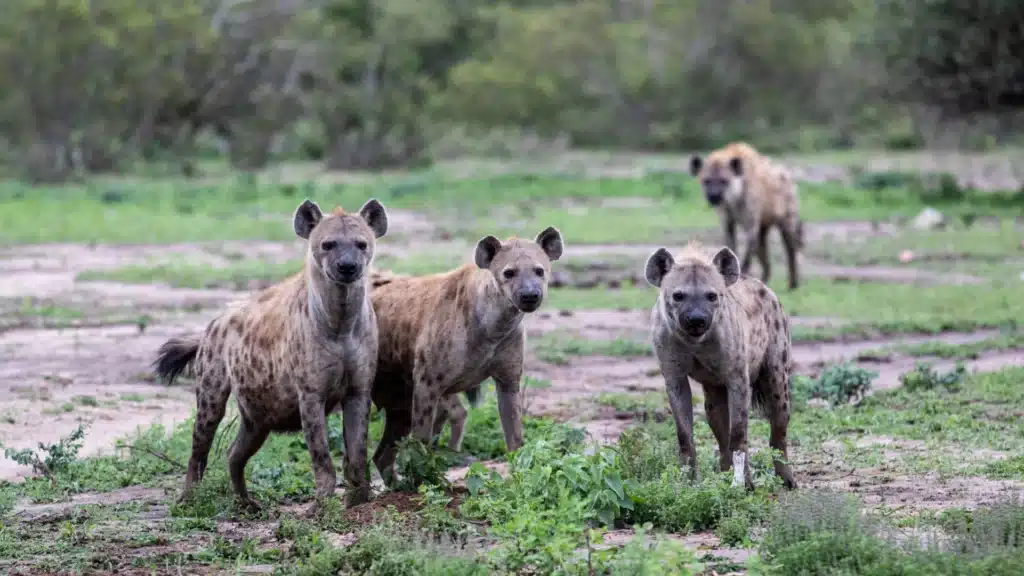
A group of spotted hyenas stands alert in the open landscape, highlighting the predator wildlife that can be associated with Pian Upe Wildlife Reserve in northeastern Uganda.
Spotted hyenas deserve greater attention on a Pian Upe wildlife safari. Although tourists often concentrate on lions, leopards and cheetahs, hyenas are among Africa’s most successful large carnivores and play an essential ecological role as both predators and scavengers.
The large-carnivore research conducted in Pian Upe makes them especially interesting here. The recorded spotted hyena density of approximately 16.13 animals per 100 square kilometres suggests that the reserve maintains an important carnivore community despite the historical pressures affecting wildlife populations.
Seeing a spotted hyena moving across open plains, particularly in the cooler hours of early morning or evening, can therefore be one of the underrated highlights of a Pian Upe safari.
How Easy Is It to See Wildlife in Pian Upe?
Visitors should approach wildlife viewing in Pian Upe Wildlife Reserve with realistic expectations. Pian Upe is not Queen Elizabeth National Park, Murchison Falls National Park or the Narus Valley of Kidepo, where established game tracks and decades of tourism development can make wildlife searching comparatively straightforward.
Pian Upe is much more exploratory. Animals may be widely dispersed, vegetation and water availability change seasonally, and some species occur at relatively low densities. This means a patient traveler may have a more rewarding experience than someone expecting constant sightings.
Uganda Wildlife Authority itself has previously acknowledged pressures including livestock grazing, settlement and poaching, while more recent conservation partnerships are focused on restoring Pian Upe and improving its ecological and economic value.
Visitors looking for a broader understanding of Uganda’s different game-viewing environments can use our guide to Uganda’s national parks before deciding how much time to dedicate to Pian Upe.
Wildlife Photography in Pian Upe Wildlife Reserve
Pian Upe Wildlife Reserve can be particularly appealing to wildlife photographers who value landscapes as much as close-up animal portraits. Open savannah, distant mountains, scattered vegetation and enormous skies create opportunities for environmental wildlife photography.
A giraffe standing against Mount Kadam, roan antelopes moving across open grassland or a spotted hyena crossing the plains can tell a very different visual story from photographs taken in Uganda’s forested parks.
The reserve’s relatively low visitor numbers can also provide photographers with quieter viewing conditions. However, photographers should bring appropriate telephoto equipment because animals may remain farther from roads than in heavily visited safari destinations.
Why Pian Upe Is Important for Wildlife Conservation
Pian Upe Wildlife Reserve is not simply another safari destination. Its importance is particularly clear when looking at Uganda’s roan antelope population. With the country’s surviving roan population now concentrated here, conserving Pian Upe means protecting a species that has disappeared from several of its former Ugandan ranges.
The reserve is also undergoing a broader conservation and restoration process. Uganda Wildlife Authority and Space for Giants signed a co-management partnership involving Pian Upe and surrounding district governments in 2022, with objectives including habitat restoration, biodiversity conservation and greater benefits for surrounding communities.
This gives a Pian Upe wildlife safari a deeper conservation dimension. Responsible tourism can contribute to the economic value attached to protecting remote landscapes and maintaining wildlife habitat.
Travelers interested in Uganda’s broader conservation and wildlife experiences can also explore Anthill Safaris’ Uganda Big Five safari guide.
Combining Pian Upe Wildlife Reserve With Kidepo Valley National Park
For serious wildlife travelers, combining Pian Upe Wildlife Reserve with Kidepo Valley National Park creates one of Uganda’s most interesting off-the-beaten-path safari routes.
Pian Upe contributes roan antelopes, cheetah potential, giraffes, spotted hyenas and an expansive wilderness landscape. Kidepo then adds a more established game-viewing environment with lions, elephants, buffaloes, giraffes and other savannah species.
The result is not simply more wildlife. It is an opportunity to understand how Uganda’s northeastern landscapes change as you travel through the wider Karamoja region.
Travelers can also combine these destinations with Sipi Falls and Mount Elgon, creating an itinerary that moves from waterfalls and highlands into increasingly dry savannah country before reaching the remote wilderness of Kidepo.
Plan Your Pian Upe Wildlife Safari With Safari Vacations and Travel Services
Safari Vacations and Travel Services can design a Pian Upe Wildlife Reserve safari according to the animals you most want to see, the number of days available and the other destinations you would like to combine with the reserve.
We can incorporate Pian Upe into a private eastern Uganda safari or build a longer journey connecting Sipi Falls, Mount Elgon, Pian Upe, Karamoja and Kidepo Valley National Park. The emphasis should always remain on realistic wildlife expectations, responsible viewing and enough time to appreciate the reserve rather than rushing through it.
Whether your main interest is searching for roan antelopes, exploring cheetah habitat, photographing giraffes, observing spotted hyenas or simply experiencing one of Uganda’s quieter savannah landscapes, Pian Upe Wildlife Reserve offers a wildlife experience that is fundamentally different from the country’s conventional safari circuit.
Bird Watching in Pian Upe Wildlife Reserve – Rare Birds of Eastern Uganda
Bird watching in Pian Upe Wildlife Reserve is one of the most rewarding experiences for travelers exploring eastern and northeastern Uganda. Although Pian Upe is increasingly known for roan antelopes, giraffes, cheetah habitat and its vast savannah landscapes, its birdlife adds another compelling reason to visit. The combination of wooded savannah, open grassland, seasonal wetlands, intermittent watercourses and the wider Lake Opeta ecosystem creates habitats for an interesting mixture of dry-country, grassland and wetland birds.
Uganda Wildlife Authority specifically recognizes bird watching as one of the activities available in Pian Upe Wildlife Reserve. Travelers planning a dedicated Uganda birding safari can therefore use Pian Upe as an important stop between the Mount Elgon region and the more arid landscapes of Karamoja and Kidepo Valley National Park.
Pian Upe Wildlife Reserve is particularly attractive to experienced birders because it provides access to species and habitats that differ considerably from the rainforest birding experiences of Bwindi, Kibale and Semuliki. Rather than concentrating exclusively on forest specialists, birders can search open plains, thorny woodland and seasonal wetland environments for northeastern Uganda species.
Why Pian Upe Wildlife Reserve Is Important for Bird Watching
The value of bird watching in Pian Upe Wildlife Reserve comes largely from its geographical position. The reserve lies north of Mount Elgon and forms part of a much wider northeastern conservation landscape extending toward Bokora, Matheniko and Karamoja.
This creates an interesting transition between eastern Uganda’s highlands and the increasingly dry environments encountered farther north. For bird watchers, such habitat transitions can be extremely productive because different vegetation communities support different groups of birds.
Uganda Wildlife Authority describes Pian Upe primarily as wooded savannah grassland, with some forest occurring along higher ridges in the north. Intermittent watercourses flow westward toward Lake Kyoga, while large areas can become inundated during rainy periods. These habitat variations help explain why both grassland and wetland-associated birds can occur within the broader landscape.
Travelers comparing different birding environments around the country can read our Uganda bird watching guide before deciding how Pian Upe should fit into a specialist itinerary.
What Birds Can You See in Pian Upe Wildlife Reserve?
Uganda Wildlife Authority specifically lists ostrich, secretary bird and yellow-billed shrike among the birds associated with Pian Upe Wildlife Reserve. These species immediately demonstrate the reserve’s dry savannah and northeastern character.
The wider Pian Upe landscape is also important for specialist birds associated with northeastern Uganda. UWA’s State of Wildlife Resources in Uganda 2026 highlights the conservation importance of the region for Uganda’s endemic Fox’s Weaver, particularly around Lakes Bisina and Opeta and the wildlife reserves of Pian Upe, Bokora and Matheniko.
This is one reason serious birders should view Pian Upe as part of a wider eastern and northeastern Uganda birding circuit rather than an isolated destination.
Safari Vacations and Travel Services can incorporate Pian Upe into a longer birding safari in Uganda covering wetlands, forests, mountains and savannah habitats.
Ostriches in Pian Upe Wildlife Reserve
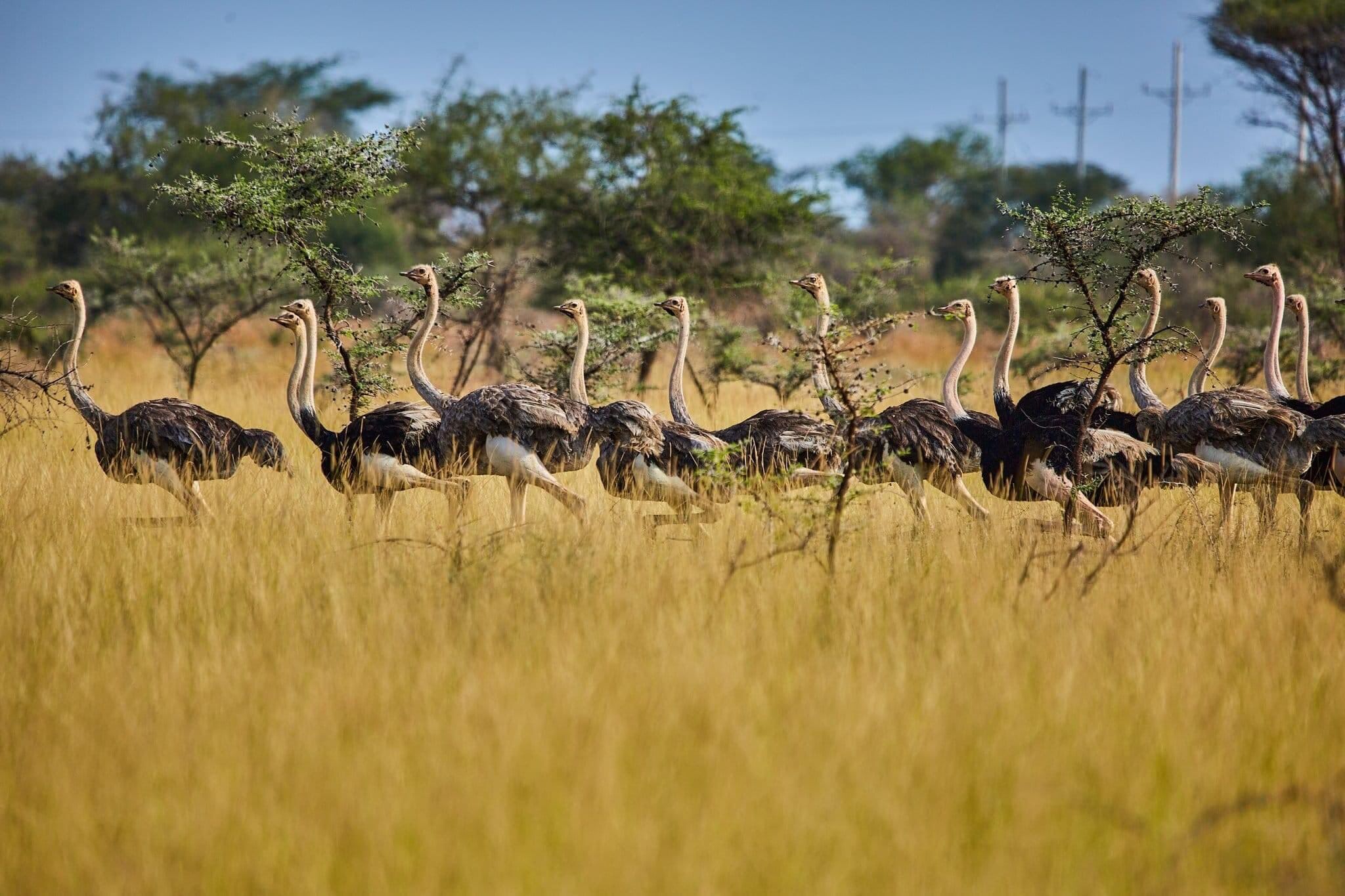
A large flock of ostriches moves through the golden savannah of Pian Upe Wildlife Reserve, highlighting the reserve’s distinctive birdlife and remote wilderness scenery.
The ostrich is one of the most exciting birds associated with Pian Upe Wildlife Reserve. As the world’s largest living bird, an ostrich walking through open savannah is an impressive sight even for experienced African safari travelers.
Ostriches are particularly associated with open and relatively dry landscapes. Their enormous size, long legs and distinctive body shape make adults relatively straightforward to identify when visibility is good.
However, birders should avoid assuming that ostriches will automatically be seen during every Pian Upe safari. Like other wildlife, birds move according to habitat conditions, food availability, disturbance and season.
Travelers particularly interested in northeastern Uganda’s large terrestrial birds can combine Pian Upe with Kidepo Valley National Park, another important destination for ostriches and dry-country birding.
Secretary Birds in Pian Upe
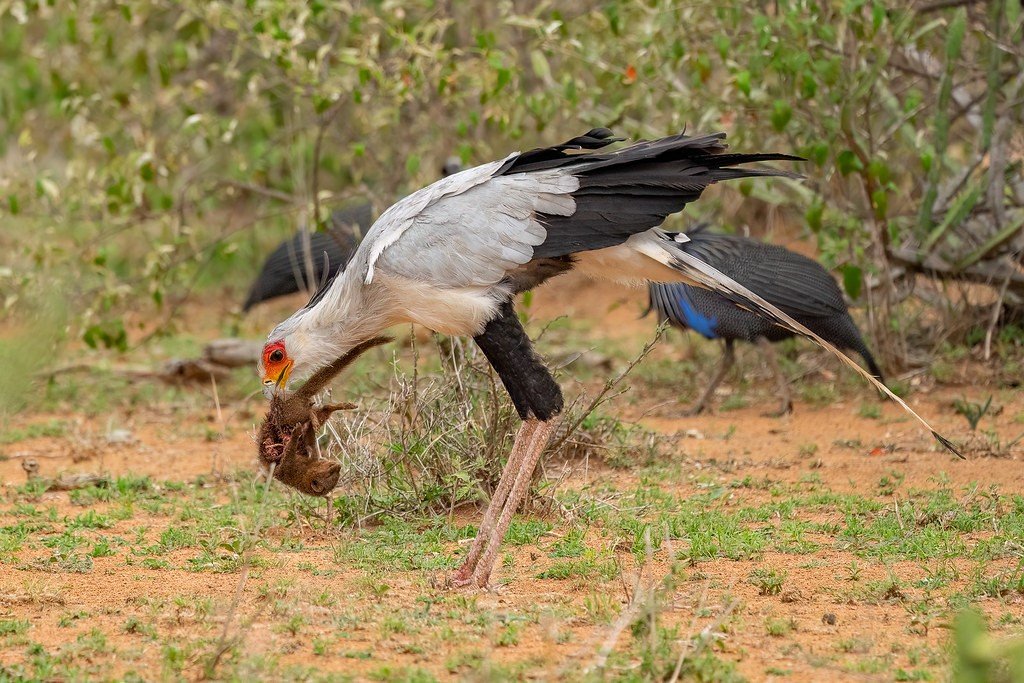
A secretary bird feeds on prey in the savannah, highlighting the fascinating raptor species birdwatchers can search for around Pian Upe Wildlife Reserve.
The secretary bird is another remarkable species recorded by Uganda Wildlife Authority in Pian Upe Wildlife Reserve. Unlike many birds of prey that spend considerable time soaring or perched, secretary birds are famous for walking through open grasslands while searching for prey.
Their long legs, upright posture and distinctive head feathers give them an unmistakable appearance. Watching a secretary bird move across an open Pian Upe landscape can be one of the most memorable birding encounters of the safari.
Because secretary birds depend upon suitable open habitats, protecting large savannah landscapes such as Pian Upe is important for their long-term conservation.
Fox’s Weaver and the Wider Pian Upe Landscape
One of the most important birds for serious bird watchers exploring the wider Pian Upe region is the Fox’s Weaver. Uganda Wildlife Authority’s 2026 State of Wildlife Resources report identifies the Fox’s Weaver as one of Uganda’s two endemic bird species.
The report describes its habitat as seasonally flooded wooded grassland and wetland mosaics dominated by whistling-thorn vegetation in northeastern Uganda. Important areas include Lakes Bisina and Opeta as well as Pian Upe, Bokora and Matheniko wildlife reserves.
This makes the wider Pian Upe–Lake Opeta landscape potentially important for specialist birders interested in Uganda’s restricted-range species. However, Safari Vacations and Travel Services recommends treating sightings as targets rather than guarantees. Rare and localized species may require specialist guiding, appropriate habitat conditions and considerable patience.
A well-designed Uganda birding tour should therefore allow enough time for specialist sites rather than trying to rush through several birding destinations in a single day.
Birding Around Lake Opeta
Lake Opeta is an important wetland associated with the wider Pian Upe ecosystem and can strengthen a specialist birding itinerary through eastern Uganda. The combination of seasonal flooding, wetland vegetation and surrounding grasslands creates habitat fundamentally different from the dry savannah areas of Pian Upe.
This habitat diversity is especially valuable for bird watchers because a journey through the region can produce grassland, savannah and wetland species within the same broader itinerary.
The importance of the Lake Opeta landscape is reinforced by UWA’s current wildlife reporting, which identifies the area around Lakes Bisina and Opeta as important habitat for Fox’s Weaver.
Birders interested in comparing Pian Upe’s seasonal wetland habitats with Uganda’s better-known wetlands can explore our guide to wetland birding in Uganda.
Savannah Birds of Pian Upe Wildlife Reserve
Much of the pleasure of bird watching in Pian Upe Wildlife Reserve comes from observing birds associated with open savannah and woodland rather than searching only for famous rarities.
Broad grasslands provide opportunities to watch terrestrial birds, while scattered trees and woodland edges create perching and feeding sites for many smaller species. Raptors may use open country for hunting, while insect-eating birds can become particularly active where grazing animals disturb insects from the grass.
Birders should therefore resist the temptation to focus exclusively on a checklist. Spending time watching how birds use Pian Upe’s different habitats provides a much richer understanding of the ecosystem.
Raptors and Birds of Prey
Open landscapes can be particularly rewarding for travelers interested in birds of prey. Savannah ecosystems provide opportunities for raptors to hunt small mammals, reptiles, insects and other birds.
Birders should regularly scan the sky, exposed branches, isolated trees and rocky areas. Raptors can often be detected from considerable distances when soaring on rising warm air.
A good pair of binoculars is essential, while a spotting scope can be particularly useful for identifying distant perched birds without disturbing them.
Travelers interested in expanding their northeastern birding experience should combine Pian Upe with Kidepo. Our Kidepo safari guide describes a park known for an especially interesting variety of savannah and dry-country birds.
Combining Bird Watching With Game Drives
One of the advantages of Pian Upe Wildlife Reserve is that bird watching can easily be combined with wildlife viewing. A morning drive might begin with the search for roan antelopes or giraffes but quickly turn into an excellent birding session when an unusual raptor, secretary bird or ostrich appears.
This makes Pian Upe particularly suitable for couples and small private groups where not every traveler is exclusively interested in birds. One person can concentrate on bird identification while others enjoy mammals, scenery and photography.
Travelers wanting to understand the broader wildlife experience can explore our guide to game viewing in Uganda. A Pian Upe safari can combine both interests without requiring completely separate excursions.
Best Time for Bird Watching in Pian Upe Wildlife Reserve
Bird watching in Pian Upe can be rewarding at different times of year, but the experience changes seasonally. Rainfall influences vegetation, wetland conditions, road access and the distribution of wildlife and birds.
Wetter periods can transform dry-looking grasslands into greener habitats and increase activity among many breeding and insect-eating birds. Seasonal wetlands may also become more productive when water levels rise.
Drier periods can provide easier road conditions and more comfortable access to some areas. Sparse vegetation may also make certain terrestrial birds easier to observe.
The ideal period therefore depends on whether the traveler prioritizes accessibility, photography, resident specialties, seasonal wetland conditions or migrant birds. We will discuss Pian Upe weather and seasonality in greater detail in the dedicated best-time-to-visit section.
Best Time of Day for Pian Upe Birding
Early morning is generally the most productive part of the day for a Pian Upe birding safari. Temperatures are cooler, many birds are actively feeding, and vocal activity can make species easier to locate.
Morning light is also excellent for bird photography. Lower sunlight creates softer illumination than the harsh overhead light commonly experienced around midday.
Late afternoon can provide another productive birding period as temperatures decrease. The middle of the day should not automatically be considered wasted, however, because soaring raptors may become more visible when rising thermals develop.
Bird Photography in Pian Upe
Pian Upe Wildlife Reserve offers excellent potential for travelers interested in combining bird watching with photography. Open landscapes can provide clean backgrounds, while large terrestrial birds such as ostriches and secretary birds create particularly strong environmental images.
A telephoto lens is useful because many birds should be observed from a respectful distance. Photographers should avoid asking guides to approach nests too closely or repeatedly disturb a bird simply to improve an image.
For smaller species, patience is usually more effective than aggressive pursuit. Allowing birds to behave naturally often produces better photographs while minimizing disturbance.
What to Pack for Bird Watching in Pian Upe
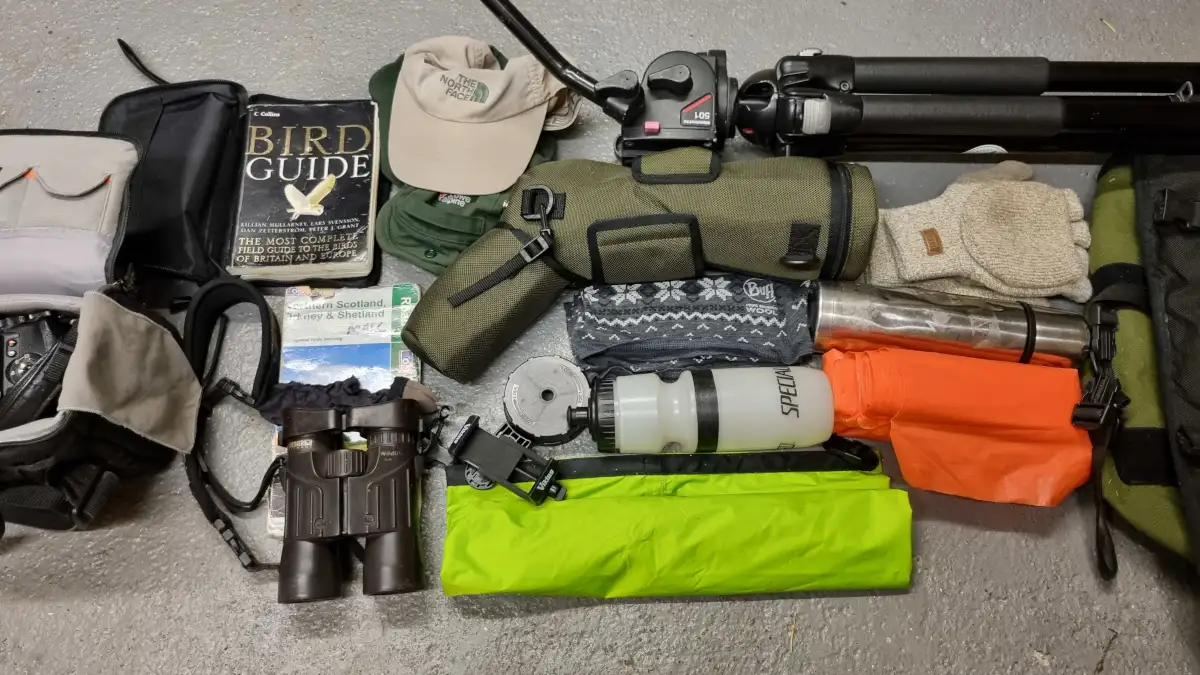
Essential bird-watching equipment, including binoculars, a spotting scope, field guide, camera gear and outdoor clothing, helps travelers prepare for a birding safari in Pian Upe Wildlife Reserve.
A good pair of binoculars should be considered essential for bird watching in Pian Upe Wildlife Reserve. A field guide or reputable bird-identification application can also be extremely useful.
Birders should carry lightweight neutral-colored clothing, a hat, sunscreen, sufficient drinking water and comfortable closed footwear. A small notebook or digital checklist can help keep track of sightings during longer birding journeys.
Photographers may want a telephoto lens, spare batteries, additional memory cards and protection against dust. During wetter periods, waterproof protection for cameras and binoculars is sensible.
Travelers planning a complete safari can use our Uganda safari packing guidance alongside specialist birding equipment recommendations.
Why Use a Specialist Birding Guide?
A knowledgeable birding guide can dramatically improve a Pian Upe bird watching safari. Experienced guides understand habitat preferences, bird calls, seasonal movements and the subtle identification features separating similar species.
This becomes particularly valuable when searching for restricted-range or uncommon birds. A specialist guide can also determine when it is better to remain stationary and listen rather than continuously drive through the reserve.
Safari Vacations and Travel Services can tailor the guiding arrangement according to whether the travelers are casual bird watchers, photographers or serious birders working from a detailed target list.
Combine Pian Upe Birding With Mount Elgon and Sipi Falls
Pian Upe Wildlife Reserve can be combined effectively with Mount Elgon and Sipi Falls. This creates a strong habitat transition from highland environments into wooded savannah and seasonal wetlands.
Instead of driving directly through eastern Uganda, birders can spend time exploring different elevations and vegetation zones before continuing toward Pian Upe.
This approach increases the diversity of the journey while keeping the itinerary geographically logical. It can then continue farther north toward Karamoja and Kidepo Valley National Park.
Travelers building a longer Uganda birding route can review our complete bird watching guide to Uganda when comparing eastern Uganda with the country’s forest and wetland destinations.
Combine Pian Upe and Kidepo for a Northeastern Uganda Birding Safari
For serious birders, Pian Upe and Kidepo Valley National Park form a particularly attractive combination. Both destinations expose travelers to northeastern Uganda’s savannah and dry-country environments, while each contributes different habitats and birding opportunities.
Kidepo is especially well established as a birding destination, with species associated with open savannah, seasonal rivers and semi-arid environments. Pian Upe adds its own quieter wilderness character and the broader connection toward Lake Opeta and the Fox’s Weaver landscape.
Anthill Safaris’ Kidepo Valley National Park guide provides additional information about bird watching farther north.
Travelers driving toward Kidepo can also use Pian Upe as part of the journey rather than treating the long road north simply as a transfer. Anthill Safaris’ guide to the top lodges in Kidepo Valley National Park specifically notes Pian Upe among the worthwhile stops when traveling north through eastern Uganda.
Pian Upe as Part of a Complete Uganda Birding Safari
The greatest strength of a Pian Upe birding safari becomes clear when the reserve is incorporated into a wider Uganda itinerary. Uganda’s extraordinary variety of forests, wetlands, savannahs, mountains and lakes allows birders to experience dramatic habitat changes within a single journey.
A comprehensive itinerary could combine Mabamba wetlands, Mount Elgon, Sipi Falls, Pian Upe, Lake Opeta and Kidepo before continuing toward other major birding regions depending on the number of available days.
This creates a much richer experience than visiting Pian Upe in isolation. Birders can search for wetland specialists, savannah species, dry-country birds and forest birds while simultaneously enjoying Uganda’s mammals, landscapes and cultural diversity.
Anthill Safaris’ broader Uganda safari guide also places Pian Upe within the country’s wider network of wildlife and birding destinations.
Responsible Bird Watching in Pian Upe Wildlife Reserve
Bird watching should always be conducted responsibly. Visitors should maintain appropriate distances from nests and breeding birds, avoid damaging vegetation and follow instructions from guides and Uganda Wildlife Authority personnel.
Playback of recorded bird calls should be used cautiously, particularly around territorial or breeding birds. Excessive playback can disrupt natural behavior and place unnecessary stress on individual birds.
Photographers should never prioritize a photograph over the welfare of the bird. Responsible birding ensures that Pian Upe Wildlife Reserve remains valuable both for conservation and for future visitors.
Plan Your Pian Upe Birding Safari With Safari Vacations and Travel Services
Safari Vacations and Travel Services can customize bird watching in Pian Upe Wildlife Reserve according to your experience level, target species and available travel time. Casual bird watchers can combine birding with regular game drives, while serious birders can dedicate more time to specialist habitats and the wider Lake Opeta landscape.
We can also design a longer eastern and northeastern Uganda route incorporating Sipi Falls, Mount Elgon, Pian Upe, Karamoja and Kidepo Valley National Park. Travelers with additional time can connect this route with Uganda’s famous wetland and forest birding destinations.
Whether you hope to observe ostriches striding across open country, search for secretary birds, explore the wider habitat of Fox’s Weaver or simply photograph savannah birds against the dramatic Pian Upe landscape, bird watching adds an important dimension to a Pian Upe Wildlife Reserve safari.
Best Time to Visit Pian Upe Wildlife Reserve – Weather and Month-by-Month Guide
The best time to visit Pian Upe Wildlife Reserve depends on whether your priority is wildlife viewing, bird watching, photography, green scenery or easier road conditions. Pian Upe has a different rainfall pattern from many destinations in western and southern Uganda. The wider northeastern landscape generally experiences one long rainy period from approximately April to October or November, followed by a drier period.
For travelers primarily interested in game drives and easier road access, December through March generally offers the most favorable conditions. The wetter months transform Pian Upe Wildlife Reserve into a greener landscape and can be particularly rewarding for bird watching and photography, although some tracks can become challenging after heavy rain.
| Month | Typical Conditions | Wildlife Viewing | Birding | Road Conditions | Our Recommendation |
|---|---|---|---|---|---|
| January | Generally dry, sunny and warm | Excellent | Very Good | Generally easier | Highly Recommended |
| February | Dry to relatively dry and warm | Excellent | Very Good | Generally easier | Highly Recommended |
| March | Transition toward wetter conditions | Very Good | Very Good | Usually manageable | Recommended |
| April | Main rainy period begins | Good | Excellent | Can become muddy | Best for green scenery and birding |
| May | Wet and increasingly green | Good | Excellent | Some difficult sections possible | Excellent for birders and photographers |
| June | Rain remains possible in Pian Upe | Good | Excellent | Variable | Good with a reliable 4×4 |
| July | Possible rainfall with green landscapes | Good | Excellent | Variable | Good for longer Uganda circuits |
| August | Mixed sunny and rainy periods possible | Good | Excellent | Variable | Good for Pian Upe–Kidepo combinations |
| September | Green with rainfall still possible | Good | Excellent | Variable to muddy | Strong photography period |
| October | Generally within the long rainy period | Good | Excellent | Challenging after heavy rain | Best for adventurous travelers |
| November | Transition toward drier conditions | Very Good | Excellent | Gradually improving | Recommended |
| December | Drier conditions generally develop | Excellent | Very Good | Generally improving | Highly Recommended |
Important: Pian Upe Wildlife Reserve does not follow exactly the same seasonal pattern as many safari destinations in western Uganda. The wider Pian Upe–Kidepo landscape generally experiences one long rainy period from approximately April to October or November. Actual rainfall, road conditions and wildlife movements vary from year to year, so current conditions should always be checked before travel.
Best Months for Wildlife Viewing in Pian Upe
December, January and February are among the strongest months for travelers whose main priority is wildlife viewing and easier road conditions. Drier landscapes can improve visibility, while access across Pian Upe Wildlife Reserve is generally more straightforward than during periods of prolonged rain. March and November can also be attractive transitional months.
Best Months for Bird Watching
Bird watching in Pian Upe Wildlife Reserve can be rewarding throughout the year. The wetter and greener period can be especially interesting because vegetation, seasonal wetlands and insect activity support active birdlife. Pian Upe is associated with notable species such as ostrich and secretary bird, while the wider Pian Upe–Lake Opeta landscape adds further birding interest.
Best Months for Photography
Choose December to February if you prefer drier, golden savannah landscapes and easier vehicle access. Choose the wetter months if your priority is lush vegetation, dramatic clouds, greener backgrounds and landscape photography. Early morning and late afternoon generally provide the most attractive light regardless of season.
Dry Season or Rainy Season – Which Is Better?
| Safari Factor | Drier Period | Rainy Period |
|---|---|---|
| Wildlife Visibility | Generally better | Vegetation can be taller and greener |
| Road Conditions | Generally easier | Some tracks may become muddy or inundated |
| Landscape | Golden, dry savannah | Lush, green and dramatic |
| Bird Watching | Very good | Excellent potential |
| Photography | Golden grasslands, dust and clearer access | Green backgrounds and dramatic skies |
| Best For | First-time visitors and wildlife-focused safaris | Birders, photographers and adventurous travelers |
Our Recommended Time to Visit Pian Upe Wildlife Reserve
For a first Pian Upe Wildlife Reserve safari, Safari Vacations and Travel Services Ltd generally recommends the drier period, particularly December through February, when travelers seeking wildlife viewing and overland exploration are more likely to encounter favorable road conditions. November and March can also provide useful transitional opportunities depending on the year’s rainfall.
However, travelers should not dismiss Pian Upe during the wetter months. The reserve becomes exceptionally green, bird watching can be rewarding and the landscape has an entirely different photographic character. A reliable 4×4 vehicle becomes especially important because UWA notes that much of Pian Upe can experience inundation during the rainy season.
How to Get to Pian Upe Wildlife Reserve – Kampala, Entebbe, Sipi Falls and Kidepo Routes
Knowing how to get to Pian Upe Wildlife Reserve is essential when planning a safari to this remote part of eastern Uganda. Unlike destinations close to Kampala or Entebbe, Pian Upe is best approached as part of a carefully designed overland journey through eastern and northeastern Uganda. The reserve lies north of Mount Elgon and can be incorporated into routes connecting Kampala, Jinja, Mbale, Sipi Falls, Karamoja and Kidepo Valley National Park.
For most international visitors, the journey begins at Entebbe International Airport before continuing through Kampala and eastern Uganda. Travelers planning a longer Uganda safari can include Pian Upe Wildlife Reserve as part of a wider circuit rather than making a long return journey solely to visit the reserve.
A suitable 4×4 safari vehicle is strongly recommended. Conditions within and around Pian Upe can change according to rainfall, and some black cotton soil sections can become difficult during wet weather. Safari Vacations and Travel Services therefore recommends allowing realistic travel time and maintaining flexibility when exploring this remote landscape.
Where Exactly Is Pian Upe Wildlife Reserve?
Pian Upe Wildlife Reserve lies in eastern Uganda, north of Mount Elgon and within the broader northeastern conservation landscape. Uganda Wildlife Authority describes the reserve as an extensive high plateau dominated by rolling plains and wooded savannah grassland.
Its location is particularly interesting because Pian Upe sits along a natural safari corridor toward Karamoja. Travelers can approach through eastern Uganda and continue north rather than returning to Kampala after visiting the reserve.
This makes Pian Upe particularly suitable for adventurous travelers who want to combine wildlife with destinations such as Sipi Falls and Kidepo Valley National Park. Our guide to safari destinations in northern Uganda provides additional ideas for extending the journey.
Kampala to Pian Upe Wildlife Reserve
The road journey from Kampala to Pian Upe Wildlife Reserve generally takes travelers east through towns and landscapes associated with the Kampala–Jinja–Mbale corridor before continuing toward the reserve. The precise route used depends on road conditions, the selected entrance or headquarters area, accommodation arrangements and whether the itinerary includes Sipi Falls.
Rather than treating the journey as a long transfer day, travelers can break it into stages. Jinja can provide an initial stop for travelers interested in the River Nile, while Mbale or Sipi Falls can provide a convenient overnight before continuing toward Pian Upe.
This approach makes the safari considerably more enjoyable and creates opportunities to experience several parts of eastern Uganda. Travelers can review our Uganda eco-tourism experiences for ideas on combining Jinja, Sipi Falls, Pian Upe and northeastern Uganda.
Entebbe to Pian Upe Wildlife Reserve
Travelers arriving by air normally begin at Entebbe International Airport. Driving directly from Entebbe to Pian Upe Wildlife Reserve can make for a long day, particularly when traffic around Kampala and road conditions farther east are considered.
For a more comfortable itinerary, Safari Vacations and Travel Services can arrange an overnight in Kampala, Jinja, Mbale or Sipi Falls depending on arrival time and the wider safari plan.
Travelers landing late in the day should generally avoid trying to reach Pian Upe immediately. Starting after breakfast the following morning allows a more relaxed journey and provides flexibility for stops along the route.
Visitors beginning their trip at Uganda’s main airport can consult our Uganda airport transfer information when planning the first stage of their safari.
Jinja to Pian Upe Wildlife Reserve
Jinja works well as an intermediate destination for travelers heading toward Pian Upe Wildlife Reserve. It allows visitors to experience the Nile before continuing deeper into eastern Uganda.
Instead of spending an entire day driving from Entebbe toward Pian Upe, travelers can spend one or two nights around Jinja and then continue through eastern Uganda. This creates a more varied itinerary and reduces travel fatigue.
Jinja is particularly suitable for travelers who want to combine a wildlife safari with rafting, boat excursions or other Nile experiences before continuing toward the quieter landscapes around Pian Upe.
Mbale to Pian Upe Wildlife Reserve
Mbale is one of the most useful logistical points when traveling toward Pian Upe Wildlife Reserve. Its position near Mount Elgon makes it a practical staging point for travelers coming from Kampala, Jinja or Entebbe.
From Mbale, travelers can continue toward the reserve or first visit Sipi Falls. This flexibility makes the city useful when designing eastern Uganda itineraries.
Road conditions beyond the major towns can vary, particularly during wetter periods. Driving times should therefore be treated as estimates rather than fixed promises.
Travelers interested in active experiences before their Pian Upe safari can explore our guide to the best hiking destinations in Uganda, including the Mount Elgon region.
Sipi Falls to Pian Upe Wildlife Reserve
Sipi Falls is one of the best destinations to combine with Pian Upe Wildlife Reserve. The route creates a dramatic transition from the green slopes and waterfalls around Mount Elgon toward the more open savannah landscapes farther north.
Travelers can spend one or two nights at Sipi Falls for hiking, waterfall viewing, coffee experiences and landscape photography before continuing toward Pian Upe.
This combination is particularly attractive for photographers because the two destinations offer completely different landscapes within the same eastern Uganda journey.
It also helps break up the road journey from Kampala or Entebbe. Rather than regarding Pian Upe as an isolated destination, Safari Vacations and Travel Services recommends incorporating it into a logical eastern Uganda circuit whenever travel time allows.
Pian Upe Wildlife Reserve to Kidepo Valley National Park
Combining Pian Upe Wildlife Reserve and Kidepo Valley National Park creates one of Uganda’s most adventurous overland safari routes. UWA identifies an eastern approach to Kidepo through Mbale and Moroto that passes through Pian Upe Wildlife Reserve.
This makes Pian Upe much more than a standalone destination. It can become an important part of the journey into northeastern Uganda.
Travelers can begin around Kampala or Entebbe, continue through Jinja and the Mount Elgon region, explore Pian Upe, experience Karamoja and finally reach Kidepo Valley National Park.
For detailed information about the final destination, see our Kidepo Valley National Park safari guide.
Anthill Safaris also provides a useful guide to Kidepo Valley National Park for travelers considering this northeastern safari combination.
Can You Fly to Pian Upe Wildlife Reserve?
Pian Upe Wildlife Reserve is primarily an overland safari destination. Travelers should not plan around the expectation of a scheduled commercial flight directly into the reserve.
Domestic flights can potentially reduce travel time elsewhere within a larger Uganda itinerary, particularly when connecting distant national parks, but the final access arrangements for Pian Upe normally require road transport.
Private charter possibilities can change according to aircraft, approved landing facilities and operational conditions. These should therefore be confirmed individually rather than advertised as a guaranteed scheduled service.
Travelers interested in reducing long road transfers elsewhere in Uganda can read our guide to fly-in safaris in Uganda.
Do You Need a 4×4 Vehicle for Pian Upe?
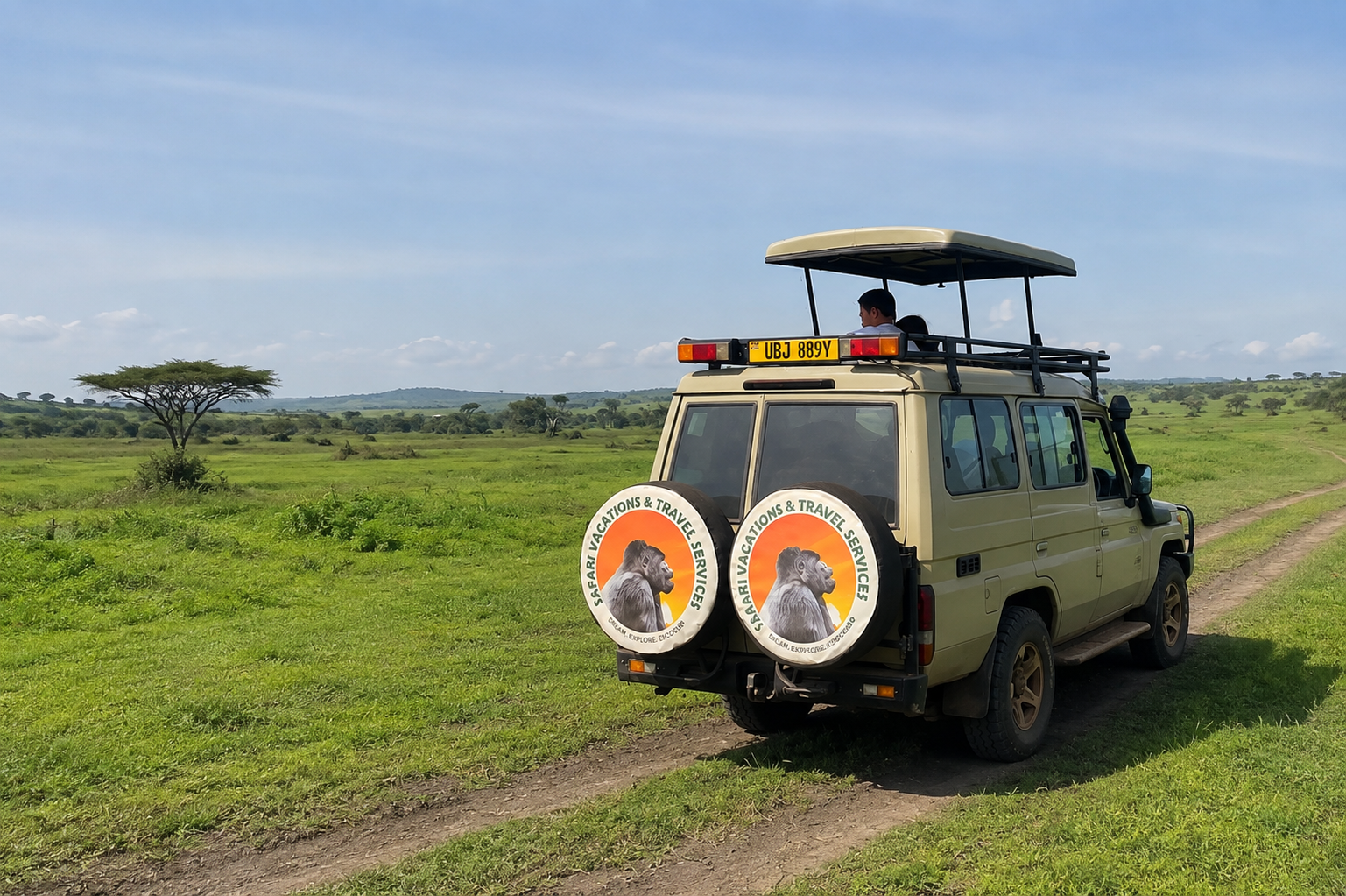
A Safari Vacations and Travel Services Ltd 4×4 Land Cruiser with a pop-up roof provides practical transport and elevated wildlife viewing when exploring Pian Upe Wildlife Reserve.
A reliable 4×4 vehicle is strongly recommended for a Pian Upe Wildlife Reserve safari. The reserve is a remote wilderness area, and conditions can change significantly between dry and rainy periods.
During the rains, black cotton soils can become slippery and difficult. Even during drier periods, rough sections and wildlife-viewing tracks make a high-clearance safari vehicle preferable to a standard road car.
A well-maintained Land Cruiser or another appropriate 4×4 also provides greater comfort on longer journeys through eastern and northeastern Uganda.
Travelers should consider vehicle reliability, ground clearance, tire condition and recovery equipment rather than selecting transport solely according to the lowest daily price.
Road Conditions Around Pian Upe Wildlife Reserve
Road conditions around Pian Upe Wildlife Reserve vary according to season and recent rainfall. Main approach roads may be relatively straightforward, while tracks within more remote areas can become considerably more challenging.
Uganda Wildlife Authority notes that substantial portions of Pian Upe may experience inundation during the rainy period. This is particularly important when planning game drives because a route that is accessible during dry weather may become difficult after prolonged rain.
Travelers should therefore avoid tightly scheduling Pian Upe with flights or other fixed commitments immediately afterward. Building some flexibility into the itinerary reduces stress when conditions change.
Our guide to a Uganda safari during the rainy season provides additional advice for travelers visiting during wetter months.
Self-Drive or Guided Pian Upe Safari?
Independent travelers may be attracted to the idea of self-driving to Pian Upe Wildlife Reserve, but a professionally guided safari offers important advantages in such a remote destination.
An experienced driver-guide understands local road conditions, realistic driving times, fuel planning, wildlife behavior and the logistics of connecting Pian Upe with Sipi Falls, Karamoja and Kidepo.
Guides can also concentrate on navigating while travelers enjoy the scenery rather than spending long hours watching the road.
For wildlife viewing, local knowledge is particularly useful. Pian Upe is not a compact safari park where animals are automatically concentrated beside heavily used tourist tracks.
Fuel, Water and Supplies
Travelers should prepare carefully before entering remote areas around Pian Upe Wildlife Reserve. Fuel, drinking water, snacks and essential supplies should be organized before leaving larger towns rather than assuming everything will be available near the reserve.
This becomes particularly important when continuing farther into Karamoja. A professionally organized safari should plan fuel stops and carry sufficient drinking water for both expected travel time and reasonable contingencies.
Travelers should also carry essential personal medication, sun protection, charging equipment and appropriate clothing.
Our Uganda safari packing list can help when preparing for a longer overland journey.
How Long Should You Allow for the Journey?
The amount of time required depends on where the safari begins and which destinations are included. Safari Vacations and Travel Services recommends avoiding itineraries that attempt to cover excessive distances simply to increase the number of places listed on the program.
For travelers beginning in Entebbe or Kampala, breaking the journey around Jinja, Mbale or Sipi Falls usually creates a more enjoyable experience. Travelers continuing to Kidepo should also allocate sufficient time for the northeastern route.
Long driving days can be part of an adventurous Uganda safari, but they should contribute to the journey rather than dominate it.
Best Route for First-Time Visitors
For many first-time travelers, a logical route is Entebbe or Kampala to Jinja, followed by Sipi Falls, Pian Upe Wildlife Reserve, Karamoja and Kidepo Valley National Park.
This itinerary gradually moves from the urban and Nile environments of central and eastern Uganda into highland scenery, savannah landscapes and finally the remote wilderness of the northeast.
Travelers with additional time can later connect this circuit with Murchison Falls and western Uganda rather than returning directly along the same road.
Our 21-day Uganda safari itinerary provides inspiration for travelers interested in exploring several regions of Uganda.
Best Route for Wildlife Enthusiasts
Wildlife-focused travelers should consider Pian Upe Wildlife Reserve together with Kidepo Valley National Park. Pian Upe provides opportunities to search for roan antelopes, giraffes, buffaloes, spotted hyenas and other savannah species, while Kidepo offers a more established game-viewing environment.
This combination creates a richer wildlife experience than visiting Pian Upe alone and allows travelers to appreciate the ecological diversity of northeastern Uganda.
Anthill Safaris’ best safari destinations in Uganda guide provides additional perspective on how Kidepo compares with other wildlife areas.
Best Route for Bird Watchers
Bird watchers can design an eastern Uganda journey linking Mount Elgon, Sipi Falls, Pian Upe Wildlife Reserve, the wider Lake Opeta landscape and Kidepo Valley National Park.
This route provides access to highland, wetland, wooded savannah and dry-country habitats. It can therefore add considerable diversity to a longer Uganda birding safari.
Travelers interested in this route should see our Uganda birding safari guide for information about combining northeastern birding with Uganda’s forests and wetlands.
Why Travel to Pian Upe With Safari Vacations and Travel Services?
Getting to Pian Upe Wildlife Reserve is part of the safari experience. Safari Vacations and Travel Services can organize a private 4×4 vehicle, professional driver-guide, accommodation and a route designed around realistic travel times.
Instead of simply driving from Kampala to Pian Upe and back, we can connect the reserve with Sipi Falls, Mount Elgon, Karamoja and Kidepo Valley National Park. This reduces unnecessary backtracking and creates a much more rewarding eastern Uganda safari.
Travelers seeking additional ideas for remote Uganda travel can also explore Anthill Safaris’ lesser-known safari destinations in Uganda.
The most important principle is flexibility. Road conditions, rainfall and wildlife movements can change, so a successful Pian Upe safari should allow enough time to adapt rather than depending on an unnecessarily rigid schedule.
Plan Your Journey to Pian Upe Wildlife Reserve
Whether you are traveling from Entebbe, Kampala, Jinja, Mbale, Sipi Falls or Kidepo Valley National Park, Safari Vacations and Travel Services can design a private route to Pian Upe Wildlife Reserve according to your available days and preferred activities.
Tell us where your Uganda safari begins, how many people are traveling and whether you want to combine Pian Upe with birding, wildlife, hiking, cultural experiences or Kidepo. We can then design the route around practical road connections rather than simply choosing the shortest-looking distance on a map.
Where to Stay in Pian Upe Wildlife Reserve – Accommodation and Safari Planning
Choosing where to stay in Pian Upe Wildlife Reserve requires more careful planning than booking accommodation in Uganda’s established safari destinations. Pian Upe remains a remote and relatively undeveloped wildlife reserve, so travelers should not expect the extensive selection of luxury lodges, permanent tented camps and budget properties available around destinations such as Queen Elizabeth National Park, Bwindi Impenetrable National Park or Murchison Falls National Park.
The limited accommodation infrastructure is part of Pian Upe’s wilderness appeal, but it also means accommodation should be confirmed before beginning the journey. Travelers planning a wider Uganda safari can also stay around Sipi Falls, Mbale or other strategic points before or after exploring Pian Upe Wildlife Reserve.
For most visitors, the best accommodation strategy depends on the itinerary. Travelers concentrating specifically on Pian Upe may prefer basic accommodation or camping close to the reserve, while visitors combining Pian Upe with Sipi Falls, Mount Elgon, Karamoja and Kidepo can use more comfortable accommodation at different stages of the journey.
Is There Accommodation Inside Pian Upe Wildlife Reserve?
Historically, Uganda Wildlife Authority has provided basic accommodation associated with Pian Upe Wildlife Reserve. Published UWA tariffs have listed simple Pian Upe rooms as well as a wilderness camping option.
These facilities should be understood as basic wilderness accommodation rather than conventional safari lodges. Travelers choosing this style of stay should prioritize location and access to the reserve over luxury amenities.
More importantly, the operational status, condition, capacity and current price of basic reserve accommodation should always be reconfirmed before travel. Safari Vacations and Travel Services does not recommend relying on an old published tariff as proof that a particular room is currently available.
This is particularly important when planning a remote Uganda wildlife safari, where changing one night’s accommodation can affect driving times and the following day’s activities.
What Should You Expect From Pian Upe Accommodation?
Travelers staying close to Pian Upe Wildlife Reserve should arrive with realistic expectations. This is not currently a destination known for large luxury safari properties with swimming pools, spas, extensive wine lists and elaborate suites.
The main advantages of staying close to the reserve are wilderness atmosphere and easier access to wildlife activities. Simple accommodation can allow travelers to begin game viewing earlier and reduce the amount of driving required between the reserve and a distant hotel.
Visitors who value location above luxury may therefore find basic Pian Upe accommodation perfectly appropriate for one or two nights.
Those requiring a higher standard of comfort can structure the itinerary differently, combining the reserve with better-developed tourism areas before and after the Pian Upe experience.
Camping in Pian Upe Wildlife Reserve
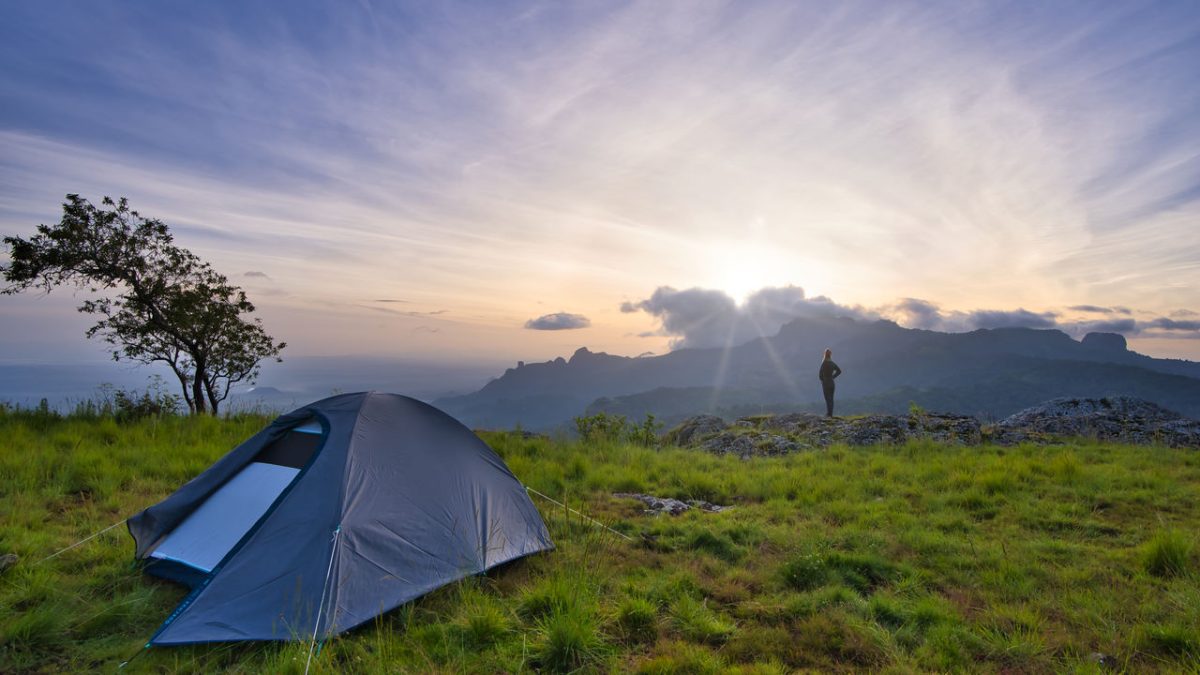
A wilderness camping experience surrounded by dramatic landscapes and sunset views, representing the adventurous side of exploring Pian Upe Wildlife Reserve in northeastern Uganda.
Camping is one of the accommodation styles historically associated with Pian Upe Wildlife Reserve. UWA’s published tariffs have listed a Pian Upe wilderness camp, reflecting the reserve’s remote and adventurous tourism character.
Camping can be especially attractive to photographers, bird watchers and travelers who want a stronger connection with the landscape. Evenings in remote northeastern Uganda can provide impressive skies and a sense of isolation that is increasingly difficult to find in heavily visited safari destinations.
However, camping inside or around a protected wildlife area should never be improvised. Travelers need to use authorized locations and follow current Uganda Wildlife Authority guidance regarding camping, wildlife safety, fires, waste and movement after dark.
Anyone considering a camping-style Pian Upe wildlife safari should also pack carefully. Our guide on what to pack for a Uganda safari explains essential clothing and equipment for Uganda’s changing safari environments.
Budget Accommodation for a Pian Upe Safari
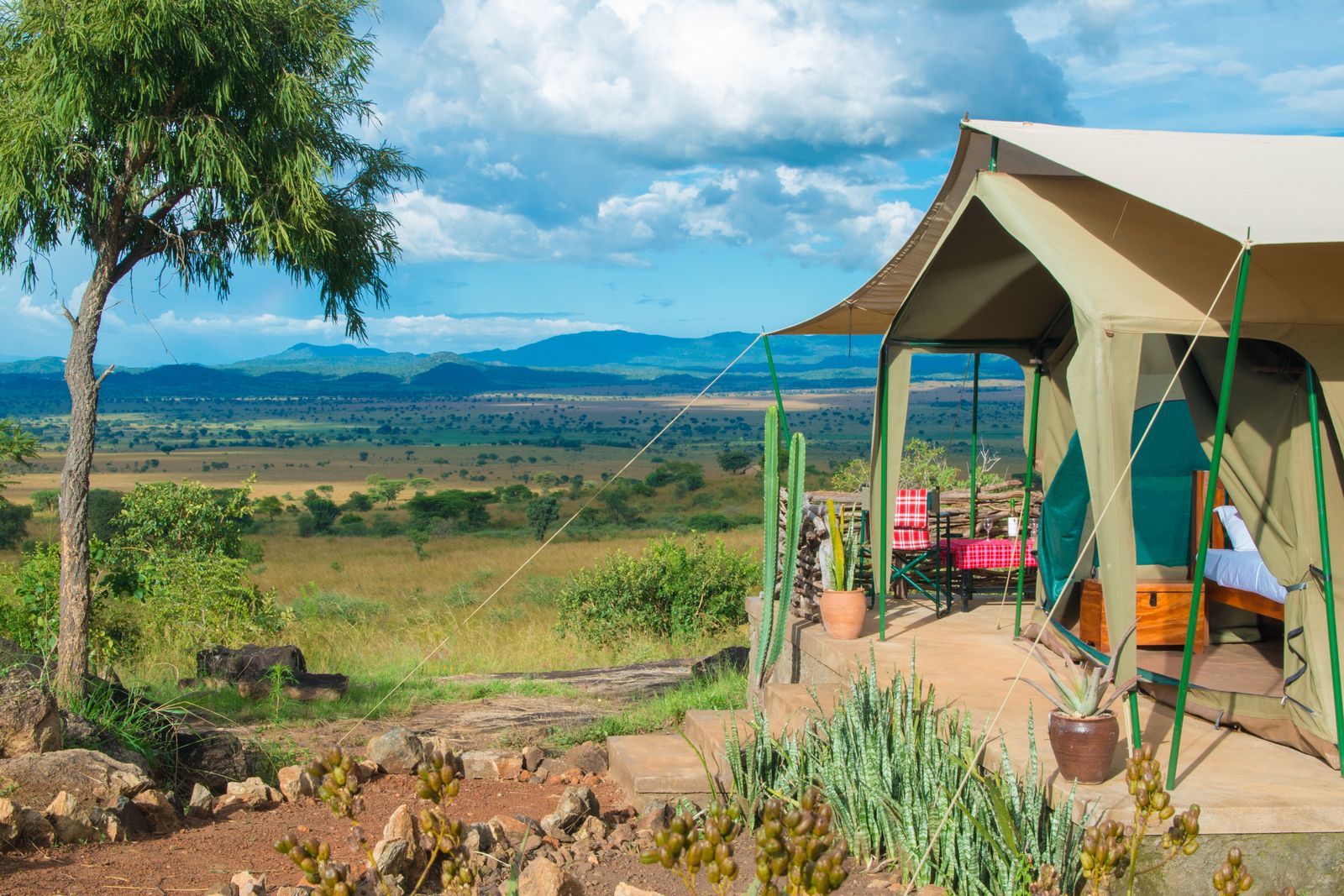
A comfortable safari tent overlooking expansive savannah scenery, representing an affordable accommodation option for travelers exploring Pian Upe Wildlife Reserve.
Pian Upe Wildlife Reserve naturally lends itself to adventurous and budget-conscious travel because accommodation close to the reserve is relatively simple. Basic rooms and camping can reduce accommodation costs compared with staying at high-end safari lodges elsewhere in Uganda.
Budget, however, should not mean poorly planned. Location, security, meals, clean water, bathroom arrangements and access to the reserve are more important than simply choosing the cheapest available bed.
Travelers should also consider the total cost of the itinerary. Saving a small amount on accommodation can become counterproductive if the selected property requires hours of additional driving each day.
Our broader guide to budget safaris in Uganda can help travelers understand how accommodation, transport and activities interact when controlling safari costs.
Midrange Accommodation for Pian Upe Travelers
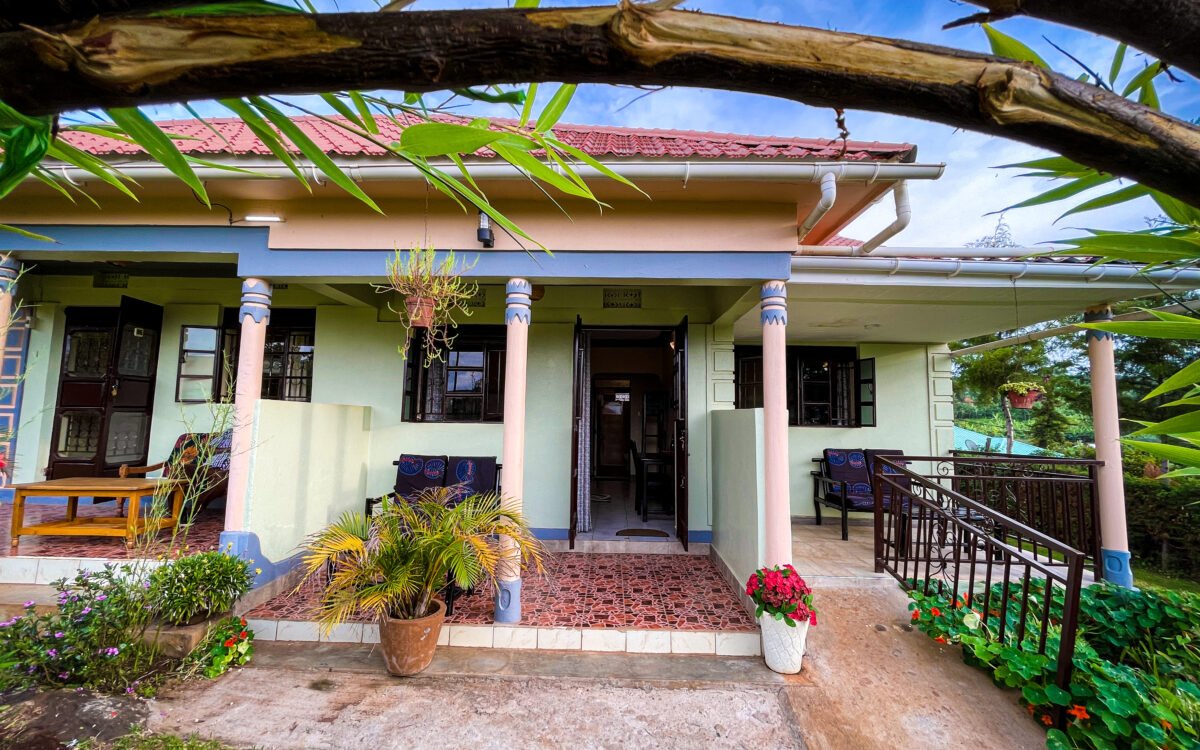
Comfortable midrange accommodation with a spacious veranda and landscaped gardens offers a relaxing base for travelers exploring Pian Upe Wildlife Reserve.
Travelers seeking midrange comfort may need to think beyond the immediate reserve boundaries. The most practical solution can be to combine basic accommodation close to Pian Upe with comfortable hotels or lodges elsewhere on the eastern Uganda route.
Sipi Falls and the wider Mount Elgon area can be particularly useful for this purpose. Visitors can enjoy a comfortable night around Sipi, explore waterfalls and coffee-growing communities, and then continue toward Pian Upe Wildlife Reserve.
This creates a balanced itinerary: comfort in established tourism areas combined with a more adventurous wilderness experience when visiting Pian Upe.
Travelers planning a longer journey can see how Sipi fits into our 21-day Uganda safari itinerary.
Luxury Accommodation and Pian Upe Wildlife Reserve
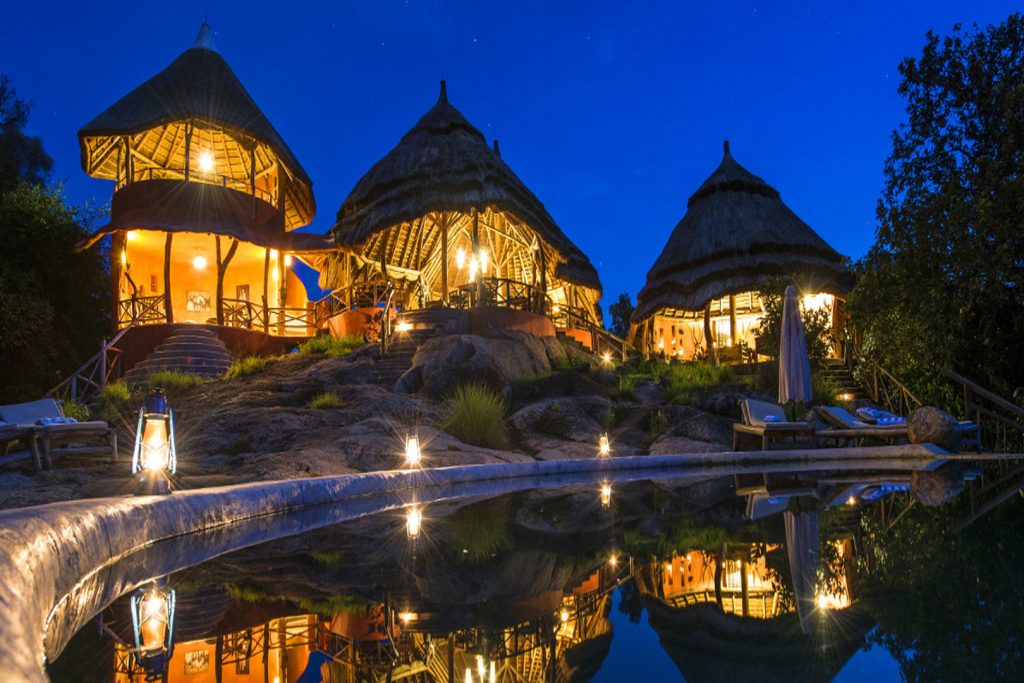
An atmospheric luxury safari lodge with thatched architecture, warm evening lighting and a swimming pool, representing an upscale stay that can complement a Pian Upe Wildlife Reserve itinerary.
Travelers searching specifically for a luxury lodge inside Pian Upe Wildlife Reserve should understand that the reserve does not currently offer the same mature high-end accommodation market as Uganda’s leading safari parks.
A luxury Pian Upe safari should therefore be designed around the complete journey rather than expecting every night to involve a premium property immediately inside the reserve.
For example, Safari Vacations and Travel Services can combine comfortable or higher-end accommodation around established destinations with a shorter wilderness stay around Pian Upe. The safari can then continue toward Kidepo, where additional lodge categories are available.
This approach allows travelers to experience Pian Upe’s remoteness without sacrificing comfort throughout the entire safari.
Staying Around Sipi Falls Before Pian Upe
Sipi Falls is one of the most attractive places to stay before traveling to Pian Upe Wildlife Reserve. UWA’s Mount Elgon information confirms that comfortable budget and midrange resorts are available around Sipi, while Mbale provides a wider selection of hotels.
Staying around Sipi adds more than accommodation. Travelers can hike to the waterfalls, enjoy views over eastern Uganda, experience locally grown coffee and explore the Mount Elgon landscape before continuing toward Pian Upe.
This makes the journey feel like part of the safari rather than simply a long road transfer.
Visitors interested in active experiences can explore our guide to the best hiking destinations in Uganda before deciding how many nights to spend around Mount Elgon and Sipi Falls.
Staying in Mbale Before or After Pian Upe
Mbale can provide another practical accommodation base for travelers entering or leaving the Pian Upe region. As a larger urban center, it offers more accommodation and services than travelers should expect immediately around the reserve.
Mbale is particularly useful for travelers arriving from Kampala or Jinja who do not want to complete a very long transfer in one day.
An overnight stop can also provide an opportunity to organize supplies, fuel and other essentials before continuing toward more remote areas.
For travelers following a wider eastern Uganda route, Mbale should be viewed as a logistical base rather than the principal wildlife destination.
Staying in Moroto on a Pian Upe and Karamoja Safari
Travelers continuing north can incorporate Moroto into a Pian Upe and Karamoja itinerary. Moroto provides a useful base for exploring northeastern Uganda and can break the journey between Pian Upe and destinations farther north.
This route works particularly well for visitors interested in more than wildlife. Landscapes, community experiences and the broader cultural setting of Karamoja can add depth to the safari.
A professionally planned itinerary can therefore use several accommodation bases rather than expecting one property to serve Pian Upe, Karamoja and Kidepo.
Travelers continuing toward Kidepo can read our guide on how to plan a Kidepo Valley National Park safari.
Accommodation in Kidepo After Pian Upe
Kidepo Valley National Park offers a broader selection of safari accommodation than Pian Upe Wildlife Reserve. Travelers continuing north can therefore use Kidepo for the more conventional lodge portion of their northeastern Uganda safari.
Accommodation around Kidepo ranges from simpler camps to comfortable midrange and luxury safari properties. This makes a Pian Upe and Kidepo combination particularly useful for travelers who want both raw wilderness and established safari comfort.
Anthill Safaris provides a detailed guide to the top lodges in Kidepo Valley National Park, including luxury, midrange and budget options.
Should You Stay One or Two Nights Around Pian Upe?
For many travelers, one or two nights can work well depending on arrival time and the wider itinerary. A single night may suit travelers using Pian Upe as an adventurous stop while traveling toward Karamoja or Kidepo.
Two nights provide a better experience for travelers who genuinely want to explore Pian Upe Wildlife Reserve. This allows more time for morning and afternoon wildlife viewing rather than arriving late one day and leaving immediately the next morning.
Bird watchers and photographers may benefit from additional time because their experience depends heavily on light, weather, wildlife movements and patience.
Travelers primarily interested in game viewing can compare the experience with other destinations through our Uganda game-viewing guide.
Meals and Drinking Water in Pian Upe
Food and drinking water should be planned before entering remote parts of Pian Upe Wildlife Reserve. Visitors should not assume that restaurant facilities, shops or extensive menus will be available close to every accommodation option.
A professionally organized safari can include meals, bottled drinking water and necessary supplies in the vehicle. This is particularly useful when staying in basic accommodation or camping.
Travelers with dietary restrictions should communicate them before the safari begins. Vegetarian, vegan, gluten-free or allergy-sensitive meals may require advance preparation when traveling into remote areas.
Carrying additional drinking water is especially important during hot conditions and long game drives.
What Should You Pack for an Overnight Stay?
Pack light but prepare for changing conditions. Neutral-colored safari clothing, comfortable closed shoes, a hat, sunscreen, insect repellent and a lightweight rain jacket are useful.
Travelers should also carry personal medication, toiletries, a reusable water bottle, binoculars and a camera if interested in wildlife photography.
Nights and early mornings can feel cooler than the daytime, so a light fleece or warm layer is useful even when daytime temperatures are high.
Our detailed Uganda safari packing list provides additional guidance for preparing for both savannah and wilderness environments.
How Accommodation Affects Your Pian Upe Safari
Accommodation location can significantly affect the quality of a Pian Upe Wildlife Reserve safari. Staying too far away can mean spending the best wildlife-viewing hours driving toward the reserve instead of actually searching for animals.
Early morning and late afternoon are particularly valuable for wildlife and photography. Choosing accommodation strategically can therefore be more important than choosing the property with the longest list of facilities.
This is one reason Safari Vacations and Travel Services designs accommodation around the itinerary rather than selecting hotels independently from the day’s activities.
Accommodation for Photographers and Bird Watchers
Photographers and bird watchers should prioritize location, early access and flexibility. A basic wilderness stay close to Pian Upe can sometimes be more useful than a luxurious hotel several hours away.
Being closer to the reserve can allow an earlier start when birds are vocal and wildlife is more active. It can also make it easier to remain in the field until late afternoon when photographic light improves.
Birders considering a specialist journey can explore our Uganda birding safari guide for ideas on combining Pian Upe with other important bird habitats.
Accommodation for Families and Senior Travelers
Families and senior travelers should discuss accommodation expectations before booking Pian Upe Wildlife Reserve. Basic wilderness facilities may be perfectly suitable for adventurous travelers but less appropriate for someone who requires specific accessibility features or a higher level of comfort.
Room configuration, private bathrooms, walking distances, dietary requirements and electricity needs should all be confirmed before travel.
When basic Pian Upe accommodation does not suit a traveler’s needs, the itinerary can be adjusted to use more comfortable accommodation elsewhere while still allowing time to explore the reserve.
Do You Need to Book Pian Upe Accommodation in Advance?
Yes. Advance planning is strongly recommended, particularly because accommodation capacity close to Pian Upe Wildlife Reserve is limited.
Travelers should not arrive assuming that rooms, camping space, meals or guides will automatically be available. This is especially important for private groups and visitors traveling during popular holiday periods.
Current accommodation availability should be confirmed at the time of booking rather than relying on old blogs, maps or historic tariff documents.
Choosing Accommodation for a Pian Upe and Kidepo Safari
A Pian Upe and Kidepo safari works best when accommodation is selected according to each destination’s strengths. Pian Upe can provide the simpler wilderness portion of the journey, while Kidepo offers a wider selection of established safari accommodation.
This creates an attractive progression through northeastern Uganda rather than trying to impose the same accommodation style on every destination.
Anthill Safaris’ Kidepo Valley National Park guide provides additional information about where to stay and what to expect farther north.
Travelers looking for a particularly remote safari experience can also read Anthill Safaris’ guide to Uganda’s least crowded safari destinations.
Book Your Pian Upe Accommodation With Safari Vacations and Travel Services

A warm welcome from Safari Vacations and Travel Services Ltd, helping travelers arrange suitable accommodation, private transport and personalized safari experiences for Pian Upe Wildlife Reserve.
Safari Vacations and Travel Services can arrange accommodation as part of a complete Pian Upe Wildlife Reserve safari rather than leaving travelers to coordinate remote rooms, transport and activities independently.
We can select the accommodation strategy according to your budget, comfort expectations and route. This may include a comfortable stay around Sipi Falls, a simpler wilderness experience near Pian Upe and established safari lodge accommodation when continuing toward Kidepo Valley National Park.
We also coordinate the accommodation with your private 4×4 vehicle, driver-guide, game-viewing schedule and onward travel so that each overnight stop supports the itinerary rather than creating unnecessary driving.
The best place to stay for a Pian Upe safari is therefore not automatically the most luxurious property. It is the accommodation that provides the right combination of comfort, location, reliability and access for your particular journey.
Pian Upe Wildlife Reserve Safari Costs, Entrance Fees and Practical Travel Information
Planning a Pian Upe Wildlife Reserve safari requires looking beyond the reserve entrance fee. The complete safari cost can include Uganda Wildlife Authority conservation fees, private 4×4 transportation, fuel, professional guiding, accommodation, meals and any additional activities included in the itinerary.
Pian Upe Wildlife Reserve is managed by the Uganda Wildlife Authority. Under the official UWA Conservation Tariff for July 2024 to June 2026, Pian Upe was classified under Category B together with destinations including Mount Elgon, Semuliki, Toro Semuliki and Katonga. Travelers visiting after this tariff period should confirm the current UWA rate before booking because conservation tariffs are periodically revised.
Pian Upe Wildlife Reserve Entrance Fees
| Visitor Category | Foreign Non-Resident | Foreign Resident | Rest of Africa | East African Community |
|---|---|---|---|---|
| Adults | US$35 | US$25 | US$20 | UGX 15,000 |
| Children | US$5 | US$5 | US$5 | UGX 2,500 |
| Ugandan Pupils/Students in Groups | N/A | N/A | N/A | UGX 1,500 |
Important 2026 tariff note: The entrance fees above are from the official Uganda Wildlife Authority Conservation Tariff covering July 2024 to June 2026. UWA has indicated tariff changes for 2026–2027. Travelers visiting after June 2026 should therefore confirm the applicable Pian Upe Wildlife Reserve entrance fee when booking rather than assuming these historical rates still apply.
What Does the Pian Upe Entrance Fee Cover?
The conservation entrance fee provides access to Pian Upe Wildlife Reserve for the applicable period under UWA regulations. Travelers should not assume that paying the entrance fee automatically covers every additional activity, guide, vehicle or accommodation service.
When booking a private Uganda safari, ask for a quotation that clearly distinguishes conservation fees from transportation, accommodation and additional safari activities.
What Determines the Cost of a Pian Upe Safari?
The Pian Upe Wildlife Reserve entrance fee is only one component of the overall safari price. For most international travelers, transportation and accommodation have a greater effect on the final cost because Pian Upe is a remote destination requiring substantial overland travel.
| Cost Component | What Affects the Price? | Planning Advice |
|---|---|---|
| Reserve Entrance | Nationality/residency category, age and current UWA tariff | Confirm the applicable UWA rate for your travel date |
| Private 4×4 Vehicle | Number of safari days, vehicle type and group size | Use a reliable high-clearance safari vehicle |
| Fuel | Starting point, itinerary and total driving distance | Combine Pian Upe with nearby destinations to reduce backtracking |
| Accommodation | Camping, basic, midrange or higher-comfort stays along the route | Choose accommodation according to location as well as comfort |
| Professional Guiding | Length and complexity of the itinerary | Particularly valuable for remote northeastern Uganda routes |
| Meals & Water | Accommodation plan and safari package | Carry sufficient drinking water in remote areas |
| Additional Activities | Guided walks, cultural experiences and activities in combined destinations | Confirm inclusions before paying for the safari |
Budget, Midrange or Luxury Pian Upe Safari?
A budget Pian Upe safari generally emphasizes simple accommodation, efficient routing and the essential wildlife experience. This can work particularly well for adventurous travelers who value wildlife and wilderness more than elaborate lodge facilities.
A midrange Pian Upe Wildlife Reserve safari can combine comfortable accommodation around established tourism areas such as Sipi Falls with simpler accommodation during the more remote part of the journey. This is often the best balance between comfort and price.
A luxury Pian Upe safari is less about staying in a five-star lodge inside the reserve and more about private transportation, personalized guiding, carefully selected accommodation throughout the wider itinerary and sufficient time to explore without rushing.
Travelers comparing safari styles can explore our budget safaris in Uganda for additional planning ideas.
Why Group Size Changes Your Pian Upe Safari Cost
A private Pian Upe Wildlife Reserve safari for one traveler or a couple normally has a higher per-person transportation cost because the vehicle, fuel and professional driver-guide expenses are divided among fewer people.
Three, four or five travelers sharing the same suitable safari vehicle can generally reduce the per-person land cost. However, conservation fees and many accommodation charges remain calculated individually.
This makes Pian Upe particularly attractive for families, couples traveling together or small private groups exploring eastern and northeastern Uganda.
Transportation and 4×4 Costs
A reliable 4×4 is one of the most important investments on a Pian Upe Wildlife Reserve safari. UWA describes Pian Upe as a high plateau dominated by rolling plains with black cotton soils and notes that much of the reserve can experience inundation during the rainy season.
For this reason, travelers should not choose transportation solely according to the lowest available price. High ground clearance, good tires, reliable mechanical condition and an experienced driver become especially important during wetter conditions.
A private vehicle also allows greater flexibility for wildlife viewing, photography and stops between Sipi Falls, Pian Upe, Karamoja and Kidepo.
How to Reduce the Cost of a Pian Upe Safari
The most effective way to obtain better value is to build Pian Upe into a geographically logical itinerary. Instead of traveling from Kampala to Pian Upe and immediately returning to Kampala, travelers can continue toward Karamoja and Kidepo Valley National Park or combine Pian Upe with Sipi Falls and Mount Elgon.
This reduces unnecessary backtracking and makes better use of the vehicle and fuel expenditure.
Travelers considering Kidepo can read our Kidepo Valley National Park safari planning guide.
Pian Upe and Sipi Falls Safari Costs
Combining Sipi Falls with Pian Upe Wildlife Reserve can provide excellent value because both destinations fit naturally into an eastern Uganda itinerary. Travelers gain waterfalls, hiking, coffee experiences, mountain scenery and savannah wildlife without making a completely separate trip.
The final price depends on the number of nights around Sipi, accommodation standard, selected activities and transportation arrangements.
Pian Upe and Kidepo Safari Costs
A Pian Upe and Kidepo safari requires a larger overall budget because travelers need additional days, accommodation, fuel and conservation fees. However, it is one of the most rewarding ways to experience northeastern Uganda.
Pian Upe introduces travelers to quieter savannah, roan antelope habitat and expansive landscapes before the journey continues toward the more established wildlife-viewing areas of Kidepo Valley National Park.
See our Kidepo Valley National Park guide when considering this combination.
What Is Usually Included in a Pian Upe Safari Package?
A professionally prepared Pian Upe Wildlife Reserve safari quotation may include private 4×4 transportation, fuel, professional driver-guide services, accommodation, specified meals, bottled drinking water, applicable conservation fees and the activities clearly identified in the itinerary.
The exact inclusions should always be written into the confirmed quotation. Safari Vacations and Travel Services Ltd can customize these services according to the traveler’s budget and preferred route.
What Is Usually Excluded?
Typical exclusions may include international flights, Uganda visa costs, travel insurance, personal purchases, alcoholic beverages, tips, optional activities and services not specifically included in the confirmed itinerary.
Travelers should compare safari quotations according to what is actually included rather than looking only at the headline price. A cheaper quotation can become more expensive if important items such as fuel, reserve fees or activities must later be paid separately.
Money and Payments During Your Pian Upe Safari
Pian Upe Wildlife Reserve is considerably more remote than Kampala, Entebbe or Uganda’s major tourism centers. Travelers should therefore avoid relying entirely on finding ATMs, foreign exchange services or card-payment facilities close to the reserve.
Carrying a reasonable amount of Ugandan shillings is useful for small personal purchases, while major pre-arranged safari services can be settled before departure.
Internet, Mobile Network and Electricity
Travelers should prepare for potentially limited connectivity during parts of a Pian Upe wildlife safari. Mobile coverage and internet quality can vary considerably as the journey moves through remote areas.
Photographers should carry spare batteries, power banks and sufficient memory cards. Vehicle charging facilities can be particularly useful during long overland journeys.
Road Conditions in Pian Upe Wildlife Reserve
Road conditions vary according to season and recent rainfall. Pian Upe’s black cotton soils can become difficult when wet, while dry conditions generally make overland travel and game viewing easier.
Visitors traveling during wetter months should build flexibility into the itinerary. The shortest route on a map is not necessarily the fastest or most suitable route after heavy rainfall.
Travel Insurance for Pian Upe
Comprehensive travel insurance is strongly recommended for a Pian Upe Wildlife Reserve safari. Coverage should be appropriate for the activities included in the wider Uganda journey and ideally address medical emergencies, trip disruption and other relevant travel risks.
Because Pian Upe is remote, travelers should also carry personal prescription medication and other essentials rather than expecting specialist supplies to be readily available close to the reserve.
What Should You Pack for Pian Upe?
Useful items include lightweight neutral safari clothing, comfortable closed shoes, a sun hat, sunscreen, insect repellent, binoculars, camera equipment, a reusable water bottle, personal medication and a lightweight waterproof layer.
Travelers visiting during wetter periods should pay particular attention to rain protection for cameras and other electronics.
See our Uganda safari packing guide for additional preparation advice.
Is a Pian Upe Wildlife Reserve Safari Worth the Cost?
For travelers looking for a remote and less conventional wildlife experience, Pian Upe Wildlife Reserve can offer excellent value. The reserve provides access to extensive savannah landscapes, important roan antelope habitat, giraffes, buffaloes, birdlife and opportunities for game drives, nature walks and cultural interactions.
The greatest value comes from combining Pian Upe with other destinations along the same route. Sipi Falls, Mount Elgon, Karamoja and Kidepo can transform the journey into a distinctive eastern and northeastern Uganda safari.
Request an Updated Pian Upe Wildlife Reserve Safari Price
Because Uganda Wildlife Authority tariffs, accommodation prices and operating costs can change, the most reliable Pian Upe Wildlife Reserve safari cost is a quotation prepared for your actual travel dates.
Safari Vacations and Travel Services Ltd can calculate the itinerary according to your group size, number of days, accommodation preference and destinations you want to combine with Pian Upe. This allows us to provide a transparent safari price rather than relying on outdated generic estimates.
Best Pian Upe Wildlife Reserve Safari Itineraries and Uganda Safari Combinations
Pian Upe Wildlife Reserve is best experienced as part of a carefully planned eastern or northeastern Uganda safari. Its location north of Mount Elgon makes it particularly suitable for combining with Sipi Falls, Mount Elgon, Karamoja and Kidepo Valley National Park. Travelers with more time can extend the journey toward Murchison Falls, Kibale National Park, Queen Elizabeth National Park and Bwindi Impenetrable National Park.
The table below compares some of the best Pian Upe Wildlife Reserve safari itineraries according to trip length, destinations, major experiences and the type of traveler each itinerary suits. Actual driving times, accommodation and activities should always be customized according to road conditions, season and current Uganda Wildlife Authority arrangements.
| Safari | Suggested Route | Main Experiences | Recommended For | Safari Pace |
|---|---|---|---|---|
| 2-Day Pian Upe Safari | Sipi Falls/Mbale → Pian Upe → Eastern Uganda | Game drives, roan antelope search, giraffes, birding and savannah photography | Travelers already staying in eastern Uganda | Fast |
| 3-Day Pian Upe Wildlife Safari | Eastern Uganda → Pian Upe → Sipi Falls/Mbale | Morning and afternoon game viewing, bird watching, photography and nature experiences | Wildlife lovers and photographers | Moderate |
| 4-Day Sipi Falls & Pian Upe Safari | Kampala/Entebbe → Sipi Falls → Pian Upe → Eastern Uganda | Waterfalls, coffee experience, hiking, game drives, birding and wildlife | Couples, photographers and first-time visitors | Comfortable |
| 5-Day Mount Elgon, Sipi & Pian Upe | Kampala → Mount Elgon → Sipi Falls → Pian Upe | Mountain scenery, hiking, waterfalls, coffee, wildlife and birding | Active and nature-focused travelers | Relaxed |
| 6-Day Pian Upe & Karamoja Safari | Sipi → Pian Upe → Karamoja → Moroto | Wildlife, landscapes, birding and responsibly arranged cultural experiences | Cultural travelers and repeat Uganda visitors | Moderate |
| 7-Day Pian Upe & Kidepo Safari | Sipi → Pian Upe → Moroto/Karamoja → Kidepo Valley | Roan antelopes, giraffes, savannah wildlife, Kidepo game drives and spectacular landscapes | Serious wildlife enthusiasts | Recommended |
| 8-Day Eastern & Northeastern Uganda Safari | Jinja → Sipi → Pian Upe → Karamoja → Kidepo | Nile experiences, waterfalls, wildlife, birding, culture and Kidepo game viewing | Travelers wanting a complete eastern Uganda experience | Excellent |
| 10-Day Pian Upe, Kidepo & Murchison Safari | Sipi → Pian Upe → Kidepo → Murchison Falls | Remote wildlife reserves, big-game viewing, Nile scenery and varied savannah ecosystems | Wildlife-focused travelers | Comprehensive |
| 14-Day Pian Upe & Uganda Wildlife Safari | Sipi → Pian Upe → Kidepo → Murchison → Kibale → Queen Elizabeth | Roan antelopes, big game, chimpanzees, boat safaris, predators and birding | First-time visitors wanting extensive wildlife diversity | Complete Safari |
| 18-Day Pian Upe, Wildlife & Gorilla Safari | Sipi → Pian Upe → Kidepo → Murchison → Kibale → Queen Elizabeth → Bwindi | Savannah wildlife, chimpanzees, boat safaris, game drives and mountain gorilla trekking | Travelers wanting the ultimate Uganda experience | Ultimate |
Safari planning note: The routes above are suggested combinations rather than fixed departures. Road conditions, accommodation availability, wildlife activities and seasonal conditions can affect the final itinerary. Safari Vacations and Travel Services Ltd can customize each Pian Upe Wildlife Reserve safari according to your arrival point, available days, interests and preferred accommodation standard.
Best Short Pian Upe Safari: Sipi Falls and Pian Upe
For travelers with limited time, the Sipi Falls and Pian Upe Wildlife Reserve combination is one of the strongest choices. Sipi adds waterfalls, hiking, Mount Elgon scenery and coffee experiences before the journey continues into Pian Upe’s wooded savannah. This gives travelers two dramatically different eastern Uganda landscapes within one compact itinerary.
A three- or four-day combination is considerably more practical than attempting to drive from Entebbe to Pian Upe, explore the reserve and return immediately. Travelers can learn more about planning a wider Uganda safari before deciding how Pian Upe fits into their journey.
Best Wildlife Combination: Pian Upe and Kidepo Valley National Park
For serious wildlife enthusiasts, Pian Upe Wildlife Reserve and Kidepo Valley National Park form the strongest combination. UWA documentation confirms that the Moroto–Mbale approach to Kidepo passes through Pian Upe, making the two destinations geographically logical to combine.
Pian Upe contributes roan antelopes, giraffes, buffaloes, savannah birds and a quieter reserve experience. Kidepo then adds a more established big-game safari environment with extensive savannah, buffalo herds, elephants, lions and exceptional northeastern birdlife. UWA describes Kidepo as a remote wilderness supporting more than 77 mammal species and 476 bird species.
Travelers can explore our Kidepo Valley National Park safari guide when planning this combination.
Best Pian Upe Safari for Bird Watchers
Bird watchers should consider a route combining Mount Elgon, Sipi Falls, Pian Upe Wildlife Reserve and Kidepo Valley National Park. This provides access to dramatically different elevations and habitats within one journey.
UWA specifically identifies bird watching as an activity in Pian Upe, while its reserve profile records notable birds including ostrich, secretary bird and yellow-billed shrike. The wider northeastern conservation landscape adds further specialist birding opportunities.
Travelers planning a dedicated birding journey can explore our Uganda birding safari options.
Best Pian Upe Safari for Photographers
Photographers should avoid rushing through Pian Upe Wildlife Reserve in a single afternoon. A slower itinerary with at least two wildlife-viewing periods provides opportunities to photograph the landscape during softer morning and evening light.
Pian Upe’s open plains, distant highlands, giraffes, roan antelopes and birdlife provide a different photographic character from Uganda’s forest destinations. Combining Pian Upe with Sipi Falls and Kidepo further increases landscape and wildlife diversity.
Best Pian Upe Safari for Repeat Uganda Visitors
Travelers who have already visited Bwindi, Queen Elizabeth National Park and Murchison Falls should consider an eastern and northeastern Uganda itinerary. Jinja, Sipi Falls, Mount Elgon, Pian Upe, Karamoja and Kidepo reveal a completely different side of the country.
This route is particularly appealing to travelers looking for quieter protected areas and less conventional safari experiences. Pian Upe itself covers approximately 231,400 hectares and is connected to the wider Bokora–Matheniko conservation landscape.
Can You Combine Pian Upe With Gorilla Trekking?
Yes. Pian Upe Wildlife Reserve and gorilla trekking can be combined when travelers have enough time for a longer Uganda safari. Because Bwindi Impenetrable National Park lies in southwestern Uganda, the combination works best within a countrywide itinerary rather than a short tour.
A longer journey can connect Pian Upe and Kidepo with Murchison Falls, Kibale, Queen Elizabeth National Park and finally Bwindi. This provides an exceptional transition from northeastern savannah to tropical forest and mountain gorilla habitat.
Travelers interested in this combination can explore our gorilla trekking and wildlife safari options.
How Many Days Are Best for a Pian Upe Safari?
Travelers already staying around Sipi Falls or Mbale can include Pian Upe Wildlife Reserve in a two- or three-day extension. Visitors beginning in Kampala or Entebbe should consider at least four days if Sipi Falls is included.
For the strongest wildlife itinerary, approximately seven or eight days allows Pian Upe to be combined with Kidepo without making every day a long transfer. Travelers wanting primates, western Uganda wildlife and gorilla trekking should consider approximately two weeks or longer.
Our Recommended Pian Upe Wildlife Reserve Itinerary
For travelers primarily interested in wildlife, Safari Vacations and Travel Services Ltd recommends combining Sipi Falls, Pian Upe Wildlife Reserve and Kidepo Valley National Park. This route makes geographical sense, avoids unnecessary backtracking and provides significantly greater variety than visiting Pian Upe alone.
The journey begins with Mount Elgon’s green landscapes and waterfalls, moves through Pian Upe’s open savannah and roan antelope habitat, continues through Karamoja and finishes with several game drives in Kidepo Valley National Park.
Travelers with additional time can extend the safari toward Murchison Falls and western Uganda. Our Kidepo safari planning guide provides further information about building the northeastern portion of the journey.
Customize Your Pian Upe Wildlife Reserve Safari
These Pian Upe Wildlife Reserve safari itineraries are starting points rather than rigid packages. Safari Vacations and Travel Services Ltd can adjust the number of nights, accommodation level, activities and destinations according to your interests.
A bird watcher may want additional time around Pian Upe and northeastern habitats, while a wildlife photographer may prefer multiple morning and afternoon game drives. Families may require shorter driving days, while experienced safari travelers may want to continue deep into Karamoja and Kidepo.
Pian Upe Wildlife Reserve FAQs, Travel Advice and Why Book With Safari Vacations and Travel Services
Pian Upe Wildlife Reserve remains one of Uganda’s least-known major wildlife destinations, which means travelers often have many questions before including it in an itinerary. Questions about wildlife, cheetahs, roan antelopes, accommodation, accessibility, birding, road conditions and the best time to visit are particularly important because Pian Upe offers a very different experience from Uganda’s established national parks.
This Pian Upe Wildlife Reserve FAQ answers the most important planning questions and helps travelers decide whether the reserve belongs on their Uganda safari. Safari Vacations and Travel Services can then customize the journey according to available time, budget and the other destinations travelers want to explore.
Where Is Pian Upe Wildlife Reserve?
Pian Upe Wildlife Reserve is located in eastern Uganda, north of Mount Elgon. It forms part of a much larger northeastern conservation landscape connected toward Bokora and Matheniko. Its position makes Pian Upe particularly suitable for overland safaris combining Sipi Falls, Mount Elgon, Karamoja and Kidepo Valley National Park.
How Big Is Pian Upe Wildlife Reserve?
Uganda Wildlife Authority’s Pian Upe profile gives the reserve an area of approximately 231,400 hectares, equivalent to roughly 2,314 square kilometres. This enormous landscape consists predominantly of wooded savannah grassland, rolling plains, seasonal watercourses and higher ground around Mount Kadam.
When Was Pian Upe Wildlife Reserve Established?
Pian Upe Wildlife Reserve was established in 1964. Uganda Wildlife Authority records that the area had previously been declared the Debasien Animal Sanctuary.
What Is Pian Upe Wildlife Reserve Famous For?
Pian Upe Wildlife Reserve is particularly famous for its remote savannah landscapes and conservation importance for roan antelopes. It is also associated with giraffes, buffaloes, spotted hyenas, leopards, cheetahs and distinctive northeastern Uganda birdlife.
Travelers can compare its wildlife experience with other destinations through our Uganda game-viewing guide.
Are There Roan Antelopes in Pian Upe Wildlife Reserve?
Yes. Roan antelopes are among the most important reasons for wildlife enthusiasts to visit Pian Upe Wildlife Reserve. Uganda Wildlife Authority’s State of Wildlife Resources in Uganda 2026 reports that Uganda’s protected-area roan population now persists only in Pian Upe, where 352 individuals were recorded in 2023.
This gives Pian Upe exceptional importance for the conservation of one of Uganda’s most distinctive large antelopes.
Can You See Cheetahs in Pian Upe?
Cheetahs are associated with Pian Upe Wildlife Reserve, but sightings should never be guaranteed. Uganda Wildlife Authority lists cheetah among Pian Upe’s fauna, while Uganda’s current large-carnivore conservation strategy notes recent reports of cheetahs in the northern region of Pian Upe.
Because cheetahs range across large areas and Pian Upe is an enormous wilderness, seeing one requires patience and luck.
Travelers particularly interested in the species can read Anthill Safaris’ guide explaining where cheetahs are found in Uganda.
Are There Lions in Pian Upe Wildlife Reserve?
Pian Upe should not currently be promoted as a reliable lion-viewing destination. Although older UWA material lists lions among the reserve’s historical fauna, Uganda’s more recent Strategic Action Plan for Large Carnivore Conservation states that lions became locally extinct in Pian Upe decades ago.
Travelers whose priority is seeing lions should combine Pian Upe with another established wildlife destination rather than booking Pian Upe specifically for lions.
Are There Leopards in Pian Upe?
Yes, leopards occur in the Pian Upe landscape, although they are secretive and difficult to observe. Current large-carnivore research has recorded a relatively low leopard density in the reserve, so visitors should treat any leopard encounter as an exceptional sighting rather than an expectation.
Are There Spotted Hyenas in Pian Upe?
Yes. Spotted hyenas are an important predator in Pian Upe Wildlife Reserve. Recent UWA-supported carnivore research estimated a substantially stronger spotted hyena presence than leopard density in the reserve.
Early morning and evening exploration may provide opportunities to encounter hyenas, although sightings remain unpredictable.
Are There Giraffes in Pian Upe Wildlife Reserve?
Yes. Giraffes are present in Pian Upe Wildlife Reserve following conservation restoration efforts. Uganda Wildlife Authority records that giraffe translocation into Pian Upe began in 2019 with the objective of establishing a viable population within the landscape.
Giraffes against Pian Upe’s open plains and mountain backdrops can provide particularly attractive photographic opportunities.
Are There Buffaloes in Pian Upe?
Yes. African buffaloes are among the large mammals recorded in Pian Upe Wildlife Reserve. Other herbivores include waterbuck, Jackson’s hartebeest, oribi and several additional antelope species.
What Other Animals Live in Pian Upe Wildlife Reserve?
Wildlife associated with the reserve includes roan antelope, giraffe, buffalo, waterbuck, Uganda kob, mountain reedbuck, Jackson’s hartebeest and oribi, while eland, topi and zebra have historically moved through the wider Pian Upe–Bokora–Matheniko landscape.
For travelers whose main interest is mammals, Pian Upe works particularly well as part of a broader Uganda wildlife safari.
What Birds Can You See in Pian Upe Wildlife Reserve?
Pian Upe is an interesting destination for dry-country and savannah birding. Uganda Wildlife Authority specifically records ostrich, secretary bird and yellow-billed shrike among birds associated with the reserve.
The wider Pian Upe and Lake Opeta landscape is also important for specialist northeastern Uganda birding.
Can You See Ostriches in Pian Upe?
Yes. Uganda Wildlife Authority lists ostrich among the birds occurring in Pian Upe Wildlife Reserve. However, as with all wildlife, an individual sighting cannot be guaranteed on a particular game drive.
Is Pian Upe Good for Bird Watching?
Yes. UWA specifically identifies bird watching as one of the visitor activities in Pian Upe Wildlife Reserve. Open grasslands, wooded savannah and seasonal wetland environments make the reserve particularly interesting when combined with other northeastern birding destinations.
Serious birders can use our Uganda birding safari guide to plan a longer specialist journey.
What Are the Best Things to Do in Pian Upe Wildlife Reserve?
Uganda Wildlife Authority identifies game drives, bird watching, nature walks and cultural interactions among the experiences available in Pian Upe. Wildlife and landscape photography can also be particularly rewarding because of the reserve’s open scenery and low tourism density.
Can You Do Game Drives in Pian Upe?
Yes. Game drives are one of the principal ways to explore Pian Upe Wildlife Reserve. A suitable 4×4 vehicle allows travelers to cover more ground while searching for roan antelopes, giraffes, buffaloes, hyenas, birds and other wildlife.
Our game viewing in Uganda guide explains how the experience compares with Uganda’s established national parks.
Can You Do Nature Walks in Pian Upe?
Yes. UWA identifies nature walks among Pian Upe activities. Walking should only take place in authorized areas and under the appropriate guiding arrangements. Visitors should never independently leave their vehicle and walk through wildlife habitat without permission.
Is Pian Upe Wildlife Reserve Worth Visiting?
Yes, particularly for travelers who value remoteness, unusual wildlife, birding and landscapes rather than expecting constant high-density animal sightings. Pian Upe Wildlife Reserve is especially rewarding for experienced safari travelers and repeat visitors to Uganda.
Travelers whose priority is an extremely developed safari destination may prefer combining Pian Upe with Kidepo rather than visiting it alone.
Is Pian Upe Crowded?
Pian Upe Wildlife Reserve receives far fewer conventional safari visitors than destinations such as Queen Elizabeth National Park or Murchison Falls National Park. Low visitor density is one of its greatest attractions.
Travelers looking for quieter wildlife destinations can also explore Anthill Safaris’ guide to lesser-known safari destinations in Uganda.
What Is the Best Time to Visit Pian Upe Wildlife Reserve?
Drier conditions are generally preferable for travelers prioritizing road access and conventional game viewing. Wetter periods create greener landscapes and can be attractive for birding and photography, but some tracks may become difficult.
The best time ultimately depends on the traveler’s priorities and the other destinations included in the itinerary.
How Many Days Do You Need in Pian Upe?
Most travelers should consider approximately two days for meaningful exploration of Pian Upe Wildlife Reserve, excluding lengthy transfers from distant starting points. Bird watchers, photographers and serious wildlife enthusiasts may benefit from additional time.
A one-night visit can work when Pian Upe is being used as a stop on the route toward Karamoja or Kidepo, but it provides less time for wildlife activities.
How Do You Get to Pian Upe Wildlife Reserve?
Pian Upe is primarily reached by road through eastern Uganda. Travelers coming from Entebbe or Kampala can travel through the Jinja and Mbale corridor before continuing toward the Mount Elgon and Pian Upe region.
The reserve also fits naturally into an overland route continuing north through Karamoja toward Kidepo Valley National Park.
Do You Need a 4×4 for Pian Upe?
A high-clearance 4×4 is strongly recommended. Pian Upe is a remote reserve, and road conditions can change considerably after rainfall. Black cotton soils can become especially difficult when wet.
A reliable safari vehicle also improves comfort on the long overland journeys required to connect Pian Upe with other Uganda destinations.
Where Can You Stay in Pian Upe Wildlife Reserve?
Accommodation around Pian Upe remains limited compared with Uganda’s major national parks. Basic wilderness accommodation and camping have historically been associated with the reserve, while travelers requiring greater comfort can structure their itinerary around Sipi Falls, Mbale and other established tourism areas.
Accommodation availability and operating status should always be reconfirmed before travel rather than relying on old online listings.
How Much Does a Pian Upe Safari Cost?
The cost depends on group size, safari duration, accommodation, vehicle, fuel, guiding and activities. A short Pian Upe safari from eastern Uganda costs less than a longer private journey from Entebbe continuing through Karamoja to Kidepo.
Safari Vacations and Travel Services recommends requesting a quotation based on actual travel dates instead of relying on a generic package price.
What Should You Pack for Pian Upe Wildlife Reserve?
Useful items include lightweight neutral-colored clothing, closed shoes, a sun hat, sunscreen, insect repellent, binoculars, camera equipment, personal medication and a light rain jacket. Travelers should also carry sufficient drinking water during longer drives.
See our Uganda safari packing guide for broader preparation advice.
Is Pian Upe Good for Wildlife Photography?
Yes. Pian Upe Wildlife Reserve is particularly attractive to photographers who enjoy environmental wildlife images. Open grasslands, distant mountains, dramatic skies and relatively low visitor numbers provide opportunities to photograph animals within a strong sense of place.
A telephoto lens is recommended because wildlife may remain farther from vehicles than in heavily visited national parks.
Is Pian Upe Suitable for Senior Travelers?
Senior travelers can visit Pian Upe provided they are comfortable with longer road journeys and relatively simple infrastructure. A private safari is particularly useful because departure times and rest stops can be adjusted according to individual needs.
Travelers with mobility requirements should discuss accommodation, vehicle access and planned walking activities before booking.
Can Children Visit Pian Upe Wildlife Reserve?
Families can include Pian Upe in an Uganda safari, but parents should consider the long road distances and limited facilities. Children who enjoy wildlife, birds and outdoor exploration may find the experience particularly interesting.
A private vehicle provides families with considerably more flexibility than a fixed group departure.
Can Solo Travelers Visit Pian Upe?
Yes. Solo travelers can visit Pian Upe Wildlife Reserve, although private transportation means the per-person cost can be higher because vehicle and guiding expenses are not shared.
Our Uganda safari for solo travelers guide provides additional planning advice.
Can You Combine Pian Upe With Sipi Falls?
Yes. Sipi Falls is one of the most logical destinations to combine with Pian Upe Wildlife Reserve. The itinerary brings together waterfalls, Mount Elgon scenery, hiking and coffee experiences before moving into savannah wildlife country.
The combination also helps break up the road journey from Kampala or Entebbe.
Can You Combine Pian Upe With Kidepo Valley National Park?
Yes. Pian Upe and Kidepo form one of the strongest combinations for adventurous wildlife travelers. Pian Upe provides a quieter reserve experience and important roan antelope habitat, while Kidepo provides more established game viewing within dramatic northeastern landscapes.
Travelers can read our Kidepo Valley National Park guide when planning the combination.
Anthill Safaris also provides a detailed Kidepo Valley National Park safari guide.
Can You Combine Pian Upe With Gorilla Trekking?
Yes, but this requires a longer Uganda itinerary because Pian Upe lies in eastern Uganda while Bwindi and Mgahinga are in southwestern Uganda. Travelers with sufficient time can combine savannah wildlife in Pian Upe with mountain gorilla trekking for a highly varied Uganda safari.
Our gorilla trekking and wildlife safari guide provides ideas for building a broader itinerary.
Can You Combine Pian Upe With Chimpanzee Trekking?
Yes. Pian Upe can be combined with Kibale and other western Uganda destinations as part of a longer countrywide safari. This allows travelers to experience northeastern savannah landscapes before continuing into Uganda’s tropical forests.
Is Pian Upe Good for Repeat Visitors to Uganda?
Absolutely. Pian Upe Wildlife Reserve is particularly suitable for travelers who have already visited Bwindi, Queen Elizabeth National Park and Murchison Falls and now want to explore a less conventional part of Uganda.
A second Uganda safari can concentrate on Jinja, Mount Elgon, Sipi Falls, Pian Upe, Karamoja and Kidepo.
Is Pian Upe Wildlife Reserve Safe?
Pian Upe can be visited on a professionally organized safari, but travelers should follow current Uganda Wildlife Authority guidance and local travel advice. Its remote setting makes reliable transportation, sufficient water, sensible route planning and professional guiding particularly important.
Visitors should follow ranger instructions and never approach wildlife or independently walk through areas where walking has not been authorized.
Why Is Pian Upe Important for Conservation?
Pian Upe Wildlife Reserve has considerable conservation importance. It protects Uganda’s remaining protected-area roan antelope population and forms part of a broader northeastern landscape connected toward Bokora and Matheniko.
UWA has also entered conservation partnerships intended to restore Pian Upe’s biodiversity while increasing ecological and economic benefits for surrounding communities.
Book Your Pian Upe Wildlife Reserve With Safari Vacations and Travel Services?

Travelers with their Safari Vacations and Travel Services Ltd guide beside a private 4×4 safari vehicle, ready for a professionally organized Uganda wildlife adventure.
Planning Pian Upe Wildlife Reserve requires more logistical preparation than simply booking accommodation beside one of Uganda’s established national parks. Road conditions, vehicle selection, accommodation availability, wildlife activities and connections with other destinations must work together.
Safari Vacations and Travel Services can organize your Pian Upe safari as a private journey, allowing the itinerary to match your available time and interests rather than forcing you into a fixed group schedule.