Bird Watching Guide to Uganda’s Hidden Paradise

The Ultimate Bird Watching Guide to Uganda’s Hidden Paradise
Uganda has long earned the reputation as a premier destination for bird watchers, where stunning biodiversity meets breathtaking landscapes, creating a natural canvas that reveals one of the world’s most hidden paradises for avian enthusiasts. In this comprehensive guide, we delve into the reasons why Uganda is a bird watcher’s dream, discuss its diverse array of bird species, suggest the best times of the year for your birding escapade, and provide essential tips on how to plan your ultimate bird watching safari. Whether you’re a seasoned birder or a curious beginner, read on for an extraordinary journey through Uganda’s skies.
Uganda is a treasure trove of natural beauty and wildlife. Known for its varied landscapes that range from dense tropical forests and expansive wetlands to savannas and rugged highlands, this small East African nation is renowned for its unmatched biodiversity. Among its many treasures, Uganda’s vibrant birdlife stands out, drawing bird watchers from across the globe. In this guide, you will discover Uganda’s most promising birding hotspots, understand its bird diversity statistics, and learn about the cultural and environmental factors that make Uganda a top destination for bird enthusiasts. Prepare to immerse yourself in a paradise where every rustle in the leaves could reveal a new feathered friend.
Why Uganda Is a Bird Watcher’s Paradise
Uganda’s Impressive Bird Diversity Statistics
Uganda is home to over 1,000 bird species—a staggering number that places it among the top birding destinations worldwide. This phenomenal diversity results from Uganda’s wide range of habitats and microclimates, each hosting species uniquely adapted to those conditions. From shimmering kingfishers and elusive forest thrushes to vibrant bee-eaters and the enigmatic Shoebill, Uganda’s avian community represents an evolutionary legacy that is both complex and captivating. Many species found here are endemic or rare, which means the opportunity to see them in their natural habitat is an event not to be missed.
Key Highlights:
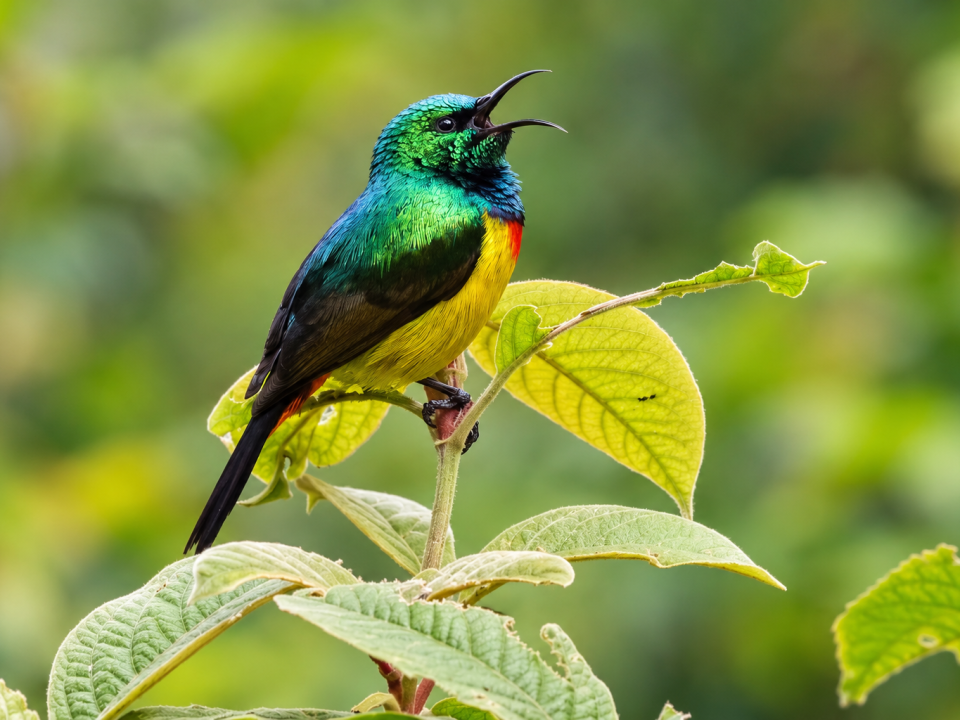
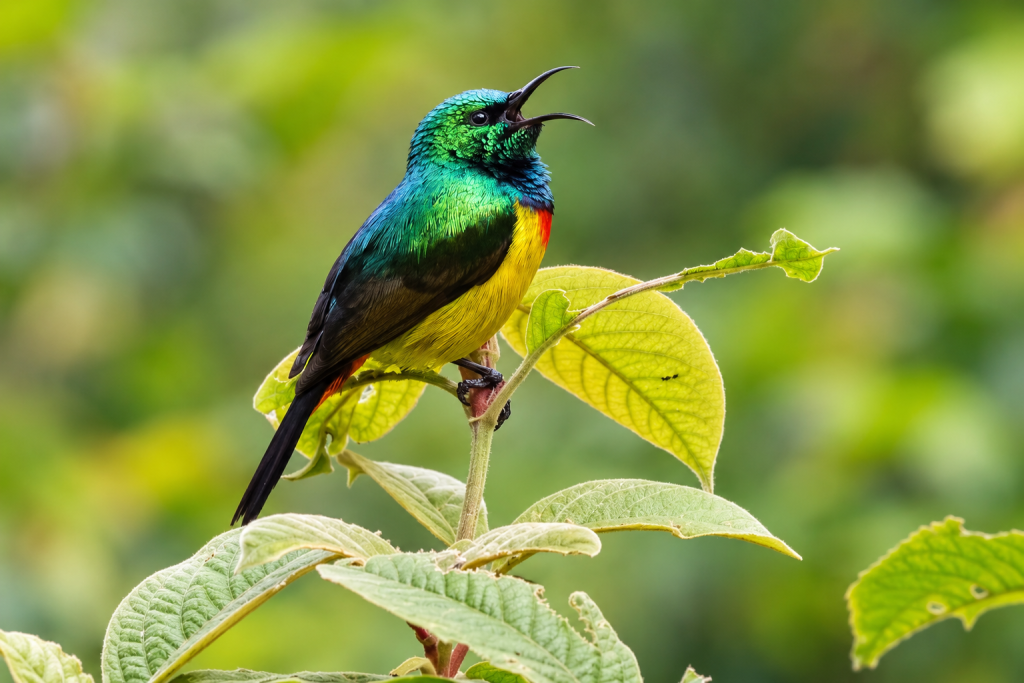
Endemic Species: Discover birds that can only be found in Uganda, such as certain sunbirds and forest species that have evolved in isolation.
Migratory Patterns: Witness the stunning arrival and departure of migratory birds that travel thousands of miles, turning the skies into a vibrant tapestry during peak seasons.
Conservation Success: As numerous conservation areas protect Uganda’s diverse landscapes, bird watchers can enjoy the sights of critically endangered species, providing a tangible glimpse of successful conservation efforts.
Geographical Advantages for Bird Habitats
Uganda’s geographical diversity is one of its greatest assets for bird conservation. Sitting at the crossroads of several ecosystems, this unique location provides a mosaic of habitats—from highland forests to sprawling wetlands and expansive lakes—all within short distances of one another. The Rift Valley system, extensive river networks, and interlacing forests contribute to the ecological variety that supports different bird communities. When visiting Uganda, bird watchers often marvel at how quickly one can transition from observing waterfowl and waders in the swamps to forest birds deep in the jungles.
Unlike many parts of the world where seasonal changes heavily dictate bird watching opportunities, Uganda offers exceptional birding year-round. Thanks to the equatorial climate, the country experiences relatively stable weather throughout the year, allowing visitors to plan trips without worrying about extreme seasonal fluctuations. However, certain times of the year provide more dramatic migrations or breeding displays, which will be detailed later in this guide. With constant sunshine and sporadic rains, Uganda remains alive with bird activity regardless of the calendar month.
Best Time to Go Birdwatching in Uganda
Uganda’s location along major migratory routes makes it a vital stopover or wintering ground for birds traveling between northern Europe and southern Africa. The migratory spectacle, which includes species like warblers, flycatchers, and swifts, is most prominent during the transition months at the beginning and end of the rainy seasons. During these periods, the skies fill with flocks of birds taking refuge in Uganda’s abundant food resources and favorable climates. Observers can capture extraordinary behavior as these migrants converge, providing rare photographic opportunities and rare sightings.
When to Visit:
October to December: During these months, the influx of migratory species seeking refuge creates vibrant displays in both the wetlands and highland regions.
March to May: Many birds begin their northward journey but remain in Uganda for a time, making this another ideal period for bird watching.
Weather Considerations for Different Regions
Uganda’s diverse topography means that weather conditions can vary dramatically from one region to another. For instance, the rainy seasons in western Uganda may differ slightly from those in the central and eastern parts of the country. The key to planning a successful birding trip is to be mindful of local weather patterns:
Western Uganda (Bwindi, Kibale): These regions can experience heavier rains in the wet season, potentially limiting visibility in dense forests. However, the rains also bring out vibrant insect populations, which in turn attract a multitude of bird species.
Eastern and Northern Uganda: These areas might offer drier conditions, making traversing the landscape more comfortable while still hosting abundant birdlife.
Being flexible with travel dates and possibly consulting local guides can help ensure that you experience optimal weather and bird sightings.
Uganda also hosts special birding events and festivals throughout the year that celebrate avian diversity and the natural heritage of the country. These events are not just about observing birds; they are cultural gatherings that highlight local conservation efforts, traditional dances, and the close ties between local communities and their natural environment.
Bird Festivals in Kampala and Jinja: Occasionally, larger cities host ornithological festivals where local experts share insights, and photographic competitions and workshops are held. Attending one of these events provides an excellent opportunity to meet fellow bird enthusiasts and experts in the field.
Essential Gear for Uganda Bird Watching
A successful birding expedition relies heavily on having the right gear. Whether you’re trekking deep in dense forests or exploring open savannas, your equipment can greatly enhance the experience.
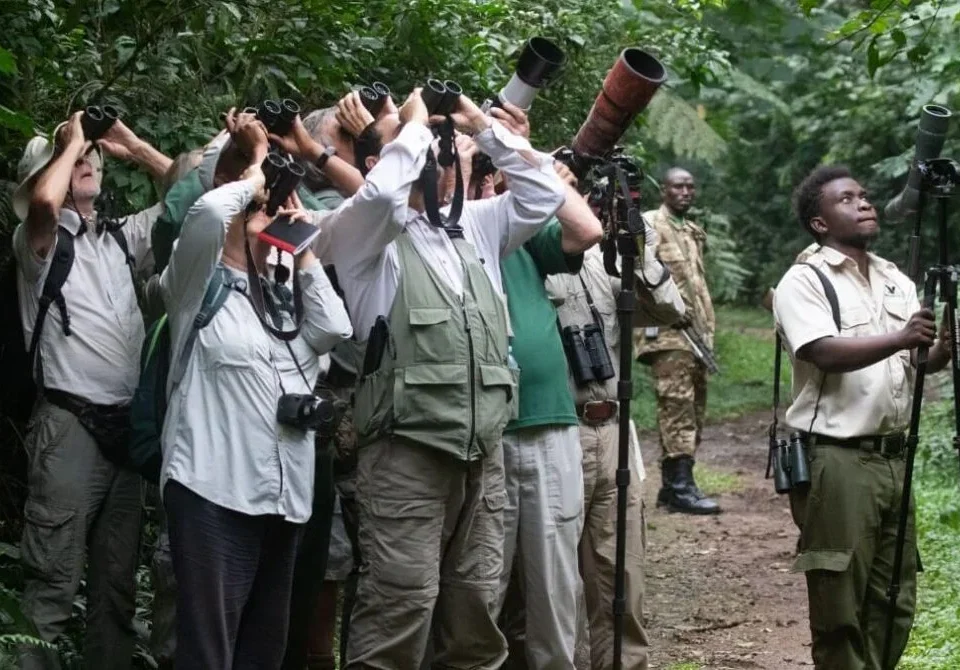
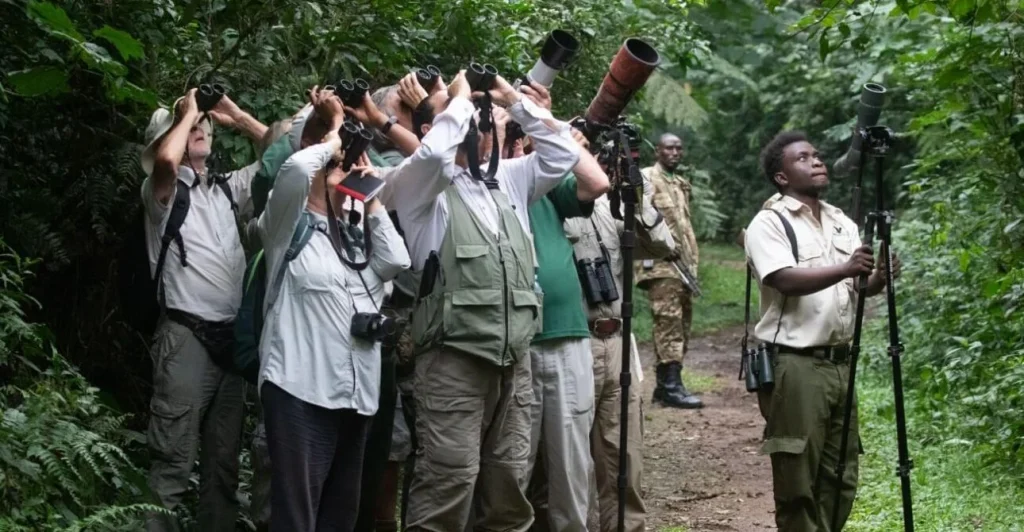
The cornerstone of any bird watcher’s kit is a pair of high-quality binoculars. When navigating Uganda’s varied terrains—from the dim interior of the Bwindi Impenetrable Forest to the expansive vistas of the savanna—binoculars enable you to spot subtle movements and vibrant colors at a distance. A lightweight, durable pair with a good field of view is essential. For photographers and serious observers, a spotting scope can offer additional magnification, particularly useful in wide-open areas or when viewing birds in flight.
Clothing and Footwear Recommendations
When preparing for a Ugandan birding safari, consider the varying climates and terrains. Here are some recommendations:
Lightweight, Breathable Clothing: Moisture-wicking fabrics can help combat the heat and humidity common in many of Uganda’s birding habitats.
Layering Options: Even in warm climates, mornings and evenings can be cooler—especially in elevated areas—so having a light jacket or fleece can be invaluable.
Sturdy Footwear: Trekking boots or hiking shoes with good grip are recommended, as you may find yourself navigating muddy trails, slippery boardwalks, or uneven forest floors.
Hat and Sun Protection: A wide-brimmed hat along with sunglasses and sunscreen will help shield you from the direct African sun during long periods outdoors.
Photography Equipment for Bird Photography
For many, capturing the perfect moment is as important as witnessing it firsthand. Whether you’re an amateur or a professional, the right photography gear can make a significant difference in the quality of your images.
DSLR or Mirrorless Cameras: These provide the necessary flexibility for different lighting conditions and fast-moving subjects.
Telephoto Lenses: A lens with a focal length of 300mm or more is ideal for capturing detailed shots of birds that are often far away.
Tripods and Stabilizers: To avoid shaky images during long exposures or on uneven terrain, ensure you have a sturdy tripod.
Extra Batteries and Memory Cards: It is essential to be prepared for long days in the field, where capturing every moment may depend on having enough power and storage.
Top Bird Watching Hotspots in Western Uganda
Western Uganda offers a mosaic of birding locations, each with its own unique ecosystem and list of bird species. This region is renowned for both endemic and migratory species that thrive in its rich and varied landscapes.
Bwindi Impenetrable Forest’s Endemic Species
Bwindi Impenetrable Forest, a UNESCO World Heritage site, is not just famous for its primate population but also for its avian treasures. Within this lush, ancient forest, bird watchers can encounter a host of forest-dependent species. The dense canopy and high humidity create a perfect environment for secretive species, some of which are endemic to the region.
Key Species to Watch: Look out for colorful sunbirds, forest warblers, and the elusive greenbuls. The rich understory provides excellent conditions for spotting birds that thrive in dappled light.
Conservation Focus: Many of these birds have developed specialized adaptations to forest life, making every sighting a glimpse into the evolutionary processes that have shaped this extraordinary ecosystem.
Queen Elizabeth National Park’s Diverse Habitats
Queen Elizabeth National Park (QENP) is a diverse ecosystem where savanna meets forest and wetlands. This complexity supports a wide range of bird species.
Birding in Multiple Habitats: The park’s varied landscapes mean that you might observe waterbirds along the Kazinga Channel, forest birds in the dense riparian woodlands, and raptors soaring over the open plains.
Iconic Species: Don’t miss the chance to see the African Fish Eagle in action and the numerous species of kingfishers that decorate the waterways of QENP. With plenty of guided tours available, you can gain expert insights into where and when these birds are most active.
Kibale Forest’s Unique Forest Birds
Kibale Forest, one of Uganda’s best-preserved tracts of tropical rainforest, is synonymous with primate trekking. However, its role as a habitat for numerous bird species makes it just as appealing to ornithologists.
Ecological Richness: The forest is a mosaic of secondary growth, primary forest, and regenerating areas. This variation supports a delightful mix of resident and migratory birds.
Birding Tips: Early morning walks are ideal to see birds that are actively foraging and calling out against the symphony of the forest. Keep your ears tuned to the subtleties of bird calls, as many species rely on acoustic signals to communicate in the dense underbrush.
Central and Eastern Uganda Bird Watching Destinations
The central and eastern regions of Uganda also offer excellent bird watching experiences with their distinct ecosystems, ranging from wetlands to open grasslands.
Mabamba Swamp and the Elusive Shoebill
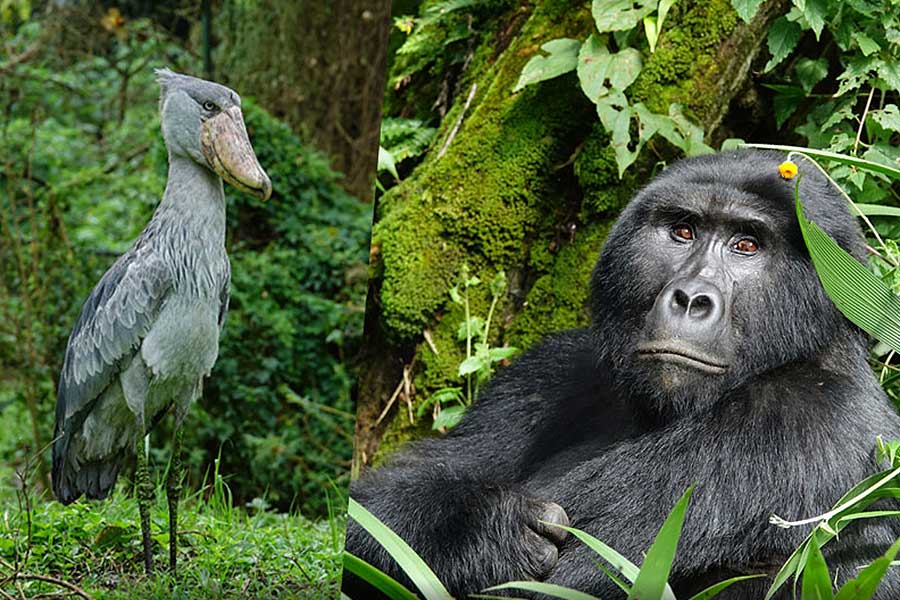
Among Uganda’s most famous Bird Watching locations, Mabamba Swamp is internationally renowned for its population of the rare Shoebill stork. Known for its prehistoric appearance, the Shoebill is a sought-after species for bird enthusiasts.
Unique Birding Experience: The swamp’s labyrinth of papyrus channels provides an ideal setting for stealthy bird observation. Early morning and late afternoon visits increase your chances of spotting the Shoebill in action.
Birding Etiquette: Due to the rarity and conservation status of the Shoebill, it is critical to follow strict ethical guidelines when observing these birds, keeping a respectful distance to avoid causing distress to the species.
Murchison Falls National Park’s River Species
Murchison Falls National Park, with its iconic waterfall that forcefully channels the Nile, offers unique birding opportunities along its riverbanks.
Riverside Marvels: The powerful current and ever-changing water levels create dynamic habitats that are a magnet for riverine species such as herons, egrets, and kingfishers.
Interdisciplinary Interest: Beyond just birds, the park’s ecology also supports a host of other wildlife. A birding excursion here can be seamlessly combined with opportunities for game drives, creating a diverse safari experience.
Lake Mburo’s Woodland and Savanna Birds
Lake Mburo National Park, with its sprawling grasslands and scattered woodlands, is a gem for bird watchers looking for a mix of open-sky species and those that thrive in bushy environments.
Diverse Avifauna: The park is home to birds that inhabit both the forest fringes and the open savannas, offering a dynamic birding experience that shifts with every turn.
Local Insights: Guides in this region are especially knowledgeable about the subtle movements of local bird populations and can often share insights about lesser-known species that might otherwise go unnoticed.
Northern Uganda’s Hidden Bird Watching Gems
Northern Uganda may be less frequented by mainstream tourists, yet it holds some of the most pristine and unexplored birding territories in the country. For those looking to stray off the beaten path, these regions offer a truly authentic and intimate wildlife experience.
Kidepo Valley’s Rare Desert Species
Kidepo Valley National Park presents an intriguing contrast to Uganda’s other lush locales. Here, the arid landscapes and semi-desert conditions create an environment where only the hardiest species thrive.
Bird Adaptations: Species here have evolved unique adaptations to cope with scarce water and high temperatures. The park is renowned for its raptors and desert-adapted birds, providing keen observers with countless opportunities to witness remarkable survival strategies.
Remote Beauty: The unspoiled nature of Kidepo Valley makes it an ideal destination for those wanting to escape crowded trails and immerse themselves in quiet, untouched wilderness.
Budongo Forest and the Royal Mile
Budongo Forest, located in the northwestern part of Uganda, is best known for its primate communities; yet, it also boasts a fascinating array of bird life.
Rich Understorey Life: The dense, sprawling vegetation is the backdrop for countless forest birds, particularly those that are incredibly elusive and rely on the thick undergrowth for camouflage.
The Royal Mile: A popular trail within the forest, the Royal Mile offers an excellent birding route where visitors can witness both the challenges and rewards of spotting birds in a densely vegetated habitat.
Planning Your Uganda Bird Watching Safari
Effective planning is paramount to ensuring that your birding safari in Uganda is both enjoyable and successful. Below is guidance on making your trip as smooth as it is enriching.
Self-Guided vs. Guided Tour Options
One of the first decisions you will need to make is whether to embark on a self-guided tour or to employ the expertise of local guides:
Self-Guided Tours: Ideal for experienced birders who are familiar with regional birding techniques and prefer the flexibility to explore at their own pace. Self-guided travel offers a sense of adventure but requires careful research and planning, particularly regarding transportation and local logistics.
Guided Tours: For both novice and seasoned birders, guided tours represent a stress-free way to navigate Uganda’s diverse birding hotspots. Local guides possess intimate knowledge of bird habits, local trails, and the best observational spots. Many reputable tour operators combine bird watching with cultural insights and wildlife safaris, ensuring a well-rounded experience.
Accommodation Choices Near Birding Hotspots
Uganda offers a range of accommodation options to suit different budgets and travel preferences:
Lodges and Eco-Camps: For those wishing to stay close to nature, eco-lodges and tented camps located near major birding sites provide comfort, stunning natural settings, and easy access to early morning and evening birding excursions.
Hotels in Major Towns: In towns like Entebbe or Kampala, well-appointed hotels offer modern conveniences and serve as a starting point for trips to more remote birding locations.
Community-Based Tourism: Some local communities have developed homestay programs that offer a culturally immersive experience along with guided birding walks and conservation education sessions.
Transportation Between Birding Sites
Traveling within Uganda to reach various birding hotspots can be an adventure in itself:
Domestic Flights: For those with limited time, regional flights help bridge the gap between distant locations such as northern Uganda and the central or western regions.
Road Travel: Renting a sturdy 4×4 vehicle or relying on guided transfer services ensures that you can navigate the rural roads, especially during the rainy seasons when conditions can be challenging.
Local Guides: Hiring local guides not only eases the logistical burden but also enriches your experience with in-depth local knowledge and access to off-the-beaten-track birding spots.
Sample Itineraries for Different Trip Lengths
Whether you have just a weekend or an extended vacation, planning your itinerary carefully will allow you to cover Uganda’s prime birding locations.
Short 3-5 Day Itinerary: Focus on one region, such as Mabamba Swamp and nearby forests, which provide a concentrated birding experience.
Extended 7-10 Day Safari: Combine visits to multiple regions like western Uganda (Bwindi, Kibale, Queen Elizabeth) with a day or two exploring northern gems like Kidepo Valley. This approach offers a well-rounded experience of Uganda’s biodiversity.
Customizable Options: Safari Vacations and Travel Services Limited in Uganda offer tailor-made itineraries that match your interests, schedule, and preferred level of activity, ensuring you cover the highlights without feeling rushed.
Uganda Bird Identification Tips for Beginners
If you are new to bird watching, Uganda offers an ideal environment to learn and hone your skills as you encounter an assortment of striking species and colors.
Common Bird Families in Uganda
Uganda’s rich ecosystems support several common bird families that are both engaging and educational for beginners:
Sunbirds and Hummingbirds: These small, brilliantly colored species are frequently seen flitting from flower to flower.
Bee-eaters: Known for their vibrant plumage and agile flight, bee-eaters add a dynamic element to the birding experience.
Woodpeckers: Listen for distinctive drumming sounds as these birds search for insects in the forest canopy.
Raptors: These include eagles and hawks whose powerful silhouettes against Uganda’s skies offer impressive sights for budding bird enthusiasts.
Waterbirds: From herons and egrets to the mythical Shoebill, water-based species in Uganda provide insights into aquatic ecosystems and migratory patterns.
Useful Field Guides and Apps
Investing in a field guide or downloading a reputable birding app before your trip can enhance your bird identification skills. Some popular options include:
Local Field Guides: Uganda-specific bird guides that include regional species, maps, and detailed descriptions are invaluable resources.
Mobile Apps: Birding apps can provide audio recordings of bird calls, checklists, and even GPS-enabled sighting logs, making them great companions during your safari.
Bird Calls and Sounds to Learn
One of the joys of bird watching is not only the visual experience but also the rich tapestry of sounds that fills Uganda’s forests, wetlands, and savannas:
Acoustic Identification: Learn to recognize calls of common species—this could help you locate a bird before you even see it.
Recording Equipment: If you’re enthusiastic about field recording, consider carrying a small, portable recorder. Later, you can compare your recordings to audio libraries to expand your birding knowledge.
Conclusion
Uganda’s status as a hidden paradise for bird watchers is well-deserved—a nation that offers both ecological wonder and cultural richness. With over 1,000 bird species calling Uganda home, varied and breathtaking landscapes, and a network of dedicated conservation and tourism services, your birding experience here is destined to be as educational as it is exhilarating.
In this guide, we have covered everything from the awe-inspiring diversity statistics to detailed itineraries and practical tips on gear, accommodations, and transportation. Whether you are navigating the dense canopies of Bwindi Impenetrable Forest, marveling at the majestic flight of the Shoebill in Mabamba Swamp, or discovering the rare desert species in Kidepo Valley, Uganda invites you to witness nature in its most pristine form.
Uganda is not just a destination for bird watchers—it is a living canvas painted with the colors and sounds of nature. For those seeking an adventure that blends wildlife, conservation, and culture with active exploration, a birding safari in Uganda is an experience that will leave an indelible mark on your heart and soul.
As you plan your trip, remember that preparation is key. Equip yourself with the right gear, educate yourself about the region’s weather and migratory patterns, and choose the tour style that best suits your needs. With Safari Vacations and Travel Services, you have a trusted partner dedicated to ensuring that your exploration of Uganda’s hidden birding paradise is safe, seamless, and supremely memorable.