Maramagambo Forest Uganda

Maramagambo Forest, Uganda, is one of the most stunning wild places in East Africa. It sits inside Queen Elizabeth National Park, in the Bushenyi district of Uganda. The forest stretches from the Kichwamba escarpment all the way to Lake Edward. Its name tells a fascinating story. Long ago, a group of young people got lost deep inside the forest for several days. When they finally found their way back home, they were so tired and shaken that they could not speak. So the locals named the place “Maramagambo,” which means someone who is speechless.
What Makes Maramagambo Forest Special
Maramagambo is more than just a stretch of trees. It plays a vital role in the lives of the people living around it. The forest brings rain to nearby communities, and its rivers supply clean water for daily use. Local people also collect firewood, fruits, traditional medicine, timber, and poles for building their homes from the forest. In short, the forest feeds and supports thousands of lives every single day.
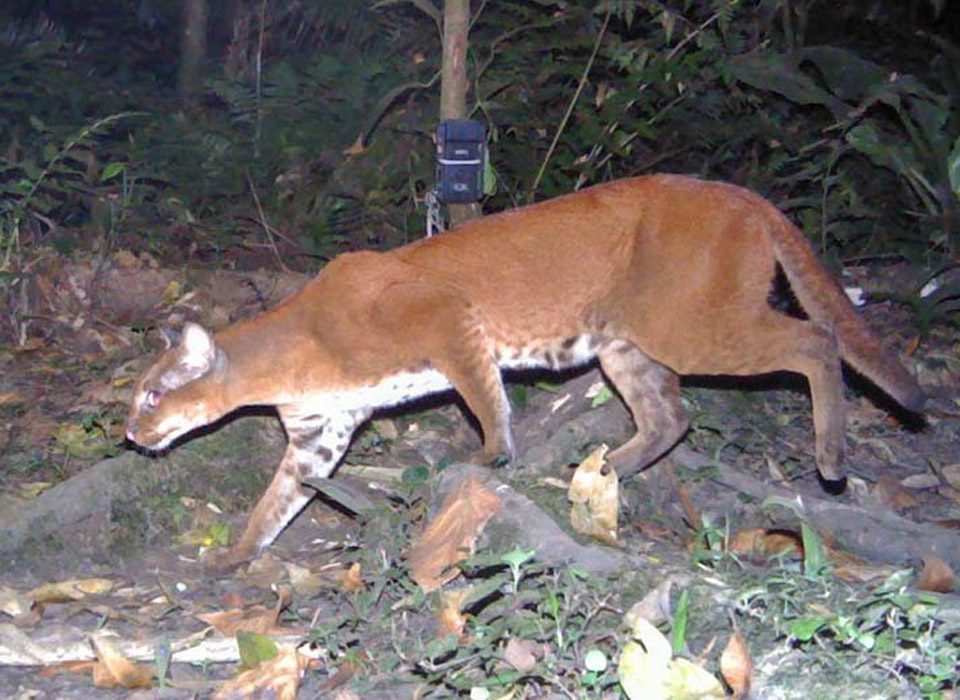
The forest also holds rich wildlife. Animals like chimpanzees, elephants, bush pigs, and pythons roam freely inside it. Visitors also get to see the rare Bates’s pygmy antelope, which is hard to find in most other parts of Africa. In addition, millions of bats live in the caves within the forest, making it one of the most unique wildlife spots in Uganda.
Is Maramagambo Forest Safe to Visit?
Some people may have heard about the 2008 Marburg virus case, when a tourist from the Netherlands fell ill after visiting one of the bat caves. That story spread across the world and caused some fear. However, that was a single case that has not happened again in over ten years. Furthermore, the park worked closely with the American Centers for Disease Control to put up a safe viewing platform for visitors who want to see the bats. The viewing point keeps tourists at a safe distance from the caves. Millions of bats live in this region, and if they truly carried the virus, Uganda would have seen a major outbreak long ago. So, the forest is safe, and visitors should feel confident exploring it.
Things to Do in Maramagambo Forest
Despite its size and beauty, Maramagambo receives fewer visitors compared to nearby Kyambura Gorge. This actually makes it a great place to visit if you prefer peace. Here is a look at the top activities you can enjoy in the forest.
Nature Walks
Nature walks are one of the best things to do in Maramagambo. Walks can last between two and six hours, and guides lead visitors along several different trails. The forest trail is flat and easy, making it perfect for anyone who finds hill climbing difficult. The river trail takes you along the banks of River Kajojo, where you can enjoy cool breezes and calm sounds. The palm trail is famous for its frame trees, which locals believe boost female fertility. Meanwhile, the waterfall trail leads to the beautiful Kilyantama waterfalls, where the views are truly breathtaking.
No matter which trail you choose, the walk will take you through thick, green forest filled with interesting plants and animals. However, you should watch out for soldier ants. These ants march in long columns that can stretch up to 100 meters. They move fast, and before you know it, a few will have climbed into your clothes. Their bite is painful, though not dangerous. To stay safe, always wear long-sleeved shirts and long trousers during your walk.
After the walk, you can stop by the two crater lakes that border the forest — Kyasanduka and Nyamasingiri. Both lakes offer beautiful scenery. Additionally, you can go kayaking or canoeing on the water, which adds a fun and relaxing end to the forest walk.
Primate Viewing
Maramagambo is full of primates. The forest is home to vervet monkeys, colobus monkeys, L’Hoest’s monkeys, blue monkeys, baboons, red-tailed monkeys, and chimpanzees. At night, you can also spot bush babies and pottos during guided night walks. The chimpanzees in Maramagambo are not fully used to human presence, so there is no formal chimp trekking activity here. Even so, visitors often spot chimps by chance during their nature walks, which makes the experience feel even more exciting.
Bird Watching
Maramagambo is a paradise for bird lovers. The forest is home to a rich mix of resident and migratory birds that attract birders from all over the world. Key species include the Rwenzori turaco, forest flycatchers, and white-naped pigeons. You can also spot the African green pigeon, bat hawk, Ross’s turaco, sulphur-breasted bush shrike, and many more. In fact, the huge number of bird species in this forest is a big reason why Uganda ranks among the top birding destinations on the planet.
Visiting the Bat Caves
The bat caves in Maramagambo are a one-of-a-kind attraction. Millions of bats live inside several caves in the forest, creating a dramatic and unforgettable sight. From the safe viewing platform, visitors watch African rock pythons hunt and feed on the bats. The park strictly prohibits visitors from going too close to the caves. Still, the viewing experience from the platform is thrilling and highly memorable.
Cultural Encounters
Not far from the community of Nyanziibiri, visitors can explore a historic cave that holds deep meaning for local people. Many prominent individuals visit this cave to seek protection from bad luck and misfortune. During Uganda’s difficult years in the 1970s and 1980s, people fleeing harsh regimes used this cave as a secret hiding place. Nearby, you will also find the Banyaruguru hut, which displays fascinating artifacts that show how the ancestors of the local community used to live.
Forest Research and Conservation
After your time in the forest, a stop at the visitor information center is well worth it. Park rangers share useful information about ongoing research and the work they do to protect the forest. This gives visitors a clear picture of the efforts behind keeping Maramagambo alive and thriving.
Wildlife in the Wider Park
Since Maramagambo sits inside Queen Elizabeth National Park, visitors can easily combine their forest trip with other park activities. Game drives in the Kasenyi and Ishasha sectors offer excellent chances to see tree-climbing lions, buffaloes, elephants, hyenas, and warthogs. A boat cruise along the Kazinga Channel is another top highlight, widely considered one of the best wildlife experiences in all of Africa. If you missed the chimps in Maramagambo, you can also join the organized chimpanzee trekking at Kyambura Gorge.
Best Time to Visit
Maramagambo Forest stays open all year round. However, the best months to spot chimpanzees and other primates are June to September and December to February. The dry season during these periods keeps the trails firm and easy to walk on. On the other hand, the rainy months from March to May and October to November attract a wide variety of birds. The breeding season fills the forest with birdsong and color, and fewer visitors means you get to enjoy the forest mostly to yourself.
How to Get There
The drive from Kampala to Maramagambo Forest takes about six hours. Many visitors book a tour operator to handle transport, permits, accommodation, and guiding. This is the easiest and most stress-free way to visit. Those who prefer to travel independently can hire a car or take a public bus from the main park in Kampala near Nakivubo Stadium. Buses heading to Mbarara and Bushenyi pass through the area. For visitors already inside Queen Elizabeth National Park, the drive from Mweya Gate to the forest is only 22 kilometers. Those short on time can book a charter flight from Entebbe International Airport or Kajjansi Airstrip in Kampala to Mweya Airstrip inside the park.
Maramagambo Forest is truly a hidden gem in Uganda, and every visit leaves you with memories that last a lifetime.