
Gorilla Trekking Family Allocation

Gorilla Trekking Family Allocation: 7 Essential Tips for a Better Trek
Gorilla trekking family allocation is the morning process that decides which habituated mountain gorilla group you will visit, who will trek with you, and how the day’s visitors are distributed across available families. For tourists, the practical questions are immediate: can relatives stay together, can you request an easier walk, does your permit lock you to a family, and what happens when a private party has more than eight eligible trekkers? This guide answers those questions for Uganda, with special attention to Bwindi Impenetrable National Park and Mgahinga Gorilla National Park.
The most useful way to plan is to separate what you can control from what you cannot. You can book the correct date and sector, disclose mobility or health considerations, arrive prepared, and ask your operator to communicate group needs. You cannot control where wild gorillas move overnight, and you should not build a trip around a guaranteed “easy” family. Good gorilla trekking family allocation balances visitor needs with conservation rules and the field information available to rangers that morning.
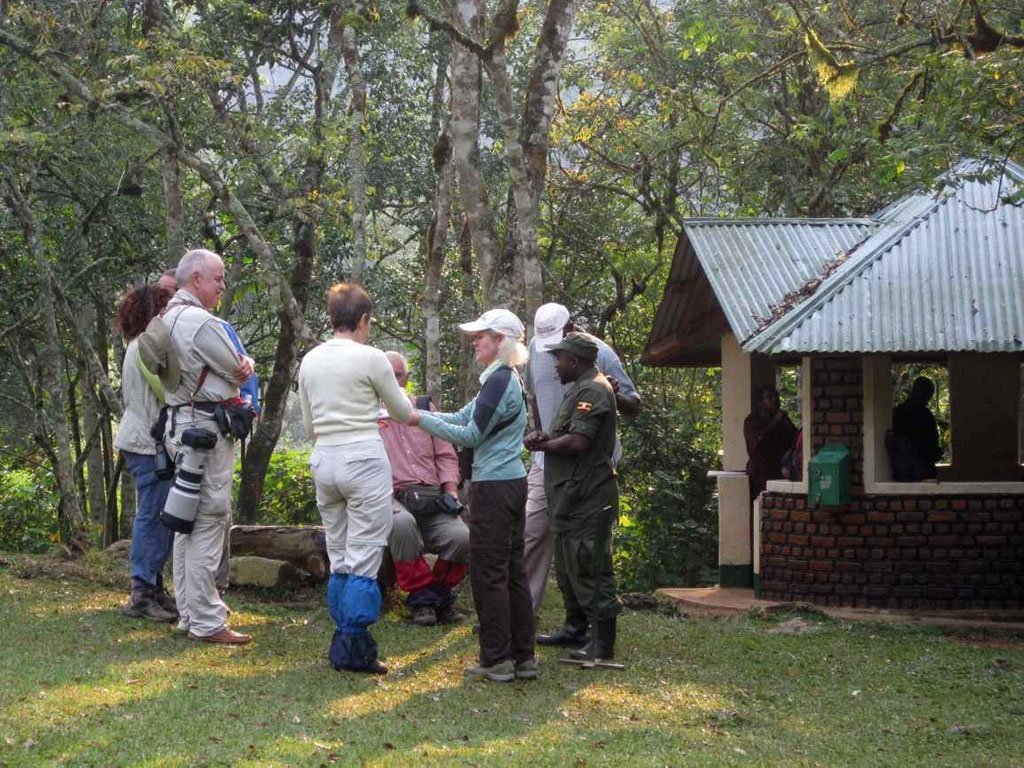
How Does Gorilla Trekking Family Allocation Work in Uganda?
On trek morning, trackers and ranger teams already have information about the recent movements of habituated groups. Visitors report to the relevant briefing point, complete checks, receive conservation instructions, and are organized into trekking parties. gorilla trekking family allocation is therefore not a lottery in the casual sense. It is an operational decision made under daily wildlife conditions. The goal is to distribute visitors safely while respecting the permitted capacity for each gorilla group. For broader background, read the site’s gorilla tracking information before you travel.
In practice, gorilla family allocation considers several interacting factors: the number of visitors waiting to trek, the gorilla groups available in that sector, the likely walking challenge based on tracker reports, and information about visitors who may need a more manageable route. Rangers may also try to keep couples, relatives or companions together when the group size and permit situation make that possible. No responsible operator should promise a specific wild gorilla family solely because a guest prefers its name or reputation.
Who actually decides your gorilla family?
The park authority and ranger team control gorilla trekking family allocation on the ground. A tour operator can communicate requests and make sure your booking is in the right sector, but the final field decision belongs to the people managing the protected area. That distinction matters because gorilla trekking permits secure your right to trek on a particular date and under the relevant booking conditions; they do not give a traveler authority to override conservation limits or ranger decisions. In practical terms, gorilla trekking family allocation is a park-management function rather than a tour-operator privilege.
When is the family assignment confirmed?
Expect the practical assignment to be settled at or around the morning briefing, after current tracking information is considered. gorilla trekking family allocation can therefore feel late to travelers who like every detail fixed months in advance, but this flexibility reflects the reality of wildlife that moves freely. Use your advance planning to get the date, sector, accommodation and transport right; leave the exact gorilla encounter to the daily field team. This timing is why gorilla trekking family allocation cannot be finalized months in advance.
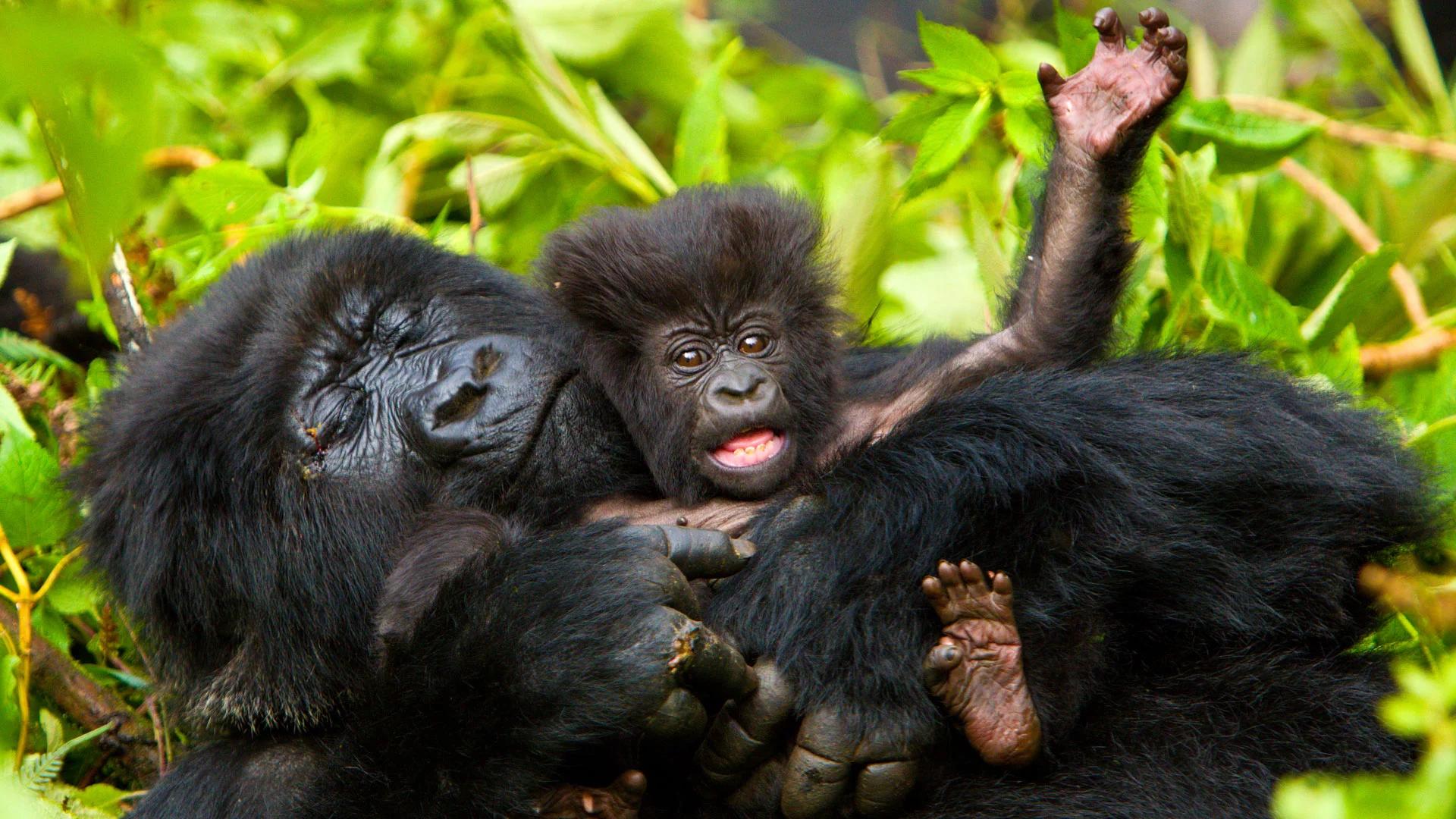
Can Families and Friends Trek the Same Gorilla Group?
Usually, a private party of eight or fewer eligible trekkers has a realistic chance of staying together if the permits and sector arrangements support it. The important caveat is that gorilla trekking family allocation still operates within park rules and daily conditions. Tell your operator early that remaining together matters to you, especially for a multigenerational trip, a honeymoon party, a group of friends, or a family celebration. Do not wait until the briefing to reveal that splitting the party would create a serious logistical problem.
For nine or more eligible trekkers, the arithmetic changes. The standard visitor limit means one gorilla family cannot absorb the entire party. gorilla family allocation will require at least two trekking groups, and those groups may walk different distances and return at different times. If keeping everyone together socially matters, plan a shared breakfast, common transfer arrangements where practical, and a flexible post-trek schedule. The gorilla encounter itself will be separate, but the wider safari can still feel cohesive.
What happens to a group of 9, 12 or 16 trekkers?
A group of nine needs capacity across at least two habituated families; a group of sixteen can fill two standard groups of eight. gorilla trekking family allocation for larger parties is easier when permits are secured well ahead and the chosen sector has enough capacity on the requested date. This is one reason large groups should not treat gorilla trekking permits as a last-minute purchase. Peak travel periods can leave too little flexibility to place everyone in the same sector on the same morning.
Can couples be separated?
They can be if capacity, group composition or field conditions require it, although staff generally understand why companions prefer to remain together. The best protection is early communication rather than an assumption. During gorilla trekking family allocation, clearly identify the people who need to stay together and explain any practical reason, such as one person assisting another. Requests are easier to consider when they are known before groups begin leaving the briefing point. For companions, gorilla trekking family allocation works best when stay-together requests are clearly identified.
Planning for More Than Eight Trekkers?
Share your group size, ages, travel date and preferred trekking area so the permit and sector plan can be designed before the safari is locked in.
Email: info@ugandarwanda-safaris.com
What Factors Affect Gorilla Trekking Family Allocation?
Searchers often want a single rule, but gorilla trekking family allocation is multi-factor. Fitness matters because some visitors can comfortably handle steeper or longer terrain while others may need a more conservative plan. Age can be relevant as part of that practical assessment, but age alone does not describe ability. Mobility limitations, recent injuries and medical considerations should be disclosed honestly. The current location of the gorillas matters too, because yesterday’s short trek can become today’s longer one after a family moves.
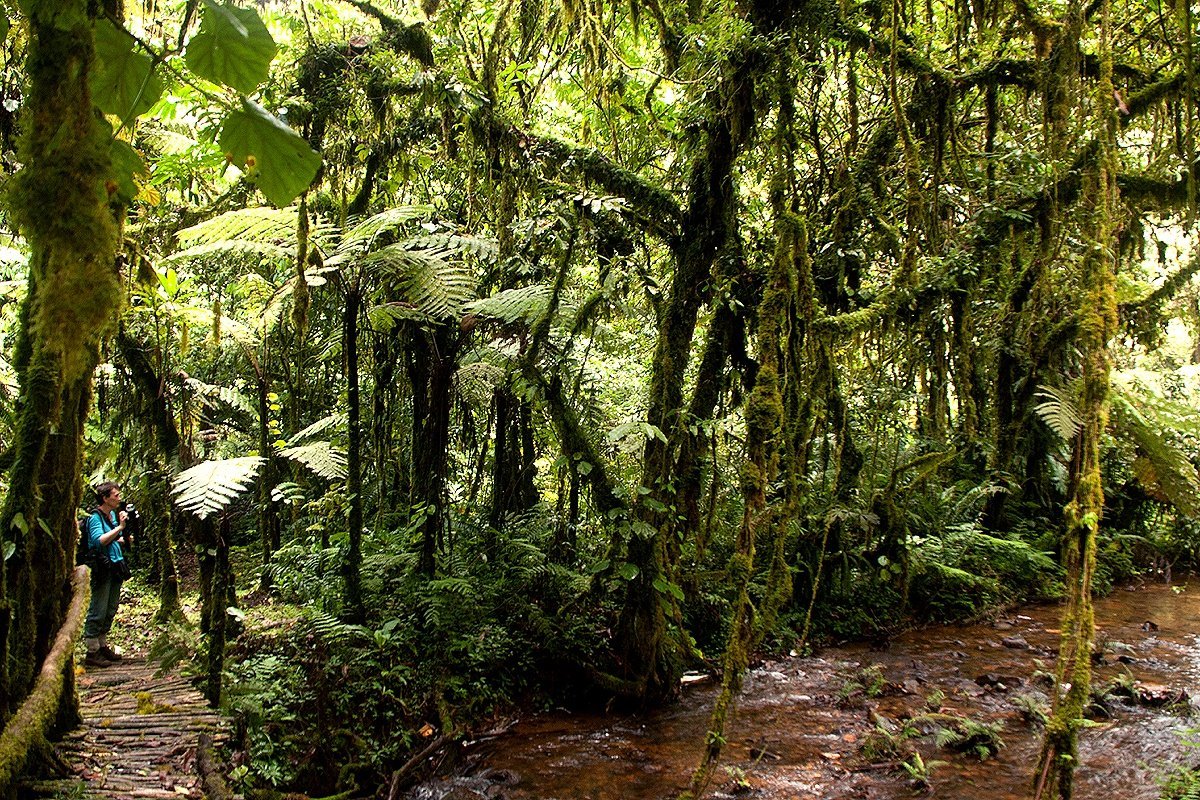
Before departure, use the site’s gorilla trekking fitness guidance and gorilla trekking difficulty overview to set realistic expectations. Bwindi gorilla trekking takes place in a rainforest landscape with slopes, roots, vegetation and mud, so “easy” is relative. A traveler who trains for hills and arrives with proper footwear will usually have more options than someone who assumes the walk is a flat nature trail.
Does fitness guarantee an easier or harder gorilla family?
No. Fitness is useful information, not a guarantee. gorilla trekking family allocation may try to match stronger walkers with a more demanding expected route and visitors with limitations with a less demanding option, but wild gorillas move. Even a group believed to be nearby can travel while trekkers are approaching. Treat any “easy family” description as historical context, not a promise. The internal guide to the easiest gorilla family to trek is most useful when read with that limitation in mind.
Does age affect allocation?
Age can inform the ranger team, especially when combined with mobility, pace and health information, but the important booking rule is eligibility. Travelers should confirm the current gorilla trekking age limit before purchasing non-refundable arrangements. For older travelers, the dedicated gorilla tracking for elderly travelers page can help families plan support, porters, pacing and transport around the trek. gorilla trekking family allocation works best when needs are communicated without embarrassment or exaggeration. A thoughtful gorilla family allocation request should describe actual mobility rather than use age as shorthand.
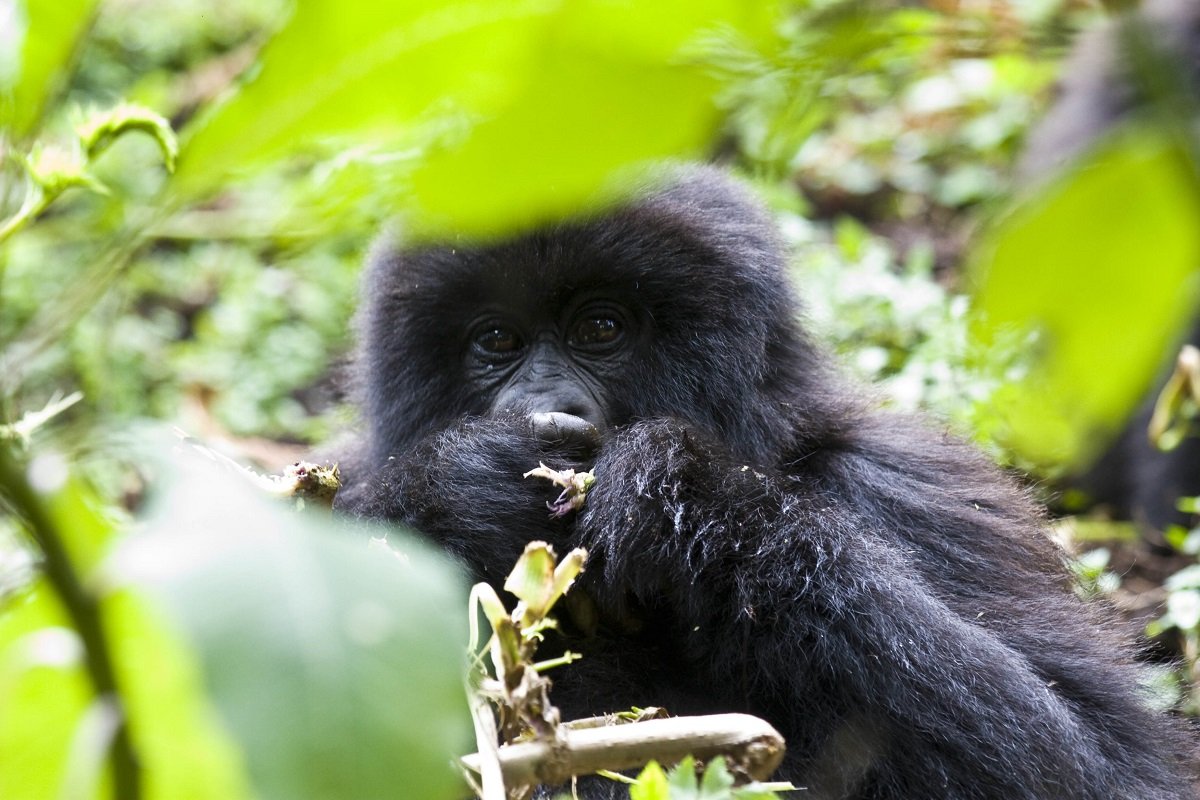
Bwindi Gorilla Trekking Sectors and Why Sector Choice Matters
For Bwindi gorilla trekking, sector planning is one of the biggest decisions you make before trek day. Bwindi has multiple trekking areas, and your accommodation should normally match the sector associated with your trekking arrangements. Booking a lodge on the wrong side of the forest can create an exhausting pre-dawn transfer or, in some cases, make the itinerary impractical. gorilla trekking family allocation happens within the operational reality of the sector where you report, so sector choice comes before dreams about a particular named family.
Buhoma: established access and a broad lodge choice
The Buhoma sector is a well-known northern gateway with a long tourism history. For many first-time visitors, its established accommodation and access make logistics straightforward. That does not mean every trek is short. gorilla trekking family allocation still depends on the available gorilla groups and where they have moved. Choose Buhoma because it fits your route, lodging and permit plan, not because somebody promised a guaranteed gentle walk. For itinerary design, gorilla trekking family allocation should be treated separately from the question of which lodge category you prefer.
Rushaga: useful capacity for larger parties
Southern Bwindi is especially relevant to group planners because the Rushaga gorilla sector has substantial trekking activity. When a party is large enough to require more than one gorilla group, greater sector capacity can create more workable options. gorilla family allocation is still controlled by the park team, but early permit planning in a sector with several habituated families can be strategically useful for reunions, clubs or extended families.
Ruhija: highland trekking and route planning
The Ruhija sector sits in a highland part of Bwindi and should be chosen with transfer times and accommodation in mind. Travelers sometimes focus so heavily on gorilla trekking family allocation that they overlook the drive to the briefing point. A good itinerary puts you close enough to arrive calm, fed and on time, because the trek itself may already be physically demanding. Here, gorilla trekking family allocation is only one part of a day that also depends on punctual transfers and realistic walking preparation.
Nkuringo: dramatic terrain and realistic fitness expectations
The site’s guide to tracking the Nkuringo gorilla family illustrates why terrain belongs in the planning conversation. Nkuringo is associated with dramatic scenery and can involve demanding walking. gorilla trekking family allocation cannot flatten the landscape or guarantee where gorillas will be found. If your party includes people with very different abilities, discuss whether the sector is appropriate before permits and accommodation are finalized.
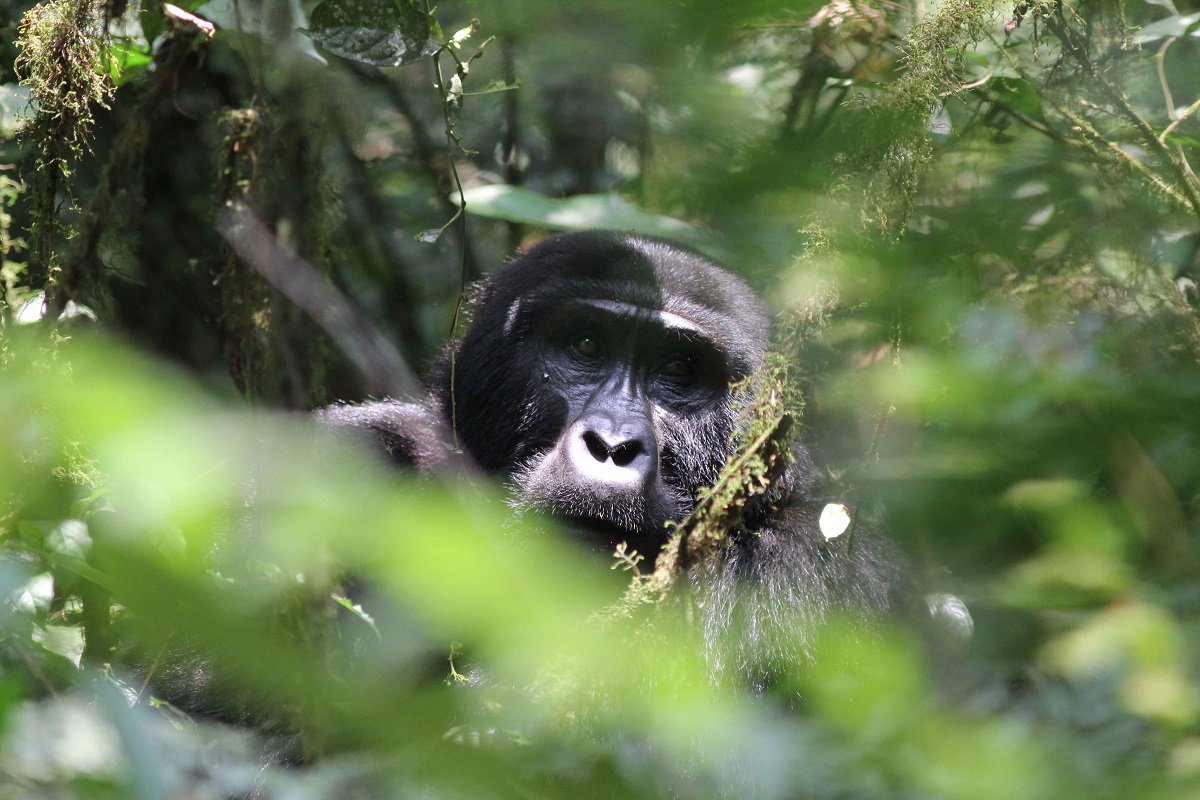
Gorilla Trekking Permits: What They Do and Do Not Guarantee
gorilla trekking permits are the scarce resource around which the safari should be built. Secure them before committing to a chain of non-refundable lodges and flights whenever possible. A permit confirms participation under the park’s rules for the booked date and arrangements, but it should not be interpreted as a private appointment with a named silverback. gorilla trekking family allocation remains a field process, and the encounter is shared with the other visitors assigned to that gorilla family.
Permit rules and prices can change, so use the project’s current pages on gorilla trekking permit changes and booking information rather than relying on an old social-media post. If you are building a cross-border trip, the broader Uganda and Rwanda gorilla trekking comparison helps explain how destination choice affects price, access and itinerary design. gorilla trekking family allocation should be treated as one component of a larger permit-and-logistics plan.
How early should a family or group book?
Earlier is safer when dates are fixed, the party is large, or travel falls in a popular season. Large groups consume multiple permit spaces at once, which reduces flexibility faster than a booking for one or two people. gorilla trekking family allocation can only work with the capacity available on the day. If the family reunion has twelve eligible trekkers but only scattered permit availability, the operator may have to split dates, sectors or even the wider itinerary. Early booking also gives gorilla family allocation more room to accommodate a party that needs multiple trekking groups.
Can you choose a specific gorilla family when booking?
You can express a preference, but you should not build the trip around a guaranteed named group unless the park’s current booking system explicitly confirms that arrangement. The more reliable planning unit is the approved date and trekking area. gorilla trekking permits should be checked against official or operator-confirmed records, while gorilla trekking family allocation on the day responds to conservation management and current gorilla locations.

How to Prepare Your Family Before the Morning Allocation
The best gorilla trekking family allocation outcome begins before breakfast. Make sure everyone knows that the day may be longer, muddier and more physical than expected. Wear broken-in hiking shoes, long trousers and long sleeves, carry rain protection and water, and follow the latest packing advice in what to wear on a gorilla trek. A porter can be valuable for carrying a daypack and providing steady support on difficult ground. Good preparation makes Bwindi gorilla trekking more comfortable before any ranger begins matching visitors to trekking parties.
Families should also agree on their priorities. If staying together is more important than seeking the shortest possible route, say so. If one traveler has a knee issue or limited stamina, make that need clear rather than letting the group’s strongest walker speak for everyone. gorilla trekking family allocation is easier when the ranger team receives accurate information. For travelers worried about the overall activity, the short gorilla tracking experience page provides useful context, while remembering that no wild trek length is guaranteed.
What should you tell rangers at briefing?
Mention meaningful mobility restrictions, recent surgery or injury, severe pace limitations, and the need for companions to remain together. Do not ask for special treatment based on prestige or a social-media photo you saw. gorilla trekking family allocation is designed to manage real visitors in a conservation setting. Clear, practical information helps; pressure for a celebrity gorilla family does not. Clear information makes gorilla trekking family allocation more useful because staff can act on specific needs instead of vague assumptions.
Should you hire a porter?
For many travelers, yes. A porter can carry water, rain gear and camera equipment and can provide a hand on slippery slopes. This does not change gorilla trekking family allocation, but it can make the assigned trek more manageable. It also means the ranger team does not have to interpret “I want an easy family” as the only solution to concerns that could be addressed through preparation, pacing and support.
Want the Trek to Fit Your Family?
Tell us who is trekking, who needs a gentler pace, and whether staying together is essential. We can shape the sector, lodge and transfer plan around those priorities.
Match My Family to the Right Plan →
Email: info@ugandarwanda-safaris.com
What Happens on Trek Day After Allocation?
Once gorilla trekking family allocation is complete, each trekking party leaves with its ranger team and follows the route indicated by current tracking information. The forest walk may include maintained paths, narrower tracks and off-trail sections as you approach the gorillas. The duration varies because the animals are moving through a large natural habitat. The site’s guide to mountain gorilla trek duration is useful for understanding why return times should remain flexible. For first-time visitors, Bwindi gorilla trekking is easier to enjoy when the rest of the day has no tight deadlines.
When the gorillas are located, rangers manage the encounter according to current rules. Listen closely to instructions about distance, movement, voices, food, photography and what to do if a gorilla approaches. Uganda gorilla trekking is not a zoo visit; the privilege comes with strict behavior designed to reduce disturbance and disease risk. Read the site’s ethical gorilla trekking guidance before travel so the rules feel familiar rather than restrictive.
Will every trekking group return at the same time?
No. This matters for parties split across multiple gorilla families. One group may locate its gorillas relatively quickly while another walks much longer. gorilla trekking family allocation cannot synchronize wild animals. Avoid booking a tight afternoon transfer, flight or fixed lunch immediately after the trek. A relaxed evening near the park is usually a better design for larger families. This variability is why gorilla trekking family allocation should never be used to promise a fixed lunch or transfer time.
Is Uganda gorilla trekking safe for families?
For eligible travelers who follow ranger instructions, Uganda gorilla trekking is managed as a controlled wildlife activity, but it still involves wild animals, uneven terrain and remote forest. Review gorilla trekking safety in Uganda and make sure insurance, medical considerations and footwear match the activity. gorilla trekking family allocation can account for some visitor needs, but it does not eliminate ordinary trekking risks.
Gorilla Family Allocation in Mgahinga Gorilla National Park
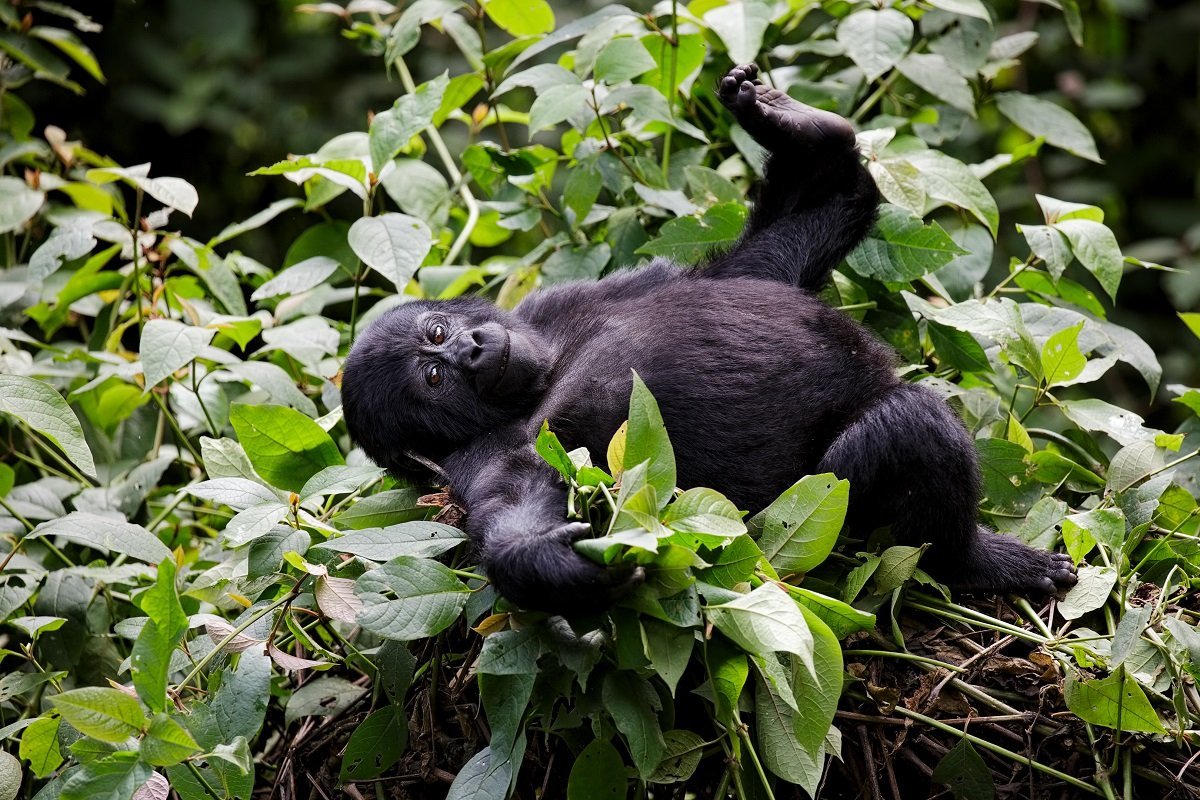
Bwindi dominates many searches, but Mgahinga is another Ugandan option and has a different operational scale. Travelers interested in the Virunga landscape can read about tracking the Nyakagezi family in Mgahinga and the best time to visit Mgahinga. gorilla trekking family allocation there still follows conservation management, visitor eligibility and current field conditions, but the park’s family availability is not identical to Bwindi’s multi-sector system. In Mgahinga, gorilla trekking family allocation also needs to fit the park’s available trekking capacity on the booked date.
This difference matters for group planning. A large party that needs multiple simultaneous trekking allocations may find Bwindi’s broader capacity more flexible on some dates. A smaller party may prefer Mgahinga because it fits a route through Kisoro, Lake Mutanda or the Virunga region. gorilla family allocation should therefore be discussed together with geography, permits and accommodation rather than as an isolated choice.
Can You Request an Easier Gorilla Trek?
You can request consideration for a less demanding expected route, especially when there is a genuine mobility or health reason. The wording matters: ask the team to consider your limitations during gorilla trekking family allocation rather than asking them to guarantee a short trek. Trackers can provide current information, but no one controls where the gorillas will move after the group starts walking. The site’s gorilla hiking guide helps set expectations about the physical character of the day. Confirming gorilla trekking permits early also leaves more time to solve sector or accommodation issues before arrival.
If a traveler has substantial mobility concerns, discuss them before the safari is booked. The correct solution may involve a different sector, additional support, a porter arrangement, more recovery time, or reconsidering whether the trek is suitable. Bwindi gorilla trekking should be planned around the least mobile eligible traveler when staying together is the priority. That approach is more reliable than hoping gorilla trekking family allocation will solve every challenge at 8 a.m.
Best Time for Gorilla Trekking Family Allocation and Group Travel
The allocation process itself happens year-round when trekking operates, but seasonal conditions affect comfort and permit demand. Drier periods can make some trails easier underfoot, while wetter periods can bring mud and slower progress. Read the best time to trek mountain gorillas for seasonal planning, then book around your group’s real constraints: school holidays, leave dates, fitness and permit availability. gorilla trekking family allocation is only one piece of the calendar decision. During busy travel windows, gorilla trekking permits should be treated as the first availability check rather than the final item on the itinerary.
For groups, availability often matters more than chasing a theoretically perfect weather month. Twelve people who can secure the same sector and date may have a smoother safari than twelve people trying to force a peak-weekend departure with fragmented capacity. gorilla trekking permits are finite, so flexibility by a day or two can be more valuable than a small difference in average rainfall.
Budget, Luxury and Fly-In Planning Around Allocation
Accommodation level does not buy a different conservation rule. Whether you choose budget gorilla trekking or a luxury gorilla trekking safari, gorilla trekking family allocation still works within park capacity and field conditions. What higher budgets can change is convenience: private transfers, a lodge closer to the briefing point, extra nights, more luggage support or a flight that reduces road time. Regardless of travel style, gorilla trekking family allocation remains governed by field operations rather than the price of the safari.
A fly-in safari to Bwindi can be especially useful for multigenerational groups who want to reduce long road journeys. Families arriving from Kigali may also compare a Bwindi trek from Kigali with a longer Uganda itinerary. Whatever the transport style, Uganda gorilla trekking works best when you arrive near the correct briefing point the night before, rested and without a risky same-morning border or flight connection.
20 Search Questions Travelers Ask About Gorilla Trekking Family Allocation
Can my whole family trek the same gorilla group?
For a party within the visitor limit, ask your operator to flag the wish to stay together before trek day. The ranger team makes the final grouping decision at the briefing point.
What is the maximum number of tourists per gorilla family?
Standard trekking allows up to eight visitors with one habituated gorilla family per day, excluding the ranger and support team.
Can a group of nine people trek together?
Nine visitors require two trekking parties. Coordinate transport and the post-trek schedule because the two parties may finish at different times.
Can we choose the gorilla family we want?
You may state a preference, but wildlife location and park operations determine the final assignment; a named family is not a booking entitlement.
Are older travelers given easier gorilla treks?
Rangers can consider mobility and stamina, but age is not a route category. Share specific walking limitations rather than relying on age alone.
Does fitness determine which gorilla family you get?
Fitness helps staff judge a suitable expected challenge, alongside tracker reports and available capacity. It does not predict where a mobile gorilla group will remain.
What if one person in our family has a knee problem?
Report it before travel, consider porter support, and avoid an itinerary that depends on a fast pace. The team can then plan around a concrete limitation.
Do children join gorilla trekking in Uganda?
Only travelers who meet Uganda’s minimum trekking-age rule should be included in the permit plan. Verify eligibility before making non-refundable bookings.
Does a gorilla permit name the exact family?
Treat the permit as authorization for the booked trekking arrangements, not as ownership of a specific gorilla encounter. Confirm current permit details when booking.
Can couples be split into different trekking groups?
Yes, if operational capacity requires it. Mark the couple as a stay-together request in advance, especially when one partner provides physical assistance.
Which Bwindi sector is easiest?
There is no reliably easiest sector. Compare access, lodge location, terrain and your group’s mobility instead of choosing on a simple difficulty label.
Is Rushaga best for large groups?
Rushaga can be useful because of its trekking capacity, but the decisive issue is whether enough permits are available for your date and party size.
Can we change gorilla families after allocation?
Switching should not be expected once trekking parties are organized. Raise genuine mobility or safety concerns before groups depart.
What time does gorilla family allocation happen?
It is handled around the morning briefing after staff have current tracking information. Arrive early enough to complete check-in without delaying the group.
How long after allocation does the trek take?
Return time is variable. Distance, slope, vegetation, weather and gorilla movement can all change the length of the outing.
Can a private safari guarantee a private gorilla family?
No. Private road transport and premium accommodation do not create exclusive rights to a habituated gorilla group.
What happens if our group has 16 trekkers?
Plan two trekking parties from the start and secure enough permits in the same area and date. Build the afternoon around two potentially different return times.
Should we book two gorilla treks?
A second trek can add a different encounter and reduce the pressure to make one morning feel perfect. Review the mountain gorilla tracking experience before deciding whether the extra permit cost and physical effort suit your trip.
Can we arrange a last-minute family trek?
It can work when permits remain, particularly for a small flexible party. Check last-minute gorilla tours from Kigali if your dates are close, but avoid promising a large group the same sector without confirmed space.
What is the best way to plan a multi-country gorilla trip?
Lock the trekking date first, then sequence border crossings, drives and wildlife days around it. A Uganda–Rwanda safari is easier when the gorilla day is the fixed anchor rather than a moving piece.
Final Checklist Before You Book
Confirm every eligible trekker’s passport details and age; secure the right date and sector; match accommodation to the briefing point; disclose mobility needs; decide whether staying together is essential; plan how a party larger than eight will split; leave the afternoon flexible; pack for rain and mud; and arrange porter support if useful. allocation process works best when the logistics are already sound. It should refine a well-planned safari, not rescue a mismatched lodge, missing permit or unrealistic schedule.
For first-time visitors, a guided gorilla excursion in Bwindi can simplify transfers and briefing logistics. Families comparing comfort levels can still choose their preferred style, but the core principles remain constant: respect ranger authority, protect gorilla health, communicate genuine needs and accept that wild animals set the pace. That is the foundation of responsible gorilla trekking in Uganda and a smoother day for everyone.
Ready to Plan Around Your Group?
Send your preferred dates, number of trekkers, ages, fitness or mobility considerations and whether everyone must trek on the same morning.
Email: info@ugandarwanda-safaris.com
Travelers who want context on group names and how tourism-ready groups are managed can also review the habituated gorilla families in Uganda before departure.
The Bottom Line
The practical goal is a safe, workable trekking party—not a contest for a supposedly “best” gorilla family. Book early, choose accommodation that matches your briefing area, prepare for rainforest terrain and give staff accurate information about mobility or assistance needs.
For groups larger than eight, design the split before travel and keep the afternoon flexible. For smaller parties, communicate stay-together requests early. With those logistics settled, gorilla trekking family allocation becomes a straightforward field decision within a well-planned Uganda gorilla trekking safari.


