Witnessing the Great Wildebeest Migration in Tanzania

Witnessing the Great Wildebeest Migration in Tanzania: Peak Seasons
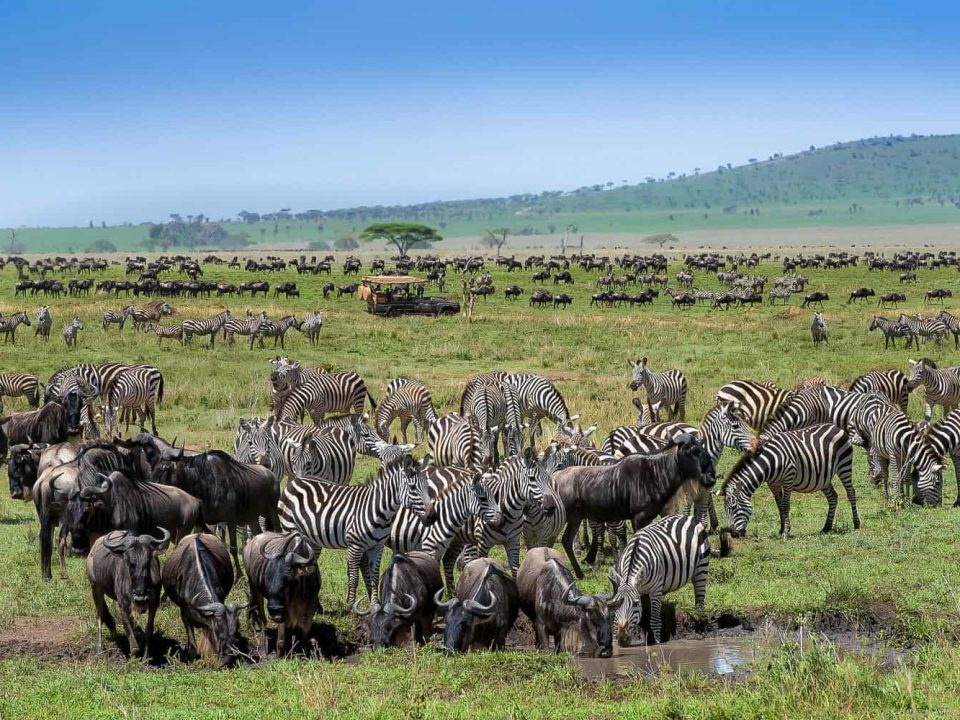
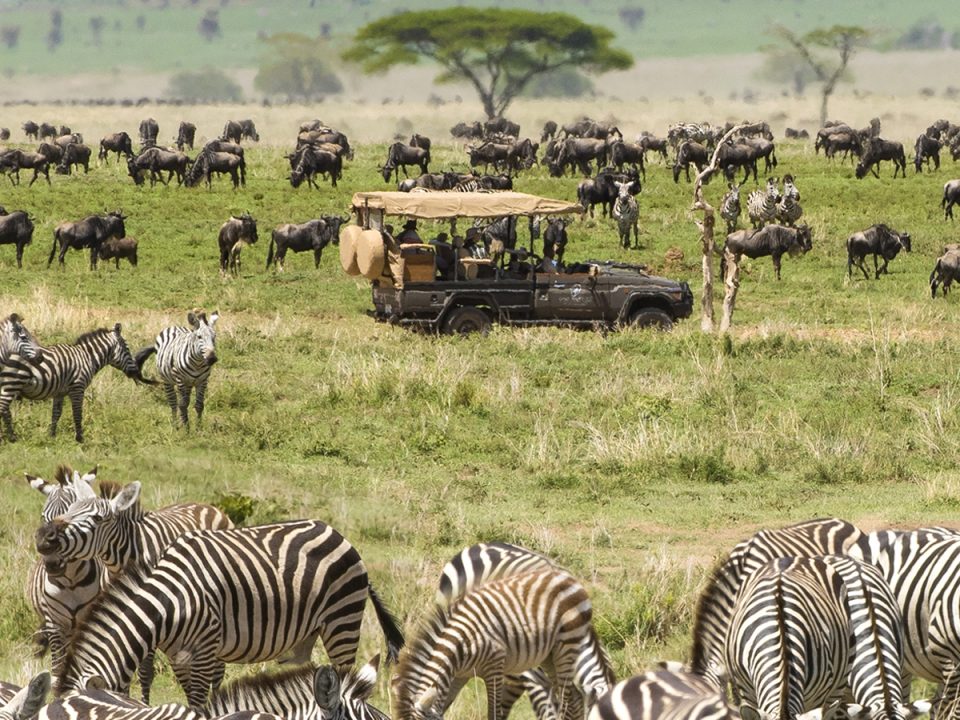
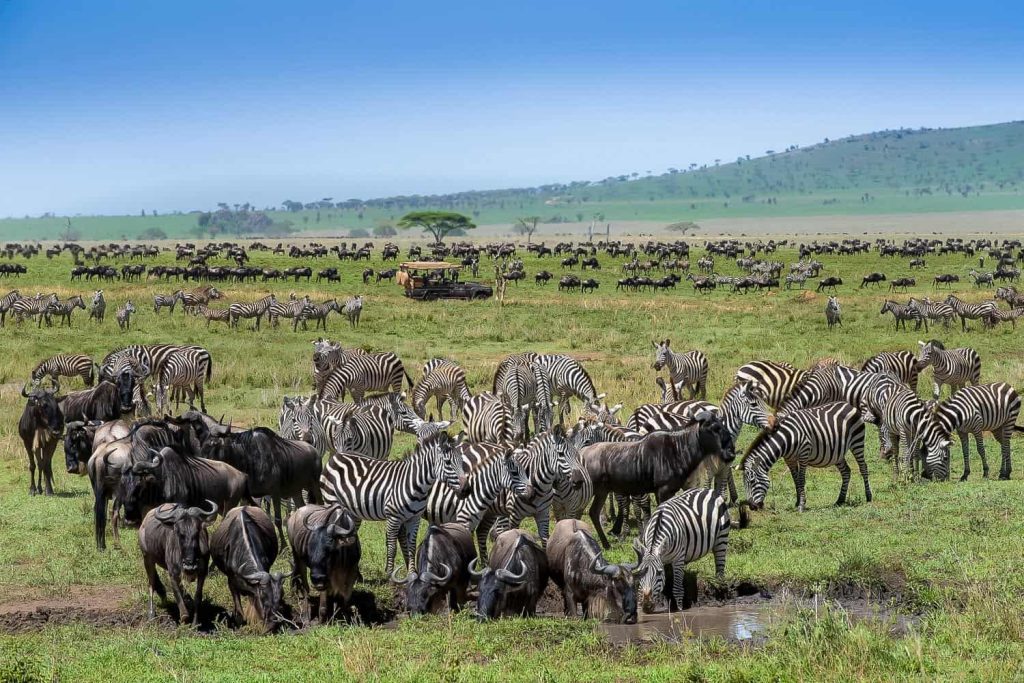
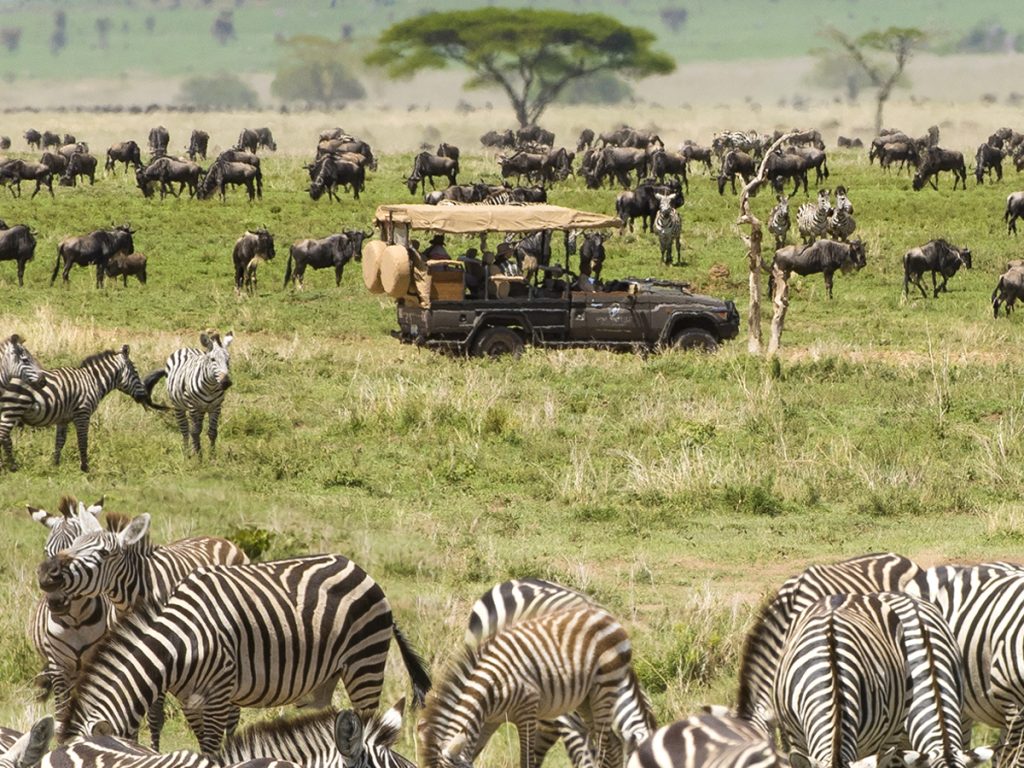
Witnessing the Great Wildebeest Migration in Tanzania: Peak Seasons and Essential Guidelines. The Great Wildebeest Migration is one of nature’s most spectacular events. This natural wonder draws wildlife enthusiasts from around the globe to Tanzania and Kenya. This phenomenal spectacle involves over 1.5 million wildebeests alongside hundreds of thousands of zebras and gazelles. It is a journey that the rains and the search for fresh grazing dictate. Understanding the peak seasons and following essential guidelines can make the experience unforgettable for those planning to witness this awe-inspiring event.
You may wish to witness the great wildebeest migration in Tanzania only. Then, worry not, as this article will describe the different seasons and what to expect from this wonder.
Peak Seasons of the Wildebeest Migration
The Great Migration is a continuous, cyclical event across the Serengeti-Mara ecosystem, spanning Tanzania and Kenya. However, certain times of the year offer more dramatic and concentrated sightings. Here’s a detailed look at the peak seasons in Tanzania:
December to March: Calving Season in Serengeti (Ndutu Region)
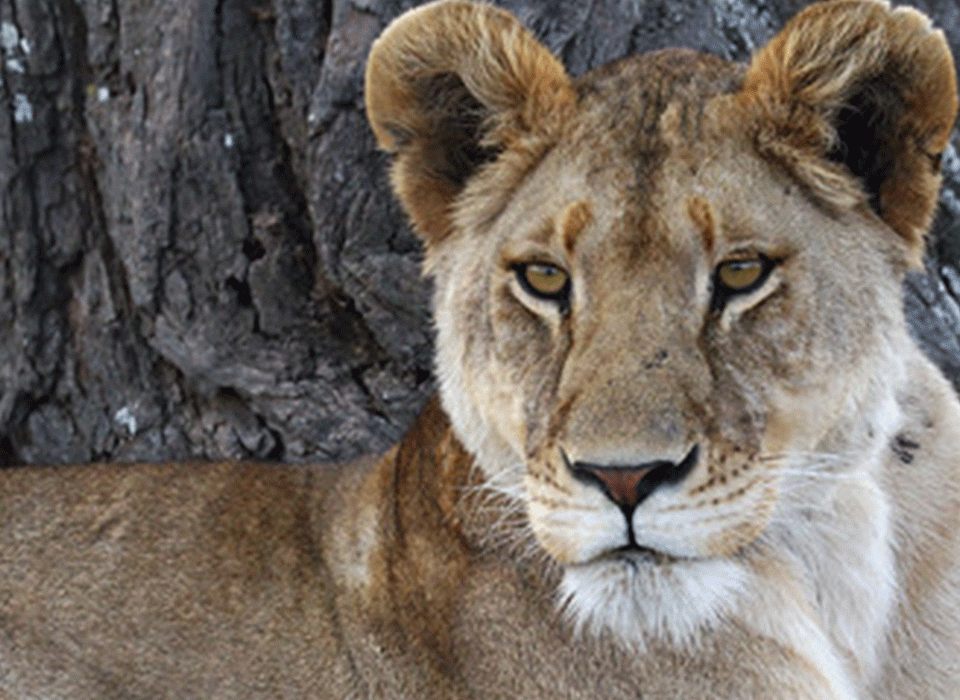
The migration cycle starts in the Southern Serengeti, around the Ndutu region and the Ngorongoro Conservation Area. This area becomes a nursery from December to March, as nearly half a million calves are born. The vast plains are teeming with life, making it an excellent time for visitors to witness the early stages of the migration. The calving season also attracts numerous predators, such as lions, cheetahs, and hyenas, providing thrilling predator-prey interactions. These predators are aware that during calving, the animals are not so mobile. They thus seize that chance to get some food.
Best Time to Visit: January and February are ideal for witnessing the highest number of births.
April to June: The Journey North (Central to Western Serengeti)
As the rains begin to wane in April, the herds start moving northwest towards the Central and Western Serengeti. By May, the wildebeests and their companions traverse the Grumeti River, facing their first major water obstacle. The Grumeti River crossing, although less dramatic than the Mara River crossing, still presents dangers from crocodiles lurking in the waters.
Best Time to Visit: Late May to June for the Grumeti River crossings.
July to October: The Mara River Crossings in Northern Serengeti
From July to October, the migration reaches its most iconic phase: the Mara River crossings. These crossings, occurring in the Northern Serengeti near the Kenyan border, are perhaps the most sought-after spectacles. Thousands of wildebeests plunge into the crocodile-infested waters. This creates a chaotic and thrilling scene. The Mara River crossings are unpredictable, happening at different times and places. These thus require patience and sometimes luck to witness.
Best Time to Visit: Late July to September, with crossings often peaking in August.
The Mara River Crossings November: The Return South(Central to Southern Serengeti)
By November, the short rains signal the beginning of the migration’s return south to the lush grasslands of the Southern Serengeti. The herds move swiftly, covering vast distances, and by December, the cycle begins anew with the calving season.
Best Time to Visit: November is excellent for observing the herds moving through the Central Serengeti.
Guidelines and Procedures for a Successful Safari
Embarking on a safari to start witnessing the Great Wildebeest Migration in Tanzania involves careful planning and adherence to specific guidelines. Here’s what you need to know:
Choosing the Right Time and Location
Research and Timing
Understanding the migration pattern helps in selecting the right time to visit. While the above periods are peak seasons, each year can vary slightly based on rainfall and other environmental factors.
Accommodation
Book well in advance, especially for peak seasons. Luxury lodges and mobile camps offer proximity to the migration path and provide a more immersive experience. However, you need to book in advance as the rooms sell out during the peak seasons
Essential Preparations
Travel Documents
Ensure your passport is valid for at least six months beyond your travel dates. Obtain a visa for Tanzania, which can often be done online or upon arrival at the airport.
Health Precautions
Consult a travel clinic for vaccinations and advice on malaria prophylaxis. Tanzania requires a yellow fever vaccination certificate if arriving from a country with a risk of yellow fever.
Packing for the Safari
Clothing: Light, breathable fabrics for daytime, and warmer layers for early mornings and evenings. Neutral colors are recommended to blend with the environment.
Gear: Binoculars, a good quality camera with a telephoto lens, and plenty of memory cards and batteries. A wide-brimmed hat, sunglasses, and sunscreen are also essential.
On the Ground
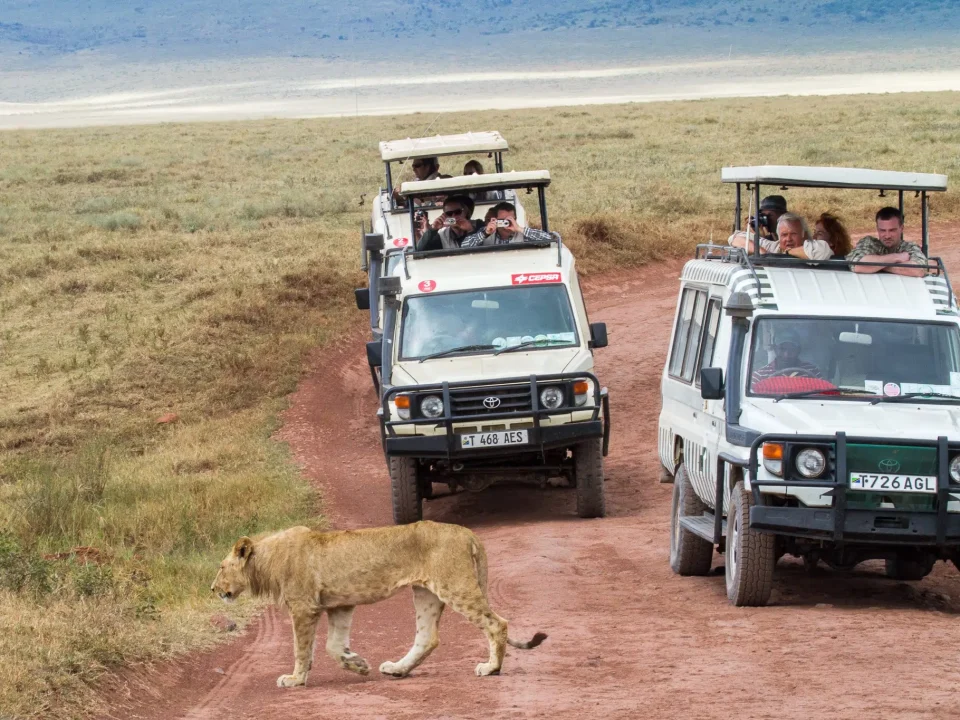
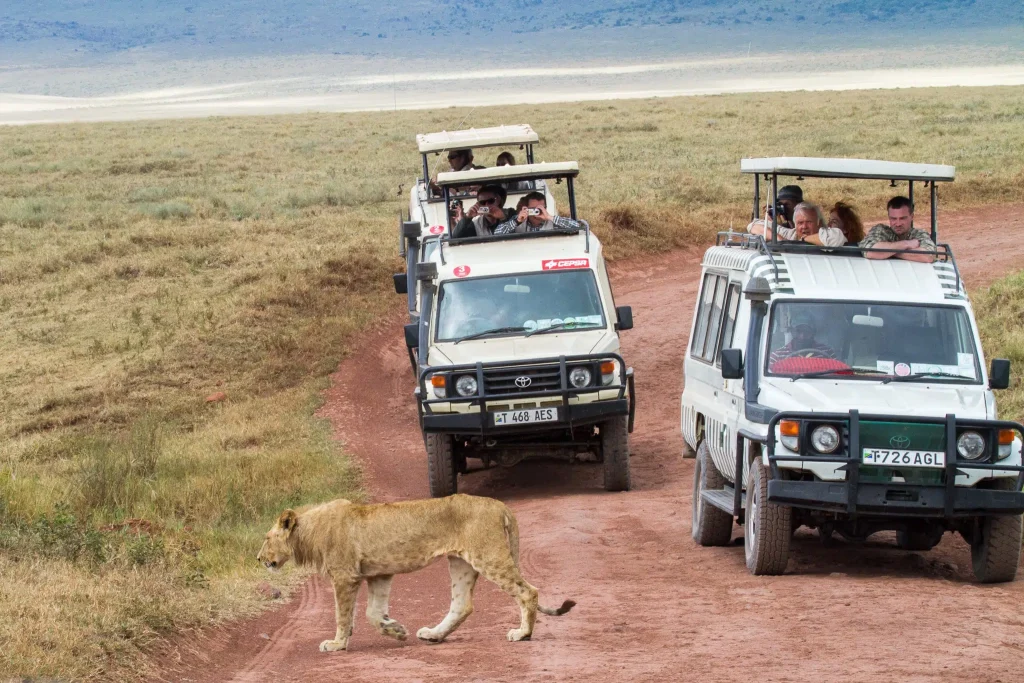
Safari Vehicles: Opt for a reputable safari company that uses well-maintained 4×4 vehicles. Experienced guides enhance the safari experience with their knowledge of wildlife and migration patterns.
Park Regulations: Respect park rules and guidelines. Maintain a safe distance from animals and never attempt to feed or touch them.
Sustainable Tourism: Practice eco-friendly behaviors. Avoid single-use plastics, dispose of waste properly, and support lodges and camps that adhere to sustainable practices.
Safety Considerations
Health and Safety: Drink only bottled or filtered water, and be cautious with food to avoid stomach ailments. Have a basic first aid kit handy.
Wildlife Safety: Always stay inside the vehicle unless in designated areas. Follow your guide’s instructions and never wander off alone.
Conclusion
Witnessing the Great Wildebeest Migration in Tanzania is a bucket-list experience that requires thoughtful planning and preparation. By understanding the peak seasons and adhering to essential guidelines, visitors can maximize their chances of witnessing this breathtaking event in all its glory. Whether watching a newborn calf take its first steps or the heart-pounding drama of a river crossing, the Great Migration is a reminder of nature’s incredible spectacles, offering unforgettable memories for those fortunate enough to witness it. Contact us by filling out the form below for customized safaris with gorillas, chimpanzees, and other wildlife experiences.