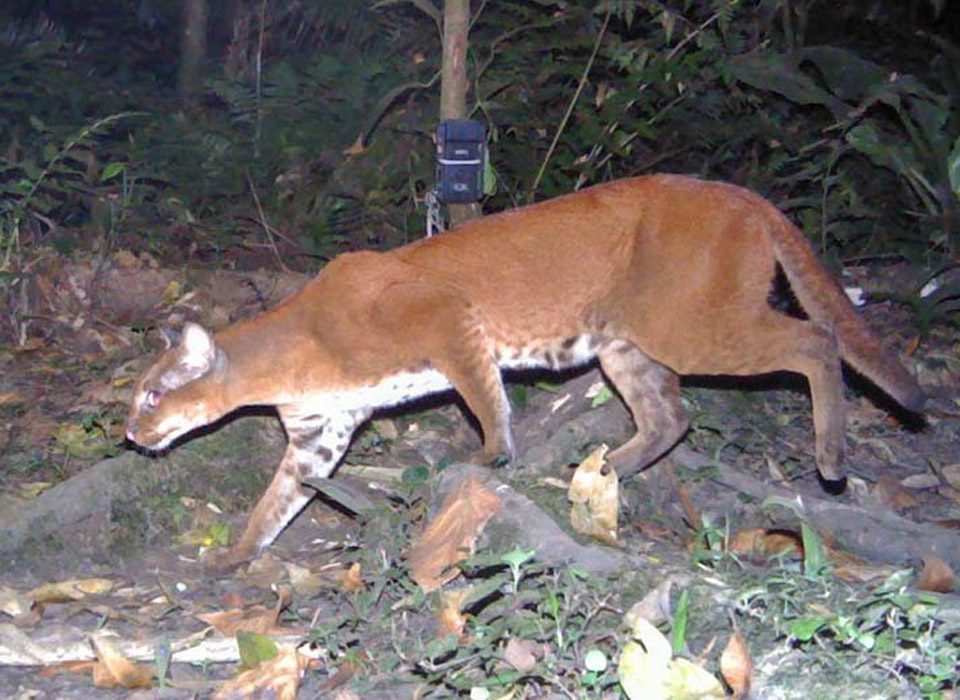
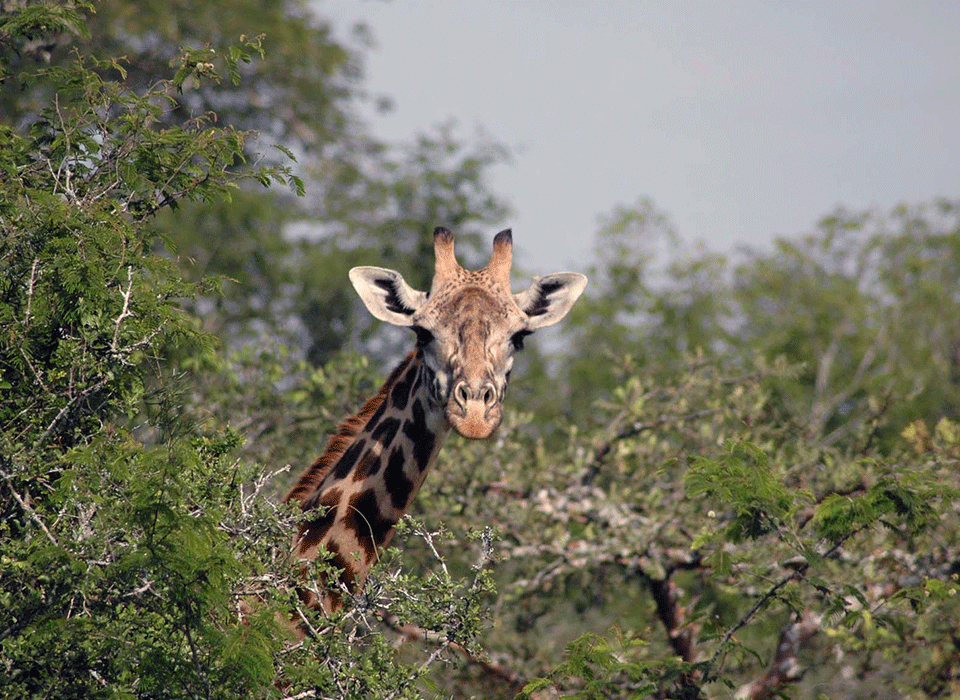
Top destinations for spotting big cats in Tanzania

Quick Answer
Where Are the Best Places to See Big Cats in Tanzania?
Serengeti National Park is the strongest all-round choice if your goal is to look for lions, leopards and cheetahs on the same safari. Ngorongoro Crater is particularly rewarding for lion sightings in a concentrated wildlife environment, while Ruaha National Park is excellent predator country with large lion prides, leopards and cheetahs. Nyerere National Park offers lions and leopards in a much wilder southern setting, Tarangire combines predators with spectacular baobab scenery, and Lake Manyara is famous for its unusual tree-climbing lions.
Tanzania’s Leading Big Cat Safari Destinations
Each destination offers a different predator experience. Combining several parks gives you more variety than spending the entire safari in one habitat.


Big Cat Destination
Serengeti National Park: Tanzania’s Classic Big Cat Safari
If the main purpose of your safari is seeing several big-cat species, Serengeti should normally be central to the itinerary. Tanzania National Parks describes Serengeti as an area with exceptional carnivore concentrations, including lions, leopards and cheetahs.
The diversity of habitat is one reason predator viewing is so rewarding. Open grasslands provide excellent hunting terrain for cheetahs, rocky kopjes create elevated resting and lookout points for lions, while acacia woodland and riverine vegetation offer shade and concealment for leopards.
The Seronera area of Central Serengeti is especially useful for a general predator-focused safari because permanent water and varied habitat support wildlife throughout the year. Leopards are often searched for around riverine woodland, while lions can occur around plains and kopjes.
Southern Serengeti and the neighbouring Ndutu plains become particularly exciting when enormous concentrations of wildebeest and other herbivores gather during the green season. The abundance of vulnerable young animals during the calving period naturally attracts predators.
For a broader planning overview, read our Epic Serengeti Safari Planning guide.
Which Big Cats Can You See in Tanzania?
Lions
Lions occur across many Tanzania safari destinations and are usually the most visible of the three major cats because they live socially in prides and often use relatively open habitat.
Leopards
Leopards are solitary and more secretive. Riverine woodland, rocky areas and large trees provide useful habitat, and patient searching with an experienced guide greatly improves the experience.
Cheetahs
Cheetahs favour open habitats where their speed can be used effectively. Serengeti and the wider Ngorongoro–Ndutu plains are particularly well suited to this type of landscape.
Ngorongoro Crater: Concentrated Predator Viewing
Ngorongoro offers a very different big-cat experience from the Serengeti. The crater floor is compact compared with the enormous Serengeti ecosystem, and large numbers of herbivores occupy grasslands, wetlands and woodland within the caldera.
Lions are one of the most conspicuous predators on the crater floor. The wider Ngorongoro Conservation Area also supports leopards and cheetahs, while the Ndutu and short-grass plains form part of the seasonal Serengeti migration ecosystem.
The Ngorongoro Conservation Area Authority lists lions, leopards and cheetahs among its carnivores and notes that big cats occur throughout the year. It also identifies the crater and surrounding conservation area as important wildlife-viewing landscapes.
Travellers who want both Serengeti and Ngorongoro can consider our 5-Day Serengeti and Ngorongoro Safari.
Ruaha National Park: Big Cats in a Wilder Setting
Ruaha is an excellent choice for travellers who want serious predator viewing but prefer the atmosphere of Tanzania’s less heavily visited southern circuit. TANAPA describes the park as predator country where large lion prides, leopards and cheetahs occupy a mixture of woodland and riverine habitats.
The Great Ruaha River and other permanent water areas become especially important as surrounding landscapes dry. Herbivores gather around remaining water, creating natural hunting opportunities for lions and other predators.
Ruaha’s scenery also makes the experience distinctive. Massive baobabs, rocky hills, open plains and river systems create a very different visual setting from the short grass of Serengeti.
Because Ruaha is farther from Tanzania’s traditional northern circuit, it is frequently incorporated into a fly-in southern Tanzania safari or combined with Nyerere National Park.
Nyerere National Park: Lions, Leopards and Southern Wilderness
Nyerere National Park provides another very different predator experience. The vast park includes miombo woodland, open grassland, floodplains, riverine forest and the complex channels and lakes associated with the Rufiji River.
TANAPA describes Nyerere as supporting healthy populations of lions and leopards. It is also especially notable for African wild dogs, which are not cats but are among Africa’s most exciting large predators.
One advantage of Nyerere is the variety of safari activities. Depending on the itinerary and camp, travellers can combine conventional game drives with boat safaris and guided walking experiences, creating a broader wilderness safari than a vehicle-only itinerary.
Morning and late-afternoon game drives are particularly valuable when searching for predators because cats are often more active during the cooler parts of the day.
Tarangire National Park: Predators, Elephants and Baobabs
Tarangire is best known for elephants, enormous baobab trees and the Tarangire River, but it also supports lions and leopards. Tanzania National Parks specifically lists lions, leopards and hyenas among predators using the park’s plains and woodland.
The dry season is particularly interesting because water becomes increasingly concentrated around the Tarangire River and Silale Swamp. Large numbers of herbivores move toward these remaining water sources, and predators follow the prey.
For travellers building a northern Tanzania circuit, Tarangire provides an excellent change of scenery before continuing to Ngorongoro and Serengeti. It also avoids making the safari entirely dependent on one ecosystem.
See how the park fits into our 7-Day Tanzania Experience Safari.
Lake Manyara National Park: Tanzania’s Famous Tree-Climbing Lions
Lake Manyara occupies a narrow but remarkably varied landscape beneath the Great Rift Valley escarpment. The park contains groundwater forest, acacia woodland, floodplain, wetlands and the alkaline lake itself.
Its most famous predator attraction is the tree-climbing lion. Tanzania National Parks identifies Lake Manyara specifically with this unusual behaviour. Lions may sometimes be found resting in acacia branches rather than remaining on the ground.
Tree climbing should still be treated as a wildlife opportunity rather than a guarantee. Lions may be present but remain on the ground, hidden in vegetation or in another part of the park during your visit.
Lake Manyara works particularly well as a half-day or full-day component of a northern circuit itinerary that also includes Tarangire, Ngorongoro and Serengeti.
Big Cat Destinations in Tanzania Compared
| Destination | Lion | Leopard | Cheetah | Main Attraction |
|---|---|---|---|---|
| Serengeti | Excellent habitat | Present | Excellent open-plains habitat | All-round predator safari and Great Migration |
| Ngorongoro | Very prominent | Present in NCA | Present in NCA | Concentrated wildlife viewing |
| Ruaha | Large prides | Present | Present | Remote predator country |
| Nyerere | Healthy population | Healthy population | Less central to the experience | Predators plus wild dogs and Rufiji ecosystem |
| Tarangire | Present | Present | Possible | Predators, elephants and baobabs |
| Lake Manyara | Famous tree-climbing behaviour | Possible | Not a primary cheetah destination | Tree-climbing lions and Rift Valley scenery |
Wildlife note: The table describes habitat and known wildlife presence, not guaranteed sightings. Large carnivores are wild and move freely.
Best Time for a Big Cat Safari in Tanzania
Big cats can be seen throughout the year, but seasonal conditions influence visibility and predator-prey activity. The dry season generally makes wildlife easier to locate around permanent water sources in parks such as Tarangire, Ruaha and Nyerere because vegetation becomes thinner and animals congregate around remaining water.
In Serengeti and the Ngorongoro–Ndutu ecosystem, the green season can be particularly rewarding for cheetahs, lions and other predators because migration herds gather on the southern plains and large numbers of young animals are born.
Early mornings and late afternoons are useful during every season because temperatures are cooler and many predators become more active. Midday can still produce excellent sightings, especially when lions or leopards are resting close to roads.
For migration-specific planning, see our 6-Day Tanzania Migration Safari.
Big Cat Photography in Tanzania
A predator-focused photography safari benefits greatly from a private vehicle. This allows the guide to spend more time at a promising sighting rather than moving because other travellers have different priorities.
A telephoto lens is particularly useful for safely photographing lions, leopards and cheetahs without disturbing them. A second camera body can also be valuable because switching lenses in dusty conditions increases the risk of dust reaching the camera sensor.
For cheetahs, open-country destinations such as Serengeti provide excellent opportunities for photographing animals against broad landscapes. Leopards often require more patience because branches, leaves and shade can make both viewing and photography more difficult.
Travellers planning specifically for photography can also read our guide to the best photography spots in Tanzania’s national parks.
How Many Days Do You Need for a Tanzania Big Cat Safari?
3–4 Days
Concentrate on Serengeti and Ngorongoro or a single major predator destination.
5–7 Days
A strong northern circuit can combine Tarangire, Ngorongoro and several Serengeti game drives.
8–10 Days
Allows a slower northern circuit or a dedicated southern safari using Ruaha and Nyerere.
10+ Days
Useful for photographers, slow travel or combining Tanzania with Kenya, Uganda or Rwanda.
Where to Stay on a Tanzania Big Cat Safari
Accommodation location can make a major difference on a predator-focused safari. Staying close to productive game-viewing areas reduces unnecessary transfers and gives you more time for early-morning and late-afternoon searches for lions, leopards and cheetahs.


Choose Accommodation Around the Big Cats You Want to Find
The most expensive lodge is not automatically the best lodge for a big-cat safari. Location should come first. For Serengeti, accommodation should match the region you intend to explore; around Ngorongoro, convenient crater access can improve an early game drive; and in southern Tanzania, staying within or close to the principal wildlife area reduces unnecessary transfers. We therefore recommend selecting accommodation only after the safari route and wildlife priorities have been established.
Northern Tanzania or Southern Tanzania for Big Cats?
The northern circuit is the easier choice for most first-time visitors because Serengeti, Ngorongoro, Tarangire and Lake Manyara connect naturally by road. It offers very strong predator viewing alongside famous scenery and the Great Migration.
The southern circuit, especially Ruaha and Nyerere, is attractive to travellers who have more time or who prefer remote wilderness, fewer vehicles and a different style of safari. Domestic flights are often used to make the distances more practical.
If this is your first Tanzania safari and lions, leopards and cheetahs are your main priority, a northern itinerary with several nights in Serengeti and a Ngorongoro visit is a very practical foundation. Travellers returning to Tanzania can then consider Ruaha and Nyerere for a contrasting experience.
Big Cat Safari Combinations
Combining complementary parks gives you more habitat variety and repeated opportunities to search for predators.

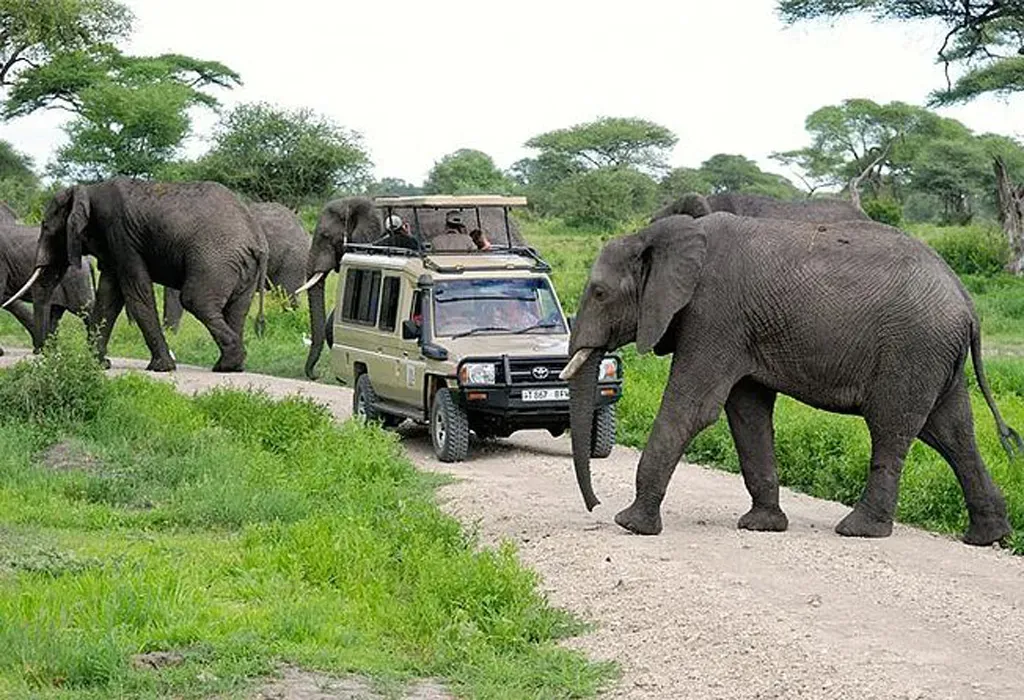

Other Predators You May See
Big-cat safaris often produce much more than lions, leopards and cheetahs. Tanzania also supports spotted hyenas, jackals, servals, caracals and several smaller carnivores.
Southern destinations such as Nyerere and Ruaha also provide opportunities to search for African wild dogs. These highly social predators are not cats, but they can become one of the most memorable sightings of an entire Tanzania safari.
Remaining open to all predator encounters rather than focusing only on one species usually creates a more rewarding safari experience.
How to Improve Your Chances of Big Cat Sightings
- Spend more than one game drive in your most important predator destination.
- Start early when temperatures are cooler and predators may still be active.
- Use an experienced driver-guide who understands animal behaviour and habitat.
- Do not rush away from a quiet sighting; behaviour can change quickly.
- Listen for alarm calls from prey animals and primates.
- Scan large trees carefully when searching for leopards.
- Search open plains and termite mounds for cheetahs.
- Allow several days in Serengeti rather than treating it as a one-night stop.
- Keep realistic expectations because wild animals do not follow schedules.
- Choose a private safari if photography and long predator observations are major priorities.
Common Big Cat Safari Planning Mistakes
- Expecting all three big cats every day. Predator sightings remain natural and unpredictable.
- Spending too little time in Serengeti. Extra game drives significantly improve the depth of the experience.
- Assuming Lake Manyara tree-climbing lions are guaranteed. The behaviour is famous but not seen on every visit.
- Confusing Tarangire with Tanzania’s principal tree-climbing-lion destination. Lake Manyara is the park most closely associated with that behaviour.
- Driving between too many parks. Excessive transfers reduce time available for predator searches.
- Ignoring the southern circuit. Ruaha and Nyerere can provide outstanding predator safaris.
- Choosing shared transport when serious photography is the goal.
- Judging a safari only by species count. Behaviour, landscapes and time spent observing animals are equally important.
Frequently Asked Questions About Big Cats in Tanzania
1. What are the main big cats in Tanzania?
The three big cats most safari travellers focus on are lions, leopards and cheetahs. Tanzania also supports smaller cats such as servals and caracals.
2. Where can I see lions in Tanzania?
Lions occur in several Tanzania parks, including Serengeti, Ngorongoro, Ruaha, Nyerere, Tarangire and Lake Manyara.
3. Where can I see cheetahs in Tanzania?
The Serengeti and the wider short-grass plains of the Serengeti–Ngorongoro ecosystem are particularly suitable cheetah habitat because of their extensive open terrain.
4. Where can I see leopards in Tanzania?
Leopards occur in Serengeti, Ruaha, Nyerere, Tarangire and the wider Ngorongoro Conservation Area. They are more secretive than lions, so sightings usually require patient searching.
5. Where are Tanzania’s tree-climbing lions?
Lake Manyara National Park is Tanzania’s most famous destination for tree-climbing lions, although the behaviour should never be considered guaranteed.
6. Is Serengeti the best place for big cats?
Serengeti is an especially strong all-round option because lions, leopards and cheetahs all occur across its varied habitats and abundant prey base.
7. Can I see big cats in Ngorongoro Crater?
Yes. Lions are prominent on the crater floor, while the wider Ngorongoro Conservation Area also supports leopards and cheetahs.
8. Is Ruaha good for lions?
Yes. TANAPA describes Ruaha as supporting large lion prides as well as leopards and cheetahs across its woodland, plains and riverine habitats.
9. Does Nyerere National Park have big cats?
Yes. Nyerere supports lions and leopards and is also notable for African wild dogs.
10. What is the best time of day to see big cats?
Early mornings and late afternoons are particularly useful because temperatures are cooler and predators are often more active, although excellent sightings can occur at any time.
11. What is the best season for big cats in Tanzania?
Big cats can be seen year-round. Dry months can improve visibility around water sources, while the Serengeti green and calving seasons can produce very active predator-prey interactions.
12. How many days should I spend in Serengeti for big cats?
Three or more nights generally gives you a much stronger experience than a brief overnight visit, especially if predator sightings and photography are priorities.
13. Can big cat sightings be guaranteed?
No. Lions, leopards and cheetahs are wild animals moving freely in natural ecosystems. Experienced guides and enough game-drive time improve opportunities but cannot guarantee sightings.
14. Can I combine a Tanzania big cat safari with gorilla trekking?
Yes. Tanzania wildlife safaris can be combined with mountain gorilla trekking in Uganda or Rwanda using regional flight connections and a carefully planned itinerary.
15. Can Safari Vacations arrange a private big cat safari?
Yes. Safari Vacations and Travel Services can design a private Tanzania safari around your preferred parks, dates, accommodation level, photography interests and the amount of time you want to dedicate to predator viewing.
Choosing the Best Tanzania Big Cat Safari Route
The strongest itinerary for spotting big cats in Tanzania usually combines destinations rather than depending on one park alone. Serengeti gives you the broadest all-round opportunity for lions, leopards and cheetahs, while Ngorongoro adds concentrated wildlife viewing in a completely different landscape.
Tarangire and Lake Manyara fit naturally into northern Tanzania circuits, with Tarangire providing lions and leopards among baobabs and Lake Manyara offering the possibility of its famous tree-climbing lions. Travellers looking for a quieter wilderness can instead concentrate on Ruaha and Nyerere in southern Tanzania.
The key is to allow enough game-drive time, travel during a season that suits your wider wildlife interests and remain patient. Big-cat safaris are most rewarding when the goal is not simply to tick off three species, but to spend time watching how predators move, rest, hunt and interact within Tanzania’s extraordinary ecosystems.
Lions • Leopards • Cheetahs • Private Tanzania Safaris
Plan Your Tanzania Big Cat Safari
Tell us your travel dates, number of travellers, safari length, preferred accommodation level and whether your priority is lions, leopards, cheetahs, photography or a complete Tanzania wildlife experience. We can design the route around the destinations that best match your interests.