
Birdwatching experience in Entebbe

Birdwatching Experience in Uganda: 11 Unmissable Birding Adventures
A birdwatching experience in Uganda can begin with the silhouette of a Shoebill standing motionless in papyrus, continue with turacos calling from rainforest canopies, and end with eagles, bee-eaters and kingfishers appearing beside a safari track. For tourists who want more than a conventional game drive, a Uganda birding safari reveals an extraordinary variety of wetlands, forests, lakes, rivers, highlands and savannah landscapes within one journey.
The most rewarding bird watching in Uganda is not simply about counting species. It is about slowing down enough to hear a call before seeing its owner, watching a kingfisher hover over water, following a specialist guide through a forest trail, or gliding quietly through papyrus during Shoebill tracking Uganda excursions. A carefully planned Uganda birdwatching tour can also combine naturally with primates, big game, boat trips, photography and cultural experiences.
Why Choose Uganda for a Birdwatching Experience?
Uganda sits at an ecological crossroads where East African savannah, Central African forest, Lake Victoria habitats, papyrus wetlands and Albertine Rift highlands meet. That variety is the central reason a Uganda birding safari can change character several times in a single holiday. Tourists can search for wetland specialists near Entebbe, explore forest trails in western Uganda and then watch raptors over open plains without needing to turn the trip into a complicated multi-country expedition.
The country’s appeal becomes even stronger for travelers already considering African safaris. Bird watching in Uganda fits around classic wildlife viewing instead of competing with it. Elephants may appear beneath circling raptors, hippos can surface while kingfishers work the shoreline, and primate forests can produce memorable birds before or after a chimpanzee or gorilla activity.
Another advantage is flexibility. A first-time visitor can add a half-day birdwatching experience near Entebbe, while an experienced birder can devote two or three weeks to specialist habitats. A Uganda birdwatching tour therefore works for casual nature lovers, photographers, families, serious listers and safari travelers who simply want their guide to stop for more than lions and elephants.
Want a Birding Route Built Around Your Wish List?
Share your travel dates, target birds and preferred safari length for a birdwatching experience shaped around the habitats you most want to explore.
11 Best Birdwatching Experiences in Uganda
1. Search for the Shoebill at Mabamba Bay
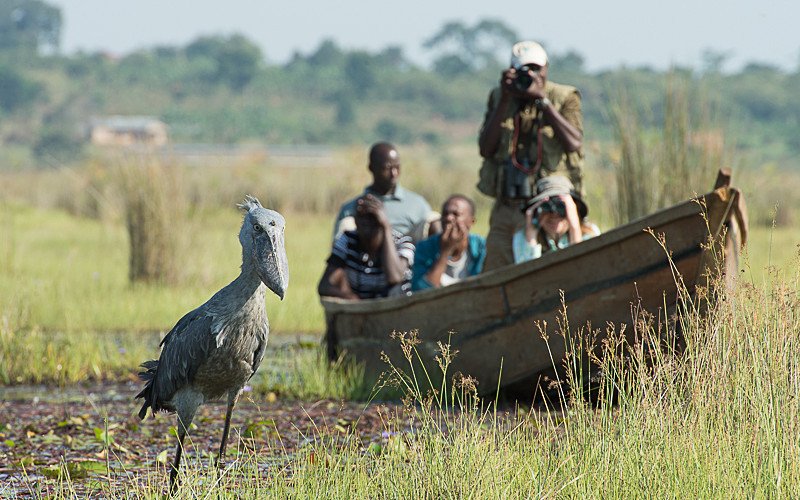
For many international visitors, Shoebill tracking Uganda adventures are the most anticipated part of the journey. Mabamba Bay, on the Lake Victoria wetland system within practical reach of Entebbe, is particularly convenient because a birdwatching experience can be added near the beginning or end of a longer safari. Instead of a vehicle, visitors normally explore wetland channels with a local guide, scanning papyrus edges and open patches of water.
The Shoebill is the headline attraction, but treating Mabamba as a one-bird destination misses much of its charm. African jacanas, herons, kingfishers and other wetland species keep the Uganda birding safari interesting while guides search for the larger target. No wild bird sighting should be treated as guaranteed, which is precisely why the search itself becomes part of the experience.
Travelers staying around Entebbe can also combine this excursion with the Entebbe Botanical Gardens, creating an easy introduction to bird watching in Uganda before long road transfers begin.
2. Bird the Nile and Savannah at Murchison Falls
A northern Uganda birdwatching experience becomes more expansive at Murchison Falls National Park. Here the Uganda birding safari combines river habitats, woodland and open savannah. A boat excursion introduces water-associated birds while game drives add raptors, ground birds and colorful species using woodland edges.
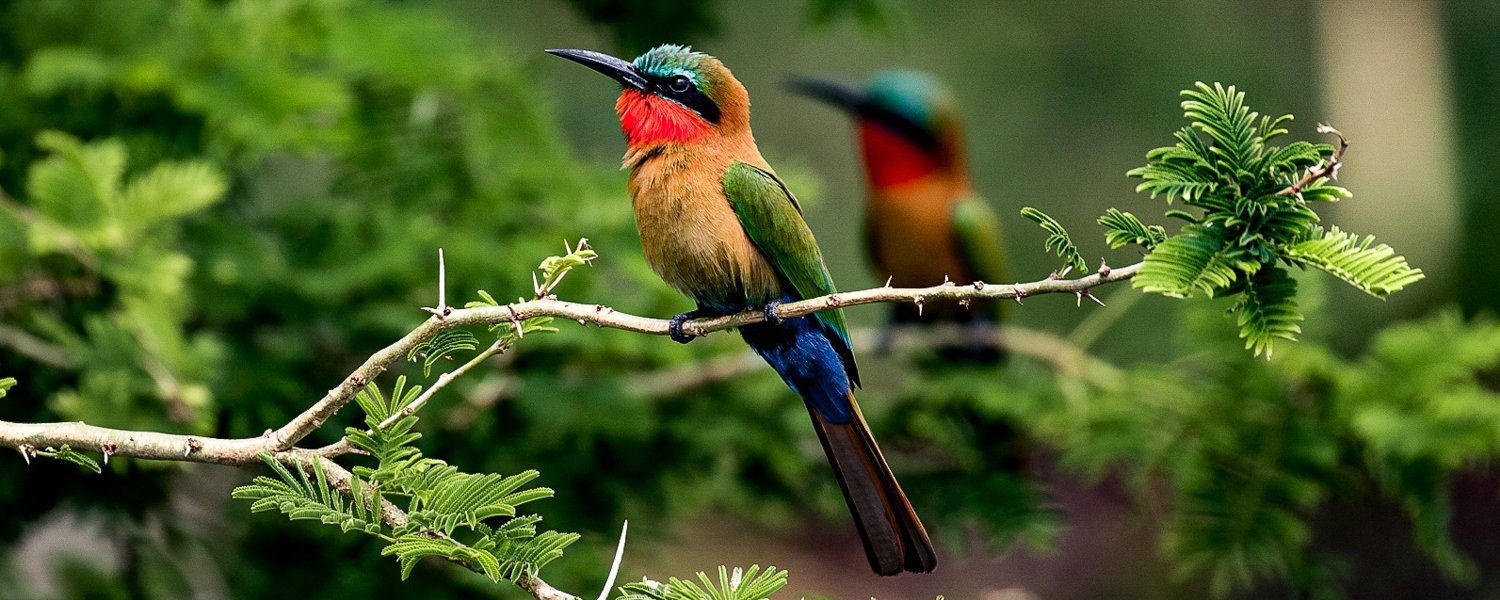
Birders interested in Shoebill tracking Uganda can ask about excursions toward suitable delta habitat, while general tourists may simply enjoy discovering how much birdlife appears during ordinary wildlife activities. This is one of the best places to demonstrate why bird watching in Uganda works so well alongside a traditional safari: giraffes, elephants, buffalo and antelope share the landscape with bee-eaters, hornbills and large raptors.
3. Explore the Forest Birds of Bwindi
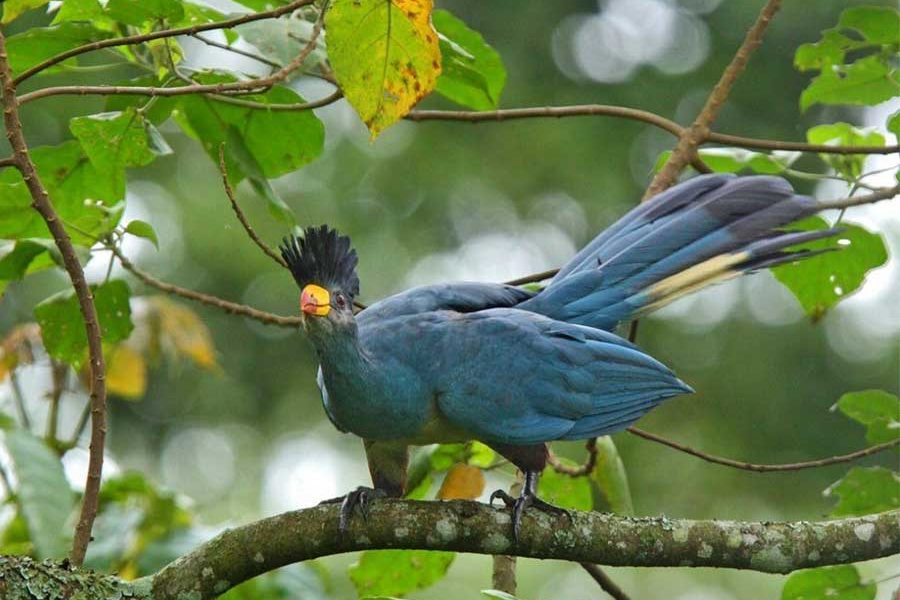
The atmosphere changes dramatically inside Bwindi Impenetrable Forest. Forest birding demands patience, listening and careful observation. Birds may move through mixed feeding parties, call from dense vegetation or appear briefly across gaps in the canopy. For serious birders, the Albertine Rift setting makes this one of the most important stages of a Uganda birdwatching tour.
Bwindi is also ideal for travelers who want birds and primates in one itinerary. A dedicated birdwatching experience can occupy separate mornings from gorilla trekking in Bwindi, allowing the forest to reveal itself at two very different speeds. Visitors staying in the north can learn about the Buhoma Sector, while routes elsewhere in the forest can be selected according to accommodation, trekking plans and birding priorities.
The essential difference between forest bird watching in Uganda and open-country birding is visibility. A specialist guide who recognizes calls and understands feeding behavior can make an enormous difference. Serious photographers should also arrive with realistic expectations: seeing a rare forest bird clearly can be more rewarding than trying to obtain a perfect photograph of every species.
4. Combine Bigodi Wetland and Kibale Forest
Western Uganda offers another rewarding forest-and-wetland combination around Kibale Forest National Park. The broader landscape includes forest edges, wetlands, farmland and community-managed habitats, producing a Uganda birding safari that can feel productive even outside the deepest forest.
Bigodi is especially attractive to travelers who enjoy walking rather than spending every safari hour in a vehicle. Guides can interpret birds, primates, plants and wetland ecology together. The birdwatching experience becomes even more interesting when combined with a chimpanzee trekking safari or a dedicated chimpanzee tracking experience.
5. Cruise the Kazinga Channel in Queen Elizabeth National Park
A boat safari through Queen Elizabeth National Park adds another dimension to bird watching in Uganda. Shorelines, channels, open water and nearby savannah create opportunities to observe waterbirds and terrestrial species without constantly changing destinations.
From a tourist perspective, the attraction is variety. One moment may be devoted to a fish eagle or kingfisher and the next to hippos, elephants or buffalo. This style of birdwatching experience is particularly suitable for mixed-interest groups because non-birders remain surrounded by wildlife and scenery while bird enthusiasts continue building their sightings.
A Uganda birdwatching tour through western Uganda can therefore move naturally from Kibale to Queen Elizabeth and onward toward Bwindi. Instead of treating transfer days as dead time, an experienced guide can use wetlands, roadside habitats and forest edges to keep the Uganda birding safari active between major parks.
6. Discover Acacia Birds at Lake Mburo
Lake Mburo introduces open woodland, lakeshore and acacia-associated habitats to a birdwatching experience. Its location also makes it a useful component of a southern or southwestern itinerary. Travelers moving between Entebbe and the gorilla regions can use the park to break a long road journey while adding birds, zebras, impalas and other savannah wildlife.
The slower scale of the park can suit birders well. Instead of racing between famous predator sightings, a Uganda birding safari here can concentrate on woodland edges, open country and water. Visitors combining birds with a broader Uganda safari gain another habitat without making a major geographical detour.
7. Go Deeper Into Semuliki’s Forest Birdlife
Experienced birders looking beyond the most familiar tourist circuit often add Semuliki. Its ecological connections toward the Congo Basin give the area a noticeably different birding character. A Uganda birdwatching tour designed for serious target species can justify the extra travel time, especially when western Uganda is already central to the route.
This is where expectations matter. Forest bird watching in Uganda can involve long periods of listening, scanning and waiting. The reward may be a short but meaningful view rather than a prolonged sighting. Travelers who enjoy this process often consider specialist forest sessions among the strongest memories of their entire birdwatching experience.
8. Add Mgahinga’s Highland Habitats
Southwestern Uganda becomes even more diverse around Mgahinga Gorilla National Park. Volcanic highlands, bamboo and montane vegetation give birders a habitat contrast to lower-elevation wetlands and savannahs. The destination is particularly useful when the Uganda birding safari is being built around Albertine Rift specialties.
Mgahinga can also be combined with a golden monkey experience. This creates a varied nature itinerary without sacrificing dedicated birdwatching experience time. Because highland weather can change quickly, travelers should carry rain protection and warm layers even when lower parts of Uganda feel hot.
9. Watch Birds and Wildlife in Kidepo’s Open Country
Travelers with more time can extend bird watching in Uganda into the country’s northeast. Open plains and drier habitats produce a very different visual experience from Bwindi or Kibale. Long sightlines are particularly enjoyable for watching larger birds, raptors and open-country species while simultaneously searching for mammals.
The distance involved means Kidepo usually makes most sense on a longer Uganda birdwatching tour rather than a rushed week. It rewards travelers who value landscape and remoteness as much as checklist totals. When time is limited, western and central circuits normally provide a more efficient mixture of habitats.
10. Photograph Uganda’s Iconic Birds
Bird photography changes the pace of a Uganda birding safari. A photographer may spend twenty minutes waiting for one kingfisher to return to a perch while a checklist-focused birder may prefer to continue searching. Discuss this before the trip. A private vehicle and specialist guide can be especially useful when photography is a major priority.
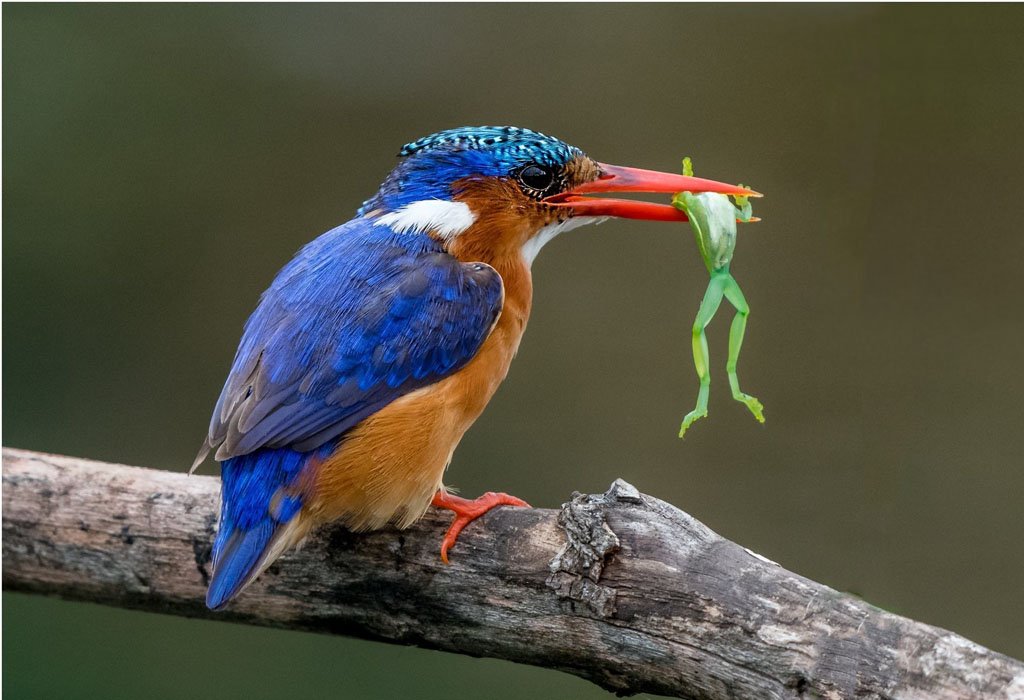
Morning and late-afternoon light can be attractive, but photography should never encourage guides or visitors to disturb birds. Avoid pushing too close to nests, crowding a feeding bird or using behavior-altering techniques simply to obtain an image. A respectful birdwatching experience usually produces better observation as well as more natural photographs.
11. Combine Birding With Gorillas, Chimpanzees and Big Game
One of Uganda’s strongest advantages is the ease with which specialist interests can be combined. A traveler does not have to choose permanently between a Uganda birding safari and a primate journey. A route can include Shoebill tracking Uganda near Lake Victoria, chimpanzees around Kibale, boat birding in Queen Elizabeth and a mountain gorilla tracking experience in the southwest.
Travelers specifically interested in primates can compare gorilla trekking in Uganda and Rwanda, while those wanting a longer regional journey can explore an East African safari. The key is protecting enough time for birding instead of squeezing every activity into consecutive dawn-to-dusk days.
Turn Your Target-Bird List Into a Real Route
Tell us whether your priority is the Shoebill, Albertine Rift birds, photography, forest species or a balanced wildlife and birding holiday.
Birds to Look for on a Uganda Birding Safari
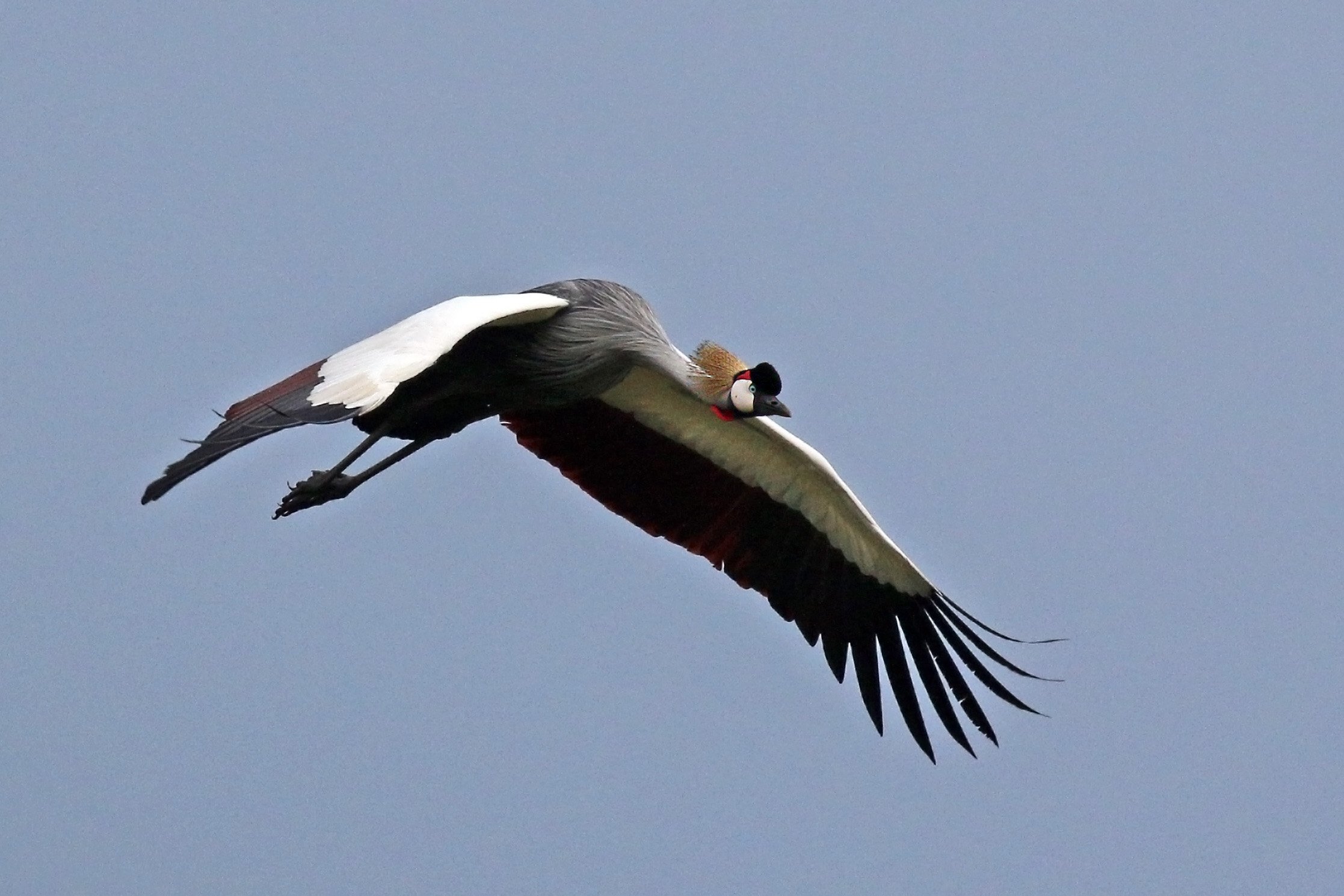
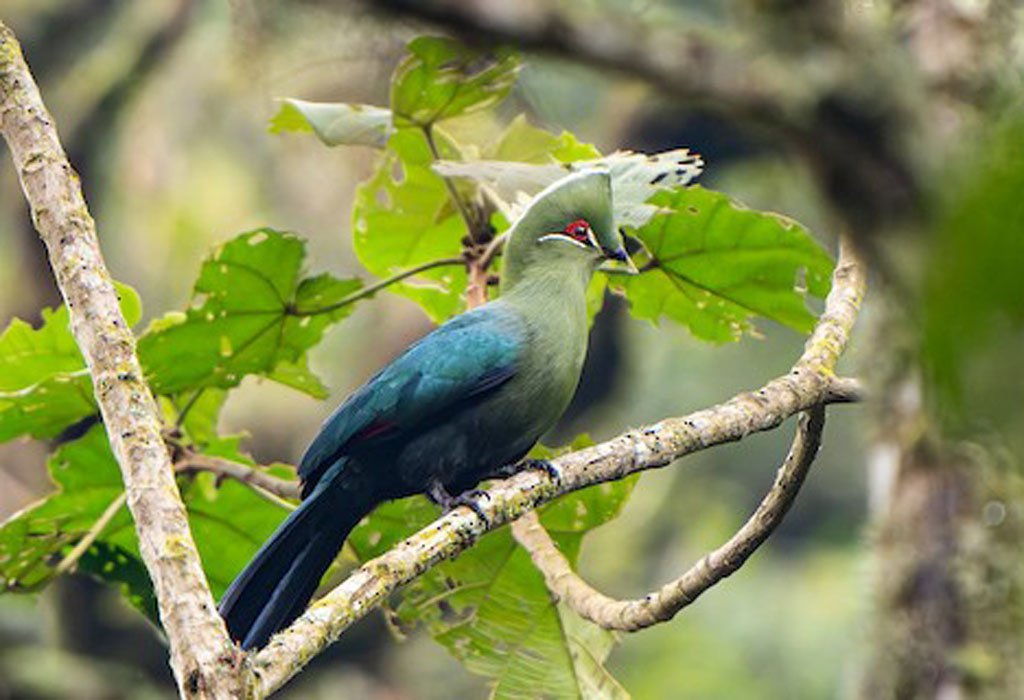
A Uganda birdwatching tour should not be reduced to one famous bird. The excitement comes from moving between ecological communities. Wetlands may reveal Shoebills, jacanas, herons and kingfishers; forests introduce turacos and numerous smaller species; savannahs open the search to eagles, vultures, hornbills, storks and ground-dwelling birds.
Wetland Icons
Shoebill, African jacana, herons, egrets, kingfishers and papyrus-associated birds.
Forest Highlights
Turacos, forest robins, flycatchers, sunbirds and Albertine Rift specialties.
Savannah Birds
Eagles, vultures, hornbills, bee-eaters, rollers, storks and open-country species.
Best Time for Bird Watching in Uganda
There is no single month when every Uganda birding safari is automatically better. Resident birds make birding possible throughout the year, while seasonal rainfall, migrant presence, breeding behavior, road conditions and forest trail conditions influence the character of each trip. Travelers should choose dates according to their highest priorities rather than relying on a universal “best month.”
Drier periods can make road travel and forest walking easier in many destinations, which is useful when a Uganda birdwatching tour also includes trekking. Wetter periods can bring lush scenery, active bird behavior and dramatic photography, although rain may interrupt field sessions. Migratory birds add another consideration for travelers whose goal is maximizing variety.
If the itinerary includes gorillas as well as a birdwatching experience, compare your dates with guidance on the best time to trek mountain gorillas. Travelers entering the Mgahinga region can likewise review the best time to visit Mgahinga. The strongest dates are those that balance birding, trekking and road conditions for your particular route.
How Many Days Do You Need for a Uganda Birdwatching Tour?
One to three days works for travelers who want a focused introduction. A Mabamba birdwatching experience and local Entebbe birding can fit around international flights. Seven to ten days creates room for several habitats, particularly if western Uganda is the main focus. Twelve to eighteen days gives serious birders time to explore forests, wetlands and savannah without turning every transfer into a race.
A longer Uganda birding safari becomes particularly valuable when the route includes Bwindi, Semuliki, Kibale and Murchison Falls. Birding requires more time than conventional sightseeing because an interesting morning cannot be scheduled like a museum visit. Weather changes, birds move, mixed flocks disappear and a target species may require another attempt.
Day 1: Entebbe arrival and relaxed garden birding.
Day 2: Mabamba Shoebill tracking Uganda excursion.
Day 3: Transfer west with roadside and wetland stops.
Days 4–5: Kibale and Bigodi forest-edge birding.
Day 6: Queen Elizabeth and Kazinga Channel.
Days 7–9: Bwindi forest birding and optional gorilla trek.
Day 10: Return journey or flight connection.
Why a Specialist Birding Guide Matters
A general safari guide and a specialist bird guide may approach the same landscape differently. During a conventional game drive, the priority may be reaching a lion sighting quickly. During a Uganda birding safari, the guide may stop because of one distant call, inspect a fruiting tree or spend time along an apparently quiet forest edge.
This difference becomes particularly important in dense forests. A good birding guide recognizes calls, understands habitat, knows where certain species are regularly encountered and can help visitors distinguish similar-looking birds. The guide also controls pace. First-time visitors should say whether they want a relaxed birdwatching experience or a serious target-driven Uganda birdwatching tour.
Private transport can be useful for dedicated birders because it allows spontaneous stops. Travelers researching road-based logistics can also consider local car hire services in Uganda, although specialist guiding, park regulations and local road knowledge remain important for a productive bird watching in Uganda itinerary.
What to Pack for a Birdwatching Experience
Binoculars are the single most useful piece of birding equipment. Choose a pair you can comfortably hold for long periods. A camera with a telephoto lens is optional, not essential. Serious photographers should carry spare batteries, sufficient memory cards and practical dust or rain protection rather than depending on one fragile setup.
Clothing should be comfortable, breathable and suitable for changing habitats. Neutral colors work well for a Uganda birding safari. Add a lightweight rain layer, sun protection, a hat, sturdy closed footwear and a warmer layer for early starts or highland destinations. If your Uganda birdwatching tour includes forest trekking, practical footwear becomes especially important; guidance about trekking boots and what to wear on a gorilla trek is also relevant to demanding forest days.
Bring a refillable water bottle, a small daypack, insect protection, personal medication and a notebook or bird-listing app if desired. A field guide can be useful, but do not spend the entire birdwatching experience looking down at pages or a screen. Observe the bird first, note its behavior and let identification follow.
Bird Photography Tips for Tourists
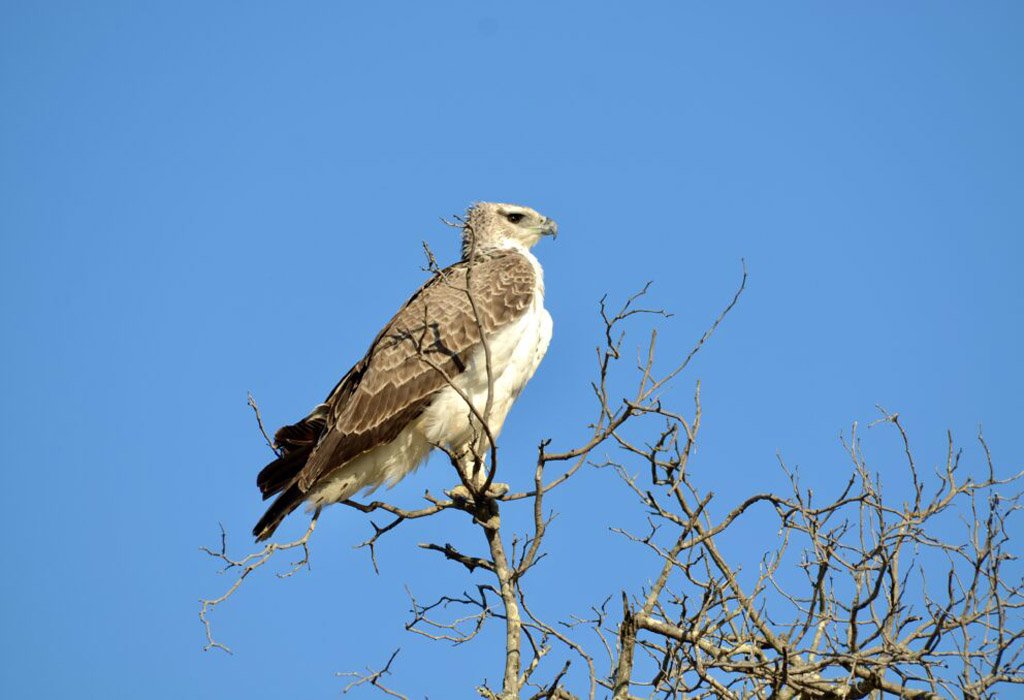
Bird photography rewards preparation more than frantic movement. Set the camera before the bird appears, watch the direction of light and avoid changing lenses unnecessarily in dusty conditions. On boats, protect equipment from spray and keep straps secure. In forests, higher sensitivity settings may be necessary because birds frequently appear beneath dark canopy.
Ask your guide for positioning rather than demanding a closer approach. The best bird watching in Uganda respects feeding, nesting and territorial behavior. A bird that remains relaxed may continue hunting, preening or interacting naturally, creating more interesting images than a frightened bird flying away.
Birdwatching for Couples, Families and Solo Travelers
Couples do not need identical levels of birding enthusiasm to enjoy a Uganda birdwatching tour. Build the itinerary around destinations offering several experiences. One partner can enjoy photography or landscapes while the other concentrates on species identification. Boat safaris and wildlife parks are particularly useful because they appeal to multiple interests at once.
Families can make a birdwatching experience engaging by focusing on colorful, large or behaviorally interesting birds rather than maintaining an exhausting checklist. Shorter walks, boat excursions and breaks between early starts usually work better than demanding dawn-to-dusk birding. Ask about activity age limits before combining birding with primate trekking.
Solo travelers may prefer a private Uganda birding safari for complete flexibility or a small-group departure to share transport costs. Group compatibility matters more in birding than many travelers expect. A photographer, a serious lister and a casual nature lover can have very different ideas about how long to spend at one sighting.
Birding Plus Gorillas?
Combine forest birding with one of Uganda’s signature primate experiences without rushing either part of the journey.
Responsible Bird Watching in Uganda
Responsible birding begins with accepting that observation is more important than obtaining a photograph or checklist tick. Follow local guide instructions, remain on authorized routes, avoid littering and do not pressure guides to approach nests too closely. Keep noise controlled around feeding and breeding birds and respect restrictions in national parks and community-managed areas.
Shoebill tracking Uganda excursions require particular care because wetlands are sensitive environments. Follow boat and site-guide instructions, avoid demanding an unnaturally close approach and allow the guide to judge appropriate positioning. A good birdwatching experience should leave the bird behaving normally after visitors depart.
Tourism can also support conservation when travelers use trained local guides, pay appropriate site fees and choose community-based activities with transparent local benefits. Before departure, review practical travel information and ask your operator about current park rules rather than relying on outdated online advice.
Planning Transport, Visas and Safari Logistics
Uganda looks compact on a map, but a Uganda birding safari can involve long road sectors. Birders also stop more frequently than ordinary point-to-point travelers, so transfer estimates should allow time for roadside sightings. Two- or three-night stays in important regions generally create a better birdwatching experience than changing accommodation every night.
International travelers should check current passport and entry requirements from official sources before departure. Those combining neighboring destinations may want to understand whether the East African Tourist Visa applies to their exact route and nationality. Requirements can change, so visa information should always be verified again before travel.
Travelers who want to extend a Uganda birdwatching tour into Rwanda can add highland forests, lakes and other habitats. A restful finish at Lake Kivu can work particularly well after repeated early starts and demanding forest walks.
How to Choose the Right Uganda Birding Safari
Start by deciding whether birds are the primary purpose of the holiday or one part of a broader safari. Serious birders should communicate target species, photography priorities and preferred daily pace before booking. General tourists should identify two or three headline experiences—perhaps Shoebill tracking Uganda, Bwindi forest birding and a Kazinga Channel cruise—and build around those.
Next, examine the route rather than only the accommodation list. A beautifully marketed lodge cannot compensate for unnecessary backtracking. Ask how many hours are spent driving, which habitats are visited, whether the guide specializes in birds and how much flexibility exists when an interesting sighting occurs.
Travelers combining primates should confirm controlled activities before finalizing the rest of the route. Information about a gorilla trekking permit in Uganda, gorilla permit allocation and chimp trekking costs can help establish the fixed components around which the birdwatching experience is organized.
Frequently Asked Questions About a Birdwatching Experience in Uganda
Is Uganda good for first-time birdwatchers?
Yes. A visitor does not need advanced identification skills to enjoy bird watching in Uganda. Large, colorful and distinctive birds provide accessible highlights, while an experienced guide handles identification. Tell the guide that you are a beginner so the Uganda birding safari can prioritize enjoyable observation rather than an intense checklist.
Where should I go for Shoebill tracking Uganda?
Mabamba Bay is a practical choice for many tourists because it can be reached from the Entebbe area and fits easily at the beginning or end of a Uganda birdwatching tour. Shoebills can also be sought in other suitable wetland systems. Sightings remain wild encounters and should never be described as guaranteed.
Can I combine birdwatching and gorilla trekking?
Yes. Bwindi and Mgahinga make this combination particularly logical. A traveler can dedicate separate sessions to a birdwatching experience and gorilla trekking rather than attempting to treat the gorilla day as a serious birding excursion. Visitors can explore wider gorilla trekking tours when designing the overall route.
Do I need binoculars?
Binoculars significantly improve a Uganda birding safari because many birds remain high in trees, across wetlands or beyond comfortable naked-eye identification distance. If possible, every serious participant should have a pair rather than expecting to share one set throughout the day.
Is a private safari vehicle worthwhile for birders?
It can be. Private transport allows the guide to stop for birds without worrying about unrelated priorities from other passengers. It is particularly valuable for photographers and target-driven birders. A shared Uganda birdwatching tour can still work very well when everyone in the group has similar interests.
Can birding be combined with a short safari?
Yes. Travelers with limited time can focus on Entebbe and Mabamba or select one wildlife region with strong birdlife. Those with more time can consider established Uganda tours as a starting framework and then increase the amount of dedicated birding time.
Build the Right Birdwatching Experience
The strongest Uganda birding safari begins with three decisions: which birds or habitats matter most, how many full days you have on the ground, and how intensive you want the daily pace to be. Once those are clear, choose a route that connects complementary habitats instead of attempting to visit every famous destination.
For first-time tourists, a combination of Mabamba, Kibale, Queen Elizabeth and Bwindi creates a particularly varied birdwatching experience. It moves from Lake Victoria wetlands into forest, channels, savannah and Albertine Rift landscapes while leaving room for chimpanzees, gorillas and conventional wildlife viewing. Longer itineraries can add Murchison Falls, Semuliki, Mgahinga or northeastern Uganda.
Most importantly, leave time to observe. The memorable moment on a Uganda birdwatching tour may not be the rarest species on the checklist. It may be a Shoebill suddenly spreading its wings above a papyrus channel, a turaco flashing through the forest, a fish eagle calling over a river, or a tiny kingfisher catching the morning light. Bird watching in Uganda becomes most rewarding when the itinerary creates enough space for those unscripted encounters.
Ready for Your Uganda Birdwatching Experience?
Share your dates, target birds, group size and safari interests. Start building a Uganda birding safari around the birds and landscapes you genuinely want to experience.
Start Planning My Birding Safari →
Email: info@ugandarwanda-safaris.com


