
Gorilla Tracking Safety in Rwanda

Practical Gorilla Trekking Guide
11 Ultimate Gorilla Tracking Safety Tips for a Safe Trek
Gorilla tracking safety is one of the first concerns travelers have before entering the mountain forests of Uganda or Rwanda. Seeing a wild silverback only a few metres away sounds thrilling, but it can also feel intimidating when you have never encountered a great ape outside a zoo. Fortunately, regulated gorilla trekking safety is built around trained park guides, trackers, ranger briefings, habituated gorilla families, controlled visitor numbers and strict gorilla trekking rules designed to protect both visitors and endangered mountain gorillas.
For most visitors, the practical challenges of safe gorilla trekking are less about aggressive gorillas and more about steep trails, mud, rain, slippery roots, altitude, fatigue and following health precautions. A well-planned gorilla trekking Uganda Rwanda trip therefore begins before you enter the forest. Your footwear, fitness, health, clothing, porter arrangements and willingness to follow ranger instructions all influence how comfortable and safe the experience feels.
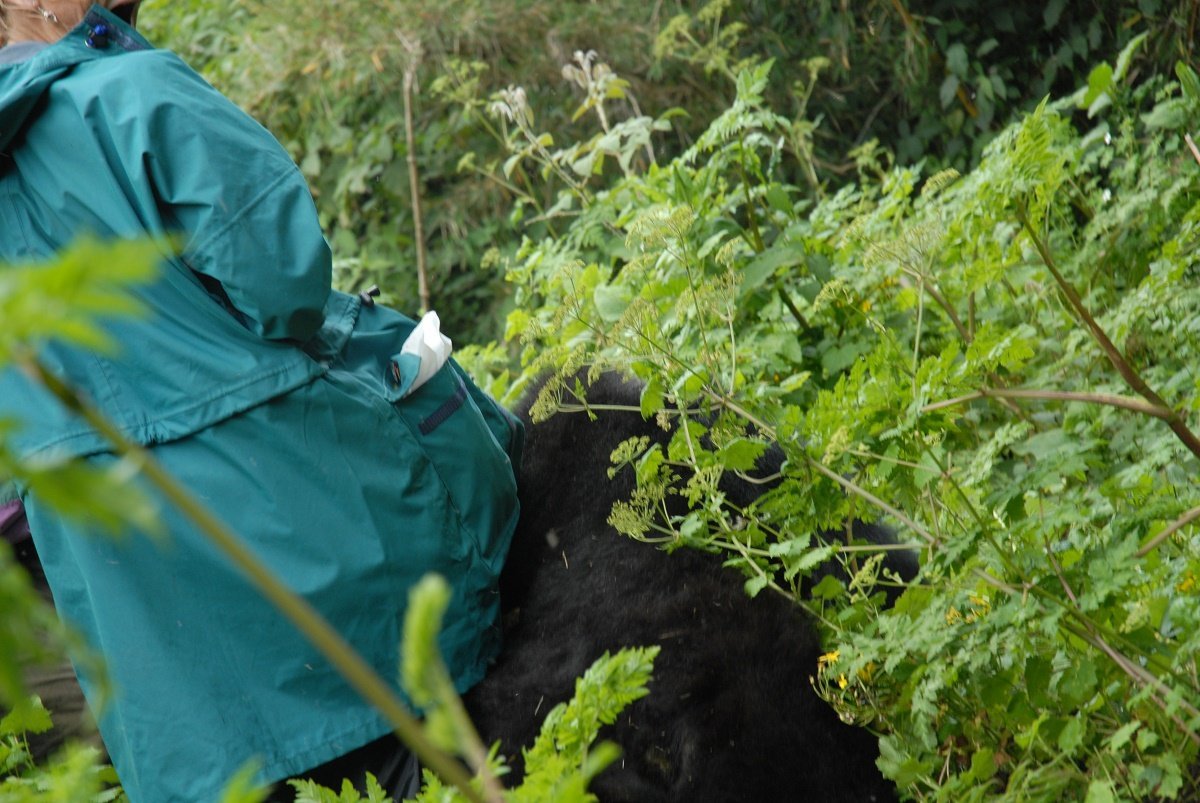
Quick answer: Is gorilla tracking safe?
Regulated gorilla trekking in Uganda and Rwanda is conducted with professional guides and established visitor protocols. Trekkers receive a compulsory briefing, visit habituated gorilla families and remain under ranger supervision. Wild animals and mountain environments can never be described as risk-free, so the safest approach is to use authorized trekking arrangements, disclose health or mobility concerns and obey the ranger leading your group.
How Gorilla Tracking Safety Works
The safety system begins long before a tourist sees a gorilla. Permits control access, park teams monitor habituated families, trackers help locate the gorillas and guides brief visitors before departure. Travelers considering gorilla tracking in Uganda or gorilla trekking in Rwanda should regard these procedures as part of the wildlife experience rather than inconveniences.
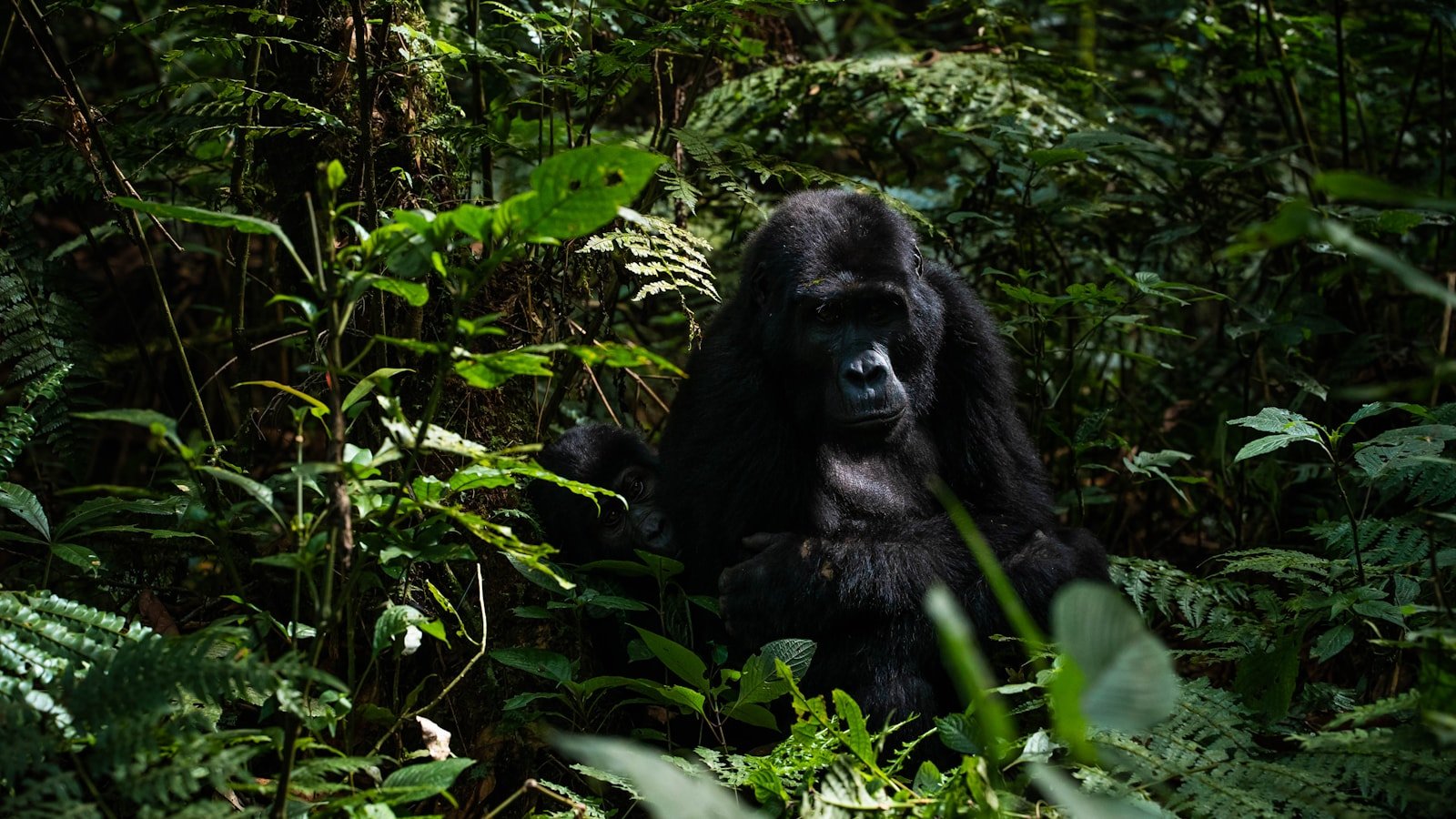
Mountain gorillas visited by tourists are habituated to controlled human presence. Habituation does not mean domestication: the animals remain wild, powerful and free to move through their habitat. This distinction is central to gorilla tracking safety. Visitors are not entering an enclosure where animal movement is controlled. Instead, trained guides manage human behavior so that the encounter remains predictable and low-impact.
The pre-trek ranger briefing
Every responsible gorilla trekking safety routine starts with listening carefully at the briefing. Rangers explain how the trek works, how to behave when the gorillas are found, what distance to maintain, how photography should be handled and what to do if an animal changes position. The briefing also gives you an opportunity to disclose physical limitations. Understanding gorilla tracking guidelines beforehand makes those instructions easier to absorb on an exciting morning.
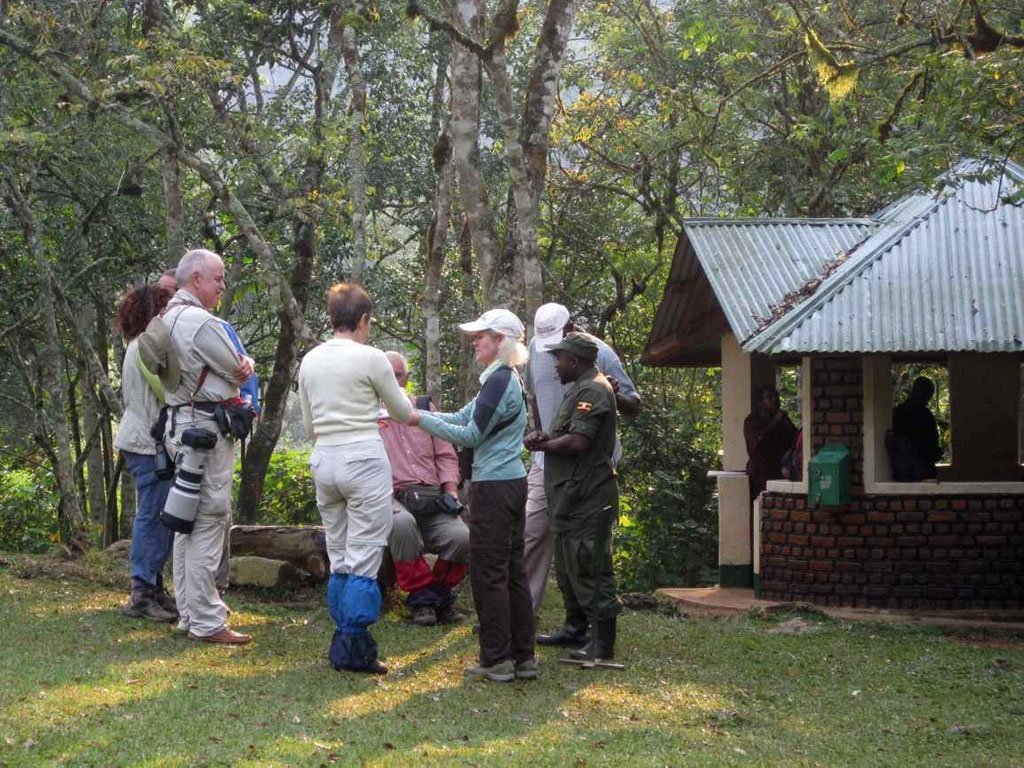
11 Gorilla Trekking Rules That Keep the Experience Safe
Exact instructions can change and the ranger’s briefing always takes priority, but several gorilla trekking rules consistently shape responsible encounters. They are designed as much for gorilla health as human safety.
1. Follow your ranger
Do not leave the group, create shortcuts or approach a gorilla independently. Ranger instructions override photography ambitions.
2. Maintain the instructed distance
Distance reduces disturbance and disease exposure. If a gorilla approaches, let the guide manage the situation.
3. Never touch a gorilla
Do not reach toward adults or juveniles, even when an animal appears curious or calm.
4. Stay quiet
Speak softly, avoid shouting and keep sudden movements to a minimum when the family is nearby.
5. Never run
If a gorilla displays or moves toward the group, stay calm and follow the guide rather than attempting to flee.
6. Disable camera flash
Check your camera before the encounter so an automatic flash does not surprise the animals.
7. Do not trek while contagious
Human respiratory illnesses are a serious conservation concern for great apes.
8. Keep food away
Eat only where your guide allows and never deliberately offer food to wildlife.
9. Respect viewing limits
The controlled encounter period limits cumulative disturbance to each habituated family.
10. Leave no waste
Carry rubbish out and follow the guide’s instructions if you need a toilet break in the forest.
11. Do not improvise
Gorilla behavior and terrain change quickly. Follow the trained professional who can see the whole situation.
Plan Your Gorilla Trek With Safety in Mind
Share your travel dates, fitness level and preferred country to start building a practical gorilla itinerary with enough time for the trek.
What Happens If a Gorilla Approaches You?
This is one of the most important gorilla tracking safety questions because the distance rule is not something gorillas understand. A juvenile may investigate visitors, or an adult may move along a route that passes close to your group. Your responsibility is not to reach out, take a selfie or make a sudden escape. Stay composed and listen immediately to the guide.
A guide may instruct the group to remain still, lower its posture or slowly create space. The correct response depends on the individual animal and surroundings. That is why generic internet advice never replaces the ranger standing beside you. Visitors interested in mountain gorilla trekking should understand that proximity can occasionally be determined by the gorilla rather than the photographer.
What if a silverback displays or charges?
Silverbacks can display as part of normal communication. A display may involve vocalizations, vegetation movement, ground activity or rapid movement. Do not interpret the behavior yourself and do not run. The guide understands the habituated family and will tell the group how to respond. Safe gorilla trekking depends on calm, predictable visitor behavior rather than trying to challenge, photograph or escape from an animal without instruction.
The Biggest Practical Risk: Steep and Slippery Terrain
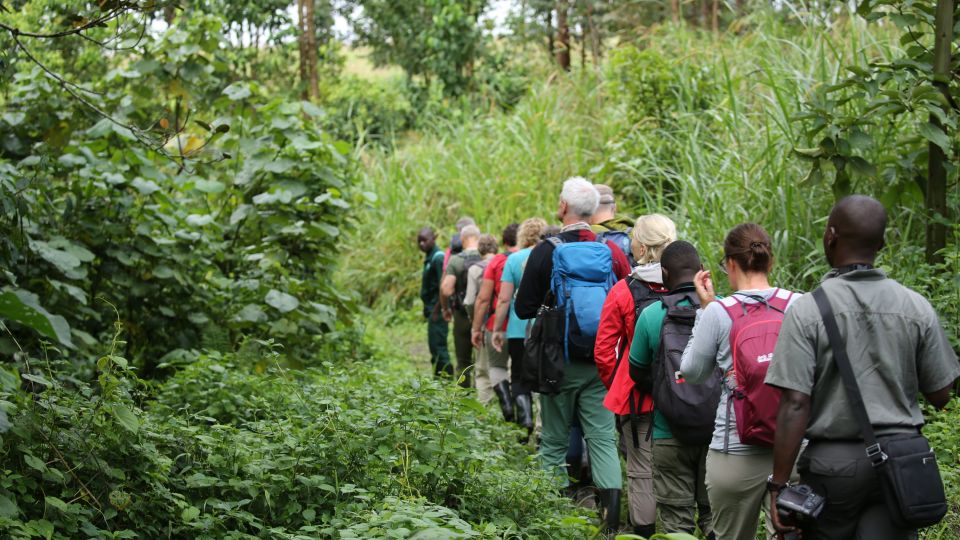
Many first-time visitors focus entirely on the gorillas, but the forest itself deserves equal attention. A trek can involve wet leaves, tangled vegetation, roots, uneven paths, mud, steep slopes and stream crossings. The gorilla family may be relatively close to the trailhead or several hours away. Because gorillas move freely, nobody can promise the exact length or difficulty of a particular morning.
Good gorilla trekking safety therefore begins with footwear. Proper hiking shoes or boots with reliable grip are far safer than smooth-soled casual shoes. Travelers researching gorilla trekking boots should prioritize traction and comfort over appearance. Long trousers help protect your legs, while gloves can be useful when holding vegetation for balance. A detailed gorilla trekking clothing guide can help you prepare for wet forest conditions.
Hire a porter if you want extra support
A porter can carry your daypack and may provide a steady hand on awkward slopes. This can make safe gorilla trekking considerably more comfortable, especially for photographers, older travelers or anyone who is unsure about their balance. Using a porter can also reduce fatigue, leaving you more energy to enjoy the encounter rather than arriving exhausted.
Tell the guides about mobility concerns
Do not hide a knee problem, reduced stamina or fear of steep terrain because you are embarrassed. Mention it when arranging the trip and again during the morning briefing. Travelers researching gorilla tracking for elderly visitors should plan around realistic mobility rather than age alone. The gorilla tracking age limit should also be confirmed before arranging a family trip.
Health Rules Are a Major Part of Gorilla Trekking Safety
One of the unusual features of gorilla tracking safety is that tourists must think about protecting the animals from themselves. Great apes are susceptible to diseases carried by humans. A visitor with respiratory symptoms can therefore present a conservation risk even if they feel physically capable of hiking.
If you become ill shortly before your trek, contact your tour operator or park authorities rather than concealing symptoms. Current health instructions should be checked when you travel because requirements can change. Your guide may also provide specific instructions about masks, coughing, sneezing and hand hygiene. These gorilla trekking rules deserve the same respect as instructions concerning animal behavior.
Important health principle
Do not assume losing a trekking day is worse than exposing an endangered gorilla family to illness. Report contagious symptoms honestly and follow the current decision of park staff.
Gorilla Tracking Safety in Uganda
Uganda’s best-known mountain gorilla destination is Bwindi Impenetrable Forest, where trekking operates from different sectors. Understanding the location of your permit is important because Bwindi is not a single entrance where every traveler starts. The gorilla sectors in Bwindi influence where you stay and how you reach the morning briefing.
Travelers may trek from areas such as Buhoma Sector or Rushaga Gorilla Sector. Confirming the correct sector prevents stressful predawn transfers and is an overlooked element of gorilla trekking safety. Travelers can also learn more about Bwindi gorilla tracking and Bwindi gorilla trekking when choosing their route.
Uganda also offers gorilla trekking in Mgahinga. Terrain, altitude and trail conditions differ, so a gorilla trekking Uganda Rwanda comparison should look beyond permit prices. The physical character of the trek, transfer times, accommodation location and wider safari route matter just as much.
Gorilla Tracking Safety in Rwanda
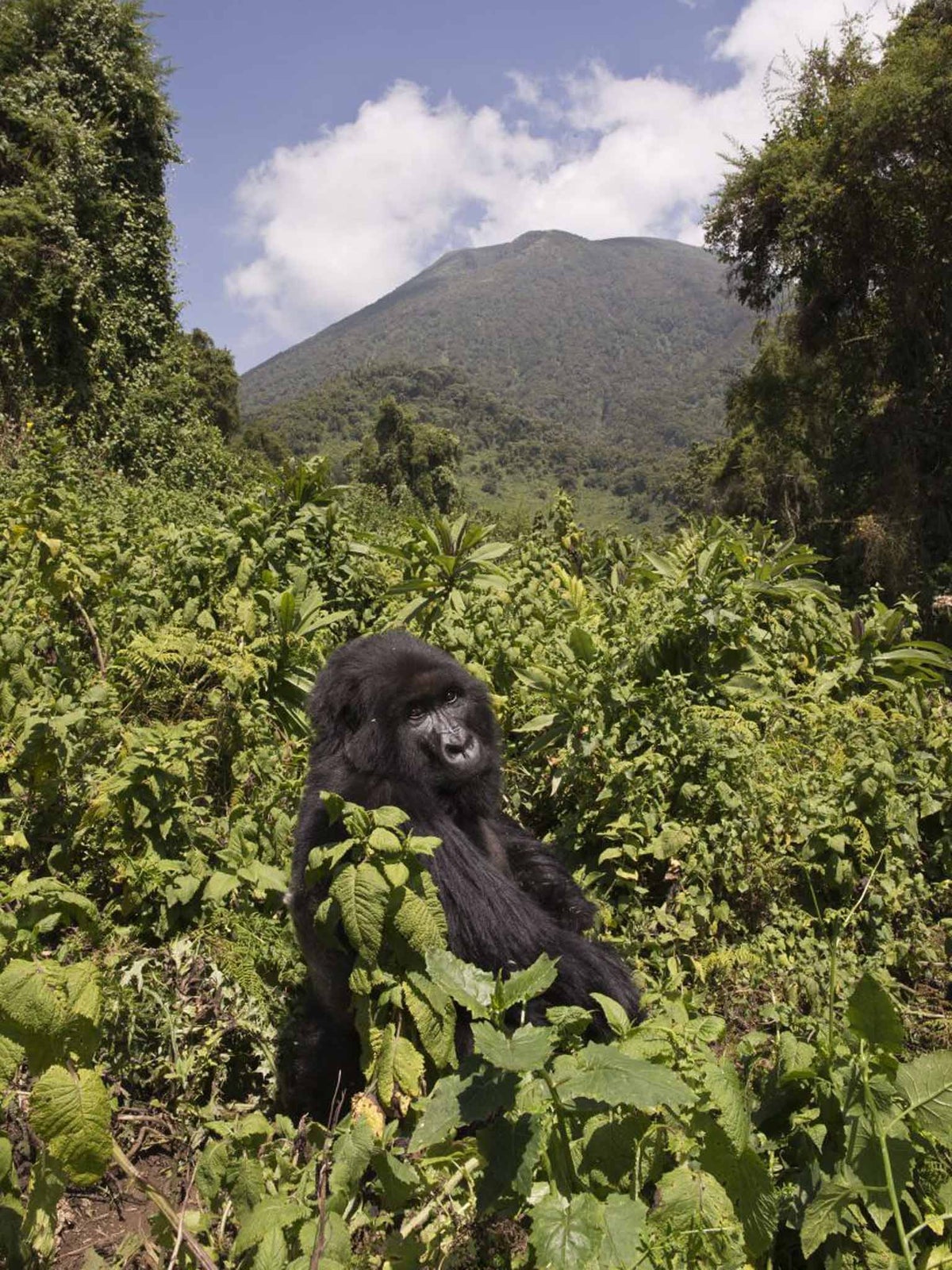
Rwanda’s mountain gorilla treks take place in Volcanoes National Park. Travelers can research Volcanoes National Park gorillas and mountain gorillas in Rwanda while planning. Rwanda is often convenient for travelers building a relatively short gorilla-focused trip around Kigali, but the forest trek can still involve mud, altitude and steep volcanic terrain.
The same fundamental gorilla tracking safety principle applies: follow the instructions given by park staff on your trekking day. Do not rely on an old blog post for exact distance, mask or operational rules when a ranger gives updated instructions. Travelers planning gorilla trekking in Uganda and Rwanda should also check the current requirements separately for each destination rather than assuming every operational detail is identical.
Uganda vs Rwanda: Does One Offer Safer Gorilla Trekking?
Both destinations operate structured, ranger-led tourism around habituated mountain gorilla families. Rather than choosing solely on a generalized safety label, compare the practical trip around the trek: transfer distance, terrain, current official travel information, accommodation location, fitness requirements and how the gorilla day fits into your itinerary. A detailed Uganda and Rwanda gorilla trekking comparison can help clarify those differences.
For either country, review current government travel advice close to departure. Security conditions, border advice, road disruptions and health requirements are time-sensitive. Do not assume that information from the year you booked remains unchanged on the day you travel. Safe gorilla trekking includes checking current conditions, not simply preparing for wildlife encounters.
Uganda or Rwanda?
Choose around your available days, trekking preferences, wider safari plans and transfer comfort—not one factor alone.
Fitness, Altitude and Trekking Difficulty
You do not need to be an elite athlete, but reasonable walking fitness can make gorilla trekking safety easier. The challenge comes from the combination of gradients, uneven footing, vegetation, humidity and altitude rather than speed. Preparing with regular hill walks and time on uneven trails is more relevant than training exclusively on a flat treadmill.
Trekkers concerned about specific areas can research the altitude for gorilla trekking in Ruhija or Mgahinga trekking altitude. If you have cardiovascular, respiratory, orthopedic or other medical concerns, seek individualized professional advice before booking strenuous travel.
How long can gorilla tracking take?
The forest search is variable because gorillas move. A group might be reached relatively quickly or require a substantially longer hike. Read about how long gorilla trekking takes, but treat any duration as planning guidance rather than a guarantee. Keep the remainder of your trekking day flexible.
What to Pack for Safe Gorilla Trekking
Packing supports gorilla tracking safety when every item solves a practical forest problem. Wear supportive footwear with traction, long trousers and a breathable long-sleeved top. Carry a waterproof layer because mountain weather can change quickly. Gardening-style gloves can help when vegetation is used for balance, while gaiters or tucked trousers can make muddy trails more comfortable.
Carry drinking water, permitted snacks, necessary medication and a compact camera setup in a manageable daypack. Keep your bag light enough that it does not destabilize you on steep ground. Travelers can review gorilla trekking gear when building a packing list. If your equipment becomes heavy, hiring a porter is usually more sensible than struggling throughout the hike.
Photography Safety Around Mountain Gorillas
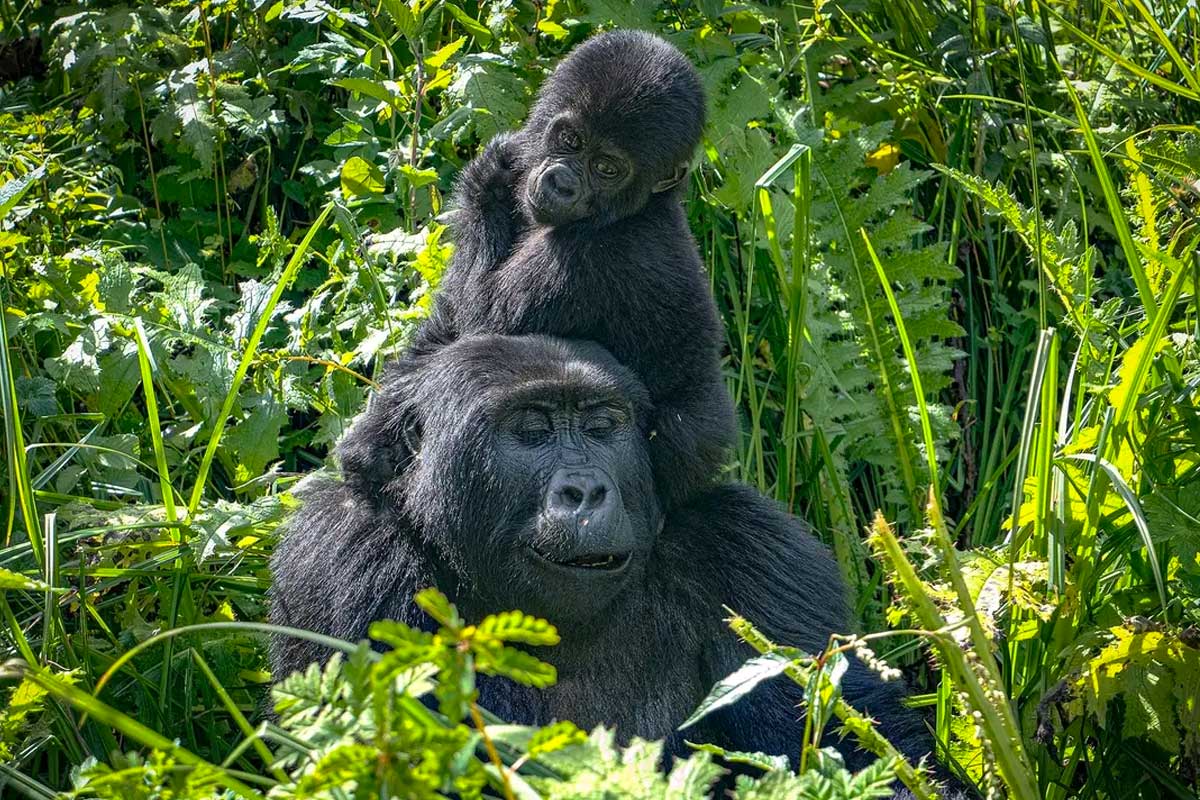
Photography should never compete with gorilla trekking rules. Disable flash before approaching the family rather than waiting until the encounter begins. Avoid moving backward without looking at the ground, because concentrating through a viewfinder can make you forget roots, vegetation and other visitors. Never move away from the group simply to improve your angle.
A long lens is useful, but carrying excessive equipment can make steep trekking unnecessarily difficult. Choose equipment you can control without assistance or give heavier items to a porter until the guide says cameras can be prepared. The strongest photograph is not worth ignoring a ranger or crowding wildlife.
Permits, Legitimate Booking and Trek-Day Logistics
A confirmed permit is fundamental to a regulated trek. Travelers should understand gorilla tracking permits and use legitimate booking channels. Rwanda travelers can check information about Rwanda gorilla permits, while anyone arranging a complete itinerary can explore gorilla trekking safari booking.
Confirm the participant names, date, park and trekking sector before paying. Ask what happens if illness prevents participation and what cancellation rules apply. Keep copies of confirmations accessible offline. Avoid arriving in the gorilla region late at night before an early briefing; a relaxed arrival gives you time to sleep, organize equipment and begin the trek hydrated.
Weather and the Best Time for Safer, More Comfortable Trekking
Gorilla trekking operates in rainforest and mountain environments where rain can occur even during relatively drier periods. Drier conditions may make trails easier underfoot, but there is no month in which mud or rain can be completely ruled out. Travelers can examine the best time to trek mountain gorillas and then balance weather preferences against permit availability and the rest of their safari.
If you travel in wetter conditions, gorilla trekking safety becomes especially dependent on grip, deliberate pacing and waterproof clothing. Do not race stronger hikers. The group is there to reach the gorillas together under the guide’s control, not to compete on the trail.
Gorilla Habituation and Safety
Uganda also offers a specialized gorilla habituation experience. This should not be confused with a standard trek. Habituation involves gorillas at a different stage of becoming accustomed to controlled human observation and has its own permit arrangements and operational instructions.
Visitors interested in gorilla habituation from Kigali should confirm current logistics before booking. The same fundamental rule applies: follow the specialists accompanying the activity rather than assuming your previous gorilla trek makes you an expert in animal behavior.
A Gorilla Tracking Safety Checklist for Trek Morning
Before leaving your lodge, confirm that:
✓ You feel healthy and have disclosed relevant symptoms.
✓ Your permit and identification are ready.
✓ Your hiking footwear has reliable grip.
✓ You have long trousers and appropriate rain protection.
✓ Your water and essential medication are packed.
✓ Your camera flash is disabled.
✓ Your daypack is light enough to manage comfortably.
✓ You have discussed mobility concerns with your guide.
✓ You are prepared to hire a porter if useful.
✓ You understand that the trek duration cannot be guaranteed.
✓ You are ready to follow the ranger even if an instruction interrupts a photograph.
Travelers looking for a compact itinerary can also consider a 3-day Uganda gorilla trek, while those wanting a broader primate journey can combine gorillas with a chimpanzee trekking safari. Whatever itinerary you choose, avoid scheduling the gorilla day so tightly that a long trek creates problems for an important same-day flight or transfer.
Frequently Asked Questions About Gorilla Tracking Safety
Is gorilla trekking dangerous?
Gorilla trekking involves wild animals and challenging natural terrain, so it is not risk-free. However, regulated treks use habituated gorilla families, professional guides, controlled access and established gorilla trekking rules. Visitors can reduce risk significantly by following instructions and preparing properly for the hike.
Do mountain gorillas attack tourists?
Mountain gorillas are powerful wild animals and can display defensive behavior. Tourists should never provoke, touch, chase or deliberately approach them. During regulated encounters, guides manage visitor behavior and interpret gorilla behavior. If an animal approaches or displays, follow the guide immediately instead of attempting your own response.
What should I do if a gorilla comes close?
Stay calm, avoid touching it and follow the ranger’s instructions. Do not suddenly run away or move toward the animal for a photograph. The guide may ask you to remain still or create space depending on the circumstances.
Can I look a gorilla in the eyes?
Rather than relying on a universal internet rule about eye contact, follow the behavioral instructions provided during your briefing. If a gorilla displays or approaches, concentrate on the ranger’s directions instead of attempting to interpret the animal yourself.
Can I touch a baby gorilla if it approaches me?
No. Do not deliberately touch any gorilla. A curious juvenile remains a wild animal and is also part of a family whose adults may be nearby. Touching also creates unnecessary health risks for the gorilla.
Can I trek with a cold?
Report respiratory or contagious symptoms honestly to your operator or park staff. Gorilla health is a central part of gorilla tracking safety, and park personnel should make the decision based on current rules rather than a visitor hiding symptoms to protect the cost of a permit.
Is gorilla trekking suitable for older travelers?
Age alone does not describe trekking ability. Fitness, balance, joints, cardiovascular health, terrain and pace matter more. Discuss mobility requirements before booking, use a porter where helpful and avoid choosing a demanding itinerary merely because another traveler of a similar age completed it.
Should I be afraid of armed rangers?
Park security arrangements are part of local operational procedures and should not be interpreted without context. Your guide can explain the composition of the trekking team. Travelers should also check current official travel advisories for their destination shortly before departure because regional conditions can change.
Is it safer to trek in Uganda or Rwanda?
Both countries operate established ranger-led mountain gorilla tourism. Compare current official travel information, trekking terrain, transfer logistics, your physical ability and the wider itinerary rather than assuming one permanent safety ranking applies to every traveler or travel date.
What is the most important gorilla trekking safety rule?
Follow the ranger. Distance, movement, photography, illness precautions and responses to gorilla behavior all become easier when visitors stop improvising and listen to the professional responsible for the group.
Final Gorilla Tracking Safety Advice
Gorilla tracking safety is a partnership between park authorities, guides, trackers and visitors. Rangers can monitor gorillas and explain the rules, but tourists still have to arrive healthy, wear suitable footwear, respect viewing limits, control their cameras and respond calmly when instructions are given.
The most useful mindset is to remember that gorilla trekking safety protects two sides of the encounter. Humans need protection from difficult terrain and the unpredictability of a wild environment; gorillas need protection from human disease, crowding and irresponsible behavior. The strictest gorilla trekking rules often exist because mountain gorillas are vulnerable to us.
Prepare properly, choose authorized arrangements, check current official travel information and let the ranger control the encounter. With those habits, safe gorilla trekking becomes less about fear and more about responsible access to one of Africa’s most remarkable wildlife experiences.
Ready to Plan Your Gorilla Trek?
Share your preferred dates, number of travelers, fitness considerations and whether you are considering Uganda, Rwanda or both.
Start Planning My Gorilla Trek →
info@ugandarwanda-safaris.com


